Article

Phenomenology of Neapolitan Pizza Baking in a Traditional Wood-Fired Oven


1
Department of Agricultural Sciences, University of Naples Federico II, 80055 Portici, Italy
2
Academic Centre for Food Innovation, University of Naples Federico II, 80055 Portici, Italy
3
Department for Innovation in the Biological Agrofood and Forestry Systems, University of Tuscia, 01100 Viterbo, Italy
*
Author to whom correspondence should be addressed.
Foods 2023, 12(4), 890; https://doi.org/10.3390/foods12040890
Submission received: 28 January 2023 / Revised: 14 February 2023 / Accepted: 17 February 2023 / Published: 19 February 2023
(This article belongs to the Section Food Engineering and Technology)

Abstract

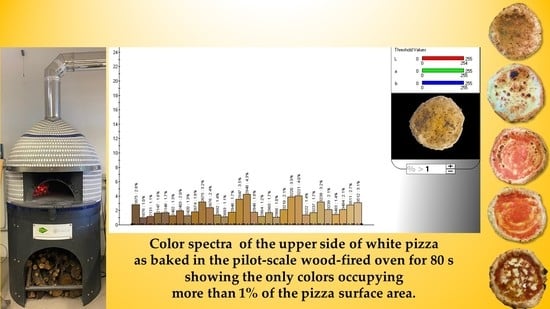
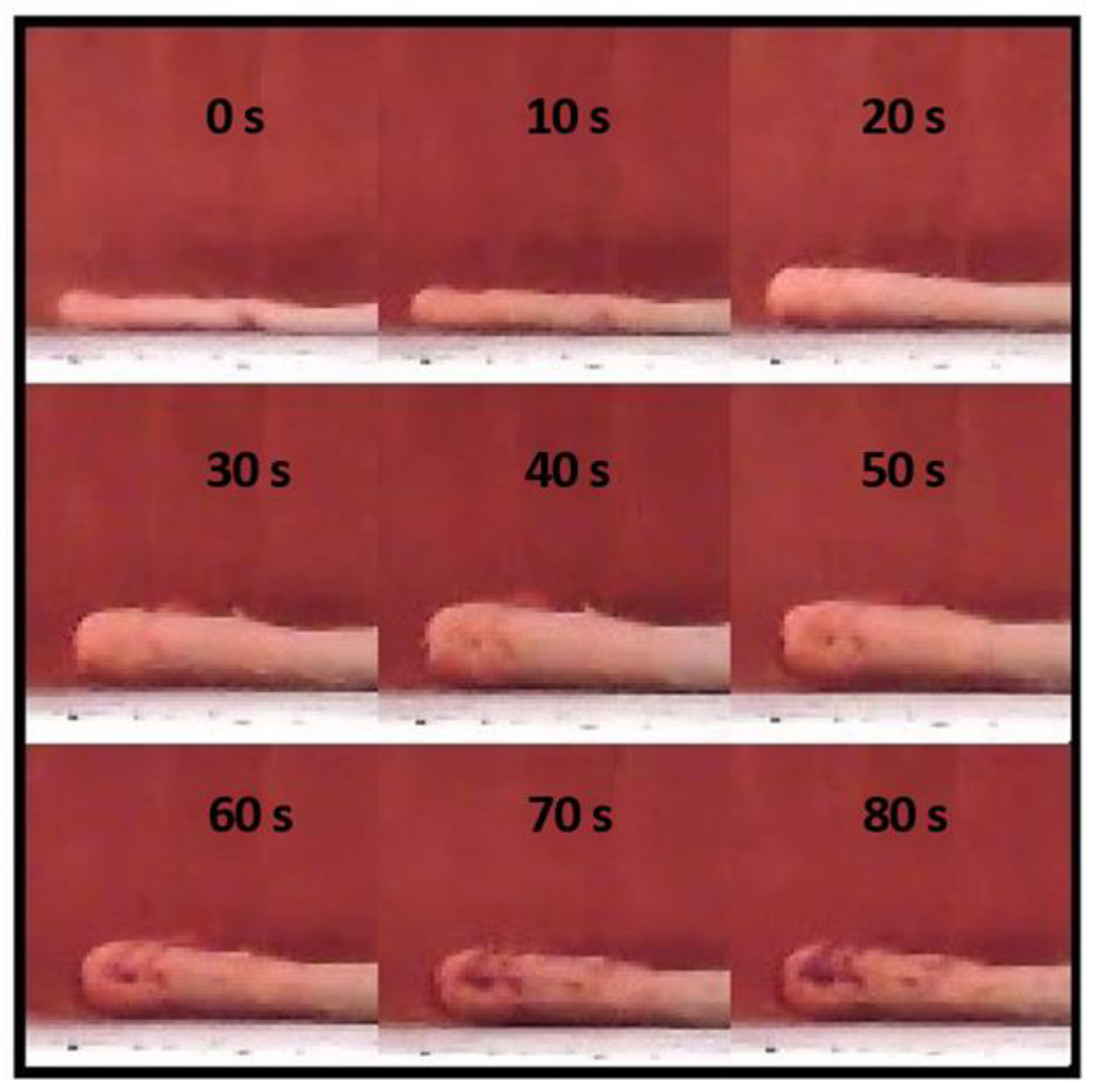
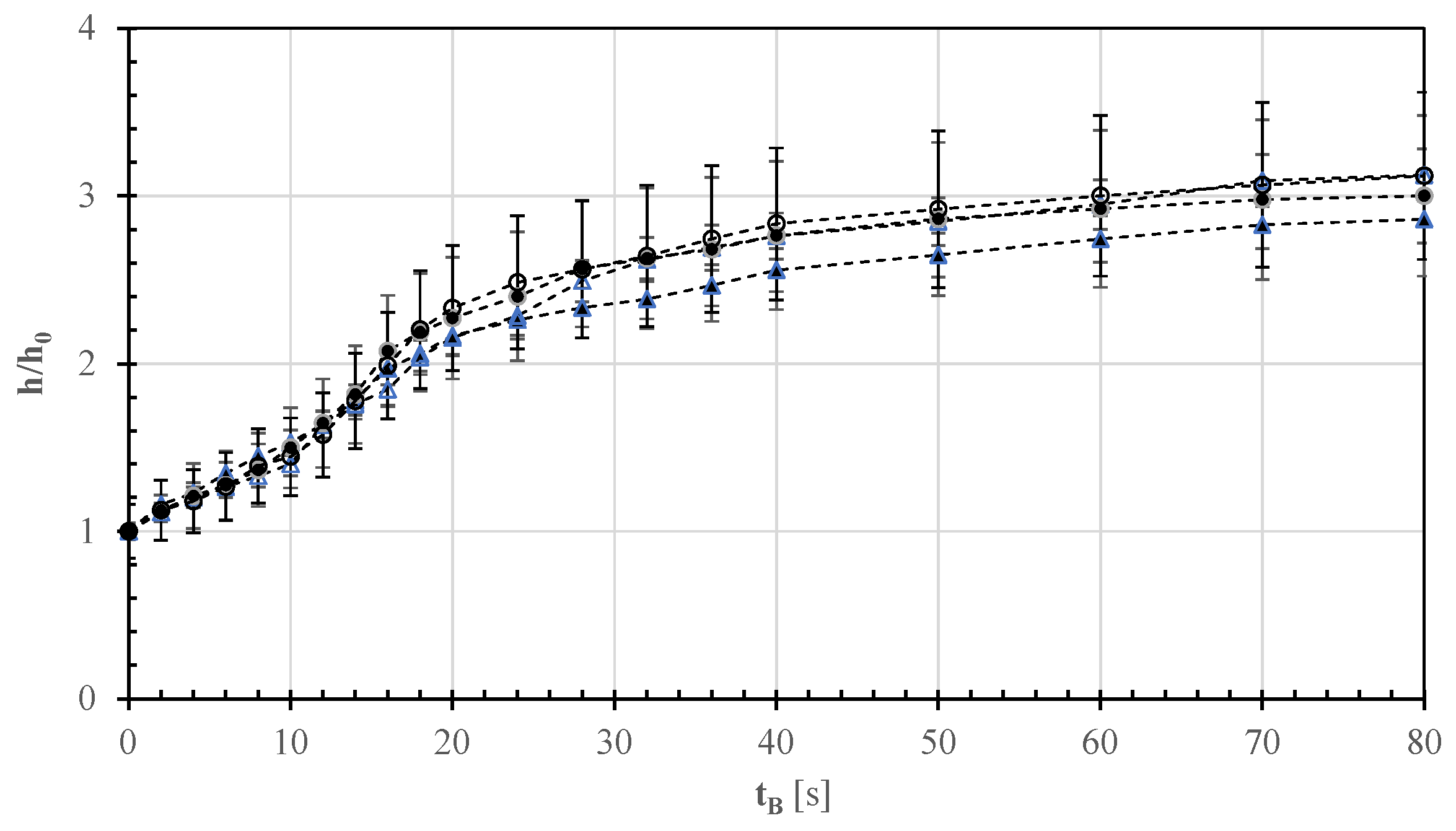
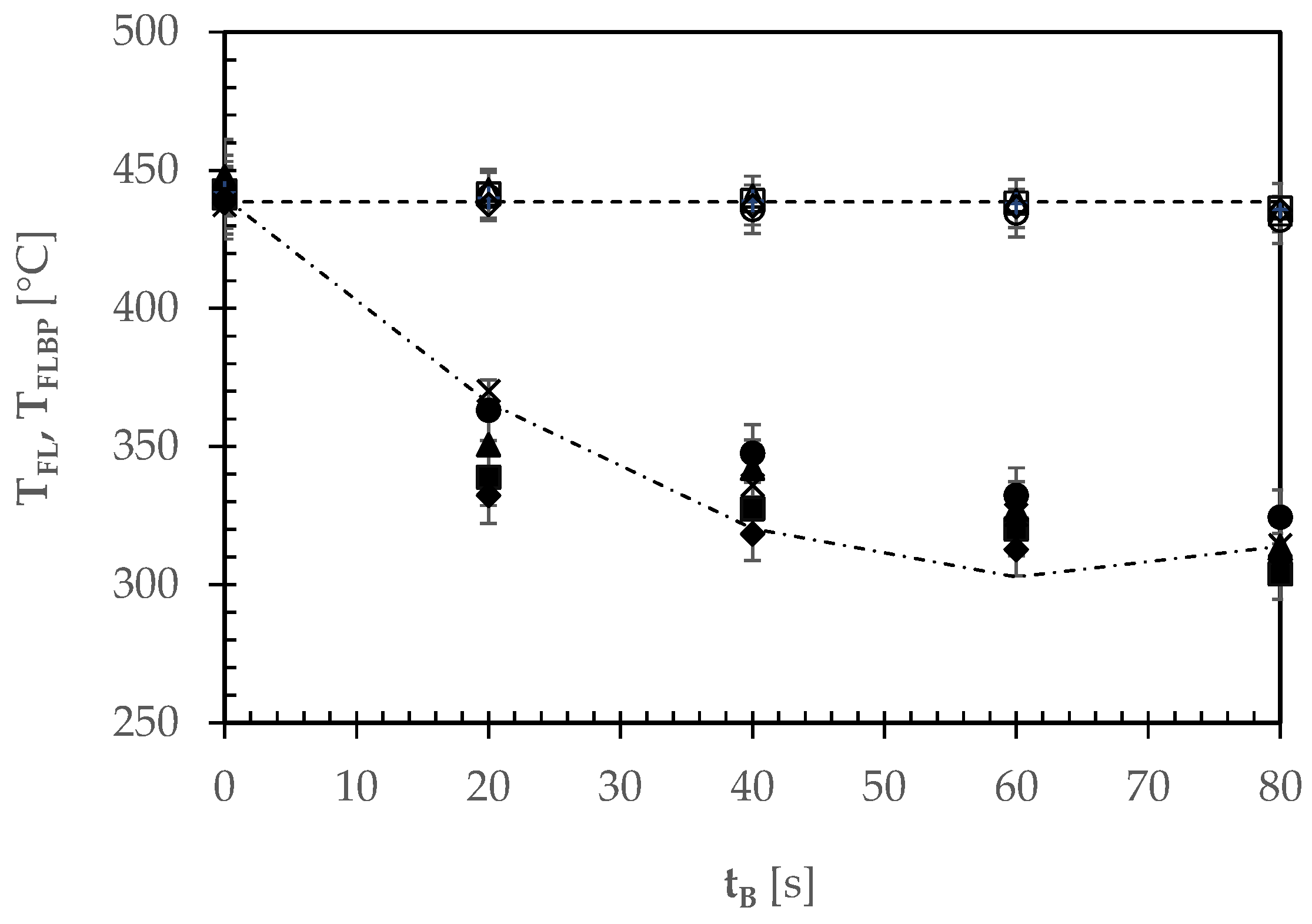
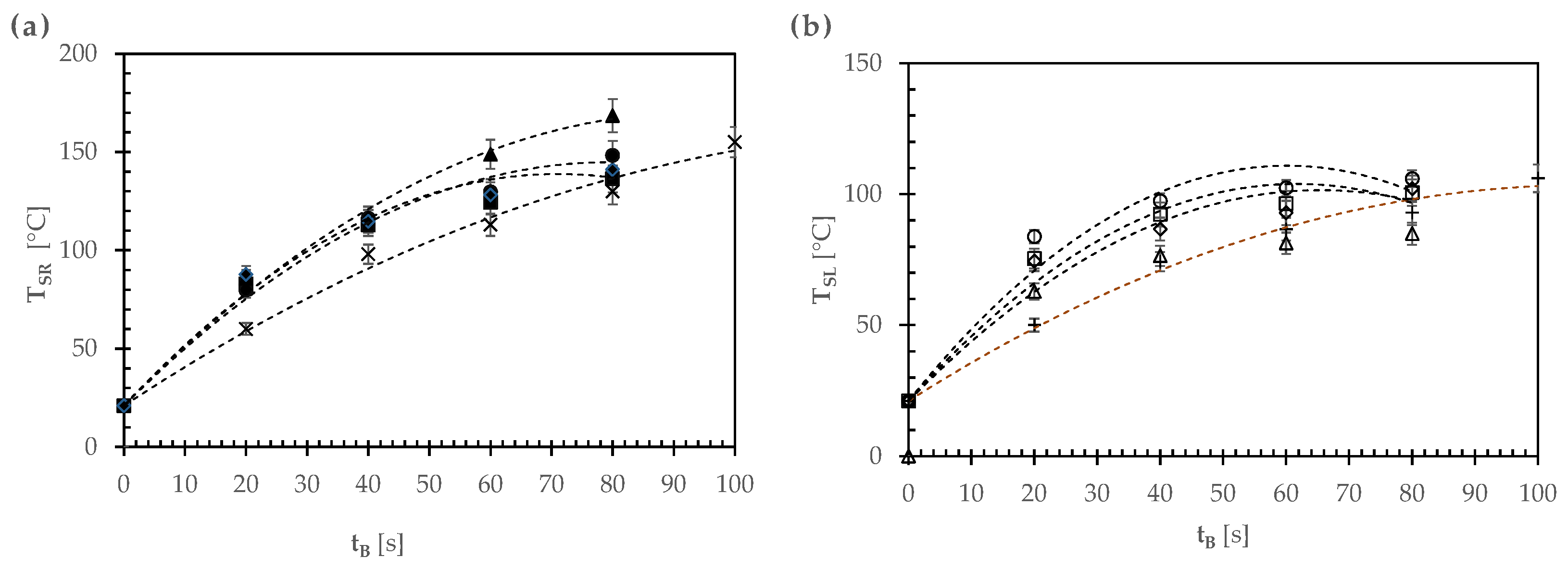
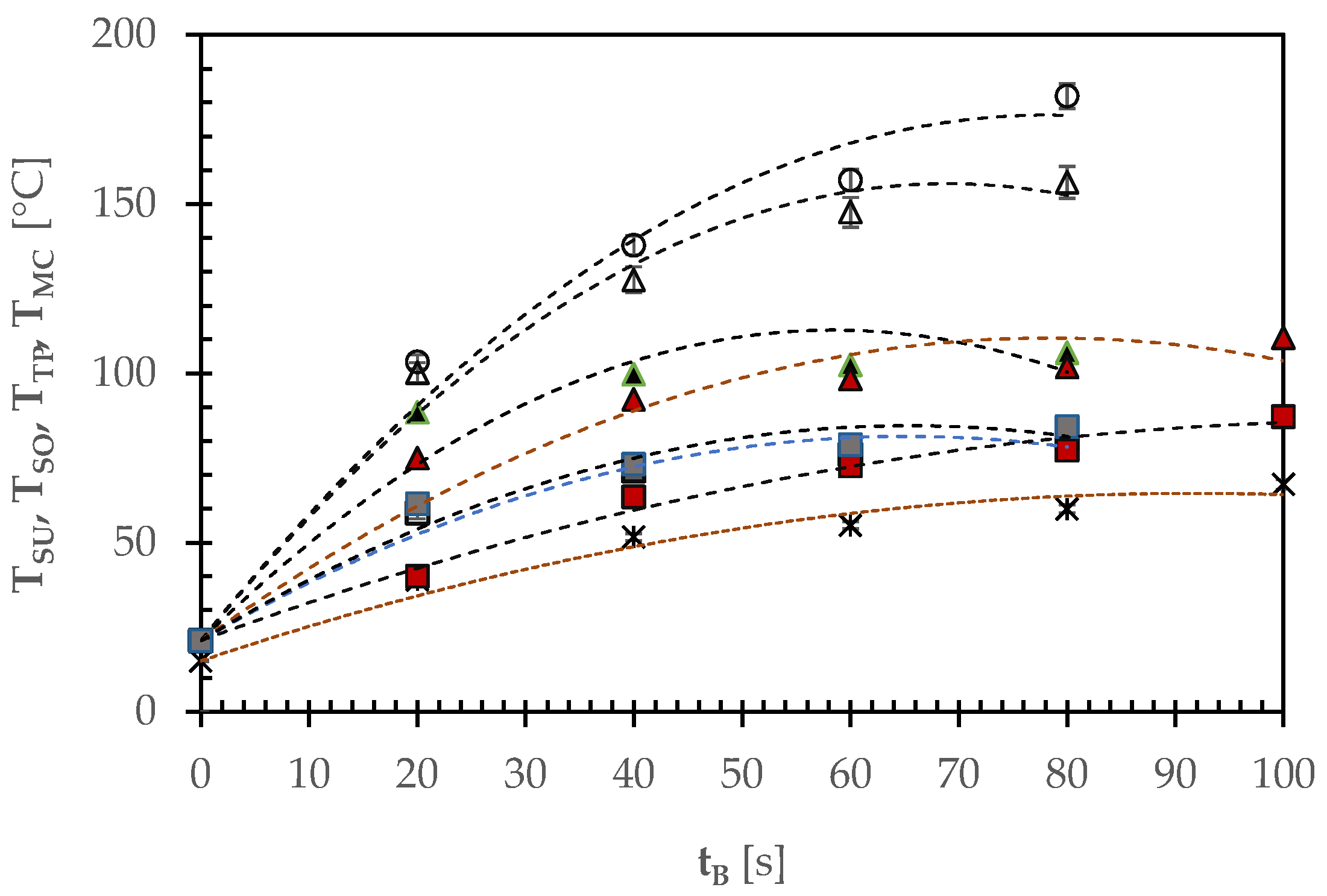
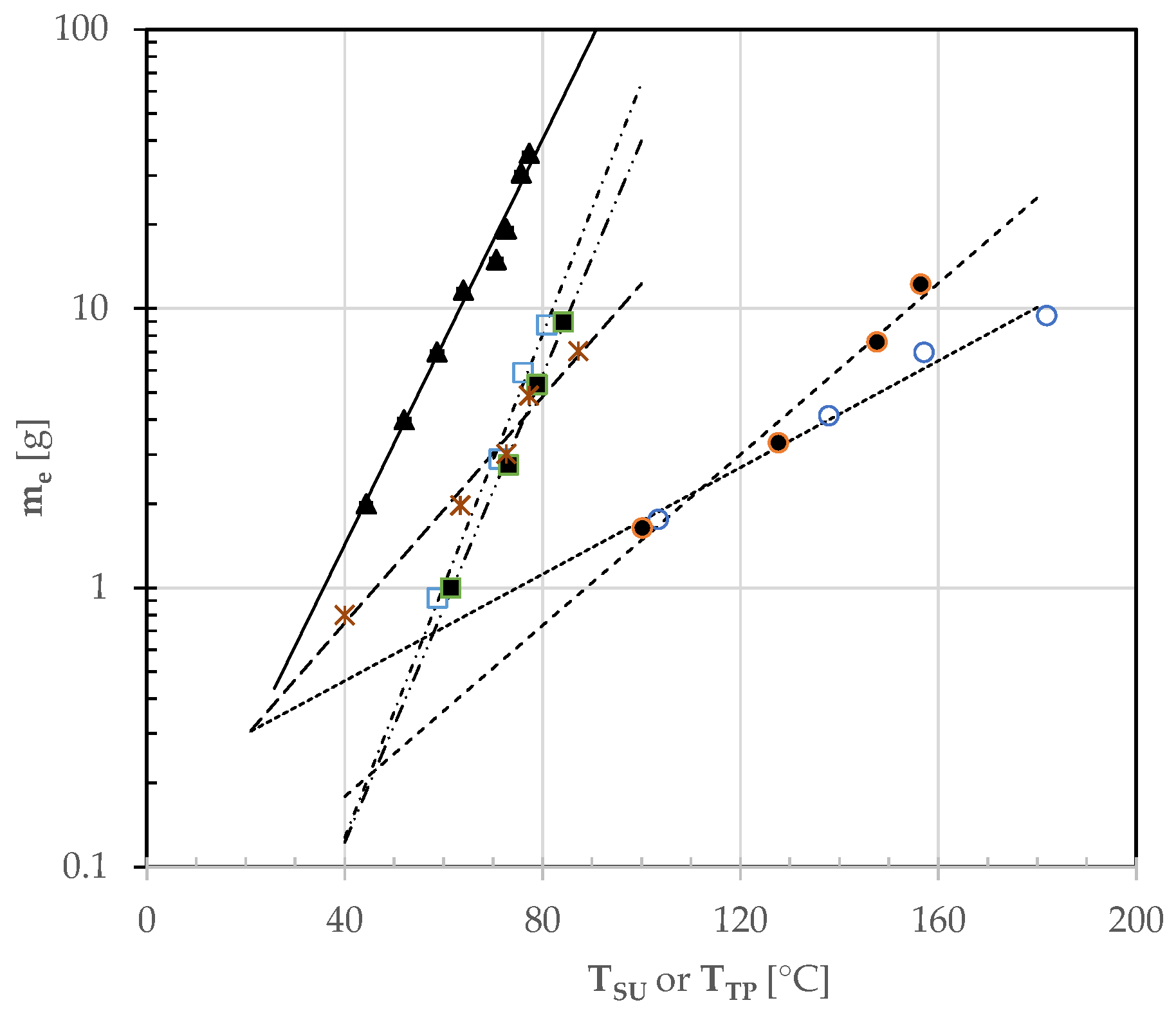
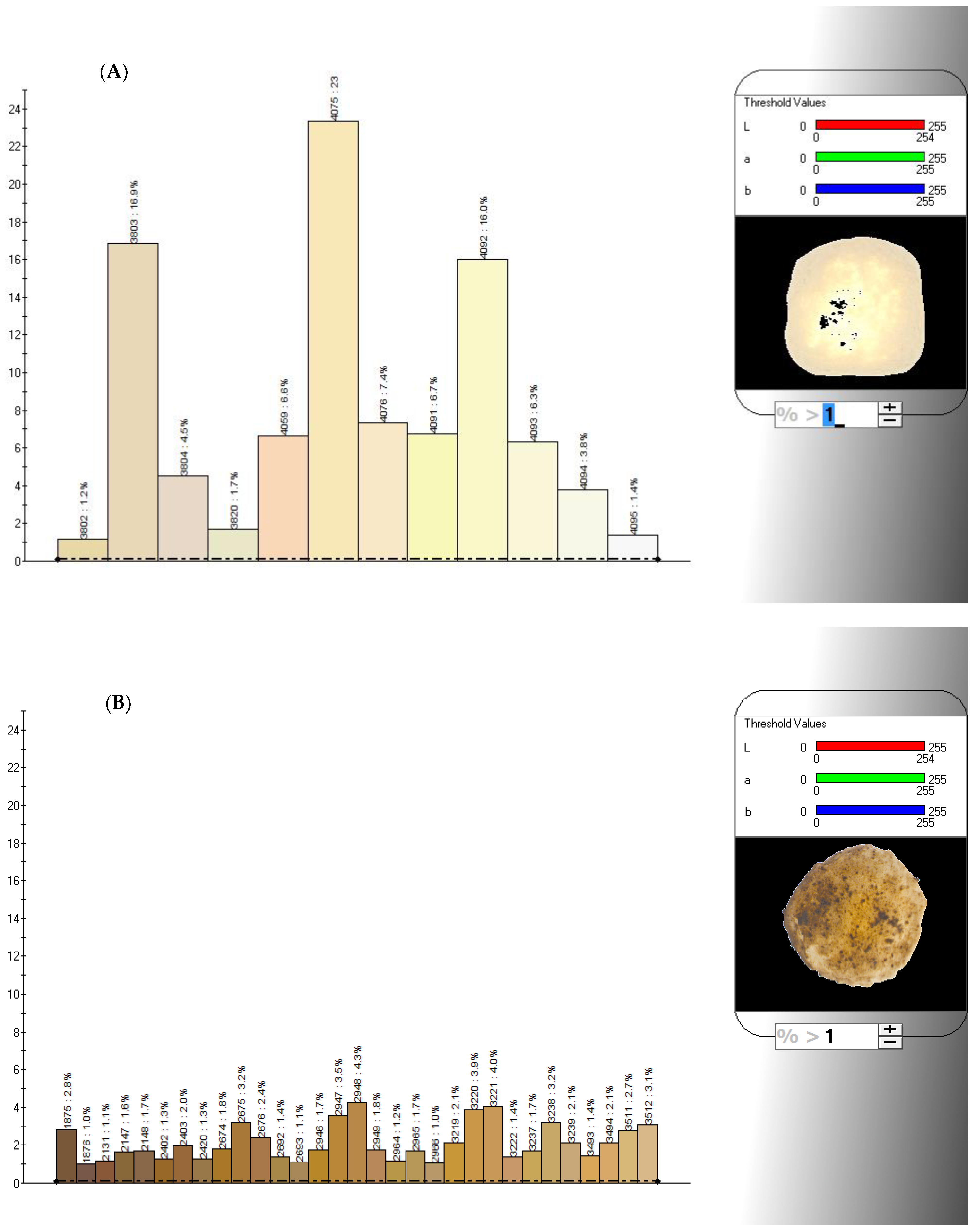
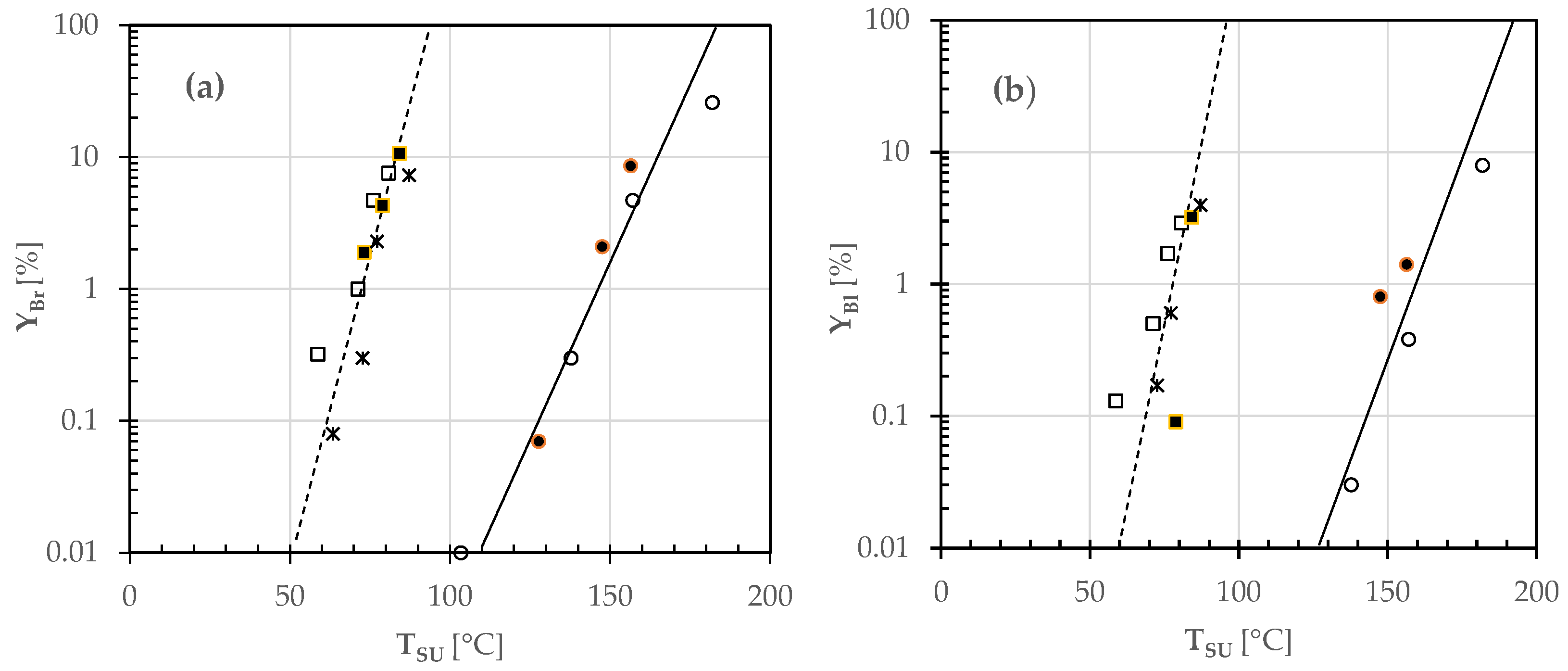
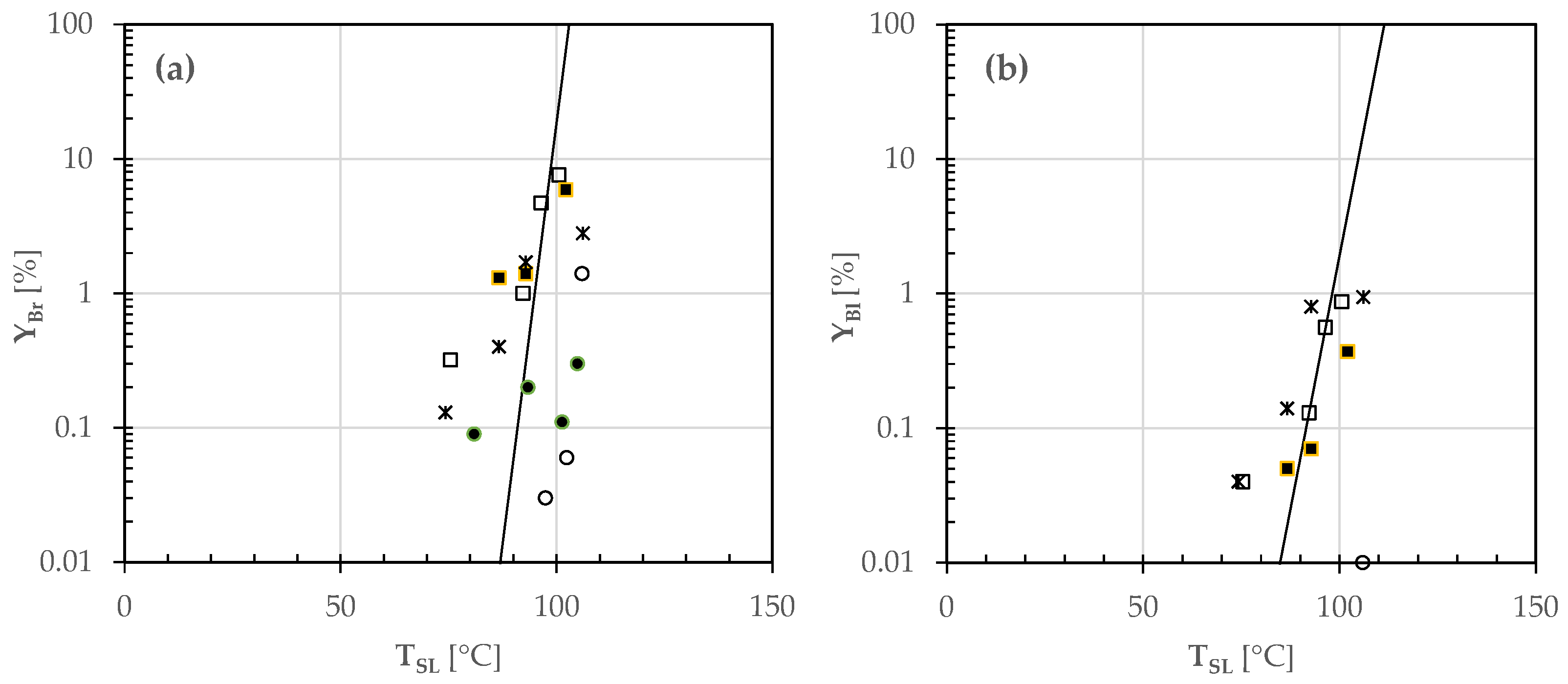
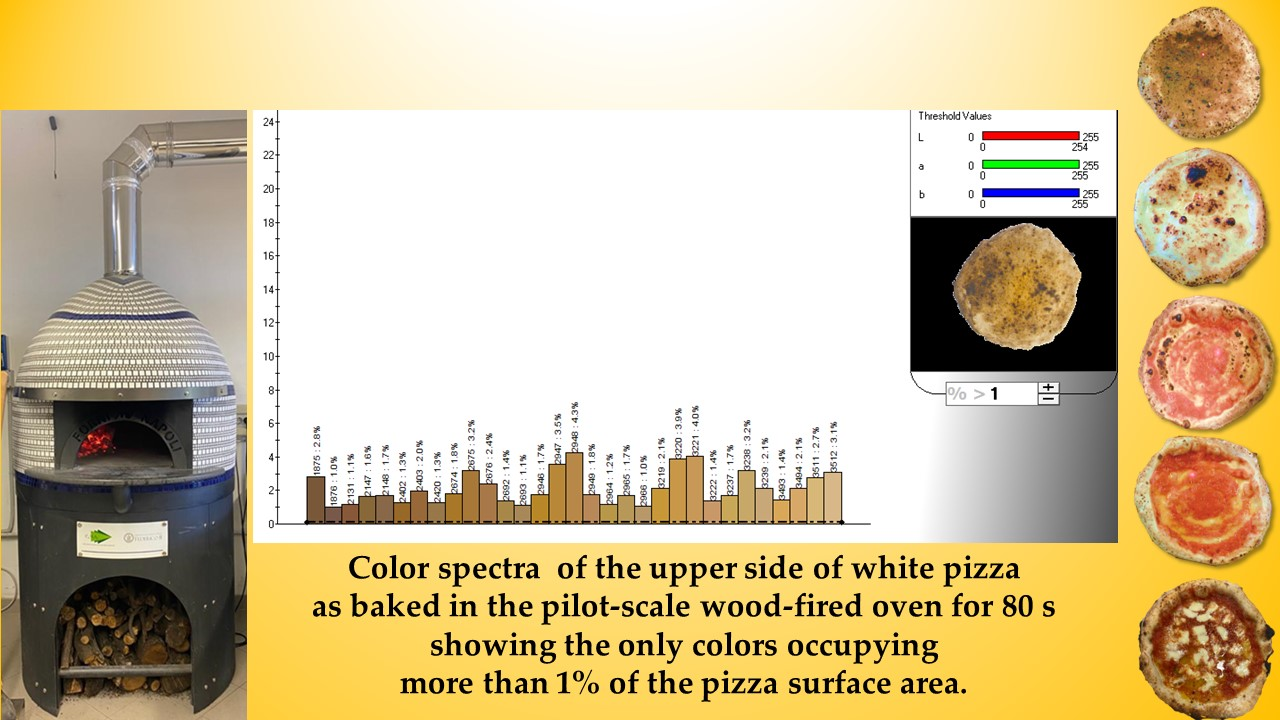
Despite Neapolitan pizza is a globally renowned Italian food, its obligatory baking in wood-fired ovens has so far received little attention in the scientific community. Since heat transfer during pizza baking is not at all uniform, the main aim of this work was to analyze the phenomenology of Neapolitan pizza baking in a pilot-scale wood-fired pizza oven operating in quasi steady-state conditions. The different upper area sections of pizza covered or not by the main topping ingredients (i.e., tomato puree, sunflower oil, or mozzarella cheese), as well the bottom of the pizza and the growth of its raised rim, were characterized by visual colorimetric analysis, while the time course of their corresponding temperatures was monitored using an infrared thermal scanning camera. The maximum temperature of the pizza bottom was equal to 100 ± 9 °C, while that of the upper pizza side ranged from 182 °C to 84 or 67 °C in the case of white pizza, tomato pizza, or margherita pizza, respectively, mainly because of their diverse moisture content and emissivity. The pizza weight loss was nonlinearly related to the average temperature of the upper pizza side. The formation of brown or black colored areas on the upper and lower sides of baked pizza was detected with the help of an electronic eye. The upper side exhibited greater degrees of browning and blackening than the lower one, their maximum values being about 26 and 8%, respectively, for white pizza. These results might help develop a specific modelling and monitoring strategy to reduce variability and maximize the quality attributes of Neapolitan pizza.
Keywords: baking characterization; browning and burning kinetics; infrared thermal scanning; Neapolitan pizza; raised rim growth; thermal mapping of pizza crust and bottom; visual color assessment; weight loss; wood-fired oven baking characterization; browning and burning kinetics; infrared thermal scanning; Neapolitan pizza; raised rim growth; thermal mapping of pizza crust and bottom; visual color assessment; weight loss; wood-fired oven
Graphical Abstract