Article

Monitoring of Volatile Compounds of Ready-to-Eat Kiwifruit Using GC-IMS

1
School of Food and Biological Engineering, Shaanxi University of Science and Technology, Xi’an 710021, China
2
College of Food Science and Engineering, Central South University of Forestry and Technology, Changsha 410004, China
*
Author to whom correspondence should be addressed.
Foods 2023, 12(24), 4394; https://doi.org/10.3390/foods12244394
Submission received: 17 November 2023 / Revised: 2 December 2023 / Accepted: 4 December 2023 / Published: 6 December 2023
(This article belongs to the Special Issue Smart Food Cold Chain Techniques and Traceability System)

Abstract

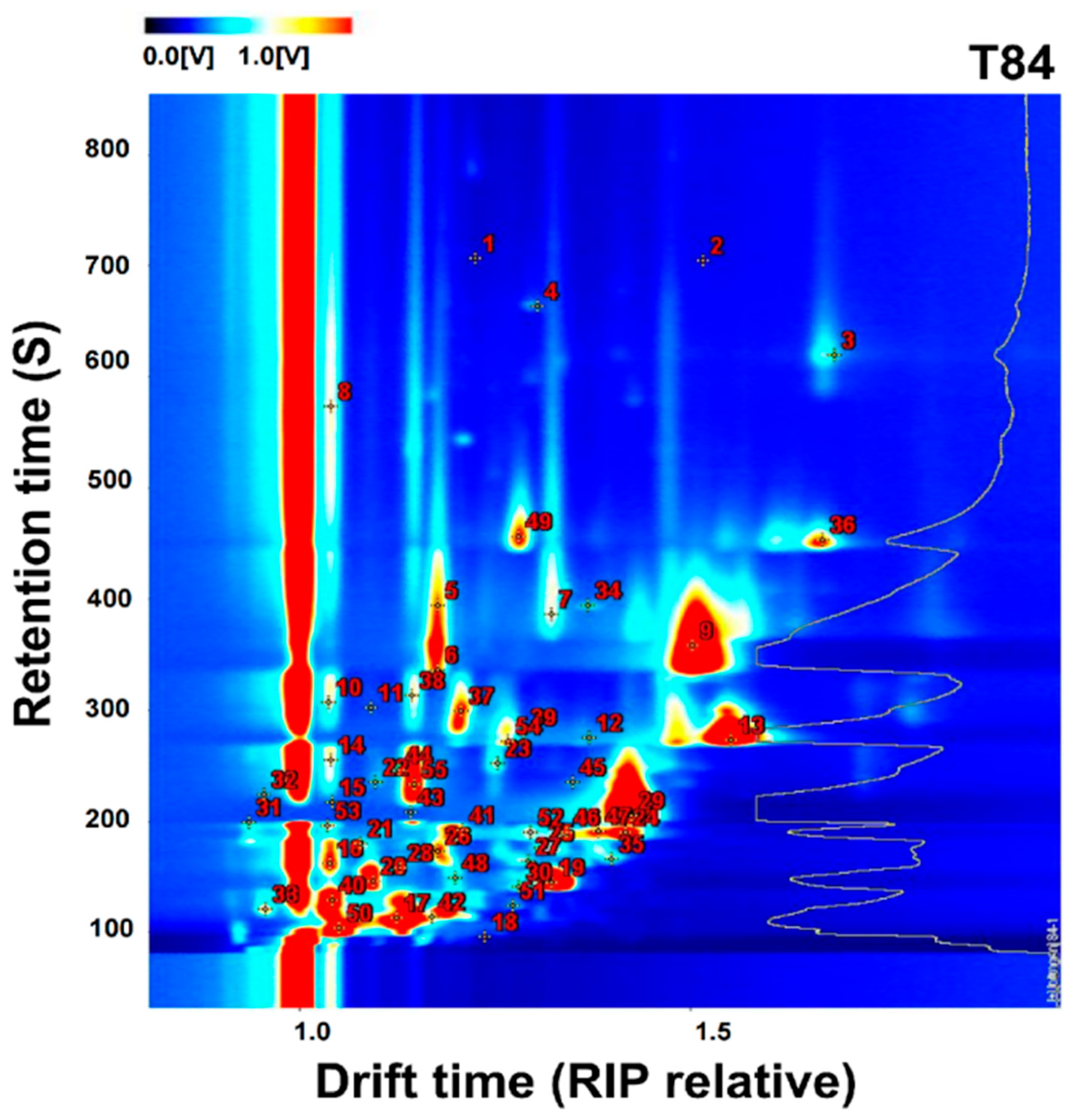
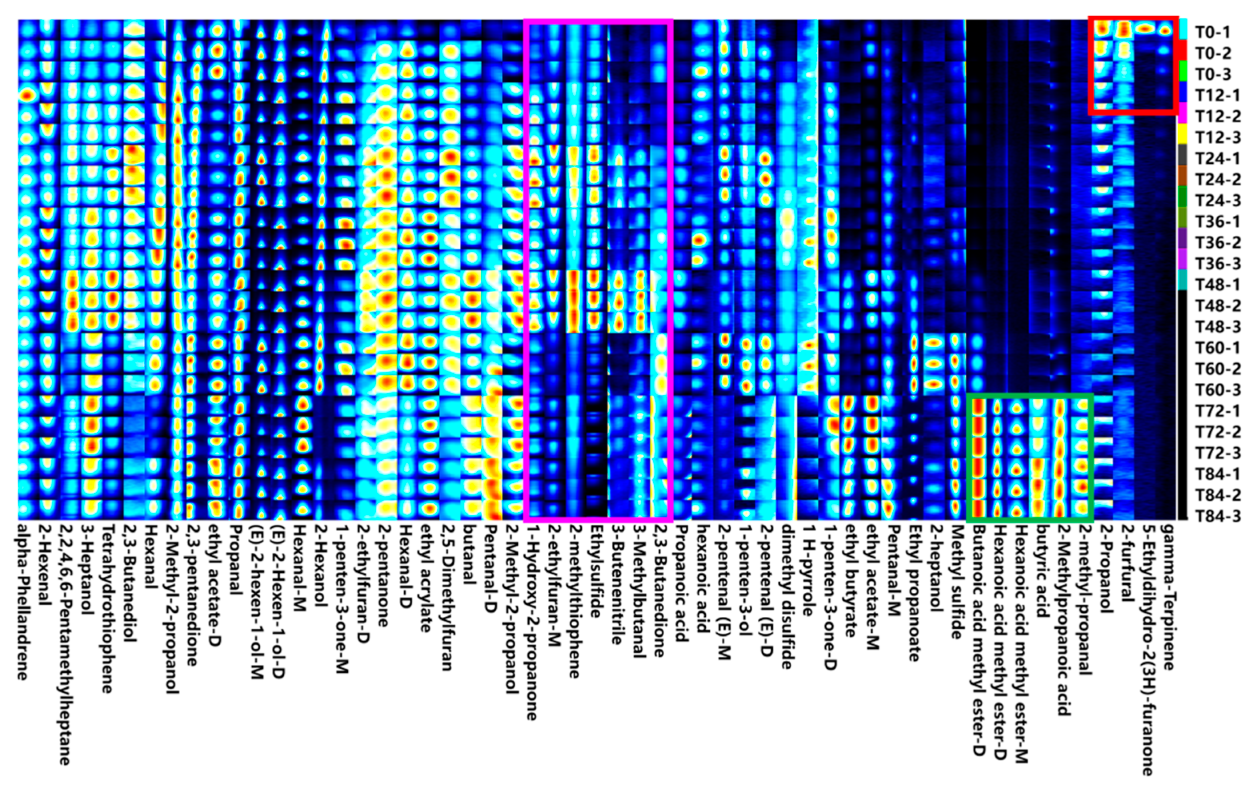
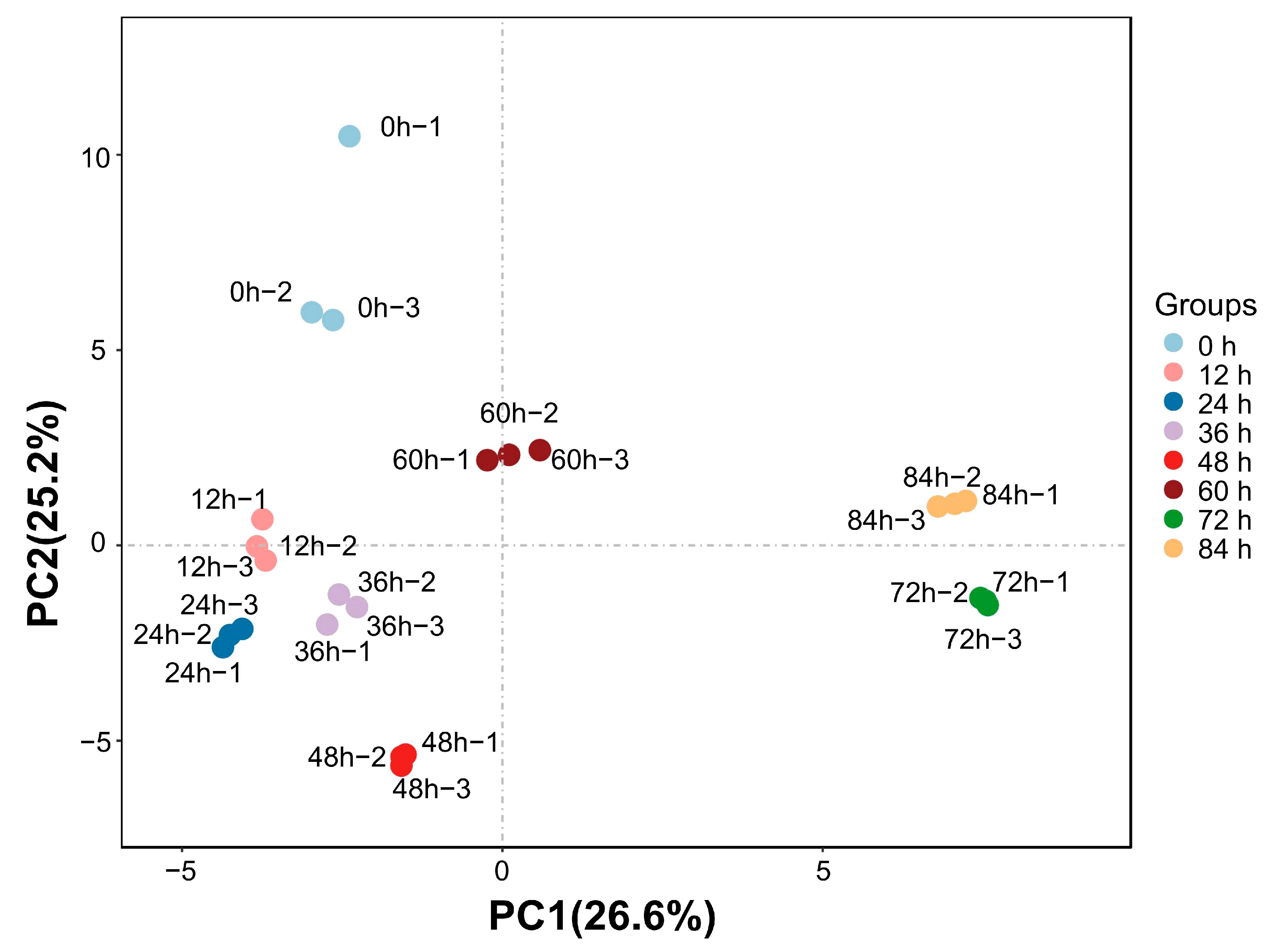
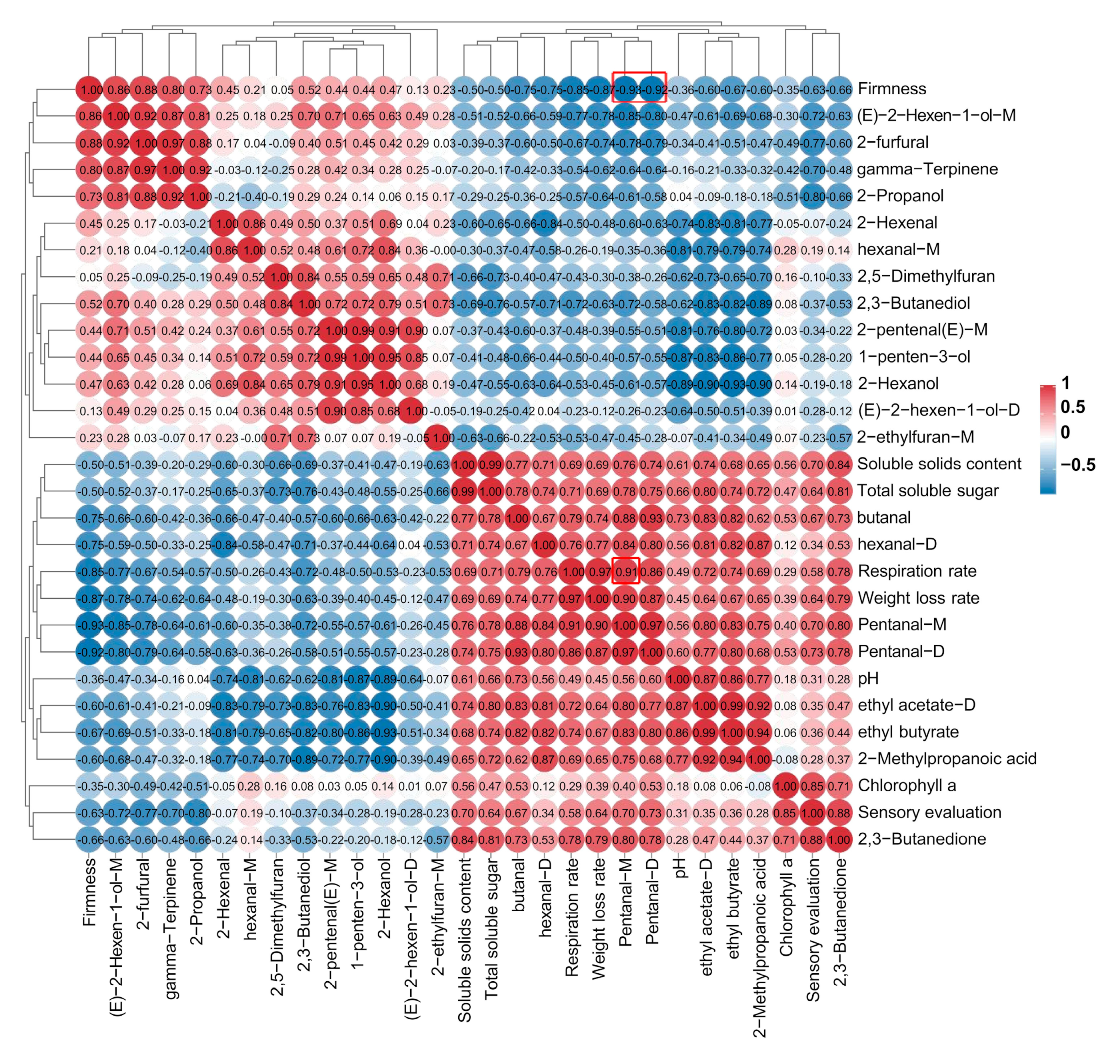
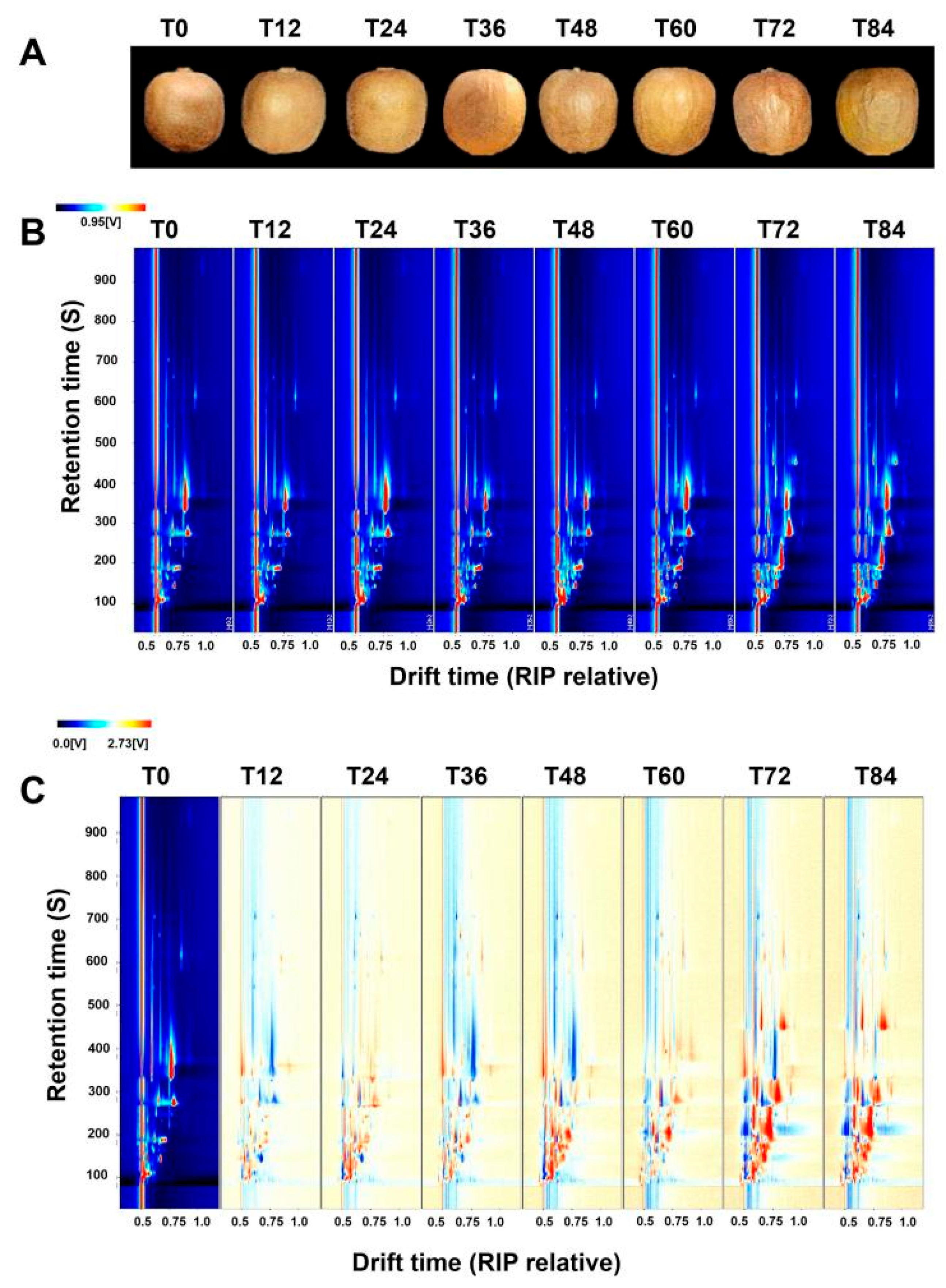
Ready-to-eat kiwifruit has gained significant market value in recent years due to its convenience and the increasing consumer demand for healthy ready-to-eat snacks. The volatile compound content (VOC) in ready-to-eat kiwifruit is a crucial factor determining its flavor and aroma. VOC is an important characteristic that positively affects the overall evaluation of ready-to-eat kiwifruit. In this study, we utilized gas chromatography-ion mobility spectrometry (GC-IMS) to investigate changes in the composition of VOCs in ready-to-eat kiwifruit during different storage periods (every 12 h). Our results revealed the presence of 55 VOCs in ready-to-eat kiwifruit, with alcohols, esters, and ketones being the dominant compounds responsible for the aromatic flavor. Among these compounds, methyl caproate, ethyl butyrate, and ethyl propionate provided specific fruit flavors to ready-to-eat kiwifruit, whereas esters played a secondary role. Furthermore, varying trends were observed for different compound types as the storage period increased: alcohols exhibited a decreasing trend, whereas ester products and some sulfur-containing compounds showed an increase. Additionally, fingerprint profiles of volatile compounds were established for each storage period, enabling the identification of characteristic substances. This comprehensive analysis of volatile flavor substances during the ripening of ready-to-eat kiwifruit will greatly contribute to enhancing its sensory quality, consumer appeal, and overall marketability.
Keywords: ready-to-eat kiwifruit; GC-IMS; volatile organic compounds (VOCs); quality indexes ready-to-eat kiwifruit; GC-IMS; volatile organic compounds (VOCs); quality indexes