Article

AnaBHEL (Analog Black Hole Evaporation via Lasers) Experiment: Concept, Design, and Status


by
Pisin Chen
1,2,3,*,
Gerard Mourou
4,
Marc Besancon
5,
Yuji Fukuda
6,
Jean-Francois Glicenstein
5,
Jiwoo Nam
1,2,3,
Ching-En Lin
1,2,
Kuan-Nan Lin
1,2,
Shu-Xiao Liu
1,
Yung-Kun Liu
1,2,
Masaki Kando
6,
Kotaro Kondo
6,
Stathes Paganis
1,2,
Alexander Pirozhkov
6,
Hideaki Takabe
1,
Boris Tuchming
5,
Wei-Po Wang
2,
Naoki Watamura
1,
Jonathan Wheeler
4 and
Hsin-Yeh Wu
1,2 on behalf of the AnaBHEL Collaboration
1
Leung Center for Cosmology and Particle Astrophysics, National Taiwan University, Taipei 10617, Taiwan
2
Department of Physics, National Taiwan University, Taipei 10617, Taiwan
3
Graduate Institute of Astrophysics, National Taiwan University, Taipei 10617, Taiwan
4
IZEST, Ecole Polytechnique, 91128 Palaiseau, France
5
Irfu, CEA, Université Paris-Saclay, 91191 Gif sur Yvette, France
6
Kansai Photon Science Institute, National Institutes for Quantum Science and Technology, 8-1-7 Umemidai, Kizugawa 619-0215, Kyoto, Japan
*
Author to whom correspondence should be addressed.
Photonics 2022, 9(12), 1003; https://doi.org/10.3390/photonics9121003

Submission received: 14 June 2022 / Revised: 28 November 2022 / Accepted: 8 December 2022 / Published: 19 December 2022
(This article belongs to the Special Issue Progress in Laser Accelerator and Future Prospects)

Abstract

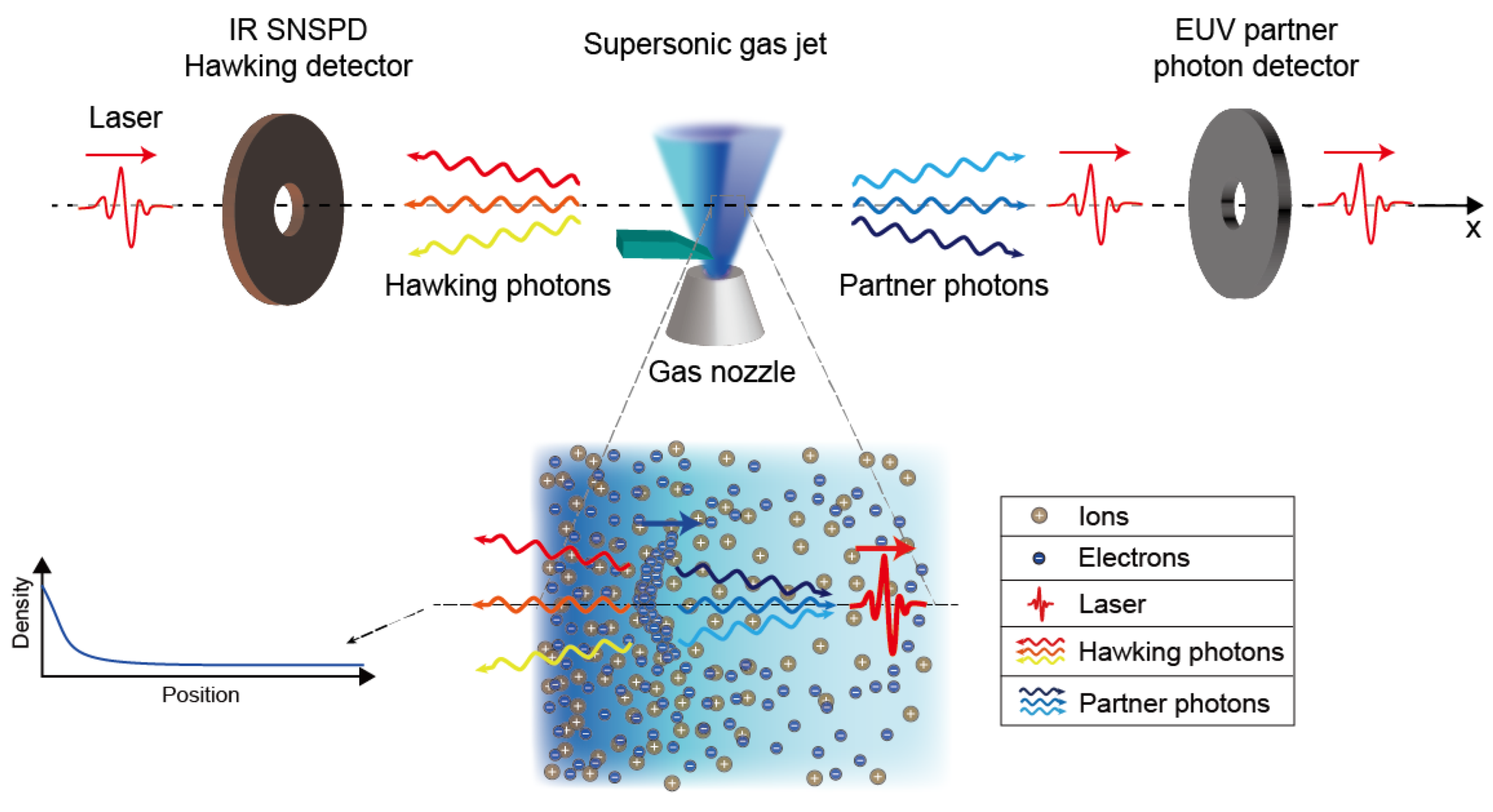
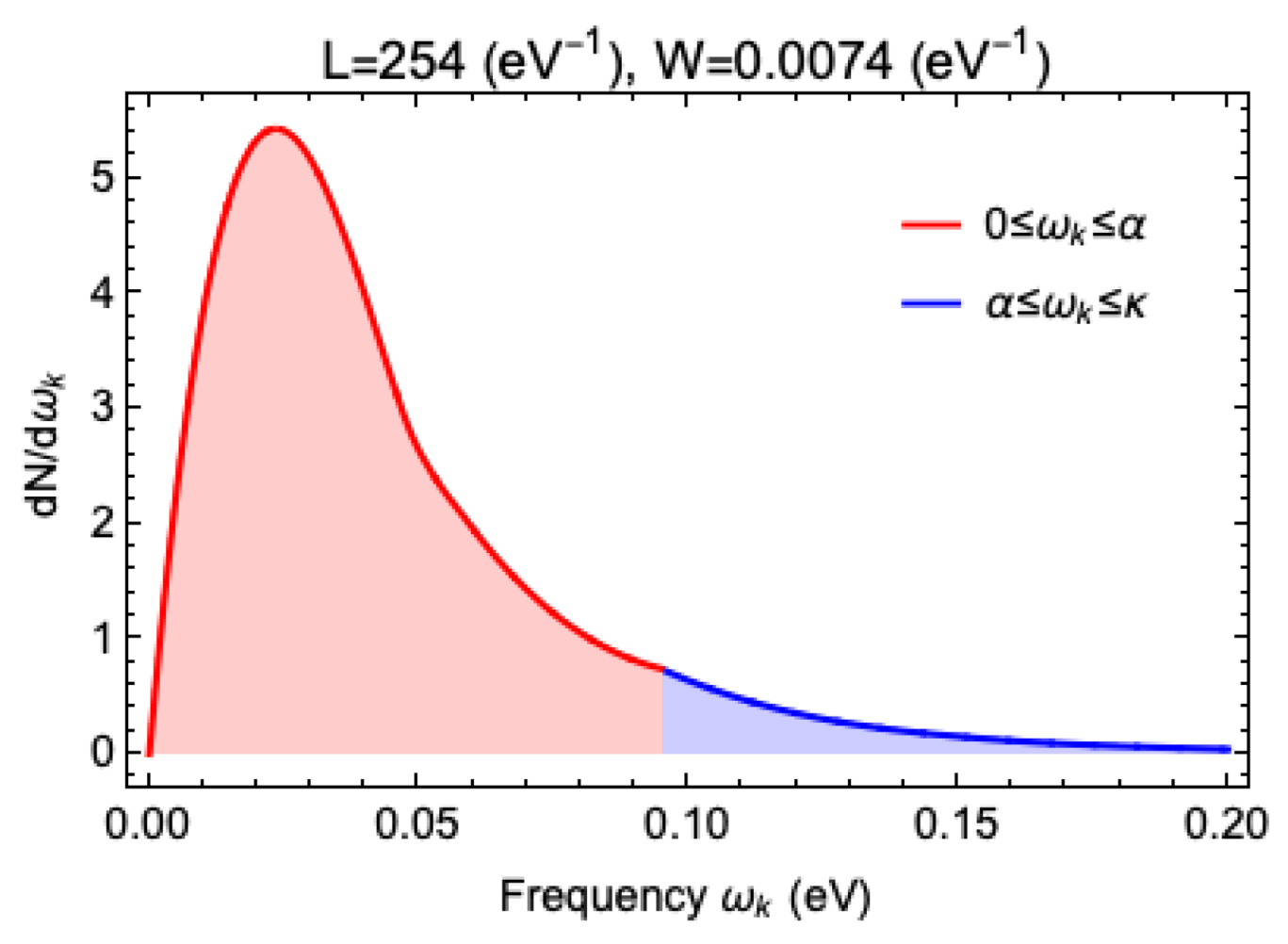
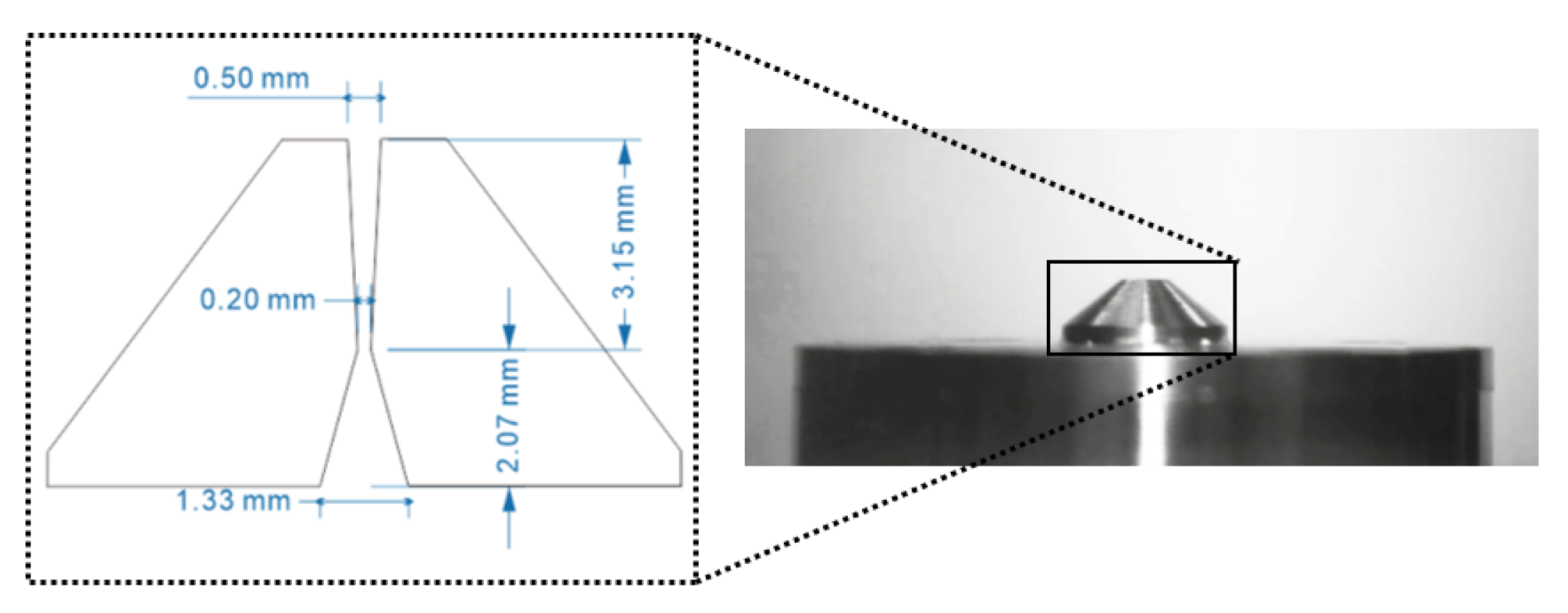
Accelerating relativistic mirrors have long been recognized as viable settings where the physics mimic those of the black hole Hawking radiation. In 2017, Chen and Mourou proposed a novel method to realize such a system by traversing an ultra-intense laser through a plasma target with a decreasing density. An international AnaBHEL (Analog Black Hole Evaporation via Lasers) collaboration was formed with the objectives of observing the analog Hawking radiation, shedding light on the information loss paradox. To reach these goals, we plan to first verify the dynamics of the flying plasma mirror and characterize the correspondence between the plasma density gradient and the trajectory of the accelerating plasma mirror. We will then attempt to detect the analog Hawking radiation photons and measure the entanglement between the Hawking photons and their “partner particles”. In this paper, we describe our vision and strategy of AnaBHEL using the Apollon laser as a reference, and we report on the progress of our R&D concerning the key components in this experiment, including the supersonic gas jet with a graded density profile, and the superconducting nanowire single-photon Hawking detector. In parallel to these hardware efforts, we performed computer simulations to estimate the potential backgrounds, and derived analytic expressions for modifications to the blackbody spectrum of the Hawking radiation for a perfectly reflecting point mirror, due to the semi-transparency and finite-size effects specific to flying plasma mirrors. Based on this more realistic radiation spectrum, we estimate the Hawking photon yield to guide the design of the AnaBHEL experiment, which appears to be achievable.
Keywords: AnaBHEL (Analog Black Hole Evaporation via Lasers); Hawking radiation; information loss paradox; relativistic flying mirror AnaBHEL (Analog Black Hole Evaporation via Lasers); Hawking radiation; information loss paradox; relativistic flying mirror