1. Introduction
With the rapid advancement of artificial intelligence, conventional electronic processors based on the von Neumann architecture are increasingly challenged in meeting the growing computational demands [
1]. Neuromorphic photonics has emerged as a promising alternative due to its advantages of high bandwidth, massive parallelism, and low energy consumption. A photonic neuromorphic system typically consists of optical neurons providing nonlinear activation and optical synapses implementing linear weighting.
Neuromorphic photonic computing requires the realization of both photonic synapses for linear operation and photonic neurons for nonlinear operation. In recent years, semiconductor laser-based optical spiking neurons have been extensively investigated, including vertical-cavity surface-emitting lasers with saturable absorbers (VCSEL-SAs) [
2,
3,
4], distributed feedback lasers with saturable absorbers (DFB-SAs) [
5,
6,
7], and graphene-based excitable lasers [
8], as well as micro-ring lasers [
9] and micro-disk lasers [
10], all of which can provide strong nonlinear dynamics suitable for neuromorphic processing. In our previous work, we designed and fabricated a laterally coupled distributed feedback laser with a saturable absorber (LCDFB-SA) [
11] operating as an optical neuron, and its underlying operating mechanism was investigated using time-domain traveling-wave simulations. In addition, linear computations have been successfully implemented in the optical domain using Mach–Zehnder interferometers (MZIs) [
12,
13], micro-ring resonator (MRR) weight banks [
14], phase-change materials (PCMs) [
15] and SOAs [
16,
17]. Overall, FP-SA lasers offer a favorable balance between nonlinear dynamical richness, fabrication simplicity, and integration compatibility. Compared with VCSEL-based, DFB-based, microcavity-based, and emerging material platforms, FP-SA lasers are particularly well-suited for scalable and monolithically integrated neuromorphic photonic systems, owing to their simple cavity structure, strong excitable dynamics, and compatibility with on-chip integration of both photonic neurons and synapses.
Two-section semiconductor lasers constitute an important architecture for realizing photonic neurons. Among them, FP-SA lasers feature a simple structure and have been widely employed for photonic neuron implementations [
5,
18], demonstrating significant application potential. In addition, SOAs have also been successfully integrated and utilized as photonic synapses [
19]. While SOA-based photonic synapses and FP-SA-based photonic neurons have both been demonstrated individually, their monolithic co-integration on a single chip with direct on-chip coupling has remained largely unexplored. Most existing demonstrations focus on either isolated neuron or synapse functionalities, or rely on hybrid integration schemes and external optical feedback paths, which limit scalability and system-level integration.
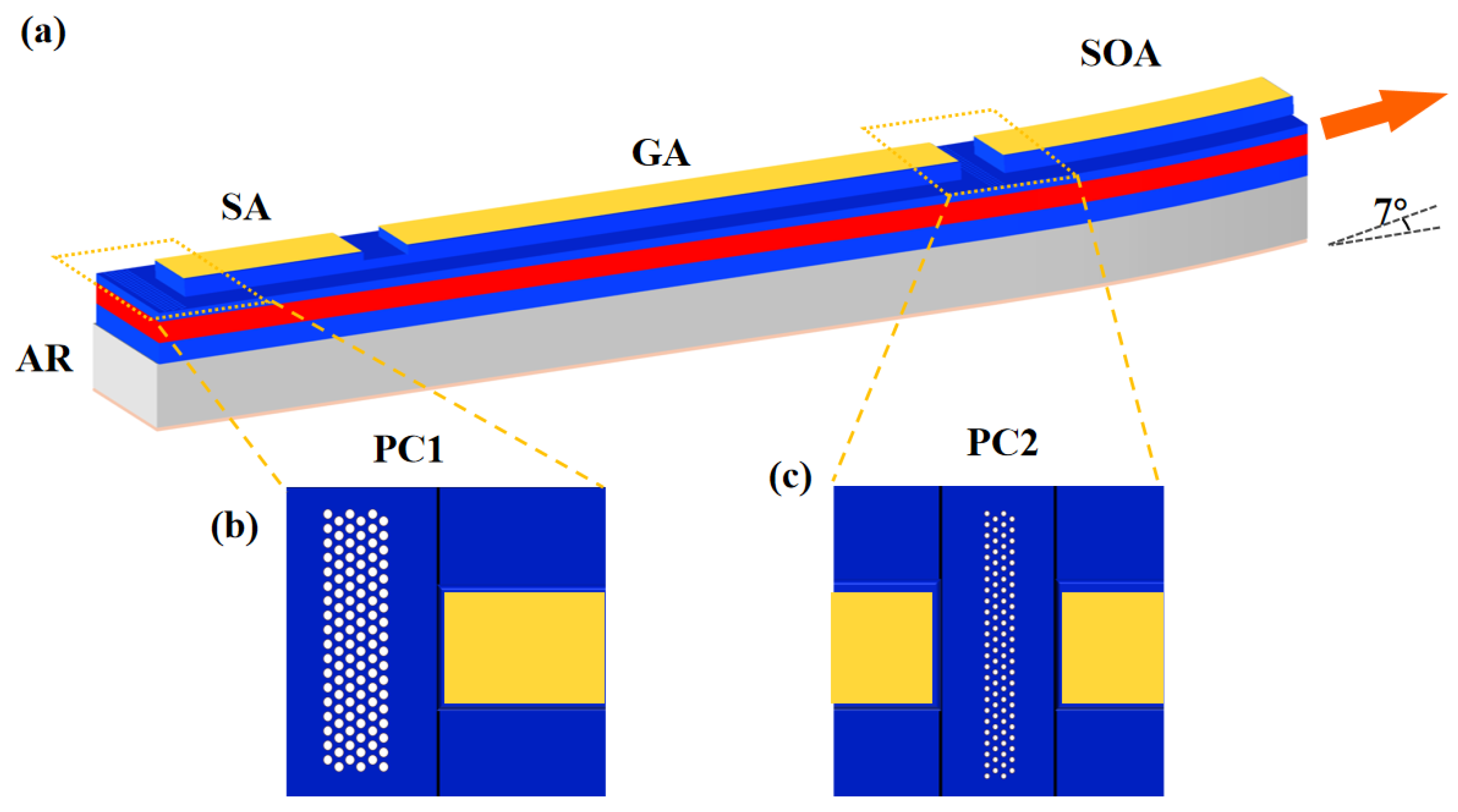
To address the challenges discussed above, we adopt two-dimensional photonic crystals (2D PCs) to achieve monolithic integration of an optical neuron and an optical synapse. Photonic-crystal structures offer high design flexibility, are not restricted by substrate material choice, and are fully compatible with standard planar semiconductor fabrication [
20]. They are therefore considered a key enabling technology for the development of photonic integrated circuits (PICs). Compared with traditional distributed Bragg reflector (DBR) mirrors, 2D PCs provide increased freedom for integrating short-cavity lasers with more complex photonic-crystal-based optical devices such as wavelength-selective filters, ultra-compact bending waveguides, and multiplexing structures. As early as 2001, T. D. Happ et al. demonstrated the replacement of dielectric coatings with 2D PCs in in-plane InP-based micro-lasers with cavity lengths of 600–1000 μm, highlighting the feasibility of PC-based reflectors for integrated laser systems [
21].
3. Theoretical Model and Simulation Method
The spatiotemporal dynamics of the proposed device are investigated using a one-dimensional bidirectional traveling-wave model (TWM) [
24,
25]. The optical field propagating along the longitudinal direction z is expressed as the superposition of forward and backward-traveling waves under the slowly varying envelope approximation,
where
and
denote the complex envelopes of the forward- and backward-propagating fields, respectively.
The evolution of the optical fields is governed by the coupled traveling-wave equations
where
is the optical confinement factor,
is the internal waveguide loss,
is the material gain, and
Fsp(
z,
t) represents the spontaneous emission noise that initiates the temporal dynamics. The carrier-induced wavevector detuning term
arises from refractive index modulation and is written as
with
being the effective refractive index at transparency. The local photon density is defined as
which directly couples the optical field to the carrier dynamics through stimulated emission and absorption processes. The temporal evolution of the carrier density in each active section is described by the carrier rate equation
where
I is the injection current,
is the injection efficiency,
is the elementary charge,
is the active volume, and
is the group velocity. The carrier lifetime
accounts for nonradiative, radiative, and Auger recombination processes and is given by the standard
A-B-C recombination model,
The material gain is modeled using a logarithmic dependence on the carrier density and includes gain saturation through a nonlinear compression term,
where
is the gain coefficient,
is the transparency carrier density, and
ε is the gain compression factor. Carrier-induced refractive index variations are incorporated through the linewidth enhancement factor, yielding
where
denotes the amplitude–phase coupling factor. Different functional sections of the device are represented by assigning distinct carrier parameters and injection conditions. The SOA and GA sections are electrically pumped and provide optical amplification, whereas the saturable absorber section is modeled without current injection and with a reduced effective carrier lifetime to represent fast carrier recovery under reverse bias. At low optical intensity, the SA introduces strong absorption, while at high photon density the absorption is saturated, leading to a reduction in intracavity loss. This dynamic modulation of the effective cavity loss gives rise to passive Q-switching behavior.
The coupling between the SOA and the main cavity is modeled using a photonic-crystal-based scattering interface. The photonic crystal is treated as a localized bidirectional coupler with predefined transmission and reflection coefficients. Assuming a power transmission of 60% and a reflection of 1%, the corresponding amplitude coefficients are expressed as
At the coupling interface, the optical fields satisfy the scattering relation
where
fS is the forward-propagating field exiting the SOA,
bL is the backward-propagating field returning from the main cavity,
bS is the field coupled back into the SOA, and
fL is the field injected into the GA-SA cavity. The simulation parameters are summarized in
Table 1. The device investigated in this work shares a high degree of structural similarity with the device reported in Ref. [
11], including the material system and cavity configuration. Therefore, the corresponding parameters are primarily adopted from that reference.
Through the self-consistent solution of the coupled traveling-wave equations and carrier rate equations, the model captures the complete passive Q-switching cycle, including carrier accumulation, saturable absorber bleaching, pulse emission, and recovery dynamics. In this work, the synaptic weight is defined as the amplification effect of the SOA on the optical pulse amplitude injected into the photonic spiking neuron. By adjusting the SOA injection current, the gain experienced by the input optical pulses can be modulated, enabling multi-level modulation of the pulse amplitude. Importantly, the SOA is designed to primarily enhance the pulse amplitude while exerting a relatively weak influence on the pulse repetition frequency.
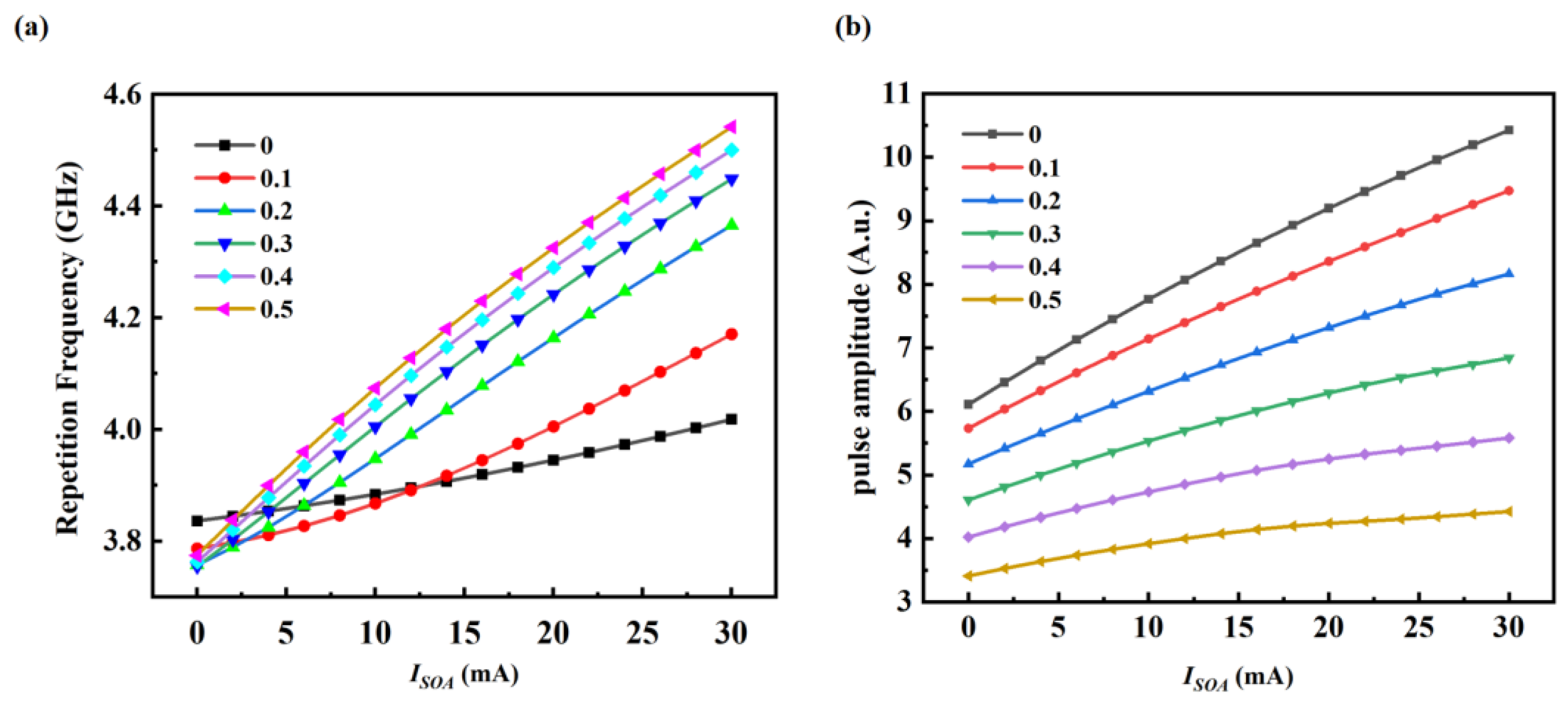
Figure 3a shows the simulated dependence of the repetition frequency on the SOA injection current under different left-facet reflectivities. For all reflectivity conditions, the repetition frequency increases monotonically with increasing SOA current, indicating that the pulse emission rate can be effectively controlled by the SOA. Moreover, at a given SOA current, a higher left-facet reflectivity leads to a higher repetition frequency, with the difference becoming more pronounced at larger current values.
Figure 3b presents the corresponding variation in the pulse amplitude as a function of the SOA injection current. In contrast to the repetition frequency, the pulse amplitude decreases with increasing left-facet reflectivity at the same SOA current, suggesting that stronger cavity feedback suppresses the energy buildup of individual pulses. These results reveal a trade-off between repetition frequency and pulse amplitude governed jointly by the left-facet reflectivity and the SOA injection current.
Furthermore,
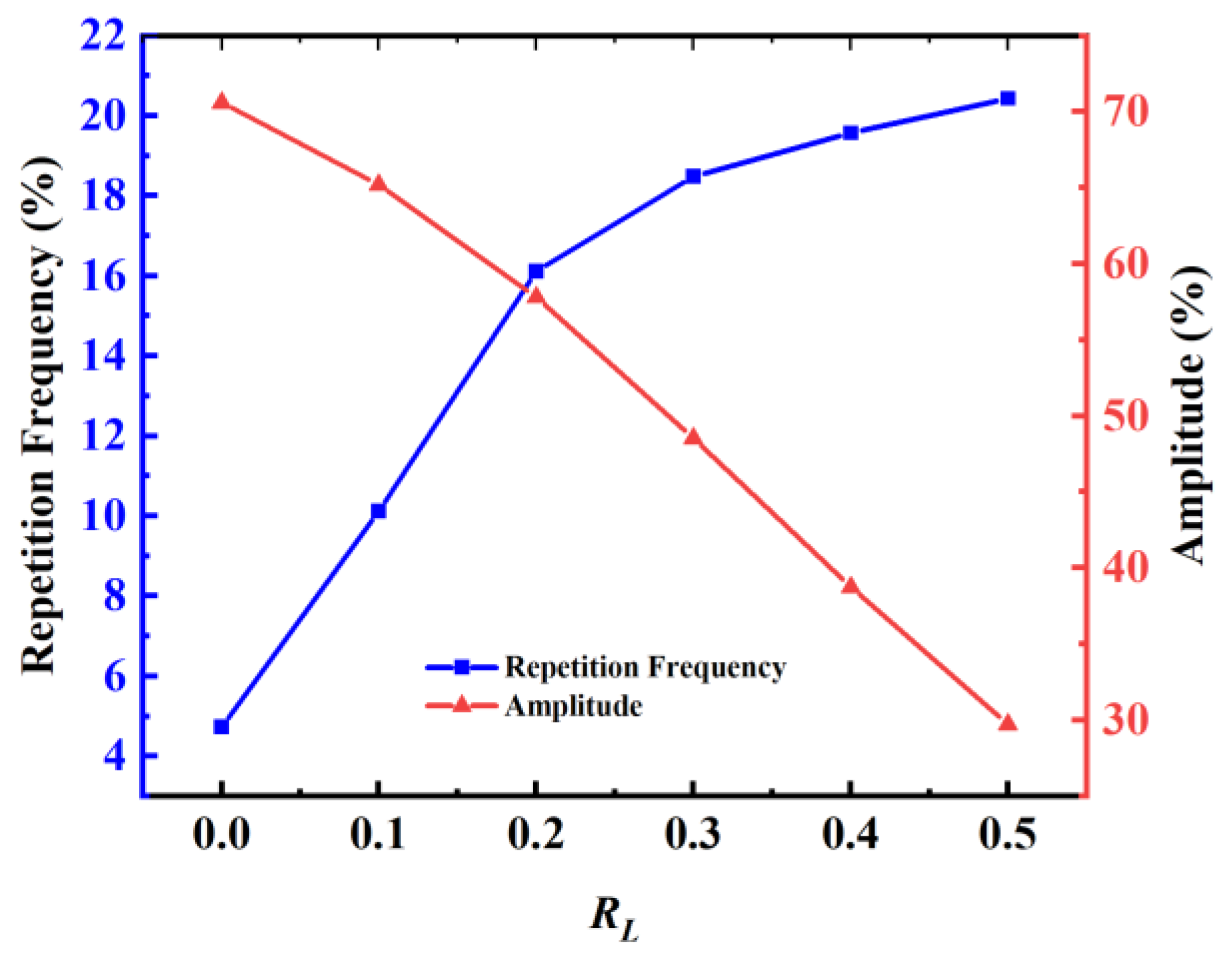
Figure 4 summarizes the relative variations in the pulse repetition frequency and pulse amplitude induced by increasing the SOA injection current from 0 to 30 mA under different left-facet reflectivities
. As
increases from 0 to 0.5, the relative change in repetition frequency at
= 30 mA with respect to 0 mA increases from 4.73% to 20.43%, whereas the relative change in pulse amplitude decreases from 70.61% to 29.74%. In other words, at relatively low left-facet reflectivities, the nonlinear influence on the pulse repetition frequency is weak, whereas the modulation of the pulse amplitude is more pronounced, which is favorable for synaptic weight modulation.
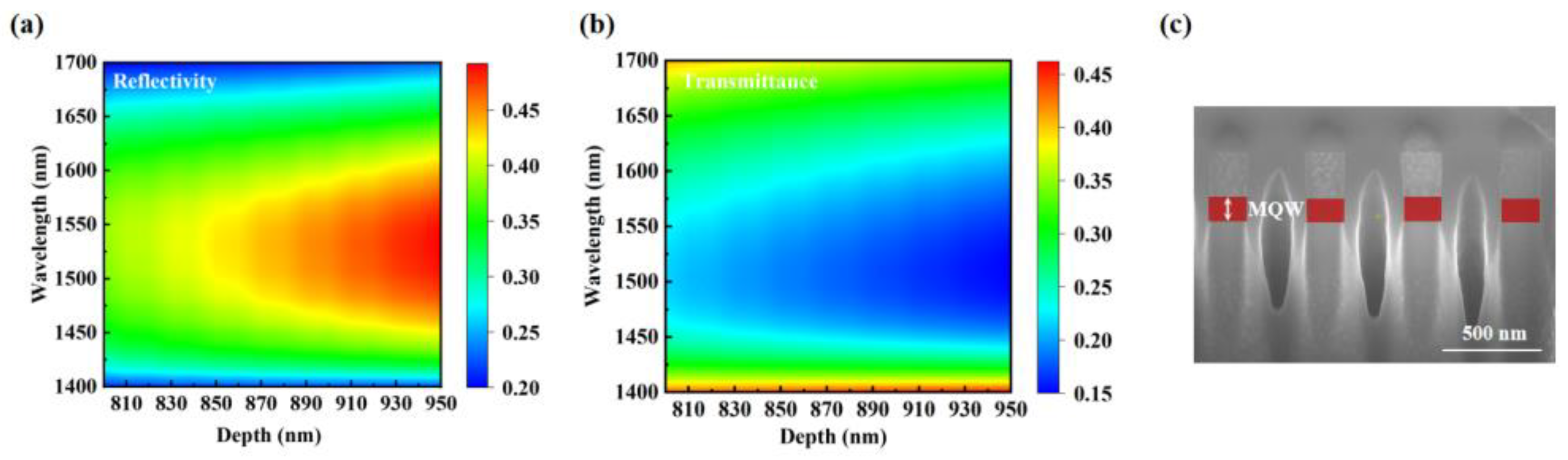
It should be noted that photonic crystals exhibit pronounced wavelength-dependent behavior as well as spatially varying field distributions, which cannot be fully captured by constant coefficients. As a result, this simplification may affect the accuracy of the simulation results.
4. Results and Discussion
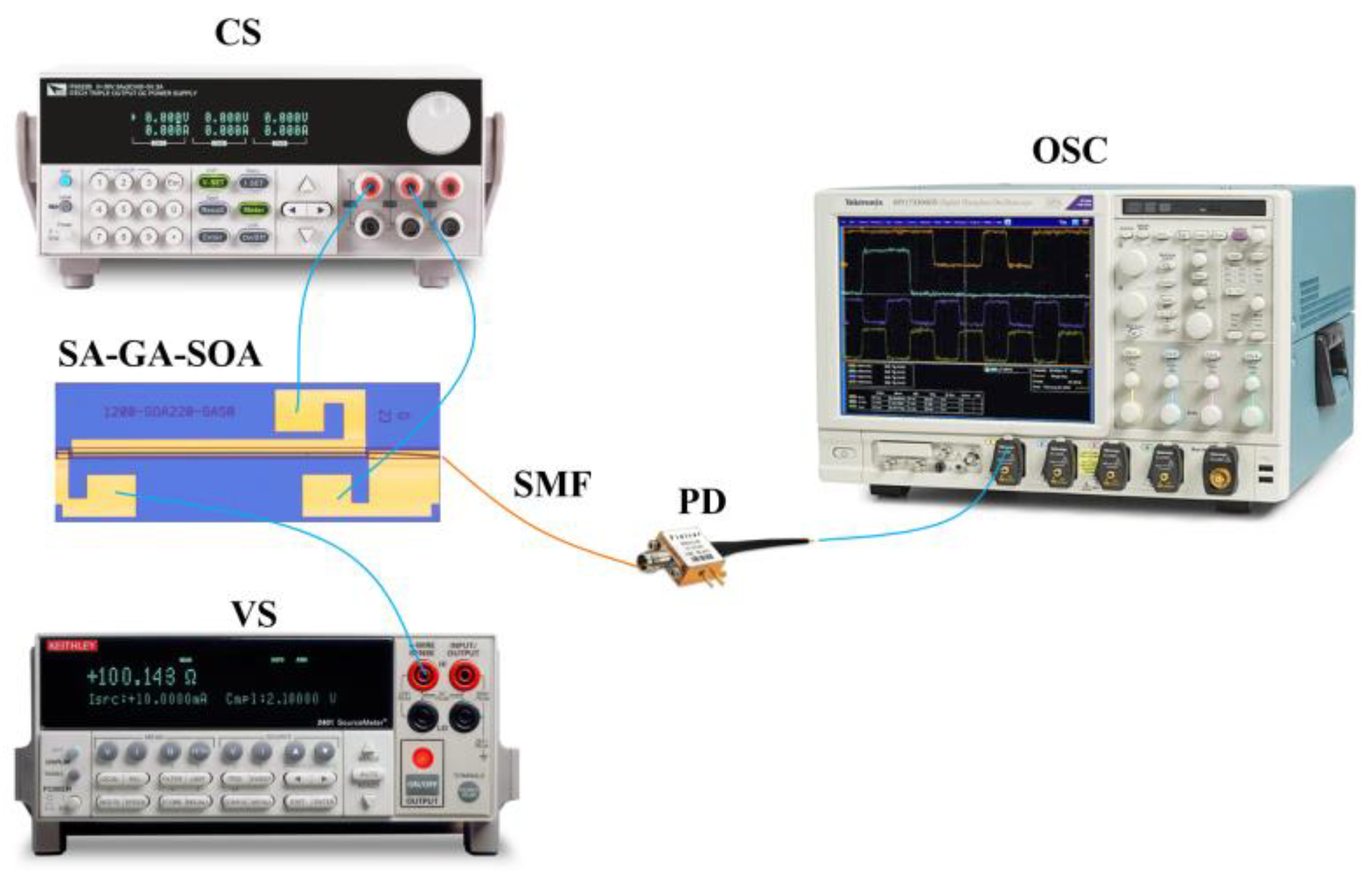
The experimental setup for characterizing the fabricated semiconductor optical spiking neuron and synaptic laser chip is illustrated in
Figure 5. A forward bias is applied to the GA and SOA sections, while a reverse bias is applied to the SA section. In addition, a forward injection current is supplied to the SOA. The demonstrated device occupies a total area of approximately 0.675 mm
2, corresponding to a chip footprint of 1350 μm × 500 μm, indicating a relatively compact layout suitable for on-chip integration. After the electrical connections are completed, the output optical signal is coupled into a single-mode fiber (SMF). The fiber output is then connected to a 70 GHz high-speed photodetector (PD, XPDV3120R), and the resulting electrical signal is recorded using a real-time oscilloscope (Tektronix Inc., Beaverton, OR, USA, OSC, Tektronix DPO72304DX, 33 GHz).
First, the device was characterized by no current applied to the SOA and no bias voltage applied to the SA. The optical spectrum and output optical power were measured under these conditions.
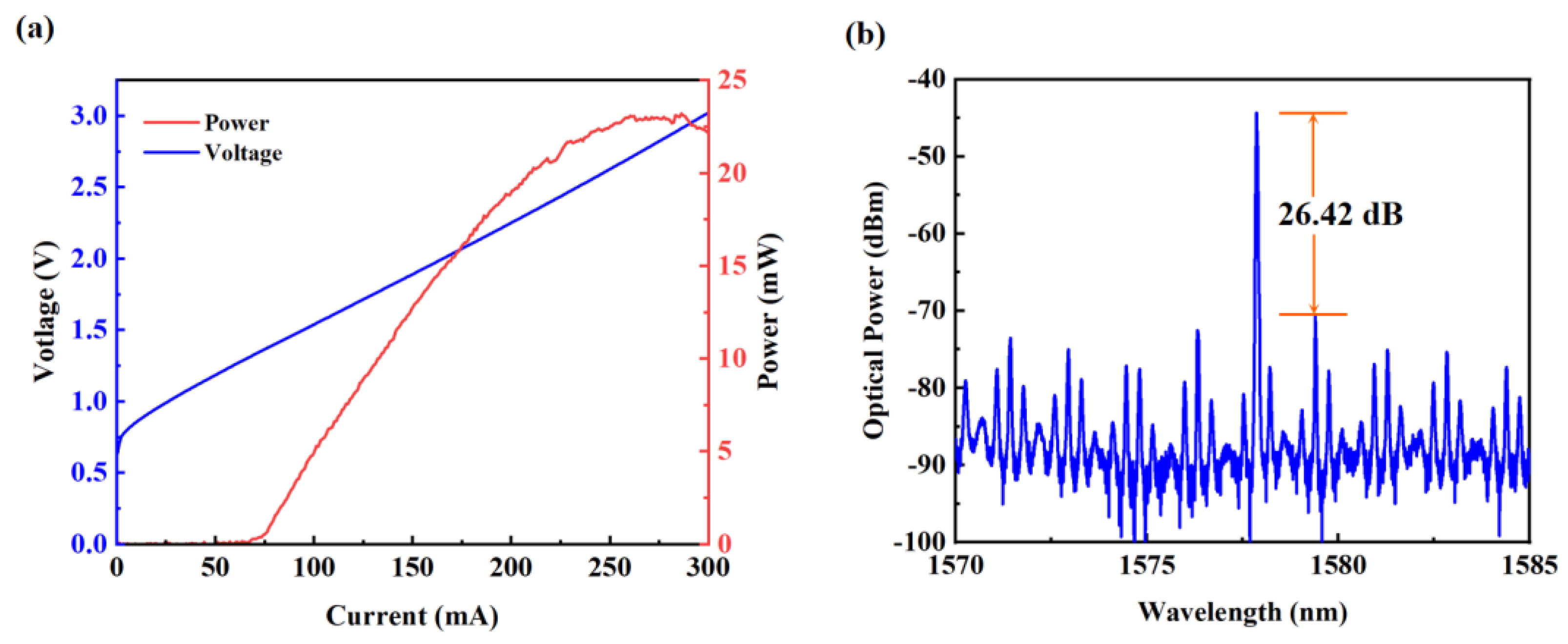
Figure 6a shows the measured Light–Current–Voltage (L−I−V) characteristics of the device. The threshold current is approximately 65 mA, and the output optical power reaches 23 mW at an injection current of 250 mA. For spectral characterization, the laser output was coupled into a single-mode optical fiber and measured using an optical spectrum analyzer. As shown in
Figure 6b, the measured emission spectrum exhibits a dominant peak centered around 1570 nm with a side-mode suppression ratio (SMSR) of 26.42 dB. This phenomenon may originate from the combined effects of photonic-crystal mode selection and the composite cavity configuration.
Next, we characterize the output pulse behavior of the device and analyze the pulse repetition frequency and pulse amplitude.
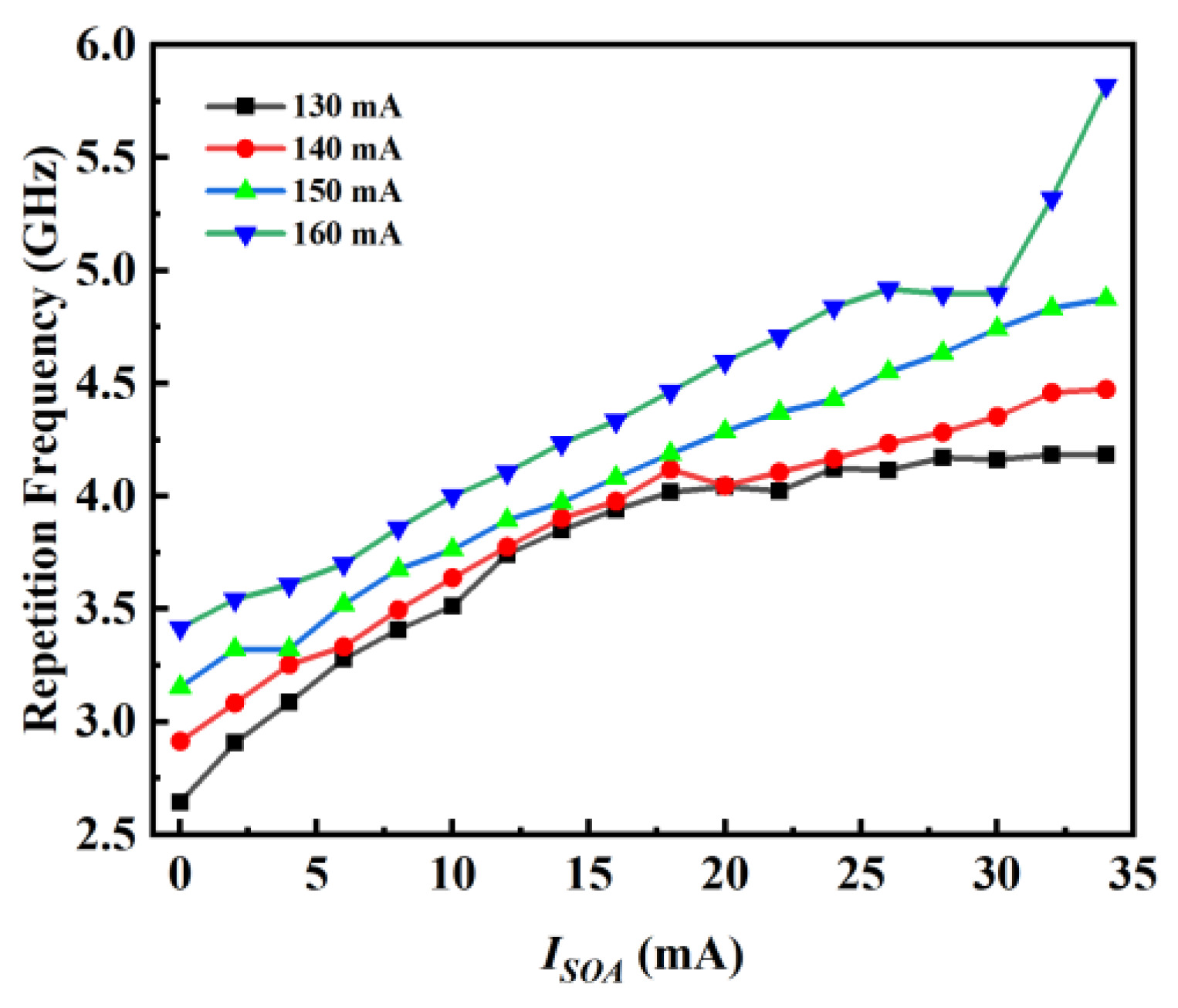
Figure 7 shows the evolution of the pulse repetition frequency as a function of the SOA injection current
for four GA bias currents (130 mA, 140 mA, 150 mA, and 160 mA), while the SA is maintained under a reverse bias of 1.6 V. It can be observed that increasing the current applied to the GA or the SOA leads to an increase in the pulse repetition frequency.
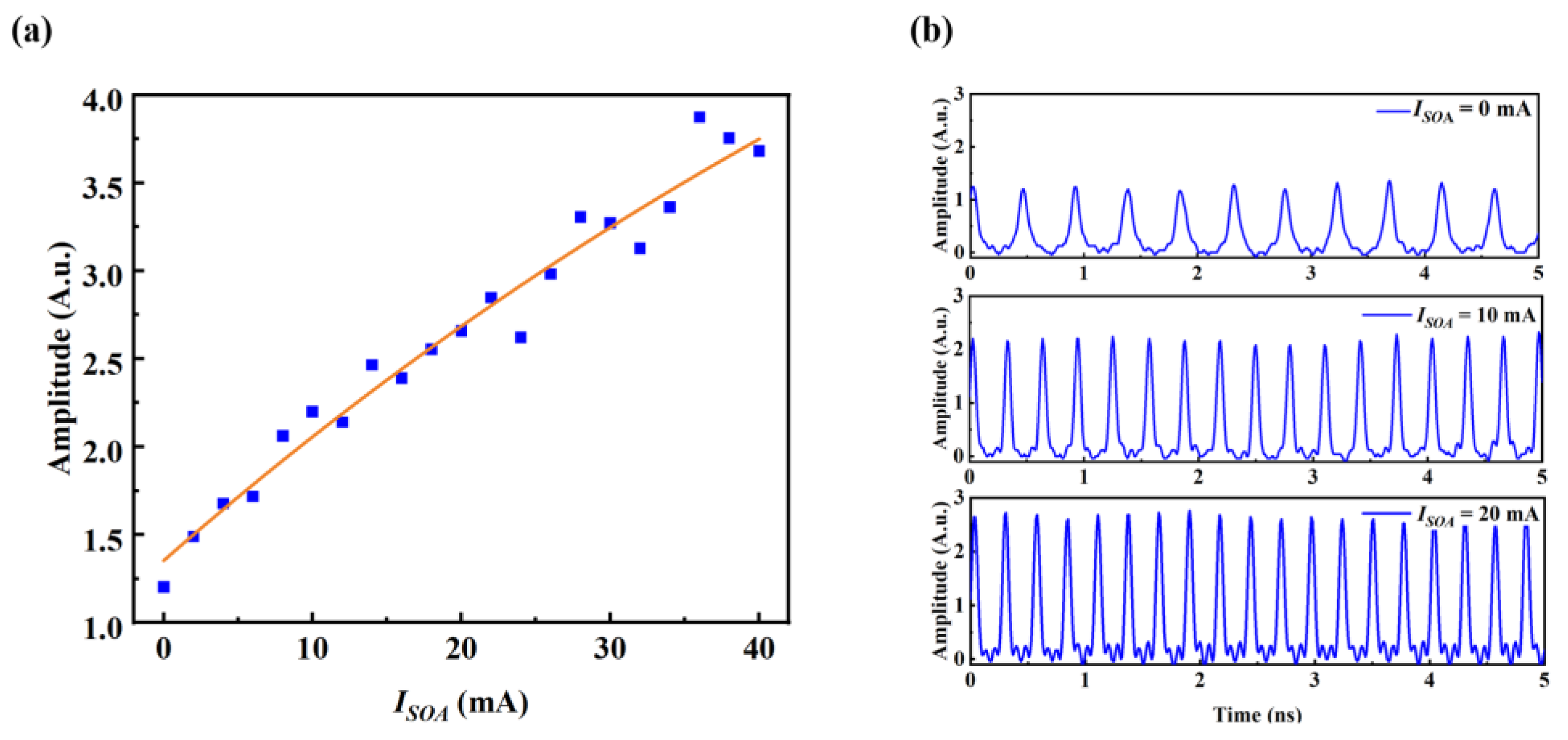
Figure 8a shows the dependence of the output pulse amplitude on the SOA injection current. As the SOA current increases, the pulse amplitude exhibits a clear and approximately linear growth trend. The blue square markers represent the experimental data, while the orange solid line corresponds to a linear fit, indicating that the SOA injection current enables effective and multi-level modulation of the output pulse amplitude.
Figure 8b presents representative time-domain pulse trains measured at different SOA injection currents (
, 10, and 20 mA). As the SOA current increases, the pulse amplitude increases, while the pulse width remains nearly unchanged, with FWHM values of 9.99 ns, 9.72 ns, and 9.90 ns, respectively. The corresponding single-pulse energies at the device output are estimated to be 0.42 pJ, 0.46 pJ, and 0.55 pJ, respectively. With increasing
, the pulse amplitude is significantly enhanced, while the pulse sequence remains periodic and stable, indicating that the SOA injection current primarily modulates the pulse amplitude without noticeably affecting the temporal stability of the pulses. This behavior can be explained by the change in optical feedback conditions introduced by the SOA output facet reflectivity. When the reflectivity is reduced, less optical power is coupled back from the SOA into the GA–SA cavity, which weakens the feedback-induced perturbation to the laser oscillation frequency. Meanwhile, the reduced reflectivity increases the output coupling efficiency of the SOA, allowing more amplified optical power to be extracted. Consequently, the SOA predominantly contributes to pulse amplitude enhancement while exerting a diminished influence on the frequency characteristics.
In the proposed GA–SA–SOA integrated device, thermal effects mainly originate from electrical injection in the gain and SOA sections. The resulting temperature variation can induce slow changes in the effective refractive index and cavity length, leading to a gradual shift in the emission wavelength. Nevertheless, the spiking dynamics investigated in this work occur on sub-nanosecond timescales, which are orders of magnitude faster than the thermal relaxation process. Therefore, thermal effects are not expected to significantly influence the fast spiking behavior, but may contribute to long-term drift under steady-state operation.
Due to the inevitable losses that occur during the coupling of the laser into a single-mode optical fiber, this coupling method results in a weak signal output from the laser chip. In addition, the electrode configuration is relatively complex. Further measurements of the pulse characteristics under the condition of anti-reflection coatings on both facets will be carried out in subsequent work. Moreover, deviations between the designed and experimentally realized PC reflectivities are unavoidable, resulting in discrepancies between simulation and experimental results. Overall, the device dynamics are jointly influenced by the reflectivity and transmissivity at both facets of the cavity, as well as multiple internal parameters, including the transmission and reflection characteristics of the PC, the carrier lifetime in the SA region, and the injection current in the GA. Further experimental investigations will be carried out to optimize these characteristics and device performance.



 ,
,