1. Introduction
Vertical-cavity surface-emitting laser is a semiconductor laser with a light output direction perpendicular to the substrate surface [
1], which has the advantages of a single longitudinal mode, low threshold, low cost, and easy integration into 2D arrays [
2]. Particularly, the 795 nm VCSEL, the emission wavelength of which corresponds to the D1 energy level of the alkali metal atom rubidium (Rb) (794.6 nm, commonly referred to as 795 nm), is used as a core light source in fields such as quantum precision measurement (including chip-scale atomic clocks, atomic magnetometers, and quantum gyroscopes) and cold atom interferometry [
3,
4,
5,
6,
7]. These applications require VCSELs to maintain single-mode operation (not only single longitudinal mode but also single transverse mode) and to possess narrow linewidth characteristics. For quantum gyroscopes and cold atom experiments, increasing the optical power of VCSELs can improve the atomic manipulation efficiency and the signal-to-noise ratio (SNR), which is also crucial for the angular velocity measurement of quantum gyroscopes and cool atom experiments [
8,
9,
10,
11].
The side-mode suppression ratio (SMSR) is a parameter that can quantitatively measure the single-transverse-mode characteristics of a VCSEL. It is defined as the ratio of the optical power of the fundamental transverse mode to that of the strongest side transverse mode, measured with the unit decibels (dB). The mathematical expression of SMSR is
dB [
12]. Shrinking the oxide aperture is the simplest and most effective method for realizing single transverse mode. The 795 nm VCSEL developed by Derebezov et al. at the Rzhanov Institute of Semiconductor Physics has a small oxide aperture of 4 μm, with a maximum output power of only 0.35 mW [
13]. Obviously, a small oxide aperture limits the effective area of the active zone and simultaneously increases the thermal resistance of the VCSEL, significantly reducing the output power. Cavity-extension technology could realize stable single modes without small oxide apertures. In 2014, Shchukin et al. [
14] designed a double-cavity structure that uses a second cavity to shift higher-order modes to the outside of oxide holes and combines multiple oxide layers to achieve single-mode emission with a side-mode suppression ratio of >20 dB. In 2023, Meng Xun et al. [
15] investigated a 795 nm extended-cavity VCSEL; at a current of 6.7 mA, its SMSR reached 31.5 dB. Of course, extended-cavity structure produces additional absorption loss and if the cavity length is too long, it will lead to multiple modes of emission. In order to achieve a high output power, the oxide aperture is enlarged [
15,
16]. Recently, some new structures have been designed that improve both output power and single-mode performance. The most typical example is the anti-reflective structure [
17], which introduced six junctions anti-reflective mirrors and light reservoirs, significantly improving slope efficiency and wall-plug efficiency, while the diffraction loss of higher-order transverse modes increased. Similarly, in VCSELs using multi-junctions, cascaded tunnel junctions can significantly improve slope efficiency and output power [
18]. In the structure, each junction contains an oxide layer, forming a multi-oxide layer structure in the resonant cavity, which significantly reduces the far-field divergence angle. Photonic crystals [
19,
20], surface relief [
21,
22], and subwavelength gratings [
23,
24] can also enable single transverse mode operation of VCSELs. Meanwhile, they allow polarization control to achieve linear polarization. Nevertheless, they also introduce corresponding fundamental transverse mode loss, which is unfavorable for improving output power.
In addition to the above methods, multiple oxide layers can also improve the single-transverse-mode characteristics in specific situations [
25] and multiple oxide layers involve rich physical effects in VCSELs. Firstly, multi-oxide layers can improve the spatial hole burning effect [
26], thereby suppressing the formation of high-order transverse modes, which is beneficial for the improvement of SMSR; secondly, multi-oxide layers enhance the optical field confinement [
27] and more high-order transverse modes are confined within the oxide aperture, leading to a decrease in SMSR; thirdly, multi-oxide layers enhance the confinement of carriers [
27], improve current injection efficiency, increase the density of charge carriers in the active region, and thus enhance the gain of the active region.
Similarly to [
14], this study introduces a second cavity into a VCSEL. The difference is that the second cavity introduced in this study is located below the active region, and the cavity mode is the same as that of the first resonant cavity, thus the second functions similarly to an extended cavity. Through appropriate structural design, multi-oxide layers may simultaneously improve the performance of VCSELs in terms of both single transverse mode and light output.
Based on the above analysis, this study introduces multi-oxide-layer structures into a double cavity structure and designs a 795 nm VCSEL capable of achieving both a higher power and a higher SMSR simultaneously. The commercially available software PICS3D was used to perform simulation analysis on the designed structure. The calculation results show that, by simultaneously introducing a p-type oxide layer and an n-type oxide layer into the double-cavity VCSEL, the output power and the SMSR both increase. The numerical simulation results provide a theoretical basis for epitaxial growth and device fabrication.
2. Materials and Methods
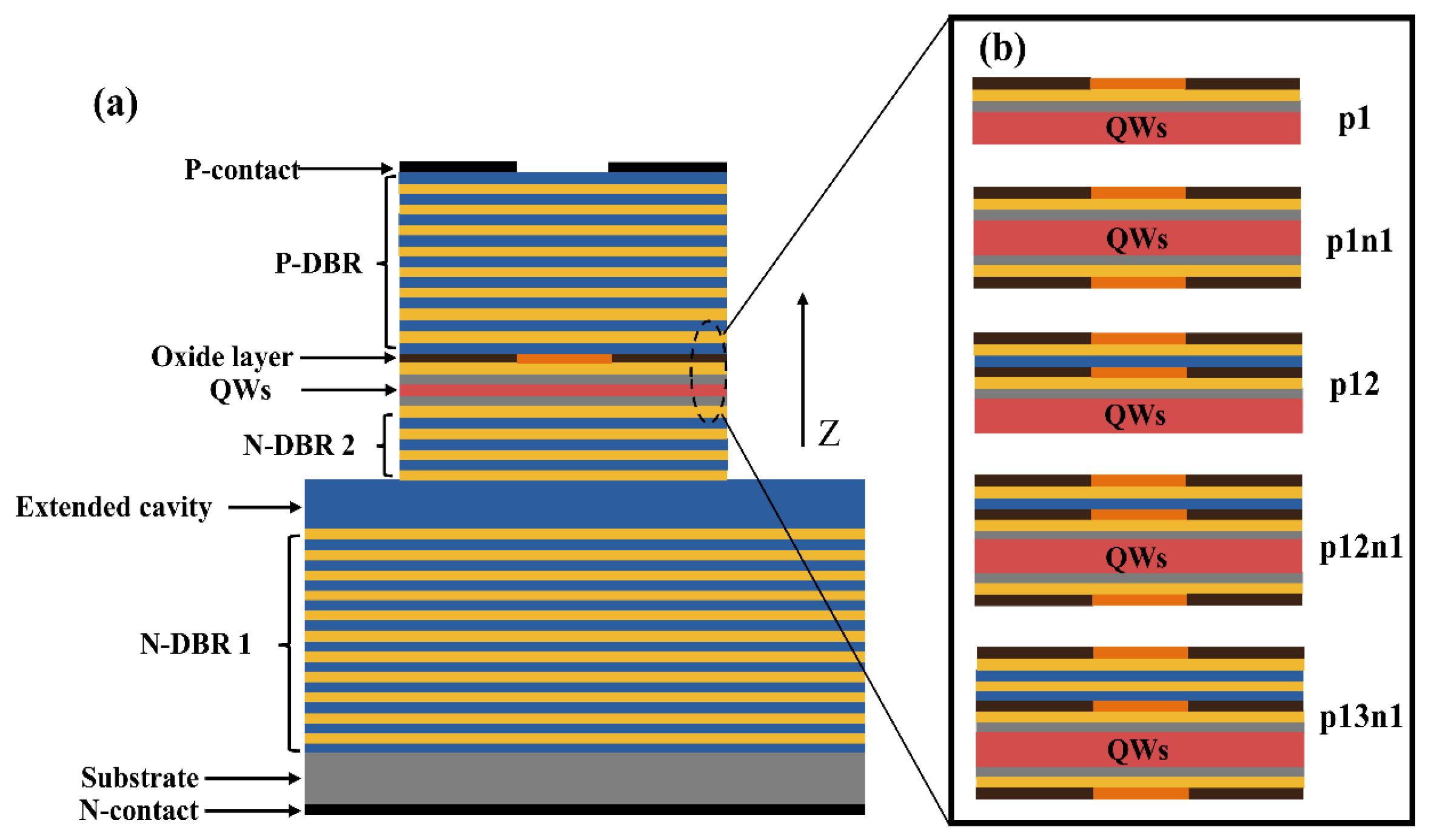
The structure of the 795 nm VCSEL designed in this work is shown in
Figure 1. The top/bottom Distributed Bragg Reflectors (DBRs) consist of 24/38 pairs of Al
0.22Ga
0.78As/Al
0.9Ga
0.1As, with a doping concentration of 2 × 10
18 cm
−3. The second cavity is made of Al
0.9Ga
0.1As with a thickness of 4.25λ and a doping concentration of 2 × 10
17 cm
−3. The N-DBR2 between the second cavity and the active region comprises 5.5 pairs of Al
0.22Ga
0.78As/Al
0.9Ga
0.1As, with a doping concentration of 2 × 10
18 cm
−3. The quantum wells are In
0.125Al
0.14Ga
0.735As with a thickness of 6.8 nm and the quantum barriers are Al
0.3Ga
0.7As with a thickness of 6.8 nm. The active region is a multi-quantum well (MQW) structure where 3 quantum wells are sandwiched between 4 quantum barriers. The total thickness of the multi-quantum wells and spacer layers is 1λ. The oxide layers are 30 nm-thick Al
0.98Ga
0.02As, with an oxide aperture of 4 μm. In this work, a total of 5 types of VCSEL structures with multi-oxide layers are designed (as shown in
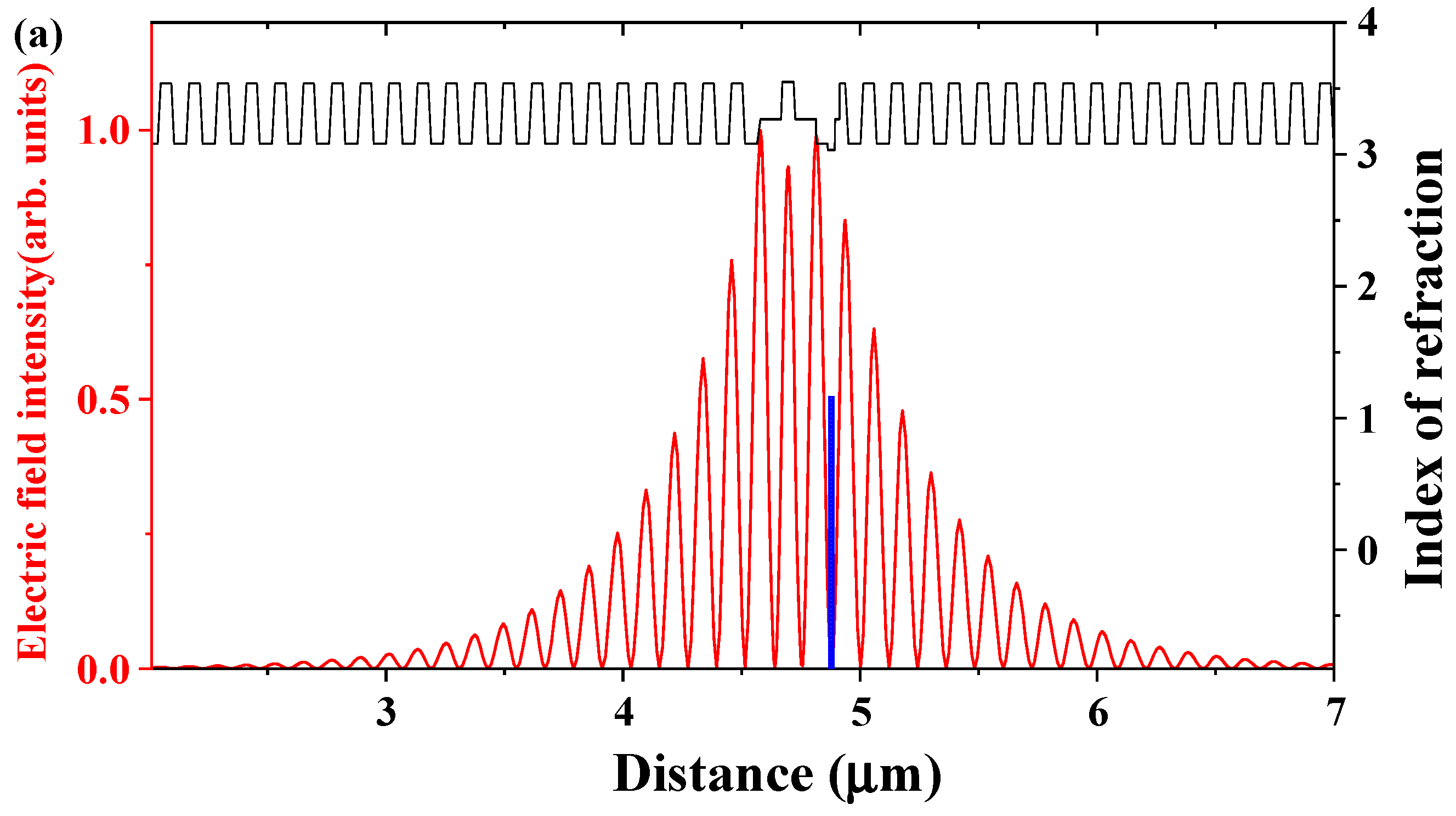
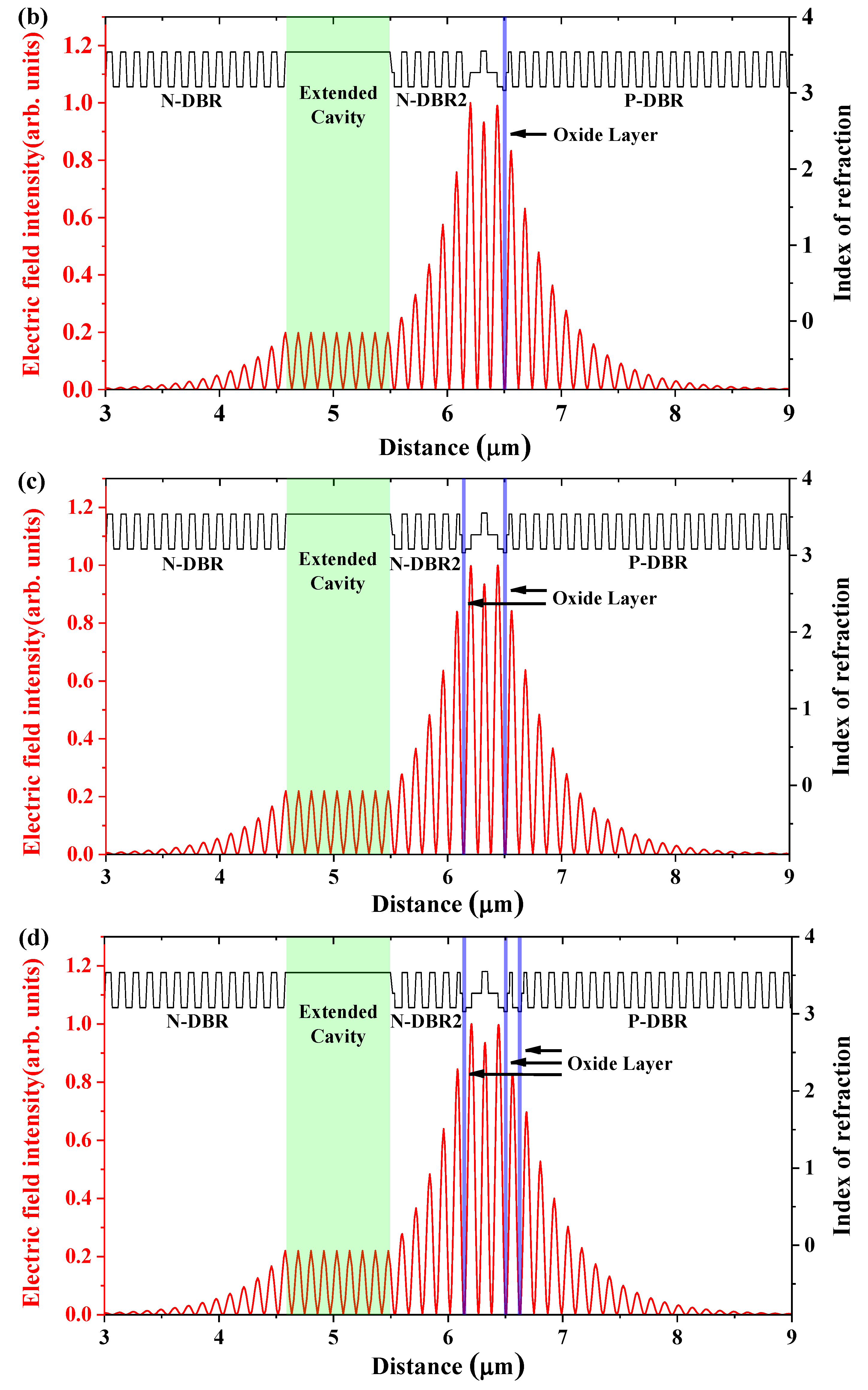
Figure 1b), including p1, p1n1, p12, p12n1, and p13n1. p1 represents a single p-type oxide layer located at the first wave valley of the standing wave above the first resonant cavity; p12 represents two p-type oxide layers located at the first and second wave valleys of the standing wave above the first resonant cavity; p13 represents two p-type oxide layers located at the first and third wave valleys of the standing wave above the first resonant cavity; n1 represents a n-type oxide layer located at the first wave valley of the standing wave below the resonant cavity. Thus, p1n1 represents a structure that includes one p-type and one n-type oxide layer, located at the first wave valley above and below the resonant cavity, respectively, as indicated by the blue vertical lines in
Figure 2b. To reduce the series resistance, a 20 nm thick graded layer is added between the oxide confinement layer (Al
0.98Ga
0.02As) and the high-refractive-index layer of the DBRs (Al
0.22Ga
0.78As), where the Al composition gradually changes from 0.98 to 0.22. In contrast, the traditional structure does not include the second cavity, DBR2, or a multi-oxide layer; it only has a single p-type oxide layer located at the first wave valley of the standing wave above the resonant cavity.
Considering the operating environment of the 795 nm VCSEL, the operating temperature of the device was set to 353.15 K. A self-heating model was used to improve the accuracy of simulations. The thermal conductivity was set to 20 and the band gap, refractive index, and recombination coefficients were set to be temperature-dependent. The background loss coefficient was assigned a value of 500. The electrical transport parameters are listed in
Table 1.
The oxide confinement structure in a VCSEL can be equivalent to a core/cladding fiber-like waveguide structure, where the effective refractive index difference between the core and the cladding is ∆n
eff. Let the effective refractive index of the core be
Ncore and the effective refractive index of the cladding be
Ncore.
Ncore and
Nclad can be calculated using the following formulas [
10]:
Ez represents the standing wave distribution of the electric field along the Z-direction and as ncore and nclad are the effective refractive indices of the core and cladding materials, respectively, then ∆neff = Ncore − Nclad. According to these formulas, ∆neff increases with the increase in the number of oxide layers. Using this model, the ∆neff values for the traditional structure, p1, p12, p1n1, p12n1, and p13n1 are calculated to be 0.0014, 0.0011, 0.0022, 0.0023, 0.0033, and 0.0031, respectively.
The larger the ∆neff, the stronger the light field confinement capability of this structure. More high-order transverse modes will be confined in the oxide aperture, which degrades the single-mode characteristics and thus the SMSR decreases. In the following text, ∆neff will be used to analyze the light field confinement capabilities of the different structures and it is found that the ∆neff alone cannot determine the SMSR and more physical effects influence the single-mode characteristics.
3. Results and Discussion
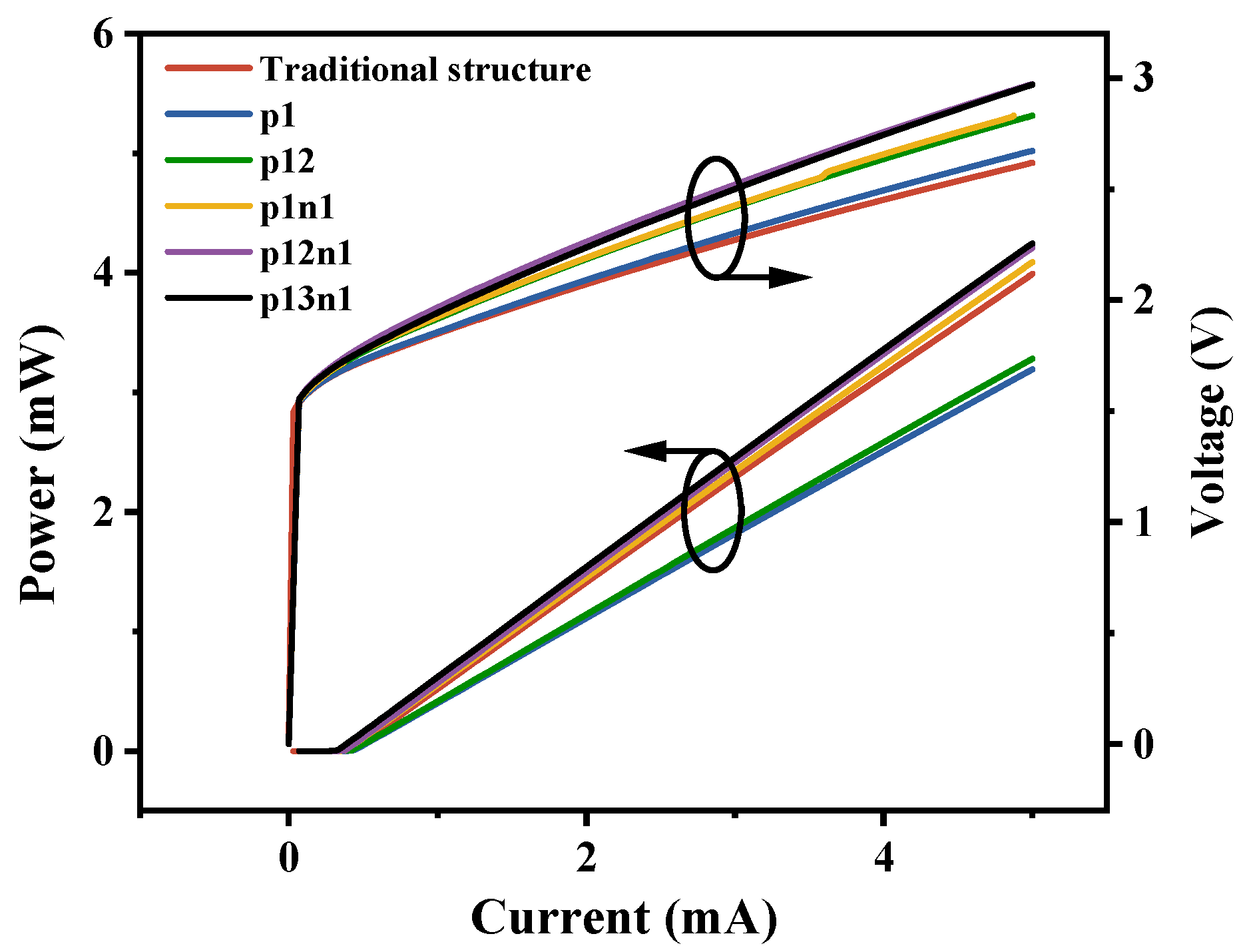
Figure 3 shows the Power–Current–Voltage (P-I-V) curves of the different structures at 80 °C; correspondingly,
Table 2 presents the threshold current, output power at a current of 5 mA, and slope efficiency of these structures. It can be intuitively observed from
Figure 3 that with an increase in the number of oxide layers, the slope efficiency and output power increase simultaneously, while the threshold current decreases. In particular, when the n-type oxide layer is introduced, the slope efficiency and output power are significantly improved and the threshold current also decreases, as expected. The formulas for threshold current, slope efficiency, and output power are as follows:
As can be seen from
Table 1, the traditional structure has a threshold current of 0.36 mA, a slope efficiency of 0.86, and an output power of 3.99 mW. After adding the second cavity to form p1, the threshold current increases to 0.39 mA, the slope efficiency decreases to 0.69, and the power decreases to 3.19 mW. According to Formula (2), after the second cavity is added, the confinement factor Γ
z decreases and the internal loss
αi increases. Both factors lead to an increase in the threshold current. Formula (3) gives the expression of the slope efficiency S and the decrease in slope efficiency is mainly caused by the increase in internal loss
αi; in addition, the decrease in current injection efficiency
ηi is also one of the reasons for the decrease in slope efficiency. According to Formula (4), both the increase in threshold current and the decrease in slope efficiency will result in an obvious decrease in output power.
After adding another p-type oxide layer, p12 is formed, with the threshold current remaining at 0.39 mA, the slope efficiency increasing to 0.71, and the power rising to 3.28 mW. Compared with p1, the threshold current remains almost unchanged, although gain g0 increases to some degree, due to the improvement of hole injection. The slope efficiency S increases significantly. According to Formula (3), adding an additional p-type oxide layer can only improve the current injection efficiency ηi, thereby increasing the slope efficiency. The increase in power stems from the increase in slope efficiency.
After introducing the n-type oxide confinement layer, structures p1n1, p12n1, and p13n1 are formed. At an operating current of 5 mA, their output powers reach 4.09 mW, 4.21 mW, and 4.25 mW, respectively. Compared with structures with only p-type oxide layers, the output power is significantly improved after adding the n-type oxide layer. The improvement in output power is mainly due to the increase in slope efficiency and the decrease in threshold current. According to Formula (3), the improvement in slope efficiency results from the increase in carrier injection efficiency, indicating that the carrier concentration is significantly enhanced after introducing the n-type oxide layer. Correspondingly, it can be inferred that the gain g0 is significantly improved and the threshold current is evidently relatively reduced after introducing the n-type oxide layer.
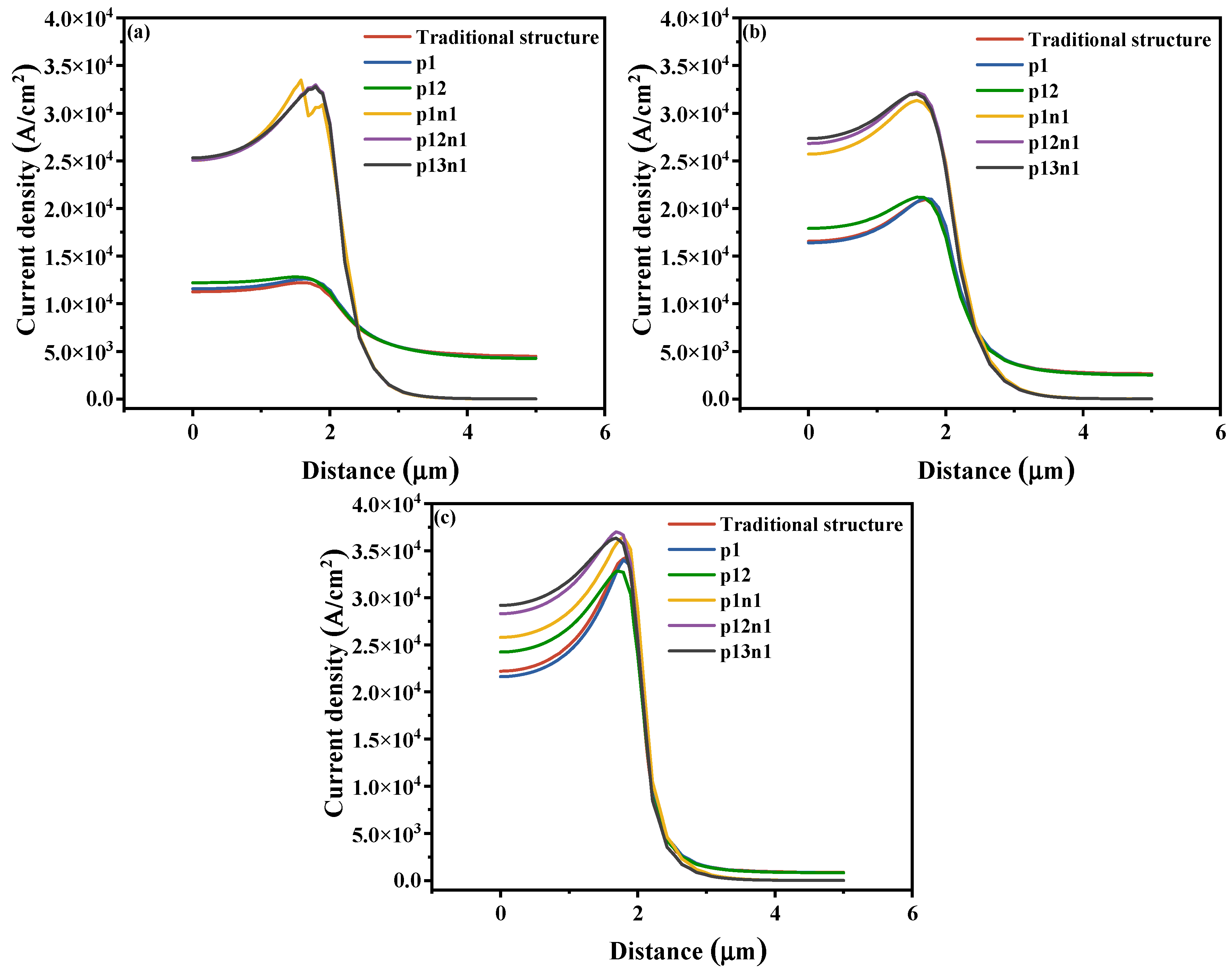
It was inferred above that both the carrier injection efficiency and carrier concentration are significantly improved after the simultaneous introduction of p-type and n-type oxide layers. To verify this inference,
Figure 4 presents the current density distributions along the radial direction of the VCSEL cylinder for the three quantum wells in the active region. The first quantum well is the bottommost one (close to the n-type doped region); the second is in the middle; and the third is the topmost one (close to the p-type doped region). The current densities of the traditional structure, p1, and, p12 show a gradient distribution, with the current density being the lowest in the first quantum well, medium in the second, and the highest in the third. This gradient distribution is due to the low hole mobility. Since only p-type oxide layers are present in these three structures, they can only confine the hole current. However, due to the low hole mobility, most holes are concentrated in the third quantum well and only a small number are transported to the first two quantum wells, resulting in the current density gradient. The current densities of structures p1n1, p12n1, and p13n1 are uniformly distributed among the three quantum wells with no obvious variations. It can be seen that after the introduction of the n-type oxide layer, the electron current density in the active region is significantly increased, and the electron mobility is much higher than that of the hole, so the electron currents in the three quantum wells are almost the same. More importantly, the current density in the structures with both p-type and n-type oxide layers is significantly higher than that in the structures without the n-type oxide layer. A higher current density leads to a higher carrier concentration, which means a higher carrier injection efficiency and this is also the main reason for the increase in slope efficiency. When the carrier concentration injected into the active region increases, the gain of the active region also increases, and thus the threshold current decreases. In summary, the adoption of a p-type oxide layer can improve the hole injection efficiency and hole current density, while the adoption of an n-type oxide layer can enhance the electron injection efficiency and electron current density. In the case of only a p-type oxide layer, the increase in current density and carrier concentration is scant. When both p-type and n-type oxide layers are used, the electron current and hole current densities increase simultaneously, leading to a significant increase in injected carrier concentration. Consequently, the gain of the active region is remarkably improved and ultimately the output power of the device is greatly enhanced.
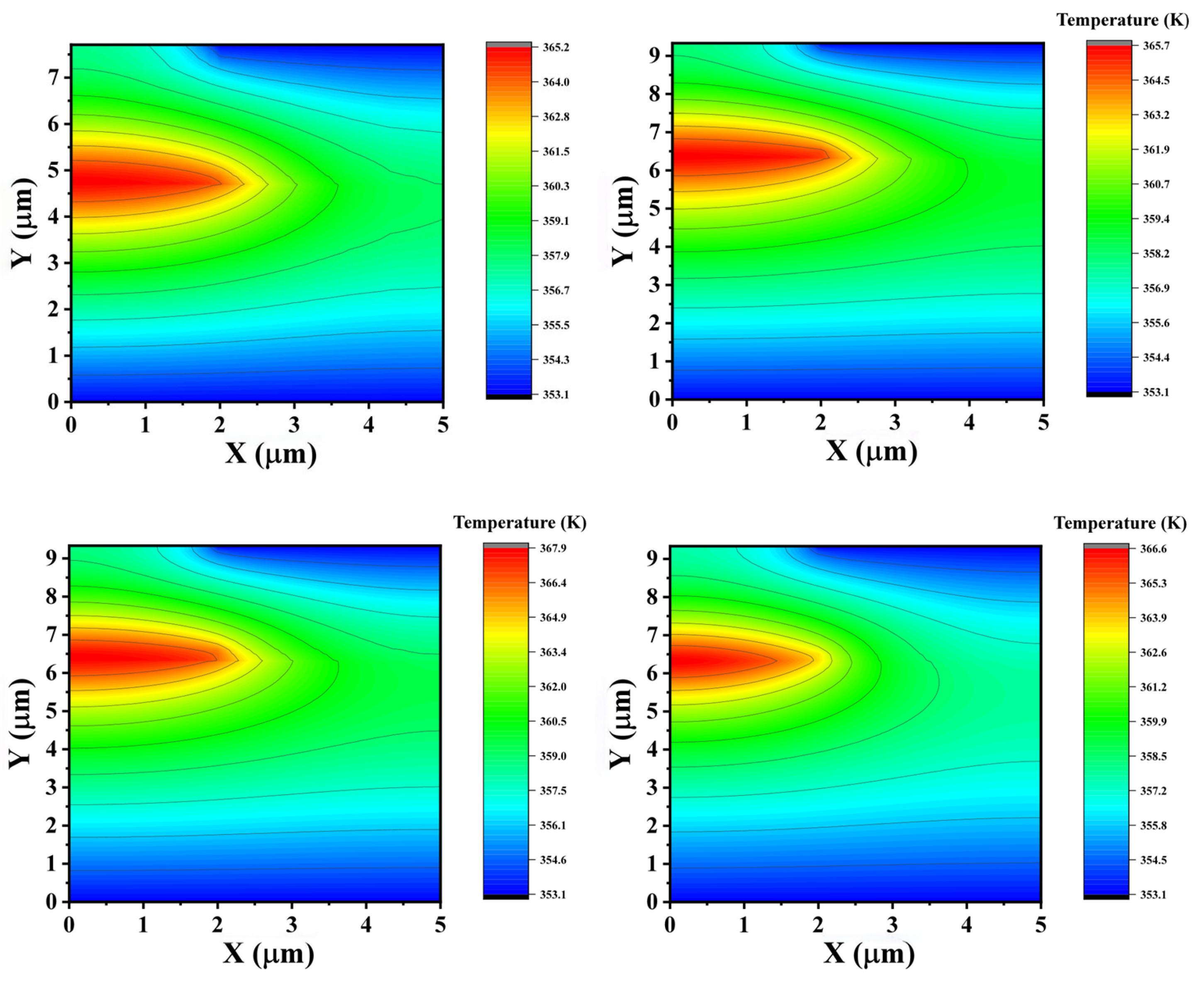
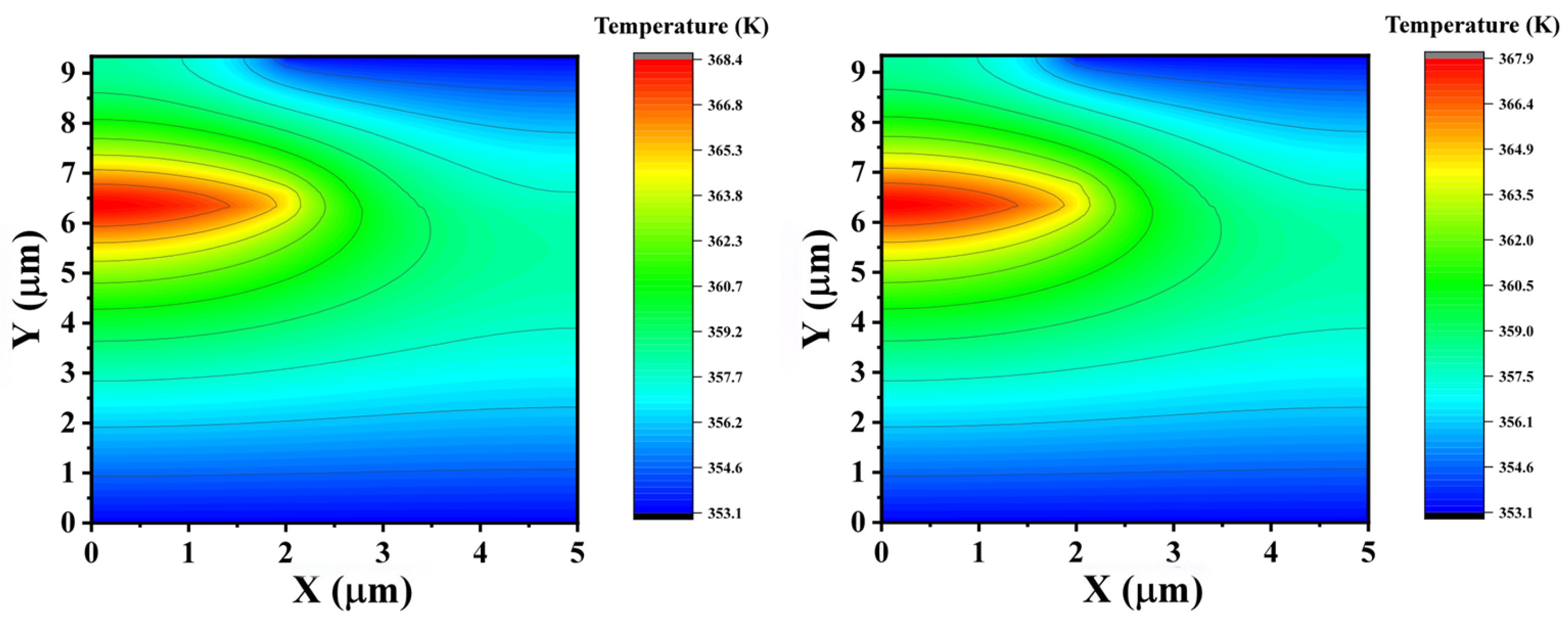
Based on the above analysis, the multi-oxide layer achieves stronger carrier confinement, which increases the carrier concentration in the active region. Meanwhile, the multi-oxide layer leads to an increase in series resistance. Therefore, after the introduction of the multi-oxide layer, the temperature inside the device (especially in the active region) will rise, resulting in changes in parameters such as the refractive index, band gap, and recombination coefficient, thereby altering the optoelectronic performance of the device. In VCSELs, there exists a thermal lens effect, that is, the non-uniform temperature distribution inside the device leads to a radial change in the refractive index, thus changing the transverse mode distribution of the VCSEL. This simulation was performed using a self-heating model with a thermal conductivity of 20, in which the band gap, refractive index, and recombination coefficient exhibit temperature-dependent behavior.
Figure 5 depicts the cross-sectional 2D temperature distribution mapping obtained from the simulation. Contrary to expectations, within the range of the oxide aperture, the radial temperature variation is marginal and the corresponding radial variation in refractive index is thus negligible. For this reason, the thermal lensing effect is not reflected in this study. Similarly, due to the small temperature variation range, other temperature-related parameters remain almost unchanged. Therefore, the influence of thermal effects on the optoelectronic performance of VCSELs can be neglected in this study.
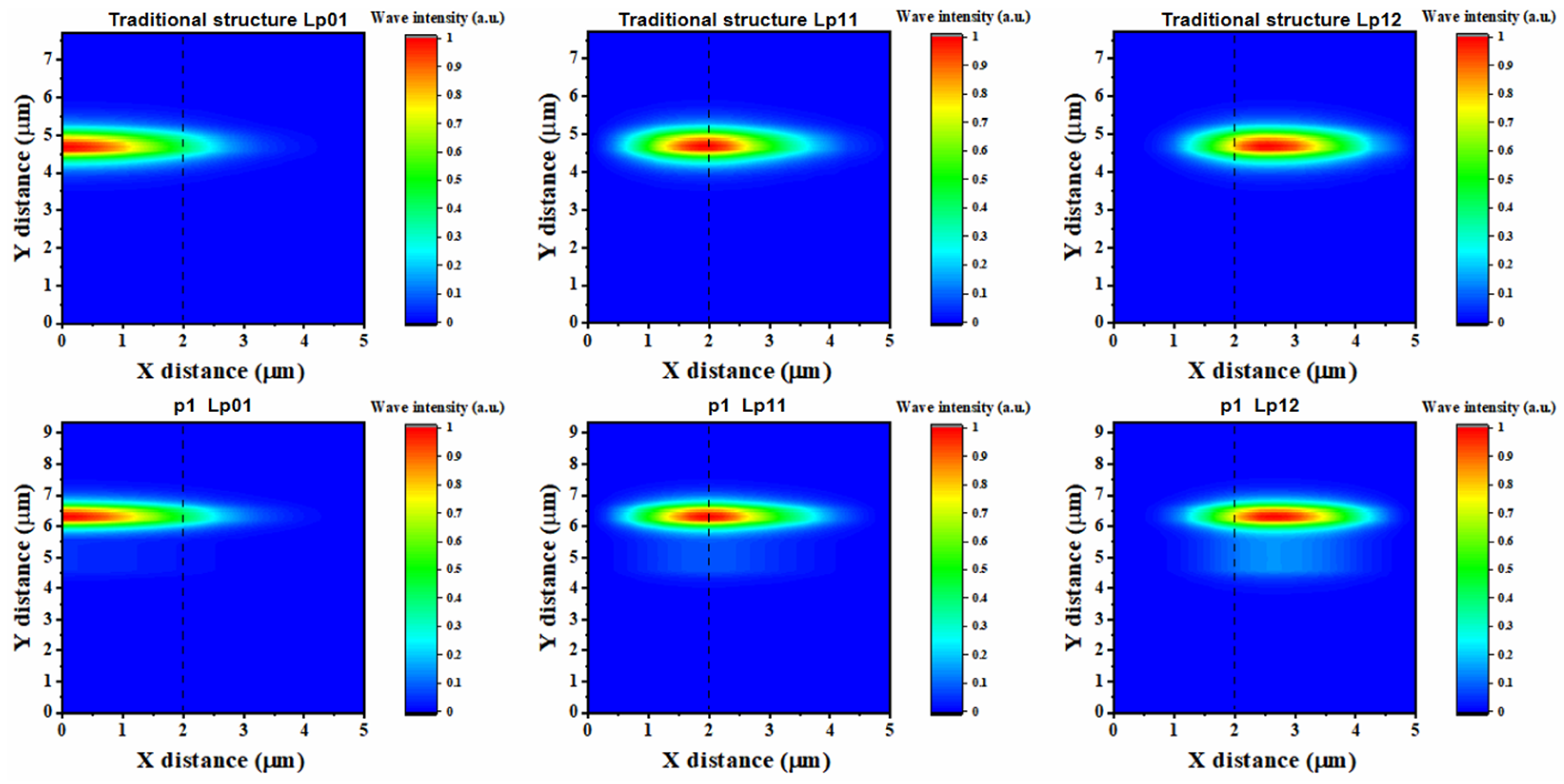
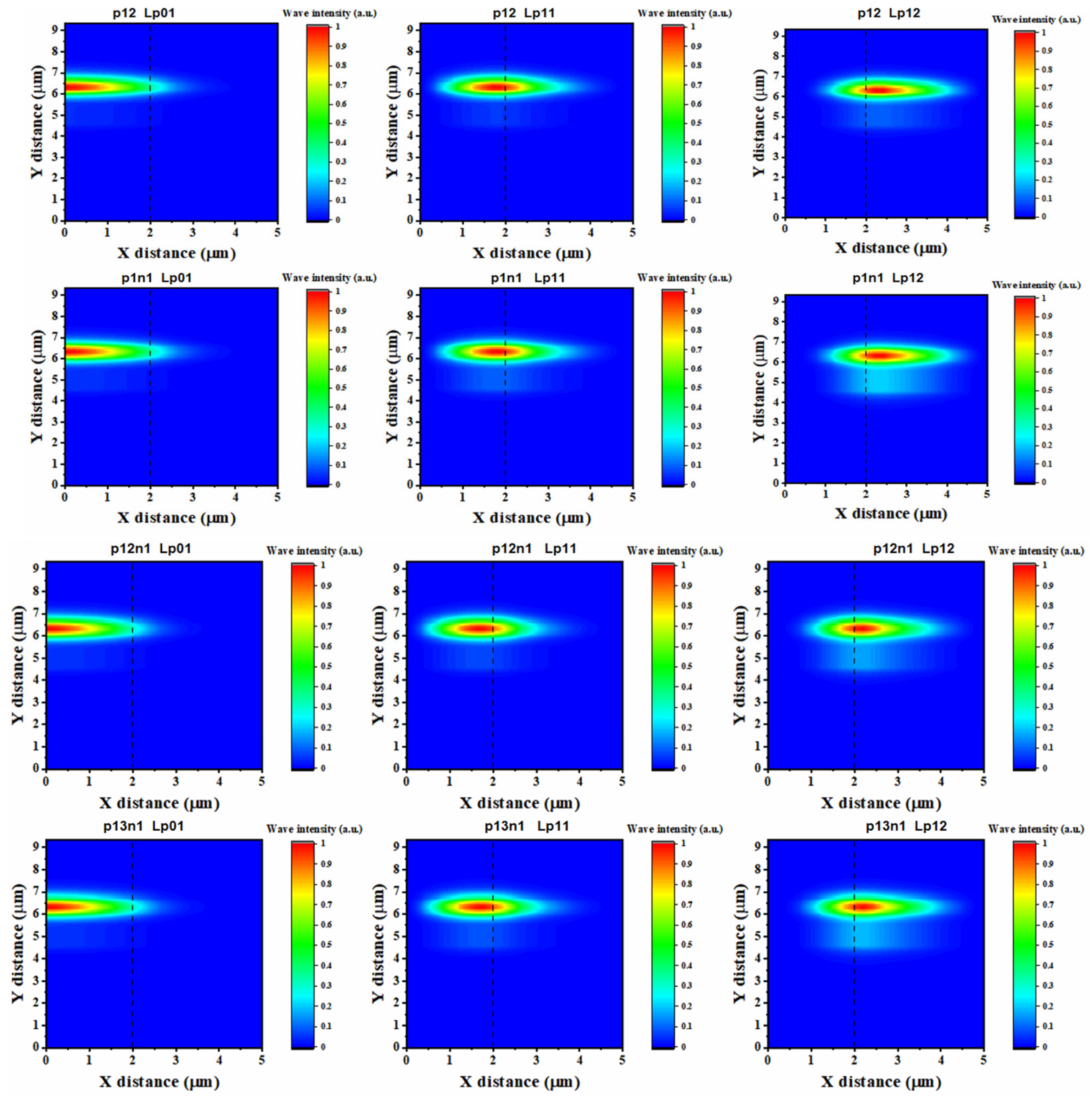
Figure 6 illustrates the fundamental mode LP
01 and the two higher-order transverse modes (LP
11 and LP
12) corresponding to six types of VCSEL structures: the conventional structure, p1, p12, p1n1, p12n1, and p13n1. Specifically, the first column corresponds to the fundamental mode LP
01, the second column corresponds to the higher-order mode LP
11, and the third column corresponds to the higher-order mode LP
12. The black vertical dashed lines in the figures denote the boundaries of the oxide apertures. As observed, an increase in the refractive index difference leads to more higher-order transverse modes being confined within the oxide apertures. Based on the distribution of the fundamental mode and the higher-order modes, it can be inferred that with an increase in the number of oxide layers, the effective refractive index difference increases and more higher-order transverse modes are confined in the oxide aperture, resulting in the degradation of the single transverse mode characteristic and a decrease in the SMSR. Sorted by the effective refractive index from largest to smallest, the order is p12n1 > p13n1 > p1n1 > p12 > traditional structure > p1. However, it will be found in the following text that the order of magnitude of the SMSR is not the case, and it involves other physical effects, such as the diffraction loss of high-order transverse modes, the spatial hole burning effect, etc.
The side-mode suppression ratio (SMSR) is a crucial parameter for 795 nm VCSELs.
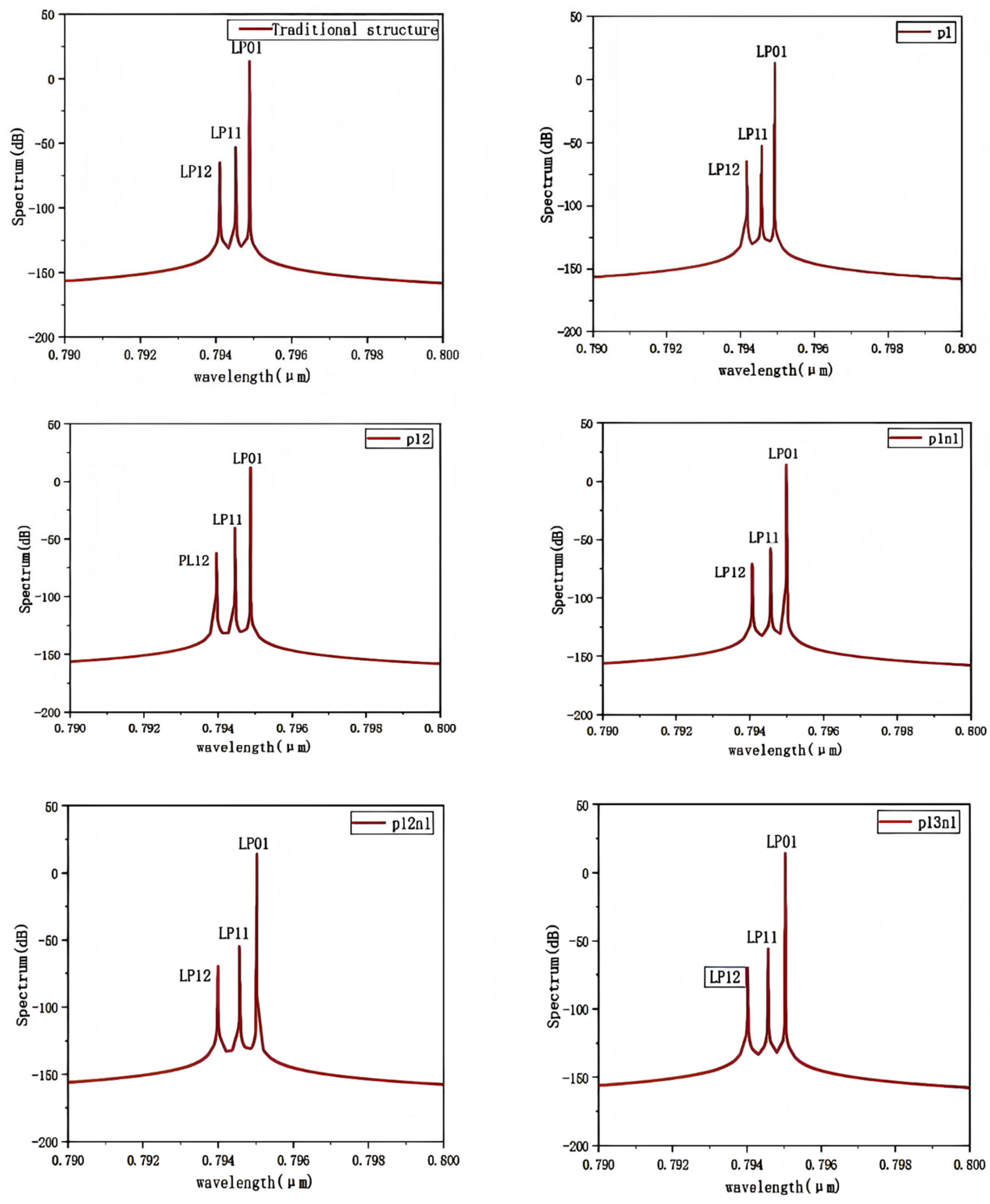
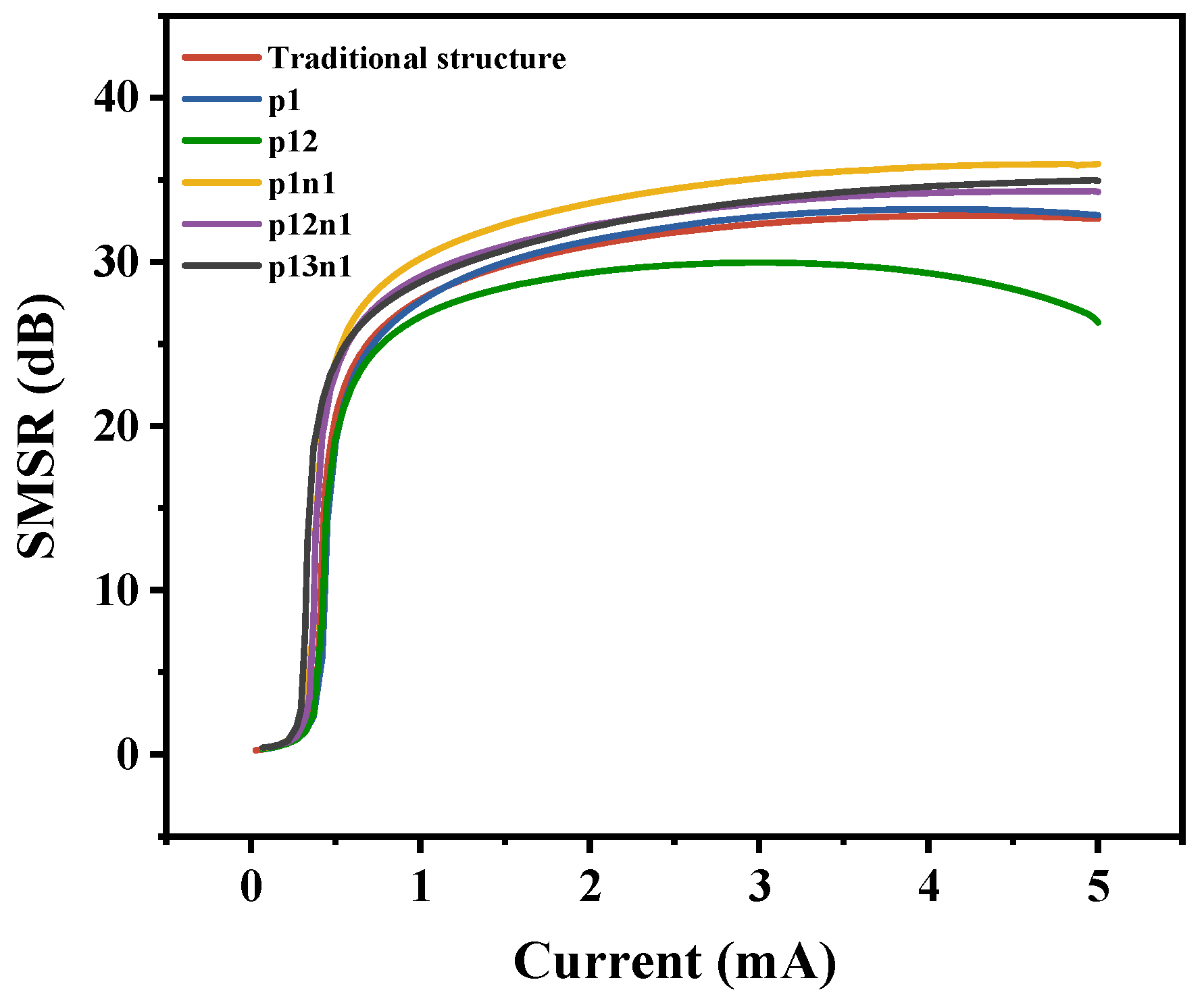
Figure 7 presents the curves of the SMSR versus the current for the different structures, and
Figure 8 shows the stimulated optical spectra of the different structures at an operation current of 5 mA. Owing to the adoption of a small oxide aperture (4 μm), the SMSR of the traditional structure reaches 32.6 dB@5 mA. After adding the second cavity, there is no significant improvement in the SMSR—the SMSR of p1 is only 32.8 dB. This is mainly because the second cavity is relatively short (4.25λ), which is much shorter than the reported second cavity length (10λ). The short second cavity is employed to avoid multi-longitudinal-mode lasing and excessive losses.
After introducing the multi-oxide-layer structure, two trends emerge: the SMSR increases for p1n1, p12n1, and p13n1, while it decreases for p12. These two trends involve complex physical effects, including the following: (1) the spatial hole burning effect [
28]; (2) the strong confinement effect of multi-oxide layers on the optical field [
27]; (3) the diffraction loss of high-order transverse modes [
29,
30] at p-type oxide apertures; and (4) finally, and most notably, the blocking effect of n-type oxide pores on higher-order transverse modes.
First, regarding the decrease in the SMSR: p12 incorporates two p-type oxide layers, which are located at the first and second wave valleys of the standing wave above the resonant cavity. The effective refractive index difference (∆neff) is 0.0023, much larger than that of the traditional structure (0.0014). Additionally, due to the short second cavity, the diffraction loss is also low. Therefore, for p12, the ∆neff confines more high-order transverse modes within the oxide aperture, leading to a reduction in the SMSR. In addition, at a low current, the SMSR of p12 will increase with the increase in current; When the current exceeds 3 mA, SMSR decreases in reverse with the increase in current. The reason for this phenomenon is the spatial hole burning effect. At low operation current, all carriers in the active region are used to generate the fundamental transverse mode. Therefore, as the current increases, the fundamental transverse mode strengthens and the SMSR increases. When the current exceeds 3 mA, some charge carriers are trapped at the edge of the oxide hole and cannot be used to generate fundamental transverse modes. These charge carriers will form higher-order transverse modes at the edge of the oxide hole, resulting in a decrease in the SMSR.
Next, regarding the increase in the SMSR, p12n1 is based on p12 with an additional n-type oxide layer, which is situated at the first wave valley of the standing wave on the lower side of the resonant cavity. Its ∆neff is 0.0033, significantly larger than that of both the traditional structure and p12. Although the confinement of high-order modes is enhanced, the SMSR of p12n1 is higher than that of p12. This abnormal phenomenon can be attributed to the fact that the n-type oxide layer serves to block the mode competition of high-order modes. The n-type oxide layer is located between the active region and the second cavity. Due to the small size of the oxide aperture, most high-order transverse modes are located outside the n-type oxide aperture. When the optical field oscillates between the active region and the second cavity, most of the high-order transverse modes are blocked by n-type oxide aperture, making it impossible to form oscillation feedback and thus unable to compete for modes. Therefore, most high-order transverse modes will dissipate during this process. As a result, compared with p12 and the traditional structure, the p12n1 has a higher SMSR. In addition, p12n1 does not exhibit the spatial hole burning effect, which is also related to n-type oxide aperture. The n-type oxide aperture has a strong confinement to electron current, increasing electron injection and active region electron concentration. Due to the much higher electron mobility than that of the holes, electrons in high concentration areas will quickly flow to low concentration areas instead of clogging at the edges of the oxide aperture, thus avoiding spatial hole burning.
p13n1 is similar to p12n1, but its topmost p-type oxide aperture is farther from the active region. This not only weakens the optical field confinement but also increases the diffraction loss. The two effects ultimately result in a larger SMSR for p13n1 compared to that of p12n1 and traditional structures.
p1n1 is also similar to p12n1 and p13n1, but the ∆neff of p1n1 is 0.0023, much smaller than that of p13n1, so the confinement of high-order transverse modes is much lower than that of p13n1, leading to a further increase in the SMSR.