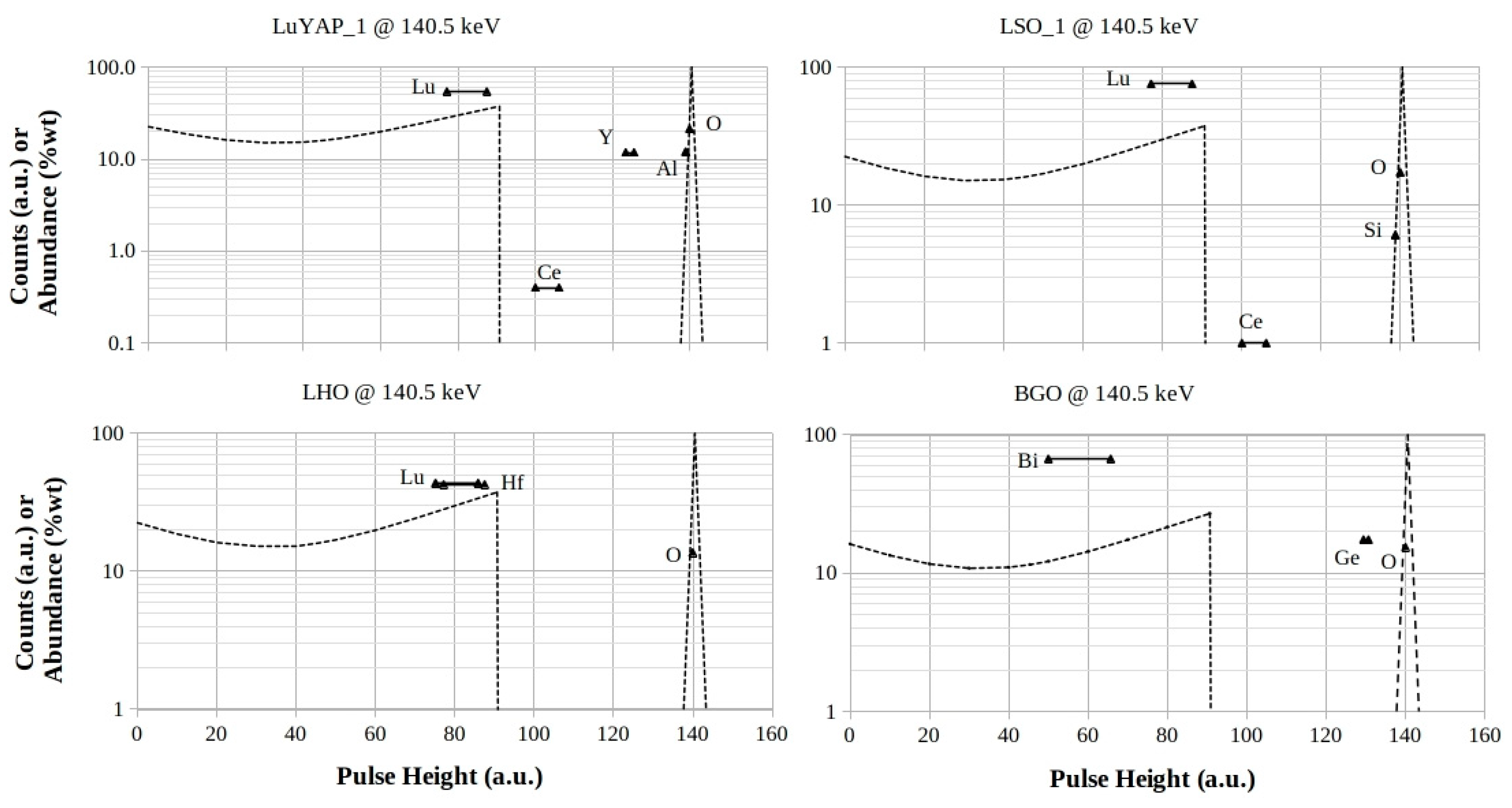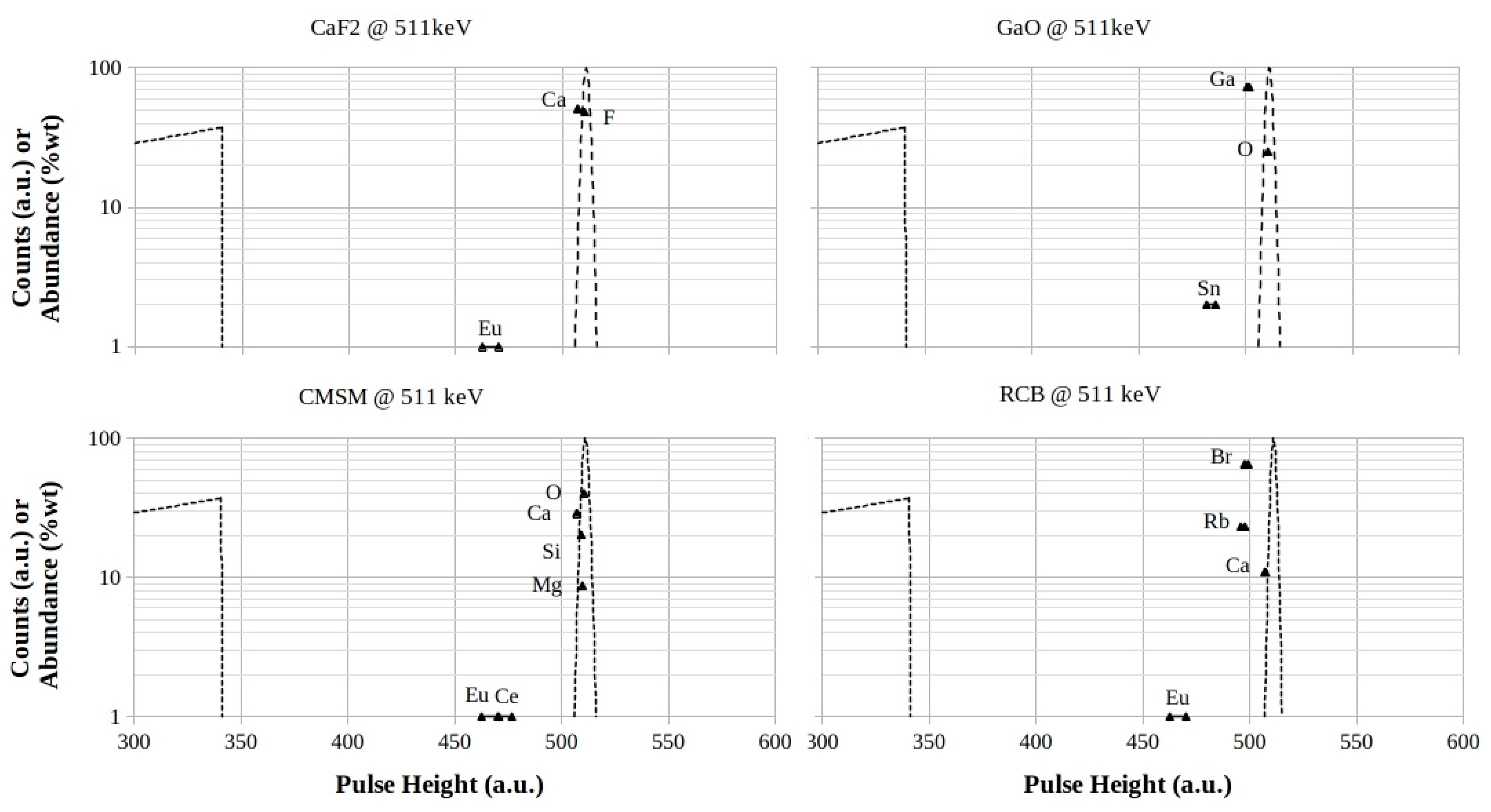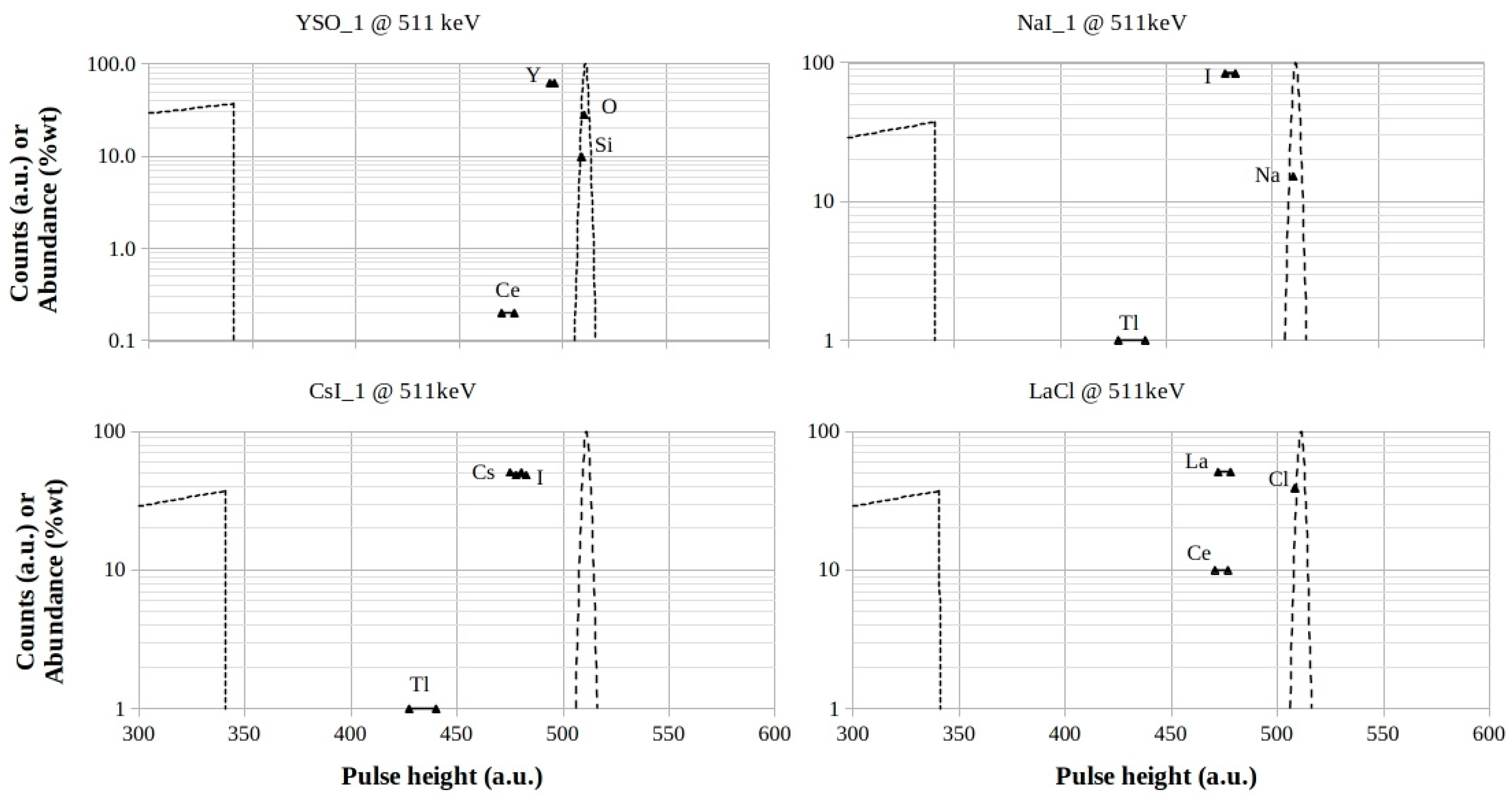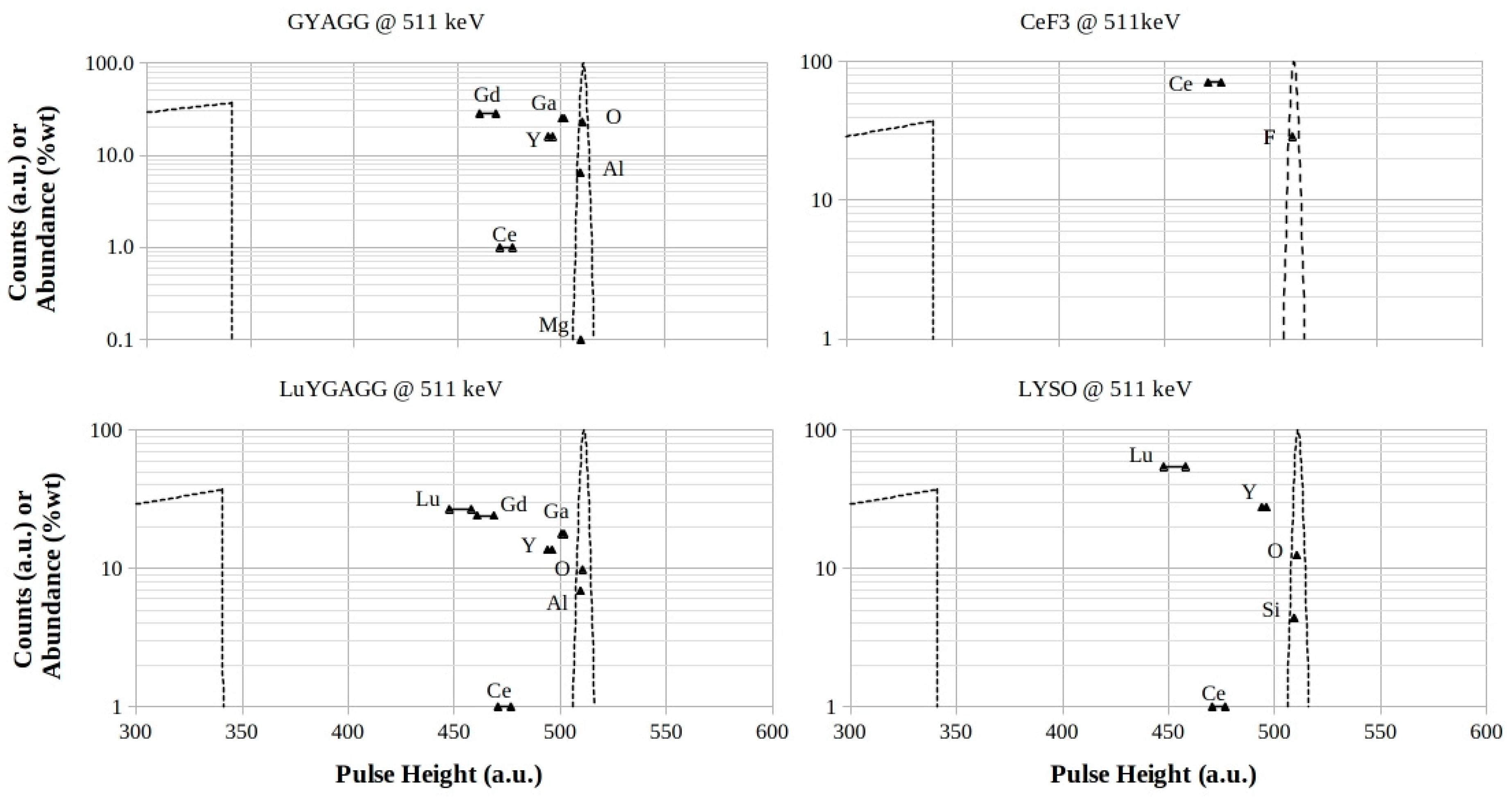
XRF-Escape Scintillator Footprints for Nuclear Medicine Imaging and Gamma-Ray Spectrometry

Abstract
Share and Cite
Scafè, R.; Puccini, M.; Pellegrini, R.; Pani, R. XRF-Escape Scintillator Footprints for Nuclear Medicine Imaging and Gamma-Ray Spectrometry. Photonics 2025, 12, 191. https://doi.org/10.3390/photonics12030191
Scafè R, Puccini M, Pellegrini R, Pani R. XRF-Escape Scintillator Footprints for Nuclear Medicine Imaging and Gamma-Ray Spectrometry. Photonics. 2025; 12(3):191. https://doi.org/10.3390/photonics12030191
Chicago/Turabian StyleScafè, Raffaele, Marco Puccini, Rosanna Pellegrini, and Roberto Pani. 2025. "XRF-Escape Scintillator Footprints for Nuclear Medicine Imaging and Gamma-Ray Spectrometry" Photonics 12, no. 3: 191. https://doi.org/10.3390/photonics12030191
APA StyleScafè, R., Puccini, M., Pellegrini, R., & Pani, R. (2025). XRF-Escape Scintillator Footprints for Nuclear Medicine Imaging and Gamma-Ray Spectrometry. Photonics, 12(3), 191. https://doi.org/10.3390/photonics12030191