Article

Spatio-Temporal Dynamics of Vegetation and Water Stress in the Trichonida Basin Using Remote Sensing and Climatic Drought Indicators


by
Fatima Daide
1,
Eleni Ioanna Koutsovili
2,3,
Mohammed Mouad Mliyeh
1,
Abderrahim Lahrach
1,
Isavela N. Monioudi
4 and
Ourania Tzoraki
4,*
1
Laboratory of Geo-Resources and Environment, Faculty of Sciences and Techniques, University of Sidi Mohamed Ben Abdellah, Fez 30000, Morocco
2
Istituto di Elettronica e di Ingegneria dell’Informazione e delle Telecomunicazioni (IEIIT), Consiglio Nazionale delle Ricerche (CNR), 56122 Pisa, Italy
3
Department of Agriculture, Food and Environment, University of Pisa, 56124 Pisa, Italy
4
Department of Marine Sciences, School of Environment, University of the Aegean, 81100 Mytilene, Greece
*
Author to whom correspondence should be addressed.
Limnol. Rev. 2026, 26(2), 22; https://doi.org/10.3390/limnolrev26020022

Submission received: 17 March 2026 / Revised: 21 May 2026 / Accepted: 22 May 2026 / Published: 28 May 2026

Abstract

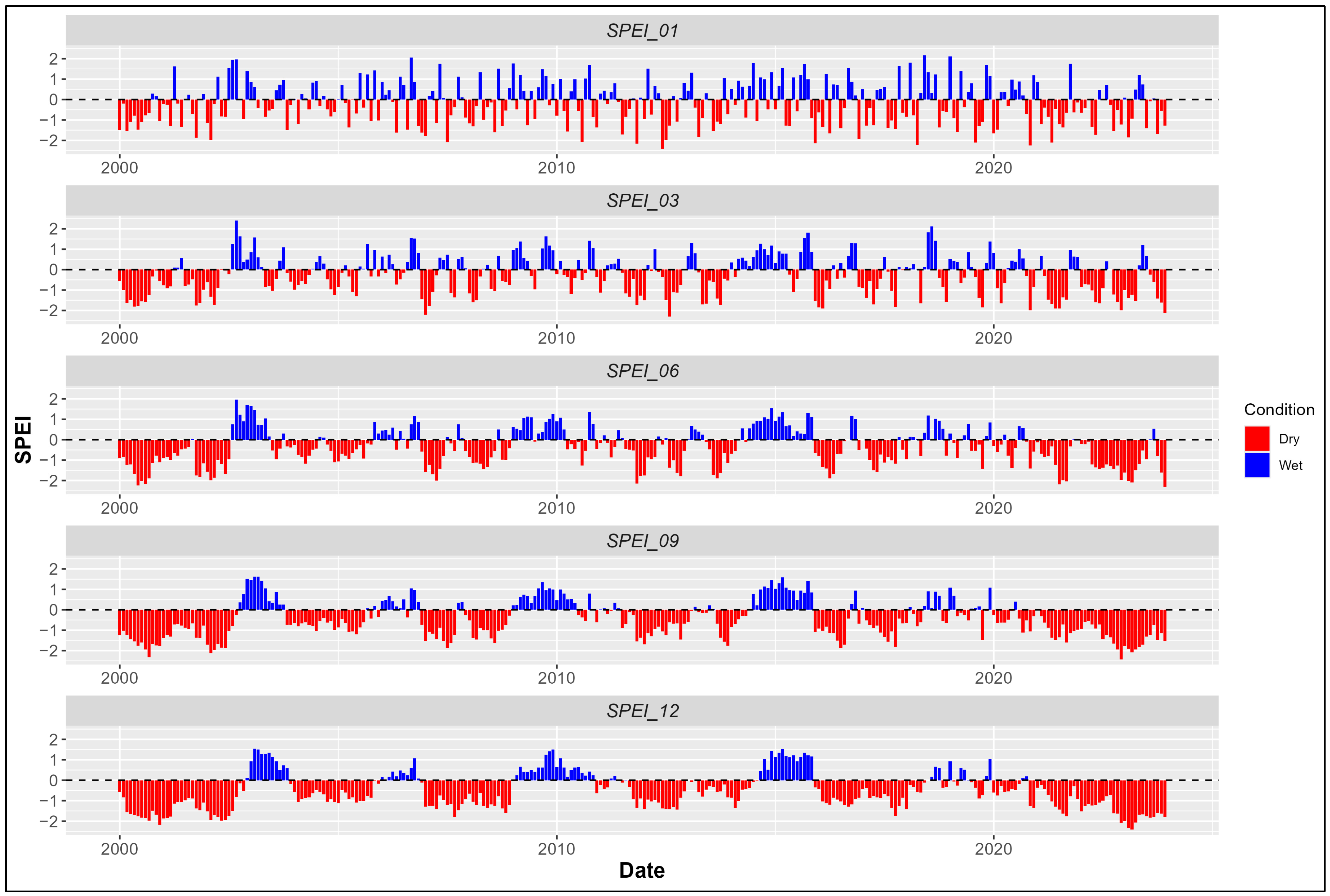
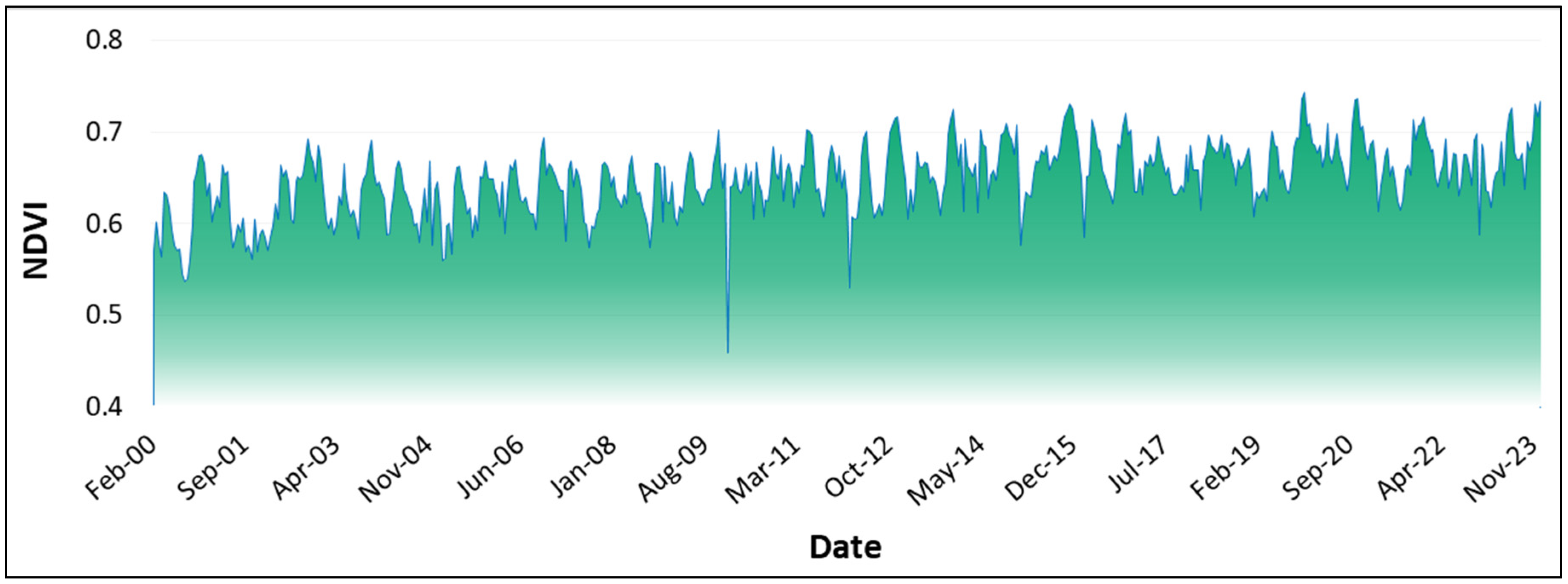
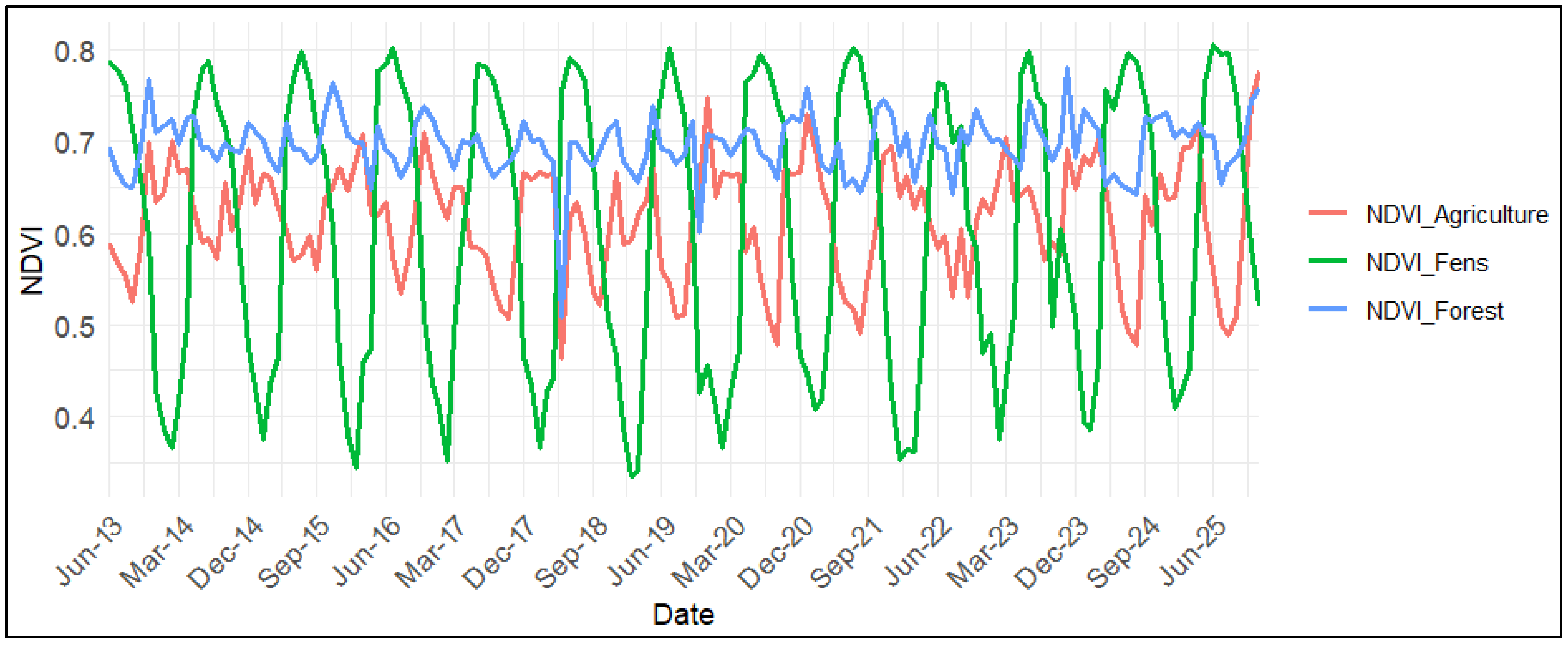
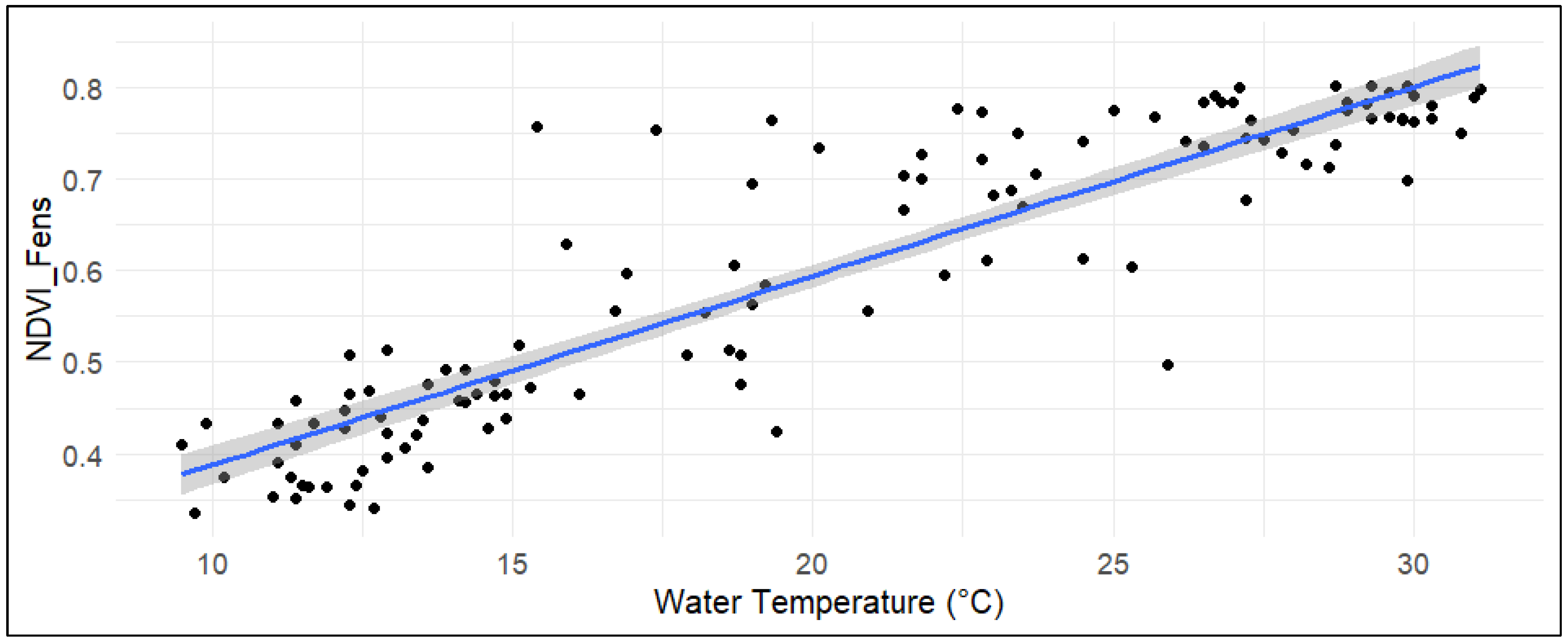
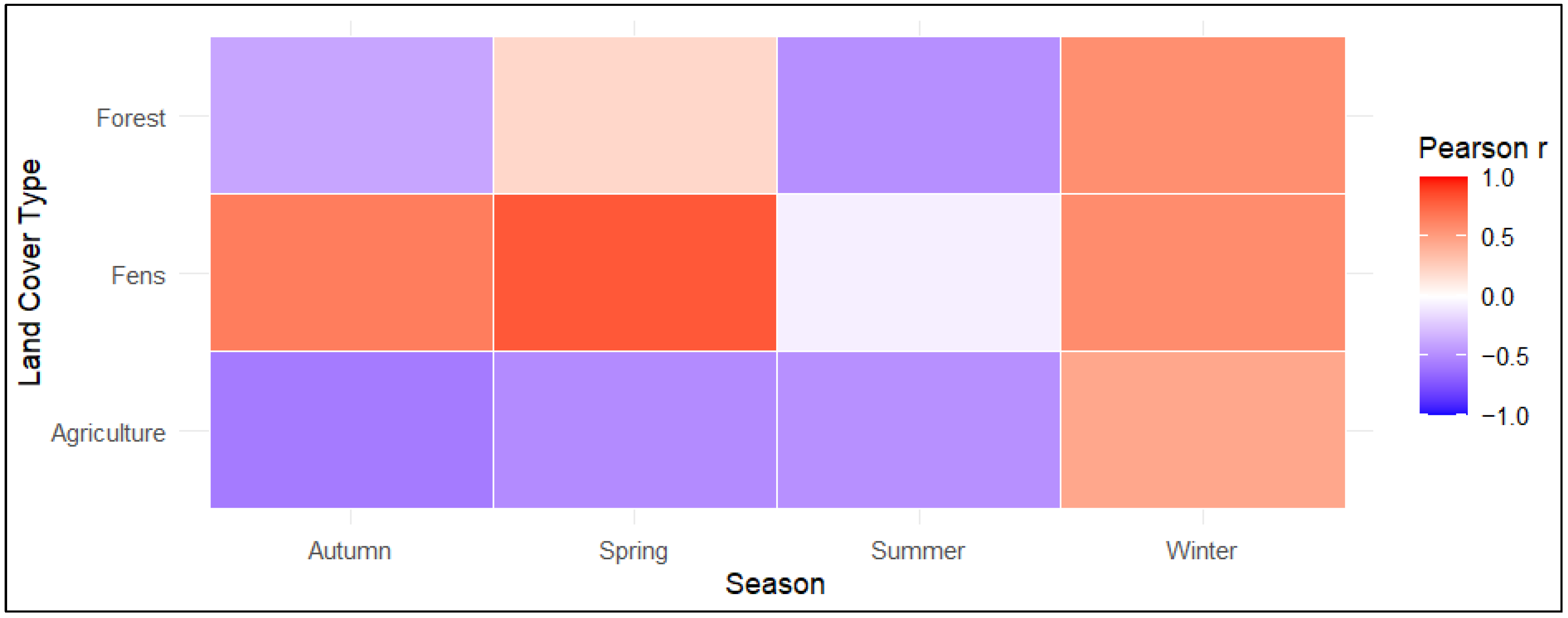
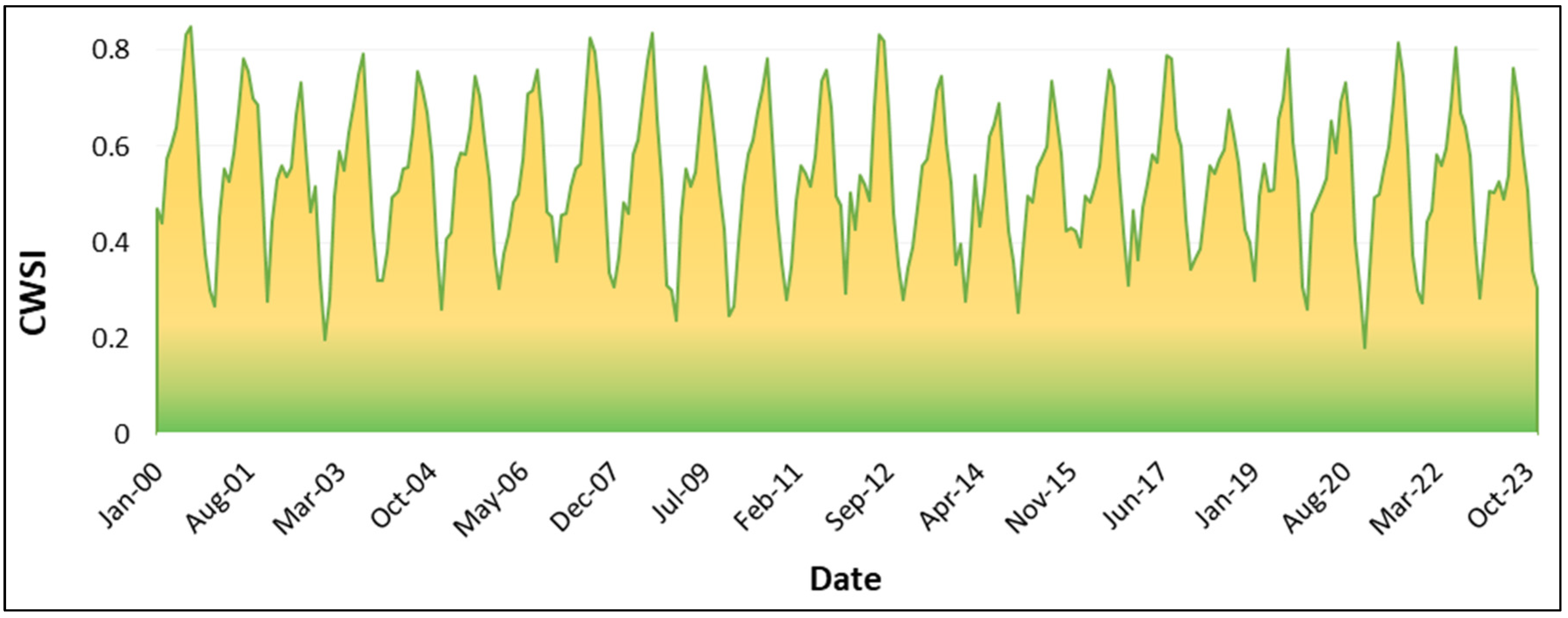
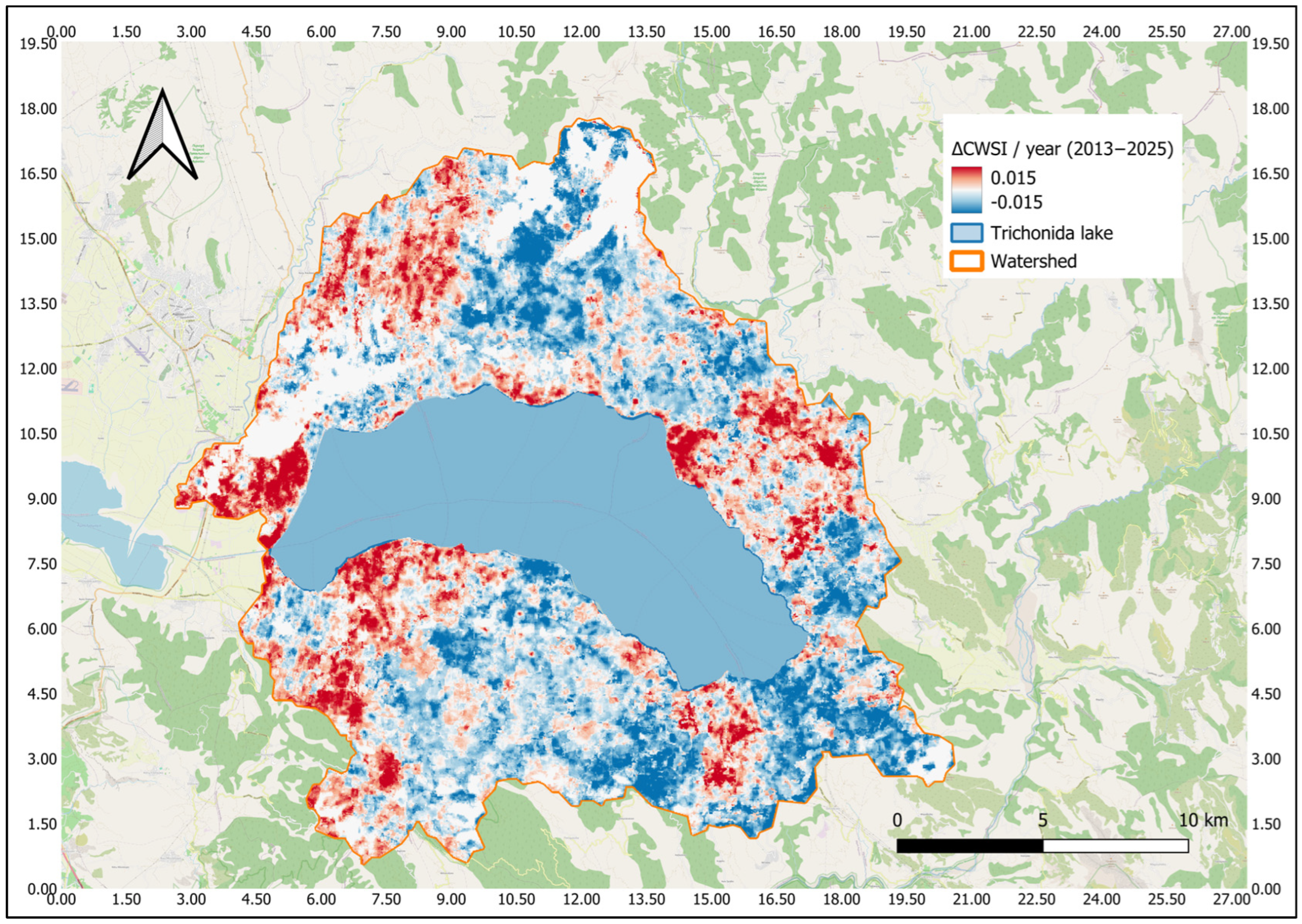
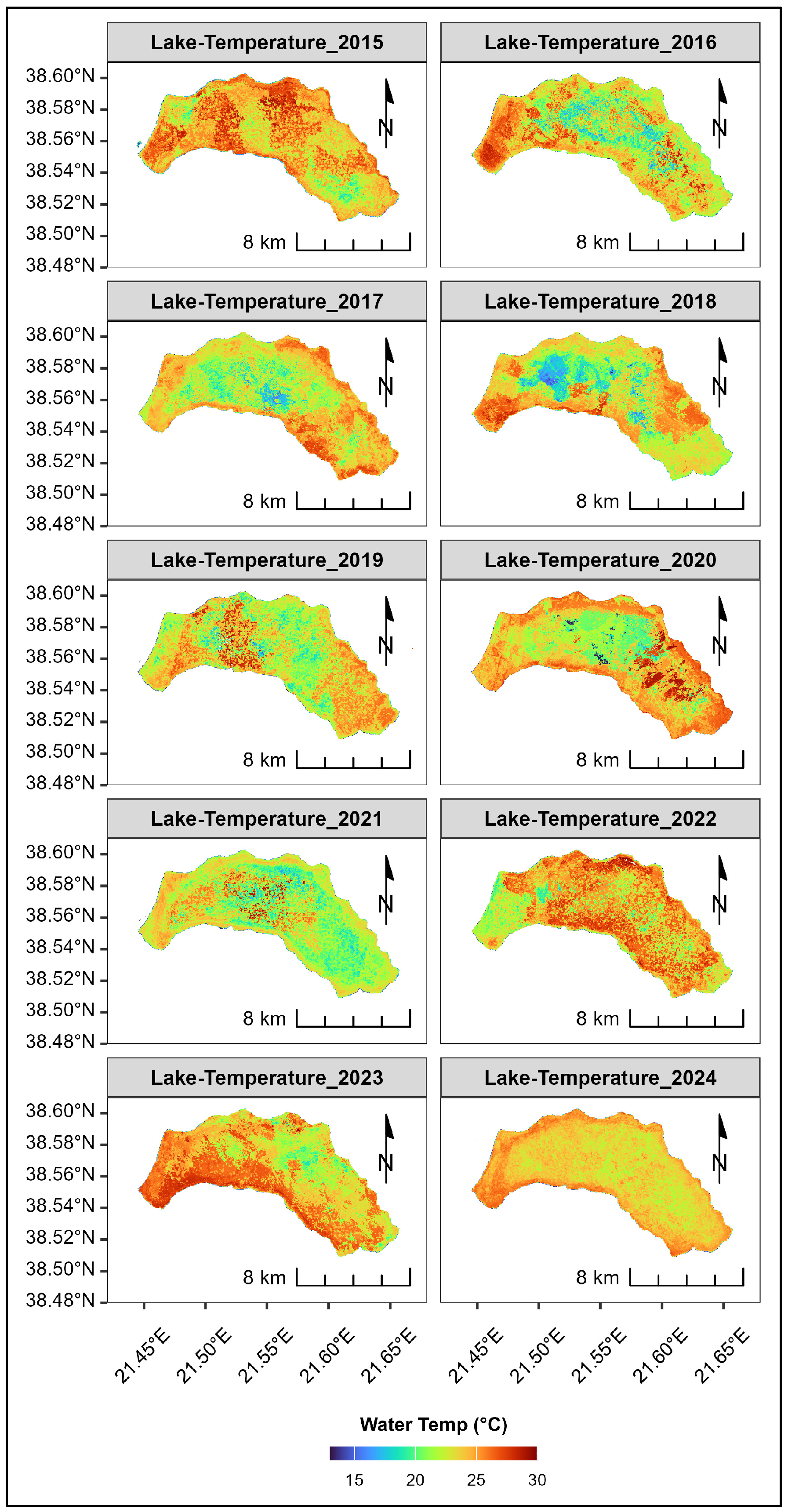
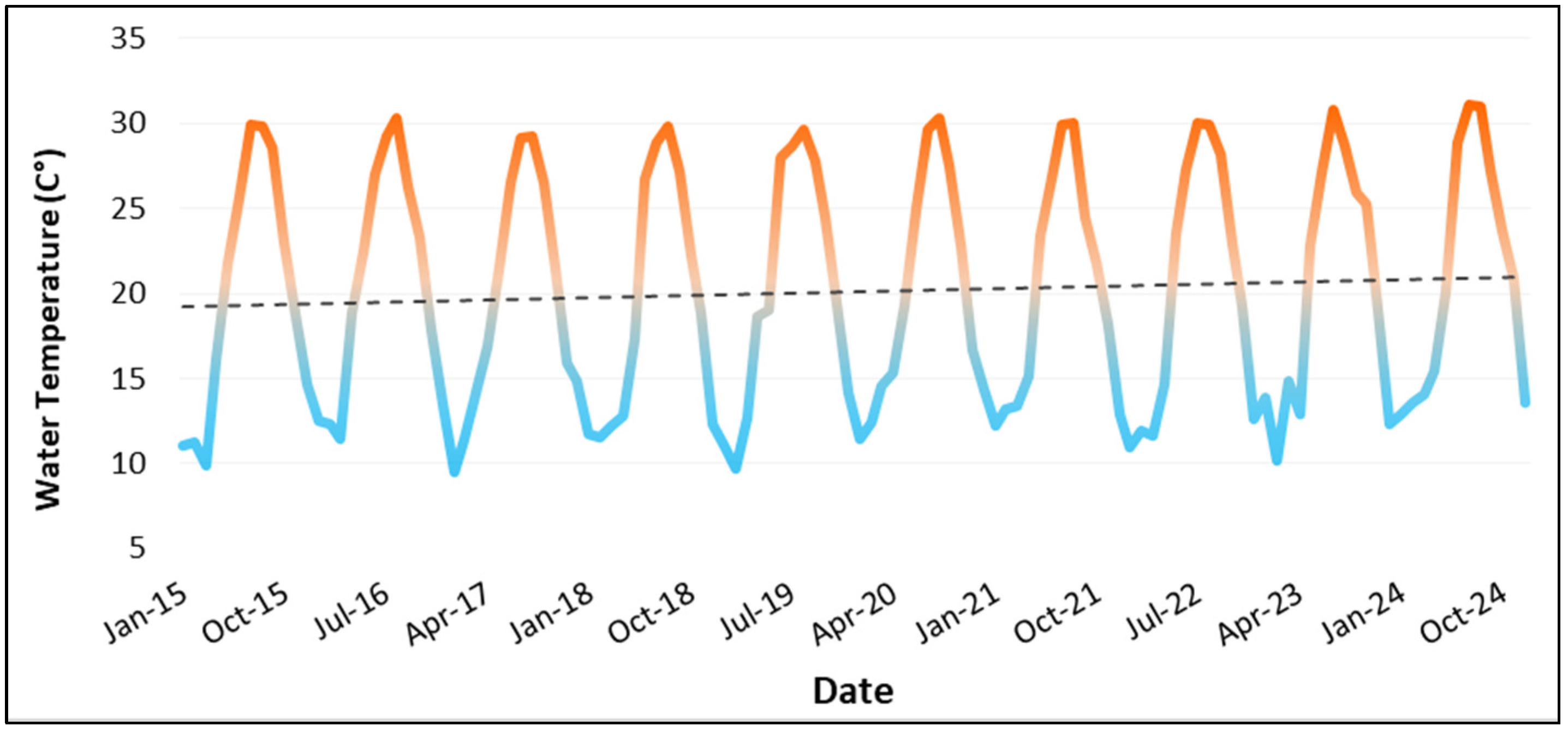
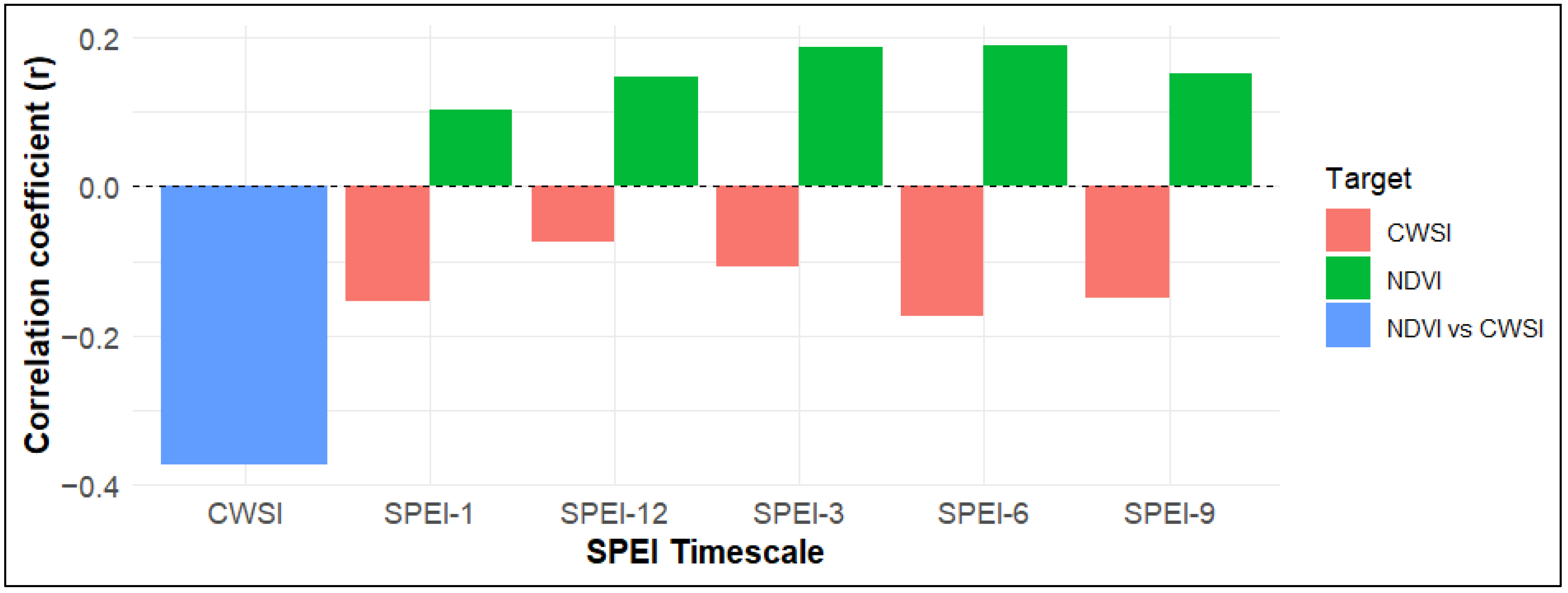
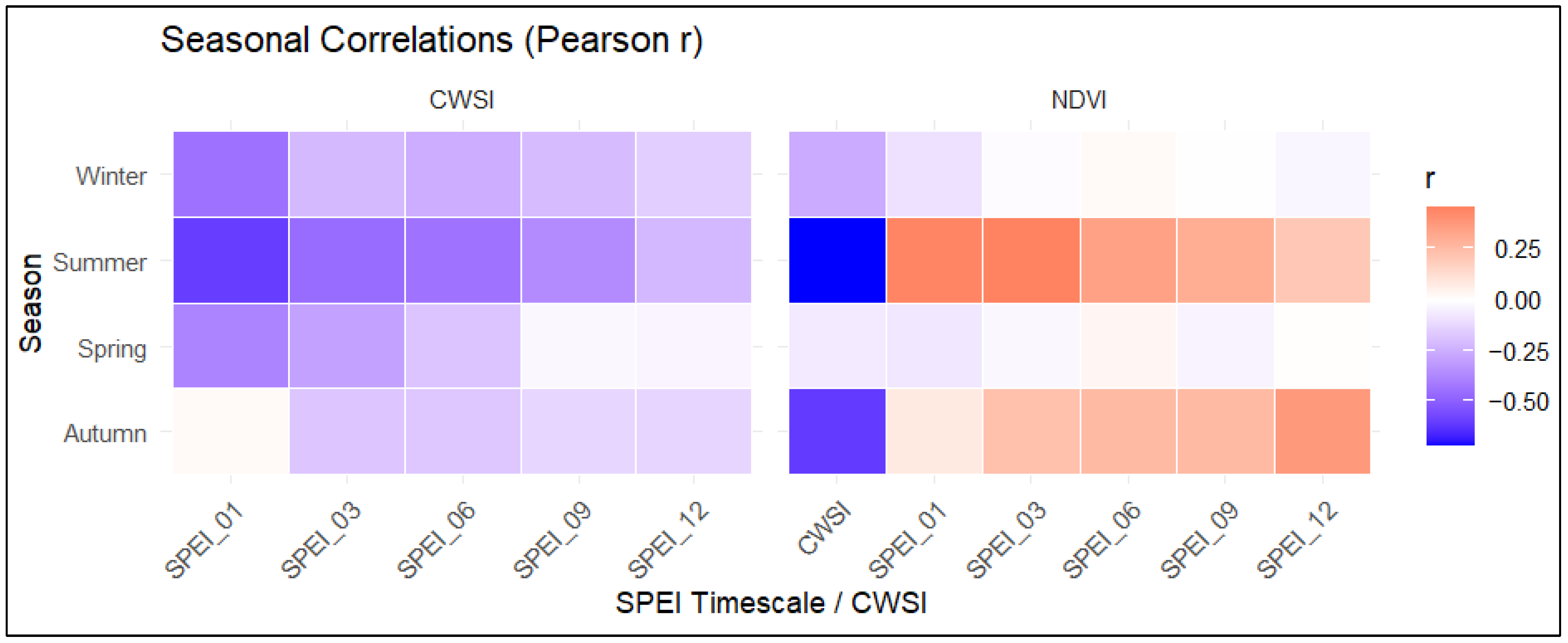
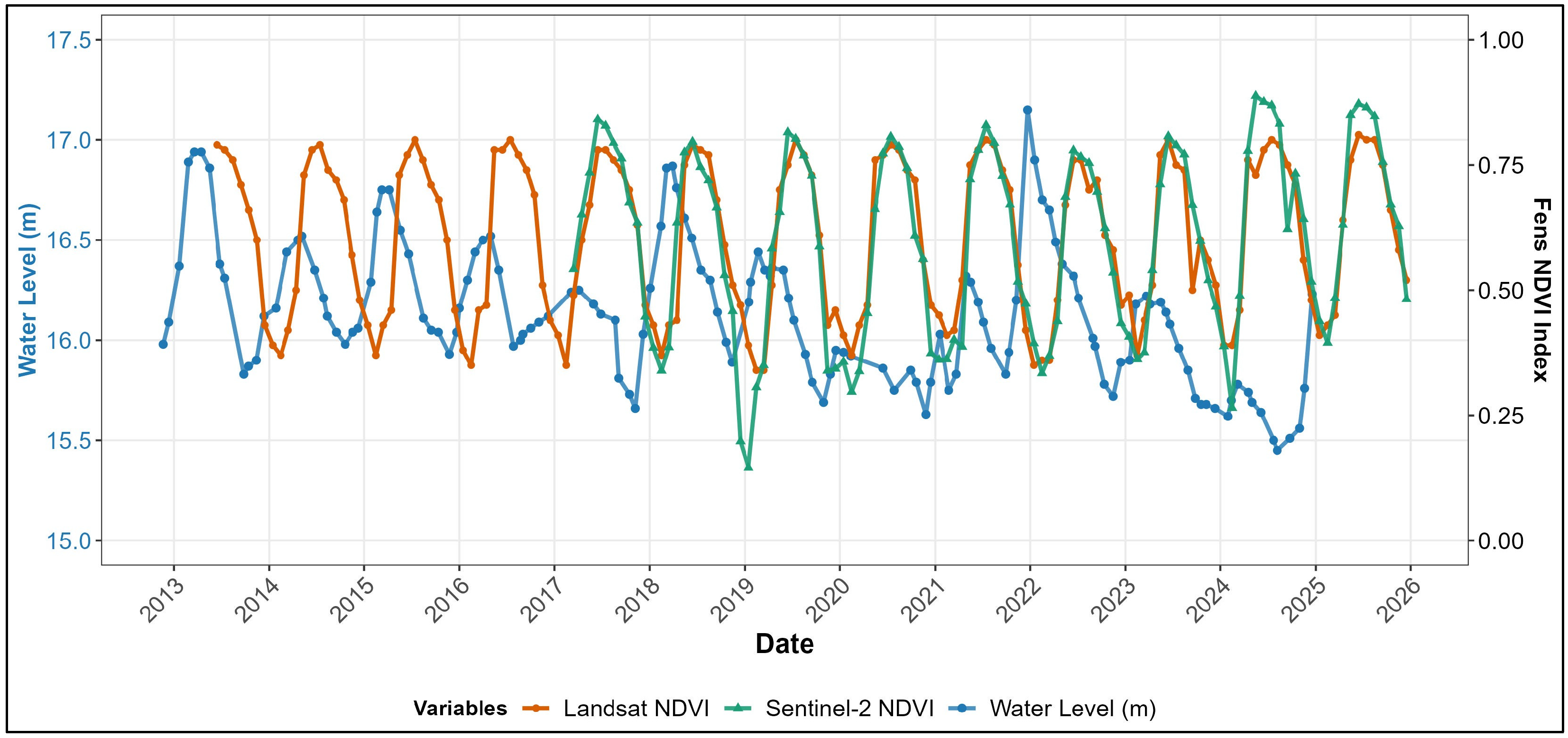
Freshwater lakes in Mediterranean regions are highly sensitive to climatic variability, particularly to droughts intensified by rising temperatures and increasing atmospheric evaporative demand. This study investigates drought variability and ecosystem responses in the Trichonida basin, the largest natural freshwater system in Greece, using an integrated approach that combines the Standardized Precipitation Evapotranspiration Index (SPEI) at multiple time scales with satellite-derived Normalized Difference Vegetation Index (NDVI), Crop Water Stress Index (CWSI), and lake surface water temperature. SPEI analysis revealed increasingly recurrent and persistent drought conditions in recent years, especially at medium- and long-term scales. NDVI exhibited pronounced seasonal variability and a moderate long-term increase at the basin scale, largely associated with agricultural activity and irrigation practices, while sharp declines were observed during severe drought episodes. CWSI showed strong seasonal patterns characterized by recurrent summer water stress events, but no significant long-term trend. Correlation analysis indicated positive relationships between NDVI and SPEI at medium- to long-term time scales, and significant negative correlations between CWSI and SPEI at short and medium time scales. A strong relationship between NDVI and CWSI further suggests the sensitivity of vegetation greenness to water stress, particularly during summer and autumn. Lake surface water temperature exhibited seasonal warming trends that coincided with periods of increased vegetation water stress. Drought-related water risks arise for calcareous fens dominated by Cladium mariscus in the Lake Trichonida system, a habitat of high conservation value, whose productivity is strongly seasonally controlled and closely linked to thermal dynamics. Overall, the combined multi-indicator analysis provides valuable insights into drought impacts and seasonal ecosystem vulnerability in Mediterranean lake basin environments, highlighting the importance of integrated monitoring frameworks for sustainable freshwater ecosystem management under increasing climatic variability.
Keywords: Mediterranean lakes; SPEI; NDVI; CWSI; lake surface water temperature; vegetation water stress; Trichonida basin; remote sensing Mediterranean lakes; SPEI; NDVI; CWSI; lake surface water temperature; vegetation water stress; Trichonida basin; remote sensing