Article

Selective HCl Separation from HCl/SiF4 Mixtures via Glycerol-Based Absorption and Staged Vacuum Desorption

1
National Engineering Research Center of Chemicals for Electronics Manufacturing (Reconstruction), College of Chemistry and Chemical Engineering, Xiamen University, Xiamen 361005, China
2
State Key Laboratory of Green and Efficient Development of Phosphorus Resources, Guizhou Phosphate Chemical (Group) Co., Guiyang 550002, China
*
Author to whom correspondence should be addressed.
These authors contributed equally to this work.
Separations 2026, 13(4), 109; https://doi.org/10.3390/separations13040109
Submission received: 9 February 2026 / Revised: 20 March 2026 / Accepted: 24 March 2026 / Published: 31 March 2026
(This article belongs to the Section Separation Engineering)

Abstract

The selective removal of HCl from industrial HCl/SiF4 mixtures was investigated using a series of alcohol-based and deep eutectic solvents (DESs). Among them, glycerol (GL) exhibited superior selectivity for HCl despite a moderate total capacity. Absorption at 60 °C ensured stable operation with minimal foaming. Desorption analysis revealed that both HCl and SiF4 underwent partial irreversible absorption under N2 stripping, while staged vacuum desorption enabled efficient and selective recovery—SiF4 was fully removed at 70 °C and 6 kPa, followed by nearly complete HCl desorption at 90 °C. Cyclic tests confirmed excellent solvent stability and rapid regeneration, with complete desorption achieved within 10–15 min. A conceptual process was proposed based on these findings, demonstrating a practical and energy-efficient route for selective HCl recovery from acid–gas mixtures.

1. Introduction

Hydrofluoric acid (HF) is a vital feedstock in the fluorochemical industry, serving as a precursor for inorganic fluorides, organofluorine compounds, refrigerants, and fluoropolymers. It is also essential in advanced applications such as glass etching, metal surface treatment, and the fabrication of semiconductors, integrated circuits, and photovoltaic devices. Demand for high-purity, electronic-grade HF has grown due to its critical role in chip manufacturing, displays, and solar photovoltaics. Industrially, HF is mainly produced via the fluorspar–sulfuric acid process, in which CaF2 reacts with concentrated H2SO4. While this method delivers high fluoride content and low impurities, reliance on non-renewable fluorspar with limited global reserves raises concerns about resource sustainability. An attractive alternative to the fluorspar process is the phosphate rock-based route, which recovers fluorine from fluosilicic acid (H2SiF6)—a byproduct of wet-process phosphoric acid production. Among several conversion methods, the sulfuric acid decomposition route has been industrialized, involving reaction, separation, and recycling stages. During decomposition, HF is released and purified to yield high-purity HF, while the co-produced SiF4 is absorbed by fresh H2SiF6 to regenerate the acid and precipitate SiO2, forming a closed-loop process:
H2SiF6 + H2SO4 → SiF4 ↑ + 2 HF ↑ + H2O
However, chlorine impurities in phosphate rock (e.g., chlorapatite, NaCl, KCl) react with sulfuric acid to generate HCl, producing a mixed SiF4–HCl gas stream. The accumulation of HCl (>15%) leads to equipment corrosion, reduced productivity, and increased purification costs. Consequently, the selective separation of HCl from SiF4 is a critical bottleneck in phosphate-based HF production, requiring advanced separation technologies that ensure efficient HCl removal without significant SiF4 loss.
So far, no studies have directly reported the selective removal of hydrogen chloride (HCl) from silicon tetrafluoride (SiF4) streams. However, extensive research has been conducted on HCl removal from other mixed gas systems, primarily through adsorption and absorption. Adsorption-based HCl removal relies on porous materials with high surface areas, such as silica gel, alumina, molecular sieves, and activated carbon, while alkali and alkaline earth metal-based adsorbents are most commonly employed [1]. Baek et al. [2] achieved effective HCl removal using Na2CO3 and K2CO3-supported Al2O3; Nunokawa et al. [3] reported high efficiencies with sodium aluminate in fixed-bed systems; and Duo et al. [4] obtained outlet HCl concentrations below 1 mg m−3 using composite adsorbents derived from NaHCO3, CaCO3, and Mg(OH)2. Calcium-based materials such as Ca(OH)2 and limestone are also widely used [5,6], while organic Ca adsorbents and carbide slag exhibit enhanced performance at elevated temperatures (650–1000 °C) [7,8]. However, the process proceeds mainly via acid–base chemisorption, which typically requires high temperatures and makes desorption difficult, limiting adsorbent regeneration. Moreover, SiF4, as a strong Lewis acid with high electron affinity, directly competes with HCl for basic sites on alkaline adsorbents. Its strong interaction with surface hydroxyls or oxides (e.g., Al–O, Ca–O) forms stable Si–O–M (M = metal) or fluorosilicate-like species that irreversibly occupy active sites and alter the adsorbent structure, thereby suppressing selective HCl capture and reducing overall capacity. Conventional adsorbents also suffer from low removal efficiency, short lifetime, and pore blockage, leading to efforts of chemical modification [9,10]. Their adsorption performance depends strongly on temperature, gas velocity, HCl concentration, and particle size [11,12,13,14,15,16,17,18,19,20]. Therefore, conventional adsorption-based methods are unsuitable for efficient separation of HCl from SiF4-containing gas mixtures.
Alternatively, the solvent absorption method operates based on the differential solubility of various gases in a given solvent, enabling the selective dissolution of hydrogen chloride (HCl) for its efficient removal. Compared to chemical adsorption, solvent-based absorption offers distinct advantages, particularly in handling high concentrations and large volumes of HCl gas. The key to this approach lies in the careful selection of solvents that exhibit high solubility for HCl while maintaining low solubility for other components, such as silicon tetrafluoride (SiF4), thereby facilitating selective separation. Although no studies have been reported on the separation of HCl and SiF4 mixtures using solvent absorption, a number of investigations have explored the absorption-based separation of HCl from other inert gas mixtures. For instance, Xie Chuanxin et al. [21] achieved high-efficiency absorption of HCl using ethylene glycol, with reported absorption efficiencies ranging from 95% to 99%. The resulting HCl–ethylene glycol solution can be stored and transported under ambient pressure, and high-purity HCl gas can be desorbed at temperatures between 80 and 180 °C. Jie Zhu et al. [22] utilized eutectic solvents based on glycolic acid, urea, and glycerol for the absorption of HCl, all of which demonstrated absorption capacities exceeding 0.2 g HCl per gram of solvent. Among them, the urea-based eutectic solvent achieved an absorption capacity of up to 0.4 g/g; however, nearly half of the absorbed HCl could not be desorbed. In contrast, the glycerol-based eutectic solvent enabled complete desorption of the absorbed HCl, allowing for effective solvent regeneration and reuse. Additionally, K. Sarangi et al. [23] employed phase transfer media such as tributyl phosphate (TBP) and Cyanex 923 (tri-n-octylphosphine oxide) to extract HCl from aqueous phases into organic solvents, demonstrating the feasibility of phase-transfer-based separation. Overall, organic solvents such as polyols, organic acids, and esters have demonstrated effective absorption capacities for hydrogen chloride (HCl), primarily through hydrogen bonding or acid–base interactions. However, most of these studies have been conducted using mixtures of HCl with inert gases, whose solubility in the solvents is typically negligible, thus avoiding any competitive absorption effects. In contrast, silicon tetrafluoride (SiF4), a strong Lewis acid, exhibits chemical behavior similar to that of HCl and can react with basic solvents. Therefore, the key to achieving successful separation of HCl from SiF4 via solvent absorption lies in the selection of suitable non-basic solvents, which allow for the exploitation of differences in the physicochemical properties of HCl and SiF4 to achieve selective HCl absorption.
Despite the progress in solvent absorption technologies, the selective removal of HCl from HCl/SiF4 mixtures remains a significant challenge in the fluorosilicic acid route for hydrofluoric acid production. The coexistence of these two acidic gases, together with their comparable physicochemical characteristics, makes their efficient separation difficult, and this specific system has received limited attention in previous studies. In this study, the absorption and desorption characteristics of candidate solvents, such as glycerol, are systematically examined in HCl/SiF4 gas mixtures. Suitable conditions for selective absorption are optimized, and the distinct absorption behaviors of HCl and SiF4 in the solvents are investigated. Based on the differences in absorption strength between the two gases, the feasibility of staged desorption is further explored, and a practical strategy for industrial implementation of the absorption–desorption process is proposed. The process operates under mild conditions with low energy consumption, and the solvent can be efficiently regenerated through thermal treatment, allowing multiple absorption–desorption cycles with minimal performance loss. The results are expected to support the development of a scalable and effective purification approach for high-purity silicon tetrafluoride in phosphate-based hydrofluoric acid production.

2. Experimental Section

2.1. Materials

Hydrogen chloride (HCl, 15 mol% in N2 balance; obtained from Korte Gas Co., Ltd., Guangzhou City, Guangdong Province, China), nitrogen gas (purity 99.999%; obtained from Foshan Sanshui Delimeiser Gas Co., Ltd., Foshan City, Guangdong Province, China), silicon tetrafluoride (SiF4, purity 99.999%; obtained from Wuhan Huahan Electronic Technology Co., Ltd., Wuhan, Hubei Province, China), and a mixed gas (15 mol% HCl and 85 mol% SiF4; obtained from Korte Gas Co., Ltd., Guangzhou City, Guangdong Province, China) were employed to simulate the effects of various concentrations of hydrogen chloride and silicon tetrafluoride mixtures. Glycerol, choline chloride, ethylene glycol, diethylene glycol, cyclohexanone, terpineol, and formamide were purchased from Shanghai Macklin Biochemical Technology Co., Ltd., Shanghai, China. Potassium hydroxide, used in the tail gas absorption solution, was also procured from Shanghai Macklin Biochemical Technology Co., Ltd., Shanghai, China.

2.2. Preparation of Eutectic Solvents

Following the method described in reference [22], eutectic solvents were prepared by mixing choline chloride with glycerol and diethylene glycol at a molar ratio of 1:2, respectively. The mixtures were stirred at 70 °C until fully dissolved, then cooled to room temperature and stored in a dry environment.

2.3. Absorption Apparatus and Experimental Procedure

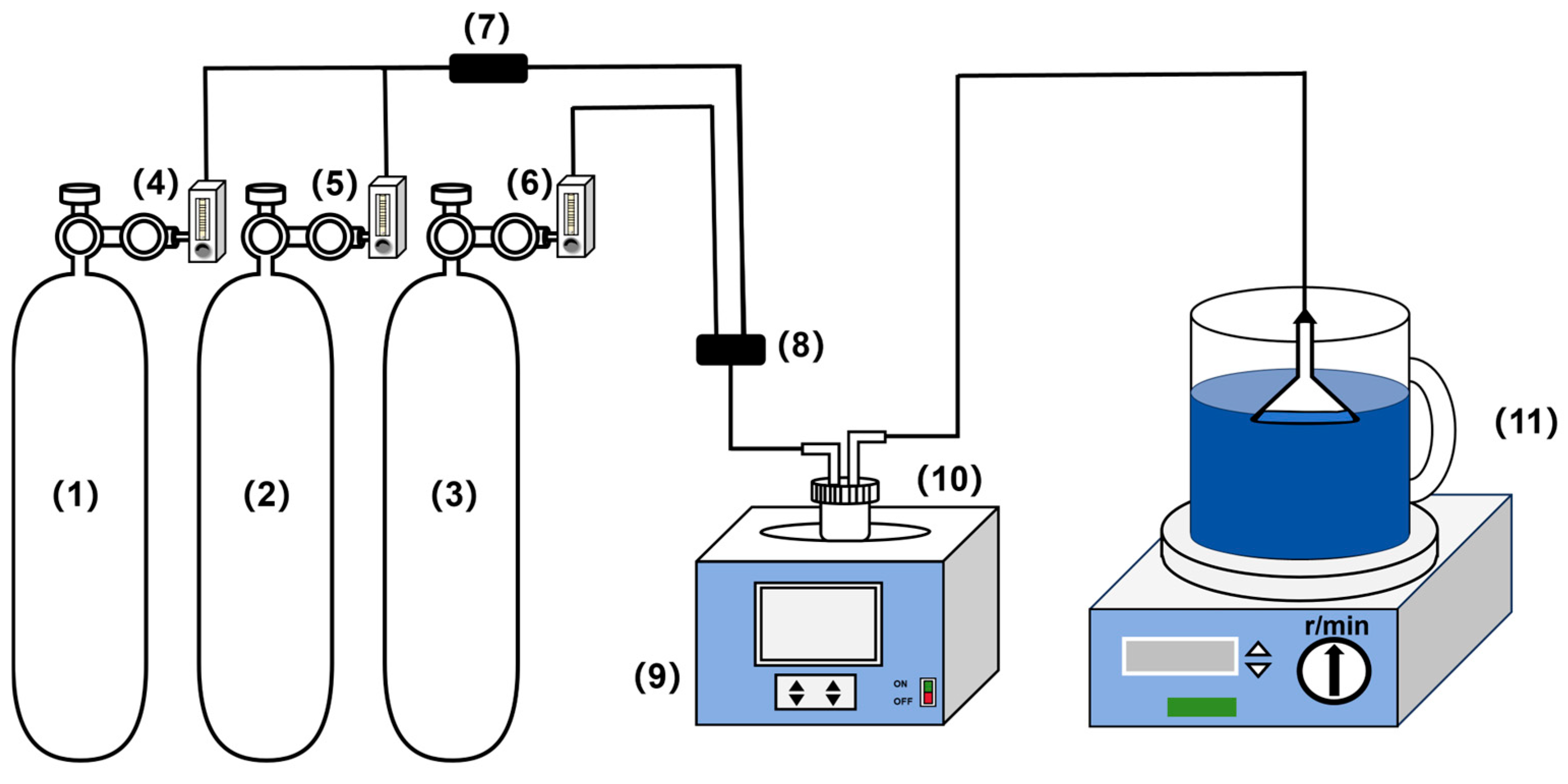
The absorption capacities of HCl, SiF4 and their mixture in various solvents were determined using the apparatus illustrated in Figure 1. For instance, to study the absorption behavior of HCl at different concentrations, hydrogen chloride (HCl) from cylinder (2) and nitrogen (N2) from cylinder (1) were mixed and then passed into an absorption bottle (10) containing approximately 40 g of solvent. The gas flowrate was set to 200 mL min−1, corresponding to a gas residence time of about 12 s during adsorption. The partial pressure of HCl in the gas mixture was controlled by varying the flow rates of N2 and HCl, which were regulated using rotameters (4) and (5) respectively. The absorption temperature was maintained by a thermostatic oil bath (9). Exhaust gases were neutralized in a 5 mol/L KOH solution contained in vessel (11). By regularly measuring the weight of the solvent, kinetic absorption curves of HCl gas can be obtained under varying temperature and gas concentrations at atmospheric pressure. Absorption equilibrium was established until the mass increment of the absorption solvent in three consecutive measurement was less than 0.01 g, as determined using a balance with a precision of 0.001 g. A similar procedure was used to measure the absorption of pure SiF4 and various mixtures of HCl and SiF4. All experiments were conducted in triplicate, and the repeatability of the measurements was within 2%, ensuring reliable and reproducible results.

2.4. Desorption Apparatus and Experimental Procedure

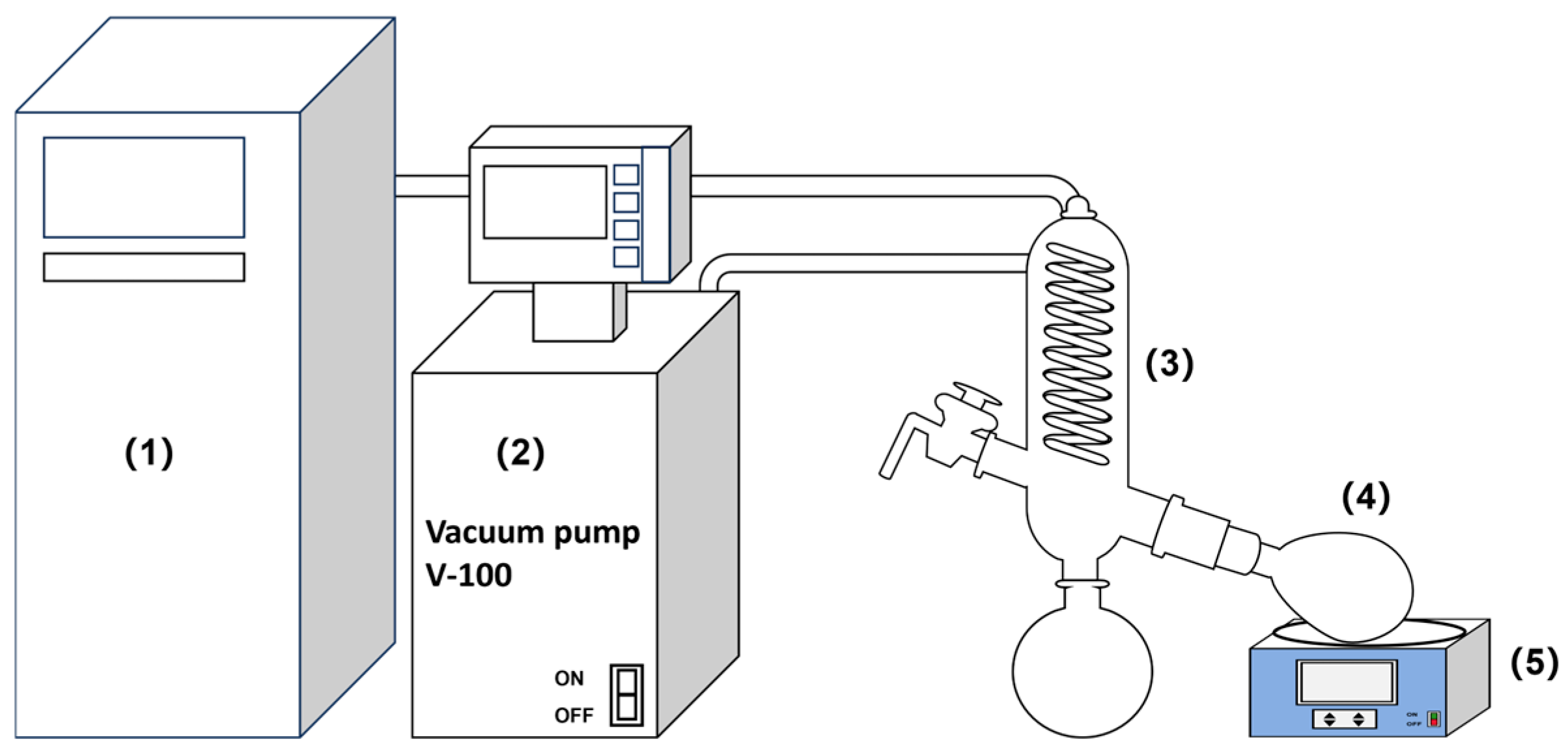
Two distinct desorption methods were employed to evaluate the desorption behavior under varied conditions: nitrogen striping and vacuum rotary evaporation. The weight loss of the solvent was measured at regular intervals, and desorption was considered complete when the mass decrease in three successive measurement was less than 0.01 g. In a typical procedure for nitrogen striping, the saturated solvent was placed in an oil bath at elevated temperatures, while nitrogen was introduced at a flow rate of 200 mL/min to purge the system. Alternatively, vacuum rotary evaporation was performed under reduced pressure using a vacuum rotary evaporator at relatively lower temperatures. Experiment setup for vacuum gas desorption as shown in Figure 2.

2.5. Determination of HCl Uptake and Absorption Selectivity

Hydrogen chloride content was determined using an automatic potentiometric titrator (Mettler Toledo T5 Purchased from METTLER TOLEDO, Switzerland) in precipitation titration mode, with 0.1 mol/L silver nitrate as the titrant and a silver electrode for detection. For example, 0.6 g of glycerol solvent saturated with HCl was diluted to 40 g with deionized water and titrated automatically to calculate chloride ion content per gram of solvent.
The selectivity for the absorption of HCl and SiF4 mixture gas is defined as follows:
S e l e c t i v i t y i ( % ) = m i m t o t a l × 100 %
m S i F 4 = m t o t a l m H C l
where i refers to component HCl or SiF4. Selectivityi (%) represents the mass fraction of component i in the total absorbed gas; mHCl is the mass of HCl absorbed in the solvent, determined by automatic potentiometric titration; and mtotal is the total gas uptake of the solvent.

3. Results and Discussion

3.1. Screening of the Suitable Solvent

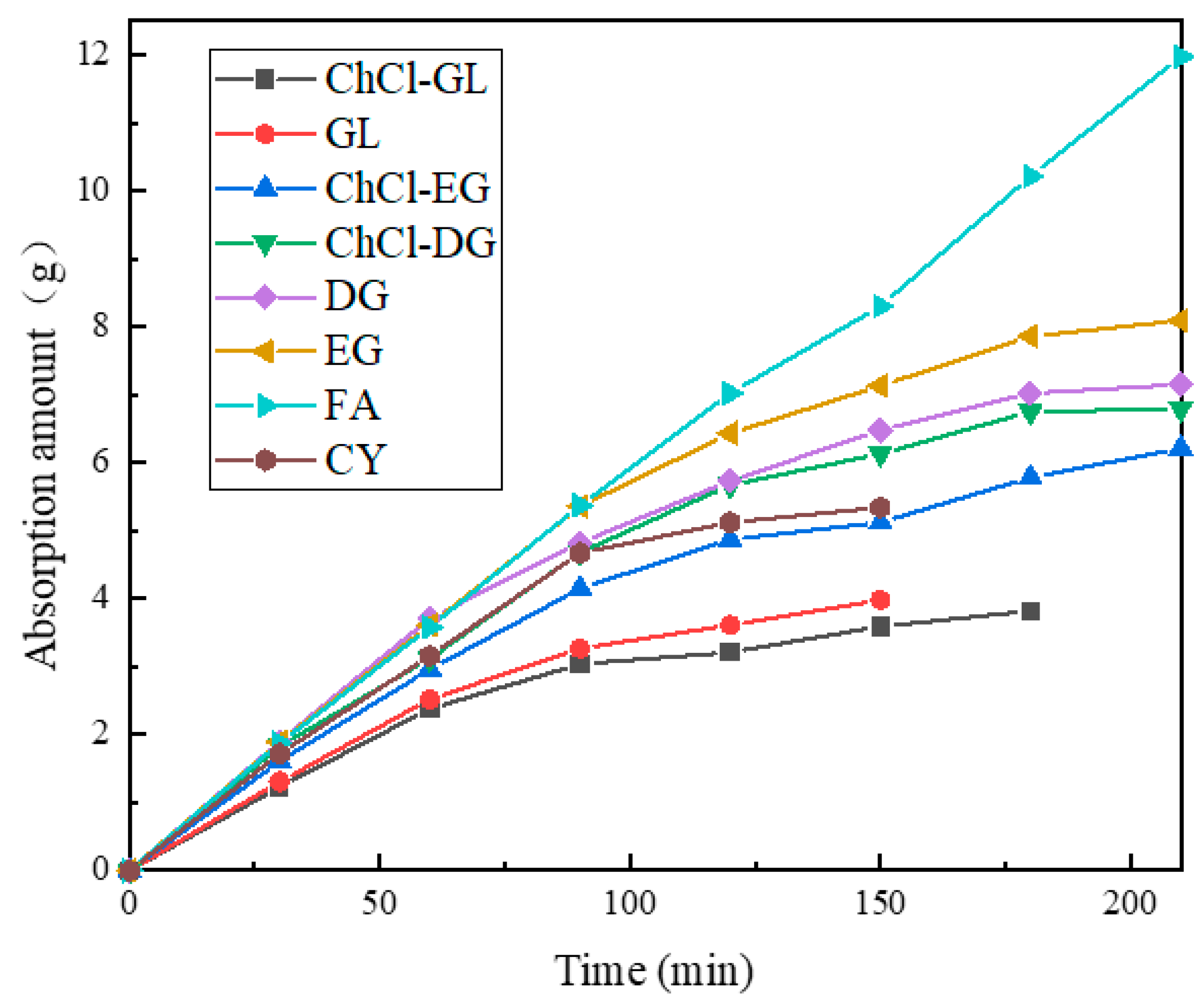
The absorption capacity of various solvents was initially evaluated using a 15% HCl/N2 gas stream at a flow rate of 200 mL/min, which was passed through 40 g of solvent contained in a 100 mL absorption bottle. The investigated solvents included glycerol (GL), ethylene glycol (EG), diethylene glycol (DG), and cyclohexanone (CY), representing typical alcohols and ketones. In addition, three deep eutectic solvents (DESs)—choline chloride–glycerol (ChCl-GL), choline chloride–diethylene glycol (ChCl-DG) and choline chloride–ethylene glycol (ChCl-EG)—were prepared to evaluate the potential enhancement of absorption through eutectic formation. Formamide (FA), a weakly alkaline solvent, was also selected for comparison due to its distinct chemical reactivity with acidic gases. The solvent volume used was 40 mL, and the gas flow rate was 200 mL/min, resulting in a gas residence time in the solvent of approximately 12 s.
The absorption performance of the tested solvents toward pure HCl gas is shown in Figure 3, with the order of absorption capacity as follows: FA > EG > DG > ChCl-DG > CY> ChCl-EG > GL > ChCl-GL. Although FA exhibited the highest absorption capacity, its weak alkalinity led to gelation upon contact with HCl, likely due to an acid–base reaction producing insoluble species. This irreversible change hindered solvent regeneration, thereby excluding FA from consideration as a practical absorbent despite its superior initial performance. The saturated absorption capacity of cyclohexanone (CY) is roughly comparable to that of glycerin (GL), a total of 5.34 g of hydrogen chloride was fully absorbed within 90 min. However, after cyclohexanone absorbs hydrogen chloride, not only does the absorption liquid separate into oil and water layers, but the solution also changes from colorless to light yellow. Both ethylene glycol (EG) and diethylene glycol (DG) exhibited relatively high absorption capacities, with saturated HCl uptakes of approximately 8 g and 7 g, respectively. In contrast, their corresponding deep eutectic solvents (DESs) didn’t exhibit enhanced absorption performance and instead show slightly reduced capacities. Glycerol and its DES (ChCl-GL) displayed comparatively lower performance, with equilibrium HCl uptakes of approximately 4 g.
Therefore, it is not suitable for use as the absorption solvent.
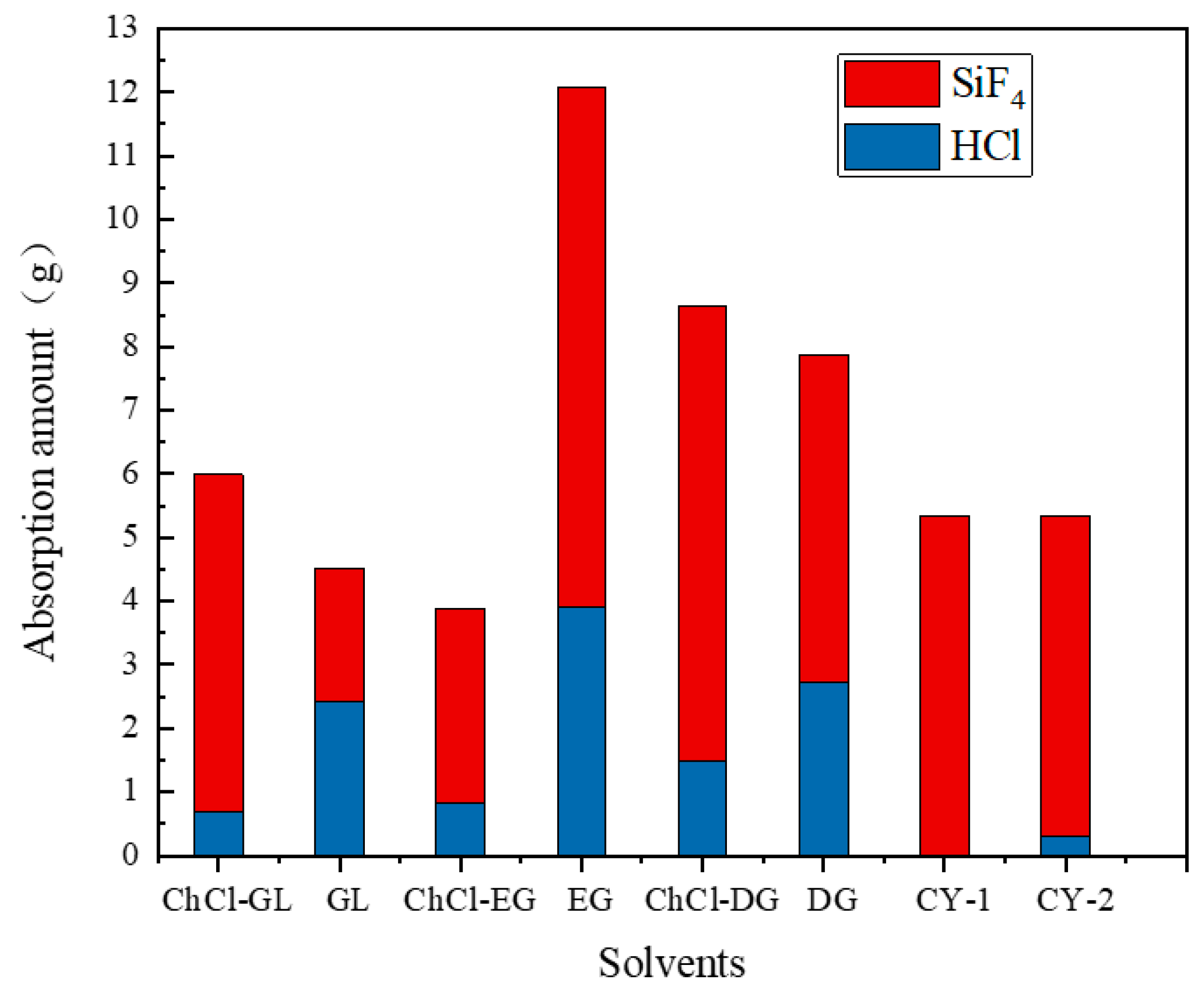
Subsequently, a standard 15% HCl/SiF4 gas mixture was prepared, and absorption tests were conducted using the aforementioned solvents (Figure 4). While EG, DG, and the eutectic solvent ChCl-DG exhibited good absorption capacity for HCl in the 15% HCl/N2 system, their performance in the HCl/SiF4 mixture was limited due to the lack of selective absorption toward HCl. In these cases, the absorbed phase contained substantially more SiF4 than HCl, indicating that these solvents possess a strong affinity for SiF4. For instance, the fraction of HCl in the absorbed gas was only 15% in EG and 20% in DG, while cyclohexanone absorbed almost exclusively SiF4. In contrast, GL displayed improved selectivity for HCl absorption under the same conditions; although the total uptake was lower, the fraction of HCl in the absorbed mixture reached 53.3%, compared with 46.7% for SiF4. It should be noted that a mass selectivity of 53.3% for HCl corresponds to a molar ratio of n(HCl)/n(SiF4) = 3.25. Considering that the feed gas contains 85% SiF4 and only 15% HCl, HCl is absorbed in a comparable or even greater amount despite its much lower gas-phase concentration, indicating that the solvent exhibits a clear preferential absorption toward HCl.
As mentioned earlier, deep eutectic solvents (DESs) have attracted considerable attention owing to their advantageous physicochemical properties, such as relatively low viscosity and low boiling point, which are generally favorable for practical applications. However, in the present study, the HCl absorption capacity in the DES system was found to be lower than that of the parent DG and GL solvents. This behavior can be rationalized by the presence of choline chloride in the DES, which interacts with DG and GL through Lewis acid–base interactions, thereby partially suppressing the interactions between the solvent molecules and HCl. More importantly, SiF4 exhibits substantially higher solubility in the DES solution than HCl. This observation suggests that the ChCl component in the DES may preferentially interact with SiF4, likely through coordination between the Cl anion or hydroxyl group of choline chloride and the Lewis acidic Si4+ center in SiF4. Taken together, although DES systems possess several attractive physicochemical properties, they are not suitable for the objective of this study as they fail to provide effective selective adsorption of HCl over SiF4.
The solvent screening results above also show that glycerol exhibits a lower HCl absorption capacity than ethylene glycol but a significantly higher selectivity for HCl over SiF4. This difference can be attributed to the distinct interaction mechanisms between the gases and the solvent molecules. Gas solubility in polar liquids is strongly governed by intermolecular interactions, including solvent polarity, hydrogen bonding, and Lewis acid–base interactions [24]. In alcohol-based solvents, HCl is primarily stabilized through hydrogen-bond interactions with hydroxyl groups, whereas SiF4 can interact with oxygen atoms via Lewis acid–base interactions due to the electron-deficient silicon center. Glycerol, containing three hydroxyl groups, forms a dense hydrogen-bond network that reduces the accessibility of oxygen lone pairs and thus suppresses the interaction with SiF4. In contrast, the more open hydrogen-bond structure of ethylene glycol allows stronger interaction with SiF4, resulting in higher SiF4 uptake and consequently lower HCl selectivity. Diethylene glycol shows intermediate behavior; although its ether oxygen can act as a hydrogen-bond acceptor and weak Lewis base, the lower hydroxyl density and polarity reduce its overall interaction with both gases, leading to gas solubilities between those of glycerol and ethylene glycol. In addition, the strong hydrogen-bonding network of glycerol contributes to its relatively high viscosity, which has also been reported to influence gas diffusion and mass transfer in polyol solvents [25].
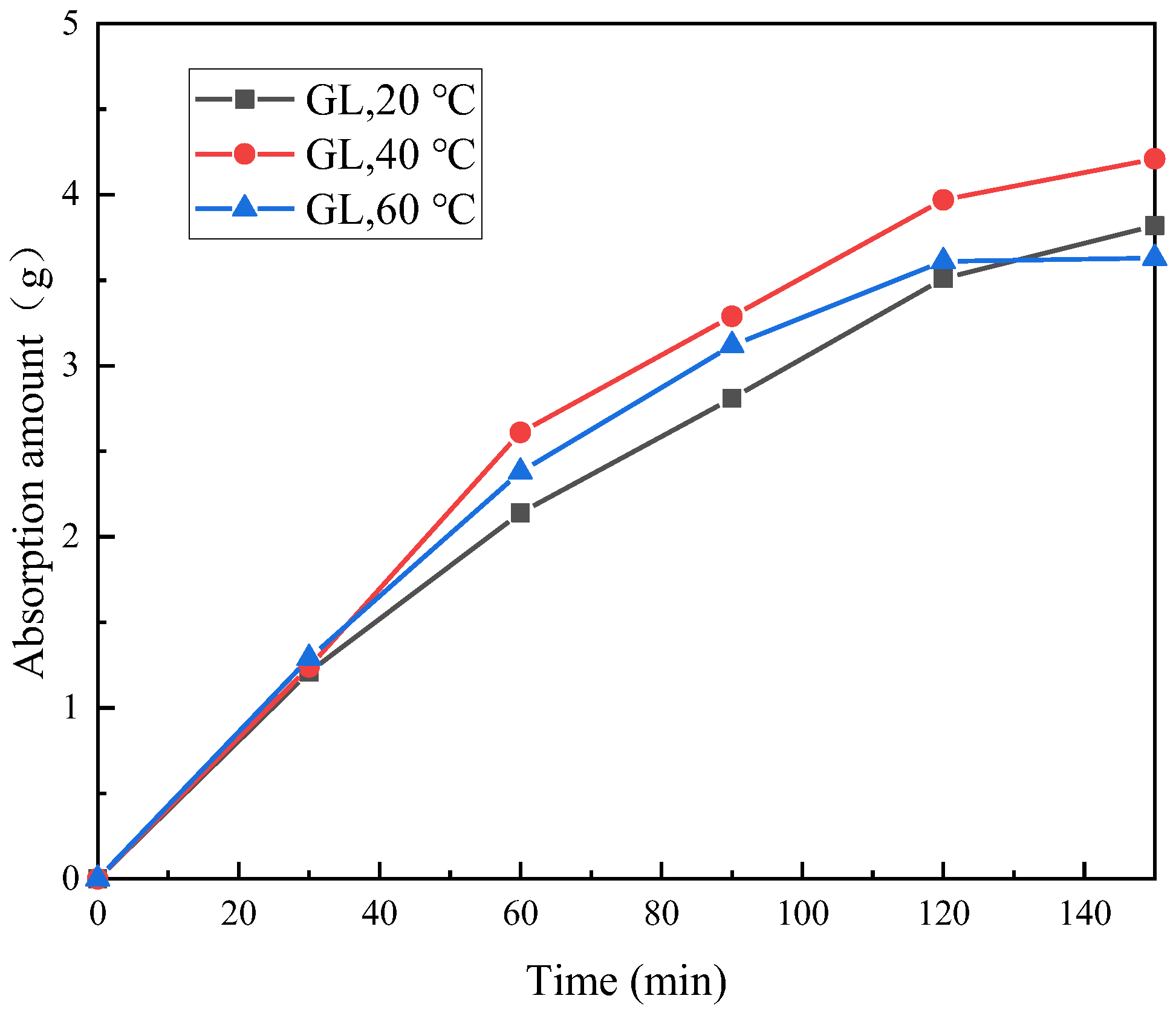
After screening, GL was identified as the most suitable solvent for separating HCl and SiF4. However, its high viscosity led to severe foam entrainment during the absorption of HCl or the mixed gas at 40 °C. To address this issue, the effect of temperature on absorption performance was further investigated (Figure 5). The results showed that absorption at both 20 °C and 60 °C led to slightly lower capacities, decreasing to approximately 3.75 g after 150 min of adsorption, compared with 4.0 g at 40 °C. The reduced uptake at 20 °C can be attributed to kinetic limitations arising from the significant increase in viscosity at low temperature, whereas the decrease at 60 °C is governed by thermodynamic constraints, as higher temperatures lower the equilibrium concentration. Nevertheless, foam entrainment was suppressed at 60 °C but became more pronounced at 20 and 40 °C. This behavior can be attributed to the higher viscosity of glycerol at lower temperatures, which slows bubble rise, hinders interfacial renewal, and promotes the formation of stable gas–liquid dispersions with mist entrainment. Although the absorption capacity at 40 °C is slightly higher, the system exhibits better operational stability and smoother mass transfer at 60 °C without entrainment. Therefore, considering both absorption stability and capacity, 60 °C was selected as the optimal operating temperature for HCl and SiF4 absorption using GL.
An absorption test was then performed at 60 °C for the 15% HCl/SiF4 mixture. As shown in Figure S1, the absorbed mass quickly increased to over 2 g within the first 30 min, then steadily increased, reaching equilibrium at approximately 4.5 g after 100 min. The overall absorption capacity and HCl selectivity were similar to those observed at 40 °C after 100 min (Figure 5). Absorption of pure SiF4 was also conducted under the same conditions at 60 °C. As shown in Figure S2, the absorbed amount reached approximately 5 g after 100 min and achieved a saturated uptake of 6.65 g after 300 min. These results indicate competitive absorption occurring between HCl and SiF4. The strong hydrogen-bonding interaction between HCl and glycerol favors HCl absorption, which in turn suppresses the uptake of SiF4.
Further measurements were conducted to determine the saturated absorption of HCl at different concentrations using GL solvent, as shown in Figure S3. The results indicate that the saturated absorption capacity of GL for HCl decreases progressively with decreasing HCl concentration. The equilibrium amounts of HCl absorbed in 40 g of solvent were 4 g, 3 g, and 2 g for 15%, 7.5%, and 3.75% HCl/N2 mixtures, respectively. These equilibrium data are essential for determining the operating parameters of absorption towers in industrial applications.
Taken together, although the various organic solvents tested in our preliminary work exhibited good HCl absorption capacity, most lacked selectivity toward HCl in the 15% HCl/SiF4 mixture. Solvent GL, while not exhibiting the highest HCl uptake, demonstrated excellent selectivity for HCl in the HCl/SiF4 mixture. The subsequent study will focus on evaluating its desorption performance and cycling stability.

3.2. Desorption Mechanism and Solvent Reusability

3.2.1. N2 Stripping at Elevated Temperatures

The desorption behavior of HCl and SiF4 is essential for the recyclability of the absorption process. To assess their desorption characteristics in GL solvent, N2 stripping experiments were performed. After saturation with HCl at 60 °C, the solvent was purged with N2 at atmospheric pressure. No notable mass loss occurred until the temperature exceeded 120 °C, indicating limited desorption at lower temperatures. The mass loss corresponds to the reversibly absorbed fraction of HCl, whereas the residual mass represents irreversible retention. During N2 purging at 120 °C (Figure S4), the mass of the HCl-saturated GL solution gradually decreased; however, a substantial portion of HCl remained even after 450 min. Quantitative analysis indicated that 2.58 g of HCl was reversibly desorbed, while 1.74 g remained irreversibly retained under these conditions. This suggests that up to 40.3% of HCl remained undesorbed at 120 °C. Further heating to 140 °C produced no noticeable improvement in desorption efficiency. As higher temperatures would lead to greater energy consumption and potential side reactions between the solvent and the absorbed acid gases (as discussed in Section 3.2.3), vacuum desorption using a vacuum rotary evaporator was subsequently investigated under mild conditions.

3.2.2. Staged Vacuum Desorption

The combined effect of temperature and reduced pressure was systematically evaluated in a vacuum rotary evaporator using solvents initially adsorbed with HCl or SiF4. Distinct desorption conditions were identified, reflecting the difference in interaction strength between the two gases and the solvent. At an optimized pressure of 6 kPa, desorption of both gases was completed within ~10 min, significantly faster than N2 stripping shown in Figure S4 (>200 min). Since the saturated absorption capacity of the mixed gas was about 4.5 g with an HCl: SiF4 ratio about 1:1 (Figure 4), the initial absorbed mass of HCl and SiF4 were each controlled at around 2.7 g. As shown in Table 1, 75% of SiF4 was removed at 60 °C and 95% was removed when the temperature increased to 70 °C, whereas about 1.5% (3%) and 8% HCl was desorped respectively under similar conditions. Complete HCl desorption required heating to 90 °C. These results demonstrate the advantage of vacuum desorption over N2 stripping, as evidenced by the direct comparison in Table S1. Moreover, due to its weaker interaction with GL, SiF4 is preferentially desorbed at lower temperatures, whereas HCl requires higher temperatures, enabling effective staged desorption in practical application.
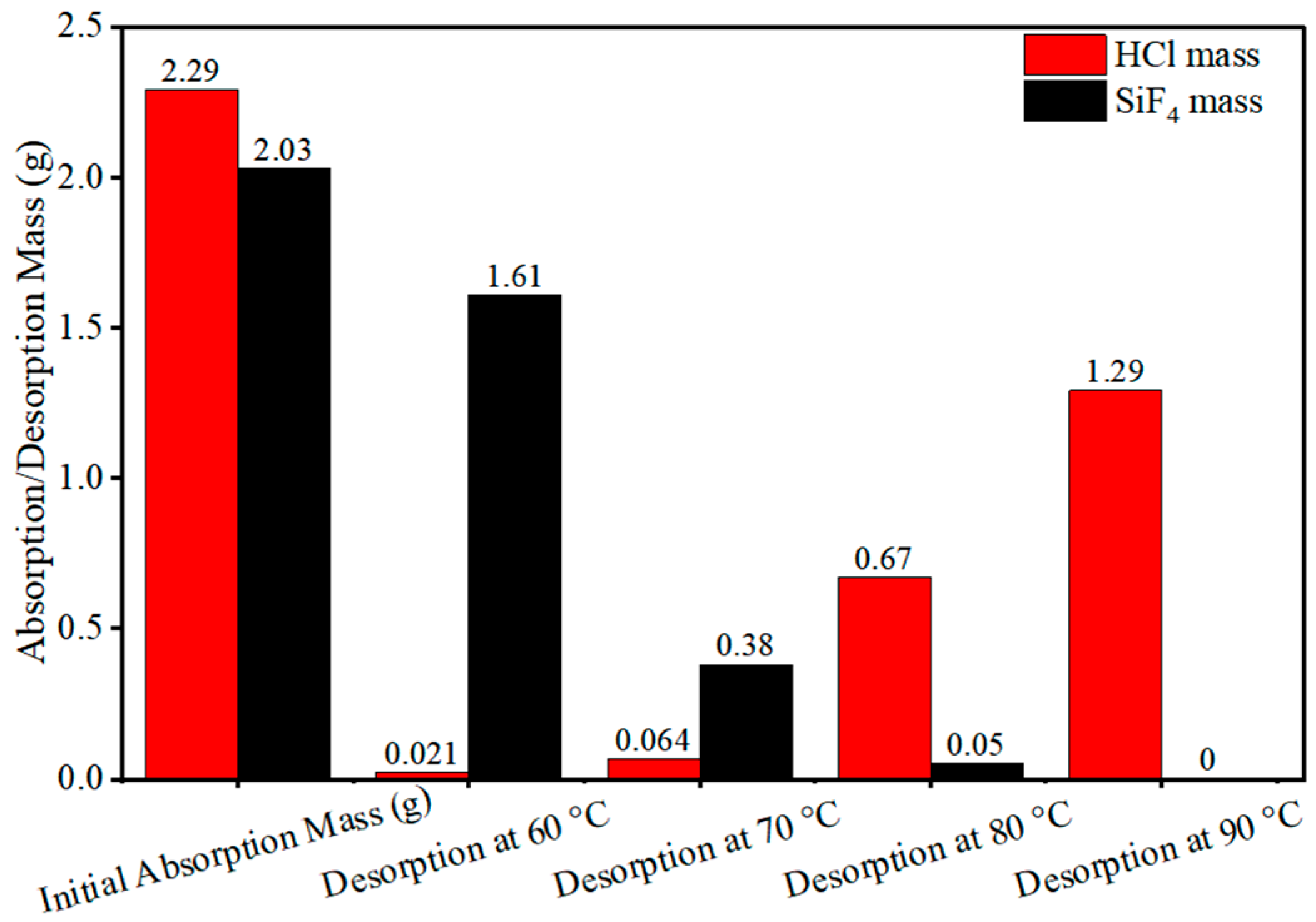
Next, the desorption behavior of the mixed gas (5% HCl-85%SiF4) was investigated. The GL solvent was allowed to absorb the mixed gas to saturation, resulting in a total uptake of 4.32 g. Desorption experiments were then conducted at different temperatures, and the compositions of HCl and SiF4 in the desorbed gases were analyzed in detail (Figure 6).
At 60 °C, a total of 1.73 g of gas was desorbed within 30 min, consisting almost exclusively of SiF4, with only trace amounts of HCl. The amount of SiF4 released at this temperature accounts for nearly 80% of the SiF4 initially absorbed. When the temperature was increased to 70 °C, an additional 0.44 g was desorbed, composed predominantly of SiF4 with a small fraction of HCl. During desorption at 80 °C, the remaining SiF4 was completely removed, and HCl became the dominant component in the desorbed gas. At 90 °C, 1.29 g of gas was released, consisting exclusively of HCl, which corresponds to approximately 80% of the total HCl initially absorbed.
These results clearly demonstrate that staged desorption can be effectively applied to the mixed gas system. Selective desorption of approximately 80% of SiF4 is achieved at 60 °C, partial co-desorption of SiF4 and HCl occurs at 70–80 °C, and selective removal of approximately 80% of HCl is realized at 90 °C. The staged desorption clearly indicates that HCl is absorbed in glycerol via interactions of different strengths, corresponding to the formation of weaker and stronger hydrogen-bonded complexes. Weakly absorbed HCl, likely bound through single hydrogen bonds with individual hydroxyl groups (Figure S7), can be readily desorbed under mild vacuum conditions. Strongly absorbed HCl, forming multiple hydrogen bonds with several hydroxyl groups, is more thermally stable and requires higher temperature or vacuum for complete desorption. This behavior demonstrates that the apparent “irreversible” retention is governed by hydrogen-bonding strength rather than chemical modification of the solvent. These findings are consistent with previous studies linking polyol hydroxyl density and hydrogen-bond networks to gas solubility and thermal stability [24].

3.2.3. Reusability of GL Solvent

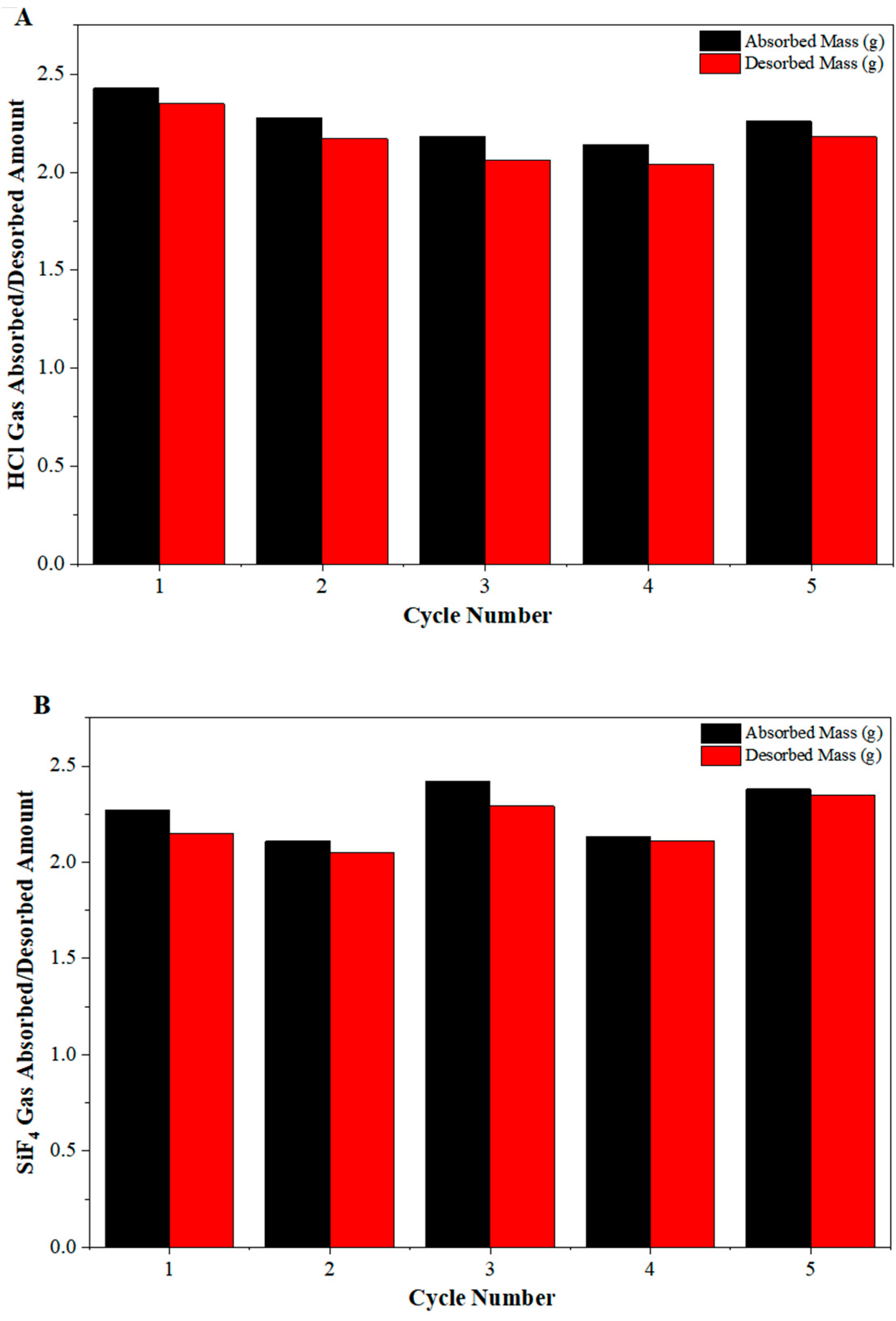
Cyclic absorption–desorption tests of the 15% HCl/N2 mixture using GL solvent further demonstrated that vacuum desorption significantly enhanced stability and efficiency. As mentioned above, N2 stripping at atmospheric pressure required 120 °C to achieve approximately 60% HCl desorption. Even so, after five cycles, the solvent darkened and absorption efficiency declined, likely due to HCl-catalyzed side reactions such as dehydration or polymerization. In contrast, repeated adsorption–desorption under 6 kPa vacuum at 90 °C achieved nearly complete HCl removal within 10–15 min, as summarized in Figure 7. Similar cyclic tests with pure SiF4 under 6 kPa vacuum at 60 °C (Figure 7) showed that SiF4 could be almost completely desorbed within 10 min, and comparable SiF4 uptake was maintained over five cycles. Moreover, after five consecutive cycles for both HCl and SiF4, the solvent remained visually unchanged, and no impurities were detected by GC-MS analysis (Figure S6), indicating excellent cyclic stability. These results demonstrate that vacuum desorption at mild temperatures enables rapid, efficient, and stable recovery of HCl and SiF4 while minimizing solvent degradation.

4. Conceptual Process Design for the Selective Removal of HCl from Industrial HCl/SiF4 Gas Mixtures

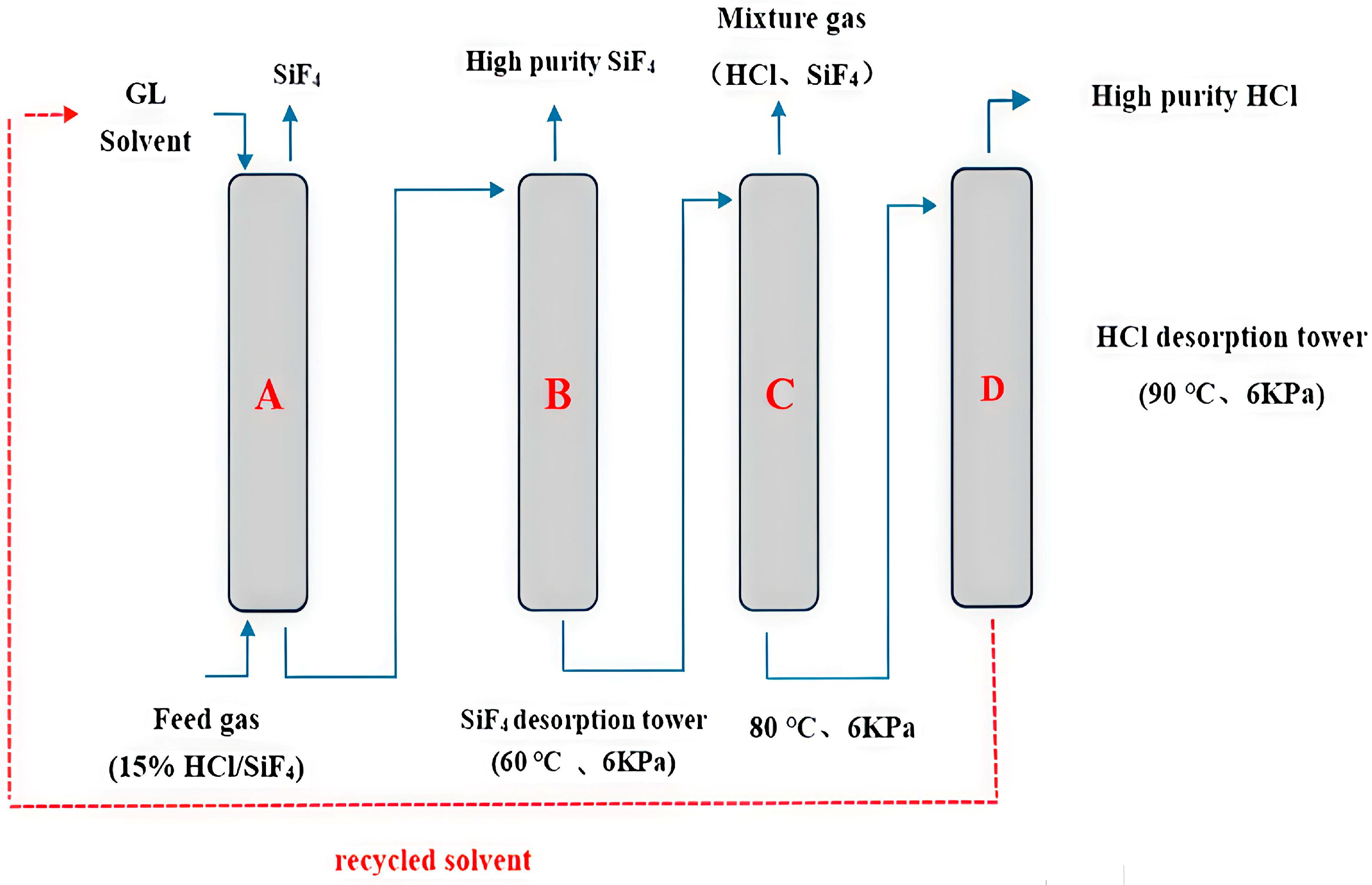
Based on the above analysis, a conceptual process was developed for the selective absorption of HCl using GL solvent, as illustrated in Figure 8. The industrial 15% HCl/SiF4 gas mixture enters the absorption tower (A) from the bottom, which operates at atmospheric pressure and 60 °C. An appropriate liquid-to-gas ratio should be maintained so that the HCl concentration in the solvent exiting the absorber is suitable for the subsequent staged desorption to separate HCl and SiF4. For example, the process can be designed to achieve nearly complete removal of HCl from the feed gas mixture, as shown in Figure S8. The inlet gas is assumed to contain 15% HCl in the HCl/SiF4 mixture (Y1 = 15%), and complete removal of HCl is considered at the absorber outlet (Y2 = 0). Fresh solvent without dissolved HCl (X2 = 0) is used, and the outlet solvent is assumed to reach the saturated HCl concentration of approximately 6% (X1). Based on the mass balance of HCl between the gas and liquid phases, the minimum liquid-to-gas ratio is estimated as (L/G)min = (Y1–Y2)/(X1–X2) = 2.5. Therefore, a practical operating range for the L/G ratio would be 1.1–2.0 times this minimum value. A structured packed column is recommended to ensure sufficient gas–liquid contact and efficient mass transfer.
The HCl/SiF4-loaded solvent is then directed to the staged desorption section. The first desorption tower (B), operated at 60 °C and 6 KPa, selectively releases SiF4 with only a minor amount of co-desorbed HCl. The recovered high-purity SiF4 gas can be combined with the product stream from absorption tower A. The solvent stream withdrawn from tower B bottom is subsequently introduced into the second desorption tower (C). This unit is maintained at 80 °C and 6 kPa, where SiF4 is completely desorbed together with a fraction of HCl. The bottom liquid stream leaving tower C is subsequently directed into the third desorption tower (D) operated at 90 °C and 6 kPa, where the remained HCl is selectively desorbed to yield a high-purity of HCl product. The regenerated GL solvent is finally recycled back to the absorption tower (A) for reuse, completing the closed-loop process.
It should be noted that the laboratory-scale absorption experiments provided key insights into HCl/SiF4 selectivity, equilibrium uptake, temperature effects, and staged desorption. These results form a foundation for designing industrial absorption processes. However, parameters such as packing type and height, column diameter, liquid spray density and number of trays cannot be directly extrapolated from small-scale tests and require pilot-scale validation. Systematic scale-up will enable reliable translation of laboratory findings into practical and efficient industrial processes for selective HCl separation.

5. Conclusions

This study demonstrated that glycerol (GL) is an effective and selective solvent for separating HCl from HCl/SiF4 gas mixtures. Although its overall absorption capacity is moderate, GL provides stable operation at 60 °C, where foam entrainment is minimized and the absorption capacity remains unchanged. Desorption investigations revealed that while both HCl and SiF4 undergo partial irreversible absorption during N2 stripping, staged vacuum desorption enables efficient and selective recovery. Most SiF4 can be selectively released at 60 °C and 6 kPa, followed by nearly complete HCl desorption at 90 °C. Cyclic absorption–desorption experiments further confirmed that vacuum desorption significantly enhances solvent stability, with no observable degradation after five cycles. On the basis of these findings, a conceptual process for selective HCl recovery was proposed, demonstrating that vacuum-assisted operation provides a promising and energy-efficient strategy for industrial treatment of HCl/SiF4 mixtures.

Supplementary Materials

The following supporting information can be downloaded at: https://www.mdpi.com/article/10.3390/separations13040109/s1, Figure S1. Absorption kinetics of mixed gas in GL solvent. Adsorption at 333.15 K, 101.3 kPa, and 200 mL/min mixed gas (15% HCl-85% SiF4); Figure S2. Absorption kinetics of SiF4 in GL solvent. Adsorption at 333.15 K, 101.3 kPa, and 200 mL/min SiF4 gas; Figure S3. Absorption kinetics of HCl in GL solvent. Adsorption at 333.15 K, 101.3 kPa, and 200 mL/min HCl gas; Figure S4. Desorption of HCl from GL solvent performed with N2 striping at 120 °C; Figure S5. The HCl absorption capacity over multiple cycles; Figure S6. GC-MS Analysis; Figure S7. Gas–solvent interactions of HCl and SiF4 in glycerol; Figure S8. Absorber Gas-Liquid equilibrium diagram; Table S1. comparison of vacuum desorption and N2 stripping performance.

Author Contributions

Conceptualization, F.Y., X.Y., J.S., S.W. and G.C.; methodology, S.W., P.C. and Q.W.; validation, P.C., Q.W., F.Y., W.H., H.P., L.F., X.Y. and J.S.; formal analysis, F.Y., L.F., X.Y. and J.S.; investigation, P.C., Q.W., W.H., H.P., L.F. and S.W.; resources, S.W.; data curation, P.C., Q.W., F.Y., X.Y. and J.S.; writing—original draft preparation, P.C. and Q.W.; writing—review and editing, G.C., S.W. and G.C.; supervision, S.W.; project administration, S.W.; funding acquisition, S.W. All authors have read and agreed to the published version of the manuscript.

Funding

This research was funded by the Science and Technology Department of Guizhou Province (Grant No. Qiankehe Support [2023] General 408) and National Natural Science Foundation of China (No. 22572159).

Data Availability Statement

The original contributions presented in this study are included in the article. Further inquiries can be directed to the corresponding authors.

Acknowledgments

The authors gratefully acknowledge the Science and Technology Department of Guizhou Province and National Natural Science Foundation of China for their financial support.

Conflicts of Interest

Author Fan Yang, Xiaojian Yang, and Jinpeng Shi were employed by the company Guizhou Phosphate Chemical (Group) Co., Ltd. The remaining authors declare that the research was conducted in the absence of any commercial or financial relationships that could be construed as a potential conflict of interest.

References

  1. Dai, L.Y.; Wang, H.; Yu, F.; Zhou, H.R. Hydrogen Chloride Absorption Device. CN Patent 202320786770.8, 11 April 2023. [Google Scholar]
  2. Baek, J.; Eom, T.H.; Lee, J.B.; Jegarl, S.; Ryu, C.K.; Park, Y.C.; Jo, S.-H. Cleaning of Gaseous Hydrogen Chloride in a Syngas by Spray-Dried Potassium-Based Solid Sorbents. Korean J. Chem. Eng. 2015, 32, 845−851. [Google Scholar] [CrossRef]
  3. Nunokawa, M.; Kobayashi, M.; Shirai, H. Halide Compound Removal from Hot Coal-Derived Gas with Reusable Sodium-Based Sorbent. Powder Technol. 2008, 180, 216–221. [Google Scholar] [CrossRef]
  4. Dou, B.; Chen, B.; Gao, J.; Sha, X. HCl Removal and Chlorine Distribution in the Mass Transfer Zone of a Fixed-Bed Reactor at High Temperature. Energy Fuels 2006, 20, 959–963. [Google Scholar] [CrossRef]
  5. Dai, M.; Yu, Z.; Tang, Y.; Ma, X. HCl Emission and Capture Characteristics during PVC and Food Waste Combustion in CO2/O2 Atmosphere. J. Energy Inst. 2020, 93, 1036–1044. [Google Scholar] [CrossRef]
  6. Guo, X.F.; Yang, X.L.; Li, H.B.; Chen, Y.; Li, F.; Xie, K.C. The Characteristic of Chlorine Removal by Calcium. Acta Sci. Circumstantiae 2000, 20, 776−780. [Google Scholar]
  7. Shemwell, B.; Levendis, Y.A.; Simons, G.A. Laboratory Study on the High-Temperature Capture of HCl Gas by Dry-Injection of Calcium-Based Sorbents. Chemosphere 2001, 42, 785–796. [Google Scholar] [CrossRef]
  8. Xie, X.; Li, Y.J. HCl Removal Characteristics of Carbide Slag in a Calcination/Chlorination Reactor. J. Fuel Chem. Technol. 2014, 42, 560–566. [Google Scholar]
  9. Chen, D.Z.; Zhang, H.S.; He, Y.T.; Liu, M.F. Research of Modified Limes Reacting with Gaseous HCl. J. Eng. Thermophys. 2000, 388–392. [Google Scholar]
  10. Chen, D.Z.; Zhang, H.S. Modification of Calcium Hydroxides with Sodium Alkali for Enhancing HCl Removal under Moderate Temperatures. J. Eng. Thermophys. 1999, 520–524. [Google Scholar]
  11. Lin, Y.; Chen, D.Z.; Wei, P.; Zhang, Z.M. Investigation of Gaseous HCl High Temperature Scrubbing from Incineration Flue Gas with Modified CaCO3 Alternative to Ca(OH)2. J. Tongji Univ. Nat. Sci. 2006, 34, 1389–1393. [Google Scholar] [CrossRef]
  12. Chi, C.; Li, Y.; Sun, R.; Ma, X.; Duan, L.; Wang, Z. HCl Removal Performance of Mg-Stabilized Carbide Slag from Carbonation/Calcination Cycles for CO2 Capture. RSC Adv. 2016, 6, 1431–1433. [Google Scholar] [CrossRef]
  13. Xie, X.; Li, Y.; Liu, C.; Wang, W.-J. HCl Absorption by CaO/Ca3Al2O6 Sorbent from CO2 Capture Cycles Using Calcium Looping. Fuel Process. Technol. 2015, 138, 500–508. [Google Scholar] [CrossRef]
  14. Huang, J.P.; Chen, G.W.; Qin, D.C. Experimental Study on HCl Removal from Waste Incineration Stations at High Temperatures. Therm. Power Gener. 2014, 43, 85–89. [Google Scholar]
  15. Partanen, J.; Backman, P.; Backman, R.; Hupa, M. Absorption of HCl by limestone in hot flue gases. Part I: The effects of temperature, gas atmosphere and absorbent quality. Fuel 2005, 84, 1664–1673. [Google Scholar] [CrossRef]
  16. Wang, K.; Zhong, W.Q.; Cao, J.; Wang, Z.F.; Jin, B.S. Experimental Study on HCl Removal Characteristics over CaO at Moderate and High Temperature. J. Southeast Univ. Nat. Sci. Ed. 2014, 44, 591–597. [Google Scholar] [CrossRef]
  17. Chyang, C.; Han, Y.; Zhong, Z. Study of HCl Absorption by CaO at High Temperature. Energy Fuels 2009, 23, 3948–3953. [Google Scholar] [CrossRef]
  18. Lin, G.; Chyang, C. Removal of HCl in Flue Gases by Calcined Limestone at High Temperatures. Energy Fuels 2017, 31, 12417–12424. [Google Scholar] [CrossRef]
  19. Lin, G.; Chyang, C. Effect of CO2 on High Temperature Chlorination Behavior of Calcined Limestone in an Innovated Fixed-Bed Reactor. J. Taiwan Inst. Chem. Eng. 2016, 62, 60–67. [Google Scholar] [CrossRef]
  20. Wang, R.; Nie, R.; Deng, J.; Tian, J.G.; Xu, Y.X.; Sheng, H.Z. An experimental study of the effect of steam to HCl removal efficiency by CaO. J. Eng. Thermophys. 2009, 30, 897–899. [Google Scholar]
  21. Xie, C.X.; Wang, S.M.; Zhai, H.Y.; Cheng, X.Y.; Zhou, Y.; Su, L. A Method for Absorption and Desorption of Hydrogen Chloride Gas and Its Application. Chinese Patent CN 108837667A, 20 November 2018. [Google Scholar]
  22. Zhu, J.; Shao, H.; Feng, L.; Lu, Y.; Meng, H.; Li, C. Absorptive Separation of HCl Gas by Choline Chloride-Based Deep Eutectic Solvents. J. Mol. Liq. 2021, 341, 116928. [Google Scholar] [CrossRef]
  23. Sarangi, K.; Padhan, E.; Sarma, P.V.R.B.; Park, K.H.; Das, R.P. Removal/Recovery of Hydrochloric Acid Using Alamine 336, Aliquat 336, TBP and Cyanex 923. Hydrometallurgy 2006, 84, 125–129. [Google Scholar] [CrossRef]
  24. Prausnitz, J.M.; Lichtenthaler, R.N.; de Azevedo, E.G. Molecular Thermodynamics of Fluid-Phase Equilibria, 3rd ed.; Prentice Hall: Upper Saddle River, NJ, USA, 1999. [Google Scholar]
  25. Segur, J.B.; Oberstar, H.E. Viscosity of Glycerol and Its Aqueous Solutions. Ind. Eng. Chem. 1951, 43, 2117–2120. [Google Scholar] [CrossRef]
Figure 1. Experimental setup for HCl and SiF4 adsorption. 1—N2 cylinder; 2—HCl cylinder; 3—SiF4 cylinder; 4, 5, 6—Rotameter; 7, 8—Packing gas-mixer; 9—Thermostatic oil bath; 10—Absorption flask; 11—Tail Gas Absorption Device.
Separations 13 00109 g001
Figure 2. Experiment setup for vacuum gas desorption. 1—Cyclic refrigerator; 2—Vacuum pump V-100; 3—Condenser tube; 4—Rolled bottle; 5—Thermostatic water bath.
Separations 13 00109 g002
Figure 3. Effect of different solvents on HCl absorption. Adsorption at 313.15 K, 101.3 kPa, and 200 mL/min of 15% HCl/N2.
Separations 13 00109 g003
Figure 4. Absorption of 15% HCl/SiF4 by different solvents. Adsorption at 313.15 K, 101.3 KPa, and 200 mL/min, 100 min. (CY-1: The upper-layer liquid; CY-2: The lower-layer liquid).
Separations 13 00109 g004
Figure 5. Effect of temperature on HCl gas absorption by different solvents. Absorption conditions: 200 mL/min of 15% HCl/N2.
Separations 13 00109 g005
Figure 6. Desorbing mixed gas of GL at different temperatures.
Separations 13 00109 g006
Figure 7. Solvent Absorption/Desorption Cycle Tests of HCl/SiF4. (A) HCl absorption–desorption cycling; (B) SiF4 absorption–desorption cycling.
Separations 13 00109 g007
Figure 8. Schematic of HCl absorption and staged desorption from a HCl/SiF4 mixture. A: Absorption tower; B, C and D: Desorption tower.
Separations 13 00109 g008
Table 1. Fractional Desorption of HCl and SiF4 from GL Solvent.
GasTotal Absorbed Mass (g)Desorbed Mass at 60 °C (g)Desorbed Mass at 70 °C (g)Desorbed Mass at 80 °C (g)Desorbed Mass at 90 °C (g)
SiF42.712.060.510.070.0
HCl2.720.080.140.591.82
15% HCl-85%SiF44.321.63 0.440.721.29
Disclaimer/Publisher’s Note: The statements, opinions and data contained in all publications are solely those of the individual author(s) and contributor(s) and not of MDPI and/or the editor(s). MDPI and/or the editor(s) disclaim responsibility for any injury to people or property resulting from any ideas, methods, instructions or products referred to in the content.