Article

Potential Improvement in PM-NOX Trade-Off in a Compression Ignition Engine by n-Octanol Addition and Injection Pressure

1
Postdoctoral Station of Mechanical Engineering, School of Automotive Studies, Tongji University, Shanghai 201804, China
2
School of Automotive Studies, Tongji University, Shanghai 201804, China
*
Authors to whom correspondence should be addressed.
Processes 2021, 9(2), 310; https://doi.org/10.3390/pr9020310
Submission received: 18 January 2021 / Revised: 2 February 2021 / Accepted: 4 February 2021 / Published: 7 February 2021
(This article belongs to the Special Issue Combustion Process and Emission Control of Alternative Fuels)

Abstract

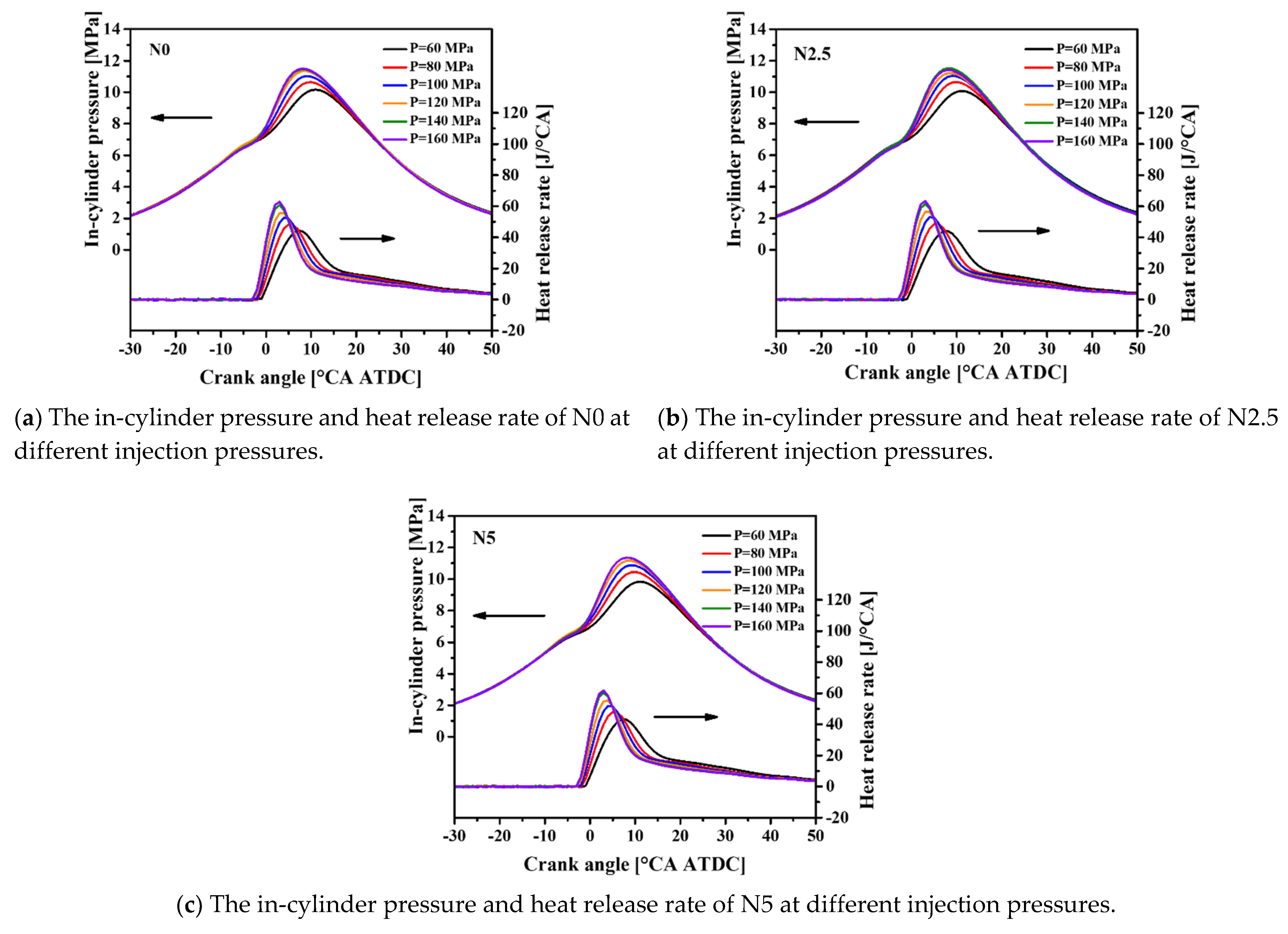
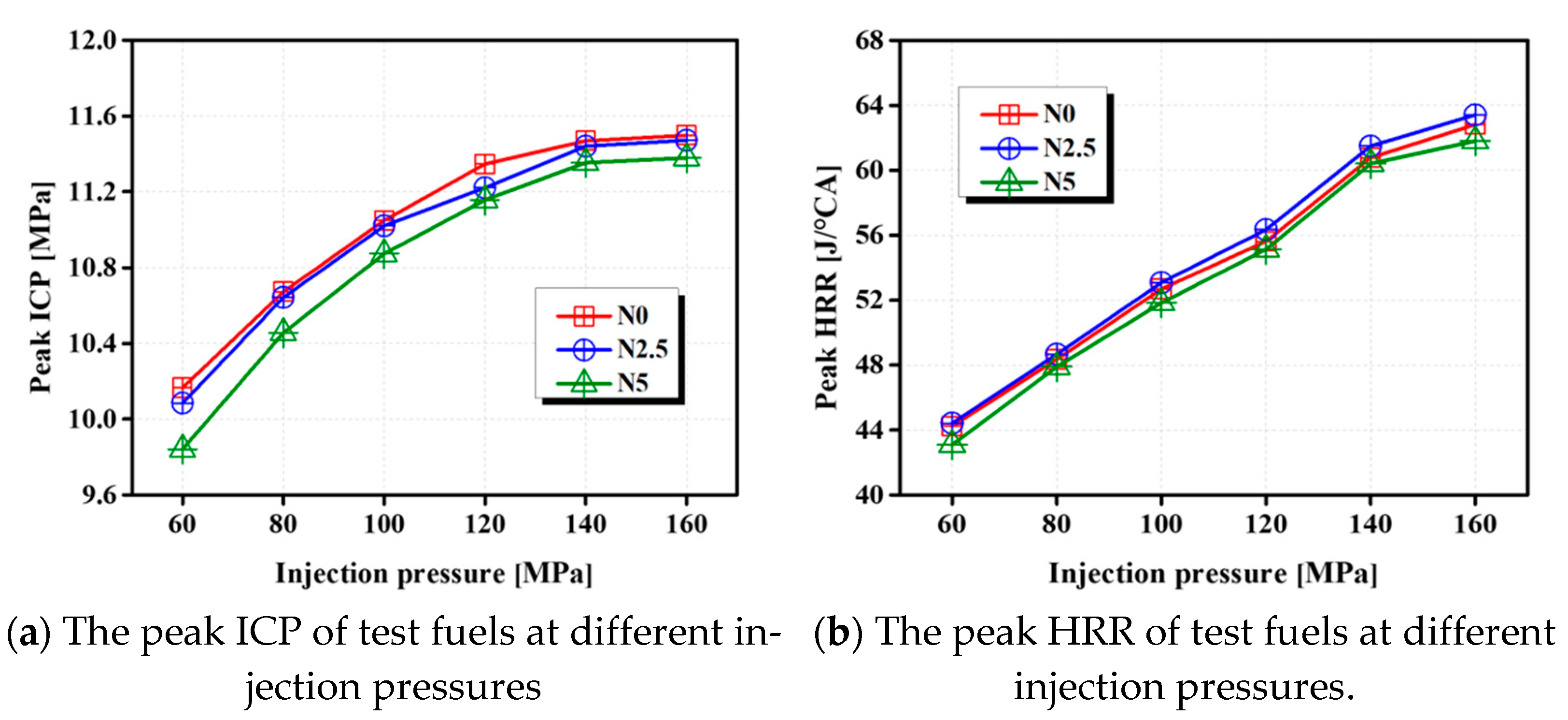
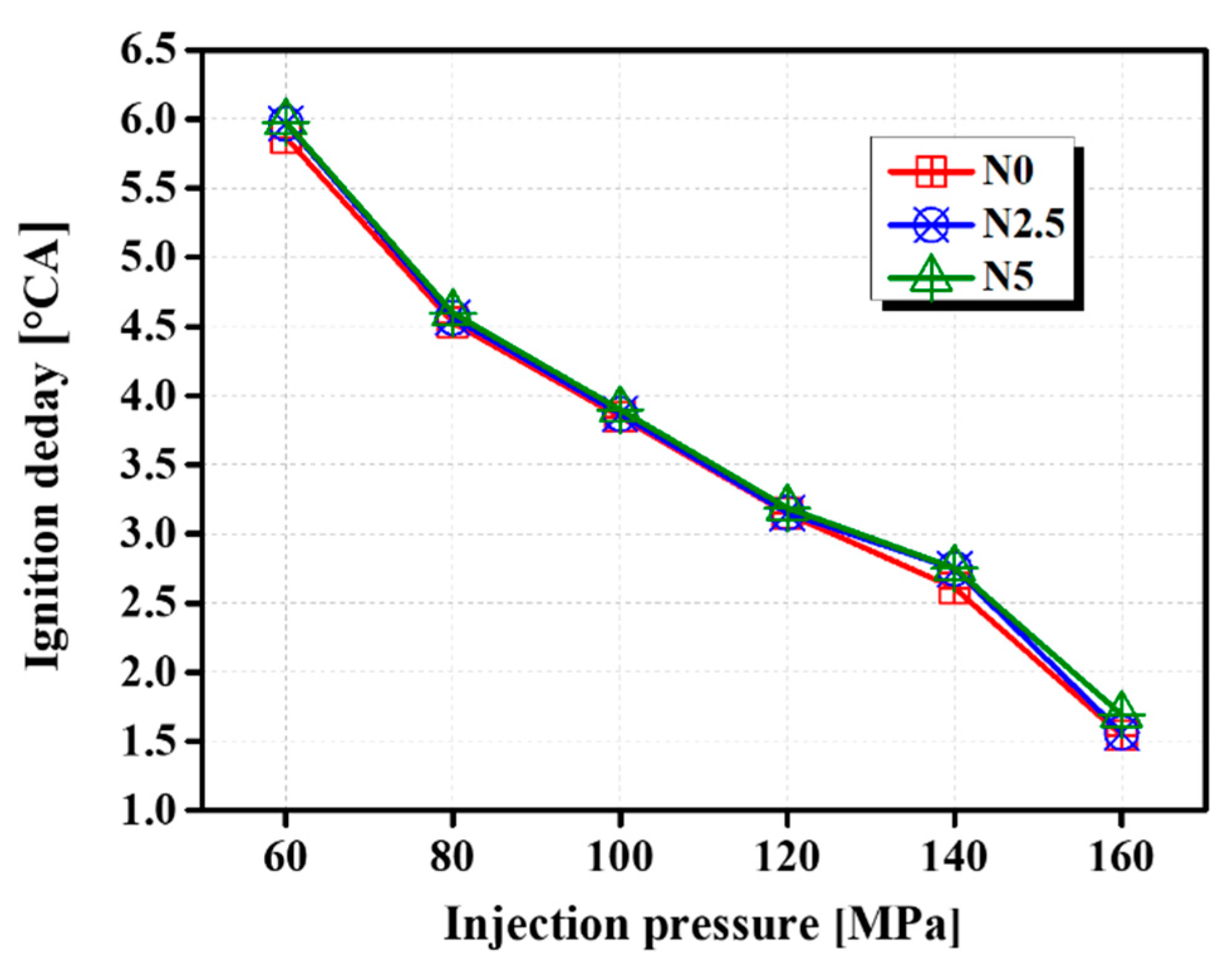
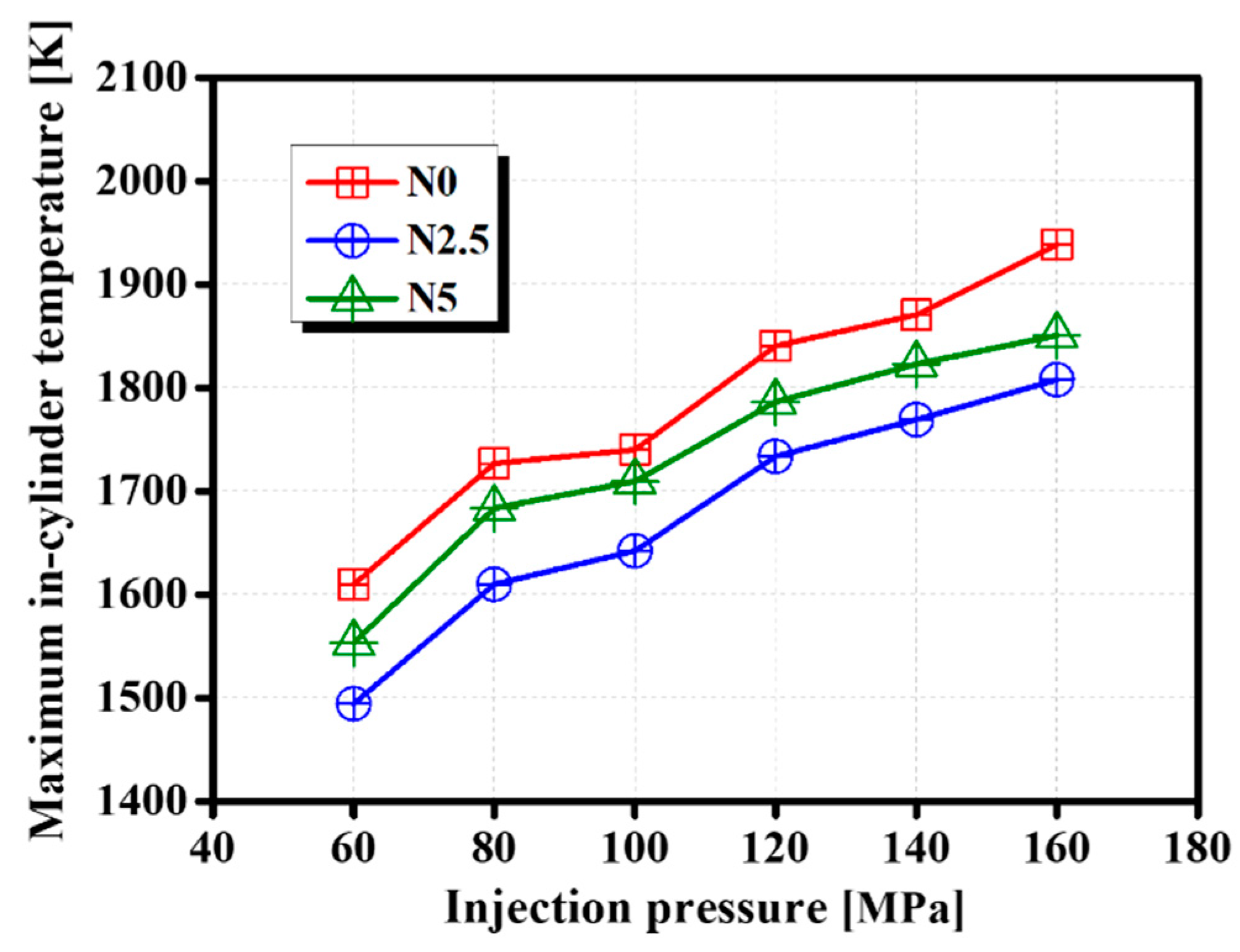
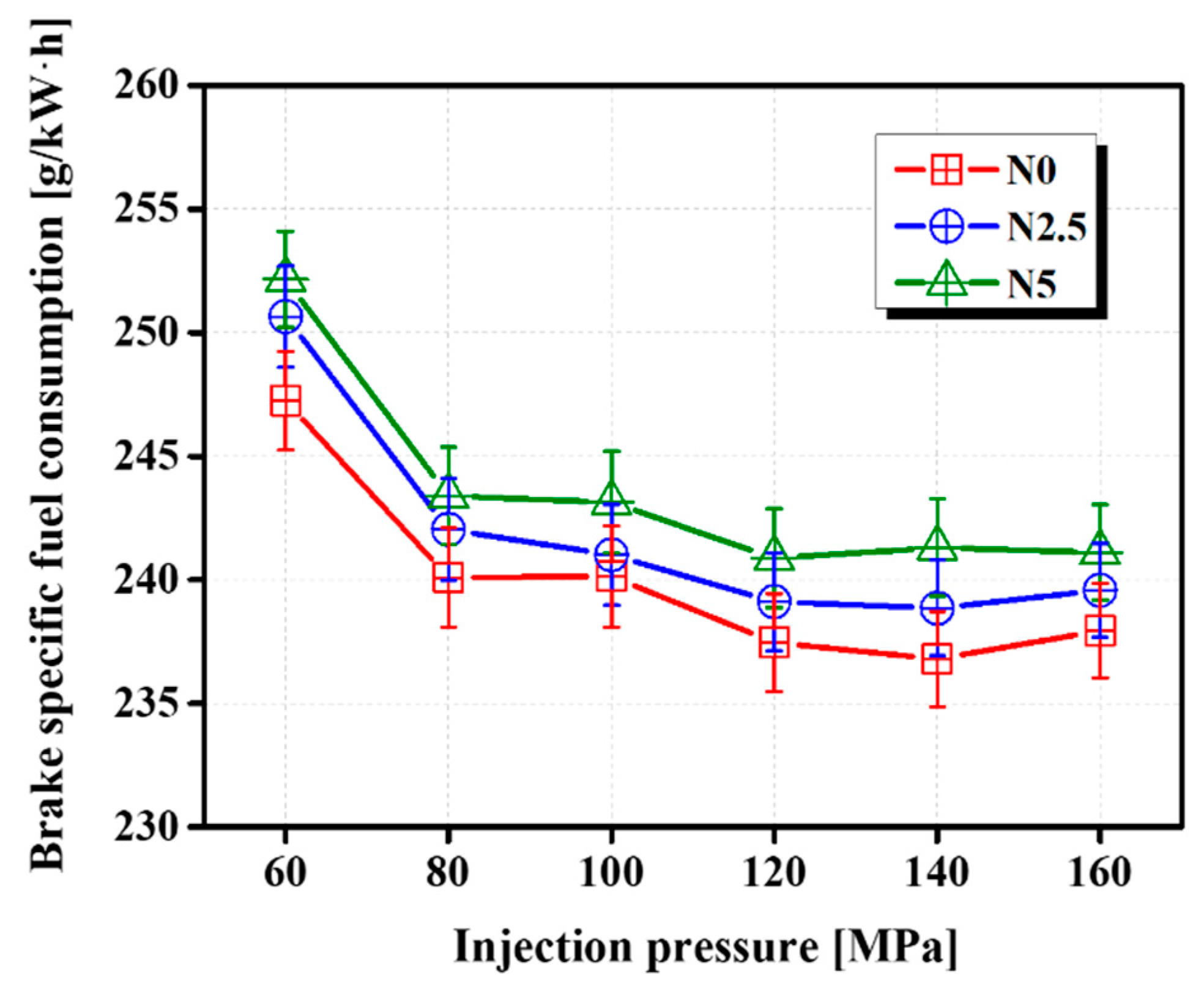
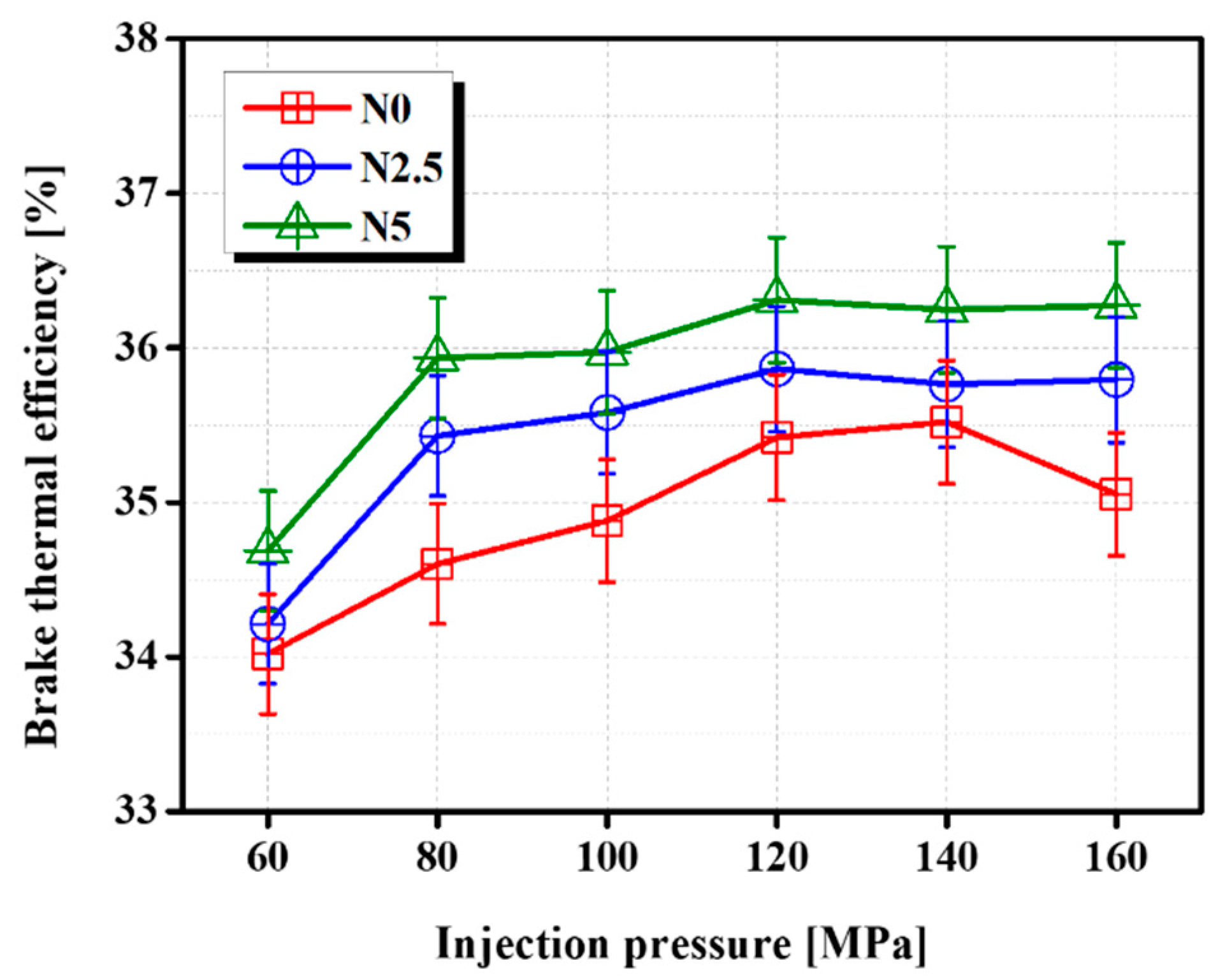
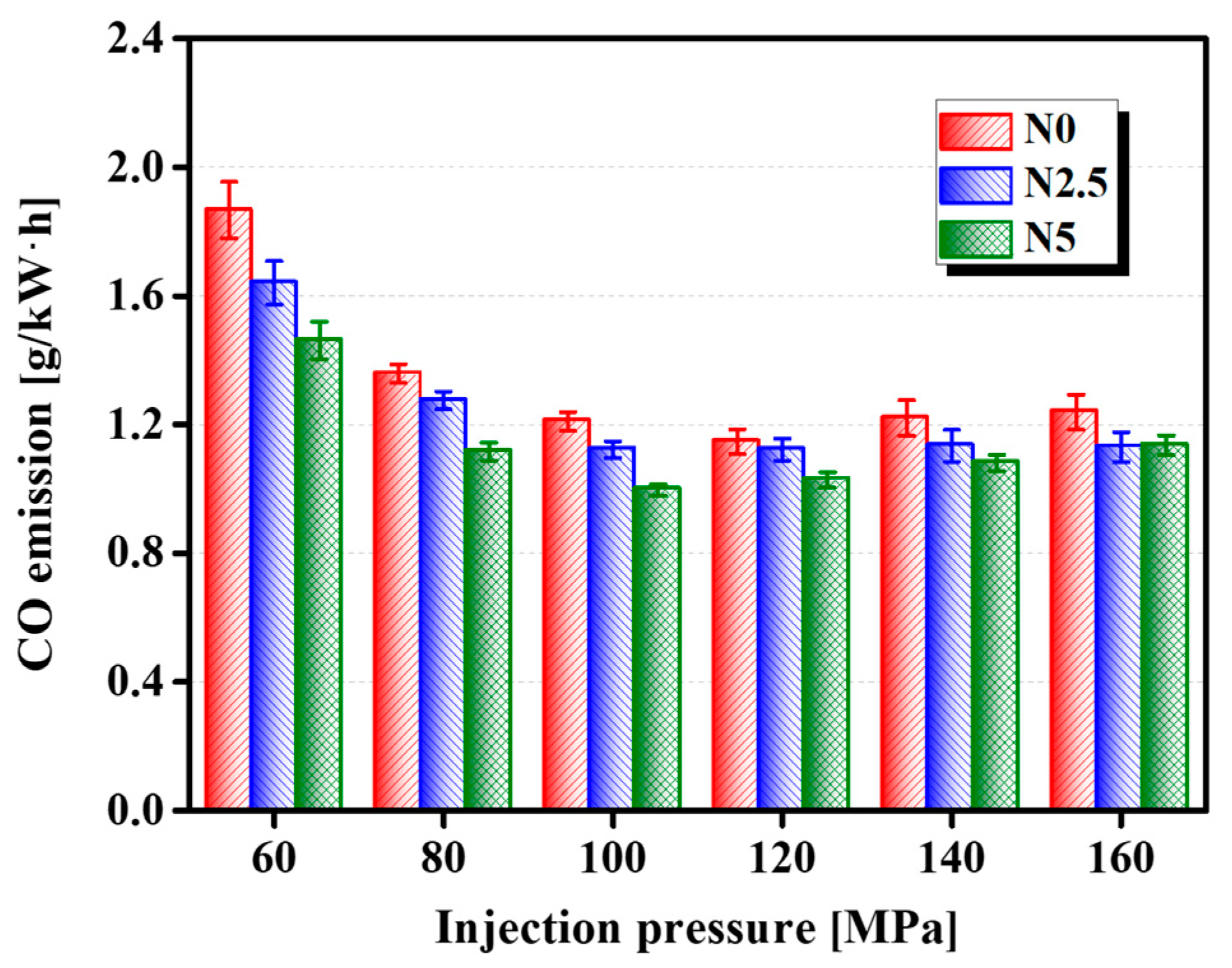
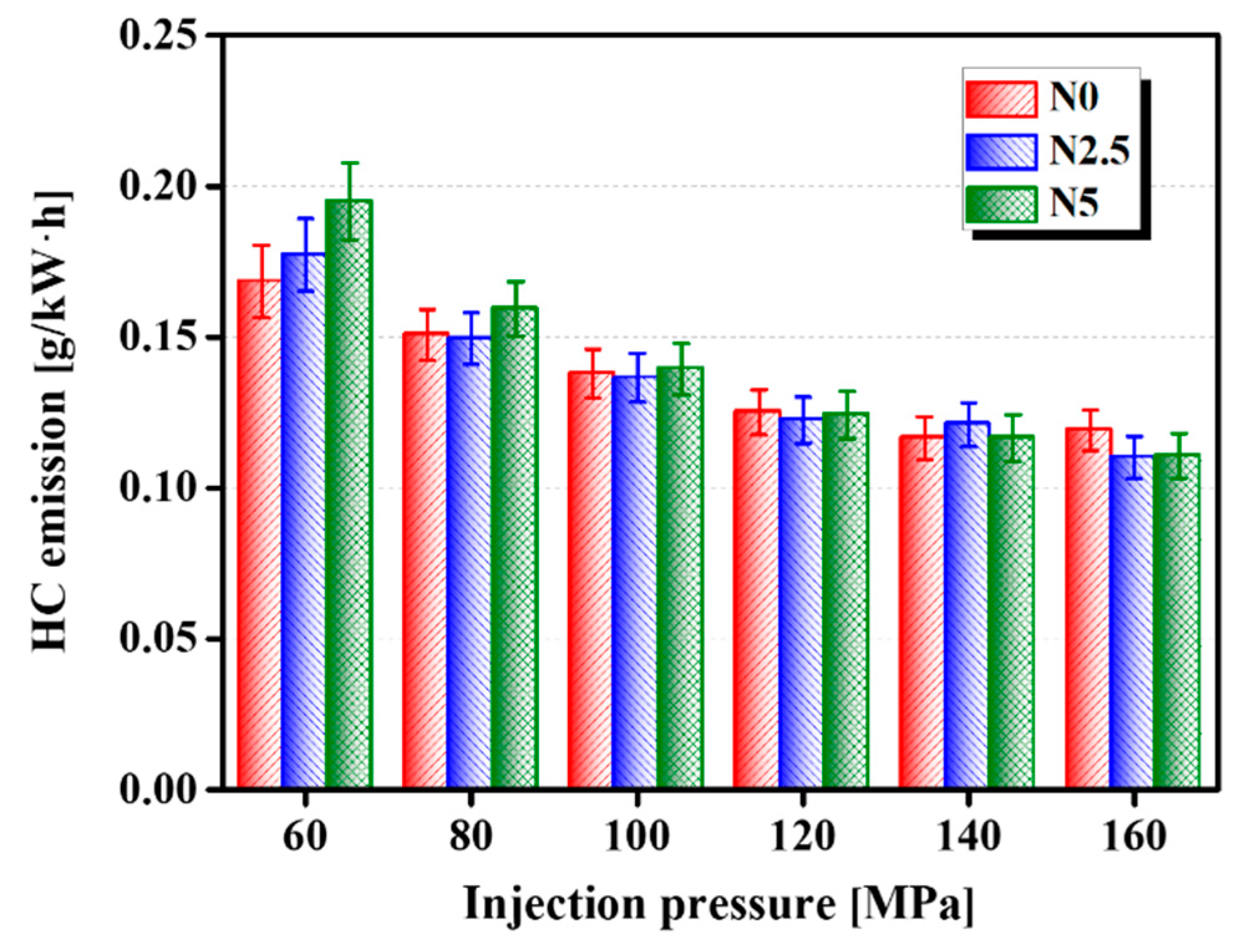
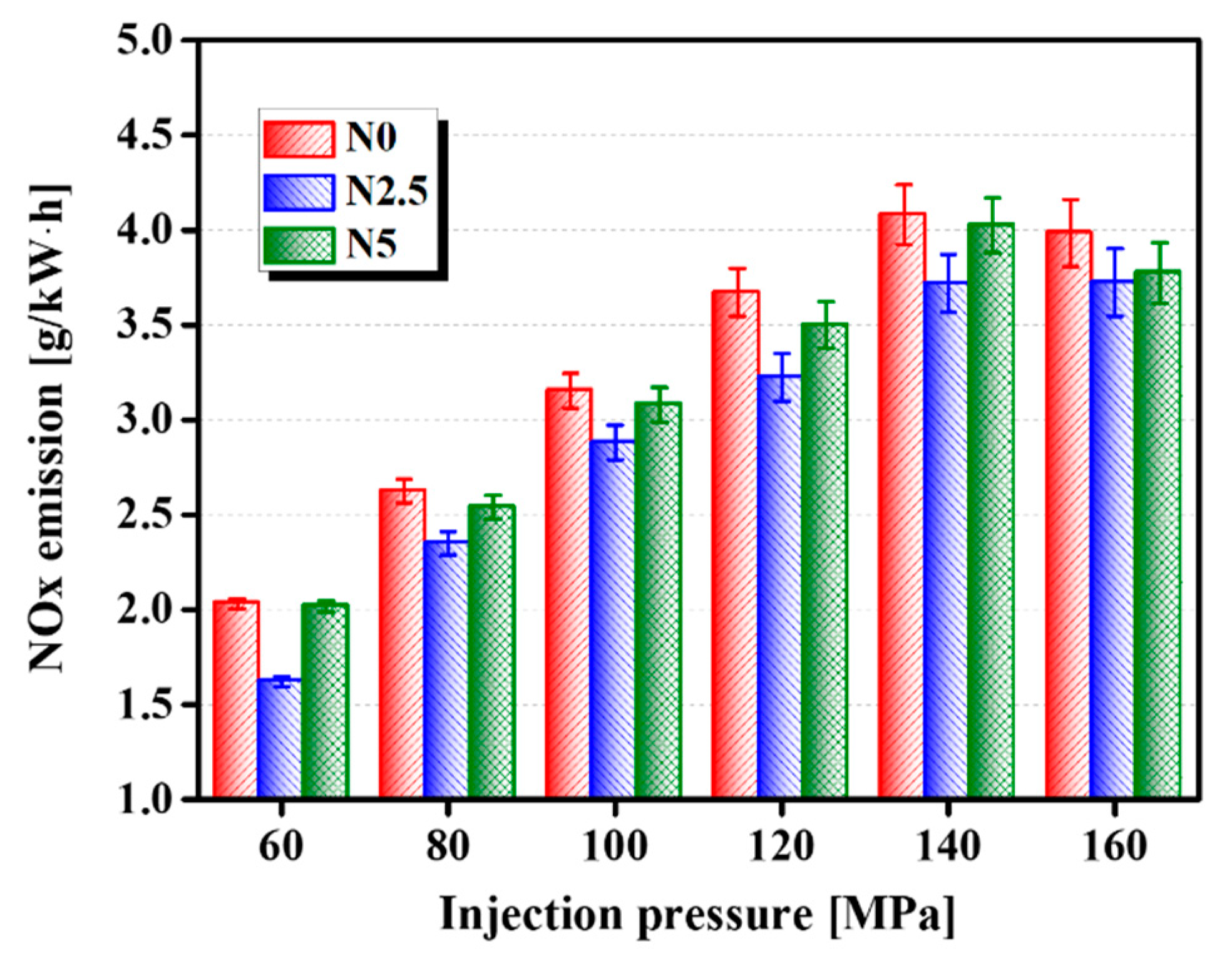
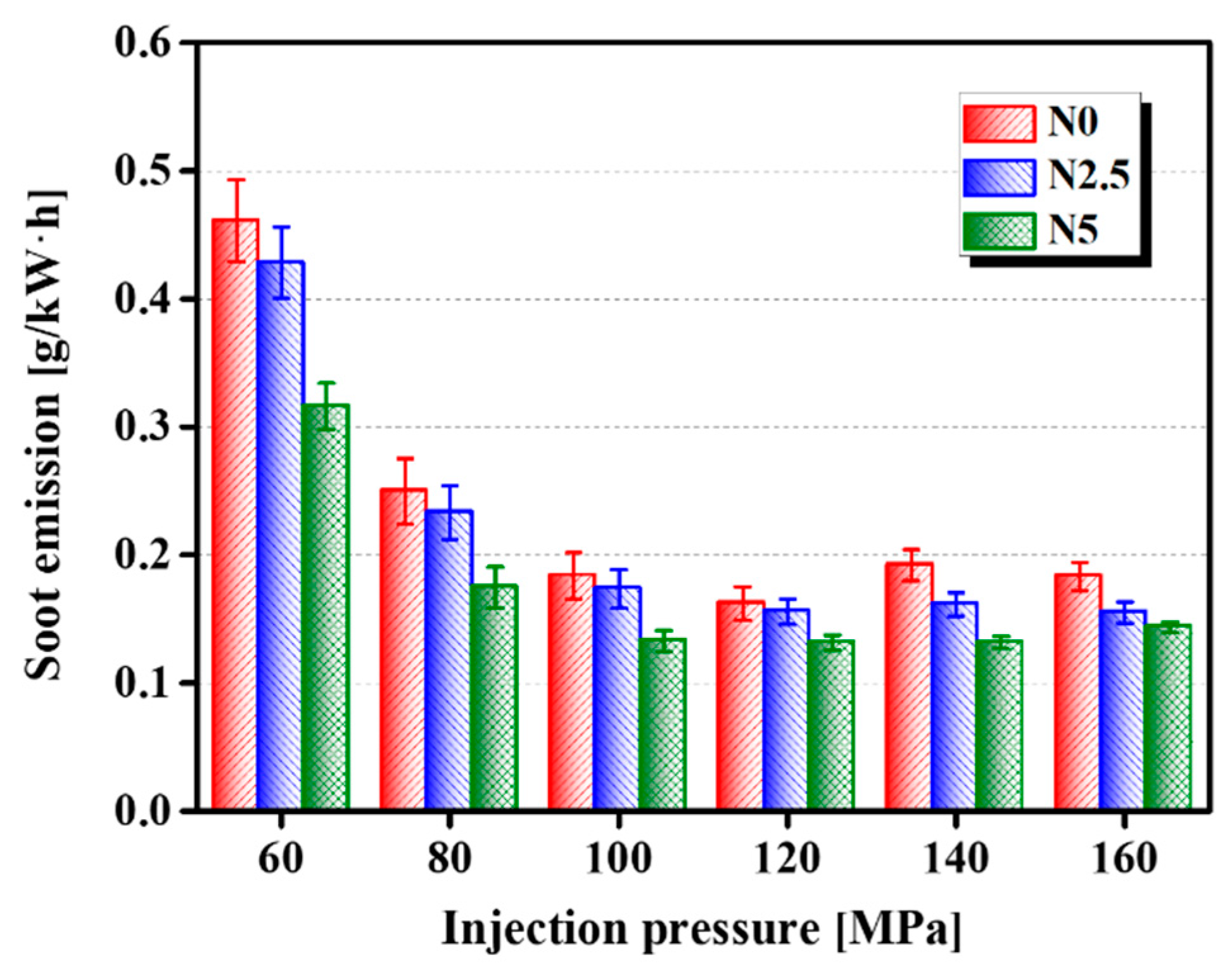
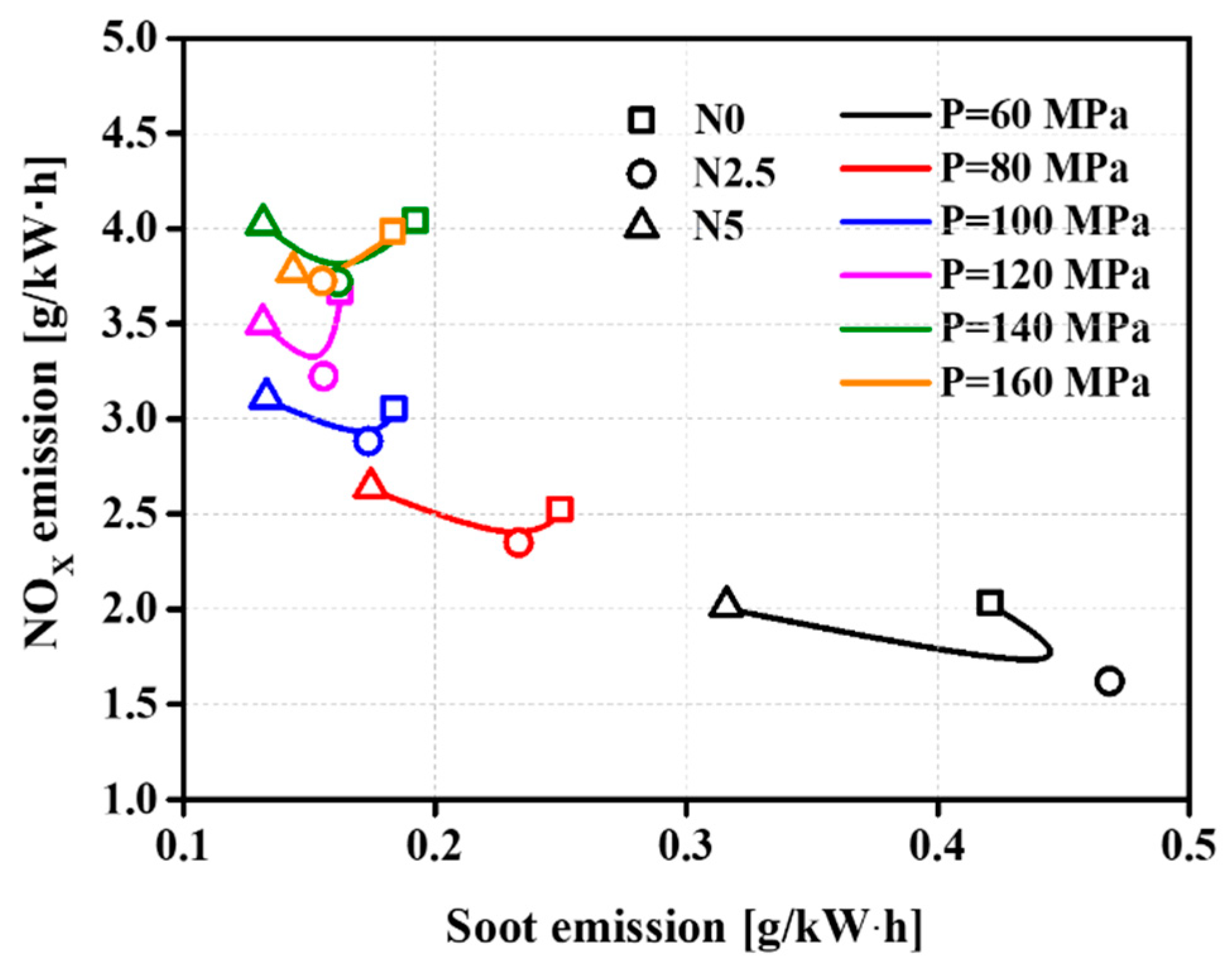
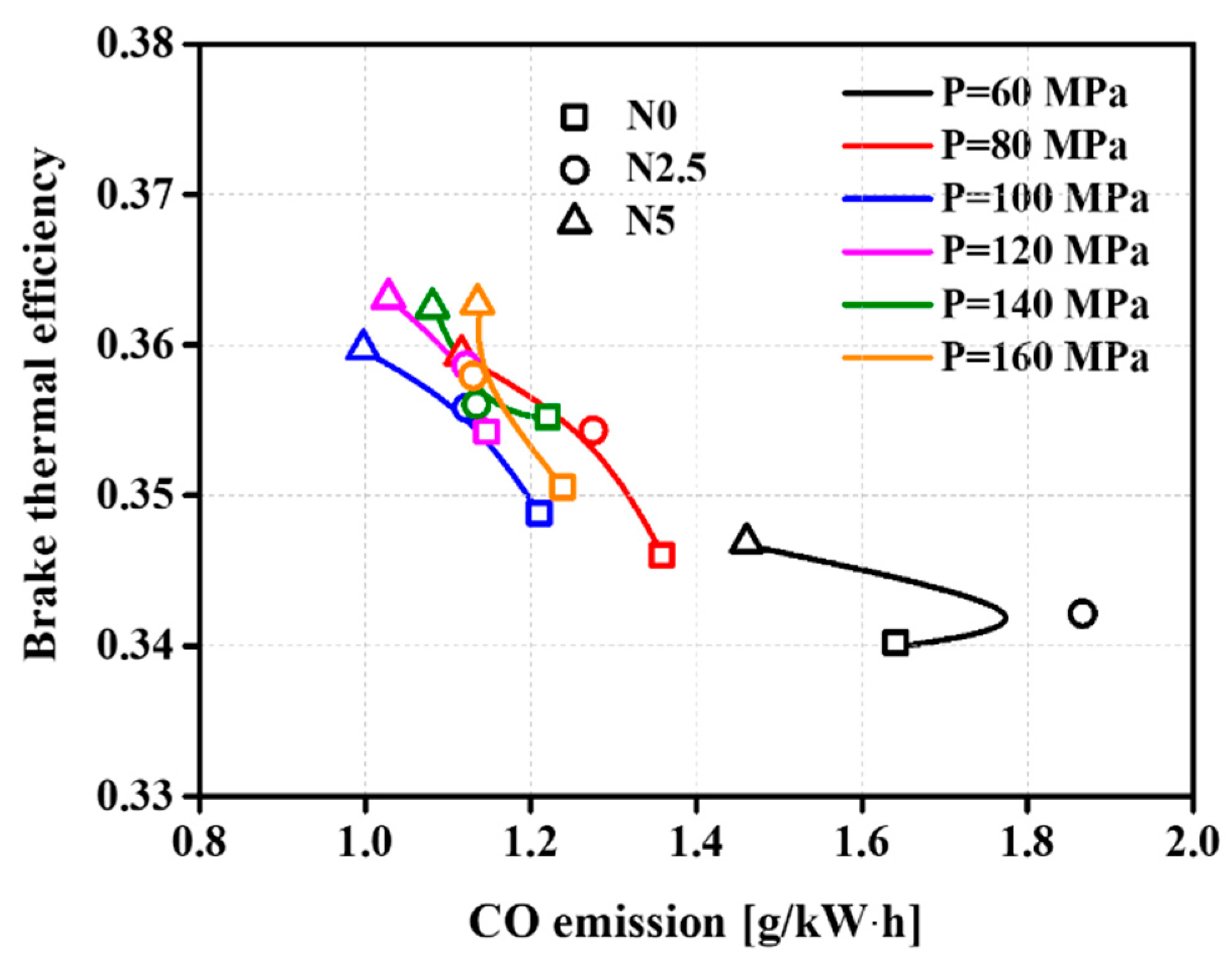
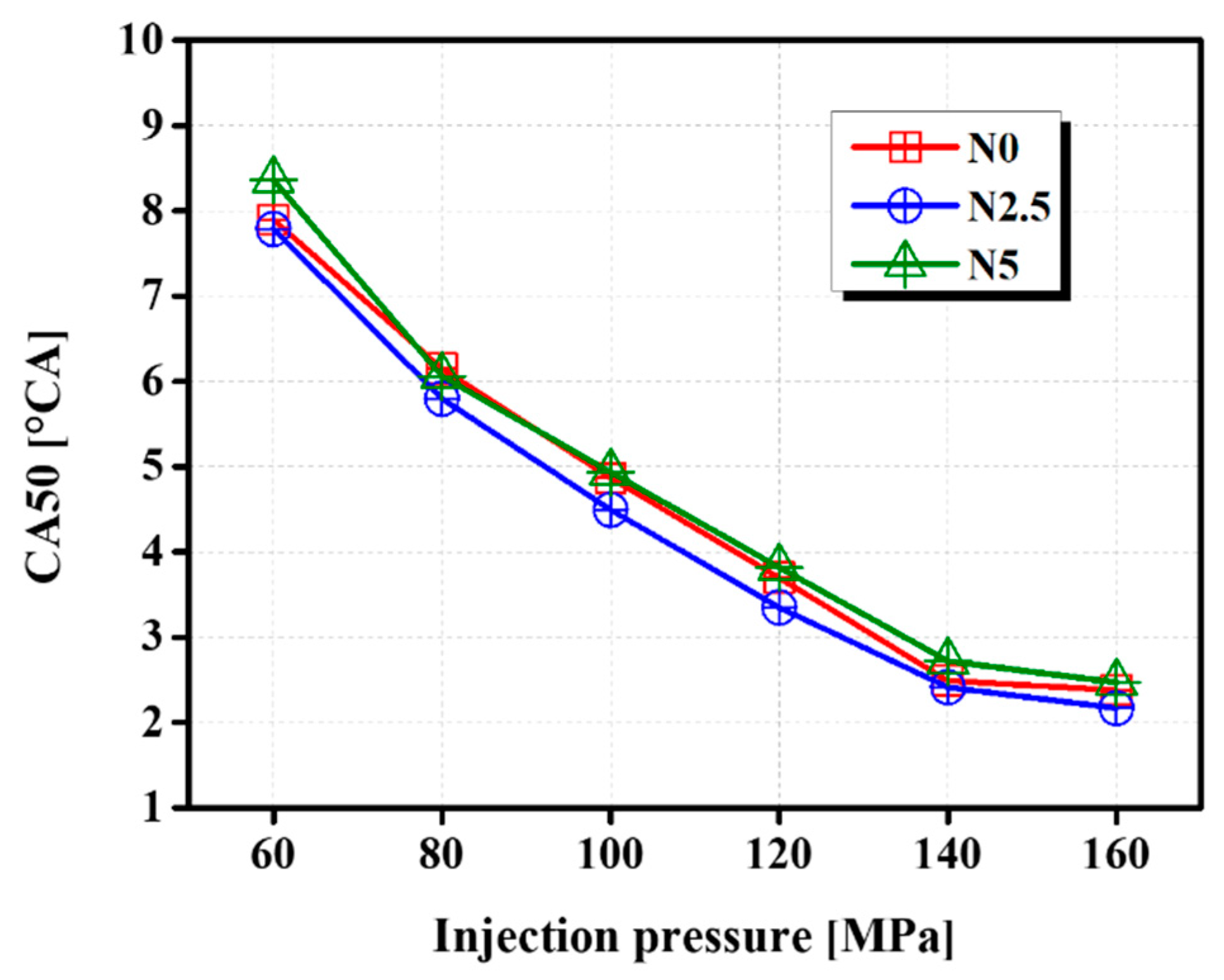
n-Octanol, as an oxygenated fuel, is considered as one of the most promising alternative fuels, owing to advantages such as its low hygroscopic nature, high cetane number, and high energy content. However, the introduction of n-octanol leads to a higher viscosity and latent heat of evaporation (LHOE), affecting the combustion and emission performances of compression ignition (CI) engines. This study sheds light on the effect of injection pressures (IPs, ranging from 60 to 160 MPa) on the combustion and emission performances of a turbocharged CI engine, in conjunction with n-octanol/diesel blends. According to the proportion of oxygen content, the test fuels contain pure diesel (N0), N2.5 (2.5% oxygen content in the blending fuels), and N5 (5% oxygen content in the blending fuels). The results indicate that the blending fuels have little influence on the in-cylinder pressure, ignition delay (ID), and CA50, but they improve the brake thermal efficiency (BTE). In terms of emissions, with the use of blending fuels, the levels of carbon monoxide (CO), soot, and nitrogen oxides (NOX) decrease, whereas emissions of hydrocarbons (HC) slightly increase. With increasing IP, the ID, brake specific fuel consumption (BSFC), HC, CO, and soot decrease significantly, and the BTE and NOX increase. In addition, the combination of n-octanol and IP improves the trade-off between NOX and soot and reduces the CO emissions.
Keywords: diesel engine; n-octanol/diesel; injection pressure; combustion; emissions diesel engine; n-octanol/diesel; injection pressure; combustion; emissions