Article

Is Steam Explosion a Promising Pretreatment for Acid Hydrolysis of Lignocellulosic Biomass?


1
Karlsruhe Institute of Technology (KIT), Institute for Catalysis Research and Technology, Hermann-von-Helmholtz-Platz 1, 76344 Eggenstein-Leopoldshafen, Germany
2
Institute of Agricultural Engineering, University of Hohenheim, Garbenstraße 9, 70599 Stuttgart, Germany
*
Author to whom correspondence should be addressed.
Processes 2020, 8(12), 1626; https://doi.org/10.3390/pr8121626
Submission received: 13 November 2020 / Revised: 30 November 2020 / Accepted: 8 December 2020 / Published: 10 December 2020

Abstract

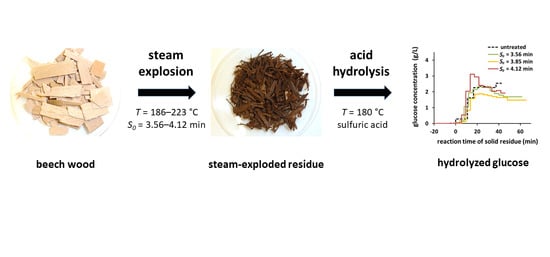
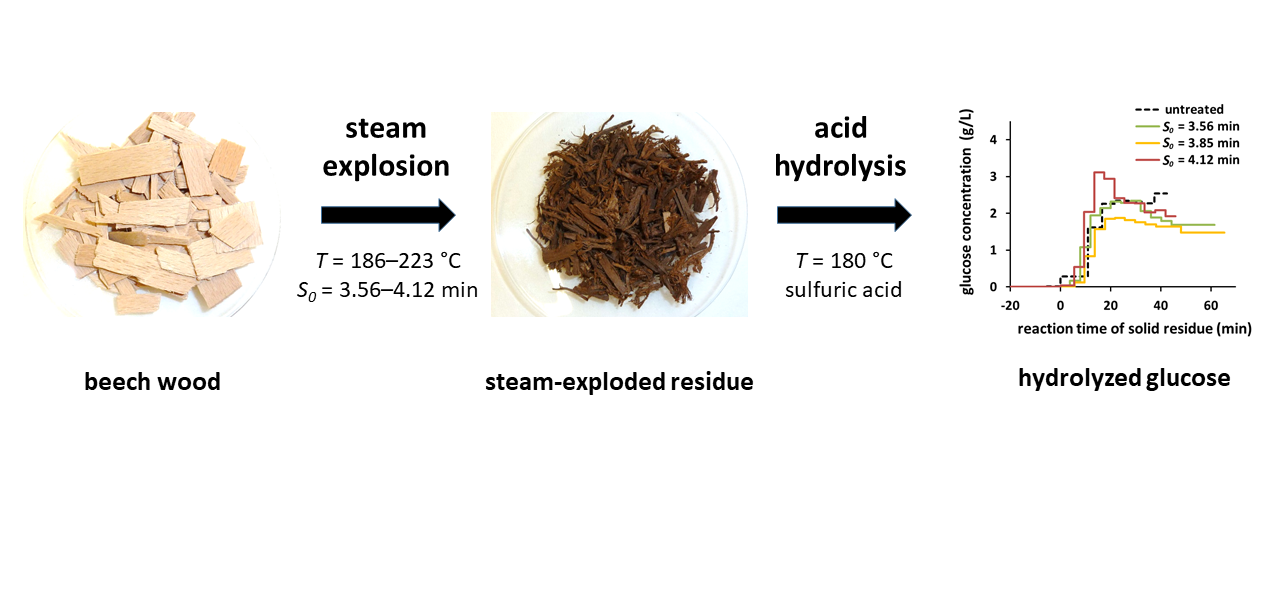
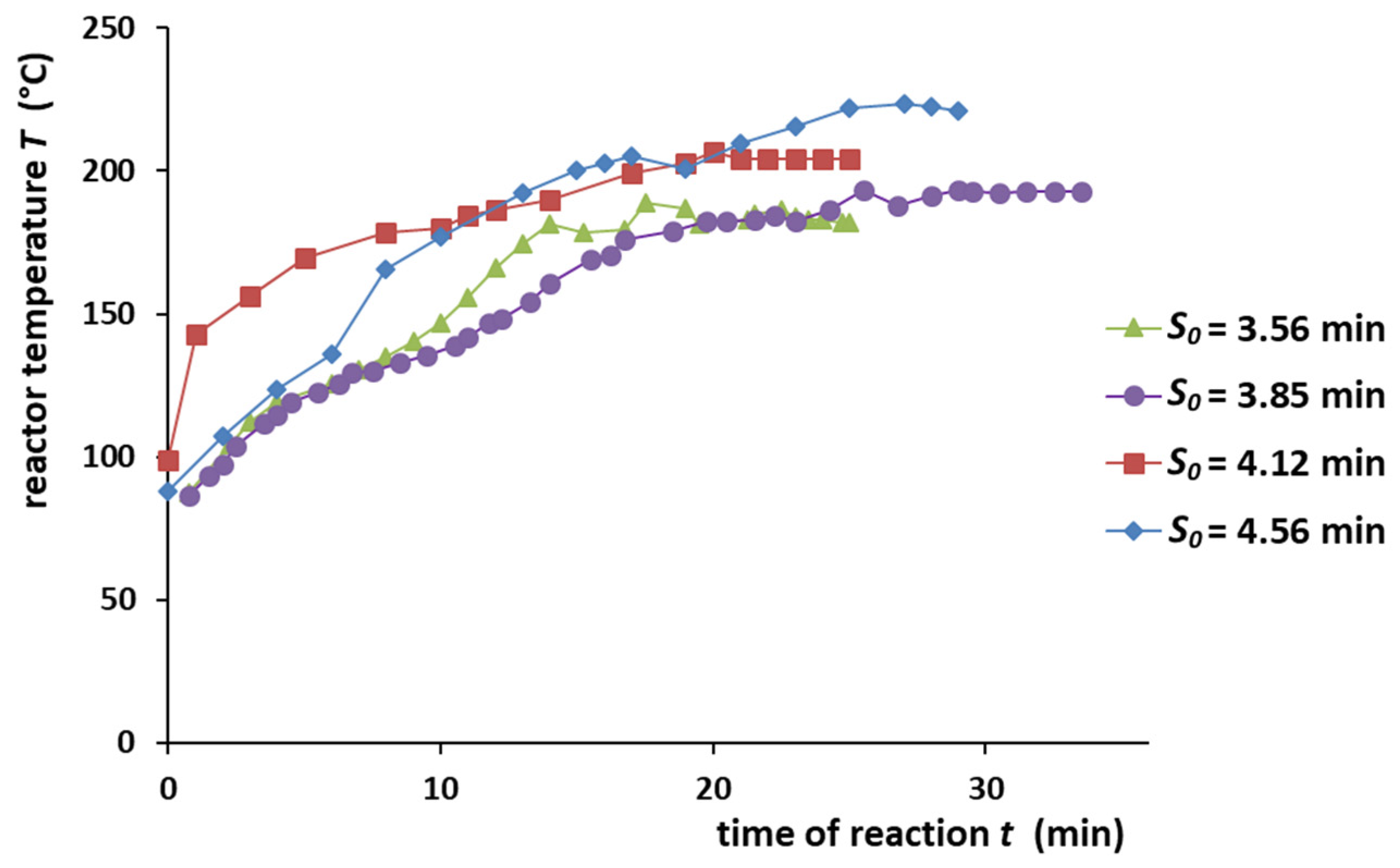
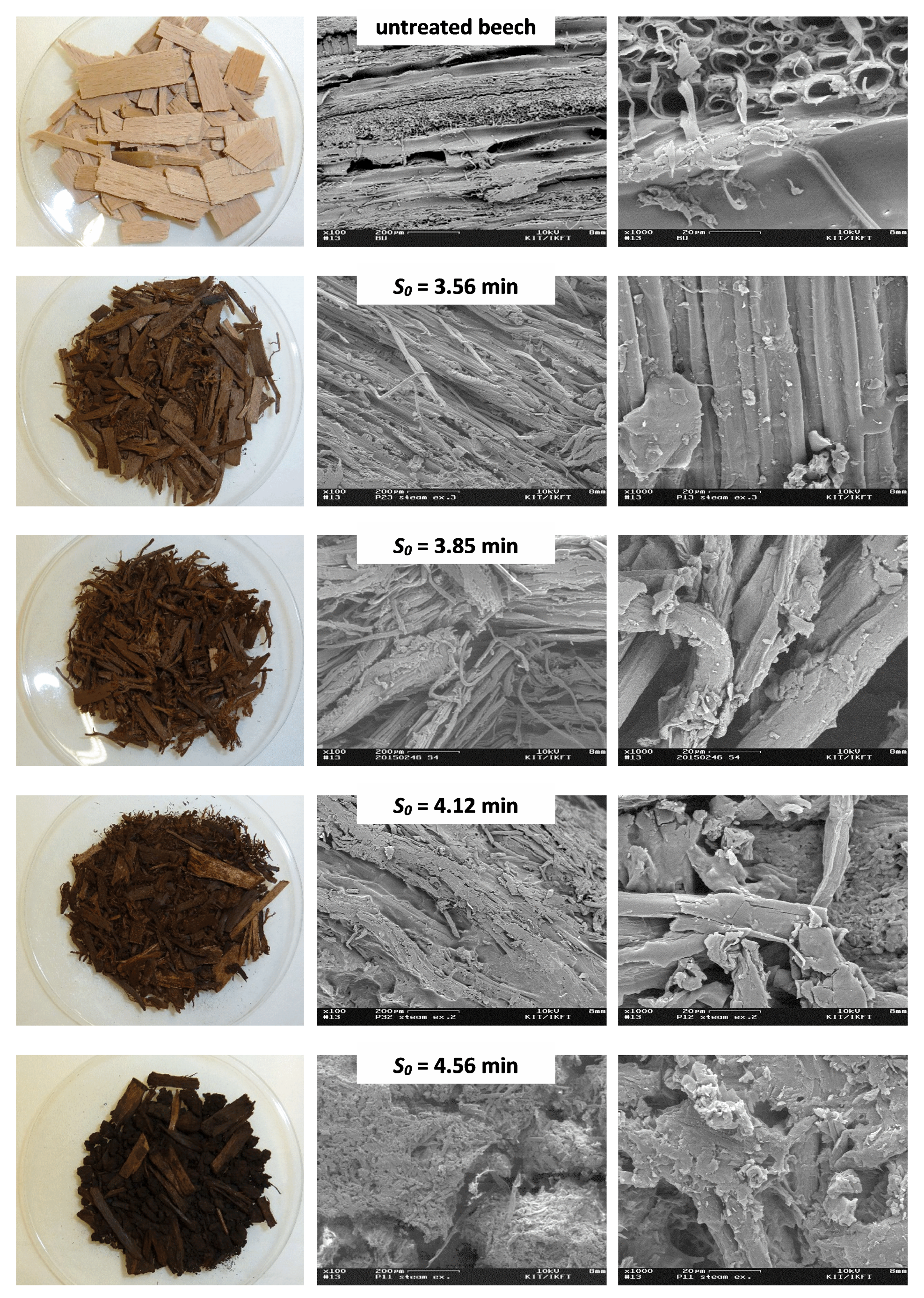
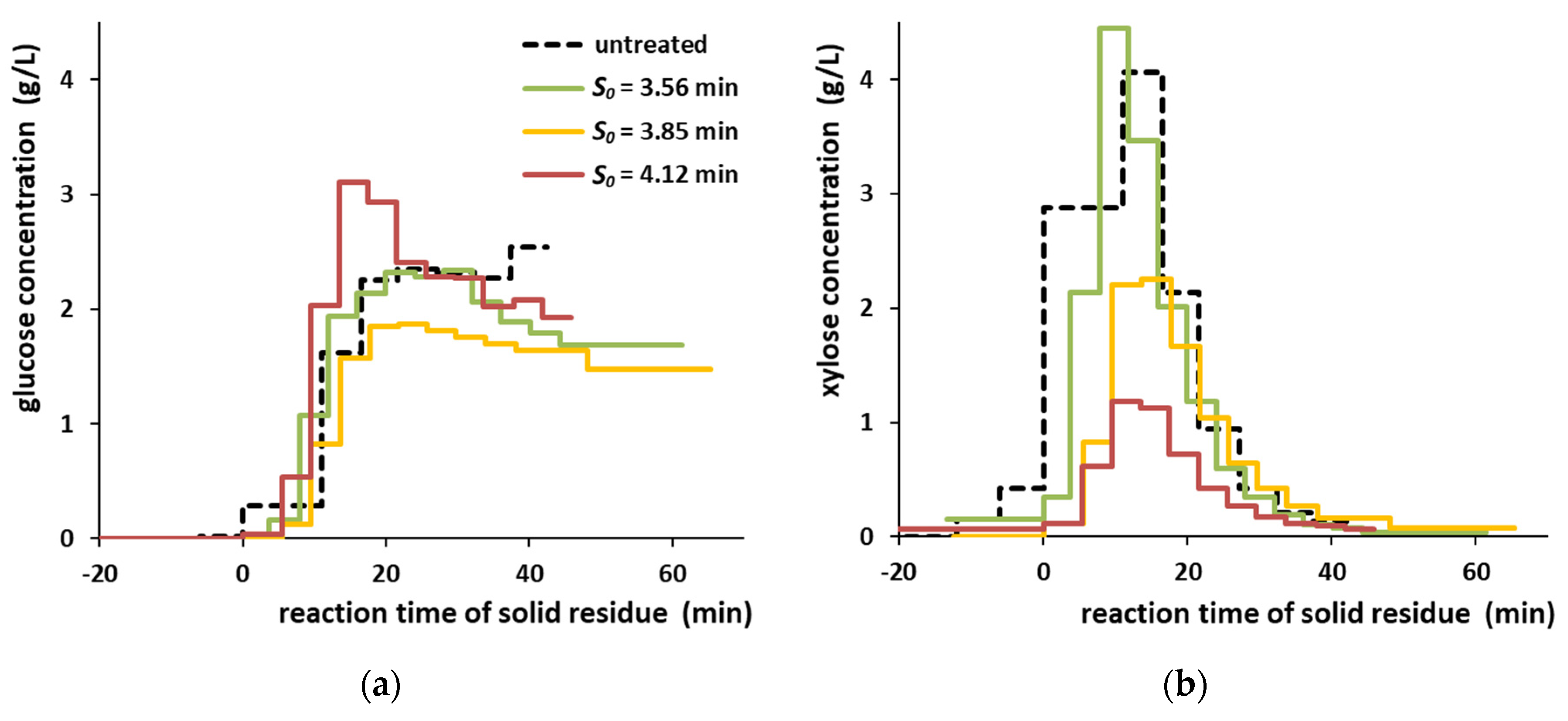
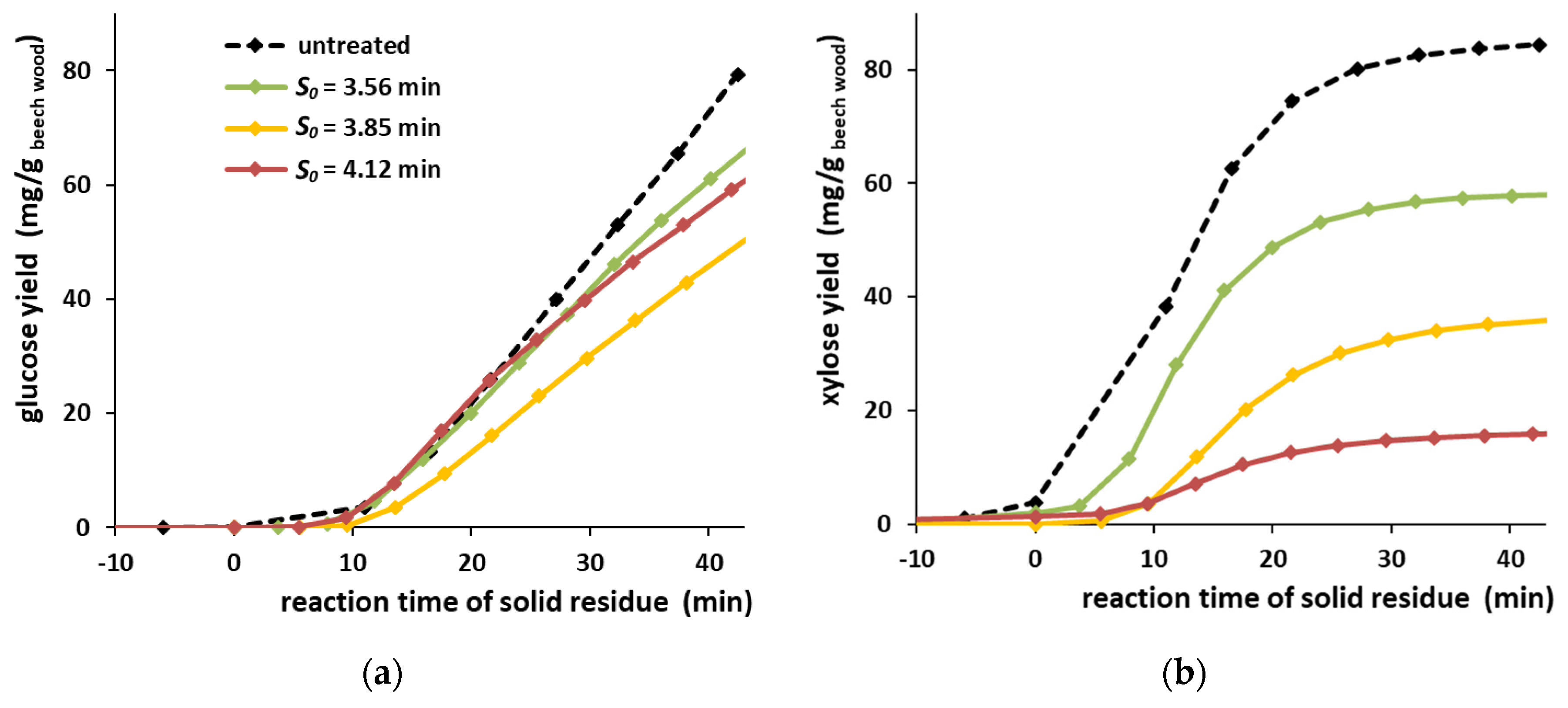
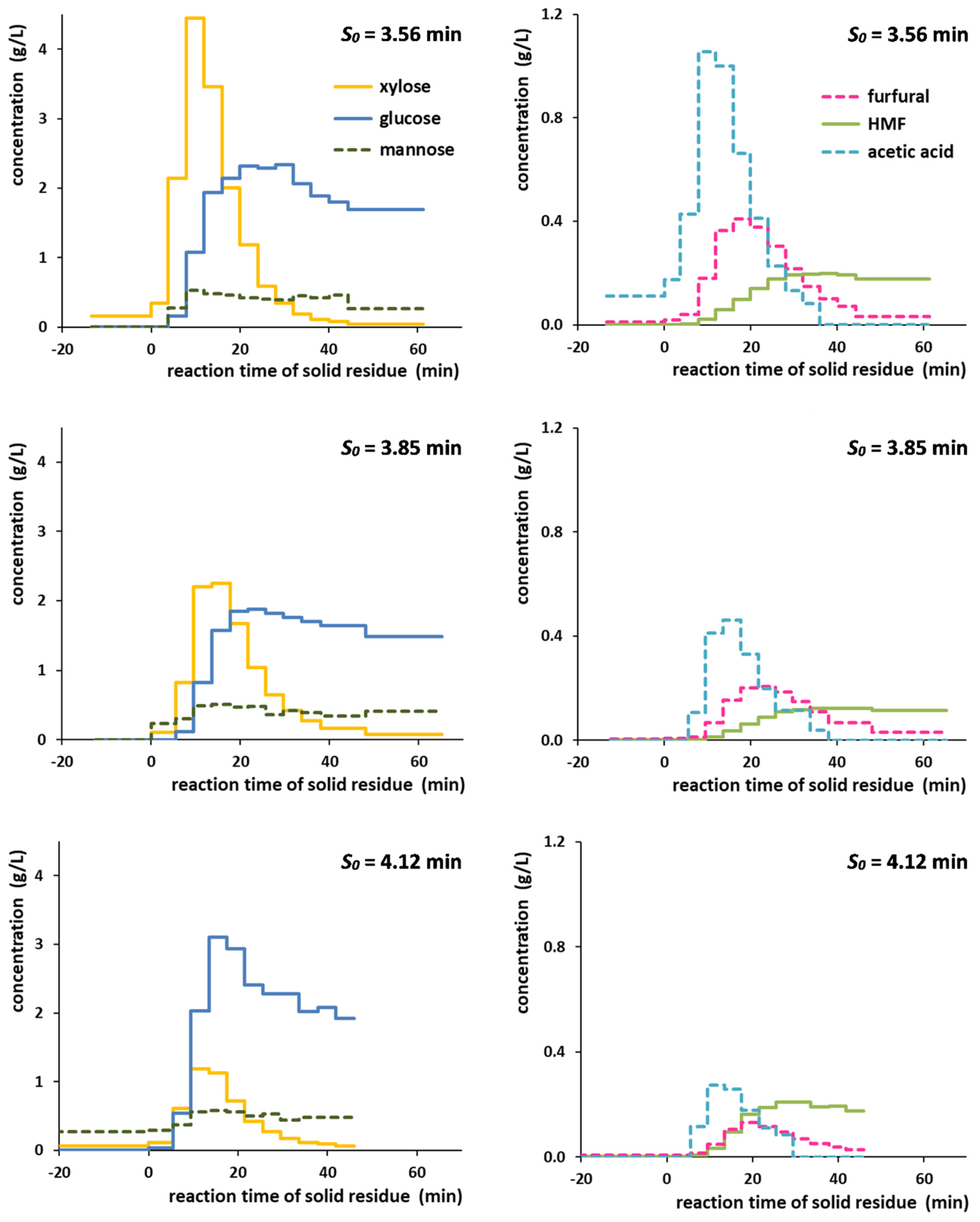
For the production of sugars and biobased platform chemicals from lignocellulosic biomass, the hydrolysis of cellulose and hemicelluloses to water-soluble sugars is a crucial step. As the complex structure of lignocellulosic biomass hinders an efficient hydrolysis via acid hydrolysis, a suitable pretreatment strategy is of special importance. The pretreatment steam explosion was intended to increase the accessibility of the cellulose fibers so that the subsequent acid hydrolysis of the cellulose to glucose would take place in a shorter time. Steam explosion pretreatment was performed with beech wood chips at varying severities with different reaction times (25–34 min) and maximum temperatures (186–223 °C). However, the subsequent acid hydrolysis step of steam-exploded residue was performed at constant settings at 180 °C with diluted sulfuric acid. The concentration profiles of the main water-soluble hydrolysis products were recorded. We showed in this study that the defibration of the macrofibrils in the lignocellulose structure during steam explosion does not lead to an increased rate of cellulose hydrolysis. So, steam explosion is not a suitable pretreatment for acid hydrolysis of hardwood lignocellulosic biomass.
Keywords: glucose; xylose; 2nd generation sugars; lignocellulose; hydrolyzate; biorefinery; furfural; hydroxymethylfurfural; bioeconomy glucose; xylose; 2nd generation sugars; lignocellulose; hydrolyzate; biorefinery; furfural; hydroxymethylfurfural; bioeconomy
Graphical Abstract