Article

Numerical Investigation of SCR Mixer Design Optimization for Improved Performance

1
College of Energy and Power Engineering, Harbin Engineering University, Harbin 150001, China
2
Department of Textile Engineering, Balochistan University of Information Technology, Engineering and Management Sciences, Quetta 87300, Pakistan
3
College of Material Science and Chemical Engineering, Harbin Engineering University, Harbin 150001, China
*
Authors to whom correspondence should be addressed.
Processes 2019, 7(3), 168; https://doi.org/10.3390/pr7030168
Submission received: 1 February 2019 / Revised: 14 March 2019 / Accepted: 18 March 2019 / Published: 22 March 2019

Abstract

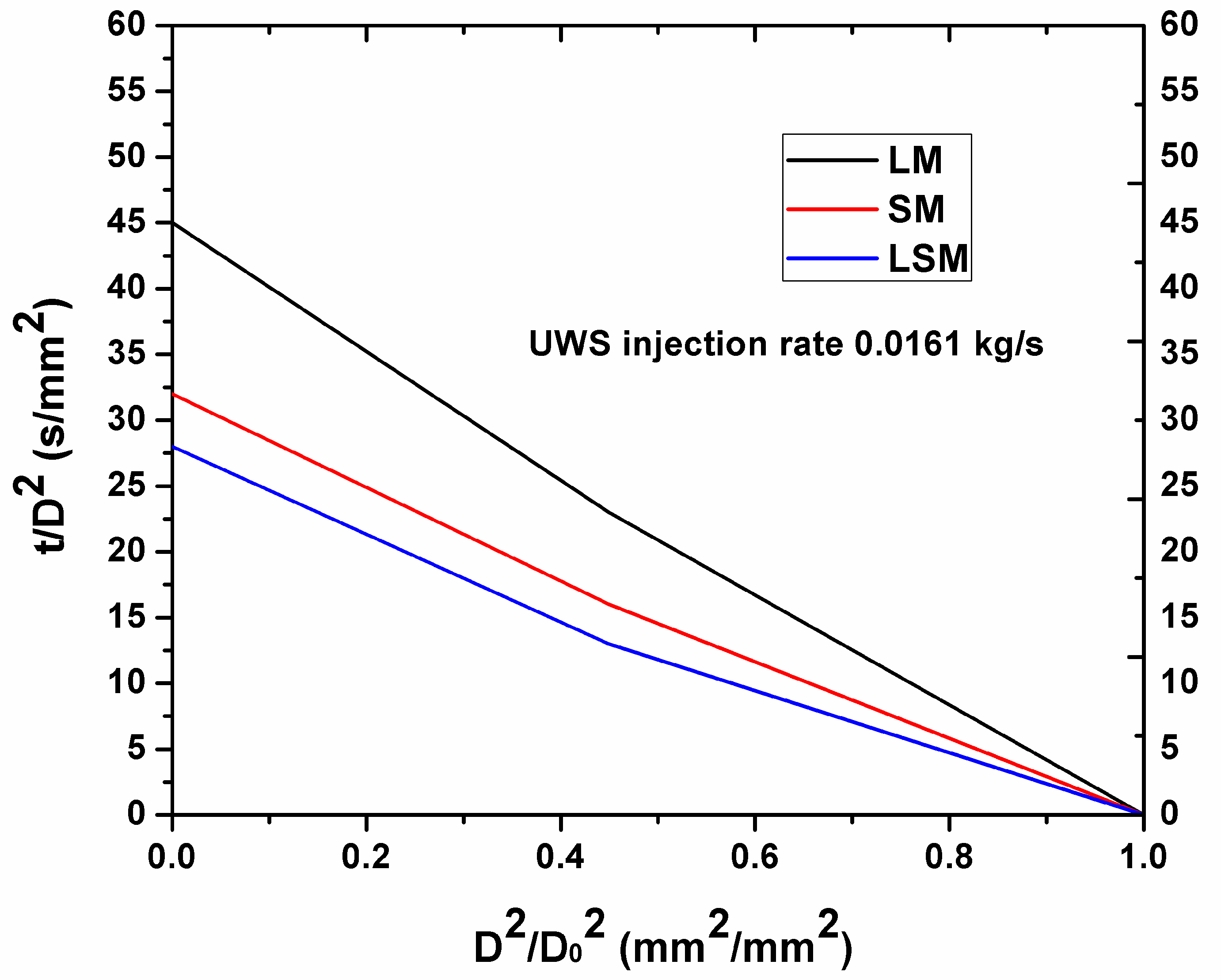
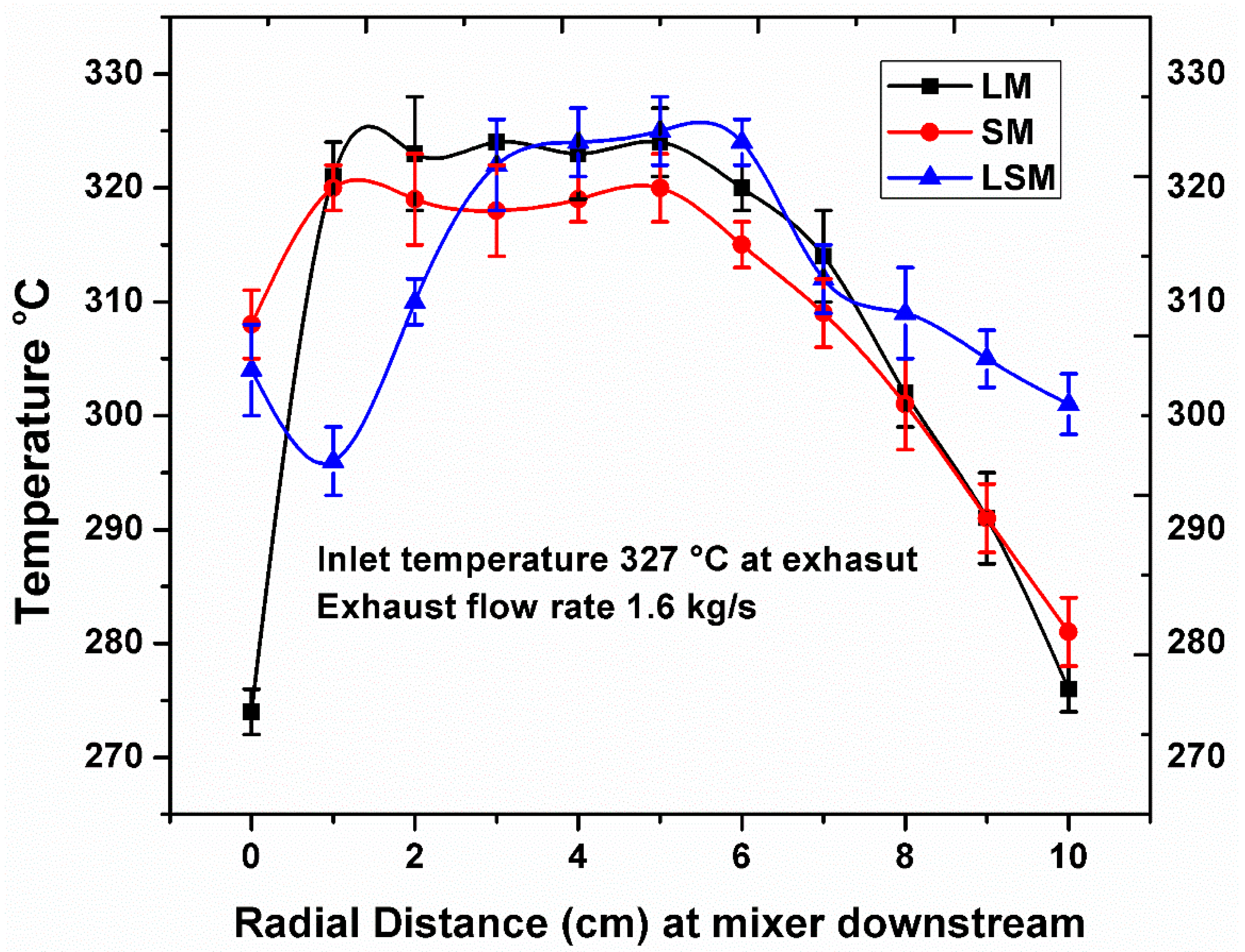
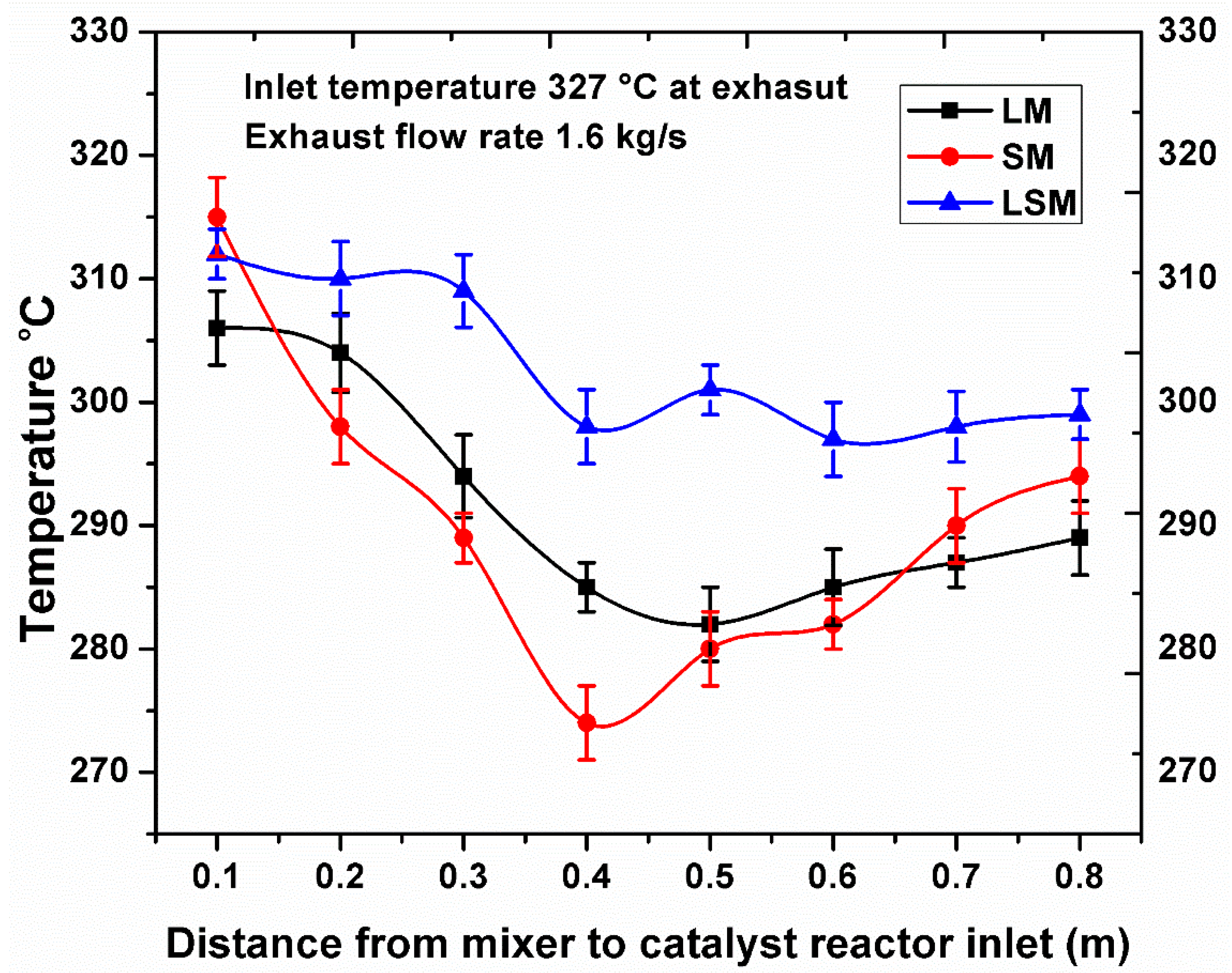
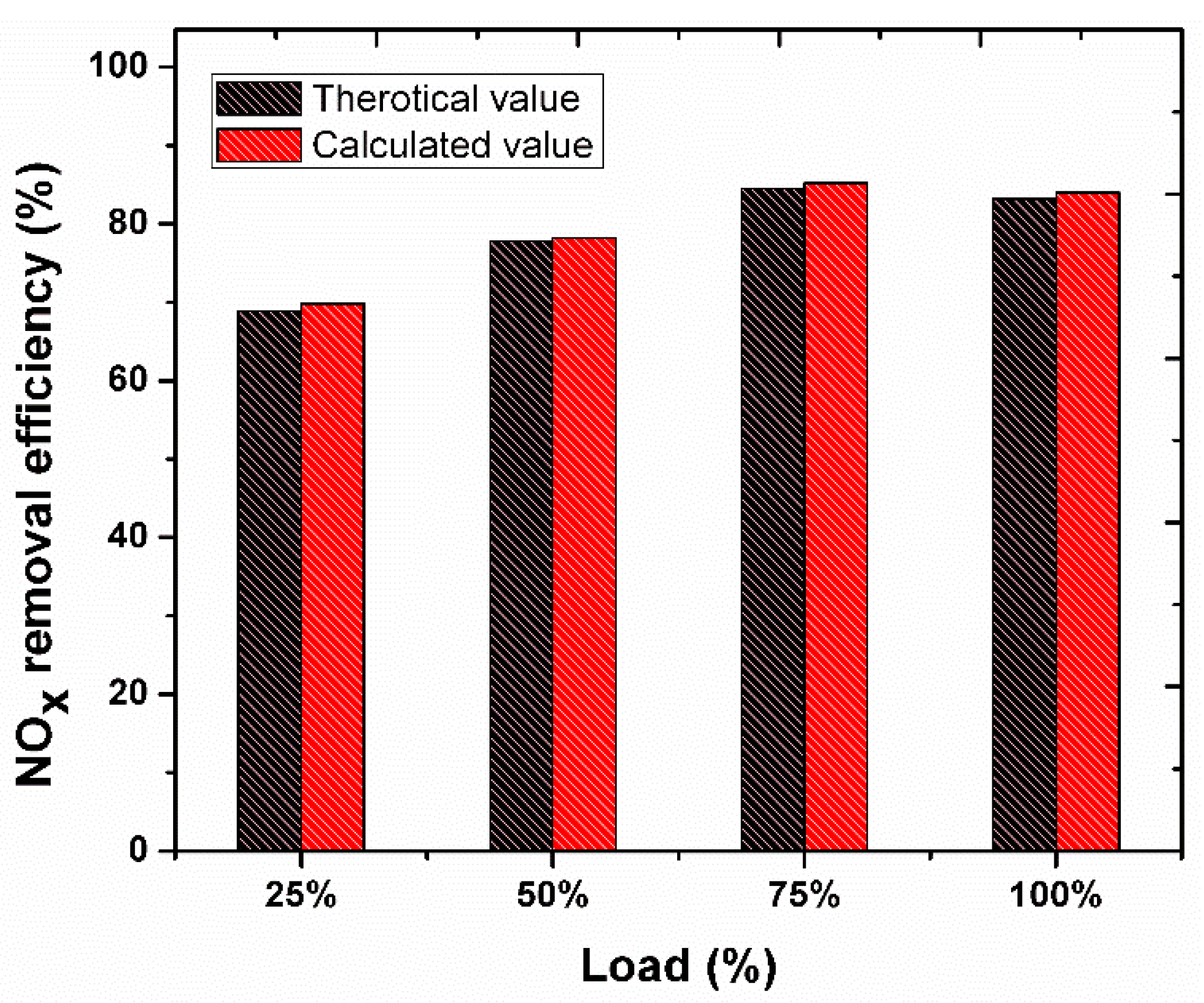
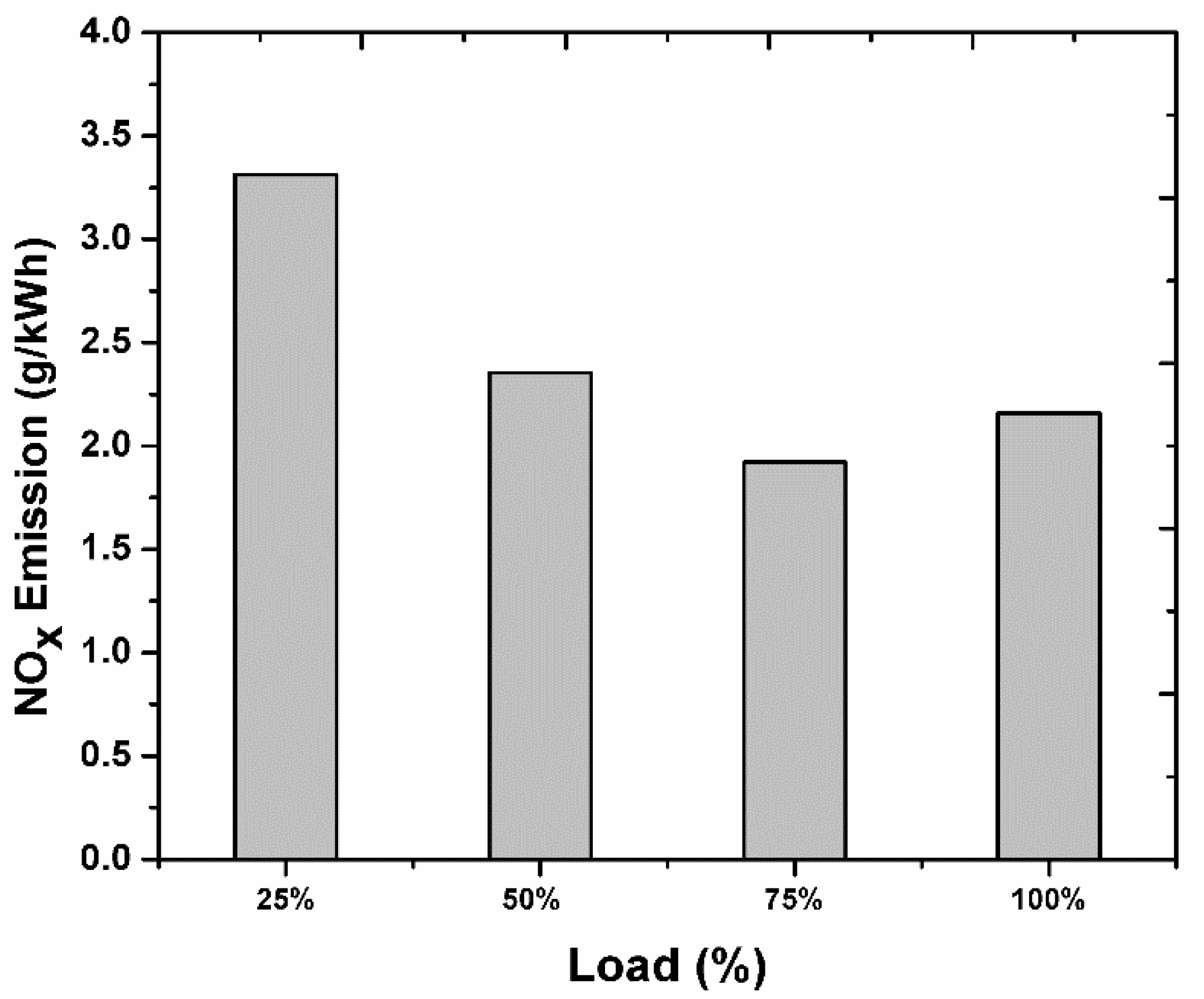
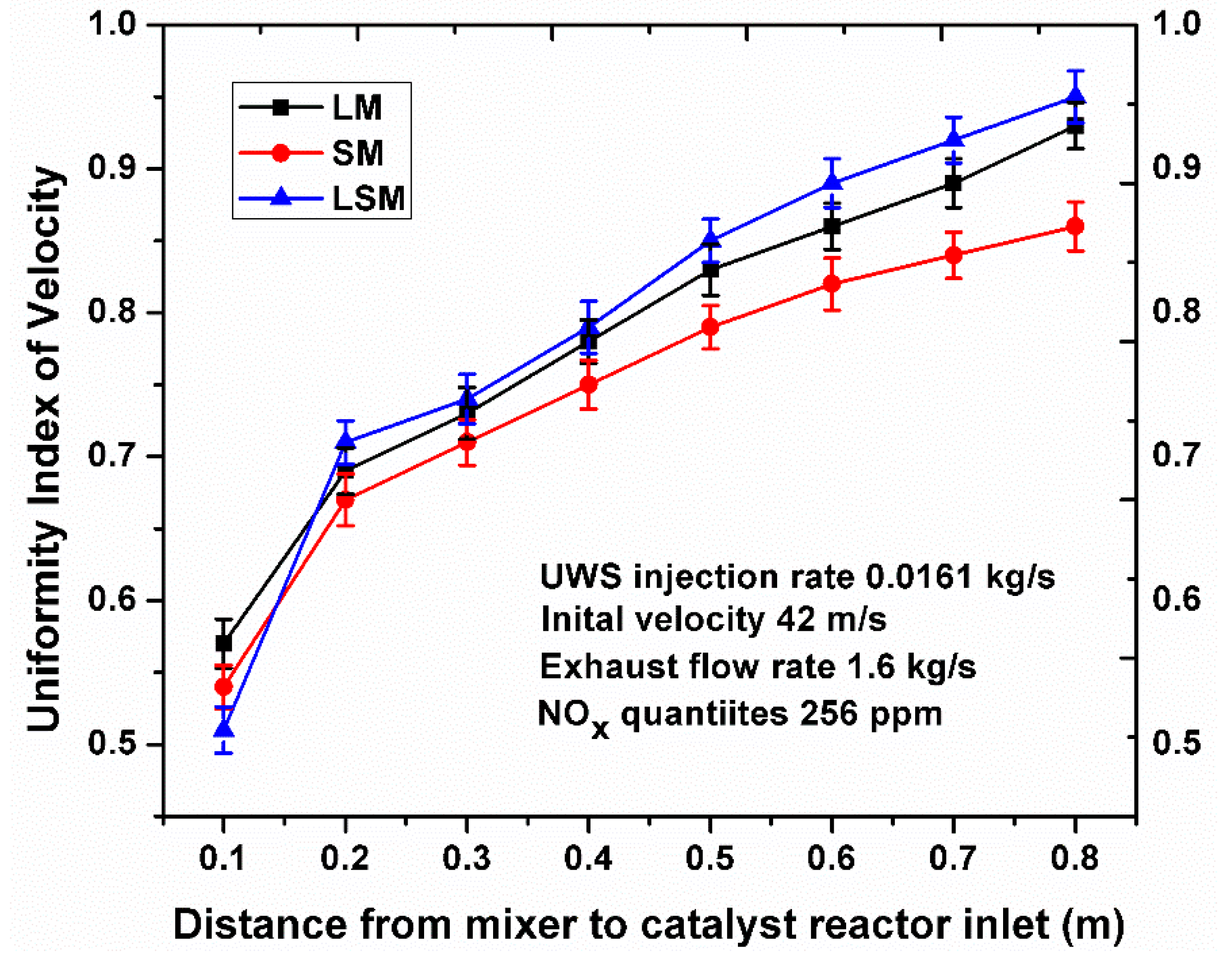
The continuous increase in the number of stringent exhaust emission legislations of marine Diesel engines had led to a decrease in NOx emissions at the required level. Selective catalyst reduction (SCR) is the most prominent and mature technology used to reduce NOx emissions. However, to obtain maximum NOx removal with minimum ammonia slip remains a challenge. Therefore, new mixers are designed in order to obtain the maximum SCR efficiency. This paper reports performance parameters such as uniformity of velocity, ammonia uniformity distribution, and temperature distribution. Also, a numerical model is developed to investigate the interaction of urea droplet with exhaust gas and its effects by using line (LM) and swirl (SM) type mixers alone and in combination (LSM). The urea droplet residence time and its interaction in straight pipe are also investigated. Model calculations proved the improvement in velocity uniformity, distribution of ammonia uniformity, and temperature distribution for LSM. Prominent enhancement in the evaporation rate was also achieved by using LSM, which may be due to the breaking of urea droplets into droplets of smaller diameter. Therefore, the SCR system accomplished higher urea conversion efficiency by using LSM. Lastly, the ISO 8178 standard engine test cycle E3 was used to verify the simulation results. It has been observed that the average weighted value of NOx emission obtained at SCR outlet using LSM was 2.44 g/kWh, which strongly meets International Maritime Organization (IMO) Tier III NOx (3.4 g/kWh) emission regulations.
Keywords: selective catalyst reduction system; emission control; marine Diesel engine; urea; ammonia selective catalyst reduction system; emission control; marine Diesel engine; urea; ammonia