Article

Super-Resolution Enhancement of Fiber-Optic LF-DAS for Closely Spaced Fracture Monitoring During Hydraulic Fracturing

1
State Key Laboratory of Petroleum Resources and Engineering, China University of Petroleum (Beijing), Beijing 102249, China
2
Key Laboratory of Petroleum Engineering, China University of Petroleum (Beijing), Beijing 102249, China
3
CNPC Engineering Technology R&D Company Limited, Beijing 102206, China
*
Author to whom correspondence should be addressed.
Processes 2026, 14(9), 1380; https://doi.org/10.3390/pr14091380
Submission received: 20 March 2026 / Revised: 14 April 2026 / Accepted: 22 April 2026 / Published: 25 April 2026

Abstract

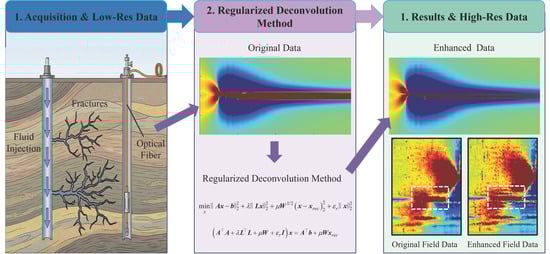
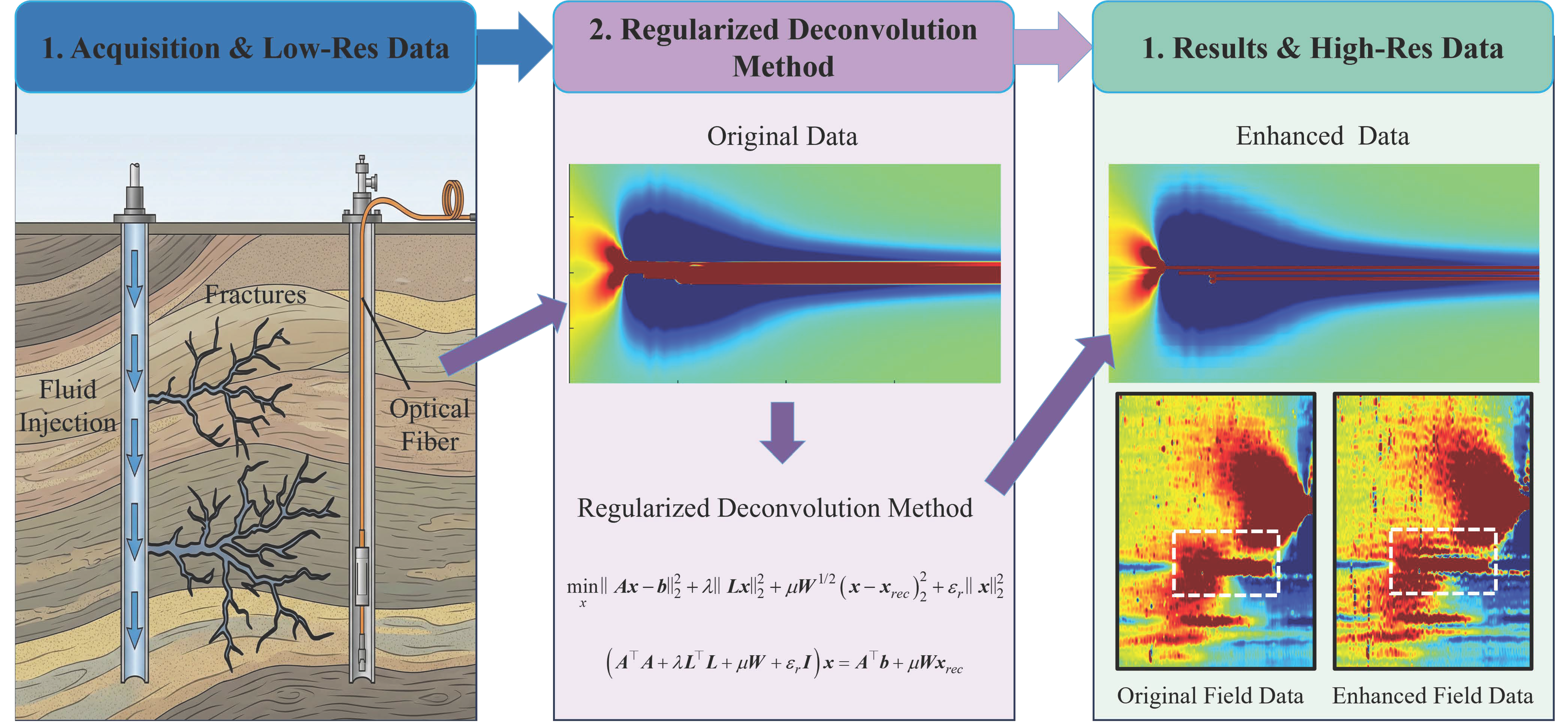
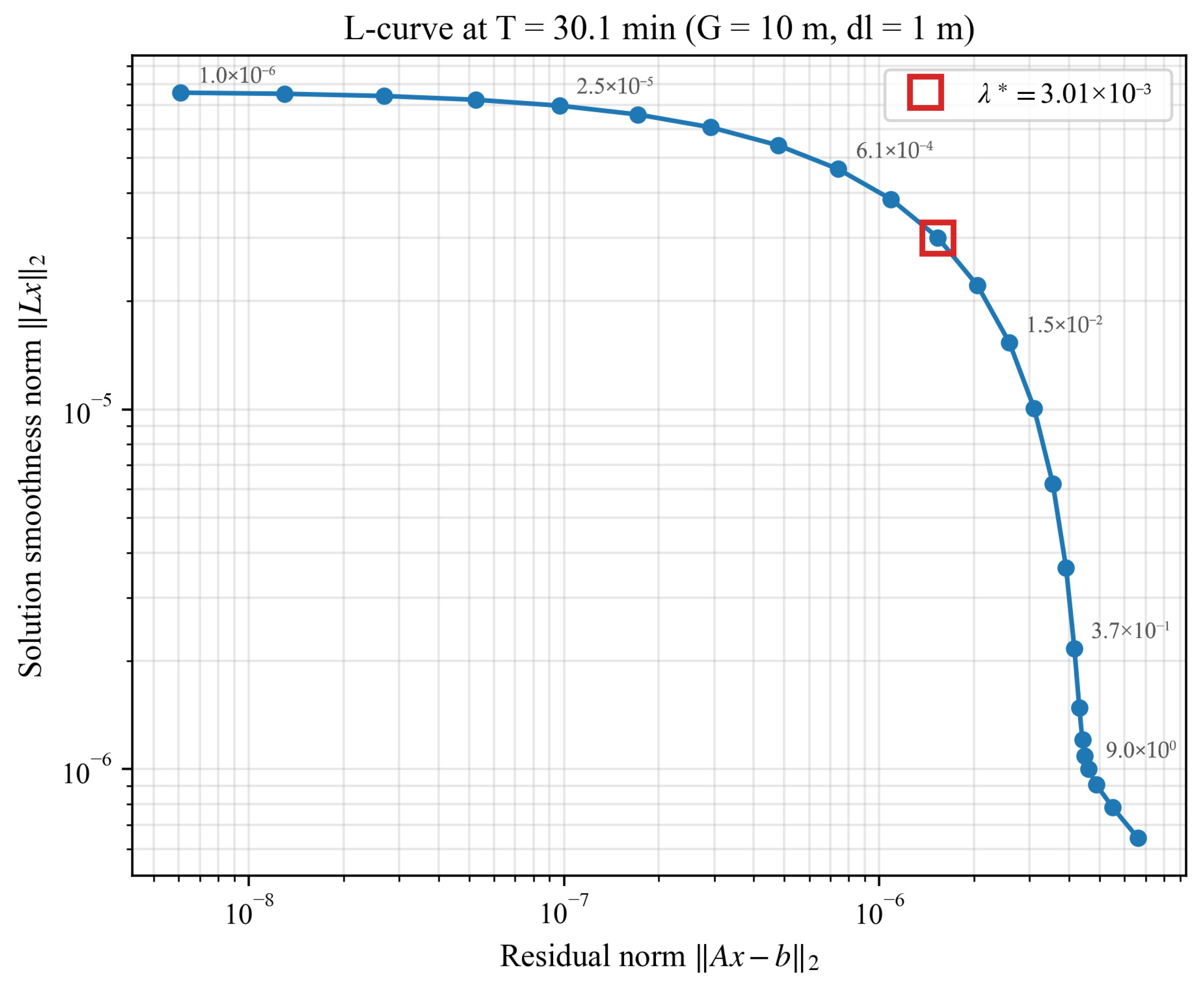
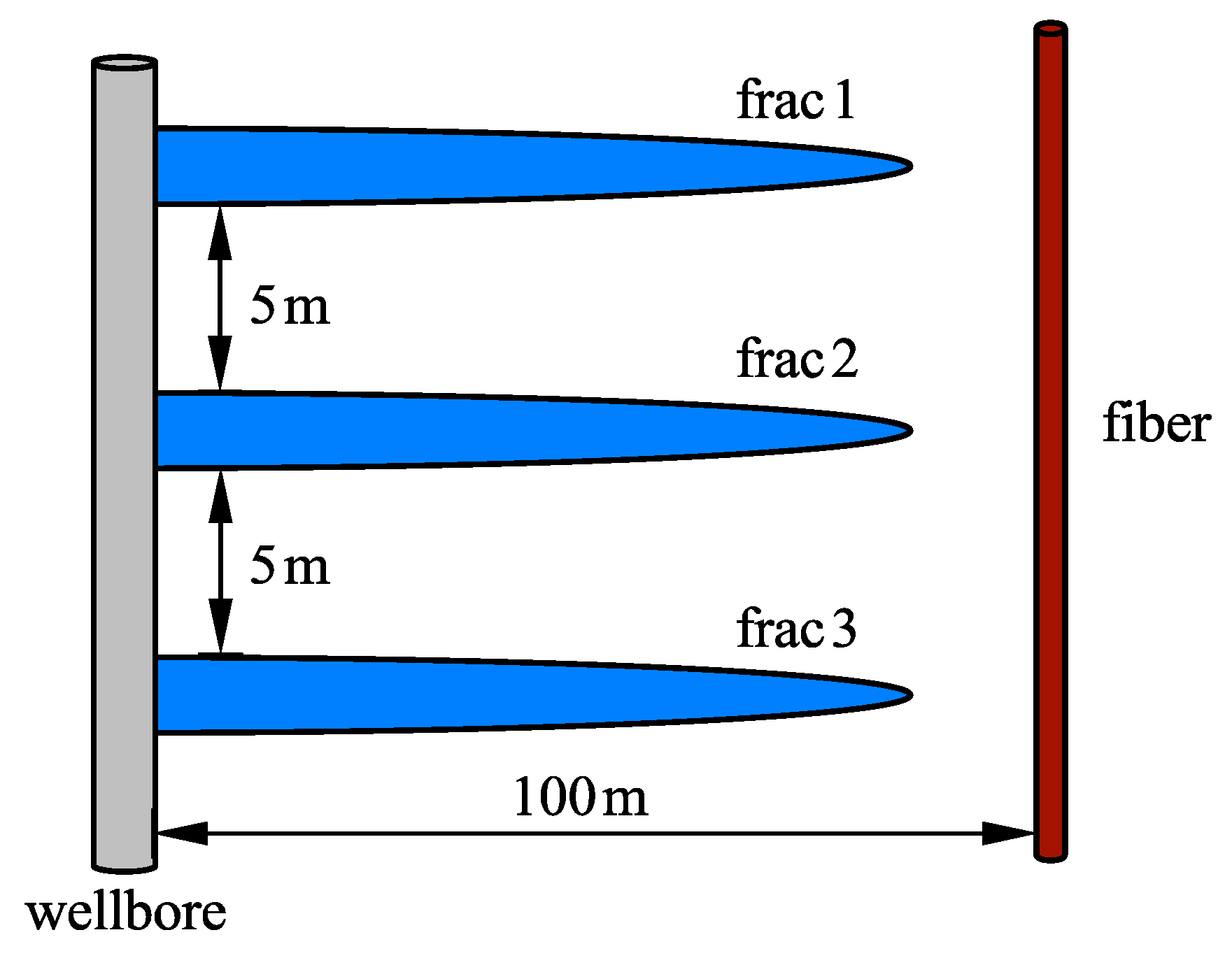
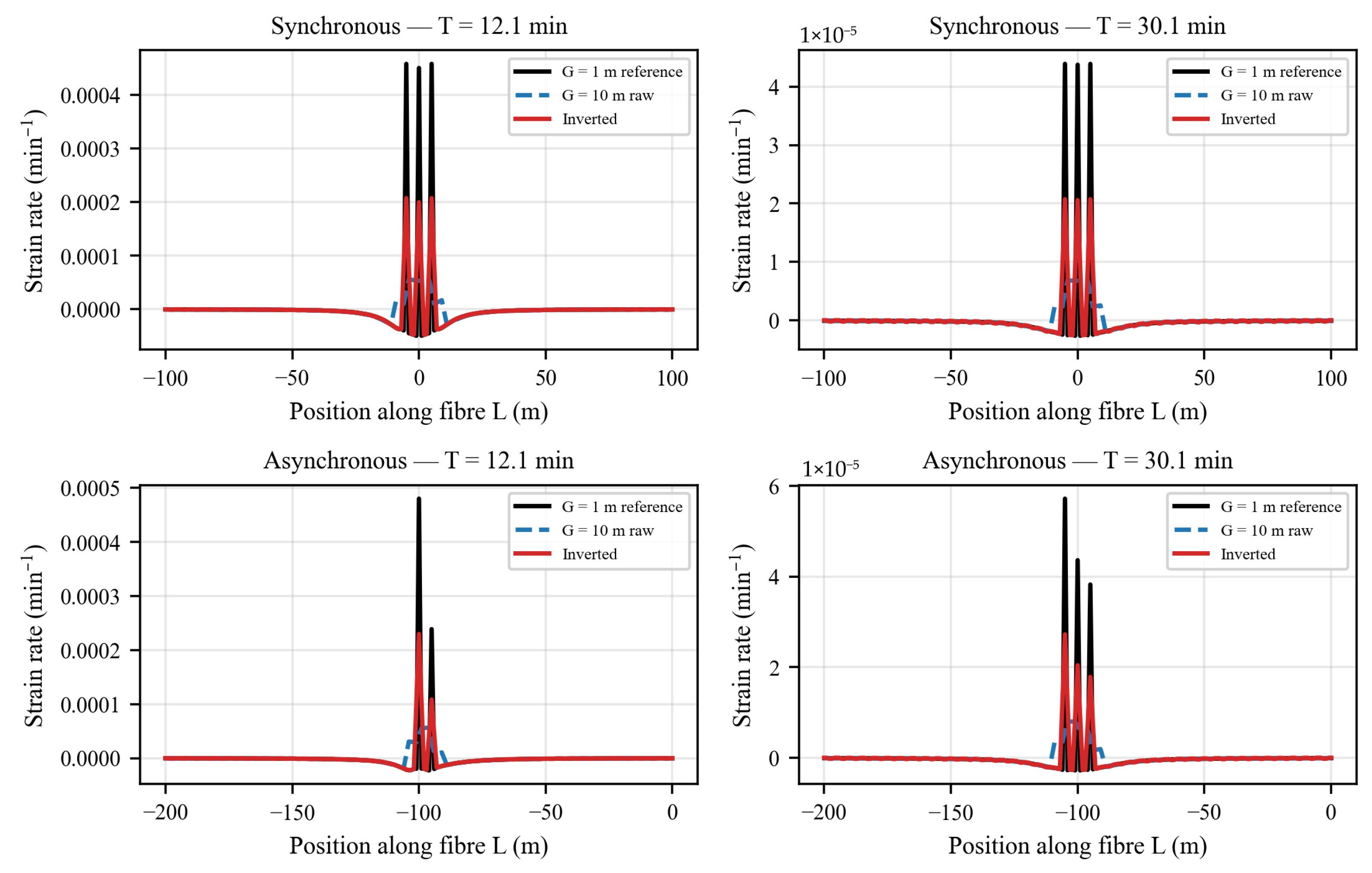
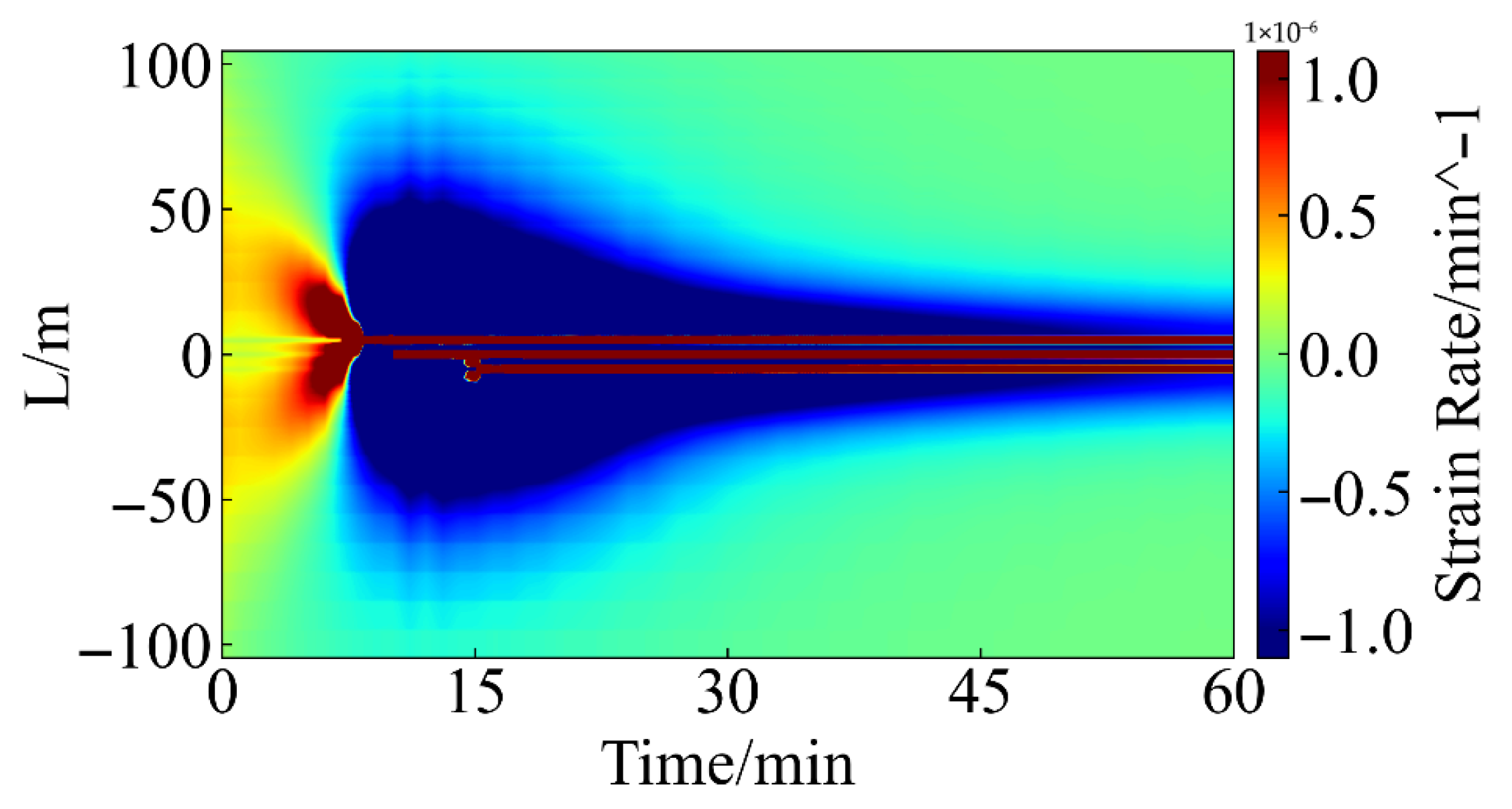
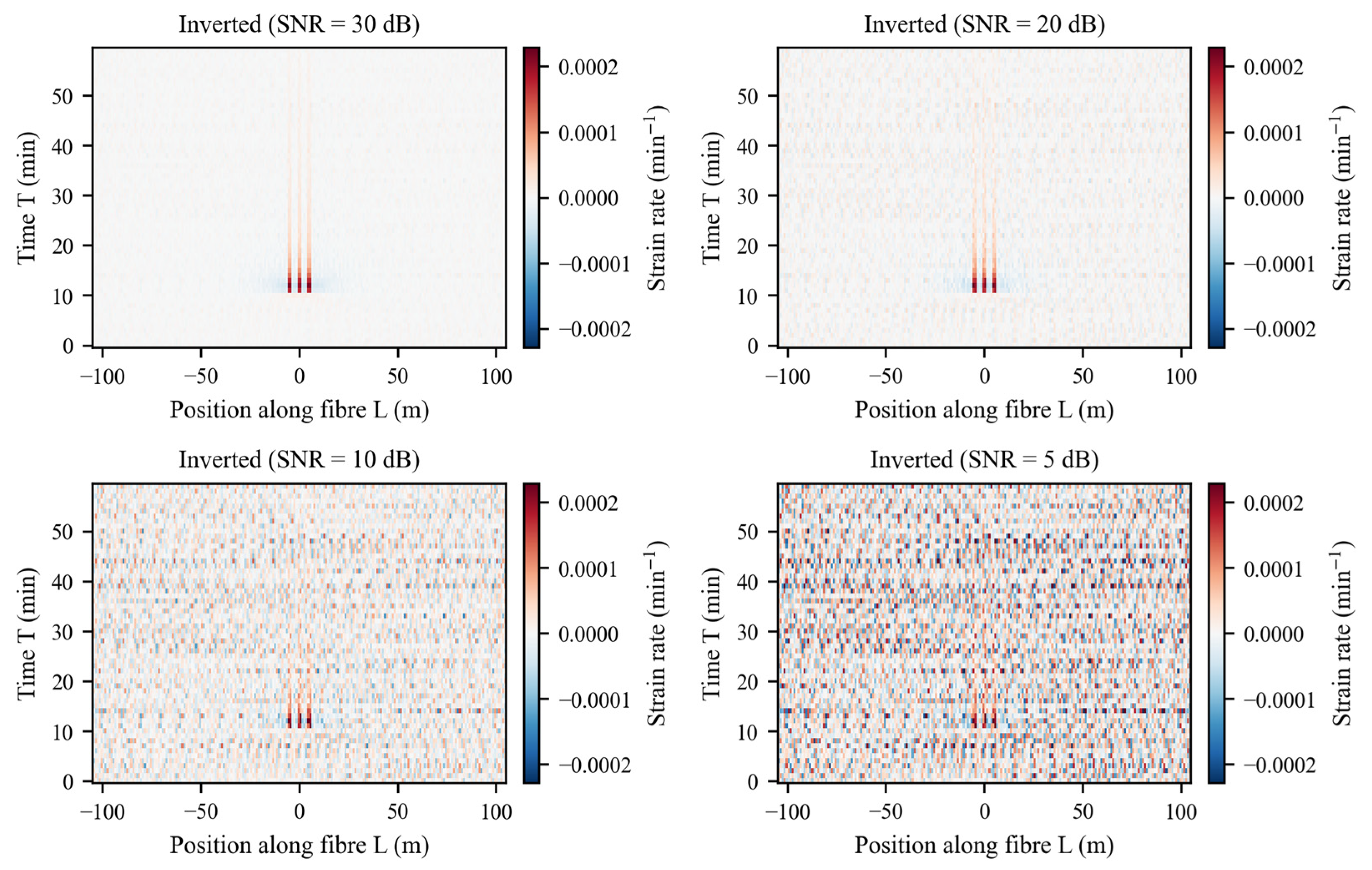
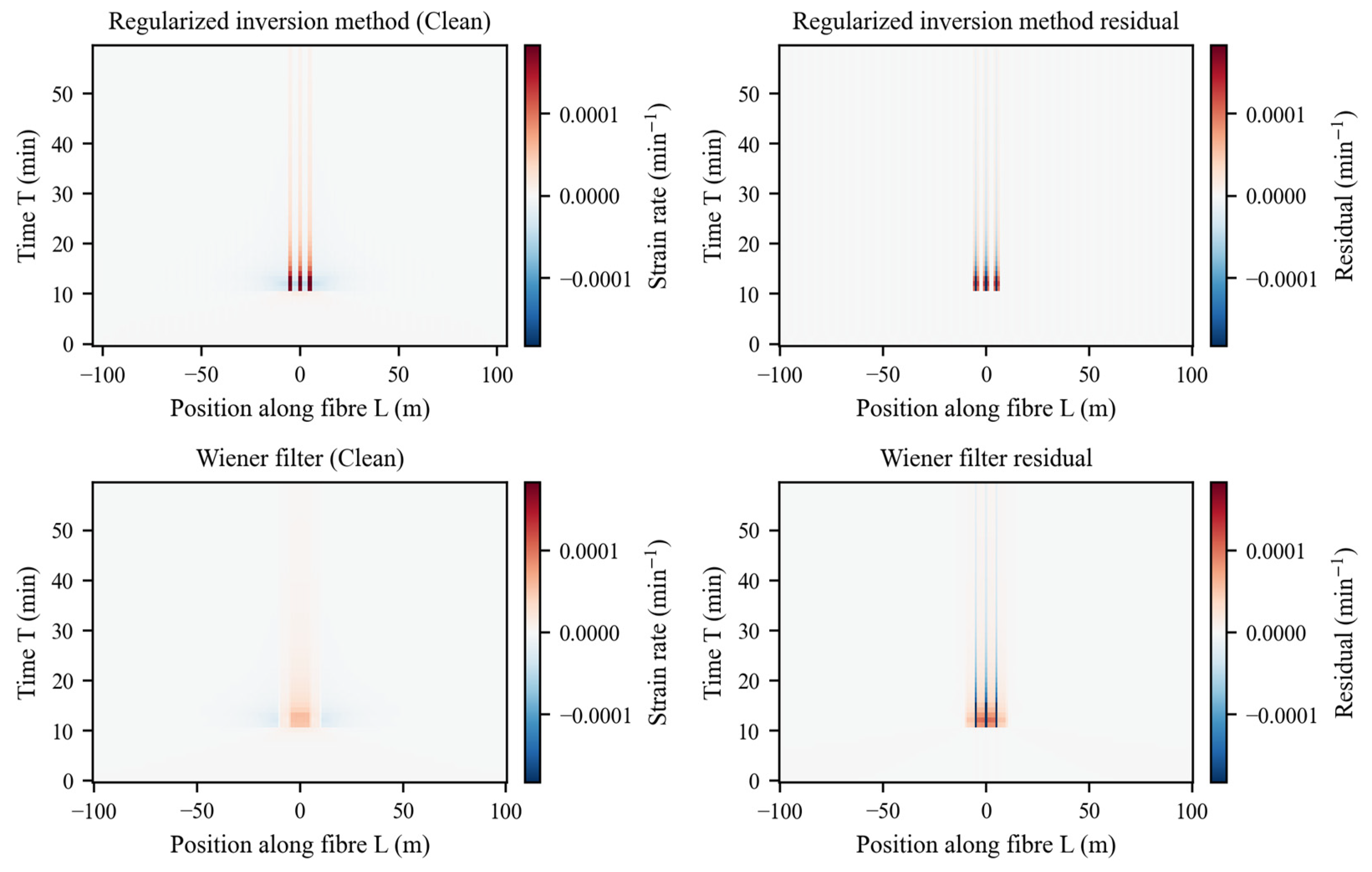
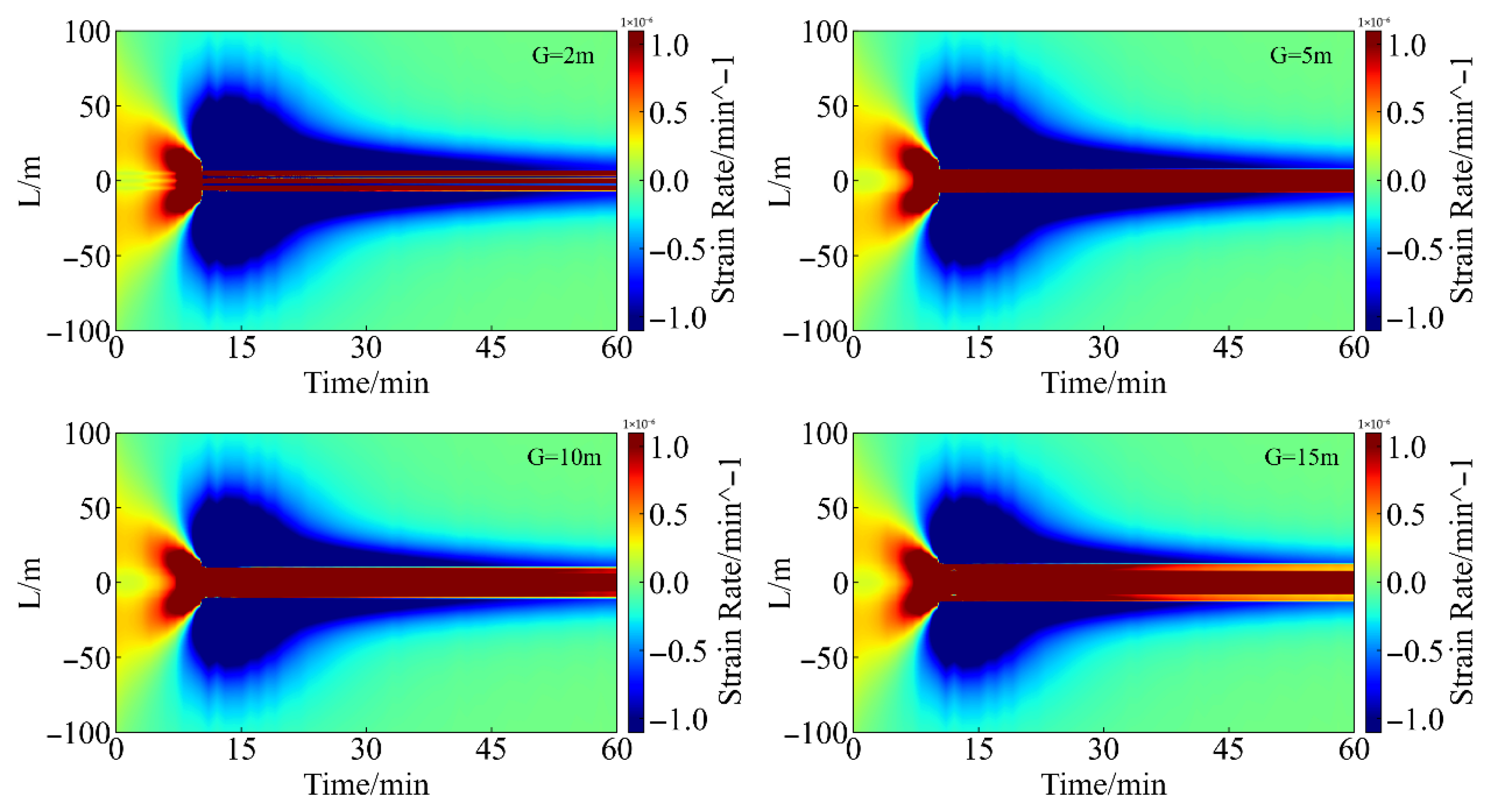
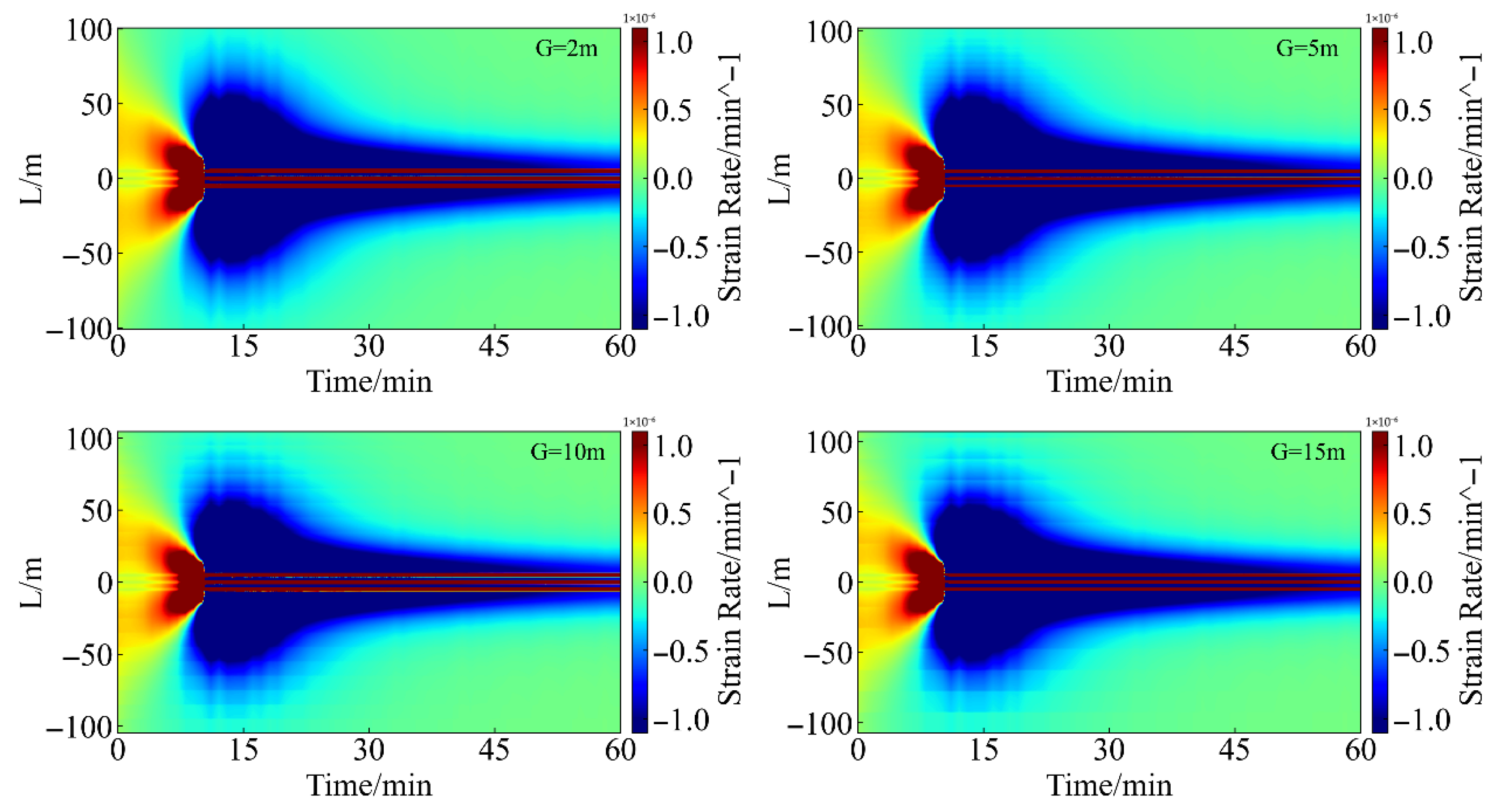
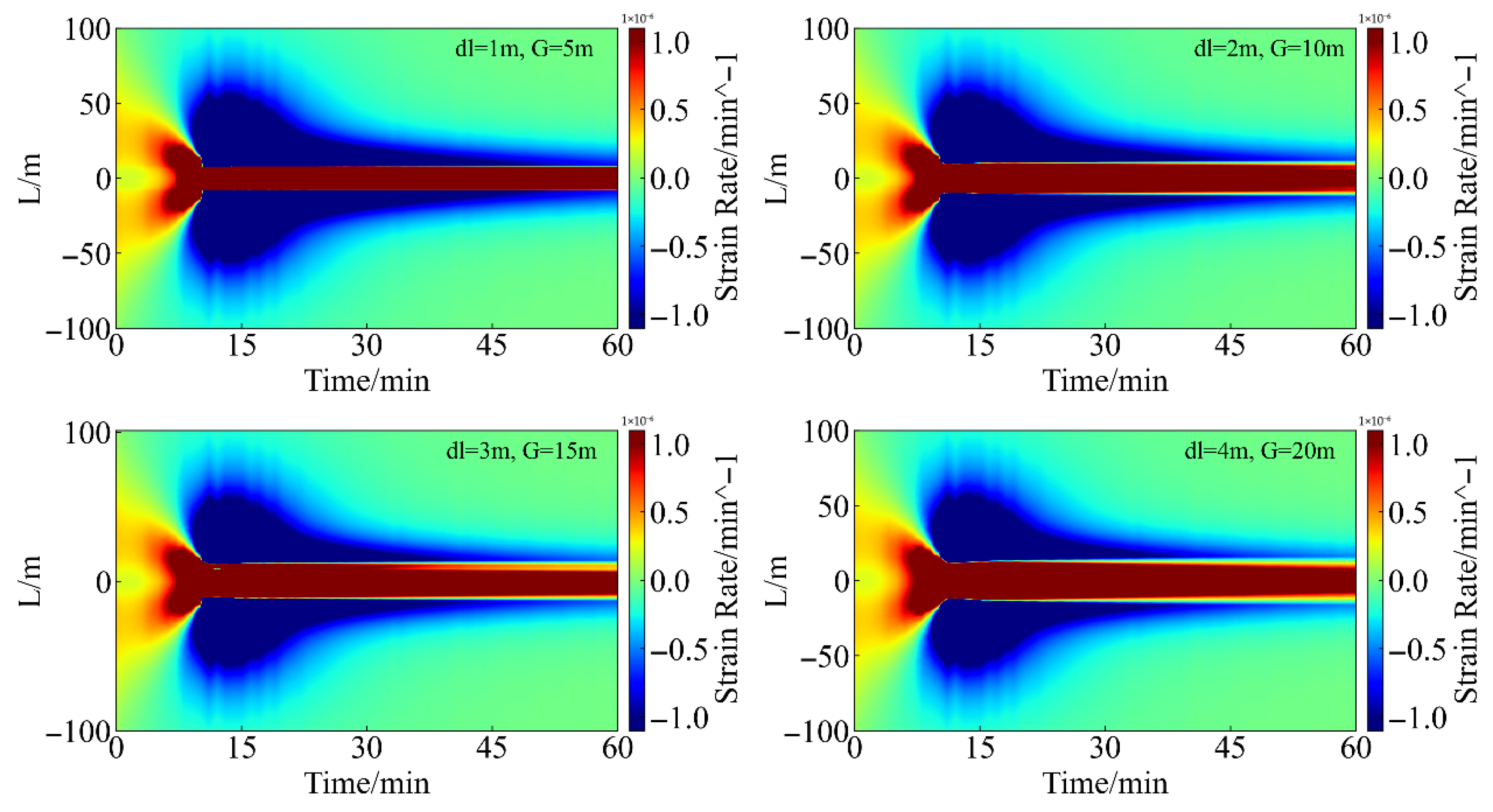
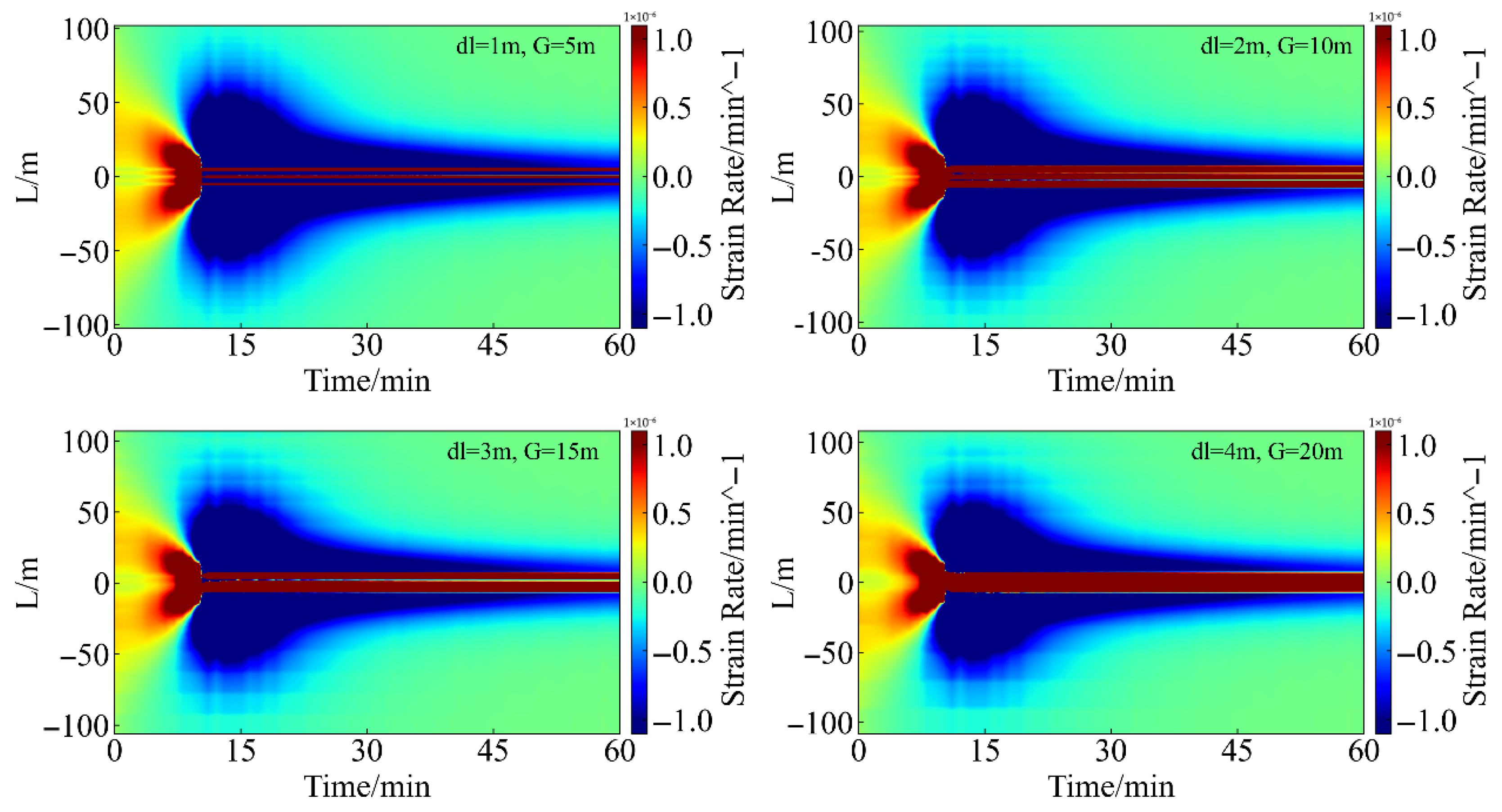
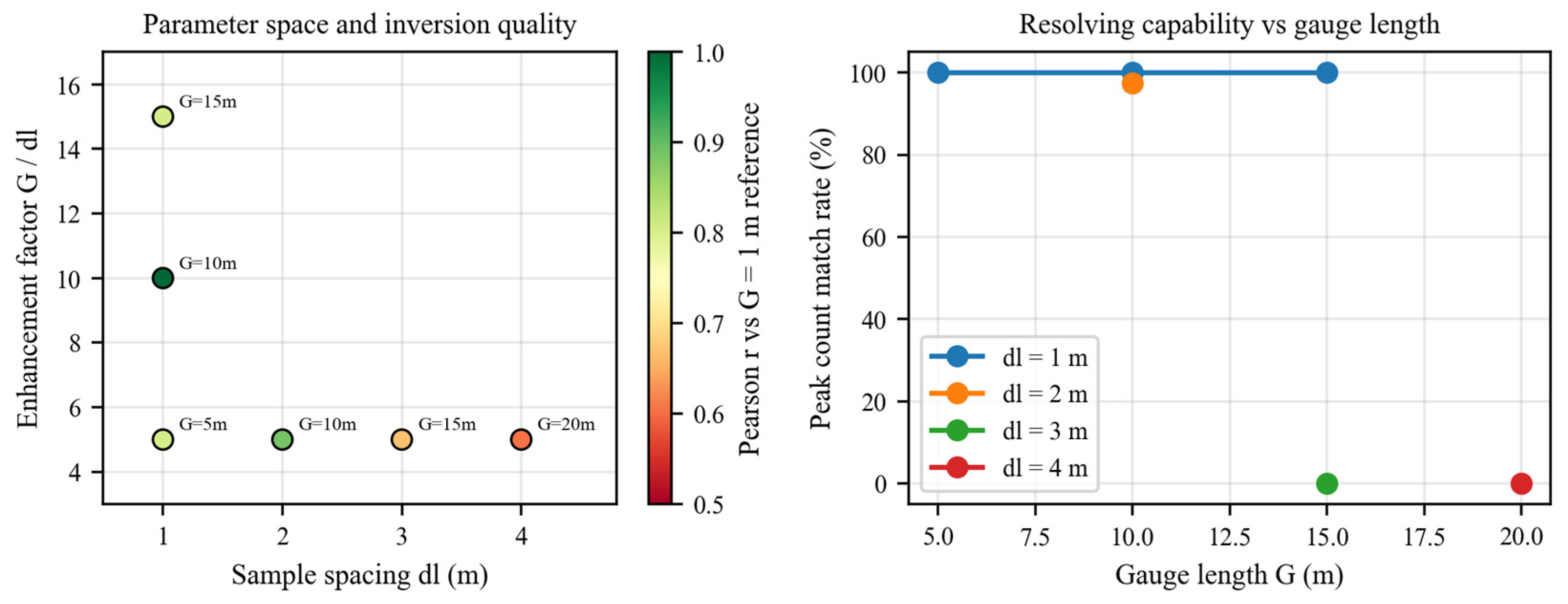
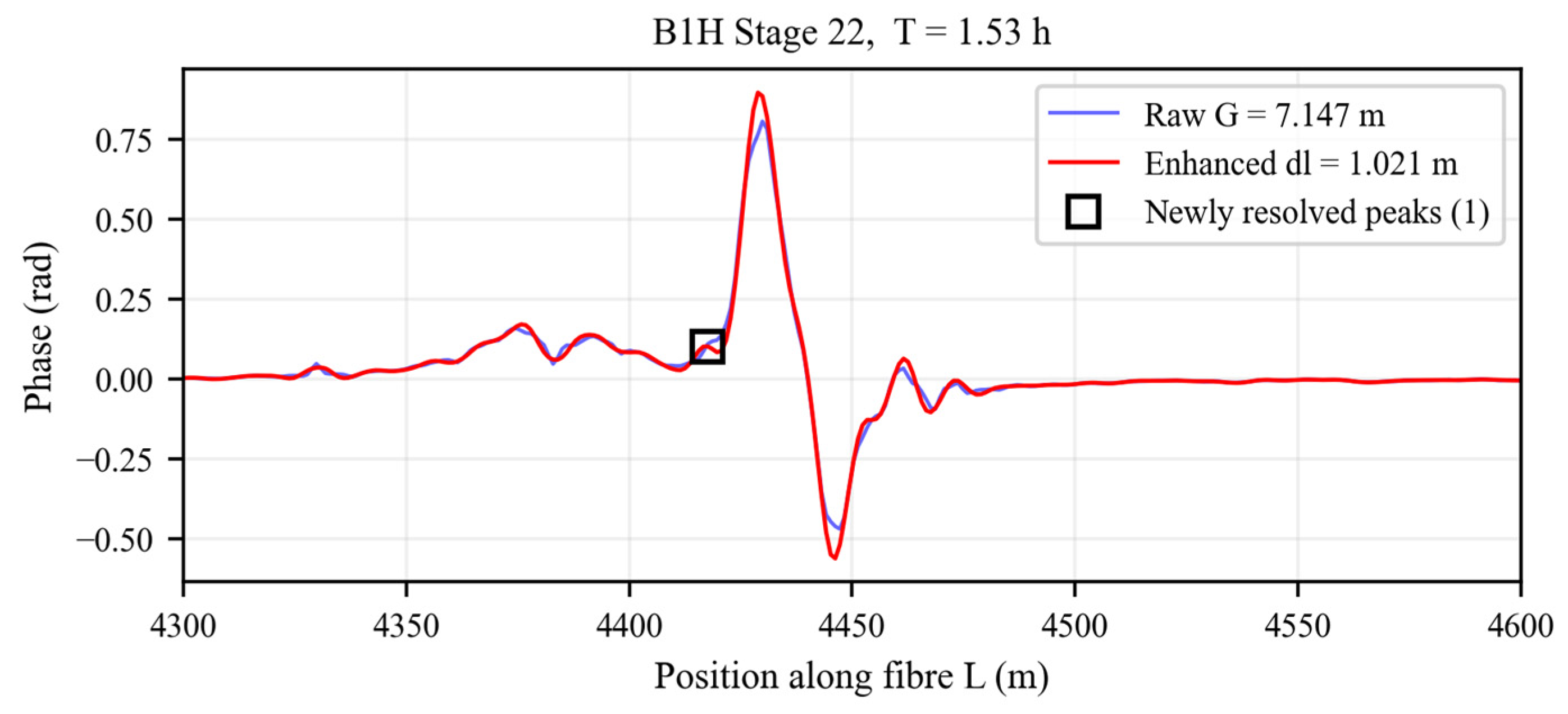
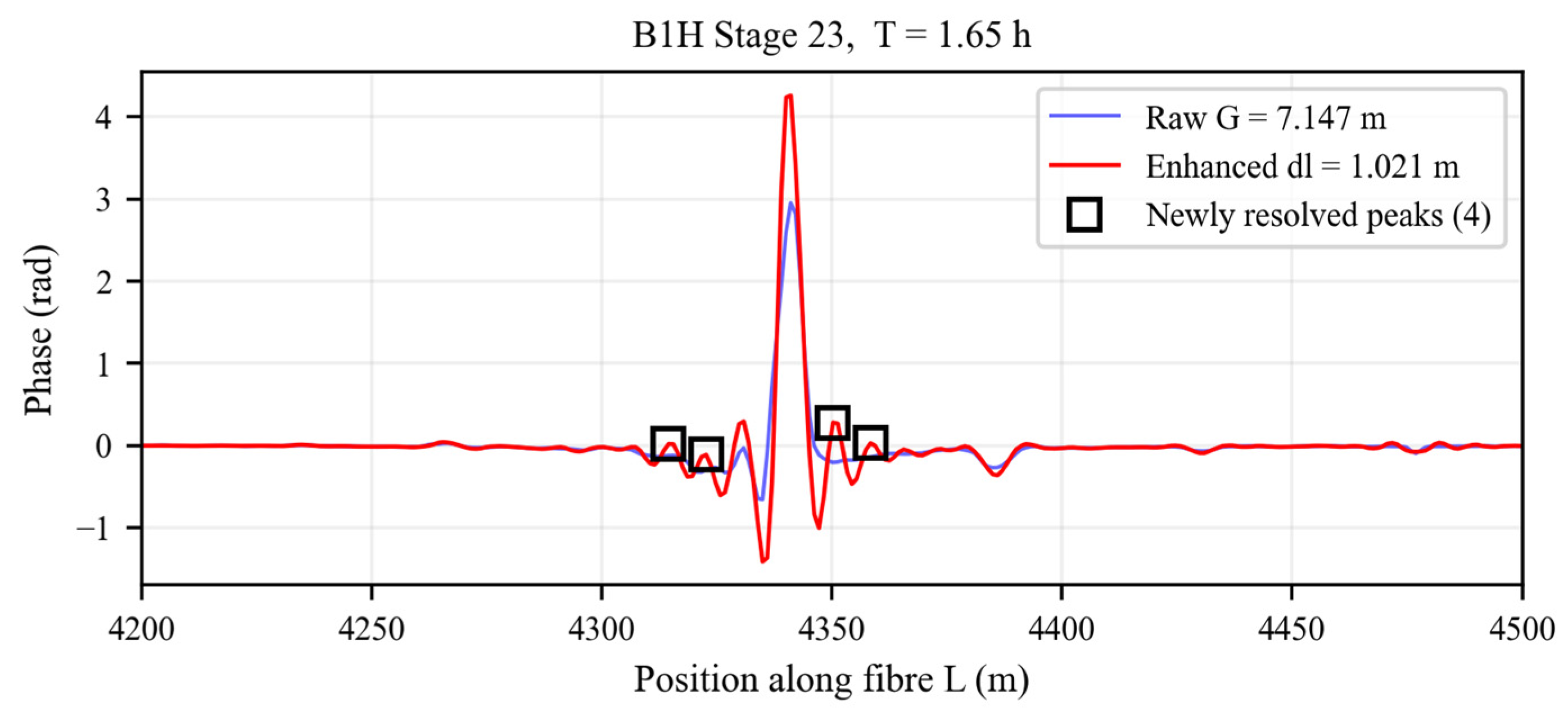
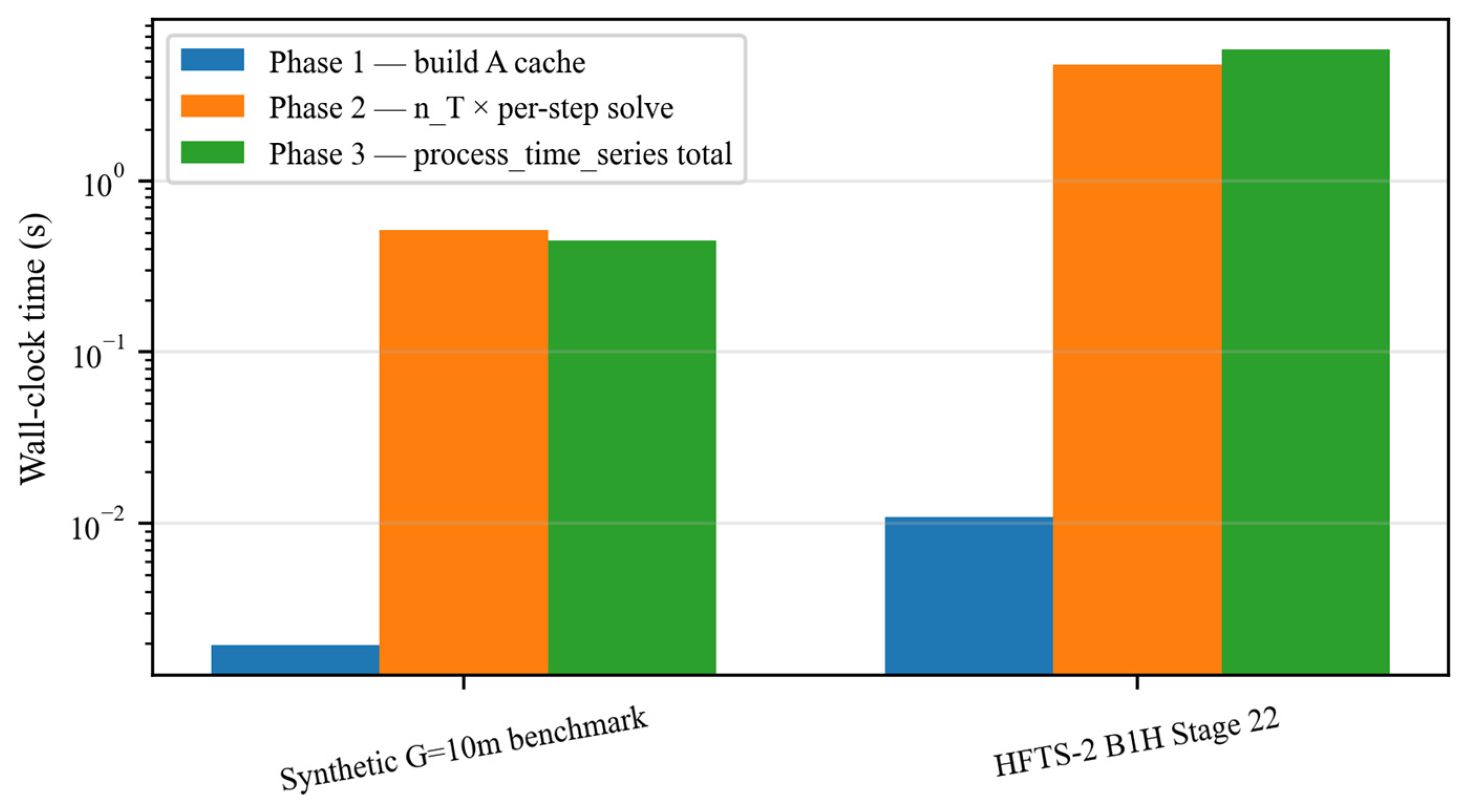
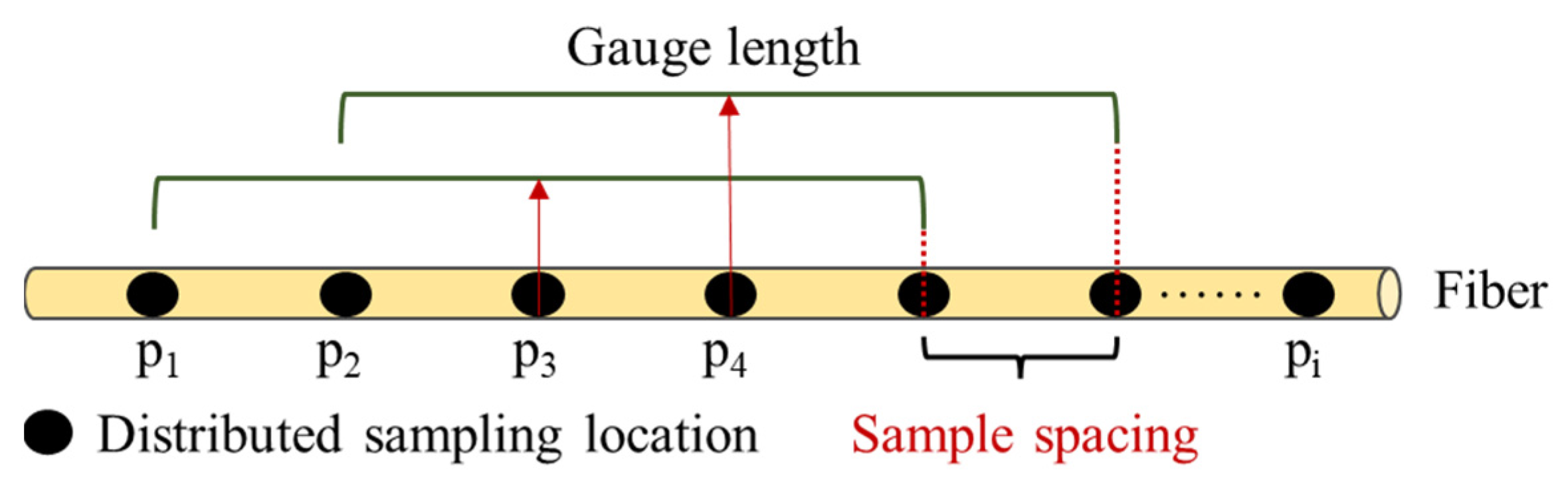
Hydraulic fracturing of unconventional reservoirs requires accurate fracture monitoring for treatment optimization. Low-frequency distributed acoustic sensing (LF-DAS) in neighbor wells provides dense strain-rate observations, but gauge-length averaging limits spatial resolution and merges closely spaced fracture features. This study formulates gauge-length averaging as an explicit convolution operator and develops a regularized inversion method combining Tikhonov smoothing, a recursive prior, and L-curve parameter selection, supported by a semi-analytical multi-fracture forward model. On a synthetic benchmark, the method advances the effective resolution from the 10 m gauge-length scale to the 1 m sample-spacing scale, recovering fracture count in all hit-window time slices (versus 32% for raw data), achieving Pearson correlation of 0.80 versus 0.29, with peak-position error reduced by 47%. Noise-sensitivity analysis indicates a practical SNR floor near 20 dB, and Wiener-filter comparison confirms 1.5–2.7× correlation and 1.5–2.3× peak-count advantages across tested noise levels. Field application to HFTS-2 B1H stages 22 and 23 reveals previously hidden tensile features consistent with higher local fracture density. With per-stage processing in seconds and no extra sensing hardware, the method is well suited for near-real-time deployment.
Keywords: distributed fiber-optic sensing; low-frequency DAS; hydraulic fracturing; inverse problem; Tikhonov regularization; regularized inversion method distributed fiber-optic sensing; low-frequency DAS; hydraulic fracturing; inverse problem; Tikhonov regularization; regularized inversion method
Graphical Abstract