


Abstract
The present work investigates the efficacy of ultrasound (US)-based pretreatment methods for the process intensification of biological oxidation (BO) of real pharmaceutical industrial effluent with a high initial COD of 50,000 mgL−1. US, combined with advanced oxidation processes (AOPs), was used to degrade recalcitrant compounds. Conventional BO could only reduce the COD by 3.85% and confirmed the requirement of pretreatment. US, under established optimised conditions of 120 W power, 70% duty cycle, pH 6, and 30 °C temperature, gave a COD reduction of 5.77%. Combining US with oxidants like O3 (2 L/ min), H2O2 (1000 mgL−1), Fenton (1:5 Fe2+:H2O2), and peroxone (2 L min−1 O3 with 1000 mgL−1 H2O2) as pretreatment gave COD reductions of 30.77%, 17.31%, 19.23%, and 42.31%, respectively. Toxicity assays using the agar well diffusion method revealed that the pretreatment techniques reduced the toxicity of the effluent and did not introduce any toxic secondary metabolites into the system. The optimised treatment time for BO was fixed at 30 h, and the COD reduction obtained for the streams pretreated with US, US + O3, US + H2O2, US + Fenton, and US + peroxone were 14.3%, 88.46%, 57.69%, 61.54%, and 94.23%, respectively. The US combined with peroxone method was the best pretreatment for the effluent in terms of overall COD reduction. This work effectively demonstrates the usefulness of US-based methods to intensify the biological oxidation of real industrial effluent with high organic load.
1. Introduction
With the global potable water capacity at a shortage, there has been an increasing need and concern for water treatment and reuse. The water testing standards have become stringent, and stricter laws have been implemented for the use of water for drinking, sanitation, and agriculture [1]. Rapid industrialisation has caused the water bodies to be contaminated with potentially toxic chemicals above their permissible limits. Some of the organic pollutants, called Persistent Organic Pollutants (POPs), have been of greater concern for human and animal health due to their recalcitrant and persistent nature and also for their ability to bioaccumulate [2]. The regulation of these contaminants is monitored by the guidelines set in the Stockholm Convention for POPs. Initially, POPs consisted of 12 classes of chemicals termed the “dirty dozen”. Subsequently, 16 other classes of chemicals were added to the list, reflecting the severity and the ever-growing nature of the POPs [3].
Pharmaceutical Active Compounds (PhACs) are a class of POPs or Emerging Contaminants (ECs) that have been in the limelight in recent years. PhACs include antibiotics, analgesics, chemotherapy components, hormones, veterinary products, and many more [4]. Human activities have resulted in the accumulation of such products in the effluents. Non-assimilated pharmaceuticals are let into the water stream through urine and faeces. Similarly, hospital effluent consists of a large number of PhACs that contribute to the toxicity of the aquatic system [5]. PhACs have also been known to disturb the microbial communities in the environmental matrices, raising concerns of ecotoxic influences. Conventional wastewater treatment systems have not been able to effectively eliminate PhACs from the system, and novel solutions need to be tried to remove them [6]. Some efforts into new techniques include membrane technology, advanced oxidation process (AOP), and wet air oxidation [5,7]. Of the above-mentioned methods, AOPs have proven to be successful in offering an alternative to conventional treatment based on higher oxidation capacity due to the generation of hydroxyl radicals. Cavitation is a form of advanced oxidation process [8], as cavitating conditions also lead to the formation of hydroxyl radicals along with hot spots and micro-scale turbulence. When combined with chemical oxidants, cavitation can yield process intensification of effluent treatment [9]. Cavitation refers to the formation of microbubbles that grow to a maximum size and finally burst to create favourable conditions for the degradation of contaminants. The use of ultrasound to create such bubbles is known as acoustic cavitation (AC) [1,10]. AC has also been popular for being a “clean and green” process when used on its own [11] but has limits in oxidation capacity, especially for complex effluents. In combination with chemical AOPs, cavitation can quite effectively convert toxic and recalcitrant compounds to biodegradable and less toxic compounds, often of a lower molecular weight [12,13,14]. Moreover, AC in combination with AOPs drives higher mineralisation of the toxic compounds, attributed to the higher generation of •OH radicals and improved contact amongst pollutants and radicals. Another advantage of AOPs is that they are non-selective and thus can be used for the treatment of a wide range of components [12].
Recently, non-thermal plasma-based processes have also come to the forefront, for example, Dielectric Barrier Discharge (DBD). Plasma-based reactors have been efficiently used for the removal of toxic pollutants, as they offer the advantages of being quick and easy to operate. These systems also operate under ambient conditions without the need for additional chemicals. However, plasma-based techniques have been extensively studied only for single pollutants, and their effectiveness needs to be looked at for complex effluents with a matrix [15].
Traditionally, biodegradation has been the most viable method for effluent treatment, as it is both cost-effective and scalable [16]. However, it has been observed that the biological method does not work at higher organic loads, and there is significant generation of sludge. Specifically, many of the pharmaceuticals cannot be treated by the biological method [17]. Conventional biological oxidation is also characterised by a longer reaction time and the generation of a huge amount of sludge. To overcome these issues, the use of AOPs as a pretreatment technique to biological oxidation can be highly advantageous. Kestioğlu et al., [18] suggested the use of various chemical methods as pretreatment for the degradation of oil mill effluent (OME). Acid cracking was used to remove oil residues from the effluent, which served the dual purpose of recovering oil and reducing the volume of liquid for treatment. The step of acid cracking was followed by AOP treatment (O3/UV, H2O2/UV) for the reduction of COD and phenol content. Subsequent to AOP, an additional step of biological treatment ensured the COD of effluent was within the permissible limit [18]. Another study used AOP combined with biological degradation for the removal of phenol (700 mgL−1) from effluent. H2O2/UV was used to initially treat phenol, and a 20% reduction was observed after 3 h of treatment. The pretreatment was followed by Acinetobacter sp. biofilm treatment for 18 h, which completely removed the phenol with a 75% reduction in TOC as well. Only biodegradation could not result in any phenol degradation, while both the methods used individually did not contribute much to TOC removal, which clearly highlighted the impact of the use of combined methods for complete removal of the targeted compounds, as well as to ensure that the resultant effluent is non-toxic [19]. Scaria et al. [20] studied the effectiveness of two AOPs: hydroxyl radical-based AOP (HR-AOP) and sulphate radical-based AOP (SR-AOP) for the pretreatment of pharmaceutical effluent. Fenton was used as the model for HR-AOP, and persulphate as the model for SR-AOP. Fenton treatment at both neutral and acidic pH gave a TOC reduction of ~65%, while with persulfate treatment, at pH 3, the TOC reduction was 59.5%, and at neutral pH, treatment was not very effective, with a total TOC reduction of only 20.8%. Meanwhile, Fenton oxidation resulted in an increase in the load of inorganics, which need to be removed by an additional treatment step (possibly biological oxidation) [20]. The analysed studies show the importance of combination treatment and the feasibility of using AOPs as pretreatment to biological oxidation. Analysis of the literature also revealed that not much work has been reported for the treatment of pharmaceutical effluents actually procured from industries, elucidating the novelty of the present work, which focuses on the use of AC in combination with other chemical AOPs for the pretreatment of commercial pharmaceutical industrial effluent followed by biological oxidation. Although previous studies involving cavitation-based treatment are found in the literature, very few works have handled very high COD effluents nor have provided an end-to-end treatment scheme. The methods used in this work can also be replicated for other systems (different industrial effluents, different sludge for microbes, etc.), thus acting as a blueprint for treatment methods. This study initially establishes optimised conditions for AC-based treatment, and subsequently a variety of chemical oxidants like H2O2, Fenton, KPS, and peroxone are used at varied dosages to establish the best loading of oxidant for the effluent treatment. This study further looked into the formation of secondary contaminants by checking for microbial toxicity before and after pretreatment. Finally, the pretreated effluent was subjected to biological oxidation for the removal of contaminants. The biological oxidation was carried out using acclimatised cow-dung-based sludge, which adds to the novelty of this work.
2. Materials and Methods
2.1. Materials
The effluent was obtained from a pharmaceutical company in Mumbai, India. The effluent stream originates from the mother liquor stream of the drug-processing unit and mainly contains acetic acid, iron acetate, and traces of 3-Benzyl-5-chloro-benzoisoxazole and 2-Amino-5-chloro-benzophenone. The chemicals (oxidants or required for analysis) used in this study, including Hydrogen Peroxide (30% w/v) (H2O2), Ferrous Sulphate (FeSO4), Potassium persulfate (KPS), Mercuric Sulphate (HgSO4), Silver Sulphate (AgSO4), Sulphuric Acid (H2SO4), Potassium dichromate (K2Cr2O7), and Ammonium Ferrous Sulphate (FAS), were analytical-grade reagents and were procured from Loba Chemie, Mumbai, India. Deionised water was freshly prepared using the purification unit (Model: Millipore Milli-Q Gradient A10, Mumbai, India). pH was adjusted using 0.1 N H2SO4 and 0.1 N NaOH solutions as required. Ozonation studies were performed using an ozone generator procured from Eltech Ozone Pvt. Ltd., Mumbai, India. A silicone pipe attached to a sparger was used to introduce ozone into the reaction.
2.2. Experimental Setup
2.2.1. Ultrasonic Horn
The pretreatment studies using ultrasound were performed using the ultrasonic horn procured from M/s Dakshin, Mumbai, India. The horn has a disc-shaped tip and operates at a constant frequency of 22 kHz with a maximum power dissipation of 150 W, which can be varied according to the usage. A representation of the horn-based experimental assembly is given in the previous work [21]. In this study, the duty cycle for the operation was fixed at 70% (7 s on and 3 s off) and the power at 120 W based on the findings of the previous work [21]. The system was placed in a fume hood where all the treatments were performed.
2.2.2. Biological Oxidation Setup
A 500 mL conical flask was used as the reaction vessel for the biological oxidation. The flask was sealed using a rubber cork with 2 outlets: an aeration port and a sampling port. An aquarium pump was used for aeration. Samples were withdrawn from the sampling port at regular intervals to check for treatment efficacy. The entire system was encased in a box.
2.3. Methodology
2.3.1. Pretreatment Studies
The pretreatment studies were performed using 200 mL of effluent taken in a 250 mL beaker with a treatment time of 120 min. Samples were withdrawn at regular intervals and filtered (if necessary) for analysis. After optimising the US conditions, its combinations with various AOPs like H2O2, Fenton, KPS, and peroxone were studied. The loadings of the oxidants in AOPs were varied to find the best loading for maximum treatment. The synergy effect with US was also ascertained by treating the effluent at optimised conditions of AOP without US. While H2O2 and Fenton reactions were carried out at acidic pH, KPS and peroxone were performed at basic pH. For H2O2 and Fenton based treatment, the samples were neutralised with NaOH to stop the action of H2O2 by quenching it.
All the experiments for pretreatment were performed in multiple sets to check the reproducible nature of the treatment protocol. It was observed that the errors were within the limits of ± 2%, confirming the accuracy of the experimental scheme followed in the present work.
2.3.2. Aerobic Oxidation
The oxidation studies were performed using cow-dung-based sludge. Cow dung obtained from the local farm was filtered and diluted to obtain a slurry-like consistency. The use of cow dung is justified based on the fact that it is an easily available microbial source that contains a variety of microbes like Acinetobacter, Bacillus, Pseudomonas, Serratia, and Alcaligenes spp., with diverse metabolic functions. The presence of multiple organisms can ensure efficient degradation of the multiple organic compounds. Cow dung also has enzymes and cofactors that help maintain the viability of the microbes and hence is expected to be effective for the biological oxidation. The sludge was maintained at 37 °C throughout the treatment and storage for the survival of the microbes. Initially, the effluent was treated using filtered sludge without any acclimatisation. Later, the sludge was acclimatised using the effluent over 21 days by weekly addition of the effluent to the sludge to expose the organisms in the sludge to the effluent. A detailed acclimatisation method is provided in the earlier work [22]. The acclimatisation process ensures that only organisms that survive and grow in the presence of harsh chemicals in the effluent are active during biological oxidation. These factors favour the use of cow dung as sludge for biological oxidation for lab-scale experiments.
2.4. Analysis
The effluent treatment was monitored using the closed reflux COD analysis method as per ISSO 6060:1989. A digester obtained from Hanna Equipment Pvt. Ltd., Mumbai, India was used for analysis. Samples were prepared in COD vials and put for digestion for 2 h at 150 °C, after which they were titrated against FAS solution with ferroin as an indicator to check for COD. The selection of COD as the target parameter to check the treatment efficiency is justified based on the fact that COD is the main parameter governing the discharge standards as per the regulations of state and central pollution control boards. For industrial effluents containing a mixture of pollutants, COD measurement offers reliable information on the level of contamination.
Toxicity analysis of the samples was also performed to check for the efficiency of pretreatment in enhancing the biological oxidation. The agar well diffusion method was used to check for microbial toxicity against 2 test organisms: Staphylococcus aureus (Gram-positive) and Escherichia coli (Gram-negative). Chloramphenicol was used as the positive control (PC), while sterile deionised water was used as the negative control (NC). The organisms were grown in MH broth. After incubation at 37 °C, the optical density was adjusted to 0.5 McFarland standard to give a final cell density of 1 × 10⁶ CFU/mL. These cultures were then spread onto MH agar plates. Wells were dug using a well borer, and the solution was poured into them. The plates were incubated at 37 °C for 24 h, after which they were observed for a zone of clearance or inhibition.
3. Results and Discussion
3.1. Pretreatment Using US Reactor
The first step for pretreatment was understanding the effect of parameters like pH and temperature on the COD reduction obtained using only AC. The best conditions were then finalised for all the further treatments involving oxidants. The initial characteristics of the effluent are given below in Table 1.
Table 1.
Characteristics of the pharmaceutical effluent.
3.1.1. Effect of Initial pH on Treatment Efficacy
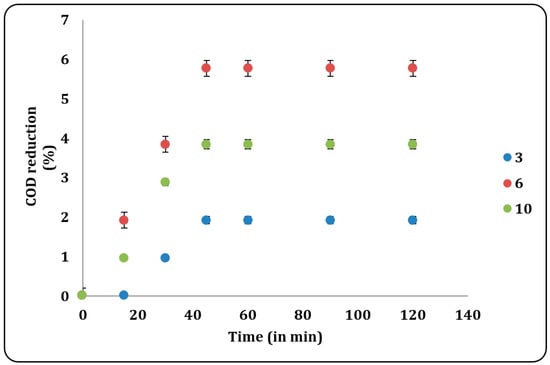
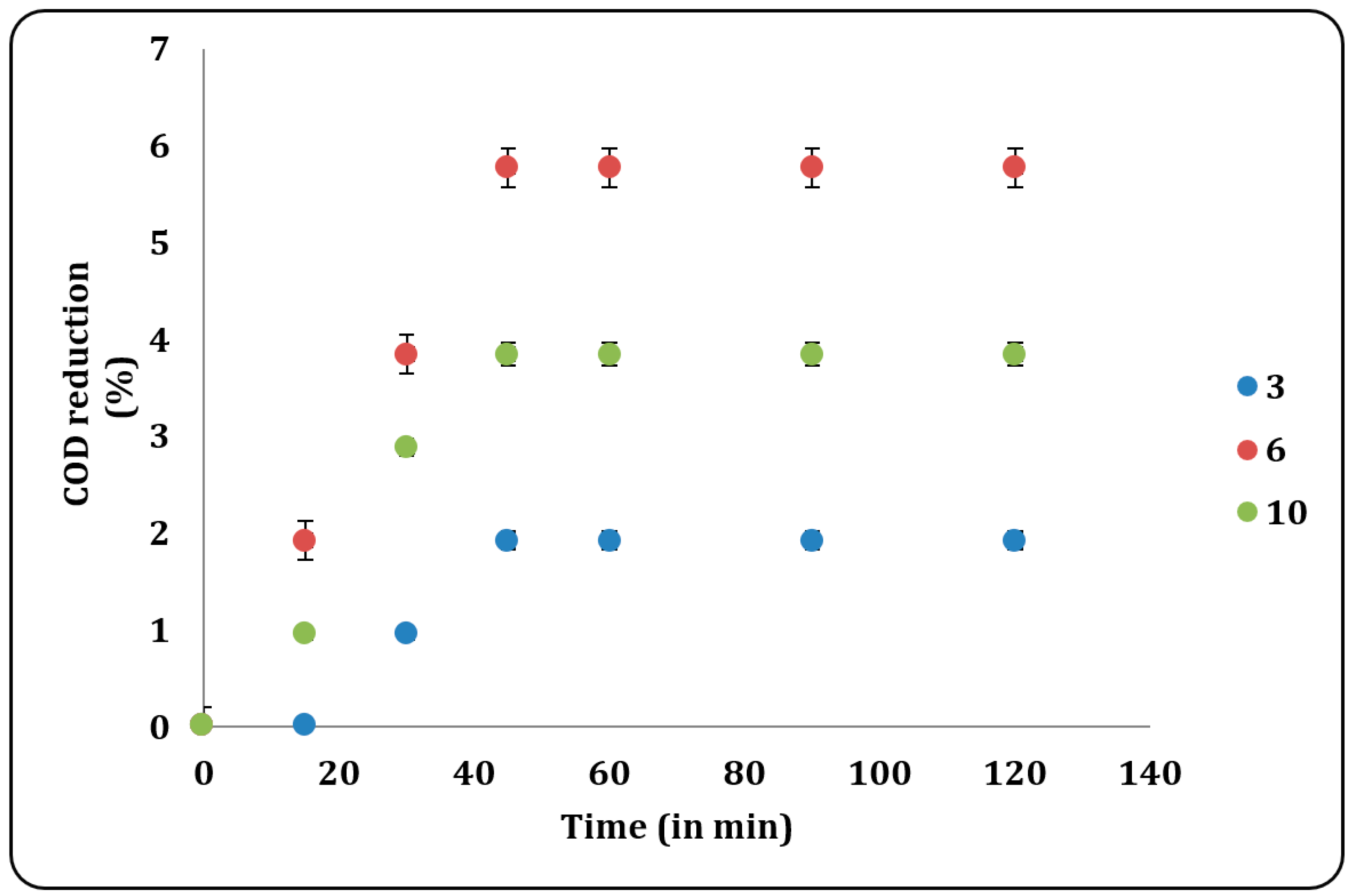
pH determines the state in which individual components of the effluent are present, and thus it affects the degradation extent. For synthetic effluent with single compounds, it is relatively easier to determine the optimum treatment pH based on the pKa of the compound. In contrast, with a complex system involving multiple compounds or an industrial effluent containing many contaminants, the optimum pH needs to be experimentally determined. The effect of pH for the current study was studied using three different pH values, 3, 6, and 10, keeping the temperature constant at 30 °C, and the obtained results are depicted in Figure 1. As seen from the graph, a maximum COD reduction of 5.77% after 45 min treatment is observed at pH 6, followed by 3.85% at pH 10, and a minimum value of 1.92% at pH 3.
Figure 1.
Effect of pH on COD reduction (temp.: 30 °C, power: 120 W).
The pKa value of the compounds is one of the most critical factors contributing to the protonation and deprotonation reactions, which, coupled with oxidation potential and yield of •OH radicals at different pH, are the major contributors to determining the effect of pH in effluent treatment. Additionally, in complex systems, molecular interactions among individual pollutants and the matrix effect also contribute to the effect of pH [23], often directing the existence of an optimum pH specific to the system, as also seen in the current work.
In a similar study by Artiles et al. [24] on the degradation of diazepam using high-frequency ultrasound, it was observed that at the extreme pH studied, the rate of degradation is lower. Using pH levels of 2 and 9 gave less degradation, while the extent of degradation was stable through pH 3, 5, and 7. It was elucidated that at lower pH, the reaction led to the formation of stable ions that are hard to disintegrate; meanwhile, at much higher pH, no charged species are available to favour the reaction. The work also highlights the fact that the effect of pH is also dependent on the treatment method; as with radiolysis of diazepam, the reaction was favourable at acidic pH [24]. In another study on the degradation of alprazolam (ALP) by sonophotocatalysis, it was observed that at acidic pH, the rate of removal was very low. As the pH increased from 5 to 7, there was a steady increase in the degradation. However, a further increase in pH resulted in a drop in degradation efficiency, as ALP may have been in the neutral state, not favouring chemical reaction [25]. Another study on the photocatalytic degradation of phenol showed that maximum degradation was observed at a pH of around 5 and 6. It was observed that at mildly acidic conditions, phenol remains undissociated and readily adsorbed by ZnO and thus has higher chances of photodegradation [26]. Another study on the removal of di-(2-ethylhexyl) phthalate (DEHP) from bottom sediments using the US also reported the effect of different pH levels. It was observed that at a pH of 2, the removal efficiency after 1 h was only 2.54%, while at pH 10, 66.2% of the drug was removed. In this case, although the pKa of DEHP did not directly contribute to the effect of pH, the action of various compounds in the matrix (humic compounds, Ca2+, HCO3−, CO3−, phosphate, and bromide ions) as radical scavengers was reported to be dependent on the pH [27]. The results of the current work and comparison with literature studies reiterate the importance of understanding the effect of pH for the specific system.
3.1.2. Effect of Temperature on Treatment Efficacy
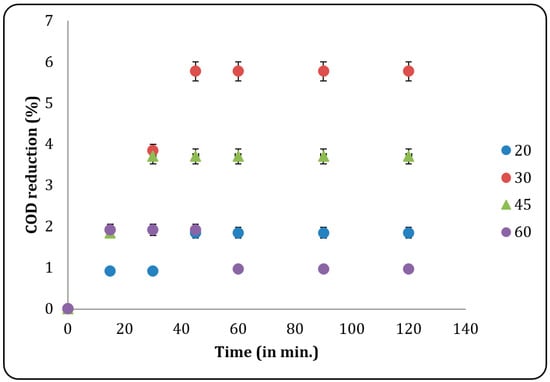
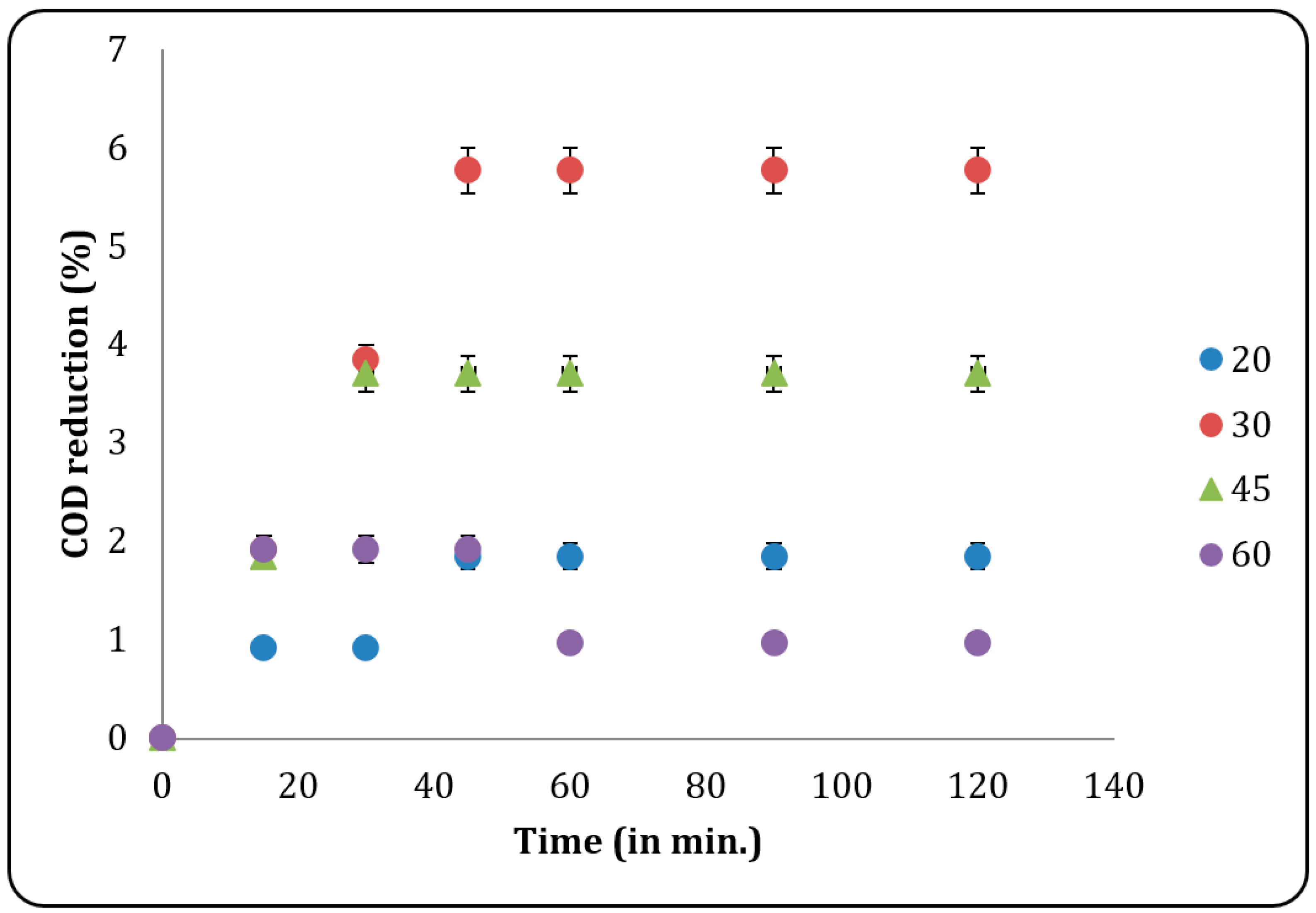
Temperature is an important operating parameter that decides the rate of reaction. Optimising temperature is a balance between having enough energy to carry out the reaction without vaporising the bulk phase, which can lead to reduced intensity of cavitation. The current study used four temperatures, 20 °C, 30 °C, 45 °C, and 60 °C, to understand the effect of temperature. The results for the effect of temperature on the reduction in COD are shown in Figure 2. The highest COD reduction of 5.77% was found at 30 °C, followed by 3.7% at 45 °C, 1.92% at 60 °C, and 1.85% at 20 °C. It is observed that the reduction in COD is minimal at extreme temperatures investigated in this study.
Figure 2.
Effect of temperature on COD reduction (pH: 6, power: 120 W).
Various studies have also elucidated the role of temperature in the ultrasonic treatment of effluent in the literature. A study by Psillakis et al. [28] on the degradation of polycyclic compounds by US reported the investigation at two different temperatures of 20 °C and 40 °C. It was reported that although at 60 min, complete degradation of all three compounds is observed at both studied temperatures, the initial rate of degradation (considered over the initial 15 min) decreased with an increase in temperature, attributed to the fact that although an increase in temperature provides energy for bubble formation, the increased vapour content inside bubbles leads to the cushioning effect reducing the released cavitational energy [28]. In another study on the sono-degradation of phenanthrene using a horn sonicator at 30 kHz frequency and 32.5 W power, performed at 20 °C and 40 °C, it was observed that maximum degradation (80%) was observed at higher temperatures, while the compound was recalcitrant at 20 °C. The studies clearly reflect the complexity in determining the effect of temperature on the sonochemical treatment of effluent, mainly attributed to the number of counteracting effects [29]. The temperature affects the properties of the effluent, reactivity, presence of vapours in collapsing bubbles, and overall cavitational intensity. Typically, the rate of reactions favours higher temperatures, while any excess energy may lead to higher vapour pressure and a cushioning effect, driving lower cavitational intensity [30]. The trends presented in this work, along with a comparison with the literature, clearly highlight the importance of this work, as often system-specific trends for the effect of temperature are seen.
3.2. Combination of US + AOPs
3.2.1. US + Ozone
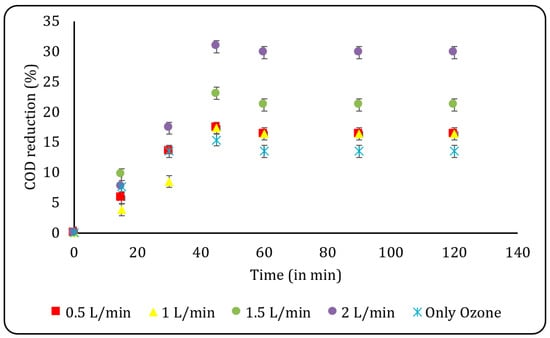
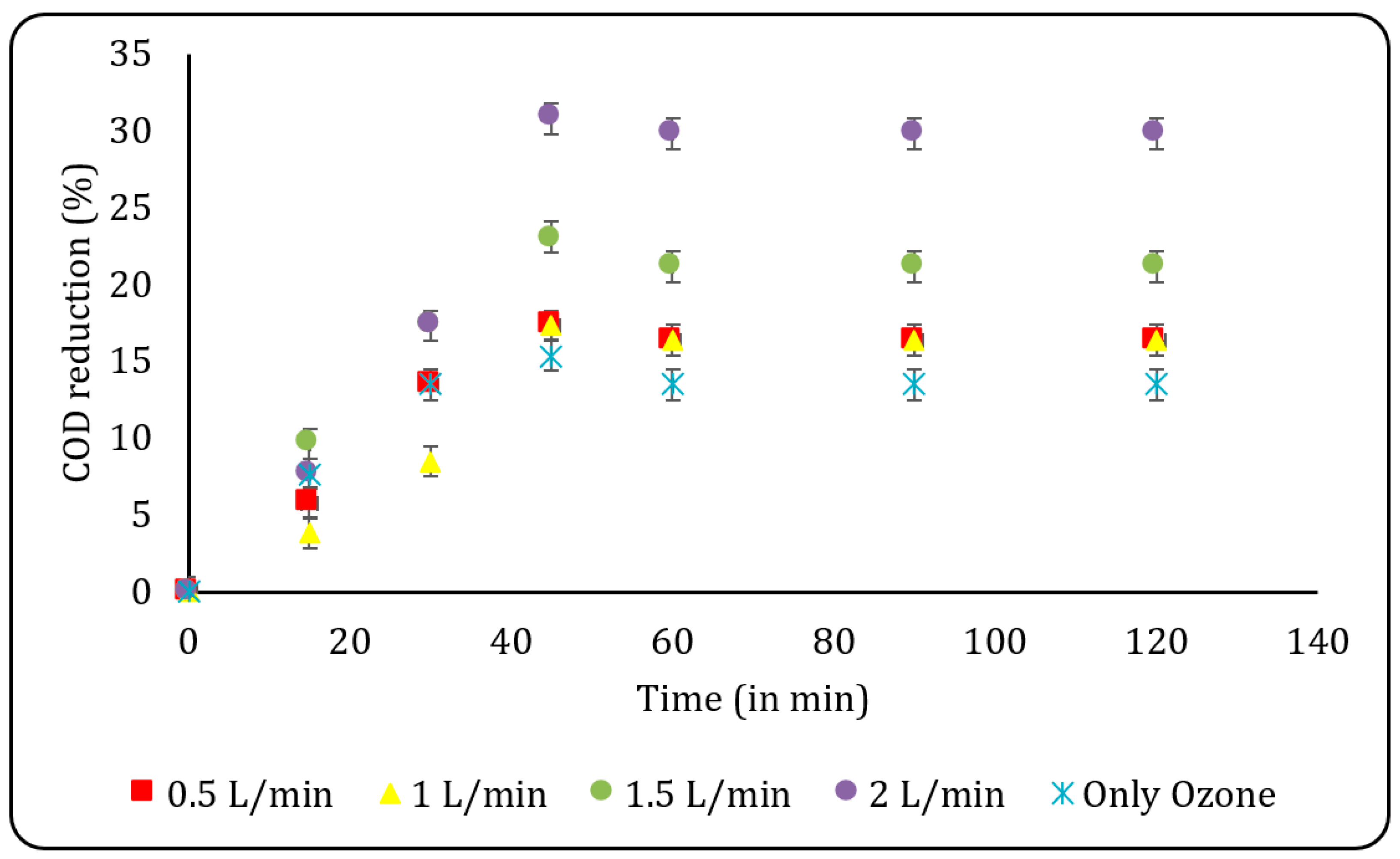
Ozonation was combined with ultrasound to intensify the treatment in this work. An industrial-grade ozonator coupled with an oxygen generator obtained from Eltech India, Mumbai, India was used for this purpose. Because ozone works best at alkaline pH, all the experimental runs were carried out at a pH of 10 [31]. The flow rate of ozonation was varied from 0.5 L min−1 to 2 L min−1. It was seen, as per the results shown in Figure 3, that with an increase in flow rate from 0.5 to 2 L min−1, the reduction in COD of the effluent also increased from 17.31% to 30.77%. Additionally, only ozonation at the optimised flow rate (2 L min−1) without US was also tried to understand the synergistic effect. Only ozonation gave a COD reduction of 15.38%. A synergy of ~145% was observed, suggesting that the combined effect of US + ozonation has better potential than the individual methods.
Figure 3.
Effect of ozone loading on COD reduction using the US + ozone approach (pH: 10, temp.: 30 °C, power: 120 W).
Wang et al. [32] also studied the treatment of pharmaceutical effluent at varying ozone loading (0.5 to 1.5 mg O3/mg DOC) and explained that an increase in loading led to higher generation of radicals, which improved pollutant degradation. Another study on the effect of ozonation on benzodiazepine drugs revealed that an increase in pH increased the degradation efficiency of the drugs under study. At pH 7 and 10, with a dosage of 100 mg O3/L min−1, the drug concentrations were below the Limit of Quantification (LOQ), while at pH 4, even after 60 min of reaction, the removal extents varied from 62 to 92%, attributed to the fact that the degradation occurs via the generation of •OH radicals, which is favoured at higher pH. Similarly, the dosage of O3 was also varied in this study. At a flow rate of 2 mg O3/L min−1, 29.53% of the drug was removed, which increased with the use of ozone at a loading of 100 mg O3/L min−1. Interestingly, it was also reported that the loading of ozone and the time of treatment also need to be optimised for an energy-efficient operation [33]. Ashraf et al. also studied the effect of ozonation on pharmaceutical effluent. At a pH of 6.9, 9% COD removal was observed within 10 min along with a 77.5% reduction in colour. Since the system was unbuffered, after 10 min, there was a drop in its pH, and at acidic pH, only an additional 4.5% COD reduction and ~16% colour reduction were seen, attributed to the fact that at higher pH, radical attack is prevalent, while at lower pH, molecular ozone is the main reactive species [34]. Similar results were also observed by Alaton et al. [35], who studied ozonation for the treatment of penicillin formulation effluent. Among the four pH levels studied, 2.5, 6.9, 10.5, and 12, the highest COD reduction of 56% was observed at pH 12, while at pH 2.5, only a 10% reduction was observed [35]. Conversely, in a study of the degradation of Carbamazepine (CBZ), as the pH of biologically treated effluent was reduced from 7 to 5, the degradation efficiency of CBZ increased [36]. These results show that although the effect of ozone may vary according to the target compound, it is broadly observed that ozone works best at higher pH and optimum loading specific to the system. In addition to being efficiently able to reduce COD, ozonation has an additional advantage as a decolourising agent, thus being helpful in complex effluent treatment having intense colour.
3.2.2. US + H2O2
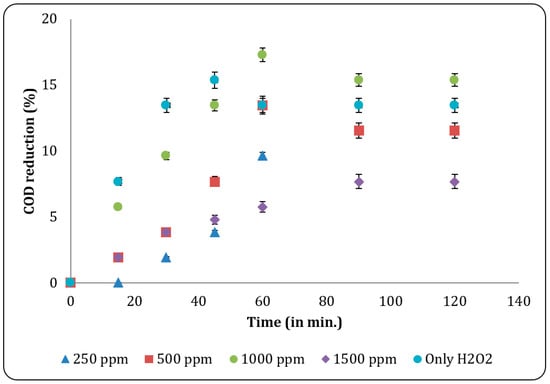
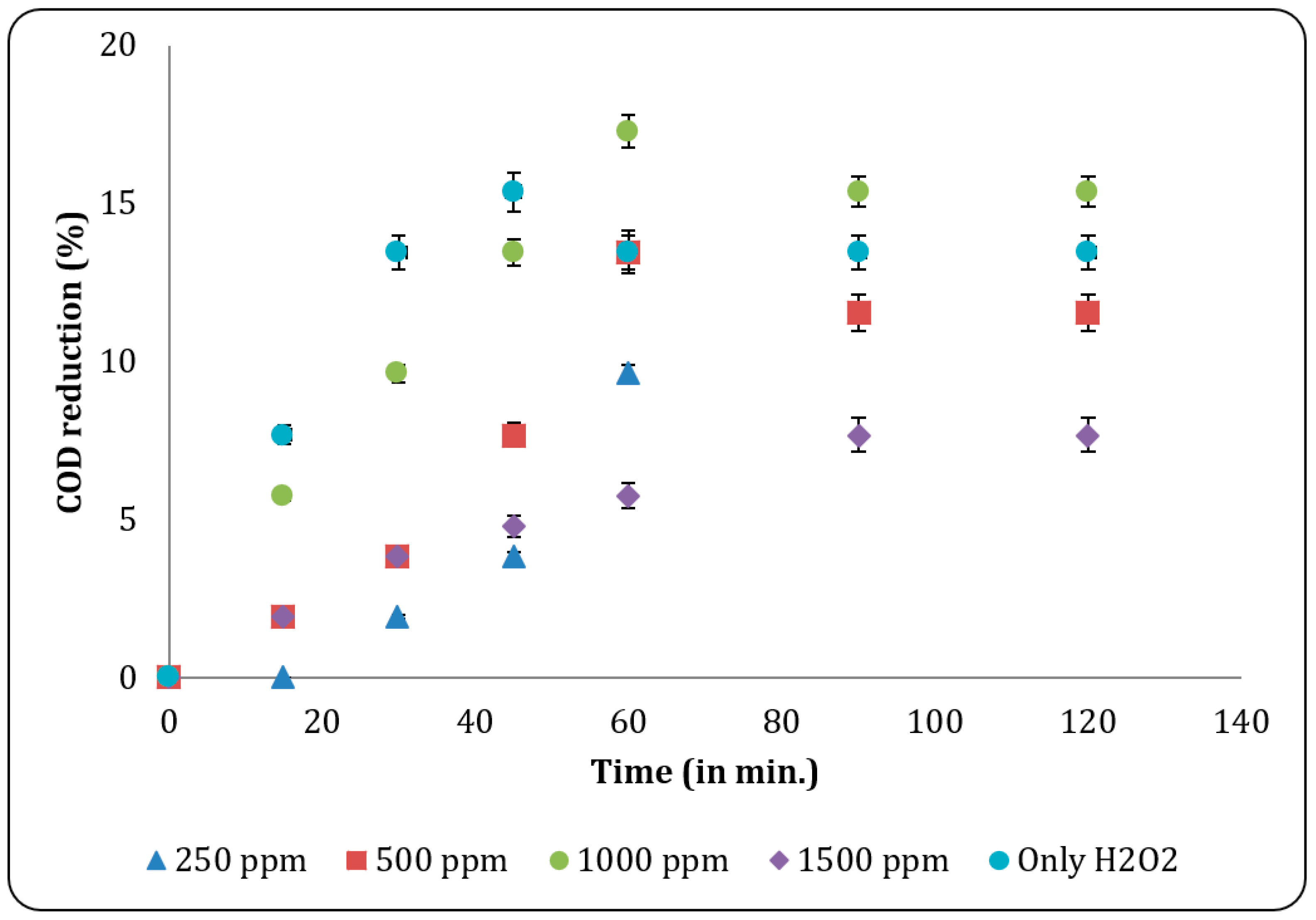
Different loadings of the oxidant, as Hydrogen Peroxide over the range 250–1500 mgL−1, were applied in this work to understand the effect of oxidant concentration. H2O2 loading of 1000 mgL−1 gave the maximum reduction in COD of 17.31%, followed by 13.46% at 500 mgL−1, 11.54% at 250 mgL−1, and finally 7.69% at 1500 mgL−1, as per the results depicted in Figure 4. Decreased COD reduction at 1500 mgL−1 may be due to the scavenging effect caused by unreacted oxidants that react with •OH and compete with the pollutant. Use of only H2O2 at 1000 mgL−1 without US was also applied in this work and was found to reduce COD by only 15.38%. In terms of synergy, ~82% efficiency is observed, which suggests that the combination of US and H2O2 does not have a great impact on the degradation efficiency.
Figure 4.
Effect of H2O2 loading on COD reduction using the US + H2O2 approach (pH: 3, Temp.: 30 °C, Power: 120 W).
Artiles et al. [24] studied the effect of H2O2 in combination with sonolysis, photolysis, and radiolysis. For a 20 mg/L drug, three loadings of H2O2, 2.95, 4.42, and 5.9 mmol/L, were studied. For sonolysis and radiolysis, increasing loading increased the degradation, while for photolysis, maximum degradation was achieved at 2.95 mmol/L of H2O2. Increasing the loading further decreased degradation, which is attributed to oxidant recombination and scavenging effects. In another study, the effect of H2O2 on the removal of di(2-ethylhexyl) phthalate (DEHP) from bottom sediments was studied using various loadings of H2O2, from 2:1 to 1:50 as the DEHP: H2O2 ratio. At a 2:1 ratio, 18.53% removal was observed after 24 h, while at a 1:1 ratio, 19.55% of the drug was degraded. Increasing the loading of H2O2 further to 1:50 resulted in 21.39% degradation, which significantly reflects the ineffectiveness of increasing oxidant loading in drug removal. Additionally, the effect of pH on the action of H2O2 was also studied. At a pH of 7.95, maximum degradation of 18.04% was achieved, which is lower than the one observed at pH 3 [27], confirming that using acidic conditions is better for H2O2 as an oxidant in various systems.
3.2.3. US + Fenton
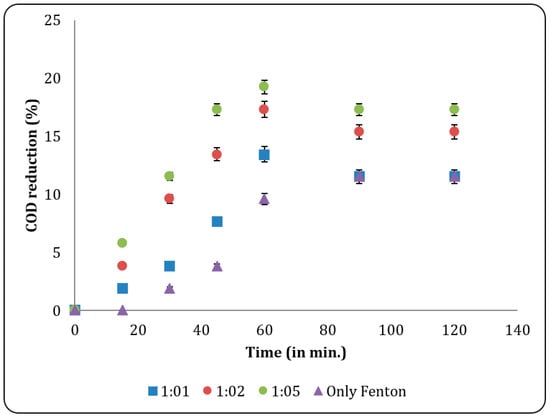
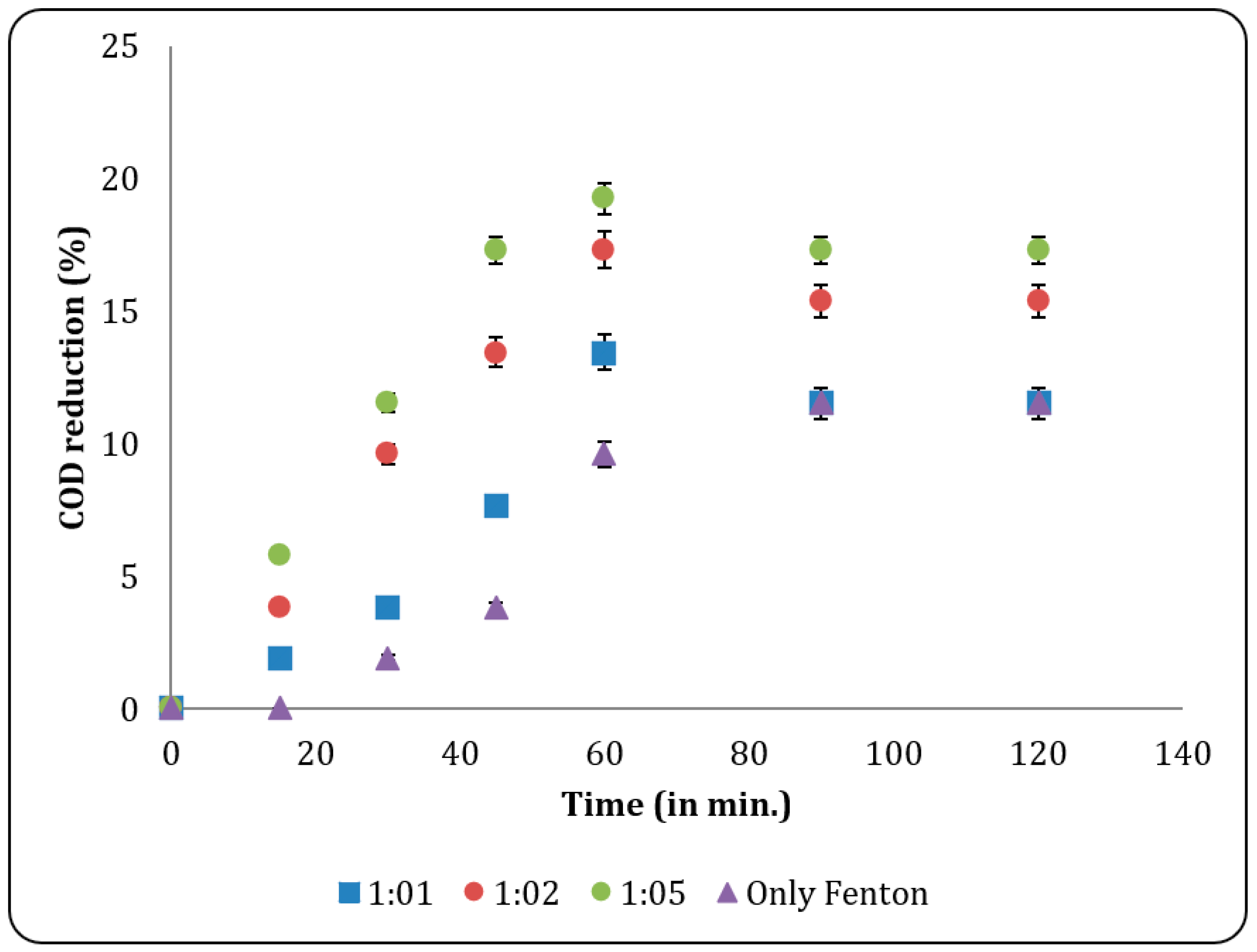
Fenton reagent is the use of Fe2+ and H2O2 for the treatment of effluent. The loading of H2O2 was kept constant at the optimised value of 1000 mgL−1, and the loading of Fe2+ was varied to achieve different Fe2+: H2O2 ratios of 1:5, 1:2, and 1:1 (Fe loading of 200 mgL−1, 500 mgL−1, and 1000 mgL−1, respectively). It was observed, as per the results elucidated in Figure 5 that as the Fe2+ loading increased, the COD reduction decreased. As seen in Figure 5, the COD reduction observed was in the order 1:5 > 1:2 > 1:1, with the actual values being 19.43%, 17.31%, and 13.46%, respectively. Only Fenton reagent treatment gave a COD reduction of 11.54% with a synergy of ~112%, which means that the combined use of US and Fenton is productive.
Figure 5.
Effect of Fe2+ to H2O2 ratio on COD reduction using the US + Fenton approach (pH: 3, temp.: 30 °C, power: 120 W).
Badawy et al. [37] studied the efficiency of the Fenton process for the treatment of pharmaceutical effluent with initial COD ranging from 4100 to 13,000 mgL−1. Initially, the pH was optimised at 3, and the H2O2 loading was also selected as optimum. The Fe2+ loading was subsequently varied to yield a varying oxidant ratio from 1:10, 1:25, 1:50, and 1:100. Maximum COD and TOC reduction was found at 1:50 dosage, and any increase in Fe2+ loading beyond this led to an excess of Fe2+, driving recombination with •OH, and hence lower treatment efficacy was observed [37]. Similarly, Yang et al. [38] studied the treatment of high COD (~50,000 mgL−1) pharmaceutical effluent using a modified Fenton reagent combined with microwave. For the Fenton process, the peroxide concentration was optimised at 1300 mgL−1. The study used ferric ions in the form of Fe2(SO4)3, varying from 1300 to 8000 mgL−1. It was observed that increasing the loading of Fe2(SO4)3 also increased sludge formation, which may cause an additional problem of sludge disposal. Conversely, it was also observed that increasing Fe2(SO4)3 loading increased COD removal. Thus, the choice of loading was a balance between these factors and was finalised at 4900 mgL−1. The reported study also emphasised the use of combination techniques and found that combining Fenton with other processes like microwave irradiation helped in reducing the organic load, also making the effluent suitable for biodegradation by removing recalcitrant compounds [38]. Although the Fenton process is highly efficient at a lower reaction time, it has the disadvantage of generating a high volume of sludge. One of the easy ways of combating this problem is by combining techniques like sono-Fenton or photo-Fenton that reduce the input of Fe2+, thus reducing sludge volume. The comparison with different studies reiterates the importance of optimising pH and loading for Fenton and also the advantages of using a combined treatment system, depending on the specific system in question, clearly showcasing the importance of the current work.
3.2.4. US + Peroxone
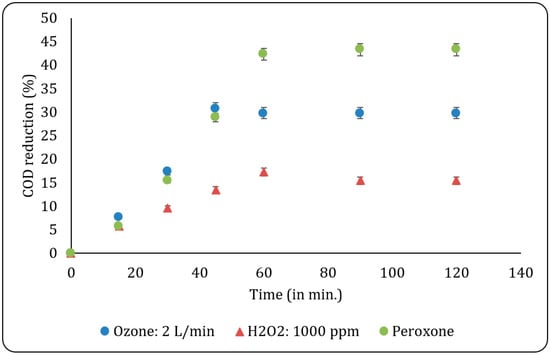
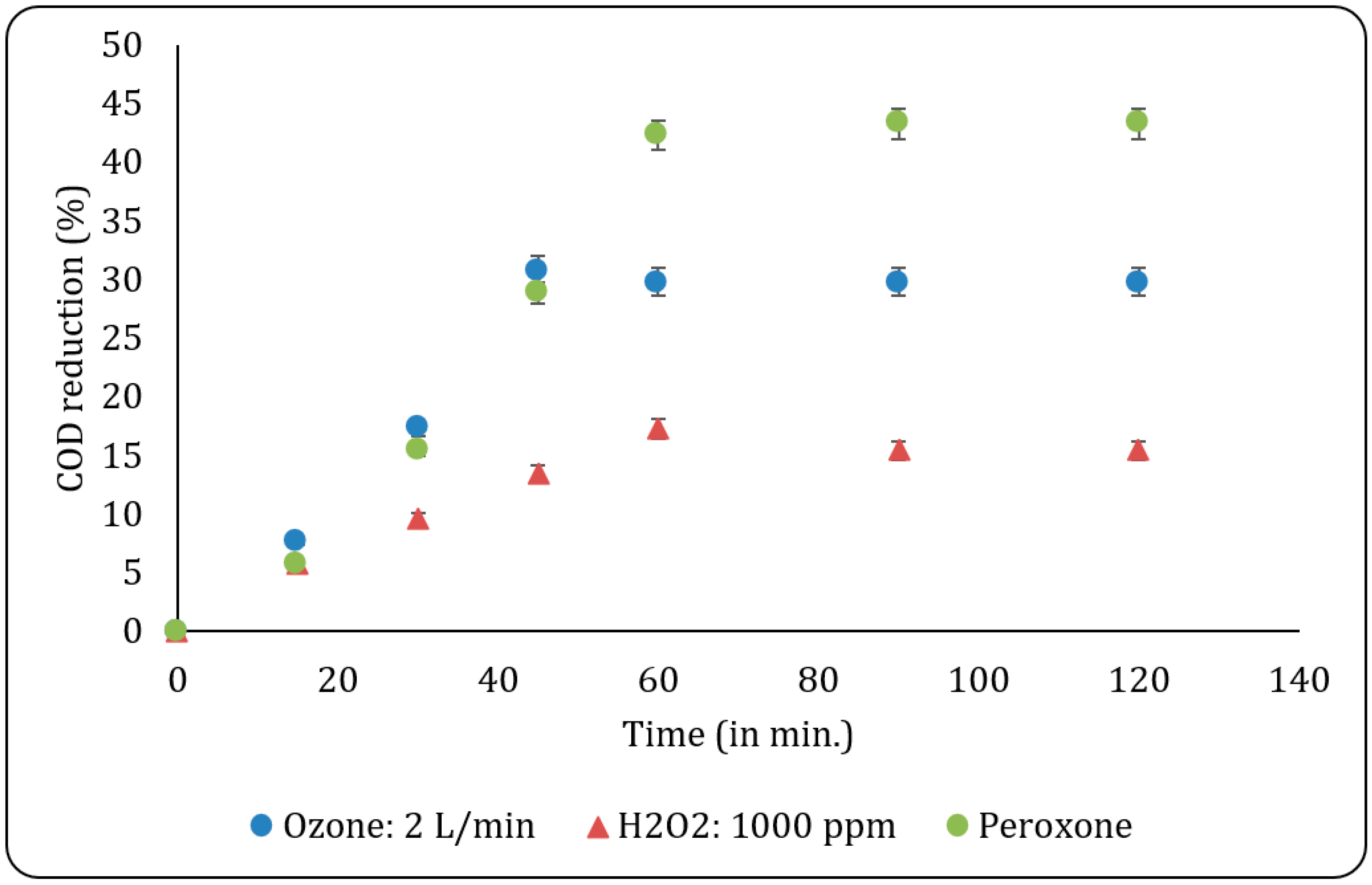
The use of H2O2 in combination with ozone is known as the peroxone process. In this study, the optimised conditions from the ozonation (2 L min−1) and peroxide (1000 mgL−1) study were used, and treatment batches were performed at pH 10. It was observed that US + peroxone gave the maximum COD reduction in the pretreatment process in comparison with only ozone or peroxide-based treatment. After treatment for 60 min, a 42.31% reduction in COD was observed. The results are depicted in Figure 6. Although the COD reduction is high for this treatment, there was no significant synergy for the combination, with almost additive effects.
Figure 6.
Effect of peroxone treatment on COD reduction using the US + peroxone approach (pH: 10, temp.: 30 °C, power: 120 W).
Lakshmi et al. [39] studied the effect of the peroxone process on pharmaceutical-based effluent under the optimised loading conditions of O3 as 0.5 L min−1 and H2O2 loading of 1000 mgL−1. While individually, ozonation gave a COD reduction of 50.65% and peroxide treatment reduced the COD by 39.88%, peroxone treatment was able to reduce COD by ~75%. Similar trends were also observed when HC was used as the cavitating system in combination with peroxone [39]. In another study, conventional peroxone and e-peroxone processes were compared to give insights into their efficacy. It was observed that although both processes were successful and gave COD reduction of up to 87%, e-peroxone offered an advantage with ~15% higher COD reduction, attributed to the controlled generation of H2O2 in e-peroxone. Cost analysis showed that there was a marginal difference in both treatments, with the cost being 2.54 EUR/kg COD and 2.62 EUR/kg COD for conventional peroxone and e-peroxone, respectively. The study proved the efficiency of the peroxone process in treating industrial effluents [40]. Based on these studies, it is evident that peroxone is one of the important treatment processes and can be used for industrial effluent treatment, although the specific efficacy depends on the system, highlighting the importance of the current work.
3.3. Toxicity Analysis
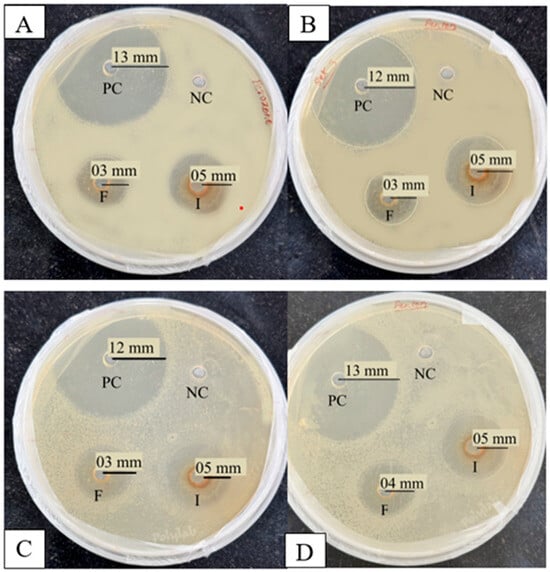
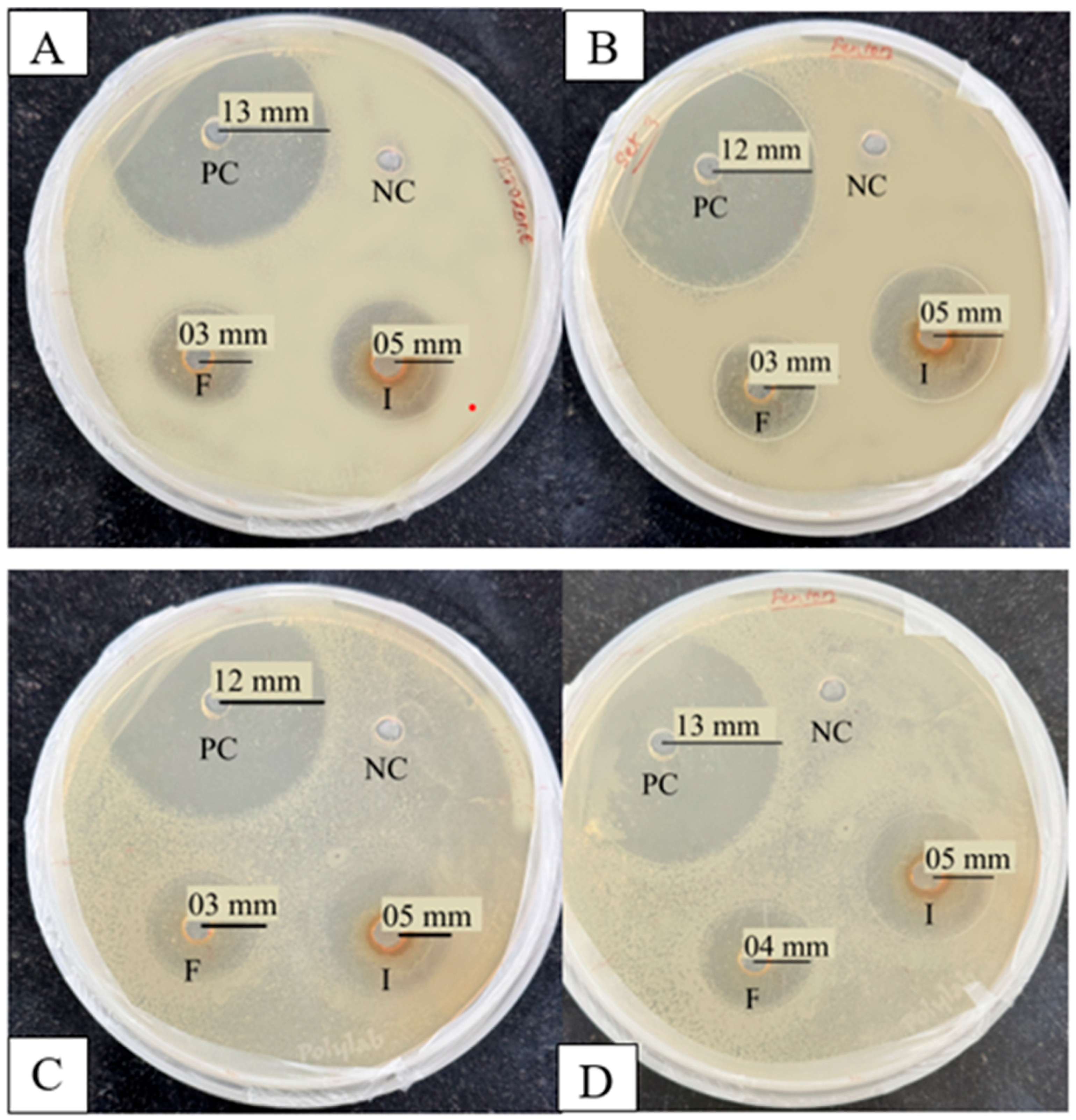
The purpose of having a pretreatment step before biological treatment is the degradation of recalcitrant compounds that hamper the functioning of microbes in the biological oxidation. The success of the pretreatment can be determined by checking the degradation of specific recalcitrant compounds (if known), and the effectiveness of the pretreatment can be analysed using toxicity analysis [41], especially in the case of a complex system with a real wastewater matrix. In the present study, a microbial toxicity study was performed using the agar well diffusion method, which is a qualitative method of analysis that can deduce toxicity levels. Before BO, both untreated and pretreated samples were tested and checked for reduction in toxicity based on their zone of clearance. Doxycycline was chosen as the positive control, and it was observed to show a 24–26 mm zone of clearance against both S. Aureus and E. coli, while sterile distilled water, as the NC, showed no zone of clearance. The results for the samples treated using US + Fenton and US + peroxone are shown in Figure 7. It is observed that the initial or the untreated samples have a larger zone of clearance than the pretreated samples, which shows the effectiveness of the pretreatment in reducing the toxicity of the effluent. The zone of clearance for the untreated sample is 5 mm radius, which was reduced to about 3 mm on treatment. This study also proved that the pretreatment techniques have not added any toxic secondary metabolites into the system.
Figure 7.
Toxicity analysis with the test organisms S. aureus for various pretreatments: (A) US + peroxone; (B) US + Fenton; and E. coli for the pretreatments: (C) US + peroxone; (D) US + Fenton.
Liu et al. [42] studied the effect of electrochemical oxidation in reducing the toxicity of pesticide effluent, analysed using a bioluminescent bacterium. While biodegradation alone could not reduce the toxicity of the effluent, 7 h of electrochemical oxidation was able to decrease the toxicity from 87% to 35%. Combined electrochemical oxidation and biodegradation could reduce toxicity to 15% due to a synergistic effect. It is important to perform toxicity measurement before biodegradation to ensure the proper activity of microbes [42]. In another study, Zhang et al. [43] studied the efficiency of three treatment methods in reducing the toxicity of tailwater. The effluent was treated using wetland treatment, ozone + UV, and filtration + UV, and their toxicity was checked against Vibrio fischeri, Selenastrum capricornutum, Brachydanio rerio, and Daphnia. The analysis found that the raw sample of all the industrial effluents studied was highly toxic and was not fit to be let into the stream. An acute toxicity study found that Selenastrum capricornutum was not suitable for comprehensive analysis, as the effluents hampered the growth of the organism. Results from all the studies found that the treatment of effluents by all the methods effectively reduced the toxicity. Wetland treatment showed the best removal efficiency, although the results are seasonal (low N-P removal in winter). The order of treatment efficiency was wetland > ozone + ultraviolet > sand filtration + ultraviolet [43]. In another study, a plasma-based AOP was used for the degradation of benzene-, toluene-, and p-nitrophenol-containing wastewater. The effectiveness of the treatment was tested by analysing the phytotoxicity against Triticum aestivum. Both seed germination and the length of shoots were chosen as testing parameters. While untreated samples showed 70% seed germination and 0.5 cm of shoot length after 24 h of treatment, it was observed that a 22 W plasma treatment led to 100% seed germination and 0.55 cm of shoot length. The positive effect of the treatment can be attributed to the presence of nitrates and nitrites in the treated water that counteract abscisic acid to promote seed germination and act as chemical fertilisers to promote shoot growth [15]. These studies ascertain the importance of toxicity analysis and the impact of chemical pretreatment in reducing effluent toxicity to ensure efficient biological oxidation. Additionally, to get a better understanding of the extent of toxicity reduction, it is imperative to perform a quantitative analysis, like bioassays using luminescent bacteria or spectroscopic tests of the pretreated effluent, which can form scope of future work.
3.4. Biological Oxidation Studies
Biological oxidation (BO) is the conventional effluent treatment method and has been traditionally used across various industries. The current study used a cow-dung-based sludge for the treatment of effluent. Initially, raw effluent was treated, and parameters were optimised to obtain the maximum possible COD reduction using only biological oxidation. Subsequently, these conditions were then applied to the treatment of pretreated effluent.
3.4.1. Sludge Preparation
Cow dung has been used as an inoculum for sludge preparation for years. It is found to be a good source of microbes of various classes that help degrade complex organic molecules in the effluent [44,45]. This study used cow dung obtained from a local cattle farm. The dung was diluted with water, mixed evenly, and filtered with a 0.3 mm sieve to remove coarse particles. The pH of the slurry was 7. The sludge was maintained at 37 °C throughout with periodic addition of nutrients.
3.4.2. Conventional Biological Oxidation
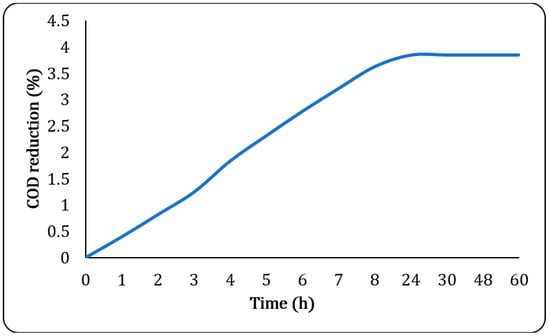
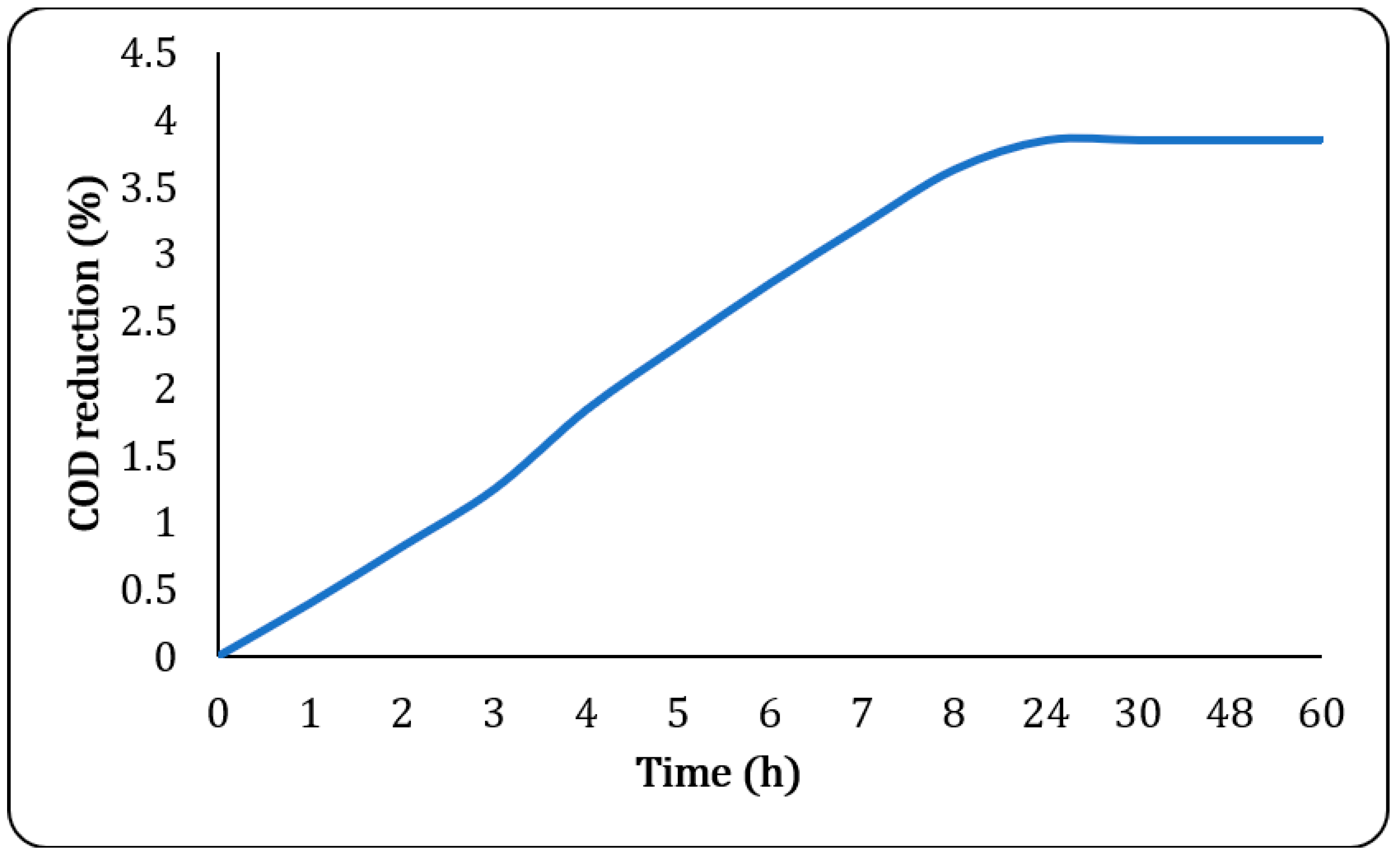
Raw effluent was first treated using non-acclimatised sludge. A total of 180 mL of the effluent was treated using 60 mL of sludge (3:1 effluent to sludge ratio) with the help of aeration using an aquarium pump. The pH was kept at 7 to ensure maximum activity of microbes, and the reaction was run for 60 h. The results of this study are displayed in Figure 8. As observed, the maximum reduction in COD of only 3.85% is achieved after 30 h of treatment, beyond which there is no change in COD. Considering the results, the optimum treatment time for BO was finalised as 30 h. The low reduction in COD can result from using raw effluent containing recalcitrant compounds and non-acclimatised sludge, which may not be effective in treating the effluent of such high loading.
Figure 8.
Results for conventional biological oxidation.
Sangave et al. [46] studied conventional biological oxidation and found a reduction in COD of 34.9%, which was ~2.5 times less than the combined treatment process. The study also found that the initial rate of BO for the untreated sample was low, as the microbes could not acclimatise to the effect for the initial time [46]. Vijayaraghavan et al. [47] studied the treatment of raw palm oil mill effluent with an initial COD of ~4000 mgL−1 using BO. It was observed that using the non-acclimatised sludge, the COD and BOD removal of 89% and 82% were achieved, and these were ~10% less than that for acclimatised sludge [47]. These studies support the low degradation efficiency of non-acclimatised sludge used on raw effluent, although the quantitative results depend on the specific type of effluent. Considering that acclimatisation helps to enhance the efficacy of biological oxidation, the next set of experiments was performed for sludge acclimatisation.
3.4.3. Sludge Acclimatisation
Low degradation efficiency in conventional BO using filtered sludge meant that the BO needed to be intensified for better results. Sludge acclimatisation is one of the methods that would benefit BO. As an industrial process, the sludge used for BO is conventionally from the same plant/process, which results in the microbes being acclimatised to the conditions of the effluent and thus work well during microbial treatment. Using cow-dung-based sludge does not have this advantage, and thus, it needs to be accustomed to the effluent through acclimatisation. The exposure of microbes to a stress for a longer period for them to be functional in that environment is known as acclimatisation [48]. Various studies have asserted the importance of sludge acclimatisation for better effluent treatment. Burgess and Stuetz [49] studied sludge acclimatisation for sulphur-rich effluent. They observed that a high sulphur load in the effluent was toxic to non-acclimatised sludge. In contrast, acclimatisation of sludge at low doses of sulphur eventually enabled it to degrade the effluent. Acclimatisation was a selection pressure on the microbes that helped them to metabolise the compounds better [49]. Similarly, Bestawy et al. [50] studied sludge acclimatisation for heavy metal effluent. The authors observed that the sudden introduction of heavy metal stress reduced the bioactivity of microbes and thus the poor degradation of contaminants. They suggested the stage-wise introduction of the stress into the system, which resulted in the microbes developing natural resistance to the pollutants and thus aiding in their degradation. The acclimatisation increased the removal of both organic matter and heavy metals [50]. Morgan-Sagastume et al. [51] also tried the acclimatisation process for the removal of polyhydroxyalkanoate (PHA). The authors used a feast–famine acclimatisation method where the biomass was initially exposed to feed for a specific time, followed by no feed. At the laboratory scale, this was followed 16 times for 24 h. The stress caused by this method positively impacted the microbes in taking up organics as nutrients, thus degrading the pollutants in the process. The PHA storage rate was improved sevenfold, and there was a 20% increase in substrate utilisation [51]. These studies assess the importance of the acclimatisation process during biodegradation and thus validate the current study.
3.4.4. Effect of Pretreatment on Biological Oxidation
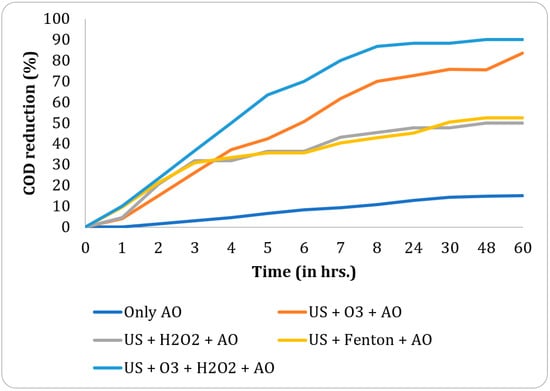
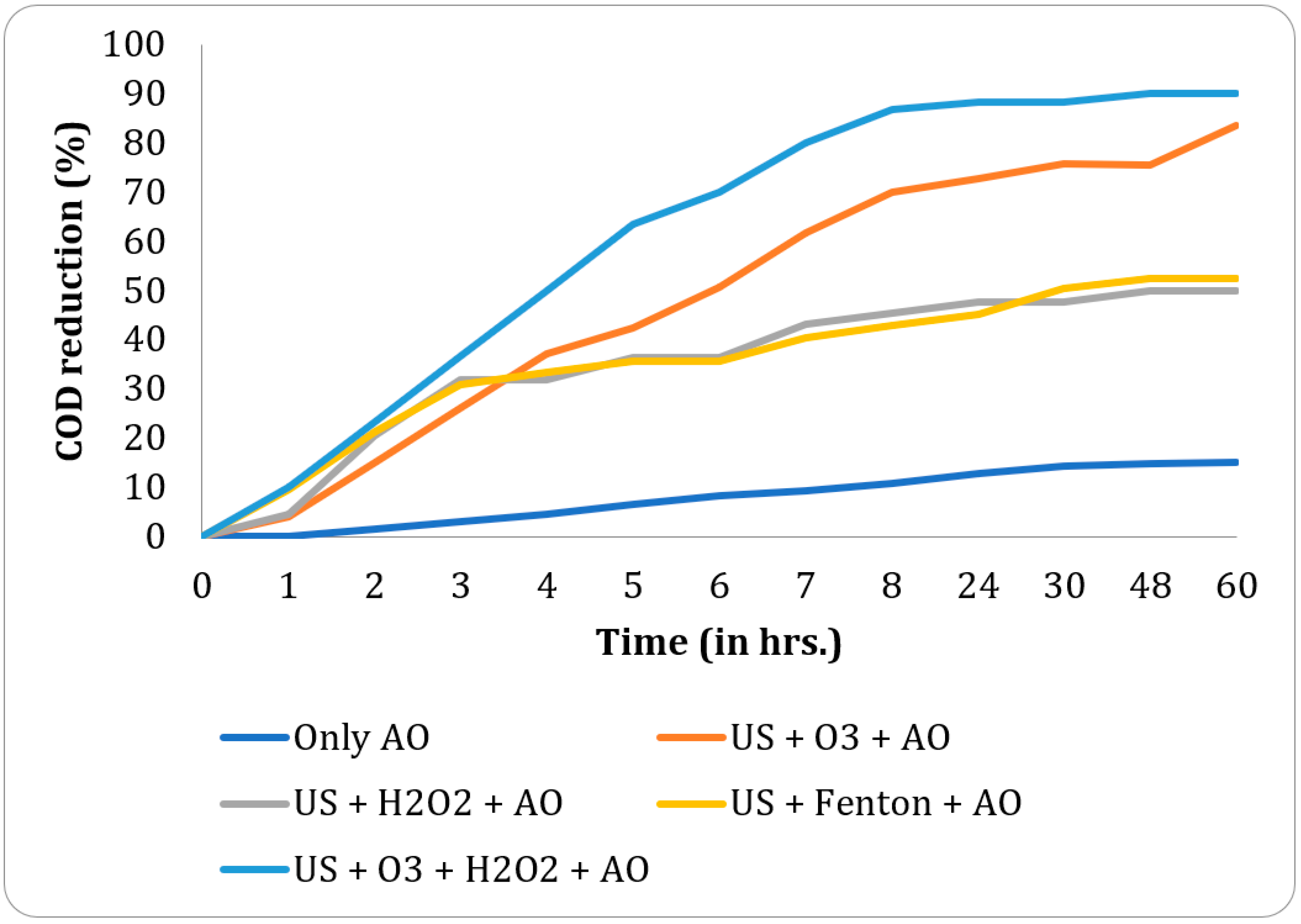
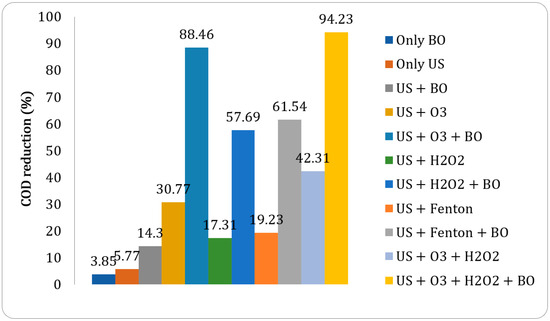
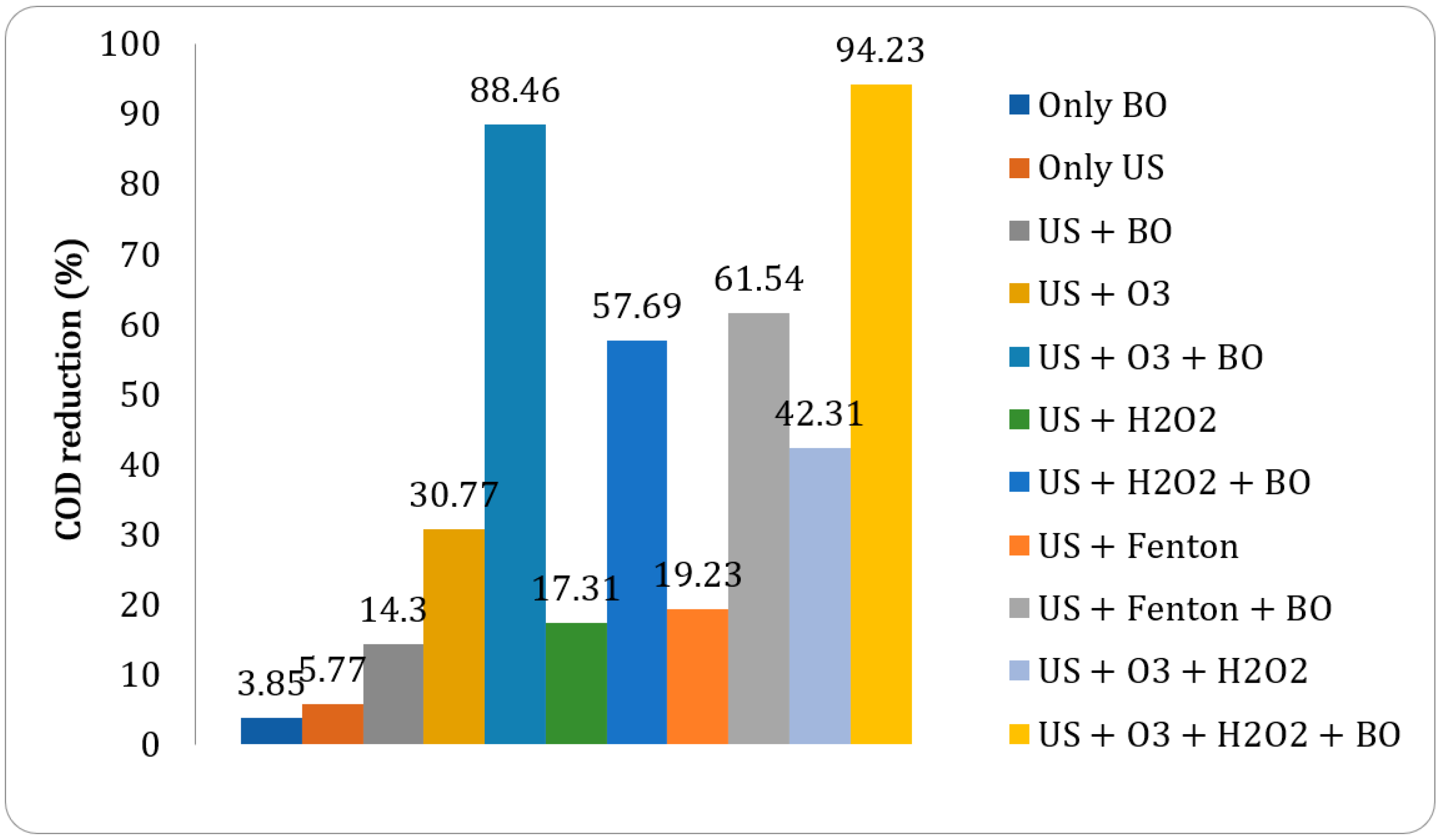
The effect of pretreatment in improving the BO of the effluent was understood by its COD reduction during BO. All the pretreated samples were filtered, and the pH was adjusted to 7 before BO so as to obtain maximum microbial activity. The reduction in COD after BO is displayed in Figure 9. All the pretreated samples have shown an increase in the efficacy of BO for COD reduction. The best COD reduction of 88.2% after biological treatment was obtained for the US + peroxone pretreated sample, followed by US + O3, US + Fenton, US + H2O2, and US pretreated samples with COD reduction of 75.62%, 50.36%, 47.73%, and 14.28%, respectively. The overall degradation, including the pretreatment process, also follows the same order of COD reduction and is shown in Figure 10.
Figure 9.
BO of pretreated effluent.
Figure 10.
Overall COD degradation.
The effect of pretreatment on the fate of BO is decided by various factors that need to be closely monitored. Gonzalez et al. [52] studied the effect of physicochemical pretreatments on the biodegradation of industrial effluents. While only biodegradation was able to reduce the COD and BOD by 15% and 32%, respectively, the addition of activated carbon (AC) pretreatment increased it to 19% and 39%, while ozonation in combination with AC followed by biodegradation led to a 57% and 92% reduction in COD and BOD, respectively. Additionally, it was also observed that while biodegradation and AC pretreatment could not remove the mutagenicity of the effluent, the introduction of ozonation as pretreatment, along with BO, could remove the mutagenicity even with 0.5 min exposure to ozone. This is attributed to ozone-mediated removal of phenols and dichlorination. This study asserted the importance of using pretreatment in removing the genotoxicity and improving the biodegradability of effluent [52]. Asgari et al. [53] studied the effect of the electro-Fenton process in improving the biodegradability of the industrial estate wastewater. The optimised parameters were pH = 4; H2O2 conc. = 13.5 mM; H2O2:Fe2+ molar ratio = 2; current density = 5 mA cm−2; and reaction time = 20 min. Under these conditions, it was observed that >80% reduction in COD and TOC was achieved. The pretreatment also increased the biodegradability index of the effluent from 0.23 to 0.39, confirming that the effluent was more prone to microbial degradation after pretreatment [53]. These studies reflect the importance of pretreatment as the choice of pretreatment varies depending on the effluent in the study. Thus, the BO must be preceded by proper physicochemical pretreatment to eliminate recalcitrant compounds from the effluent.
3.5. Process Comparison
The viability of any treatment method is decided by a lot of factors, including treatment condition, energy efficiency, and cost. While combining various treatment methods would produce better results, the key is to optimise the conditions such that there is maximum efficiency in minimum input of energy and money. One of the major advantages of AOPs is that they can produce better results with minimal economic input. The extent of degradation or COD reduction per unit of power dissipation is known as the yield of the process. When the power is used for cavitation, the yield is termed cavitational yield [54]. This study also involves the BO, which contributes to the overall yield of the reaction. The yield, energy, and cost for the individual processes have been tabulated in Table 2. The calculations were performed based on the detailed methodology explained in the previous work [21]. The electricity cost has been considered as 8.78 INR/kWh. The cost of chemicals used was based on commercial-grade prices (H2O2: 760 INR/L; FeSO4.7H2O: 10 INR/kg). The energy consumption for oxygen and ozone generators was 0.35 kWh and 0.148 kWh, respectively. Based on these values, it is observed that the US, in combination with AOP, has been able to produce better degradation of pollutants at relatively less cost. While the cost of treatment for US + AOPs has been < 20 INR/L with only marginal variation between different AOPs, the treatment cost for US-pretreated effluent was calculated to be ~ 50 INR/L, which is 2.5 times greater. The highest treatment cost of INR 171 is for the effluent with no pretreatment. These results suggest that the use of pretreatment is indeed beneficial for better BO and in reducing the overall treatment cost. Additionally, these results also reflect the benefits of using combination methods for the pretreatment. Thanekar et al. [55] studied the effect of HC-based pretreatment for improving the efficiency of BO. The maximum COD reduction was observed by the HC + Fenton pretreated effluent. The total COD reduction after BO was 98%, and the total cost of treatment was 0.15 INR/L. Only HC resulted in ~22% COD reduction, and the treatment cost was also ~5 times more than HC + Fenton + BO [55]. In another study using US and HC for pharmaceutical effluent treatment, US + Fenton was the most economical treatment scheme. In terms of the reactor, three cavitating reactors were studied, and it was found that the US reactor of 4 L capacity was the most economical process [39]. The estimation of cost is an important aspect in designing the process as well as in estimating the scaling up and commercial adaptability of the treatment scheme.
Table 2.
Process comparison based on yield and cost.
4. Conclusions
The present work focuses on using ultrasound-based techniques for the pretreatment of pharmaceutical industrial effluent. Ultrasound-assisted peroxone treatment was the best method in terms of the COD removal. All the pretreated samples were also subjected to toxicity analysis using the agar well diffusion. A reduction in toxicity was noted in terms of resistance displayed by the microbes. It was also confirmed that the pretreatment did not produce any secondary metabolites that could hamper BO. Cow-dung-based sludge was used as the source of microbes. An initial biodegradation reaction using raw effluent was used to optimise a reaction time of 30 h, and it also asserted the necessity for sludge acclimatisation. The acclimatised sludge was then used for the BO of pretreated effluent. US + peroxone gave the best COD reduction of 88.2% for biological treatment. The same treatment also resulted in the highest overall COD reduction of 94.23%. This study helps to elucidate the optimized treatment process of complex pharmaceutical effluent with high COD value. The final COD achieved was 2880 mgL−1, which can be further reduced with the help of the polishing step. This study demonstrates optimised treatment parameters for AOPs and biological oxidation for effluents with a complex matrix. Further work to understand the intricacies in depth can involve identification of specific constituents and degradation mechanisms along with scaleup of bio-reactors involving the activated sludge process in the presence of cow dung as supplementary nutrients.
Author Contributions
Conceptualisation, P.R.G.; Methodology, A.M.I.; Data curation, A.M.I.; Writing—original draft, A.M.I.; Writing—review and editing, P.R.G. All authors have read and agreed to the published version of the manuscript.
Funding
The authors would like to acknowledge the funding of the All India Council of Technical Education (AICTE), New Delhi, India for the AICTE Doctoral Fellowship to Akshara Iyer.
Institutional Review Board Statement
All authors declare adherence to the standard ethics related to research publication and writing of the manuscript.
Data Availability Statement
Data will be made available on request from the authors.
Conflicts of Interest
The authors declare no conflicts of interest or any funding that could have influenced the outcomes of this work.
References
- Gadipelly, C.; Pérez-González, A.; Yadav, G.D.; Ortiz, I.; Ibáñez, R.; Rathod, V.K.; Marathe, K.V. Pharmaceutical Industry Wastewater: Review of the Technologies for Water Treatment and Reuse. Ind. Eng. Chem. Res. 2014, 53, 11571–11592. [Google Scholar] [CrossRef] [Scilit]
- Emenike, E.C.; Adeleke, J.; Iwuozor, K.O.; Ogunniyi, S.; Adeyanju, C.A.; Amusa, V.T.; Okoro, H.K.; Adeniyi, A.G. Adsorption of crude oil from aqueous solution: A review. J. Water Process Eng. 2022, 50, 103330. [Google Scholar] [CrossRef] [Scilit]
- Kumar, A.; Singh, I.; Ambekar, K. Occurrence, Distribution, and Fate of Emerging Persistent Organic Pollutants in the Environment. In Management of Contaminants of Emerging Concern (CEC) in Environment; Elsevier: Amsterdam, The Netherlands, 2021; pp. 1–69. [Google Scholar] [CrossRef] [Scilit]
- Eryıldız, C.; Sakru, N.; Kuyucuklu, G. Investigation of Antimicrobial Susceptibilities and Resistance Genes of Campylobacter Isolates from Patients in Edirne, Turkey. Iran. J. Public Health 2022, 51, 569–577. [Google Scholar] [CrossRef] [Scilit] [PubMed]
- Zhou, Q.; Sun, H.; Jia, L.; Wu, W.; Wang, J. Simultaneous biological removal of nitrogen and phosphorus from secondary effluent of wastewater treatment plants by advanced treatment: A review. Chemosphere 2022, 296, 134054. [Google Scholar] [CrossRef] [Scilit]
- Amaral, M.; Couto, C.; Lange, L. Occurrence, fate and removal of pharmaceutically active compounds (PhACs) in water and wastewater treatment plants—A review. J. Water Process Eng. 2019, 32, 100927. [Google Scholar] [CrossRef] [Scilit]
- Verma, M.; Haritash, A.K. Photocatalytic degradation of Amoxicillin in pharmaceutical wastewater: A potential tool to manage residual antibiotics. Environ. Technol. Innov. 2020, 20, 101072. [Google Scholar] [CrossRef] [Scilit]
- Pera-Titus, M.; García-Molina, V.; Baños, M.A.; Giménez, J.; Esplugas, S. Degradation of chlorophenols by means of advanced oxidation processes: A general review. Appl. Catal. B Environ. 2004, 47, 219–256. [Google Scholar] [CrossRef] [Scilit]
- Xia, C.; Yuan, Y.; Mathimani, T.; Rene, E.R.; Brindhadevi, K.; Le, Q.H.; Pugazhendhi, A. Process intensification approaches in wastewater and sludge treatment for the removal of pollutants. J. Environ. Manag. 2023, 345, 118837. [Google Scholar] [CrossRef] [Scilit]
- Denisov, S.; Maksimov, S.; Gordeef, E. Improving the Efficiency of Biological Treatment of Domestic Wastewater by Using Acoustic and Hydrodynamic Effect. Procedia Eng. 2016, 150, 2399–2404. [Google Scholar] [CrossRef] [Scilit]
- Al-Hamadani, Y.A.J.; Chu, K.H.; Flora, J.R.V.; Kim, D.-H.; Jang, M.; Sohn, J.; Joo, W.; Yoon, Y. Sonocatalytical degradation enhancement for ibuprofen and sulfamethoxazole in the presence of glass beads and single-walled carbon nanotubes. Ultrason. Sonochem. 2016, 32, 440–448. [Google Scholar] [CrossRef] [Scilit]
- Bagal, M.V.; Gogate, P.R. Degradation of diclofenac sodium using combined processes based on hydrodynamic cavitation and heterogeneous photocatalysis. Ultrason. Sonochem. 2014, 21, 1035–1043. [Google Scholar] [CrossRef] [Scilit]
- Neppolian, B.; Jung, H.; Choi, H.; Lee, J.H.; Kang, J.-W. Sonolytic degradation of methyl tert-butyl ether: The role of coupled fenton process and persulphate ion. Water Res. 2002, 36, 4699–4708. [Google Scholar] [CrossRef] [Scilit]
- Lin, J.; Wang, C. Oxidation of 2-Chlorophenol in Water by Ultrasound/Fenton Method. J. Environ. Eng. 2000, 126, 130–137. [Google Scholar] [CrossRef] [Scilit]
- Agadyekar, V.G.; Kakodkar, E.; Barretto, D.A.; Barni, R.; Riccardi, C.; Joshi, N. Concurrent removal of benzene, toluene, and P-nitrophenol from water using dielectric barrier discharge plasma. Clean. Eng. Technol. 2025, 27, 101042. [Google Scholar] [CrossRef] [Scilit]
- Singh, S.K.; Khajuria, R.; Kaur, L. Biodegradation of ciprofloxacin by white rot fungus Pleurotus ostreatus. 3 Biotech 2017, 7, 69. [Google Scholar] [CrossRef] [Scilit]
- Khan, N.A.; Khan, A.H.; Tiwari, P.; Zubair, M.; Naushad, M. New insights into the integrated application of Fenton-based oxidation processes for the treatment of pharmaceutical wastewater. J. Water Process Eng. 2021, 44, 102440. [Google Scholar] [CrossRef] [Scilit]
- Kestioğlu, K.; Yonar, T.; Azbar, N. Feasibility of physico-chemical treatment and Advanced Oxidation Processes (AOPs) as a means of pretreatment of olive mill effluent (OME). Process Biochem. 2005, 40, 2409–2416. [Google Scholar] [CrossRef] [Scilit]
- Bar-Niv, N.; Azaizeh, H.; Kuc, M.E.; Azerrad, S.; Haj-Zaroubi, M.; Menashe, O.; Kurzbaum, E. Advanced oxidation process UV-H2O2 combined with biological treatment for the removal and detoxification of phenol. J. Water Process Eng. 2022, 48, 102923. [Google Scholar] [CrossRef] [Scilit]
- Scaria, J.; Nidheesh, P.V. Pre-treatment of real pharmaceutical wastewater by heterogeneous Fenton and persulfate oxidation processes. Environ. Res. 2023, 217, 114786. [Google Scholar] [CrossRef] [Scilit]
- Lakshmi, N.J.; Iyer, A.M.; Gogate, P.R. Treatment of wastewater containing ciprofloxacin using the hybrid treatment approach based on acoustic cavitation. Can. J. Chem. Eng. 2024, 102, 2403–2417. [Google Scholar] [CrossRef] [Scilit]
- Lakshmi, N.J.; Gogate, P.R.; Pandit, A.B. Acoustic cavitation for the process intensification of biological oxidation of CETP effluent containing mainly pharmaceutical compounds: Understanding into effect of parameters and toxicity analysis. Ultrason. Sonochem. 2023, 98, 106524. [Google Scholar] [CrossRef] [Scilit]
- Wei, Z.; Spinney, R.; Ke, R.; Yang, Z. Effect of pH on the sonochemical degradation of organic pollutants. Environ. Chem. Lett. 2016, 14, 163–182. [Google Scholar] [CrossRef] [Scilit]
- Artiles, M.M.; Gómez González, S.; González Marín, M.A.; Gaspard, S.; Jauregui Haza, U.J. Degradation of Diazepam with Gamma Radiation, High Frequency Ultrasound and UV Radiation Intensified with H2O2 and Fenton Reagent. Processes 2022, 10, 1263. [Google Scholar] [CrossRef] [Scilit]
- Shi, X.; Liu, J.-B.; Hosseini, M.; Shemshadi, R.; Razavi, R.; Parsaee, Z. Ultrasound-aasisted photodegradation of Alprazolam in aqueous media using a novel high performance nanocomosite hybridation g-C3N4/MWCNT/ZnO. Catal. Today 2019, 335, 582–590. [Google Scholar] [CrossRef] [Scilit]
- Pardeshi, S.K.; Patil, A.B. A simple route for photocatalytic degradation of phenol in aqueous zinc oxide suspension using solar energy. Sol. Energy 2008, 82, 700–705. [Google Scholar] [CrossRef] [Scilit]
- Kida, M.; Ziembowicz, S.; Koszelnik, P. Application of an ultrasonic field, hydrogen peroxide and the Fenton process in removing DEHP from bottom sediments. Desalination Water Treat. 2020, 186, 309–316. [Google Scholar] [CrossRef] [Scilit]
- Psillakis, E.; Goula, G.; Kalogerakis, N.; Mantzavinos, D. Degradation of polycyclic aromatic hydrocarbons in aqueous solutions by ultrasonic irradiation. J. Hazard. Mater. 2004, 108, 95–102. [Google Scholar] [CrossRef] [Scilit] [PubMed]
- Little, C.; Hepher, M.J.; El-Sharif, M. The sono-degradation of phenanthrene in an aqueous environment. Ultrasonics 2002, 40, 667–674. [Google Scholar] [CrossRef] [Scilit]
- Adewuyi, Y.G. Sonochemistry in Environmental Remediation. 1. Combinative and Hybrid Sonophotochemical Oxidation Processes for the Treatment of Pollutants in Water. Environ. Sci. Technol. 2005, 39, 3409–3420. [Google Scholar] [CrossRef] [Scilit]
- Gottschalk, C.; Libra, J.; Saupe, A. Ozonation of Water and Waste Water: A Practical Guide to Understanding Ozone and Its Applications, 2nd ed.; John Wiley & Sons: Hoboken, NJ, USA, 2010. [Google Scholar] [CrossRef] [Scilit]
- Wang, H.; Zhan, J.; Yao, W.; Wang, B.; Deng, S.; Huang, J.; Yu, G.; Wang, Y. Comparison of pharmaceutical abatement in various water matrices by conventional ozonation, peroxone (O3/H2O2), and an electro-peroxone process. Water Res. 2018, 130, 127–138. [Google Scholar] [CrossRef] [Scilit]
- Cunha, D.; da Silva, A.; Coutinho, R.; Marques, M. Optimization of Ozonation Process to Remove Psychoactive Drugs from Two Municipal Wastewater Treatment Plants. Water Air Soil Pollut. 2022, 233, 67. [Google Scholar] [CrossRef] [Scilit]
- Ashraf, M.I.; Ateeb, M.; Khan, M.H.; Ahmed, N.; Mahmood, Q.; Zahidullah. Integrated treatment of pharmaceutical effluents by chemical coagulation and ozonation. Sep. Purif. Technol. 2016, 158, 383–386. [Google Scholar] [CrossRef] [Scilit]
- Alaton, I.A.; Dogruel, S.; Baykal, E.; Gerone, G. Combined chemical and biological oxidation of penicillin formulation effluent. J. Environ. Manag. 2004, 73, 155–163. [Google Scholar] [CrossRef] [Scilit]
- Lester, Y.; Mamane, H.; Zucker, I.; Avisar, D. Treating wastewater from a pharmaceutical formulation facility by biological process and ozone. Water Res. 2013, 47, 4349–4356. [Google Scholar] [CrossRef] [Scilit] [PubMed]
- Badawy, M.I.; Wahaab, R.A.; El-Kalliny, A.S. Fenton-biological treatment processes for the removal of some pharmaceuticals from industrial wastewater. J. Hazard. Mater. 2009, 167, 567–574. [Google Scholar] [CrossRef] [Scilit]
- Yang, Y.; Wang, P.; Shi, S.; Liu, Y. Microwave enhanced Fenton-like process for the treatment of high concentration pharmaceutical wastewater. J. Hazard. Mater. 2009, 168, 238–245. [Google Scholar] [CrossRef] [Scilit]
- Lakshmi, N.J.; Agarkoti, C.; Gogate, P.R.; Pandit, A.B. Acoustic and hydrodynamic cavitation-based combined treatment techniques for the treatment of industrial real effluent containing mainly pharmaceutical compounds. J. Environ. Chem. Eng. 2022, 10, 108349. [Google Scholar] [CrossRef] [Scilit]
- Gliniak, M.; Nawara, P.; Bieszczad, A.; Górka, K.; Tabor, J. The Use of E-Peroxone to Neutralize Wastewater from Medical Facilities at a Laboratory Scale. Sustainability 2023, 15, 1449. [Google Scholar] [CrossRef] [Scilit]
- Wang, J.; Wang, S. Toxicity changes of wastewater during various advanced oxidation processes treatment: An overview. J. Clean. Prod. 2021, 315, 128202. [Google Scholar] [CrossRef] [Scilit]
- Liu, L.; Zhao, G.; Pang, Y.; Lei, Y.; Gao, J.; Liu, M. Integrated Biological and Electrochemical Oxidation Treatment for High Toxicity Pesticide Pollutant. Ind. Eng. Chem. Res. 2010, 49, 5496–5503. [Google Scholar] [CrossRef] [Scilit]
- Zhang, Y.; Yuan, Y.; Wang, Y.; Li, C.; Zhu, J.; Li, R.; Wu, Y. Comprehensive Evaluation on the Bio-Toxicity of Three Advanced Wastewater Treatment Processes. Water Air Soil Pollut. 2020, 231, 110. [Google Scholar] [CrossRef] [Scilit]
- Randhawa, G.K.; Kullar, J.S. Bioremediation of pharmaceuticals, pesticides, and petrochemicals with gomeya/cow dung. ISRN Pharmacol. 2011, 2011, 362459. [Google Scholar] [CrossRef] [Scilit] [PubMed]
- Godambe, T.; Fulekar, M.H. Cow dung Bacteria offer an Effective Bioremediation for Hydrocarbon-Benzene. Int. J. Biotech Trends Technol. 2017, 6, 13–22. [Google Scholar]
- Sangave, P.C.; Gogate, P.R.; Pandit, A.B. Combination of ozonation with conventional aerobic oxidation for distillery wastewater treatment. Chemosphere 2007, 68, 32–41. [Google Scholar] [CrossRef] [Scilit]
- Vijayaraghavan, K.; Ahmad, D.; Aziz, M.E.B.A. Aerobic treatment of palm oil mill effluent. J. Environ. Manag. 2007, 82, 24–31. [Google Scholar] [CrossRef] [Scilit]
- Alexander, M. Nonbiodegradable and other racalcitrant molecules. Biotechnol. Bioeng. 1973, 15, 611–647. [Google Scholar] [CrossRef] [Scilit]
- Burgess, J.E.; Stuetz, R.M. Activated sludge for the treatment of sulphur-rich wastewaters. Miner. Eng. 2002, 15, 839–846. [Google Scholar] [CrossRef] [Scilit]
- El-Bestawy, E.; Helmy, S.; Hussein, H.; Fahmy, M. Optimization and/or acclimatization of activated sludge process under heavy metals stress. World J. Microbiol. Biotechnol. 2012, 29, 693–705. [Google Scholar] [CrossRef] [Scilit]
- Morgan-Sagastume, F.; Valentino, F.; Hjort, M.; Zanaroli, G.; Majone, M.; Werker, A. Acclimation Process for Enhancing Polyhydroxyalkanoate Accumulation in Activated-Sludge Biomass. Waste Biomass Valorization 2019, 10, 1065–1082. [Google Scholar] [CrossRef] [Scilit]
- Martín, M.; González, I.; Siles, J.A.; Berrios, M.; Martín, A. Combined Physical-Chemical and Aerobic Biological Treatments of Wastewater Derived from Sauce Manufacturing. Water Environ. Res. 2013, 85, 346–353. [Google Scholar] [CrossRef] [Scilit]
- Estrada, A.L.; Li, Y.Y.; Wang, A. Biodegradability enhancement of wastewater containing cefalexin by means of the electro-Fenton oxidation process. J. Hazard. Mater. 2012, 227–228, 41–48. [Google Scholar] [CrossRef] [Scilit] [PubMed]
- Agarkoti, C.; Chaturvedi, A.; Gogate, P.R.; Pandit, A.B. Degradation of sulfamerazine using ultrasonic horn and pilot scale US reactor in combination with different oxidation approaches. Sep. Purif. Technol. 2023, 312, 123351. [Google Scholar] [CrossRef] [Scilit]
- Thanekar, P.; Gogate, P.R. Improved processes involving hydrodynamic cavitation and oxidants for treatment of real industrial effluent. Sep. Purif. Technol. 2020, 239, 116563. [Google Scholar] [CrossRef] [Scilit]

Disclaimer/Publisher’s Note: The statements, opinions and data contained in all publications are solely those of the individual author(s) and contributor(s) and not of MDPI and/or the editor(s). MDPI and/or the editor(s) disclaim responsibility for any injury to people or property resulting from any ideas, methods, instructions or products referred to in the content. |
© 2026 by the authors. Licensee MDPI, Basel, Switzerland. This article is an open access article distributed under the terms and conditions of the Creative Commons Attribution (CC BY) license.