Article

The Impacts of Groundwater Level on Coordinated Mining of Uranium and Coal and Its Avoidance Scheme

1
China Nuclear Fourth Research and Design Engineering Co., Ltd., Shijiazhuang 050021, China
2
China National Uranium Co., Ltd., Beijing 100013, China
3
Beijing Research Institute of Chemical Engineering and Metallurgy, CNNC, Beijing 101121, China
*
Author to whom correspondence should be addressed.
Processes 2025, 13(12), 3930; https://doi.org/10.3390/pr13123930
Submission received: 22 October 2025 / Revised: 18 November 2025 / Accepted: 24 November 2025 / Published: 5 December 2025
(This article belongs to the Special Issue Modeling in Mineral and Coal Processing)

Abstract

This study investigated a typical mining area with overlapping uranium and coal resources within the northern Ordos Basin. Based on the hydrogeologic conditions and spatial overlapping relationship of uranium and coal resources, we analyzed critical constraints on coordinated mining of uranium and coal. Using the Groundwater Modeling System, we established a numerical model of the groundwater flow field for coordinated mining of uranium and coal. Accordingly, we characterized the impacts of coal mining on the groundwater level in the uranium area, followed by quantitative prediction of the relationship between the coal mining avoidance distance and the groundwater level in the uranium mining area. Regarding the impacts on the groundwater level, this study proposed priority zones and their time sequence for coal mining. Additionally, based on the time when coal mining avoidance scenarios would influence the groundwater level in the uranium mining area, this study proposed priority zones and their time sequence for uranium mining. By developing an avoidance scheme for coordinated mining of uranium and coal from temporal and spatial aspects, this study provides a theoretical basis for the scientific, coordinated mining of uranium and coal resources.

1. Introduction

Uranium, a critical strategic resource and energy mineral, holds great significance for the development of new energy and the adjustment of the global energy mix [1,2]. With the quick development of the nuclear power industry, the world’s demand for uranium has gradually increased each year [3]. China plans to increase its installed capacity of nuclear power to 500 GW by 2030, which is when China’s minimum annual demand for uranium is expected to reach up to 12,300 tons, while it only produces an estimated 2030 tons of uranium annually, representing only 16% of the minimum yearly demand [4].
Coal, representing the dominant energy source in China, plays an indispensable role in China’s economic development under “New Normal” [5]. In the report of the Research on the Energy Development Strategy of China in the Mid- and Long-term (2030, 2050), the Chinese Academy of Engineering proposed that China’s demand for coal will remain at 2.5 to 3 billion tons in 2030 [6]. Therefore, coal will remain an irreplaceable dominant energy source in China in the long term.
Uranium and coal resources are of considerable significance for the economic development of many countries and regions [7,8]. Both resources occur predominantly in sedimentary basins and can form coexisting uranium–coal deposits under specific geological conditions [9,10]. Uranium deposits within some coal seams or in the roof and floor sandstones of coal seams have been discovered in the Wyoming, Williston, and San Juan basins in the United States [11]; the West Siberian and Transural basins in Russia [12]; the Sokolov Basin in Czech [13]; the Dinar Basin in Turkey [14]; and the Ordos [15,16], Yili [17], Turpan-Hami [18], Erlian [19,20], and Bangmai basins in China [21,22]. Some of these deposits have reached a certain scale.
The coexistence of uranium and coal can be classified as homogeneous coexistence and heterogeneous coexistence. Homogeneous coexistence refers to the production of uranium and coal in the same ore body; there are currently some studies available on extracting uranium from coal [23,24]. Heterogeneous coexistence refers to the production of uranium and coal in different parts or layers within the same mining area, and research on coordinated mining of uranium and coal is required. Under the condition of heterogeneous coexistence of coal and uranium, it is necessary to not only efficiently mine coal resources but also safely and environmentally extract uranium resources. Ensuring efficient, safe, and green mining of the two resources is a challenge [6,25].
There are currently some theoretical studies and engineering practices regarding the safe, efficient, and accurate coordinated mining of uranium and coal in heterogeneous coexistence. Su et al. summarized the main problems faced in the coordinated mining of uranium–coal-associated resources, proposed a dynamic coordinated mining technology system for the whole life cycle of these resources, and discussed key research directions for collaborative uranium–coal mining isolation and pollution prevention technologies [26]. Yuan et al. proposed the concept of precise coordinated mining of coal and associated resources and the technical processes of reserved corridor mining [6]. Other studies have addressed the basic problem framework and proposed new ideas regarding engineering background, scientific problems, key technologies, and the practice of co-mining coal and coal-associated resources [27,28].
Heterogeneous coexisting uranium and coal resources are principally exploited separately. However, the differences in their exploitation and utilization methods have led to increasingly prominent contradictions between the mining of both resources. Therefore, scientific, reasonable schemes must be used for coordinated mining of uranium and coal to avoid hindering the exploitation and utilization of both resources, which will result in resource destruction and waste. Additionally, potential radioactive contamination will adversely affect the environment and human health [29].

2. Overview of the Study Area

2.1. Spatial Relationship Between Uranium and Coal Resources

The Ordos Basin, hosting multiple overlapping mineral resources, is known as a scarce “treasure basin” of mineral resources [30,31]. Dongsheng, Hangjinqi, and Daying uranium deposits are located in the northern part of this area, making it one of the most significant uranium-bearing regions of China [32,33,34] where coal and uranium resources exhibit an overlapping and coexisting relationship [35]. For instance, the Nalinggou uranium deposit resides within the Tarangaole coal mine, with the former situated in the center of the latter in the planar view and lying above the latter vertically [36].
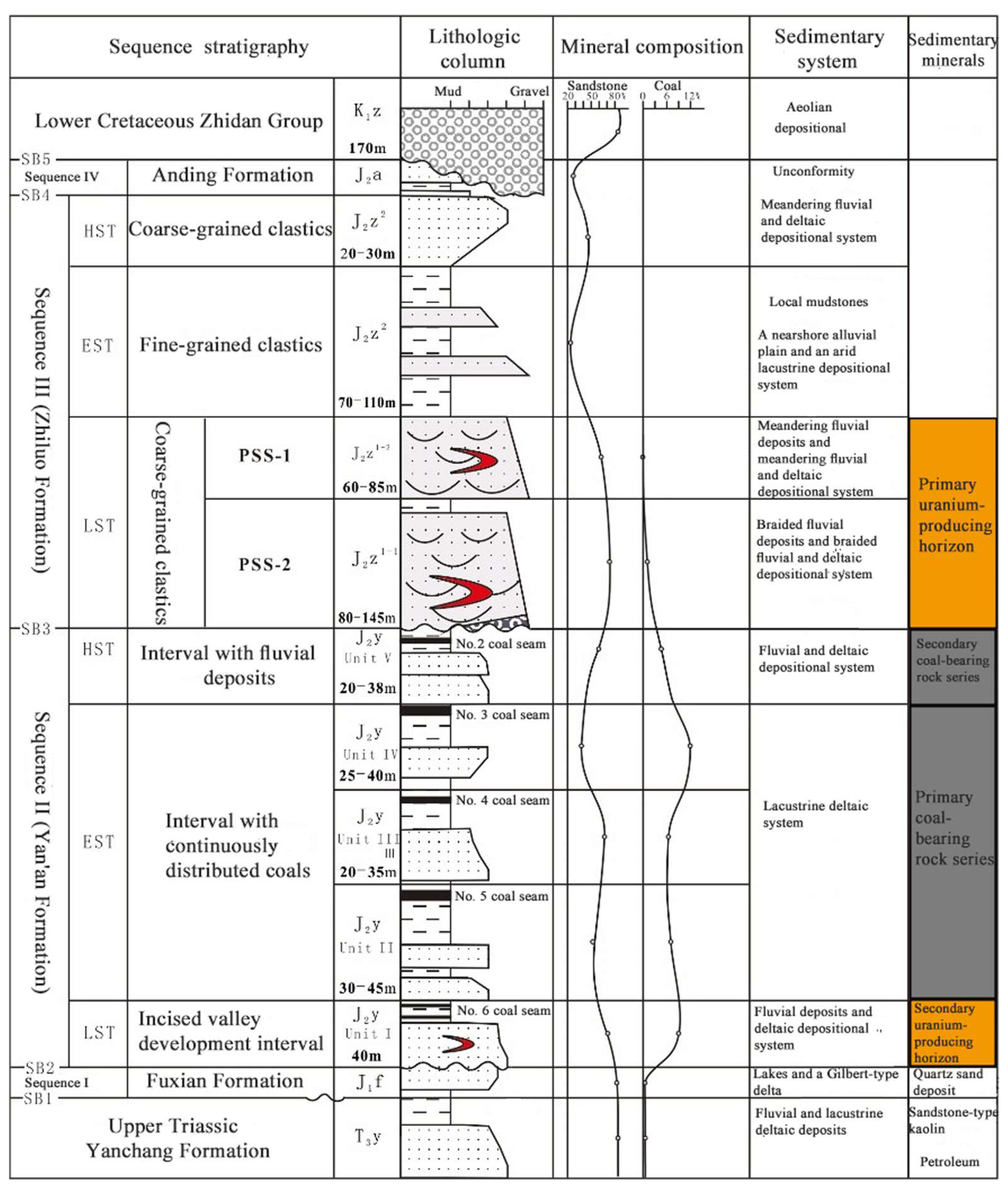
Strata in the Tarangaole mining area comprise the Cretaceous strata (K1), the Jurassic Anding (J2a), Zhiluo (J2z), and Yan’an (J2y) formations and the Triassic Yanchang Formation (T3y) from top to bottom [37]. Among them, the Zhiluo Formation is subdivided into upper (J2z2) and lower (J2z1) members. In this mining area, uranium deposits occur primarily in the lower submember of J2z1 [38], while coal occurs in the underlying Yan’an Formation, presenting a distribution pattern characterized by upper uranium and lower coal [39], with vertical distances between both resources ranging from about 90 to 150 m [40]. The planar and vertical spatial relationships between uranium and coal resources are shown in Figure 1 and Figure 2, respectively.

2.2. Hydrogeological Conditions

The groundwater aquifers in the Tarangaole mining area are composed of the Quaternary phreatic aquifer (Q), the Lower Cretaceous porous phreatic-confined aquifer (K), the confined aquifer from the Jurassic Anding Formation to the upper member of the Jurassic Zhiluo Formation (J2a-J2z2), the confined aquifer in the lower member of the Jurassic Zhiluo Formation (J2z1), and the confined aquifer in the Jurassic Yan’an Formation (J2y) from top to bottom [41]. The groundwater in the Lower Cretaceous aquifer is primarily recharged by meteoric water. Its runoff and discharge conditions are significantly governed by landforms and stratigraphic structures, with overall flow directions from the southwest and southeast to the north [42]. In contrast, the groundwater in the Middle Jurassic Zhiluo Formation is primarily recharged by the vertically overlying Cretaceous aquifer, which recharges the groundwater after passing through the denuded zone of aquicludes in the north. In addition, the groundwater in this formation is recharged by meteoric water in the outcrop area. Subjected to the spatial distributions, attitudes, and burial depths of groundwater reservoirs, the groundwater in the Middle Jurassic Zhiluo Formation generally flows from north to south. However, since it is driven by a weak hydrodynamic force, it flows at a slow rate due to the low dip angles of strata [43].
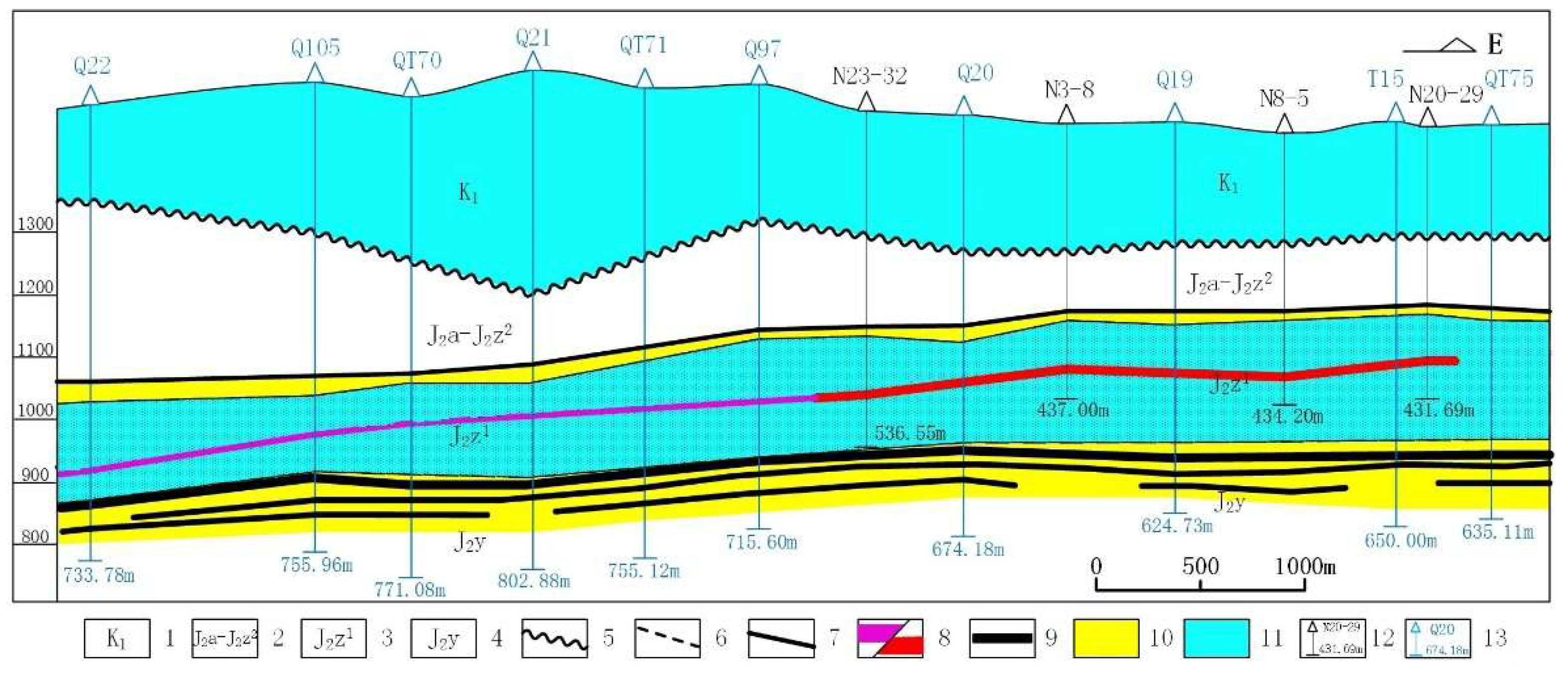
The hydrogeological profile of the Tarangaole mining area (Figure 3) shows that the confined aquifer hosting uranium ore bodies is just the first confined aquifer above coal seams, with the aquiclude between uranium ore bodies and coal seams being thin or even absent. Therefore, the uranium-bearing aquifer of the uranium deposit acts as both a direct water-bearing aquifer of the coal mine and the target zone of water drainage and depressurization during coal mining operations [44].

3. Constraints on Coordinated Mining of Uranium and Coal

The latest report issued by the International Atomic Energy Agency (IAEA) states that the most widely used mining method for sandstone-hosted uranium deposits is in situ leaching. This method has contributed to over 60% of the global uranium production [45] and over 90% of China’s uranium production [26].
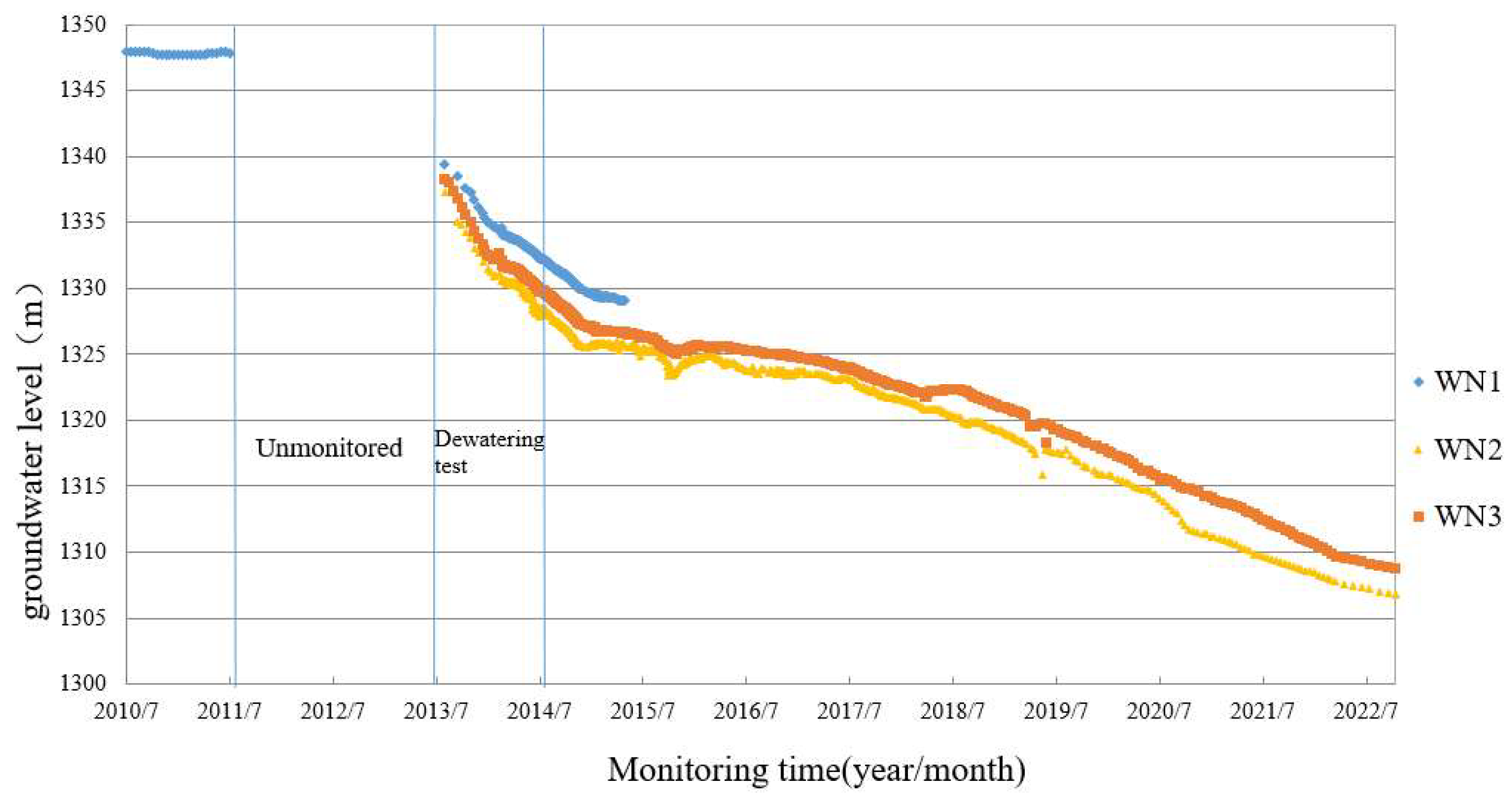
Longwall mining is used for coal in the Tarangaole mining area. Groundwater must be drained during coal mining processes, causing the continuous decline in groundwater levels in the overlying aquifer. Furthermore, a hydraulically conductive fissure zone is formed after coal mining due to roof caving [46]. The Nalinggou uranium deposit is suitable for in situ leaching, with high requirements for the groundwater environment enclosure and the need for a certain confining water level and stable roofs and floors. The groundwater level in monitoring wells at the Nalinggou uranium deposit was continuously observed during the dewatering test before coal mining was carried out in the Tarangaole mining area. The layout of monitoring wells is presented in Figure 1, and the variation trends in groundwater level are presented in Figure 4.
Figure 4 shows that the groundwater level in monitoring wells in the uranium mining area continuously declined throughout the dewatering test for coal mining. For instance, the groundwater table elevation in well WN3 declined by approximately 20 m from 1348 m to 1328 m after the dewatering test. A comprehensive analysis of hydrogeologic conditions and monitoring data revealed that interactions inevitably occur during the co-mining of uranium and coal. Additionally, the drainage process in coal mining causes a continuous decline in the groundwater level in the uranium mining area, which affects normal uranium mining. This represents a critical constraint in coordinated mining of uranium and coal.

4. A Scheme for Coordinated Mining of Uranium and Coal

4.1. Avoidance Principles

4.1.1. Spatial Avoidance

This study analyzed the conditions in the Tarangaole mining area to ensure the coordinated mining of uranium and coal. Consequently, the prerequisites for the co-mining of uranium and coal throughout the lifecycle of an ore body were determined as follows: (1) the groundwater level of the uranium-bearing aquifer in the uranium deposit should be 100 m higher than the uranium ore body (i.e., the difference between the groundwater table elevation and the elevation of the uranium ore body should be 100 m), and (2) the groundwater burial depth (i.e., the difference between the surface elevation and the groundwater level) should be 250 m or less.
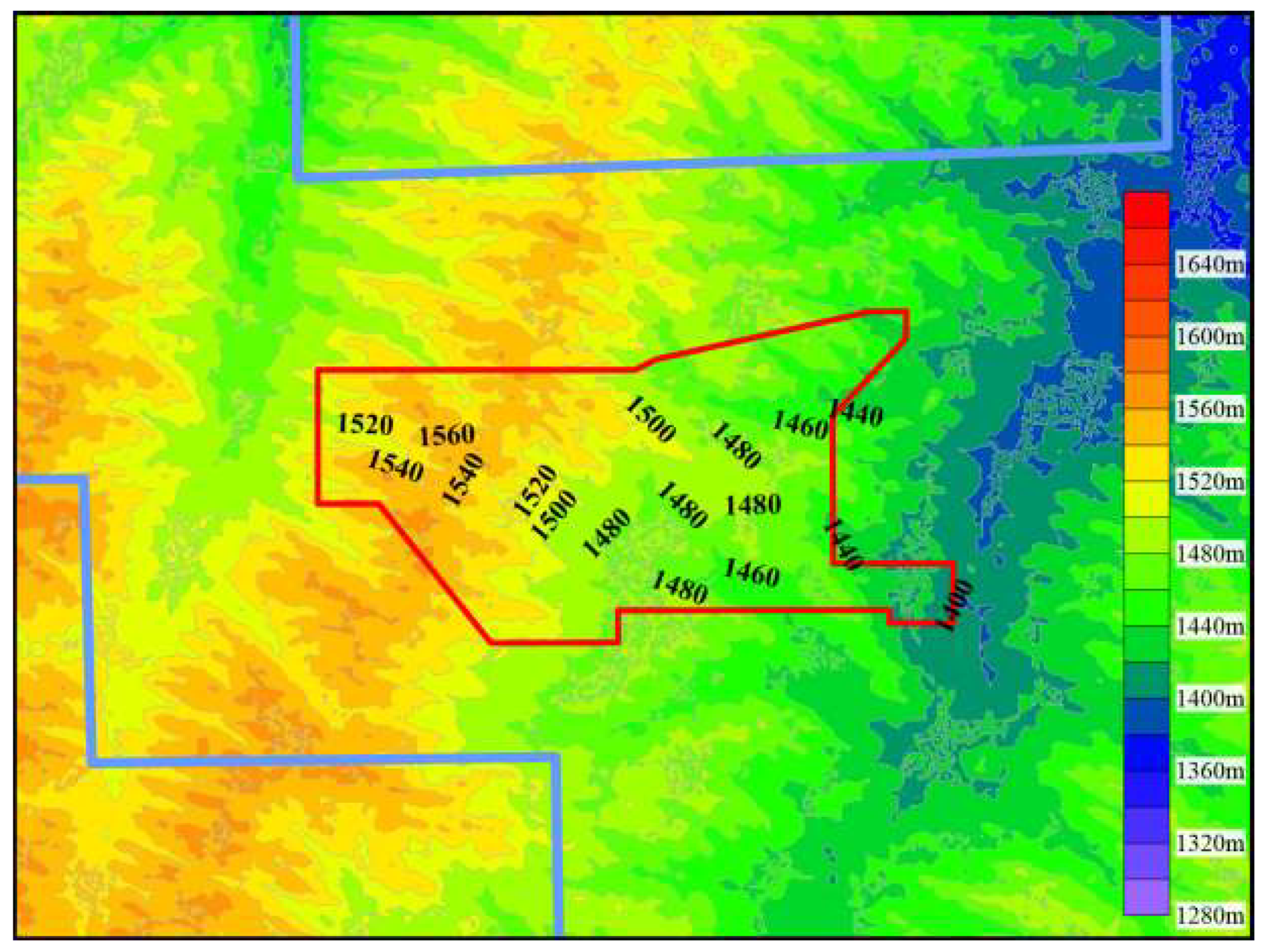
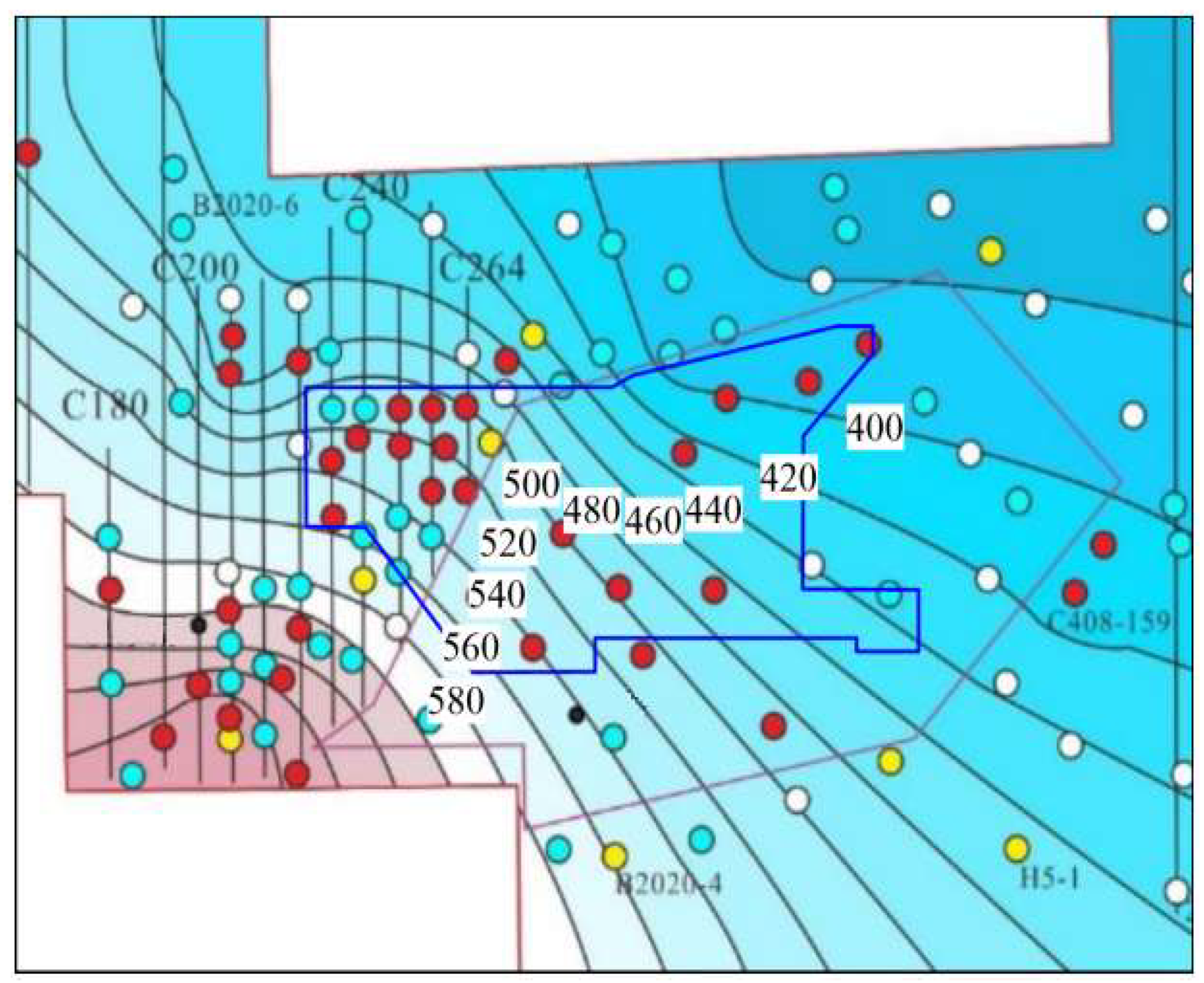
The uranium ore bodies’ burial depths (Figure 5) and surface elevations (Figure 6) at various monitoring sites in the Tarangaole mining area were derived from the uranium exploration results and the 30 m resolution digital elevation data available on the Geospatial Data Cloud platform, respectively. Then, based on the above two prerequisites, we determined the required groundwater levels at various monitoring sites in the uranium mining area. Through numerical simulations, we quantitatively predicted the impacts of different avoidance distances on the groundwater level in the uranium mining area and plotted the curves reflecting the relationship between the avoidance distance and the groundwater level. As a result, proper avoidance distances between uranium and coal mining can be determined to achieve spatial avoidance.

4.1.2. Temporal Avoidance

Because the groundwater level continuously declines as coal mining proceeds rather than remaining stable, it is necessary to add time restrictions on uranium mining. Specifically, throughout the lifecycle of a single ore body, the time when either of the two prerequisites cannot be satisfied was defined as the time when the ore block began to be influenced by coal mining. Then, the uranium mining area was divided into various ore blocks, and the time when these ore blocks were influenced by coal mining was determined using a groundwater numerical model. The time sequence for mining these ore blocks was then properly arranged to ensure they were mined before they were influenced by coal mining. Finally, the first mining zone and the time sequence of the uranium mining area were determined to achieve temporal avoidance.
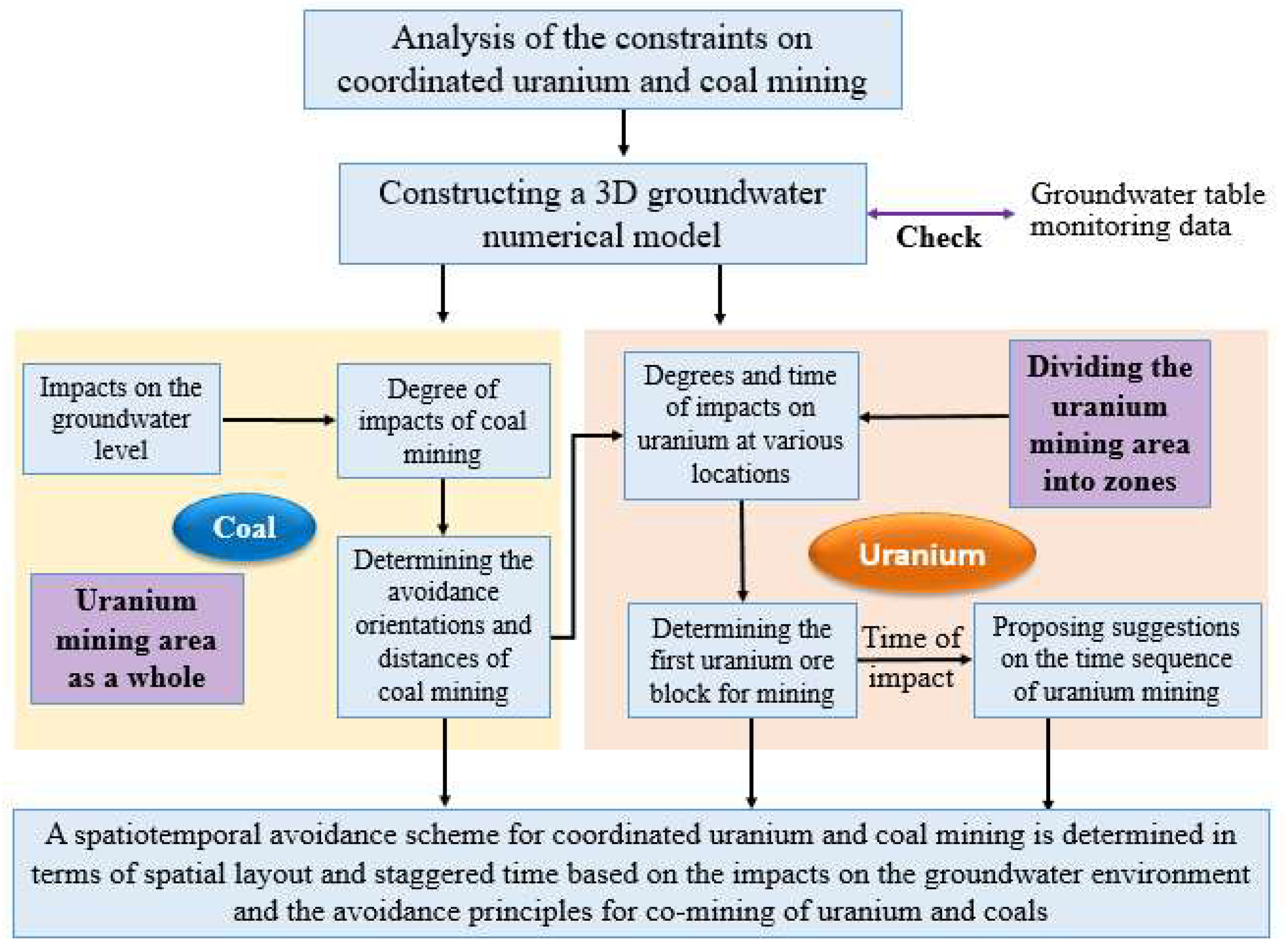
Overall, the technology roadmap of the avoidance scheme for coordinated mining of uranium and coal is illustrated in Figure 7.

4.2. Construction of a Groundwater Numerical Model

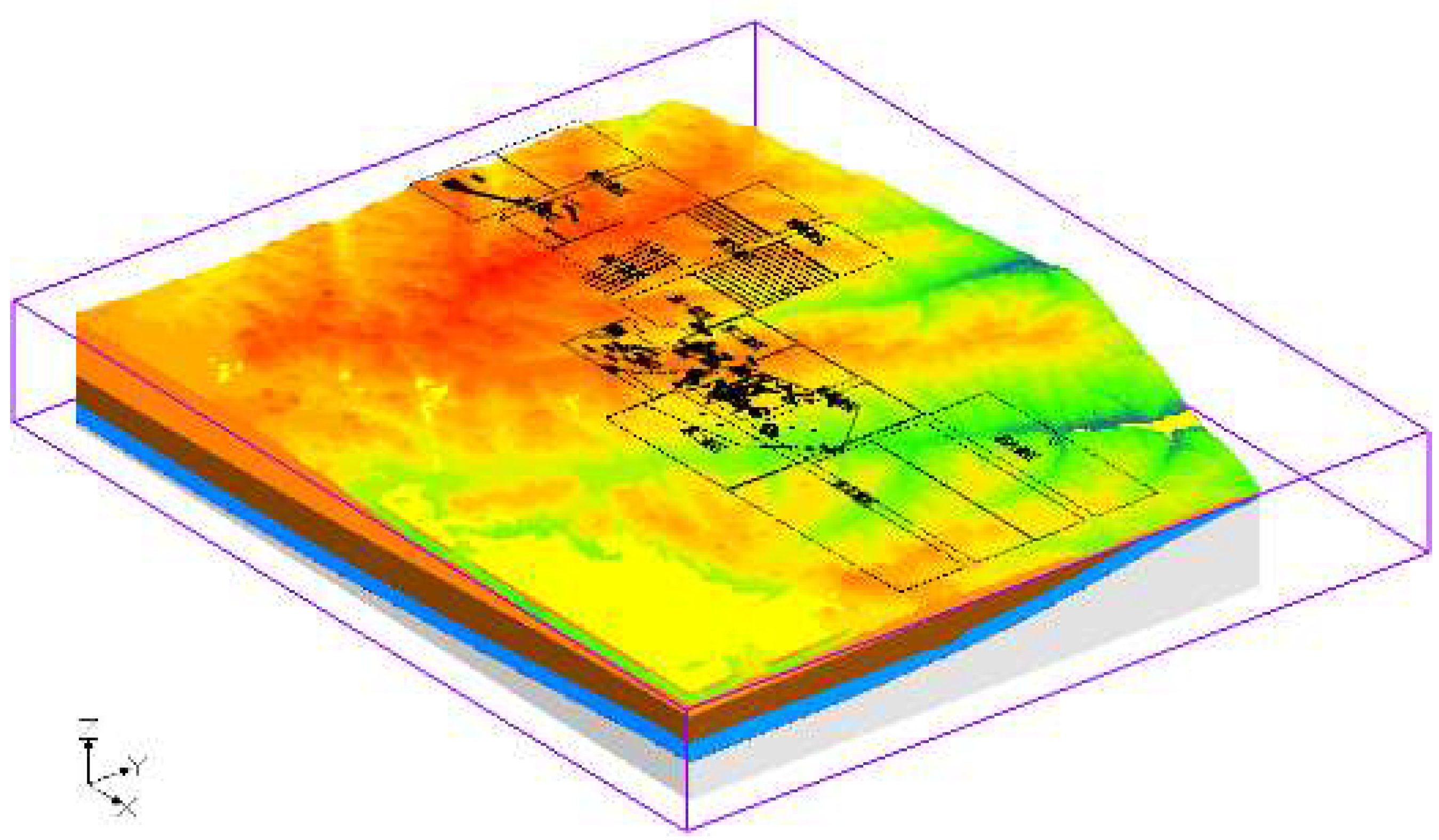
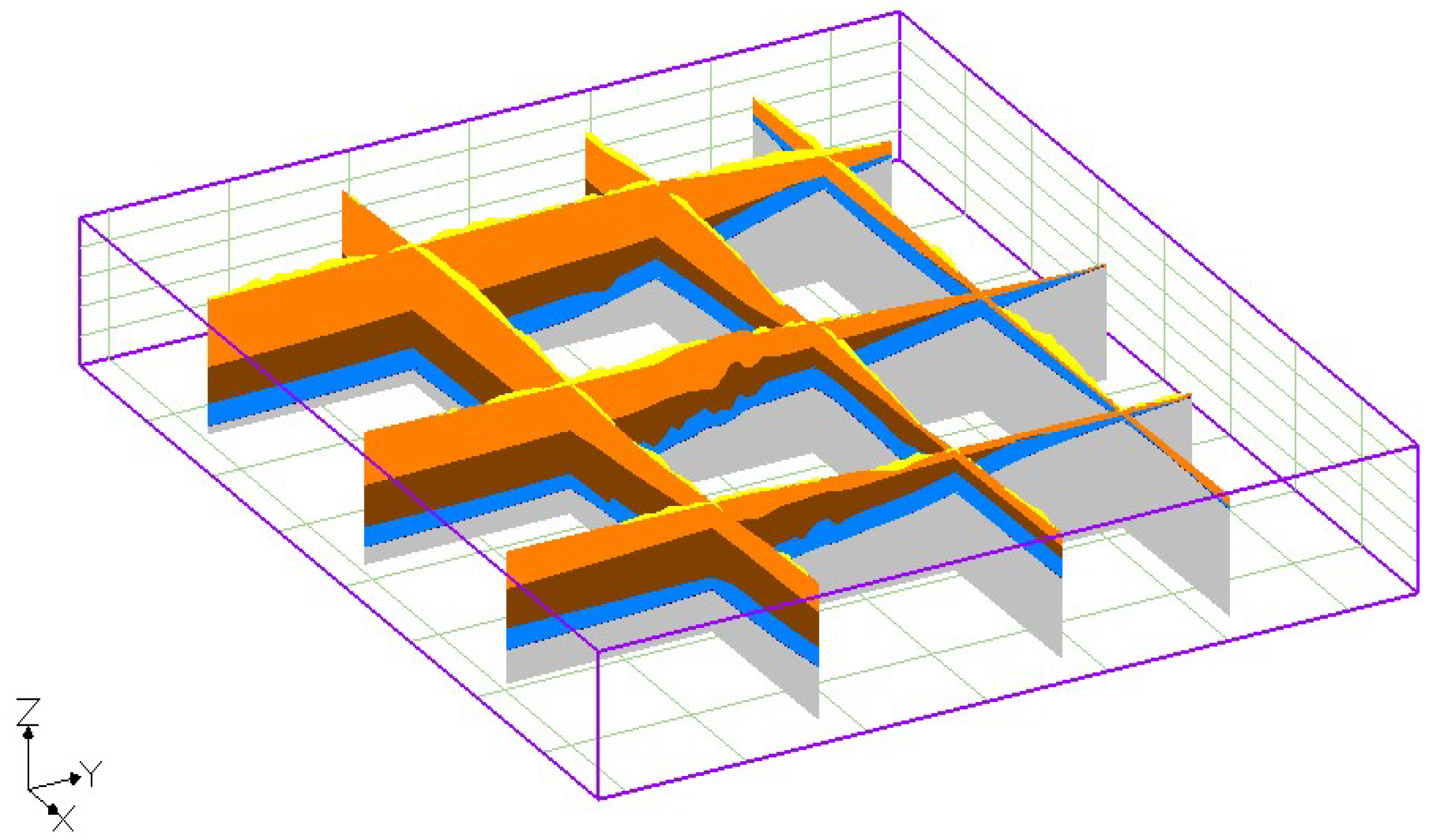
In this study, we quantitatively predicted the impacts of coal mining on the groundwater environment through numerical simulations. Compared to traditional calculation methods such as the analytical method, hydrogeological analogy, and correlation analysis, a 3D groundwater numerical model can effectively characterize the internal structure of a groundwater flow system, thus reflecting the actual hydrogeologic conditions more accurately. Furthermore, the numerical model can predict the mine water inflow based on the actual mining progress and mining face characteristics of a coal mine [47,48,49]. Therefore, building on the characterization of the 3D stratigraphic structure of the study area (Figure 8 and Figure 9), we simulated and predicted the groundwater flow field and the solute transport field using the GMS.

4.2.1. Boundary Conditions

The modeled range was delineated based on regional hydrogeologic conditions. This range exhibited a west–east length of 35.7 km and a north–south width of 30.9 km, covering an area of approximately 1025 km2. The four boundaries of the model were generalized into head boundaries. Given that the aquiclude between the uranium-bearing aquifer of the uranium deposit and the overlying Cretaceous aquifer cuts off the hydraulic connection of both aquifers, the vertical upper and lower boundaries of the modeled area were set as the floor of the Jurassic Anding Formation and the coal seam roof, respectively. The groundwater system in the modeled area was generalized into a heterogeneous, unstable groundwater flow system with a single-layer structure.

4.2.2. Gridding

The modeled area was gridded into 200 m × 200 m rectangular sections. The grids for the uranium mining area were densified, yielding calculation cells measuring 50 m × 50 m in size. In contrast, the grids denoting the coal mining face area were vertically densified, yielding calculation cells measuring 200 m × 100 m. In total, 66,032 effective calculation cells were obtained.

4.2.3. Identification and Verification

The parameters of the groundwater numerical model, such as permeability coefficient and water storage coefficient, were determined based on the hydrogeological surveys conducted in the coal and uranium mining areas. Then, using the natural flow field as the initial flow field, model-based identification and verification were conducted using the groundwater-level monitoring data obtained from monitoring wells during the dewatering of the coal mine. The correlation calculations reveal a goodness of fit exceeding 95% for groundwater levels in various monitoring wells, suggesting that the numerical model developed in this study can effectively characterize the groundwater flow field in the modeled area.

4.3. Simulation and Prediction of the Avoidance Scheme for Coordinated Mining of Uranium and Coal

4.3.1. Determination of the Time Sequence for Coal Mining

(1)
Avoidance orientation
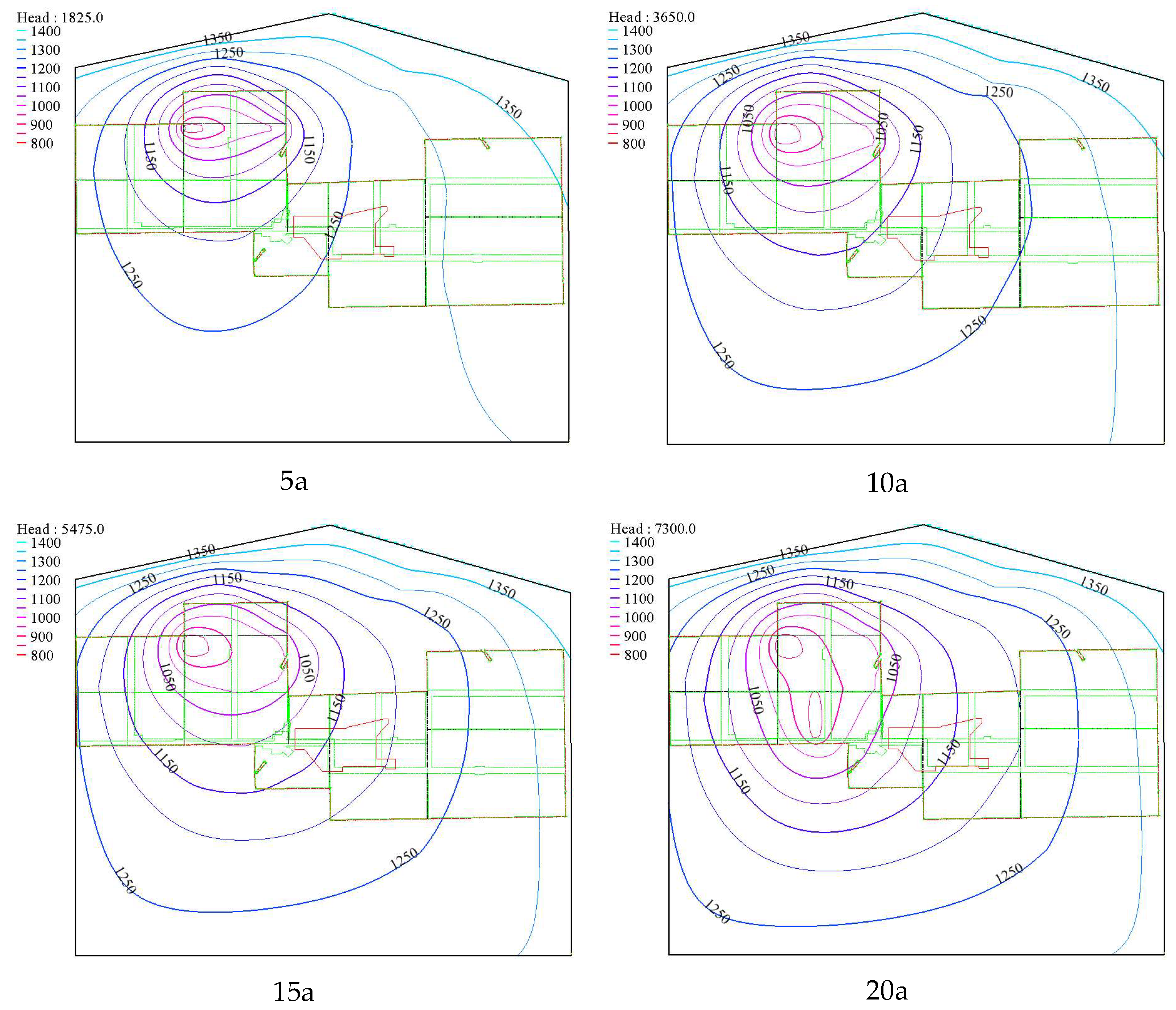
The regional groundwater flow field under various avoidance directions was simulated and predicted using the groundwater numerical model. Limited by the recoverable range and resource exploration level in the Tarangaole coal mine, northwest (i.e., the direction from western panels No. 1 to No. 4) was selected as the coal mining avoidance orientation. Through the numerical simulation of the groundwater flow field using the MODFLOW module of the GMS, we simulated and predicted the impacts of coal mining in the northwest area on the groundwater level in the uranium mining area and prepared diagrams showing the groundwater flow field in various years (5a, 10a, 15a, and 20a) after coal mining (Figure 10).
Figure 10 shows that dewatering of the coal mine led to a sharp decrease in the groundwater level of aquifers in and around the mining face during coal mining. Consequently, a large cone of depression centered around the goaf was formed, changing the original flow direction of groundwater. Specifically, groundwater in surrounding areas of the cone center all flowed toward the goaf, leading to a significant decrease in the groundwater level in surrounding areas. As the mining face expanded gradually, the cone of depression enlarged accordingly. The groundwater in the cone center and its surrounding areas exhibited relatively steep hydraulic gradients. A longer distance from the cone center corresponded to a smaller hydraulic gradient and a lower decreased amplitude of the groundwater level.
(2)
Prediction under varying avoidance distances
The predictions indicate that ore bodies in the northwestern boundary of the uranium mining area would exhibit the most sharply decreased groundwater level and would be affected by coal mining the earliest. To ensure normal uranium mining, a certain avoidance distance between the coal mine and the uranium deposit should be kept so the groundwater level meets both prerequisites for in situ leaching.
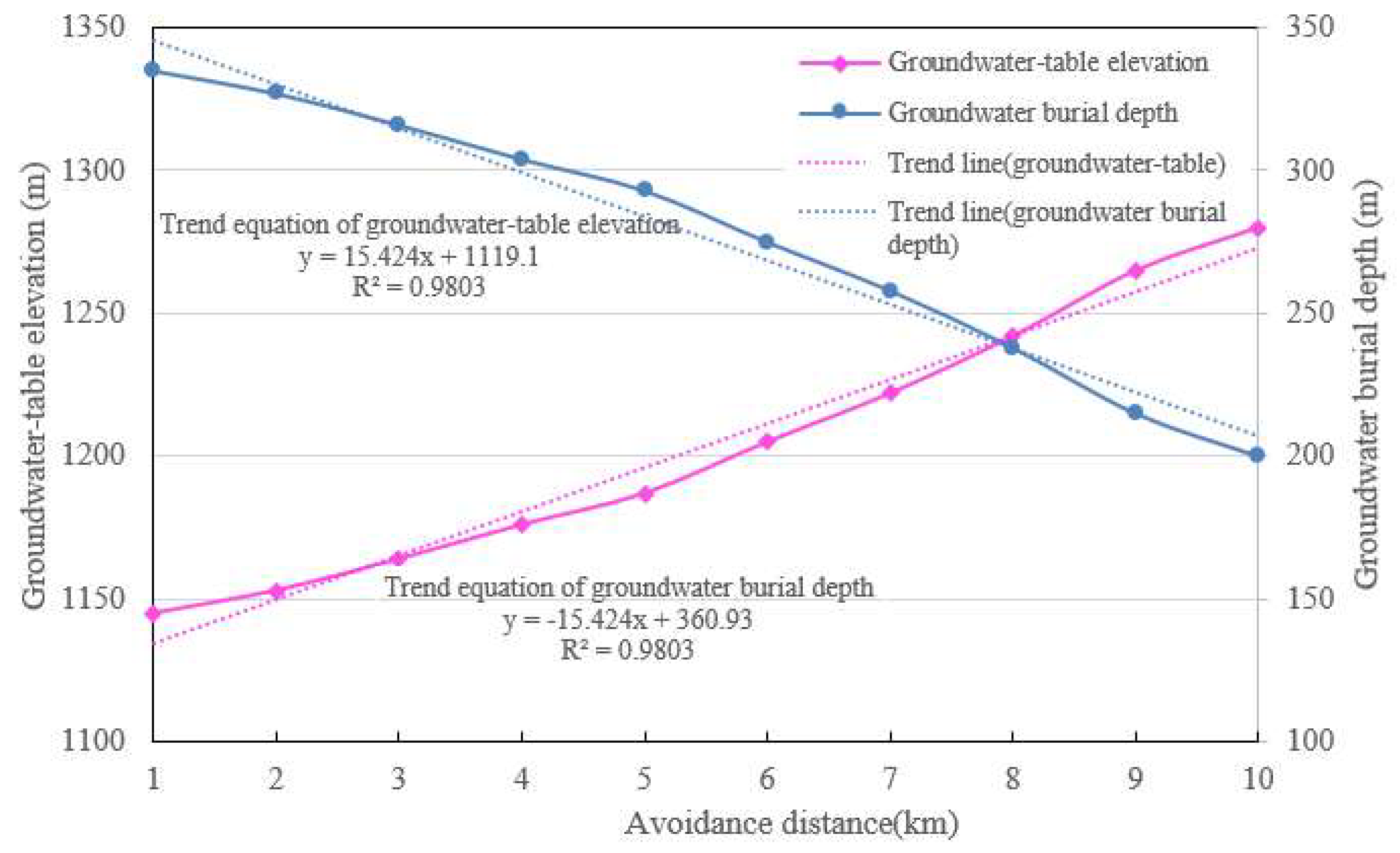
By employing the groundwater numerical model, we simulated and predicted the impacts of varying avoidance distances on the regional groundwater flow field (Figure 11). Using the fifth year’s groundwater levels of the first batch of ore bodies for mining in the northwestern boundary of the uranium mining area, we plotted the curves reflecting the relationship between the groundwater level and the avoidance distance at this site and time, as shown in Figure 12.
Figure 12 indicates a positive correlation between the groundwater level and the distance from the first coal mining face in the uranium mining area. A longer avoidance distance in coal mining is associated with a higher groundwater table elevation in the uranium mining area, which suggests a lower decreased amplitude of the groundwater level. The ore bodies in the northwestern boundary of the uranium mining area, which would be influenced by coal mining the earliest, show a roof elevation of 970 m and a surface elevation of 1480 m. According to the trend equation, the groundwater levels of the uranium ore bodies in the northwestern boundary of the uranium mining area, which is to be mined first, can meet the requirements for in situ leaching mining within 5a with an avoidance distance of 7.2 km.

4.3.2. Determination of the Time Sequence for Uranium Mining

Based on the avoidance orientation and distance of coal mining, the uranium mining area was further divided. By simulating and predicting the impacts of the avoidance scheme on the groundwater levels of uranium ore bodies in different uranium mining zones, we quantitatively predicted the groundwater levels of various uranium ore bodies. We also prepared curves reflecting the time-varying groundwater levels of various calculation cells in the uranium mining area. Then, in combination with the uranium mining conditions, we determined the time when various uranium ore bodies would be influenced and proposed the first zone and time sequence for uranium mining.
For instance, we analyzed monitoring well WN3 (see Figure 1 for its location) within the uranium mining area, and Figure 13 shows the curves of the time-varying groundwater table elevation and groundwater burial depth of this well under the avoidance distance for the co-mining of uranium and coal. The ore body in well WN3 exhibits a roof elevation of 1080 m. According to this figure, the groundwater level of the ore body would drop to below 1180 m after 12a of coal mining, and the groundwater burial depth of this ore body would exceed 250 m after 6a of coal mining. Considering both prerequisites that the groundwater level should be 100 m higher than the ore body and the groundwater burial depth should be below 250 m, the groundwater level at well WN3 would fail to meet the requirements for in situ leaching mining of uranium on the sixth year of coal mining. Therefore, the uranium ore body in well WN3 would begin to be affected by coal mining after the sixth year. Hence, it is necessary to reasonably determine the time sequence for uranium mining to ensure that the ore block in well WN3 will be mined within 6a during the co-mining of uranium and coal.
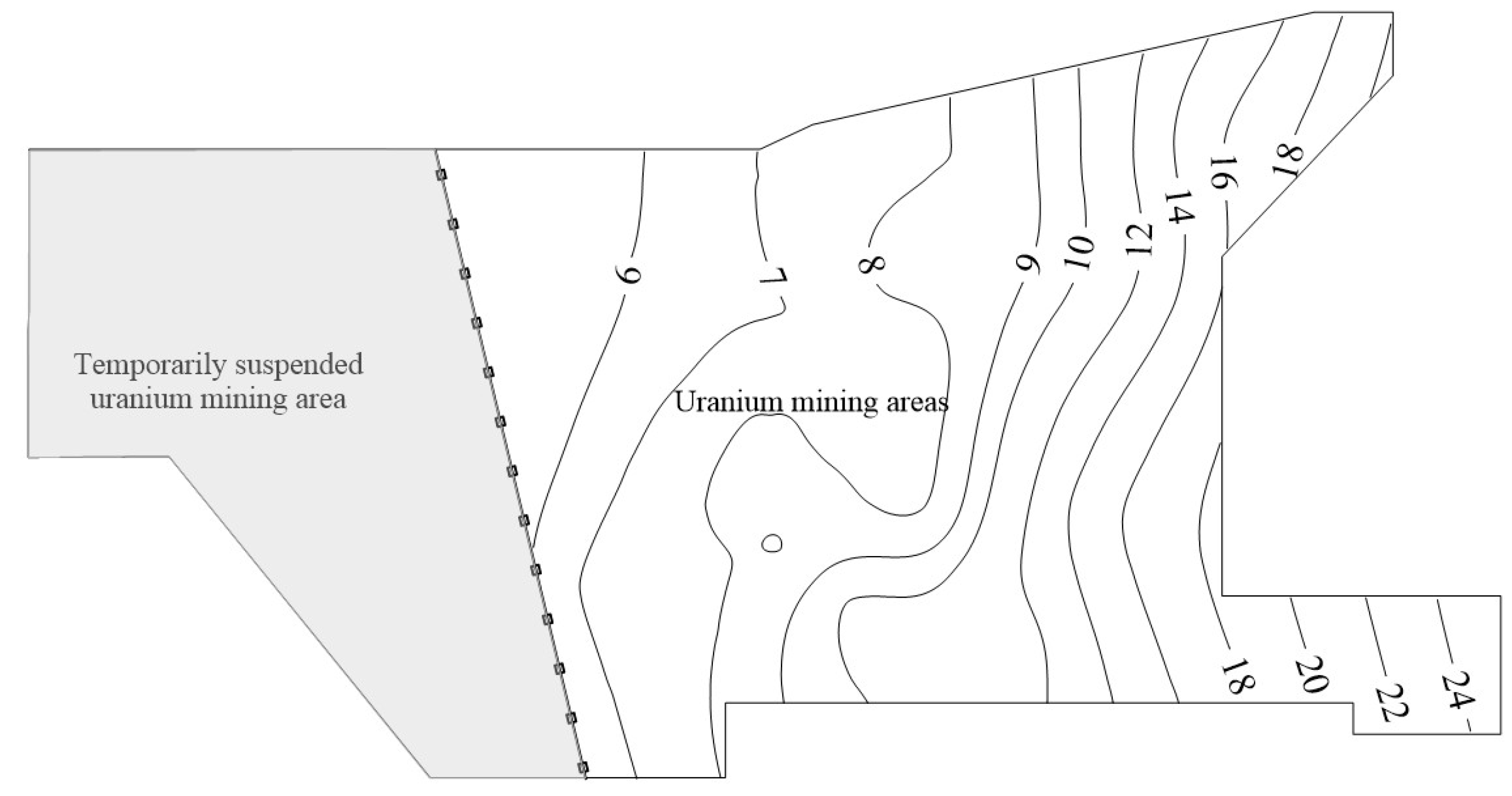
After the uranium mining area was divided, the time sequence for the mining of various uranium ore blocks was determined using the same method (Figure 14). The planar distribution of uranium ore bodies is not shown in the figure, and the time when coal mines start to impact the uranium mining areas is expressed in the form of contour lines. The uranium area located in the west is temporarily suspended due to the impact of coal mining within 5a, which is insufficient and requires engineering measures such as hydraulic curtains to assist in uranium mining.
The map showing the time when various uranium ore bodies begin to be influenced by coal mining, combined with the regional resources of various uranium deposits and the design resources of the Nalinggou uranium deposit, allows for planning of a reasonable time to mine various uranium ore blocks in the Nalinggou uranium deposit. Specifically, uranium ore bodies that will be impacted by coal mining early on should be mined before this impact. If these uranium ore bodies cannot be mined before being influenced, it is necessary to determine the avoidance time of coal mining according to the years required to mine these uranium ore bodies.

5. Conclusions and Suggestions

5.1. Conclusions

(1)
Dewatering during coal mining, which will decrease the groundwater level in the uranium mining area, was proven to be the dominant constraint on the coordinated mining of uranium and coal in the Tarangaole mining area.
(2)
Based on the avoidance principles for the coordinated mining of uranium and coal, it was determined that advancing the mining face of the Tarangaole coal mine from north to south under an avoidance distance of at least 7 km and an avoidance orientation of northwest minimizes impacts on the groundwater environment of the Nalinggou uranium deposit.
(3)
Given the time and degree of the impacts of the avoidance scheme of the Tarangaole coal mine, the mining scheme of the Nalinggou uranium deposit subjected to the minimum impacts of coal mining involves first exploiting the ore bodies in the northwestern boundary and advancing mining from the northwest to southeast.

5.2. Suggestions

(1)
The map showing the time when the first batch of uranium ore bodies will begin to be influenced by coal mining could provide guidance for planning a reasonable mining time for various uranium ore blocks in the Nalinggou uranium deposit. All uranium ore bodies should be mined before being influenced by coal mining. If this is not possible, it is necessary to determine the avoidance time for coal mining according to the years required to mine these uranium ore bodies.
(2)
Considering the overlapping and coexisting uranium and coal resources in the Tarangaole mining area, this study proposes an avoidance scheme for coordinated mining of uranium and coal based on temporal and spatial aspects. Specifically, by staggering the locations and time sequences for uranium and coal mining, this scheme reduces the mutual impacts of uranium and coal mining to acceptable levels.
(3)
This article provides technical support for the coordinated exploitation of uranium and coal resources in the Talangaole mining area in the northern Ordos Basin. This is a special case due to the equal importance of uranium coal resources, the positional relationship between upper uranium and lower coal layers, and special hydrogeological conditions. For the coordinated development of multiple resources, it is necessary to formulate a scientific and reasonable coordinated mining plan by comprehensively considering various factors, such as the superposition relationship, reserves, and mining technology of mineral resources.

Author Contributions

Conceptualization, M.L. and F.C.; methodology, X.L.; software, M.L.; validation, M.L., J.G. and Y.A.; formal analysis, Y.R.; investigation, J.H.; data curation, J.G.; writing—original draft preparation, M.L.; writing—review and editing, M.L.; visualization, M.L.; supervision, X.S.; project administration, X.L.; funding acquisition, X.S. All authors have read and agreed to the published version of the manuscript.

Funding

This research was funded by the China National Nuclear Corporation (Grant No. A105-2).

Data Availability Statement

The original contributions presented in this study are included in the article. Further inquiries can be directed to the corresponding author.

Conflicts of Interest

Authors Mengjiao Li, Xiaochao Liu, Fengbo Cao, Jialiang Ge, Yifu An were employed by the company China Nuclear Fourth Research and Design Engineering Co., Ltd. Authors Xuebin Su and Yu Ren were employed by the company China National Uranium Co., Ltd. The remaining authors declare that the research was conducted in the absence of any commercial or financial relationships that could be construed as a potential conflict of interest.

References

  1. Fu, Y.; Wei, S.; Jin, R.; Li, J.; Ao, Z. Current status and existing problems of China’s Sandstone-type uranium deposits. Acta Geol. Sin. 2016, 90, 3519–3544. [Google Scholar]
  2. Chen, M. Mechanism Analysis of Improved In-Situ Leaching of Uranium with Periodic Injection and Extraction Based on Reactive Transport Modeling. Master’s Thesis, Jilin University, Changchun, China, 2024. [Google Scholar]
  3. Wang, F.; Liu, C.; Qiu, X.; Guo, P.; Zhang, S.; Cheng, X. Characteristics and Distribution of World’s Identified Sandstone-type Uranium Resources. Acta Geol. Sin. 2017, 91, 2021–2046. [Google Scholar]
  4. Yan, D.; Zhu, R.; Liu, W.; Liu, R.; Shou, H.; Cheng, X.; Cai, Y.; Lei, Z.; Deng, P.; Peng, Y. Metallogenic characteristics and models of sandstone-type uranium deposits in China. Ore Geol. Rev. 2024, 166, 105937. [Google Scholar] [CrossRef]
  5. Zhang, Y.; Shi, M.; Wang, J.; Yao, J.; Cao, Y.; Romero, E.C.; Pan, W. Occurrence of uranium in Chinese coals and its emissions from coal-fired power plants. Fuel 2016, 166, 404–409. [Google Scholar] [CrossRef]
  6. Yuan, L.; Zhang, T.; Zhao, Y.X.; Ren, B.; Xu, C. Precise coordinated mining of coal and associated resources: A case of environmental coordinated mining of coal and associated rare metal in Ordos basin. J. China Univ. Min. Technol. 2017, 46, 449–459. [Google Scholar]
  7. Dai, S.; Yang, J.; Ward, C.R.; Homer, J.C.; Liu, H.; Garrison, T.M.; French, D.K.; Jennifer, M.K. Geochemical and mineralogical evidence for a coal-hosted uranium deposit in the Yili Basin, Xinjiang, northwestern China. Ore Geol. Rev. 2015, 701, 1–30. [Google Scholar] [CrossRef]
  8. Zhou, X.; Qin, Y.; Lu, L. Advances on geological-geochemical research of coal-type uranium in China. Coal Geol. Explor. 2019, 47, 45–53. [Google Scholar]
  9. Cui, G.; Wei, J.; Feng, X.; Liu, J.; Elsworth, D.; Chen, T.; Xiong, W. Preliminary study on the feasibility of co-exploitation of coal and uranium. Int. J. Rock Mech. Min. Sci. 2019, 123, 104098. [Google Scholar] [CrossRef]
  10. Chen, J.; Chen, P.; Yao, D.; Huang, W.; Tang, S.; Wang, K.; Liu, W.; Hu, Y.; Zhang, B.; Sha, J. Abundance, distribution, and modes of occurrence of uranium in Chinese coals. Minerals 2017, 7, 239. [Google Scholar] [CrossRef]
  11. Li, Z.; Xu, J.; Zhang, Q. Using OpenGl to solve the transformation between screen coordinate and world coordinate. J. Hebei Inst. Archit. Sci. Technol. 2005, 3, 76–78+86. [Google Scholar]
  12. Shor, G.M.; Markov, S.N.; Rubinov, I.M.; Peshkov, P.A. Paleochannel type uranium deposits in western Siberia and Transbaikal regions. Uranium Geol. 2002, 2, 65–76+88. [Google Scholar]
  13. Havelcová, M.; Machovič, V.; Mizera, J.; Skorová, I.; Borecká, L.; Kopeck, L. A multi-instrumental geochemical study of anomalous uranium enrichment in coal. J. Environ. Radioact. 2014, 137, 52–63. [Google Scholar] [CrossRef] [PubMed]
  14. Soylu, A.; Doner, Z.; Unluer, A.T.; Fisne, A.; Kumral, M. Uranium potentiality of coal occurences in Dinar (Afyonkarahisar, western Turkey) region: Geologic factors controlling the accumulation of the uranium. Afyon Kocatepe Üniversitesi Fen Ve Mühendislik Bilim. Derg. 2022, 22, 1176–1183. [Google Scholar] [CrossRef]
  15. Yang, R.; Han, Z.; Liu, Y.; Fan, A. Relationship between Jurassic Coal Measures and Uranium Deposits in Dongsheng Area, Ordos Basin. J. Earth Sci. Environ. 2006, 4, 31–37. [Google Scholar]
  16. Feng, Z.; Nie, F.; Deng, J.; Zhang, H.; Liu, B. Spatial-temporal collocation and genetic relationship among uranium, coal, and hydrocarbons and its significance for uranium prospecting: A case from the Mesozoic-Cenozoic uraniferous basins, North China. Russ. Geol. Geophys. 2017, 58, 611–623. [Google Scholar] [CrossRef]
  17. Li, S. The Enrichment Characteristic and Accumulation Conditions Analysis of Various Energy Resources in the Lower Middle Jurassic, in Yili Basin. Ph.D. Thesis, Chengdu University of Technology, Chengdu, China, 2019. [Google Scholar]
  18. Yang, B.; Luo, J.; Dai, Y.; Liu, X.; Lin, T.; Zhang, S. Petrology of uranium-bearing stonesand relationship og organic matters, hydrocarbons and coal eith uranium: An example from Dongsheng, Ordos Basin and Shihongtan, Thha Basin. J. Northwest Univ. (Nat. Sci. Ed.) 2006, 6, 982–987+991. [Google Scholar]
  19. Li, Y.; Qin, M.; He, Z. Spatiotemporal distribution of uranium, oil and coal, and uranium metallogenic processes in Erlian Basin, Inner Mongolia. World Nucl. Geosci. 2009, 26, 25–30. [Google Scholar]
  20. Nie, F.; Yan, Z.; Feng, Z.; Li, M.; Xia, F.; Zhang, C.; Wang, Y.; Yang, J.; Kang, S.; Shen, K. Genetic models and exploration implication of the paleochannel sandstone-type uranium deposits in the Erlian Basin, North China—A review and comparative study. Ore Geol. Rev. 2020, 127, 103821. [Google Scholar] [CrossRef]
  21. Wei, Q.; Zhao, L.; Wei, R. Uranium speciation in the Lincang Ge-rich coal deposit, Yunnan Province, China: Theoretical implication for uranyl fixation and U mineralization. Ore Geol. Rev. 2024, 171, 106171. [Google Scholar] [CrossRef]
  22. Ning, Y.; Luo, Z.; Li, Y.; Yang, Z.; Zhang, Y. Alkaline leaching characteristics of uranium from Lincang coal: Correlation with the dissolution of coal humic substances. Fuel 2021, 305, 121507. [Google Scholar] [CrossRef]
  23. Huang, W.; Wan, H.; Robert, B.F.; Tang, X.; Zhao, Z. Distribution of uranium in the main coalfields of China. Energy Explor. Exploit. 2012, 30, 819–836. [Google Scholar] [CrossRef]
  24. Wang, T.; Zhang, X. Summary of occurrence and extraction methods of associated minerals in Coal. Multipurp. Util. Miner. Resour. 2019, 4, 21–25. [Google Scholar]
  25. Zeng, S.; Ye, W.; Xu, H. Theoretical Model of Synergetic Mining of Coal and Uranium in Uranium Bearing Coal Deposit. Met. Mine 2020, 5, 117–123. [Google Scholar]
  26. Su, X.; Liu, X.; Du, Z.; Hou, C.; Li, M.; Cao, F.; Chen, M.; Zhang, T. Advances in Development of Safe and Efficient Mining of Coexisting Coal and Uranium Resources. Processes 2024, 12, 1340. [Google Scholar] [CrossRef]
  27. Huang, B.; Zhao, X.; Han, X.; Wu, Z.; Yuan, G.; Zhang, Q. Collaborative development of co-existed and associated minerals in the coal series. J. Min. Saf. Eng. 2024, 41, 1–14. [Google Scholar]
  28. Yan, T.; Wang, W.; Chen, L.; Wang, Z.; Ren, Y. Hydrological effects of the underground hydraulic curtain with different design parameters based on numerical modeling for a co-exploitation of coal and uranium. Int. J. Coal Geol. 2022, 257, 104011. [Google Scholar] [CrossRef]
  29. Yang, J. Concentration and distribution of uranium in Chinese coals. Energy 2007, 32, 203–212. [Google Scholar] [CrossRef]
  30. Feng, X.; Zhang, N.; Chen, X.; Gong, L.; Lv, C.; Guo, Y. Exploitation contradictions concerning multi-energy resources among coal, gas, oil, and uranium: A case study in the Ordos Basin (Western North China Craton and Southern Side of Yinshan Mountains). Energies 2016, 9, 119. [Google Scholar] [CrossRef]
  31. Zhang, Y.; Zhang, T.; Sun, L.; Cheng, Y.; Zhang, Q.; Wang, S.; Cheng, X.; Zhou, X. Integration of Borehole Data and 3D Geological Modeling of the Huangling Area on the Southern Margin of the Ordos Basin Based on Coal-Uranium Joint Exploration. Geol. China 2020, 47, 231–240. [Google Scholar]
  32. Zhang, L.; Liu, C.; Lei, K. Green altered sandstone related to hydrocarbon migration from the uranium deposits in the northern Ordos Basin, China. Ore Geol. Rev. 2019, 109, 482–493. [Google Scholar] [CrossRef]
  33. Chen, L.; Chen, Y.; Feng, X.; Li, J.; Guo, H.; Miao, P.; Jin, R.; Tang, C.; Zhao, H.; Wang, G. Uranium occurrence state in the Tarangaole area of the Ordos Basin, China: Implications for enrichment and mineralization. Ore Geol. Rev. 2019, 115, 103034. [Google Scholar] [CrossRef]
  34. Chen, Y.; Jin, R.; Miao, P.; Li, J.; Guo, H.; Chen, L. Occurrence of pyrites in sandstone-type uranium deposits: Relationships with uranium mineralization in the North Ordos Basin, China. Ore Geol. Rev. 2019, 109, 426–447. [Google Scholar] [CrossRef]
  35. Li, R.; Li, Y. The geologic features of mineralization at the Dongsheng uranium deposit in the northern Ordos Basin (Central China). Russ. Geol. Geophys. 2011, 52, 593–602. [Google Scholar] [CrossRef]
  36. Zhang, T.; Yuan, L.; Yang, K.; Liu, Y.; Wei, F.; Yu, X. Modeling of multiphysical-chemical coupling for coordinated mining of coal and uranium in a complex hydrogeological environment. Nat. Resour. Res. 2021, 30, 571–589. [Google Scholar] [CrossRef]
  37. Zhu, Q.; Yu, R.; Feng, X.; Li, J.; Sima, X.; Tang, C.; Xu, Z.; Liu, X.; Si, Q.; Li, G. Mineralogy, geochemistry, and fluid action process of uranium deposits in the Zhiluo Formation, Ordos Basin, China. Ore Geol. Rev. 2019, 111, 102984. [Google Scholar] [CrossRef]
  38. Jiao, Y.; Wu, L.; Rong, H.; Peng, Y.; Miao, A.; Wang, X.; Party, G. The relationship between Jurassic coal measures and sandstone-type uranium deposits in the northeastern Ordos Basin, China. Acta Geol. Sin. Engl. Ed. 2016, 90, 2117–2132. [Google Scholar] [CrossRef]
  39. Yong, Z. Optimization Research on Coordinated Mining Technology Scheme of Coal and Uranium Based on Overburden Relationship of Upper Uranium and Lower Coal. Saf. Coal Mines 2018, 49, 199–203+209. [Google Scholar]
  40. Zhang, T.; Yuan, L.; Wei, Z. Coupled multifield response to coordinate mining of coal and uranium: A case study. Water 2020, 12, 139. [Google Scholar] [CrossRef]
  41. Yang, X. Study on Diffusion and Migration Law of Leaching Solution in Coordinated Mining of Coal and Uranium in Tarangaole Mining Area. Master’s Thesis, Anhui University of Science and Technology, Huainan, China, 2022. [Google Scholar]
  42. Xia, Z.; Wang, W.; Zou, Z.; Shi, Y. Technical Study on Mining Sequence of Uranium and Coal Resources. Uranium Geol. 2019, 35, 187–192. [Google Scholar]
  43. Li, M.; Cao, F.; Liu, X. study on the groundwater flow characteristics of the overlapping symbiosis of Uranium and Coal in Ordos Basin. Uranium Min. Metall. 2021, 40, 116–122. [Google Scholar]
  44. Xu, Q.; Lei, M. The research of uranium and core deposit joint developed: The research of Tarangaole core and Nalinggou uranium joint exploitation. China Min. Mag. 2018, 27, 103–107. [Google Scholar]
  45. OECD-NEA; IAEA. Uranium 2020: Resources, Production and Demand; Redbook NEA No. 7551; Nuclear Energy Agency: Paris, France; International Atomic Energy Agency: Vienna, Austria, 2020. [Google Scholar]
  46. Zhang, T. Research on the Characteristics of Multi-Field Coupling in the Disturbance Strata for Coordinated Mining of Coal and Uranium in Ordos Basin. Ph.D. Thesis, China University of Mining & Technology, Xuzhou, China, 2018. [Google Scholar]
  47. Chen, S. Research on Prediction of Water Inflow in a Certain Deposit Based on GMS Numerical Simulation. Uranium Min. Metall. 2024, 43, 20–26. [Google Scholar]
  48. Wei, H. Numerical Simulation and Environmental Impact Study of Coal Mine Water Inflow Based on Different Mining Methods. Master’s Thesis, Northwest University, Xi’an, China, 2022. [Google Scholar]
  49. Wu, C.; Wu, X.; Zhu, G.; Qian, C. Predicting mine water inflow and groundwater levels for coal mining operations in the Pangpangta coalfield, China. Environ. Earth Sci. 2019, 78, 130. [Google Scholar] [CrossRef]
Figure 1. Planar position relationship between coal and uranium deposits in the Tarangaole mining area.
Processes 13 03930 g001
Figure 2. Vertical position relationship between coal and uranium deposits in the Tarangaole mining area.
Processes 13 03930 g002
Figure 3. Hydrogeological profile of the Tarangaole mining area [26]. Note: 1—Lower Cretaceous; 2—Anding Formation, upper member of the Zhiluo Formation; 3—lower member of the Zhiluo Formation; 4—Yan’an Formation; 5—angular unconformity; 6—parallel unconformity; 7—conformity; 8—anomaly/uranium ore body with elevated gamma-ray values in coal logs; 9—coal seam; 10—aquiclude; 11—aquifer; 12—borehole for uranium; 13—borehole for coal.
Processes 13 03930 g003
Figure 4. Variation trends in groundwater level in monitoring wells.
Processes 13 03930 g004
Figure 5. Contour map of surface elevation.
Processes 13 03930 g005
Figure 6. Map showing the burial depths of ore bodies.
Processes 13 03930 g006
Figure 7. Technology roadmap of the avoidance scheme for coordinated mining of uranium and coal.
Processes 13 03930 g007
Figure 8. Schematic diagram showing the 3D stratigraphic structure of the study area.
Processes 13 03930 g008
Figure 9. Profile showing the 3D stratigraphic structure of the study area.
Processes 13 03930 g009
Figure 10. Diagrams showing the groundwater flow field in the case with the No. 3 western panel as the first mining zone.
Processes 13 03930 g010
Figure 11. Diagrams showing the groundwater flow field under varying avoidance distances of coal mining (5a).
Processes 13 03930 g011
Figure 12. Curves showing the relationship between the groundwater level and the avoidance distance in the northwestern boundary of the uranium mining area (5a).
Processes 13 03930 g012
Figure 13. Curves showing the time-varying groundwater table elevation and groundwater burial depth in well WN3.
Processes 13 03930 g013
Figure 14. Map showing the time when the first batch of uranium ore bodies to be mined begin to be influenced by coal mining.
Processes 13 03930 g014
Disclaimer/Publisher’s Note: The statements, opinions and data contained in all publications are solely those of the individual author(s) and contributor(s) and not of MDPI and/or the editor(s). MDPI and/or the editor(s) disclaim responsibility for any injury to people or property resulting from any ideas, methods, instructions or products referred to in the content.