Article

High-Performance Defect Detection Methods for Real-Time Monitoring of Ceramic Additive Manufacturing Process Based on Small-Scale Datasets


1
Key Laboratory of Space Manufacturing Technology (SMT), Technology and Engineering Center for Space Utilization, Chinese Academy of Sciences, Beijing 100094, China
2
University of Chinese Academy of Sciences, Beijing 100049, China
3
Changchun Institute of Optics, Fine Mechanics and Physics, Key Laboratory of Optical System Advanced Manufacturing Technology, Chinese Academy of Sciences, Changchun 130033, China
*
Authors to whom correspondence should be addressed.
Processes 2024, 12(4), 633; https://doi.org/10.3390/pr12040633
Submission received: 28 February 2024 / Revised: 18 March 2024 / Accepted: 21 March 2024 / Published: 22 March 2024

Abstract

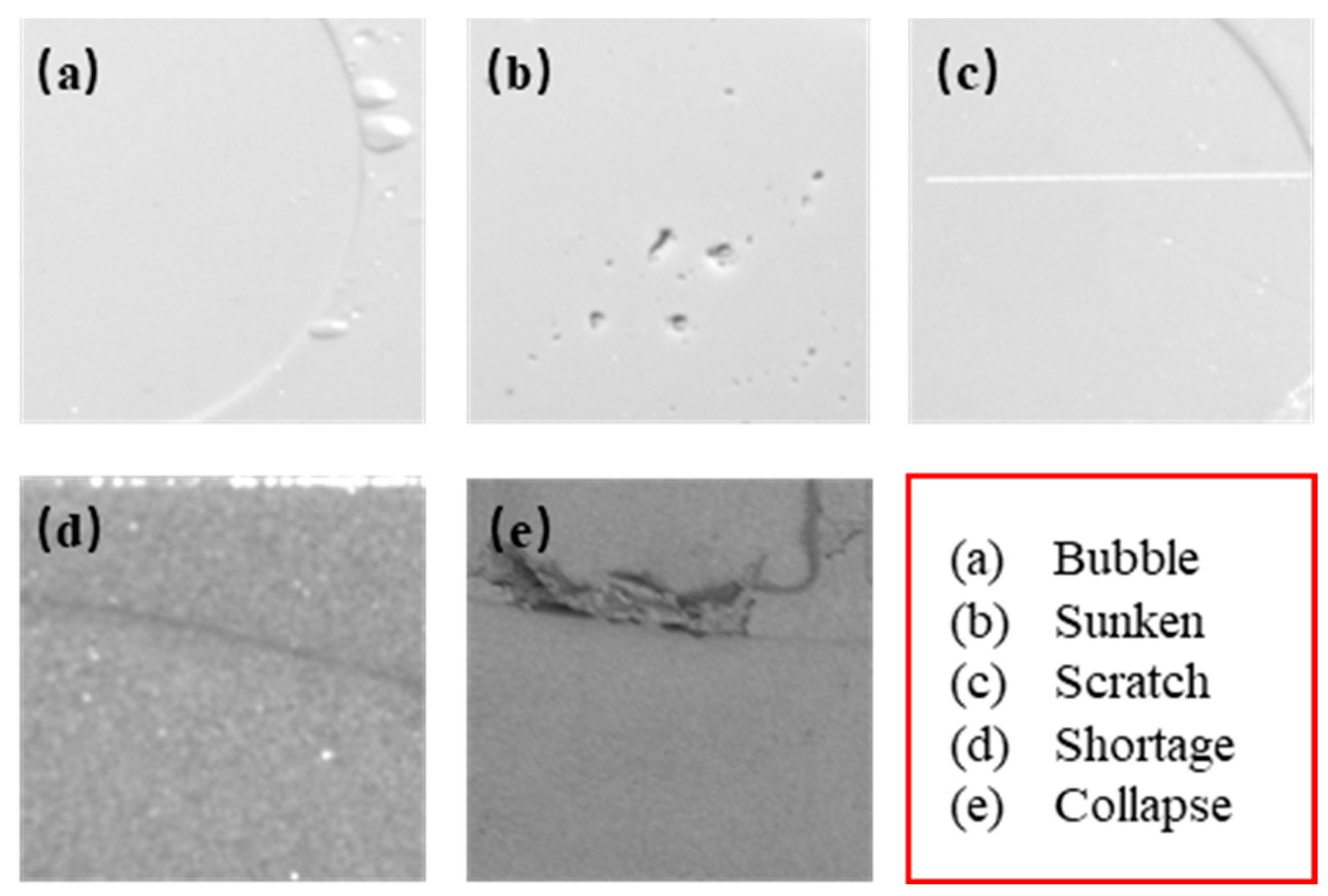
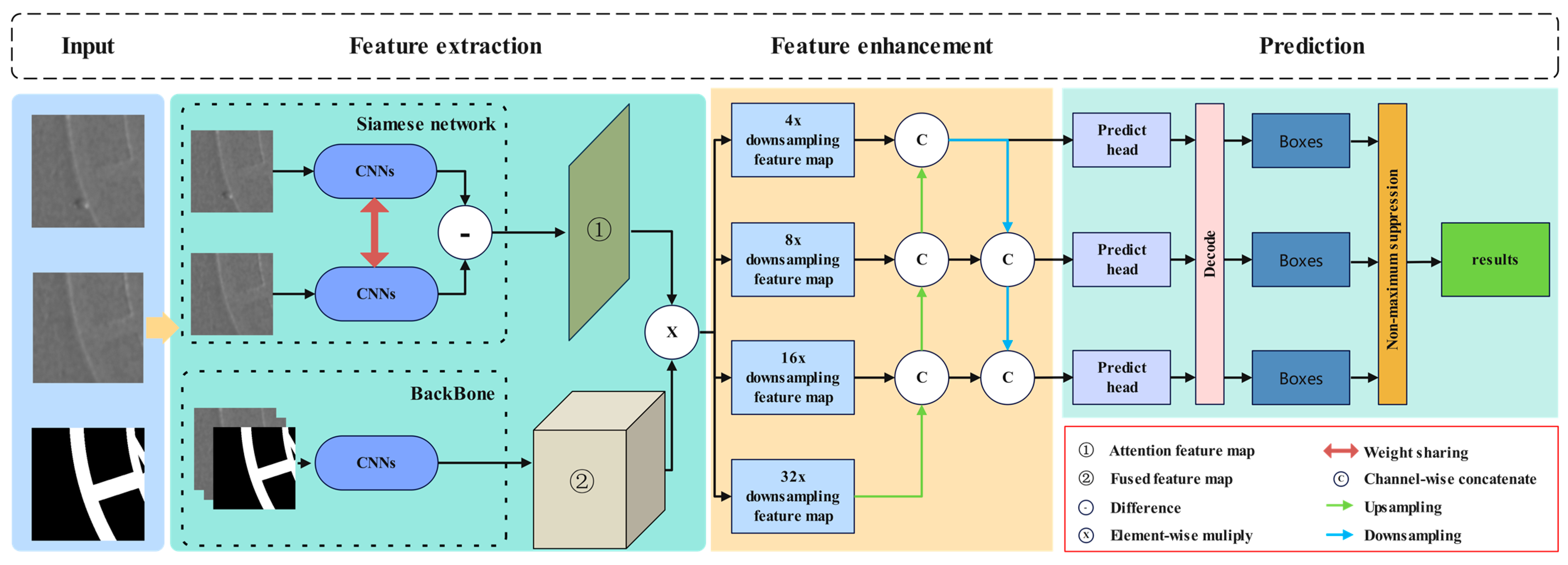
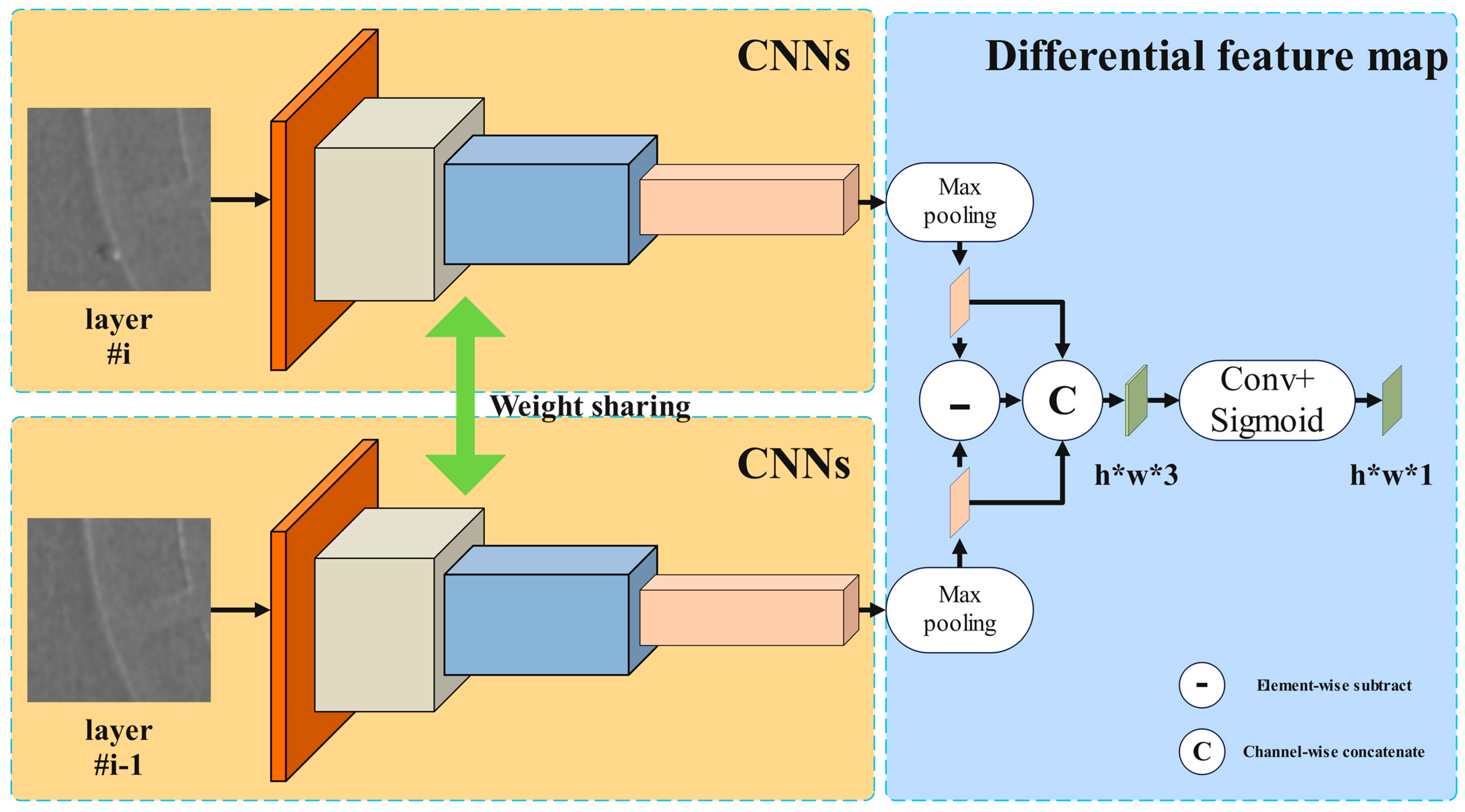
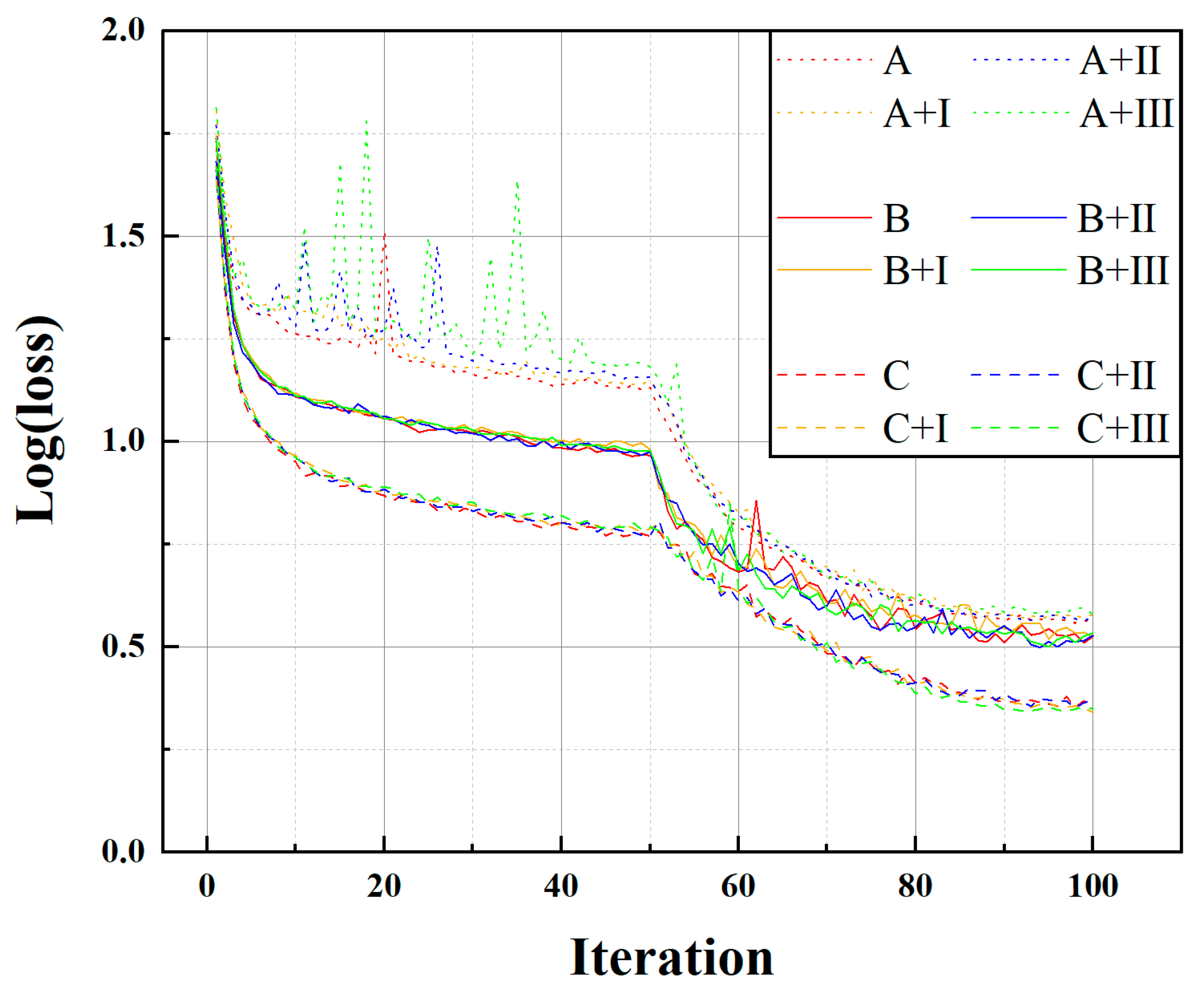
Vat photopolymerization is renowned for its high flexibility, efficiency, and precision in ceramic additive manufacturing. However, due to the impact of random defects during the recoating process, ensuring the yield of finished products is challenging. At present, the industry mainly relies on manual visual inspection to detect defects; this is an inefficient method. To address this limitation, this paper presents a method for ceramic vat photopolymerization defect detection based on a deep learning framework. The framework innovatively adopts a dual-branch object detection approach, where one branch utilizes a fully convolution network to extract the features from fused images and the other branch employs a differential Siamese network to extract the differential information between two consecutive layer images. Through the design of the dual branches, the decoupling of image feature layers and image spatial attention weights is achieved, thereby alleviating the impact of a few abnormal points on training results and playing a crucial role in stabilizing the training process, which is suitable for training on small-scale datasets. Comparative experiments are implemented and the results show that using a Resnet50 backbone for feature extraction and a HED network for the differential Siamese network module yields the best detection performance, with an obtained F1 score of 0.89. Additionally, as a single-stage defect object detector, the model achieves a detection frame rate of 54.01 frames per second, which meets the real-time detection requirements. By monitoring the recoating process in real-time, the manufacturing fluency of industrial equipment can be effectively enhanced, contributing to the improvement of the yield of ceramic additive manufacturing products.
Keywords: ceramic additive manufacturing; recoating defects detection; small-scale datasets; differential Siamese network; spatial attention ceramic additive manufacturing; recoating defects detection; small-scale datasets; differential Siamese network; spatial attention