Article

Fault Diagnosis Based on Fusion of Residuals and Data for Chillers

1
Institute of Building Energy and Thermal Science, Henan University of Science and Technology, Luoyang 471023, China
2
Henan Provincial Engineering Research Center of Building Environmental Control and Safety, Luoyang 471023, China
*
Authors to whom correspondence should be addressed.
Processes 2023, 11(8), 2323; https://doi.org/10.3390/pr11082323
Submission received: 25 June 2023 / Revised: 21 July 2023 / Accepted: 28 July 2023 / Published: 2 August 2023
(This article belongs to the Special Issue Application of Data-Driven Method for HVAC System)

Abstract

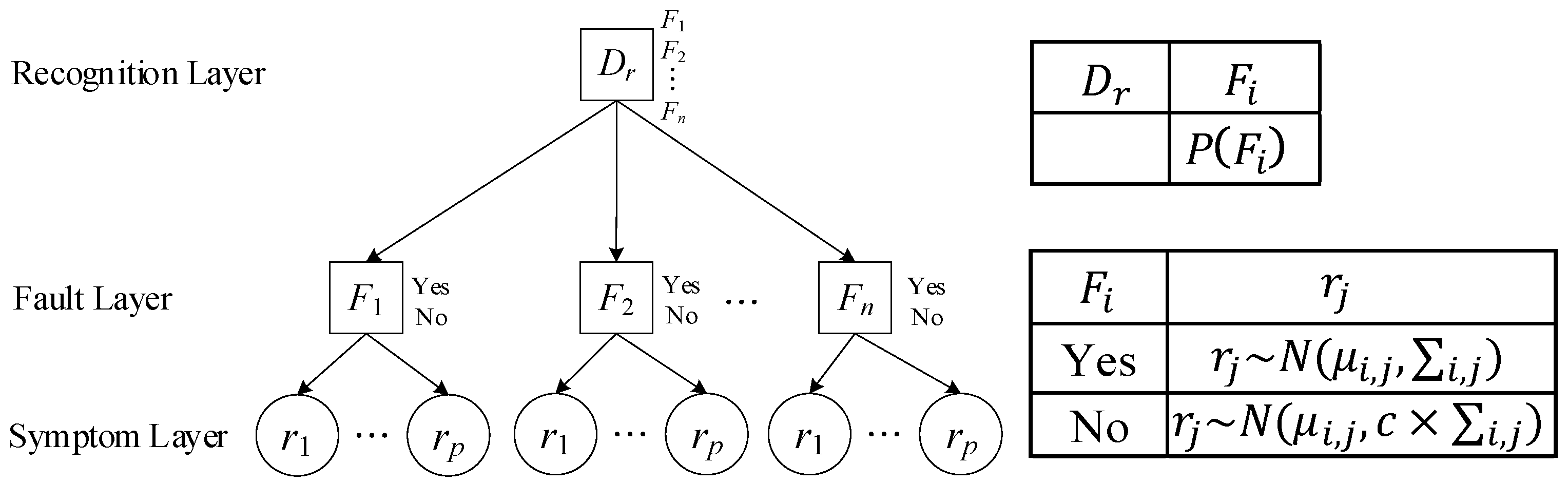
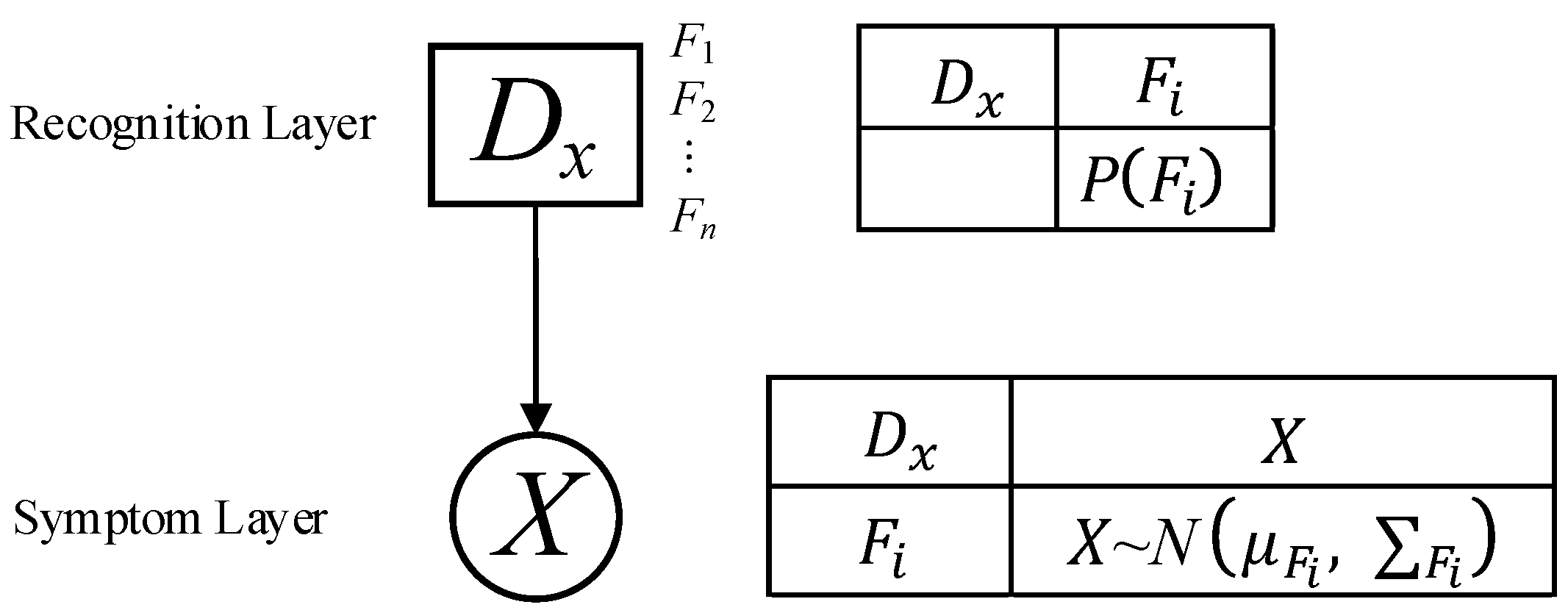
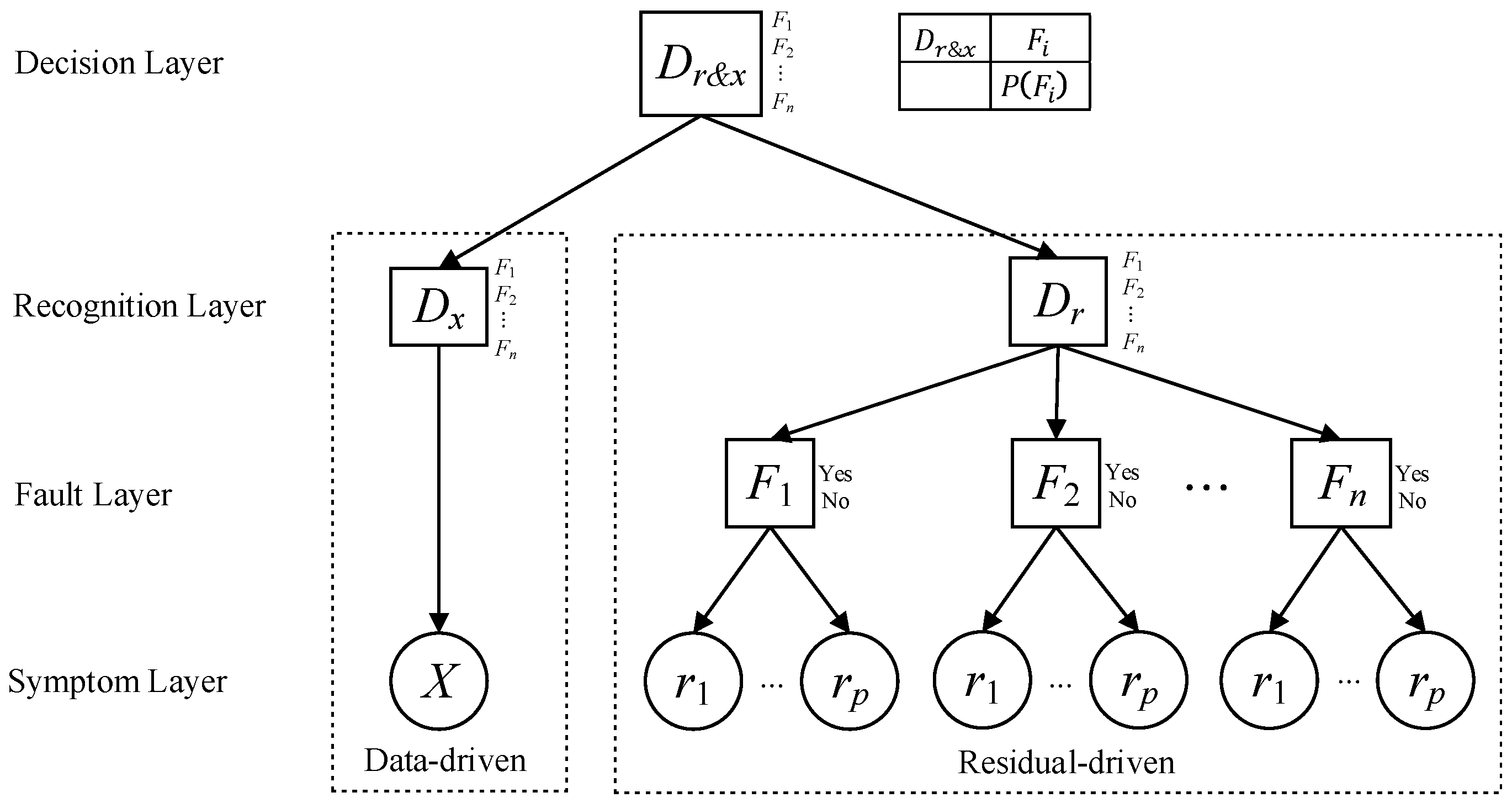
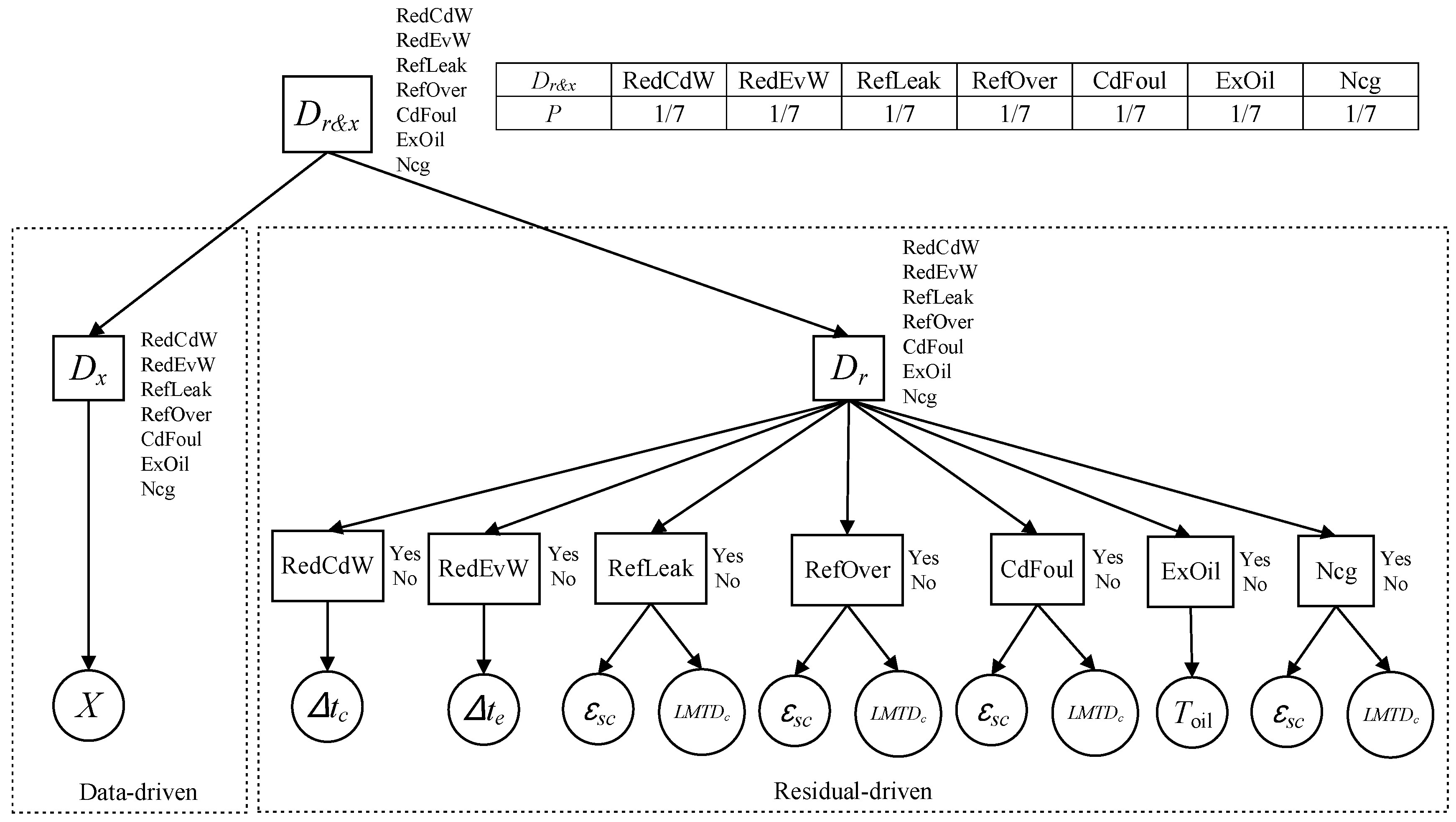
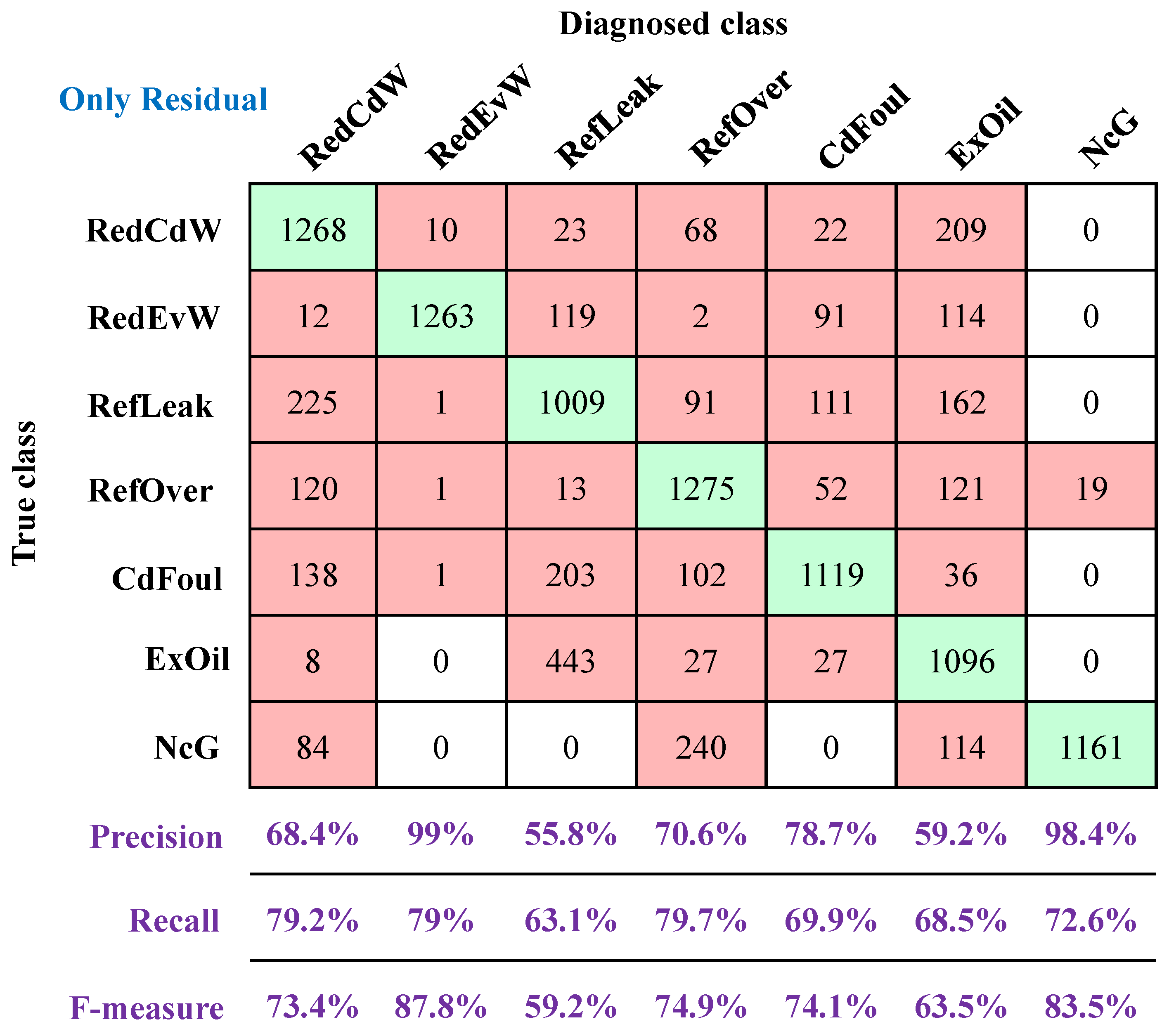
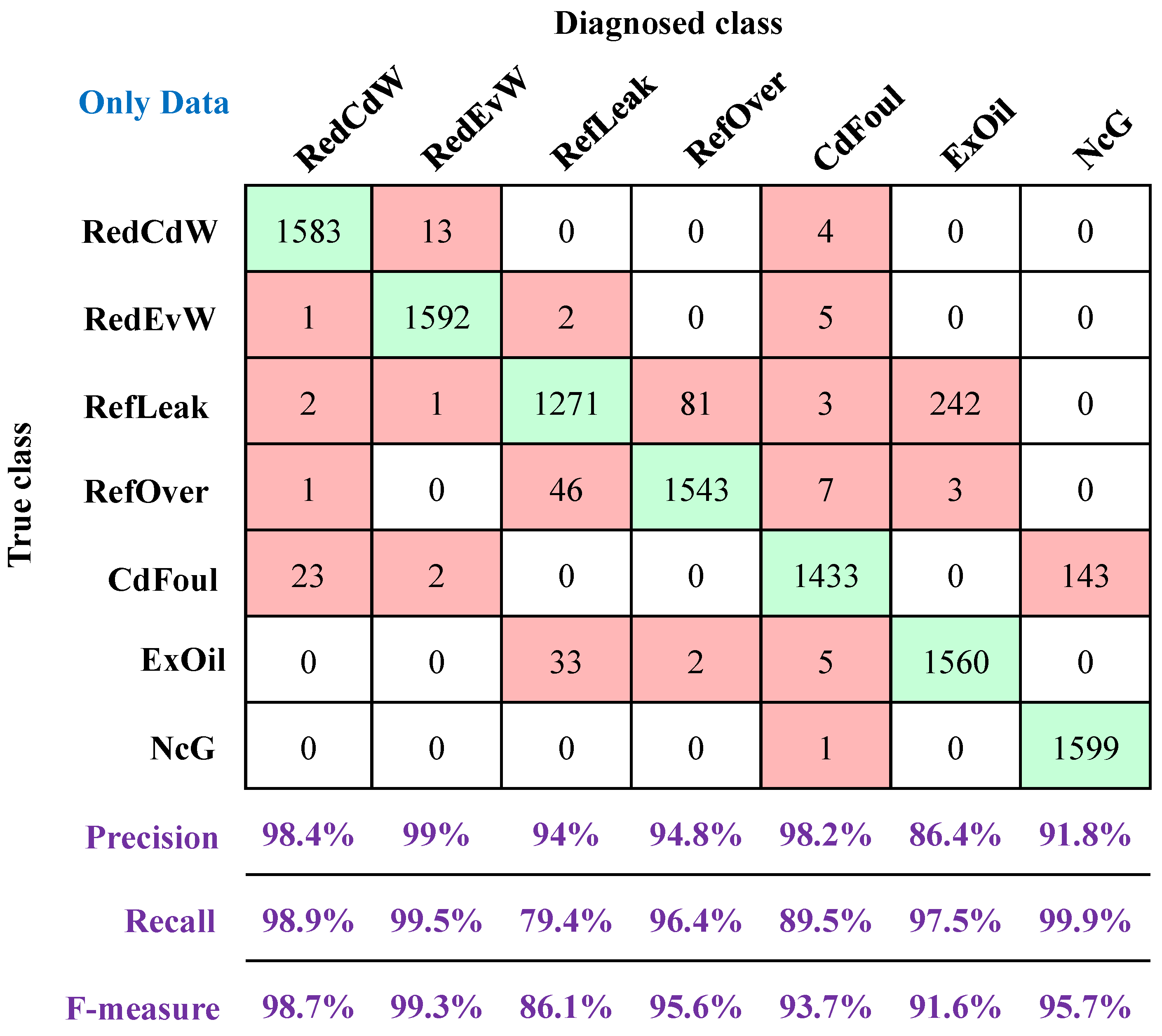
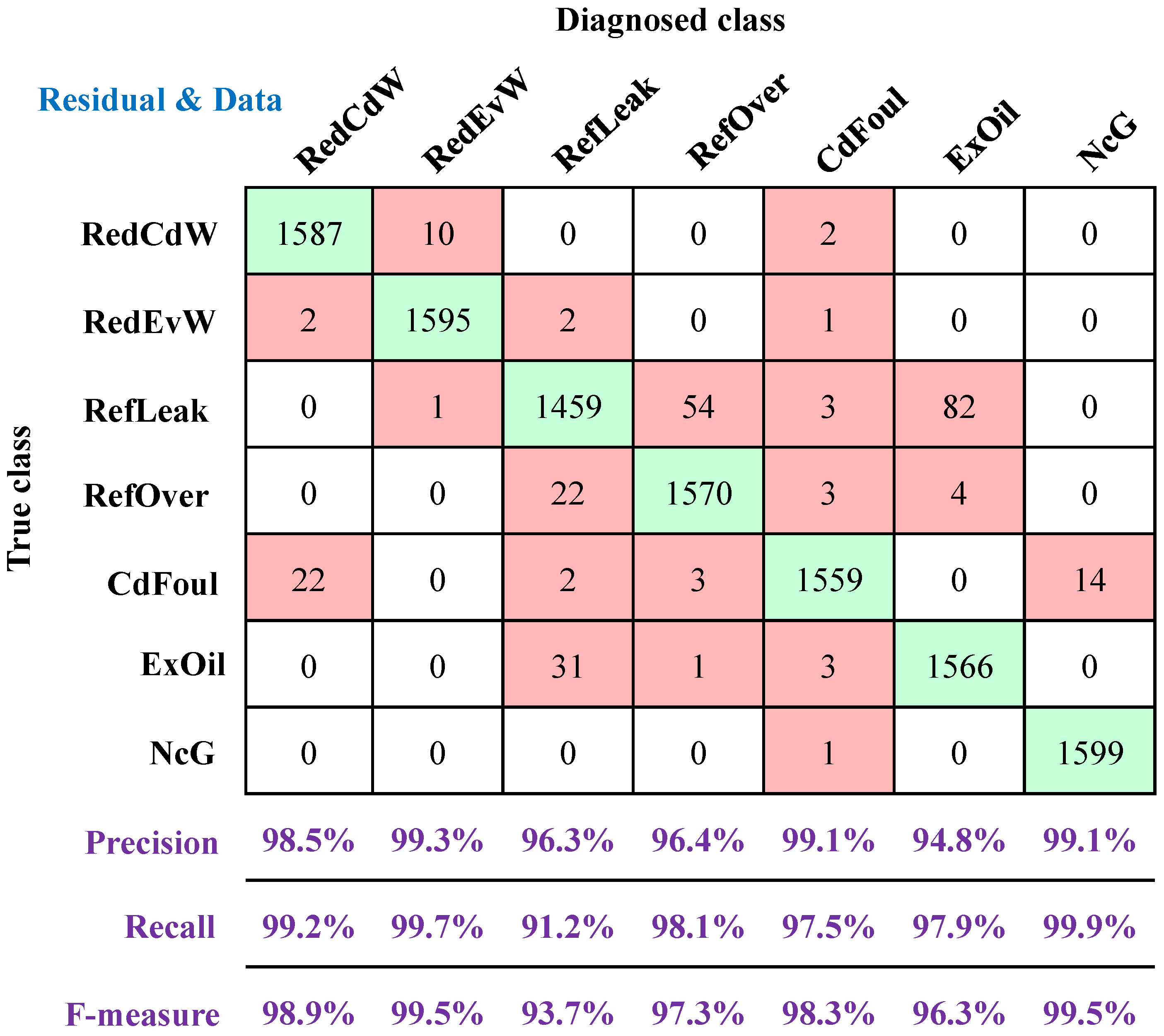
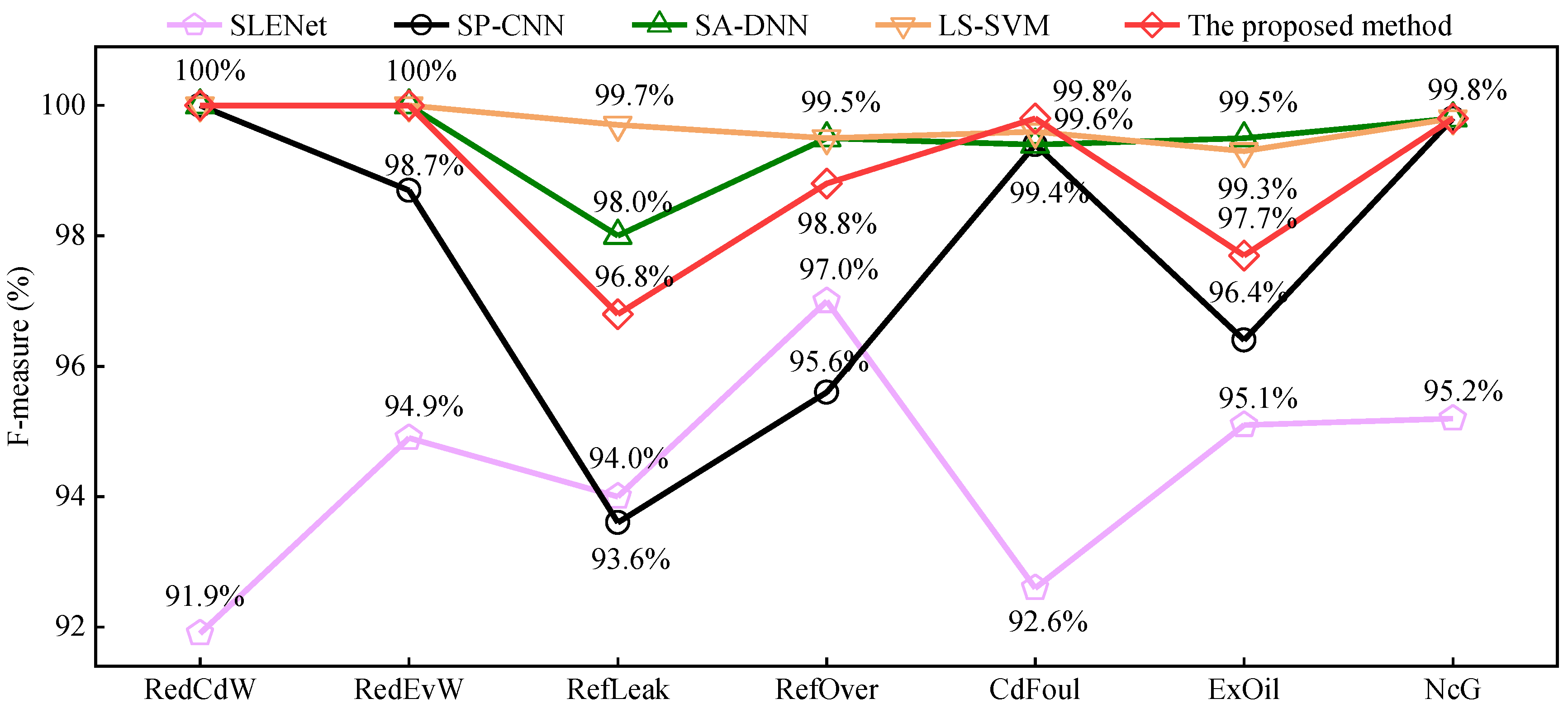
Feature data refer to direct measurements of specific features, while feature residuals represent the deviations between these measurements and their corresponding benchmark values. Both types of information offer unique insights into the system’s behavior. However, conventional diagnostic systems often struggle to effectively integrate and utilize both types of information concurrently. To address this limitation and improve diagnostic performance, a hybrid method based on the Bayesian network (BN) is proposed. This method enables the parallel fusion of feature residuals and feature data within a unified diagnostic model, and a comprehensive framework for developing this hybrid method is also given. In the hybrid BN, the symptom layer consists of residual nodes representing feature residuals and data nodes representing measured feature data. By applying the proposed method to two chillers and comparing it with state-of-the-art existing methods, we demonstrate its effectiveness and superiority. The results highlight that the proposed method not only accommodates the absence of either type of information but also leverages both of them to enhance diagnostic performance. Compared to using a single type of node, the hybrid method achieves a maximum improvement of 24.5% in diagnostic accuracy, with significant enhancements in F-measure observed for refrigerant leakage fault (34.5%) and excessive lubricant fault (32.8%), respectively.
Keywords: chillers; fault diagnosis; fusion; residual; data chillers; fault diagnosis; fusion; residual; data