
Article

How Age and Gender Affect the Opinions of Computing Students Regarding Computer Usage and Design Needs

by
Jean D. Hallewell Haslwanter
1,*,
Christiane Takacs
1 and
Martina Gaisch
2
1
School of Engineering, University of Applied Sciences Upper Austria, 4600 Wels, Austria
2
School of Informatics, Communications and Media, University of Applied Sciences Upper Austria, 4232 Hagenberg, Austria
*
Author to whom correspondence should be addressed.
Informatics 2022, 9(3), 52; https://doi.org/10.3390/informatics9030052

Submission received: 9 June 2022 / Revised: 5 July 2022 / Accepted: 7 July 2022 / Published: 14 July 2022

Abstract

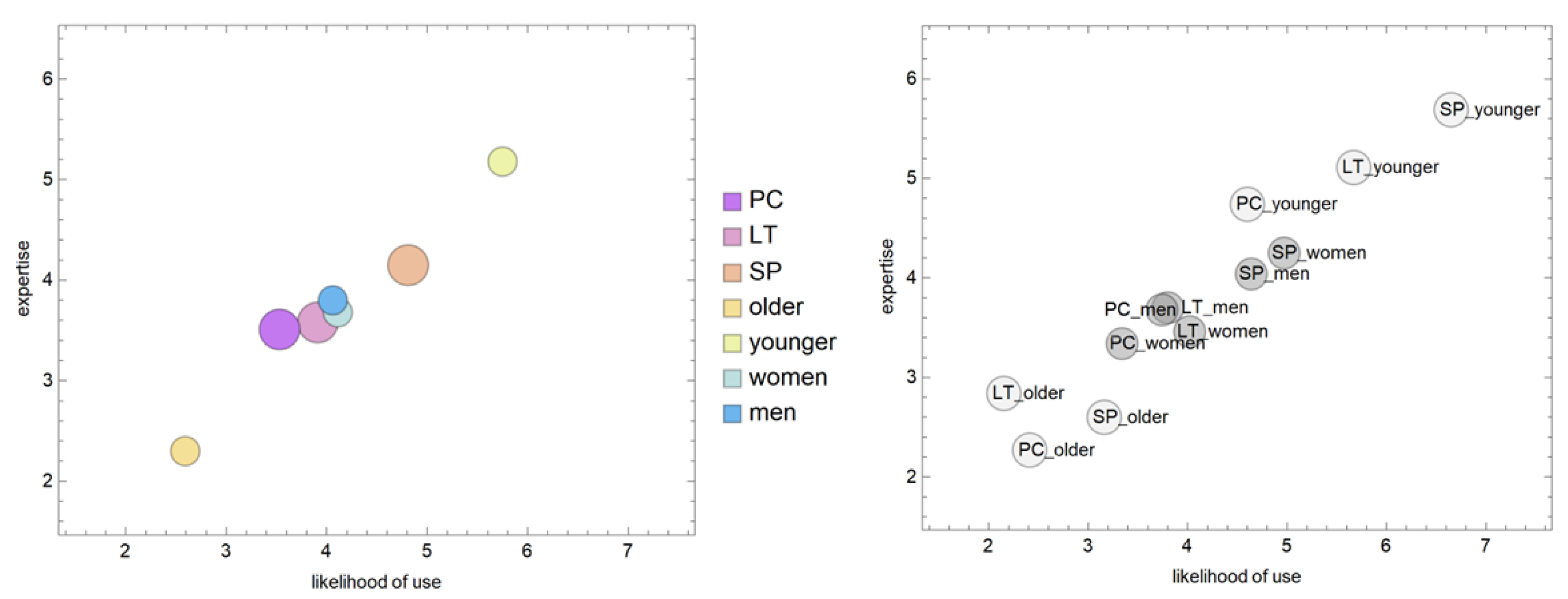
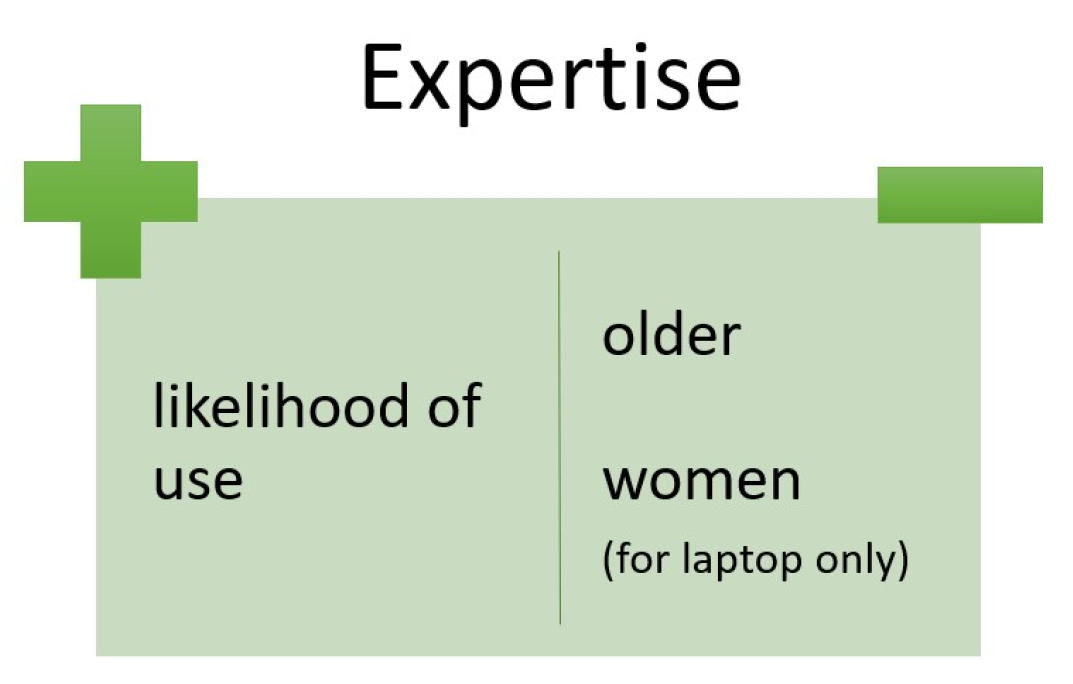
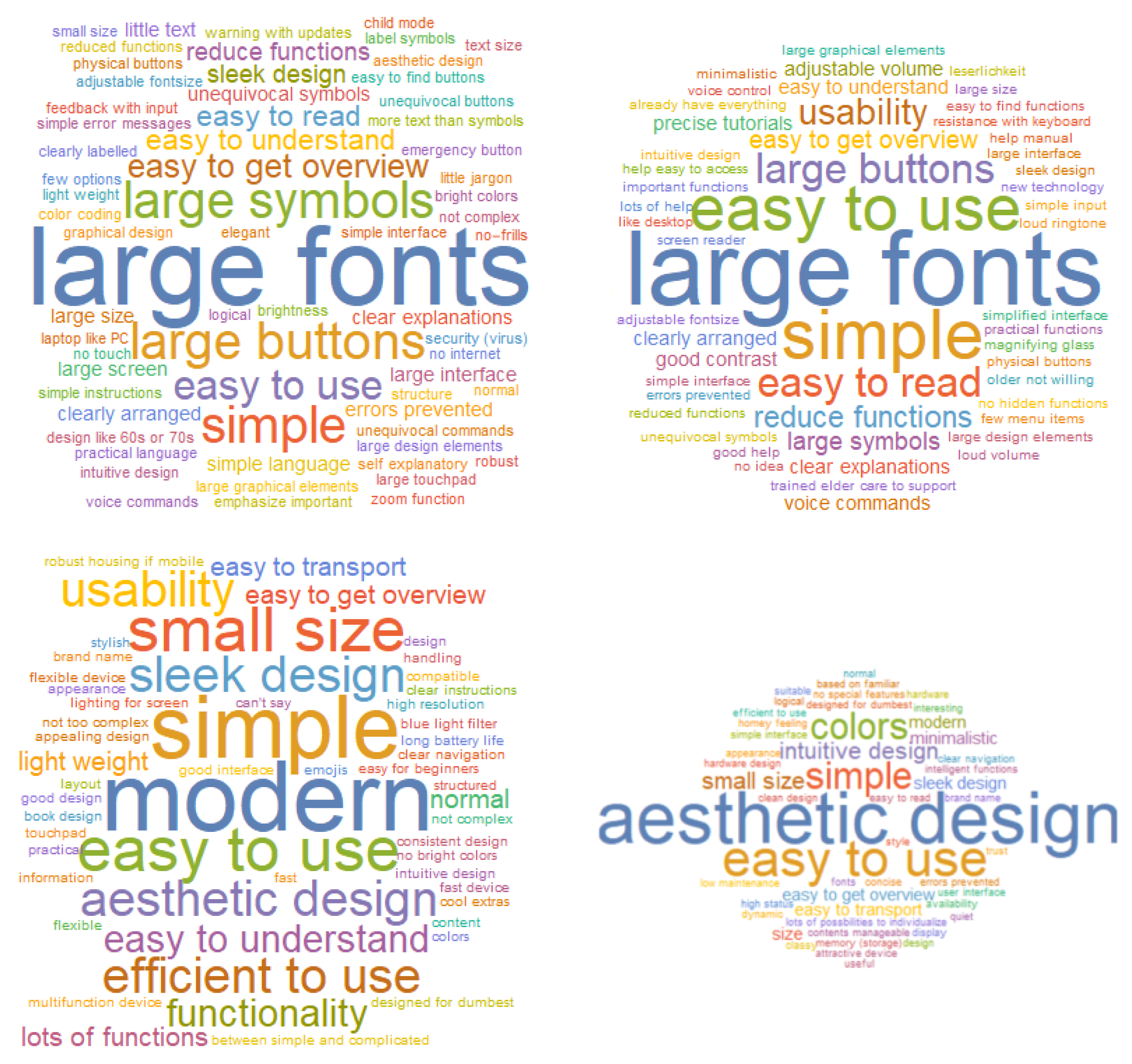
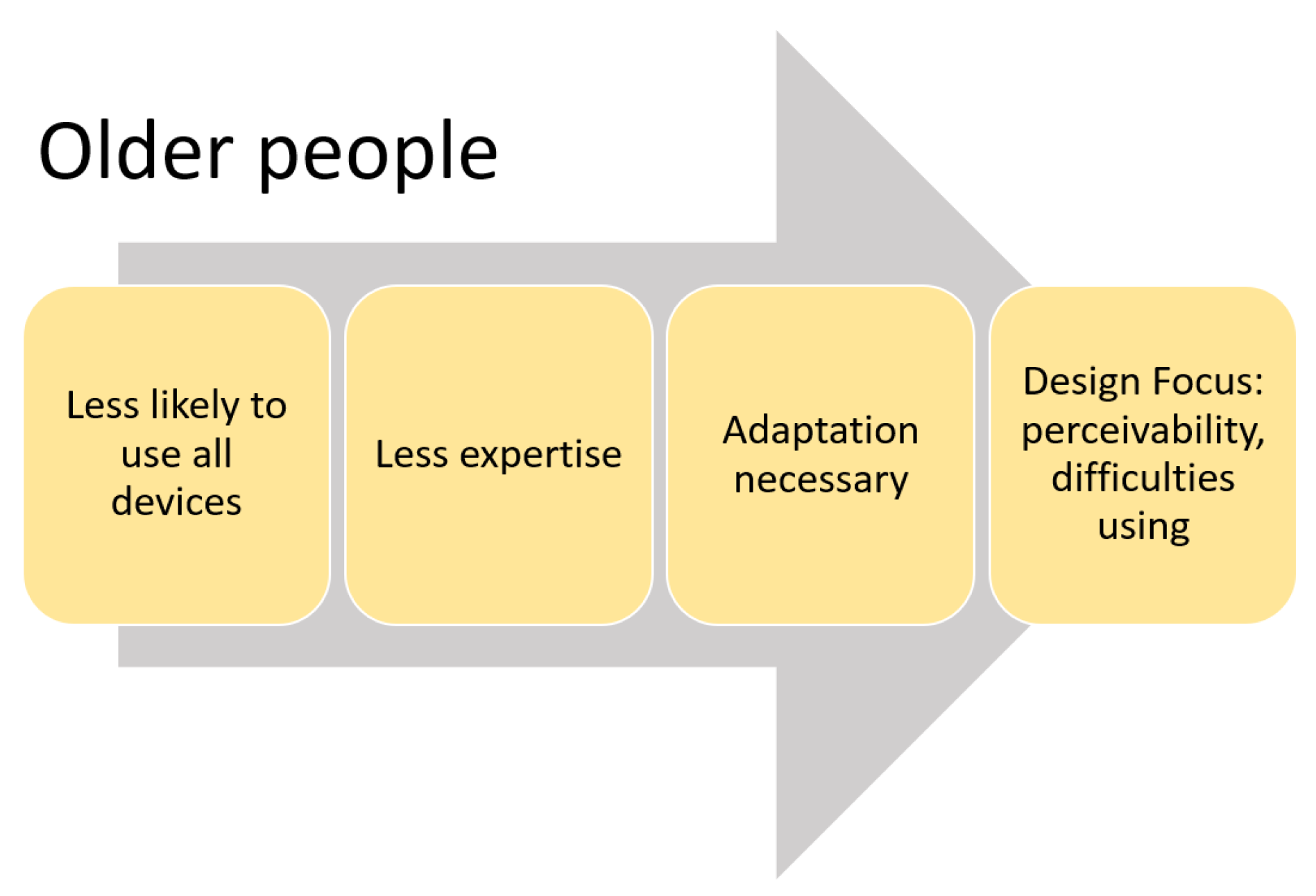
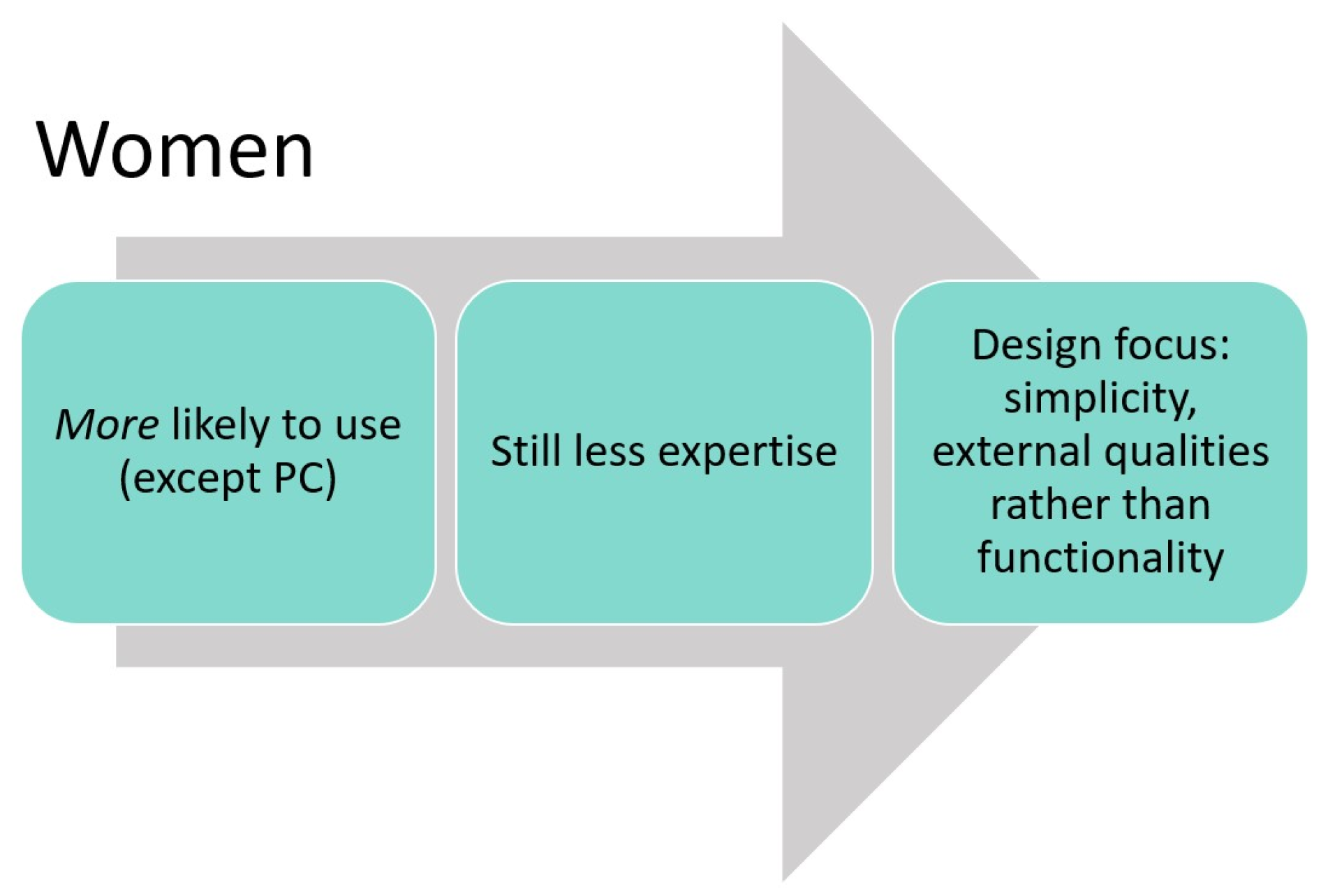
This study aimed to understand the perceptions of young computing science students about women and older people with regard to their computer literacy and how this may affect the design of computer-based systems. Based on photos, participants were asked how likely they thought the person depicted would be to use desktop computers, laptops and smartphones, and how much expertise they thought they would have with each technology. Furthermore, in order to see what impact this could have on systems being developed, we asked what design aspects would be important for the depicted person and whether they thought an adapted technology would be required. This study is based on an existing questionnaire, which was translated into German and extended to explore what impact this may have on system design. The results draw on 200 questionnaires from students in the first year of their Information and Communications Technology (ICT) studies at an Austrian university of applied sciences. Quantitative methods were used to determine if the perceptions varied significantly based on the age and gender of the people depicted. Qualitative analysis was used to evaluate the design aspects mentioned. The results show that there are biases against both older people and women with respect to their perceived expertise with computers. This is also reflected in the design aspects thought to be important for the different cohorts. This is crucial as future systems will be designed by the participants, and these biases may influence whether future systems meet the needs and wishes of all groups or increase the digital divide.
Keywords: perceptions of older people; sexism; ageism; design of computer systems; user-adapted interaction perceptions of older people; sexism; ageism; design of computer systems; user-adapted interaction