
Article

Smart Beta Allocation and Macroeconomic Variables: The Impact of COVID-19

by
Matteo Foglia
1,
Maria Cristina Recchioni
2 and
Gloria Polinesi
2,*
1
Risk-Management Department, Eurizon Capital SGR, 61264 Milan, Italy
2
Department of Economic and Social Sciences, Università Politecnica delle Marche, 60121 Ancona, Italy
*
Author to whom correspondence should be addressed.
Risks 2021, 9(2), 34; https://doi.org/10.3390/risks9020034
Submission received: 23 November 2020 / Revised: 29 January 2021 / Accepted: 1 February 2021 / Published: 4 February 2021
(This article belongs to the Special Issue Financial Networks in Fintech Risk Management II)

Abstract

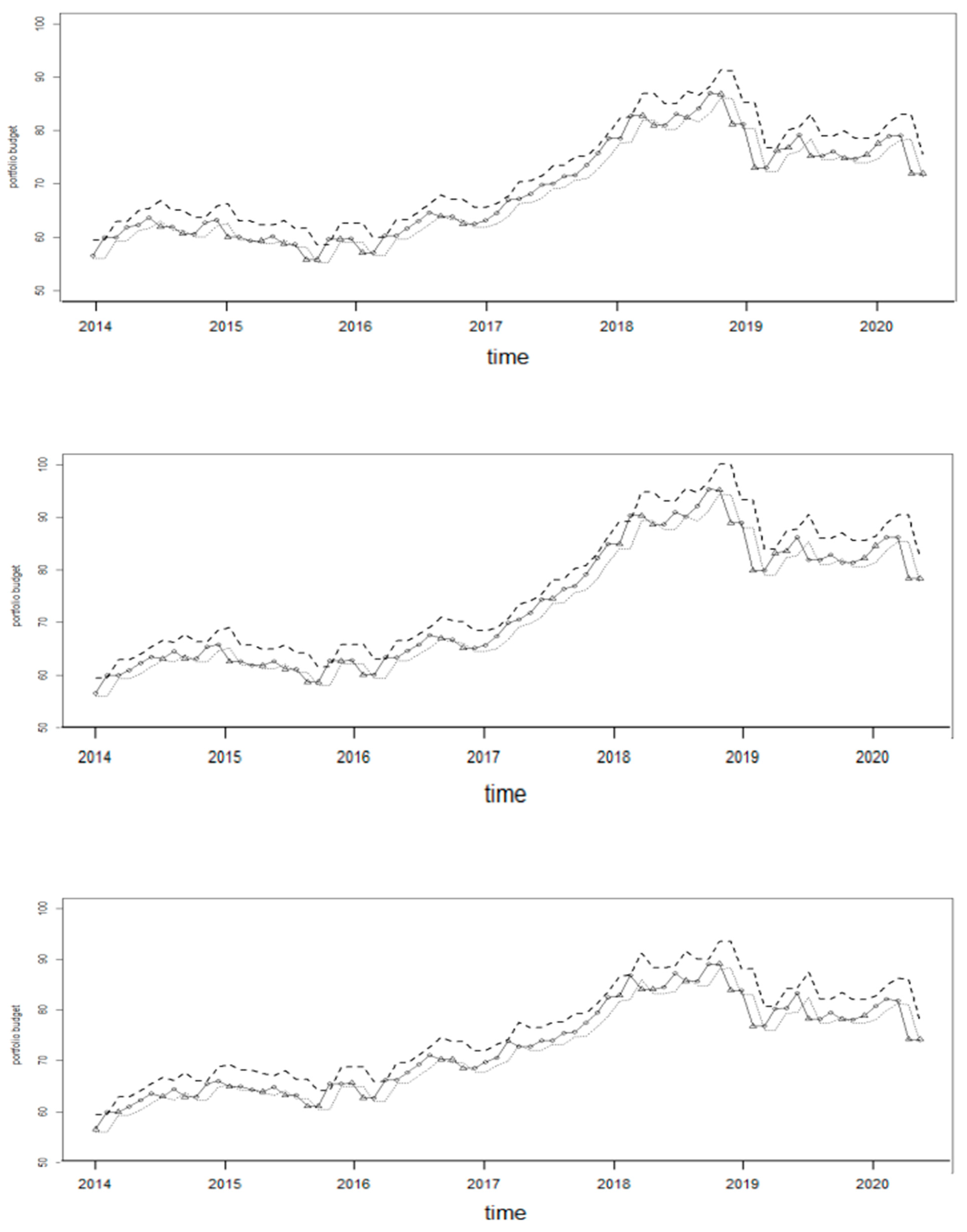
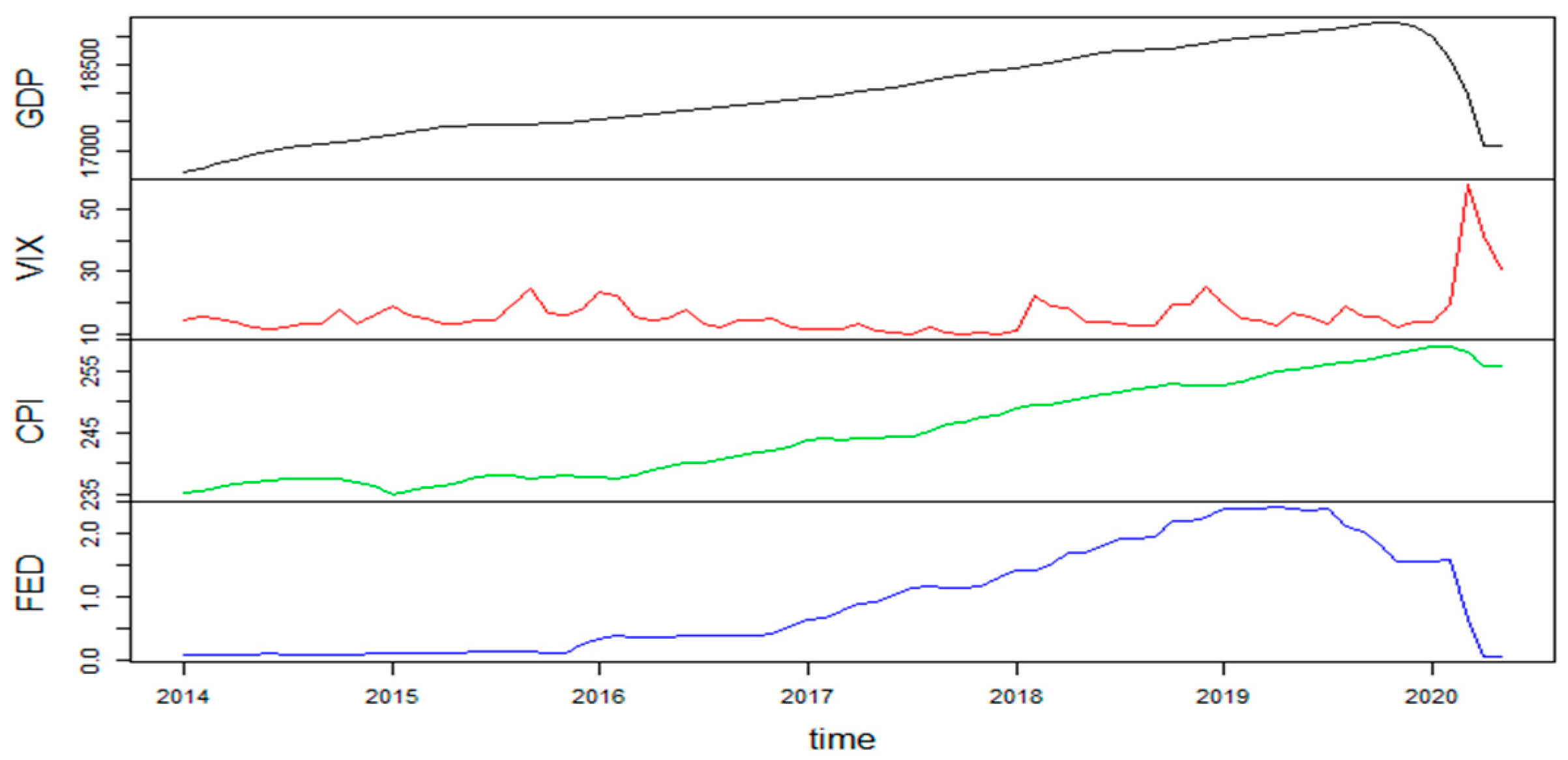
Smart beta strategies across economic regimes seek to address inefficiencies created by market-based indices, thereby enhancing portfolio returns above traditional benchmarks. Our goal is to develop a strategy for re-hedging smart beta portfolios that shows the connection between multi-factor strategies and macroeconomic variables. This is done, first, by analyzing finite correlations between the portfolio weights and macroeconomic variables and, more remarkably, by defining an investment tilting variable. The latter is analyzed with a discriminant analysis approach with a twofold application. The first is the selection of the crucial re-hedging thresholds which generate a strong connection between factors and macroeconomic variables. The second is forecasting portfolio dynamics (gain and loss). The capability of forecasting is even more evident in the COVID-19 period. Analysis is carried out on the iShares US exchange traded fund (ETF) market using monthly data in the period December 2013–May 2020, thereby highlighting the impact of COVID-19.
Keywords: financial risk management; fintech risk management; factor-based model; smart beta; market timing activity financial risk management; fintech risk management; factor-based model; smart beta; market timing activity