1. Introduction
Illnesses and injuries are among the most common sources of emotional trauma for children and their families. Painful procedures encountered in routine medical care—such as blood collection, vascular access, and vaccination—are inherently stressful and can cause lasting emotional trauma for both children and their caregivers [
1].
Emotional trauma experienced during such procedures is also a significant challenge for healthcare personnel working with children. Some children and adolescents perceive needle-related procedures as extremely alarming and painful, which can occasionally result in inability to complete the procedure. Needle-related pain and phobia may carry serious health consequences, including avoidance of pain reporting, reduced vaccine uptake, and delayed or refused treatment [
2,
3,
4].
A large number of children are seen in hospitals and health centers every year, and repeated medical encounters increase cumulative exposure to potentially traumatic events. In recent years, many centers have shifted toward a family-centered model of care to better support children, families, and healthcare providers alike.
Trauma-informed care (TIC) is an evidence-based framework that recognizes the widespread impact of trauma and integrates this awareness into clinical practice. In this context, “trauma” refers to emotional rather than physical injury. The four core principles of TIC include: (1) recognizing the widespread impact of trauma; (2) understanding how trauma affects children, healthcare personnel, and systems; (3) responding by applying trauma-informed knowledge to practice; and (4) actively working to prevent re-traumatization. TIC approaches aim to anticipate and mitigate potential traumatic experiences arising during routine medical care, and it is well established that thoughtful management of negative procedural experiences has lasting positive effects on children’s well-being [
5,
6,
7,
8]. In pediatric care, preventing re-traumatization requires a fundamental shift in clinical perspective, where providers focus directly on identifying and reducing the distressing elements of the medical procedure itself [
9]. Venipuncture can be highly distressing for children, particularly those who have had previous negative experiences with needle-related procedures. Sensory cues such as the sight of needles, the smell of antiseptics, or memories of earlier procedures may increase fear and anxiety even before the procedure begins [
10]. Therefore, preparation strategies should be tailored to the child’s developmental level and emotional needs. Approaches such as therapeutic medical play, familiarization with medical equipment, relaxation exercises, distraction techniques, and caregiver support may help children feel more prepared and secure during the procedure [
11,
12,
13]. By addressing sources of fear and promoting a sense of predictability and control, these interventions may reduce distress and support a more positive healthcare experience [
9,
10].
The aim of this study was to evaluate whether a structured trauma-informed care intervention delivered before venipuncture could reduce fear, behavioral distress, and physiological arousal in children with previous needle-related traumatic experiences.
2. Methods
2.1. Study Design and Participants
This before-and-after study recruited participants consecutively between 1 April 2021, and 30 October 2021, at an outpatient blood collection unit. Eligible participants were children aged 4–8 years who required venipuncture and had a history of severe distress during previous needle-related procedures. Severe distress was defined as caregiver-reported or documented escape attempts, shouting, or aggressive behaviors such as hitting, pushing, spitting, or lying on the floor.
Children with known neurodevelopmental disorders or acute medical instability requiring immediate resuscitation were excluded. All eligible children whose legal guardians provided written informed consent were consecutively enrolled during the study period.
2.2. Intervention
Eligible children and their families were referred to a dedicated preparation room to meet with the study’s psychological counselor. To ensure consistency across participants, all interventions were delivered by the same counselor, who held a degree in Guidance and Psychological Counseling and had certified training in trauma-informed and trauma-focused counseling approaches. The trauma-informed care (TIC) intervention followed a flexible, individualized approach rather than a fixed protocol. Session duration and intervention components were adapted according to each child’s developmental level, emotional needs, behavioral readiness, and coping capacity.
Intervention strategies included therapeutic storytelling, familiarization with medical equipment, lavender scent exposure, balloon breathing exercises, soap bubbles, drawing activities, play-based techniques, brief physical activities, cold-water face washing, drinking water, rhythmic bilateral knee tapping, and caregiver coaching. The selection of techniques was guided by the child’s preferences and responses during the session.
To increase familiarity with the procedure, the counselor demonstrated venipuncture using a doll and real medical materials, including syringes, tourniquets, and alcohol wipes. Children were encouraged to observe and handle the equipment, and individual fears and sources of discomfort were identified and addressed during the session.
Children and caregivers were also instructed in coping strategies to be used before and during venipuncture, including breathing exercises and supportive communication techniques. Venipuncture was performed only when the child indicated readiness to proceed. Following the procedure, children met briefly with the counselor to discuss their experience and reinforce successful coping strategies.
2.3. Outcome Measures
During the session, the psychological counselor assessed the children’s sociodemographic characteristics and explored the factors underlying their procedure-related fear or phobia. Caregivers completed study forms before and after the intervention using identical standardized instructions. Fear was assessed using the Children’s Fear Scale (CFS), and procedural pain was assessed using the Wong–Baker FACES Pain Rating Scale (WB-FACES). The CFS is a five-face scale ranging from 0 (no fear) to 4 (severe fear) and was completed by caregivers before and after the TIC intervention. Procedural pain was evaluated using the WB-FACES scale, which ranges from 0 (no pain) to 5 (worst possible pain) [
14,
15]. For the CFS, scores of 0–1 were categorized as little or no fear, 2 as moderate fear, and 3–4 as high fear. For the Wong-Baker FACES Pain Rating Scale, scores of 0–1 were categorized as little or no pain, 2–3 as moderate pain, and 4–5 as high pain. We have clarified these definitions in the revised manuscript.
Heart rate was measured immediately before and after the intervention using pulse oximetry by a nurse in the preparation room. Complete paired heart-rate data were available for 85 children. Missing measurements resulted from technical difficulties during the procedure, primarily motion artifacts and probe displacement.
To assess the broader effects of the intervention, behavioral indicators of distress and avoidance were documented before and after the intervention. Caregivers reported whether the child attempted to escape, engaged in self-harming behaviors, cried before entering the procedure room, or cried during needle insertion. Additional indicators of procedural distress, including the need for physical restraint, being forced into the blood collection chair, or exhibiting marked physical resistance, were also recorded.
In addition, caregivers completed a study-specific questionnaire consisting of predefined, closed-ended items designed to evaluate their perceptions of the intervention and its perceived effects on the child’s ability to cope with venipuncture.
Before hospital discharge, children met again with the psychological counselor to discuss their experience and perceived benefits of the intervention. Overall, the TIC intervention was designed to prepare children and their families for venipuncture in a psychologically supportive environment and to reduce the risk of re-traumatization.
2.4. Statistical Analysis
A formal a priori sample size calculation was not performed; instead, we enrolled all eligible participants available during the study period. Statistical analyses were performed using IBM SPSS Statistics for Windows, version 26.0 (IBM Corp., Armonk, NY, USA). Continuous and ordinal variables were initially evaluated for distributional properties using the Shapiro–Wilk test, supplemented by visual inspection of histograms and Q-Q plots. Because the pre- and post-intervention clinical scores and physiological data demonstrated non-normal distributions, non-parametric statistical methods were systematically preferred. Pre–post comparisons for continuous and ordinal outcomes were analyzed using the Wilcoxon signed-rank test. For paired categorical clinical variables, the McNemar–Bowker test was utilized. All reported
p-values were two-sided, and a
p-value of less than 0.05 was considered statistically significant [
16].
3. Results
A total of 135 children (81 boys, 54 girls) were included in the study. The mean age of the participants was 5.4 ± 1.5 years, with a minimum age of 4 and a maximum age of 8 years. The most commonly reported sources of fear were needle insertion (131 children, 97.0%), tourniquet application (128 children, 94.8%), sight of blood (24 children, 17.7%), and the sensation of a foreign object (14 children, 10.3%).
Behavioral responses during venipuncture improved significantly following the TIC intervention across all assessed domains. The proportion of children rated as “too much” for escape attempts decreased from 64.4% to 2.9%, shouting or crying from 88.1% to 8.1%, and self-/other-directed aggressive behaviors from 22.2% to 0.7%. Detailed pre- and post-intervention comparisons for all behavioral outcomes are presented in
Table 1, with statistically significant differences observed for all items (
p < 0.01).
Heart rate measurements were available for 85 children. Mean heart rate decreased significantly from 113.6 ± 10.1 beats/min (median: 119 beats/min) before the intervention to 87.3 ± 8.43 beats/min (median: 92 beats/min) after the intervention (
p < 0.01). Fear levels also improved markedly: the proportion of children rated as having high levels of fear decreased from 96.2% before the intervention to 15.5% after, while the proportion rated as having moderate levels of fear increased from 2.2% to 62.9% (
p < 0.01). These findings are summarized in
Table 2.
Regarding procedural pain, 42.2% of children experienced little or no pain during venipuncture after the TIC intervention, while 25.1% reported moderate pain and 32.5% reported significant pain (
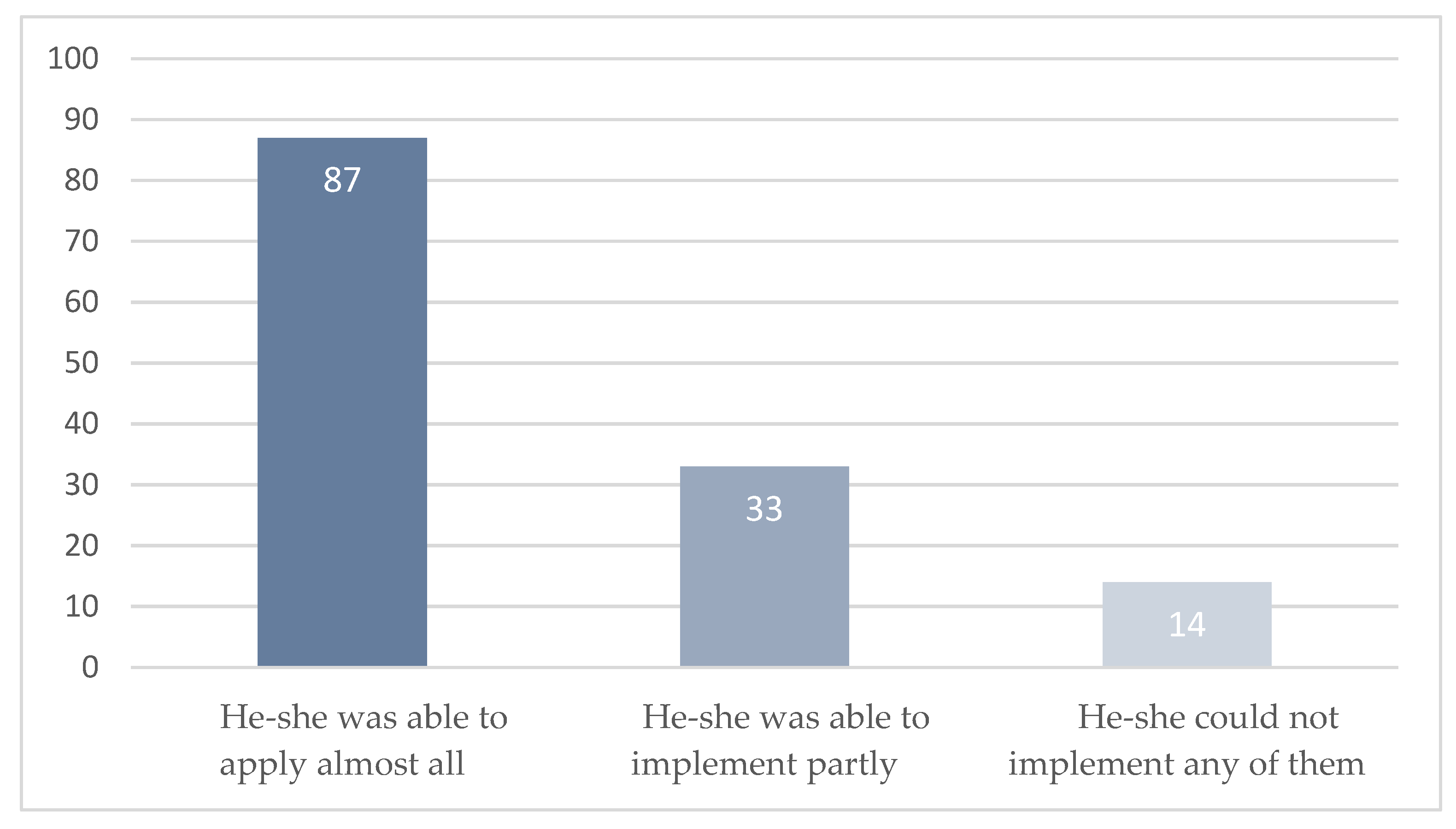
Table 3). The majority of children (64.4%) were able to apply almost all of the TIC techniques during the procedure, while 24.4% applied them partially and 10.3% were unable to apply any coping strategies (
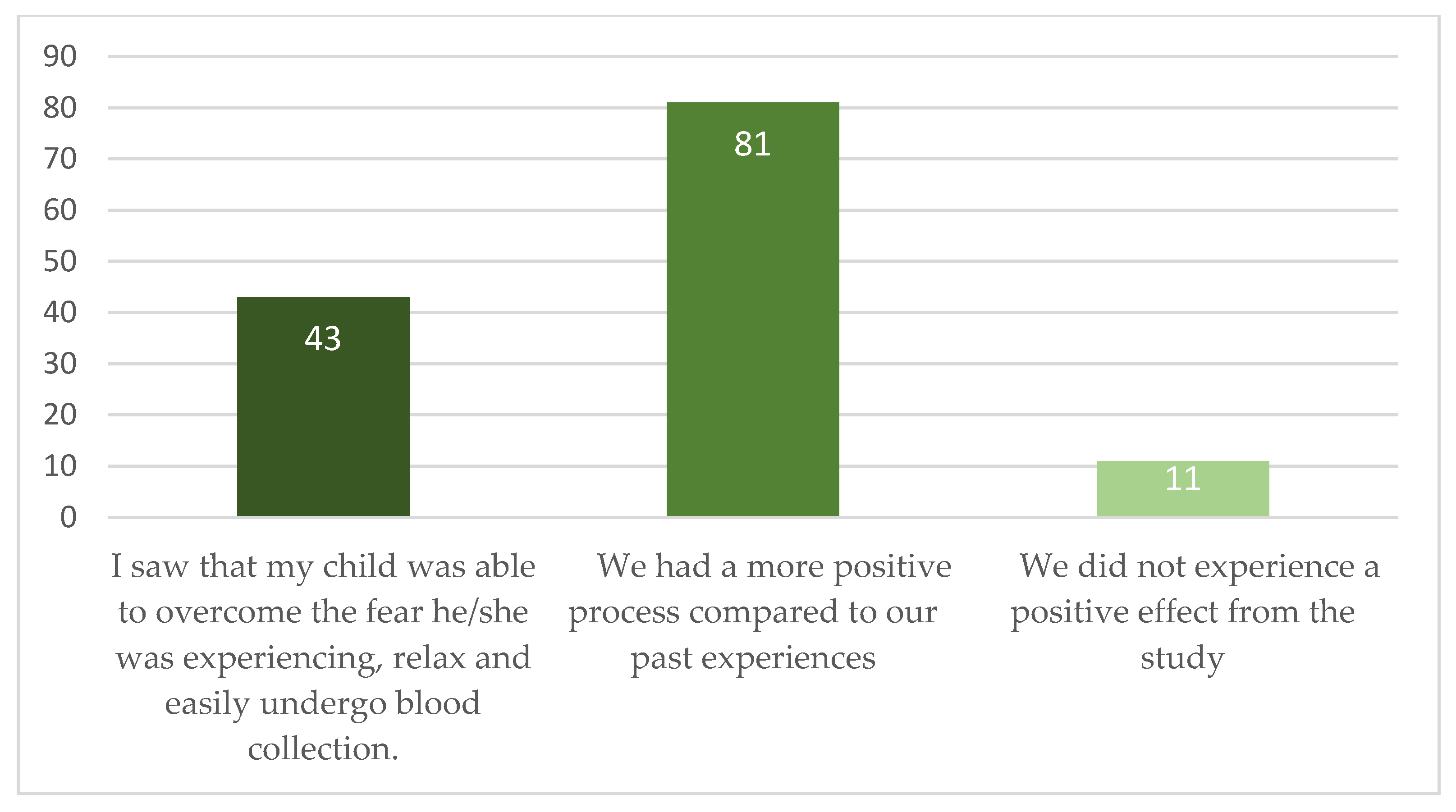
Figure 1). Overall, 91.8% of families reported a positive experience compared with previous venipuncture encounters (
Figure 2). Venipuncture was completed on the first attempt in 131 out of 135 children (97.0%), while only four children (3.0%) required a second attempt.
4. Discussion
Negative experiences during childhood, including those occurring in healthcare settings, may have lasting effects on both physical and mental health outcomes [
8]. Early recognition and mitigation of these experiences remain important public health priorities, and trauma-informed care (TIC) has emerged as a structured framework to support this goal within pediatric healthcare systems [
7,
8]. In the present study, children with previous needle-related traumatic experiences showed significant reductions in behavioral distress, anxiety, and heart rate following a structured TIC-based intervention delivered before venipuncture.
Previous research has shown that psychological interventions can be beneficial in reducing needle-related pain and distress in children and adolescents. In a Cochrane systematic review, Birnie et al. reported beneficial effects across a range of psychological approaches, with distraction-based techniques being the most frequently studied interventions [
15]. However, evidence specifically addressing children with pre-existing needle-related trauma remains limited. Unlike conventional distraction strategies, our intervention combined exposure-based familiarization, somatic regulation techniques, and caregiver coaching. This approach was designed not only to support children during the procedure itself but also to address the impact of previous traumatic experiences. Consistent with this perspective, McMurtry et al. emphasized that exposure-based interventions may be particularly beneficial for children with pronounced needle fear or phobia [
4].
The reduction in heart rate observed after the intervention suggests a decrease in physiological arousal during venipuncture. Similar observations have been reported in studies using virtual reality-based preparation and mindfulness interventions, both of which were associated with better emotional regulation and lower physiological stress responses during pediatric procedures [
16,
17,
18,
19].
Although heart rate is influenced by multiple factors, the parallel reductions in behavioral and emotional distress observed in our study support the interpretation that children experienced lower levels of procedural stress following the intervention. The substantial reduction in fear levels, with the proportion of children classified as having high fear decreasing from 96.2% to 15.5%, further highlights the potential clinical relevance of the TIC approach. These findings are consistent with previous reports indicating that psychological interventions can improve children’s procedural experiences and reduce distress during painful medical procedures [
1]. Likewise, the importance of providing a safe, child-centered environment and ensuring that healthcare professionals are adequately trained to support children during invasive procedures has been emphasized in earlier pediatric pain literature [
2]. In our study, the intervention was delivered in a sensory-friendly setting that included environmental modifications such as lavender aroma diffusion. Previous research has suggested that lavender-based aromatherapy may reduce procedural anxiety and pain in children undergoing medical or dental procedures [
13]. However, our study was not designed to evaluate the independent effects of aromatherapy, and therefore its specific contribution to the observed outcomes cannot be determined.
From a practical perspective, this TIC-based model requires minimal material resources, relying primarily on inexpensive items such as drawing materials, soap bubbles, and standard clinical equipment. Although individualized preparation requires additional staff time and may be challenging in high-volume outpatient settings, efforts to reduce procedural distress remain important. Positive procedural experiences during childhood may contribute to better cooperation in future healthcare encounters and may reduce the risk of developing persistent healthcare-related fears. Institutional strategies such as dedicated preparation areas and staff training may facilitate implementation of trauma-informed practices in pediatric settings. Future studies should also evaluate whether similar benefits can be achieved in children undergoing their first venipuncture experience.
Several limitations should be considered when interpreting the findings of this study. First, the absence of a control group in this before-and-after study limits causal inference. Although substantial improvements were observed following the intervention, these changes cannot be attributed solely to the trauma-informed care model. Factors such as natural habituation, parental expectations, and the additional attention provided by the psychological counselor may also have contributed to the observed improvements. Furthermore, because many participants entered the study with high levels of fear and distress, some improvement may reflect regression toward the mean rather than a true intervention effect. Parent-reported outcomes may also have been influenced by expectancy bias, whereby parents who anticipated benefit from the intervention perceived their children’s experiences more positively. Second, complete pre- and post-intervention heart rate measurements were available for only 85 of the 135 participants. Because this missing data was largely due to motion artifacts and probe displacement from children’s physical movements, the missingness may be linked to higher baseline distress, potentially introducing selection bias. Third, behavioral, fear, and pain outcomes were assessed exclusively through parent proxy-reports. Although child self-report is generally considered the preferred method for evaluating subjective experiences, obtaining reliable self-assessments from children aged 4–8 years immediately after a stressful venipuncture procedure can be difficult. Given the age range of our study population, parent proxy reports represented a practical and clinically meaningful alternative, although they remain susceptible to reporting bias. Fourth, the intervention was delivered by a single trained psychological counselor at a single center, which may limit the generalizability of the findings. Finally, no long-term follow-up assessments were performed, and it remains unclear whether the observed benefits persist during subsequent venipuncture procedures. In addition, multiple behavioral, pain, and physiological outcomes were evaluated. Therefore, the findings should be interpreted as exploratory and hypothesis-generating rather than definitive causal conclusions.
5. Conclusions
This study demonstrates that a structured trauma-informed care (TIC) intervention delivered before venipuncture was associated with significant reductions in behavioral distress, fear, and heart rate among children with prior needle-related traumatic experiences. Consistent with these positive pre–post changes, 131 of 135 children successfully employed the coping strategies and completed the procedure on the first attempt, while families consistently reported a more positive experience compared with previous healthcare encounters. These findings suggest that TIC-based preparation, delivered by a trained psychological counselor in a dedicated setting, represents a feasible and promising non-pharmacological approach for managing procedural distress in pediatric care.
Given the large number of children who undergo invasive procedures each year and the potential long-term consequences of unaddressed medical trauma, the integration of trauma-informed approaches into routine pediatric practice deserves careful consideration. Future studies using randomized controlled designs are needed to confirm these findings, identify the specific contributions of individual intervention components, and determine whether the observed benefits are sustained across subsequent healthcare encounters.
Author Contributions
Conceptualization: E.I. and Ö.T.; Methodology: E.I. and Ö.T.; Investigation: E.I. and G.Ç.; Intervention delivery: G.Ç.; Data curation: E.I.; Formal analysis: N.M.; Writing—original draft: E.I. and N.M.; Writing—review & editing: All authors. Supervision: Ö.T. All authors have read and agreed to the published version of the manuscript.
Funding
This research received no external funding.
Institutional Review Board Statement
This study was conducted in accordance with the Declaration of Helsinki and approved by the Non-Interventional Clinical Research Ethics Committee of Hacettepe University (approval number: GO 21/48; protocol number: 2021/04-01; date of approval: 23 February 2021).
Informed Consent Statement
Written informed consent was obtained from the parents or legal guardians of all participants prior to study enrollment. Assent was obtained from children where developmentally appropriate.
Data Availability Statement
The data presented in this study are available upon reasonable request from the corresponding author.
Conflicts of Interest
The authors declare no conflicts of interest.
References
- Boerner, K.E.; Gillespie, J.M.; McLaughlin, E.N.; Kuttner, L.; Chambers, C.T. Implementation of evidence-based psychological interventions for pediatric needle pain. Clin. Pract. Pediatr. Psychol. 2014, 3, 224–235. [Google Scholar] [CrossRef]
- Pancekauskaite, G.; Jankauskaite, L. Paediatric pain medicine: Pain differences, recognition and coping acute procedural pain in paediatric emergency room. Medicina 2018, 54, 94. [Google Scholar] [CrossRef] [PubMed]
- Romito, B.; Jewell, J.; Jackson, M. AAP Committee on Hospital Care, Association of Child Life Professionals. Child life services. Pediatrics 2021, 147, e2020040261. [Google Scholar] [CrossRef] [PubMed]
- McMurtry, C.M.; Noel, M.; Taddio, A.; Antony, M.M.; Asmundson, G.J.; Riddell, R.P.; Chambers, C.T.; Shah, V.; HELPinKids&Adults Team. Interventions for individuals with high levels of needle fear: Systematic review of randomized controlled trials and quasi-randomized controlled trials. Clin. J. Pain 2015, 31, S109–S123. [Google Scholar] [CrossRef] [PubMed]
- Raja, S.; Hasnain, M.; Hoersch, M.; Gove-Yin, S.; Rajagopalan, C. Trauma informed care in medicine: Current knowledge and future research directions. Fam. Community Health 2015, 38, 216–226. [Google Scholar] [CrossRef] [PubMed]
- Hoysted, C.; Babl, E.F.; Kassam-Adams, N.; Landolt, M.A.; Jobson, L.; Curtis, S.; Kharbanda, A.B.; Lyttle, M.D.; Parri, N.; Stanley, R.; et al. Perspectives of hospital emergency department staff on trauma-informed care for injured children: An Australian and New Zealand analysis. J. Paediatr. Child Health 2017, 53, 862–869. [Google Scholar] [CrossRef] [PubMed]
- Marsac, M.L.; Kassam-Adams, N.; Hildenbrand, A.K.; Nicholls, E.; Winston, F.K.; Leff, S.S.; Fein, J. Implementing a trauma-informed approach in pediatric healthcare networks. JAMA Pediatr. 2016, 170, 70–77. [Google Scholar] [CrossRef] [PubMed]
- Oral, R.; Ramirez, M.; Coohey, C.; Nakada, S.; Walz, A.; Kuntz, A.; Benoit, J.; Peek-Asa, C. Adverse childhood experiences and trauma informed care: The future of health care. Pediatr. Res. 2016, 79, 227–233. [Google Scholar] [PubMed]
- Kassam-Adams, N. What Do Clinicians Caring for Children Need to Know about Pediatric Medical Traumatic Stress and the Ethics of Trauma-Informed Approaches? AMA J. Ethics 2017, 19, 793–801. [Google Scholar] [CrossRef] [PubMed]
- McDowell, B.M.; Pasek, T.A.; Perlick, C.; Kostie, K. Trauma-Informed Care: Pediatric Intensive Care Nurses at the Root of Children’s Safety and Trust. Crit. Care Nurse 2022, 42, 66–72. [Google Scholar] [CrossRef] [PubMed]
- Forkey, H.; Griffin, J.; Szilagyi, M. Trauma-Informed Care. Pediatrics 2021, 148, e2021052580. [Google Scholar] [CrossRef] [PubMed]
- Arenson, M.; Forkey, H. Violence Exposure and Trauma-Informed Care. Pediatr. Clin. N. Am. 2023, 70, 1183–1200. [Google Scholar] [CrossRef] [PubMed]
- Abdalhai, R.; Tolibah, Y.A.; Alkhatib, R.; Kouchaji, C.; Baghdadi, Z.D. Lavender–Neroli Aromatherapy for Reducing Dental Anxiety and Pain in Children During Anesthesia: A Two-Arm Randomized Controlled Trial. Med. Sci. 2025, 13, 166. [Google Scholar] [CrossRef] [PubMed]
- McMurtry, C.M.; Noel, M.; Chambers, C.T.; McGrath, P.J. Children’s fear during procedural pain: Preliminary investigation of the Children’s Fear Scale. Health Psychol. 2011, 30, 780–788. [Google Scholar] [CrossRef] [PubMed]
- Wong, D.; Baker, C. Pain in children: Comparison of assessment scales. Pediatr. Nurs. 1988, 14, 9–17. [Google Scholar] [PubMed]
- Arredondo Montero, J. A Structured Guide to Univariate Test Selection Based on Normality, Variance Homogeneity, and Graphical Data Exploration. J. Surg. Res. 2026, 318, 230–240. [Google Scholar] [CrossRef] [PubMed]
- Birnie, K.A.; Noel, M.; Chambers, C.T.; Uman, L.S.; Parker, J.A. Psychological interventions for needle-related procedural pain and distress in children and adolescents. Cochrane Database Syst. Rev. 2018, 10, CD005179. [Google Scholar] [CrossRef] [PubMed]
- Chan, S.W.C.; Leung, D.Y.P.; Tiwari, A.F.Y.; Yip, A.L.K.; Yuen, W.S.; Cheung, A.T.M.; Wong, C.L. Effects of an immersive virtual reality intervention on pain and anxiety among pediatric patients undergoing venipuncture: A randomized clinical trial. JAMA Pediatr. 2023, 177, e225218. [Google Scholar]
- Constantin, K.L.; Moline, R.L.; Pillai Riddell, R.; Spence, J.R.; Fiacconi, C.M.; Lupo-Flewelling, K.; McMurtry, C.M. Parent and child self- and co-regulation during pediatric venipuncture: Exploring heart rate variability and the effects of a mindfulness intervention. Dev. Psychobiol. 2022, 64, e22277. [Google Scholar] [CrossRef] [PubMed]
| Disclaimer/Publisher’s Note: The statements, opinions and data contained in all publications are solely those of the individual author(s) and contributor(s) and not of MDPI and/or the editor(s). MDPI and/or the editor(s) disclaim responsibility for any injury to people or property resulting from any ideas, methods, instructions or products referred to in the content. |