Review

Parental Perspectives and Infant Motor Development: An Integrated Ecological Model
Department of Psychology, University of Pittsburgh, Pittsburgh, PA 15260, USA
*
Author to whom correspondence should be addressed.
Children 2025, 12(6), 724; https://doi.org/10.3390/children12060724

Submission received: 11 April 2025 / Revised: 27 May 2025 / Accepted: 30 May 2025 / Published: 31 May 2025

Abstract

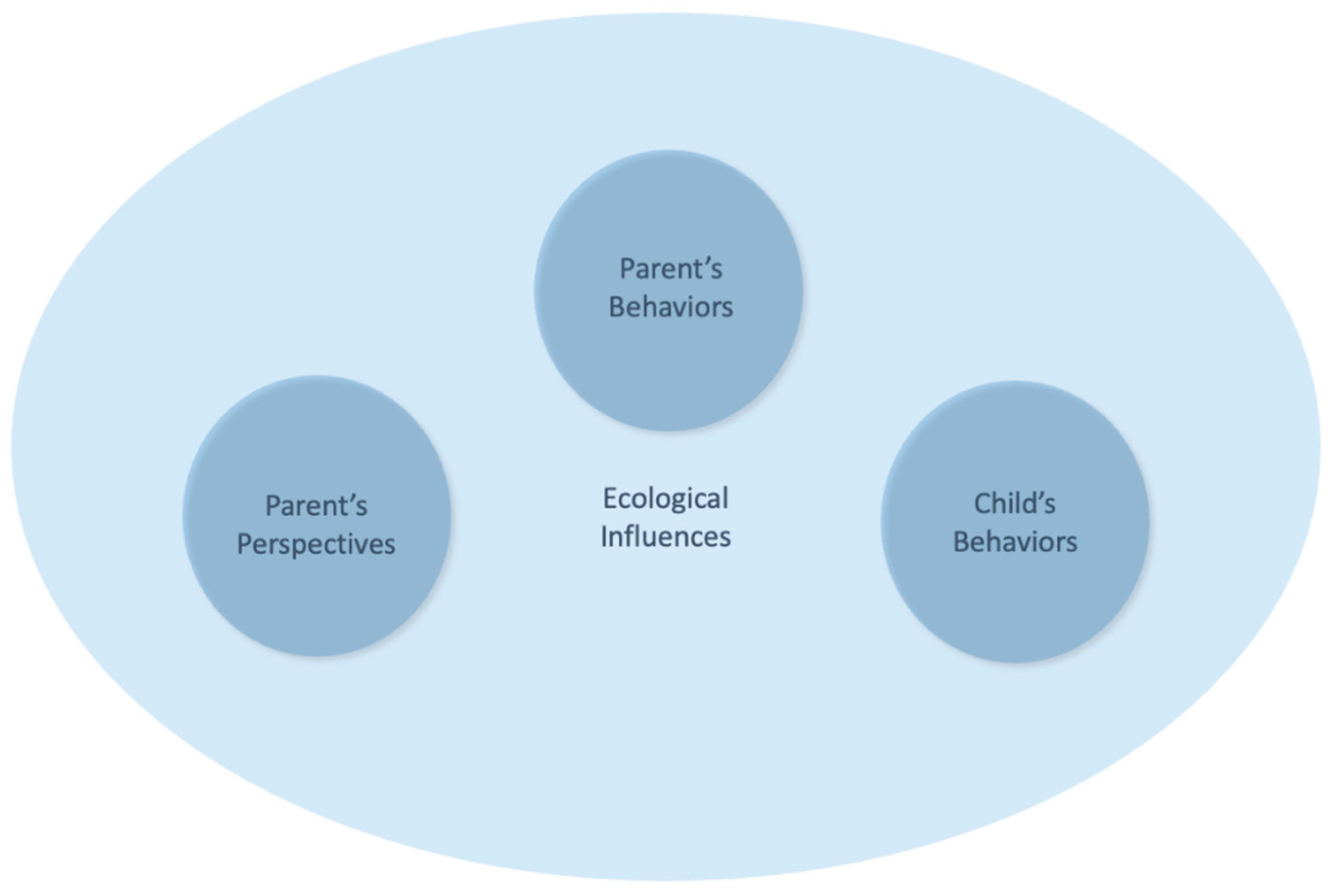
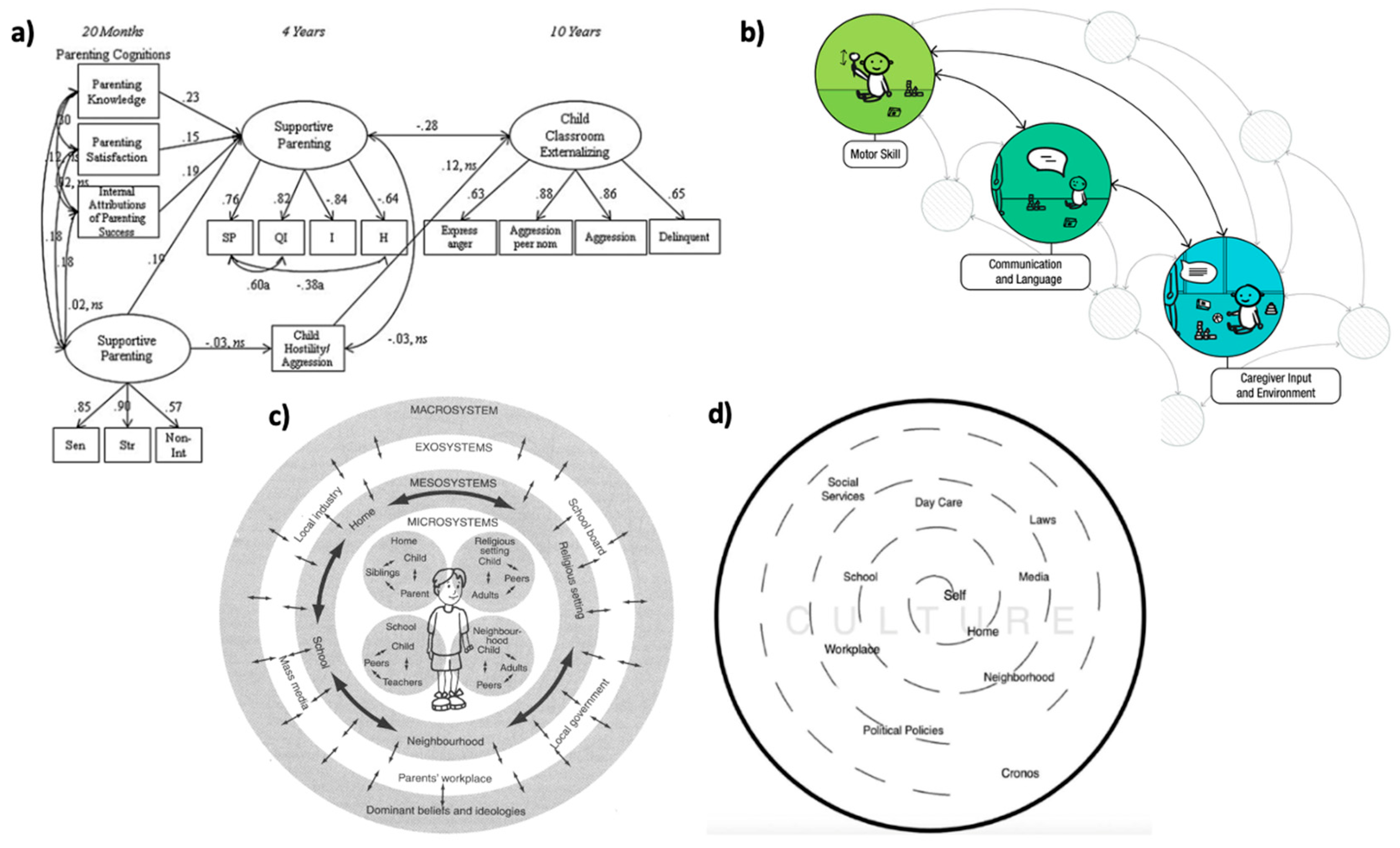
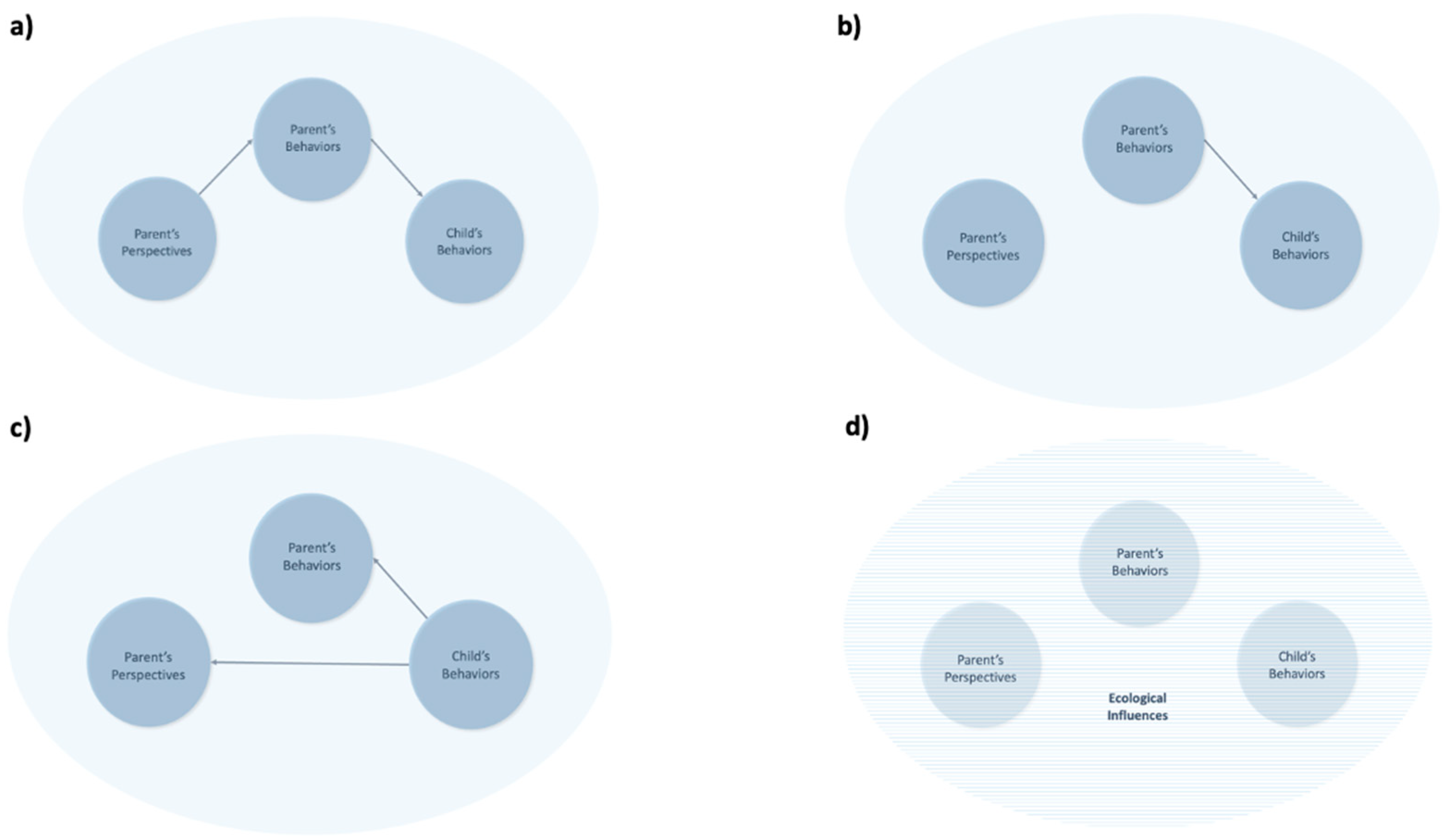
Infant motor development has traditionally been studied through child-centered frameworks that often overlook the vital role parents play in shaping early outcomes. This paper provides a renewed ecological approach, foregrounding parental perspectives—knowledge, beliefs, attitudes, theories, and expectations—and examining how they directly and indirectly guide infants’ motor trajectories. Drawing on cross-cultural evidence, we illustrate how differences in parental priorities and caregiving behaviors can either accelerate or delay the emergence of crucial motor skills. We also highlight the reciprocal relationship between parent and child: while parental views shape caregiving practices, children’s developing abilities and behaviors can, in turn, alter their parents’ perspectives. Building on existing theories, including Bronfenbrenner’s ecological systems theory and dynamic systems theory, our integrated model situates the parent–child dyad within broader socioeconomic, cultural, and environmental contexts. This model shows the dynamic, ever-evolving interplay between parents and children and demonstrates the importance of aligning parental cognition with targeted interventions to optimize motor development. By examining how cultural norms, individual experiences, and contextual factors converge, this paper offers both a theoretical framework and practical implications for supporting infants’ growth. This paper will inform future research by encouraging parent-focused developmental studies and guiding practitioners to design culturally informed interventions in the field of motor development.
Keywords: motor development; infant development; parental influence; parental beliefs; parental cognitions; ecological systems theory motor development; infant development; parental influence; parental beliefs; parental cognitions; ecological systems theory