Article

Exploring Conscious Sedation in Pediatric Oral Surgery: A Non-Randomized Clinical Trial on Safety and Efficacy

1
Department of Biomedical, Surgical and Dental Sciences, School of Dentistry, University of Milan, 20122 Milan, Italy
2
Fondazione IRCCS Cà Granda Ospedale Maggiore Policlinico, Maxillo-Facial Surgery and Dental Unit, Via Sforza 35, 20122 Milan, Italy
*
Author to whom correspondence should be addressed.
Children 2025, 12(5), 604; https://doi.org/10.3390/children12050604

Submission received: 25 March 2025 / Revised: 24 April 2025 / Accepted: 3 May 2025 / Published: 5 May 2025
(This article belongs to the Section Pediatric Dentistry & Oral Medicine)

Abstract

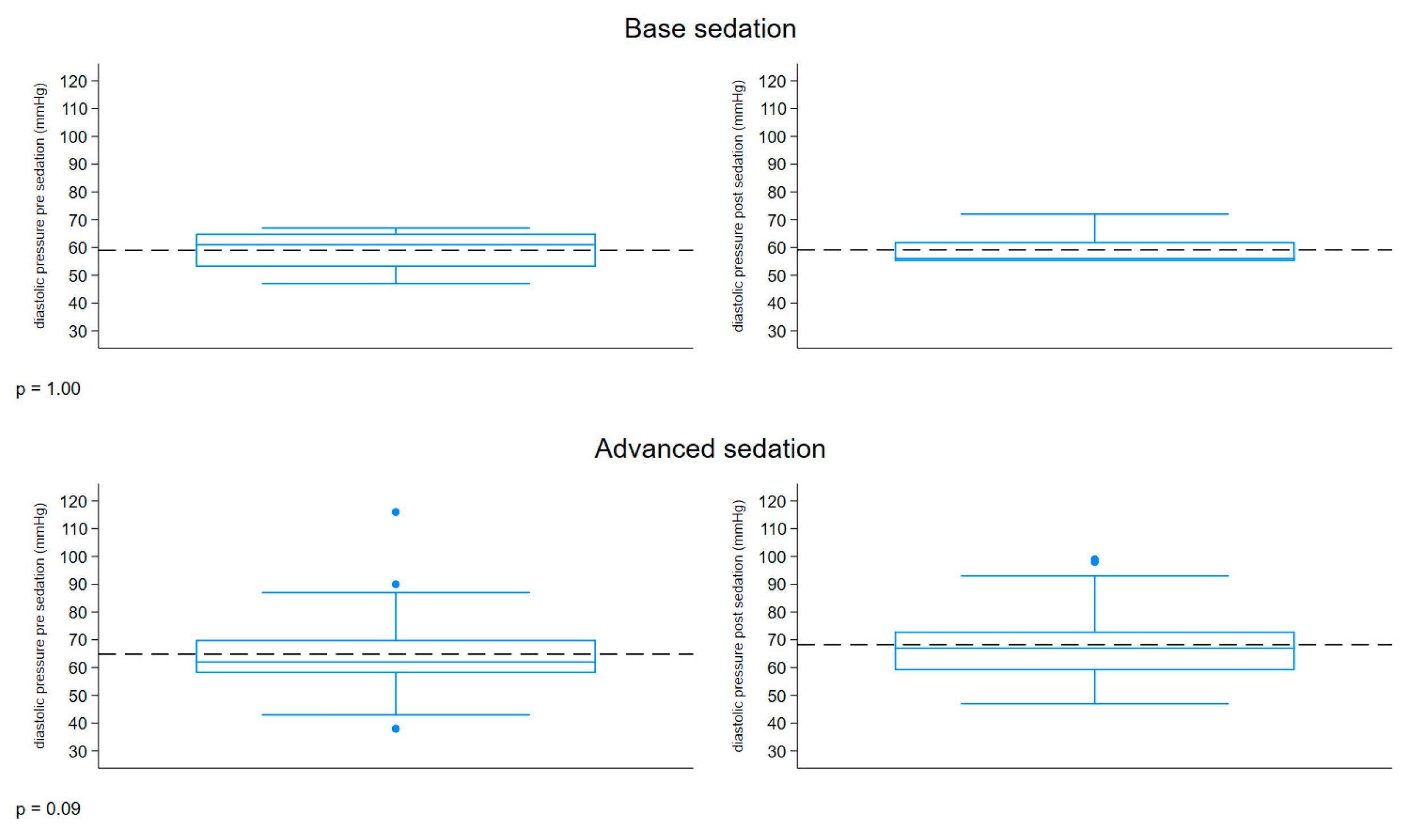
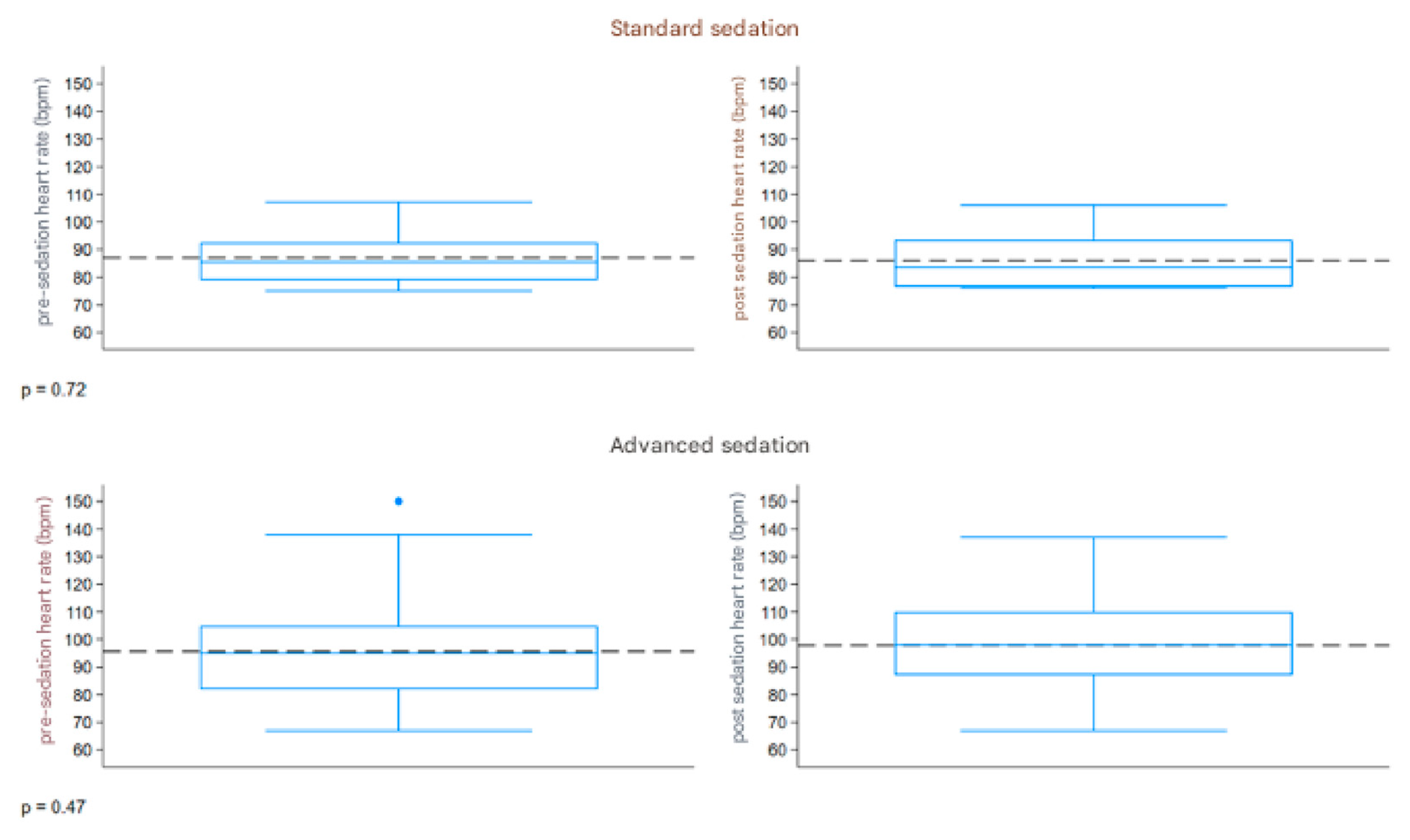
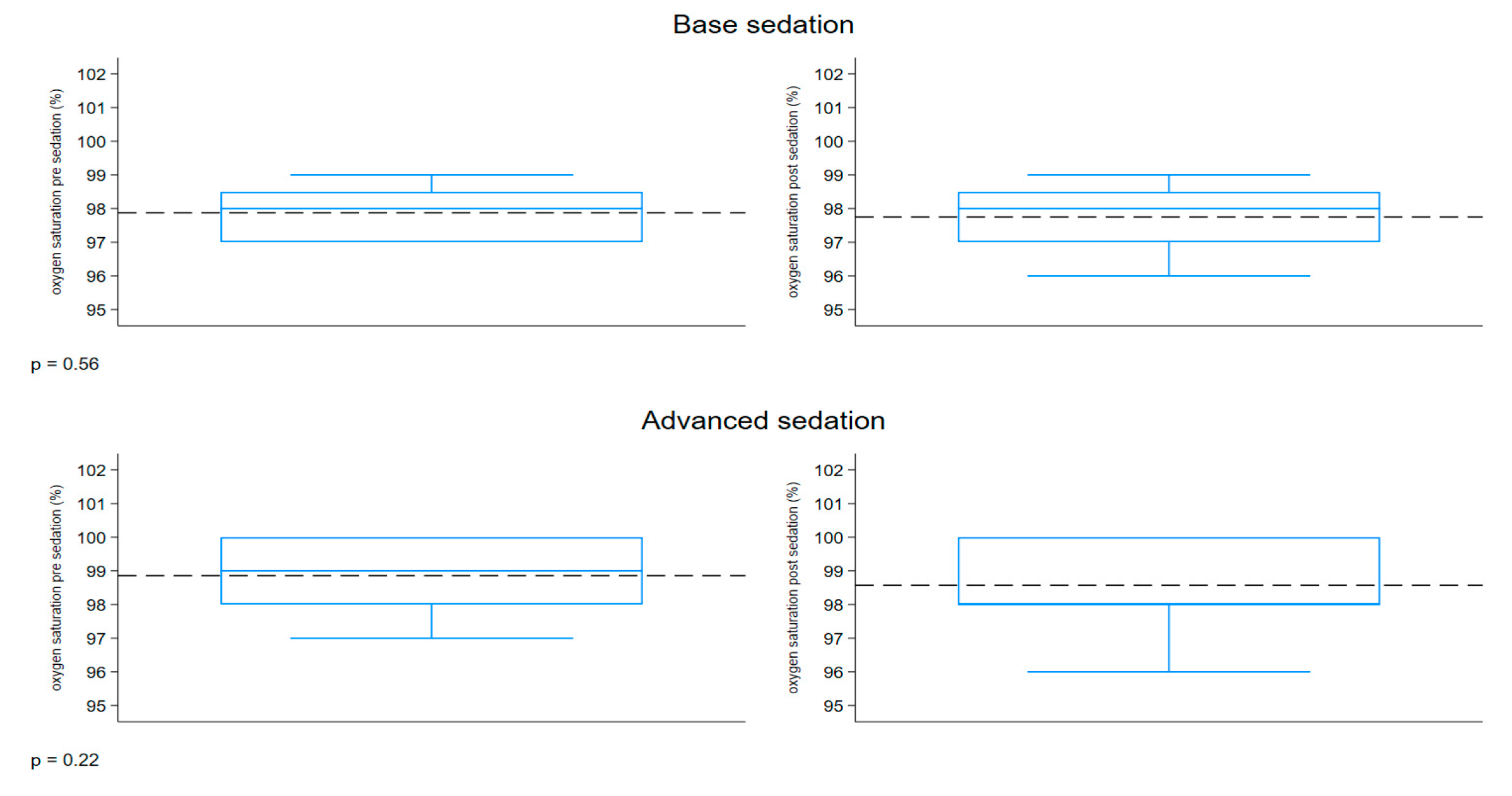
Background: Conscious sedation is a well-established technique used in pediatric dentistry that reduces perioperative stress and pain while maintaining verbal contact with the patient. It is particularly beneficial for anxious, very young, or disabled children, improving cooperation and ensuring airway safety. The objective of this study is to assess the safety and efficacy of conscious sedation in pediatric oral surgery by analyzing vital parameters before and after treatment. Methods: A total of 57 pediatric patients [29 females; 28 males], aged 5–14 years [mean: 9.4], were treated at the Fondazione IRCCS Cà Granda Ospedale Maggiore Policlinico of Milan between September 2022 and June 2024. The patients were divided into two groups: nitrous oxide sedation [Group A] and benzodiazepine sedation [Group B]. Informant consent, medical and dental history, vital signs, and anxiety levels were recorded. A statistical analysis was performed using the Wilcoxon test. Due to the non-randomized design of this study, potential selection bias and limitations in internal validity must be acknowledged. Results: The post-sedation diastolic pressure was significantly higher [p = 0.02] in Group b, while other vital parameters remained stable. Anxiety significantly decreased in both groups [p < 0.01], with a greater reduction in Group A. Conclusions: Conscious sedation is a safe and effective approach, maintaining stable vital parameters. The increase in diastolic pressure in Group B may be explained by preexisting anxiety and benzodiazepine pharmacodynamics. However, the absence of randomization may have influenced group allocation and outcome interpretation. Given the small sample size and the wide age range of the participants, further studies with larger and more homogeneous populations are necessary to refine and validate pediatric sedation protocols.
Keywords: sedation; pediatric dentistry; oral surgery; conscious sedation; vital signs sedation; pediatric dentistry; oral surgery; conscious sedation; vital signs