Review

Salivary Markers as Potential Stress Descriptors for Pediatric Dental Patients: A Literature Review

1
College of Biomedical Science, Midwestern University, Downers Grove, IL 60515, USA
2
College of Dental Medicine, Midwestern University, Downers Grove, IL 60515, USA
3
Institute of Dental Clinic, A. Gemelli University Policlinic IRCCS, Catholic University of Sacred Heart, 00168 Rome, Italy
4
Department of Pediatric Dentistry and Dental Public Health, Adams School of Dentistry, University of North Carolina, Chapel Hill, NC 27599, USA
*
Author to whom correspondence should be addressed.
Children 2025, 12(4), 500; https://doi.org/10.3390/children12040500

Submission received: 5 March 2025 / Revised: 27 March 2025 / Accepted: 11 April 2025 / Published: 14 April 2025

Abstract

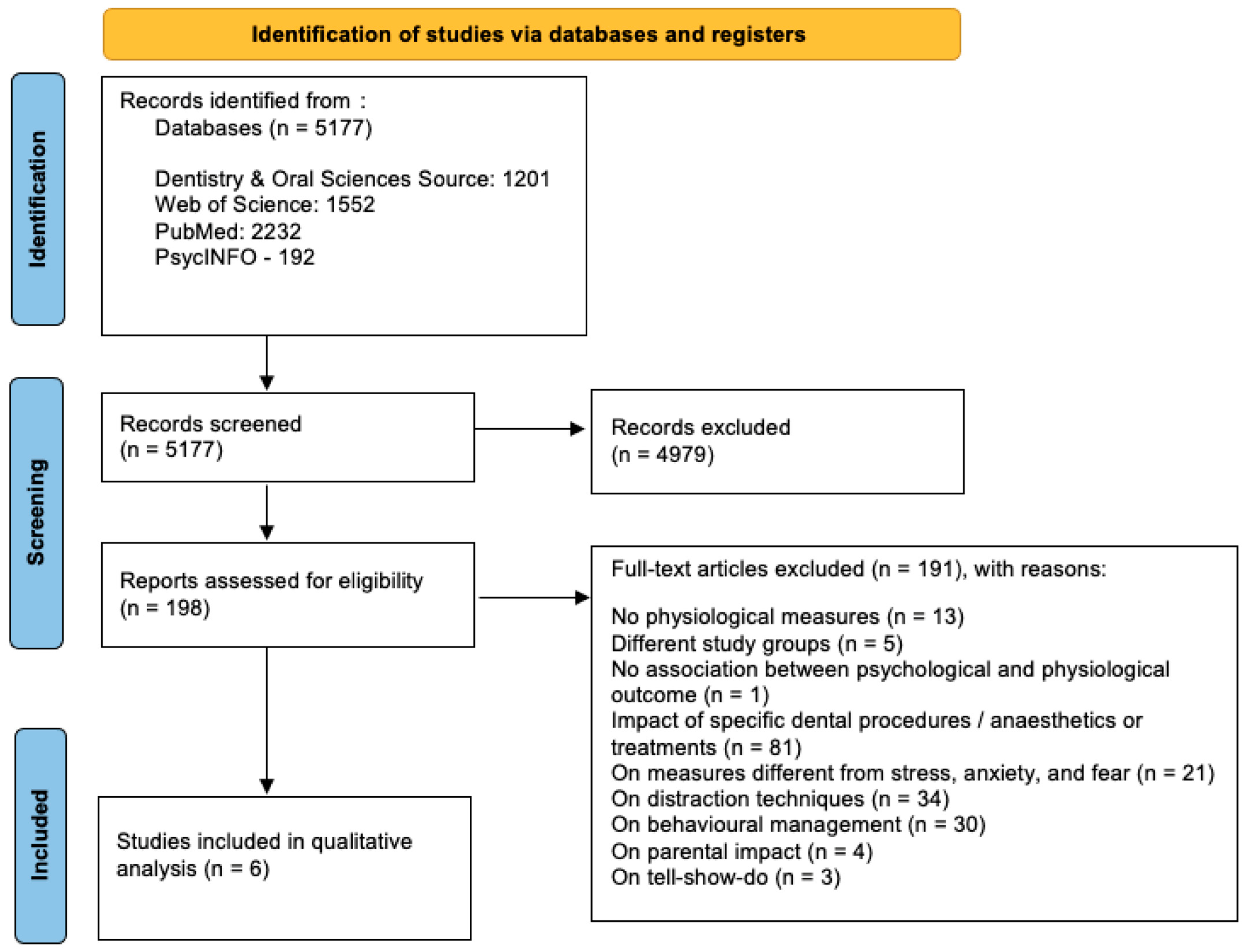
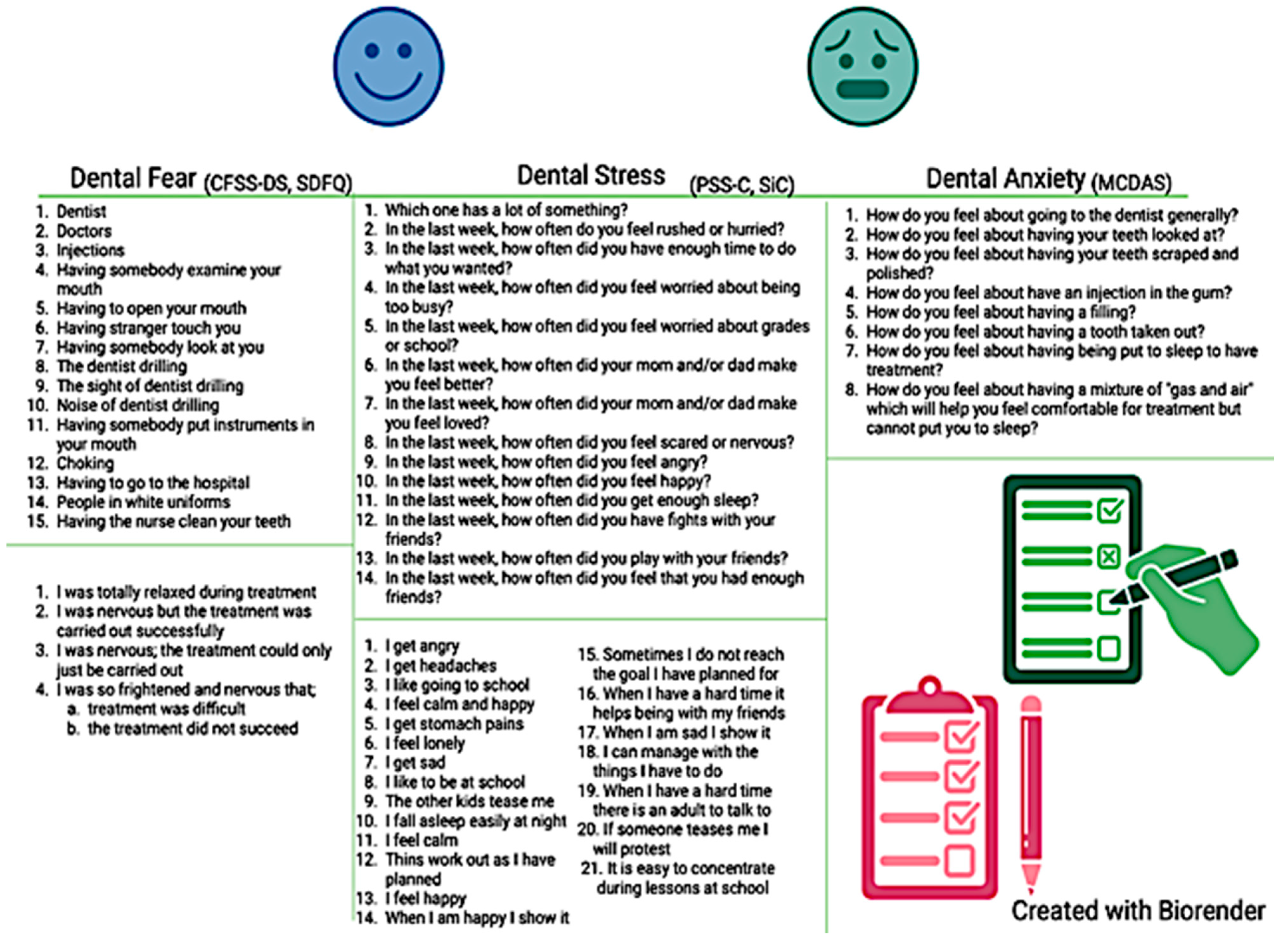
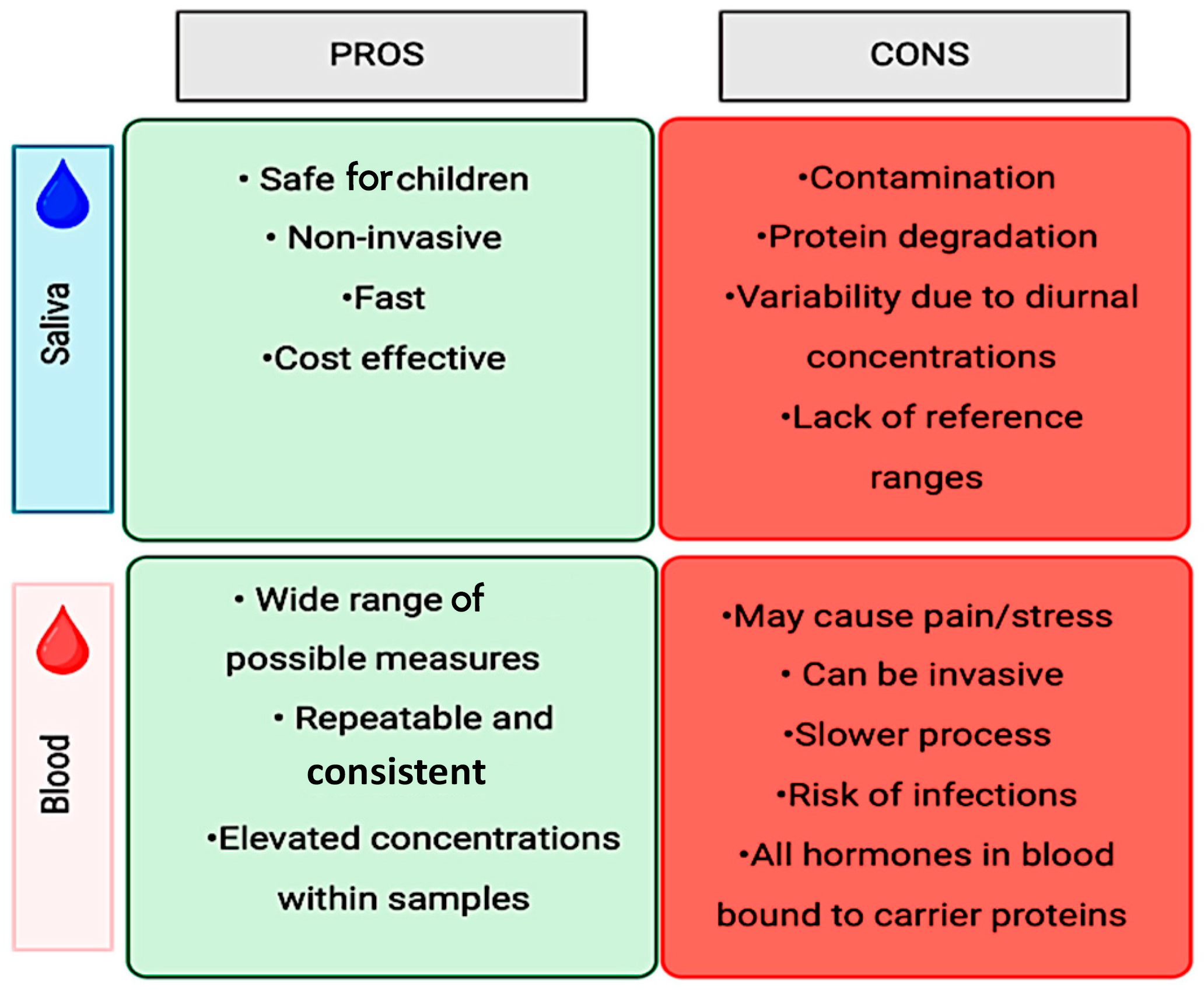
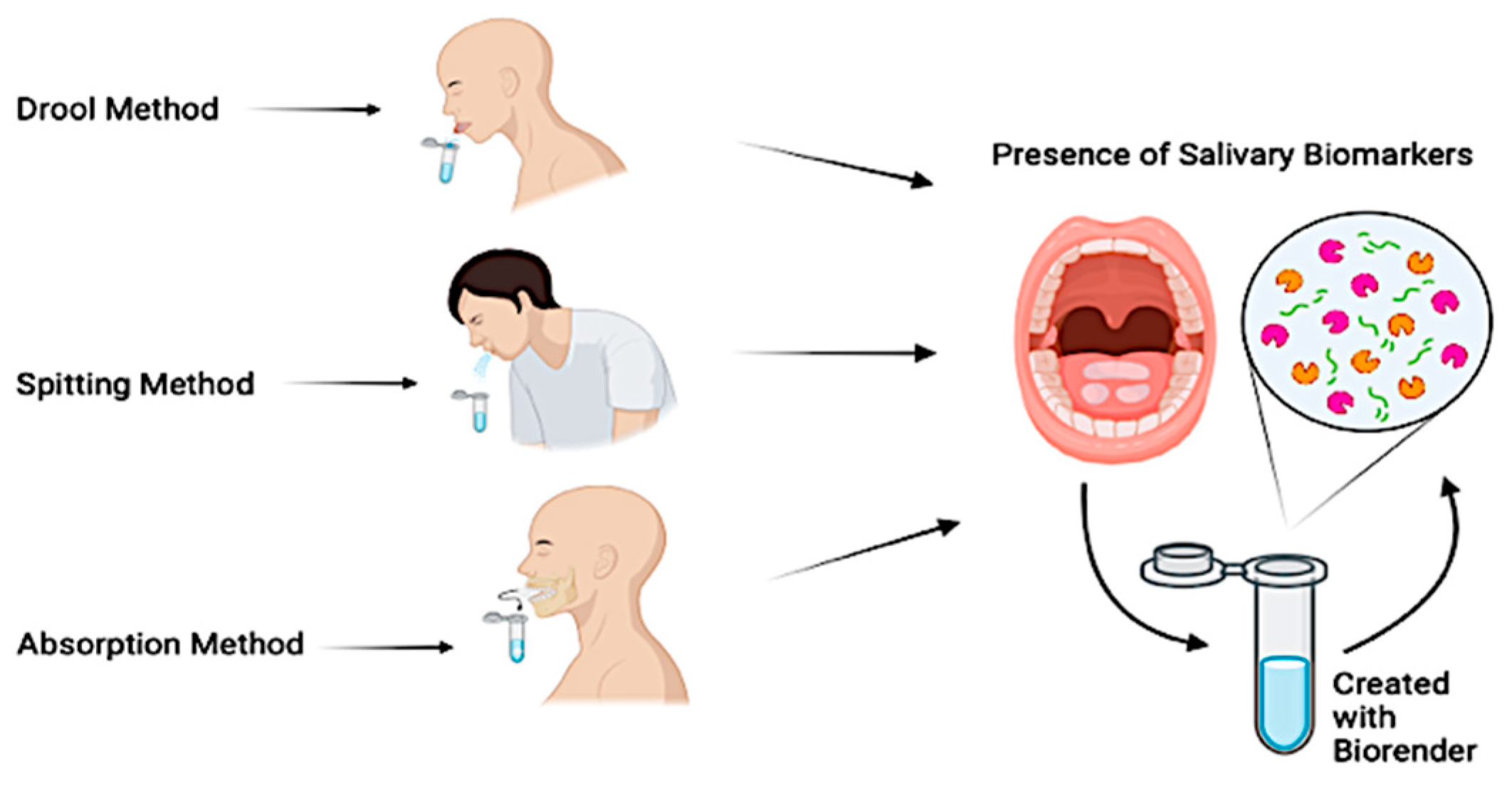
Dental fear and anxiety are frequently identified as major contributing factors to non-compliance, uncooperativeness, and difficulties during dental procedures in pediatric patients. These issues can lead to avoidance of dental treatment, resulting in long-term negative consequences for oral health and overall well-being. The assessment and quantification of psychological functioning (i.e., dental fear, anxiety, and self-perceived stress) has traditionally relied on self-reported questionnaires validated for the pediatric population. While this approach is cost-effective and non-invasive, it relies on subjective self-reported data, oftentimes influenced by parental or guardian interaction, especially in young children. Salivary diagnostics has recently emerged as an objective method for the procurement of biological molecules that serve as biomarkers for a variety of oral and systemic conditions. This literature review aims to comprehensively summarize the available literature on the correlation between psychological and salivary physiological measurements assessing dental fear, dental anxiety, and self-perceived stress in pediatric dental patients, highlighting the advantages and disadvantages of each method of assessment. Four databases (PubMed®, PsycInfo, Dentistry & Oral Sciences Source, and Web of Science) were searched for published articles, in the English language, assessing the correlation between psychological and physiological distress in children undergoing dental procedures. Studies on pediatric patients reveal positive correlations between salivary cortisol and dental fear, stress, and anxiety, especially in returning patients. Conversely, findings on salivary alpha-amylase and secretory immunoglobulin A were inconsistent, with some studies suggesting correlations with dental fear and prior dental experiences.
Keywords: salivary alpha-amylase; dental stress analyses; biomarkers; dental anxiety; dental fear; pediatric dentistry; test anxiety questionnaires salivary alpha-amylase; dental stress analyses; biomarkers; dental anxiety; dental fear; pediatric dentistry; test anxiety questionnaires