Status Epilepsy Syndromes Made Easy: Pediatric Perspectives




Abstract
1. Introduction
2. Methods
3. Epidemiology
4. Current Hypotheses About Pathogenesis of NORSE and FIRES
5. Clinical Features of NORSE and FIRES
6. Pediatrics Versus Adults
7. Clinical Evaluation and Diagnosis of NORSE and FIRES
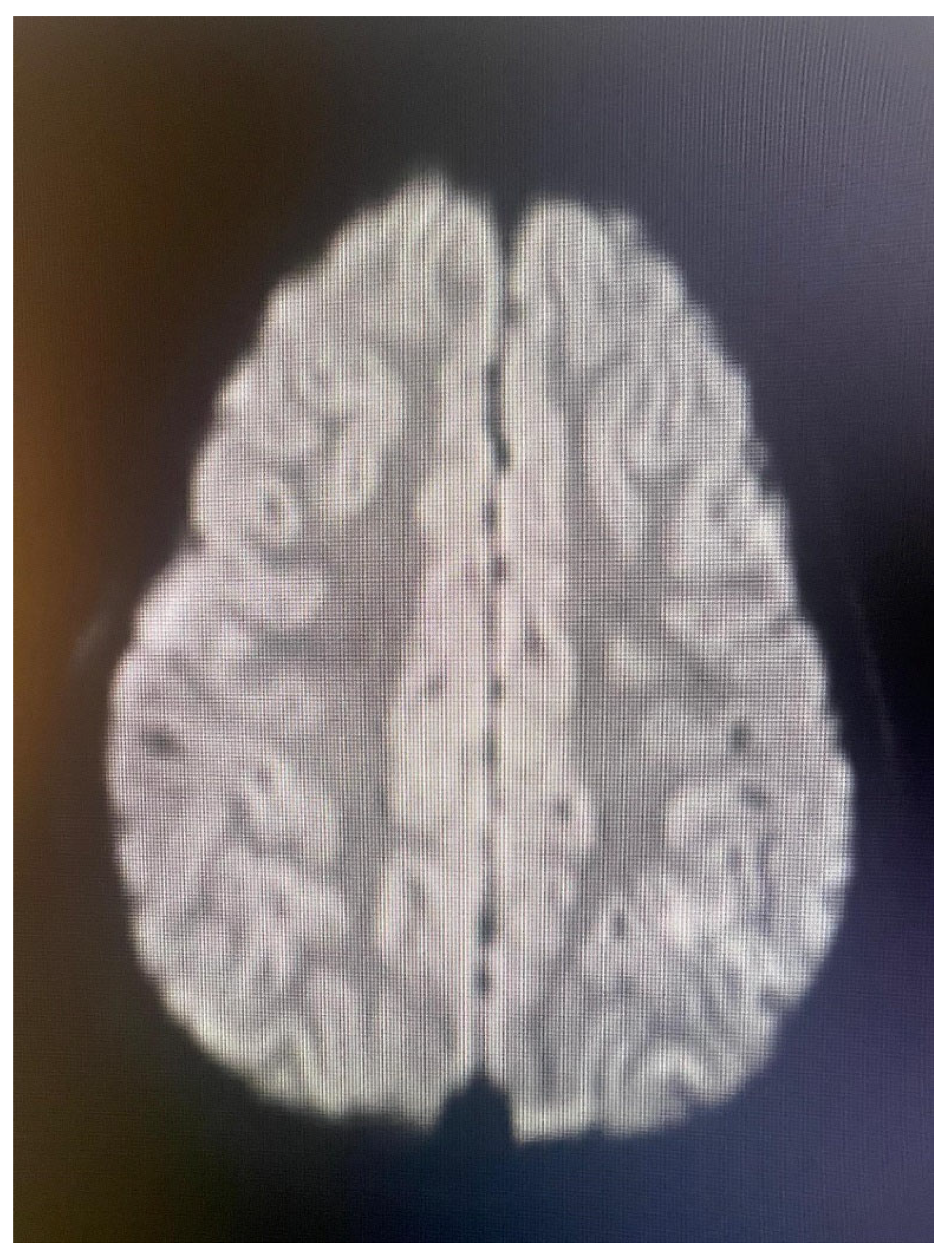
7.1. Magnetic Resonance Imaging (MRI)
7.2. Cerebrospinal Fluid and Serum Findings
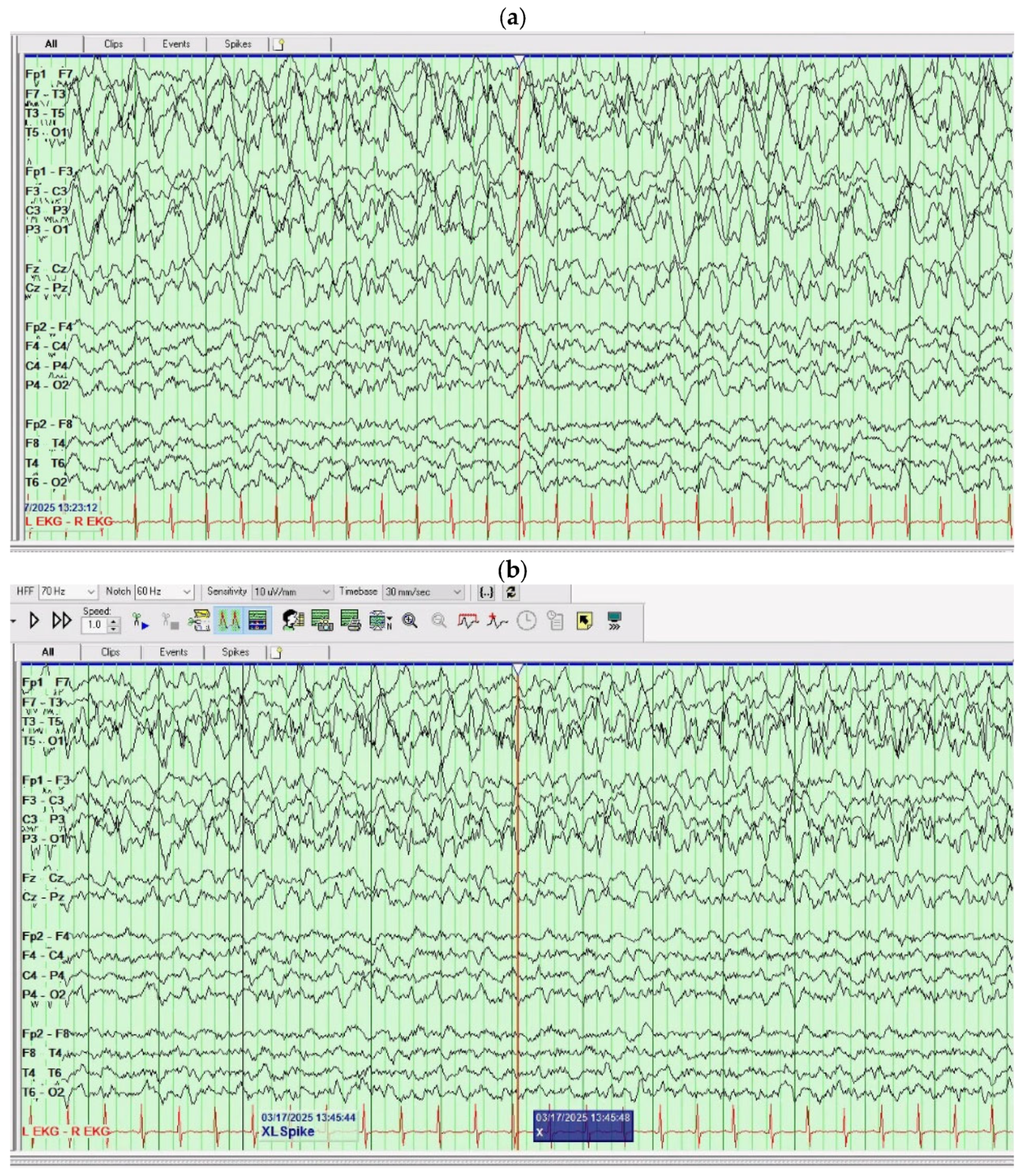
7.3. Electroencephalogram (EEG) Findings
8. Management of NORSE and FIRES
8.1. Anti-Seizure Medications
8.2. Barbiturates
8.3. Midazolam
8.4. Propofol
8.5. Ketamine
8.6. Ketogenic Diet
8.7. Immune Therapy
8.7.1. Steroids, IVIG, and Plasma Exchange
8.7.2. Immunomodulating Agents
8.8. Cannabinoids
8.9. Magnesium Sulfate
8.10. Vagal Nerve Stimulation (VNS)
8.11. Electroconvulsive Therapy (ECT)
8.12. Moderate Therapeutic Hypothermia
8.13. Miscellaneous
9. Future Directions
- Anti-seizure medications ± anesthesia-induced coma ± antimicrobials;
- Supportive treatment with airway, breathing, and cerebral support;
- Ketogenic diet ± vagus nerve stimulation;
- EEG monitoring;
- Iatrogenic damage avoidance;
- Immunotherapy with anakinra, tocilizumab, etc.
10. Conclusions
Funding
Institutional Review Board Statement
Informed Consent Statement
Data Availability Statement
Conflicts of Interest
Abbreviations
| ADEM | Acute Disseminated Encephalomyelitis. |
| AERRPS | Acute Encephalitis with Refractory, Repetitive Partial Seizures. |
| DESC | Devastating Epilepsy in School-aged Children. |
| FIRES | Febrile Infection-Related Epilepsy Syndrome. |
| IHHES | Idiopathic Hemiconvulsion-Hemiplegia and Epilepsy Syndrome. |
| NORSE | New-Onset Refractory Status Epilepsy. |
| RSE | Refractory Status Epilepticus. |
| SE | Status Epilepticus. |
| VNS | Vagal Nerve Stimulation. |
References
- Trinka, E.; Cock, H.; Hesdorffer, D.; Rossetti, A.O.; Scheffer, I.E.; Shinnar, S.; Shorvon, S.; Lowenstein, D.H. A definition and classification of status epilepticus—Report of the ILAE Task Force on Classification of Status Epilepticus. Epilepsia 2015, 56, 1515–1523. [Google Scholar] [CrossRef] [PubMed]
- Beniczky, S.; Trinka, E.; Wirrell, E.; Singh, M.B.; Blumenfeld, H.; Bogacz Fressola, A.; Cendes, F.; Craiu, D.; Frauscher, B.; Jansen, F.E.; et al. A practical guide to the updated seizure classification 2025. Epileptic Disord. 2025. Early view. [Google Scholar] [CrossRef] [PubMed]
- Bhatia, K.; Jesus, O. De New Onset Refractory Status Epilepticus. StatPearls 2023. Available online: https://www.ncbi.nlm.nih.gov/books/NBK567765/ (accessed on 13 September 2025).
- Hon, K.L.; Leung, A.K.C.; Torres, A.R. Febrile Infection-Related Epilepsy Syndrome (FIRES): An Overview of Treatment and Recent Patents. Recent Pat. Inflamm. Allergy Drug Discov. 2018, 12, 128–135. [Google Scholar] [CrossRef] [PubMed]
- Gaspard, N.; Foreman, B.P.; Alvarez, V.; Kang, C.C.; Probasco, J.C.; Jongeling, A.C.; Meyers, E.; Espinera, A.; Haas, K.F.; Schmitt, S.E.; et al. New-onset refractory status epilepticus. Neurology 2015, 85, 1604–1613. [Google Scholar] [CrossRef]
- Rana, M.; Torres, A.R.; Hon, K.L.; Leung, A.K.C.; Jonas, R. Febrile Infection-Related Epilepsy Syndrome. J. Pediatr. Epilepsy 2019, 08, 083–092. [Google Scholar] [CrossRef]
- Hon, K.L.E.; Leung, A.K.; Au, C.C.; Torres, A.R. Autoimmune Encephalitis in Children: From Suspicion to Diagnosis. Cureus 2021, 13, e13307. [Google Scholar] [CrossRef]
- Jmor, F.; Emsley, H.C.A.; Fischer, M.; Solomon, T.; Lewthwaite, P. The incidence of acute encephalitis syndrome in Western industrialised and tropical countries. Virol. J. 2008, 5, 134. [Google Scholar] [CrossRef]
- Venkatesan, A. Epidemiology and outcomes of acute encephalitis. Curr. Opin. Neurol. 2015, 28, 277–282. [Google Scholar] [CrossRef]
- Vos, T.; Allen, C.; Arora, M.; Barber, R.M.; Brown, A.; Carter, A.; Casey, D.C.; Charlson, F.J.; Chen, A.Z.; Coggeshall, M.; et al. Global, regional, and national incidence, prevalence, and years lived with disability for 310 diseases and injuries, 1990–2015: A systematic analysis for the Global Burden of Disease Study 2015. Lancet 2016, 388, 1545–1602. [Google Scholar] [CrossRef]
- Wang, H.; Naghavi, M.; Allen, C.; Barber, R.M.; Carter, A.; Casey, D.C.; Charlson, F.J.; Chen, A.Z.; Coates, M.M.; Coggeshall, M.; et al. Global, regional, and national life expectancy, all-cause mortality, and cause-specific mortality for 249 causes of death, 1980–2015: A systematic analysis for the Global Burden of Disease Study 2015. Lancet 2016, 388, 1459–1544. [Google Scholar] [CrossRef]
- Steiner, I.; Budka, H.; Chaudhuri, A.; Koskiniemi, M.; Sainio, K.; Salonen, O.; Kennedy, P.G. Viral encephalitis: A review of diagnostic methods and guidelines for management. Eur. J. Neurol. 2005, 12, 331–343. [Google Scholar] [CrossRef] [PubMed]
- Venkatesan, A.; Geocadin, R.G. Diagnosis and management of acute encephalitis: A practical approach. Neurol. Clin. Pract. 2014, 4, 206–215. [Google Scholar] [CrossRef]
- Au, C.C.; Hon, K.L.; Leung, A.K.C.; Torres, A.R. Childhood Infectious Encephalitis: An Overview of Clinical Features, Investigations, Treatment, and Recent Patents. Recent Pat. Inflamm. Allergy Drug Discov. 2020, 14, 156–165. [Google Scholar] [CrossRef] [PubMed]
- Hon, K.L.E.; Tsang, Y.C.K.; Chan, L.C.; Tsang, H.W.; Wong, K.Y.K.; Wu, Y.H.G.; Chan, P.K.; Cheung, K.L.; Ng, E.Y.; Totapally, B.R. Outcome of Encephalitis in Pediatric Intensive Care Unit. Indian J. Pediatr. 2016, 83, 1098–1103. [Google Scholar] [CrossRef] [PubMed]
- Fisher, D.L.; Defres, S.; Solomon, T. Measles-induced encephalitis. QJM 2015, 108, 177–182. [Google Scholar] [CrossRef]
- Kennedy, P.G.E. Viral encephalitis: Causes, differential diagnosis, and management. J. Neurol. Neurosurg. Psychiatry 2004, 75 Suppl. 1, i10–i15. [Google Scholar] [CrossRef]
- Hama, K.; Ishiguchi, H.; Tuji, T.; Miwa, H.; Kondo, T. Neurosyphilis with mesiotemporal magnetic resonance imaging abnormalities. Intern. Med. 2008, 47, 1813–1817. [Google Scholar] [CrossRef]
- Venkatesan, A.; Tunkel, A.R.; Bloch, K.C.; Lauring, A.S.; Sejvar, J.; Bitnun, A.; Stahl, J.P.; Mailles, A.; Drebot, M.; Rupprecht, C.E.; et al. Case definitions, diagnostic algorithms, and priorities in encephalitis: Consensus statement of the international encephalitis consortium. Clin. Infect. Dis. 2013, 57, 1114–1128. [Google Scholar] [CrossRef]
- Kneen, R.; Michael, B.D.; Menson, E.; Mehta, B.; Easton, A.; Hemingway, C.; Klapper, P.E.; Vincent, A.; Lim, M.; Carrol, E.; et al. Management of suspected viral encephalitis in children—Association of British Neurologists and British Paediatric Allergy, Immunology and Infection Group national guidelines. J. Infect. 2012, 64, 449–477. [Google Scholar] [CrossRef]
- Iro, M.A.; Martin, N.G.; Absoud, M.; Pollard, A.J. Intravenous immunoglobulin for the treatment of childhood encephalitis. Cochrane Database Syst. Rev. 2017, 10, CD011367. [Google Scholar] [CrossRef]
- Koide, R.; Shimizu, T.; Koike, K.; Dalmau, J. EFA6A-like antibodies in paraneoplastic encephalitis associated with immature ovarian teratoma: A case report. J. Neurooncol. 2007, 81, 71–74. [Google Scholar] [CrossRef]
- Tüzün, E.; Dalmau, J. Limbic encephalitis and variants: Classification, diagnosis and treatment. Neurologist 2007, 13, 261–271. [Google Scholar] [CrossRef] [PubMed]
- Corsellis, J.A.N.; Goldberg, G.J.; Norton, A.R. “Limbic encephalitis” and its association with carcinoma. Brain 1968, 91, 481–496. [Google Scholar] [CrossRef] [PubMed]
- Bakheit, A.M.O.; Kennedy, P.G.E.; Behan, P.O. Paraneoplastic limbic encephalitis: Clinico-pathological correlations. J. Neurol. Neurosurg. Psychiatry 1990, 53, 1084–1088. [Google Scholar] [CrossRef] [PubMed]
- Dalmau, J.; Tüzün, E.; Wu, H.Y.; Masjuan, J.; Rossi, J.E.; Voloschin, A.; Baehring, J.M.; Shimazaki, H.; Koide, R.; King, D.; et al. Paraneoplastic anti-N-methyl-D-aspartate receptor encephalitis associated with ovarian teratoma. Ann. Neurol. 2007, 61, 25–36. [Google Scholar] [CrossRef]
- Westman, G.; Studahl, M.; Ahlm, C.; Eriksson, B.M.; Persson, B.; Rönnelid, J.; Schliamser, S.; Aurelius, E. N-methyl-D-aspartate receptor autoimmunity affects cognitive performance in herpes simplex encephalitis. Clin. Microbiol. Infect. 2016, 22, 934–940. [Google Scholar] [CrossRef]
- Lang, P.O.; Sellal, F. Non-paraneoplastic limbic encephalitis revealed by anterograde amnesia. Presse Med. 2008, 37, 775–782. [Google Scholar] [CrossRef]
- Buckley, C.; Oger, J.; Clover, L.; Tüzün, E.; Carpenter, K.; Jackson, M.; Vincent, A. Potassium channel antibodies in two patients with reversible limbic encephalitis. Ann. Neurol. 2001, 50, 73–78. [Google Scholar] [CrossRef]
- Schott, J.M.; Harkness, K.; Barnes, J.; della Rocchetta, A.I.; Vincent, A.; Rossor, M.N. Amnesia, cerebral atrophy, and autoimmunity. Lancet 2003, 361, 1266. [Google Scholar] [CrossRef]
- Armangue, T.; Petit-Pedrol, M.; Dalmau, J. Autoimmune encephalitis in children. J. Child Neurol. 2012, 27, 1460–1469. [Google Scholar] [CrossRef]
- Dalmau, J.; Graus, F. Antibody-Mediated Encephalitis. N. Engl. J. Med. 2018, 378, 840–851. [Google Scholar] [CrossRef] [PubMed]
- Vasquez, A.; Farias-Moeller, R.; Tatum, W. Pediatric refractory and super-refractory status epilepticus. Seizure 2019, 68, 62–71. [Google Scholar] [CrossRef] [PubMed]
- Lam, S.K.; Lu, W.Y.; Weng, W.C.; Fan, P.C.; Lee, W.T. The short-term and long-term outcome of febrile infection-related epilepsy syndrome in children. Epilepsy Behav. 2019, 95, 117–123. [Google Scholar] [CrossRef] [PubMed]
- Bleck, T.P. Refractory status epilepticus. Curr. Opin. Crit. Care 2005, 11, 117–120. [Google Scholar] [CrossRef]
- Fernandez, A.; Claassen, J. Refractory status epilepticus. Curr. Opin. Crit. Care 2012, 18, 127–131. [Google Scholar] [CrossRef]
- Brophy, G.M.; Bell, R.; Claassen, J.; Alldredge, B.; Bleck, T.P.; Glauser, T.; Laroche, S.M.; Riviello, J.J.; Shutter, L.; Sperling, M.R.; et al. Guidelines for the evaluation and management of status epilepticus. Neurocrit. Care 2012, 17, 3–23. [Google Scholar] [CrossRef]
- Shorvon, S.; Ferlisi, M. The treatment of super-refractory status epilepticus: A critical review of available therapies and a clinical treatment protocol. Brain 2011, 134, 2802–2818. [Google Scholar] [CrossRef]
- Hirsch, L.J.; Gaspard, N.; van Baalen, A.; Nabbout, R.; Demeret, S.; Loddenkemper, T.; Navarro, V.; Specchio, N.; Lagae, L.; Rossetti, A.O.; et al. Proposed consensus definitions for new-onset refractory status epilepticus (NORSE), febrile infection-related epilepsy syndrome (FIRES), and related conditions. Epilepsia 2018, 59, 739–744. [Google Scholar] [CrossRef]
- Lyon, G.; Dodge, P.R.; Adams, R.D. The acute encephalopathies of obscure origin in infants and children. Brain 1961, 84, 680–708. [Google Scholar] [CrossRef]
- Mikaeloff, Y.; Jambaqué, I.; Hertz-Pannier, L.; Zamfirescu, A.; Adamsbaum, C.; Plouin, P.; Dulac, O.; Chiron, C. Devastating epileptic encephalopathy in school-aged children (DESC): A pseudo encephalitis. Epilepsy Res. 2006, 69, 67–79. [Google Scholar] [CrossRef]
- Nabbout, R. FIRES and IHHE: Delineation of the syndromes. Epilepsia 2013, 54, 54–56. [Google Scholar] [CrossRef] [PubMed]
- Sakuma, H. Acute encephalitis with refractory, repetitive partial seizures. Brain Dev. 2009, 31, 510–514. [Google Scholar] [CrossRef] [PubMed]
- Van Baalen, A.; Vezzani, A.; Häusler, M.; Kluger, G. Febrile Infection-Related Epilepsy Syndrome: Clinical Review and Hypotheses of Epileptogenesis. Neuropediatrics 2017, 48, 5–18. [Google Scholar] [CrossRef] [PubMed]
- Kramer, U.; Chi, C.S.; Lin, K.L.; Specchio, N.; Sahin, M.; Olson, H.; Nabbout, R.; Kluger, G.; Lin, J.J.; Van Baalen, A. Febrile infection–related epilepsy syndrome (FIRES): Pathogenesis, treatment, and outcome A multicenter study on 77 children. Epilepsia 2011, 52, 1956–1965. [Google Scholar] [CrossRef]
- Benghanem, S.; Robieux, E.P.; Neligan, A.; Walker, M.C. Status epilepticus: What’s new for the intensivist. Curr. Opin. Crit. Care 2024, 30, 131–141. [Google Scholar] [CrossRef]
- Van Baalen, A.; Häusler, M.; Boor, R.; Rohr, A.; Sperner, J.; Kurlemann, G.; Panzer, A.; Stephani, U.; Kluger, G. Febrile infection-related epilepsy syndrome (FIRES): A nonencephalitic encephalopathy in childhood. Epilepsia 2010, 51, 1323–1328. [Google Scholar] [CrossRef]
- Specchio, N.; Pietrafusa, N. New-onset refractory status epilepticus and febrile infection-related epilepsy syndrome. Dev. Med. Child Neurol. 2020, 62, 897–905. [Google Scholar] [CrossRef]
- Chin, H.; Kim, S.Y.; Lim, B.C.; Chae, J.H.; Kim, K.J.; Cho, J.S.; Cho, A.; Kim, H.; Kim, W.J. Pediatric new-onset super-refractory status epilepticus (NOSRSE): A case-series. Eur. J. Paediatr. Neurol. 2025, 56, 67–73. [Google Scholar] [CrossRef]
- Fox, K.; Wells, M.E.; Tennison, M.; Vaughn, B. Febrile Infection-Related Epilepsy Syndrome (FIRES): A Literature Review and Case Study. Neurodiagn. J. 2017, 57, 224–233. [Google Scholar] [CrossRef]
- Serino, D.; Santarone, M.E.; Caputo, D.; Fusco, L. Febrile infection-related epilepsy syndrome (FIRES): Prevalence, impact and management strategies. Neuropsychiatr. Dis. Treat. 2019, 15, 1897–1903. [Google Scholar] [CrossRef]
- Kantanen, A.M.; Reinikainen, M.; Parviainen, I.; Ruokonen, E.; Ala-Peijari, M.; Bäcklund, T.; Koskenkari, J.; Laitio, R.; Kälviäinen, R. Incidence and mortality of super-refractory status epilepticus in adults. Epilepsy Behav. 2015, 49, 131–134. [Google Scholar] [CrossRef] [PubMed]
- Wickström, R. Overview of new-onset refractory status epilepticus: Current concepts, diagnosis, and management. Clin. Epileptol. 2023, 36, 298–303. [Google Scholar] [CrossRef]
- Wilder-Smith, E.P.V.; Lim, E.C.H.; Teoh, H.L.; Sharma, V.K.; Tan, J.J.H.; Chan, B.P.L.; Ong, B.K.C. The NORSE (new-onset refractory status epilepticus) syndrome: Defining a disease entity. Ann. Acad. Med. Singap. 2005, 34, 417–420. [Google Scholar] [CrossRef] [PubMed]
- Gaspard, N.; Hirsch, L.J.; Sculier, C.; Loddenkemper, T.; van Baalen, A.; Lancrenon, J.; Emmery, M.; Specchio, N.; Farias-Moeller, R.; Wong, N.; et al. New-onset refractory status epilepticus (NORSE) and febrile infection–related epilepsy syndrome (FIRES): State of the art and perspectives. Epilepsia 2018, 59, 745–752. [Google Scholar] [CrossRef]
- Farias-Moeller, R.; Bartolini, L.; Staso, K.; Schreiber, J.M.; Carpenter, J.L. Early ictal and interictal patterns in FIRES: The sparks before the blaze. Epilepsia 2017, 58, 1340–1348. [Google Scholar] [CrossRef]
- Di Capua, D.; Garciá-Ptacek, S.; García-García, M.E.; Abarrategui, B.; Porta-Etessam, J.; García-Morales, I. Extreme delta brush in a patient with anti-NMDAR encephalitis. Epileptic Disord. 2013, 15, 461–464. [Google Scholar] [CrossRef]
- Caraballo, R.H.; Reyes, G.; Avaria, M.F.L.; Buompadre, M.C.; Gonzalez, M.; Fortini, S.; Cersosimo, R. Febrile infection-related epilepsy syndrome: A study of 12 patients. Seizure 2013, 22, 553–559. [Google Scholar] [CrossRef]
- Howell, K.B.; Katanyuwong, K.; MacKay, M.T.; Bailey, C.A.; Scheffer, I.E.; Freeman, J.L.; Berkovic, S.F.; Harvey, A.S. Long-term follow-up of febrile infection-related epilepsy syndrome. Epilepsia 2012, 53, 101–110. [Google Scholar] [CrossRef]
- Nabbout, R.; Vezzani, A.; Dulac, O.; Chiron, C. Acute encephalopathy with inflammation-mediated status epilepticus. Lancet Neurol. 2011, 10, 99–108. [Google Scholar] [CrossRef]
- Furlanis, G.M.; Favaro, J.; Bresolin, N.; Grioni, D.; Baro, V.; D’Amico, A.; Sartori, S.; Denaro, L.; Landi, A. Role of Vagus Nerve Stimulation in Refractory and Super Refractory Status Epilepticus: A Pediatric Case Series. Brain Sci. 2023, 13, 1589. [Google Scholar] [CrossRef]
- Espino, P.H.; Burneo, J.G.; Moscol, G.; Gofton, T.; MacDougall, K.; Suller Marti, A. Long-term outcomes after NORSE: Treatment with vagus nerve stimulation. Epilepsia Open 2022, 7, 822–828. [Google Scholar] [CrossRef] [PubMed]
- Appavu, B.; Vanatta, L.; Condie, J.; Kerrigan, J.F.; Jarrar, R. Ketogenic diet treatment for pediatric super-refractory status epilepticus. Seizure 2016, 41, 62–65. [Google Scholar] [CrossRef] [PubMed]
- Kenney-Jung, D.L.; Vezzani, A.; Kahoud, R.J.; LaFrance-Corey, R.G.; Ho, M.L.; Muskardin, T.W.; Wirrell, E.C.; Howe, C.L.; Payne, E.T. Febrile infection-related epilepsy syndrome treated with anakinra. Ann. Neurol. 2016, 80, 939–945. [Google Scholar] [CrossRef] [PubMed]
- Lai, Y.C.; Muscal, E.; Wells, E.; Shukla, N.; Eschbach, K.; Hyeong Lee, K.; Kaliakatsos, M.; Desai, N.; Wickström, R.; Viri, M.; et al. Anakinra usage in febrile infection related epilepsy syndrome: An international cohort. Ann. Clin. Transl. Neurol. 2020, 7, 2467–2474. [Google Scholar] [CrossRef]
- Jun, J.S.; Lee, S.T.S.K.; Kim, R.; Chu, K.; Lee, S.T.S.K. Tocilizumab treatment for new onset refractory status epilepticus. Ann. Neurol. 2018, 84, 940–945. [Google Scholar] [CrossRef]
- Appenzeller, S.; Helbig, I.; Stephani, U.; Häusler, M.; Kluger, G.; Bungeroth, M.; Müller, S.; Kuhlenbäumer, G.; Van Baalen, A. Febrile infection-related epilepsy syndrome (FIRES) is not caused by SCN1A, POLG, PCDH19 mutations or rare copy number variations. Dev. Med. Child Neurol. 2012, 54, 1144–1148. [Google Scholar] [CrossRef]
- Van Baalen, A.; Häusler, M.; Plecko-Startinig, B.; Strautmanis, J.; Vlaho, S.; Gebhardt, B.; Rohr, A.; Abicht, A.; Kluger, G.; Stephani, U.; et al. Febrile infection-related epilepsy syndrome without detectable autoantibodies and response to immunotherapy: A case series and discussion of epileptogenesis in FIRES. Neuropediatrics 2012, 43, 209–216. [Google Scholar] [CrossRef]
- Sakuma, H.; Awaya, Y.; Shiomi, M.; Yamanouchi, H.; Takahashi, Y.; Saito, Y.; Sugai, K.; Sasaki, M. Acute encephalitis with refractory, repetitive partial seizures (AERRPS): A peculiar form of childhood encephalitis. Acta Neurol. Scand. 2010, 121, 251–256. [Google Scholar] [CrossRef]
- Sakuma, H.; Tanuma, N.; Kuki, I.; Takahashi, Y.; Shiomi, M.; Hayashi, M. Intrathecal overproduction of proinflammatory cytokines and chemokines in febrile infection-related refractory status epilepticus. J. Neurol. Neurosurg. Psychiatry 2015, 86, 820–822. [Google Scholar] [CrossRef]
- Jin, Z.; Zhan, Y.; Chen, S.; Zheng, Y. Cytokines in new-onset refractory status epilepticus: Ready for clinical use? Acta Epileptol. 2024, 6, 19. [Google Scholar] [CrossRef]
- Kunz, M.; Ibrahim, S.M. Cytokines and Cytokine Profiles in Human Autoimmune Diseases and Animal Models of Autoimmunity. Mediat. Inflamm. 2009, 2009, 979258. [Google Scholar] [CrossRef]
- Meletti, S.; Giovannini, G.; d’Orsi, G.; Toran, L.; Monti, G.; Guha, R.; Kiryttopoulos, A.; Pascarella, M.G.; Martino, T.; Alexopoulos, H.; et al. New-onset refractory status epilepticus with claustrum damage: Definition of the clinical and neuroimaging features. Front. Neurol. 2017, 8, 111. [Google Scholar] [CrossRef]
- Illingworth, M.A.; Hanrahan, D.; Anderson, C.E.; O’Kane, K.; Anderson, J.; Casey, M.; de Sousa, C.; Cross, J.H.; Wright, S.; Dale, R.C.; et al. Elevated VGKC-complex antibodies in a boy with fever-induced refractory epileptic encephalopathy in school-age children (FIRES). Dev. Med. Child Neurol. 2011, 53, 1053–1057. [Google Scholar] [CrossRef]
- Caputo, D.; Iorio, R.; Vigevano, F.; Fusco, L. Febrile infection-related epilepsy syndrome (FIRES) with super-refractory status epilepticus revealing autoimmune encephalitis due to GABAAR antibodies. Eur. J. Paediatr. Neurol. 2018, 22, 182–185. [Google Scholar] [CrossRef] [PubMed]
- Saitoh, M.; Kobayashi, K.; Ohmori, I.; Tanaka, Y.; Tanaka, K.; Inoue, T.; Horino, A.; Ohmura, K.; Kumakura, A.; Takei, Y.; et al. Cytokine-related and sodium channel polymorphism as candidate predisposing factors for childhood encephalopathy FIRES/AERRPS. J. Neurol. Sci. 2016, 368, 272–276. [Google Scholar] [CrossRef] [PubMed]
- Lee, H.F.; Chi, C.S. Febrile infection-related epilepsy syndrome (FIRES): Therapeutic complications, long-term neurological and neuroimaging follow-up. Seizure 2018, 56, 53–59. [Google Scholar] [CrossRef] [PubMed]
- Jafarpour, S.; Stredny, C.M.; Piantino, J.; Chapman, K.E. Baseline and outcome assessment in pediatric status epilepticus. Seizure 2019, 68, 52–61. [Google Scholar] [CrossRef]
- Kazazian, K.; Gaspard, N.; Hirsch, L.J.; Kellogg, M.; Hocker, S.E.; Wong, N.; Farias-Moeller, R.; Eschbach, K.; Gofton, T.E. Age-associated differences in FIRES: Characterizing prodromal presentation and long-term outcomes via the web-based NORSE/FIRES Family Registry. Epilepsia 2025, 66, e35–e40. [Google Scholar] [CrossRef]
- Champsas, D.; Zhang, X.; Rosch, R.; Ioannidou, E.; Gilmour, K.; Cooray, G.; Woodhall, G.; Pujar, S.; Kaliakatsos, M.; Wright, S.K. NORSE/FIRES: How can we advance our understanding of this devastating condition? Front. Neurol. 2024, 15, 1426051. [Google Scholar] [CrossRef]
- The-NORSE/FIRES-Family-Registry—A-Comparison-of-Pediatric-and-Adult-Presentations-and-Outcomes. Available online: https://aesnet.org/abstractslisting/the-norse/fires-family-registry--a-comparison-of-pediatric-and-adult-presentations-and-outcomes (accessed on 23 October 2025).
- Mantoan Ritter, L.; Nashef, L. New-onset refractory status epilepticus (NORSE). Pract. Neurol. 2021, 21, 119–127. [Google Scholar] [CrossRef]
- Farias-Moeller, R.; Bartolini, L.; Pasupuleti, A.; Brittany Cines, R.D.; Kao, A.; Carpenter, J.L. A Practical Approach to Ketogenic Diet in the Pediatric Intensive Care Unit for Super-Refractory Status Epilepticus. Neurocrit. Care 2017, 26, 267–272. [Google Scholar] [CrossRef]
- Rivas-Coppola, M.S.; Shah, N.; Choudhri, A.F.; Morgan, R.; Wheless, J.W. Chronological Evolution of Magnetic Resonance Imaging Findings in Children with Febrile Infection-Related Epilepsy Syndrome. Pediatr. Neurol. 2016, 55, 22–29. [Google Scholar] [CrossRef] [PubMed]
- Tan, A.P. Febrile Infection-Related Epilepsy Syndrome (FIRES) with Multifocal Subcortical Infarcts, A New Imaging Phenotype. Neuropediatrics 2018, 49, 347–352. [Google Scholar] [CrossRef] [PubMed]
- Samanta, D.; Lui, F. Anti-NMDAR Encephalitis. StatPearls 2023. Available online: https://www.ncbi.nlm.nih.gov/books/NBK551672/ (accessed on 13 September 2025).
- Nabbout, R.; Mazzuca, M.; Hubert, P.; Peudennier, S.; Allaire, C.; Flurin, V.; Aberastury, M.; Silva, W.; Dulac, O. Efficacy of ketogenic diet in severe refractory status epilepticus initiating fever induced refractory epileptic encephalopathy in school age children (FIRES). Epilepsia 2010, 51, 2033–2037. [Google Scholar] [CrossRef] [PubMed]
- Koh, S.; Dupuis, N.; Auvin, S. Ketogenic diet and Neuroinflammation. Epilepsy Res. 2020, 167, 106454. [Google Scholar] [CrossRef]
- Gall, C.R.E.; Jumma, O.; Mohanraj, R. Five cases of new onset refractory status epilepticus (NORSE) syndrome: Outcomes with early immunotherapy. Seizure 2013, 22, 217–220. [Google Scholar] [CrossRef]
- Mechanism of Action of Antiepileptic and Antimyoclonic Drugs. Available online: https://pubmed.ncbi.nlm.nih.gov/8848979/ (accessed on 14 June 2022).
- Rubin, D.B.; Angelini, B.; Shoukat, M.; Chu, C.J.; Zafar, S.F.; Brandon Westover, M.; Cash, S.S.; Rosenthal, E.S. Electrographic predictors of successful weaning from anaesthetics in refractory status epilepticus. Brain 2020, 143, 1143. [Google Scholar] [CrossRef]
- Rantala, H.; Saukkonen, A.L.; Remes, M.; Uhari, M. Efficacy of five days’ barbiturate anesthesia in the treatment of intractable epilepsies in children. Epilepsia 1999, 40, 1775–1779. [Google Scholar] [CrossRef]
- Rossetti, A.O.; Logroscino, G.; Bromfield, E.B. Refractory status epilepticus: Effect of treatment aggressiveness on prognosis. Arch. Neurol. 2005, 62, 1698–1702. [Google Scholar] [CrossRef]
- Abend, N.S.; Bearden, D.; Helbig, I.; McGuire, J.; Narula, S.; Panzer, J.A.; Topjian, A.; Dlugos, D.J. Status epilepticus and refractory status epilepticus management. Semin. Pediatr. Neurol. 2014, 21, 263–274. [Google Scholar] [CrossRef]
- Lowenstein, D.H.; Aminoff, M.J.; Simon, R.P. Barbiturate anesthesia in the treatmentof status epilepticus: Clinical experience with 14 patients. Neurology 1988, 38, 395–400. [Google Scholar] [CrossRef]
- Ferlisi, M.; Shorvon, S. The outcome of therapies in refractory and super-refractory convulsive status epilepticus and recommendations for therapy. Brain 2012, 135, 2314–2328. [Google Scholar] [CrossRef] [PubMed]
- Singhi, S.; Murthy, A.; Singhi, P.; Jayashree, M. Continuous midazolam versus diazepam infusion for refractory convulsive status epilepticus. J. Child Neurol. 2002, 17, 106–110. [Google Scholar] [CrossRef] [PubMed]
- Wilkes, R.; Tasker, R.C. Intensive care treatment of uncontrolled status epilepticus in children: Systematic literature search of midazolam and anesthetic therapies. Pediatr. Crit. Care Med. 2014, 15, 632–639. [Google Scholar] [CrossRef] [PubMed]
- Krajčová, A.; Waldauf, P.; Anděl, M.; Duška, F. Propofol infusion syndrome: A structured review of experimental studies and 153 published case reports. Crit. Care 2015, 19, 398. [Google Scholar] [CrossRef]
- Baumeister, F.A.M.; Oberhoffer, R.; Liebhaber, G.M.; Kunkel, J.; Eberhardt, J.; Holthausen, H.; Peters, J. Fatal propofol infusion syndrome in association with ketogenic diet. Neuropediatrics 2004, 35, 250–252. [Google Scholar] [CrossRef]
- Ilvento, L.; Rosati, A.; Marini, C.; L’Erario, M.; Mirabile, L.; Guerrini, R. Ketamine in refractory convulsive status epilepticus in children avoids endotracheal intubation. Epilepsy Behav. 2015, 49, 343–346. [Google Scholar] [CrossRef]
- Veiga, A.M.; Moreno, D.C.; Menéndez, I.G.; Siscart, I.M.; Del Olmo Fernández, M.; Sánchez, E.G.; González, M.G.; Sáez, F.G. Effectiveness of electroconvulsive therapy for refractory status epilepticus in febrile infection-related epilepsy syndrome. Neuropediatrics 2017, 48, 45–48. [Google Scholar]
- Hanin, A.; Jimenez, A.D.; Gopaul, M.; Asbell, H.; Aydemir, S.; Basha, M.M.; Batra, A.; Damien, C.; Day, G.S.; Eka, O.; et al. Trends in management of patients with new-onset refractory status epilepticus (NORSE) from 2016 to 2023: An interim analysis. Epilepsia 2024, 65, e148–e155. [Google Scholar] [CrossRef]
- Millichap, J.J.; Millichap, J.G. Ketogenic Diet as Preferred Treatment of FIRES. Pediatr. Neurol. Briefs 2015, 29, 3. [Google Scholar] [CrossRef][Green Version]
- Singh, R.K.; Joshi, S.M.; Potter, D.M.; Leber, S.M.; Carlson, M.D.; Shellhaas, R.A. Cognitive outcomes in febrile infection-related epilepsy syndrome treated with the ketogenic diet. Pediatrics 2014, 134, e1431–e1435. [Google Scholar] [CrossRef] [PubMed]
- François, L.L.; Manel, V.; Rousselle, C.; David, M. Ketogenic regime as anti-epileptic treatment: Its use in 29 epileptic children. Arch. Pediatr. 2003, 10, 300–306. [Google Scholar] [CrossRef] [PubMed]
- Vezzani, A.; Rüegg, S. The pivotal role of immunity and inflammatory processes in epilepsy is increasingly recognized: Introduction. Epilepsia 2011, 52, 1–4. [Google Scholar] [CrossRef] [PubMed]
- López-Benítez, J.; Rocha, P.A.C.; Hon, K.L.E.; Mohanty, M.; Torres, A.R. Pediatric therapeutic options in autoimmune neurologic diseases. Medicina 2022, 82 Suppl. 3, 62–66. [Google Scholar]
- Yarimi, J.M.; Sandweiss, A.J.; Salazar, K.P.; Massrey, C.; Ankar, A.; Muscal, E.; Lai, Y.C.; Cokley, J.A.; Davila-Williams, D.; Shukla, N.M.; et al. IT-DEX and B cell depletion in a child with anti-GAD 65 autoimmune encephalitis presenting as NORSE: A case report. J. Neuroimmunol. 2024, 395, 578430. [Google Scholar] [CrossRef]
- Balamuth, N.J.; Nichols, K.E.; Paessler, M.; Teachey, D.T. Use of rituximab in conjunction with immunosuppressive chemotherapy as a novel therapy for Epstein Barr virus-associated hemophagocytic lymphohistiocytosis. J. Pediatr. Hematol. Oncol. 2007, 29, 569–573. [Google Scholar] [CrossRef]
- Rituximab (Intravenous Route)—Mayo Clinic. Available online: https://www.mayoclinic.org/drugs-supplements/rituximab-intravenous-route/description/drg-20068057 (accessed on 14 May 2025).
- Gaspard, N. A New Hose to Extinguish the FIRES? Epilepsy Curr. 2019, 19, 86–87. [Google Scholar] [CrossRef]
- Shin, Y.W.; Hong, S.B.; Lee, S.K. Analysis of Early EEG Changes After Tocilizumab Treatment in New-Onset Refractory Status Epilepticus. Brain Sci. 2025, 15, 638. [Google Scholar] [CrossRef]
- Rosemergy, I.; Adler, J.; Psirides, A. Cannabidiol oil in the treatment of super refractory status epilepticus. A Case report. Seizure 2016, 35, 56–58. [Google Scholar] [CrossRef][Green Version]
- Gofshteyn, J.S.; Wilfong, A.; Devinsky, O.; Bluvstein, J.; Charuta, J.; Ciliberto, M.A.; Laux, L.; Marsh, E.D. Cannabidiol as a Potential Treatment for Febrile Infection-Related Epilepsy Syndrome (FIRES) in the Acute and Chronic Phases. J. Child Neurol. 2017, 32, 35–40. [Google Scholar] [CrossRef]
- Aydemir, S.; Kandula, P. High dose cannabidiol (CBD) in the treatment of new-onset refractory status epilepticus (NORSE). Seizure 2022, 94, 126–128. [Google Scholar] [CrossRef] [PubMed]
- Tan, W.W.; Chan, D.W.S.; Lee, J.H.; Thomas, T.; Menon, A.P.; Chan, Y.H. Use of Magnesium Sulfate Infusion for the Management of Febrile Illness-Related Epilepsy Syndrome: A Case Series. Child Neurol. Open 2015, 2, 2329048X1455006. [Google Scholar] [CrossRef] [PubMed]
- Zeiler, F.A.; Zeiler, K.J.; Teitelbaum, J.; Gillman, L.M.; West, M. VNS for refractory status epilepticus. Epilepsy Res. 2015, 112, 100–113. [Google Scholar] [CrossRef] [PubMed]
- Kamel, H.; Cornes, S.B.; Hegde, M.; Hall, S.E.; Josephson, S.A. Electroconvulsive therapy for refractory status epilepticus: A case series. Neurocrit. Care 2010, 12, 204–210. [Google Scholar] [CrossRef]
- Kola, V.R.; Malla, S.S.; Gv, S.C.; Bandla, S. Rescue use of electroconvulsive therapy in new-onset refractory status epilepticus during pregnancy. BMJ Case Rep. 2025, 18, e266413. [Google Scholar] [CrossRef]
- Lin, J.J.; Lin, K.L.; Hsia, S.H.; Wang, H.S. Therapeutic hypothermia for febrile infection-related epilepsy syndrome in two patients. Pediatr. Neurol. 2012, 47, 448–450. [Google Scholar] [CrossRef]
- Zeiler, F.A.; Zeiler, K.J.; Teitelbaum, J.; Gillman, L.M.; West, M.; Kazina, C.J. Lidocaine for Status Epilepticus in Pediatrics. Can. J. Neurol. Sci. 2015, 42, 414–426. [Google Scholar] [CrossRef]
- Vendrame, M.; Loddenkemper, T. Surgical Treatment of Refractory Status Epilepticus in Children: Candidate Selection and Outcome. Semin. Pediatr. Neurol. 2010, 17, 182–189. [Google Scholar] [CrossRef]
- King’s Participates in Large Clinical Trial of Rare, Severe Seizure Disorder | King’s College London. Available online: https://www.kcl.ac.uk/news/kings-participates-in-large-clinical-trial-of-rare-severe-seizure-disorder (accessed on 24 October 2025).
- Sculier, C.; Gaspard, N. New onset refractory status epilepticus (NORSE). Seizure 2019, 68, 72–78. [Google Scholar] [CrossRef]



| NORSE | FIRES | |
|---|---|---|
| Incidence | 0.7/100,000 per annum [52] | 1 in 1,000,000/yr (children) [47] |
| Risks | Young age, female, previously healthy, cerebrospinal fluid pleocytosis, antecedent febrile illness, extraordinarily prolonged status epilepticus, no apparent underlying cause despite extensive investigations, the catastrophic outcome, and temporal lobe plus leptomeningeal abnormality on MRI of the brain [52,53]. | Males more commonly affected than females [45] |
| Etiology | Proinflammatory molecules in the brain following upper respiratory viral infection [5,52,54]. | A preceding upper respiratory tract or gastroenteritis one day to two weeks before onset. |
| Pathophysiology | - Cryptogenic in 52% of cases [5] - Nonparaneoplastic autoimmune (anti-NMDA receptor antibody) - Paraneoplastic causes | Uncertain [55] |
| Diagnosis | CSF: Inflammatory pleocytosis without an identifiable organism [5,53]. EEG: - Lateralized or focal, generalized periodic discharges, and multifocal discharges [41,45]. - Seizures are brief and infrequent at the onset, associated with focal fast beta activity with a gradual evolution to SE characterized by rhythmic spike and wave complexes or beta-delta activity [56]. - In 1/3 of the anti-NMDA receptor encephalitis cases, EEG monitoring may show beta bursts overriding delta waves [57]. Neuroimaging: - Hyperintensity on T2/FLAIR sequences within the limbic and neocortical structures, often bilaterally. - Other brain regions like the claustrum, basal ganglia/thalami, and peri-insular cortex show abnormal T2/FLAIR hyperintensity [41,58]. | By exclusion: - The acute phase consists of highly recurrent focal seizures, rapidly evolving into refractory status epilepticus. The chronic phase consists of drug-resistant epilepsy with cognitive impairment. CSF: Pleocytosis EEG: - FIRES is a focal process with focal onset seizures. In a 2011 study of 77 FIRES patients, 58 had focal seizures. Of the 58, 50 had secondarily generalizing seizures (seizures that evolve from focal to generalized) [45,50]. On a 10–20 scalp electrode EEG, the ictal activity commonly begins temporally and spreads hemispherically and/or bilaterally [59]. Interictally, patients may have slowing that may be considered an encephalopathic pattern [60]. - FIRES patients (n = 12): diffuse delta-theta background slowing interictally in all 12 cases [58]. |
| Treatment | - Benzodiazepines, ASM [53] - Anesthetics for induced coma (with a median of 5 antiseizure drugs during treatment, yet 77% of cases culminate with administration of continuous anesthetics [5] - 40% of status epilepticus cases will be refractory to the first and second-line treatments [5] - Anesthetic use is associated with poorer outcomes and increased mortality [5]. - Vagus nerve stimulation efficacious in some [61,62]. | Benzodiazepines, barbiturates, and ketogenic diet [45,51,63]. Anakinra or Tocilizumab [64,65,66] |
| Prognosis | 50% of survivors develop chronic cognitive or functional disability and epilepsy [5]. | Intellectual disability, behavioral problems, and ongoing seizures [45,67]. |
| Mortality | 36% [52] | 12% [45] |
Disclaimer/Publisher’s Note: The statements, opinions and data contained in all publications are solely those of the individual author(s) and contributor(s) and not of MDPI and/or the editor(s). MDPI and/or the editor(s) disclaim responsibility for any injury to people or property resulting from any ideas, methods, instructions or products referred to in the content. |
© 2025 by the authors. Licensee MDPI, Basel, Switzerland. This article is an open access article distributed under the terms and conditions of the Creative Commons Attribution (CC BY) license (https://creativecommons.org/licenses/by/4.0/).
Share and Cite
Hon, K.L.E.; Leung, A.K.C.; Leung, K.K.Y.; Torres, A.R. Status Epilepsy Syndromes Made Easy: Pediatric Perspectives. Children 2025, 12, 1709. https://doi.org/10.3390/children12121709
Hon KLE, Leung AKC, Leung KKY, Torres AR. Status Epilepsy Syndromes Made Easy: Pediatric Perspectives. Children. 2025; 12(12):1709. https://doi.org/10.3390/children12121709
Chicago/Turabian StyleHon, Kam Lun Ellis, Alexander K. C. Leung, Karen K. Y. Leung, and Alcy R. Torres. 2025. "Status Epilepsy Syndromes Made Easy: Pediatric Perspectives" Children 12, no. 12: 1709. https://doi.org/10.3390/children12121709
APA StyleHon, K. L. E., Leung, A. K. C., Leung, K. K. Y., & Torres, A. R. (2025). Status Epilepsy Syndromes Made Easy: Pediatric Perspectives. Children, 12(12), 1709. https://doi.org/10.3390/children12121709