Article

The Action Potential Clamp Technique as a Tool for Risk Stratification of Sinus Bradycardia Due to Loss-of-Function Mutations in HCN4: An In Silico Exploration Based on In Vitro and In Vivo Data


1
Department of Medical Biology, Amsterdam Cardiovascular Sciences, Amsterdam UMC, University of Amsterdam, 1105 AZ Amsterdam, The Netherlands
2
Department of Experimental Cardiology, Heart Center, Amsterdam Cardiovascular Sciences, Amsterdam UMC, University of Amsterdam, 1105 AZ Amsterdam, The Netherlands
*
Author to whom correspondence should be addressed.
Biomedicines 2023, 11(9), 2447; https://doi.org/10.3390/biomedicines11092447

Submission received: 11 July 2023 / Revised: 30 August 2023 / Accepted: 31 August 2023 / Published: 2 September 2023
(This article belongs to the Special Issue Mechanisms and Novel Therapeutic Approaches for Cardiac Arrhythmia)

Abstract

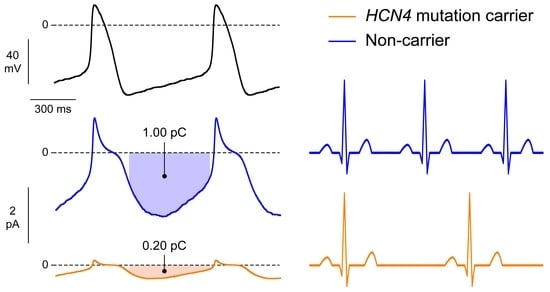
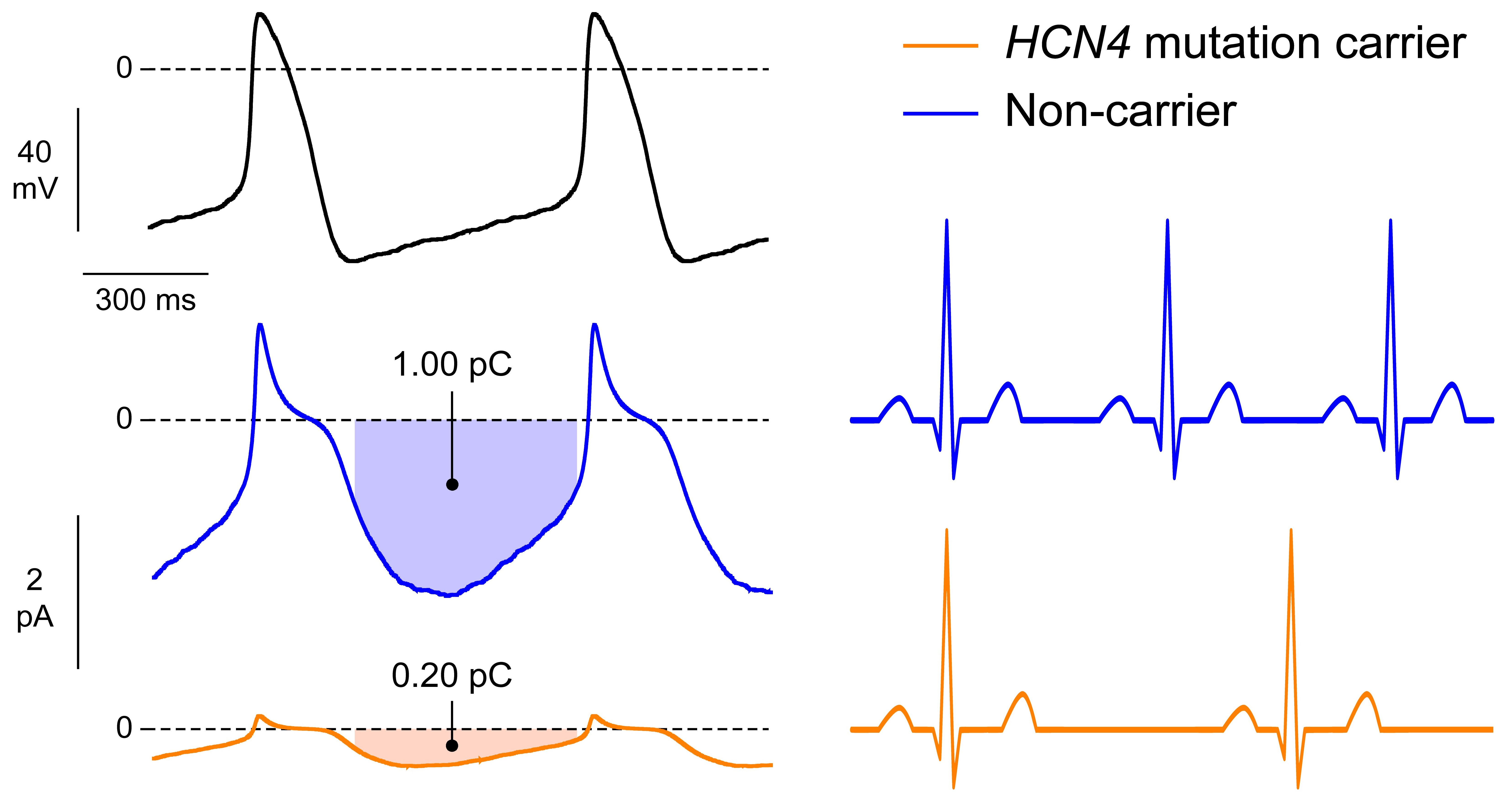
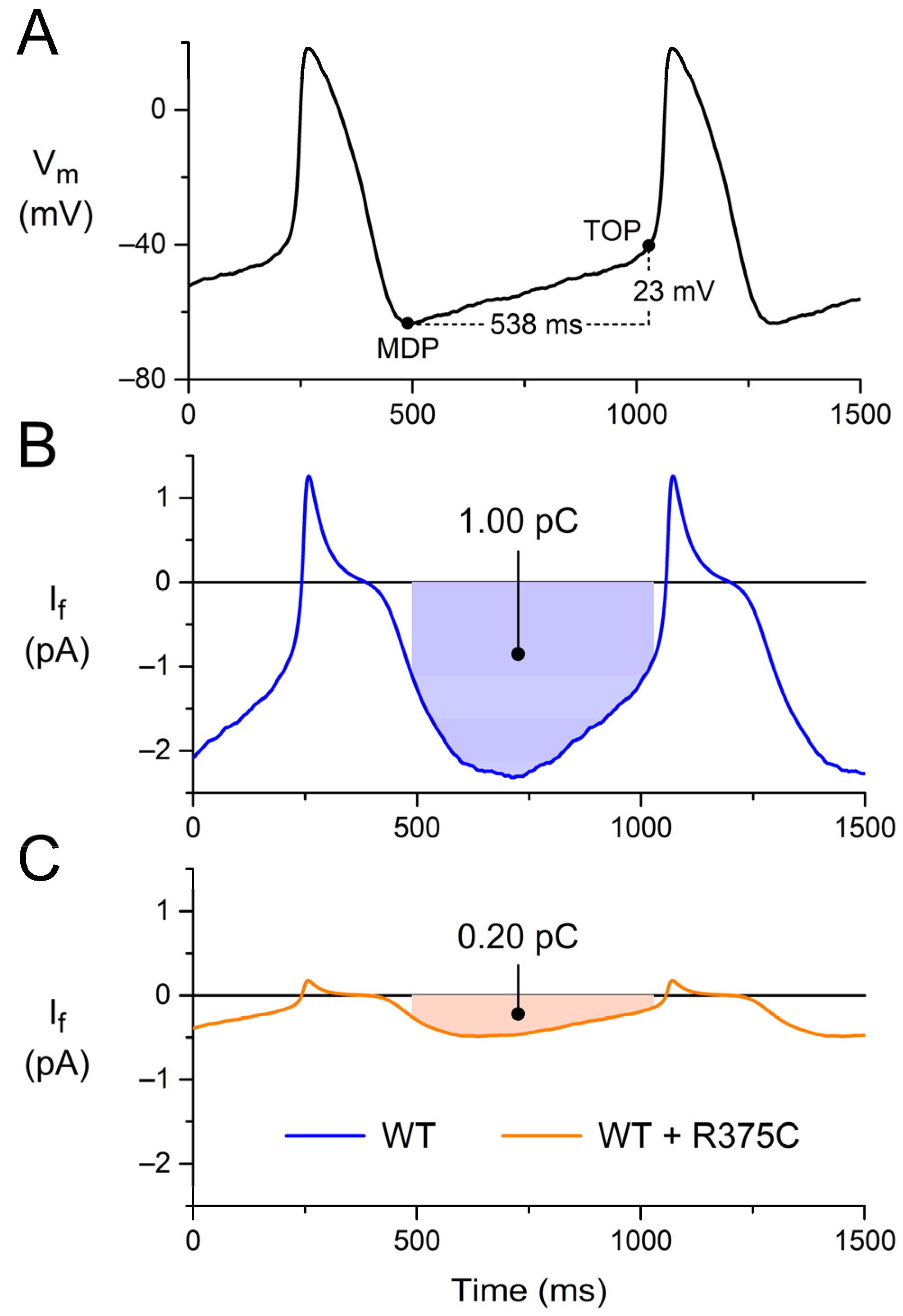
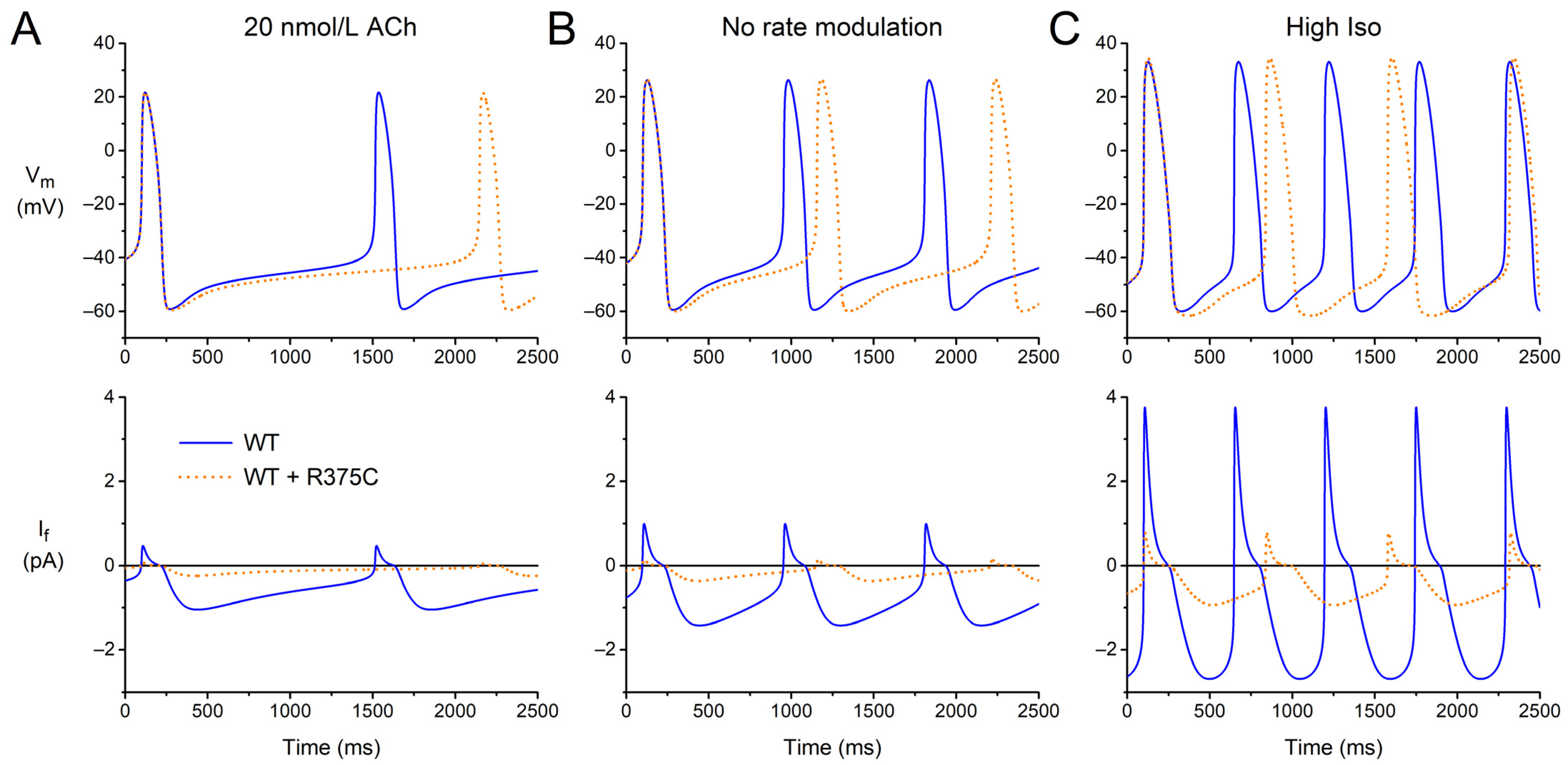
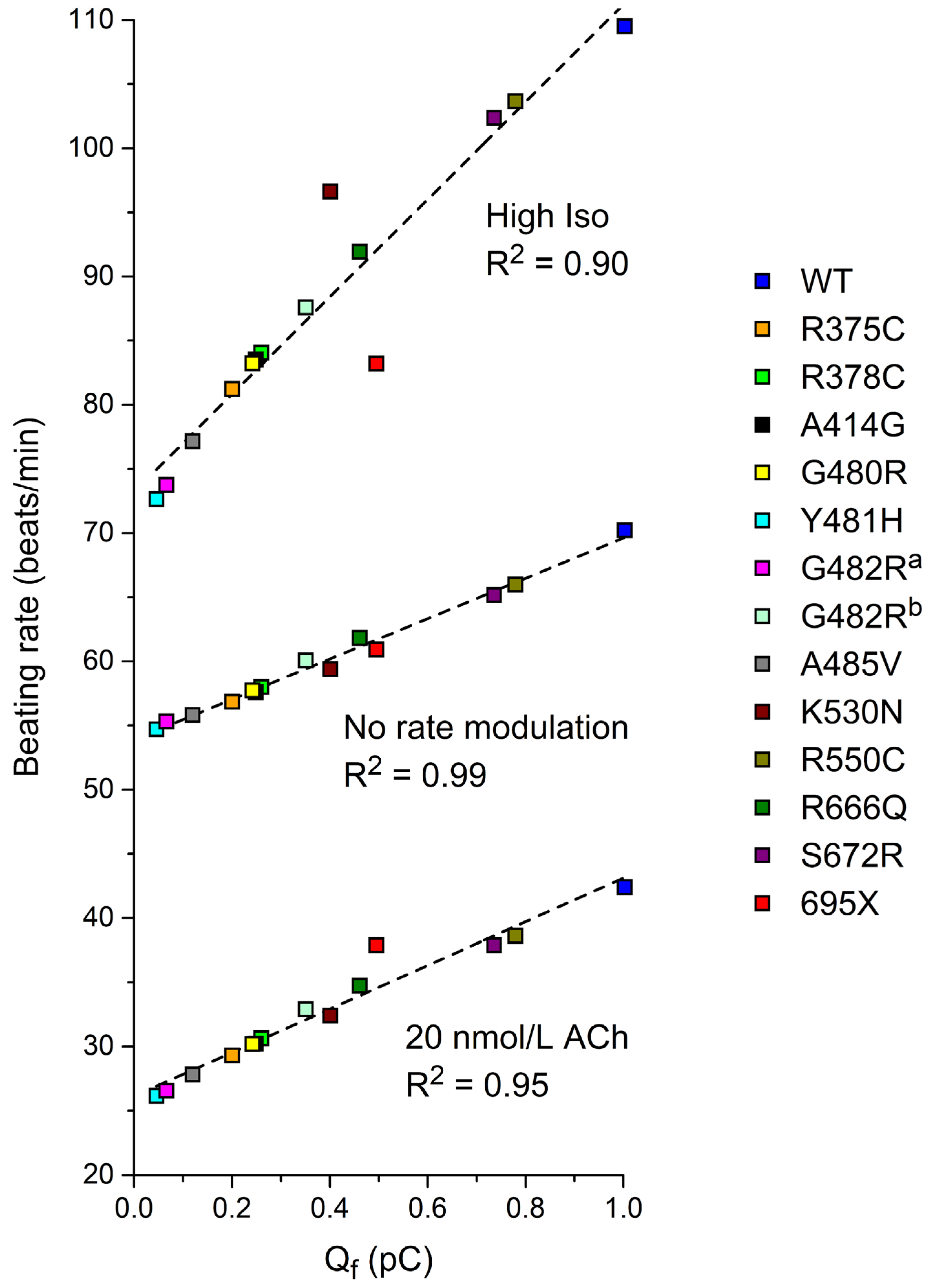
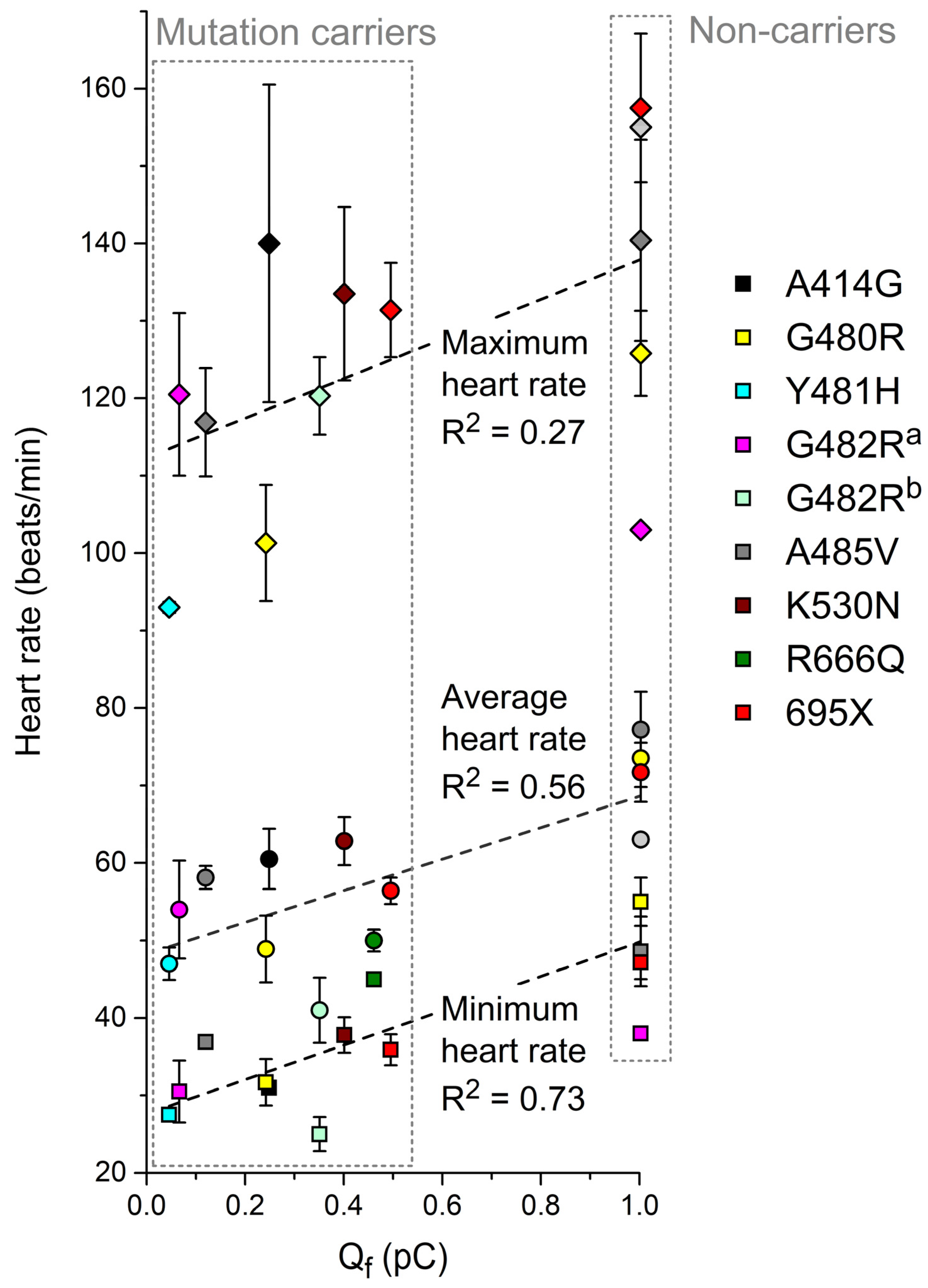
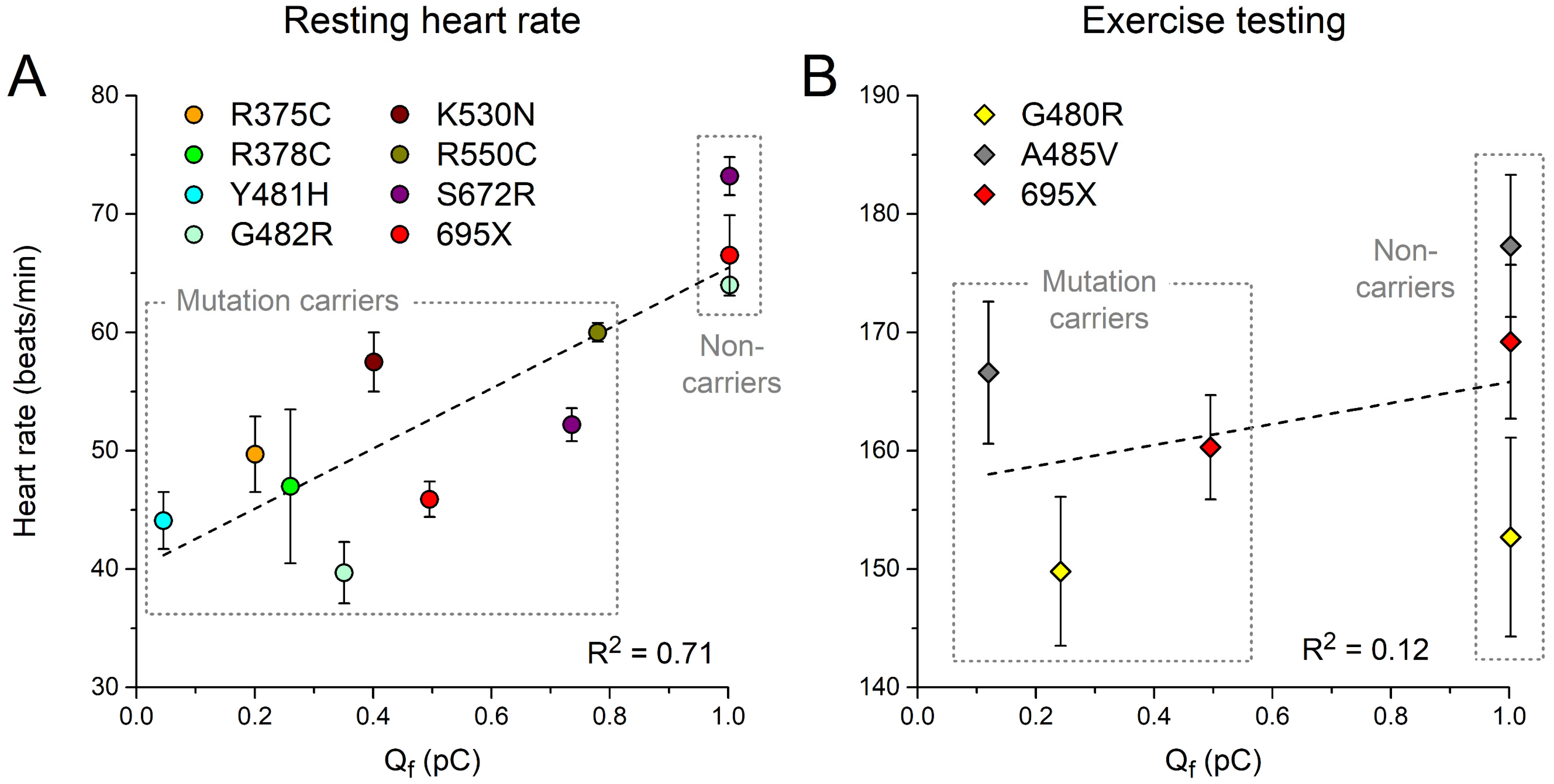
These days, in vitro functional analysis of gene variants is becoming increasingly important for risk stratification of cardiac ion channelopathies. So far, such risk stratification has been applied to SCN5A, KCNQ1, and KCNH2 gene variants associated with Brugada syndrome and long QT syndrome types 1 and 2, respectively, but risk stratification of HCN4 gene variants related to sick sinus syndrome has not yet been performed. HCN4 is the gene responsible for the hyperpolarization-activated ‘funny’ current If, which is an important modulator of the spontaneous diastolic depolarization underlying the sinus node pacemaker activity. In the present study, we carried out a risk classification assay on those loss-of-function mutations in HCN4 for which in vivo as well as in vitro data have been published. We used the in vitro data to compute the charge carried by If (Qf) during the diastolic depolarization phase of a prerecorded human sinus node action potential waveform and assessed the extent to which this Qf predicts (1) the beating rate of the comprehensive Fabbri–Severi model of a human sinus node cell with mutation-induced changes in If and (2) the heart rate observed in patients carrying the associated mutation in HCN4. The beating rate of the model cell showed a very strong correlation with Qf from the simulated action potential clamp experiments (R2 = 0.95 under vagal tone). The clinically observed minimum or resting heart rates showed a strong correlation with Qf (R2 = 0.73 and R2 = 0.71, respectively). While a translational perspective remains to be seen, we conclude that action potential clamp on transfected cells, without the need for further voltage clamp experiments and data analysis to determine individual biophysical parameters of If, is a promising tool for risk stratification of sinus bradycardia due to loss-of-function mutations in HCN4. In combination with an If blocker, this tool may also prove useful when applied to human-induced pluripotent stem cell-derived cardiomyocytes (hiPSC-CMs) obtained from mutation carriers and non-carriers.
Keywords: sinoatrial node; human; pacemaker activity; hyperpolarization-activated current; HCN4 channels; cellular electrophysiology; action potential; patch clamp; computer simulations sinoatrial node; human; pacemaker activity; hyperpolarization-activated current; HCN4 channels; cellular electrophysiology; action potential; patch clamp; computer simulations
Graphical Abstract