Article

Detection of Harmful H2S Concentration Range, Health Classification, and Lifespan Prediction of CH4 Sensor Arrays in Marine Environments

1
National Key Laboratory of Advanced Micro and Nano Manufacture Technology, Shanghai Jiao Tong University, Shanghai 200240, China
2
Department of Micro/Nano Electronics, School of Electronic Information and Electrical Engineering, Institute of Marine Equipment, Shanghai Jiao Tong University, Shanghai 200240, China
*
Authors to whom correspondence should be addressed.
Chemosensors 2024, 12(9), 172; https://doi.org/10.3390/chemosensors12090172

Submission received: 16 July 2024 / Revised: 14 August 2024 / Accepted: 22 August 2024 / Published: 29 August 2024
(This article belongs to the Special Issue Functional Nanomaterial-Based Gas Sensors and Humidity Sensors)

Abstract

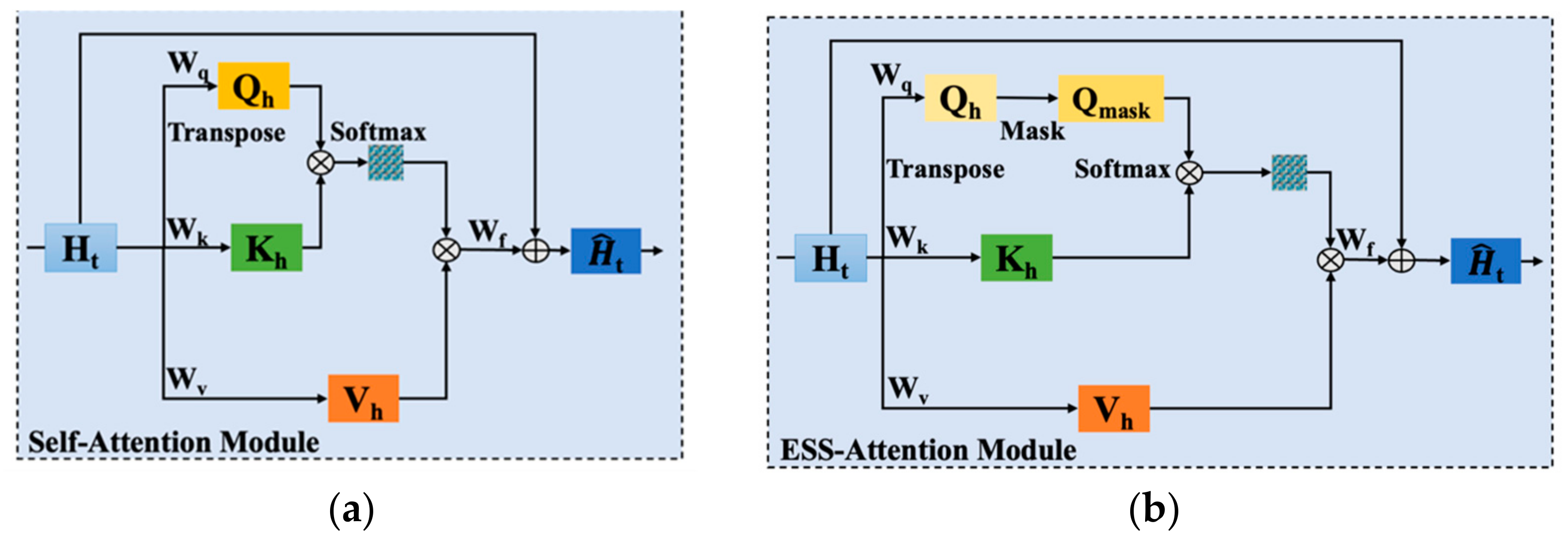
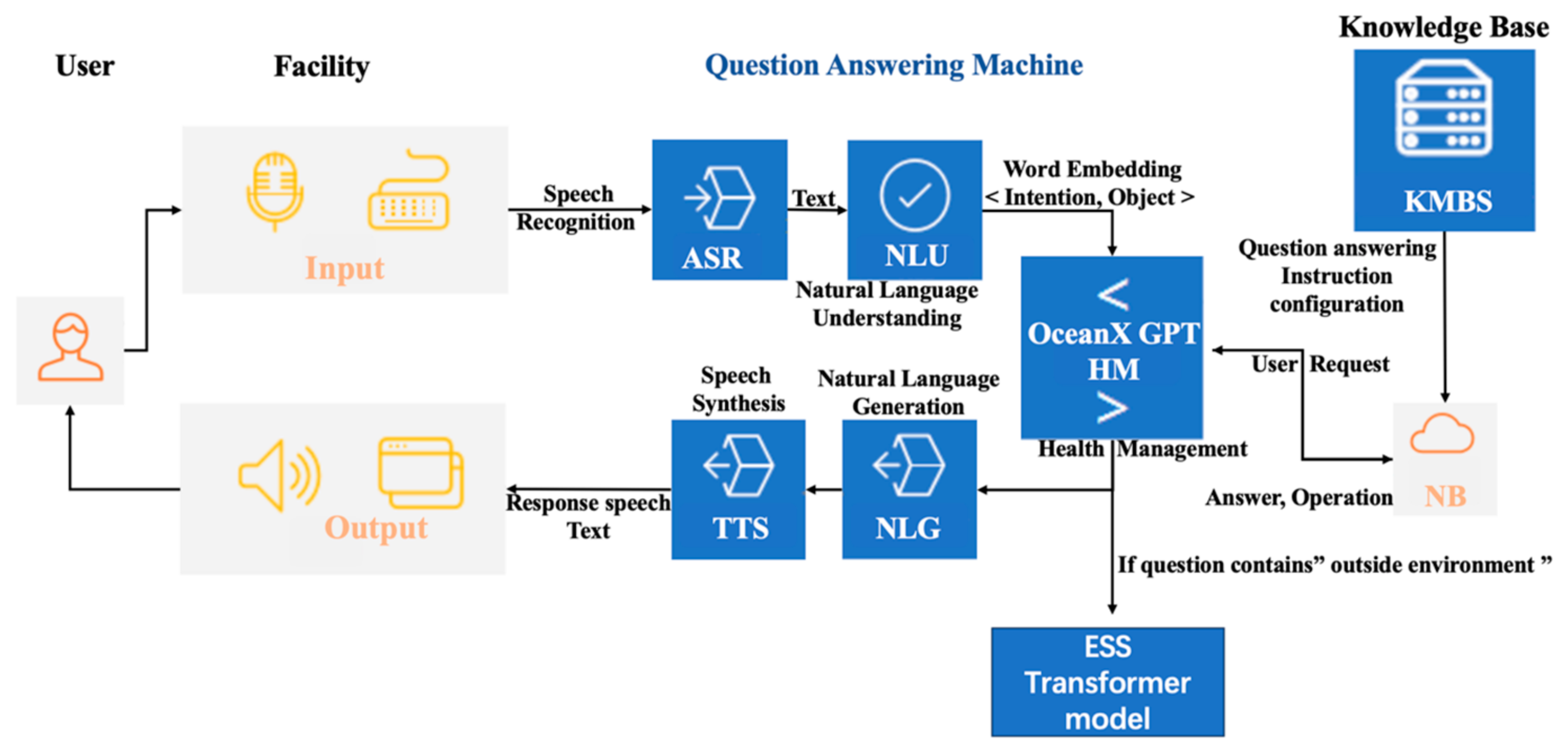
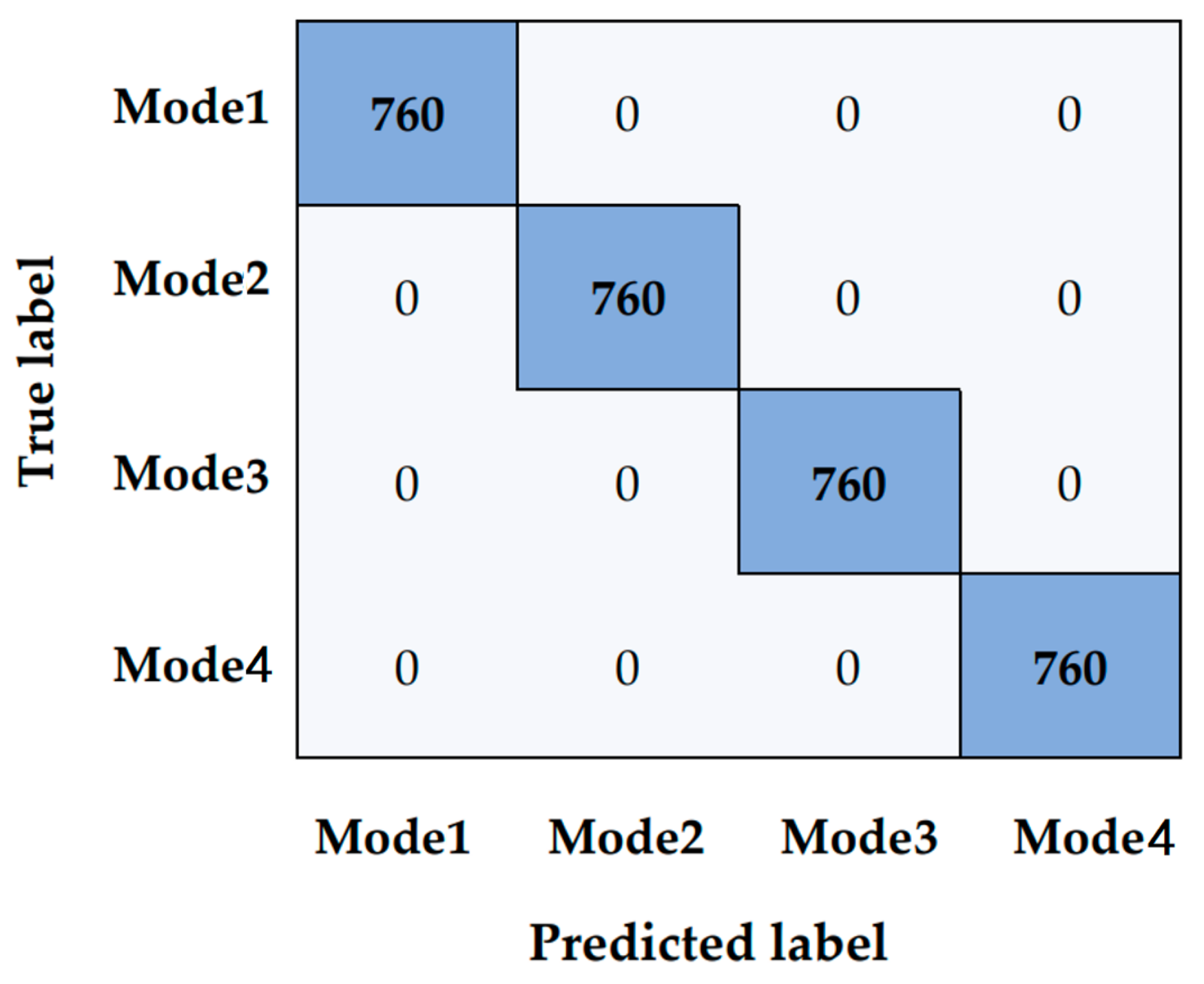
Underwater methane (CH4) detection technology is of great significance to the leakage monitoring and location of marine natural gas transportation pipelines, the exploration of submarine hydrothermal activity, and the monitoring of submarine volcanic activity. In order to improve the safety of underwater CH4 detection mission, it is necessary to study the effect of hydrogen sulfide (H2S) in leaking CH4 gas on sensor performance and harmful influence, so as to evaluate the health status and life prediction of underwater CH4 sensor arrays. In the process of detecting CH4, the accuracy decreases when H2S is found in the ocean water. In this study, we proposed an explainable sorted-sparse (ESS) transformer model for concentration interval detection under industrial conditions. The time complexity was decreased to O (n logn) using an explainable sorted-sparse block. Additionally, we proposed the Ocean X generative pre-trained transformer (GPT) model to achieve the online monitoring of the health of the sensors. The ESS transformer model was embedded in the Ocean X GPT model. When the program satisfied the special instructions, it would jump between models, and the online-monitoring question-answering session would be completed. The accuracy of the online monitoring of system health is equal to that of the ESS transformer model. This Ocean-X-generated model can provide a lot of expert information about sensor array failures and electronic noses by text and speech alone. This model had an accuracy of 0.99, which was superior to related models, including transformer encoder (0.98) and convolutional neural networks (CNN) + support vector machine (SVM) (0.97). The Ocean X GPT model for offline question-and-answer tasks had a high mean accuracy (0.99), which was superior to the related models, including long short-term memory–auto encoder (LSTM–AE) (0.96) and GPT decoder (0.98).
Keywords: toxic gas detection; sensor health management; signal processing; generated pre-trained transformer model; ocean methane detection; lifespan prediction toxic gas detection; sensor health management; signal processing; generated pre-trained transformer model; ocean methane detection; lifespan prediction