Article

Ensemble-Based Machine Learning Algorithm for Loan Default Risk Prediction

by
Abisola Akinjole
1,
Olamilekan Shobayo
1,*,
Jumoke Popoola
1,
Obinna Okoyeigbo
2 and
Bayode Ogunleye
3
1
School of Computing and Digital Technologies, Sheffield Hallam University, Sheffield S1 2NU, UK
2
Department of Engineering, Edge Hill University, Ormskirk L39 4QP, UK
3
Department of Computing & Mathematics, University of Brighton, Brighton BN2 4GJ, UK
*
Author to whom correspondence should be addressed.
Mathematics 2024, 12(21), 3423; https://doi.org/10.3390/math12213423
Submission received: 10 September 2024 / Revised: 3 October 2024 / Accepted: 30 October 2024 / Published: 31 October 2024
(This article belongs to the Special Issue Data-Driven Approaches in Revenue Management and Pricing Analytics)

Abstract

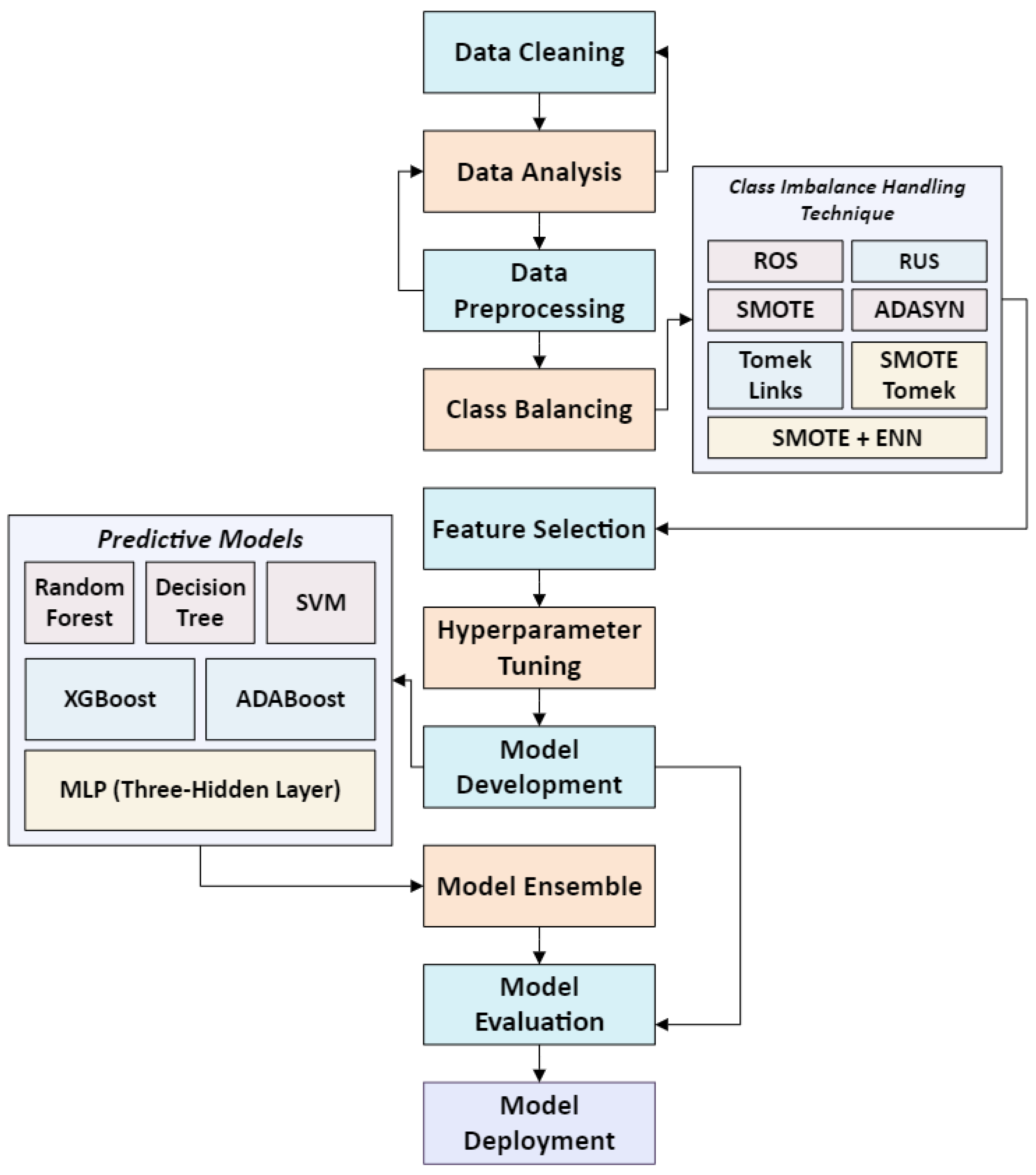
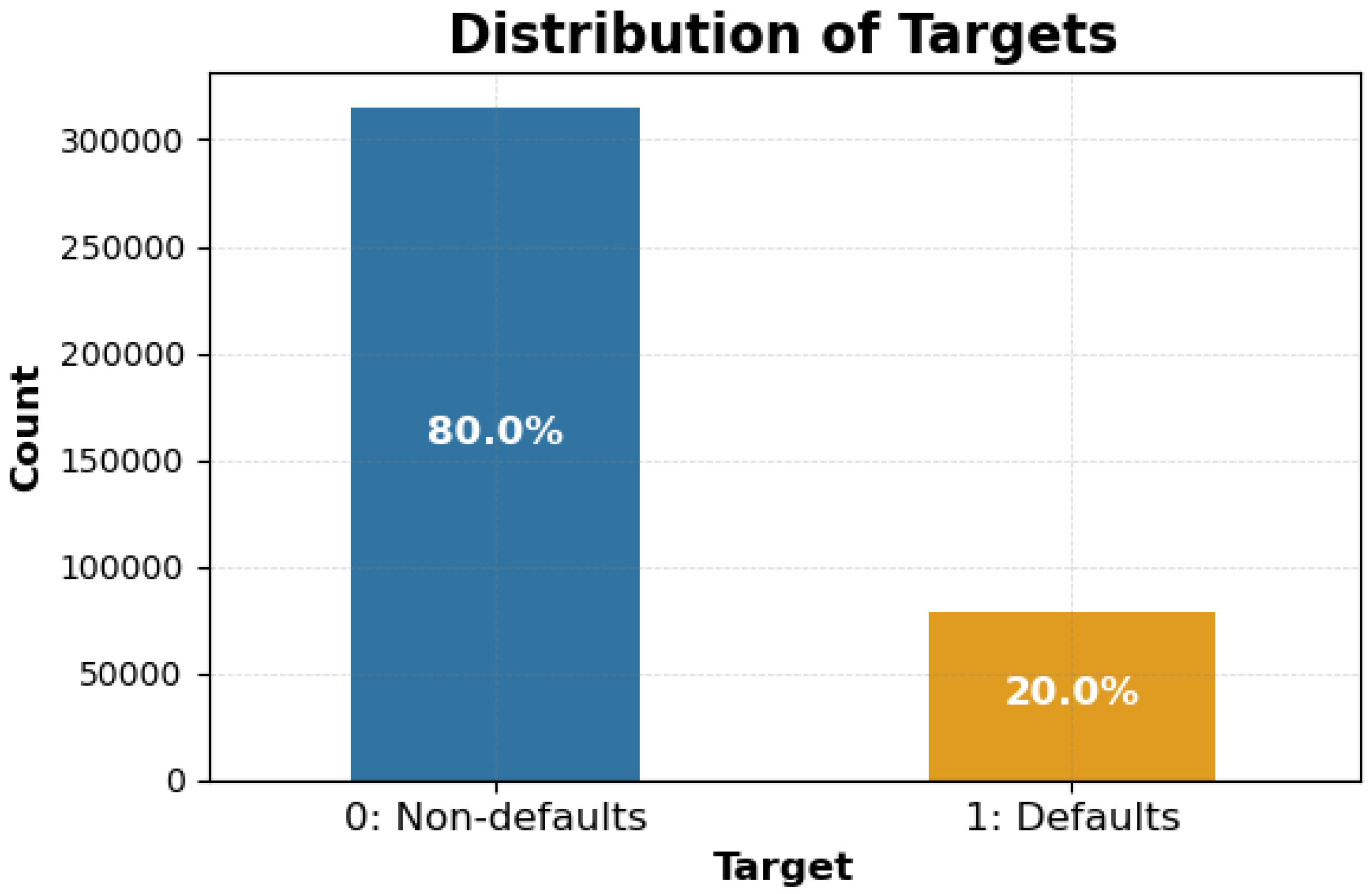
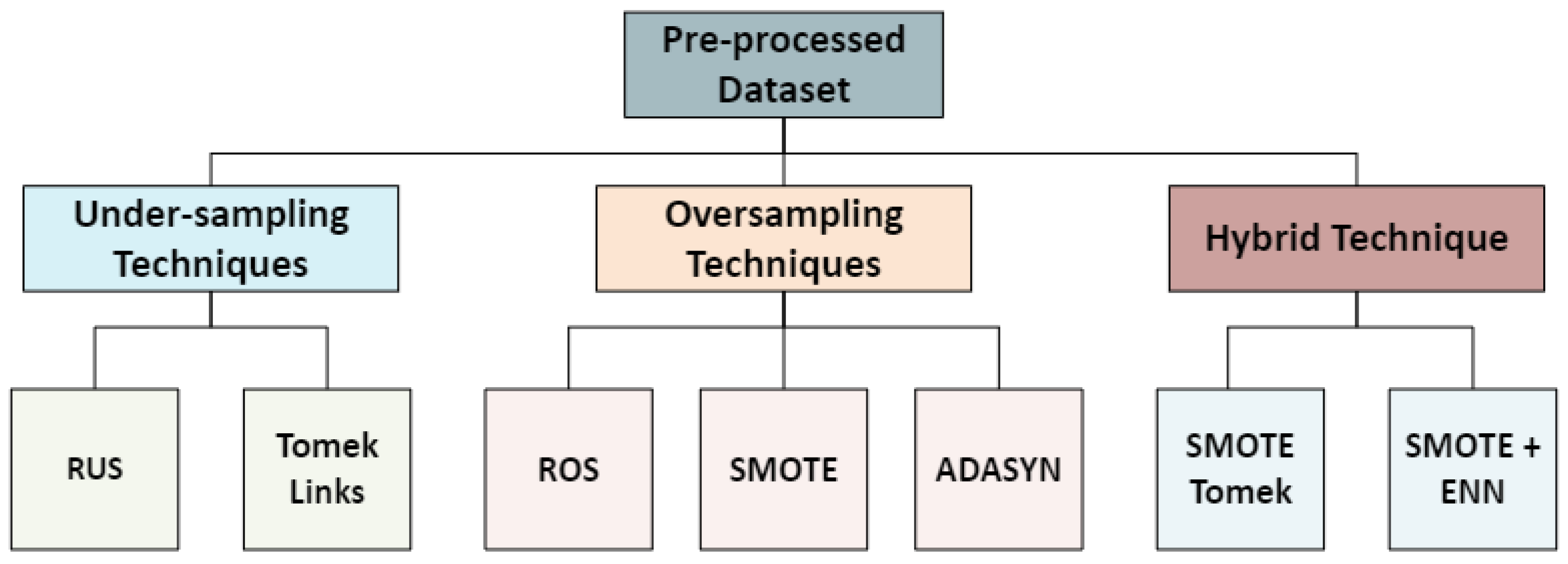
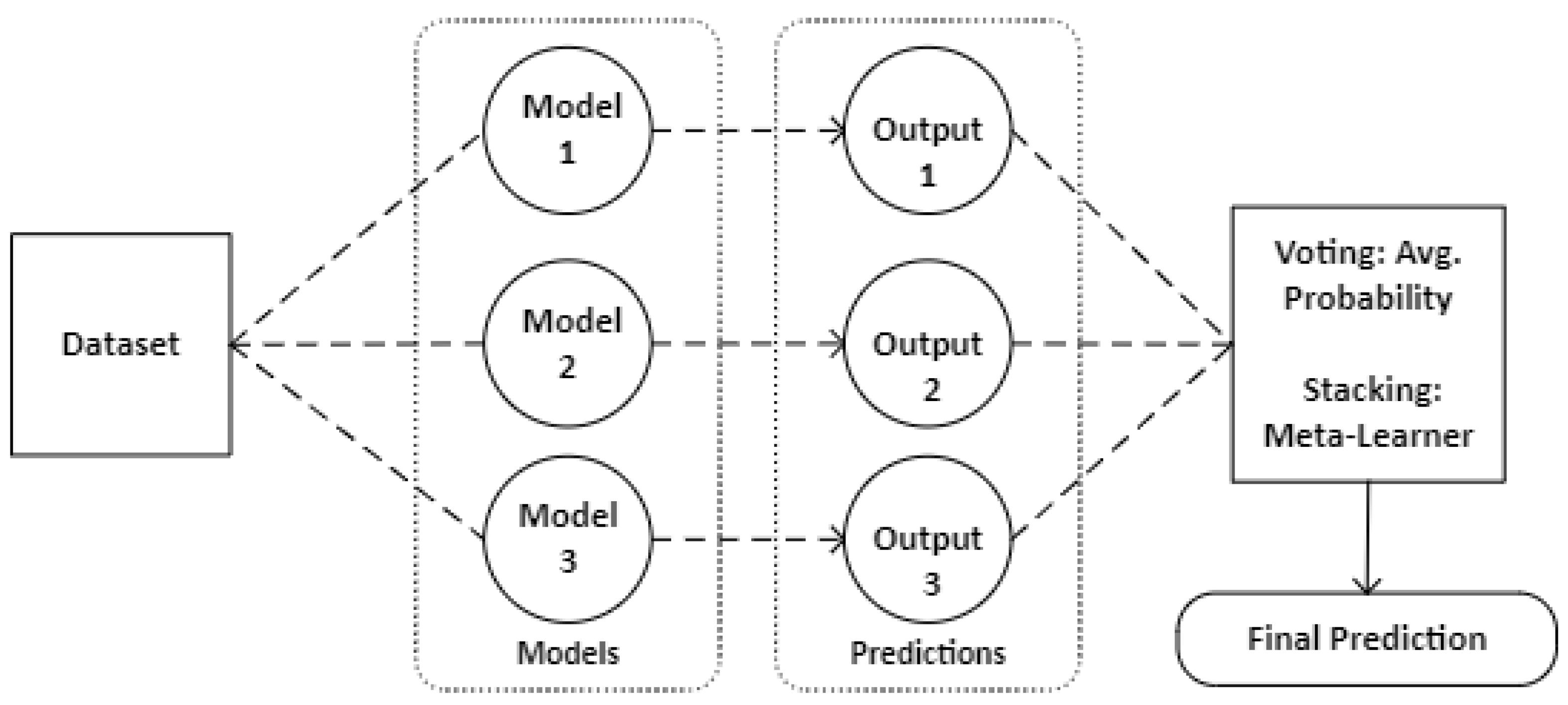
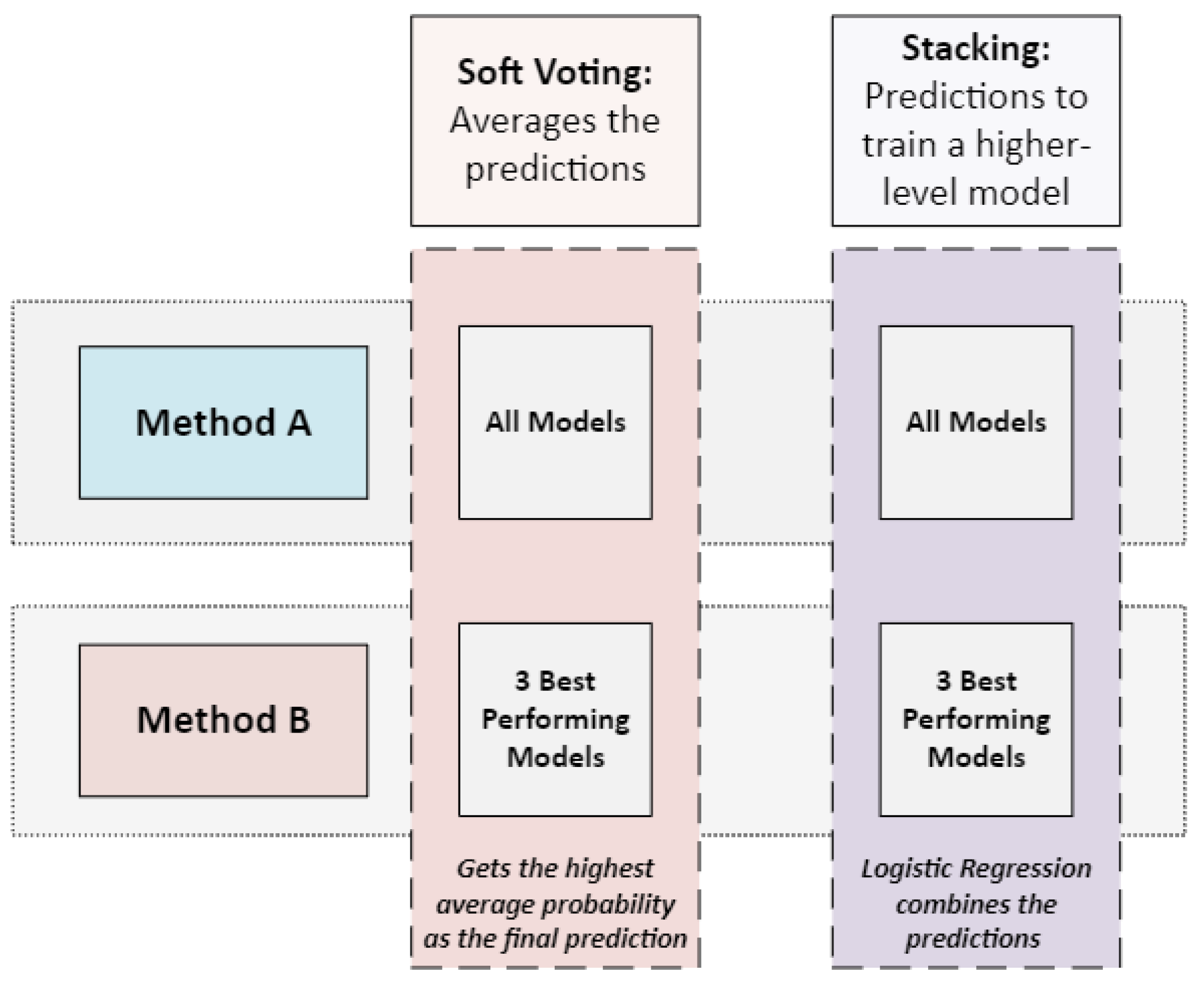
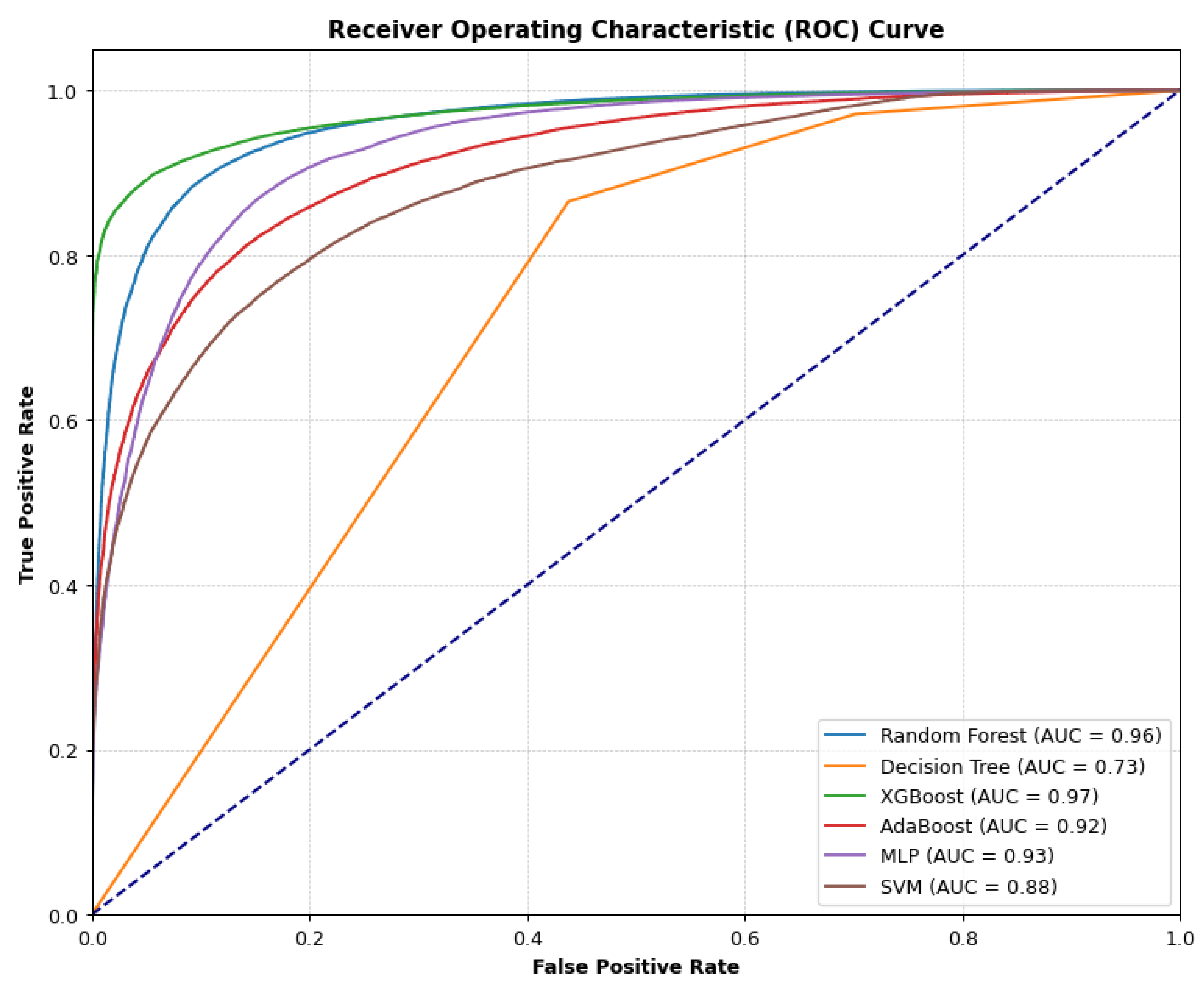
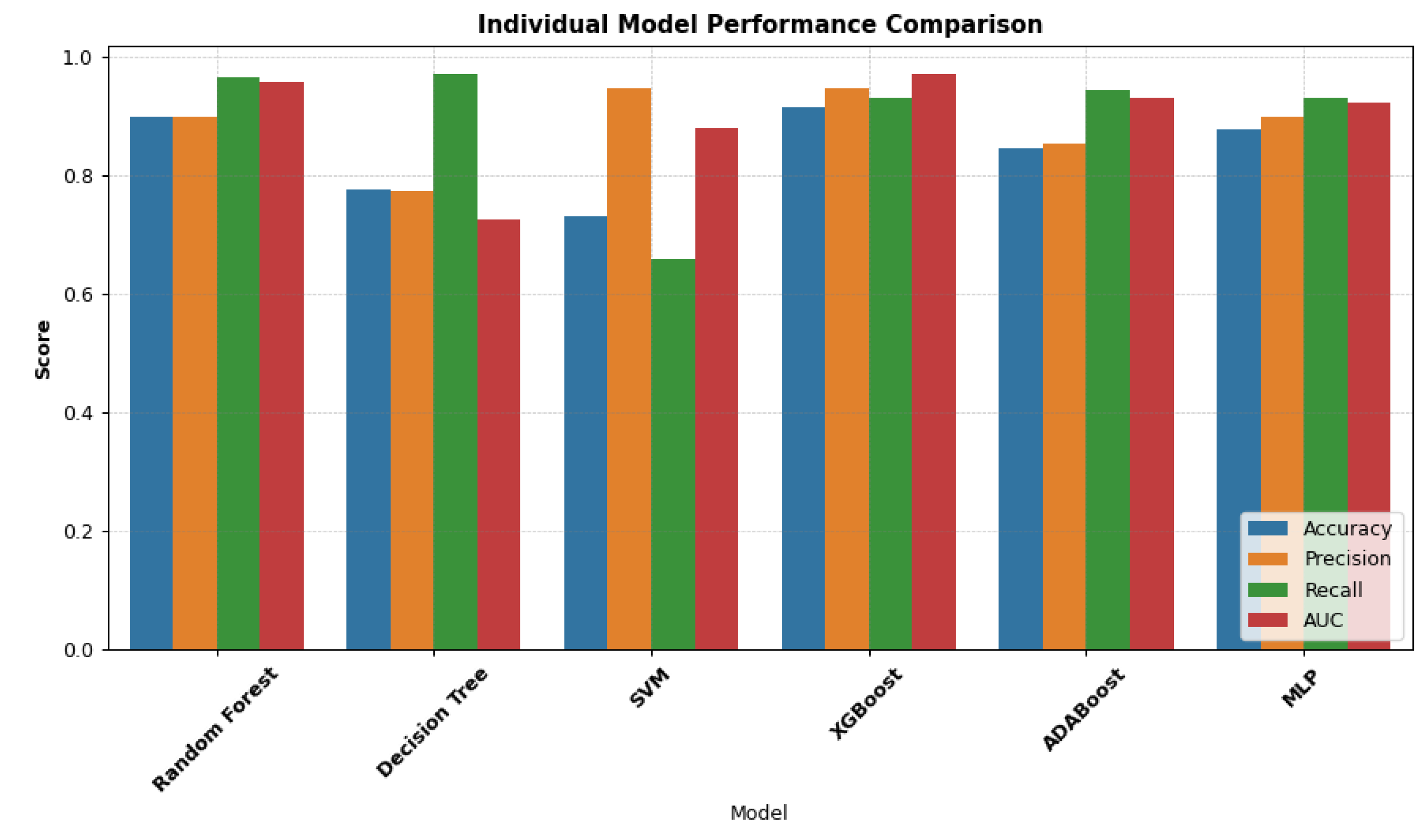
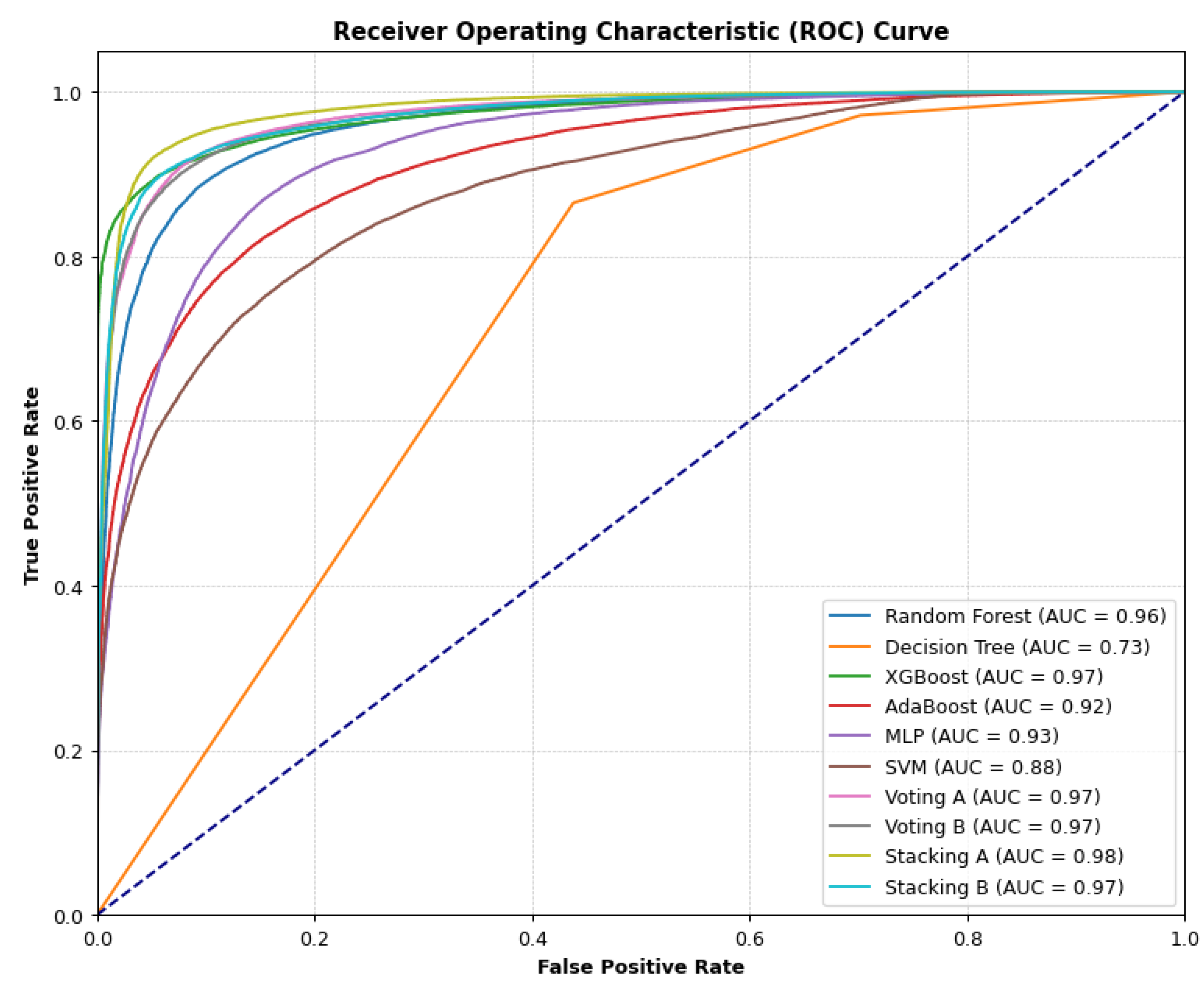
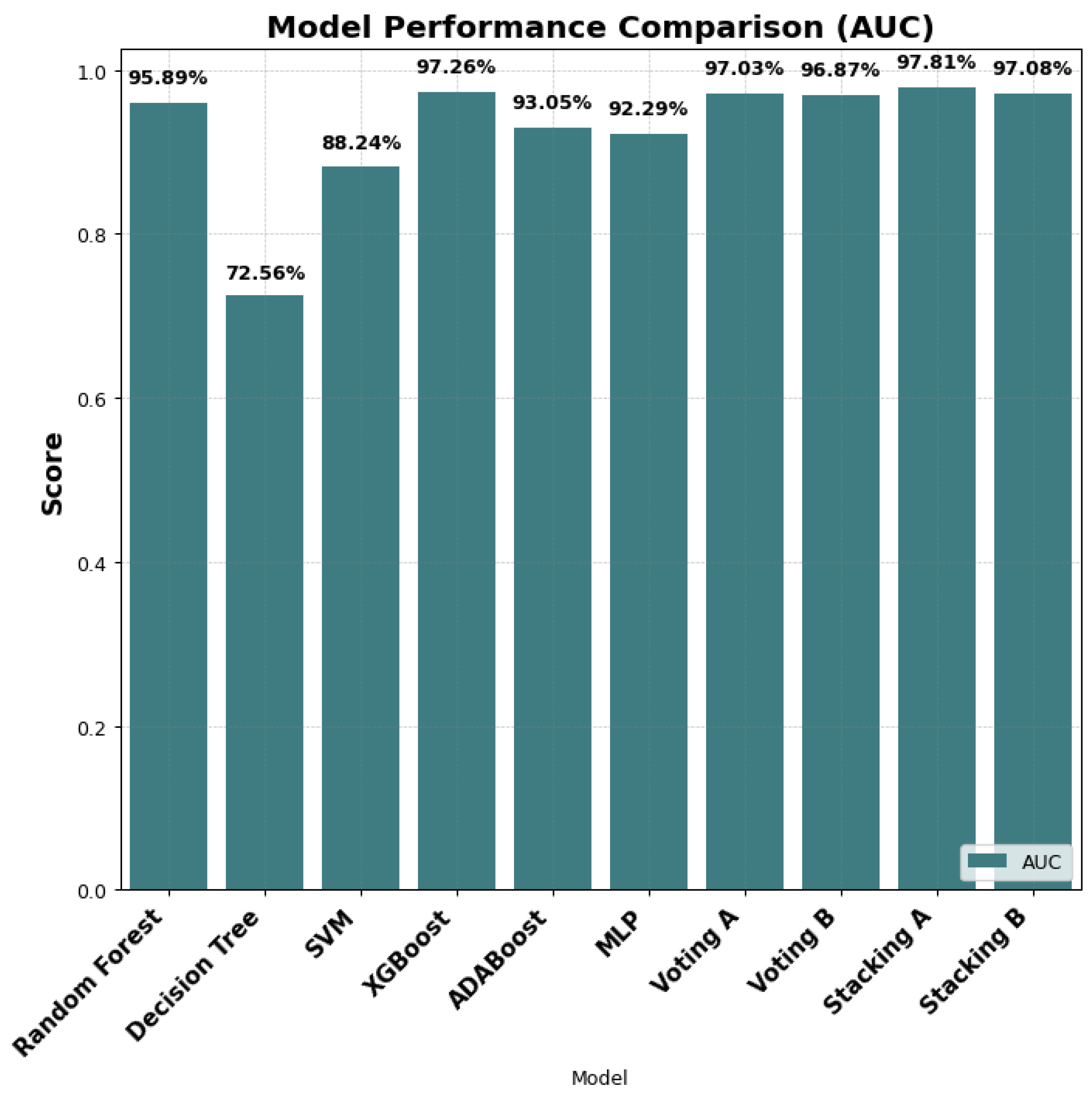
Predicting credit default risk is important to financial institutions, as accurately predicting the likelihood of a borrower defaulting on their loans will help to reduce financial losses, thereby maintaining profitability and stability. Although machine learning models have been used in assessing large applications with complex attributes for these predictions, there is still a need to identify the most effective techniques for the model development process, including the technique to address the issue of data imbalance. In this research, we conducted a comparative analysis of random forest, decision tree, SVMs (Support Vector Machines), XGBoost (Extreme Gradient Boosting), ADABoost (Adaptive Boosting) and the multi-layered perceptron, to predict credit defaults using loan data from LendingClub. Additionally, XGBoost was used as a framework for testing and evaluating various techniques. Moreover, we applied this XGBoost framework to handle the issue of class imbalance observed, by testing various resampling methods such as Random Over-Sampling (ROS), the Synthetic Minority Over-Sampling Technique (SMOTE), Adaptive Synthetic Sampling (ADASYN), Random Under-Sampling (RUS), and hybrid approaches like the SMOTE with Tomek Links and the SMOTE with Edited Nearest Neighbours (SMOTE + ENNs). The results showed that balanced datasets significantly outperformed the imbalanced dataset, with the SMOTE + ENNs delivering the best overall performance, achieving an accuracy of 90.49%, a precision of 94.61% and a recall of 92.02%. Furthermore, ensemble methods such as voting and stacking were employed to enhance performance further. Our proposed model achieved an accuracy of 93.7%, a precision of 95.6% and a recall of 95.5%, which shows the potential of ensemble methods in improving credit default predictions and can provide lending platforms with the tool to reduce default rates and financial losses. In conclusion, the findings from this study have broader implications for financial institutions, offering a robust approach to risk assessment beyond the LendingClub dataset.
Keywords: credit default prediction; deep learning; ensemble learning; machine learning credit default prediction; deep learning; ensemble learning; machine learning