Article

Modeling of Junior Servers Approaching a Senior Server in the Retrial Queuing-Inventory System

by
Kathirvel Jeganathan
1,
Thanushkodi Harikrishnan
2,
Kumarasankaralingam Lakshmanan
3,
Agassi Melikov
4 and
Janos Sztrik
5,*
1
Ramanujan Institute for Advanced Study in Mathematics, University of Madras, Chennai 600005, India
2
Guru Nanak College (Autonomous), University of Madras, Chennai 600042, India
3
Department of Mathematics, St. Joseph University, Chümoukedima 797115, India
4
Institute of Control Systems, National Academy of Science, Baku, AZ 1141, Azerbaijan
5
Department of Informatics and Networks, Faculty of Informatics, University of Debrecen, 4032 Debrecen, Hungary
*
Author to whom correspondence should be addressed.
Mathematics 2023, 11(22), 4581; https://doi.org/10.3390/math11224581
Submission received: 17 October 2023 / Revised: 3 November 2023 / Accepted: 6 November 2023 / Published: 8 November 2023
(This article belongs to the Special Issue Advances in Queueing Theory, 2nd Edition)

Abstract

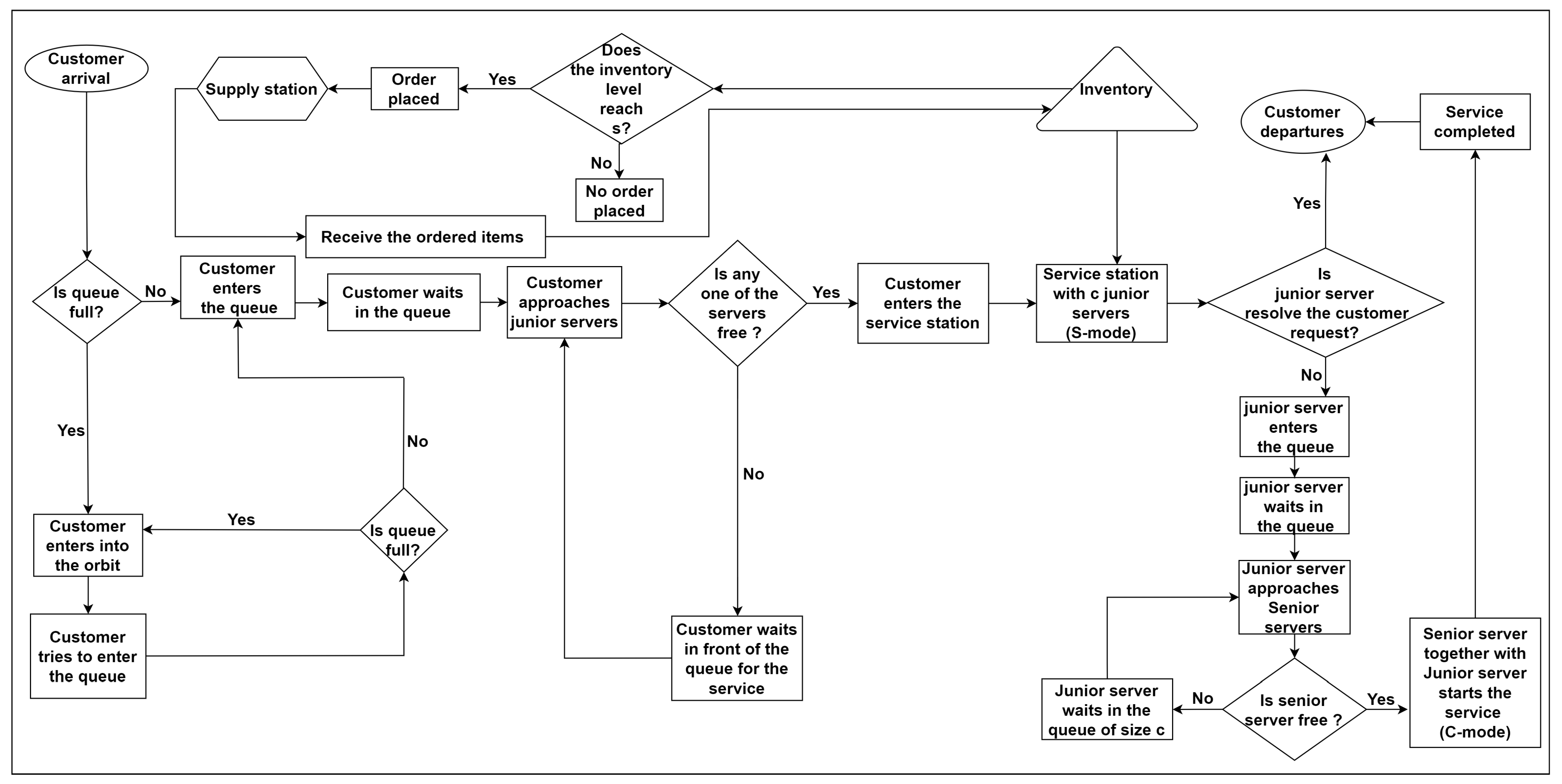
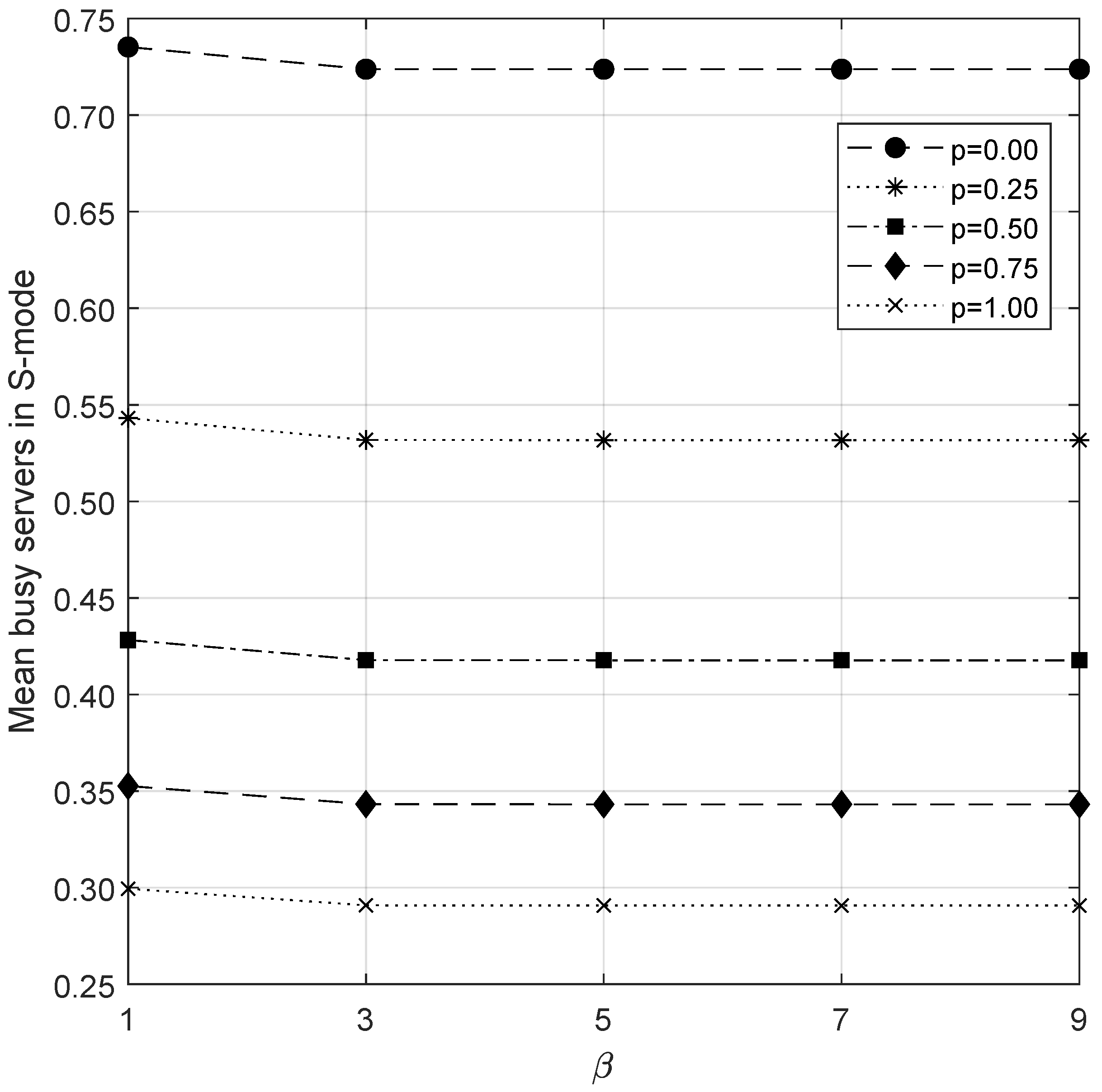
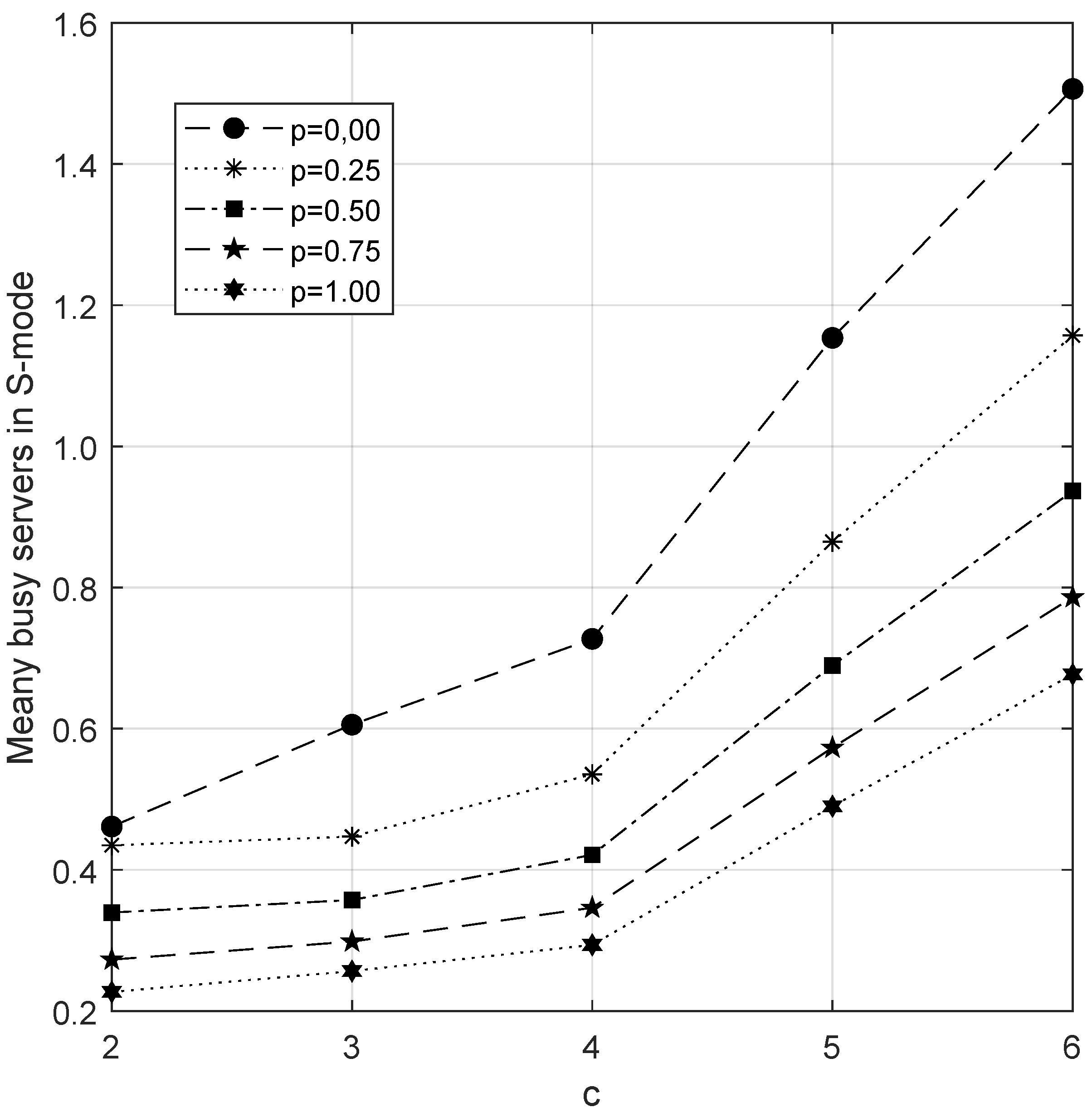
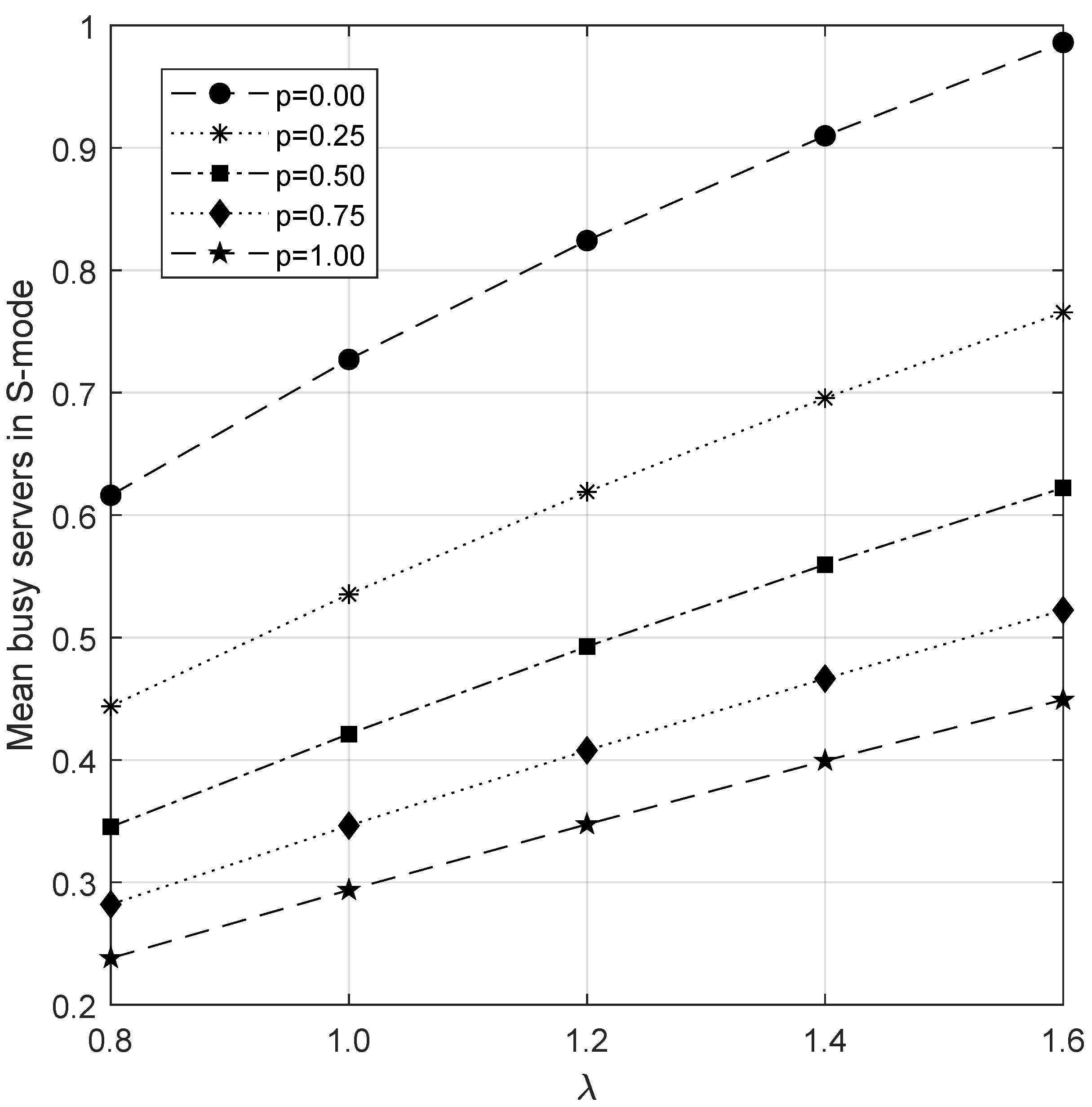
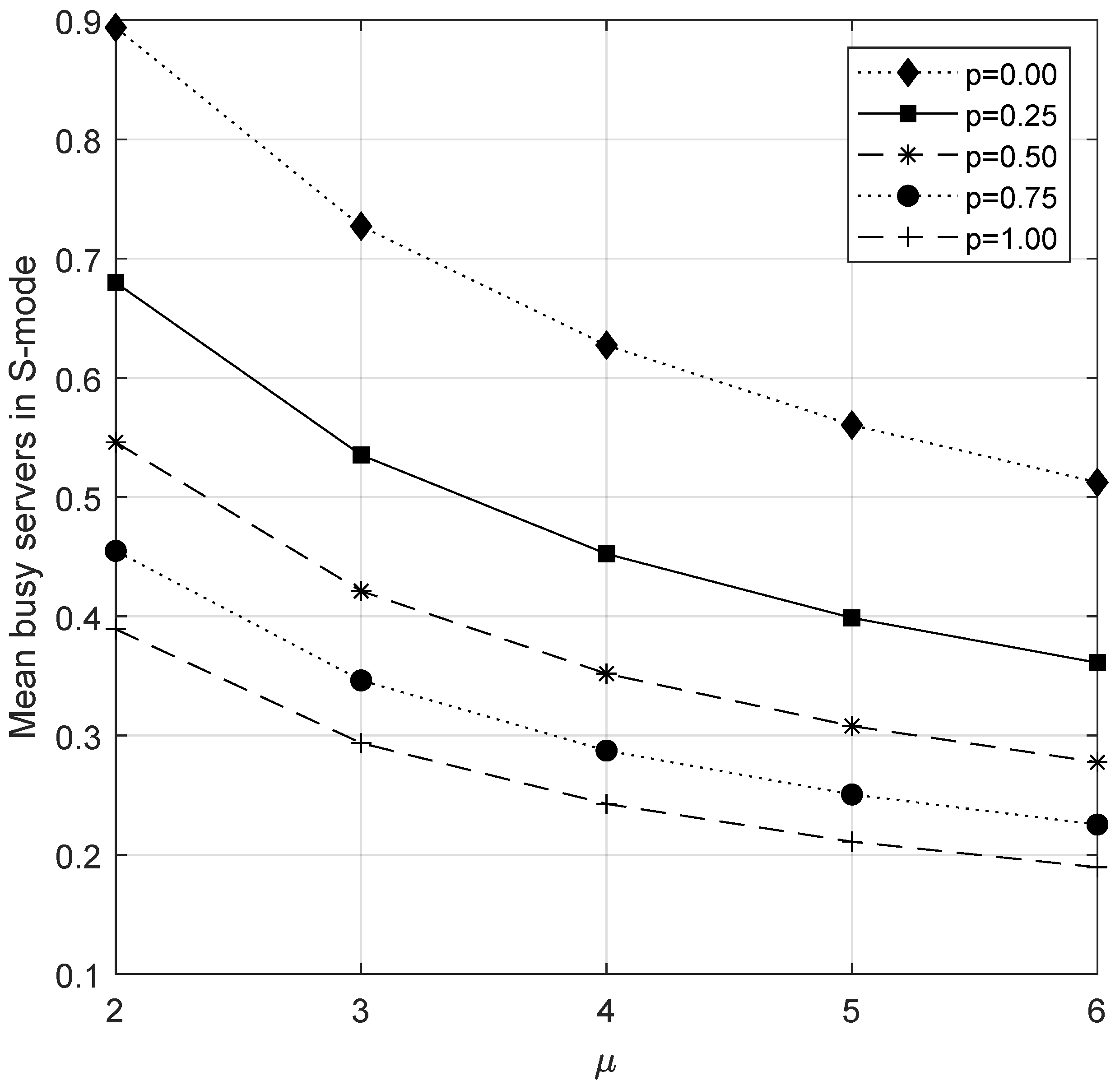
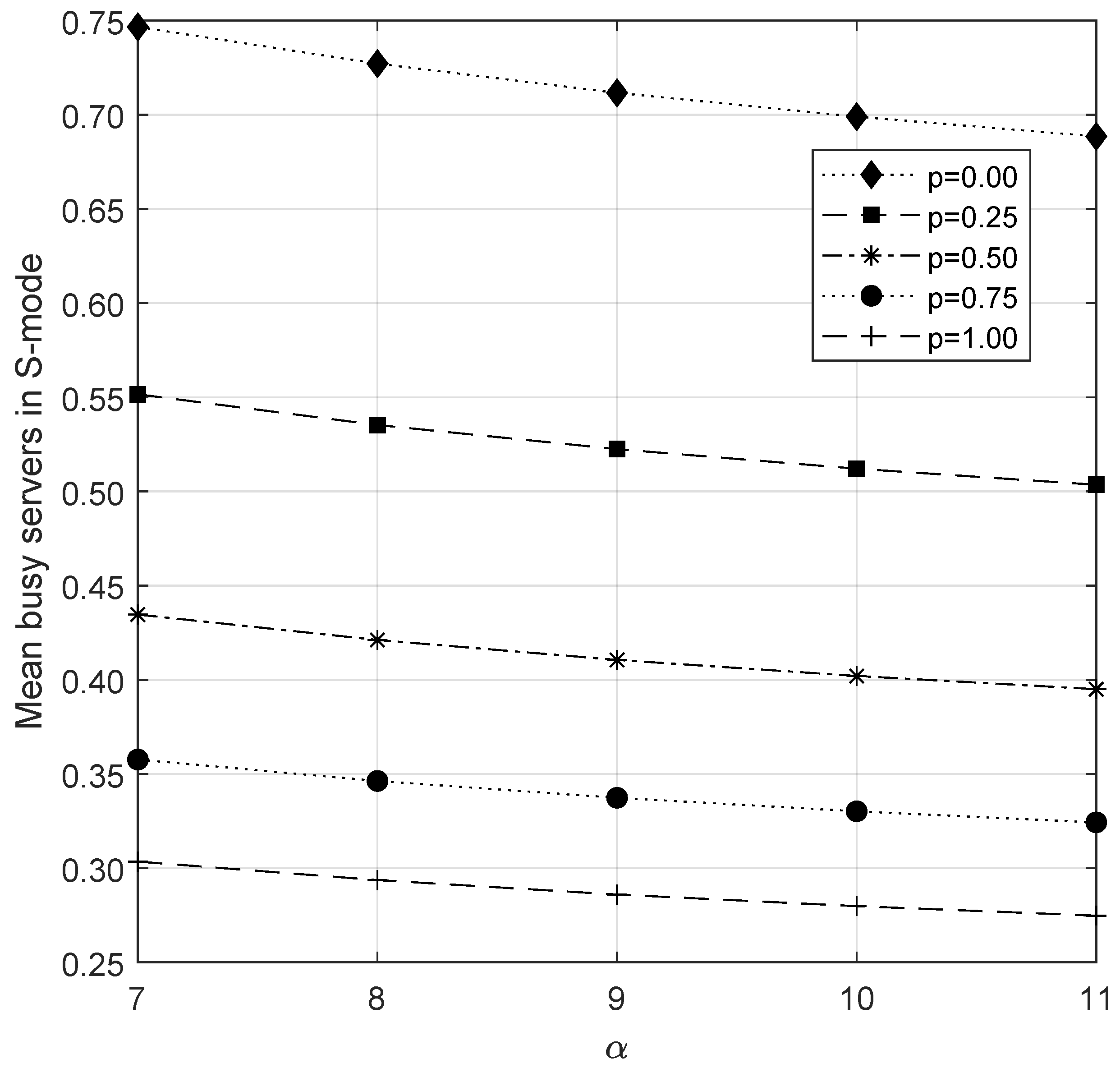
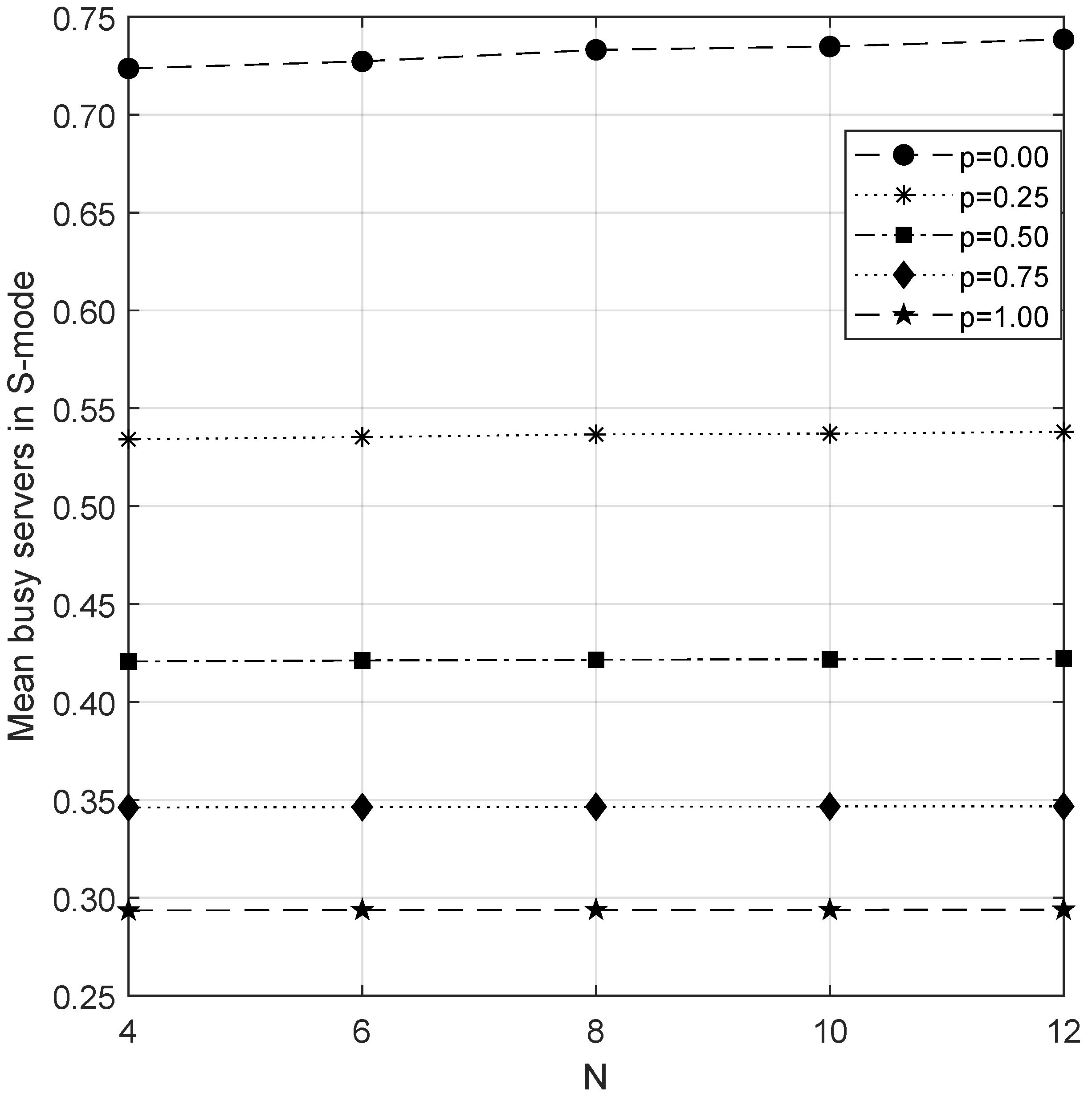
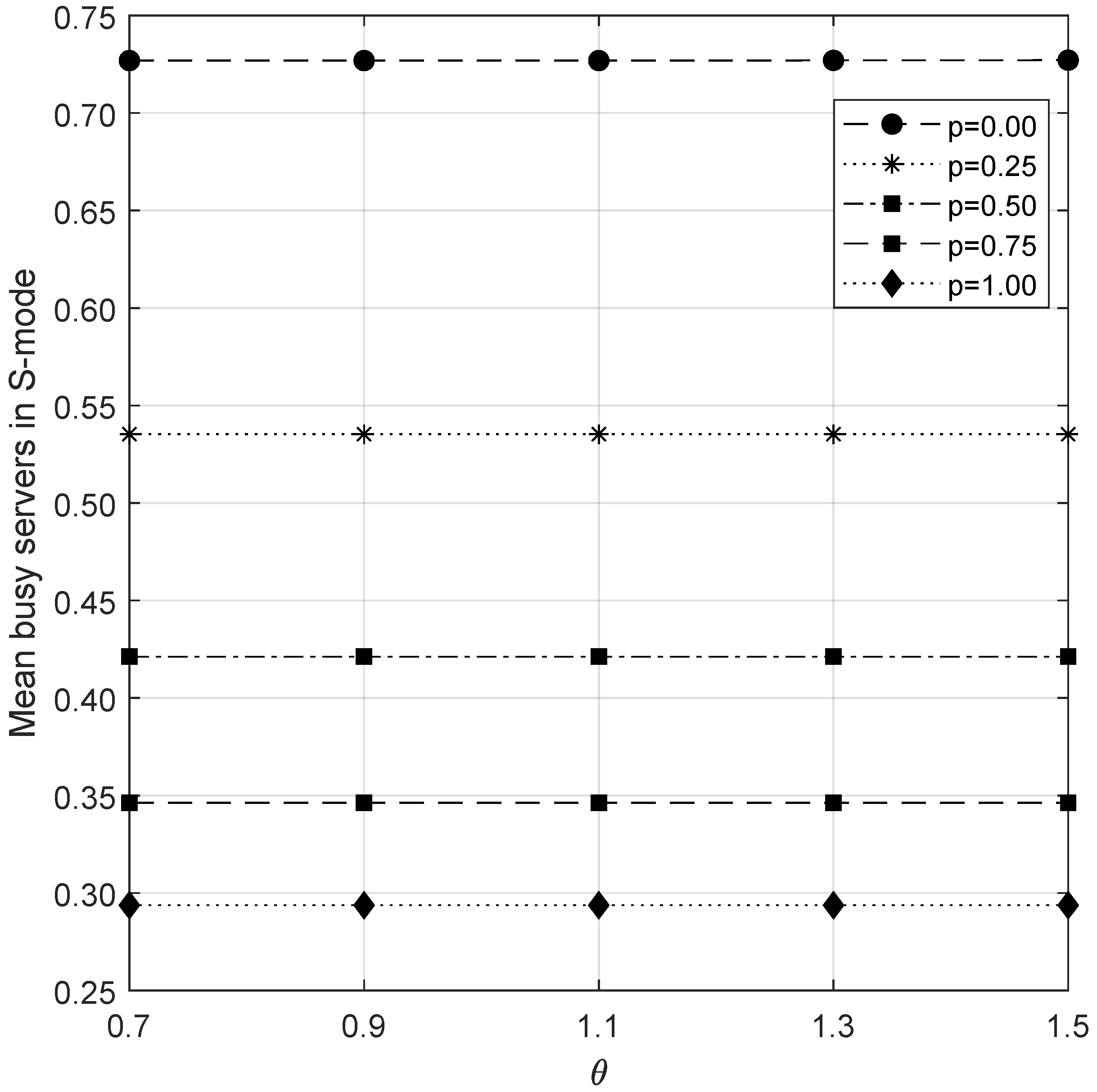
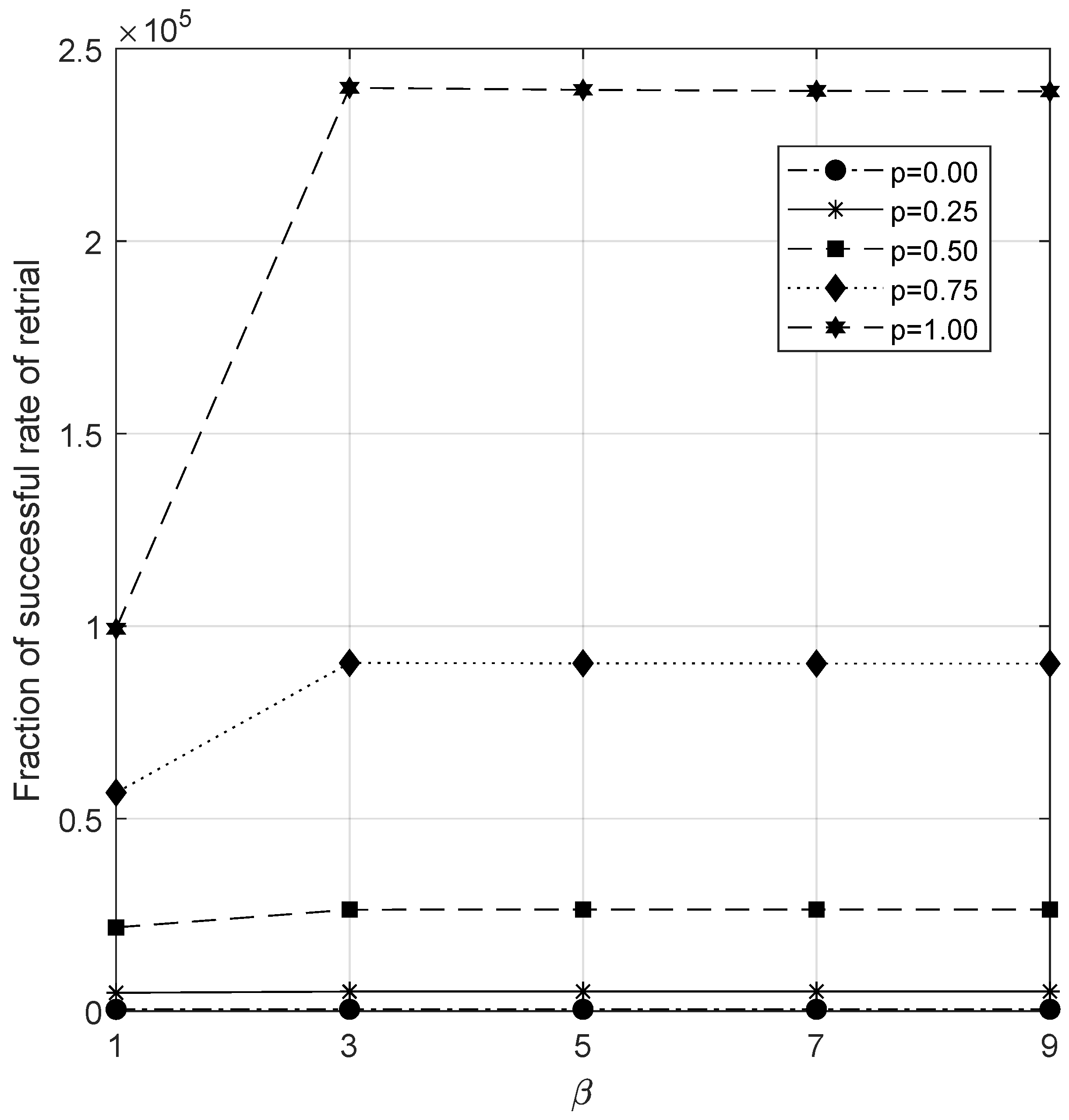
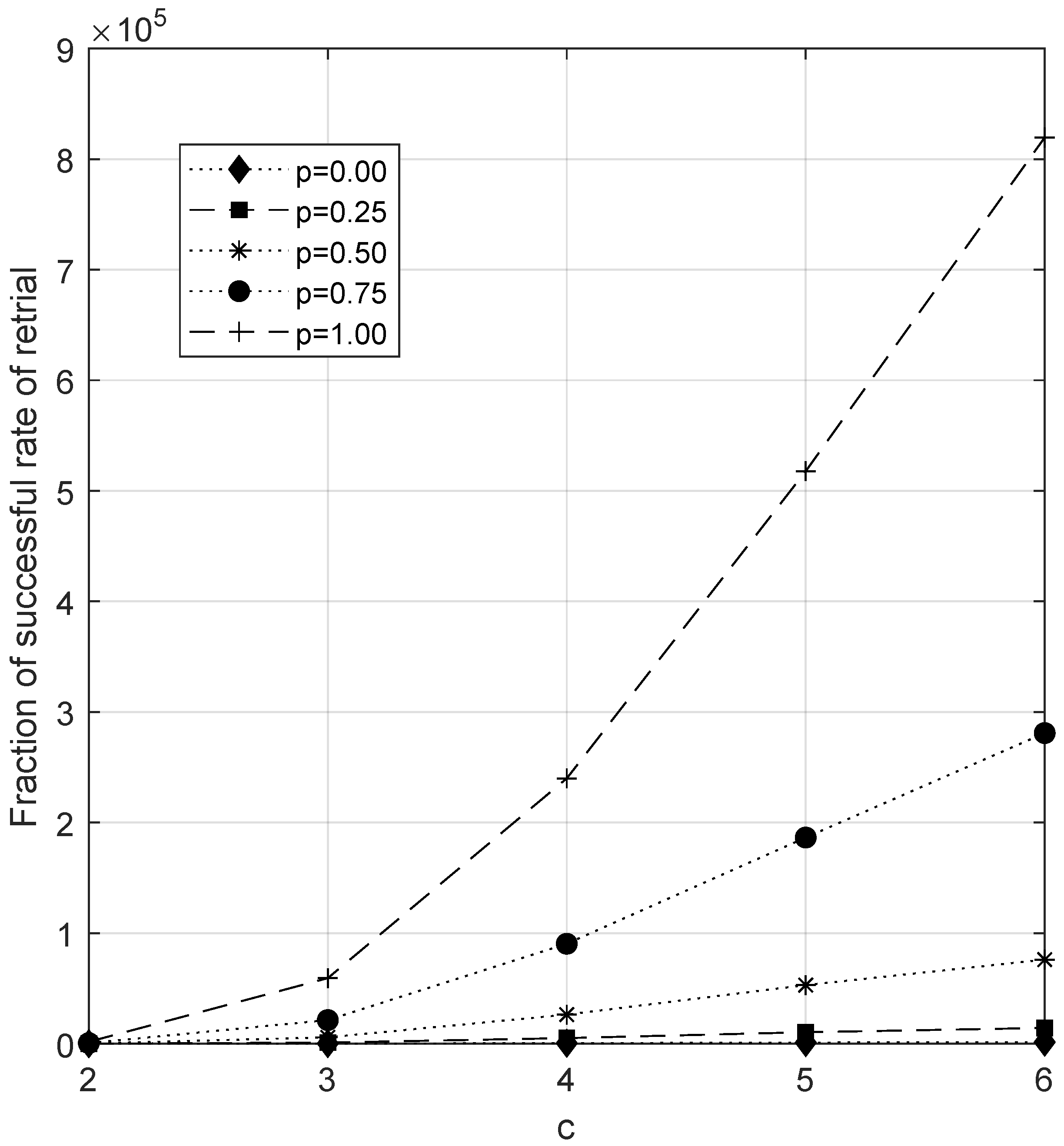
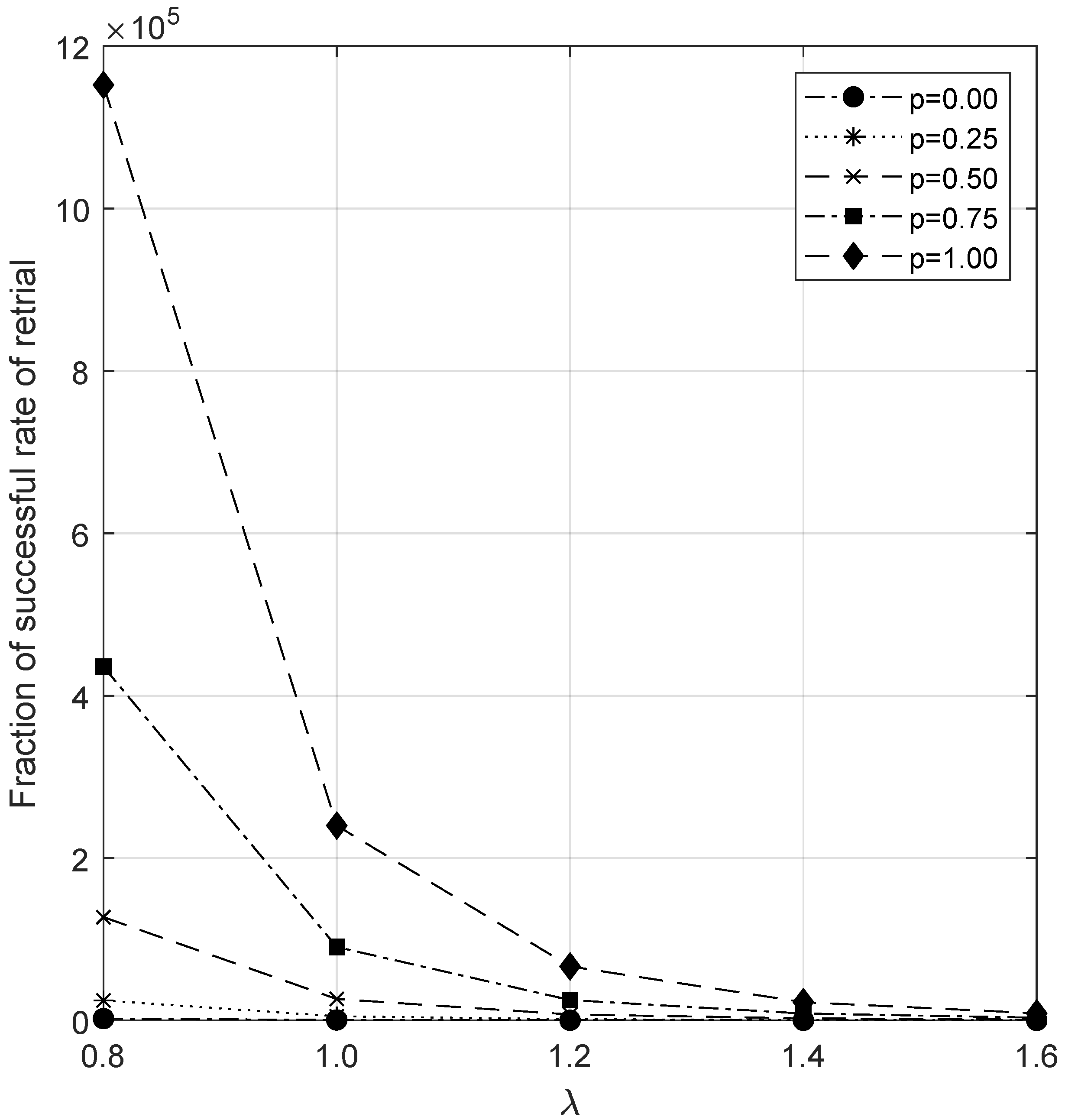
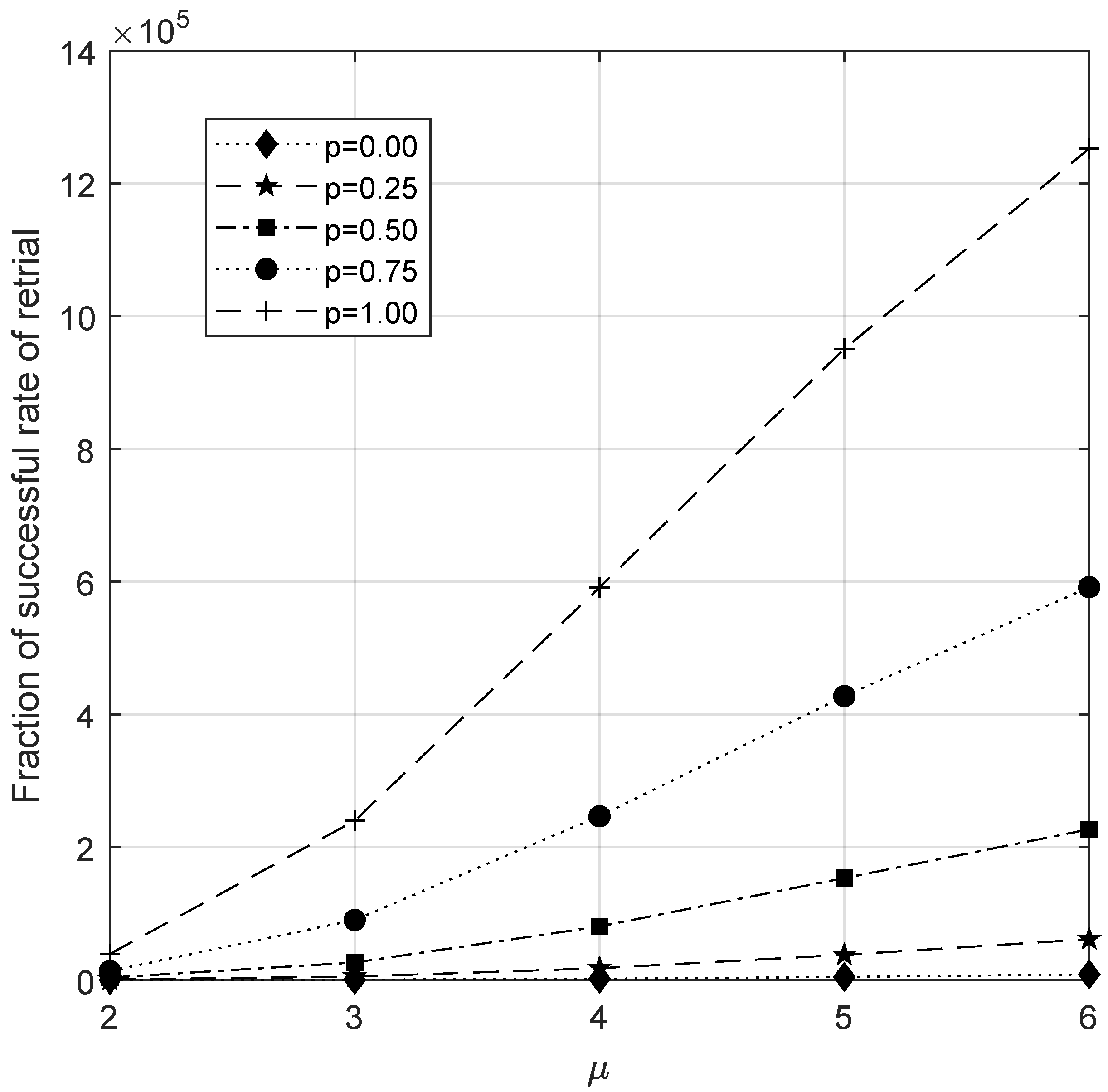
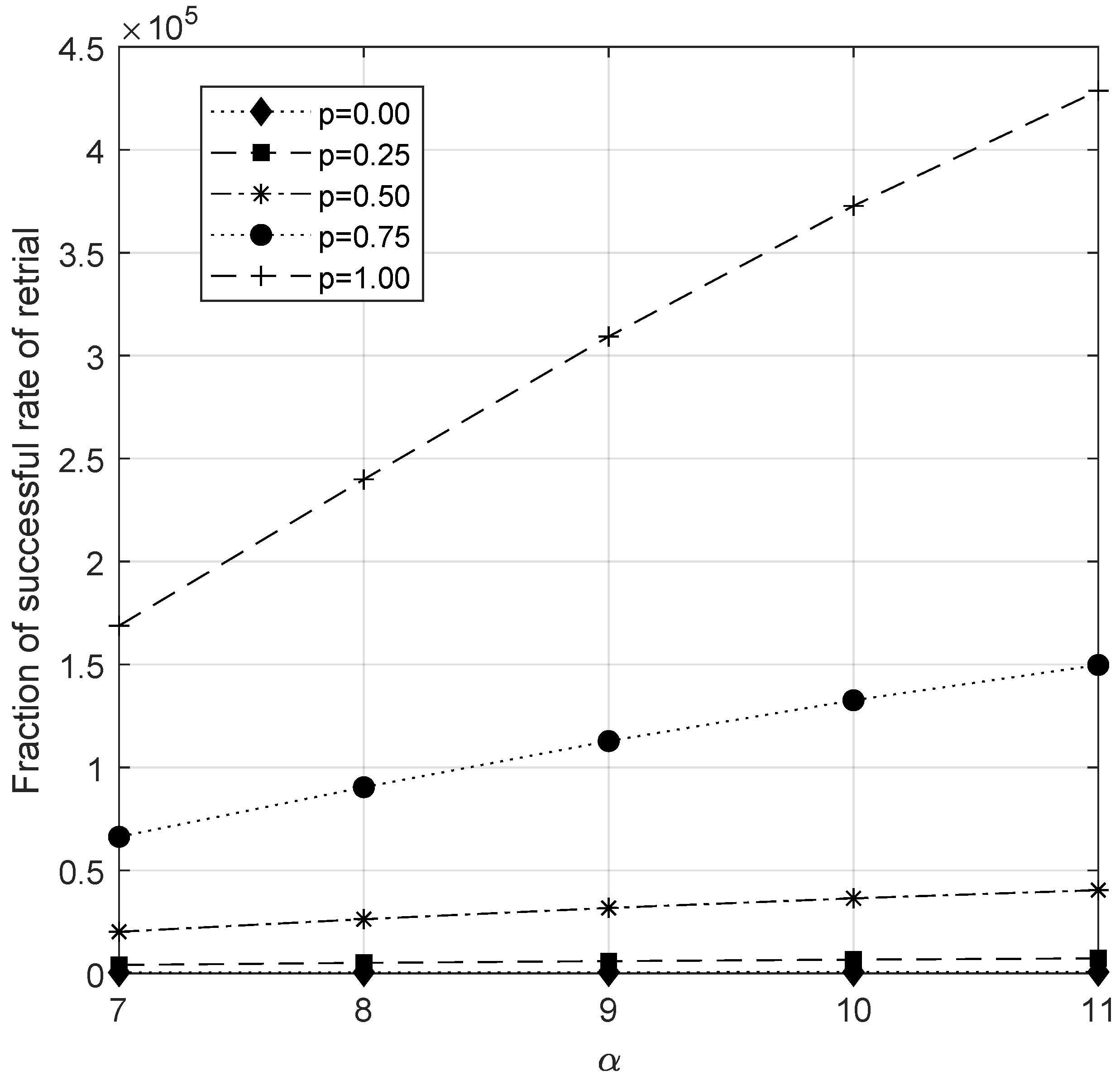
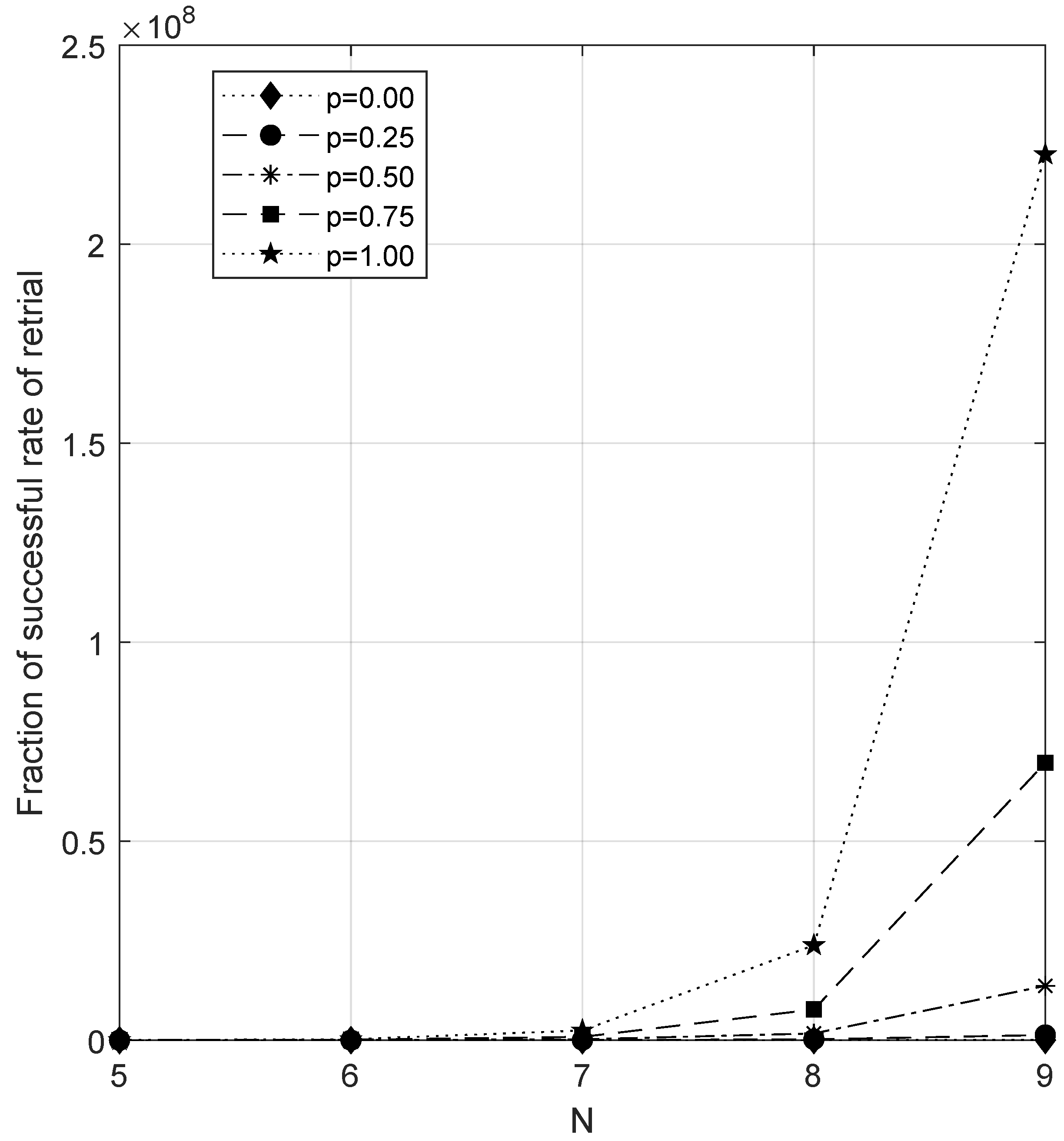
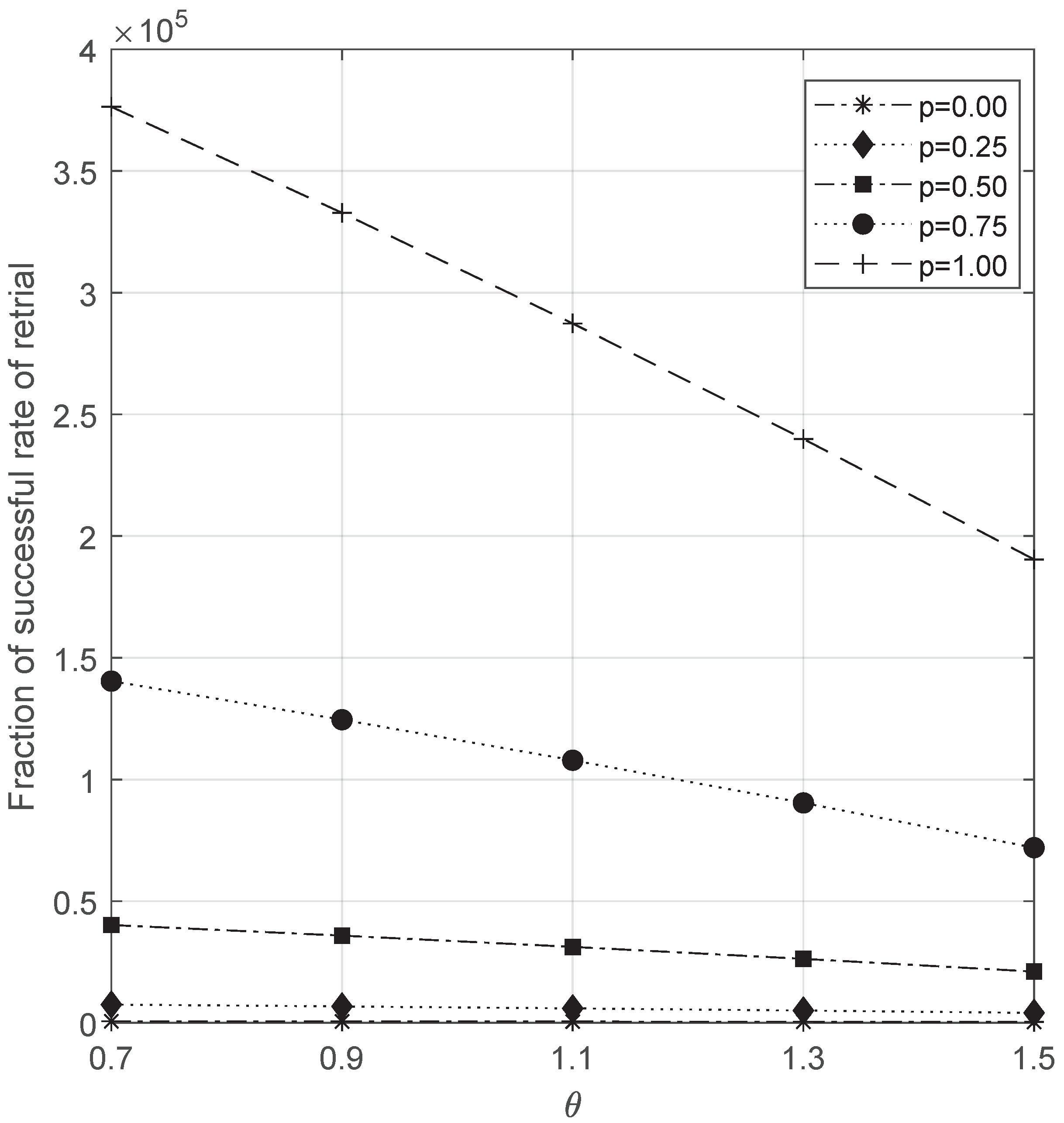
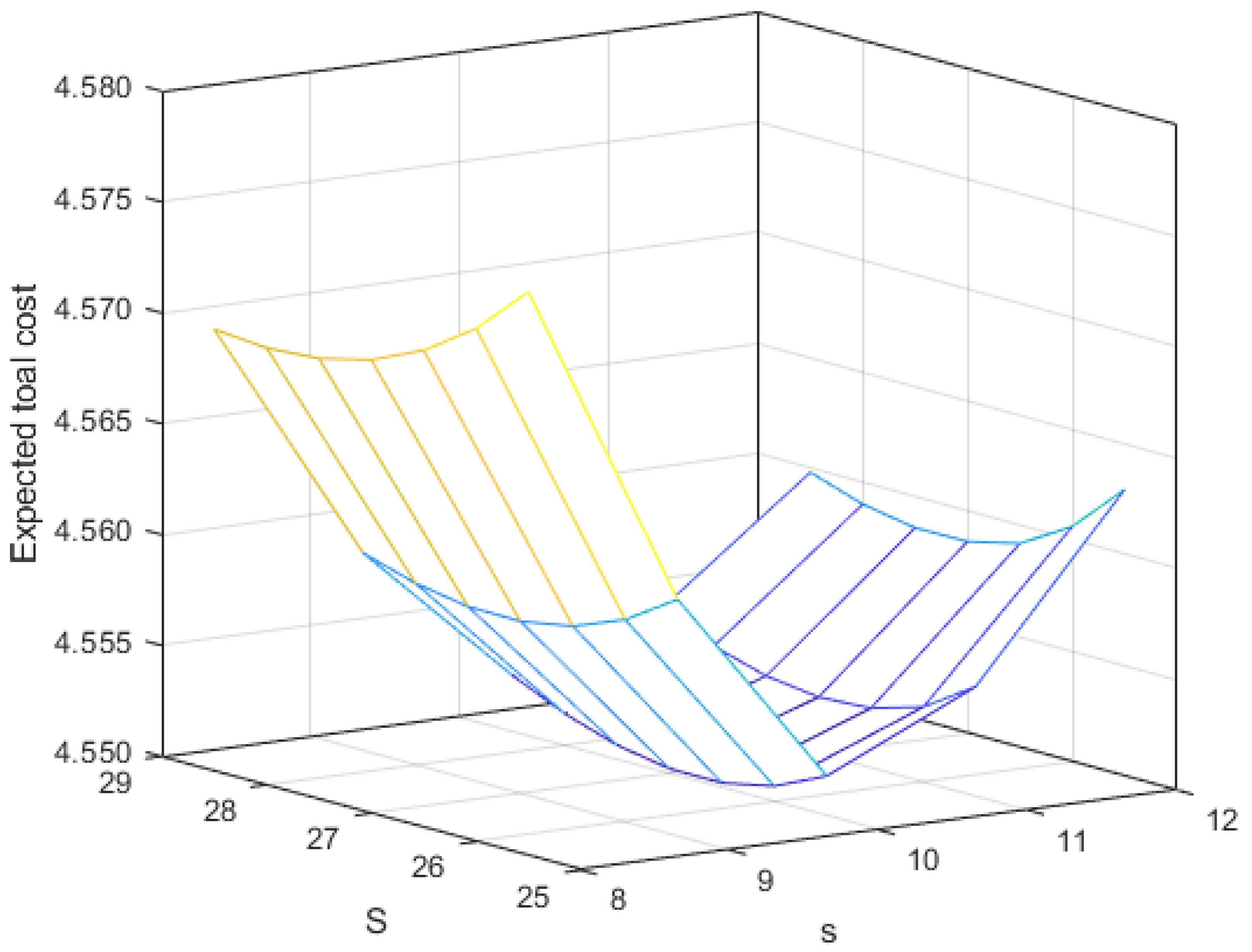
This article deals with the queuing-inventory system, composed of c junior servers, a senior server, two finite waiting halls, and an infinite orbit. On occasion, junior servers encounter challenges during customer service. In these instances, they approach the senior server for guidance in resolving the issue. Suppose the senior server is engaged with another junior server. The approaching junior servers await their turn in a finite waiting area with a capacity of c for consultation. Concerning this, we study the performance of junior servers approaching the senior server in the retrial queuing-inventory model with the two finite waiting halls dedicated to the primary customers and the junior servers for consultation. We formulate a level-dependent QBD process and solve its steady-state probability vector using Neuts and Rao’s truncation method. The stability condition of the system is derived and the R matrix is computed. The optimum total cost has been obtained, and the sensitivity analyses, which include the expected total cost, the waiting time of customers in the waiting hall and orbit, the number of busy servers, and a fraction of the successful retrial rate of the model, are computed numerically.
Keywords: multi-server; classical retrial facility; (s,Q) ordering policy multi-server; classical retrial facility; (s,Q) ordering policy