Article

Citizenship Education in Engineering Degree Programs: An Analysis of the Academic Literature

by
Juan José Salinas-Valdés
1,2,*,
Katherine López-Jiménez
1,
Delfín Ortega-Sánchez
3,4,
Marlys Campos-Campos
5 and
Cristian Eduardo Orellana-Fonseca
6
1
Departamento de Educación, Universidad de Los Lagos, Castro 5700000, Chile
2
Instituto Interuniversitario de Investigación Educativa, Santiago 8370341, Chile
3
Facultad de Educación, Universidad de Burgos, 09001 Burgos, Spain
4
Facultad de Humanidades y Ciencias Sociales, Universidad Tecnológica Atlántico-Mediterráneo, 29590 Málaga, Spain
5
Departamento de Biotecnología, Universidad Tecnológica Metropolitana, Santiago 7800003, Chile
6
Departamento de Ciencias Sociales, Universidad del Bío-Bío, Concepción 4051381, Chile
*
Author to whom correspondence should be addressed.
Educ. Sci. 2026, 16(8), 1317; https://doi.org/10.3390/educsci16081317
Submission received: 18 May 2026 / Revised: 4 July 2026 / Accepted: 13 August 2026 / Published: 17 August 2026

Abstract

Citizenship education in engineering programs has become a topic of growing concern due to the social, environmental, and technological impacts of engineers’ professional practice. However, there is a lack of systematized information about trends and gaps in the academic literature in this area, which hinders the work of researchers, educators, and academic administrators. Therefore, this study examined the academic literature of the last thirty years (1996–2025) in four major scientific databases (WoS Core Collection, Scopus, SciELO, and Dialnet Plus). A systematic review was conducted using the PRISMA method, which allowed the selection of the articles (n = 74). These articles were then examined through qualitative thematic analysis. Additionally, descriptive frequencies of the corpus were identified, allowing for more precise contextualization. The results show a growing, albeit concentrated, field amidst an incipient transition from a dominant individualistic approach to a critical-democratic one. Furthermore, several significant gaps in the literature were identified, pointing to new research directions. Finally, the implications of these results for engineering schools are presented.

1. Introduction

Citizenship education (CE) in universities, and specifically in engineering programs, has been increasingly valued in recent decades as a tool for educating professionals committed to ethics, social responsibility, and democracy (DeWaters & Kotla, 2023; Santos et al., 2020); making it a practical instrument to address the serious challenges facing the world today, such as technological inequality, the climate and environmental crisis, and the unethical use of artificial intelligence. In this context, academic literature on topics such as STEM education, the educational approach to socioscientific issues (SSIs), and the social orientation of engineering has grown in the last two decades (Budak & Damar, 2025; Hwang et al., 2023; Martín et al., 2023). However, a systematic analysis of the academic literature on the specific topic of CE in engineering programs is lacking. Therefore, this study examined the main trends in this literature over the last 30 years (1996–2025). To this end, the study began with the following question: What are the approaches, topics, university areas, and citizenship competencies present in this literature? Additionally, the answers obtained allowed for the identification of gaps in this field, that is, aspects underrepresented or absent in the literature.
While the inclusion of social knowledge in engineering education faces resistance associated with the predominant technical tradition, its development is justified by democratic and employment-related considerations. Among the former, the social and environmental responsibility of future engineers stands out as necessary to effectively address current local and global challenges (DeWaters & Kotla, 2023). At the professional level, CE has the potential to develop soft (professional) skills that are highly demanded in today’s job market, such as assertive communication, collaborative work, problem-solving, and critical thinking (Santos et al., 2020; Zea, 2023).
For universities and engineering schools, CE is a pathway to fulfill their commitments to social responsibility and social justice through third mission projects that connect university work with people’s real social and environmental problems (Poma et al., 2025; Wesner et al., 2025). Likewise, CE provides an effective platform for complying with accreditation standards for engineering programs (ABET in the United States, EUR-ACE in Europe, and AICTE in India), which require the education of ethical engineers who consider the environmental and social impact of their professional practice (Wesner et al., 2025). In this sense, for example, particularly noteworthy is the incorporation in the latest ABET criteria (ABET, 2024) of the ability to apply ethical judgment considering global, social, environmental, and economic factors.
The results obtained in this study are discussed in relation to the approaches to citizenship education (CE) present in the literature (Veugelers et al., 2017; Benjumea et al., 2011), which intersect with aspects such as the topics covered, the citizenship competencies promoted, and the university areas in which they are implemented. The relationship of these approaches to the institutional models that universities adopt to engage with society, and to the politico-ideological and cultural contexts that shape CE in these degree programs, is also considered. This study aims to offer insights for research, teaching, and institutional management in this emerging field.

2. Theory and Practice of Citizenship Education

2.1. Social Learning and Citizenship Education in Engineering Programs

In recent decades, there has been a notable increase in the valuing of the incorporation of social topics into university engineering education, including CE, as it is considered a pathway for fostering responsibility, professional ethics, social commitment, intercultural understanding, environmentally responsible attitudes, and soft skills, such as teamwork, communication, leadership, and adaptability, among others (Santos et al., 2020; Zea, 2023). However, these types of content tend to be neglected in these programs due to the predominance of a scientific-technical approach (Chang et al., 2023), and nearly one-third of engineers report never having received education regarding their responsibilities toward public welfare (Cech & Finelli, 2024). In this regard, Buckeridge (2000; as cited in Berndt & Paterson, 2009) points out that engineering education is dominated by a traditional teaching model grounded in market logics and client-provider relationships, which proves insufficient for addressing the contemporary challenges of engineering.
Engineering education is a field marked by the tension between a strictly technical perspective and a view that values the incorporation of social learning, not only because of engineering’s impact on society (Arias, 2025), but also because of the political dimension of its work (Graeff & Wood, 2021). In this regard, Juhl and Buch (2019) argue that this tension is expressed in two specific debates, the first centered on opposing conceptions of engineering work: the neoliberal, limited to personal economic advancement, and the socio-reflective, which is broader, as it involves ethically considering the social and environmental implications of professional work; and the second, focusing on disagreements about the purpose of the university itself, that is, whether the university should be understood as a training ground for critical professionals or as a producer of marketable knowledge.
Despite the educational benefits of including social content in engineering education, it is common in this field for this content to be perceived as incidental, implausible, or inaccessible (Gumede & Tladi, 2023), which is why engineers have historically been educated to maintain a neutral and apolitical stance within a model that prioritizes the development of technical knowledge and technical skills (Özkan, 2025). The strength of the technical tradition is such that documented attempts to include social content have been interpreted as a radical deviation and have provoked institutional resistance (Juhl & Buch, 2019). In this regard, Cech (2013) proposed a concept that has gained prominence in the field of engineering education: the culture of disengagement, which, broadly speaking, refers to a lack of a sense of responsibility toward the public good in the training of these professionals. Multiple subsequent studies have supported the existence and persistence of this culture (Chang et al., 2023; Lin & Hess, 2022a; Santos et al., 2020; Wesner et al., 2025) and have proposed educational alternatives to overcome it, which notably include the incorporation of political and social knowledge (De Araújo & Massao, 2019; Mazzurco & Daniel, 2020; Özkan, 2025).
According to Juhl and Buch (2019), some engineering instructors devalue the pedagogical dimension of university teaching, as they consider it a mandatory task that diverts resources away from research, and believe that it does not require specialized training, since it would naturally emerge from research expertise. At the same time, other faculty members point to a lack of pedagogical competencies to address social content, given their limited training beyond their own discipline, which is compounded by the curricular overload that this entails (Andrijcic et al., 2025; Sinha et al., 2007). As a result, Andrijcic et al. (2025) argue that the lack of teacher training has largely led to the failure of attempts to transform practices and culture in engineering education. The scenario described helps explain why STEM students (including engineering majors) tend to have a lower orientation toward social responsibility and social change compared with students in other fields (Garibay, 2015), which may even decrease throughout their university education due to the professional socialization they receive within their engineering schools (Cech, 2013).
Despite the challenges described, in recent decades the understanding of the world as a sociotechnical system has gained ground, requiring engineering processes to address both technical and social considerations (McAlister & Lilly, 2023). This is the first step to understanding that technical decisions are never truly neutral, as they are based on underlying personal values, and that their consequences necessarily foster a specific ethical and political reality (Cordeiro, 2021). In line with this, Juhl and Buch (2019) point to the need to promote in engineering education what they call sociotechnical reflexivity, that is, the ability to critically evaluate the social, environmental, and ethical impact of their work. Similarly, Pleasants (2024) calls for the development of techno-skeptical thinking in engineering students, enabling them to move beyond a neutral view of technology.
In line with the above, Andryukhina et al. (2023) argue that the debate on integrating social learning into engineering education is settled, as this is dictated by epistemological and axiological changes (values and meanings) that have reshaped the nature of modern engineering. According to these authors, the current task lies in finding ways to develop civic-minded responsibility, values, social awareness, and environmental attitudes in this field, for which—they state—a profound inclusion of the humanities in the curriculum is necessary. In this sense, they posit that the training of a good engineer and the training of a citizen aware of their role in a world transformed by technology are inseparable.
Modern engineering, Mikhailov et al. (2022) argue, has a profound social and environmental impact, which is why engineers should not only be educated as technicians, but also as citizens, responsible for the effects of their work on society and on the planet. To achieve this, Nascimento and Morais (2020) call for the explicit integration of citizenship and cultural competencies in the training of these professionals; to which Ponsa et al. (2009) add the need to include transversal competencies which must be evaluated, measured, and certified; and Chans et al. (2025) highlight the importance of including an ethical component within these competencies. In this regard, the distinction between microethics and macroethics proposed by Herkert (2005) divides engineering ethics into two dimensions: the first, referring to the individual ethical issues faced by engineers; and the second, relating to responsibility for the social and environmental impacts of their professional work.
The incorporation of CE into engineering programs has followed two main pathways: the satellite and the multidisciplinary. The former is based on courses, extracurricular workshops, and service-learning (SL) experiences disconnected from the technical and scientific education of engineers; that is, they orbit around it without truly becoming connected to it. Often, these initiatives are presented as basic cultural literacy courses, broadly and uniformly applied to university students, without regard for the professional or epistemological specificities of each program. This pathway provides management advantages for those leading such institutions but offers little meaning to young people who are training as professionals. On the other hand, the multidisciplinary pathway, depending on the level of dialogue between the disciplines involved, may take an interdisciplinary or transdisciplinary form (Nicolescu, 2012; Thompson & Philipp, 2023) in the development of courses, projects, SL, or innovation across the entire curricular process according to a sociotechnical approach (Cech & Finelli, 2024; De Araújo & Massao, 2019; DeWaters & Kotla, 2023; Zouda, 2018). This latter pathway offers greater potential for overcoming the already-mentioned culture of disengagement identified by Cech (2013).
The multidisciplinary approach to CE in engineering education has the potential to integrate ethics into the curriculum, as it makes it possible to connect the technical dimension with its social and environmental impact (Sinha et al., 2007). To achieve this, active pedagogical methodologies based on student participation are required (López & Mejía, 2017). Likewise, it is essential to address social and environmental real problems within the context of professional dilemmas, as these can motivate students. Such topics, from different educational fields, have been defined as controversial issues (Abate & Orellano, 2020; Ro et al., 2022), socioscientific issues (Hwang et al., 2023), and sociotechnical controversies (De Araújo & Massao, 2019). In this regard, Zaragoza et al. (2025) highlight the potential of addressing these topics to generate educational environments in which engineering students develop technical and social competencies simultaneously. In line with this, Graeff and Wood (2021) state that there is a growing student demand for education in ethics, sustainability, and social impact; and various empirical studies indicate that engineering students feel motivated and curious to engage with these topics when they are connected to their degree program (DeWaters & Kotla, 2023; Juhl & Buch, 2019; Zaragoza et al., 2025).
Addressing engineering education from a multidisciplinary perspective is, however, a challenging task for instructors and engineering schools. In fact, Bordin (2026) suggests that the lack of integration between the social and technical domains of the curriculum can relieve instructors of the burden of engaging with knowledge beyond the strictly technical or scientific aspects of their profession. However, given the demonstrated importance of moving forward in this direction, possible solutions are proposed: the pedagogical training of these instructors (Andrijcic et al., 2025; Lamancusa, 2006; Zouda, 2018), co-teaching with social science educators (Bourn, 2011; Siller & Durkin, 2013), and the redesign of the curriculum based on the integration of technical, scientific, and social knowledge (Graeff & Wood, 2021; Juhl & Buch, 2019; Mazorra et al., 2016).

2.2. University and Citizenship Education: Approaches, Competencies, and Areas

The incorporation of CE into higher education stems from the understanding that university activity has a social, political, and epistemological impact on society, which goes beyond the mere training of workers for the market (Vallaeys, 2014; Vallaeys & Álvarez, 2019). This understanding is operationalized mainly through two perspectives: Social Justice (SJ) and University Social Responsibility (USR). The former is a normative principle associated with a set of practices that emphasize overcoming social, cultural, and political inequalities through three interrelated dimensions: distributive, cultural, and associational (Gewirtz & Cribb, 2002), whereas the latter is a model of institutional management and mission that focuses on the ethical administration of institutional relationships, comprehensive education, and professional deontology, aligning its activities with social well-being, but not necessarily questioning existing power structures (García et al., 2022; Hwang et al., 2023; Poma et al., 2025; Vallaeys et al., 2009; Vallaeys, 2014).
The perspectives of USR and SJ are not necessarily contradictory, as both are oriented toward democratic principles, making them complementary for understanding the relationship between higher education and society (Vallaeys & Álvarez, 2019; Wesner et al., 2025). However, USR is more frequently adopted by universities as their guiding principle than SJ, although in many cases engineering students do not experience either of them during their studies (Cech & Finelli, 2024; Hwang et al., 2023).
Several concepts exist to describe citizenship education (CE) to emphasize a particular orientation, but the scientific and educational communities often understand and use them as synonyms that can be used interchangeably (Mardones, 2021). Therefore, it is necessary to clarify that citizenship education (CE) is understood in this study as a general concept encompassing its various approaches. Even so, advancing a definition of these approaches is necessary to guide and delimit educational practices according to their political and pedagogical objectives. However, this remains an unfinished theoretical task to which few have ventured to contribute, among them Veugelers et al. (2017) and Benjumea et al. (2011).
An initial distinction can be drawn to differentiate the conceptual framework of citizenship education (CE) between the Anglo-Saxon and Ibero-American linguistic spheres. In the former, the concept of citizenship education has predominated, often preceded by an additional term to denote a specific area, for example: environmental citizenship education, digital citizenship education, or global citizenship education; or to demonstrate a position aligned with the Social Justice (SJ) perspective, as in the case of justice-oriented citizenship education or critical citizenship education. On the other hand, in the Ibero-American literature, three different concepts (models) predominate: Educación Cívica, Educación para la Ciudadanía, and Formación Ciudadana (Benjumea et al., 2011; Disi & Mardones, 2021).
Educación Cívica is an educational area focused on memorizing content about the ideological, political, administrative, and legal structure of a state, country, or broader political community, based on a strictly legal notion of citizenship, for which it relies especially on traditional–expository teaching (Disi & Mardones, 2021); while Educación para la Ciudadanía is a K-12 subject focused on the development of individual competencies, which addresses, in a participatory manner, problems that concern educational centers or their immediate community; and Formación Ciudadana is a lifelong educational process in which the individual develops politically within a democratic project—engaging collectively and horizontally with problems at various scales—to which they in turn contribute to shaping (Benjumea et al., 2011).
The diversity of concepts may create difficulties for those seeking to classify university educational practices within the field of citizenship education (CE). In this regard, Veugelers et al. (2017) offer a framework to guide this task. These authors argue for the existence of three approaches associated with the type of citizen each aims to cultivate: adaptive, individualistic, or critical-democratic. These approaches are: (a) to developing adaptive citizenship, focused on the reproduction of fixed knowledge within the classroom and characterized by ideas and rules imposed by authority; (b) to developing individual-centered citizenship, focused on autonomy through competence and individual performance; and (c) to developing critical-democratic citizenship, characterized by critical reflection, dialogue, social action, and the analysis of power relations, under a pedagogical approach based on cooperation, dialogue, and socio-constructivist knowledge building. The adaptive, individualistic, and critical-democratic approaches are in general consistent with the models of Educación Cívica, Educación para la Ciudadanía, and Formación Ciudadana set out in the preceding paragraph.
Beyond the various CE approaches mentioned above, there are few systematized proposals regarding the specific learning outcomes that should be developed in this educational area. Most of these draw on the concept of citizenship competencies, which usually define a range of knowledge, skills, attitudes, and values for CE (Cabrera, 2020; Council of Europe, 2018; León, 2020). Despite the educational literature reveals a growing interest in citizenship competencies, few authors have attempted to define these competencies in detail, a task in which the Council of Europe (2018) stands out, dividing them into: (a) values (human dignity and human rights; cultural diversity; democracy, justice, fairness, equality, and the rule of law); (b) attitudes (openness to other cultures, respect, civic-mindedness, responsibility, self-efficacy, and tolerance of ambiguity); (c) skills (autonomous learning; analytical and critical thinking; listening and observing; empathy; flexibility and adaptability; linguistic, communicative, and plurilingual; cooperation; conflict resolution); and (d) knowledge and critical understanding (of the self; of language and communication; of the world). For her part, although focused on high school, Morillas (2006) proposed citizenship competencies grouped into the following categories: critical and creative; affective and social; communicative; cybernetic (digital); problem-solving; and conflict regulation.
The university areas in which CE can be deployed correspond to the diverse socio-spatial scenarios in which learning related to democracy and citizenship takes place. In this regard, Martínez (2006) classifies them as follows: curricular content; student-professor relationships; the social organization of learning tasks; participatory and institutional culture; and community engagement in academic learning. In turn, Garrido (2022), considering the contributions of Martínez (2006), subsumes some of these to identify four spheres of action: discipline and professionalism; knowledge production and transfer; relationship with the community; and participation in university life. Both authors agree that all the aforementioned areas are intertwined and can only be differentiated for expository purposes. Based on a synthesis of both proposals, this study defines, for analytical purposes, four areas: teaching; university–society relation; knowledge production and dissemination; and political participation and university life; which are better defined below.

2.2.1. Teaching

There is some debate regarding the similarities and differences between CE in K-12 and in higher education. In this regard, Mardones (2021) points to a consensus in the literature that CE cannot be addressed in the same way, an idea that emerges primarily from the professionalizing nature of higher education, to which Calderíus and Martínez (2012) add differentiating elements specific to youth psychology, that are characteristics of this life stage: its transitional nature; the structuring of convictions; the emergence of generativity; the capacity for self-determination and self-improvement; self-evaluation; and a distinctive development of self-awareness. On the other hand, from a pedagogical perspective, Martínez (2006) argues that the social organization of learning tasks has similar pedagogical relevance at different levels of the educational system. Therefore, aspects such as meaningful learning, student-centeredness, and full understanding of evaluation criteria, among others, remain fully valid.
Teaching is a key area for achieving learning oriented toward active, critical, and democratic citizenship (Molina et al., 2023), including knowledge, behaviors, personal development, and holistic education (B. González, 2018). To foster these, it is necessary to employ participatory pedagogical methods, some of which are frequently used in engineering education, such as project-based learning (PjBL), problem-based learning (PrBL), service-learning (SL), case studies, and process simulation (López & Mejía, 2017; Santos et al., 2020). Furthermore, addressing social, technical, and scientific controversial issues is fundamental (De Araújo & Massao, 2019; Zaragoza et al., 2025). However, as mentioned before, a relevant challenge is the limited awareness among engineering instructors about the pedagogical dimension of their work (Juhl & Buch, 2019).

2.2.2. University–Society Relation

For Martínez (2006), community-engaged learning in CE takes place in all those spaces in which, at different scales, the university engages with society. According to this author, this relationship manifests in two ways. The first is volunteering, which is a basic form of engagement, yet contributes to a more inclusive and dignified society, while also generating positive effects on the holistic education of students. The second pathway is the integration of real-world social problems into academic activities with curricular recognition, typically implemented through PjBL or SL. To these strategies, Garrido (2022) adds participation in initiatives for the defense of segregated groups, centers serving vulnerable populations, and partnerships with institutions oriented toward community development. In all of them, however, special care must be taken regarding the type of relationships that are established: mercantilist, assistance-based, or collaborative (Mardones, 2021). This is important because, as Mesa and Benjumea (2011) warn, maintaining asymmetrical relationships between university and social actors implies a pre-political disposition that does not contribute to the formation of critical citizens.

2.2.3. Knowledge Production and Dissemination

Refers to inquiry-based activities focused on the identification, analysis, and dissemination of research on topics of public concern, as well as on the democratization of knowledge (Garrido, 2022), which requires the effective participation of both students and society. In this sense, it entails fostering a research culture that contrasts with the prevailing model, which is based on individualism and short-term goals defined by the number of articles rather than by their social benefit (Colmenares & Armas, 2011). For analytical purposes, and given engineering’s orientation toward solving concrete problems, this study includes the generation of applied technical knowledge within this domain.

2.2.4. Political Participation and University Life

This area encompasses the conditions for participation across university spaces, not only among students but among all university community members, as well as the exercise of rights and duties and the processes of interaction among university actors, all of which are central to the learning of democratic citizenship (Martínez, 2006). Regarding political participation, beyond its contribution to developing agency for democratic action, M. González et al. (2020), H. Hernández and López (2014), and Valdivié et al. (2023) argue that it strengthens individuals’ sense of belonging to their communities, while fostering self-governance capacities and civic awareness. University life, for its part, has been predominantly studied from the perspective of campus social dynamics (Chávez & Norzagaray, 2021), but much less in relation to practices of justice and injustice, which can be a significant determinant of the political experience within university settings (Dastgir & Bakhsh, 2022).

3. Method

Using a qualitative approach (Castellví et al., 2023; Creswell & Plano-Clark, 2018), this study explored CE in engineering education trends over the past thirty years across four major databases. Article selection was conducted through a systematic literature review (SLR) following the PRISMA protocol to ensure transparency and traceability in the search and selection processes (Page et al., 2021). For the same purpose, the review protocol was made available in the open repository Open Science Framework (OSF). The selected articles (n = 74) were processed using a qualitative thematic analysis (Braun & Clarke, 2021). Additionally, descriptive frequencies of the corpus were identified to contextualize the qualitative results. The complementary use of quantitative data did not diminish the essentially qualitative nature of the methodology employed and the results obtained.

3.1. Systematic Literature Review Using PRISMA 2020

This section addresses the characteristics and procedures conducted in the systematic literature review, including the following elements: databases and search strategies; inclusion and exclusion criteria; article selection and data extraction process; and quality assessment.

3.1.1. Databases and Search Strategies

Four databases were consulted: Web of Science Core Collection (WoS), Scopus, SciELO, and Dialnet Plus. The first two were included due to their broad international coverage and recognized prestige in indexing, while SciELO and Dialnet Plus were included due to their relevance in the Ibero-American context. The search was limited to articles published in scientific journals, in English or Spanish, over a thirty-year period (1996–2025). Regarding the search strategy, first, standardized descriptors (keywords) were selected from one or more of the following specialized thesauri: UNESCO, ERIC, and IEEE.
Second, the search keywords were structured around three thematic blocks: disciplinary area, institutional context, and phenomenon of study (Table 1). Third, based on these descriptors, a Boolean search string was constructed. To do this, the descriptors were connected using the AND operator, and internal synonymous variants were linked using the OR operator (Table 2). For the WoS and Scopus databases, the string was executed in the Title, Abstract, and Keywords (TAK) fields. The search in WoS and Scopus was performed in February 2026, and in SciELO and Dialnet Plus in March 2026.
Searches in SciELO and Dialnet Plus required methodological innovations in the form of search strategy adaptations, consistent with the possibility of incorporating complementary sources proposed in PRISMA 2020 (Page et al., 2021). In the case of the SciELO database (Table 2), as it lacks an advanced Boolean search engine, such as those available in WoS and Scopus, it was necessary to apply the search strategy—with the same conceptual logic as the original search string—through manual entry of the descriptors.
In the case of Dialnet Plus, consistent with the Boolean search string applied in WoS and Scopus, six search combinations were constructed from the systematic-semantic cross-referencing of the three thematic blocks (area, institutional context, and phenomenon), for which the descriptors were manually entered (Table 3). Each combination included one term from the area block (engineering), one from the phenomenon block (citizenship education or civic education), and one from the institutional context block (universities, higher education, or colleges), thus covering all possible variants of the available descriptors.
The complementary search strategies designed and applied in this study represent a methodological contribution, since they allow the implementation of systematic searches in databases with technical limitations, while maintaining the rigor and reproducibility criteria of PRISMA 2020.

3.1.2. Inclusion and Exclusion Criteria

Five inclusion and exclusion criteria were used, established prior to the database search. Each criterion was coded (R1–R5) to systematize the selection process and facilitate the recording of the reasons for inclusion and exclusion (Table 4).

3.1.3. Article Selection and Data Extraction Process

The corpus selection process was performed independently by two reviewers at all stages to minimize bias and ensure consistent application of the established criteria. While a quantitative inter-rater agreement index was not calculated, disagreements between reviewers were resolved through discussion and consensus, consistent with the qualitative and descriptive nature of the review. The corpus selection (Figure 1) was conducted in three successive phases: identification, screening, and eligibility (Page et al., 2021).
In the corpus identification phase, a total of 291 records were retrieved, distributed across the four databases: 91 in WoS, 136 in Scopus, 4 in SciELO, and 60 in Dialnet Plus. In this phase, 82 duplicates were removed: 54 in Scopus (already present in WoS), 2 in SciELO (already indexed in WoS, Scopus, or both), and 26 in Dialnet Plus (20 internal duplicates and 6 records already present in the databases considered in this study). In the screening phase, the remaining 209 records were evaluated by title and abstract. Two records were excluded due to the R5 code (1 in WoS and 1 in Scopus), as the databases listed these records as English-language, but upon full-text inspection, they were found to be in Russian and Portuguese. Thus, 207 records advanced to the next phase. Finally, in the eligibility phase, full-text assessment was conducted using the inclusion and exclusion criteria (R1–R5). As a result, 133 articles were excluded: 98 by R1, 26 by R2, 4 by R3, and 5 by R4. Among the excluded articles, one retracted study was identified and discarded from the final corpus. No exclusions were recorded in this phase based on R5.
Data extraction from each of the selected articles (n = 74) was carried out using two complementary procedures: (a) qualitative thematic analysis to examine trends in the literature, and (b) identification of descriptive frequencies of the corpus (explained in more detail in Section 3.2), each recorded in a predefined matrix. Both procedures were performed independently by two reviewers, and disagreements were resolved through discussion until a consensus was reached.

3.1.4. Quality Assessment

Standardized tools allow for the evaluation of the methodological quality of primary studies included in a systematic review; however, their applicability is contingent on the study design (Flemming et al., 2018). Given that the corpus selected is heterogeneous in terms of paradigms, approaches, and methodological designs, no available instrument proved entirely suitable for evaluating the corpus homogeneously. In this sense, mechanically applying a standard checklist would have been inadequate, as it would have shifted the focus from the substantive relevance of the included studies to their procedural aspects, producing a false sense of methodological rigor instead of guaranteeing it (Flemming et al., 2018).
On methodological grounds, it was decided to explicitly define and operationalize the criteria of relevance and coherence in the five inclusion and exclusion criteria (Table 4). These criteria ensured that each included study was linked to the phenomenon under investigation (citizenship education in engineering programs). Furthermore, Section 4 includes descriptive information obtained during the data extraction phase, enabling the reader to assess the robustness and diversity of the articles in the corpus.

3.2. Corpus Analysis

The articles selected in the systematic literature review (n = 74) were all subjected to qualitative thematic analysis (Braun & Clarke, 2006, 2021; Escudero, 2020; Mieles et al., 2012). In this study, the corpus corresponds to the unit of analysis, while each included article constitutes a unit of observation. The codes were operationalized using conceptual definitions and coded openly based on recording units derived from fragments of meaning—propositions, paragraphs, or sections—related to the phenomenon under study.
The categorization process adopted a deductive-inductive design: in the first stage, four deductive analytical categories derived from the theoretical framework (CE trends) were defined: CE approaches, topics addressed, university areas, and citizenship competencies promoted, which guided the systematic reading of the corpus; in the second stage, inductive subcategories emerged (Braun & Clarke, 2006, 2021; Nowell et al., 2017). Since the same article could receive codes from different analytical categories, a non-exclusive coding criterion was adopted. However, in the case of the CE approaches, due to its centrality in the analysis, each article was classified into a single category; in ambiguous cases, the predominant approach was prioritized. To control the stability of multiple assignments, constant comparison was used, and each coding was required to be supported by explicit textual evidence in the article (Braun & Clarke, 2021; Nowell et al., 2017), which was verified during the comparison process between two reviewers.
Additionally, as previously noted, descriptive frequencies of the corpus were identified. For each article, the following were manually recorded: source database, publication year, country(ies) in which it was conducted or to which it refers, methodological paradigm, and engineering degree programs involved (when applicable). These data served to contextualize the qualitative results, thereby strengthening their interpretation. This implies that they were used solely for descriptive purposes, without any intention of statistical generalization. Taken together, the qualitative analysis and the identification of contextual descriptive frequencies enabled the recognition of aspects of the phenomenon under study that are either not addressed or are scarcely addressed, as well as linguistic and geographical gaps in the scientific output. Within the framework of this study, all these absences have been labeled as gaps.
Claude AI was used as a support tool in the organization and analysis of the information, through initial reviews, identification of key ideas, and the suggestion of inductive codes.

4. Results

The results are presented in three sections: general descriptive frequencies of the corpus, trends in CE within engineering education, and gaps in the literature. Throughout these sections, descriptive frequencies (n, %) are reported to complement and contextualize the results.

4.1. Descriptive Frequencies of the Corpus

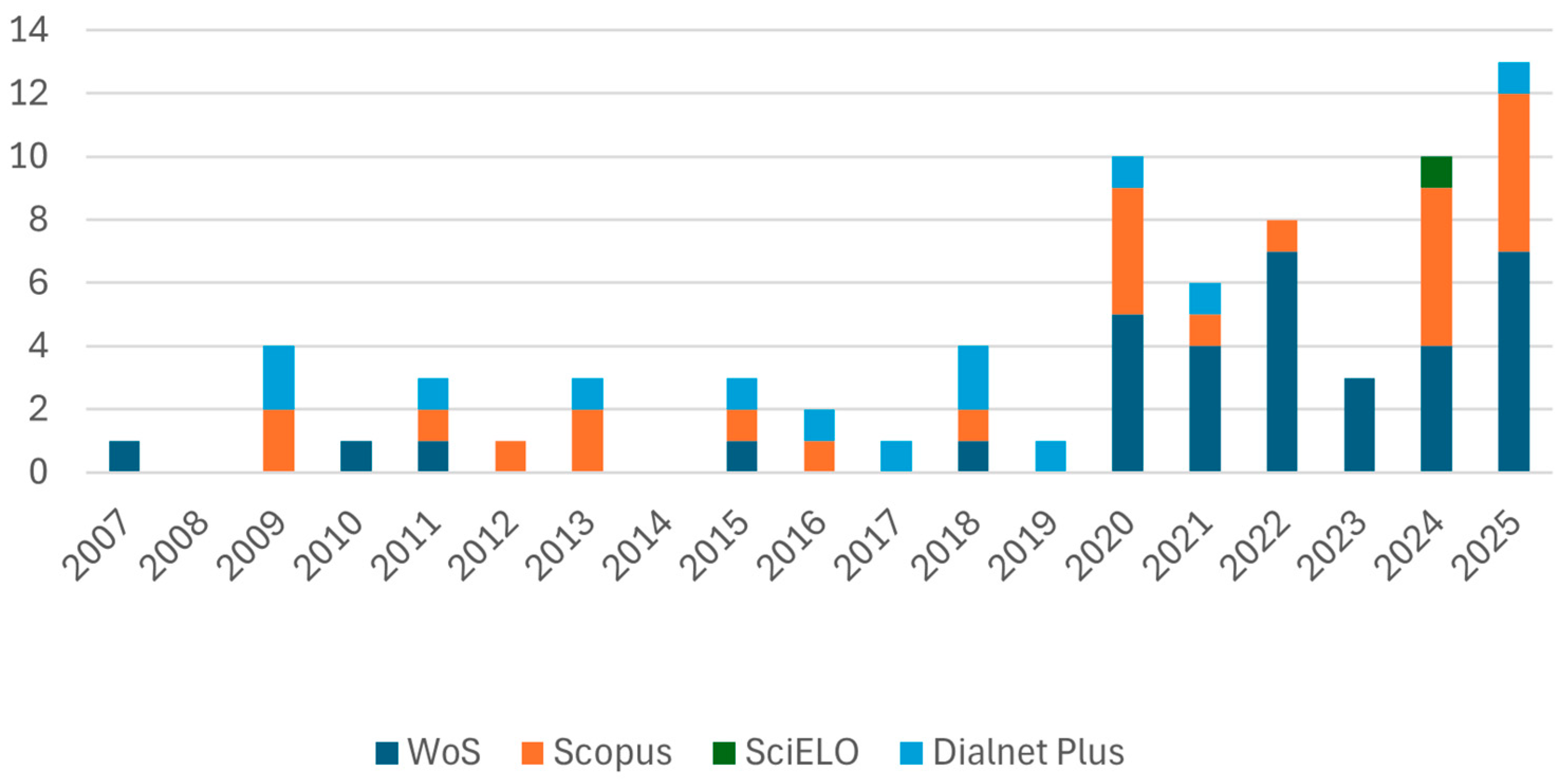
Most articles in the corpus were retrieved from WoS Core Collection (n = 35, 47.3%), followed by Scopus (n = 25, 33.8%), Dialnet Plus (n = 13, 17.6%), and SciELO (n = 1, 1.4%). Since the first article was published in 2007, scientific production in this field has grown steadily, with a notable concentration in recent years, especially since 2020 (n = 50, 67.6%), with nearly one-third (n = 23, 31.1%) published in the last two years (Figure 2).
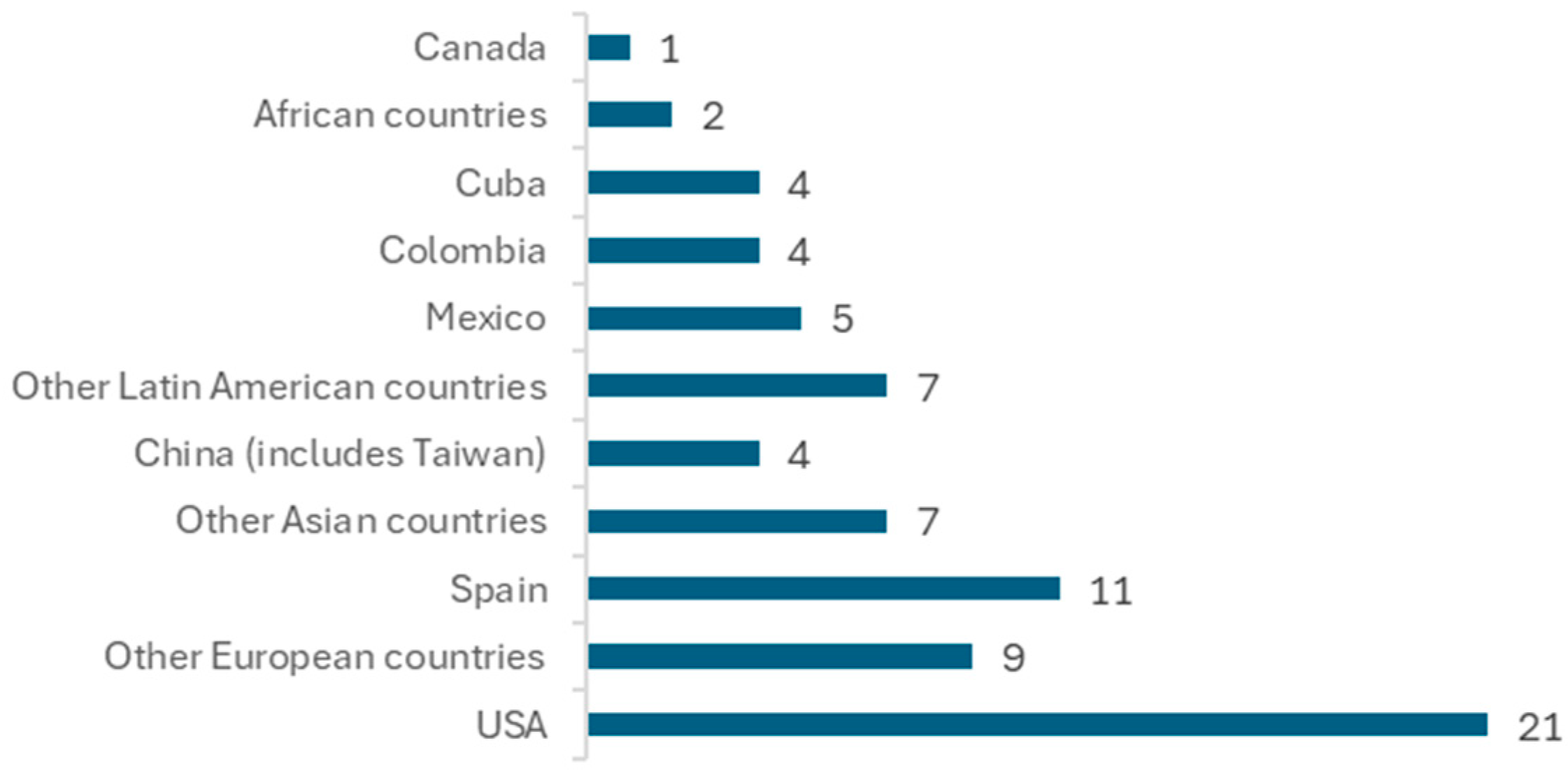
Regarding the countries in which the studies in the corpus were conducted or to which they refer, the United States predominates by a significant margin, followed by Spain and, further behind, Mexico and China. Other countries represented in the corpus are concentrated in Europe, Asia, and Latin America. For their part, the African continent and Canada are scarcely represented, while Oceania is absent (Figure 3).
Regarding the declared methodologies, quantitative (n = 25, 33.8%) and qualitative studies (n = 21, 28.4%) are most prevalent, while less represented approaches include: mixed methods with quantitative predominance (n = 5, 6.8%) and with qualitative predominance (n = 4, 5.4%). Other types of studies, without an explicit methodological framework, are those presenting learning experiences (n = 13, 17.6%), teaching proposals (n = 2, 2.7%), and an engineering school-level experience (n = 1, 1.4%), as well as theoretical-philosophical studies (n = 3, 4.1%). On the other hand, 52.7% (n = 39) of the articles report one or more engineering degree programs as part of the study: civil engineering (n = 16, 21.6%), computer engineering (n = 13, 17.6%), industrial engineering (n = 12, 16.2%), mechanical engineering (n = 11, 14.9%), environmental engineering (n = 7, 9.5%), electrical engineering (n = 6, 8.1%), biomedical engineering/bioengineering (n = 5, 6.8%), among others (n = 20, 27%).

4.2. Trends in Citizenship Education in Engineering Education

Following Veugelers et al. (2017), in most articles (n = 45, 60.8%) an individualistic approach to citizenship development predominates, focusing on the development of individual citizenship competencies and soft skills in engineering students, with an emphasis on employability. This model centers on forming responsible and competent citizens, but ones who do not question the social and power structures in which they are embedded. In this regard, the learning experience reported by Chans et al. (2025) exemplifies this approach, which they justify as follows:
Beyond technical prowess, skills such as critical thinking, teamwork, communication, leadership, management, and entrepreneurship are essential for the modern workforce and solving twenty-first-century problems… must develop: self-knowledge and management, innovative entrepreneurship, social intelligence, ethical and civic engagement, reasoning for complexity, communication, and digital transformation.
(p. 1)
Studies associated with the individualistic approach have focused on:
(a)
Professional competencies or soft skills, either to argue their importance (Mikhailov et al., 2022) or to develop instruments to measure students’ acquisition of these competencies or their attitudes toward learning them (Byrne et al., 2020; Hadisantono et al., 2020).
(b)
The management of the USR in their own university contexts (Belkbir, 2024; R. Hernández & Saldarriaga, 2009; Poma et al., 2025).
(c)
The implementation of SL experiences with emphasis on students’ personal and professional development (Arias, 2025; Bielefeldt et al., 2011; B. Muñoz et al., 2021; Fabregat et al., 2025a, 2025b).
(d)
The development of professional responsibility and personal ethics in specific areas: environmental (Celdrán et al., 2018; Oral et al., 2021; Pan & Hsu, 2022), global (Bourn, 2011; Kulturel, 2020), and digital (Georgopoulou et al., 2025; Palacios et al., 2021).
The critical-democratic approach has gained increasing prominence in the literature (n = 21, 28.4%). Studies based on this perspective emphasize critical reflection on power relations, dialogic engagement, and transformative social action, aiming to train engineers as political subjects within the framework of an evolving democratic project (Eustaquio et al., 2025; Morgan et al., 2020; Wesner et al., 2025; Wolff et al., 2025; Zouda, 2018). Wesner et al. (2025) justify this approach as follows:
Along with other critical scholars of engineering education, we argue that embedding social justice frameworks into engineering education, including sensibility around difference, power, and privilege, is required in order for engineering to meet the great sustainability and equity challenges of our time.
(p. 1)
This approach has identified four lines of inquiry:
(a)
Civic and political engagement as democratic and transformative agency (not merely as a personal professional attribute), in which issues such as the political dimension of technical decisions and the overcoming of their supposed neutrality have been addressed (Morgan et al., 2020); the relationship between university experiences and political engagement (Lin & Hess, 2022a; Ro et al., 2022), in which engineering programs are those that most strongly foster a culture of disengagement; and the validation of a scale to assess civic awareness, which includes the assessment of community engagement (Hess et al., 2021; Lin & Hess, 2022a).
(b)
The implementation of SL educational experiences that explicitly consider social justice or critical pedagogy to question the structural causes of inequalities (Wesner et al., 2025), promote civic professionalism based on transformative educational experiences (Graeff & Wood, 2021), foster community participation (Cabral & Delgado, 2017), and propose social peace as a goal of engineering (Hinds et al., 2020).
(c)
The curriculum as a tool for transformation: a proposal that starts from a macro-ethical notion that perceives ethics as a collective and structural responsibility—not just an individual one. This line is addressed both from a theoretical perspective (Zouda, 2018) and from the analysis of the results and challenges of concrete experiences of curricular transformation in engineering (Wolff et al., 2025; Monteiro et al., 2016).
(d)
Approaching socioscientific and sociotechnical problems so that the student critically analyzes the social and environmental impact of their professional work, thereby fostering the will to act (Goggins & Hajdukiewicz, 2022; Hwang et al., 2023) and a hybrid imagination that enables the critical articulation of technical and social thinking (Jamison & Mejlgaard, 2010).
The approach with the least presence (n = 8, 10.8%) is the adaptive approach, characterized by a clear orientation toward the transmission of pre-established ideological content. These studies are predominantly from China and Cuba. In China, research focuses on the mandatory university curriculum of Ideology and Politics, exploring topics such as the use of technologies to enhance the transmission of predefined ideological content (Yuan, 2024) and its integration into industry through the hidden curriculum (Yue, 2024). In Cuba, educational strategies have been proposed to link professional identity to specific ideological principles (T. Azahares et al., 2011; O. Azahares, 2019; Obregón et al., 2024) and values associated with historical figures of the ruling party (Ortiz, 2020). Other studies with this approach, but with a different ideological orientation, are the study of Oktaviani et al. (2024), who analyzed an educational experience based on Pancasila, the official ideology and philosophy of the Indonesian State; and the work of Romero and Mejía (2013), who evaluated students’ knowledge of the Colombian constitution. Ortiz (2020) exemplifies this approach, stating:
…la necesidad de acudir al legado de lo mejor del pensamiento de sus líderes emblemáticos, y por otro transmitir a través de la instrucción el arsenal de criterios en busca de valores cívicos y del bienestar social que ambos autores proponen en sus obras, refiriéndonos específicamente, a los aportes de Ernesto Guevara de la Serna (1928–1967) y Fidel Castro Ruz (1926–2016).
(p. 157)
The literature analyzed addresses multiple topics in the context of CE; among them, responsibility is the most prevalent (n = 50, 67.6%), reflecting broad consensus regarding the need for engineering education to train students in social responsibility, civic engagement, and professional ethics. This task is approached from four subtopics:
(a)
The civic commitment of future professionals, expressed in terms of attitudes and citizen behaviors, as illustrated by Chang et al. (2023), who studied the relationship between civic self-efficacy and the implementation of citizen actions in Taiwan, and Lin and Hess (2022a), who investigated the factors that influence the civic commitment of first-year students in the United States.
(b)
The curricular integration of professional ethics, which addresses its incorporation into the professional profile. Along these lines is the concern of Terrones and Rocha (2024) about ethics in the context of trustworthy artificial intelligence, as well as the educational experience of Namasivayam and Moganakrishnan (2018), which promoted ethics and civic engagement in engineering through community service activities.
(c)
University Social Responsibility, conceived as an institutional framework that enables the organization of citizenship education in these engineering programs (Poma et al., 2025; R. Hernández & Saldarriaga, 2009).
(d)
The political commitment of engineers, a more recent (2020–2025) yet increasingly relevant aspect, which, from the perspective of SJ, aims to overcome the culture of disengagement by addressing SSIs (Hwang et al., 2023) and SL based on a critical community-engaged pedagogy (Wesner et al., 2025).
Sustainability is a notably addressed topic in the literature (n = 16, 21.6%), especially since 2015, an interest that authors attribute to the environmental impact of engineering and engineering’s responsibility in the transition toward sustainable development (Mina, 2013; Sudhakar, 2025). This topic has been developed through three axes: (a) the study of environmental attitudes, knowledge, and behaviors (Celdrán et al., 2018; Oral et al., 2021; Pan & Hsu, 2022); (b) the assessment of educational experiences oriented toward the development of the environmental citizenship (Mina, 2013; Salinas et al., 2024; Sudhakar, 2025); and, in more recent years, (c) the explicit alignment with the Sustainable Development Goals (SDGs) of the 2030 Agenda (United Nations, 2015), which has addressed issues such as learning environments, technology design, and projects aligned with sustainability goals (Cuevas et al., 2024; Goggins & Hajdukiewicz, 2022).
The development of global engineers is a topic addressed with some frequency in the literature (n = 8, 10.8%), given its perceived relevance in contemporary engineering (Berndt & Paterson, 2009; Bourn, 2011). Research on this theme has explored the perceptions of students and faculty regarding the development of global perspectives, both in terms of curriculum and personal experience (Chans et al., 2025; Kulturel, 2020; Zahid & Neary, 2023). To educate global engineers, the incorporation of social, cultural, and environmental content has been proposed (Berndt & Paterson, 2009; Bourn, 2011), as well as the internationalization of the curriculum through shared online courses (Abrahamse et al., 2015).
In the last decade, three emerging topics stand out: The first is curriculum reform (n = 3, 4.1%), focused on discussions about the benefits and limitations of integrating ethics and citizenship education into engineering curricula (Monteiro et al., 2016; Wolff et al., 2025). Zouda’s (2018) work is particularly noteworthy in this area, as she critiqued the lack of socioscientific, sociocultural, and sociopolitical perspectives in STEM curricula, including engineering. According to Zouda, this deficit of perspectives transforms these curricula into instruments of power and control, thus hindering the development of critical citizenship.
The second emerging topic is the professional identity of engineers (n = 8, 10.8%), which has been addressed from a theoretical perspective that questions how this identity is constructed and transmitted within the university, especially in the cultural and institutional sphere. Due to the social and environmental impact of engineering, the inclusion of an explicit civic dimension is proposed (Mikhailov et al., 2022), which would allow for the development of civic professionals (Graeff & Wood, 2021). However, this task is hampered by the predominance of strictly technical views in academic culture, particularly among instructors, which leads students to internalize an image of apolitical technicians (Morgan et al., 2020).
The third emerging topic, digital citizenship (n = 9, 12.2%), refers to the literacies associated with new technologies and their relationship to citizenship. It is articulated along three lines: (a) digital literacy, which has focused on students’ abilities to interact critically with technologies (Georgopoulou et al., 2025; Palacios et al., 2021); (b) digital civics as an educational strategy that contributes to citizenship education, both within the framework of SL experiences (Bosman et al., 2020) and the development of skills based on inclusive learning designs (Belkbir, 2024); and, most recently, (c) a philosophical and documentary analysis about the incorporation of AI into the engineering curriculum, considering its potential to educate future engineers as critical citizens capable of assessing the ethical and social implications of this technology (Terrones & Rocha, 2024).
Regarding the deployment of CE within university areas, most studies address teaching (n = 66, 89.2%), especially through SL experiences, and to a lesser extent using PjBL (Jamison & Mejlgaard, 2010), Design Thinking (McLaughlin et al., 2022), and addressing SSIs (Hwang et al., 2023). Also included within this domain are theoretical studies that, for example, propose incorporating global perspectives into teaching (Bourn, 2011), discuss dominant discourses as constructs of power and the need to include sociocultural and sociopolitical dimensions (Zouda, 2018), or analyze the socio-philosophical aspects of engineering education (Mikhailov et al., 2022); documentary analysis studies (Terrones & Rocha, 2024) and curricular analysis studies (Monteiro et al., 2016); descriptive/correlational studies on topics such as students’ digital literacy (Pan & Hsu, 2022) and the relationship between experiences, identity characteristics, and political self-efficacy (Ro et al., 2022); and the validation and/or application of instruments to assess ideas or learning related to CE (Chang et al., 2023; Delahoz et al., 2020; Hess et al., 2021; Santos et al., 2020; Worthington et al., 2024).
As previously noted, SL experiences are the most common. These have been carried out from three perspectives. First, as a non-technical service, that is, based on community activities that do not involve the application of technical or scientific competencies specific to the discipline (A. Muñoz et al., 2022). In this case, the integration of CE into engineering education is satellite in nature (n = 1, 1.4%). The second and most widespread is the semi-integrated perspective (n = 20, 27%). This is based on SL with technical support for the community, in which students apply technical knowledge and skills from their degree program. However, the CE component is restricted to the delivery of the service and appears devoid of critical social analysis within the educational process (Bielefeldt et al., 2011; Dewoolkar et al., 2009). In the third one, the fully integrated SL perspective (n = 3, 4.1%) explicitly articulates the technical and social/citizenship dimensions in a reflective manner, through integrated inter- or transdisciplinary approaches and critical social analysis of the problems addressed. This is the case of studies such as those by Wesner et al. (2025), who incorporated SJ as an analytical element applicable to disciplinary content itself; Hinds et al. (2020), who argued that effective and sustained solutions imply understanding root causes related to power, inequity, and justice; and Graeff and Wood (2021), who required students to analyze power, the political context, and the structural causes of the problems they addressed. Regarding learning experiences other than SL, semi-integrated perspectives are also the most widespread (McLaughlin et al., 2022; Salinas et al., 2024).
A second area that has been frequently addressed (n = 30, 40.5%) is the university–society relation, especially through SL experiences, that is, often overlapping with the teaching area. In this field are also analyzed the relationship of university institutions with the social environment based on USR (R. Hernández & Saldarriaga, 2009; Poma et al., 2025); professional internships (Álvarez et al., 2024); industry-university collaboration (Siller & Durkin, 2013); virtual classes shared by students from different countries, in a format resembling what we now call Collaborative Online International Learning (COIL) (Abrahamse et al., 2015); and participation in a government social program (Cabral & Delgado, 2017).
The area of knowledge production and dissemination was addressed by a smaller—though still significant—portion of the corpus (n = 16, 21.6%). In line with engineering’s orientation, all articles included in this area produced applied technical knowledge, with limited cases that deeply incorporate scientific knowledge (Hwang et al., 2023; Wesner et al., 2025). These activities are carried out through various teaching formats that often overlap; however, they are primarily implemented within SL experiences conducted both in the context of regular courses (Cea et al., 2015; Dewoolkar et al., 2009; Hinds et al., 2020) and final degree projects (Avilés, 2016; Bielefeldt et al., 2011; Fabregat et al., 2025a). Other modalities are also recorded: an instructional program (ENACT) (Hwang et al., 2023), a hackathon (Zaragoza et al., 2025), and a student-led initiative (PInT Clinic) (Graeff & Wood, 2021).
In this area, engineering students produce technical reports and develop technologies to address a range of social and environmental challenges. For example, technical reports have been produced to address: the rehabilitation of heritage facilities (Dewoolkar et al., 2009); stormwater management (Bielefeldt et al., 2011); the topographic needs of rural communities (Cea et al., 2015); the quality of a hospital service (Cabral & Delgado, 2017); and community needs in civil engineering and construction with a focus on sustainability (Goggins, 2012; Goggins & Hajdukiewicz, 2022). Regarding technologies, various prototypes have been developed: to address emergencies (Zaragoza et al., 2025), control invasive species (Fabregat et al., 2025b), tackle microplastic pollution (Fabregat et al., 2025a), and as functional devices for people with disabilities (Hinds et al., 2020). With respect to information technology, a software prototype for community organizations (Graeff & Wood, 2021), an educational web application for virtual SL (Manjarrés et al., 2020), and an intelligent virtual learning environment (Manjarrés & Pickin, 2021) have been developed.
Regarding the democratization of knowledge, this remains limited, as in most of these studies the role of external partners is confined to identifying problems, receiving the knowledge produced, and occasionally participating in evaluation groups. Even so, a smaller group of studies documents more active participation, in the form of project co-creation (Wesner et al., 2025) and support in immersive simulation tasks, guidance, and evaluation (Zaragoza et al., 2025). On the other hand, while these studies show an openness toward external actors, article authorship remains a prerogative reserved for academic researchers.
The area of political participation and university life is not represented in the corpus. In the case of political participation, the work of Wolff et al. (2025) is the closest, as they advocate for participatory curriculum reforms, but they do not focus on student participation. Other studies address what students think, vote, know, or perceive themselves as capable of doing in society (Garibay, 2015; Lin & Hess, 2022a; Morgan et al., 2020; Ro et al., 2022; Romero & Mejía, 2013; Sánchez & Silva, 2022). However, none of them address the internal democracy of institutions, student movements, curriculum co-management, or student participation in governing bodies. Regarding university life, there are no studies focused on the everyday institutional culture as spaces for learning about citizenship, nor on coexistence or the practices of justice and injustice in university experiences.
Based on the systematization of citizenship competencies proposed by the Council of Europe (2018), the attitude of responsibility (social, professional, and/or environmental) is the most promoted competence in the analyzed literature (n = 51, 68.9%). This is done across a broad spectrum ranging from the technical–deontological responsibility of the professional (Eugenio et al., 2025; Monteiro et al., 2016; Namasivayam & Moganakrishnan, 2018) and social responsibility toward community well-being (Cea et al., 2015; A. Muñoz et al., 2022) to political responsibility toward structural social justice (Morgan et al., 2020; Wesner et al., 2025).
Other widely addressed competencies are civic-mindedness (n = 27, 36.5%) (Hess et al., 2021; Graeff & Wood, 2021); cooperation (n = 22, 29.7%) (Cuevas et al., 2024; Jamison & Mejlgaard, 2010); analytical and critical thinking (n = 19, 25.7%) (Eustaquio et al., 2025; Zouda, 2018); knowledge of the environment and sustainability (n = 21, 28.4%) (Knox & Nairn, 2025; Pan & Hsu, 2022); communication (n = 16, 21.6%) (Mina, 2013; Ramirezparis, 2009); self-efficacy (n = 12, 16.2%) (Worthington et al., 2024); openness to cultural otherness and to other beliefs, world views and practices (n = 15, 20.3%) (Abrahamse et al., 2015); valuing of cultural diversity (n = 10, 13.5%) (Kulturel, 2020; Zahid & Neary, 2023); and valuing of democracy, justice, fairness, and equality (n = 10, 13.5%) (Wesner et al., 2025; Wolff et al., 2025).
Less frequently fostered competencies are knowledge and critical understanding of the self (professional identity) (n = 9, 12.2%) (Graeff & Wood, 2021; Manjarrés & Pickin, 2021; Morgan et al., 2020); valuing of human dignity and human rights (n = 7, 9.5%) (Hinds et al., 2020; Ortiz, 2020); empathy (n = 4, 5.4%) (Eustaquio et al., 2025); respect (n = 3, 4.1%) (Delahoz et al., 2020); flexibility and adaptability (n = 1, 1.4%) (Cea et al., 2015); and autonomous learning (n = 1, 1.4%) (Obregón et al., 2024). The remaining competencies proposed by the Council of Europe (2018) are absent from the corpus. Turning to the competency framework proposed by Morillas (2006), active participation (n = 27, 36.5%) (Garibay, 2015; Ro et al., 2022), digital literacy (n = 11, 14.9%) (Bosman et al., 2020; Georgopoulou et al., 2025), and problem-solving (n = 5, 6.8%) (Manjarrés et al., 2020; Sinha et al., 2007) are also fostered.

4.3. Gaps

Several relevant gaps were identified:
(a)
The area of political participation and university life is entirely absent, while the democratization of knowledge remains a largely unexplored dimension.
(b)
The literature is heavily concentrated in the US and, to a lesser extent, in Spain. However, many countries, especially those in the Global South, are underrepresented or entirely absent. It should be noted that more than half of the Latin American articles were found in the SciELO and Dialnet Plus databases; despite their inclusion, only 24.3% (n = 18) of the analyzed corpus is written in Spanish.
(c)
There is a scarcity of longitudinal studies on the impact of CE, since, in this regard, only the studies of Garibay (2015) and Pan and Hsu (2022) are available, and, as a retrospective assessment, the work of Knox and Nairn (2025) is also of note.
(d)
There are few studies that include the postgraduate level in some way, and only in the studies of Zaragoza et al. (2025) and Goggins (2012) does this level play a more prominent role.
(e)
Despite its importance, there are few studies on the role of teachers or their perceptions of CE.
(f)
Gender dimensions are insufficiently explored; only Wesner et al. (2025), Garibay (2015), and Byrne et al. (2020) have included them in some way.
(g)
There is a notable gap regarding the effects of CE on the communities with which the programs interact. For example, studies on SL tend to investigate the impact on students, but not on other stakeholders.
(h)
Studies are concentrated in a limited set of engineering careers, leaving others underrepresented—like agronomy, mining, and artificial intelligence—or unexplored —like nuclear, robotics, and biotechnology.
(i)
There is limited research on CE conducted at the postgraduate level (present, to varying degrees, in only five articles of the corpus)

5. Discussion

The analysis has identified a central tension running through all the dimensions examined: the disparate educational and political objectives of the two main approaches to CE: the individualistic and the critical-democratic. While both aim to incorporate ethical and social dimensions into engineering education, the former focuses on the development of microethics, as expressed by Herkert (2005), and personal professional responsibility; whereas the latter, from a macroethical perspective, emphasizes political education through a critical examination of power relations, injustices, and social and environmental problems that permeate every sociotechnical or socioscientific issue. Thus, the critical-democratic approach fosters both sociotechnical reflexivity and techno-skeptical thinking in students, as promoted, respectively, by Juhl and Buch (2019) and Pleasants (2024). Although this approach is more recent and not yet predominant, it represents a significant epistemological shift in this educational field.
The approaches to CE are associated with specific pedagogical models: the types of educational experiences implemented, the topics addressed, the citizenship competencies they aim to develop, and the university areas in which they are deployed. Furthermore, they are defined by university–society relationship frameworks (USR and SJ) while simultaneously contributing to shaping them, and they are also powerfully influenced by the political, ideological, and cultural environment in which they are embedded.
The individualistic approach tends to be deployed mainly through SL experiences implemented as technical services but devoid of sociotechnical reflection, as carried out by Cea et al. (2015); and, in one case, through SL with a satellite approach (A. Muñoz et al., 2022). In both, an important educational goal is the development of soft skills and adaptive social-environmental responsibility (compliance with standards). Along these lines, this approach offers universities the possibility of fulfilling the USR through a model of relationship with society that Mardones (2021) defines as assistance-based (Bielefeldt et al., 2011; Dewoolkar et al., 2009) and, to a lesser extent (in only two cases), under a market-based model (Álvarez et al., 2024; Siller & Durkin, 2013). In this way, the USR is formally met, but without assuming explicit political commitments to social justice. This is not without contradiction, since the individualistic approach requires certain guarantees of professional autonomy that are associated with strong democratic contexts.
The predominance of the individualistic approach is not surprising, as it aligns with engineering education’s historical focus on training technically competent individuals (Juhl & Buch, 2019) and with accreditation standards promoted by agencies such as ABET, which position citizenship competencies as a personal characteristic of the professional without explicitly problematizing the political nature of these attributes. This is illustrated, for example, by Siller and Durkin’s (2013) focus on strengthening soft skills in collaboration with industry, or Byrne et al. (2020), who developed a scale to measure students’ attitudes toward learning soft skills. In this sense, individual competence is the hegemonic language through which engineering instructors reduce the social demand for CE, an approach that can be associated with the model of Educación para la Ciudadanía (Benjumea et al., 2011).
The critical-democratic approach is the most dynamic and shows strong momentum. Its concentration in recent years and the geographical diversity of its output reflect a coherent response to the social, environmental, and democratic crises that have shaped the 21st century thus far. Examples include Zouda’s (2018) critique of the hegemonic discourse in STEM education as a construct of power and control that selectively marginalizes the social sciences, rendering STEM education incapable of educating critical citizens; and the decolonial shifts from the Global South proposed by Eustaquio et al. (2025) and Wolff et al. (2025).
The critical-democratic approach employs diverse pedagogical strategies—such as SL, PjBL, and specific courses—but frequently operates within a sociotechnical and multidisciplinary model in which the technical and civic dimensions are explicitly interconnected in addressing socioscientific problems and sociotechnical controversies (Hwang et al., 2023; Juhl & Buch, 2019; Wesner et al., 2025). In this respect, notably, the only two fully integrated SL experiences correspond to this CE approach. This is because a complete integration of social and technical elements necessarily requires a critical social analysis of the community problems being addressed (Graeff & Wood, 2021; Hinds et al., 2020; Wesner et al., 2025). There is also a satellite experience that addresses social problems in the Philippines (Eustaquio et al., 2025). In this way, it seeks to develop diversified and politically explicit learning, such as democratic values; commitment to justice; critical thinking oriented toward power analysis; the appreciation of human dignity; political self-awareness; active political engagement; and responsibility, now understood—following the arguments of Veugelers et al. (2017)—as transformative political agency. The development of this approach represents a remarkable shift, as it enables engineering education to increasingly address today’s global challenges, for example, by strengthening environmental justice and reducing technological inequalities.
Like the individualistic approach, the critical-democratic approach bridges teaching and community engagement through SL, but unlike the former, it addresses the power relations that define social, environmental, and intervention contexts, while carrying out community engagement through a cooperative model. This is consistent with Zouda (2018), who argues for the need to incorporate socioscientific and sociopolitical issues to train STEM professionals as active citizens. This approach not only requires a democratic system to survive but also contributes substantially to its construction, which Benjumea et al. (2011) describe as a collective co-construction between those being trained as citizens and the democratic political project (Formación Ciudadana).
The critical-democratic approach represents a shift toward SJ perspectives in engineering education and allows universities to complement their management models, usually based on USR, with the normative principle of SJ. Although most of the corpus framed within this approach tends to explicitly address one of the dimensions of SJ (distributive, cultural, and associational), the works of Wesner et al. (2025) and Wolff et al. (2025) integrate all three simultaneously, which is consistent with the three-dimensional and interrelated conception of SJ proposed by Gewirtz and Cribb (2002).
The adaptive approach, although it has the smallest number of studies, demonstrates a systematic and consistent production aligned with the single-party political systems in which it is embedded (Ortiz, 2020; Yuan, 2024; Yue, 2024) or, in other cases, with its specific cultural context (Oktaviani et al., 2024). In this regard, the most common educational objectives of the adaptive approach are the transmission of ideological or civic-constitutional values, as well as adherence to norms and duties. Like the individualistic approach, the adaptive approach sometimes addresses CE through a satellite model, as is the case with experiences disconnected from technical content, such as those by Oktaviani et al. (2024), Ortiz (2020), and Romero and Mejía (2013). The difference lies in the content of such a satellite: usually professionalizing in the individualistic approach, and ideological or civic-doctrinal in the adaptive one. This approach aligns with the Civic Education model described by Disi and Mardones (2021).
The scarcity of studies beyond the domains of teaching and university–society relations suggests that CE tends to be perceived in these programs merely as curricular content, disconnected from other substantive university functions. In the area of knowledge production and transfer, the prevalence of technical knowledge generation and project-based modalities within service-learning aligns with the practical orientation of engineering (Zouda, 2018). However, the challenge of democratizing knowledge through deeper involvement of communities and other external partners persists. For their part, the complete absence of studies on political participation and university life, and the limited consideration of gender variables, suggest that CE is not conceived as a daily practice within institutions. All of this, as Morgan et al. (2020) point out, contributes to students internalizing a technical-apolitical identity. This is particularly concerning because, as Calderíus and Martínez (2012) argue, university CE must operate from the adult agency of students in the real exercise of democratic rights and duties.
The predominance of the technical paradigm is evident in the emphasis on the quantitative measurement of learning outcomes and attitudes related to CE through instruments composed exclusively of closed-ended items (Byrne et al., 2020; Santos et al., 2020; Worthington et al., 2024). Indeed, open-ended questions that would allow for a deeper exploration of students’ reasoning are not included, thus limiting the ability to grasp the reflective and deliberative dimensions inherent in citizenship education. Lin and Hess (2022b) identified similar limitations in the Civic-Minded Graduate Scale when they validated it for engineering and have therefore proposed supplementing its application with qualitative data, such as semi-structured interviews.
The lack of longitudinal studies—a problem previously identified by Mardones (2021) in his own national context—makes it difficult to determine the medium- and long-term educational effects of CE in these programs. However, the persistence of studies describing low levels of social agency and civic engagement suggests that the culture of disengagement remains a significant problem in engineering education (Garibay, 2015; Lin & Hess, 2022a; Ro et al., 2022). In this regard, the literature analyzed suggests that overcoming this culture requires not only pedagogical interventions but also a structural transformation of both training programs and the institutional culture of engineering schools, to more explicitly integrate the political dimension of CE (Morgan et al., 2020; Wolff et al., 2025). In other words, a systemic institutional policy is needed that encompasses all areas of CE within the university (Garrido, 2022; Martínez, 2006).

6. Conclusions

The systematic analysis of the literature from the last thirty years revealed that CE in engineering education is only two decades old (with production just since 2007), but also that it is a dynamic and growing field. However, academic output in this area remains generally limited and heavily concentrated in the US and Spain. At the same time, the analyzed corpus (n = 74) shows a clear, albeit incomplete, transition from semi-integrated and individualistic perspectives toward an increasing presence of sociotechnical models that promote critical-democratic citizenship. Furthermore, the results, especially those about the adaptive approach, point to a relevant finding: CE approaches in engineering education are deeply shaped by the political–cultural context in which they are developed.
The corpus evolution can be divided into three stages: the 2007–2013 period (n = 13, 17.6%), characterized by the predominance of professional ethics and soft skills as the framework for CE; the emergence of sustainability as a pedagogical dimension; and the first SL experiences. Subsequently, during the 2015–2019 period (n = 11, 14.9%), the literature expanded geographically, alongside a growing concern with civic engagement and social agency. The 2020–2025 period concentrated most of the corpus (n = 50, 67.6%) and presented the most significant innovations: an epistemological identity under construction, based on sociotechnical pedagogical approaches and SJ as a framework for CE; decolonial topics; the recognition and valuing of local cultural identities; and a growing methodological sophistication with the incorporation of complex mixed-methods studies.
Most of the literature analyzed adopts an individualistic approach to CE, which conceives it as a set of individual competencies to be developed by students, in line with the technical tradition of engineering itself. This indicates that CE in engineering has prioritized the development of responsible professionals over the formation of critical citizens. Paradoxically, this reproduces the very culture of disengagement that CE is supposed to overcome. However, the critical-democratic approach, which views the development of citizenship as a process of co-construction within a democratic political project, emerges as a promising alternative.
The findings of this study entail concrete implications for the institutional policies of engineering schools. The first involves the use of active methodologies, such as critical SL and PjBL based on real problems, sociotechnical controversies, and SSI. The second is the construction of a democratic culture that allows democracy to be practiced on a daily basis within the social and political spaces of engineering schools and universities themselves, given its relevance for CE. The third is the development of integrated assessment instruments that go beyond the measurement of individual competencies, capable of qualitatively assessing the impact of aspects such as citizenship participation, community collaboration, and democratic culture. The fourth is the need to overcome the satellite approach to CE through: (a) models of multidisciplinary integration that embed the sociotechnical perspective across the curriculum and research; and (b) content related to ethics, social responsibility, and social justice.
From the identified gaps, several research directions emerge that would contribute to advancing this field. In this regard, it is a priority to investigate CE in the area of political participation and university life. Given its acknowledged importance, the absence of studies in this area is particularly concerning. Other gaps requiring attention include longitudinal studies on the effects of CE on students and professionals; engineering instructors’ views about CE; perspectives from countries with limited production, such as those in the Global South, but especially those in Sub-Saharan Africa and Oceania, that take into account the local conditions of professional engineering practice and the legal and institutional frameworks specific to each region; limited research at the postgraduate level; the democratization of knowledge; and the gender dimension. Likewise, it is worthwhile to take advantage of the widespread use of SL in these degree programs to delve deeper into its implementation from a critical-democratic approach and to strengthen the voices of community partners. This is not only to better understand the impact of these interventions, but also as a cooperative exercise in democracy that involves recognition and participation.
While a significant number of pedagogical interventions and assessment tools have been developed, little attention has been paid to the CE approaches to training engineering students as citizens and the type of society each approach aims to create; the results of this study contribute to filling this gap. To achieve this, four databases, which together provide substantial coverage, were systematically reviewed. As part of this work, innovative complementary search strategies were applied to include SciELO and Dialnet Plus databases. Even so, relevant research may exist in other databases; this is a methodological limitation that deserves to be acknowledged. Additionally, while the country of origin of each article was recorded, this study did not conduct a comparative analysis of how CE is practiced across different national educational systems; this constitutes a relevant direction for future research.

Author Contributions

Conceptualization, J.J.S.-V. and K.L.-J.; methodology, J.J.S.-V. and K.L.-J.; formal analysis, J.J.S.-V. and K.L.-J.; investigation, J.J.S.-V. and K.L.-J.; writing—original draft preparation, J.J.S.-V. and K.L.-J.; writing—review and editing, J.J.S.-V., K.L.-J., D.O.-S., C.E.O.-F. and M.C.-C.; validation, D.O.-S.; resources, C.E.O.-F. and M.C.-C.; supervision, J.J.S.-V. All authors have read and agreed to the published version of the manuscript.

Funding

This work was funded by ANID FONDECYT INICIACIÓN 11251768.

Institutional Review Board Statement

Not applicable.

Informed Consent Statement

Not applicable.

Data Availability Statement

The systematic review protocol is publicly available in the Open Science Framework repository at https://osf.io/6rgt8/overview (accessed on 8 July 2026). Further data is available from the corresponding author upon reasonable request.

Conflicts of Interest

The authors declare no conflicts of interest.

Abbreviations

The following abbreviations are used in this manuscript:
CECitizenship Education
SJ Social Justice
USRUniversity Social Responsibility
SLService-Learning
PjBLProject-Based Learning
PrBLProblem-Based Learning
ABETAccreditation Board for Engineering and Technology
EUR-ACEEuropean Accreditation of Engineering Programmes
AICTEAll India Council for Technical Education
COILCollaborative Online International Learning
SSISocioscientific Issues

References

  1. Abate, S., & Orellano, V. (2020). Temas controversiales en acción. Trayectorias Universitarias, 6(11), 33. [Google Scholar] [CrossRef] [Scilit]
  2. ABET. (2024). Criteria for accrediting engineering programs, 2025–2026. Available online: https://www.abet.org/accreditation/accreditation-criteria/criteria-for-accrediting-engineering-technology-programs-2025-2026/ (accessed on 25 March 2026).
  3. Abrahamse, A., Johnson, N., Levinson, N., Medsker, L., & Pearce, J. (2015). A virtual educational exchange: A north–south virtually shared class on sustainable development. Journal of Studies in International Education, 19(2), 140–159. [Google Scholar] [CrossRef] [Scilit]
  4. Andrijcic, E., Mohan, S., Litzler, E., Han, R. J., Amekudzi-Kennedy, A., Webster, D., Haas, K., & Woolard, C. (2025). Fixing the potholes on the road to academic success: A curriculum for engineering educators to create and sustain meaningful change. Education Sciences, 15(11), 1509. [Google Scholar] [CrossRef] [Scilit]
  5. Andryukhina, L., Guzanov, B., & Anakhov, S. (2023). Engineering thinking: Vectors of development in the context of the transformation of the scientific picture of the world. Education and Science Journal, 25(8), 12–48. [Google Scholar] [CrossRef] [Scilit]
  6. Arias, J. (2025). Community service and professional development in civil engineering: Experiences and reflections of university students. Asian Journal of University Education, 21(1), 313–330. [Google Scholar] [CrossRef] [Scilit]
  7. Avilés, C. (2016). Responsables, sostenibles y universitarios como vía de lucha contra el cambio climático: El caso de la escuela técnica superior de ingeniería de montes, forestal y del medio natural (UPM). Revista de Responsabilidad Social de la Empresa, 24, 195–215. [Google Scholar]
  8. Azahares, O. (2019). Estrategia didáctica para la dinámica interdisciplinar de la formación de los profesionales del perfil minero-metalúrgico. REFCALE: Revista Electrónica Formación Y Calidad Educativa, 7(3), 13–27. [Google Scholar]
  9. Azahares, T., Ferrer, E., Ramírez, M., Arce, J., & Ramírez, Y. (2011). La formación integral del ingeniero minero metalúrgico en su vínculo con la sociedad. Cuadernos de Educación y Desarrollo, 3(23), 5. [Google Scholar]
  10. Álvarez, P., Muela, A., & Larrea, I. (2024). Influence of internship, service learning and student mobility programmes on the development of critical thinking disposition in higher education. Social Sciences & Humanities Open, 10, 101006. [Google Scholar] [CrossRef] [Scilit]
  11. Belkbir, R. (2024). Integrating the 6Cs in Moroccan higher education: A framework for inclusive AI learning design. Arab World English Journal, 15(3), 217–234. [Google Scholar] [CrossRef] [Scilit]
  12. Benjumea, M., Gutiérrez, A., Jaramillo, O., Mesa, A., & Pimienta, A. (2011). Formación ciudadana y educación para la ciudadanía: Aproximaciones conceptuales y mínimos compartidos. Revista Temas, 5, 211–224. [Google Scholar] [CrossRef] [Scilit]
  13. Berndt, A., & Paterson, C. (2009). Complementing business case studies with humanitarian case studies: A means of preparing global engineers. IEEE Transactions on Professional Communication, 52(4), 398–410. [Google Scholar] [CrossRef] [Scilit]
  14. Bielefeldt, A., Dewoolkar, M., Caves, K., Berdanier, B., & Paterson, K. (2011). Diverse models for incorporating service projects into engineering capstone design courses. International Journal of Engineering Education, 27(6), 1206–1220. [Google Scholar]
  15. Bordin, L. (2026). Desencontros entre orientações para uma perspectiva sociotécnica de educação em engenharia e sua materialidade no currículo e nas práticas educativas. Currículo sem Fronteiras, 26, e2269. [Google Scholar] [CrossRef] [Scilit]
  16. Bosman, L., Daut, E., Van Winkle, R., & Ricco, G. (2020). Integrating digital civics into the engineering technology classroom. Journal of Engineering Technology, 37(2), 20–32. [Google Scholar]
  17. Bourn, D. (2011). From internationalisation to global perspectives. Higher Education Research & Development, 30(5), 559–571. [Google Scholar] [CrossRef] [Scilit]
  18. Braun, V., & Clarke, V. (2006). Using thematic analysis in psychology. Qualitative Research in Psychology, 3(2), 77–101. [Google Scholar] [CrossRef] [Scilit]
  19. Braun, V., & Clarke, V. (2021). Thematic analysis: A practical guide. SAGE. [Google Scholar]
  20. Budak, U., & Damar, S. (2025). Research trends and emerging areas of interest from 2004 to 2024 in science education. Journal of Turkish Science Education, 22(4), 625–654. [Google Scholar] [CrossRef] [Scilit]
  21. Byrne, Z., Weston, J., & Cave, K. (2020). Development of a scale for measuring students’ attitudes towards learning professional skills. Research in Science Education, 50(4), 1417–1433. [Google Scholar] [CrossRef] [Scilit]
  22. Cabral, R., & Delgado, F. (2017). El programa de aval ciudadano: Una aproximación universitaria hacia la formación ciudadana y comunitaria. Revista Educación, Política y Sociedad, 2(1), 92–105. [Google Scholar] [CrossRef] [Scilit]
  23. Cabrera, M. (2020). Relevancia de las competencias ciudadanas en construcción de civilidad en educación superior. Educación y Humanismo, 22(38), 1–24. [Google Scholar] [CrossRef] [Scilit]
  24. Calderíus, M., & Martínez, N. (2012). Consideraciones del proceso de formación ciudadana del estudiante universitario. Didasc@lia: Didáctica y Educación, 3(3), 139–158. [Google Scholar]
  25. Castellví, J., Marolla, J., & Escribano, C. (2023). La investigación cualitativa. In D. Ortega (Ed.), ¿Cómo investigar en didáctica de las ciencias sociales? (pp. 57–78). Octaedro. Available online: https://octaedro.com/libro/como-investigar-en-didactica-de-las-ciencias-sociales/ (accessed on 13 March 2026).
  26. Cea, P., González, F., & Muñoz, M. (2015). Aprendizaje servicio en ingeniería civil de la UCSC: Experiencia del curso de topografía. RIDAS. Revista Iberoamericana de Aprendizaje Servicio, 1, 132–137. [Google Scholar]
  27. Cech, E. (2013). Culture of disengagement in engineering education? Science, Technology & Human Values, 39(1), 42–72. [Google Scholar] [CrossRef] [Scilit]
  28. Cech, E., & Finelli, C. (2024). Learning to prioritize the public good: Does training in classes, workplaces, and professional societies shape engineers’ understanding of their public welfare responsibilities? Journal of Engineering Education, 113(2), 407–438. [Google Scholar] [CrossRef] [Scilit]
  29. Celdrán, D., Montaño, F., & Cervantes, A. (2018). Alfabetización ambiental de los alumnos de la carrera de agronomía de la facultad de ingeniería y ciencias agropecuarias (fica) de la universidad nacional de San Luis, Villa Mercedes, Argentina. DELOS: Desarrollo Local Sostenible, 11, 1–16. [Google Scholar]
  30. Chang, D., You, J., & Chang, A. (2023). College students’ civic engagement efficacy and their implementing effects in selected STEM programs. Sage Open, 13(4), 21582440231220128. [Google Scholar] [CrossRef] [Scilit]
  31. Chans, G., Valle, A., Salas, S., Caratozzolo, P., & Camacho, C. (2025). Exploring transversal competencies in engineering students through international experiences. Frontiers in Education, 9, 1457796. [Google Scholar] [CrossRef] [Scilit]
  32. Chávez, D., & Norzagaray, C. (2021). Construyendo ciudadanía en la universidad: Una propuesta para la convivencia y resolución de conflictos. Revista Vértice Universitario, 23(92), 28–37. [Google Scholar] [CrossRef] [Scilit]
  33. Colmenares, M., & Armas, M. (2011). Investigación y responsabilidad social en la universidad Venezolana. Revista de Artes y Humanidades UNICA, 12(1), 52–67. [Google Scholar]
  34. Cordeiro, C. (2021). Brazilian grassroots engineering: A decolonial approach. European Journal of Engineering Education, 46(5), 690–706. [Google Scholar] [CrossRef] [Scilit]
  35. Council of Europe. (2018). Reference framework of competences for democratic culture. Council of Europe Publishing. Available online: https://www.coe.int/en/web/campaign-free-to-speak-safe-to-learn/reference-framework-of-competences-for-democratic-culture (accessed on 4 March 2026).
  36. Creswell, J. W., & Plano-Clark, V. L. (2018). Designing and conducting mixed methods research (3rd ed.). SAGE. [Google Scholar]
  37. Cuevas, M., Peña, M., Mondragón, E., & Camacho, C. (2024). Incorporating vertical collaboration to address sustainable development goals. Frontiers in Education, 9, 1246889. [Google Scholar] [CrossRef] [Scilit]
  38. Dastgir, G., & Bakhsh, K. (2022). Social justice in higher education: Revisited practices and grievances. Global Social Sciences Review, 7(2), 57–65. [Google Scholar] [CrossRef] [Scilit]
  39. De Araújo, V., & Massao, C. (2019). Controvérsias sociotécnicas: Uma proposta didática para o ensino de engenharia. Revista Ibero-Americana de Estudos em Educação, 14(2), 526–542. [Google Scholar] [CrossRef] [Scilit]
  40. Delahoz, E., Herrera-Fontalvo, T., & Zuluaga, R. (2020). Evaluación de la productividad académica de las competencias ciudadanas. Formación Universitaria, 13(5), 27–34. [Google Scholar] [CrossRef] [Scilit]
  41. DeWaters, J., & Kotla, B. (2023). Growing the entrepreneurial mindset in first-year engineering students. International Journal of Engineering Pedagogy, 13(7), 24–49. [Google Scholar] [CrossRef] [Scilit]
  42. Dewoolkar, M., George, L., Hayden, N., & Neumann, M. (2009). Hands-on undergraduate geotechnical engineering modules. Journal of Professional Issues in Engineering Education and Practice, 135(4), 161–175. [Google Scholar] [CrossRef] [Scilit]
  43. Disi, R., & Mardones, R. (2021). Enseñando con actitud: ¿Cuán efectiva ha sido la formación ciudadana en Chile? Education Policy Analysis Archives, 29, 15. [Google Scholar] [CrossRef] [Scilit]
  44. Escudero, C. (2020). El análisis temático como herramienta de investigación. La Trama de la Comunicación, 24(2), 89–100. [Google Scholar] [CrossRef] [Scilit]
  45. Eugenio, C., Acurio, J., Monga, D., & Olovacha, W. (2025). Responsabilidad social universitaria en la Provincia de Cotopaxi. RECIMUNDO, 9, 174–187. [Google Scholar] [CrossRef] [Scilit]
  46. Eustaquio, M., Clemente, R., Joaquín, M., Manaois, F., Alih, C., & Tulawie, A. (2025). Reimagining pedagogy through cultural narratives. International Journal on Culture, History and Religion, 7(SI2), 262–277. [Google Scholar] [CrossRef] [Scilit]
  47. Fabregat, A., Brosa, D., Balsells, O., Ismael, V., Huera, F., & Pàmies, R. (2025a). Analysis of a methodology for engineering education based on service-learning projects. International Journal of Mechanical Engineering Education, 03064190251366122. [Google Scholar] [CrossRef] [Scilit]
  48. Fabregat, A., Mayolas, A., Balsells, O., Ismael, V., Huera, F., & Pàmies, R. (2025b). Inspiring engineering education: Service learning in manufacturing projects. International Journal of Mechanical Engineering Education, 54(3), 696–711. [Google Scholar] [CrossRef] [Scilit]
  49. Flemming, K., Booth, A., Hannes, K., Cargo, M., & Noyes, J. (2018). Cochrane qualitative and implementation methods group guidance series—Paper 6: Reporting guidelines for qualitative, implementation, and process evaluation evidence syntheses. Journal of Clinical Epidemiology, 97, 79–85. [Google Scholar] [CrossRef] [Scilit] [PubMed]
  50. García, F., Vega, R., & Vallaeys, F. (2022). Ética, desarrollo sostenible y responsabilidad social desde la docencia. Emerging Trends in Education, 4(8), 48–61. [Google Scholar] [CrossRef] [Scilit]
  51. Garibay, J. (2015). STEM students’ social agency and views on working for social change. Journal of Research in Science Teaching, 52(5), 610–632. [Google Scholar] [CrossRef] [Scilit]
  52. Garrido, M. (2022). Diagnóstico de la formación ciudadana en los perfiles de egreso y modelo educativo de las universidades del estado (Informe Final). CUECH. Available online: https://ethos.uestatales.cl/item/diagnostico-de-la-formacion-ciudadana-en-los-perfiles-de-egreso/ (accessed on 17 March 2026).
  53. Georgopoulou, M., Troussas, C., Krouska, A., & Sgouropoulou, C. (2025). Digital literacy in higher education: Examining university students’ competence in online information practices. Computers, 14(12), 528. [Google Scholar] [CrossRef] [Scilit]
  54. Gewirtz, S., & Cribb, A. (2002). Plural conceptions of social justice: Implications for policy sociology. Journal of Education Policy, 17(5), 499–509. [Google Scholar] [CrossRef] [Scilit]
  55. Goggins, J. (2012). Engineering in communities: Learning by doing. Campus-Wide Information Systems, 29(4), 238–250. [Google Scholar] [CrossRef] [Scilit]
  56. Goggins, J., & Hajdukiewicz, M. (2022). The role of community-engaged learning in engineering education for sustainable development. Sustainability, 14(13), 8208. [Google Scholar] [CrossRef] [Scilit]
  57. González, B. (2018). Las estrategias educativas para la formación ciudadana según su alcance y sentido. Revista Perspectivas: Estudios Sociales y Educación Cívica, 17, 1–18. [Google Scholar] [CrossRef] [Scilit]
  58. González, M., López, R., & Ortiz, G. (Eds.). (2020). Formación ciudadana en estudiantes universitarios. Editorial Terracota. [Google Scholar]
  59. Graeff, E., & Wood, A. (2021). Undergraduate engineering education as civic professionalism. The Good Society, 30(1–2), 76–95. [Google Scholar] [CrossRef] [Scilit]
  60. Gumede, N., & Tladi, B. (2023). Socio-technical systems: Using actor-network theory to make the social more tangible in a technical space. The South African Journal of Industrial Engineering, 34(3), 140–155. [Google Scholar] [CrossRef] [Scilit]
  61. Hadisantono, H., Rowe, G., & Giacaman, N. (2020). Extending assessment of engineering professional skills to include the local Indonesia higher education competency. Australasian Journal of Engineering Education, 25(1), 90–102. [Google Scholar] [CrossRef] [Scilit]
  62. Herkert, J. (2005). Ways of thinking about and teaching ethical problem solving: Microethics and macroethics in engineering. Science and Engineering Ethics, 11, 373–385. [Google Scholar] [CrossRef] [Scilit] [PubMed]
  63. Hernández, H., & López, J. (2014). La participación estudiantil como estrategia de formación ciudadana para la educación en valores en el nivel superior. Revista de Comunicación de la SEECI, 35, 43–58. [Google Scholar] [CrossRef] [Scilit]
  64. Hernández, R., & Saldarriaga, A. (2009). Gestión de la responsabilidad social universitaria: Caso escuela de ingeniería de antioquía–eia. Dyna, 76(159), 237–248. [Google Scholar]
  65. Hess, J., Lin, A., Fore, G., Hahn, T., & Sorge, B. (2021). Testing the civic-minded graduate scale in science and engineering. International Journal of Engineering Education, 37(1), 44–64. [Google Scholar]
  66. Hinds, T., Buch, N., Delgado, V., & Morgan, J. (2020). Development of a peace engineering initiative within a first-year engineering program. Journal of Engineering Education Transformations, 33, 112–117. [Google Scholar] [CrossRef] [Scilit]
  67. Hwang, Y., Ko, Y., Shim, S., Ok, S., & Lee, H. (2023). Promoting engineering students’ social responsibility and willingness to act on socioscientific issues. International Journal of STEM Education, 10(11), 11. [Google Scholar] [CrossRef] [Scilit] [PubMed]
  68. Jamison, A., & Mejlgaard, N. (2010). Contextualizing nanotechnology education: Fostering a hybrid imagination in Aalborg, Denmark. Science as Culture, 19(3), 351–368. [Google Scholar] [CrossRef] [Scilit]
  69. Juhl, J., & Buch, A. (2019). Transforming academia: The role of education. Educational Philosophy and Theory, 51(8), 803–814. [Google Scholar] [CrossRef] [Scilit]
  70. Knox, R., & Nairn, R. (2025). Twenty-five years of domestic service learning and community engagement projects: A framework for state-funded university environmental capstone classes. Journal of Civil Engineering Education, 151(3), 1653–1660. [Google Scholar] [CrossRef] [Scilit]
  71. Kulturel, S. (2020). Person-centered analysis of factors related to STEM students’ global awareness. International Journal of STEM Education, 7(1), 40. [Google Scholar] [CrossRef] [Scilit]
  72. Lamancusa, J. (2006). Design as the bridge between theory and practice. International Journal of Engineering Education, 22(3), 652–658. [Google Scholar]
  73. León, F. (2020). Competencias ciudadanas: Análisis crítico y pautas para la formación profesional. Controversias y Concurrencias Latinoamericanas, 12(21), 369–388. [Google Scholar]
  74. Lin, A., & Hess, J. (2022a). Understanding influences on engineering students’ civic engagement in high school and the first year of college. IEEE Transactions on Education, 65(3), 287–296. [Google Scholar] [CrossRef] [Scilit]
  75. Lin, A., & Hess, J. (2022b). Validating the civic-minded graduate scale with first-year engineering students using mixed methods. Michigan Journal of Community Service Learning, 28(1), 29–62. [Google Scholar] [CrossRef] [Scilit]
  76. López, D., & Mejía, L. (2017). Una mirada a las estrategias y técnicas didácticas en la educación en ingeniería: Caso ingeniería industrial en Colombia. Entre Ciencia e Ingeniería, 11(21), 123–132. [Google Scholar] [CrossRef] [Scilit]
  77. Manjarrés, A., & Pickin, S. (2021). Aprendizaje-servicio y agenda 2030 en la formación de ingenieros de la tecnología inteligente. Revista Diecisiete: Investigación Interdisciplinar para los Objetivos de Desarrollo Sostenible 4, 59–82. [Google Scholar] [CrossRef] [Scilit]
  78. Manjarrés, A., Pickin, S., Alonso, H., & Rodriguez-Fernández, N. (2020). Virtu@l-ApS: Technological support for virtual service-learning. RIED: Revista Iberoamericana de Educación a Distancia, 23(1), 85–109. [Google Scholar] [CrossRef] [Scilit]
  79. Mardones, R. (2021). Estado del arte sobre enfoque de formación ciudadana en educación superior. CUECH. Available online: https://ciudadania.uestatales.cl/wp-content/uploads/2021/07/Estado-del-arte-sobre-enfoque-de-formacion-ciudadana-en-educacion-superior-1.pdf (accessed on 8 July 2026).
  80. Martín, D., Bombaerts, G., Horst, M., Papageorgiou, K., & Viscusi, G. (2023). Pedagogical orientations and evolving responsibilities of technological universities: A literature review of the history of engineering education. Science and Engineering Ethics, 29(6), 40. [Google Scholar] [CrossRef] [Scilit] [PubMed]
  81. Martínez, M. (2006). Formación para la ciudadanía y educación superior. Revista Iberoamericana de Educación, 42, 85–102. [Google Scholar] [CrossRef] [Scilit]
  82. Mazorra, J., Lumbreras, J., Ortiz, I., Díaz, C., Carretero, A., Egido, M., Gesto, B., Mancebo, J., Pereira, D., Sierra, M., Vignote, S., Moreno, J., & Mataix, C. (2016). Using the project based learning (PBL) methodology to assure a holistic and experiential learning on a master’s degree on technology for human development and cooperation. International Journal of Engineering Education, 32(5), 2204–2217. [Google Scholar]
  83. Mazzurco, A., & Daniel, S. (2020). Socio-technical thinking of students and practitioners in the context of humanitarian engineering. Journal of Engineering Education, 109(2), 243–261. [Google Scholar] [CrossRef] [Scilit]
  84. McAlister, A., & Lilly, S. (2023, June 25–28). Integrating technical and social issues in engineering education: A justice-oriented mindset. ASEE Annual Conference & Exposition, Baltimore, MD, USA. [Google Scholar] [CrossRef] [Scilit]
  85. McLaughlin, J., Chen, E., Lake, D., Guo, W., Skywark, E., Chernik, A., & Liu, T. (2022). Design thinking teaching and learning in higher education: Experiences across four universities. PLoS ONE, 17(3), e0265902. [Google Scholar] [CrossRef] [Scilit] [PubMed]
  86. Mesa, A., & Benjumea, M. (2011). La educación para la ciudadanía en la educación superior. Unipluriversidad, 11(1), 85–96. [Google Scholar] [CrossRef] [Scilit] [PubMed]
  87. Mieles, M., Tonon, G., & Alvarado, S. (2012). Investigación cualitativa: El análisis temático para el tratamiento de la información desde el enfoque de la fenomenología social. Universitas Humanística, 74, 195–226. [Google Scholar]
  88. Mikhailov, A., Tikhonov, A., & Margarov, G. (2022). The value potential of an engineer in a high-tech environment and digitalization of the economy. Wisdom, 21(1), 86–92. [Google Scholar] [CrossRef] [Scilit]
  89. Mina, L. W. (2013). Rhetoric of place: Pedagogy of sustainability in the technical writing class. International Journal of Sustainability Education, 8(3), 41–50. [Google Scholar] [CrossRef] [Scilit]
  90. Molina, A., Ponce, C., & Rubalcaba, C. (2023). Ciudadanía y educación: Una aproximación al campo de conocimiento. Revista Latinoamericana de Estudios Educativos, 53(1), 201–228. [Google Scholar] [CrossRef] [Scilit]
  91. Monteiro, F., Leite, C., & Rocha, C. (2016). The influence of engineers’ training models on ethics and civic education components in engineering courses in Portugal. European Journal of Engineering Education, 42(2), 156–170. [Google Scholar] [CrossRef] [Scilit]
  92. Morgan, D., Davis, K., & López, N. (2020). Engineering political fluency: Identifying tensions in the political identity development of engineering majors. Journal of Engineering Education, 109(1), 107–124. [Google Scholar] [CrossRef] [Scilit]
  93. Morillas, M. (2006). Competencias para la ciudadanía: Reflexión, decisión, acción. Narcea. [Google Scholar]
  94. Muñoz, A., Tejedor, V., & Lafuente, M. (2022). Preparing vulnerable populations for science literacy and young adults for global citizenship through service learning. Sustainability, 14, 6775. [Google Scholar] [CrossRef] [Scilit]
  95. Muñoz, B., Blanco, S., & Alberti, M. (2021). Impact of service-learning on the motivation of engineering and high school students. International Journal of Engineering Education, 37(4), 1060–1070. [Google Scholar]
  96. Namasivayam, S., & Moganakrishnan, J. (2018). Linking professional conduct for undergraduate engineering with civic engagement through teaching and learning. Journal of Engineering Science and Technology, 13(2), 421–434. [Google Scholar]
  97. Nascimento, M., & Morais, E. (2020). The show must go on II: Statistics in (engineering) higher education. Open Education Studies, 2(1), 214–219. [Google Scholar] [CrossRef] [Scilit]
  98. Nicolescu, B. (2012). Transdisciplinarity: The hidden third, between the subject and the object. Human & Social Studies, 1(1), 13–28. [Google Scholar] [CrossRef] [Scilit]
  99. Nowell, L., Norris, J., White, D., & Moules, N. (2017). Thematic analysis: Striving to meet the trustworthiness criteria. International Journal of Qualitative Methods, 16(1), 1609406917733847. [Google Scholar] [CrossRef] [Scilit]
  100. Obregón, E., Hernández, D., & Trujillo, J. (2024). Experiencias de las clases prácticas en el departamento de enseñanza militar de la CUJAE. Referencia Pedagógica, 12(2), 186–201. [Google Scholar]
  101. Oktaviani, L., Aulia, U. Y., Murdiono, M., & Suharno, S. (2024). Strengthening the critical thinking skill through the six-hat thinking model in Pancasila education. Journal of Education and Learning, 18(4), 1272–1278. [Google Scholar] [CrossRef] [Scilit]
  102. Oral, H., Eren, Ö., Yay, A., & Saygin, H. (2021). Environmental citizenship perception and behavior among university engineering students in the Marmara region of Turkey. Environment, Development and Sustainability, 23(3), 3638–3652. [Google Scholar] [CrossRef] [Scilit]
  103. Ortiz, A. (2020). Estrategia didáctica para el desarrollo de valores cívicos en egresados de la educación superior. REFCALE: Revista Electrónica Formación y Calidad Educativa, 8(3), 155–174. [Google Scholar]
  104. Özkan, D. S. (2025). Sociotechnical curricular approaches for a culture of engagement in engineering: Students navigating power and equity. Engineering Studies, 18(1), 56–81. [Google Scholar] [CrossRef] [Scilit]
  105. Page, M., McKenzie, J., Bossuyt, P., Boutron, I., Hoffmann, T., Mulrow, C., Shamseer, L., Tetzlaff, J., Akl, E., Brennan, S., Chou, R., Glanville, J., Grimshaw, J. M., Hróbjartsson, A., Lalu, M. M., Li, T., Loder, E. W., Mayo-Wilson, E., McDonald, S., … Moher, D. (2021). The PRISMA 2020 statement: An updated guideline for reporting systematic reviews. PLoS Medicine, 18(3), e1003583. [Google Scholar] [CrossRef] [PubMed]
  106. Palacios, J., Fuster, D., Rodríguez, J., Ávila, G., & Fernández, C. (2021). Alfabetización digital universitaria en estudiantes de ingeniería en tiempos de pandemia. Nexo Revista Científica, 34(6), 1562–1574. [Google Scholar] [CrossRef] [Scilit]
  107. Pan, C.-T., & Hsu, S.-J. (2022). Longitudinal analysis of the environmental literacy of undergraduate students in eastern Taiwan. Environmental Education Research, 28(10), 1452–1471. [Google Scholar] [CrossRef] [Scilit]
  108. Pleasants, J. (2024). Engineering for whom? Investigating how engineering students develop and apply technoskeptical thinking. Engineering Studies, 16(3), 159–183. [Google Scholar] [CrossRef] [Scilit]
  109. Poma, L., Churampi, R., Robles, Z., Molina, A., Matos, T., Villazana, E., Quispe, M., & Perez, F. (2025). Linking university social responsibility programs to comprehensive student training in the Peruvian context. Decision Science Letters, 14(4), 919–930. [Google Scholar] [CrossRef] [Scilit]
  110. Ponsa, P., Amante, B., Roman, J., Oliver, S., Díaz, M., & Vives, J. (2009). Higher education challenges: Introduction of active methodologies in engineering curricula. International Journal of Engineering Education, 25(4), 799–813. [Google Scholar]
  111. Ramirezparis, X. (2009). La lúdica en el aprendizaje de las matemáticas. Zona Próxima: Revista del Instituto de Idiomas de la Universidad del Norte, 10, 138–145. [Google Scholar] [CrossRef] [Scilit]
  112. Ro, H., Fernandez, F., & Bergom, I. (2022). How can STEM disciplines support political engagement? Examining student characteristics and college experiences. Education Policy Analysis Archives, 30, 53. [Google Scholar] [CrossRef] [Scilit]
  113. Romero, O., & Mejía, S. (2013). Conocimiento de la constitución colombiana y de la actitud hacia la participación política en estudiantes de ingeniería. Cultura, Educación y Sociedad, 4(1), 21–39. [Google Scholar]
  114. Salinas, D., Palma, J., & Vilalta, E. (2024). Integrating circular supply chains into experiential learning: Enhancing learning experiences in higher education. Sustainability, 16(23), 10789. [Google Scholar] [CrossRef] [Scilit]
  115. Santos, M., Ferraces, M., Mella, I., & Vázquez, A. (2020). University, civic-social competences, and the labour market. Revista Española de Pedagogía, 78(276), 213–232. [Google Scholar] [CrossRef] [Scilit]
  116. Sánchez, A., & Silva, M. (2022). Formación ciudadana en universidades de alto desarrollo académico en la ciudad de México. Revista de la Educación Superior, 51(202), 1–25. [Google Scholar]
  117. Siller, T., & Durkin, J. (2013). University-industry partnership to develop engineering students’ professional skills. International Journal of Engineering Education, 29(5), 1166–1171. [Google Scholar]
  118. Sinha, S., Thomas, H., & Kulka, J. (2007). Integrating ethics into the engineered construction curriculum. Journal of Professional Issues in Engineering Education and Practice, 133(4), 291–299. [Google Scholar] [CrossRef] [Scilit]
  119. Sudhakar, H. (2025). Sustainability education: Cultivating environmental awareness and action through campus carbon sequestration studies. International Journal of Sustainability in Higher Education, 26(6), 1450–1472. [Google Scholar] [CrossRef] [Scilit]
  120. Terrones, A., & Rocha, M. (2024). El valor de la ética aplicada en los estudios de ingeniería en un horizonte de inteligencia artificial confiable. Sophia: Colección de Filosofía de la Educación, 36, 221–245. [Google Scholar] [CrossRef] [Scilit]
  121. Thompson, J., & Philipp, T. (2023). Interdisciplinarity. In P. Thorsten, & T. Schmohl (Eds.), Handbook of transdisciplinary learning (pp. 195–203). De Gruyter. [Google Scholar] [CrossRef] [Scilit]
  122. United Nations. (2015). Transforming our world: The 2030 agenda for sustainable development. Available online: https://sdgs.un.org/2030agenda (accessed on 3 April 2026).
  123. Valdivié, D., Ubals, J., & Véliz, M. (2023). Formación ciudadana y participación social de los estudiantes universitarios. Compromiso y propuestas para la práctica. Revista Conrado, 19(90), 400–407. [Google Scholar]
  124. Vallaeys, F. (2014). La responsabilidad social universitaria: Un nuevo modelo universitario contra la mercantilización. Revista Iberoamericana de Educación Superior, 5(12), 105–117. [Google Scholar] [CrossRef] [Scilit]
  125. Vallaeys, F., & Álvarez, J. (2019). Hacia una definición latinoamericana de responsabilidad social universitaria. Educación XX1, 22(1), 93–114. [Google Scholar] [CrossRef] [Scilit]
  126. Vallaeys, F., De la Cruz, C., & Sasia, P. (2009). Responsabilidad social universitaria: Manual de primeros pasos. McGraw-Hill. [Google Scholar]
  127. Veugelers, W., De Groot, I., Llomovatte, S., & Naidorf, J. (2017). Higher education, educational policy and citizenship development. Education and Society, 35(1), 27–42. [Google Scholar] [CrossRef] [Scilit]
  128. Wesner, A., Kadir, K., & Cushing, L. (2025). Educating socially responsible engineers through critical community-engaged pedagogy. Education Sciences, 15(10), 1330. [Google Scholar] [CrossRef] [Scilit]
  129. Wolff, K., Hattingh, T., & Smith, L. (2025). Global challenges, local responses: Exploring curriculum reform in south African engineering education. Journal of Engineering Education, 114(3), e70006. [Google Scholar] [CrossRef] [Scilit]
  130. Worthington, D., Graham, B., Gilliard, H., & Kelp, N. (2024). Development of a scale to measure planned behavior in inclusive science communication: Validity evidence in undergraduate STEM students. CBE—Life Sciences Education, 23(4), ar48. [Google Scholar] [CrossRef] [Scilit] [PubMed]
  131. Yuan, X. (2024). Virtual practice teaching of civics classes in colleges and universities in the context of big data technology. Applied Mathematics and Nonlinear Sciences, 9(1), 1–16. [Google Scholar] [CrossRef] [Scilit]
  132. Yue, W. (2024). Exploring the teaching mode of civics and politics of implicit courses in applied colleges and universities under the background of industry-teaching integration. Applied Mathematics and Nonlinear Sciences, 9(1), 1–15. [Google Scholar] [CrossRef] [Scilit]
  133. Zahid, G., & Neary, S. (2023). Faculty members’ perceptions of internationalization of curriculum: Globalization and localization, a comparative study. Asian Education and Development Studies, 12(2–3), 166–180. [Google Scholar] [CrossRef] [Scilit]
  134. Zaragoza, S., Lorenzo, D., Couse, A., & Fragela, F. (2025). Dual hackathon based on immersive simulation: A multidisciplinary approach for engineering training and emergency management. IEEE Access, 13, 61958–61971. [Google Scholar] [CrossRef] [Scilit]
  135. Zea, H. R. (2023). Desafíos en la enseñanza de ingeniería en el siglo XXI. Revista Colombiana de Tecnologías de Avanzada (RCTA), 1(41), 42–49. [Google Scholar] [CrossRef] [Scilit]
  136. Zouda, M. (2018). Issues of power and control in STEM education: A reading through the postmodern condition. Cultural Studies of Science Education, 13(4), 1109–1128. [Google Scholar] [CrossRef] [Scilit]
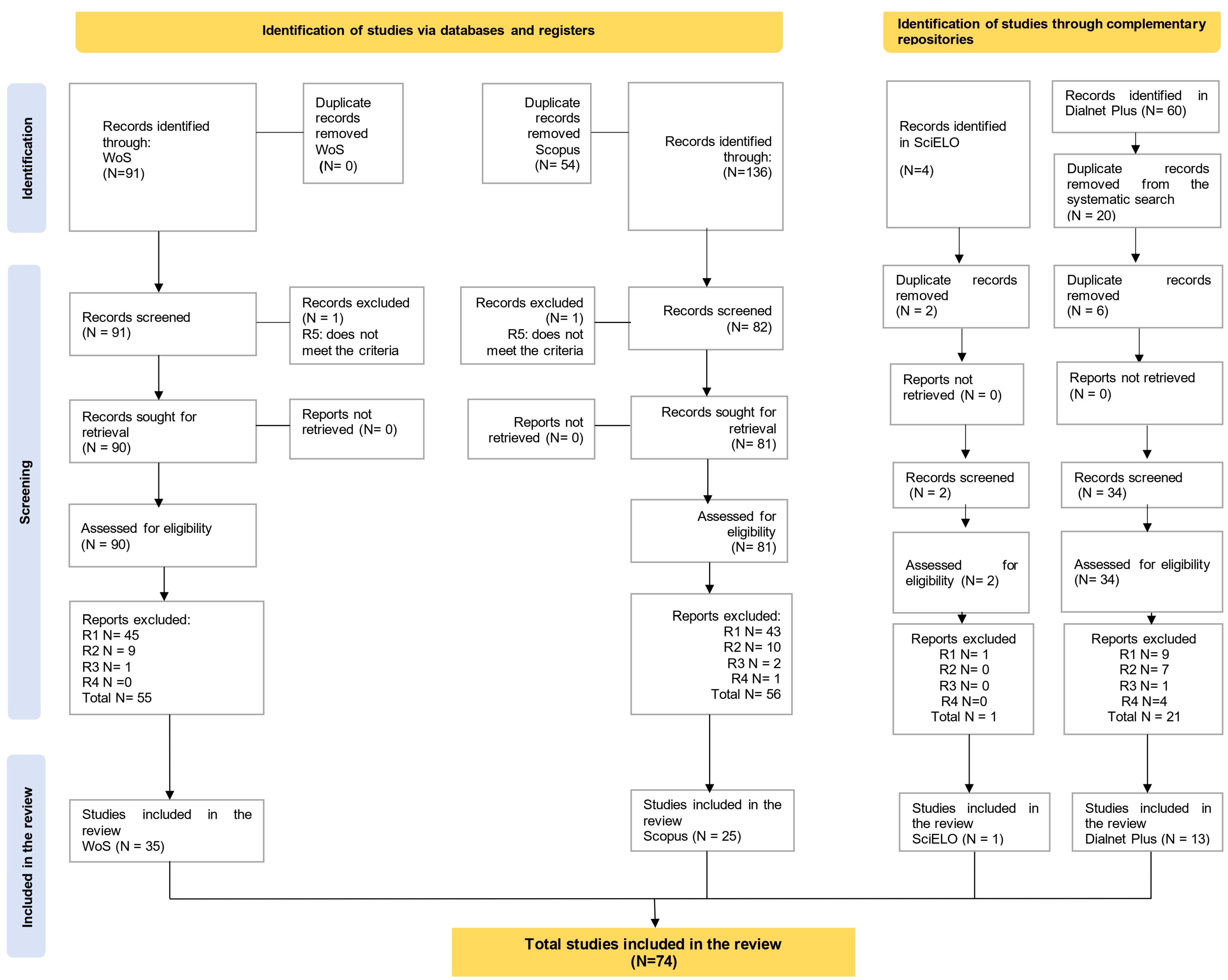
Figure 1. PRISMA 2020 flow diagram of the study selection process, adapted to represent the differential contribution of each database, without altering the flow logic established by PRISMA 2020.
Education 16 01317 g001
Figure 2. Corpus timeline by databases.
Education 16 01317 g002
Figure 3. Countries represented in at least four articles, and remaining countries grouped by region (Canada shown separately to highlight the limited representation of North America beyond the United States).
Education 16 01317 g003
Table 1. Keywords by thematic category and their validation against selected thesauri.
Thematic BlockKeywordsUNESCOERICIEEE
AreaEngineering
Institutional contextHigher education
Universities
Colleges
Phenomenon of studyCitizenship education
Civic education
Table 2. Search strings used.
StringSearch StrategyDatabase
1(Engineering) AND ((Citizenship education) OR (Civic education)) AND ((Higher education) OR (Universities) OR (Colleges))WoS
1(TITLE-ABS-KEY (Engineering) AND TITLE-ABS-KEY (Citizenship education) OR TITLE-ABS-KEY (Civic education) AND TITLE-ABS-KEY (Higher education) OR TITLE-ABS-KEY (Universities) OR TITLE-ABS-KEY (Colleges)) AND PUBYEAR > 1995 AND PUBYEAR < 2026 AND (LIMIT-TO (DOCTYPE, “ar”)) AND (LIMIT-TO (LANGUAGE, “English”) OR LIMIT-TO (LANGUAGE, “Spanish”))Scopus
1(Engineering) AND ((Citizenship education) OR (Civic education)) AND ((Higher education) OR (Universities) OR (Colleges) *SciELO
* Note: manually enter the descriptors in the search field.
Table 3. Manual search combinations in Dialnet Plus.
SearchDisciplinary AreaPhenomenon of StudyInstitutional Context
1EngineeringCitizenship educationUniversities
2EngineeringCitizenship educationHigher education
3EngineeringCitizenship educationColleges
4EngineeringCivic educationUniversities
5EngineeringCivic educationHigher education
6EngineeringCivic educationColleges
Table 4. Inclusion and exclusion criteria.
CodeCriteriaInclusion CriteriaExclusion Criteria
R1Disciplinary scopeStudies focused on engineering education in higher education, encompassing practical experiences, empirical research, or theoretical discussions involving students or academic staff.Studies not related to engineering or not situated in higher education contexts.
R2Phenomenon of studyStudies addressing citizenship education, including theoretical discussions, empirical research, or educational experiences with an explicit civic or social dimension.Studies focused exclusively on soft skills (e.g., teamwork, communication) without an explicit civic or societal dimension.
R3Study typeTheoretical and empirical studies (qualitative, quantitative, or mixed methods), as well as educational or institutional experiences and instructional proposals (primary studies).Systematic reviews or bibliometric studies (as they are secondary studies).
R4Document typeArticles published in peer-reviewed academic journals.Editorials, conference abstracts, book reviews, book chapters, theses, and conference proceedings.
R5LanguageStudies published in English or Spanish.Studies published in languages other than English or Spanish.
Disclaimer/Publisher’s Note: The statements, opinions and data contained in all publications are solely those of the individual author(s) and contributor(s) and not of MDPI and/or the editor(s). MDPI and/or the editor(s) disclaim responsibility for any injury to people or property resulting from any ideas, methods, instructions or products referred to in the content.