Article

Recognizing, Honoring, and Nurturing Diverse Talents: Enabling Young People to Thrive in the World of the 21st Century


Department of Disability and Psychoeducational Studies, University of Arizona, Tucson, AZ 85721, USA
Educ. Sci. 2026, 16(7), 1157; https://doi.org/10.3390/educsci16071157

Submission received: 31 March 2026 / Revised: 14 June 2026 / Accepted: 18 June 2026 / Published: 20 July 2026
(This article belongs to the Special Issue Unlocking Potential: The Future of Gifted and Talented Education)

Abstract

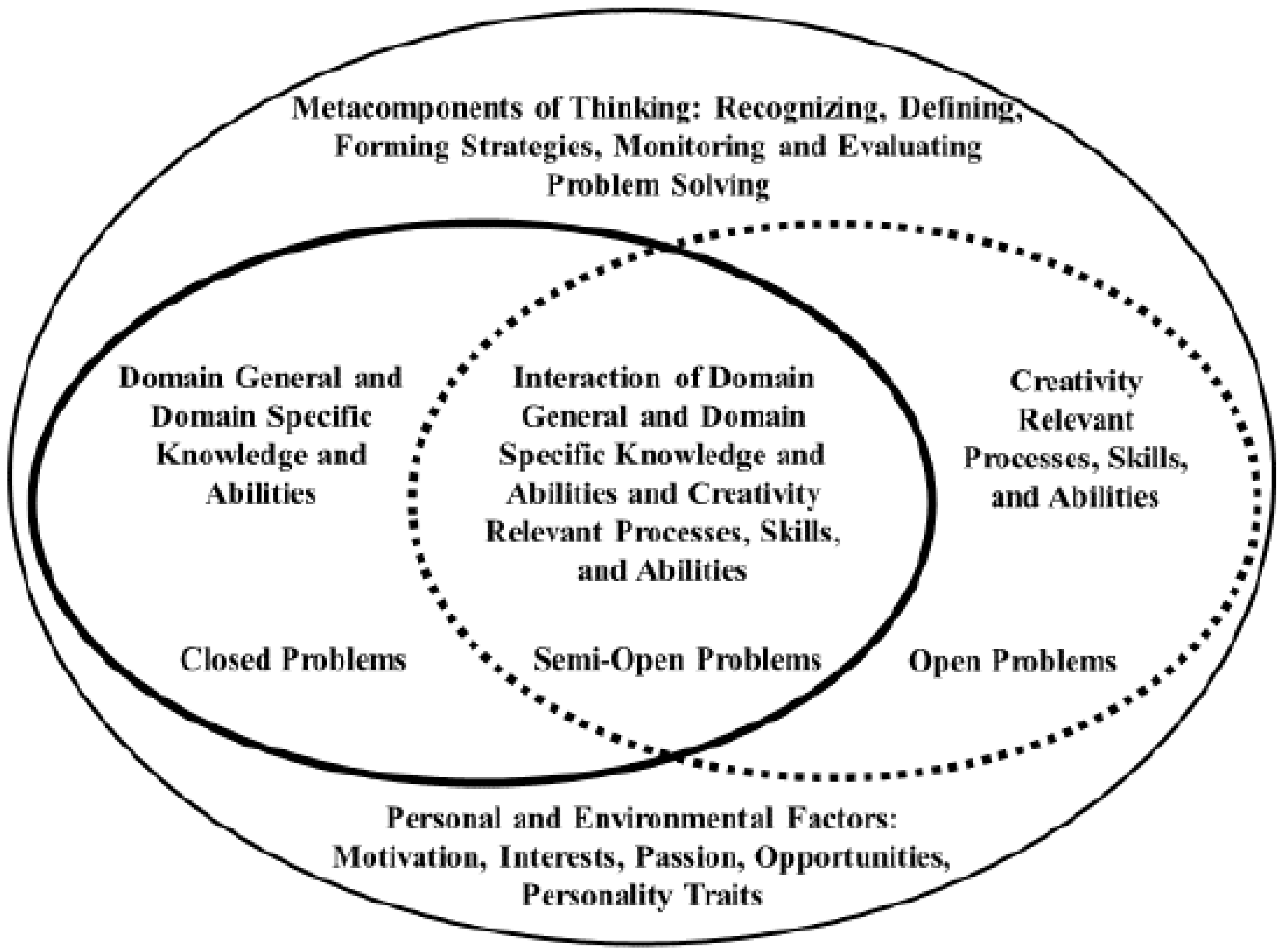
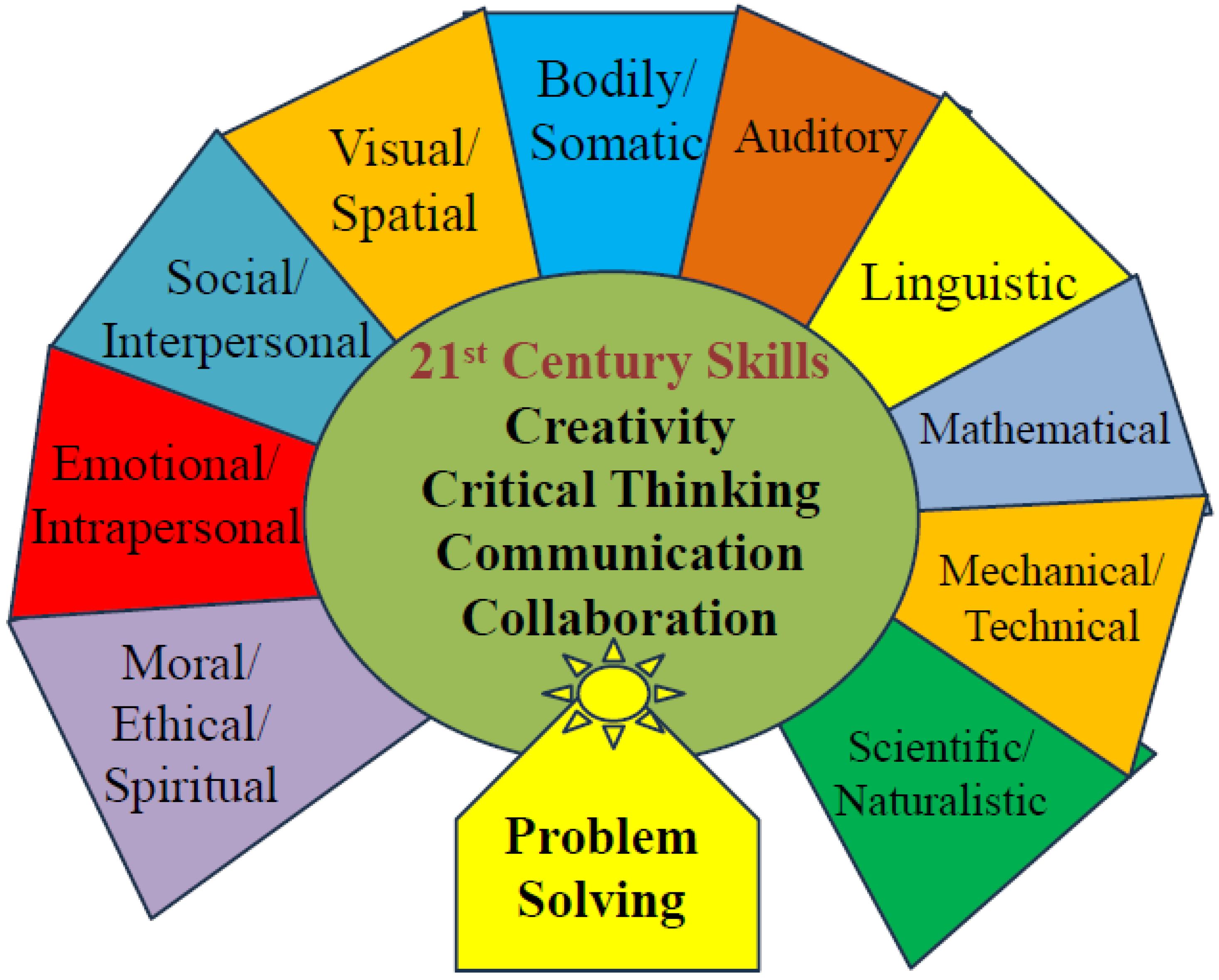
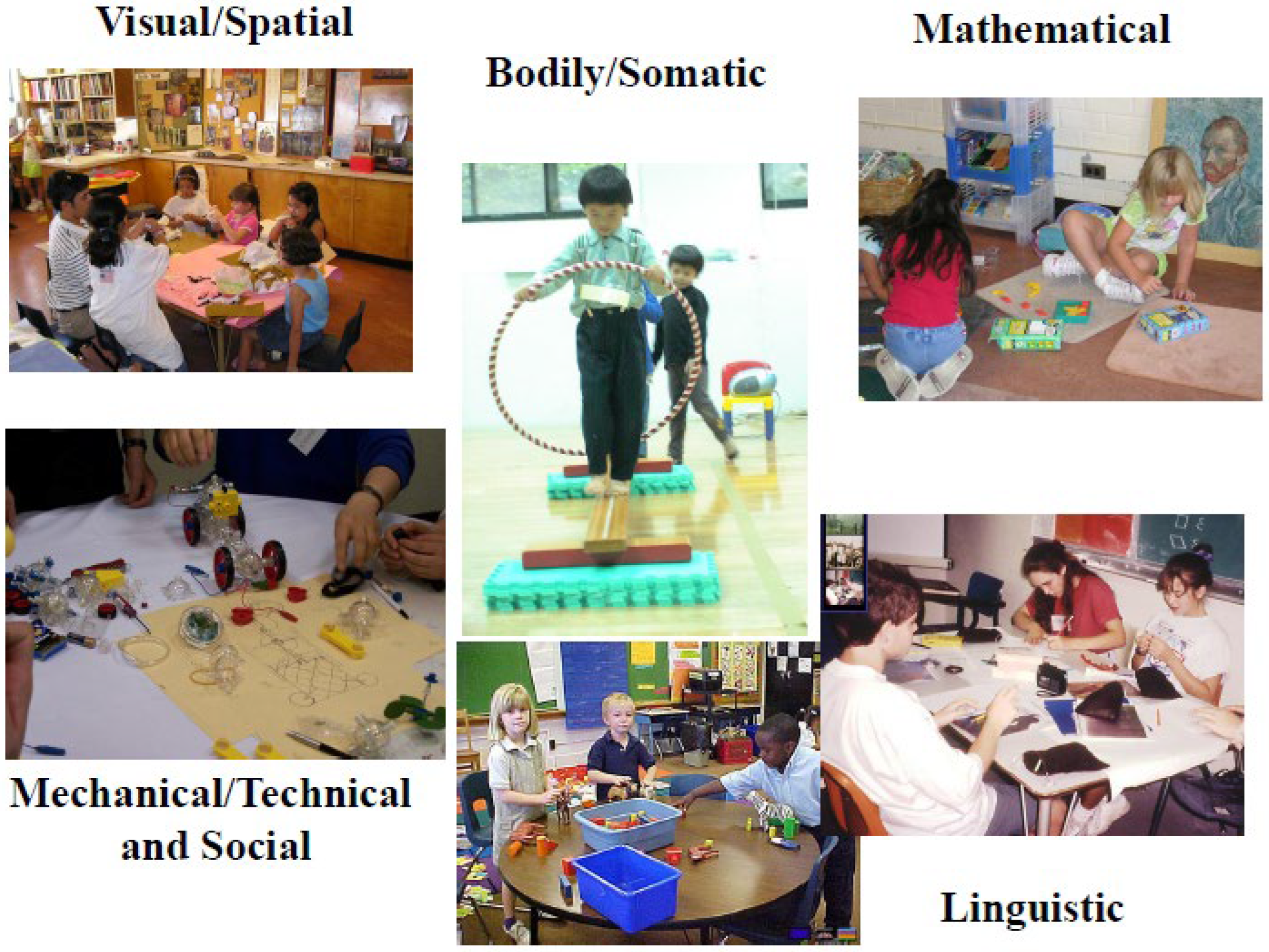
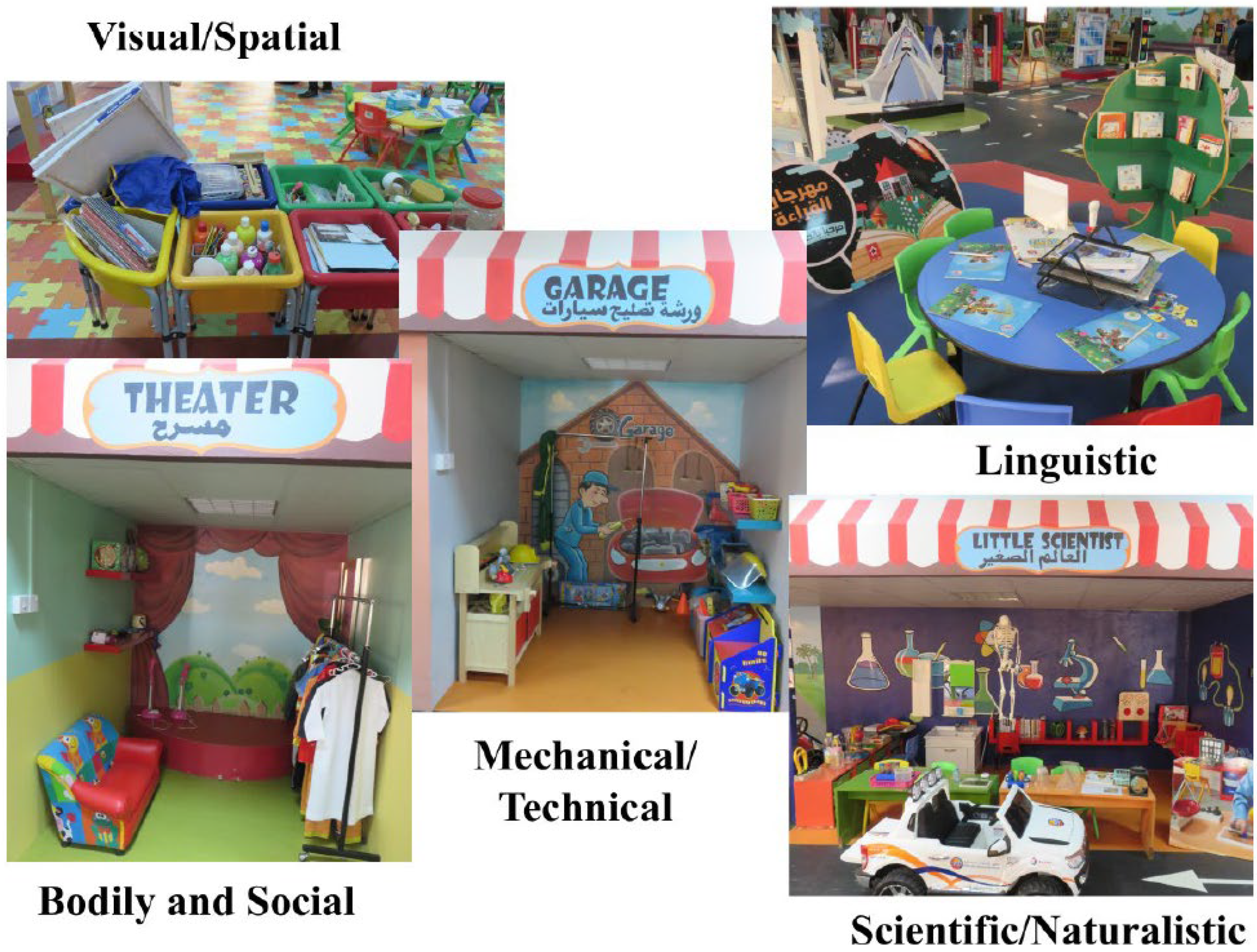
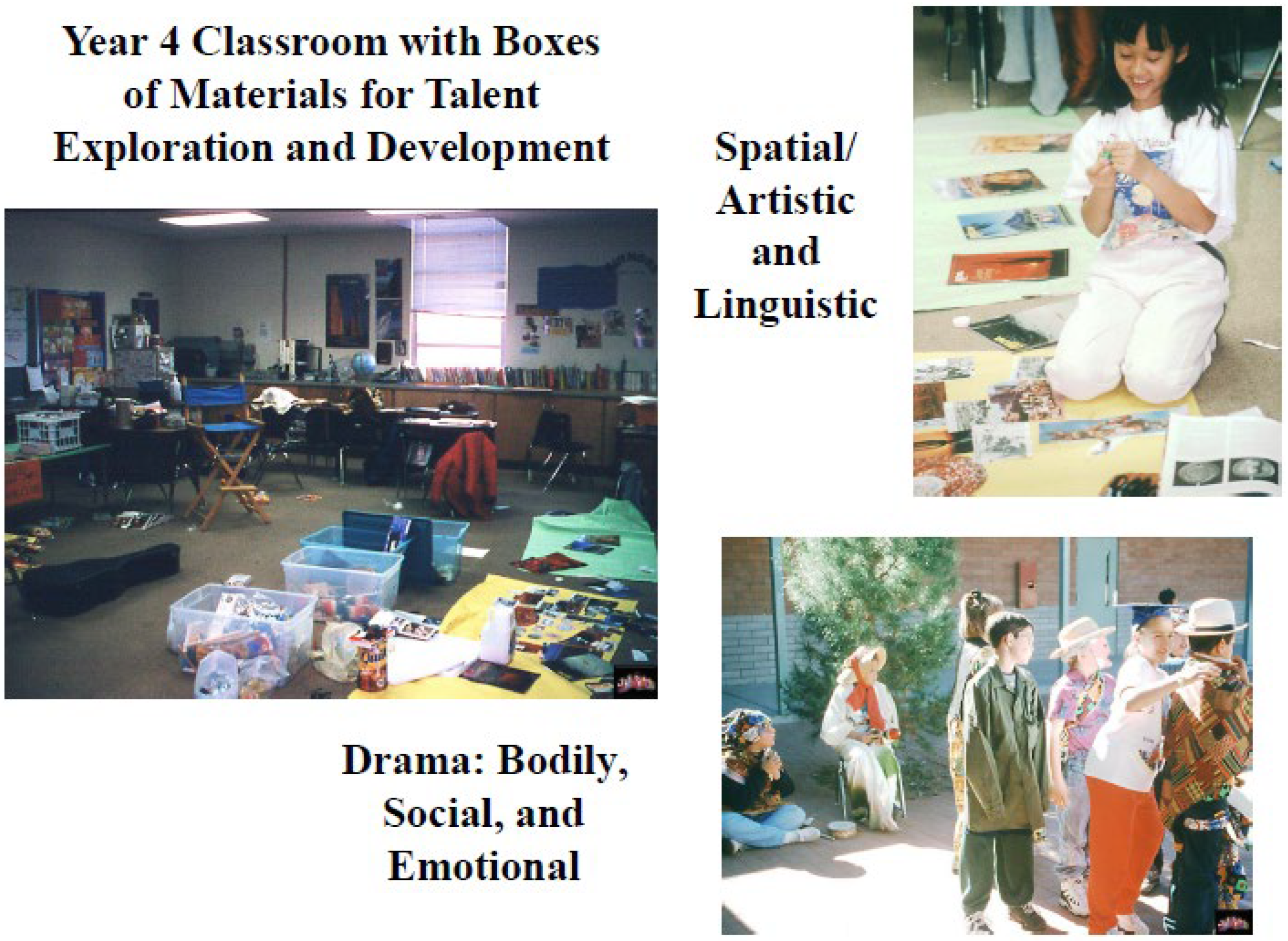
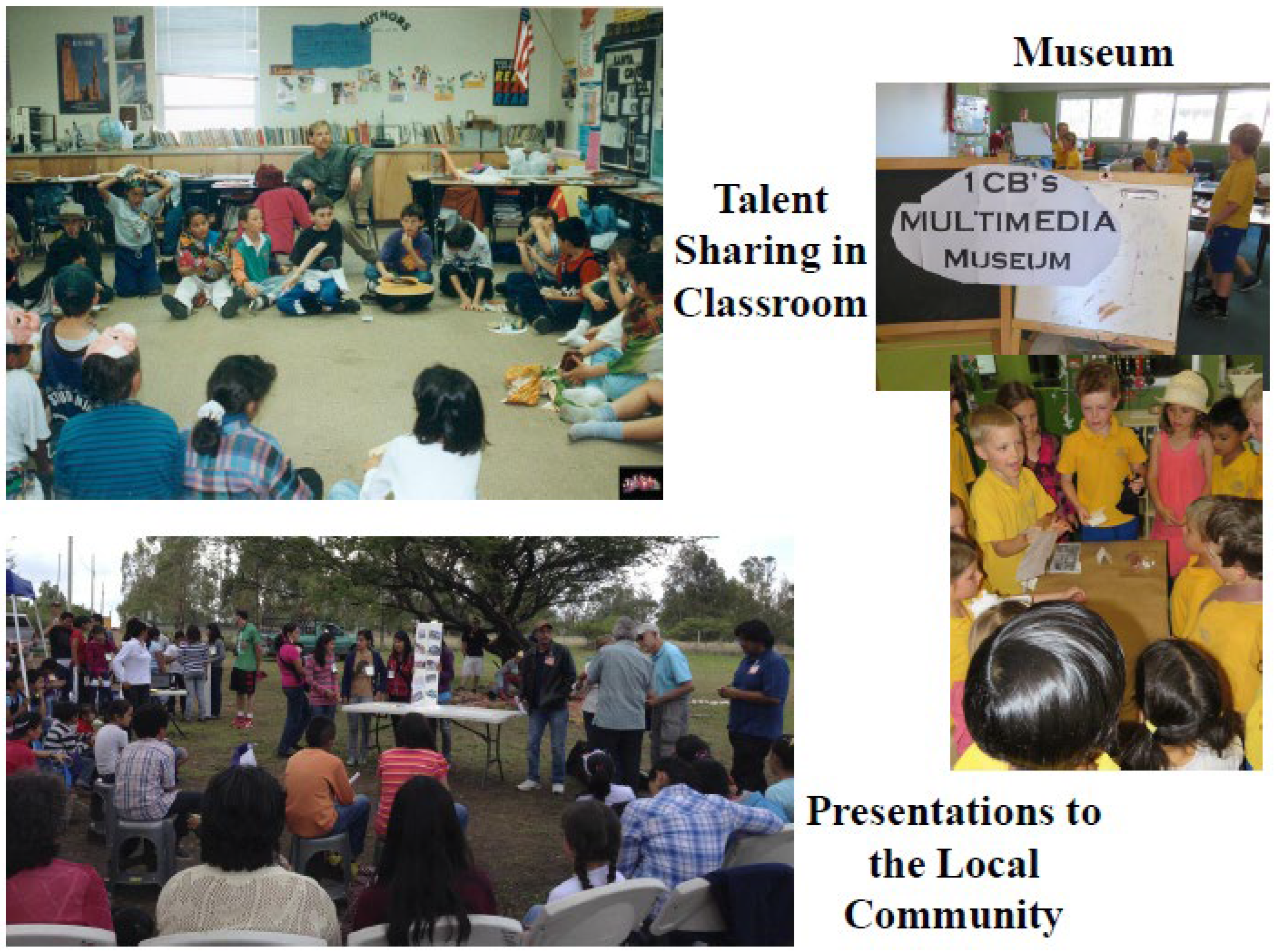
The purpose of this article was to present a conceptual framework and research-based methods for recognizing and nurturing a wide range of talents in inclusive settings. These methods (a) honor diversity of abilities, culture, language, income status, disabilities, values, and other personal characteristics and (b) enable students with talents to thrive in the world of the 21st Century. Research has been conducted during many research and development projects in several countries over a 36-year period. The framework and methods evolved through a rigorous process of designing, field-testing, evaluating, revising, and implementing methods for assessing and developing talents in varied domains. The underlying thesis is that creative problem solving and the 21st Century Skills of creativity, critical thinking, collaboration, communication, while using the ten talents wisely, are more important than knowledge and the ability to get the “right answer” to a question presented by the teacher or on a test. Results and methods used in research on indicators of talent in ten domains and tasks to elicit them are presented. Methods for recognizing and developing the talents are the focus for the final section: materials and guidelines for talent exploration centers and talent development principles for use in all classrooms. To make needed changes, educators, policy-makers, parents, psychologists, and others who have an impact on young people need to re-think prevailing ideas about recognizing and developing talents.
Keywords: 21st Century Skills; diversity; talent development; creative problem solving; Discovering Intellectual Talents and Skills while Observing Varied Ethnic Responses (DISCOVER); paradigm shifts; research on talent recognition and development 21st Century Skills; diversity; talent development; creative problem solving; Discovering Intellectual Talents and Skills while Observing Varied Ethnic Responses (DISCOVER); paradigm shifts; research on talent recognition and development