Systematic Review

Insights from an Umbrella Review of Digital Storytelling

School of Foreign Languages, Akdeniz University, Antalya 07200, Türkiye
Educ. Sci. 2026, 16(7), 1152; https://doi.org/10.3390/educsci16071152

Submission received: 4 June 2026 / Revised: 14 July 2026 / Accepted: 16 July 2026 / Published: 18 July 2026
(This article belongs to the Section Technology Enhanced Education)

Abstract

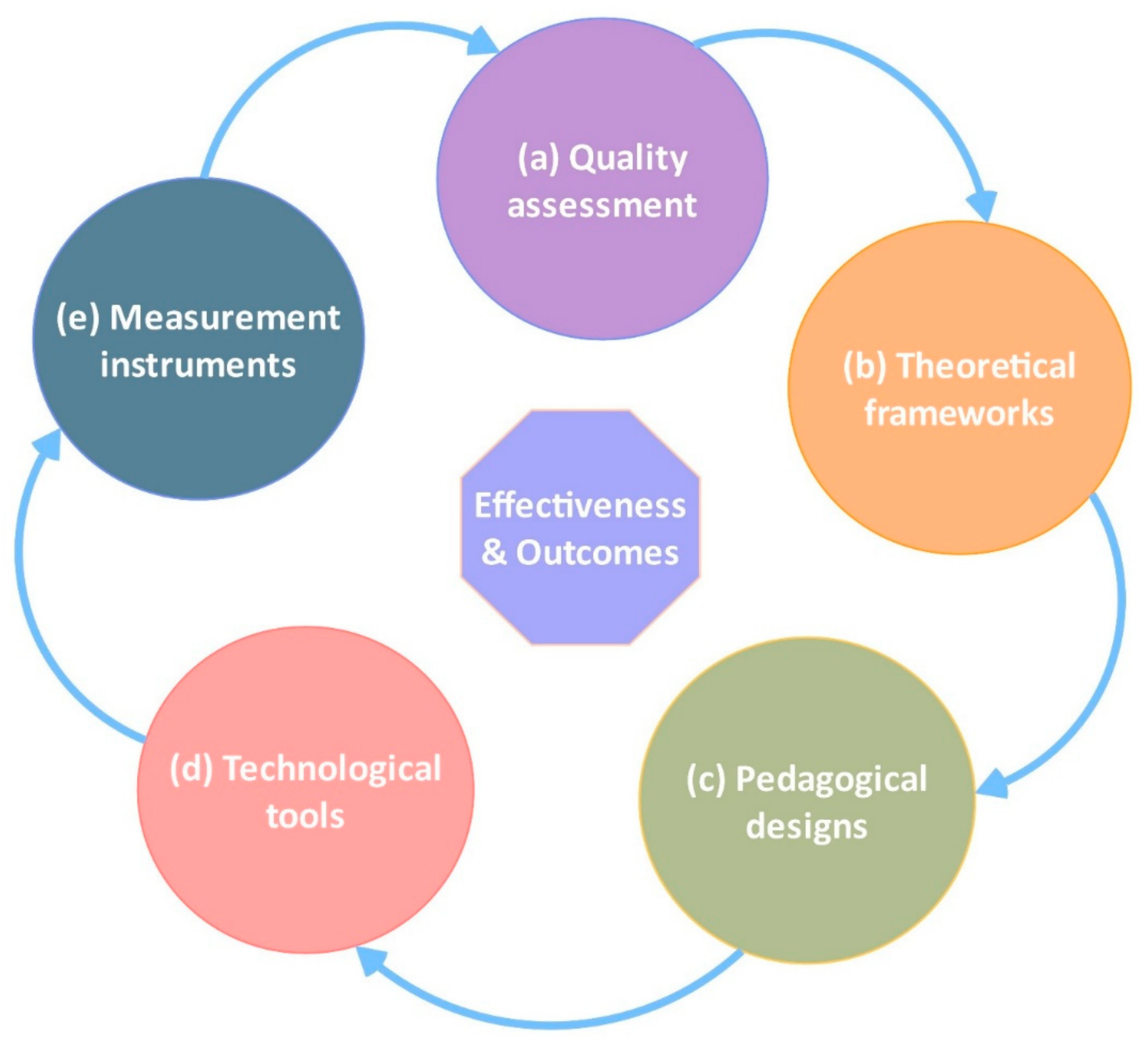
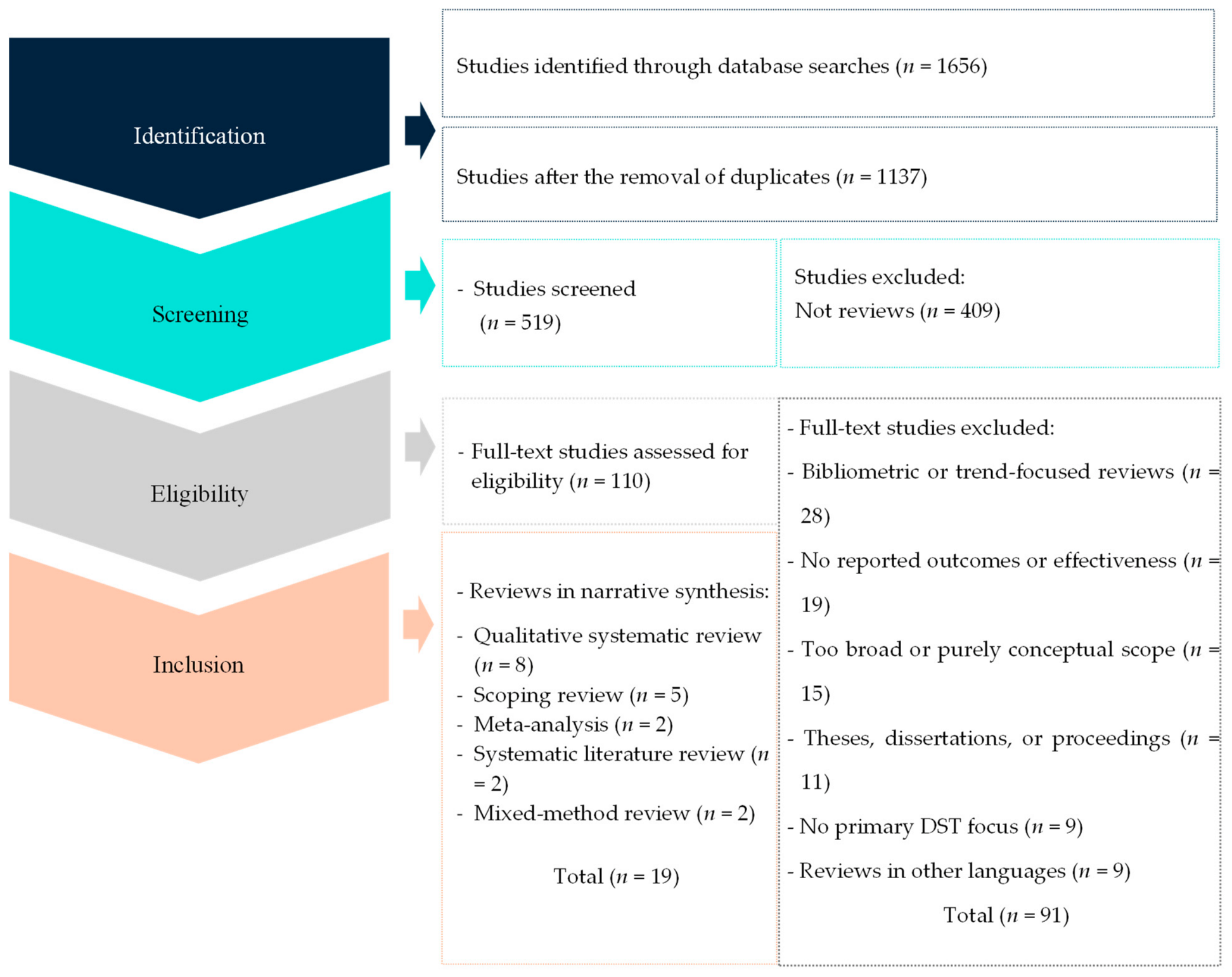
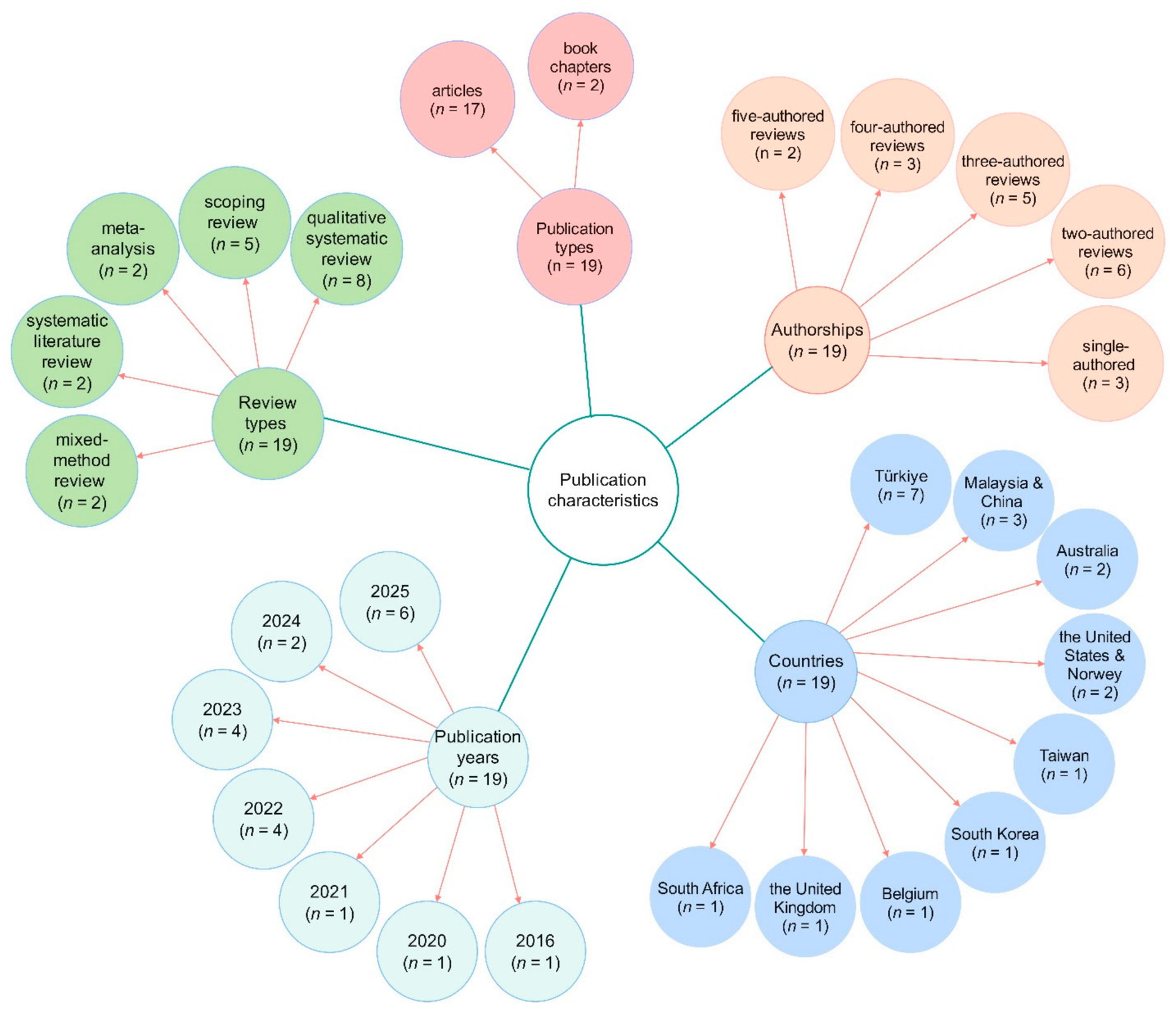
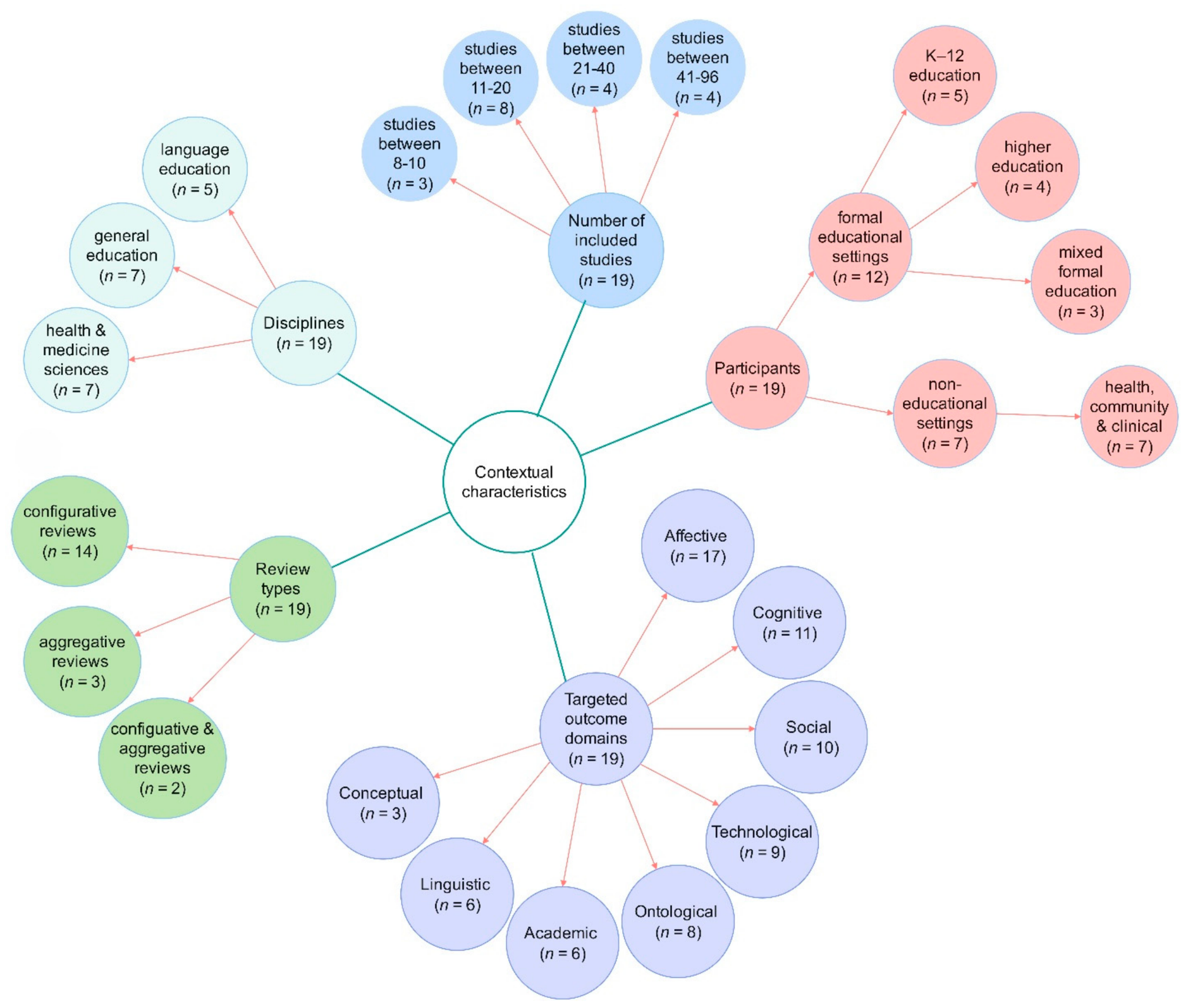
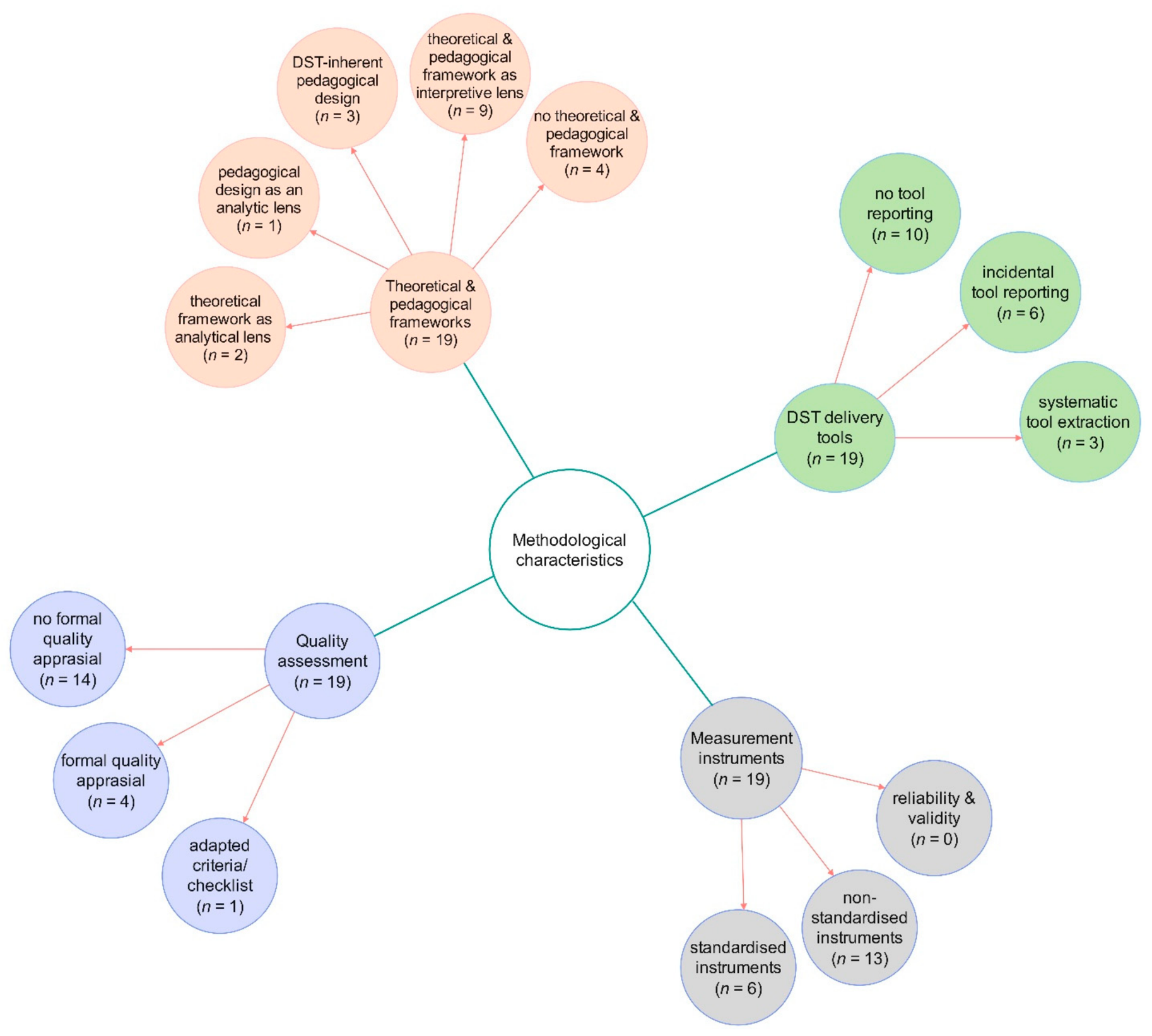
This study synthesised reviews to identify methodological indicators that are instrumental in informing claims regarding digital storytelling (DST) outcomes and effectiveness across fields. An umbrella review methodology was employed, following the PRISMA-ScR reporting framework, with the Population–Concept–Context (PCC) framework guiding research question formulation. Four databases were searched, yielding 1656 records. Following independent screening by two reviewers, 19 reviews met the inclusion criteria. Critical appraisal was conducted using the JBI checklist, and content and thematic synthesis were subsequently performed using MAXQDA 26. Findings related to publication indicators revealed a gradual increase in DST reviews between 2016 and 2025, with qualitative systematic reviews being the most prevalent type. In terms of geographic distribution, most reviews were conducted by researchers based in Türkiye, with notable gaps in South American and African contexts. Analysis on contextual indicators demonstrated that the majority of reviews adopted a configurative review orientation regarding micro-level practices across health-related, general education, and language education fields. Drawing on participants from both formal and non-formal settings, these reviews primarily reported outcomes across eight domains. Regarding methodological indicators, the analysis revealed a lack of uniformity and considerable variation in the use and reporting of quality assessment, theoretical and pedagogical frameworks, technological tools, and measurement instruments. Key recommendations include prioritising meta-analytic and mixed-method reviews, encouraging research in underrepresented regions, examining DST at meso- and macro-levels, and systematically integrating and reporting key methodological indicators in future reviews.
Keywords: digital storytelling; umbrella review; educational technology; methodological indicators; cross-disciplinary digital storytelling; umbrella review; educational technology; methodological indicators; cross-disciplinary