4.2. Affiliations and Institutional Distribution
Affiliations were analysed using a full-counting approach with within-article deduplication (i.e., the same institution appearing multiple times within an article was counted once) to characterise the institutional landscape of sustainability and education research in Indonesia. Affiliation strings were available for 344 of 362 records (95.0%); the remaining records had missing or unparsed affiliation fields in the export.
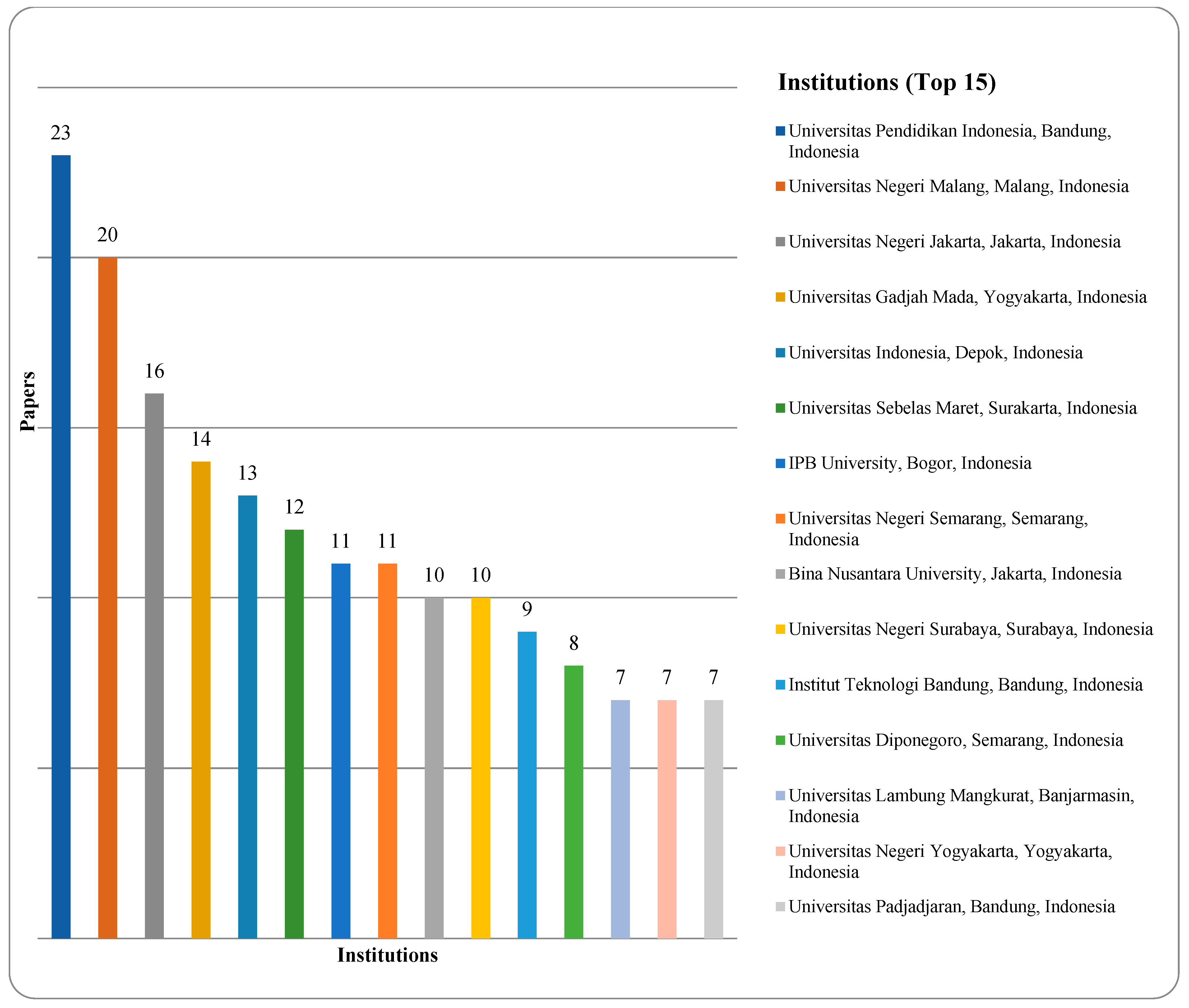
Figure 3 summarises the top 15 institutions by number of papers. The distribution shows a strong concentration among a small set of highly productive universities. Notably, the top contributors are dominated by Java-based institutions, led by Universitas Pendidikan Indonesia (Bandung), followed by Universitas Negeri Malang, Universitas Negeri Jakarta, Universitas Gadjah Mada, and Universitas Indonesia (
Figure 3). Only a small portion of the top 15 list comes from outside Java (e.g., Universitas Lambung Mangkurat), indicating that the most productive institutional hubs are concentrated on Java Island.
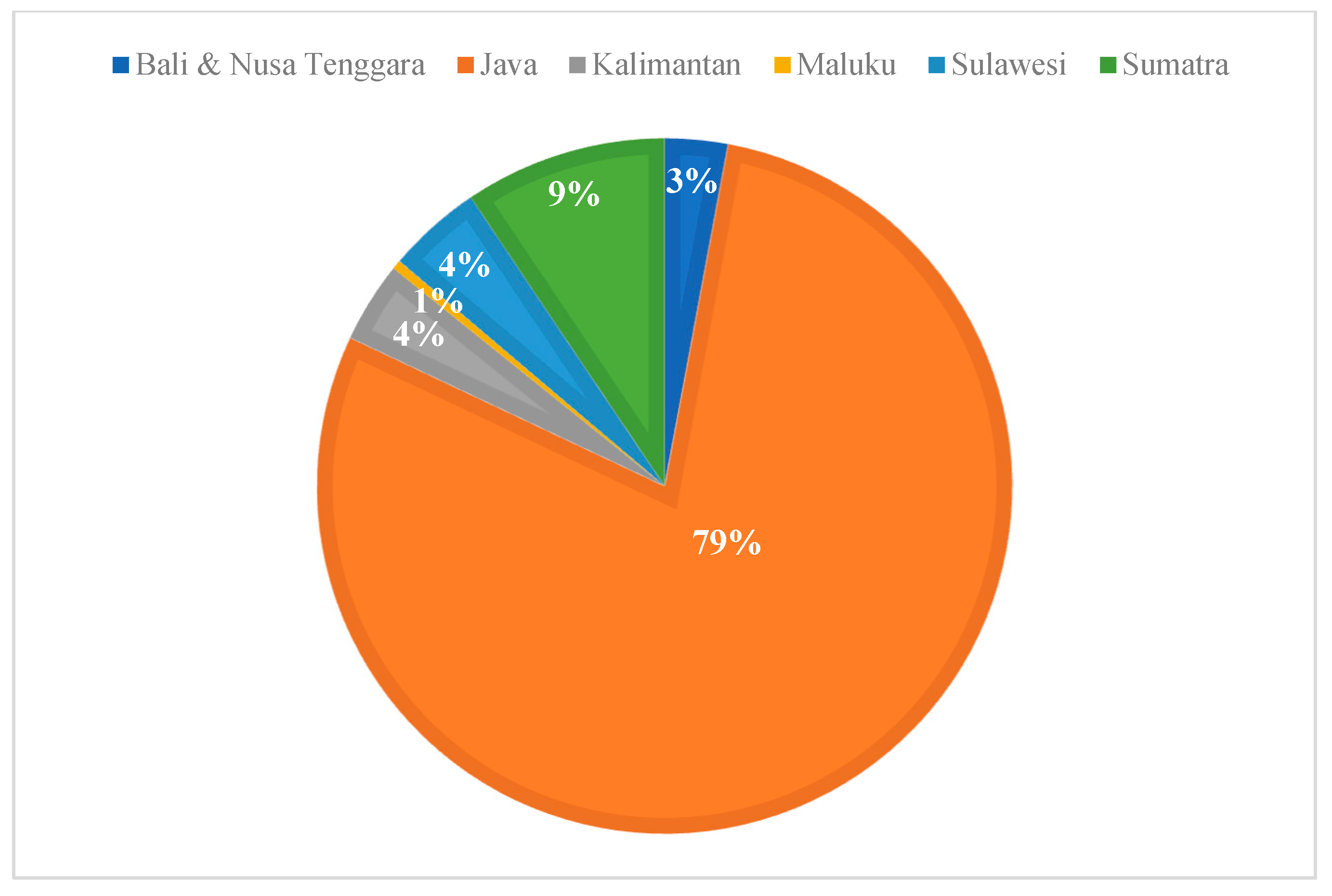
The spatial pattern reinforces this institutional concentration. The island-level distribution of Indonesian affiliation credits is strongly dominated by Java, with substantially smaller contributions from Sumatra and other regions (
Figure 4). The representation of eastern Indonesia is limited, indicating that national sustainability and education research is empirically uneven and geographically centralised. Together, the institutional and island-level patterns suggest that the field reflects a developing research landscape. The output is growing, but it remains concentrated in Java-based institutions and has not yet been broadly distributed across regions (
Figure 3 and
Figure 4).
The dominance of Java-based institutions in the affiliation profile (
Figure 4) likely reflects structural asymmetries in Indonesia’s research ecosystem rather than topic-specific preferences. Java hosts a high concentration of long-established universities, doctoral programmes, research centres, and national-level academic networks, which may provide stronger pipelines for research production and international publishing capacity. This geographic concentration may also be reinforced by differences in access to research funding, collaboration opportunities, data infrastructure, and academic support services across regions. Importantly, the present analysis cannot directly attribute causality; affiliation credits capture where authors are institutionally based, not the distribution of sustainability challenges or educational initiatives. Nevertheless, the observed pattern suggests that the institutional base of sustainability-in-education scholarship remains unevenly distributed, highlighting the relevance of future capacity-building and cross-island collaboration to broaden regional participation and strengthen national coverage.
4.3. Keyword Trends
To examine the thematic signal of the dataset, we analysed author keywords and tracked the temporal trajectories of the most recurrent terms.
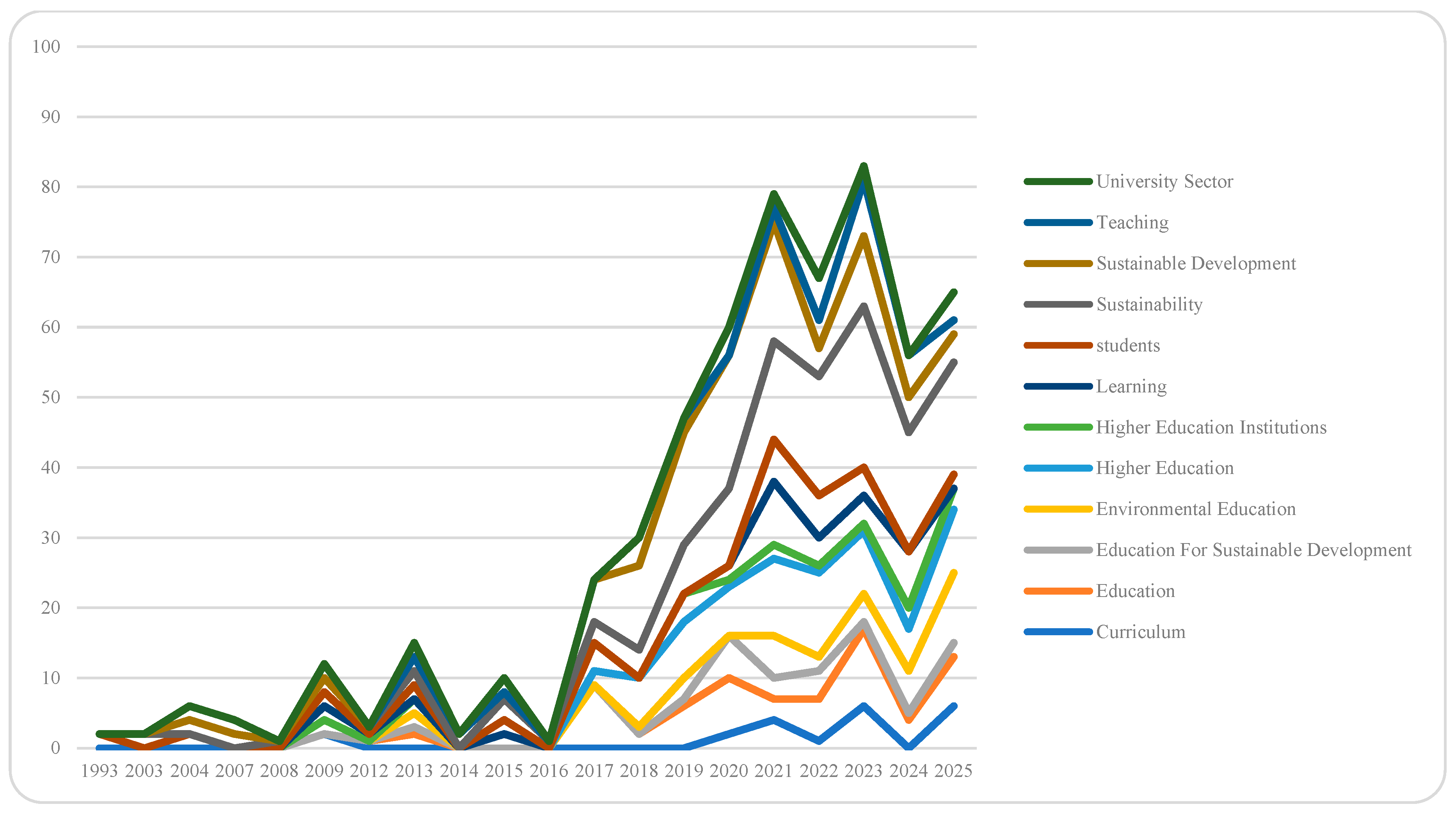
Figure 5 visualises annual keyword occurrences and indicates that keyword dynamics closely mirror the overall publication growth pattern, with sparse and intermittent signals prior to 2016, followed by a pronounced expansion after 2017.
Across time, terms such as “university sector,” “teaching,” “students,” “learning,” and “higher education” form the dataset’s keyword profile, suggesting that sustainability research in this corpus is strongly anchored in formal educational settings, particularly tertiary education. In parallel, sustainability-oriented umbrella terms, including “sustainable development” and “sustainability,” remain prominent throughout the high-growth period, indicating that many studies frame sustainability at a general conceptual level rather than through narrowly specialised sub-domains.
At the same time, the co-presence of “university sector” and “higher education” points to two related but not identical emphases. In this corpus, “higher education” tends to be used when studies are situated in the context of universities, including teaching and learning processes, student experiences, curriculum and pedagogy, or learning outcomes. By contrast, “university sector” more often signals work that treats universities as institutions and systems whose sustainability is pursued through campus-wide strategies and performance management (e.g., green campus initiatives and frameworks such as GreenMetric). This strand includes studies in which the university is the setting of sustainability action (operations, facilities, governance, reporting, waste/energy/water management, and community engagement), but the focal point is not necessarily classroom instruction. Consequently, some papers involve universities while remaining only loosely connected to teaching or educational research, reflecting a broader institutional orientation in which sustainability is enacted through organisational change and campus practices rather than through pedagogy.
A clear post-2017 diversification is also visible. Alongside the dominant educational terms,
Figure 5 shows increasing visibility of keywords associated with curriculum and instructional design, most notably “curriculum,” as well as education and sustainability labels such as “environmental education.” This pattern suggests a shift from early, conceptually oriented discussions toward more pedagogically actionable emphases (e.g., curriculum, learning processes, and teaching practice) as publication volume increases.
The keyword trajectories exhibit short-term fluctuations, especially around 2020–2025, where multiple keywords rise and decline in parallel. This synchronised movement is consistent with a rapidly expanding field in which general descriptors remain stable anchors, while the surrounding keyword ecosystem becomes more varied as research output scales. Overall, the keyword evidence supports the interpretation that sustainability and education research in Indonesia is developing toward a more consolidated yet increasingly diversified thematic profile, centred on higher education and teaching–learning processes.
4.4. Education Topics, Sustainability Domains, and Their Intersections
After characterising the institutional landscape, the analysis shifts to the thematic orientation of Indonesian sustainability and education research by examining education-related topics, sustainability domains, and their intersections. Consistent with the affiliation analysis, counts were calculated using full counting with within-article deduplication, so each label contributed at most once per article to represent article-level prevalence.
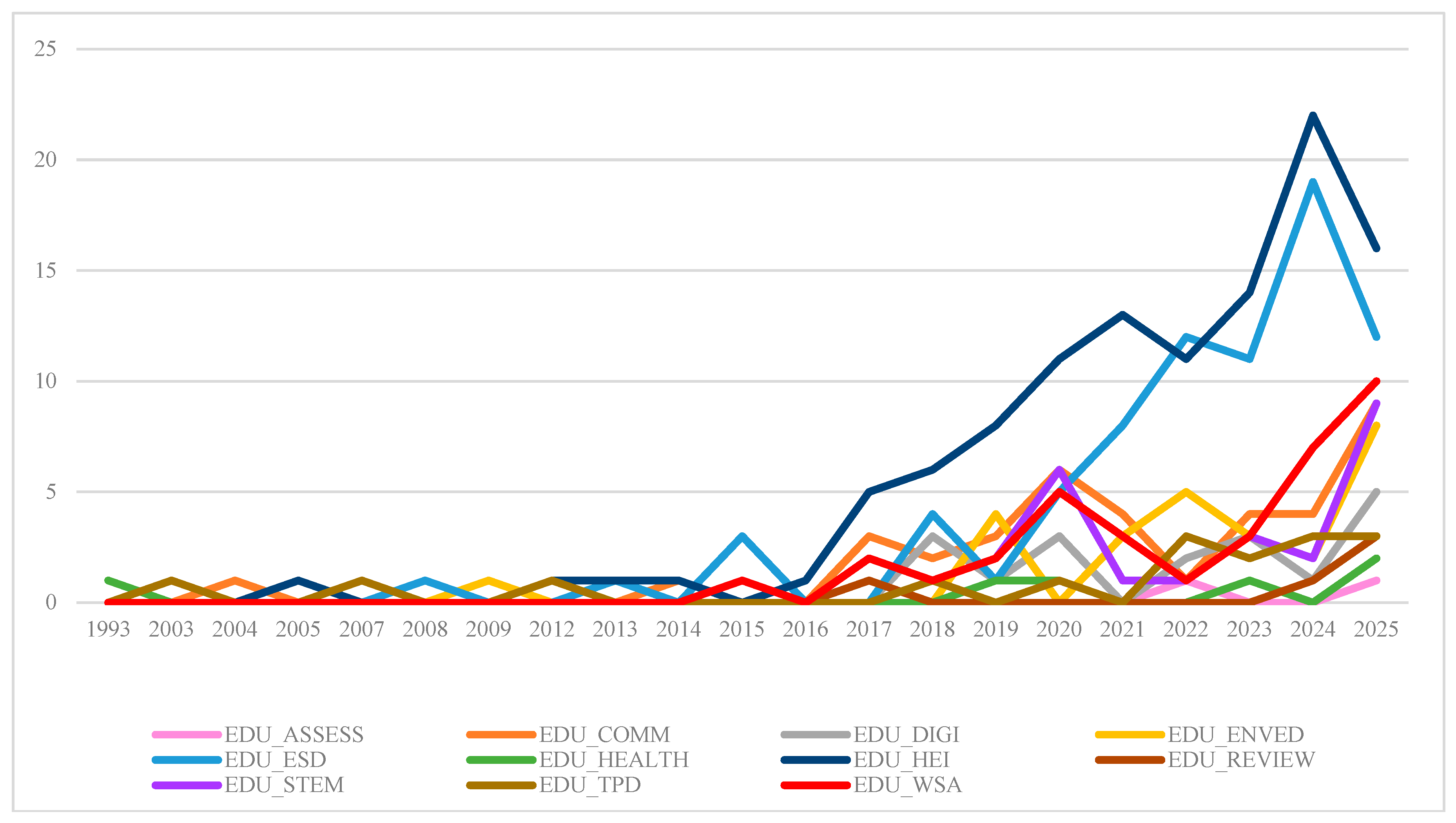
Regarding education topic evolution,
Figure 6 shows a clear transition from a long low-activity period (1990s to mid-2010s) to a rapid expansion phase beginning around 2016, followed by continued growth into the most recent years. Unlike the earlier period, where most topics appeared only sporadically, the post-2016 pattern is strongly shaped by two dominant streams: higher education-focused sustainability research (EDU_HEI) and Education for Sustainable Development (ESD)/sustainability curriculum–pedagogy work (EDU_ESD). Both rise sharply from the late 2010s, become the most visible trajectories across the series, and peak in the mid-2020s, indicating that universities and formal ESD framings have become central organising hubs in this corpus.
Alongside these two leading themes,
Figure 6 also shows a late-stage surge in whole-school and institutional approaches (EDU_WSA), which accelerate markedly from 2023 onwards and become one of the most prominent lines by 2025. Teacher professional development (EDU_TPD) and STEM-oriented sustainability education (EDU_STEM) show intermittent but increasingly visible growth after 2019, suggesting that educator capacity building and STEM framings are expanding, although they remain secondary to the dominant HEI and ESD trajectories.
Finally, smaller strands such as digital/EdTech (EDU_DIGI), environmental education (EDU_ENVED), communication/outreach (EDU_COMM), assessment (EDU_ASSESS), and health-related education (EDU_HEALTH) remain comparatively low but consistently present. This pattern points to gradual diversification: while the field is led by HEI- and ESD-centred work, newer approaches and specialised emphases are increasingly entering the literature in the most recent years.
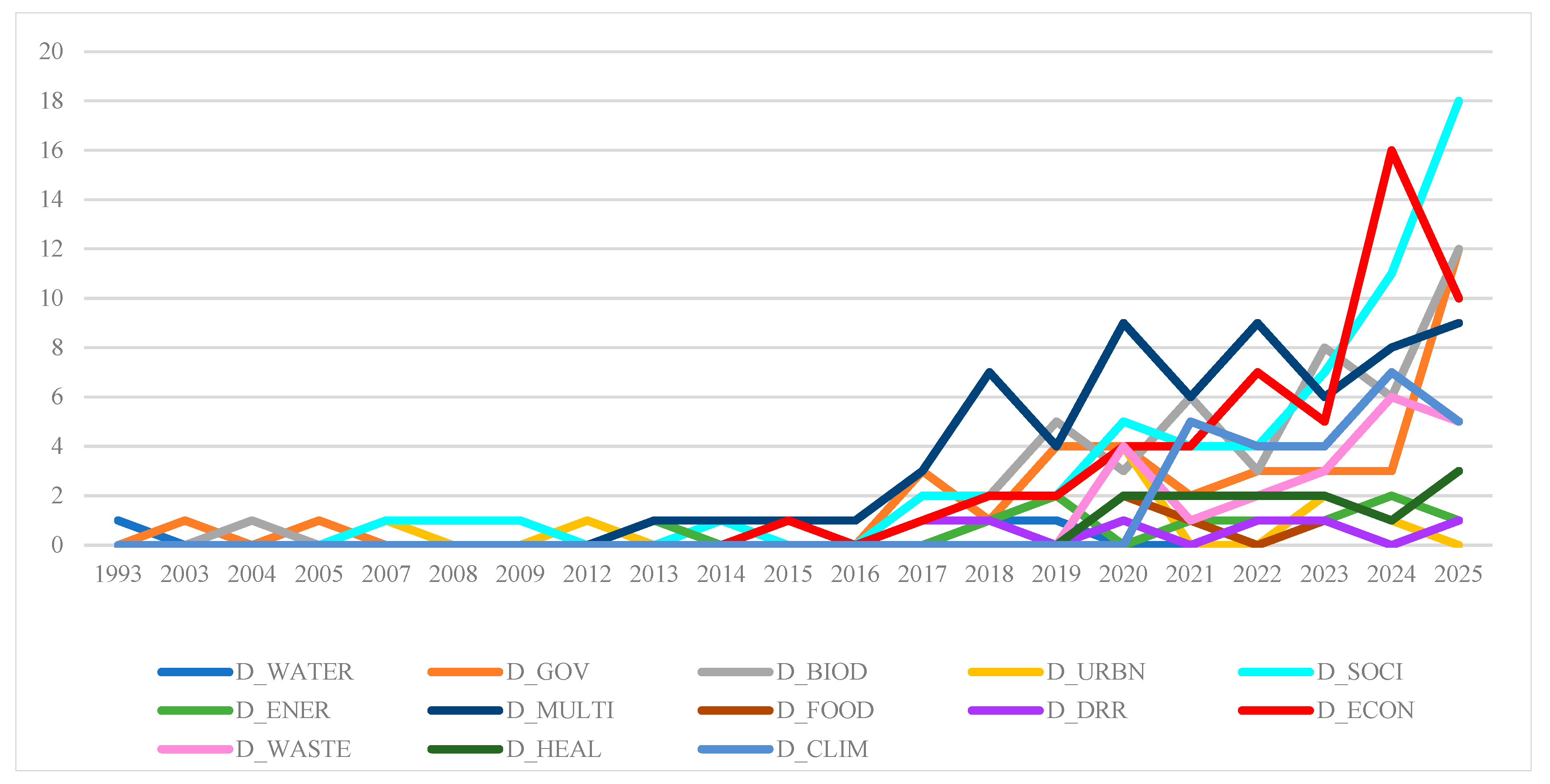
Transitioning to the sustainability domain evolution,
Figure 7 (domains over time) again shows a clear inflection pattern: domain coverage remains sparse and intermittent across the 1990s–early 2010s, then expands rapidly from the mid-to-late 2010s onward. In the most recent period, two domain streams stand out as the main drivers of growth: social equity, inclusion, and cultural dimensions (D_SOCI) and economy/industry and sustainable business (D_ECON). Both rise strongly after 2017, but their acceleration is especially visible in the 2020s, indicating that a substantial share of sustainability-oriented education research is increasingly framed around social conditions and distributional issues (e.g., equity, inclusion, community realities) and economic- or industry-linked sustainability concerns (e.g., CSR, sustainable business practices, organisational responses, and economic resilience).
Beyond these leading trajectories, several domains show meaningful late-stage strengthening. Governance and policy (D_GOV) becomes more visible toward the end of the series, suggesting growing attention to institutional levers and regulatory or organisational arrangements that shape sustainability practice. Biodiversity and ecosystems (D_BIOD) also increases in the later years, indicating a widening ecological emphasis alongside the social and economic focus. Other domains, including climate (D_CLIM), waste/circular economy (D_WASTE), health and wellbeing (D_HEAL), and water/WASH/sanitation (D_WATER), appear as smaller but increasingly consistent streams after 2019. Meanwhile, energy (D_ENER), disaster risk reduction (D_DRR), food/agriculture (D_FOOD), and urban sustainability (D_URBN) remain relatively low and more intermittent across the full-time window. Overall, the domain pattern suggests that recent expansion has been shaped less by a single biophysical sector and more by a marked turn toward social and economic framings, complemented by a gradually broadening set of governance, ecological, and applied-sector domains.
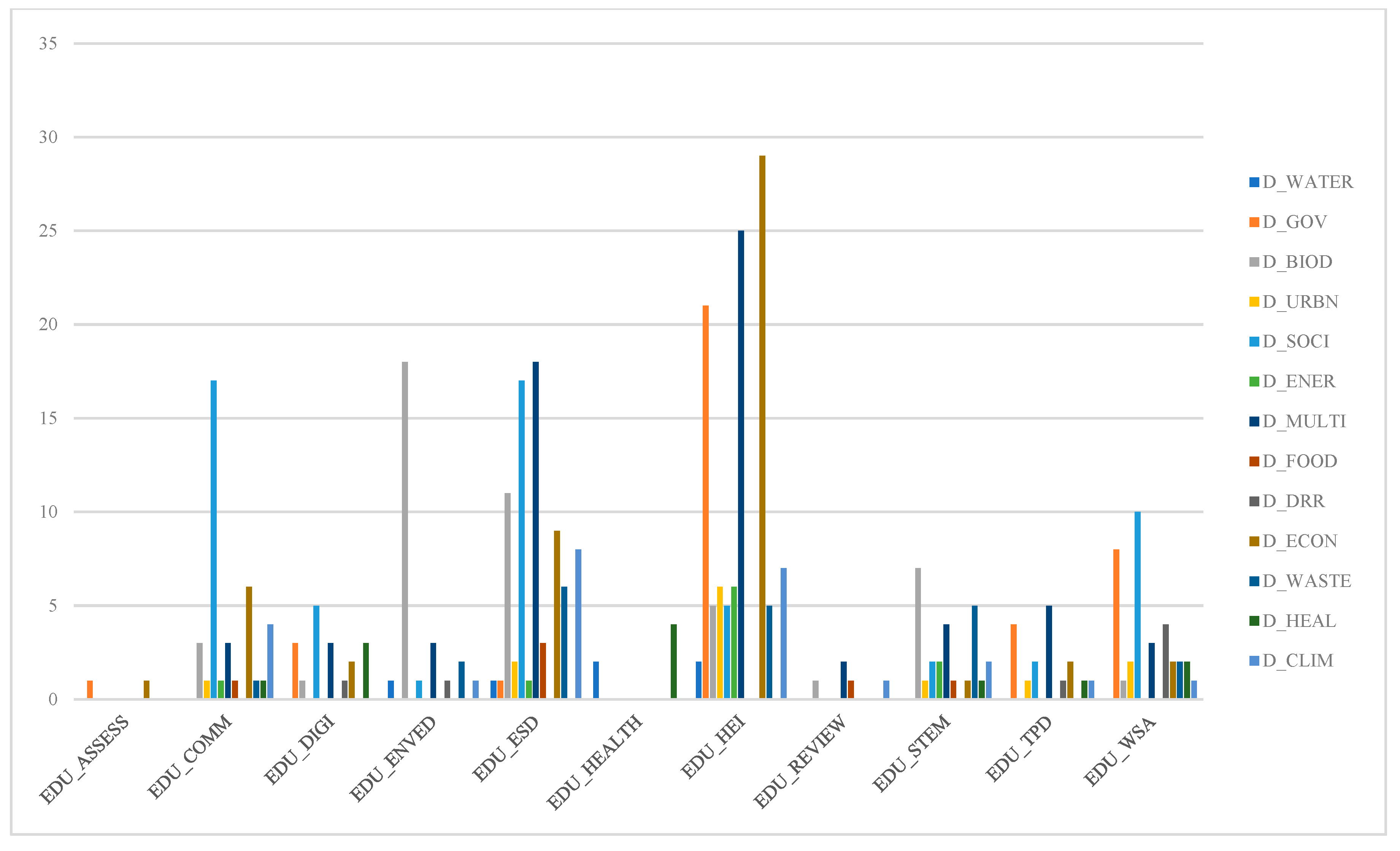
Subsequently, as for the intersection between education topics and sustainability domains,
Figure 8 clarifies how education topics are operationalised through sustainability problems. The strongest intersections in
Figure 8 appear in higher education sustainability (EDU_HEI). This topic connects most frequently with economy/CSR/industry and sustainable business (D_ECON), and it also shows strong intersections with multi-domain/SDG-oriented framing (D_MULTI) and governance and policy (D_GOV). This pattern suggests that many higher education studies treat sustainability primarily as an institutional and socio-economic agenda (e.g., university strategy, management, reporting/metrics, and policy), not only as classroom-based teaching and learning.
The second most visible cluster is ESD-focused curriculum and pedagogy (EDU_ESD). It intersects most strongly with D_MULTI and with social equity, inclusion, and culture (D_SOCI), including themes such as equity, gender, inclusion, and local or indigenous knowledge. Importantly, ESD also shows a strong additional intersection with biodiversity and ecosystems (D_BIOD), which is the most prominent domain linkage after D_SOCI. This indicates that ESD studies in this corpus are often framed through integrated sustainability problems, social justice concerns, and ecological themes, rather than through a single technical domain.
Additional “signature” pairings are also clear. Environmental education (EDU_ENVED) is heavily concentrated in biodiversity and ecosystems (D_BIOD), reflecting a conservation-oriented strand. Communication-focused education (EDU_COMM) aligns mainly with D_SOCI, consistent with its role in participation, awareness, and community engagement. Whole-school approaches (EDU_WSA) connect strongly with D_SOCI and D_GOV, suggesting that school-wide sustainability work is commonly discussed in terms of inclusion, leadership, and policy arrangements. Finally, the assessment-focused topic (EDU_ASSESS) shows relatively few links across sustainability domains. This suggests that evaluation and measurement are still not common central themes in the literature, even though they have become more visible in recent years.
4.5. Trends in Research Methods
After mapping the thematic orientation of Indonesian sustainability and education research through education topics, sustainability domains, and their intersections, we next examine how this literature has been studied methodologically. This shift is important because thematic growth does not automatically indicate methodological maturity; therefore, profiling research methods helps clarify whether the field is expanding mainly through descriptive work, evidence-building empirical studies, or synthesis-oriented contributions. Consistent with earlier sections, counts were calculated using frequency counts, so each method label was counted at most once per article to represent article-level prevalence.
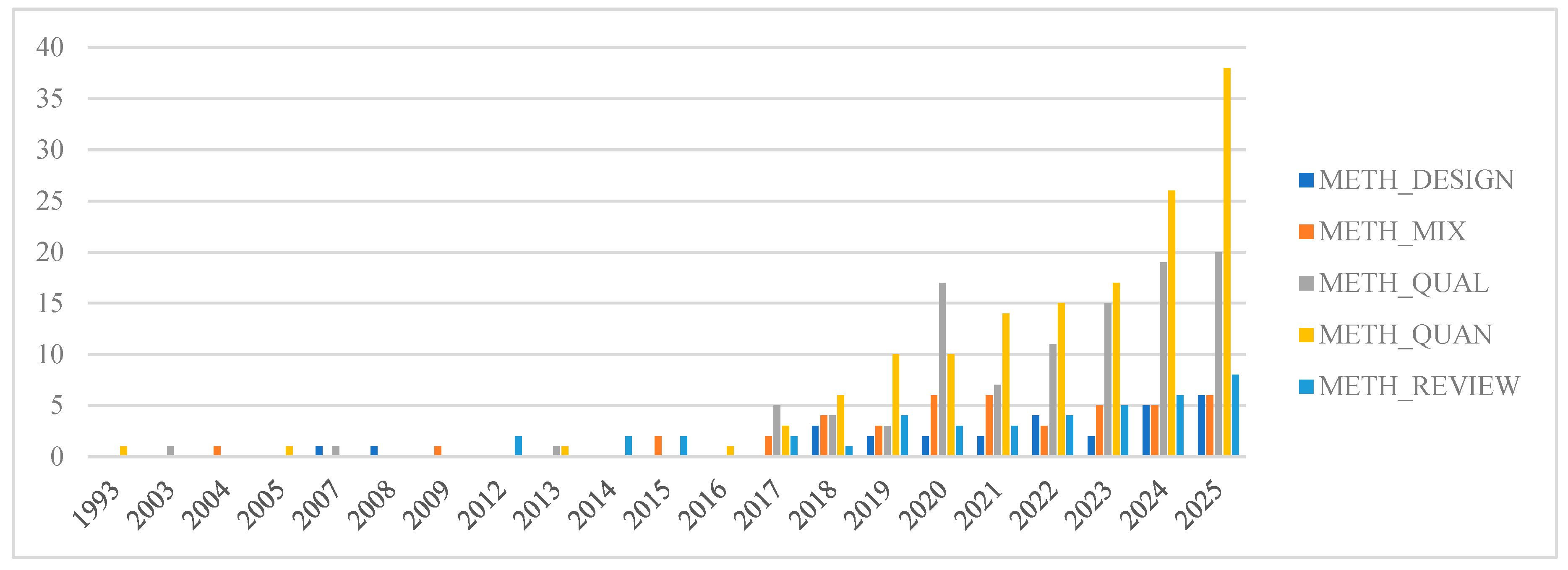
Figure 9 shows a clear methodological shift over time. Early publications are sparse, and method categories appear only occasionally. From the late 2010s onward, the number of method-coded articles increases sharply, indicating that the field has moved into a more active and methodologically defined phase.
In the most recent years, quantitative studies (METH_QUAN) have become the most visible stream, with a steep rise toward the end of the period. According to
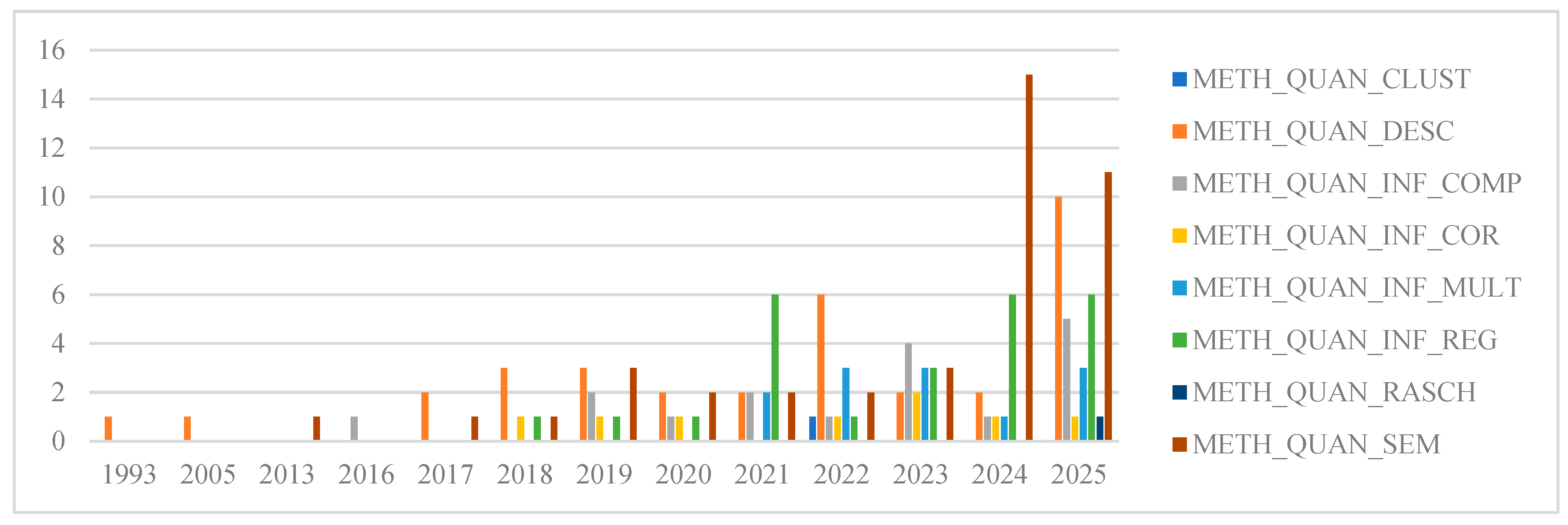
Figure 10, descriptive analyses (METH_QUAN_DESC) remain the most consistent approach across years, while inferential strategies become more visible in the later period, particularly regression-based analyses (METH_QUAN_INF_REG). A notable recent development is the sharp emergence of structural equation modelling (METH_QUAN_SEM), suggesting increasing adoption of more complex modelling in the latest years. In contrast, Rasch-based measurement (METH_QUAN_RASCH) and clustering approaches (METH_QUAN_CLUST) remain rare, indicating that advanced measurement modelling and segmentation-oriented analyses are still underutilised in this literature corpus. The limited use of these approaches suggests room for further methodological strengthening, especially in measurement-focused work and in analyses that capture heterogeneity across learners, contexts, or institutions.
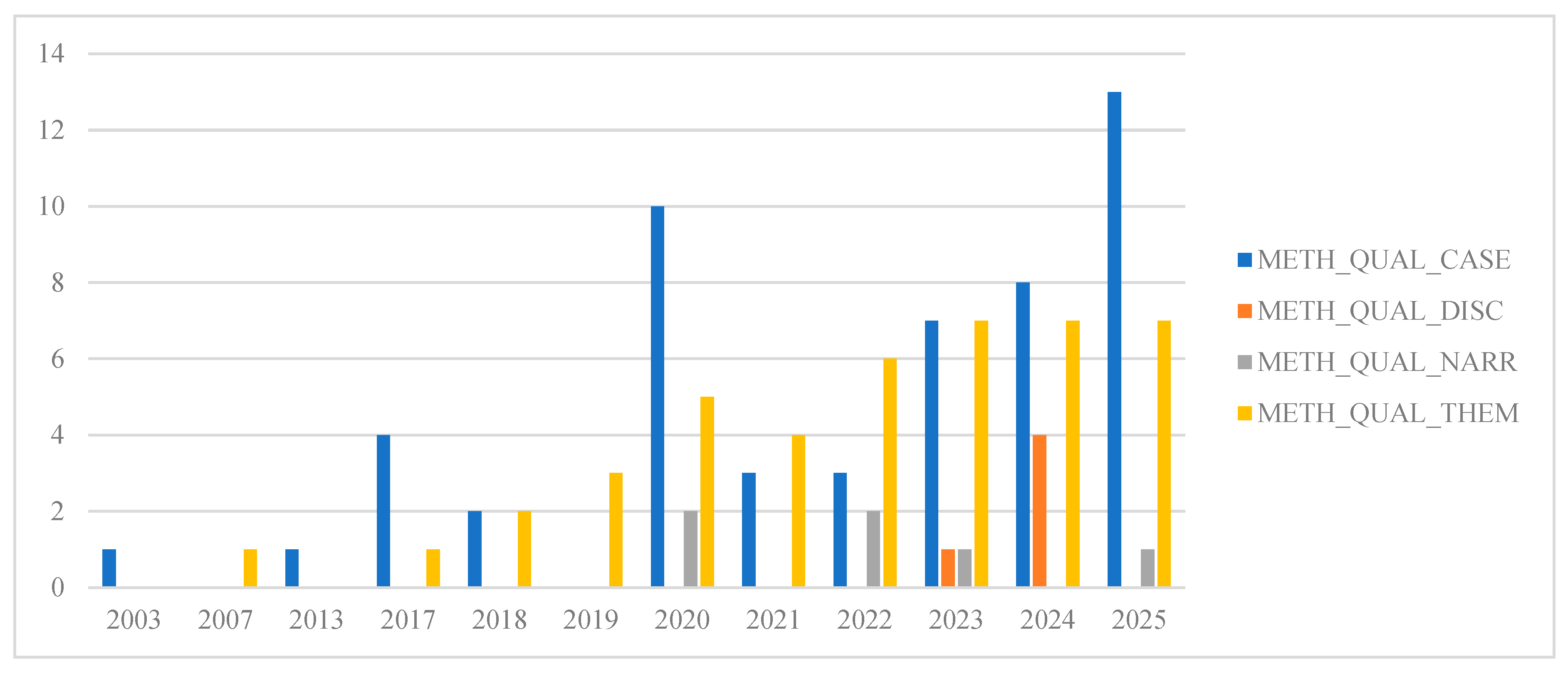
Qualitative research (METH_QUAL) also increases, particularly after the post-2016 expansion. The qualitative-method breakdown shows that this growth is mainly driven by case-study designs (METH_QUAL_CASE) and thematic analysis (METH_QUAL_THEM), which become increasingly visible in the later years (
Figure 11). In contrast, narrative approaches (METH_QUAL_NARR) appear only occasionally, and discourse-based studies (METH_QUAL_DISC) remain relatively rare and emerge more clearly only in the most recent period. This pattern suggests that qualitative sustainability-in-education research in Indonesia is developing primarily through context-rich case accounts and theme-based interpretation, while narrative and discourse-oriented traditions remain less established.
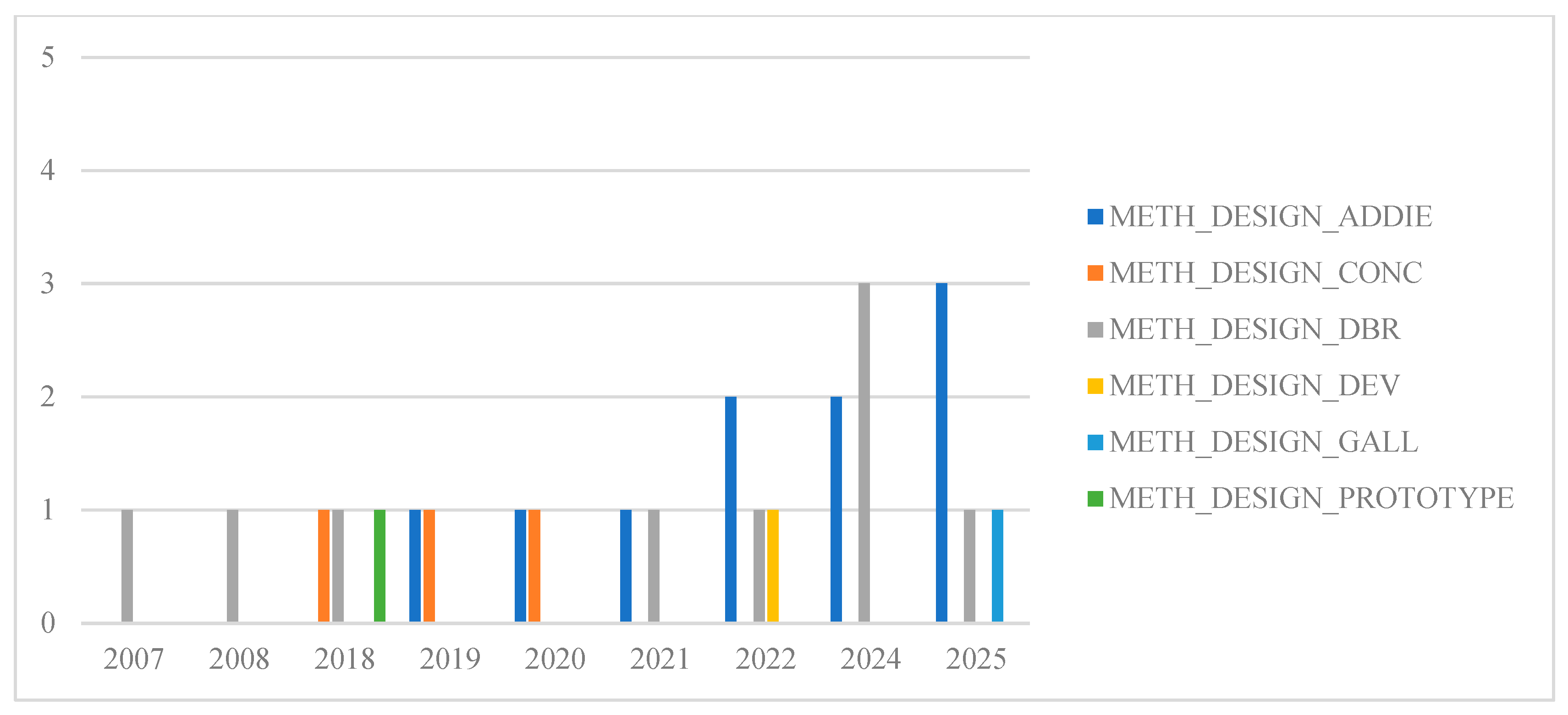
Moreover, mixed-methods studies (METH_MIX) remain comparatively limited across the timeline, indicating that fully integrated designs are still less common than single-paradigm approaches. However, the pattern for design-oriented research is more substantial than a simple “intermittent” presence. While its volume is smaller than the dominant quantitative and qualitative streams, design research appears consistently in the later years and is represented through multiple models rather than a single approach. As shown in the design-method breakdown (
Figure 12), design-oriented studies are distributed across multiple frameworks rather than concentrated in a single model. This distribution, covering approaches such as ADDIE design (Analyse, Design, Develop, Implement, and Evaluate), DBR (Design-Based Research), and development/prototyping variants, suggests that design research has become a meaningful and increasingly structured methodological option in Indonesian sustainability and education research.
Review-based publications (METH_REVIEW) also became more visible in the later years, suggesting early efforts to summarise and organise an expanding body of evidence. Building on this methodological profile, we then focus on a practice-oriented stream that is particularly salient in Indonesia, such as SBL and community engagement. This step links method trends to how sustainability education is implemented in real settings, as many initiatives are delivered through community-facing formats such as workshops, outreach/socialisation, and community service activities. Mapping these formats across methods and years helps clarify whether community-engaged work is mainly reported as contextual implementation, evaluated through outcome-oriented designs, or increasingly synthesised through reviews.
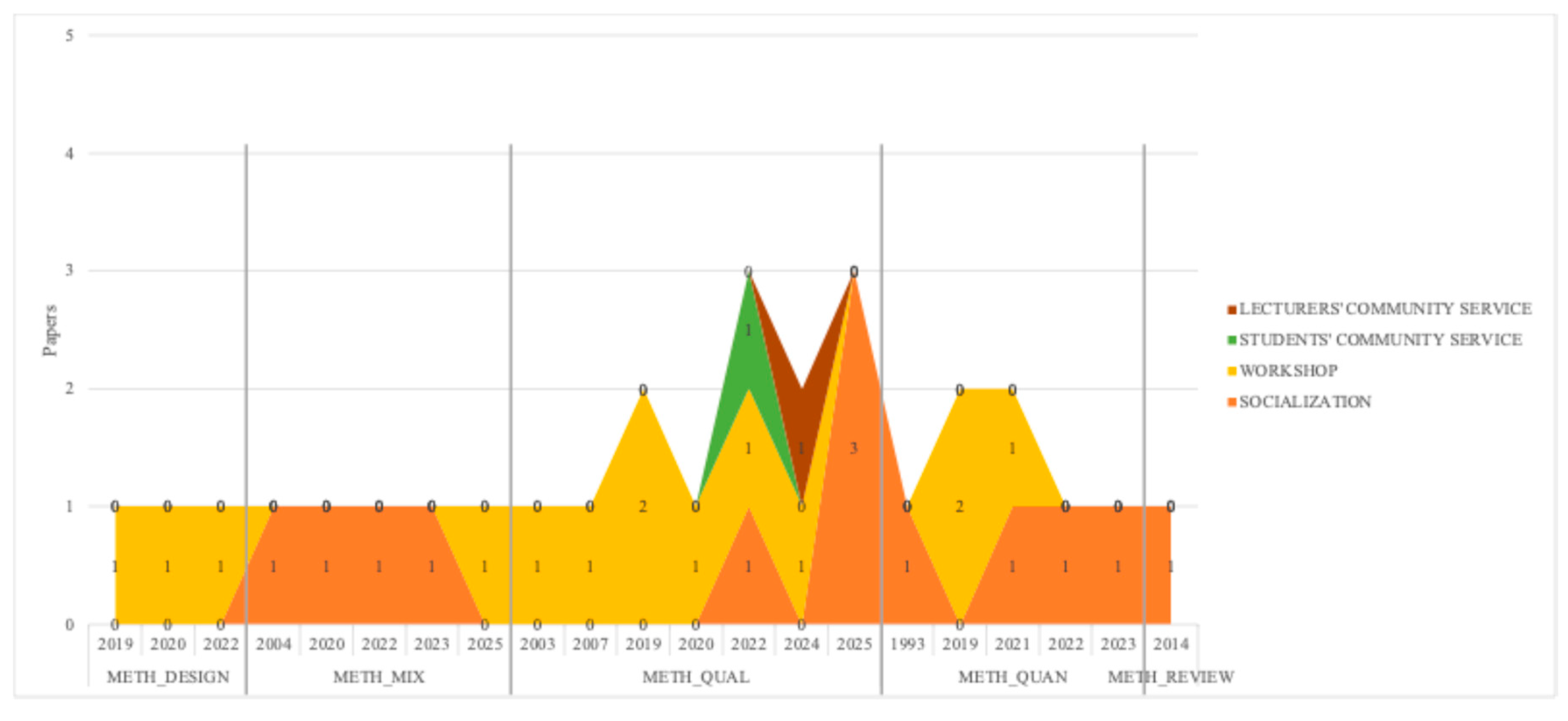
Figure 13 maps the presence of SBL and community engagement formats in Indonesian sustainability-in-education publications. Overall, these activities form a small but visible stream, concentrated mainly in the more recent years. Two formats dominate the pattern, namely workshops and socialisation or outreach activities, indicating that community engagement in this literature is often organised through structured training events and dissemination-oriented programmes.
The method distribution indicates that service-oriented sustainability activities are reported most often in qualitative studies, where workshops and socialisation are the most frequent formats. This aligns with the role of qualitative designs in documenting implementation processes, local contexts, and participant experiences in community-based education work. Quantitative studies contain fewer service-related cases overall, but they still show several workshop- and outreach-linked activities, suggesting a gradual move toward outcome-oriented reporting in some parts of the literature. Importantly, lecturers’ community service and students’ community service appear only sporadically and are concentrated mainly in the qualitative stream, indicating that these community service formats are present but remain a minor part of the published sustainability-in-education evidence base. Mixed-method and review publications contribute only a small number of service-related cases, implying that integrated evaluation designs and synthesis work on service-based sustainability education are still limited.
Taken together,
Figure 9,
Figure 10,
Figure 11,
Figure 12 and
Figure 13 suggest that Indonesian sustainability-in-education research has become more methodologically active over the last decade. The literature is increasingly shaped by quantitative and qualitative studies, with quantitative work expanding and showing greater analytical diversity (including a recent rise in SEM), while Rasch and clustering remain rare. Qualitative growth is mainly supported by case-study and thematic approaches, whereas narrative and discourse traditions remain limited. Design-oriented research is present and increasingly diversified across several models, pointing to a development-focused stream alongside mainstream empirical work. Within this broader methodological landscape, service-oriented practice appears as a small but visible strand, reported mainly through qualitative studies and centred on workshops and socialisation/outreach, with lecturer-led and student-led community service appearing only occasionally.
4.6. Trends in Reported Outcomes and Strength of Evidence
To analyse reported results, each publication was coded using our Level 1 outcome-domain codebook. This codebook is presented in
Appendix A and defines 11 outcome categories that were used to classify the types of results reported in each study. The codebook captures learning-oriented outcomes such as knowledge gains, attitudes, skills, and achievement, as well as broader outcomes including behaviour change, institutional or policy change, community or environmental impacts, tool development, feasibility and implementation processes, systems-level competencies, and equity-related outcomes. Outcome domains were not treated as mutually exclusive, so a single article could receive multiple codes when it reported more than one type of outcome. Consistent with earlier sections, counts were calculated using full counting with within-article deduplication, meaning that each outcome-domain label contributed at most once per article.
Transitioning to the main findings,
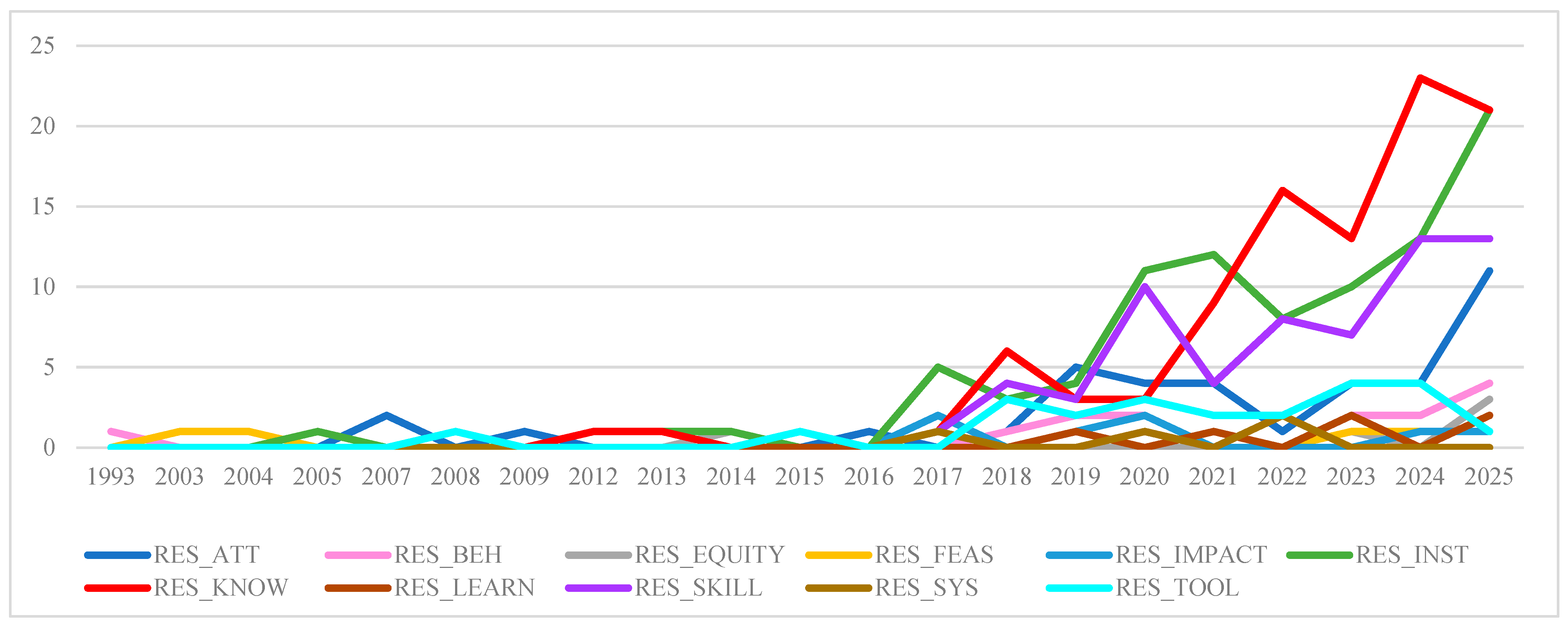
Figure 14 shows a clear expansion in reported outcomes over time. Outcome reporting is sparse in the early years, but it increases sharply after the mid-2010s and accelerates toward the end of the period. The strongest growth is concentrated in two closely competing outcome streams, namely knowledge gains (RES_KNOW) and institutional/policy/implementation change (RES_INST). While RES_KNOW appears slightly higher, the gap is small (only seven papers across 1993–2025), indicating that both outcome types are comparably dominant in the later period. Other learning-related outcomes, such as attitudes/values/intention (RES_ATT), also rise substantially, particularly from around 2017 onwards. This pattern suggests that recent studies not only report student learning gains, but also increasingly document how sustainability initiatives are embedded in programmes, policies, and implementation practices.
A smaller cluster of outcome types becomes more visible after 2019, including behaviour/practice change (RES_BEH), feasibility/process outcomes (RES_FEAS), and broader impacts (RES_IMPACT), but these remain comparatively limited in volume. Equity-related outcomes (RES_EQUITY) and systems-level learning outcomes (RES_LEARN) appear only intermittently and at low levels across the series. Overall, the pattern suggests that the literature continues to prioritise proximal educational outcomes, especially knowledge-focused reporting, while more distal outcomes, such as equity, behavioural change, and wider community or environmental impacts, remain less frequently documented.
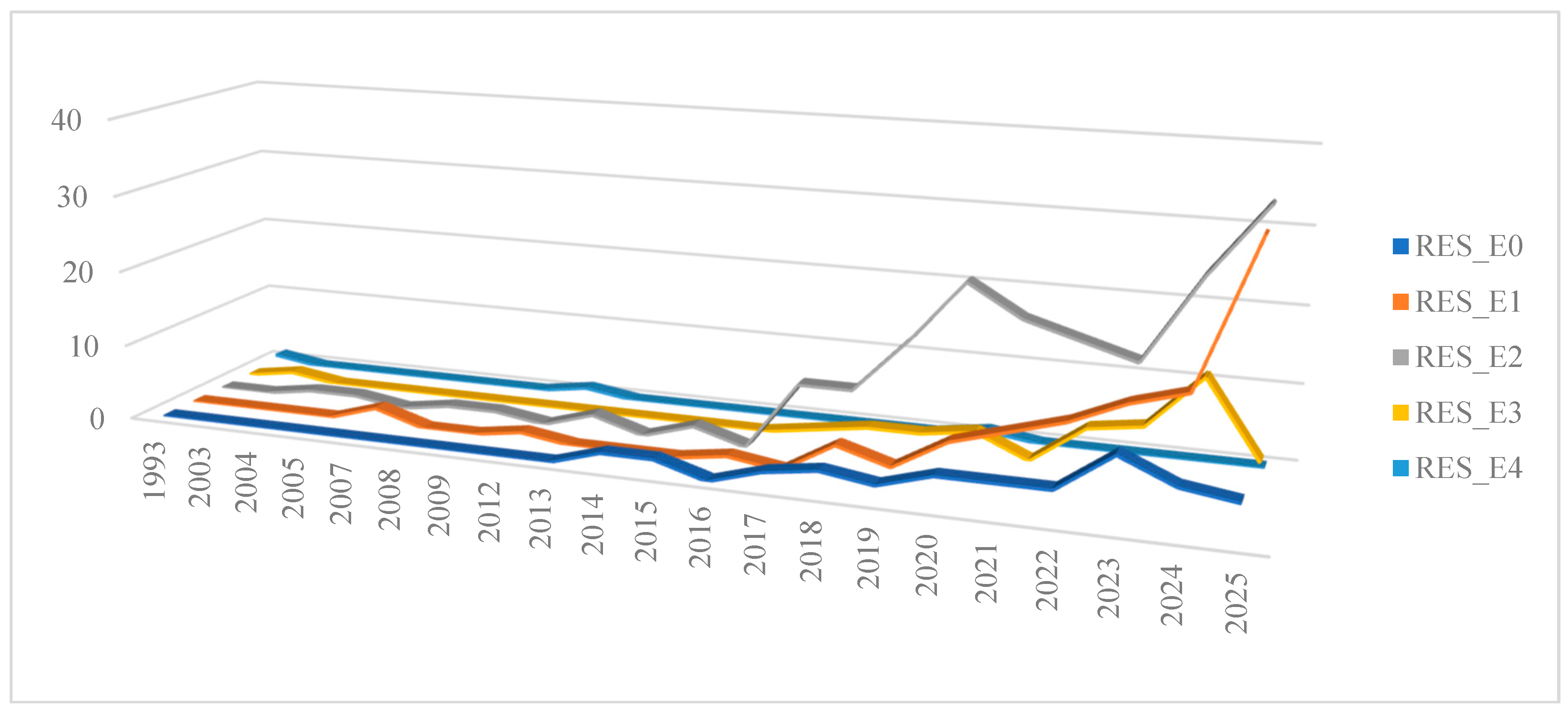
To interpret how strongly outcomes were supported, we coded evidence levels using five categories. E0 indicates that evidence is not clearly stated. E1 refers to perceived or self-reported evidence, for example statements in which participants report improvements or perceived benefits. E2 indicates measured evidence supported by presented data and analysis, including instruments or systematic qualitative or quantitative results. E3 captures objective or behavioural traces such as observations, logs, documents, or other real-world indicators. E4 indicates long-term or sustained evidence supported by follow-up data or demonstrated durability of change.
Figure 15 shows that the evidence base is dominated by measured evidence (E2) and self-reported evidence (E1), while objective trace-based evidence (E3) is less common and long-term follow-up evidence (E4) is rare. Over time, measured evidence becomes increasingly visible in the later period, suggesting strengthening evaluation practices as the field grows. At the same time, E0 evidence remains present, indicating that a subset of publications reports outcomes without clearly stating the supporting basis, such as data sources, measurement indicators, or analytical rationale. This persistence of E0 suggests that reporting practices are uneven across studies and that some outcome claims are still presented in a descriptive manner rather than being explicitly evidenced. However, the limited presence of E3 and especially E4 indicates that many studies still focus on short-term outcomes and rely less on behavioural indicators or follow-up designs that could demonstrate sustained change.
Furthermore,
Table 2 complements
Figure 14 and
Figure 15 by showing how evidence levels vary across outcome domains. Institutional or implementation change outcomes (RES_INST) are the most frequently reported, followed by knowledge or awareness gains (RES_KNOW). Both domains are most often supported by measured evidence (E2), with self-reported evidence (E1) also common. In contrast, systems-level learning or ESD competency outcomes (RES_SYS) occur less often and are more likely to be coded as E0, indicating that supporting evidence is not always stated explicitly. Behaviour or practice change (RES_BEH) and feasibility or implementation process outcomes (RES_FEAS) are less prevalent overall, but they show a relatively higher use of objective or trace-based indicators (E3). Long-term evidence (E4) remains rare across domains and appears only in a very small number of studies, mainly within behaviour change, skills, and institutional outcomes.
Taken together, the results suggest that the literature has expanded rapidly in the types of outcomes reported, with a strong emphasis on learning outcomes and tool development, supported mainly by measured and self-reported evidence. At the same time, the relatively low frequency of behaviour change, equity, and community impact outcomes, combined with the rarity of objective and long-term evidence, points to opportunities for future studies to strengthen outcome evaluation by incorporating trace-based indicators and follow-up designs.