1. Introduction
In today’s interconnected financial landscape, proficiency in English is an essential requirement for accountants. The ability to analyse financial statements, interpret corporate documentation, and engage with international accounting standards relies on a strong command of English within a discipline-specific context. Recognising this need, Higher Education Institutions (HEIs) have increasingly adopted an English for Specific Purposes (ESP) approach (
F. S. Amante, 2026), embedding language instruction directly into professional fields such as accounting. This integration ensures that students not only develop general language competence (
Hassan Omer et al., 2024) but also acquire the specialised vocabulary and communicative skills necessary for effective performance in the global accounting profession. In fact, developing students’ English skills should go beyond vocabulary acquisition and purely technical training to equip them with the ability to engage with complex professional scenarios, since linguistic competence in accounting encompasses cognitive, procedural, and social skills.
Given that English is the lingua franca in finance and business, it serves as a vital tool for professional success. Consequently, accounting education must provide structured opportunities for students to enhance their mastery of this foreign language in both written and oral communication, ensuring they meet the profession’s linguistic demands.
Integrating language instruction directly with disciplinary content—an approach central to both English for Specific Purposes (ESP) and Content and Language Integrated Learning (CLIL) frameworks—has been established as an effective method for simultaneously supporting language proficiency and subject-matter expertise (
Coyle et al., 2010). This dual-focus methodology prepares students for a labour market that is becoming more international and competitive day by day (
Zela et al., 2025). As
Idris et al. (
2025, p. 125) argue, “[s]tudies indicate that CLIL fosters a collaborative learning culture, enhancing teacher-student interactions and promoting spontaneous language use and confidence.” Building on the existing research on content-and-language integration (
Sampaio et al., 2021), the present study investigates how task-based learning (TBL) within an accounting ESP course can enhance students’ professional language proficiency and disciplinary understanding. The study is set in a fifth-semester course during the third year of an undergraduate accounting programme in Portugal, a non-Anglophone context, when students have already acquired foundational accounting knowledge and are prepared to engage with discipline-specific texts and professional scenarios in English.
This paper contributes to accounting education research in three ways. First, it provides empirical evidence on how TBL serves as an effective curricular mechanism for integrating language acquisition with specialised disciplinary content, demonstrating that language proficiency and conceptual accounting knowledge can be developed simultaneously. Second, it responds to international industry needs by examining how students perceive and develop communicative competence relevant to professional accounting practices, such as delivering a creative or more professional self- and/or group introduction in English, simulating a job interview, and interpreting financial documentation. Third, the study extends existing pedagogical discussions by illustrating how TBL can be combined with technology-enhanced and portfolio-based learning, offering transferable implications for accounting educators in non-English higher education contexts seeking to prepare graduates for globalised financial environments.
2. Literature Review
The design of the Technical English syllabus for undergraduate accounting students in this study draws on pedagogical principles of ESP, operationalised through a Content-Based Instruction (CBI) framework. Within tertiary professional education, it is important to situate ESP alongside broader trends in content-and-language integration, such as CLIL. While both frameworks fundamentally highlight the integration of authentic, subject-specific content with language-awareness activities, they traditionally carry distinct instructional emphases: CLIL is often structurally concerned with content mastery delivered through a foreign language (
Dalton-Puffer & Smit, 2013;
Llinares & Dalton-Puffer, 2015;
Yang, 2016;
Nugroho, 2020), whereas ESP focuses heavily on the targeted communicative competencies and linguistic resources required to function within a specific disciplinary or professional community (
Johns & Dudley-Evans, 1991;
Yang, 2016). In an accounting context, rather than viewing these as competing paradigms, this syllabus capitalises on their shared conceptual core. By embedding language instruction directly within professional accounting tasks, the course shifts the focus from passive language reception to active, professional language production (
Yang, 2016). In this study, the integrated framework ensures that the language specialist guides the students to simultaneously mobilise their existing accounting knowledge while explicitly developing the communicative competencies required by their future profession. As
Townley (
2024) reminds us, although his discussion focuses on English for legal purposes, both methodologies can be mutually reinforcing.
Task-Based Learning (TBL) complements this dual approach by promoting active, outcome-driven engagement with content, situating language use in meaningful professional scenarios, namely those relevant to accounting and the wider financial and business context (
Sudana et al., 2024;
Dunakhir & Osman, 2023). Research indicates that, although these approaches originate from distinct pedagogical traditions, they all share a strong communicative orientation, which creates productive methodological intersections. TBL has long been used in language classrooms independently of content teaching, just as CLIL does not require subject teachers to rely exclusively on task-based activities (
A. Lopes, 2020). However, the growing adoption of CLIL in non-English-medium instruction contexts, alongside the increasing use of TBL by language teachers, has led to greater overlap between the pedagogical concerns of content and language practice. Rather than promoting pedagogical isolation, this convergence points to the value of collaboration across disciplinary boundaries (
Moore & Lorenzo, 2015). When thoughtfully integrated, ESP, CLIL and TBL can reinforce one another, enabling students to combine disciplinary knowledge, language skills, and strategic competence in ways that extend beyond the four walls of the classroom. In accounting education specifically, task-based approaches have been shown to support the development of technical and professional competencies alongside language skills (
Adler & Milne, 1997;
Gittings et al., 2020). But
Adler et al. (
2000) also explain that the successful adoption of these learner-centred methods is often hindered by systemic obstacles, such as student resistance to non-traditional teaching and an institutional over-emphasis on technical content coverage.
Computer-Assisted Language Learning (CALL) can further amplify these pedagogical strategies by overcoming or minimising students’ reluctance and, on the contrary, boosting students’ motivation, confidence, and autonomy (
Ramos, 2025). CALL platforms and tools provide immediate, personalised feedback, allowing students to track their progress, identify gaps, and address weaknesses in real time. A comprehensive review of 25 years of CALL research by
Chen et al. (
2020) reveals evolving trends, prominent topics, and emerging technologies, noting growing interest in areas such as mobile-assisted language learning, blended and project-based learning, and virtual or immersive technologies. Their findings illustrate how multiple digital tools and pedagogical approaches can be integrated effectively, offering a conceptual framework for understanding how technology can enhance language and professional learning.
Actually, as we will discuss later on, in the context of ESP and CLIL, CALL environments create opportunities for highly specific, discipline-related practice. Examples include interactive audit simulations or virtual corporate meetings conducted via platforms such as Zoom or Microsoft Teams; recorded and annotated client consultation scenarios; AI-driven budget negotiation exercises; phone call role-plays; guided email and report drafting tasks with automated language analysis; and data interpretation exercises based on real-world financial documents integrated into spreadsheets or business intelligence software.
All these task examples can be compiled within a portfolio-based learning framework that supports reflection on learning processes and outcomes. This learning method has been widely recognised as an effective pedagogical approach for ESP and related language-learning contexts, as it encourages sustained engagement with professional discourse beyond isolated assessments (
Bánhegyi & Fajt, 2025). In ESP settings, portfolios support the development of context-specific competence by enabling students to work with domain-related vocabulary, genres, and communicative practices that reflect real-world professional demands. By requiring students to produce and refine authentic outputs, such as professional introductions, case analyses, and discipline-specific written or spoken tasks, portfolio-based learning helps bridge the gap between classroom instruction and workplace communication. Unlike standardised testing formats, portfolios promote personalised and collaborative language development. Moreover, portfolios foster students’ autonomy and reflective practice by encouraging them to take responsibility for their learning process, evaluate their progress, and revise their work over time. In the case of e-portfolios, their incorporation brings even more benefits, as they allow the use of multimodal (text, images, audio, and video) technology-mediated platforms that support richer and more flexible representations of learning (
Butakor, 2024). In fact, e-portfolios enable students to work collaboratively both synchronously and asynchronously, accommodating different schedules and learning preferences while fostering teamwork and peer feedback. These characteristics align closely with principles of PBL and CLIL, particularly in their emphasis on collaboration, problem-solving, and the integration of disciplinary knowledge and language skills.
The use of digital technologies and AI-driven tools can support reflection, feedback, and iterative learning, as previously mentioned. Given the rapid digitalisation of the accounting and finance sectors, integrating ICT and AI-based tools into Higher Education curricula is increasingly vital (
Pan & Seow, 2016). Beyond preparing students for technology-driven professional environments, such integration can also foster positive emotions that enhance interest and motivation for learning. By engaging with interactive, technology-enhanced tasks, students are more likely to become active participants in their own learning process, develop creativity, and engage in deeper cognitive activity—factors that contribute to genuine skill acquisition and long-term retention (
Zamanpour & Etemadzadeh, 2024). Research also suggests that AI-driven tools such as ChatGPT can play a valuable role in language and professional education, supporting self-directed learning, content generation, and deeper cognitive engagement and preparedness (
Li et al., 2024). Actually, as
Laupichler et al. (
2022) note, enhancing technological capacity is key for preparing a workforce capable of thriving in technology-driven environments. And
Maulana et al. (
2025) go further to claim that the growing reliance on AI in accounting highlights the importance of producing graduates who are not only proficient in such technologies but also able to incorporate them effectively into professional practice. All in all, embedding ICT and AI applications within CALL-supported TBL activities offers a practical way for Higher Education to bridge these gaps, equipping future accountants with both the linguistic proficiency and technological expertise required in a rapidly evolving profession.
3. Methodology
Action Research (AR) offers a practical and collaborative framework for investigating and improving teaching and learning in real-world settings (
Loy & Ancher, 2011). It focuses on addressing specific problems or enhancing practices within a defined social and professional context, making it particularly suited to accounting education (
Helfaya, 2018). In this approach, educators actively reflect on and adapt their methods, engaging students as key participants in the process (
Svetsky & Moravcik, 2025). AR is cyclical, involving planning, intervention, observation, and reflection (
Baker & Logan, 2006;
Helfaya, 2018), and aims not only to study teaching practices but to improve them through direct action. For research on TBL in Technical English for Accounting, AR provides a systematic approach to integrating innovation into the curriculum, evaluating its impact on students, and bridging the gap between pedagogical theory and professional application.
In the present study, AR was applied to the Technical English course unit at the Polytechnic University of Viseu, which is specifically tailored to meet the linguistic and professional demands of accounting students. The syllabus covers areas such as numerical data interpretation, balance sheet analysis, commercial correspondence, and technical vocabulary, including accounting and banking terminology, financial ratios, and Incoterms, among others. These elements form the foundation for integrating task-based learning activities that simulate professional contexts. Examples include introduction videos on Padlet, company expansion simulations, graph description exercises, balance sheet scenario analysis, formal business correspondence, and telephoning tasks. Such activities were supported by Computer-Assisted Language Learning tools and platforms, which provide students with interactive, technology-mediated opportunities to practise and refine their skills. This digital integration aligns with AR’s emphasis on context-driven improvement while responding to the growing need for technological competence in accounting programmes. Portfolio-based learning was embedded as a central pedagogical strategy to document students’ task completion, reflections, and progressive development across the semester, allowing learning to be captured longitudinally rather than through isolated assessments.
This design informed the data collection process, with the primary data for this study drawn from the completion of five structured tasks and a group e-portfolio that compiled all outputs alongside reflective commentary. This design enabled the analysis of both tangible student work and the exploration of students’ perspectives on their development through CLIL, TBL, and CALL-based activities. Accordingly, the research was guided by two key Research Questions (RQ):
How do 3rd-year accounting students at the Polytechnic University of Viseu integrate language skills, subject-specific knowledge, and digital literacy through the completion of a series of CALL-supported, task-based activities in the Technical English course? (RQ1)
What do students’ e-portfolio reflections reveal about their learning process and the perceived value of combining CLIL, TBL, and CALL in preparing them for professional practice in accounting? (RQ2)
The study was conducted with 36 third-year undergraduate students enrolled in the Accounting degree programme at the Polytechnic University of Viseu, a public HEI located in the interior region of Portugal and known as IPV. Of these participants, 29 (80.6%) were female and 7 (19.4%) were male, all of whom opted for continuous evaluation as part of the compulsory Technical English course unit. This unit was designed to address the specific linguistic and professional needs of future accountants through the integration of Content and Language Integrated Learning (CLIL), Task-Based Learning (TBL), and Computer-Assisted Language Learning (CALL). Given the qualitative nature of this research, this cohort represents a purposive sample comprising an entire intact classroom ecosystem. This allowed for an intensive, deep-dive analysis of student interactions and outputs that would be logistically unfeasible within a larger, statistically driven quantitative sample.
In line with the Action Research (AR) framework described above, this study adopted a naturalistic, qualitative case study approach to capture the complexity of student experiences in authentic learning contexts. Rather than aiming for statistical generalisability across diverse populations, the objective of this qualitative design is to provide a thick description (
Lincoln & Guba, 1982;
Creswell, 2008) of a localised pedagogical intervention, prioritising depth of understanding over statistical breadth. Consequently, data collection focused not on standardised testing metrics, but on the rich, qualitative outputs and reflections contained within each group’s e-portfolio, which aggregated five CALL-supported, task-based activities:
- -
Task 1—A video introduction per group to foster interpersonal communication, creativity, and self-presentation skills;
- -
Task 2—Company expansion simulation involving balance sheet analysis and financial decision-making;
- -
Task 3—Graph description to strengthen students’ ability to interpret financial data and express trends clearly in English, incorporating specific vocabulary (e.g., soar, remain constant, fluctuate, rise, plummet, reach a peak, level off) and appropriate adverbs, along with different connectors to ensure textual cohesion;
- -
Task 4—Formal business correspondence in the form of complaint letters and invoice preparation;
- -
Task 5—Professional telephoning simulations linked to previous correspondence tasks.
Each task was completed collaboratively using digital tools such as Padlet, video conferencing applications, Canva, CapCut, Clideo, PowerPoint, and document-sharing platforms, ensuring an interactive learning environment that went beyond the four walls of the classroom. The ten e-portfolios uploaded to Moodle also included written reflections in which students commented on their learning process, challenges faced, and the perceived relevance of the activities to their future professional roles. We must note that, while this collaborative design aligns with professional accounting practices and reflects authentic workplace interaction, it also reduced the number of independent analytical units, which may limit the generalisability of the findings. Ongoing research is currently being conducted, which will enable comparative analyses across cohorts and help strengthen the empirical basis and interpretive scope of the study.
Content analysis, a widely adopted method in qualitative descriptive research, was employed to interpret the data. Following the systematic process outlined by
Gall et al. (
2007), the analysis was conducted with the aid of Taguette (
Rampin & Rampin, 2021), an open-source tool for qualitative research. The procedure involved:
- (a)
importing data from students’ e-portfolios into Taguette;
- (b)
coding excerpts according to initial impressions and deductive categories (e.g., integration of language skills, subject-specific knowledge, and digital literacy);
- (c)
grouping coded excerpts into sub-themes;
- (d)
consolidating sub-themes into broader themes that directly addressed the research questions.
This structured approach ensured that the quotations presented in the findings were not selected arbitrarily but represented recurring patterns in the data.
A limitation of the study is that the coding and interpretation were carried out by a single individual who was also the course instructor. The instructor’s background is rooted in formal training and extensive experience in ESP contexts, particularly in Technical English for accounting, as well as professional development in innovative pedagogical practices. While this positionality contributed to an informed and context-sensitive analysis, this dual role also presents a risk of subjective interpretation and confirmation bias. To mitigate these risks, a pre-established coding framework was followed, analytical memos were maintained to document decision-making, and students’ own written reflections were triangulated with the coding to capture alternative perspectives. Future research could enhance reliability by involving multiple coders for inter-rater agreement, arranging peer debriefings, or conducting external audits to review coding decisions.
Finally, from a methodological perspective, it is worth noting that ethical considerations were addressed in accordance with institutional guidelines. Students were informed at the beginning of the semester that their coursework could be used anonymously for research purposes.
4. Findings and Discussion
The 36 students collaborated in fixed groups of three or four throughout the semester, working together on all five tasks, the compilation of their e-portfolio, and its final presentation. This process, running from October to early December 2024, resulted in ten group e-portfolios, each comprising the five task outputs mentioned above, preceded by an introduction and table of contents, and followed by a reflection on the tasks and their learning process, a conclusion, and a list of resources used. In other words, the portfolios served not only as a record of completed work but also as a comprehensive learning log, capturing the evolution of students’ language use, subject-specific accounting knowledge, and digital literacy. Analysis from these outputs revealed consistent evidence that the integration of CLIL, TBL, and CALL in the Technical English course unit fostered sustained and meaningful engagement with both accounting-specific content and professional English communication. E-portfolios enabled students to actively apply their skills in simulated accounting scenarios while also providing a tangible artefact for reflection, self-assessment, and demonstration of progress over time, thus reinforcing their value as both pedagogical and assessment tools.
Portfolio-based learning has been widely recognised in higher education for its potential to support learning, promote learner autonomy, and encourage reflective practice (
Abdurahim-Salain, 2024;
S. Amante, 2024;
Polyakova, 2024). In EFL, ESP and CLIL contexts, portfolios can serve as integrative tools that connect language development with disciplinary knowledge, offering a space for students to monitor their growth, identify areas for improvement, and showcase competencies in ways that traditional assessment methods may not capture (
S. Amante, 2025;
Hsu & Wang, 2019). Within this study, the portfolio approach complemented the task-based and technology-enhanced methodology, ensuring that learning outcomes were both observable and measurable across linguistic, professional, and digital dimensions, as we will note below.
4.1. Task 1—Group Video Introduction
The opening task of the semester required each group to produce a short group video introducing all members. This task was designed to help the professor get to know the students—and their level of English—encourage their interpersonal communication in a foreign language, spark creativity in self-presentation, and set the stage for beginning to focus on what is required of accountants in professional practice. Working in groups of three or four members, students prepared and shared personal details, such as their backgrounds, interests and hobbies, strengths and weaknesses, and future professional goals, while also reflecting on what it takes to succeed in accounting. Groups planned their scripts collaboratively, sometimes meeting online or in class, as two lessons were reserved for this purpose—to exchange ideas and then record individual or joint segments. Below, and in the following sections, students’ utterances are presented verbatim to illustrate the findings, with interpretation provided where relevant to highlight their significance and connections to existing theories and prior research.
Some groups discussed entrepreneurial aspirations (“I would like to open my own firm in Angola”), while others reflected on career progression (“When I become a Certified Accountant, I would like to take that responsibility at the company I currently work for”). These discussions often extended to comparing career paths, as in the case of a working student who was taking her second degree (“Engineering and Accounting are quite different, but fortunately they found each other on the numbers” [sic]). Students referred to soft skills (e.g., “teamwork,” “adaptability,” “attention to detail”) and hard skills (e.g., “understanding tax legislation,” “financial analysis,” “auditing”), often framing them in conditional or future-oriented language (“If I had my own business, I would do the accounting myself”/“In five years’ time, I see myself as a certified accountant”).
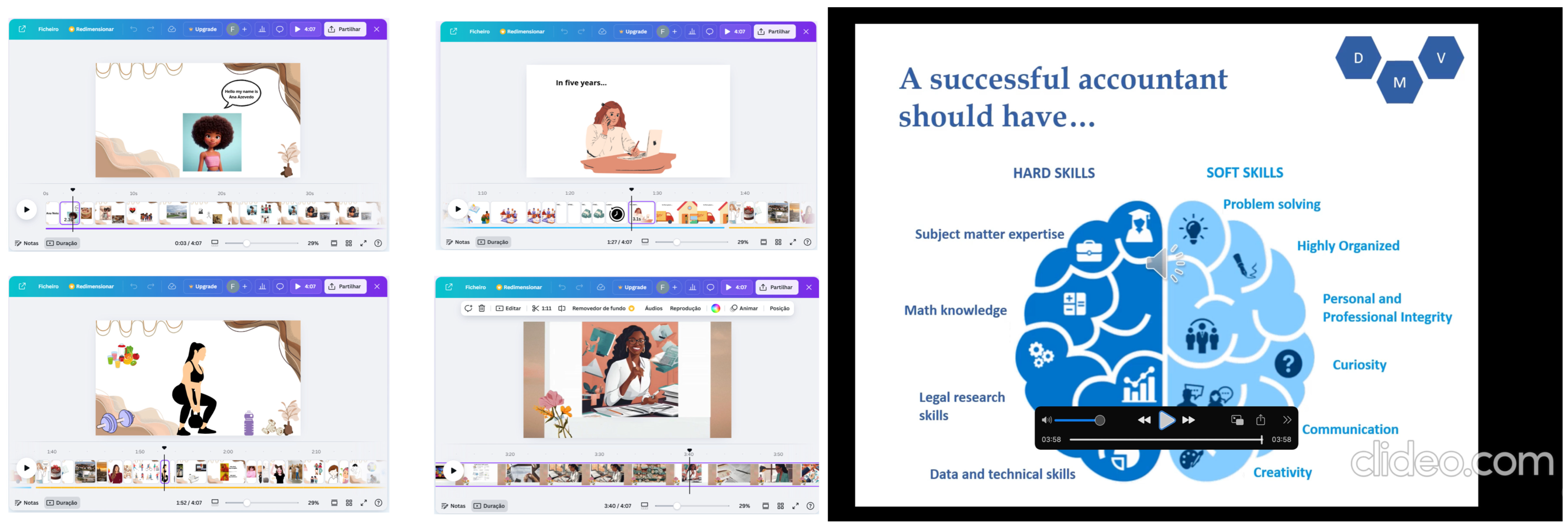
For the task completion, while some groups opted for on-camera introductions, others combined voice recordings with visuals and graphics to focus on content delivery. In both cases, tools such as Canva, PowerPoint, and video-merging platforms were used to integrate the material into a cohesive presentation, as shown in
Figure 1.
Beyond serving as a conventional icebreaker, this opening task offered critical insights into the intersection of task-based ESP and digital literacy, particularly regarding how students leverage Artificial Intelligence (AI) to negotiate linguistic anxiety. Within this CALL-mediated environment, several groups independently integrated AI tools into their workflow. Some used voice-sync applications to improve pronunciation and avatar generators to create animated characters representing group members. This emergent use of AI highlights an evolving paradigm in ESP task execution: the tools allowed students to experiment with innovative technologies, combining language practice with new modes of self-presentation, and preparing them to operate effectively in technology-mediated environments. However, a significant pedagogical tension emerged: some students hid behind Murf.AI and other AI tools to replace their own voices with synthetic ones. While this strategy enabled them to participate more confidently (
Duong & Suppasetseree, 2024), and, sometimes, more engagingly and creatively, it also limited authentic oral practice. To address this, the professor urged the students to try to record their voices after listening to correct pronunciation or to use simpler tools like howjsay.com, practising their parts aloud to strike a balance between technological support and authentic language use. This demonstrates that, within task-based ESP, AI should not merely be viewed as an end-product tool, but as a scaffold. When combined with proactive teacher and peer support, AI can simultaneously reduce anxiety and improve pronunciation, motivation, and social interaction confidence, indicating that thoughtful integration may enhance both technical and affective development (
Choi, 2025).
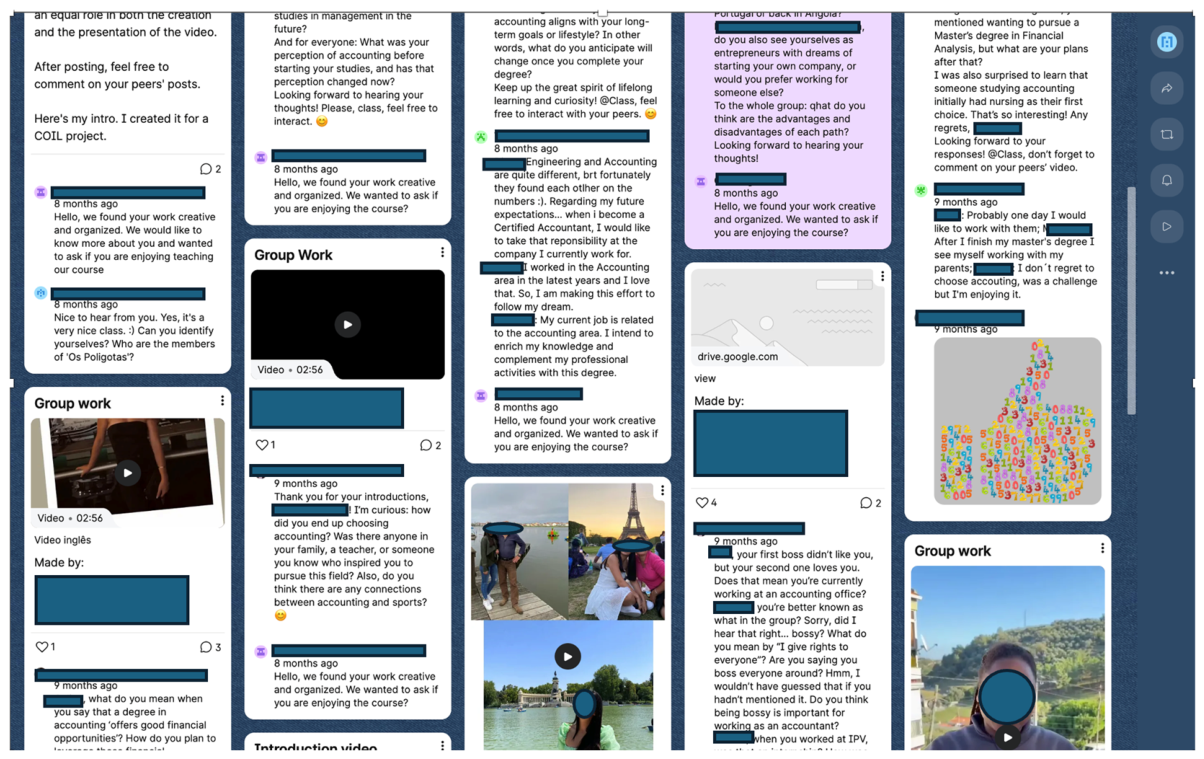
Sharing the videos on Padlet, as seen in
Figure 2, also facilitated peer and teacher feedback and encouraged informal written conversation (e.g., “Do you think being bossy is important for working as an accountant?”), laying the groundwork for effective teamwork in the more technical portfolio tasks that followed. For instance, Group 1 mentioned: “It helped us build confidence in speaking about ourselves in English, which is an essential skill for interviews and professional interactions. Furthermore, it encouraged group bonding…” However, the process was not without challenges. As Group 2 acknowledged in their portfolio reflection on the first task, they encountered some difficulties (“After we had the text, we started recording, where not all the lines went well at first, hence some bloopers”), but, generally speaking, they found it useful and motivating, as Group 3 explained: “We are proud of how the video turned out. This presentation was a great experience and we learned a lot. It helped us practice the language and encouraged us to express ourselves and share a little of our lives and perspectives.”
4.2. Task 2—Company Expansion and Financial Decision-Making
In Task 2, groups were asked to select one out of eight possible company expansion scenarios and prepare a corresponding balance sheet. As expected for third-year students who have already acquired foundational disciplinary knowledge, participants drew directly on technical concepts gained in other course units, approaching the task from a professional perspective and explicitly linking their decisions to financial ratios:
In order to choose and justify our choice, the starting point was to apply some knowledge acquired in other course units, namely we analysed specific ratios, such as Debt-to-Equity ratio (DE ratio) and Equity-to-Asset ratio (EA ratio). From this analysis, we concluded that the company (Tech Innovators) had a reasonable DE ration, meaning that the company is using more its own resources than borrowing. Also, we visualised that 81% is the proportion of the company’s assets that are financed by equity.
(Group 8, sic)
Rather than introducing novel accounting concepts, this task served as a communicative vehicle for students to operationalise their existing speciality knowledge in a second language, requiring them to interpret financial statements, weigh risks and benefits, and justify strategic decisions using quantitative indicators in English. The application of ratios such as Debt-to-Equity and Equity-to-Asset suggests a meaningful integration of accounting principles into a communicative task, a hallmark of content and language integrated learning. In this sense, the task provided a structured environment for students to practise cognitive academic language proficiency (
Cummins, 1979,
2008) alongside professional reasoning skills.
Other groups described similar expected processes of negotiation and evaluation, focusing on critical thinking and collaborative decision-making in a task designed to simulate authentic managerial responsibilities. For example, group 7 wrote:
By carrying out task 2, we developed our vocabulary and knowledge by analyzing different management proposals in English. With this analysis we developed our critical spirit and opinion, our power of choice and decision-making, as we would have to choose the best scenario for our company as a group.
This reflection highlights two key outcomes: the development of specialised English vocabulary for finance and management while demonstrating the ability to synthesise multiple perspectives. Their careful comparison between scenario 2 and scenario 8 further illustrates their engagement with risk analysis:
Scenario 2 aroused some interest in us, however, analyzing it in more detail, we concluded that it would not be the most appropriate due to the high initial cost, which entails greater financial risk, that is, investing too early.
Such reasoning indicates that the task succeeded in replicating the kinds of trade-off managers face in real-world contexts, where financial prudence must be balanced against strategic ambition (
Mintzberg, 1994).
At the same time, because this task prioritised technical calculation over creative digital production, several groups experienced a significant dual cognitive load, grappling with technical financial concepts and language formulation simultaneously:
There were a lot of difficulties because the work contained accounts and was all written in English. We decided to get together to make communication easier and try to explain to each other, and we ended up following the teacher’s balance sheet.
(Group 6, sic)
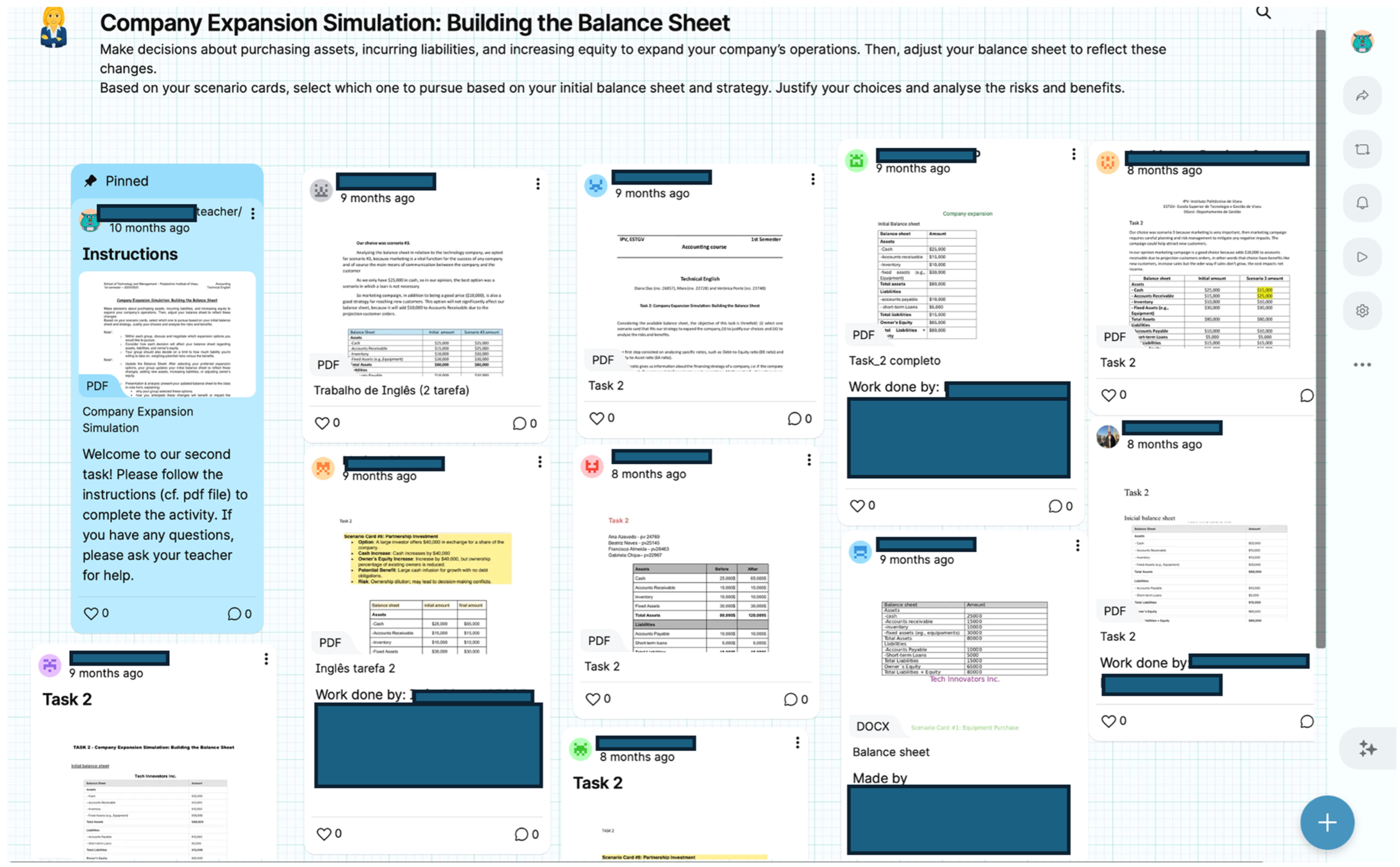
This quotation also underlines the challenge of simultaneous linguistic and technical problem-solving. To manage this cognitive load, the pedagogical design relied on asynchronous CALL infrastructure. By resorting to a collaborative Padlet space (
Figure 3), the instructor provided a digital scaffold where groups could visualise peer workflows and access shared resources at their own pace.
Overall, Task 2 combined language practice, technical accounting application, and collaborative decision-making. Students critically engaged with management scenarios, interpreted financial data, and negotiated choices. Interestingly, although the digital Padlet interface (
Figure 3) provided the opportunity to read and interact with other groups’ analyses, students chose not to interact with peer posts. This silence suggests that while the CALL environment successfully enabled visibility, sharing, and intra-group collaboration, students do not automatically engage in inter-group dialogue without explicit pedagogical prompts or incentives. Future iterations could benefit from integrating structured peer-review tasks or comparative forum discussions to fully leverage the collaborative capabilities of the digital platform.
4.3. Task 3—Describing Graphs and Financial Trends in English
Task 3 required students to analyse and describe changes in the euro’s value against the US dollar throughout 2023. The concrete objective was to apply specific vocabulary for describing financial movements (e.g., soar, plummet, level off, fluctuate, remain constant, reach a peak, growth, rise) while also employing at least four connectors (e.g., however, therefore, meanwhile) to create a cohesive narrative.
Students reflected that the task was both engaging and challenging, as it demanded precision in identifying patterns such as rises, peaks, and fluctuations while respecting the strict 75-word limit. As Group 3 noted, “One of the most demanding aspects of this task was achieving clarity and conciseness within the 75-word limit. We had to balance the need for thoroughness with the necessity of brevity, which required multiple revisions to refine our description” (sic). This emphasis on clarity echoes
Hyland’s (
2002) view within English for Specific Purposes that discipline-specific language training should foster precision and rhetorical accuracy in professional communication.
Actually, Task 3 carried clear professional relevance, as students recognised that graphs are increasingly present not only in accounting reports but also in “our daily lives (…) especially in means of communication” (Group 5). Their reflections show an awareness that, like other professional genres, graph description relies on the command of conventionalised linguistic resources to fulfil its communicative purpose. This resonates with
Bhatia’s (
1993) argument that academic and professional genres demand specialised strategies shaped by disciplinary and socio-cultural expectations. One group explicitly noted, “In Task 3 we continue to develop accounting concepts, more specifically graph analysis, as in the future we may need it for our job or for other related work” (Group 2).
Lexical choice emerged as a particular challenge. Students highlighted the difficulty of selecting expressions that accurately captured subtle fluctuations in the graph: “Another challenge was ensuring that our word choice accurately reflected subtle shifts in the graph, especially during periods of fluctuation” (Group 10).
Overall, Task 3 strengthened students’ capacity to describe trends effectively, combining analytical skills with precise linguistic choices. As one group concluded, “This exercise helped us develop our analytical and writing skills, reinforcing the importance of precision and structure when communicating data insights” (Group 7). By integrating specialised vocabulary, logical connectors, and concise writing, students practised technical English and engaged in a communicative practice central to their future roles as accounting professionals.
4.4. Task 4—Formal Business Correspondence: Complaint Letters & Invoice Correction
As far as Task 4 is concerned, students were asked to write a formal business letter in response to a client complaint arising from an invoice error. The exercise involved both the correction of technical details (e.g., unit prices, tax rates) and the adoption of a professional tone appropriate for client communication. As Group 6 described, “In this task we were asked to prepare a letter where we were able to once again develop our knowledge and it refers to an invoice sent incorrectly (…) to eliminate all possible constraints.” Students reflected that the greatest challenge was “maintaining a polite and professional tone about the dissatisfaction” (Group 6). To address this, groups practised conventional business expressions such as “Please accept our sincere apologies,” “Upon careful review,” and “If you have any further questions or require additional clarification,” as expressed by Group 9. This reflects what
Machili et al. (
2019) describe as the strategic use of politeness in business discourse, where linguistic choices are carefully employed to balance professionalism with interpersonal sensitivity. Politeness, as numerous studies have shown (e.g., by Bremner, 2006, and by Graham, 2007, cited by
Machili et al., 2019), plays a central role in email and written correspondence as a means of mitigating conflict, maintaining rapport, and ensuring smooth communication flow in the workplace. The students’ reflections demonstrate their awareness of, on the one hand, acknowledging dissatisfaction about an error, and on the other, preserving a respectful, solution-oriented relationship with the recipient. Moreover, their reliance on formulaic expressions highlights how learners draw on conventionalised business genres to achieve appropriate levels of formality and politeness, aligning with findings that such expressions act as linguistic resources for enacting social distance, respect, or solidarity depending on the communicative context.
Beyond tone, the activity foregrounded the importance of structure in professional genres. Students became familiar with key conventions of formal correspondence, such as appropriate salutations, clear statements of purpose, coherent structuring of the body, and effective closings, and gained confidence in applying these conventions in professional communications.
In one portfolio, Group 1 noted: “This task made us develop skills so that in the future, in our daily lives, we will have to prepare letters, knowing the best and most polite way to start and end them and to develop them in a short and explicit way,” which, once again, aligns with
Bhatia’s (
1993) observations that professional genres rely on conventionalised linguistic resources, shaped by disciplinary expectations, to achieve their communicative purpose.
The connection to accounting practice was equally underlined. Students recognised that invoices and complaint letters are among the most common documents they will encounter as professionals: “We find Task 4 essential, because, due to the course we are studying, knowing how to formulate a letter and prepare an invoice to be attached is very important for our future as accountants” (Group 8). Another group observed that the task “… puts us in contact with the most common documents in our area, an invoice, in a language different from ours, thus increasing our vocabulary and understanding of certain concepts” (Group 2). This corresponds to
Hyland’s (
2002) observation seen earlier that ESP pedagogy must connect language learning with the authentic practices of specific disciplines.
Finally, the reflective element of the task showed students’ growing awareness of client relations and professional image: “This helps us build better customer relationships and reinforce a positive company image. However, it also had other positive aspects such as warning us that in the future we will have to adapt to customer complaints and possible errors, which we will have to correct” (Group 3). This echoes
Louhiala-Salminen and Kankaanranta’s (
2012, p. 264) findings that business communication competence requires not only the “ability to use a specific language system,” but it also extends to relational and intercultural sensitivity.
In sum, Task 4 combined linguistic practice with professional simulation. By writing formal complaint letters and correcting invoices, students engaged with authentic communicative practices of the accounting profession, developing both accuracy in written English and awareness of professional expectations.
4.5. Task 5—Developing Professional Telephoning Skills Through Linked Correspondence
In Task 5, students were expected to demonstrate professional telephoning skills by simulating a business call connected to the disputed invoice scenario from Task 4. The activity aimed to consolidate students’ ability to use specialised telephoning vocabulary and expressions while also engaging them in the pragmatics of professional communication, that is, handling interruptions, transferring calls, and maintaining an appropriate register.
Several groups emphasised the technical and linguistic challenges of the task, noting the effort needed to balance fluency, clarity, and professional tone. As Group 3 pointed out, “The biggest challenge was task 5 since our drafts of the audio had to fit in with those of the other members of the group. But after all that, we liked how the audio and the letter turned out.” This points to the collaborative dimension of the task, in which coordination and sequencing were as important as vocabulary accuracy and good pronunciation.
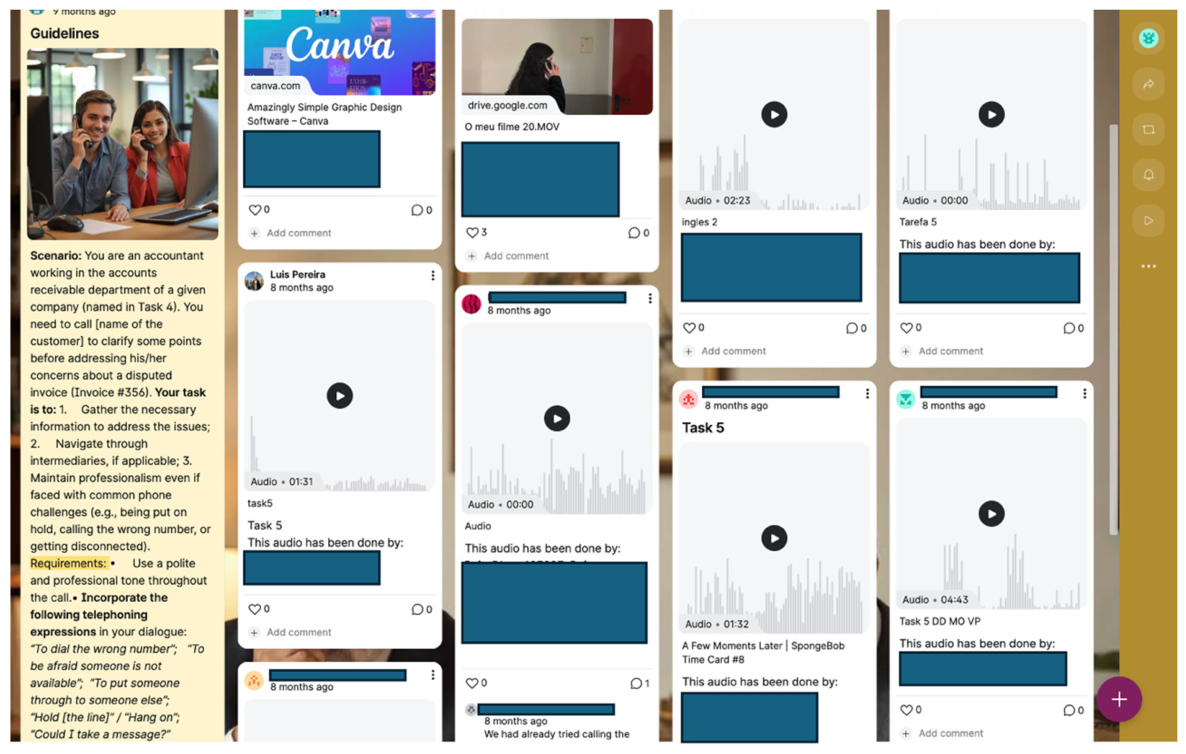
Students also experimented with formulaic telephoning expressions, such as “Sorry, I think I dialled the wrong number,” “I’m afraid Ms. Kaasen is not available right now. Would you like me to take a message,” and “Please hold the line and I’ll put you through to her accountant,” following the guidelines (cf.
Figure 4 below). These set phrases provided linguistic scaffolding for interaction, allowing learners to handle interruptions and misunderstandings while keeping communication professional.
The scenarios created by the groups also revealed an awareness of organisational hierarchies and communication flows. For example, one dialogue simulated being transferred across departments: “We would like to resolve some issues regarding invoice 356, who can we resolve this issue with?” and “We are from the secretariat and advise you to forward it to the finance department, just a moment” (Group 5, sic). This sequence not only mirrors real workplace practices but also demonstrates students’ capacity to enact status differences and organisational roles linguistically. The students’ inclusion of multiple actors, such as receptionists, accountants, and finance representatives, illustrates their understanding that telephoning in professional contexts is rarely a straightforward dyadic exchange but a socially and institutionally embedded process.
Interestingly, some groups also contrasted formal and informal styles within their simulations, recognising the different pragmatic demands of each, as the following exchanges by Group 10 exemplify: “Hi, Margarida. Sorry to bother you, but an accountant wants to speak to you on behalf of Poliglotas about an email that our company sent, due to errors in an invoice” (informal exchange between colleagues). “Goodnight. Is that Mr. Diogo? … I’m calling because of the email you sent us regarding the invoice” (formal accountant-client dialogue). This contrast highlights students’ awareness that professional telephoning requires not only technical vocabulary but also sensitivity to relational dynamics, as we mentioned before, because workplace discourse is always relational as well as transactional.
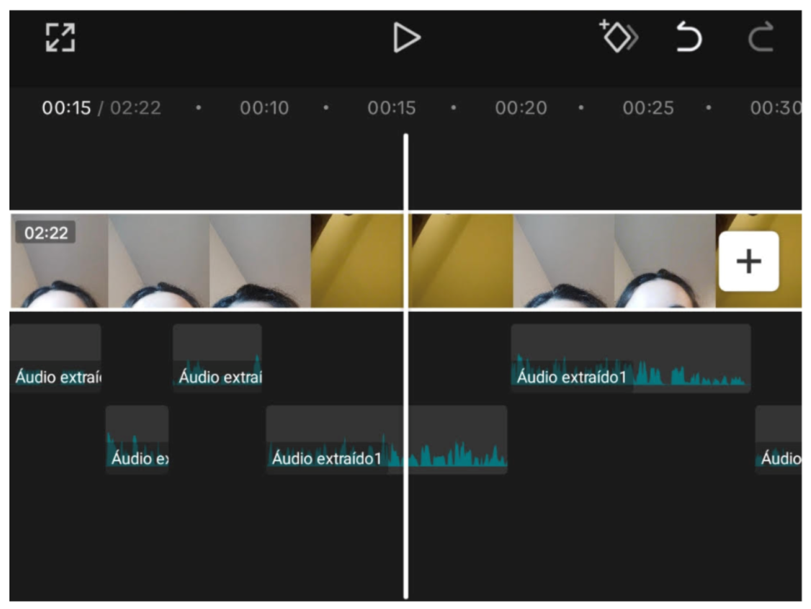
From a technical perspective, students also engaged with digital tools to simulate realism, merging audio files through apps such as Clideo or CapCut and adding sound effects like dial tones and on-hold music (cf.
Figure 5). This not only enhanced authenticity but also reflects current pedagogical calls for integrating digital multimodality into ESP and business English training (
Rahmanu & Molnár, 2024;
A. C. Lopes et al., 2023).
Overall, Task 5 reinforced the integration of language, content, and professional practice. It enabled students to rehearse technical vocabulary, practise polite and professional expressions, and manage communicative breakdowns in ways that closely mirror real workplace interactions. By negotiating tone, role, and organisational structure, students engaged in context-based learning, integrating language development into the simulation of authentic professional practices. While initially perceived as demanding, the task was ultimately described as “very enriching” (Group 7) because it required both preparation and adaptability, providing a bridge between classroom learning and real-world communicative challenges.
In light of the above, we now turn to the research questions to synthesise the study’s key findings:
RQ1: Integration of language skills, subject-specific knowledge, and digital literacy through the completion of a series of CALL-supported, task-based activities.
To understand this integration, it is necessary to clarify the explicit pedagogical scaffolding provided during the course unit. Instruction did not assume that students could automatically translate their technical accounting knowledge into English. Instead, each task was preceded by targeted classroom instruction focusing on lexical priming and genre analysis. The Professor provided direct instruction on specialised financial terminology, syntactic structures for risk justification, and the conventions of professional English communication. Therefore, while the core accounting logic came from the students’ prior degree coursework, the ability to mobilise, negotiate, and articulate that knowledge in a foreign language was directly developed through the structured, task-based learning process in the ESP classroom.
Analysis of the task outputs and e-portfolio reflections indicates that this dual-focus instruction enabled students to engage meaningfully with both disciplinary content and English language practice through task-based activities. As one group insightfully observed, “Knowing accounting in English is important for handling the everyday realities of the profession. For example, invoices, contracts, and software tools used in Portugal often include terms in English, like ‘liabilities,’ ‘cash flow,’ and ‘accounts payable.’ Many of the programs we gonna work with, such as SAP, are in English, and when dealing with clients and suppliers, we may also need English” (Group 1, sic). This underscores the fact that English proficiency is not merely an academic requirement but a professional necessity, enabling future accountants to engage with global standards and practices.
At the same time, the findings reveal the challenges students face in balancing language learning with technical accounting coursework. Many groups reported difficulties in mastering specialised terminology, as well as challenges with pronunciation, managing oral and written communication, and gaining confidence in their professional use of English. The added complexity of interactive digital tools and the use of real-world documentation further increased the cognitive load, compelling students to manage multiple layers of technical and linguistic difficulty simultaneously. These results align with prior research emphasising the challenges of integrating ESP content with technology-enhanced, task-based activities (
Sudana et al., 2025).
RQ2: Students’ perceptions of combining CLIL, TBL, and CALL, as revealed in their e-portfolio reflections.
E-portfolio reflections provided nuanced insights into students’ experiences. Participants emphasised the authenticity and relevance of the tasks, noting that continuous assessment and portfolio development fostered reflection and progressive skill-building. Collaborative, task-based activities, such as video introductions, balance sheet scenario analyses, complaint letter writing, telephoning simulations, and graph description, supported professional language development while also helping students rehearse the kinds of decision-making, negotiation, and problem-solving expected in accounting practice. Importantly, their reflections revealed that these integrated pedagogical methods boosted motivation, improved confidence, and reinforced the perception of English as a practical, indispensable tool for professional accounting practice.
Taken together, these findings demonstrate the potential of embedding language instruction directly within professional disciplinary content to create authentic, professionally relevant learning experiences. In this integrated environment, students benefit not only from improved technical English proficiency but also from exposure to digital tools and collaborative problem-solving tasks that mirror workplace expectations. As
Wibowo et al. (
2024) point out, even when referring to other specialised fields like aviation, maritime studies, and hospitality, this approach bridges the gap between training and employment. The same applies directly to accounting, where accurate interpretation, communication, and professional decision-making are crucial.
5. Conclusions and Looking Ahead
This study has emphasised the central role of English for Specific Purposes in accounting education, particularly within the Technical English course unit at the Polytechnic University of Viseu, while highlighting principles and practices that are broadly applicable to similar programmes in other HEIs. By adopting a task-based pedagogical design focused on content-and-language integration, the study illustrates how language learning can be meaningfully embedded within disciplinary content rather than treated as a peripheral skill. Students demonstrated their ability to integrate language skills, subject-specific knowledge, and digital literacy by completing a sequence of CALL-supported, task-based activities. These included reading and interpreting financial statements in English, drafting professional business correspondence, mastering technical accounting vocabulary, delivering oral presentations on financial topics, and engaging in other task-based learning activities that mirrored authentic workplace practices.
From a pedagogical perspective, the findings suggest that task-based language learning offers a viable and effective pathway for operationalising content-based instruction in accounting education. Students’ e-portfolios depicted their motivation and the process of co-construction of knowledge, which is not devoid of challenges, all while enabling the integration of multimodal outputs and promoting reflective learning.
As a qualitative case study, the scope of this research is bounded by its single institutional context and single-classroom cohort, which means the findings prioritise contextual depth over statistical generalizability, as previously mentioned. Reliance on group portfolios and in-class observations may have introduced subjective interpretations, and other influential factors, such as prior English proficiency, socioeconomic background, or professional experience, were not systematically explored. These contextual boundaries emphasise the value of future multi-institutional research to explore how this task-based framework transfers to different higher education settings, or how mixed-methods approaches might track long-term linguistic gains.
Looking ahead, the findings carry important implications for policy and practice in higher education. They point to the need for accounting programmes to move beyond traditional, decontextualised language instruction and adopt integrated pedagogical models that reflect the linguistic realities of the profession. To further enhance the effectiveness of accounting-focused English instruction, the following recommendations are proposed:
Strengthen industry partnerships to provide students with authentic opportunities for workplace-based language use, such as workshops or guest lectures by accounting professionals;
Expand access to digital resources, including financial reporting software and databases, to expose students to real-world tools while supporting language learning;
Foster interdisciplinary collaboration between language specialists and accounting faculty to ensure a cohesive and practice-oriented curriculum;
Integrate more interactive, technology-based approaches, such as collaborative platforms and simulation tools, to encourage peer learning and increase student engagement;
Promote Collaborative Online International Learning (COIL) initiatives that connect Portuguese students with peers in other countries, enabling them to practise English in authentic intercultural settings. Such exchanges not only enhance fluency and confidence but also expose students to diverse perspectives on accounting practices, improve cross-cultural communication skills, and prepare them for the globalised nature of the profession.
Finally, future research should investigate how variables such as students’ prior linguistic background and digital literacy influence the acquisition of professional English literacy in accounting. Longitudinal studies could also explore the extent to which these skills developed through content-integrated, task-based ESP courses transfer from the classroom into professional practice after graduation.
In conclusion, Technical English in accounting is not merely an academic add-on but a foundational component of accounting education. By integrating language, content, and digital literacy, students engaged in meaningful, situated learning that directly prepares them for professional realities. By acknowledging the challenges, refining pedagogical strategies, and strengthening institutional support, higher education can better prepare future accountants to meet the communicative demands of their profession, bridging the gap between technical expertise and global business discourse.