

Article

Promoting Social and Emotional Learning Through Physical Activity: An Evaluation of a School-Based Program


1
Department of Psychiatry, Columbia University Medical Center, 3959 Broadway, New York, NY 10032, USA
2
Department of Counseling and Human Services, University of Oregon, 5251 University of Oregon, Eugene, OR 97403-5251, USA
3
Department of Health Studies & Applied Educational Psychology, Teachers College, Columbia University, 525 W 120th St., New York, NY 10027, USA
4
NaliniKIDS Inc., P.O. Box 467, Pipersville, PA 18947, USA
*
Author to whom correspondence should be addressed.
Educ. Sci. 2026, 16(4), 511; https://doi.org/10.3390/educsci16040511
Submission received: 22 January 2026 / Revised: 14 March 2026 / Accepted: 20 March 2026 / Published: 25 March 2026

Abstract

School-based social and emotional learning (SEL) programs have the potential to meaningfully foster healthy development. NaliniKIDS is a school-based program designed to focus on promoting SEL and school connectedness by bridging physical and mental health through exercises, a book series, and schoolwide activities. This mixed-method study explored the effects of NaliniKIDS on students’ mental health and school climate and the teachers’ perspectives regarding the implementation in a racially diverse, urban, Title I public elementary school. Quantitative data comprised of student (N = 253) and parent (N = 29) self-reports at pre- and post-test; qualitative data were collected via two focus groups with teachers (N = 10 participants). Survey results showed small increase in prosocial behavior among students after NaliniKIDS implementation. Focus groups highlighted the importance of training, protecting time and resources, and adapting the program to students’ background to maximize its implementation and relevance. NaliniKIDS may be a promising SEL program that facilitates the integration of physical and emotional health. The findings emphasize the health benefits of investments and policies focused on school-based programs that are integrated in the school. The successful implementation of SEL programs such as NaliniKIDS may significantly promote elementary student physical and mental health.

1. Introduction

Children in the U.S., particularly after the COVID-19 pandemic, have experienced and continue to experience high levels of social, physical, and emotional stressors that affect their development (Mehta et al., 2013; Merikangas et al., 2009). Recent studies show that the pandemic hindered the acquisition of reading and mathematical skills (Panagouli et al., 2021) and increased mental health symptoms such as anxiety, depression, and social isolation (Panchal et al., 2021). On the other hand, access to treatment and services significantly decreased, making it more challenging for minoritized youth and families to receive necessary mental health support (Chakawa et al., 2021; Sen et al., 2022). In fact, emerging studies suggest that school building closures during the first year of the COVID-19 pandemic were associated with poorer mental health outcomes in children, especially those from lower income and diverse communities (Hawrilenko et al., 2021). Students’ physical and mental health challenges may negatively impact their academic progress and further exacerbate existing learning disparities that persist among low-income urban youth (Basch, 2011). To address academic difficulties holistically, it is crucial to identify a multifaceted set of evidence-informed resources and strategies that can effectively support children’s social, physical, and emotional development. The present study aims to evaluate the effects of a school-based program, NaliniKIDS, on student outcomes and factors associated with its implementation.
School-based programs have the potential to foster healthy development and respond to youth’s social and emotional needs, reducing future health problems and promoting healthier lifestyles and academic achievement (Pulimeno et al., 2020). Youth spend most of their waking hours in the school environment where they can more easily access services (Huang et al., 2022). Extensive research demonstrates the role of schools in providing programming, resources, and support to students and families, especially in low-resource communities (Rones & Hoagwood, 2000). For instance, some research indicates that adolescents are more likely to go to school-based health centers for healthcare maintenance and mental health services than to community health centers (Juszczak et al., 2003). Additionally, Latino, Asian/Native Hawaiian/Pacific Islander, and students experiencing depression are more likely to use mental health services in educational settings than their white or higher income peers (Lu, 2020).
The Collaborative for Academic, Social, and Emotional Learning (CASEL, 2013) defines social and emotional learning (SEL) as including competencies such as self-awareness, emotion regulation, and effective problem-solving. School-based SEL programs can serve many children and adolescents, be integrated into existing curricula, and engage all school staff. Multiple studies show the effectiveness of SEL programs in social and emotional skills, prosocial behaviors, academic performance, and healthier behaviors (Cipriano et al., 2023; Durlak et al., 2022; Murano et al., 2020).
Youth well-being encompasses their physical, educational, social, and emotional wellbeing; however, few SEL programs clearly integrate all these areas into their goals through a whole-school approach. The majority of schools address health issues in the context of substance use prevention (U.S. Department of Education, n.d.) or discusses physical activity solely as a relaxation and self-regulation technique (Lawson et al., 2019). Although these topics and strategies are relevant to children’s development, they miss the opportunity to infuse SEL more systematically in all school activities, including health and physical education and to care for youth’s needs more holistically. In fact, there is a great overlap between skill-based health/physical education classes and SEL competencies such as self-awareness, self-management, and prosocial behaviors which should be further explored in program design (Goh & Connolly, 2020).
As SEL activities become an integral part of the school day, they can increase students’ and teachers’ perceptions of the school climate, particularly when targeting specific aspects such as emotional safety and engagement in school (Charlton et al., 2020). According to the National School Climate Council (n.d.-b), school climate refers to practices and experiences related to school life. A positive school climate has been linked to improved student mental health, reduction in absenteeism and suspension rates, and greater teacher job satisfaction (Thapa et al., 2013). Youth, then, would benefit from SEL programs with a holistic approach that includes school climate as another target for intervention.
Psychological theories propose the connection between the mind and the body with a growing number of studies demonstrating this link in our physiological responses to stress, the immune system, and epigenetics, for example (Littrell, 2008; Bollati & Baccarelli, 2010). There is also evidence that improving the mental health of people diagnosed with physical illnesses such as HIV and cancer can alleviate medical symptoms and increase quality of life (Littrell, 2008). Similarly, incorporating physical activity into mental health treatments and, particularly, SEL programs may not only support their bodies but also their minds. According to a review of reviews, engaging in physical activity may reduce symptoms of depression and anxiety and improve self-esteem in youth, highlighting the importance of caring for youth’s physical health along with their mental health (Biddle & Asare, 2011). Moreover, a systematic review shows that yoga interventions, exercises, and physical activities during school recess are beneficial to students’ academic performance and social and emotional well-being (Greenspan et al., 2019). The authors suggest physical activity to be incorporated into classrooms using accessible media (e.g., videos) for short periods of time, so they are more feasible to be implemented (Greenspan et al., 2019). There is, then, robust evidence in the literature pointing out and advocating for school-based SEL programs to integrate physical health as a core component.
Indeed, to promote children’s healthy physical, social, and emotional development is important to integrate its different aspects. It is possible to increase accessibility to SEL content by offering it through universal school-based programs, which may particularly benefit those who are minoritized. These programs may help children increase their self-awareness and practice helpful ways to regulate their bodies and emotions, as they are linked. At the same time, participation in activities such as workouts and schoolwide projects may help students and school staff to feel more connected with each other. In a reciprocal way, increased SEL alongside healthier physical practices (e.g., workouts) equip students to better regulate their emotions and bodies and interact with others more effectively, contributing to a better school culture, while a positive school climate creates a more conducive environment for learning to happen.
This relationship between the individual and the environment has long been proposed by the bio-ecological model, which states that child development takes place within systems via reciprocal processes (Bronfenbrenner & Morris, 2007). The child, characterized by their unique biological make-up, interacts with their microsystem (i.e., family, school, peers, neighborhood, etc.), acquiring experiences, skills, and abilities over time. These microsystems also interact with each other (mesosystem), shaping the child’s growth. More distant systems (e.g., culture, policies, historical events) influence all these processes between the individual, microsystem, and mesosystem so that development occurs embedded in specific contexts (Bronfenbrenner & Morris, 2007). Applying the bio-ecological model to the present study, it is expected that the school (microsystem) implementing a holistic SEL program can promote student’s well-being by teaching self-awareness and self-regulation skills that enable students to better understand their emotional experiences, regulate physical reaction, and interact with others more effectively. Similarly, regular physical practices may increase students’ awareness of their physiological sensations, learn helpful ways to control their bodies, and engage in social interactions more mindfully. These positive outcomes contribute to a more positive school climate, which reinforces such skills and practices and sustains progress over time. Figure 1 illustrates these hypothesized reciprocal relationships.
NaliniKIDS is designed as an SEL program that bridges areas of physical and mental health by helping children learn more about their emotions and bodies while emphasizing school connectedness on all levels of the school environment (i.e., students, teachers, school administrators). It focuses on empathy, problem-solving, self-reflection, and movement as coping mechanisms for adverse situations. Through physical activities, a unique storybook series, and lesson plans tailored for different elementary-school grade levels, students learn about emotion words, reflect about their own experiences and those of others, and reconnect with their bodies. The program has specific activities to be used during the subject classes such as English and science throughout the different grades, facilitating the integration of the program into the core curriculum and classroom routine.
NaliniKIDS includes activities that foster a safe and shared space for students, teachers, and staff to express themselves and talk about their experiences. For instance, one activity encourages all students, teachers, and school staff to choose one word that inspires and helps them to grow. These words can be then displayed in the classrooms or other common spaces helping to create a more positive and supportive environment. Extending the program activities beyond the classroom may provide a shared language to talk about difficulties, manage challenges, and identify helpful solutions which, in turn, may increase a sense of belonging and connectedness. Despite the extensive research demonstrating the positive outcomes of SEL programs, studies have pointed to challenges in implementing them successfully (Durlak et al., 2011; Durlak et al., 2022). Several school-level barriers exist that may hinder the implementation of SEL programs; limited resources, lack of program monitoring, and insufficient staff training and involvement are some of the factors identified previously (Durlak & DuPre, 2008). Particularly in initial phases, teachers benefit from training, coaching, and access to materials to successfully deliver SEL content (Domitrovich et al., 2015). Thus, active implementation monitoring and consideration of teachers’ needs is essential to the effectiveness of SEL programs.
Using a pre- and post-test, mixed methods design, this study explores the following research questions: (1) What are the effects of NaliniKIDS on students’ mental health? (2) Does schoolwide participation in this program impact school climate based on student reports? (3) What are teachers’ perspectives regarding the implementation of NaliniKIDS in the school setting?

2. Materials and Methods

NaliniKIDS is designed to teach emotional health and physical fitness to youth through multimedia and academic-grounded activities. The year-long curriculum is organized into lesson plans that can be implemented as part of academic content. The program has three main components: (1) lesson plans, (2) a book series, and (3) a workout video library. These elements can be combined or used independently, allowing teachers to flexibly adapt the program to their needs and classrooms. Based on SEL principles, the lessons serve to improve students’ self-awareness and emotional literacy through structured activities. The books tell stories about feelings, friendships, and positive self-image, for example, promoting individual reflection and class discussions about various topics. The unique and inspiring physical workouts provide examples and applications of SEL content (sample of videos can be found at: https://wordworkouts.org, accessed on 15 January 2026). The mind–body connection emphasizes movement as a strategy for healthy expression and emotion regulation, being easily implemented in the classroom or as part of physical education. NaliniKIDS is specifically developed so that teachers from various backgrounds (e.g., English, science) can similarly teach the lessons and foster SEL.
At the study school, the NaliniKIDS program team provided the training, consultation, and technical assistance to the school administrators and teachers. Teachers in all grades received training and full access to materials (i.e., physical books for each student and program website to access lesson plans and workout videos). During the entire academic year, the school administration designated an SEL period (50 min approximately) per week when NaliniKIDS activities should be conducted (e.g., lessons and book activities, workouts). The research team, who were unaffiliated with NaliniKIDS, conducted all the research activities (i.e., study design, data collection, data analysis, and interpretation).
The present study was conducted in partnership with a large Title 1 public elementary school (kindergarten to 5th grade) in a lower-middle income, diverse, urban neighborhood in a large city in the Northeast. NaliniKIDS was delivered to all students even if they and/or their parents did not participate in this study. Similarly, all teachers delivering NaliniKIDS were trained even if not participating in the focus groups. This study was approved by Teachers College, Columbia University, and the city’s Department of Education IRBs.

2.1. Quantitative Data

All students from 1st to 5th grade and their parents were invited to participate in the study. Data from 253 students whose legal guardians signed the consent form were included in the study. Table 1 shows demographic information as reported by 29 parents who completed and returned their surveys. Overall, 40% of families identified as Latino, 40% as Asian American, and 6.7% as Black. Most parents reported being married (66.7%) or living with a partner (20%), and the average monthly income was $3700 for a family of four. Student participants were primarily in 5th grade (24.1%), 1st grade (23.7%), and 3rd grade (16.7%).
The Strengths and Difficulties Questionnaire (SDQ) (Goodman, 1999, 2001; Muris et al., 2003) was administrated to students and parents. The SDQ is a brief, 25-item survey assessing social, emotional, and behavioral health in children and has age-normed surveys. The SDQ has shown good reliability and validity in studies (Goodman, 2001; Muris et al., 2003) and has been extensively used in research with children from diverse backgrounds (Vostanis, 2006; Graybill et al., 2020). In the study sample, the reliability coefficients for student reports were αPRE-TEST = 0.6 and αPOST-TEST = 0.63, and for parent reports were αPRE-TEST = 0.68 and αPOST-TEST = 0.54. Items are scored on a three-point Likert scale (0—not at All, 1—sometimes, 2—most of the time) and combined into subscales (i.e., emotional problems, conduct problems, hyperactivity, peer problems, and prosocial behaviors). A total difficulties score (i.e., emotional problems, conduct problems, hyperactivity, and peer problems) ranges from 0 to 40, being that higher scores indicate more difficulties. The prosocial behavior subscale scores range from 0 to 10, being that higher scores indicate the child’s strengths.
School climate was assessed using the Comprehensive School Climate Inventory (CSCI; National School Climate Council, n.d.-a) and completed by students and parents. In the study sample, the reliability coefficients for student reports were αPRE-TEST = 0.72 and αPOST-TEST = 0.6, and for parent reports, αPRE-TEST = 0.88 and αPOST-TEST = 0.87. The measure examines school safety, teaching and learning environment, interpersonal relationships, and school needs through 13 items scored on a five-point Likert scale (1—strongly disagree to 5—strongly agree). An abbreviated form (A-CSCI) including five items scored as 1 being yes or 0 being no was utilized for students in 1st and 2nd grade. The total scores were calculated by summing all items, being that higher scores indicate a more positive school climate. Total scores for the CSCI range from 13 to 65 and for the A-CSCI from 0 to 5.
Pre-test data collection occurred in the fall (October) and post-test data were collected in the spring (May) as the program was concluding. Families were informed about the study via a letter sent to their homes along with an informed consent form that was to be signed by the student’s legal guardian. The informed consent explained the study aims and research questions as well as what students and families would be asked to do. Students who returned the signed informed consents to the school were included in the study. Members of the research team went into the classroom on a pre-arranged date and time to distribute the surveys and support students, (e.g., reading questions out loud, providing instruction) completing surveys as needed. Students whose parents did not provide consent received an alternative activity (e.g., coloring sheet) while their peers completed the surveys. All school students received the NaliniKIDS program regardless of study participation status. Parents/guardians received pre- and post-test surveys to complete in their homes. The research team collected parent surveys during scheduled times that corresponded with convenient times for parents, such as drop-off and pick-up times.
Quantitative data were analyzed using SPSS version 28. Descriptive statistics were conducted to describe student and families’ characteristics. Due to the single case design and lack of randomization into conditions, more complex and casual statistical analyses were not available. Thus, two-tailed paired t-tests were conducted to compare students’ and parents’ scores on each measure pre- and post-test. Additionally, Cohen’s d effect sizes were calculated using t-tests and degrees of freedom, allowing for standardization of mean differences found through t-tests. These analyses aimed to offer preliminary insights into NaliniKIDS program effects, indicating possible pre- and post-test differences in outcomes.

2.2. Qualitative Data

All teachers in the school (approximately 35) were invited to participate in the study. Ten (N = 10) teachers engaged in the two focus groups: one in the fall (October; pre-test) and another in the spring (May; post-test). Participants who joined the pre-test focus group were not the same as those who participated in the post-test focus group. At pre-test (n = 5), all five participants identified they worked in regular education. At post-test (n = 5), three participants reported working in special education and two in regular education. In both groups, all participants identified as female and were actively involved in the delivery of NaliniKIDS. To maintain their anonymity, no other demographic information was collected. Each group lasted for approximately 40 min each time, took place during teachers’ break time, and were facilitated by a member of the research team. All participants consented to participate in the groups and be audio recorded. The audio recordings were, then, transcribed verbatim for analyses.
Open-ended questions were utilized during the focus groups to stimulate group discussion about the program and its implementation (e.g., “How did it feel [delivering] NaliniKIDS?” “Did you use the portal? If so, was it helpful, not helpful? What was beneficial?” “Do you have any concerns about NaliniKIDS?”).
Qualitative data were analyzed using a thematic analysis approach (Guest et al., 2012) to provide further understanding regarding the implementation process from the teachers’ perspectives. NVivo version 8 was utilized to facilitate data organization, visualization, and the determination of theme frequencies. For each focus group, research members coded the transcript independently and then met as a team to discuss codes and decide on final themes through consensus. A codebook including all themes was created for each focus group, including their labels and representative quotes from the transcripts. On NVivo, frequencies for each theme were calculated by computing how often a specific theme appeared in the transcripts. Lastly, themes from both focus groups (pre- and post-test) were compared to integrate findings and examine similarities and differences.

3. Results

3.1. Quantitative Results

Quantitative results are shown in Table 2. There was a small but significant effect on student self-report of prosocial behaviors from pre-test (M = 1.58) to post-test (M = 1.65; t = −2.17, p < 0.05; d = 0.13). Although not significant, students reported lower levels of conduct problems (MPRE-TEST = 0.47, MPOST-TEST = 0.43; d = 0.1), hyperactivity (MPRE-TEST = 0.78, MPOST-TEST = 0.74; d = 0.08), emotional problems (MPRE-TEST = 0.86, MPOST-TEST = 0.84; d = 0.03), and peer problems (MPRE-TEST = 0.63, MPOST-TEST = 0.60; d = 0.05). Unexpectedly, parent reports showed a significant increase in peer problems (MPRE-TEST = 0.40, MPOST-TEST = 0.52; t = −2.35, p < 0.05; d = 0.43). However nonsignificant, conduct problems (MPRE-TEST = 0.32, MPOST-TEST = 0.25; d = 0.2) and hyperactivity (MPRE-TEST = 0.67, MPOST-TEST = 0.65; d = 0.04) reduced, while there was a slight increase in emotional problems (MPRE-TEST = 0.30, MPOST-TEST = 0.33; d = 0.11). Measures of school climate did not significantly change (d = 0.02 and 0.11).

3.2. Qualitative Results

Analyses of the focus groups highlighted teachers’ perspectives on the implementation process. Themes that emerged from the focus groups were organized into the four dimensions that represent system levels that were involved in program adoption and delivery. Table 3 describes each dimension, the themes that were included in it, and the frequency that participants mentioned each theme.

3.2.1. School Factors

Teachers talked with enthusiasm about the school-wide approach of the program, because it would create a common language and shared concepts for all. This suggests that, in general, there was acceptability and adoption of the program by school administration and teachers, which are important factors for an effective implementation (Durlak & DuPre, 2008). Participants, however, pointed to the difficulties in implementing it consistently. They frequently mentioned lack of time given all other academic demands and school activities, making it challenging to prioritize both SEL and academic content. Teachers also reported that some materials (e.g., books) were not adequately distributed at the beginning of the program, delaying its start. Moreover, teachers mentioned concerns about repeating books from one year to the next. For instance, some students who worked on certain books in one grade would work on the same books the following grade, which could be perceived negatively and reduce their engagement. At post-test, teachers discussed additional problems with distributing books that led to some classes to work on copies and worksheets instead of actual books. Despite the program’s multimedia components (e.g., lesson plans, books, videos), participants were expecting to use the books specifically, and the identified issues perhaps interfered with teaching the SEL content.
These difficulties in accessing and distributing materials was linked to another theme, school planning and organization. Especially at post-test, teachers talked about the importance of clear communication, training, and support to use the program. Some participants described not knowing how to use NaliniKIDS resources nor what was expected from them. These organizational issues, in addition to the teacher factors discussed below, interfered with the successful delivery of the program, which may have reduced its reach and potential benefits. Despite positive receptivity about the program, SEL implementation required careful planning and coordination before it began and ongoing monitoring to identify and address challenges, preventing issues that significantly affect students’ learning.
These findings are aligned with previous research that discuss barriers to implementation of SEL programs in schools. For instance, Durlak and DuPre (2008) mentioned that organizational functioning is a key factor for successful implementation, requiring involvement of leadership and administration to secure resources and to prioritize SEL. In this study, there was organizational motivation to implement NaliniKIDS, and, at the same time, planning and carrying out implementation was challenging and concerned the teachers, which may have interfered with outcomes.

3.2.2. Program Factors

Overall, participants mentioned their enjoyment in using the program and noticed their students incorporating the concepts to talk about themselves and their experiences. Related to previous themes, participants discussed barriers in using the materials such as their developmental appropriateness for younger students. As highlighted in the theme “vocabulary,” teachers noted that some books utilized words and language that were above students’ reading and comprehension levels. Such challenges in the program design increased the time devoted to activities, as students required assistance to understand and complete activities. Conversely, at post-test, teachers indicated that the program website was helpful and provided various resources to them. It is possible that, had the teachers been exposed to the website earlier on in the implementation process, they would be better supported in incorporating activities to the academic curriculum and identifying more developmentally appropriate materials. The website emerged as a theme only at post-test, which may indicate that participants were not fully aware of all program components and resources available before implementing it. In fact, the theme “teacher training,” emphasized the importance of introducing teachers to all materials and specific activities (e.g., books, videos, lesson plans) available to better prepare them for implementation. These issues discussed by participants have been extensively identified in the literature regarding the importance of training teachers before and during the implementation process (Durlak & DuPre, 2008; Durlak et al., 2022).
Participants’ experiences provided insight into how to improve SEL content so that it is appropriate for students and maximizes learning. On one hand, books offered an opportunity for students to expand their vocabulary and work on comprehension, combining academics with SEL. On the other hand, a mismatch between students’ academic skills and SEL activities may jeopardize efforts and limit benefits. As other research has noted, the collaboration between teachers and program developers should be prioritized, so programs become more relevant and feasible to be implemented in school contexts (Grant, 2025).

3.2.3. Teacher Factors

Particularly at pre-test, teachers discussed their expectations with the program, being unsure about having resources and time to implement the SEL activities. They emphasized the integration of SEL into the academic curriculum as a positive aspect but identified challenges to doing so, leading to some perception of a complete divide between NaliniKIDS and academics. Thus, participants engaged in creative adaptations to integrate the program into their classes and curricula. As shown in the theme ”adaptations,” this process was unique to each teacher, as they perceive their students’ needs and implement the program accordingly.
These findings highlight teachers’ crucial role in understanding their classes and making SEL programs more feasible and relevant to them. NaliniKIDS was designed to be flexible and adaptable to different educational contents (e.g., English, science); yet, participants felt the need to further adjust it to their unique contexts. At the same time, ongoing consultation and support become a key implementation aspect, so teachers feel confident about planning SEL classes (“did their own thing”) while still using the program’s framework. Domitrovich et al. (2015) also observed that teachers’ stress level and perceptions about the SEL program (i.e., how well the program fit their teaching style) were significant factors for how often they implemented PAX Good Behavior Game in their classes. That is, as teachers perceive SEL programs aligning with how they teach in general, they are more likely to deliver them to students. Moreover, it is important to care for teachers’ own well-being and address their concerns related to the program to enhance program effectiveness.

3.2.4. Student Factors

Teachers discussed how students benefited from the program, especially at post-test. They mentioned the importance of emotional awareness and addressing social and emotional difficulties, so students can learn and thrive. Notably, the physical exercises that are a core component of NaliniKIDS were only mentioned at post-test. Participants reported positive experiences in practicing physical exercises with students and linking such health activity with SEL. Perhaps teachers did not have explicit expectations about them at pre-test but, as they did the workouts and observed the benefits. Additionally, the theme “multicultural considerations” captured teachers’ concerns about students’ unique backgrounds and how they were considered or not by the program. For instance, exposing students to healthy habits and content such as the video exercises was seen as a positive part of the program, since some students may not be exposed to such content otherwise.
This finding underscores the need for more SEL programs to include physical health topics and activities to better care for underserved communities in a comprehensive manner. As advocated by Greenspan et al. (2019), physical activities, even in small dosages, can benefit students’ overall well-being and be an integrated into the school day instead of an isolated event during physical education. Conversely, teachers reflected on the barriers some students experienced, even accessing the internet or understanding the content, because they are not fully fluent in English. Translating and printing materials would be tangible ways to address disparities and promote access to SEL to non-English speaking students and their families, for example. Overall, participants in both focus groups noticed the benefits of NaliniKIDS in promoting SEL and health among their students, yet they identified multiple areas to be addressed at the school, program, and teacher level to make it more effective and feasible to be implemented schoolwide.

4. Discussion

Findings from this preliminary study suggest that NaliniKIDS may be a promising SEL program that can promote a positive culture in elementary schools. Although effect sizes were small, students reported an increase in their prosocial behaviors after participating in the program. Other student measures also trended towards expected directions. School connectedness is a goal for NaliniKIDS, and these results point to effective strategies to achieve that. Additionally, teachers in the focus groups reported a noticeable difference in their students’ abilities to identify and verbalize emotions. Although students did not report directly on their emotional awareness to corroborate teachers’ observations, it is possible that being more aware of emotions helped them to better connect with others and, consequently, engage in more prosocial behaviors. These results are aligned with previous studies that have more robustly demonstrated the positive effects of SEL programs promoting social skills, peer relations, and positive school climate (Cipriano et al., 2023).
NaliniKIDS’ schoolwide implementation offered all school staff and students a common language to better identify and communicate emotions, difficulties, and solutions. Measures of school climate did not yield significant changes, yet, as highlighted in the qualitative data, the program structure with various types of activities provided a moment during the school routine to explore social and emotional topics as well as develop skills to cope with them. For instance, although the books had challenging aspects, students had the opportunity to expand their emotional vocabulary and even showcase this work to their families as part of their homework. According to the bio-ecological model, child development occurs through reciprocal processes over time (Bronfenbrenner & Morris, 2007), and these changes may not be fully captured in short periods of time. It is relevant to cultivate the opportunities created by the NaliniKIDS program that, if sustained, may lead to enduring changes and healthier development for children.
In fact, teacher participants shared their impressions about barriers in delivering NaliniKIDS which should be addressed in future implementation efforts. The schoolwide use of NaliniKIDS may contribute to a shift in school culture as the SEL content becomes more integrated into school life. As noted in meta-analyses investigating the positive effects of SEL program in promoting school climate (Charlton et al., 2020; Goldberg et al., 2019), schoolwide approaches provide systematic opportunities for SEL skills to be practiced and reinforced. At the same time, challenges in measuring school climate consistently and implementing such practices with high quality may not fully capture the impact of programs (Charlton et al., 2020).
On the other hand, greater awareness and communication of emotions and behaviors promoted by NaliniKIDS may explain the significant increase in peer problems reported by parents. It is possible that the post-test reports were higher because of students’ greater ability to identify and discuss with their families some interpersonal difficulties happening in school. Students’ gains in awareness and communication of emotions may have led to a more accurate report of issues that was perceived by parents as increased peer problems. Further research is needed to clarify this effect. Literature has reinforced that greater parental knowledge and involvement in SEL activities may lead to better outcomes for students (Albright & Weissberg, 2010). As proposed in the bio-ecological model, the interactions between schools and families significantly impact a child’s development and is a relevant aspect to be considered in SEL programming, so youth are provided with multiple spaces to learn and practice their SEL skills. Since the implementation of this study, NaliniKIDS developers have made efforts to increase the school-to-home connections to create greater continuity of SEL and support to caregivers.
A relevant outcome not captured by quantitative measures was the effect of physical exercises. According to teachers in the focus groups, the regular physical exercises were especially enjoyed by students as they were able to connect emotions to physical sensations and expression as well as develop healthy habits. This prominent aspect of NaliniKIDs was perhaps due to the videos being both easily accessible and also serving as a break for students from academic activities. The current study emphasizes the positive effects of schoolwide implementation of SEL programs that embrace physical health components. Moreover, NaliniKIDS presents health topics and physical exercises with SEL content, creating a natural connection between physical and emotional health. Students, then, can better understand their emotions and bodies, developing habits and skills that will foster their well-being.
The books, website, and physical exercises were seen as good resources for teachers to incorporate SEL content into their classes. Importantly, teachers noticed that they adapted the materials to their and their students’ needs (e.g., limited time, lack of resources, lateness) and the school reality (e.g., no school days) indicating that some level of flexibility within the program may facilitate the delivery of SEL content. Research has found that implementation is higher when SEL programs are aligned with teachers’ teaching style (Domitrovich et al., 2015) while maintaining clear core components. In fact, it has been argued that greater collaboration between program developers and teachers can further SEL implementation more than emphasizing exclusively on how closely programs are being implemented as designed (i.e., fidelity; Grant, 2025). Practicing communication and reciprocity with teachers may lead to improved implementation outcomes rather than adhering to strict program protocols (Grant, 2025). The insights provided by the study participants are highly valuable to curriculum developers to continuously improve SEL programs and enhance their applicability and validity to diverse populations.
There were important barriers identified by study participants related to the implementation process of NaliniKIDS. Results emphasized that successful implementation requires involvement of all stakeholders and intentional planning. Participants talked about difficulties in understanding how the program would be adopted, the lack of time since it was not integrated to the core curriculum, and the lack of specific training. Teachers were concerned about the appropriateness of the program to their students’ backgrounds and their classroom routines, indicating that they should be more involved in the planning and adoption of the program to address such barriers. Research has underscored the importance of staff working in collaboration to provide a physical and emotional safe environment where children can flourish and develop (Huang et al., 2022). Thus, the engagement of school administration, program developers, teachers, and families can only enhance and maximize implementation efforts, as highlighted in previous research (Durlak & DuPre, 2008; Domitrovich et al., 2008). Indeed, study participants noticed the positive outcomes related to the program that would be potentialized with greater access to resources, clear communication and intentional planning, training, and adaptations to their unique students. Additionally, there were several indications of how the NaliniKIDS program’s content could be improved (e.g., simplifying wording of books) and the importance of further teacher support in how to use materials and adjust them to the class context.

4.1. Limitations

The present study has important methodological limitations that should be considered when interpreting the results. The evaluation was conducted with only one school without a control group or randomization of participants into conditions, reducing possible inferences about causality. Due to this methodological limitation, changes in the quantitative variables could be explained by other factors than NaliniKIDS program, measurement errors, and limitations. Additionally, all participants were aware of the study’s goals, which may have led to a bias in their responses towards more favorable views of the program and its outcomes. Parental participation by returning the surveys at pre- and post-test was not consistent and prevented the use of within-subject analyses that could have pointed to more significant findings. Lastly, data were collected only at two time points, which may be insufficient to observe changes in students’ mental health and school culture in general. Future studies should address such limitations, including multiple schools, randomization in control and treatment conditions, and collection of longitudinal data that may better capture change over time in mental and physical health and school climate. Moreover, future research should further investigate the application of the bio-ecological model (Bronfenbrenner & Morris, 2007) to SEL programs that integrate physical and mental health to better understand the role of physical practices on the development of SEL skills and promotion of school climate.

4.2. Implications for School Policy

NaliniKIDS may be a promising SEL program, focusing on the integration between emotional and physical health at a diverse low-income public elementary school. Particularly, participation in this program showed some improvements in prosocial behaviors, highlighting the role of SEL and of NaliniKIDS in strengthening connections among students. The findings suggest the feasibility and acceptability of SEL programs that propose a greater integration of physical and mental health in a schoolwide fashion, with the potential to address students’ needs more holistically. Education investments and policies should continue to support the implementation of school-based SEL programs such as NaliniKIDS securing adequate resources (e.g., time, materials, training), integration with core curriculum, and involvement of all stakeholders (e.g., schoolwide approaches).

5. Conclusions

The current study shows preliminary results that NaliniKIDS may be a promising school-based SEL program that embraces an integrative approach to implementation by involving the entire school and connecting SEL content with physical health. Findings, although small, indicate that the program can be beneficial in promoting prosocial behaviors, as students’ reports and teachers also endorsed positive outcomes in integrating NaliniKIDS into their classes. Physical exercises seem particularly beneficial from the teachers’ perspective, underscoring the need for program developers to further integrate physical health into SEL. The present study also aligns with the literature, advocating for better support, teacher training, and coordination of implementation efforts to increase program effectiveness.

Author Contributions

Conceptualization, C.Y.H. and S.R.; Methodology, C.Y.H. and S.R.; Formal analysis, S.A.N. and C.Y.H.; Investigation, S.A.N. and C.Y.H.; Resources, R.M.; Writing—original draft, S.A.N.; Writing—review & editing, C.Y.H. and S.R. All authors have read and agreed to the published version of the manuscript.

Funding

This research received no external funding.

Institutional Review Board Statement

This study was conducted in accordance with the Declaration of Helsinki and approved by Teachers College, Columbia University and the New York City Department of Education Institutional Review Board, grant number 18-418 and 2035, approval date: 7 October 2018.

Informed Consent Statement

Informed consent was obtained from all subjects or their legal guardians involved in the study.

Data Availability Statement

The dataset presented in this article is not readily available because of limitations imposed by local authorities, as data was collected in a public environment. Requests to access the datasets should be directed to the first author.

Acknowledgments

We would like to acknowledge the work of research assistants of School Connection study who helped collect, organize, and analyze the data including Cindy J. Huang, Emily Hunt, Kailee Ko-dama, Michaela Brown, Noemi Kloucek, Nyrah Madon, Seoho Hahm, Stephanie Lundquist, Emily Stephen, Tao Lin, and Yijun Cheng. Lastly, we would like to thank the school administration, teachers, students, and families who participated in the study.

Conflicts of Interest

Rupa Mehta is the founder and co-developer of NaliniKIDS. All other authors declare that they have no conflicts of interest or declare all financial and non-financial conflicts.

References

  1. Albright, M. I., & Weissberg, R. P. (2010). School-family partnerships to promote social and emotional learning. In Handbook of school-family partnerships (pp. 246–265). Routledge. [Google Scholar]
  2. Basch, C. E. (2011). Healthier students are better learners: A missing link in school reforms to close the achievement gap. Journal of School Health, 81(10), 593–598. [Google Scholar] [CrossRef] [Scilit]
  3. Biddle, S. J., & Asare, M. (2011). Physical activity and mental health in children and adolescents: A review of reviews. British Journal of Sports Medicine, 45(11), 886–895. [Google Scholar] [CrossRef] [Scilit] [PubMed]
  4. Bollati, V., & Baccarelli, A. (2010). Environmental epigenetics. Heredity, 105(1), 105–112. [Google Scholar] [CrossRef] [Scilit] [PubMed]
  5. Bronfenbrenner, U., & Morris, P. (2007). The bioecological model of human development. In R. M. Lerner, & W. Damon (Eds.), Handbook of child psychology: Vol. 1. Theoretical models of human development (6th ed., pp. 793–828). Wiley. [Google Scholar]
  6. Chakawa, A., Belzer, L. T., Perez-Crawford, T., & Yeh, H.-W. (2021). COVID-19, telehealth, and pediatric integrated primary care: Disparities in service use. Journal of Pediatric Psychology, 46(9), 1063–1075. [Google Scholar] [CrossRef] [Scilit] [PubMed]
  7. Charlton, C. T., Moulton, S., Sabey, C. V., & West, R. (2020). A systematic review of the effects of schoolwide intervention programs on student and teacher perceptions of school climate. Journal of Positive Behavior Interventions, 23(3), 185–200. [Google Scholar] [CrossRef] [Scilit]
  8. Cipriano, C., Strambler, M. J., Naples, L. H., Ha, C., Kirk, M., Wood, M., Sehgal, K., Zieher, A. K., Eveleigh, A., McCarthy, M., Funaro, M., Ponnock, A., Chow, J. C., & Durlak, J. (2023). The state of evidence for social and emotional learning: A contemporary meta-analysis of universal school-based SEL interventions. Child Development, 94(5), 1181–1204. [Google Scholar] [CrossRef] [Scilit]
  9. Collaborative for Academic, Social, and Emotional Learning (CASEL). (2013). CASEL Guide effective social and emotional learning programs pre-school and elementary school edition. Available online: https://files.eric.ed.gov/fulltext/ED581699.pdf (accessed on 15 January 2026).
  10. Domitrovich, C. E., Bradshaw, C. P., Poduska, J. M., Hoagwood, K., Buckley, J. A., Olin, S., Romanelli, L. H., Leaf, P. J., Greenberg, M. T., & Ialongo, N. S. (2008). Maximizing the implementation quality of evidence-based preventive interventions in schools: A conceptual framework. Advances in School Mental Health Promotion, 1(3), 6–28. [Google Scholar] [CrossRef] [Scilit]
  11. Domitrovich, C. E., Pas, E. T., Bradshaw, C. P., Becker, K. D., Keperling, J. P., Embry, D. D., & Ialongo, N. (2015). Individual and school organizational factors that influence implementation of the PAX good behavior game intervention. Prevention Science, 16(8), 1064–1074. [Google Scholar] [CrossRef] [Scilit]
  12. Durlak, J. A., & DuPre, E. P. (2008). Implementation matters: A review of research on the influence of implementation on program outcomes and the factors affecting implementation. American Journal of Community Psychology, 41(3–4), 327–350. [Google Scholar] [CrossRef] [Scilit]
  13. Durlak, J. A., Mahoney, J. L., & Boyle, A. E. (2022). What we know, and what we need to find out about universal, school-based social and emotional learning programs for children and adolescents: A review of meta-analyses and directions for future research. Psychological Bulletin, 148(11–12), 765–782. [Google Scholar] [CrossRef] [Scilit]
  14. Durlak, J. A., Weissberg, R. P., Dymnicki, A. B., Taylor, R. D., & Schellinger, K. B. (2011). The impact of enhancing students’ social and emotional learning: A meta-analysis of school-based universal interventions. Child Development, 82(1), 405–432. [Google Scholar] [CrossRef] [Scilit] [PubMed]
  15. Goh, T. L., & Connolly, M. (2020). Efficacy of school-based SEL programs: Aligning with health and physical education standards. Journal of Physical Education, Recreation & Dance, 91(5), 16–19. [Google Scholar] [CrossRef] [Scilit]
  16. Goldberg, J. M., Sklad, M., Elfrink, T. R., Schreurs, K. M. G., Bohlmeijer, E. T., & Clake, A. M. (2019). Effectiveness of interventions adopting a whole school approach to enhancing social and emotional development: A meta-analysis. European Journal of Psychology of Education, 34, 755–782. [Google Scholar] [CrossRef] [Scilit]
  17. Goodman, R. (1999). The extended version of the strengths and difficulties questionnaire as a guide to child psychiatric caseness and consequent burden. Journal of Child Psychology and Psychiatry, 40(5), 791–799. [Google Scholar] [CrossRef] [Scilit]
  18. Goodman, R. (2001). Psychometric properties of the strengths and difficulties questionnaire. Journal of the American Academy of Child & Adolescent Psychiatry, 40(11), 1337–1345. [Google Scholar] [CrossRef] [Scilit]
  19. Grant, J. (2025). Less fidelity, more reciprocity: Rethinking implementation values for social–emotional learning programs. School Psychology, 40(2), 286–296. [Google Scholar] [CrossRef] [Scilit]
  20. Graybill, E., Roach, A., & Barger, B. (2020). Factor structure of the self-report strength and difficulties questionnaire in a diverse U.S. sample. Journal of Psychopathology and Behavioral Assessment, 43(2), 388–398. [Google Scholar] [CrossRef] [Scilit]
  21. Greenspan, S. B., Fefer, S. A., Whitcomb, S. A., & Kemp, J. M. (2019). Incorporating physical activity-based interventions in school psychology research and practice: A systematic review. Psychology in the Schools, 56(6), 907–927. [Google Scholar] [CrossRef] [Scilit]
  22. Guest, G., MacQueen, K. M., & Namey, E. E. (2012). Introduction to applied thematic analysis. In Introduction to applied thematic analysis (pp. 3–20). SAGE Publications, Inc. [Google Scholar] [CrossRef] [Scilit]
  23. Hawrilenko, M., Kroshus, E., Tandon, P., & Christakis, D. (2021). The association between school closures and child mental health during COVID-19. JAMA Network Open, 4(9), e2124092. [Google Scholar] [CrossRef] [Scilit]
  24. Huang, C. Y., Nishioka, S. A., Hunt, E., Wong, S. H. M., & Huang, C. J. (2022). Mental health in schools. In The palgrave encyclopedia of critical perspectives on mental health (pp. 1–19). Palgrave Macmillan. [Google Scholar] [CrossRef] [Scilit]
  25. Juszczak, L., Melinkovich, P., & Kaplan, D. (2003). Use of health and mental health services by adolescents across multiple delivery sites. Journal of Adolescent Health, 32(6), 108–118. [Google Scholar] [CrossRef] [Scilit]
  26. Lawson, G. M., McKenzie, M. E., Becker, K. D., Selby, L., & Hoover, S. A. (2019). The core components of evidence-based social emotional learning programs. Prevention Science, 20(4), 457–467. [Google Scholar] [CrossRef] [Scilit] [PubMed]
  27. Littrell, J. (2008). The mind-body connection: Not just a theory anymore. Social Work in Health Care, 46(4), 17–37. [Google Scholar] [CrossRef] [Scilit] [PubMed]
  28. Lu, W. (2020). Treatment for adolescent depression: National patterns, temporal trends, and factors related to service use across settings. Journal of Adolescent Health, 67(3), 401–408. [Google Scholar] [CrossRef] [Scilit] [PubMed]
  29. Mehta, N. K., Lee, H., & Ylitalo, K. R. (2013). Child health in the United States: Recent trends in racial/ethnic disparities. Social Science & Medicine, 95, 6–15. [Google Scholar] [CrossRef] [Scilit]
  30. Merikangas, K. R., Nakamura, E. F., & Kessler, R. C. (2009). Epidemiology of mental disorders in children and adolescents. Dialogues in Clinical Neuroscience, 11(1), 7–20. [Google Scholar] [CrossRef] [Scilit]
  31. Murano, D., Sawyer, J. E., & Lipnevich, A. A. (2020). A meta-analytic review of preschool social and emotional learning interventions. Review of Educational Research, 90(2), 227–263. [Google Scholar] [CrossRef] [Scilit]
  32. Muris, P., Meesters, C., & van den Berg, F. (2003). The strengths and difficulties questionnaire (SDQ). European Child & Adolescent Psychiatry, 12(1), 1–8. [Google Scholar] [CrossRef] [Scilit]
  33. National School Climate Council. (n.d.-a). Comprehensive school climate inventory—School personnel. Last Modified 25 June 2018. Available online: https://www.schoolclimate.org/services/measuring-school-climate-csci (accessed on 25 June 2018).
  34. National School Climate Council. (n.d.-b). The school climate challenge: Narrowing the gap between school climate research and school climate policy, practice guidelines and teacher education policy. Available online: http://www.schoolclimate.org/climate/advocacy.ph (accessed on 25 June 2018).
  35. Panagouli, E., Stavridou, A., Savvidi, C., Kourti, A., Psaltopoulou, T., Sergentanis, T. N., & Tsitsika, A. (2021). School performance among children and adolescents during COVID-19 pandemic: A systematic review. Children, 8(12), 1134. [Google Scholar] [CrossRef] [Scilit]
  36. Panchal, U., Salazar de Pablo, G., Franco, M., Moreno, C., Parellada, M., Arango, C., & Fusar-Poli, P. (2021). The impact of COVID-19 lockdown on child and adolescent mental health: Systematic review. European Child & Adolescent Psychiatry, 32(7), 1151–1177. [Google Scholar] [CrossRef] [Scilit]
  37. Pulimeno, M., Piscitelli, P., Colazzo, S., Colao, A., & Miani, A. (2020). School as ideal setting to promote health and wellbeing among young people. Health Promotion Perspectives, 10(4), 316–324. [Google Scholar] [CrossRef] [Scilit]
  38. Rones, M., & Hoagwood, K. (2000). School-based mental health services: A research review. Clinical Child and Family Psychology Review, 3(4), 223–241. [Google Scholar] [CrossRef] [Scilit]
  39. Sen, B. P., Sharma, P., Brisendine, A., Blackburn, J., Morrisey, M., Menachemi, N., Liu, Y., McDougal, J., Sanders, T., & Becker, D. (2022). Disparities in telehealth utilization in a population of publicly insured children during the COVID-19 pandemic. Population Health Management, 25(2), 178–185. [Google Scholar] [CrossRef] [Scilit]
  40. Thapa, A., Cohen, J., Guffey, S., & Higgins-D’Alessandro, A. (2013). A review of school climate research. Review of Educational Research, 83(3), 357–385. [Google Scholar] [CrossRef] [Scilit]
  41. U.S. Department of Education, Office of Planning, Evaluation and Policy Development, Policy and Program Studies Service. (n.d.). Prevalence and implementation fidelity of research-based prevention programs in public schools: Final report. Available online: http://www.ed.gov/about/offices/list/opepd/ppss/reports.html (accessed on 13 September 2023).
  42. Vostanis, P. (2006). Strengths and difficulties questionnaire: Research and clinical applications. Current Opinion in Psychiatry, 19(4), 367–372. [Google Scholar] [CrossRef] [Scilit]
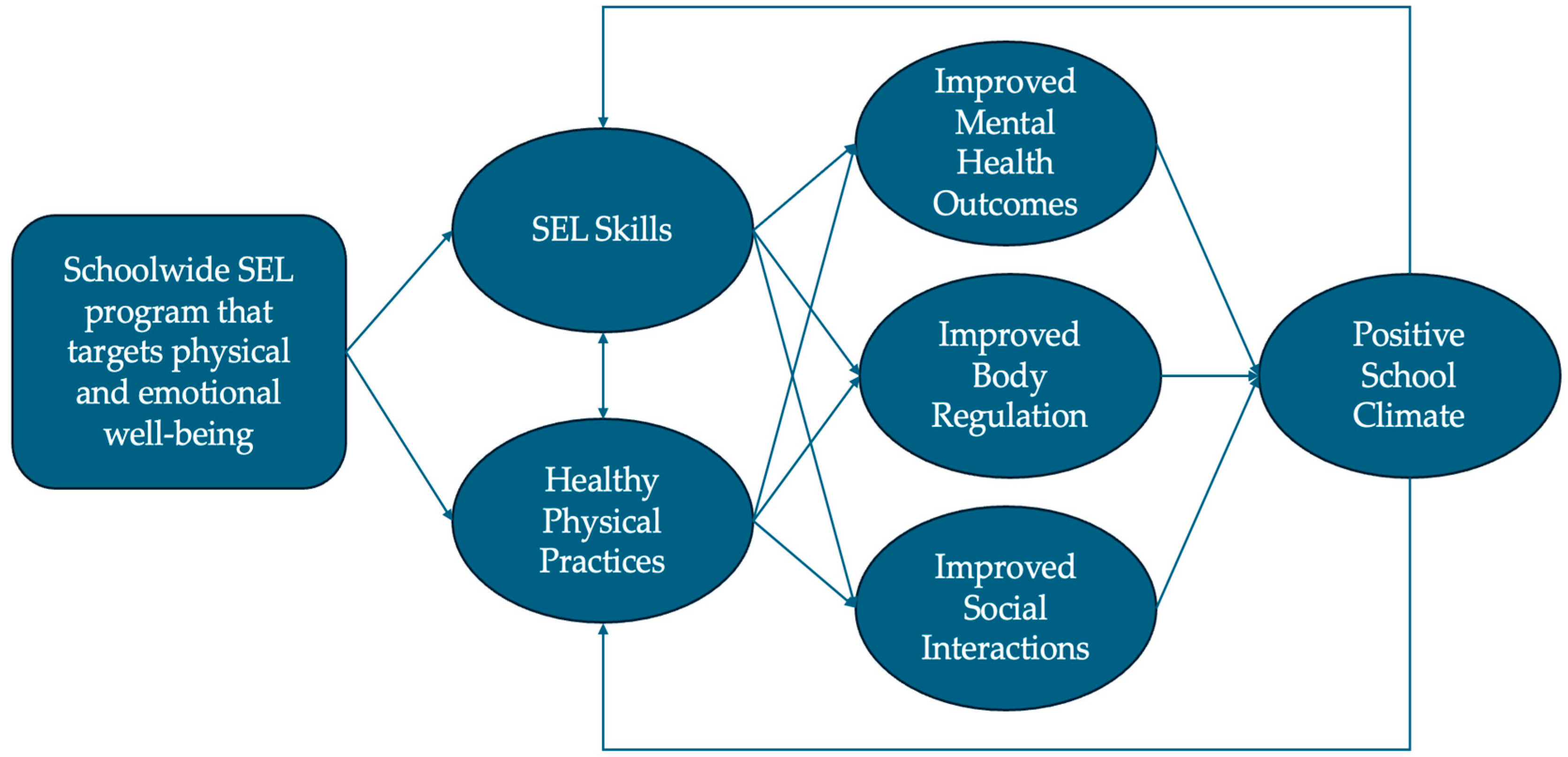
Figure 1. Reciprocal relationships between SEL skills, student outcomes, and school climate.
Education 16 00511 g001
Table 1. Parent and Child Demographic Information.
Parent (N = 29)
Race/EthnicityPercentage (%)
African American/Black6.7
Asian/Asian American40
Hispanic/Latino40
Native American/American Indian/Alaskan Native3.3
Other6.7
White3.3
Marital Status
Married66.7
Living Together20
Divorced3.3
Widowed6.7
Single3.3
Child’s Grade
1st23.7
2nd14.1
3rd21.5
4th16.7
5th24.1
Table 2. Means, Standard Deviations, Paired T-Tests, and Effect Sizes for the SDQ and School Climate Scores.
M (SD)t (df)dM (SD)t (df)d
Conduct Problems (0–10)Child (N = 253)Parent (N = 29)
Pre0.47 (0.43)1.53 (252)0.10.32 (0.37)1.1 (28)0.2
Post0.43 (0.39)0.25 (0.28)
Hyperactivity (0–10)
Pre0.78 (0.47)1.26 (255)0.080.67 (0.42)0.2 (28)0.04
Post0.74 (0.45)0.65 (0.48)
Emotional Problems (0–10)
Pre0.86 (0.5)0.52
(255)
0.030.30 (0.38)−0.6 (28)0.11
Post0.84 (0.51)0.33 (0.32)
Peer Problems (0–10)
Pre0.63 (0.42)0.86
(255)
0.050.40 (0.33)−2.35 * (28)0.43
Post0.60 (0.38)0.52 (0.38)
Total Difficulties (0–40)
Pre2.73 (1.25)1.5 (255)0.091.68 (1.14)−0.44 (28)0.08
Post2.61 (1.23)1.75 (1.1)
Prosocial Behaviors (0–10)
Pre1.58 (0.41)−2.17 * (255)0.131.51 (0.4)−0.15 (28)0.03
Post1.65 (0.37)1.52 (0.43)
School Climate
A-CSCI (n = 93; 0–5) Pre4.280.18 (92)0.02---
Post4.26-
CSCI (n = 158; 13–65) Pre54.19−1.43 (157)0.11---
Post55.38-
Notes: M, mean; t, t-test; d, Cohen’s d; A-CSCI, Abbreviated Comprehensive School Climate Inventory completed by 1st and 2nd graders; CSCI, Comprehensive School Climate Inventory completed by 3rd to 5th graders; * p < 0.05; score ranges for each measure are indicated in parentheses.
Table 3. Dimensions and Categories that Emerged from Focus Groups at Pre- and Post-Test.
ThemeFrequencyExamples
Pre-TestPost-Test
School factors—Factors related to the implementation of the program in their specific school system and organization
Time21%12%“I think there’s just no time in our day with everything else we have to do” (Pre-test)

“First period on a Monday, not very ideal. Because everyone’s late, and a Monday, we don’t always have school on a Monday.” (Post-test)
Issues with
Materials
6%7%“We don’t have the books yet we’re waiting for the books” (Pre-test)

“Everybody did it this year, they’re just going to get a repeat.” (Post-test)
Planning Program/Communication5%13%“I don’t know if that’s what they wanted us to do or not” (Pre-test)

“Yeah, I mean, it just we know now what we need to do. So that helps with planning for next year.” (Post-test)
Program factors—Factors related to how the program was designed and transmitted to teachers
Age appropriate2%13%“I just know the words that got to me were ‘obscure’ and ‘grime’ and just trying to explain to a seven-year-old what that means is going to be very time consuming.” (Pre-test)

“It was hard for them to understand a lot of the concepts because of the age. Also, they’re five, four and five.” (Post-test)
Vocabulary5%6%“A lot of it is written with like metaphors and similes and… vocabulary that is very above their heads.” (Pre-test)

“We had to stop each page and go over, what does invincible mean? Like, all these words that they were never exposed to and then how it was worded. So, it turned more into like an ELA type lesson.” (Post-test)
Website0%3%“I think it was good, the website, ‘cause everything is there. It’s all in one place; it’s easy to find the sections.” (Post-test)
Teacher Training2%5%“We have the same books we just said we just weren’t really sure ourselves what they were supposed to draw.” (Pre-test)

“We had to read the book. We read her our biographies for over an hour and nothing to do with training.” (Post-test)
Teacher factors—Factors related to how teachers perceived and implemented the program
Planning Classes22%7%“It’s I think giving up something to do it though, it’s […] that’s where I’m stuck on […] struggling with it” (Pre-test)

“We, just like what you were saying about like, I guess if you kind of combined it, right, like our other curriculum, it was totally separate for us. Completely separate.” (Post-test)
Adaptations9%16%“Even when we looked through it we said we I think they like the idea of illustrating
T3: Yeah, that I mean sometimes
T3: Just a little bit time
T6: Yeah, we did send it home for homework because it was like lengthy books” (Pre-test)

“We had to do things like outside of Nalini a little more. I know you guys did too, like socioemotional activities to get them, get it tied in. But that’s like, you know. I think each classroom did their own thing.” (Post-test)
Student factors—Factors related to the students as target population of the program
Outcomes5%4%“We’ve been noticing like as the year progress like they just come off of like lots of feelings, so we do like a mood meter in our room” (Pre-test)

“They do have these socioemotional problems, right? Where, like, dealing with expressing themselves, so I do feel like in many ways it did help.” (Post-test)
Social and Emotional Learning17%6%“Of course, it’s a big need in our building and if NaliniKIDS gives them help in expressing their feelings and being aware of their own feelings it would be helpful” (Pre-test)

“Yeah, I don’t know your books, I think the kids connected to, like, the emotional words, they know what the emotions are.” (Post-test)
Physical Exercises0%7%“The kids loved the exercise, so that’s good. It got some of their energy out. They liked connecting to the word.” (Post-test)
Multicultural Considerations1%3%“They’re coming in and like they didn’t get a lot of sleep because they got in trouble last night or they were up too late like watching certain things then like they’re sad” (Pre-test)

“Sometimes they don’t have a computer. They don’t know what internet is. […] And the, they also the English language learners.” (Post-test)
Disclaimer/Publisher’s Note: The statements, opinions and data contained in all publications are solely those of the individual author(s) and contributor(s) and not of MDPI and/or the editor(s). MDPI and/or the editor(s) disclaim responsibility for any injury to people or property resulting from any ideas, methods, instructions or products referred to in the content.


