Article

A Comparative NLP-BASED Sentiment Analysis of Basic Psychological Needs and Engagement Among Students with and Without Disability Accommodations in a Design Thinking Course with HyFlex Settings

1
Department of Technology Leadership and Innovation, Purdue University, West Lafayette, IN 47907, USA
2
Technology and Engineering Teacher Education, Purdue University, West Lafayette, IN 47907, USA
3
Department of Special Education, The University of Illinois Chicago, Chicago, IL 60607, USA
4
Department of Educational Studies, Purdue University, West Lafayette, IN 47907, USA
*
Author to whom correspondence should be addressed.
Educ. Sci. 2026, 16(3), 457; https://doi.org/10.3390/educsci16030457
Submission received: 12 December 2025 / Revised: 14 February 2026 / Accepted: 16 March 2026 / Published: 17 March 2026
(This article belongs to the Special Issue Rethinking Engineering Education)

Abstract

Although HyFlex teaching has been studied for decades and has become part of the teaching norm since the 2020 pandemic, studies have generally not investigated the learning experiences of students with disabilities in HyFlex classrooms. This study compared the basic psychological needs (BPN) and engagement of undergraduate students who did (SwA) and did not (SwoA) request academic disability accommodations in an introductory, active learning, human-centered design thinking course, a core component of engineering technology education. Data were collected from 3748 primarily first-year undergraduate engineering technology students between fall 2021 and spring 2024, 126 of whom requested disability accommodation through the disability office. The data sources consisted of an end-of-course survey, in which students reported their basic psychological satisfaction level on a Likert scale and described their BPN experiences and engagement in response to open-ended survey questions. As a novel contribution, this study integrates the descriptive analysis of Likert-scale measures with textual- and word-level sentiment analysis, advancing conceptual understanding of reported BPN satisfaction and engagement and revealing divergent patterns across analytic approaches. While the SwA group reported lower scores across all BPN constructs compared to their counterparts, the highest number of them provided positive feedback statements across all BPN domains. Conversely, the SwoA group reported higher BPN scores across all constructs, yet the highest number of them used negative sentiments in their responses across all BPN constructs. The majority of SwA provided positive feedback on autonomy satisfaction, while the majority of SwoA’s positive feedback was on relatedness to the instructor. Future directions for advancing engineering technology education and disability data collection in higher education are provided.

1. Introduction

Although scholarly discussions of the benefits of HyFlex instruction in educational settings have been ongoing for almost two decades, its implementation and systematic investigation were enhanced after the pandemic of the early 2020s (Barr & Luo, 2025; Mahrishi et al., 2025). Over the past five years, HyFlex has gained increased recognition worldwide; more than 10 countries have adopted HyFlex teaching across a range of academic disciplines (Morrison et al., 2025), using dozens of different technologies (Barr & Luo, 2025). Studies discuss the four principles of HyFlex that allow for building flexible instruction (Beatty, 2019; Bockorny et al., 2024). The first principle provides students with a preferred mode of participation, either remote, face-to-face, asynchronous, or synchronous, or on a daily, weekly, or topic-based basis. The second principle highlights the equivalence of learning outcomes across participation modes. The third suggests reusing instructional materials created by instructors, as well as artifacts generated by remote and in-person students during class activities, as learning materials for future courses. The last principle necessitates equipping instructors and students with essential technology skills, including how to use those skills, and making online materials digitally accessible to all students regardless of their attendance modality (Beatty, 2019). Considering these benefits to learning, scholars highlighted HyFlex as a practical instructional model for the future of higher education (Benito et al., 2021).
In the past decade, scholars have examined the practicality of HyFlex principles from multiple learning perspectives (Barr & Luo, 2025). Engagement in HyFlex courses has primarily been examined through quantitative indicators such as course grades (He et al., 2015; Magana et al., 2022) or comparisons of academic performance between online and face-to-face students (Gillis & Szabo, 2025). Statistical analysis consistently found that students reported significantly higher scores of basic psychological needs (BPN) satisfaction in HyFlex settings (Holzer et al., 2021; Mentzer et al., 2023) compared to traditional face-to-face instruction (Mentzer et al., 2024). However, studies largely conceptualized engagement and BPN as an outcome measured by scores that did not capture the affective tone, such as positive or negative, of students’ experience in the fulfillment of these needs. A small number of studies have explored BPN thematically, identifying key discussion points in students’ narratives, yet these analyses do not capture the affective tone of students’ reflections. As a result, existing research does not report on qualitative differences, such as ambivalence or dissatisfaction, that coexist with reported need satisfaction.
Despite growing research on the impact of HyFlex instruction on student learning, its effect on learning among students with disabilities in higher education is overlooked. Existing studies on HyFlex instruction have primarily focused on the learning experiences of the general student population. Given the increasing number of students with diverse disabilities in higher education (U.S. Government Accountability Office, 2024) and the flexibility that HyFlex offers in teaching and learning, it is critical to explore learning experiences of students with disabilities in HyFlex settings. Additionally, in disability-focused research, autonomy, competence, and relatedness were often examined independently, without being explicitly framed within Self-Determination Theory. To address this gap, the present study examined and theoretically compared the BPN satisfaction and engagement among undergraduate students with and without disability accommodations in an introductory, human-centered, design thinking course delivered through HyFlex. We combined the descriptive analysis of Likert-scale measures with textual and word-level sentiment analysis to advance conceptual understanding of students’ reported satisfaction scores with autonomy, competence, relatedness, and engagement, extending prior work that has primarily relied on thematic and statistical analysis in isolation. Because the human-centered design process is foundational in engineering education (Adams et al., 2003; Atman, 2019), the results of this study also offer implications for improving engineering and technology instruction to better meet diverse student learning needs in HyFlex settings.

1.1. Self-Determination Theory

Self-Determination Theory has been widely used across diverse fields to explain students’ learning behavior. Deci and Ryan (2000) argued that as part of Self-Determination Theory, BPN, including autonomy, competence, and relatedness, are the “innate psychological nutriments” (p. 229). Fulfilling these needs supports intrinsic motivation and engagement, whereas thwarting them is associated with decreased engagement (Deci & Ryan, 2000). Indeed, empirical studies indicate that satisfying BPN contributes to higher levels of engagement among the general student population (Li et al., 2025). In the educational framework, autonomy is described as intentional actions of self-regulation and ownership; relatedness refers to social connectedness with parties involved in the learning process, such as peers and instructors; competence implies a sense of effectiveness and mastery in performing (Ryan & Deci, 2017).
There are various ways for instructors to support students’ BPN in class. For example, instructors can support students’ autonomy by providing more time to grasp the content and ask questions (Reeve & Cheon, 2021) and by incorporating students’ interests and needs into the learning content and acknowledging their feelings about the learning process (Reeve et al., 2020; Terrón-López et al., 2017). Competence can be supported by designing challenging tasks that match students’ skill levels to foster a sense of accomplishment (Terrón-López et al., 2017) and by providing constructive feedback that helps students recognize their progress (Ambikairajah et al., 2021; Han, 2021). Relatedness can be supported by teachers creating opportunities for students to work together, engage in group projects, and share experiences in a safe environment, thereby enhancing a sense of connectedness among students and teachers as a community (Yusof et al., 2019). When students’ autonomy (Johansen et al., 2025), competence (Almarwani et al., 2024; Hofverberg et al., 2022), and relatedness needs (Benlahcene et al., 2021; Hofverberg et al., 2022) are satisfied, their performance and engagement increase, with relatedness being the strongest constituent (Wang et al., 2019).

1.2. BPN and Engagement in HyFlex Settings

As an instructional model, HyFlex supports BPN in various ways. By design, it provides autonomy in the form of choosing a model of participation from among in-person, synchronous online, or asynchronous (Beatty, 2019) that increases students’ acceptance rate (Yang et al., 2025) and attendance (Hapke et al., 2021) and that minimizes distraction and creates a safe zone for some students (Bockorny et al., 2024). Whether students decide to participate face-to-face or remotely, all students can listen to the live-streamed presentation and interact with peers simultaneously (Heilporn & Lakhal, 2021; Lakhal et al., 2017). In an asynchronous mode, students can interact with lesson content by watching online video recordings and communicating with peers through discussion forums (Lakhal et al., 2014). The flexibility built into HyFlex has significant implications for promoting learner autonomy (Fujii, 2024), fulfilling BPN, and thus engagement (Darmawan, 2025; Heilporn & Lakhal, 2021).
Studies consistently describe HyFlex as an effective instructional model for fostering meaningful connections between students and instructors (Athens, 2023; Mentzer et al., 2024). However, in peer connectedness, although students from different disciplines, including science, technology, engineering, and mathematic (STEM), suggested that hybrid learning would facilitate social connection between instructors and peers (Kiltz et al., 2023), studies examining peer connectedness in a HyFlex environment showed inconsistent results (Athens, 2023; Howell et al., 2025; Yang et al., 2025; Kiltz et al., 2023). Nevertheless, in HyFlex environments, students who demonstrate higher levels of self-directed learning are better able to transform the enjoyment derived from class interactions into overall satisfaction (Choi et al., 2024).
There is limited research on how HyFlex instruction influences students’ competence satisfaction. While students’ competence frustration was significantly lower in HyFlex settings compared to traditional course delivery, their satisfaction levels were only marginally higher (Mentzer et al., 2023). In a subsequent study comparing the fall and spring semesters, Mentzer et al. (2024) found that students reported significantly greater competence satisfaction in the spring semester; however, this was not the case in the fall. These limited findings suggest that contextual factors, such as timing and instructional adaptation across semesters, may influence how students perceive their competence in HyFlex courses.
The effectiveness of the HyFlex model with regard to engagement, which remains open, has mostly been studied in connection with student performance (Adeel et al., 2023; Calafiore & Giudici, 2021; Lakhal et al., 2014; Magana et al., 2022). Some studies claim that HyFlex poses challenges in engaging both online and face-to-face students simultaneously and in supporting remote students’ academic success (Gillis & Szabo, 2025), while others report no difference in engagement and performance between modalities (Adeel et al., 2023). The level of engagement is important because high engagement in HyFlex settings has been associated with higher course grades (Adeel et al., 2023). However, empirical findings on the overall impact of HyFlex instruction on course grades remain inconsistent (He et al., 2015; Magana et al., 2022; Mentzer et al., 2023; Miller et al., 2013). These mixed results suggest that students’ engagement in HyFlex courses warrants further investigation to identify effective strategies for engaging both virtual and face-to-face students simultaneously.

1.3. BPN and Engagement Among Students with Disabilities

In disability research, autonomy, competence, and relatedness were mainly examined as isolated constructs rather than as theoretically integrated components of Self-Determination Theory. Studies show that the BPN of students with disabilities can be supported through multiple avenues, including providing assistive technologies (McNicholl et al., 2023), implementing disability accommodations (Goegan et al., 2023), and demonstrating of support and acceptance for their diverse learning needs (Cmar & Markoski, 2019). Studies suggest that barriers to the effective use of technology, an “enabler of academic engagement,” can impede classroom engagement (McNicholl et al., 2021, p. 136; Rizk & Hillier, 2022). When students’ assistive technology needs (e.g., hearing, visual, and mobility aids) are met and their frequent use is supported in the classroom, students’ engagement increases and positively impacts their competence satisfaction (McNicholl et al., 2023; Saunders & Jutai, 2004).
Studies suggest that, beyond assistive technology, the overall provision and effective use of disability accommodations in higher education influence students’ BPN. For example, when the structure of assignments aligns with the learning needs of students with dyslexia, in a variety of disciplines including engineering, student satisfaction increases significantly across all BPN constructs (Goegan et al., 2023). Feeling supported and having their learning disability accepted by others positively impacted the performance of students with dyslexia and was identified as a key factor contributing to their satisfaction with autonomy, competence, and relatedness (Goegan et al., 2023). Providing alternatives for test-taking, allowing students to organize their assignments as they want, and allowing students to select options that meet their needs were critical to autonomy satisfaction (Daley et al., 2016). Competence frustration, however, was related to external comments that described students with disabilities as incapable due to their diagnosis and as not putting in enough effort to complete tasks (Goegan et al., 2021; Lisle & Wade, 2014).
Disclosing a disability identity, along with the provision and support of disability accommodations, was perceived as a key resource for relatedness satisfaction. However, this often coincided with negative attitudes from faculty and peers. Due to negative faculty attitudes, students with psychological and cognitive disabilities, including attention-deficit/hyperactivity disorder (ADHD) and autism, were significantly less likely to seek assistive technology services, even though its use was a strong predictor of a higher final GPA (Simpson, 2020). This pressure is particularly higher in STEM classrooms, which students have described as fostering “a culture of excessive competition” that negatively impacts relationships among peers and with faculty members (da Silva Cardoso et al., 2016, p. 384). In some cases, faculty members viewed accommodation requests as a sign of students being “dumb,” leading to resistance, such as questioning the necessity of signing test accommodation forms (da Silva Cardoso et al., 2016, p. 381). Consequently, students who declined to use accommodations due to various uncontrollable factors reported feeling significantly less comfortable discussing their accommodation needs with peers and staff members (Smith et al., 2021). Similarly, students with dyslexia reported that their accommodation requests for assignments were negatively perceived by instructors and peers, who labeled them as “lazy” leading to lower relatedness satisfaction than autonomy and competence satisfaction (Goegan et al., 2023, p. 249). Researchers suggested strategies, such as discussing the assignment submission deadline with students, acknowledging and considering their emotional situation in the assignment design process (Daniels et al., 2021), engaging them in discussion, and offering greater encouragement (Kim & Kutscher, 2021), can help maintain and expand the relatedness. It is important to have high-level relatedness satisfaction among students with disabilities because it is an important factor in engagement (Loopers et al., 2024). Although the number of students with disabilities in higher education has gradually risen over the years (National Center for Education Statistics, 2024) and the number of national universities implementing HyFlex across the United States has increased (Morrison et al., 2025), no studies to date have focused on investigating the BPN experiences of students with disabilities in HyFlex settings.

1.4. Purpose and Research Question

At a large Midwestern university in the United States, we adopted the Interactive Synchronous HyFlex model. Due to the course’s active learning focus, this version of HyFlex designed based on synchronous participation, emphasizing real-time interactions among students within and across teams, as well as between students and instructors (Mentzer et al., 2025). Student engagement was a cornerstone of this HyFlex modality, with synchronous participation intended to facilitate collaboration and interaction regardless of students’ physical locations. This approach allowed students to participate either in person or synchronously online. Additionally, several academic disability accommodations, including recording learning sessions, sharing transcripts with students after the session, and allowing students to submit some assignments in alternative formats such as drawings or writing, were built into the teaching. However, it remains unclear how effectively these instructional elements, some of which were part of academic disability accommodations, address BPN and engagement of students with and without disabilities in HyFlex settings.
The literature reviewed indicates that studies examined BPN satisfaction levels of students with and without disabilities using self-reporting Likert scales, and a few studies analyzed open-ended survey responses thematically. However, research on the experiences and sentiments of students with disabilities regarding autonomy, competence, relatedness, and engagement in HyFlex settings remains limited. This study combined quantitative research method with sentiment analysis to compare at the same time Likert-scale scores and sentiments of open-ended survey responses on autonomy, competence, relatedness, and engagement between undergraduate students with (SwA) and without disability accommodations (SwoA). A question guiding this research was how SwA and SwoA express their levels of autonomy, competence, relatedness, and engagement in a HyFlex environment.

2. Methods

This observational study used secondary, self-reported survey data collected by the university as part of routine institutional assessment, consisting of Likert-scale items and open-ended responses. Using cross-sectional data collected at a single time point, the study combined descriptive statistics with sentiment analysis. We employed a Natural Language Processing (NLP) technique for sentiment analysis in order to gauge students’ opinions and sentiments regarding autonomy and competence satisfaction, instructor connectedness, and engagement (Birjali et al., 2021; Liu, 2020). This analysis of the open-ended survey responses allowed us to delve deeper into the sentimental nuances of students’ experiences and to better understand their satisfaction levels with autonomy, competence, relatedness, and engagement. The sentiment analysis followed a systematic and replicable procedure and was interpreted in combination with quantitative survey findings. This triangulation allowed for the identification of convergent and divergent patterns across data sources, enhancing the trustworthiness of the findings beyond computational accuracy of metrics alone. Data were collected with the approval of the university’s Institutional Review Board’s.

2.1. Settings

As a part of the university’s core curriculum, the introductory design thinking course is mandatory for all undergraduate students at the college. Students were taught in several smaller sections, each consisting of approximately 40 students. However, the course content, assignments, evaluation rubrics, and grading were consistent across all sections, and all instructors taught the same content at the same time. The course was conducted twice a week in 50 min sessions. Students could attend the class either in person or virtually when they could not make it to class. Some instructors required students to inform them of their virtual attendance beforehand.
Microsoft (MS) Teams served as the primary meeting tool in the course. Each class session was initiated on MS Teams, regardless of students’ attendance mode, and all sessions were recorded. At the conclusion of each session, the recorded video link and automatically generated transcripts from MS Teams were shared in the chat specific to the course section. The classroom space allowed students to rearrange their seating around worktables for group activities, use whiteboards for collaborative work, and access power outlets from where they were seated in order to utilize their personal electronic devices during class. To facilitate small-team collaboration between in-person and remote members, instructors provided in-person students with a Bluetooth speaker puck as an alternative to their individual laptop microphones. Moreover, course coordinators ensured all necessary course materials were accessible digitally on Brightspace, the designated learning management system for the course.
Instructors offered virtual office hours via MS Teams, allowing students to connect via text, audio, or video. Additionally, students were allowed to submit some assignment either as drawings or by writing on paper. To enrich collaboration among students and their teams, instructors established both general and small-team channels in MS Teams. Students could communicate with each other and join discussions either verbally or by typing in MS Teams chat. They also utilized various digital whiteboards where both on-site and remote students could collaborate on projects.

2.2. Data Sources

2.2.1. Participants

This study used secondary data from 3784 undergraduate students enrolled in an introductory course on design thinking in technology, offered between fall 2021 and spring 2024, and was delivered in a HyFlex format. During data cleaning, students who discontinued participating after the first two weeks (university’s official first course drop deadline) were excluded from the study. Additionally, for students who took the course more than once, only their most recent semester record was retained, reducing the final dataset to 3748 participants, including 2805 males and 723 females.
Under the American with Disabilities Act and Section 504 of the Rehabilitation Act of 1973, students who requested accommodation through the university’s disability office were considered students with disabilities. However, studies consistently report that not every student with a disability registers with the disability office or requests accommodation through that office (Schelly et al., 2011; Wagner et al., 2005). This fact prevents us from defining students who did not request academic disability accommodation as students without disabilities. To avoid this misrepresentation, instead of using students with and without disabilities, we defined them as students with and without disability accommodation.
In total, 126 students requested academic disability accommodations through the Disability Resource Center, and 3622 did not. The average age was 18.9 (SD = 0.99) for SwA and 19.12 (SD = 1.89) for SwoA. By ethnicity, most participants in both groups were from the overrepresented group (nSwoA = 2472, nSwA = 100), which includes White and Asian American students, followed by the underrepresented group (nSwoA = 532, nSwA = 22), which includes Blacks or African American, Hispanic/Latinos, American Indians or Alaska Natives, Native Hawaiian/Other Pacific Islanders, and two or more races (National Center for Science and Engineering Statistics, 2019; United States Census Bureau, 2023). There were no international students in the SwA group, whereas there were 443 in the SwoA group. In both groups, most students earned 0–29 credit hours (nSwoA = 1759, nSwA = 65), followed by students with 30–59 credit hours (nSwoA = 1137, nSwA = 42), and 60 + credit hours (nSwoA = 632, nSwA = 19).

2.2.2. BPN and Engagement

At Purdue University, students’ BPN were measured using an instrument developed based on Self-Determination Theory. The BPN Scale (BPNS) was adapted across campus by the Center for Instructional Excellence and provided access to the results for our analysis. The survey consisted of four subscales: autonomy satisfaction (4 items), competence satisfaction (4 items), relatedness to instructors (3 items), and relatedness to peers (3 items). The question related to engagement was not included in the survey by the center. A Likert-type scale ranging from strongly agree (7) to strongly disagree (1) was used to measure all items on a 7-point scale.
A few weeks before the end of the course, the BPNS survey was administered to students. Students were incentivized with extra credit worth 1% of the course grade. Upon completing the survey, students were prompted to answer three open-ended questions about BPN and one question about engagement. The first BPN question asked students to describe how their instructor provided choices or options in the course, addressing their autonomy satisfaction. The second focused on competence satisfaction, asking students how the instructor offered opportunities to demonstrate learning. The third inquired about students’ sense of connectedness with the instructor, asking what actions the instructor took to connect with them in the course. The question on engagement asked students to describe what their instructor did to help them feel engaged. Due to voluntary participation in the survey, a total of 1271 students (47 SwA, 1224 SwoA) reported on the Likert scale for descriptive analysis and out of them 768 students (30 SwA and 738 SwoA) responded to open-ended questions. The 768 students yielded a total of 1582 usable statements, used for sentiment analysis.

2.3. Data Analysis

We addressed the research question in two steps: first, a descriptive analysis of BPN, and second, a sentiment analysis of BPN and engagement at the contextual and word level. The sentiment analysis was carried out using Python 3.11.4.

Sentiment Analysis

The initial step in the analysis was data cleaning. As a first step, we converted all text to lowercase to avoid potential problems that may arise from case differences. Next, we eliminated all non-word characters and numbers from the text. Third, to remove noise from the text, we excluded common words that do not carry much valuable information (e.g., “to,” “she,” “is,” and “the”) using the Stopwords module from the Natural Language Toolkit (NLTK) library. Finally, we performed lemmatization using the WordNetLemmatizer module from the NLTK library. This process returned words to their root forms, so that words like “deciding” and “decided” were both treated as “decide.” These steps ensured that the text data was clean, consistent, and ready for accurate analysis. Table 1 gives an example of the data preprocessing.
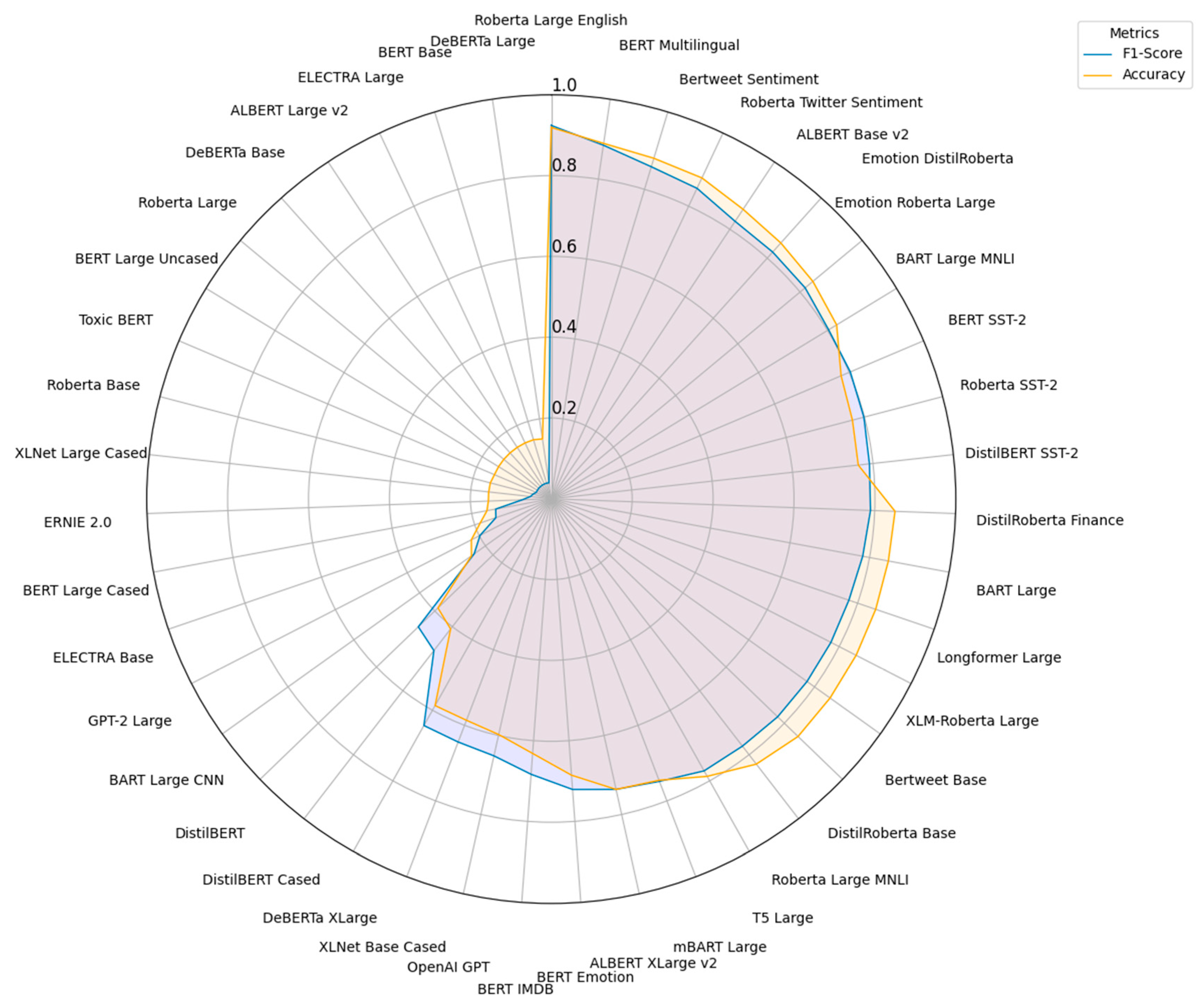
The next step in sentiment analysis was to define the best NLP model for contextual-level analysis, given the nature of our qualitative data. There were two main challenges in determining the best-performing model. First, the responses to open-ended questions often included incomplete sentences, informal language, and grammatical errors. Second, since NLP models are pre-trained, they can have training data bias. For example, the term “dictator,” used by one student to describe their instructor, was considered a neutral sentence by most of the models we used. However, this interpretation is incorrect for our open-ended question responses. To address these issues, given the overall sample size of our qualitative data, we randomly selected 334 from the 1582 statements (Israel, 1992). The selected statements were manually coded for positive and negative sentiment by the first author. As the purpose of manual coding was model validation rather than primary analysis, a single evaluator conducted the labeling. This sample was then tested against 43 NLP models. We recorded the accuracy and F1 scores for each model, aligned with our manual sentiment analysis (Figure 1). The Robustly optimized BERT approach (RoBERTa) Large English library with the highest F1-Score (92%) and accuracy (92%), was selected for our sentiment analysis. The confusion matrix showed that the model correctly identified 260 of 283 positive answers and 47 of 51 negative answers. The RoBERTa Large English transformer model creates outputs of sentiment probabilities for positive and negative classes on a scale from 0 to 1. Higher values indicate more substantial model confidence in each sentiment category.
Given that positive sentences may still contain negative or neutral words, and negative sentences may also contain positive wording, we conducted a word-level sentiment analysis using the Valence Aware Dictionary for sEntiment Reasoning (VADER) lexicon. Running a word-level sentiment analysis on the raw qualitative data is recommended to preserve sentiment-bearing features such as punctuation, capitalization, and intensity modifiers, which are essential for accurate polarity detection (Hutto & Gilbert, 2014). However, because our goal was not to detect full-sentence polarity but to quantify sentiment associated with individual words, we used the cleaned dataset for this analysis.

3. Results

3.1. Descriptive Analysis

The descriptive statistics of variables by group showed that the minimum and maximum BPN scores for each subscale ranged from 1 to 7 for both groups, except for the relatedness to peer subscale in SwA group (Table 2). In that subscale, the minimum mean score SwA was 1.67, indicating that their responses were close to “Disagree” (2 on the scale), whereas in SwoA group it was “Strongly Disagree” (1 on the scale). For both groups, competence satisfaction was the highest-rated need (MSwA = 5.17; MSwoA = 5.49), while SwoA also reported an equally high level of satisfaction for relatedness to the instructor (M = 5.49). The lowest-rated need for both groups was autonomy (MSwA = 4.4; MSwoA = 4.86). Overall, the means for all SwA subscales were descriptively lower than those for SwoA.

3.2. Sentiment Analysis

Contextual-level sentiment analysis using the RoBERTa Large English model indicated that feedback from both groups was positive across all BPN constructs, with positivity percentages ranging from 75% to 100% (Table 3). For the SwoA group, 89.1% of students had positive statements on relatedness to the instructor with a high positivity intensity (Median = 0.997). The relatedness to the instructor had the highest percentage of students’ positive statements compared to other constructs in the study, followed by autonomy satisfaction (88.5% of students, Median of intensity = 0.996) and engagement (86.5% of students, Median of intensity = 0.999). This group of students showed the least positivity toward competence satisfaction (82.8% of students, Median of intensity = 0.997) compared to the other categories.
In the SwA group, all statements related to autonomy satisfaction were positive (100%, Median = 0.995), followed by relatedness to the instructor (92.9% of students, Median of intensity = 0.997), and competence satisfaction (85.7%, Median of intensity = 0.996). The lowest proportion of positivity in this group was observed for engagement (75% of students, Median of intensity = 0.998). Together, statements most frequently reflected positive sentiment regarding relatedness to the instructor (89.2% of students, Median of intensity = 0.997), whereas competence satisfaction showed comparatively lower positivity (82.9% of students, Median of intensity = 0.997).
The five most frequently used words reported at word-level sentiment analysis using the VADER model are shown in Table 4. Consistent with the high percentage of positive sentiments in the contextual-level analysis, positive words appeared more frequently than negative ones. Of the groups, SwoA used more negative word instances than SwA. In describing autonomy satisfaction, both groups referenced themes related to a sense of freedom, being allowed to act, and the ability to pursue what they want (SwoA: want → allow → freedom → solution → create; SwA: allow → freedom → want → wish → inspiration). SwA additionally used “inspiration” and “wish,” while SwoA referenced “solution” and “create” to describe their autonomy satisfaction. While no negative comments were identified in SwA statements on autonomy satisfaction, SwoA statements included words such as “problem,” “difficult,” “demand,” “limited,” and “restrict,” to express their negative sentiments.
To describe their competence satisfaction, both groups used different sets of words, except for the word “progress.” SwoA statements appeared to highlight the role of help and guidance in enabling their progress (help → sure → allow → well → progress), and SwA statements describing their competence satisfaction included terms related to interest, and value of learning, using words such as “like,” “friends,” “progress,” and “worthwhile” (interest → like → friends → progress → worthwhile). For negative sentiments, both groups used relatively few words, such as “idk” (I do not know) or statements indicating that they may have nothing to share (SwA: linkedin → nothing → really). Additionally, SwoA’s statements included negative words such as “stresses,” “problem,” “idk,” “unfortunately,” and “weaknesses.”
Both groups appeared to use distinct sets of words to describe their experiences of relatedness with the instructor. SwoA’s statements more frequently referenced themes of opportunity and allowance (opportunity→ allow → like → well → help). SwA’ statements included fewer and more varied words, referencing creativity and solution, and expressing reassurance and positivity (create → sure → super → solution → creative). Negative sentiments within the SwoA statements included words such as “lack,” “idk,” “problem,” “waste,” and “limited,” which may indicate insufficient connection or unmet needs. However, SwA’s negative responses, while limited in frequency, included more situational and task-specific words (begin → everything → midterm → didn’t → learn).
In describing engagement, both groups referenced help, engagement, and a sense of certainty, using words like “sure.” In statements, SwoA included words suggesting positive and encouraging experiences (help → engage → sure → good → encourage), while SwA responses may indicate the elements of creativity and opportunity (sure → help → created → engage → opportunity). For negative sentiments, SwA statements included isolated terms such as “sucked,” “leave,” and “failed” (leave → failed → sucked), while SwoA responses contained more elaborate negative descriptions, using words such as “useless,” “boring,” “confused,” “lack,” and “waste.”
There are several positive words SwoA frequently reused across all BPN constructs and engagement, including “allow” (123), “help” (97), “sure” (53), and “well” (25). Their most common negative words included “problem” (13), “lack” (4), “idk” (3), “waste” (3), and “limited” (2). However, the SwA group showed fewer instances of repeated positive word–“sure” (4) and “help” (2)–across the constructs, whereas no single negative word emerged as consistently reused.

4. Discussion

To our knowledge, this study is the first to examine engagement and BPN satisfaction of SwA and, using quantitative measures and sentiment analysis to descriptively compare their experiences with those of their peers without disability accommodations (Table 5). Notably, the quantitative and sentiment analyses appeared to reveal differing patterns, highlighting the dimensions of students’ experiences that are not observable through a single analytic approach, advancing prior research both methodologically and conceptually. The descriptive results suggest that SwA reported lower Likert-scale scores across all BPN constructs compared to their SwoA peers, yet their feedback on experiences was predominantly positive across all BPN domains, except engagement. By contrast, SwoA reported high scores for all BPN constructs, yet most students’ narrative feedback contained negative sentiments when describing their psychological satisfaction, except for engagement, where more positive sentiments were observed than their counterparts. While some findings of this study were unexpected, they nevertheless provide important exploratory insights into possible BPN support of students with and without disability accommodations in Interactive Synchronous HyFlex settings. These implications may also extend to other forms of HyFlex instructional delivery in engineering technology courses.

4.1. Autonomy Satisfaction

The first unexpected and conflicting results were related to autonomy satisfaction. Compared to other BPN constructs, the exploratory pattern of descriptive results suggested that in Interactive Synchronous HyFlex settings, autonomy was the least satisfied need for both groups of students (MSwA = 4.4; MSwoA = 4.86). This result is unexpected because, as one of the core principles of HyFlex, autonomy should provide students with options regarding attendance (Beatty, 2019), which the general student population has highly appreciated (Adeel et al., 2023; Athens, 2023; Hapke et al., 2021). This satisfaction was also significantly higher in HyFlex settings than in traditional face-to-face instructional delivery (Mentzer et al., 2024).
Despite reporting the lowest Likert score in autonomy satisfaction, SwA’s written feedback had the highest percentage of positive context (100%) compared to other constructs, while for SwoA, it was the second most positively described (88.5%). Both groups used “want,” “allow,” and “freedom” frequently to express their positive sentiments, suggesting that a shared emphasis on choice and the ability to act independently might be both central to their sense of autonomy. Although the present data are limited in explaining the reasons for the discrepancies between descriptives and sentiment-based findings for SwA, prior research suggests several plausible explanations. One possible explanation for the predominance of positive sentiments may reflect students’ reluctance to explicitly articulate challenges associated with inaccessible learning environments (Hagman, 2021), despite evidence that such environments can hinder the productivity of students with disabilities (Tipi, 2023). Additionally, students with disabilities may experience satisfaction differently due to prior classroom experiences marked by limited recognition or acceptance of their disabilities (Hsu et al., 2021; Nieminen et al., 2024). In such contexts, even relatively minimal accommodations may be perceived as meaningful or affirming, potentially leading to heightened satisfaction or excitement (Burgstahler et al., 2000). By contrast, students without disabilities—who may be accustomed to instructional environments that more routinely align with their needs—might require more substantial supports to report comparable levels of satisfaction. It is also plausible that some students with disabilities reported satisfaction without formally disclosing their disabilities, interpreting available supports as sufficient or preferable to requesting additional accommodations (Newman et al., 2021).
Another interpretive lens involves the design features of the HyFlex model itself, which may have functioned as de facto accommodations. The flexibility to choose how to participate in class sessions, collaborate on course projects aligned with personal learning interests, and submit certain assignments through alternative formats may have fostered a sense of autonomy and control over learning experiences. For students with disabilities, these features could have been especially salient, potentially enhancing perceptions of support and autonomy satisfaction (Daley et al., 2016; Goegan et al., 2023). Future research could more directly examine how such flexible instructional designs intersect with disability disclosure, accommodation use, and students’ subjective interpretations of support.
A small set of 11.5% of students’ feedback in the SwoA group had a negative context, with a high strength of negativity (Median of intensity = 0.995). The negative words they used, such as “problem,” “difficult,” “demand,” “limited,” and “restrict,” suggest the pattern of students sometimes experiencing autonomy as constraining or burdensome, which can be explained by the instructional design in Interactive Synchronous HyFlex. Although remote synchronous attendance options were provided by default to students in class, some instructors highlighted in their syllabus that remote attendance is for emergency cases and required students to inform them in advance. In other words, students did not have complete autonomy to choose their attendance modality because of instructors’ requirements. To understand the reasons for both groups’ conflicted report patterns, future studies can collect data by observations (So et al., 2022) of how well the accommodative features of HyFlex provide students with autonomy in decision making process for remote and in-person students and also by interviewing to dive deeper into the nuances of the autonomy provision for students in HyFlex settings.

4.2. Competence Satisfaction

The second conflicting exploratory result in this study was that both groups reported the highest Likert-scale scores for competence satisfaction (MSwA = 5.17; MSwoA = 5.49) compared to other BPN. However, the number of students writing positive feedback was the smallest for the SwoA group (82.8%) and third for the SwA group (85.7%). Satisfying students’ competence in the era of high technology is complicated because it may have both positive and limiting impacts on students’ competence satisfaction (Canlas et al., 2024). The strategies for achieving this satisfaction in a HyFlex environment are still undefined due to limited studies, as noted in the literature review. Compared to other BPN constructs, competence satisfaction was not consistently achievable in HyFlex settings across semesters (Mentzer et al., 2024). These inconsistencies across studies can explain the pattern of SwoA’s conflicted Likert scale scores and their use of fewer positive sentiments in feedback. Studies indicate that providing assistive technology and using it frequently in the classroom increases engagement of students with disabilities and positively affects their competence satisfaction (McNicholl et al., 2023; Saunders & Jutai, 2004). Given that Interactive Synchronous HyFlex actively utilizes instructional technologies that are equal to certain disability accommodations, it may lower some participation barriers that may reflect positive reactions from students with disabilities (da Silva Cardoso et al., 2016). Future studies could investigate the conditions under which instructional technologies meaningfully reduce the need for formal accommodation requests.
Another contribution of this study is that both groups appeared to frame competence satisfaction in terms of progress but highlighted different elements of competence to express their satisfaction. While help and guidance were often referenced in SwoA statements in connection with progress, SwA responses on satisfaction included terms related to interest and friends. The list of words associated with negative sentiments may suggest distinctive challenges each group experienced. For example, in SwoA, the words “stress,” “problem,” “weaknesses,” and “unfortunately” indicate the pattern of frustration oriented more toward task and performance, fundamental aspects of engineering design thinking courses. Their language may reflect a sense of being overwhelmed by academic demands, experiencing situational stressors, and perceiving shortcomings in their skill set. The negative words used by SwA, such as “nothing,” “really,” and “linkedin,” could imply that their dissatisfaction was not simply an academic struggle but possibly also associated with broader uncertainty about capability or career preparation (Chun et al., 2025).

4.3. Engagement

In this construct, the percentage of students writing positive feedback was the smallest for SwA (75%) and third for SwoA (86.5%). When comparing sentiments between groups, several noteworthy patterns emerged. The positive words SwoA used, such as “help,” “engage,” “sure,” “good,” and “encourage,” suggest that instructional practices, classroom interactions, and activity structures meaningfully supported their participation and kept them involved. The relatively low-frequency negative words, such as “useless,” “boring,” “confusion,” “lack,” and “waste,” indicate the pattern of disengagement, although they seemed limited and not a dominant part of their experience.
By contrast, SwA utilized far fewer engagement-related words overall, both positive and negative. Their positive words, “sure,” “help,” “created,” “engage,” and “opportunity,” could mean that they also recognize points of support and opportunities to participate. However, the significantly lower frequency suggests that these students may be experiencing fewer consistent engagement cues in the HyFlex environment. Their negative words (e.g., “leave,” “failed,” and “sucked”) might reflect more acute emotional reactions. The sharper tone of negative words in this group could imply the possibility that when engagement breaks down, it may feel more consequential or discouraging. Future research could more directly study the engaging instructional elements of HyFlex settings for students with disabilities.

4.4. Relatedness

Although descriptive results indicated an overall slightly lower mean score for relatedness to peers in the SwA group, the minimum score was slightly higher than that reported by their counterparts. While the statistical or practical differences cannot be determined from the present analysis, it may suggest variation in how minimally perceived peer relatedness was experienced or reported across groups in the HyFlex settings.
Compared to other constructs, exploratory results on relatedness to the instructor align with previous HyFlex studies of the general student population. SwoA reported equally the highest scores for relatedness to instructor as for competence satisfaction (M = 5.49), and the majority of them used positive sentiments (89.1%), which was the highest percentage among the BPN constructs. These results are expected, as a previous study found that instructor-relatedness was a predictor of students’ performance (Mentzer et al., 2024), and students were more satisfied with their connections to instructors than to peers in HyFlex settings (Athens, 2023). The list of frequent positive words, such as “opportunity,” “allow,” “like,” “well,” and “help,” suggests structural opportunities and supportive interactions as key feelings related to feeling connected to their instructor, reflecting kinds of feelings associated with relatedness satisfaction in Self-Determination Theory. However, the negative sentiments (10.9%) about relatedness to the instructor indicated patterns of insufficient connection or unmet needs, reflected in words such as “lack,” “idk,” “problem,” “waste,” and “limited.” These terms suggest experiences of disengagement, unclear communication, or perceived constraints in their interactions with instructors.
Compared with the SwoA group, the SwA group’s results for relatedness to the instructor were unexpected. This group of students reported the second-highest Likert score (M = 5.07) and positive feedback (92.9%), which, as a percentage, is higher than for the SwoA group. These results are unexpected because in STEM fields, students with disabilities frequently reported feeling excluded due to instructors’ deficient view of them (Chasen et al., 2025) and to being labeled as “dumb” and “lazy” by their instructors for requesting accommodations (da Silva Cardoso et al., 2016, pp. 380–381; Taylor et al., 2020). Studies have consistently highlighted the lack of instructor understanding and knowledge of the characteristics of disabilities (Akar & Akar, 2020; da Silva Cardoso et al., 2016; Hsu et al., 2021). Sometimes, negative attitudes toward students with disabilities led students to refuse to seek assistive technology services, despite being a significant predictor of higher final GPA (Simpson, 2020).
In this study, SwA described positive sentiments toward the instructors, using words such as “create,” “sure,” “super,” “solution,” and “creative,” which may indicate their experience as a relational environment characterized by creativity, encouragement, and supportive responsiveness. This result can be explained by the design of Interactive Synchronous HyFlex, which embedded accommodational features into instruction and provided several technological means for students to connect more easily with their instructor. Their negative sentiments (7.1%) suggest the pattern of situational and task-specific words—“begin,” “everything,” “midterm,” “did not,” and “learn”—indicating that their concerns may be tied less to the instructor relationship itself and more to specific academic moments or challenges that affected their sense of connection.

5. Implications for Practitioners

The findings of this exploratory study have initial empirical implications to the advancement of engineering technology education, particularly because it is the first study to analyze the learning experiences of students with disability accommodations in HyFlex settings. The conflicting results, between lower Likert-scale results and more positive sentiments reported by SwA compared to their counterparts, may indicate underlying learning challenges within an engineering technology course, pointing to the need for further exploration of how accessible learning experiences are designed and perceived, rather than serving as a definitive conclusion.
There are a few ways our results can be utilized by instructors to bridge the gap in practice. First, instructors can use the positive and negative word patterns of this study to strengthen HyFlex teaching practices that different student groups value, and proactively redesign areas where dissatisfaction occurred. For example, because both groups used a similar set of positive words to describe their autonomy satisfaction, instructors can build on these strengths by expanding opportunities for choice through provision of digital and hard copies of course materials, diverse assessment methods, and flexible attendance. Given the task, performance, and career-oriented negative words used in the competence satisfaction category, instructors can respond by implementing strategies that more directly support competence development.
Second, given the sharp difference in engagement this study found between groups, instructors can test prioritizing structured interpersonal connections to boost engagement. They can develop a monitoring system to check low-participation students to ensure they are not silently disengaged.
Third, given the results of this study about SwA’s positive feedback across all BPN constructs, instructors can consider building accommodations into a default instructional practice. Although researchers describe accommodations as a complex need in engineering and engineering technology and studies in this area are very limited (Moon et al., 2012), instructors can pilot building the fundamental features of Interactive Synchronous HyFlex into their instruction to examine how it increases accessibility in their courses. Additionally, instructors can test the use of multimodal participation pathways to support students’ expression of their knowledge and skills and sustain positive relationships between peers and instructors. Finally, for autonomy, instructors can consider giving students full autonomy to decide on their attendance modality to increase their autonomy satisfaction.
Institutions could consider several strategies for teaching and policy advancements. First, they could expand the design of instructional models that embed accessibility features as part of standard course design, rather than relying on individualized accommodations. Professional development that focuses on designing accessible course materials can encourage instructors to embed accessibility into their instruction. Second, universities can strengthen the accessibility-focused instructional design practices through policies that encourage or incentivize this kind of design, thus helping normalize accessibility as a quality standard rather than an exception. For example, teaching evaluations, course approval processes, or following accessibility guidelines could be incentivized. Third, providing fast, centralized resources for accessibility checks could also help instructors implement accessible, flexible practices more consistently, reducing reliance on student self-disclosure and formal accommodation processes. Finally, update the disability data collection system to increase representation of students with disability population in data system. Increasing representation in data will help researchers to generate more meaningful recommendations to support the teaching practices. Institutions can do it through adding a question about disability status to surveys, so students can self-report.

6. Limitations of the Study

This study has several limitations related to the data source, sample composition, and analytical approach. First, the use of secondary data limited opportunities to design survey instruments to collect all the data we needed for this study. Specifically, engagement was not measured using Likert-scale items, which prevented direct comparison between quantitative engagement scores and sentiment expressed in open-ended responses. A similar limitation applies to relatedness to peers, which was assessed through Likert-scale items but not included in the open-ended survey questions, thereby restricting cross-construct comparison between descriptive scores and sentiment.
Second, the reliance on self-reported survey data introduces subjectivity, because responses may be influenced by students’ willingness to take part (Bowman, 2010). This may have resulted in a response bias favoring students who were more engaged or more motivated to share their experiences. Survey participation rates further limited the generalizability of the findings, since responses were obtained from 34% of enrolled students, leaving a substantial portion of the student population unrepresented.
Third, the data collection process on students with disabilities was limited. Data were obtained through the university’s disability office, a source that may not capture the full population of students with disabilities on campus, a challenge discussed in the “Data Source” section. Consequently, students with accommodations comprised only 3.4% of the analytic sample, resulting in highly disproportionate group sizes between students with and without accommodations. This imbalance limited the types of statistical analyses that could be conducted and the generalizability of findings.
In sentiment analysis, the manual evaluation to determine the most appropriate NLP model for contextual-level sentiment analysis was conducted by a single evaluator without inter-rater reliability assessment. This may limit the reliability of the validation process. For lexicon-based sentiment analysis, on the other hand, including VADER, short average text lengths tend to produce less accurate results than longer texts (Hartmann et al., 2023). However, the accuracy of lexicon-based sentiment analysis methods is not greatly influenced by the number of participants (texts), as it would have been with a machine-learning sentiment analysis method. For VADER analysis, the representativeness or “typicality” of the participant group affects the generalizability of the results. Therefore, results were discussed as exploratory.
Finally, group comparisons in this study relied on descriptive statistics rather than inferential testing, which limits the strength of causal or generalizable claims. However, given that this study is among the first to examine basic psychological needs, engagement, and sentiment in HyFlex settings for students with disability accommodation, the findings should be interpreted as exploratory. Despite these limitations, the study offers an initial empirical foundation for understanding how quantitative satisfaction and qualitative sentiment may diverge in accessible instructional contexts, and it provides a starting point for future research on disability-inclusive instructional design in HyFlex settings in higher education.

7. Suggestions for Future Research

There are four suggestions for future studies. First, more data can be collected from students with disabilities. Our data collection resource was limited to students who requested accommodation from the disability office. Compared to K-12 settings, it is generally hard to collect data on students with disabilities in higher education, as discussed in the “Data Source” section of this paper. Therefore, future research can consider adding additional questions to the BPN survey and asking students to indicate whether they have a disability, which could increase the sample size, rather than using data from the disability office.
Second, future studies can conduct comparative statistical analyses to determine whether differences between groups’ mean scores across BPN constructs are statistically significant. Our study relied on descriptive analysis, which does not provide immediate evidence of whether observed differences reflect meaningful group-level variations or are simply due to chance. Incorporating inferential statistics would offer a more rigorous understanding of these patterns and strengthen conclusions about how SwA and SwoA experience their psychological needs.
The third suggestion is related to increasing students’ responses to open-ended survey questions. In our study, the proportions of both groups who answered the open-ended survey questions were almost identical. While students could be either reluctant to describe their experiences in writing or find writing challenging, future studies can provide different options for students to express their feedback, rather than limiting them to writing. Students can share their feedback in drawings or using other multimedia tools, such as video or audio, in order to increase the number of responses.
Finally, the feedback texts sometimes were short. Instructors can provide students with incentives to encourage them to write feedback longer than 400 characters if it is in text format. For example, they can reward students with a slightly higher percentage of extra credit for writing up to or more than 400 characters, or any threshold number of characters that instructors are targeting. If using other options for feedback provision, the instructor can define different minimum thresholds based on the tools students use to provide feedback. These options can provide more detailed information about their level of satisfaction.

Author Contributions

Conceptualization, E.M. and N.M.; methodology, E.M.; validation, E.M. and N.M.; data curation, N.M.; data cleaning, E.M.; data analysis, E.M.; writing—original draft preparation, E.M.; writing—review and editing, E.M., N.M., F.R.W. and A.T.; visualization, E.M.; funding acquisition, N.M. All authors have read and agreed to the published version of the manuscript.

Funding

This research was funded by the National Science Foundation under Grant Number 2110799. Any opinions, findings, conclusions, or recommendations expressed in this material are those of the authors and do not necessarily reflect the views of the National Science Foundation.

Institutional Review Board Statement

The study protocol was approved by the Institutional Review Board of Purdue University (protocol code IRB-2023-1773).

Informed Consent Statement

This study was approved by the Purdue University IRB as exempt and informed consent was not required.

Data Availability Statement

Data are not available to share. Python codes are available at https://github.com/elnaramedia, accessed on 15 March 2026.

Acknowledgments

Elnara Mammadova is grateful to Emre Topalgokceli, Senior Data Scientist, for his assistance with Python code debugging, guidance in identifying the most appropriate NLP model for the data, and support in developing the result visualization.

Conflicts of Interest

The authors declare no conflicts of interest.

References

  1. Adams, R. S., Turns, J., & Atman, C. J. (2003). Educating effective engineering designers: The role of reflective practice. Design Studies, 24(3), 275–294. [Google Scholar] [CrossRef] [Scilit]
  2. Adeel, Z., Mladjenovic, S. M., Smith, S. J., Sahi, P., Dhand, A., Williams-Habibi, S., Brown, K., & Moisse, K. (2023). Student engagement tracks with success in-person and online in a hybrid-flexible course. Canadian Journal for the Scholarship of Teaching and Learning, 14(2), 12. [Google Scholar] [CrossRef] [Scilit]
  3. Akar, S. S., & Akar, İ. (2020). Academically gifted & albino: A narrative study of a twice-exceptional. International Journal of Progressive Education, 16(2), 279–296. [Google Scholar] [CrossRef] [Scilit]
  4. Almarwani, A. M., Alanazi, F. J., Lamphon, H. T., & Alsulami, S. A. (2024). The relationship between perceived teacher autonomy support, perceived competence in learning, and academic performance among nursing students. Nursing & Health Sciences, 26(1), e13090. [Google Scholar] [CrossRef] [Scilit]
  5. Ambikairajah, A., Ambikairajah, R., & Ambikairajah, E. (2021). The impact of improving feelings of relatedness on motivation and engagement for tertiary students. International Journal of Mathematical Education in Science and Technology, 52(5), 721–730. [Google Scholar] [CrossRef] [Scilit]
  6. Athens, W. (2023). Self-regulation, motivation, and outcomes in HyFlex classrooms. Educational Technology Research and Development, 71, 1765–1783. [Google Scholar] [CrossRef] [Scilit]
  7. Atman, C. J. (2019). Design timelines: Concrete and sticky representations of design process expertise. Design Studies, 65, 125–151. [Google Scholar] [CrossRef] [Scilit]
  8. Barr, T., & Luo, T. (2025). HyFlex course design: Outcomes, challenges, and supports for students and instructors. Journal of Computing in Higher Education, 1–29. [Google Scholar] [CrossRef] [Scilit]
  9. Beatty, B. J. (2019). Beginnings: Where does hybrid-flexible come from? In B. J. Beatty (Ed.), Hybrid-flexible course design: Implementing student-directed hybrid classes (pp. 9–21). EdTech Books. [Google Scholar]
  10. Benito, A., Yenisey, K. D., Khanna, K., Masis, M. F., Monge, R. M., Tugtan, M. A., Araya, L. D. V., & Vig, R. (2021). Changes that should remain in higher education post COVID-19: A mixed-methods analysis of the experiences at three universities. Higher Learning Research Communications, 11, 51–75. [Google Scholar]
  11. Benlahcene, A., Kaur, A., & Awang-Hashim, R. (2021). Basic psychological needs satisfaction and student engagement: The importance of novelty satisfaction. Journal of Applied Research in Higher Education, 13(5), 1290–1304. [Google Scholar]
  12. Birjali, M., Kasri, M., & Beni-Hssane, A. (2021). A comprehensive survey on sentiment analysis: Approaches, challenges and trends. Knowledge-Based Systems, 226, 107134. [Google Scholar] [CrossRef] [Scilit]
  13. Bockorny, K. M., Giannavola, T. M., Mathew, S., & Walters, H. D. (2024). Effective engagement strategies in HyFlex modality based on intrinsic motivation in students. Active Learning in Higher Education, 25(3), 455–472. [Google Scholar] [CrossRef] [Scilit]
  14. Bowman, N. A. (2010). Can 1st-year college students accurately report their learning and development? American Educational Research Journal, 47(2), 466–496. [Google Scholar] [CrossRef] [Scilit]
  15. Burgstahler, S., Duclos, R., & Turcotte, M. (2000). Preliminary findings: Faculty, teaching assistant, and student perceptions regarding accommodating students with disabilities in postsecondary environments (ED456 718). ERIC. Available online: https://files.eric.ed.gov/fulltext/ED456718.pdf (accessed on 2 September 2025).
  16. Calafiore, P., & Giudici, E. (2021). Hybrid versus Hyflex instruction in an introductory finance course. International Journal of Education Research, 16(1), 40–52. [Google Scholar]
  17. Canlas, I. P., Ceblano, M. V., Gayrama, V. P., & Panit, N. M. (2024). The influence of technology on self-determination: The case of self-regulated learning in an island university. Pedagogies: An International Journal, 19(2), 165–182. [Google Scholar] [CrossRef] [Scilit]
  18. Chasen, A., Borrego, M., Koolman, E., Landgren, E., & Chapman Tripp, H. (2025). A systematic review of differences for disabled students in STEM versus other disciplinary undergraduate settings. Journal of Engineering Education, 114(1), e20627. [Google Scholar] [CrossRef] [Scilit]
  19. Choi, S., Li, Z., Boonme, K., & Ren, H. (2024). Face-to-face, online or HyFlex instruction? The effects of self-directed learning on stress reduction and student satisfaction among emerging adults. Journal of International Education in Business, 17(3), 373–394. [Google Scholar] [CrossRef] [Scilit]
  20. Chun, J., Kim, J., Lee, M., & Richard, C. (2025). Navigating the career development of students with disabilities in science, technology, engineering, and mathematics (STEM). Rehabilitation Counseling Bulletin, 68(3), 151–167. [Google Scholar] [CrossRef] [Scilit]
  21. Cmar, J. L., & Markoski, K. (2019). Promoting self-determination for students with visual impairments: A review of the literature. Journal of Visual Impairment & Blindness, 113(2), 100–113. [Google Scholar] [CrossRef] [Scilit]
  22. Daley, S. G., Hillaire, G., & Sutherland, L. M. (2016). Beyond performance data: Improving student help seeking by collecting and displaying influential data in an online middle-school science curriculum. British Journal of Educational Technology, 47(1), 121–134. [Google Scholar] [CrossRef] [Scilit]
  23. Daniels, L. M., Pelletier, G., Radil, A. I., & Goegan, L. D. (2021). Motivating assessment: How to leverage intrinsic motivation for the good of assessment. In S. L. Nichols, & D. Varier (Eds.), Teaching on assessment (pp. 107–128). Emerald Publishing Limited. [Google Scholar]
  24. Darmawan, A. F. Y. (2025). The effect of hybrid learning on students’ psychological well-being during the post-pandemic transition. International Journal of Social Research, 3(2), 82–89. [Google Scholar] [CrossRef] [Scilit]
  25. da Silva Cardoso, E., Phillips, B. N., Thompson, K., Ruiz, D., Tansey, T. N., & Chan, F. (2016). Experiences of minority college students with disabilities in STEM. Journal of Postsecondary Education and Disability, 29(4), 375–388. [Google Scholar]
  26. Deci, E. L., & Ryan, R. M. (2000). The “what” and “why” of goal pursuits: Human needs and the self-determination of behavior. Psychological Inquiry, 11(4), 227–268. [Google Scholar] [CrossRef] [Scilit]
  27. Fujii, A. (2024). Exploring autonomy support and learning preference in higher education: Introducing a flexible and personalized learning environment with technology. Discover Education, 3(1), 26. [Google Scholar] [CrossRef] [Scilit]
  28. Gillis, A., & Szabo, A. (2025). Why HyFlex teaching should not become the new normal in higher education. Teaching Sociology, 53(2), 97–109. [Google Scholar] [CrossRef] [Scilit]
  29. Goegan, L. D., Parker, P. C., & Daniels, L. M. (2023). Connecting basic psychological needs and assessment: Perspectives of postsecondary students with dyslexia. Journal of Postsecondary Education and Disability, 36(3), 241–255. [Google Scholar]
  30. Goegan, L. D., Pelletier, G. N., & Daniels, L. M. (2021). “I just have to try harder”: Examining the mindsets of students with LD. Canadian Journal of School Psychology, 36(3), 244–254. [Google Scholar] [CrossRef] [Scilit] [PubMed]
  31. Hagman, E. R. (2021). Blind accessibility in college and university: Is online learning accessible to all? EWU Masters Thesis Collection. 683. Available online: https://dc.ewu.edu/theses/683 (accessed on 10 November 2025).
  32. Han, K. (2021). Fostering students’ autonomy and engagement in EFL classroom through proximal classroom factors: Autonomy-supportive behaviors and student-teacher relationships. Frontiers in Psychology, 12, 767079. [Google Scholar] [CrossRef] [Scilit]
  33. Hapke, H., Lee-Post, A., & Dean, T. (2021). 3-in-1 hybrid learning environment. Marketing Education Review, 31(2), 154–161. [Google Scholar] [CrossRef] [Scilit]
  34. Hartmann, J., Heitmann, M., Siebert, C., & Schamp, C. (2023). More than a feeling: Accuracy and application of sentiment analysis. International Journal of Research in Marketing, 40(1), 75–87. [Google Scholar] [CrossRef] [Scilit]
  35. He, W., Gajski, D., Farkas, G., & Warschauer, M. (2015). Implementing flexible hybrid instruction in an electrical engineering course: The best of three worlds? Computers & Education, 81, 59–68. [Google Scholar] [CrossRef] [Scilit]
  36. Heilporn, G., & Lakhal, S. (2021). Converting a graduate-level course into a HyFlex modality: What are effective engagement strategies? The International Journal of Management Education, 19(1), 1–25. [Google Scholar] [CrossRef] [Scilit]
  37. Hofverberg, A., Winberg, M., Palmberg, B., Andersson, C., & Palm, T. (2022). Relationships between basic psychological need satisfaction, regulations, and behavioral engagement in mathematics. Frontiers in Psychology, 13, 829958. [Google Scholar] [CrossRef] [Scilit] [PubMed]
  38. Holzer, J., Lüftenegger, M., Käser, U., Korlat, S., Pelikan, E., Schultze-Krumbholz, A., Spiel, C., Wachs, S., & Schober, B. (2021). Students’ basic needs and well-being during the COVID-19 pandemic: A two-country study of basic psychological need satisfaction, intrinsic learning motivation, positive emotion and the moderating role of self-regulated learning. International Journal of Psychology, 56(6), 843–852. [Google Scholar] [CrossRef] [Scilit]
  39. Howell, E., Linder, S., Ryan, J., & Bridges, W. C. (2025). Examining higher education through HyFlex. Open Learning: The Journal of Open, Distance and e-Learning, 40(3), 252–267. [Google Scholar] [CrossRef] [Scilit]
  40. Hsu, T. H., Liu, Y. H., Cheng, Y. H., Chao, P. J., Huang, Y. T., & Ososkie, J. N. (2021). Inclusive instruction and the understanding of disability among university faculty members in Taiwan. Journal of Postsecondary Education and Disability, 34(1), 33–52. [Google Scholar]
  41. Hutto, C., & Gilbert, E. (2014, June 1–4). Vader: A parsimonious rule-based model for sentiment analysis of social media text. International AAAI Conference on Web and Social Media (Vol. 8, pp. 216–225), Ann Arbor, MI, USA. [Google Scholar] [CrossRef] [Scilit]
  42. Israel, G. D. (1992). Determining sample size. Available online: https://ask.ifas.ufl.edu/publication/PD006 (accessed on 23 June 2025).
  43. Johansen, M. O., Eliassen, S., & Jeno, L. M. (2025). Autonomy need satisfaction and frustration during a learning session affect perceived value, interest, and vitality among higher education students. Scandinavian Journal of Educational Research, 69(4), 757–771. [Google Scholar] [CrossRef] [Scilit]
  44. Kiltz, L., Trippenzee, M., Fleer, J., Fokkens-Bruinsma, M., & Jansen, E. P. W. A. (2023). Student Well-being in Times of COVID-19 in the Netherlands: Basic psychological need satisfaction and frustration within the academic learning environment. European Journal of Psychology of Education, 39(1), 319–339. [Google Scholar] [CrossRef] [Scilit]
  45. Kim, M. M., & Kutscher, E. L. (2021). College students with disabilities: Factors influencing growth in academic ability and confidence. Research in Higher Education, 62(3), 309–331. [Google Scholar] [CrossRef] [Scilit]
  46. Lakhal, S., Bateman, D., & Bédard, J. (2017). Blended synchronous delivery mode in graduate programs: A literature review and its implementation in the master teacher program. Collected Essays on Learning and Teaching, 10, 47–60. [Google Scholar] [CrossRef] [Scilit]
  47. Lakhal, S., Khechine, H., & Pascot, D. (2014). Academic students’ satisfaction and learning outcomes in a HyFlex course: Do delivery modes matter? In Proceedings of world conference on E-learning. Association for the Advancement of Computing in Education (AACE). Available online: https://www.learntechlib.org/primary/p/148994/ (accessed on 15 November 2025).
  48. Li, Y., Sueb, R., & Said Hashim, K. (2025). Basic psychological needs and psychological well-being among undergraduate students in China: The mediating role of autonomous motivation and academic engagement. Psychology Research and Behavior Management, 527–549. [Google Scholar] [CrossRef] [Scilit]
  49. Lisle, K., & Wade, T. J. (2014). Does the presence of a learning disability elicit a stigmatization? British Journal of Education, Society & Behavioural Science, 4(2), 211–225. [Google Scholar] [CrossRef] [Scilit]
  50. Liu, B. (2020). Sentiment analysis: Mining opinions, sentiments, and emotions. Cambridge University Press. [Google Scholar]
  51. Loopers, J., Kupers, E., de Boer, A., & Minnaert, A. (2024). The relationship between basic psychological need satisfaction and intrinsic motivation: The role of individual differences and special educational needs. European Journal of Psychology of Education, 39(1), 341–360. [Google Scholar] [CrossRef] [Scilit]
  52. Magana, A. J., Karabiyik, T., Thomas, P., Jaiswal, A., Perera, V., & Dworkin, J. (2022). Teamwork facilitation and conflict resolution training in a HyFlex course during the COVID-19 pandemic. Journal of Engineering Education, 111(2), 446–473. [Google Scholar] [CrossRef] [Scilit] [PubMed]
  53. Mahrishi, M., Abbas, A., Siddiqui, M. K., & Aladhadh, S. (2025). The genesis and prevalence of the HyFlex model: A systematic review and bibliometric analysis. International Journal of Educational Research Open, 8, 100410. [Google Scholar] [CrossRef] [Scilit]
  54. McNicholl, A., Casey, H., Desmond, D., & Gallagher, P. (2021). The impact of assistive technology use for students with disabilities in higher education: A systematic review. Disability and Rehabilitation: Assistive Technology, 16(2), 130–143. [Google Scholar] [CrossRef] [Scilit]
  55. McNicholl, A., Desmond, D., & Gallagher, P. (2023). Assistive technologies, educational engagement and psychosocial outcomes among students with disabilities in higher education. Disability and Rehabilitation: Assistive Technology, 18(1), 50–58. [Google Scholar] [CrossRef] [Scilit] [PubMed]
  56. Mentzer, N., Asad, A. M., Koehler, A. A., Mohandas, L., & Mammadova, E. (2025). Engaging learners everywhere: The interactive synchronous HyFlex method. Purdue University Press. [Google Scholar]
  57. Mentzer, N., Krishna, B., Kotangale, A., & Mohandas, L. (2023). HyFlex environment: Addressing students’ basic psychological needs. Learning Environments Research, 26(1), 271–289. [Google Scholar] [CrossRef] [Scilit]
  58. Mentzer, N., Mammadova, E., Koehler, A., Mohandas, L., & Farrington, S. (2024). Analyzing the impact of basic psychological needs on student academic performance: A comparison of post-pandemic interactive synchronous hyflex and pre-pandemic traditional face-to-face instruction. Educational Technology Research and Development, 73(1), 91–114. [Google Scholar] [CrossRef] [Scilit]
  59. Miller, J., Risser, M., & Griffiths, R. (2013). Student choice, instructor flexibility: Moving beyond the blended instructional model. Issues and Trends in Educational Technology, 1(1), 8–24. [Google Scholar] [CrossRef] [Scilit]
  60. Moon, N. W., Todd, R. L., Morton, D. L., & Ivey, E. (2012). Accommodating students with disabilities in science, technology, engineering, and mathematics (STEM). Center for Assistive Technology and Environmental Access, Georgia Institute of Technology. Available online: https://advance.lehigh.edu/sites/advance.cc.lehigh.edu/files/accommodating.pdf (accessed on 23 September 2025).
  61. Morrison, L., Kay, R., Atkinson, H., Mann, A., & Tepylo, D. (2025, March 3–5). Exploring the emerging landscape of hyflex teaching and learning in higher education: A scoping review. INTED2025 Proceedings (pp. 1330–1338), Valencia, Spain. [Google Scholar] [CrossRef] [Scilit]
  62. National Center for Education Statistics. (2024). Table 312.80. Percentage distribution of degree-granting postsecondary institutions with students with disabilities, by control and level of institution: 2010–11 through 2021–22. In Digest of education statistics. U.S. Department of Education, Institute of Education Sciences. Available online: https://nces.ed.gov/programs/digest/d22/tables/dt22_312.80.asp (accessed on 1 October 2025).
  63. National Center for Science and Engineering Statistics. (2019). Women, minorities, and persons with disabilities in science and engineering: Introduction. National Science Foundation. Available online: https://ncses.nsf.gov/pubs/nsf19304/digest/introduction (accessed on 12 December 2024).
  64. Newman, L. A., Madaus, J. W., Lalor, A. R., & Javitz, H. S. (2021). Effect of accessing supports on higher education persistence of students with disabilities. Journal of Diversity in Higher Education, 14(3), 353–363. [Google Scholar] [CrossRef] [Scilit]
  65. Nieminen, J. H., Reinholz, D. L., & Valero, P. (2024). “Mathematics is a battle, but I’ve learned to survive”: Becoming a disabled student in university mathematics. Educational Studies in Mathematics, 116(1), 5–25. [Google Scholar] [CrossRef] [Scilit]
  66. Reeve, J., & Cheon, S. H. (2021). Autonomy-supportive teaching: Its malleability, benefits, and potential to improve educational practice. Educational Psychologist, 56(1), 54–77. [Google Scholar] [CrossRef] [Scilit]
  67. Reeve, J., Cheon, S. H., & Yu, T. H. (2020). An autonomy-supportive intervention to develop students’ resilience by boosting agentic engagement. International Journal of Behavioral Development, 44(4), 325–338. [Google Scholar] [CrossRef] [Scilit]
  68. Rizk, J., & Hillier, C. (2022). Digital technology and increasing engagement among students with disabilities: Interaction rituals and digital capital. Computers and Education Open, 3, 100099. [Google Scholar] [CrossRef] [Scilit]
  69. Ryan, R. M., & Deci, E. L. (2017). Self-determination theory: Basic psychological needs in motivation, development, and wellness (pp. xii, 756). The Guilford Press. [Google Scholar] [CrossRef] [Scilit]
  70. Saunders, G. H., & Jutai, J. W. (2004). Hearing specific and generic measures of the psychosocial impact of hearing aids. Journal of the American Academy of Audiology, 15(03), 238–248. [Google Scholar] [CrossRef] [Scilit] [PubMed]
  71. Schelly, C. L., Davies, P. L., & Spooner, C. L. (2011). Student perceptions of faculty implementation of Universal Design for Learning. Journal of Postsecondary Education and Disability, 24(1), 17–30. [Google Scholar]
  72. Simpson, C. (2020). Predicting assistive technology service utilization and grade point average for postsecondary students with disabilities [Master’s thesis, Colorado State University]. [Google Scholar]
  73. Smith, S. A., Woodhead, E., & Chin-Newman, C. (2021). Disclosing accommodation needs: Exploring experiences of higher education students with disabilities. International Journal of Inclusive Education, 25(12), 1358–1374. [Google Scholar]
  74. So, W. W. M., He, Q., Chen, Y., Li, W. C., Cheng, I. N. Y., & Lee, T. T. H. (2022). Engaging students with intellectual disability in science, technology, engineering, and mathematics learning. Science Education International, 33(1), 25–37. [Google Scholar] [CrossRef] [Scilit]
  75. Taylor, C. L., Esmaili Zaghi, A., Kaufman, J. C., Reis, S. M., & Renzulli, J. S. (2020). Divergent thinking and academic performance of students with attention deficit hyperactivity disorder characteristics in engineering. Journal of Engineering Education, 109(2), 213–229. [Google Scholar] [CrossRef] [Scilit]
  76. Terrón-López, M., García-García, M., Velasco-Quintana, P., Ocampo, J., Montaño, M. V., & Gaya-López, M. (2017). Implementation of a project-based engineering school: Increasing student motivation and relevant learning. European Journal of Engineering Education, 42(6), 618–631. [Google Scholar] [CrossRef] [Scilit]
  77. Tipi, S. K. (2023). How screen readers impact the academic works of college and graduate students with visual impairments. Sakarya University Journal of Education, 13(3), 416–434. [Google Scholar] [CrossRef] [Scilit]
  78. United States Census Bureau. (2023). Race. Available online: https://www.census.gov/quickfacts/fact/note/US/RHI625222 (accessed on 2 June 2025).
  79. U.S. Government Accountability Office. (2024, July 9). For disability pride month—We highlight our work on college campus access issues. U.S. Government Accountability Office. Available online: https://www.gao.gov/blog/disability-pride-month-we-highlight-our-work-college-campus-access-issues (accessed on 4 November 2025).
  80. Wagner, M., Newman, L., Cameto, R., Garza, N., & Levine, P. (2005). After high school: A first look at the postschool experiences of youth with disabilities. A report from the national longitudinal transition study-2 (NLTS2). SRI International. Available online: https://files.eric.ed.gov/fulltext/ED494935.pdf (accessed on 12 December 2024).
  81. Wang, C. J., Liu, W. C., Kee, Y. H., & Chian, L. K. (2019). Competence, autonomy, and relatedness in the classroom: Understanding students’ motivational processes using the self-determination theory. Heliyon, 5(7), e01983. [Google Scholar] [CrossRef] [Scilit] [PubMed]
  82. Yang, H. H., Yin, Z., & Zhu, S. (2025). Examining students’ acceptance of the large-scale HyFlex course: An empirical study. British Journal of Educational Technology, 56(1), 42–60. [Google Scholar] [CrossRef] [Scilit]
  83. Yusof, Y., Chan, C. C., Hillaluddin, A. H., Ahmad Ramli, F. Z., & Mat Saad, Z. (2019). Improving inclusion of students with disabilities in Malaysian higher education. Disability & Society, 35(7), 1145–1170. [Google Scholar] [CrossRef] [Scilit]
Figure 1. Accuracy and F-1 percentage of 43 Sentiment Analysis Libraries Compared to Manual Assessment.
Education 16 00457 g001
Table 1. Example of preprocessed data for sentiment analysis.
Original TextLowercased TextRemove Stop WordsLemmatized Text
Allows us to work on our designs and test them on our own.allows us to work on our designs and test them on our own allows work designs test allow work design test
She lets us choose our own projects and topics even if she doesn’t agree with them. As for our project, we were able to choose our own solution even though it wasn’t the most advashe lets us choose our own projects and topics even if she doesnt agree with them as for our project we were able to choose our own solution even though it wasnt the most advalets choose projects topics even doesnt agree project able choose solution even though wasnt advalet choose project topic even doesnt agree project able choose solution even though wasnt adva
My instructor gave me lots
of options when deciding what I want to do for the final project, which was very nice.
my instructor gave me lots
of options when deciding what i want to do for the final project which was very nice
instructor gave lots options deciding want final project nice instructor give lot option decide want final project nice
Table 2. Descriptive analysis of BPN scores in general and by groups.
ConstructGroupNMeanSDMin.Max.Skewedness Kurtosis
Autonomy satisfactionSwoA12234.861.351.007.00−0.57−0.05
SwA474.401.571.007.00−0.36−0.83
Overall12704.841.361.007.00−0.56−0.09
Competence satisfactionSwoA12245.491.081.007.00−0.961.61
SwA475.171.371.007.00−1.070.90
Overall12715.481.11.007.00−0.991.63
Relatedness to instructorSwoA12245.491.261.007.00−1.061.06
SwA475.071.621.007.00−0.81−0.02
Overall12715.471.281.007.00−1.061.04
Relatedness to peerSwoA12245.461.031.007.00−0.730.80
SwA475.031.341.677.00−0.59−0.30
Overall12715.451.041.007.00−0.75−0.78
Table 3. The contextual-level sentiment analysis results of students’ responses on BPN and engagement by group.
ConstructSentimentGroupTotal
SwoA,
n (% of Students);
Median *
SwA,
n (% of Students);
Median
n (% of Students);
Median
Autonomy satisfactionPositive360 (88.5%); 0.99613 (100%); 0.995373 (88.8%); 0.996
Negative47 (11.5%); 0.995047 (11.2%); 0.995
N40713420
Competence satisfaction Positive322 (82.8%); 0.99712 (85.7%); 0.996334 (82.9%); 0.997
Negative67 (17.2%); 0.9942 (14.3%); 0.98269 (17.1%); 0.995
N38914403
Relatedness to instructorPositive359 (89.1%); 0.99713 (92.9%); 0.997372 (89.2%); 0.997
Negative44 (10.9%); 0.9951 (7.1%); 0.99945 (10.8%); 0.995
N40314417
EngagementPositive282 (86.5%); 0.99912 (75%); 0.998294 (86%); 0.999
Negative44 (13.5%); 0.9984 (25%); 0.99948 (14%); 0.999
N32616342
* Median displays the intensity of sentiment on a scale from 0 to 1.
Table 4. Five most frequent words in feedback related to BPN and engagement, categorized by sentiment and student group.
Autonomy SatisfactionCompetence SatisfactionRelatedness to InstructorEngagement
Positive (freq. *)Negative (freq.)Positive (freq.)Negative (freq.)Positive (freq.)Negative (freq.)Positive (freq.)Negative (freq.)
SwoA
want (85)problem (11)help (38)stresses (1)opportunity (49)lack (2)help (49)useless (3)
allow (68)difficult (2)sure (22)problem (1)allow (36)idk (2)engage (31)boring (2)
freedom (40)demand (1)allow (19)idk ** (1)like (13)problem (1)sure (31)confusion (2)
solution (27)limited (1)well (14)unfortunately (1)well (11)waste (1)good (27)lack (2)
create (17)restrict (1)progress (12)weaknesses (1)help (10)limited (1)encourage (23)waste (2)
SwA
allow (5) interest (1)linkedin (1)create (2)begin (1)sure (3)leave (1)
freedom (3) like (1)nothing (1)sure (1)everything (1)help (2)failed (1)
want (2) friends (1)really (1)super (1)midterm (1)created (2)sucked (1)
wish (1) progress (1) solution (1)didn’t (1)engage (2)
inspiration (1) worthwhile (1) creative (1)learn (1)opportunity (1)
* Frequency. ** I don’t know.
Table 5. Summary of divergences between descriptive statistics and sentiments across constructs (higher-scoring group shown).
ConstructsDescriptive Analysis ResultsContextual Level Sentiment Analysis
PositivityNegativity
Autonomy satisfactionSwoASwASwoA
Competence satisfactionSwoASwASwoA
Relatedness to peerSwoANot surveyedNot surveyed
Relatedness to the instructorSwoASwASwoA
EngagementNot surveyedSwoASwA
Disclaimer/Publisher’s Note: The statements, opinions and data contained in all publications are solely those of the individual author(s) and contributor(s) and not of MDPI and/or the editor(s). MDPI and/or the editor(s) disclaim responsibility for any injury to people or property resulting from any ideas, methods, instructions or products referred to in the content.