
Article

Reforming First-Year Engineering Mathematics Courses: A Study of Flipped-Classroom Pedagogy and Student Learning Outcomes


1
School of Mathematics, Physics and Computing, Springfield Campus, University of Southern Queensland, Springfield, QLD 4300, Australia
2
UniSQ College (Pathways), Springfield Campus, University of Southern Queensland, Springfield, QLD 4300, Australia
*
Author to whom correspondence should be addressed.
Educ. Sci. 2025, 15(9), 1124; https://doi.org/10.3390/educsci15091124

Submission received: 28 May 2025 / Revised: 18 August 2025 / Accepted: 24 August 2025 / Published: 28 August 2025

Abstract

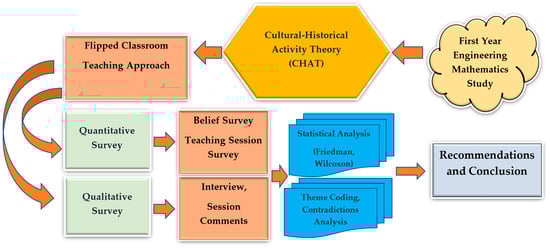
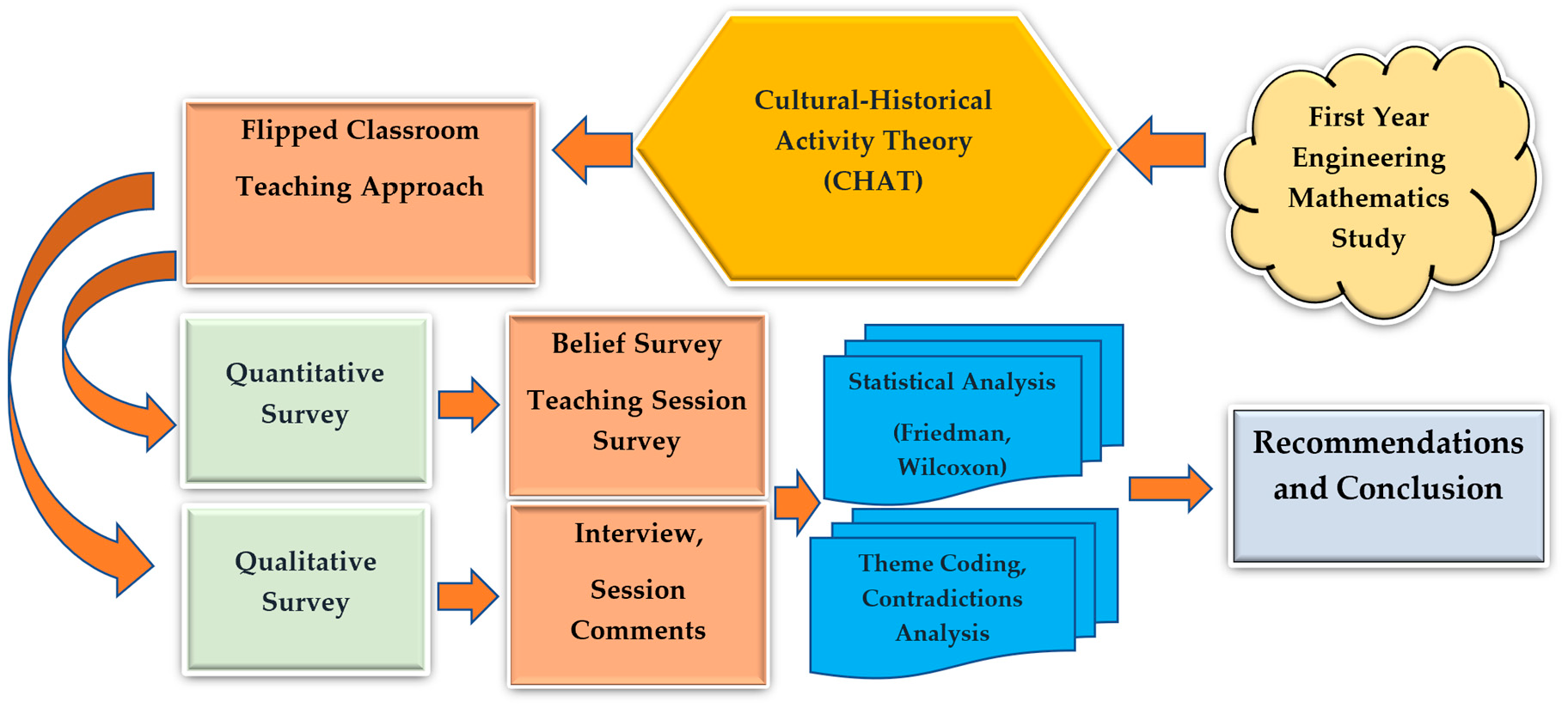
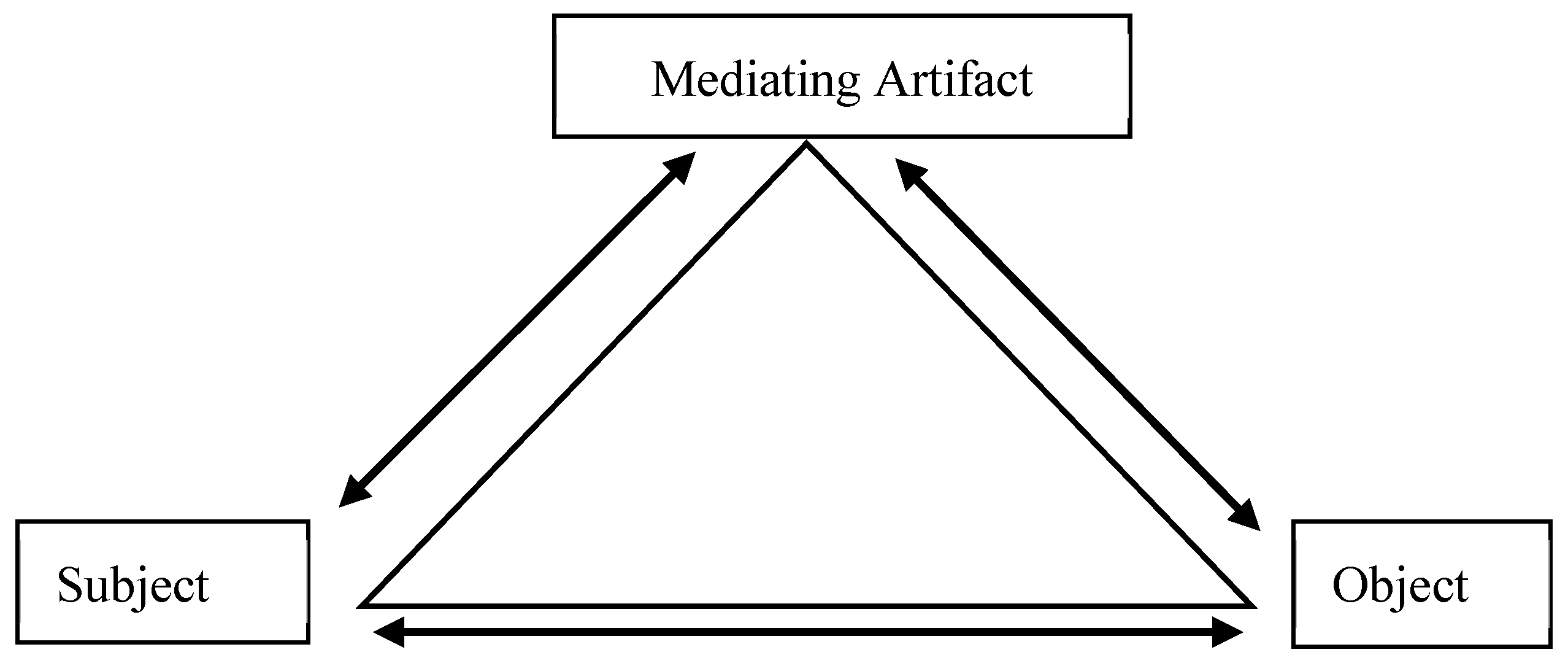
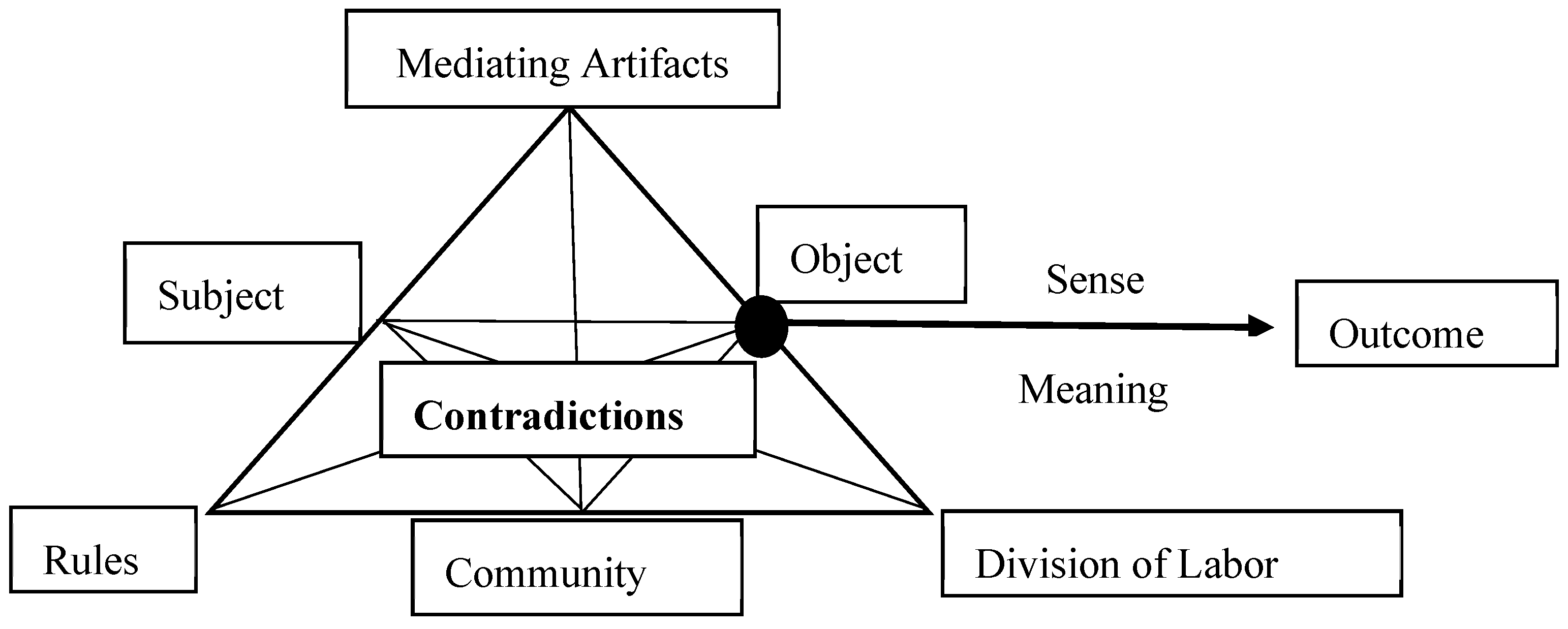
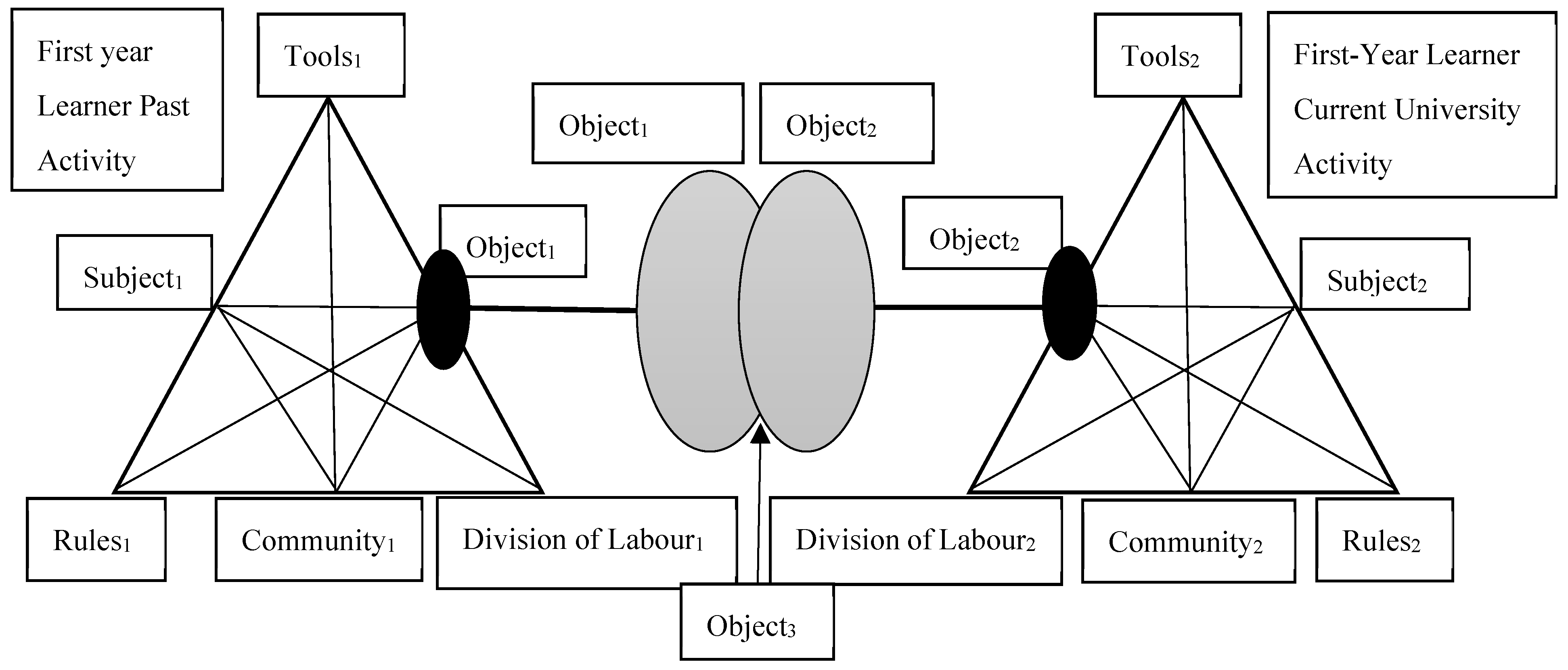
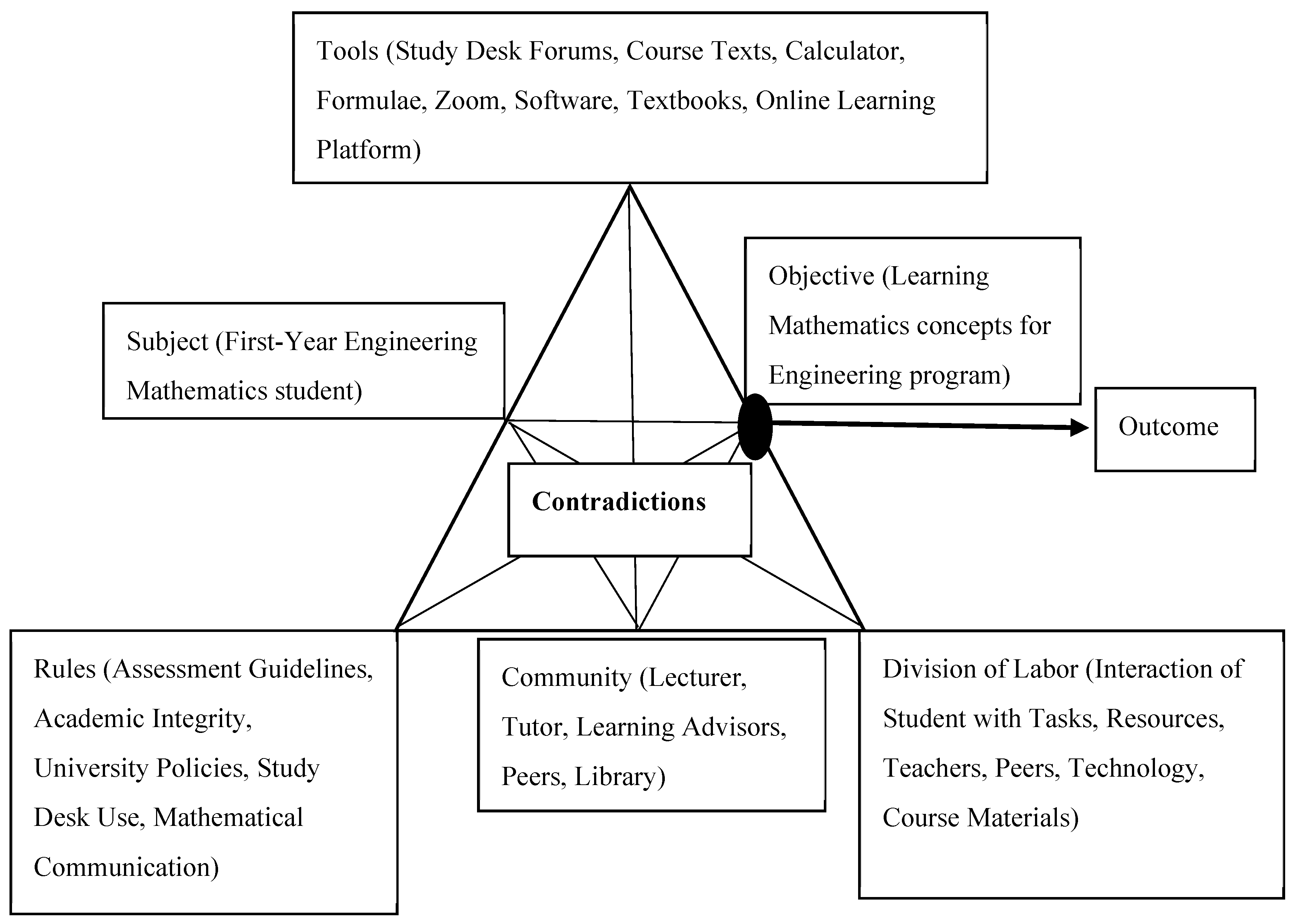
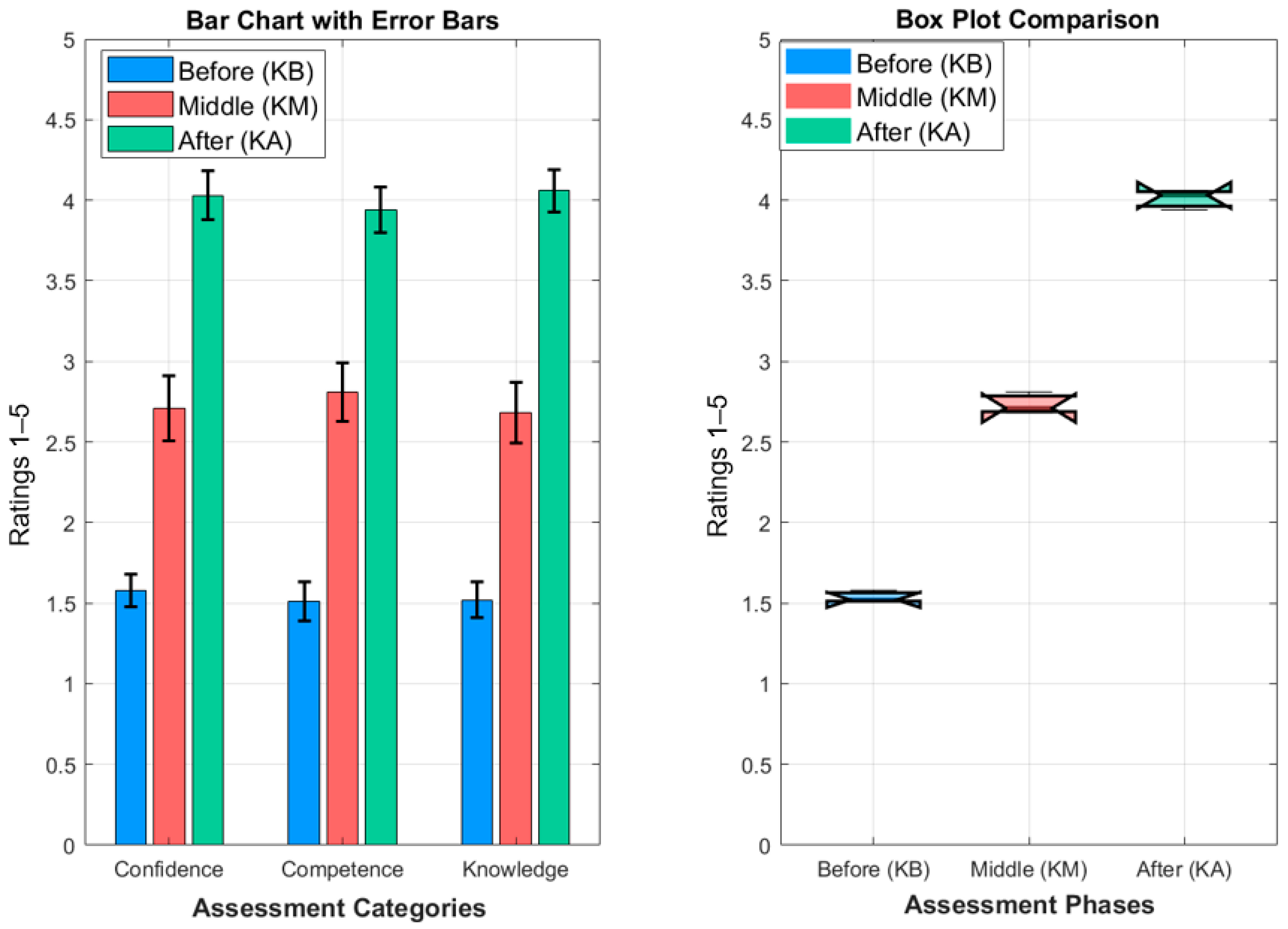
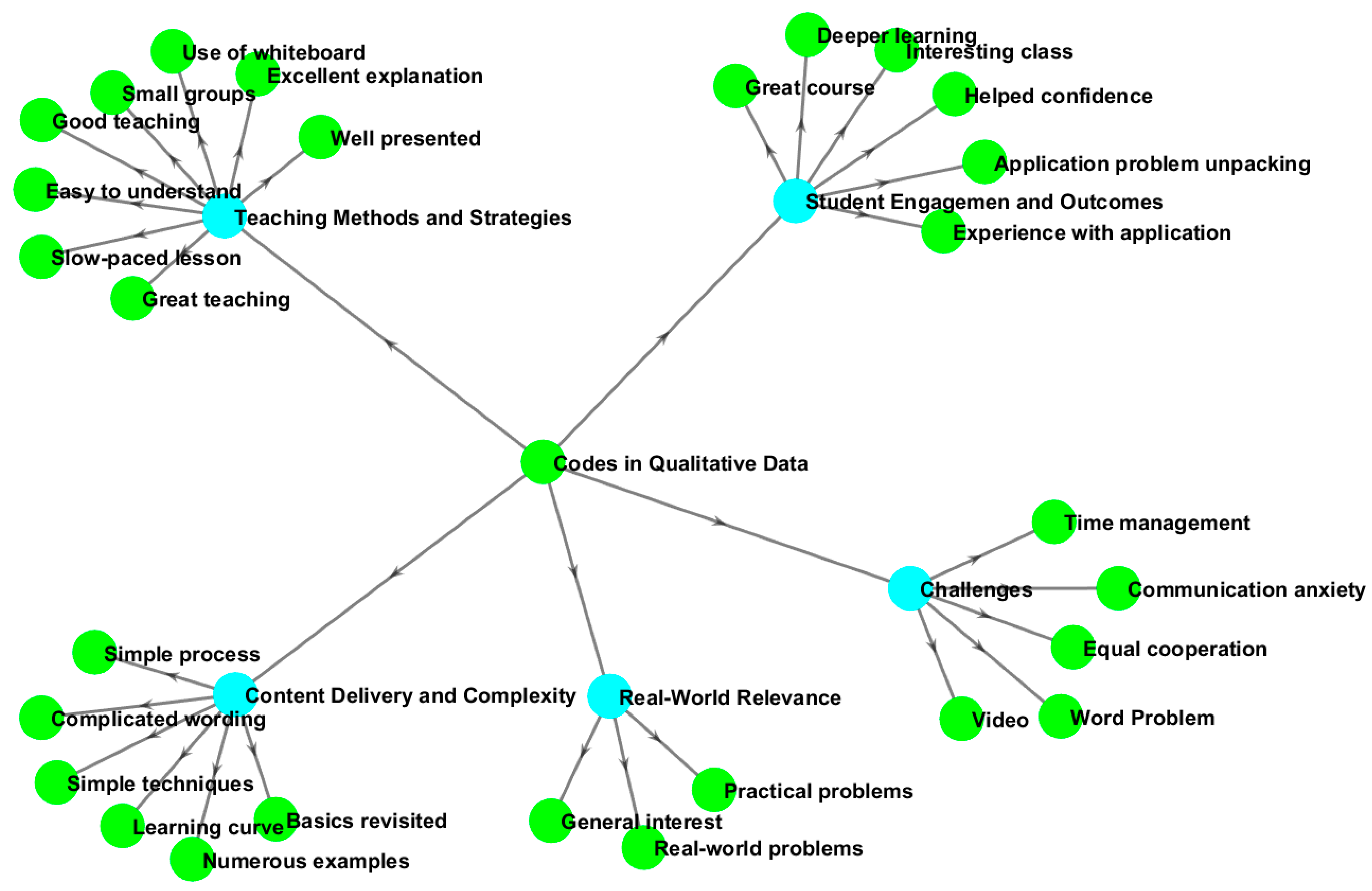
Core mathematics courses are fundamental to the academic success of engineering students in higher education. These courses equip students with skills and knowledge applicable to their specialized fields. However, first-year engineering students often face significant challenges in mathematics due to a range of factors, including insufficient preparation, mathematics anxiety, and difficulty connecting theoretical concepts to real-life applications. The transition from secondary to tertiary mathematics remains a key area of educational research, with ongoing discussions about effective pedagogical approaches for teaching engineering mathematics. This study utilized a belief survey to gain general insights into the attitudes of first-year mathematics students towards the subject. In addition, it employed the activity theory framework to conduct a deeper exploration of the experiences of first-year engineering students, aiming to identify contradictions, or “tensions,” encountered within a flipped-classroom learning environment. Quantitative data were collected using surveys that assessed students’ self-reported confidence, competence, and knowledge development. Results from Friedman’s and Wilcoxon’s Signed-Rank Tests, conducted with a sample of 20 participants in 10 flipped-classroom sessions, statistically showed significant improvements in all three areas. All of Friedman’s test statistics were above 50, with p-values below 0.05, indicating meaningful progress. Similarly, Wilcoxon’s Signed-Rank Test results supported these findings, with p values under 0.05, leading to the rejection of the null hypothesis. The qualitative data, derived from student questionnaire comments and one-to-one interviews, elucidated critical aspects of flipped-classroom delivery. The analysis revealed emerging contradictions (“tensions”) that trigger “expansive learning”. These tensions encompassed the following: student expectation–curriculum structure; traditional versus novel delivery systems; self-regulation and accountability; group learning pace versus interactive learning; and the interplay between motivation and anxiety. These tensions are vital for academic staff and stakeholders to consider when designing and delivering a first-year mathematics course. Understanding these dynamics can lead to more effective, responsive teaching practices and support student success during this crucial transition phase.
Keywords: first-year transition; confidence; learner beliefs; competence; engineering mathematics; learning support; activity theory; contradictions; flipped classroom first-year transition; confidence; learner beliefs; competence; engineering mathematics; learning support; activity theory; contradictions; flipped classroom
Graphical Abstract