

Article

The Effect of Growth Mindset Interventions on Students’ Self-Regulated Use of Retrieval Practice

1
Department of Psychology, Education and Child Studies, Erasmus University Rotterdam, 3062 PA Rotterdam, The Netherlands
2
Behavioral Science Institute, Radboud University Nijmegen, 6500 HE Nijmegen, The Netherlands
3
Faculty of Educational Sciences, Open Universiteit, 6419 AT Heerlen, The Netherlands
4
School of Education, University of New South Wales, Sydney, NSW 2052, Australia
*
Author to whom correspondence should be addressed.
Educ. Sci. 2025, 15(10), 1267; https://doi.org/10.3390/educsci15101267
Submission received: 25 June 2025 / Revised: 4 September 2025 / Accepted: 18 September 2025 / Published: 23 September 2025
(This article belongs to the Section Education and Psychology)

Abstract

Although general growth mindset interventions have been found to improve learning outcomes, relatively little research focused on effects of specific growth mindset interventions. However, domain-specific growth mindset beliefs may be a more accurate predictor of performance within that same domain. The current study investigated the effect of a specific growth mindset intervention designed to enhance self-regulated learning on learners’ adoption of retrieval practice while studying image–name pairs. The impact of this targeted approach was compared to the effects of a broader, general growth mindset intervention, which emphasized the brain’s malleability. Participants were 178 first-year university students, who were randomly assigned to three groups: a general growth mindset group (n = 58), a specific growth mindset group (n = 64), and a control group (n = 56). All groups were informed about the benefits of retrieval practice after the intervention. Our results showed that higher education students can benefit from mindset interventions in terms of their growth mindset beliefs. However, no effects on the use of retrieval practice were found, possibly due to the high difficulty of the learning material. Future research could explore the difficulty of learning materials when investigating the effect of mindset interventions on students’ use retrieval practice during self-regulated learning.

1. Introduction

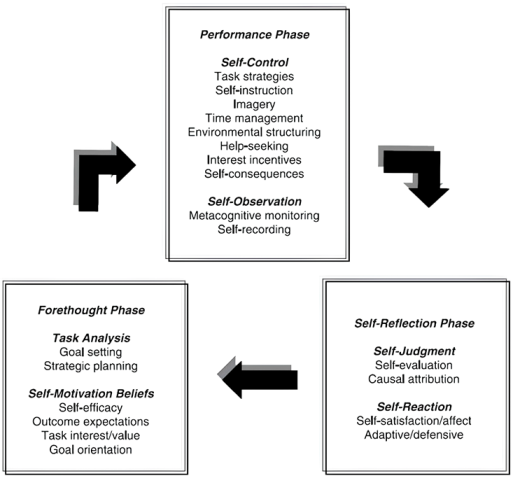
Numerous studies have explored self-regulated learning (SRL), aiming to identify and examine strategies to empower students to become efficient and effective self-regulated learners (Boekaerts & Corno, 2005; Pintrich, 2000; Schunk & Zimmerman, 1998; Winne & Hadwin, 1998; Zimmerman, 2000). SRL serves as an overarching framework encompassing a myriad of processes essential for learners to effectively manage and direct their learning, a capability crucial for academic success both within and outside educational settings (Boekaerts, 1999; Puustinen & Pulkkinen, 2001; Wong et al., 2019; Zimmerman & Schunk, 2011). In an optimal SRL scenario, learners engage in a cyclical three-phase process to acquire knowledge and achieve their educational objectives (Zimmerman & Moylan, 2009). First, in the forethought phase, learners combine their beliefs about themselves as learners and the learning tasks, to set learning goals, and choose appropriate learning strategies. Then, in the performance phase, learners monitor their learning process during the learning task. Finally, in the self-reflection phase, learners can evaluate their goals, strategies they used and reflect on the possible reasons for their results (e.g., effort and time invested in the learning task, choice of learning strategy, Panadero, 2017; Zimmerman, 2013).
Within the cycle of the three SRL phases, using learning strategies is an important step to help learners improve their learning performance (Ariel & Karpicke, 2018; Dunlosky et al., 2013). Yet, previous research has shown that learners are not always aware of the benefits of using effective learning strategies (Bjork et al., 2013; Kornell & Bjork, 2007). One possible reason is that effective learning techniques such as retrieval practice demand heightened cognitive engagement and effort compared to more passive methods like rote memorization (Sweller et al., 1998). Previous research suggests that a growth mindset enhances resilience to failure and reduces perceived effort during learning (Xu et al., 2021). Therefore, in the current study we investigated the effect of a specific growth mindset intervention focused on self-regulated learning (SRL) and using effective study strategies, on students’ beliefs about SRL, their choices to use retrieval practice and their performance.

1.1. Retrieval Practice

Retrieval practice is a well-studied learning strategy, in which learners self-test the learning materials during their learning process (Karpicke & Blunt, 2011; Roediger & Karpicke, 2006a, 2006b). During self-testing, learners retrieve the information from their memory, and this leads to better retention of learning materials compared to re-studying, especially for long-term retention (Adesope et al., 2017; Agarwal et al., 2012; Karpicke & Roediger, 2008; Roediger & Butler, 2011). This effect of self-testing on retention of learning materials is called the retrieval practice effect or testing effect (Carpenter & DeLosh, 2006; Dirkx et al., 2014; Karpicke, 2017; Rowley & McCrudden, 2020).
Although research has demonstrated the effectiveness of retrieval practice, learners often resist incorporating it into their study routine, instead opting to use it merely as an evaluative tool at the end of their learning process to assess performance (Carpenter, 2023; Hartwig & Dunlosky, 2012; Kornell & Bjork, 2007). Possibly, learners believe that restudying will lead to better performance compared to retrieval practice (Karpicke & Roediger, 2008). For example, Kornell and Son (2009) found that learners judged restudying as more effective, even though they more often chose to test themselves—suggesting that self-testing was used more for monitoring than for promoting learning. Thus, it is crucial to instruct learners on the benefits of using retrieval practice as a learning strategy (Karpicke, 2012; McDaniel et al., 2011).
A multitude of studies have demonstrated that providing participants with instructions on retrieval practice before they commence a learning task can effectively encourage them to incorporate retrieval practice into their learning process (Butler & Roediger, 2007; Karpicke et al., 2009). For example, Broeren et al. (2021) investigated the effect of an online retrieval practice instruction on the self-regulated use of retrieval practice with higher education students in a classroom environment. They provided an online retrieval practice video instruction to the participants in the experimental group, and a neutral video instruction without strategy information to the participants in the control group. In the first and second learning session, participants received the retrieval practice instruction and the learning task (i.e., 20 key concepts of marketing communication in each session). In the third learning session (i.e., transfer session), participants only received the learning task of 20 key concepts without retrieval practice instructions. During the learning sessions, participants studied the concepts in a self-paced way with three choices: (1) re-study, (2) self-test or (3) stop studying. The results indicated that during the first and second study sessions, there were no significant differences in the choices made by participants in the experimental and control groups (i.e., restudy, self-test or stop). However, in the transfer session, participants in the experimental group used the testing option significantly more than participants in the control group. The findings highlight the potential of providing students with explicit instruction and knowledge about effective learning strategies to enhance their self-regulated use of learning strategies.
However, even if students do know about the benefits of effective learning strategies, they still do not always use them during learning (Broeren et al., 2021; Dunlosky et al., 2013; Yan & Schuetze, 2023). Based on the outcomes from study sessions 1 and 2 in the research by Broeren et al. (2021), it appears that instructing students about using retrieval practice does not consistently influence their initial behaviors immediately, such as employing more retrieval practice during the learning process compared to students in the control group. One possible reason for this reluctance to employ retrieval practice could be that effective learning techniques such as active retrieval, spaced repetition, elaboration, and reflection demand heightened cognitive engagement and effort compared to more passive methods like rote memorization (Sweller et al., 1998).

1.2. Growth Mindset

Interestingly, a meta-analysis about students’ mindsets during learning showed that mindsets could influence the use of strategies during SRL (Burnette et al., 2013). In the early research on the implicit theory of intelligence by Dweck (1986), two beliefs about intelligence were proposed. One belief is that individual’s abilities can be continuously improved through efforts (i.e., growth mindset or incremental theory), the other belief is that the level of individual’s ability is fixed, and cannot be changed through hard work (i.e., fixed mindset or entity theory). Numerous studies have shown that mindsets can impact learning performance (Dweck, 2017; Dweck et al., 1995; Dweck & Yeager, 2019; Haimovitz & Dweck, 2016, 2017; Moser et al., 2011; O’Rourke et al., 2014; Paunesku et al., 2015; Yeager et al., 2019).
Studies have demonstrated that promoting a growth mindset can lead learners to adopt distinct achievement goals and learning strategies when compared to maintaining a fixed mindset (Burnette et al., 2013; Dweck & Master, 2012; Xu et al., 2025). That is, individuals with a growth mindset tend to set mastery goals, which involve focusing on developing their own abilities during learning. In contrast, individuals with a fixed mindset tend to set performance goals, which involve aiming to outperform their peers (Dweck, 1986). Additionally, individuals with a growth mindset tend to adopt mastery-oriented strategies, such as investing more time in practicing the skill or knowledge, to stick to their learning goals after experiencing setbacks. In contrast, those with a fixed mindset tend to employ helpless-oriented strategies, such as procrastination, which may lead them further away from their learning goals (Burnette et al., 2013; Dweck & Yeager, 2019; Howell & Buro, 2009). Ultimately, the impacts of growth mindset on the learning process will affect the achievement of their learning goals (Burnette et al., 2013; Dweck & Leggett, 1988; Song et al., 2020).
Researchers have recently proposed the existence of different types of mindsets, specifically distinguishing between domain-general mindsets and domain-specific mindsets (Karlen & Hertel, 2021). Domain-general mindsets encompass beliefs about personal intelligence and overall ability. Domain-specific mindsets could pertain to attitudes towards particular areas such as self-regulated learning, computer science, and mathematics (Karlen & Hertel, 2021). Research has shown that a domain-specific mindset is a better predictor for performance in the same domain and has a stronger relation with the habitual use of learning strategies than the domain-general mindset (Burnette et al., 2020; Hertel & Karlen, 2021; Karlen & Compagnoni, 2017; Karlen et al., 2021). Additionally, individuals can hold different mindsets in different domains. For example, Scott and Ghinea (2013) did a survey with first- and second-year undergraduate students about the difference between a domain-specific and a domain-general mindset. They found that students who have a fixed mindset on computer programming can have a growth mindset on their general intelligence. In addition, the mindset for programming ability was a better predictor for software development practice. Consequently, drawing from these findings, we can infer that learners could hold different mindsets about their general intelligence in contrast to other domain-specific areas or their SRL abilities (e.g., Karlen & Hertel, 2021). Furthermore, a specific SRL growth mindset could potentially be a more accurate predictor of learners’ SRL behaviors compared to a general growth mindset. Hence, it could be promising to support students’ specific SRL growth mindsets to increase the use of effective learning strategies such as retrieval practice.

1.3. Cognitive Load

Together with learners’ mindset and beliefs about retrieval practice during self-regulated learning, the effort required to implement retrieval practice is also a significant factor in the use of it in a self-regulated manner (Storm et al., 2010). Engaging in retrieval practice can be more challenging and necessitate more effort compared to simply re-studying materials (Kornell et al., 2009; Pyc & Rawson, 2009). This perception of retrieval practice as more labor-intensive can hinder learners’ ability to recognize its benefits (F. Paas & van Merriënboer, 2020; McDaniel et al., 2011; Rowland, 2014; Sweller et al., 2019).
Interestingly, Xu et al. (2021) have shown that a growth mindset intervention can lower learners’ perceived cognitive load (i.e., perceived amount of invested mental effort) during learning. They conducted a study with 138 secondary school students to investigate the connection between perceived cognitive load and growth mindset. In the experimental group, participants received a general growth mindset intervention about the malleability of intelligence, while in the control group, participants received an article about basic brain function. Following these interventions, all participants learned about the Doppler effect in a classroom setting. The results showed that participants in the growth mindset group perceived lower cognitive load and had better retention performance than participants in the control group.
By demonstrating to students that they can navigate and regulate their learning environment, the SRL growth mindset intervention may yield more pronounced reductions in perceived cognitive load and improvements in SRL performance compared to general interventions. Furthermore, this reduction in cognitive load could serve as a catalyst for facilitating other demanding learning processes, including the deliberate use of learning strategies such as retrieval practice. Thus, while general growth mindset interventions are valuable, the specific SRL mindset intervention potentially offers a focused approach to empowering students in their learning journey, leading to more significant and enduring benefits for learning.

2. Current Study

Building upon the insights from Xu et al. (2021) and prior research on general and specific growth mindsets (Dweck & Yeager, 2019; Karlen & Hertel, 2021), we expect specific growth mindset interventions to be more promising in supporting students self-regulated learning processes compared to general growth mindset interventions. While general growth mindset interventions promote the belief that abilities can be developed through dedication and perseverance, a specific SRL growth mindset intervention can enhance students’ ability to regulate their own learning processes effectively. Hence, a specific growth mindset intervention could benefit students SRL mindset beliefs, their beliefs about and use of learning strategies such as retrieval practice, decrease their experienced cognitive load, and improve their performance during SRL.
The aim of the current study was to investigate the effects of a specific growth mindset intervention about SRL (SGM), a general growth mindset intervention about individual intelligence (GGM), and a control condition on growth mindset beliefs, retrieval practice beliefs, use of retrieval practice, perceived mental effort, and cued-recall performance of anatomy image–name pairs.
We formulated the following five hypotheses:
Hypothesis 1 (H1): 
Participants who received the SGM intervention were expected to demonstrate higher levels of SRL growth mindset beliefs, but lower levels of general growth mindset beliefs compared to those who received the GGM intervention. Meanwhile, participants in the control condition were expected to exhibit the lowest levels of both SRL and general growth mindset beliefs among the three groups.
Hypothesis 2 (H2): 
Participants who received the SGM intervention were expected to engage more frequently in retrieval practice compared to those in the GGM intervention. In turn, participants in the GGM condition were predicted to utilize retrieval practice more often than those in the control group.
Hypothesis 3 (H3): 
Participants who received the SGM intervention were expected to report lower mental effort compared to those in the GGM condition, who were, in turn, expected to report lower mental effort than participants in the control condition.
Hypothesis 4 (H4): 
Participants who received the SGM intervention were expected to exhibit superior performance in both immediate and delayed cued-recall test compared to those who received the GGM intervention. In turn, participants in the GGM condition were expected to outperform those in the control group on both types of cued-recall tests.
Hypothesis 5 (H5): 
Participants who received the SGM intervention were expected to show higher levels of retrieval practice belief compared to those who received the GGM intervention, who were, in turn expected to show higher levels of retrieval practice belief than participants in the control condition.

3. Materials and Methods

3.1. Participants

Participants were 178 freshmen (n = 58 in GGM condition, n = 64 in SGM condition, n = 56 in Control condition) of the psychology department at a university in the Netherlands. The sample size surpassed the necessary 159 participants determined by an a priori power calculation, which was based on a one-way ANOVA with three conditions, targeting an effect size of Cohen’s f = 0.25, with 80% power and a 5% type 1 error rate.
We checked that none of the participants had received training in growth mindset or retrieval practice and had little prior knowledge of the learning task. The demographic information is provided in Table 1. There were no significant differences among three conditions in all characteristics except from the Prior-Knowledge of Anatomy. The scales used to measure both Prior-Knowledge and English Level are 5-Likert scales.
A one-way ANOVA revealed a significant effect of condition on prior knowledge of anatomy, F(2, 175) = 6.37, p = 0.002, ηp2 = 0.068. Tukey HSD post hoc tests indicated that participants in the control condition reported significantly higher prior knowledge than those in the GGM condition (p = 0.003) and the SGM condition (p = 0.015). No significant difference was found between the GGM and SGM groups (p = 0.807).

3.2. Materials

3.2.1. The General Growth Mindset Intervention

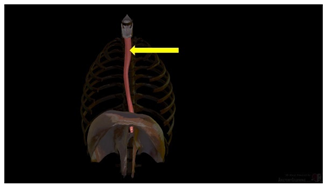
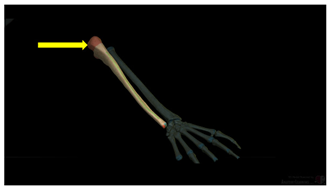
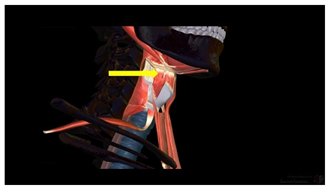
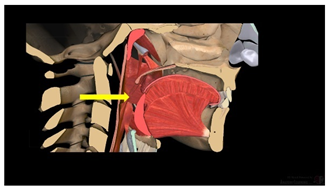
The general growth mindset intervention, adapted from Blackwell et al. (2007) and Xu et al. (2021), focused on the concept of intelligence and incorporated both reading and writing exercises (see Appendix A.1). Participants read an article focusing on the malleability of intelligence and subsequently composed a letter to a fictitious peer struggling with his/her learning of anatomy in medical school and gave them advice to overcome the challenge.

3.2.2. The SRL Growth Mindset Intervention

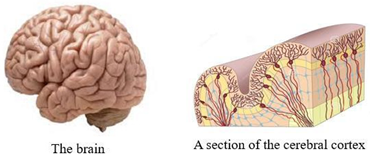
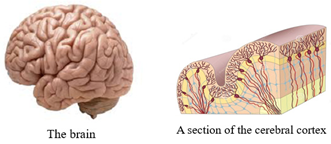
The newly developed SRL growth mindset intervention was specifically designed to focus on the malleability of the SRL ability, especially for strategy use (see Appendix A.2). It was developed based on the general growth mindset intervention (cf. Blackwell et al., 2007) but instead of the malleability of intelligence as the core of the intervention, SRL abilities were explained using theory on SRL models (Zimmerman, 2013). First, it introduced the theory of SRL and provided the basic knowledge of the three phases of SRL. Then, participants read about the malleability of SRL abilities, for example, “When you learn and practice new learning strategies, these small connections in the brain multiply and become stronger. The more you challenge your brain to practice the new strategies, the more your brain cells grow.”, accompanied by illustrative images depicting neural connections in the brain. After reading the text of the intervention, participants went through the same writing session as the general growth mindset intervention.

3.2.3. The Neutral Intervention

In the control condition, participants received an article, adapted from Xu et al. (2021), which included basic information about the brain function. After reading the article, participants were asked to write a short summary of it (Appendix A.3).

3.2.4. Retrieval Practice Instruction

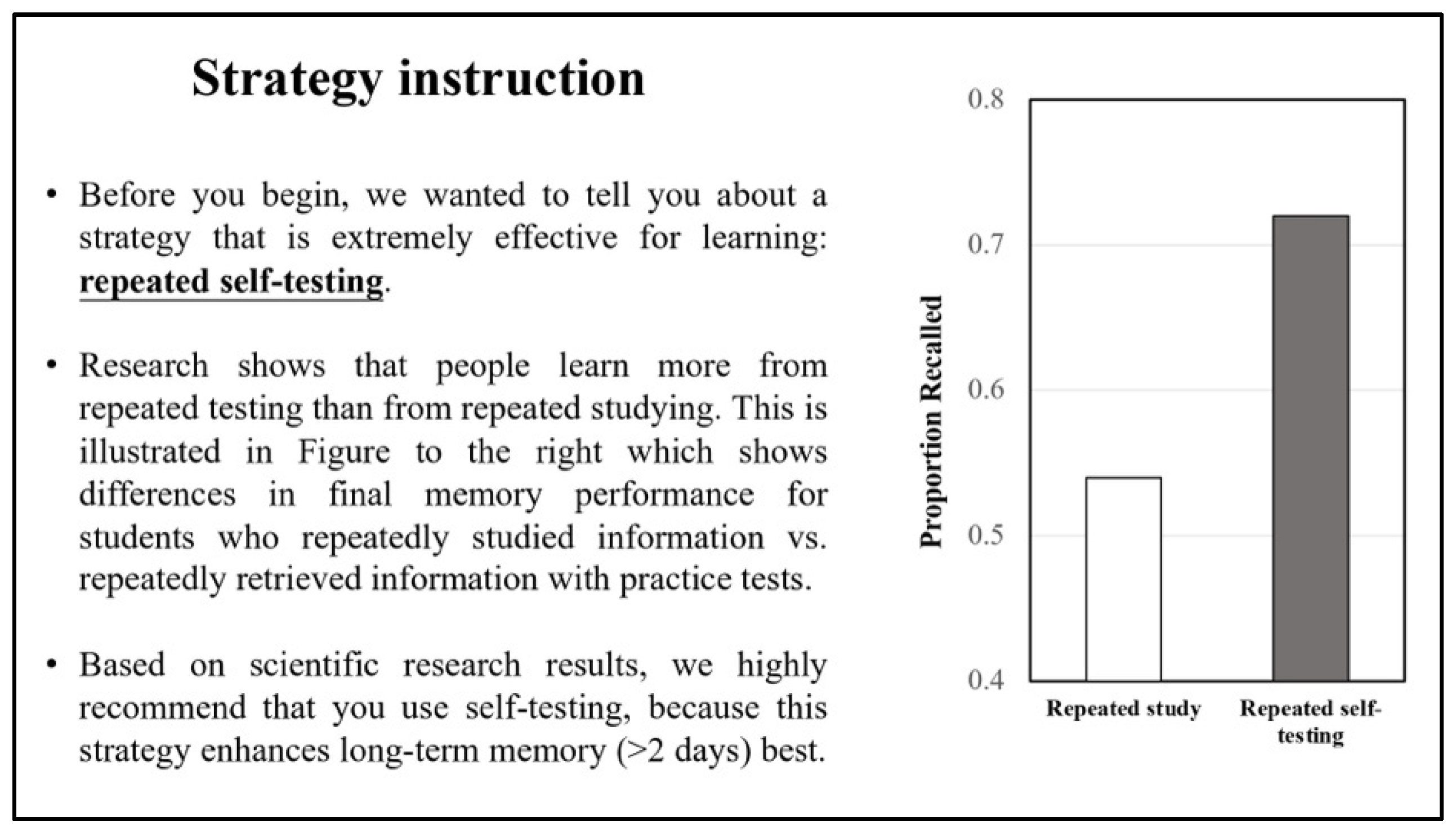
After receiving one of the three interventions, and before proceeding to the learning task all participants were instructed about the benefits of using retrieval practice as a learning strategy (Figure 1; cf. Ariel & Karpicke, 2018).

3.2.5. Learning Task

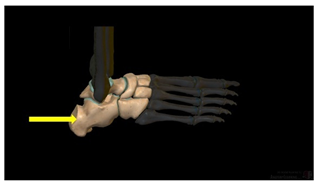
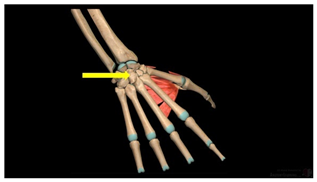
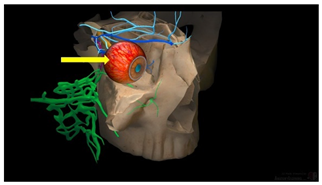
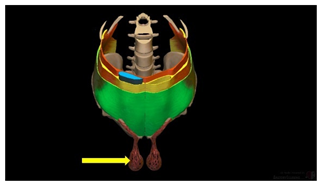
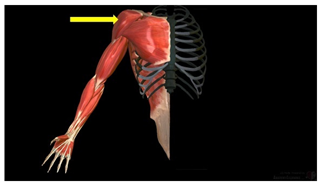
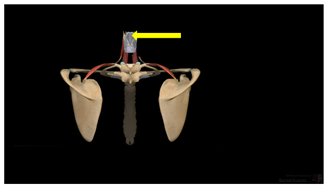
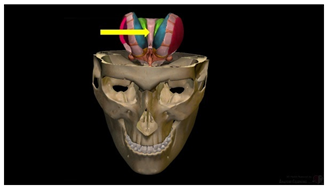
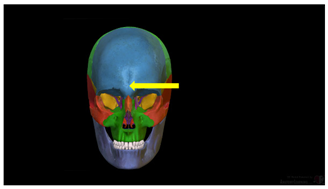
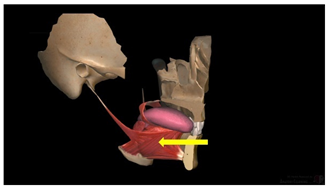
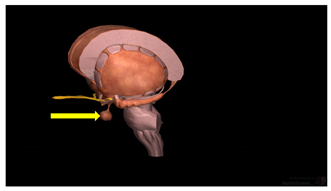
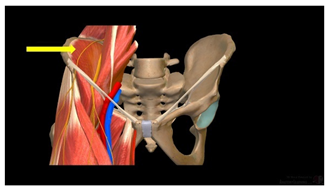
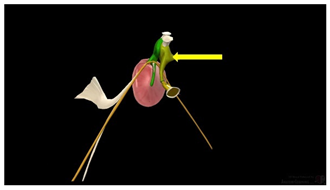
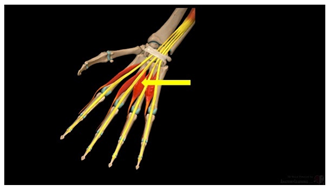
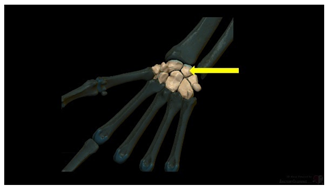
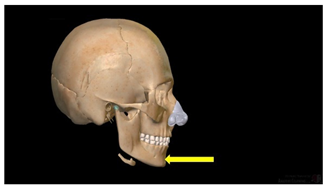
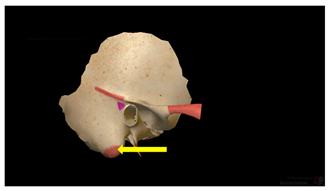
Participants were asked to learn 40 anatomical image–name pairs, which were adapted from Hui et al. (2021) (Appendix B). These pairs were divided into 10 units, and each unit included 4 pairs, which were each displayed for 8 s during learning.
To familiarize participants with the learning strategy and task structure, Unit 1 and Unit 2 were used during the learning strategy orientation phase. The actual learning task consisted of Units 3 to 10, which served as the main experimental materials.

3.2.6. Cued-Recall Test

Participants completed each anatomical name; the initial letter was provided as a cue. And the accuracy of the answers was scored as the learning performance.
The 8 experimental units (Units 3–10) each included 4 items. Within each unit, items were assigned to the immediate or delayed test conditions based on a fixed allocation rule: the 1st and 3rd items in each unit were assigned to the immediate test condition, while the 2nd and 4th items were assigned to the delayed test condition.

3.3. Measures

3.3.1. General and SRL Growth Mindset Beliefs

Both the revised Implicit Theories of Intelligence Scale (re-ITIS; De Castella & Byrne, 2015; Appendix C.1) and the revised Implicit Theories of SRL Scale (re-ITSS, cf. Hertel & Karlen, 2021; Appendix C.2), were administered across all three conditions to assess mindsets both pre- and post-interventions. These scales were also employed as a manipulation check to evaluate the impact of the growth mindset interventions. Gain scores for growth mindsets (i.e., Gain Score_GGM = reITIS_post − reITIS_pre; Gain Score_SGM = reITSS_post − reITSS_pre) were analyzed as indicators of intervention effects.
For the re-ITIS, the Cronbach’s alpha of the pre-intervention data was 0.95; the Cronbach’s alpha of the post-intervention data was 0.96.
For the re-ITSS, the Cronbach’s alpha of the pre-intervention data was 0.63, if item 3 was removed, the Cronbach’s alpha was 0.67; the Cronbach’s alpha of the post-intervention data was 0.65, if item 3 was removed, the Cronbach’s alpha was 0.71.

3.3.2. Retrieval Practice Decisions

Participants were asked to answer the multiple-choice question: “Now that you have studied these items twice, do you want to: (A) restudy or (B) self-test?” Learners were free to choose a learning strategy. Based on their choices we calculated the percentage of self-testing choice (cf. Hui et al., 2021).

3.3.3. Mental Effort

A 9-point mental effort rating scale (F. G. Paas, 1992; F. Paas et al., 2003) was used to measure participants’ perceived amount of invested mental effort after they finished each restudy unit and retrieval practice unit, by asking “You studied four image–name pairs. How much mental effort did you invest from very, very little mental effort (1) to very, very much mental effort (9)?”.

3.3.4. Immediate and Delayed Recall Performance

The percentage of correct responses for anatomical names was calculated for both the immediate cued-recall test (completed immediately after the learning task) and the delayed cued-recall test conducted after 7 days (cf. Hui et al., 2021).

3.3.5. Retrieval Practice Beliefs

To determine participants’ retrieval practice beliefs, they were asked to answer the question “How effective is self-testing in helping you to memorize the anatomical image–name pairs?” on a 7-point Likert scale, ranging from (1) extremely ineffective to (7) extremely effective (cf. Hui et al., 2021).

4. Procedure

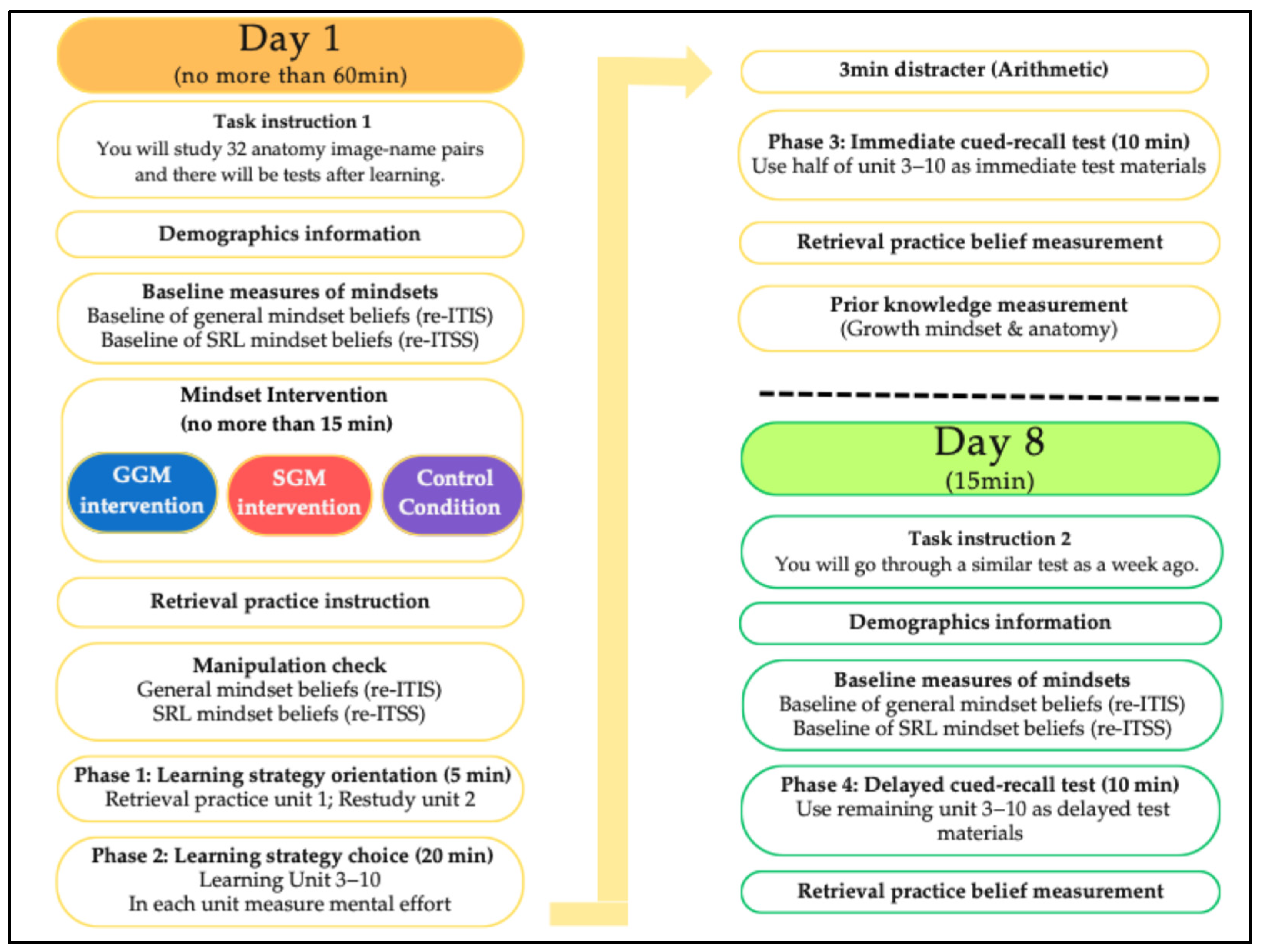
The experiment was divided into two sessions, separated by 7 days (Figure 2). On day 1, the procedure and learning task were introduced. At the beginning of the experiment, participants were asked to answer some personal details (e.g., name, gender, etc.). After collecting demographics, participants were randomly assigned to one of the three conditions (the GGM, SGM or Control condition). Subsequently, baseline assessments of both general and SRL growth mindset beliefs were conducted. Following this, participants underwent their respective condition’s intervention and then all received identical instructions on retrieval practice. After these activities, the general and SRL growth mindset beliefs were measured once more. Next, we asked participants to study 32 anatomy image–name pairs. During the learning task, the first 2 units (8 pairs) were used to familiarize the participants with retrieval practice and restudy separately. Then, participants were instructed to study 8 units in total, in each unit the 4 pairs were restudied twice and then participants were asked to choose the strategy for the next two trials. In each unit, perceived mental effort was assessed following the final learning trial. After they finished learning of 8 units, participants went through a 3 min distractor arithmetic task to prevent them from rehearsing the materials before the immediate recall test. Then, half of the 8 units participants had studied were used in the immediate recall test. Retrieval practice belief was measured after the immediate recall test. At the end of the first day, the prior knowledge of growth mindset and anatomy among participants was measured. Then after 7 days, the participants went back to the lab to take the delayed recall test which consisted of the remaining half of 8 units. At the beginning of the second session, the general and SRL mindset beliefs were measured again. Also, at the end of the experiment, the retrieval practice belief was measured again.

5. Data Analysis

A one-way Analysis of Variance (ANOVA) was conducted using SPSS Version 27. To complement the null hypothesis significance testing (NHST) framework and ensure analytical consistency across all planned and exploratory comparisons, Bayesian one-way ANOVA (BOA) was also performed in JASP Version 0.17.2, using the default prior for fixed effects (r = 0.5). The Bayesian approach provides a continuous assessment of evidence via Bayes factors, enabling a distinction between lack of significance and actual support for the null hypothesis, and offering a more nuanced interpretation of both significant and non-significant findings (Wagenmakers et al., 2018).
For the one-way ANOVA, partial eta-squared (ηp2) was reported as the effect size measure for ANOVA, with cut-offs for small, medium, and large effects set at 0.01, 0.06, and 0.14, respectively. For the Bayesian analyses, Bayes factors (BF10) were used to evaluate evidence for the alternative model compared to the null, with values between 1–3 indicating anecdotal evidence, 3–10 moderate, 10–30 strong, 30–100 very strong, and values above 100 representing extreme evidence in favor of the alternative model.
Analyses directly testing Hypotheses 1–5 were planned a priori; these included group comparisons on SRL and general growth mindset beliefs, retrieval practice frequency, perceived mental effort, immediate and delayed performance, and retrieval practice beliefs. Additional analyses—i.e., the delayed gain scores for GGM beliefs, delayed gain scores for SGM beliefs, delayed retrieval practice beliefs, and the 7-day change in retrieval practice beliefs—were exploratory and conducted post hoc to further investigate patterns in the data. In addition, to account for the potential influence of pre-existing anatomy knowledge on immediate learning performance, an analysis of covariance (ANCOVA) was conducted with prior knowledge of anatomy as a covariate.

6. Results

The results revealed no significant differences in the baseline scores of GGM beliefs (i.e., reITIS_pre) across the three conditions, F(2, 175) = 0.64, p = 0.53, ηp2 = 0.007. Similarly, there were no significant differences in the baseline scores of SGM beliefs (i.e., reITSS_pre) among the three conditions, F(2, 175) = 0.63, p = 0.54, ηp2 = 0.007. See Table 2 for an overview of the descriptive data for all dependent variables, which are growth mindset beliefs (Gain score), retrieval practice decisions, mental effort, immediate and delayed learning performance and retrieval practice beliefs.

6.1. Growth Mindset Beliefs

The result of the Gain Score of GGM beliefs showed a significant difference among the three conditions, F(2, 175) = 18.27, p < 0.001, ηp2 = 0.17. The Dunnett’s T3 Post hoc results showed that participants in the GGM condition gained more on the GGM beliefs scale compared to participants in the SGM condition (p = 0.01), which in turn gained more than the control group (p = 0.002). The BOA model comparison showed extreme evidence for the condition model over the null model (BF10 = 2.04 × 10⁵), indicating that the observed data were over 200,000 times more likely under the condition model than under the null model. BOA Post Hoc tests provided robust evidence indicating that participants in GGM condition demonstrated a greater increase on the GGM beliefs scale compared to those in the SGM, BF10 = 9.61, and the control condition, BF10 = 4.81 × 10⁵. Furthermore, participants in SGM condition gained more on the GGM beliefs scale compared to those in the control group (BF10 = 27.64).
The One-way ANOVA on the Gain Score of SGM beliefs revealed that there was a significant difference among the three conditions, F(2, 175) = 5.32, p = 0.006, ηp2 = 0.06. The Dunnett’s T3 Post hoc showed that the participants in the SGM condition gained more on the SGM beliefs scale than those in the GGM condition (p = 0.03), and the control condition (p = 0.002). However, there was no difference between participants in the GGM group and control group on the SGM beliefs scale. The BOA model comparison showed moderate evidence in favor of the condition model over the null model (BF10 = 5.58), indicating that the observed data were about five times more likely under the condition model than under the null. BOA Post Hoc tests provided substantial evidence indicating that participants in the SGM condition experienced greater improvements on the SGM beliefs scale compared to those in the control condition, BF10 = 31.55. However, there was anecdotal evidence to support that participants in SGM condition gained more on the SGM beliefs scale compared to participants in the GGM condition, BF10 = 1.18, and there was no evidence to support the difference between participants in the GGM and control condition, BF10 = 0.31.
The results of delayed gain scores indicated that for delayed GGM beliefs, there was a significant difference between groups effect, F(2, 175) = 15.81, p < 0.001, ηp2 = 0.15. Participants who received the GGM intervention showed the most substantial delayed increase in GGM beliefs scores compared to those who received the SGM intervention (p = 0.004) and the control condition (p < 0.001). Participants in the SGM condition exhibited a higher gain score in GGM beliefs than those in the control condition (p = 0.05). The BOA model comparison showed extreme evidence for the condition model over the null model (BF10 = 2.96 × 10⁴), indicating that the observed data were over 20,000 times more likely under the condition model than under the null model. BOA Post Hoc tests showed that there was strong evidence to support that participants in GGM condition gained more on the GGM beliefs scale compared to those in the SGM condition, BF10 = 21.92, and control condition, BF10 = 7.82 × 10⁴. However, there was insufficient evidence to support that participants in SGM condition gained more on the GGM beliefs scale compared to those in the control condition, BF10 = 2.39.
The results of the delayed SGM gain score showed that there was a significant between groups effect, F(2, 175) = 3.88, p = 0.02, ηp2 = 0.04. Participants in the SGM condition (M = 0.08, SD = 0.58) and GGM condition (M = 0.06, SD = 0.47) showed higher delayed gain scores than participants in the control condition (M = −0.1, SD = 0.37). However, there was no significant difference between participants in the SGM and GGM condition. The BOA model comparison showed anecdotal evidence for the condition model over the null model (BF10 = 1.49), indicating that the observed data were about 1.5 times more likely under the condition model than under the null model. BOA Post Hoc tests showed that there was weak evidence to support that participants in SGM condition and GGM condition gained more on the SGM beliefs scale compared to participants in the control condition, BF10 = 3.09; BF10 = 3.66. There was no evidence to support the notion that participants in SGM condition gained more on the SGM beliefs scale compared to participants in the GGM condition, BF10 = 0.20.

6.2. Retrieval Practice

Across all conditions, participants selected retrieval practice in about 6 of the 8 learning units on average, demonstrating consistent use of this strategy throughout the learning task. Analysis of the number of retrieval practice choices indicated that there were no significant differences between conditions, F(2, 175) = 0.41, p = 0.66, ηp2 = 0.005. The BOA model comparison showed strong evidence for the null model over the condition model (BF10 = 0.08), indicating that the observed data were about 12 times more likely under the null model than under the condition model. BOA Post Hoc tests showed insufficient evidence that participants in the SGM condition used retrieval practice more frequently than those in the GGM condition (BF10 = 0.27) or control condition (BF10 = 0.25). Similarly, there was insufficient evidence for a difference between the GGM and control conditions (BF10 = 0.20).
No significant differences between condition in retrieval practice beliefs were found, F(2, 175) = 1.13, p = 0.33, ηp2 = 0.01. The BOA model comparison showed moderate evidence for the null model over the condition model (BF10 = 0.15), suggesting the data were roughly 6.6 times more likely under the null model. BOA Post Hoc tests indicated insufficient evidence for group differences in retrieval practice beliefs. The SGM condition did not show higher beliefs than the GGM condition (BF10 = 0.37) or control condition (BF10 = 0.52), nor did the GGM condition differ from the control condition (BF10 = 0.20).
No significant differences between conditions in delayed retrieval practice beliefs were found, F(2, 175) = 0.33, p = 0.72, ηp2 = 0.004. The BOA model comparison showed strong evidence favoring the null model (BF10 = 0.08), indicating that the observed data were approximately 13 times more likely under the null model. BOA Post Hoc tests indicated insufficient evidence for group differences in delayed retrieval practice beliefs. Specifically, the SGM condition did not show higher beliefs than the GGM condition (BF10 = 0.19) or control condition (BF10 = 0.26), nor did the GGM condition differ from the control condition (BF10 = 0.24) after 7 days. The analysis of the change in retrieval practice beliefs after 7 days revealed a decline in all conditions, which did not significantly differ between the three conditions, F(2, 175) = 0.47, p = 0.62, ηp2 = 0.005. The BOA model comparison showed strong evidence favoring the null model over the condition model (BF10 = 0.09), indicating that the observed data were approximately 12 times more likely under the null model than under the condition model. BOA Post Hoc tests indicated insufficient evidence for group differences in the change in retrieval practice beliefs after 7 days. Specifically, changes in the SGM condition did not differ from the GGM condition (BF10 = 0.31) or control condition (BF10 = 0.22), nor did the GGM condition differ from the control condition (BF10 = 0.22).

6.3. Perceived Mental Effort

No significant differences between the conditions in perceived mental effort scores were found, F(2, 175) = 0.17, p = 0.85, ηp2 = 0.002. The BOA model comparison showed strong evidence for the null model over the condition model (BF10 = 0.07), with the data being about 15 times more likely under the null model. BOA Post Hoc tests indicated insufficient evidence for group differences in perceived mental effort scores. Specifically, the SGM condition did not show higher score than the GGM condition (BF10 = 0.21) or control condition (BF10 = 0.22), nor did the GGM condition differ from the control condition (BF10 = 0.20).

6.4. Cued-Recall Performance

The immediate learning performance results suggested there is no significant differences between conditions, F(2, 175) = 2.89, p = 0.06, ηp2 = 0.032. The Bonferroni Post Hoc analysis indicated that participants in the SGM condition achieved higher accuracy compared to those in the GGM condition (p = 0.05). Yet, as this was not a significant effect, it should be interpreted with caution. There was no significant difference between participants in the GGM condition and control condition (p = 0.22), and no significant difference between participants in the SGM condition and the control condition (p = 0.27). The BOA model comparison provided anecdotal evidence favoring the null model over the condition model (BF10 = 0.69), indicating that the observed data were slightly more likely under the null model than under the condition model. BOA Post Hoc tests showed moderate evidence for higher immediate learning performance in the SGM condition compared to the GGM condition (BF10 = 2.72). However, there was insufficient evidence for performance differences between the SGM and control conditions (BF10 = 0.31), or between the GGM and control conditions (BF10 = 0.44).
To further examine whether pre-existing anatomy knowledge influenced immediate learning performance, an ANCOVA was conducted with prior knowledge of anatomy as a covariate. The analysis revealed a non-significant main effect of condition, F(2, 172) = 0.15, p = 0.86, ηp2 = 0.002, and a strong effect of the covariate, F(1, 172) = 21.11, p < 0.001, ηp2 = 0.11. The interaction between pre-existing anatomy knowledge and condition was non-significant, F(2, 172) = 0.25, p = 0.78, ηp2 = 0.003, indicating that the assumption of homogeneity of regression slopes was met. These results indicate that pre-existing anatomy knowledge substantially predicted immediate performance, and that once this baseline knowledge was statistically controlled, there were no detectable differences between experimental conditions.
The Bonferroni Post Hoc analysis indicated that a marginal higher accuracy in the SGM condition than in the GGM condition (p = 0.065), consistent with the pattern observed in the original ANOVA. Bayesian ANCOVA yielded similar conclusions, with moderate evidence for the model including both condition and the covariate (BF10 = 1702.53) compared to the covariate-only model (BF10 = 1602.94). However, pairwise Bayes factors continued to show only moderate evidence for the SGM > GGM contrast (BF10 = 2.72), and insufficient evidence for other comparisons. These findings reinforce the importance of controlling for prior knowledge, while also suggesting that condition effects should be interpreted with caution.
For delayed learning performance, the results showed that there were no significant differences between the three conditions, F(2, 175) = 1.03, p = 0.36, ηp2 = 0.01. In addition, the accuracy in all conditions was no more than 11%, which indicates that the learning materials were quite difficult for participants to remember after a week. The BOA model comparison showed moderate evidence favoring the null model over the condition model (BF10 = 0.14), indicating that the observed data were approximately 7 times more likely under the null model than under the condition model. BOA Post Hoc tests indicated insufficient evidence for group differences in delayed learning performance. Specifically, the SGM condition did not show higher accuracy than the GGM condition (BF10 = 0.29) or control condition (BF10 = 0.22), nor did the GGM condition differ from the control condition (BF10 = 0.52). See Table 3 for a summary of the Bayesian one-way ANOVA results across all dependent variables.

7. Discussion

This study investigated the effects of a general and a specific growth mindset intervention combined with a retrieval practice instruction, on the change in general and specific growth mindset beliefs, self-regulated use of retrieval practice, perceived mental effort, retrieval practice beliefs, and the immediate and delayed cued-recall performance when studying word-picture pairs. Our findings confirmed Hypothesis 1, showing that participants who received the SGM intervention gained more on SRL growth mindset beliefs, but less on general growth mindset beliefs, compared to participants who received the GGM intervention or who were in the control condition. Also, participants who received the GGM intervention gained more on general growth mindset beliefs, compared to participants who received the SGM intervention or who were in the control condition. These findings indicate that the general growth mindset intervention had a significant effect on participants’ general growth mindset beliefs, and the SRL growth mindset intervention had a significant effect on participants’ SRL growth mindset beliefs. Our findings align with previous studies involving domain-general and domain-specific growth mindset intervention (Blackwell et al., 2007; Burnette et al., 2020; Xu et al., 2021).
Furthermore, our findings revealed that after 7 days, participants in the GGM condition exhibited a more significant improvement in general growth mindset beliefs compared to those in the SGM condition. However, no notable difference was observed in the gain scores of SRL growth mindset beliefs between the GGM and SGM conditions. Possibly, the general growth mindset intervention has a more enduring effect on enhancing general growth mindset beliefs than the SRL growth mindset intervention has on improving SRL growth mindset beliefs.
In contrast to Hypothesis 2, we found no evidence that participants who received the SGM intervention used retrieval practice more often than those who received the GGM intervention, which in turn were expected to use retrieval practice more often compared to participants in the control condition. The results indicated that participants across all conditions predominantly used retrieval practice during the learning phase, which is consistent with the results discovered by Ariel and Karpicke (2018). A possible explanation for these unexpected findings might be that we provided instructions about the benefits of using retrieval practice in the retrieval practice instruction, and during the learning strategy decision phase, which was after the initial trials of studying the image–name pairs. That is, participants first studied the image–name pairs in the first two trials before choosing to use retrieval practice or restudy, which means they already used the restudy strategy. Participants may have chosen to adopt retrieval practice due to its perceived effectiveness, as emphasized during the study. Alternatively, they may have welcomed the opportunity for a change in their approach to processing the image–name pairs. Future research could adjust the procedure of the experiment to prevent this and clarify under what circumstances participants are more inclined to choose retrieval practice.
Contrary to Hypothesis 3, which posited that growth mindset interventions would reduce perceived mental effort compared to the control group and that the SGM intervention would have a greater effect than the GGM intervention, our findings did not support this. Instead, participants across all conditions reported a moderately high subjective mental effort for the learning task. This consistent level of effort might be attributed to factors identified by Hui et al. (2021) in a similar study: participants’ lack of prior knowledge in human anatomy, which could increase task difficulty, and the brief 8 s time allocation for learning each pair, potentially heightening perceived mental effort. Therefore, future research could manipulate different levels of task difficulty to investigate whether there would be a different assessment of perceived mental effort under different levels of task difficulty.
The results of immediate and delayed learning performance did not confirm Hypothesis 4, which was that participants who received the SGM intervention were expected to outperform those who received the GGM intervention in both immediate and delayed cued-recall tests. Similarly, participants in the GGM condition were expected to outperform those in the control condition on both types of cued-recall tests. Our findings were consistent with those Burnette et al. (2020), who used a domain-specific growth mindset intervention that was focused on the flexibility about one’s computer science ability. Their results showed that even though participants who received growth mindset intervention reported stronger growth mindset beliefs compared to control group, participants in the intervention group had no significant difference on learning grades compared to participants in the control group. From our results, it can be inferred that while learners’ beliefs may change during a single experiment, their learning behaviour, particularly on challenging tasks, may not adapt as swiftly (Macnamara & Burgoyne, 2023). Consequently, learning performance may also lag behind changes in beliefs (Broeren et al., 2021). Given that our study design included only one learning session, participants lacked the opportunity to adjust their learning behaviour, such as their choice to engage in retrieval practice. Therefore, in future research, more than one round of learning should be used to test if there is a delayed effect of growth mindset on changing learning behaviour and performance.
These findings may also be understood in the broader context of the mindset literature. Previous large-scale meta-analyses (Sisk et al., 2018; Macnamara & Burgoyne, 2023) have reported that growth mindset interventions tend to have minimal impacts on academic achievement. Although Burnette et al. (2023) criticized some of the methodological approaches used in earlier meta-analyses and applied multilevel modeling techniques, their study still reported only a modest overall effect size (d = 0.14) for academic outcomes. While the current study does not aim to examine general academic achievement, our results align with this pattern in showing limited behavioral impact of growth mindset interventions within a specific, short-term learning context. As pointed out by Yan and Schuetze (2023), interpreting mindset interventions requires attention to the design features, target outcomes, and timing of measurement. In our case, a single-session design without feedback may not have been sufficient to elicit measurable changes in learning performance. Future research should consider longer-term designs, more ecologically valid tasks, and contextual factors that may modulate intervention effectiveness.
The results of immediate retrieval practice beliefs from session 1 showed that the participants in all conditions did not confirm Hypothesis 5, which expected that a growth mindset can yield a higher belief in the effectiveness of using retrieval practice during learning and the SGM intervention would have a better effect on the retrieval practice belief compared to the GGM intervention. The delayed retrieval practice belief results revealed no significant differences in belief ratings after 7 days among the three conditions. In the current study, the lack of substantial differences in both immediate and delayed learning performance across all conditions likely contributed to the absence of a significant increase in the belief in the efficacy of using retrieval practice across these groups. Even though participants chose to use retrieval practice most of the time, they did not receive feedback about their performance, therefore they may not sense the benefits of using retrieval practice by themselves, which may have resulted in a mediate level of belief. Our findings were consistent with previous research of Hui et al. (2021), who demonstrated that retrieval practice beliefs significantly increased only among participants who perceived benefits from its use. Conversely, those who did not observe an improvement in learning performance after employing retrieval practice did not exhibit a significant change in their beliefs regarding its effectiveness. Accordingly, future investigations could incorporate feedback mechanisms within the learning framework, facilitating the provision of concise and immediate performance evaluations after the application of retrieval practice. This approach stands to refine the assessment of its effectiveness within self-regulated learning contexts.

8. Limitations

There are some limitations to our study. First, the learning materials presented to participants were unfamiliar, and with only 8 s allocated for presentation during learning and tests (as per Hui et al., 2021), the majority of participants reported significant difficulty in recalling the materials following the completion of tests in both sessions 1 and 2. Therefore, we recommend employing tasks of varying difficulty levels in future research to investigate how task difficulty influences the impact of growth mindset interventions on the use of retrieval practice and subsequent performance.
Second, the sample size estimation of the current study was based on an assumed medium effect size (f = 0.25), following Cohen’s (1988) guidelines. This decision was made because, at the time of study planning, not much prior published research was available to provide a more accurate estimate for our specific context. We acknowledge that subsequent studies have reported smaller effect sizes in similar paradigms (Burnette et al., 2023; Macnamara & Burgoyne, 2023; Sisk et al., 2018), suggesting that the current study may have been underpowered to detect such subtle effects. Future research should take these updated findings into account when conducting power analyses.
Third, this study included only one learning session, giving participants no opportunity to adjust their learning strategies in a subsequent round. Also, growth mindset interventions may have a more significant impact on self-regulated learning (SRL) when administered to learners who experience challenges or setbacks in their educational journey (Dweck & Yeager, 2019). Therefore, we recommend using more than one round of learning to test the long-term effects of growth mindset interventions, especially in a challenging learning environment. In addition, although retrieval practice instruction was provided to all participants to ensure equal awareness of the strategy’s benefits, this design choice may have minimized group differences in retrieval practice selection. Future studies may benefit from incorporating a baseline measure of participants’ retrieval practice beliefs and usage to better capture intervention-related changes.
Fourth, we only used retrieval practice choices and learning performance as the indicators of the effect of growth mindset interventions on SRL, while there are many other SRL measurements that could be relevant in relation to growth mindset beliefs (e.g., goal setting, judgment of learning, etc.). Future research could use more SRL indicators to test a broader network between growth mindset intervention and SRL (Yan & Schuetze, 2023).
Additionally, the revised Implicit Theories of SRL Scale (cf. Hertel & Karlen, 2021) used in our study had a relatively low internal consistency (Cronbach’s alpha = 0.63 for the pre-intervention data; 0.65 for the post-intervention data), which may raise concerns about the reliability of observed changes in participants’ SRL growth mindset after intervention. Therefore, future research should consider developing more reliable and stable instruments to assess SRL growth mindset.
However, to further examine the scale’s psychometric properties, we conducted a test–retest analysis between the pre- and post-intervention scores, which yielded a moderate-to-good level of temporal stability (r = 0.62, p < 0.001, 95% CI [0.52, 0.70]). This result suggests that, despite the modest internal consistency, the scale was reasonably stable over time and suitable for capturing change across the intervention period. Still, future research may benefit from employing more rigorous approaches (e.g., longitudinal measurement invariance) and longer follow-up intervals to assess the durability and robustness of intervention effects.
Furthermore, in our study both mental effort and retrieval practice beliefs were measured using single-item scales, which, while commonly used in prior research (e.g., F. G. Paas, 1992; Hui et al., 2021; Xu et al., 2021), may limit the precision and reliability of the constructs. To improve measurement reliability, future research might benefit from including multi-item scales to further examine these constructs.
Finally, the targeted demographic of growth mindset interventions could significantly impact their effectiveness, as indicated by Burnette et al. (2023). Our study, which involved university students, suggests that the impact of growth mindset interventions may be less conspicuous among individuals at the highest level of educational attainment, potentially due to their existing possession of growth mindsets. Consequently, future research endeavors may benefit from comparing the effects of growth mindset interventions on students’ Self-Regulated Learning (SRL) across various educational levels.

9. Conclusions

The current study examined the effect of domain-specific and domain-general growth mindset interventions, coupled with retrieval practice instruction, on growth mindset beliefs, usage of retrieval practice, perceived mental effort, immediate and delayed learning performance, and beliefs about retrieval practice. Our results revealed that a domain-specific intervention targeting SRL abilities effectively enhanced participants’ SRL growth mindset beliefs, while a domain-general intervention focusing on intelligence notably improved general growth mindset beliefs. However, these enhancements in growth mindset beliefs did not affect retrieval practice choices during learning nor performance on immediate and delayed tests. This research is a pioneering effort to combine growth mindset interventions and the self-regulated use of learning strategies. Our findings can provide a basis for future research into the complex interplay between growth mindset and self-regulated learning, providing valuable insights for enhancing SRL and learning outcomes.

Author Contributions

Conceptualization, J.X., M.B. and F.P.; Methodology, J.X. and M.B.; Formal analysis, J.X.; Investigation, J.X.; Data curation, J.X.; Writing—original draft, J.X.; Writing—review & editing, M.B., K.M.X. and F.P.; Supervision, M.B., K.M.X. and F.P. All authors have read and agreed to the published version of the manuscript.

Funding

This study was funded by the China Scholarship Council (File No. 202108110067).

Institutional Review Board Statement

The study was conducted in accordance with the Declaration of Helsinki, and approved by the Ethics Committee of Erasmus University Rotterdam (ETH2223-0101 and December 2022).

Informed Consent Statement

Informed consent was obtained from all subjects involved in the study.

Data Availability Statement

Data is available on request by the author.

Conflicts of Interest

The authors declare no conflicts of interest.

Abbreviations

The following abbreviations are used in this manuscript:
ANCOVAAnalysis of covariance
ANOVAAnalysis of Variance
BOABayesian one-way ANOVA
GGMGeneral Growth Mindset
Gain Score_GGMGain scores for general growth mindsets
Gain Score_SGMGain scores for SRL growth mindsets
NHSTThe null hypothesis significance testing
re-ITISThe revised Implicit Theories of Intelligence Scale
re-ITSSThe revised Implicit Theories of SRL Scale
SGMSRL Growth Mindset
SRLSelf-regulated Learning

Appendix A. Intervention Materials

Appendix A.1. General Growth Mindset Intervention
Reading:
You can grow your intelligence
New research shows that the brain can develop as a muscle
Many people think that the human brain is a mystery. They do not know much about intelligence and how it works. With the word intelligence, many people think that this means that you are born either smart, average or stupid and that this remains the same throughout your life.
However, new research shows that the human brain works more like a muscle that changes and becomes stronger when you use it. Scientists have succeeded in showing how your brain grows and become stronger as you learn.
When you exercise and learn new things, parts of the brain change and become bigger, just like muscles change and become bigger when you exercise.
Education 15 01267 i041
Inside the cerebral cortex there are billions of tiny nerve cells called neurons. These nerve cells have branches with which they connect to other cells in a complex network. The communication between these brain cells makes it possible for us to think and solve problems.
Children’s brain growth
Another reason why scientists began to think that brain could grow was: babies. What makes it possible for them to learn to speak the language of their parents in the first few years of their lives? In a sense, babies train their brains by first listening very carefully and then starting to practice talking.
Once children have learned a language, they will not forget them, because learning makes a lasting change in the brain. The brain cells have become larger and new connections have developed between the nerve cells, making the children’s brain actually stronger and smarter.
Education 15 01267 i042
When you learn new things, these small connections in the brain multiply and become stronger. The more you challenge your brain to learn, the more your brain cells grow. Subsequently, the things you first thought were very difficult or even impossible, such as speaking a foreign language or making mathematics, seem to be easier. The result is a stronger, smarter brain.
How do we know that the brain can grow stronger?
Scientists began to think that the human brain could develop and change when they started to examine the brains of animals. They discovered that animals that lived in a challenging environment in which they could train their brains by playing with toys or other animals, were much more active than animals that lived only in bare pens. These active animals had more larger and stronger connections between their nerve cells in their brains. Their brains were about 10% heavier than the brains of the animals that lived only in bare pens. The active animals were also ‘smarter’, they were better at solving problems and learning new things.
The truth about ‘smart’ and ‘stupid’
No one thinks that babies are stupid because they can’t talk. They have not yet learned how to do this. But some people will call others stupid because they cannot solve maths, spell a word, or read quickly—even though all these things can be learned by practicing. The more you learn, the easier it becomes to learn new things.
The key to growing the brain: practice!
Pupils of whom everyone thinks they are ‘the smartest’ can simply be born without being different from others. But perhaps these ‘smart’ students have already started practicing reading, for example, before they went to school, so that they could already build their ‘read muscles’. Other pupils might learn to do as well with practice.
What can you do to become smarter?
Just like an athlete you will have to train and practice. As you practice, you make your brain stronger. You will also learn skills that allow you to use your brain in a smarter way.
Only many people miss the opportunity to make their brains grow stronger because they think they can not, or because it is too difficult. It takes effort, but if you feel that you are getting stronger and better, it is worth it!
Writing:
“Now, imagining a student who is struggling with his/her learning of anatomy in medical school, what would you like to say to him/her to overcome this challenge?”

Appendix A.2. SRL Growth Mindset Intervention
Reading:
You can grow your ability of strategy use
New research shows that the ability to use learning strategy effectively can develop as a muscle.
Many people think that the ability of self-regulated learning is a mystery. They do not know much about this ability and how it works. With the word ability of self-regulated learning, many people think that this means that you are born either good at learning or not and that this remains the same throughout your life.
However, new research shows that the ability of self-regulated learning more like a muscle that changes and becomes stronger when you practice it. Scientists have succeeded in showing how your ability grows and become stronger as you learn.
There are three phases during self-regulated learning, which are forethought phase, performance phase and self-reflection phase. Strategy is an important factor throughout these three phases. When you go through these phases, first, you will make strategic plan depending on the learning task; then you will control the use of strategies during learning; finally, you will make a self-judgment of the effectiveness of strategies depending on your learning performance.
Education 15 01267 i043
When you exercise and learn a new strategy during self-regulated learning, you will become better at it each time you do it, the ability grows just like a muscle.
Inside the cerebral cortex of the brain there are billions of tiny nerve cells called neurons. These nerve cells have branches with which they connect to other cells in a complex network. The communication between these brain cells makes it possible for us to think and solve problems.
Education 15 01267 i044
When you learn and practice new learning strategies, these small connections in the brain multiply and become stronger. The more you challenge your brain to practice the new strategies, the more your brain cells grow. Subsequently, the strategies you first thought was very difficult and inefficient or even useless for yourself, seem to become easier to use and more effective and helpful. The result is a stronger, more mature self-regulated learner.
Education 15 01267 i045
How do we know that the ability of strategy use can grow stronger?
The truth about “good at using strategy” and “bad at using strategy”
No one will think that young children are bad at regulating their own learning because they do not use the right strategies at the beginning. They have not yet leaned how to do this. But some people will call others bad students because they cannot get good grades or use effective strategies when learning some subjects, such as biology, physics, or math—even though all these learning can be improved by practicing. The more you exercise, the easier it becomes to learn effectively.
The key to growing the effectiveness of strategies: practice!
Pupils of whom seems very good at using strategies to improve their learning effectiveness can simply be born without being different from others. But perhaps these productive learners have already started practicing this strategy before they went to school, so that they could already build their “strategy muscles” and notice the benefits of some strategies on their memory. Research has shown that students who had experienced the benefits of some strategies would like to use them more later in their self-regulated learning process. Other pupils might learn to do as well with practice and keep trying to use it even though it does not seem to be useful at first. Then they will be more fluent and familiar with the strategies and in turn the strategies will improve their learning.
What can you do to become a more capable self-regulated learner?
Just like an athlete you will have to train and practice. As you practice, you make your brain stronger. You will also learn strategies that allow you to manage your learning in a more efficient way.
Only many people miss the opportunity to make their self-regulated leaning ability stronger because they think they cannot, or because it is too difficult and feels uncomfortable at the beginning. It takes effort, but if you feel that you are getting stronger and better, it is worth it!
Writing:
“Now, imagining a student who is struggling with his/her learning of anatomy in medical school, what would you like to say to him/her to overcome this challenge?”

Appendix A.3. Control Group Intervention
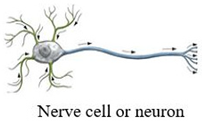
Reading:
The Neuron, Building Block of the Brain
Your brain looks like an oversized walnut, not much bigger than two clenched fists against each other. What the brain does, it is too much to list: they regulate countless activities in your body, process stimuli and make you think, laugh, remember and much more. How does a soft mass of just over 1 kg achieve this? The cell is the smallest unit from which everything that lives, including man, is built up. There are different types of cells, each with a distinctive form and function. One of those species is the nerve cell or the neuron: a cell that specializes in receiving and transmitting signals.
Communication
Neurons are found in large numbers in your brain and spinal cord, but they also run like wires, the peripheral nerves, throughout the body.
Everything that happens in the brain is all about communication between the neurons. Billions of electrical and chemical signals are constantly being circulated. Also, over longer distances, all the way to the tip of your toes.
The human brain is made up of about 100 billion neurons. These are all present at birth.
Education 15 01267 i046
Support cells
The billions of neurons that make up the nervous system have their own support cells: the neuroglia or glial cells. They can be compared with the connective tissue in other organs. Unlike the neurons, these cells do not transmit electrical signals. Their job is to protect and support the neurons. For example, some support cells destroy microbes, others provide the circulation of the brain and spinal fluid. Yet other support cells form a protective layer that ensures that signals can not jump from one neuron to another.
The nervous system contains more support cells than neurons.
Complex networks
Already during the pregnancy, a start is made with the embryo on establishing connections between the neurons. These are suitable for performing a number of basic functions that are required just after birth. After birth, the building of connections continues and that eventually leads to a complex network in which billions of neurons are connected. It is precisely because of its complexity that this network is capable of receiving, processing and transmitting large amounts of information simultaneously.
Education 15 01267 i047
The neural networks
In order to perform all tasks well, large groups of neurons work closely together. As a result, there are specialized areas in the brain, such as for perception (hearing, seeing or smelling) or motor functions (walking or cycling).
The network does not stand still, but always changes. Depending on the experiences and learning processes of each person, connections are adjusted.
Plasticity
The possibility of changes is called plasticity, or adaptability. Neurons do not divide after birth and therefore do not form new cells as happens in other cells. Neurons are able to always make new interconnections: the plasticity.
The plasticity is greatest immediately after birth. Our brains are rapidly adapted to our environment.
Thanks to this adaptability, there is also a chance to recover from a limited brain injury. The complexity of the network—there are many more connections than necessary—makes it possible to build detours if the ‘direct route’ to certain areas of the brain is closed. In other words, when an area in the brain is damaged, so that a function no longer exists can be performed, other (unused) areas in the brain can take over this function. This is called: reorganization.
Education 15 01267 i048
The transmission of signals in the neuron
Construction of the neuron
Like other cells, neurons have a cell body with a nucleus. All parts that also provide cell management for other cells are present. The main difference is the form: the cell body of the neuron has a number of off shoots: the neurites. The number of neurites can differ and multiply. If the cell body is damaged, there is a risk that the entire neuron dies.
Core
At the core is the genetic code, or the DNA stored, that determines how cell develops and works. The DNA contains the instructions for everything that happens in the cell, resulting in thousands of chemical reactions. Without these reactions, cells would not be able to perform their tasks.
Writing:
“Please write down a short summary about ‘The Neuron, Building Block of the Brain’”

Appendix B. Learning Materials (Anatomy Image–Name Pairs)

ImageName
Education 15 01267 i001Abducens nerve
Education 15 01267 i002Amygdala
Education 15 01267 i003Antitragus
Education 15 01267 i004Brachialis muscle
Education 15 01267 i005Buccinator muscle
Education 15 01267 i006Calcaneum
Education 15 01267 i007Capitate bone
Education 15 01267 i008Choroid
Education 15 01267 i009Claustrum
Education 15 01267 i010Cornea
Education 15 01267 i011Cremaster
Education 15 01267 i012Deltoid
Education 15 01267 i013Dentine
Education 15 01267 i014Epiglottis
Education 15 01267 i015Femur
Education 15 01267 i016Fornix
Education 15 01267 i017Glabella
Education 15 01267 i018Hyoglossus muscle
Education 15 01267 i019Hypophysis
Education 15 01267 i020Iliacus
Education 15 01267 i021Incus
Education 15 01267 i022Lumbrical muscle
Education 15 01267 i023Lunate
Education 15 01267 i024Mandible
Education 15 01267 i025Mastoid
Education 15 01267 i026Maxilla
Education 15 01267 i027Midbrain
Education 15 01267 i028Nasal bone
Education 15 01267 i029Occipital bone
Education 15 01267 i030Oesophagus
Education 15 01267 i031Olecranon
Education 15 01267 i032Omohyoid
Education 15 01267 i033Oropharynx
Education 15 01267 i034Palatine bone
Education 15 01267 i035Patella
Education 15 01267 i036Piriformis
Education 15 01267 i037Pisiform bone
Education 15 01267 i038Platysma muscle
Education 15 01267 i039Pleura
Education 15 01267 i040Putamen

Appendix C. Scales

Appendix C.1

The Revised Implicit Theories of Intelligence Scale (re-ITIS)
Stem: the following questions are exploring students’ beliefs about their personal ability to change their intelligence level. There are no right or wrong answers. We are just interested in your views. Using scale below, please indicate the extent to which you agree or disagree with the following statements.
From (1) completely disagree to (6) completely agree
  • I don’t think I personally can do much to increase my intelligence.
  • My intelligence is something about me that I personally can’t change very much.
  • To be honest, I don’t think I can really change how intelligent I am.
  • I can learn new things, but I don’t have the ability to change my basic intelligence.
  • With enough time and effort, I think I could significantly improve my intelligence level.
  • I believe I can always substantially improve on my intelligence.
  • Regardless of my current intelligence level, I think I have the capacity to change it quite a bit.
  • I believe I have the ability to change my basic intelligence level considerable over time.
Notes:
  • The items 1–4 measure the fixed mindset, we will reverse the scores of these four items during analyzation.
  • The items 5–8 measure the growth mindset.

Appendix C.2

The Revised Implicit Theories of SRL Scale (re-ITSS)
Stem: the following questions are exploring students’ beliefs about their personal ability to change their self-regulated learning (SRL) level. There are no right or wrong answers. We are just interested in your views. Using scale below, please indicate the extent to which you think this SRL ability can be changed and relevant to academic achievement. From (1) completely disagree to (6) completely agree.
  • I have a certain ability to self-regulate my learning and this ability can be changed.
  • My ability of self-regulated learning can be improved by practice.
  • How well I can self-regulate my learning is something that always stays the same.
  • My successful academic performance at university does require competencies in SRL.
  • Self-regulated learning is not a prerequisite for my successful study.
  • In order to be successful in university studies, I must be very good in SRL.
Notes:
  • The items 1–3 measure the belief about the malleability of the SRL ability. The item 1 and 2 measure the growth mindset, item 3 measures the fixed growth mindset. We will reverse the score of the item 3 during analyzation.
  • The items 4–6 measure the belief about the relevance of the SRL ability to the success in academia. The item 4 and 6 measure the growth mindset, item 5 measures the fixed mindset. We will reverse the score of the item 5 during analyzation.

Appendix C.3

MeasurementQuestions
Retrieval practice beliefs“How effective is self-testing in helping you to memorize the anatomical image-name pairs from (1) extremely ineffective to (7) extremely effective?”
Retrieval practice decisions“Now that you have studied this item twice, do you want to: A. restudy or B. self-test?”
Mental effort“You studied four image-name pairs. How much mental effort did you invest from very, very little mental effort (1) to very, very much mental effort (9)?”

References

  1. Adesope, O. O., Trevisan, D. A., & Sundararajan, N. (2017). Rethinking the use of tests: A meta-analysis of practice testing. Review of Educational Research, 87(3), 659–701. [Google Scholar] [CrossRef]
  2. Agarwal, P. K., Bain, P. M., & Chamberlain, R. W. (2012). The value of applied research: Retrieval practice improves classroom learning and recommendations from a teacher, a principal, and a scientist. Educational Psychology Review, 24, 437–448. [Google Scholar] [CrossRef]
  3. Ariel, R., & Karpicke, J. D. (2018). Improving self-regulated learning with a retrieval practice intervention. Journal of Experimental Psychology: Applied, 24(1), 43–56. [Google Scholar] [CrossRef] [PubMed]
  4. Bjork, R. A., Dunlosky, J., & Kornell, N. (2013). Self-regulated learning: Beliefs, techniques, and illusions. Annual Review of Psychology, 64, 417–444. [Google Scholar] [CrossRef]
  5. Blackwell, L. S., Trzesniewski, K. H., & Dweck, C. S. (2007). Implicit theories of intelligence predict achievement across an adolescent transition: A longitudinal study and an intervention. Child Development, 78(1), 246–263. [Google Scholar] [CrossRef] [PubMed]
  6. Boekaerts, M. (1999). Self-regulated learning: Where we are today. International Journal of Educational Research, 31(6), 445–457. [Google Scholar] [CrossRef]
  7. Boekaerts, M., & Corno, L. (2005). Self-regulation in the classroom: A perspective on assessment and intervention. Applied Psychology, 54(2), 199–231. [Google Scholar] [CrossRef]
  8. Broeren, M., Heijltjes, A., Verkoeijen, P., Smeets, G., & Arends, L. (2021). Supporting the self-regulated use of retrieval practice: A higher education classroom experiment. Contemporary Educational Psychology, 64, 101939. [Google Scholar] [CrossRef]
  9. Burnette, J. L., Billingsley, J., Banks, G. C., Knouse, L. E., Hoyt, C. L., Pollack, J. M., & Simon, S. (2023). A systematic review and meta-analysis of growth mindset interventions: For whom, how, and why might such interventions work? Psychological Bulletin, 149(3–4), 174–205. [Google Scholar] [CrossRef]
  10. Burnette, J. L., Hoyt, C. L., Russell, V. M., Lawson, B., Dweck, C. S., & Finkel, E. (2020). A growth mind-set intervention improves interest but not academic performance in the field of computer science. Social Psychological and Personality Science, 11(1), 107–116. [Google Scholar] [CrossRef]
  11. Burnette, J. L., O’boyle, E. H., VanEpps, E. M., Pollack, J. M., & Finkel, E. J. (2013). Mind-sets matter: A meta-analytic review of implicit theories and self-regulation. Psychological Bulletin, 139(3), 655–701. [Google Scholar] [CrossRef]
  12. Butler, A. C., & Roediger, H. L., III. (2007). Testing improves long-term retention in a simulated classroom setting. European Journal of Cognitive Psychology, 19(4–5), 514–527. [Google Scholar] [CrossRef]
  13. Carpenter, S. K. (2023). Encouraging students to use retrieval practice: A review of emerging research from five types of interventions. Educational Psychology Review, 35(4), 96. [Google Scholar] [CrossRef]
  14. Carpenter, S. K., & DeLosh, E. L. (2006). Impoverished cue support enhances subsequent retention: Support for the elaborative retrieval explanation of the testing effect. Memory & Cognition, 34(2), 268–276. [Google Scholar] [CrossRef]
  15. Cohen, J. (1988). Statistical power analysis for the behavioral sciences (2nd ed.). Lawrence Erlbaum Associates. [Google Scholar]
  16. De Castella, K., & Byrne, D. (2015). My intelligence may be more malleable than yours: The revised implicit theories of intelligence (self-theory) scale is a better predictor of achievement, motivation, and student disengagement. European Journal of Psychology of Education, 30, 245–267. [Google Scholar] [CrossRef]
  17. Dirkx, K. J., Kester, L., & Kirschner, P. A. (2014). The testing effect for learning principles and procedures from texts. The Journal of Educational Research, 107(5), 357–364. [Google Scholar] [CrossRef]
  18. Dunlosky, J., Rawson, K. A., Marsh, E. J., Nathan, M. J., & Willingham, D. T. (2013). Improving students’ learning with effective learning techniques: Promising directions from cognitive and educational psychology. Psychological Science in The Public Interest, 14(1), 4–58. [Google Scholar] [CrossRef]
  19. Dweck, C. S. (1986). Motivational processes affecting learning. American Psychologist, 41(10), 1040–1048. [Google Scholar] [CrossRef]
  20. Dweck, C. S. (2017). From needs to goals and representations: Foundations for a unified theory of motivation, personality, and development. Psychological Review, 124(6), 689–719. [Google Scholar] [CrossRef] [PubMed]
  21. Dweck, C. S., Chiu, C. Y., & Hong, Y. Y. (1995). Implicit theories and their role in judgments and reactions: A word from two perspectives. Psychological Inquiry, 6(4), 267–285. [Google Scholar] [CrossRef]
  22. Dweck, C. S., & Leggett, E. L. (1988). A social-cognitive approach to motivation and personality. Psychological Review, 95(2), 256–273. [Google Scholar] [CrossRef]
  23. Dweck, C. S., & Master, A. (2012). Self-theories motivate self-regulated learning. In Motivation and self-regulated learning (pp. 31–51). Routledge. [Google Scholar]
  24. Dweck, C. S., & Yeager, D. S. (2019). Mindsets: A view from two eras. Perspectives on Psychological Science, 14(3), 481–496. [Google Scholar] [CrossRef] [PubMed]
  25. Haimovitz, K., & Dweck, C. S. (2016). Parents’ views of failure predict children’s fixed and growth intelligence mind-sets. Psychological Science, 27(6), 859–869. [Google Scholar] [CrossRef]
  26. Haimovitz, K., & Dweck, C. S. (2017). The origins of children’s growth and fixed mindsets: New research and a new proposal. Child Development, 88(6), 1849–1859. [Google Scholar] [CrossRef] [PubMed]
  27. Hartwig, M. K., & Dunlosky, J. (2012). Study strategies of college students: Are self-testing and scheduling related to achievement? Psychonomic Bulletin & Review, 19(1), 126–134. [Google Scholar]
  28. Hertel, S., & Karlen, Y. (2021). Implicit theories of self-regulated learning: Interplay with students’ achievement goals, learning strategies, and metacognition. British Journal of Educational Psychology, 91(3), 972–996. [Google Scholar] [CrossRef] [PubMed]
  29. Howell, A. J., & Buro, K. (2009). Implicit beliefs, achievement goals, and procrastination: A mediational analysis. Learning and Individual Differences, 19(1), 151–154. [Google Scholar] [CrossRef]
  30. Hui, L., de Bruin, A. B., Donkers, J., & van Merriënboer, J. J. G. (2021). Does individual performance feedback increase the use of retrieval practice? Educational Psychology Review, 33(4), 1835–1857. [Google Scholar] [CrossRef]
  31. Karlen, Y., & Compagnoni, M. (2017). Implicit theory of writing ability: Relationship to metacognitive strategy knowledge and strategy use in academic writing. Psychology Learning & Teaching, 16(1), 47–63. [Google Scholar]
  32. Karlen, Y., & Hertel, S. (Eds.). (2021). The power of implicit theories for learning in different educational contexts. Frontiers Media SA. [Google Scholar]
  33. Karlen, Y., Hirt, C. N., Liska, A., & Stebner, F. (2021). Mindsets and self-concepts about self-regulated learning: Their relationships with emotions, strategy knowledge, and academic achievement. Frontiers in Psychology, 12, 661142. [Google Scholar] [CrossRef]
  34. Karpicke, J. D. (2012). Retrieval-based learning: Active retrieval promotes meaningful learning. Current Directions in Psychological Science, 21(3), 157–163. [Google Scholar] [CrossRef]
  35. Karpicke, J. D. (2017). Retrieval-based learning: A decade of progress. Grantee Submission. [Google Scholar]
  36. Karpicke, J. D., & Blunt, J. R. (2011). Retrieval practice produces more learning than elaborative studying with concept mapping. Science, 331(6018), 772–775. [Google Scholar] [CrossRef]
  37. Karpicke, J. D., Butler, A. C., & Roediger, H. L., III. (2009). Metacognitive strategies in student learning: Do students practise retrieval when they study on their own? Memory, 17(4), 471–479. [Google Scholar] [CrossRef]
  38. Karpicke, J. D., & Roediger, H. L., III. (2008). The critical importance of retrieval for learning. Science, 319(5865), 966–968. [Google Scholar] [CrossRef]
  39. Kornell, N., & Bjork, R. A. (2007). The promise and perils of self-regulated study. Psychonomic Bulletin & Review, 14(2), 219–224. [Google Scholar] [CrossRef]
  40. Kornell, N., Hays, M. J., & Bjork, R. A. (2009). Unsuccessful retrieval attempts enhance subsequent learning. Journal of Experimental Psychology: Learning, Memory, and Cognition, 35(4), 989–998. [Google Scholar] [CrossRef] [PubMed]
  41. Kornell, N., & Son, L. K. (2009). Learners’ choices and beliefs about self-testing. Memory, 17(5), 493–501. [Google Scholar] [CrossRef] [PubMed]
  42. Macnamara, B. N., & Burgoyne, A. P. (2023). Do growth mindset interventions impact students’ academic achievement? A systematic review and meta-analysis with recommendations for best practices. Psychological Bulletin, 149(3–4), 133–173. [Google Scholar] [CrossRef] [PubMed]
  43. McDaniel, M. A., Agarwal, P. K., Huelser, B. J., McDermott, K. B., & Roediger, H. L., III. (2011). Test-enhanced learning in a middle school science classroom: The effects of quiz frequency and placement. Journal of Educational Psychology, 103(2), 399–414. [Google Scholar] [CrossRef]
  44. Moser, J. S., Schroder, H. S., Heeter, C., Moran, T. P., & Lee, Y. H. (2011). Mind your errors: Evidence for a neural mechanism linking growth mind-set to adaptive posterror adjustments. Psychological Science, 22(12), 1484–1489. [Google Scholar] [CrossRef]
  45. O’Rourke, E., Haimovitz, K., Ballweber, C., Dweck, C., & Popović, Z. (2014, April 26–May 1). Brain points: A growth mindset incentive structure boosts persistence in an educational game. SIGCHI Conference on Human Factors in Computing Systems (pp. 3339–3348), Toronto, ON, Canada. [Google Scholar]
  46. Paas, F., Renkl, A., & Sweller, J. (2003). Cognitive load theory and instructional design: Recent developments. Educational Psychologist, 38(1), 1–4. [Google Scholar] [CrossRef]
  47. Paas, F., & van Merriënboer, J. J. (2020). Cognitive-load theory: Methods to manage working memory load in the learning of complex tasks. Current Directions in Psychological Science, 29(4), 394–398. [Google Scholar] [CrossRef]
  48. Paas, F. G. (1992). Training strategies for attaining transfer of problem-solving skill in statistics: A cognitive-load approach. Journal of Educational Psychology, 84(4), 429–434. [Google Scholar] [CrossRef]
  49. Panadero, E. (2017). A review of self-regulated learning: Six models and four directions for research. Frontiers in Psychology, 8, 422. [Google Scholar] [CrossRef] [PubMed]
  50. Paunesku, D., Walton, G. M., Romero, C., Smith, E. N., Yeager, D. S., & Dweck, C. S. (2015). Mind-set interventions are a scalable treatment for academic underachievement. Psychological Science, 26(6), 784–793. [Google Scholar] [CrossRef]
  51. Pintrich, P. R. (2000). The role of goal orientation in self-regulated learning. In Handbook of self-regulation (pp. 451–502). Academic Press. [Google Scholar]
  52. Puustinen, M., & Pulkkinen, L. (2001). Models of self-regulated learning: A review. Scandinavian Journal of Educational Research, 45(3), 269–286. [Google Scholar] [CrossRef]
  53. Pyc, M. A., & Rawson, K. A. (2009). Testing the retrieval effort hypothesis: Does greater difficulty correctly recalling information lead to higher levels of memory? Journal of Memory and Language, 60(4), 437–447. [Google Scholar] [CrossRef]
  54. Roediger, H. L., III, & Butler, A. C. (2011). The critical role of retrieval practice in long-term retention. Trends in Cognitive Sciences, 15(1), 20–27. [Google Scholar] [CrossRef]
  55. Roediger, H. L., III, & Karpicke, J. D. (2006a). Test-enhanced learning: Taking memory tests improves long-term retention. Psychological Science, 17(3), 249–255. [Google Scholar] [CrossRef]
  56. Roediger, H. L., III, & Karpicke, J. D. (2006b). The power of testing memory: Basic research and implications for educational practice. Perspectives on Psychological Science, 1(3), 181–210. [Google Scholar] [CrossRef]
  57. Rowland, C. A. (2014). The effect of testing versus restudy on retention: A meta-analytic review of the testing effect. Psychological Bulletin, 140(6), 1432–1463. [Google Scholar] [CrossRef]
  58. Rowley, T., & McCrudden, M. T. (2020). Retrieval practice and retention of course content in a middle school science classroom. Applied Cognitive Psychology, 34(6), 1510–1515. [Google Scholar] [CrossRef]
  59. Schunk, D. H., & Zimmerman, B. J. (1998). Self-regulated learning: From teaching to self-reflective practice. Guilford Press. [Google Scholar]
  60. Scott, M. J., & Ghinea, G. (2013). On the domain-specificity of mindsets: The relationship between aptitude beliefs and programming practice. IEEE Transactions on Education, 57(3), 169–174. [Google Scholar] [CrossRef]
  61. Sisk, V. F., Burgoyne, A. P., Sun, J., Butler, J. L., & Macnamara, B. N. (2018). To what extent and under which circumstances are growth mind-sets important to academic achievement? Two meta-analyses. Psychological Science, 29(4), 549–571. [Google Scholar] [CrossRef]
  62. Song, J., Kim, S. I., & Bong, M. (2020). Controllability attribution as a mediator in the effect of mindset on achievement goal adoption following failure. Frontiers in Psychology, 10, 2943. [Google Scholar] [CrossRef] [PubMed]
  63. Storm, B. C., Bjork, R. A., & Storm, J. C. (2010). Optimizing retrieval as a learning event: When and why expanding retrieval practice enhances long-term retention. Memory & Cognition, 38, 244–253. [Google Scholar] [CrossRef]
  64. Sweller, J., van Merriënboer, J. J., & Paas, F. (1998). Cognitive architecture and instructional design. Educational Psychology Review, 10, 251–296. [Google Scholar] [CrossRef]
  65. Sweller, J., van Merriënboer, J. J., & Paas, F. (2019). Cognitive architecture and instructional design: 20 years later. Educational Psychology Review, 31(2), 261–292. [Google Scholar] [CrossRef]
  66. Wagenmakers, E. J., Marsman, M., Jamil, T., Ly, A., Verhagen, J., Love, J., Selker, R., Gronau, Q. F., Šmíra, M., Epskamp, S., Matzke, D., Rouder, J. N., & Morey, R. D. (2018). Bayesian inference for psychology. Part I: Theoretical advantages and practical ramifications. Psychonomic Bulletin & Review, 25(1), 35–57. [Google Scholar]
  67. Winne, P. H., & Hadwin, A. F. (1998). Studying as self-regulated learning. In D. J. Hacker, J. Dunlosky, & A. C. Graesser (Eds.), Metacognition in educational theory and practice (pp. 279–306). Erlbaum. [Google Scholar]
  68. Wong, J., Baars, M., Davis, D., Van Der Zee, T., Houben, G. J., & Paas, F. (2019). Supporting self-regulated learning in online learning environments and MOOCs: A systematic review. International Journal of Human–Computer Interaction, 35(4–5), 356–373. [Google Scholar] [CrossRef]
  69. Xu, K. M., Koorn, P., de Koning, B., Skuballa, I. T., Lin, L., Henderikx, M., Marsh, H. W., Sweller, J., & Paas, F. (2021). A growth mindset lowers perceived cognitive load and improves learning: Integrating motivation to cognitive load. Journal of Educational Psychology, 113(6), 1177–1191. [Google Scholar] [CrossRef]
  70. Xu, K. M., Leferink, L., & Wijnia, L. (2025). A review of the relationship between student growth mindset and self-regulated learning. Frontiers in Education, 10, 1539639. [Google Scholar] [CrossRef]
  71. Yan, V. X., & Schuetze, B. A. (2023). What is meant by “growth mindset”? Current theory, measurement practices, and empirical results leave much open to interpretation: Commentary on Macnamara and Burgoyne (2023) and Burnette et al. (2023). Psychological Bulletin, 149(3–4), 206–219. [Google Scholar] [CrossRef]
  72. Yeager, D. S., Hanselman, P., Walton, G. M., Murray, J. S., Crosnoe, R., Muller, C., Tipton, E., Schneider, B., Hulleman, C. S., Hinojosa, C. P., Paunesku, D., Romero, C., Flint, K., Roberts, A., Trott, J., Iachan, R., Buontempo, J., Yang, S. M., Carvalho, C. M., … Dweck, C. S. (2019). A national experiment reveals where a growth mindset improves achievement. Nature, 573(7774), 364–369. [Google Scholar] [CrossRef] [PubMed]
  73. Zimmerman, B. J. (2000). Attaining self-regulation: A social cognitive perspective. In Handbook of self-regulation (pp. 13–39). Academic Press. [Google Scholar]
  74. Zimmerman, B. J. (2013). From cognitive modeling to self-regulation: A social cognitive career path. Educational Psychologist, 48(3), 135–147. [Google Scholar] [CrossRef]
  75. Zimmerman, B. J., & Moylan, A. R. (2009). Self-regulation: Where metacognition and motivation intersect. In Handbook of metacognition in education (pp. 299–315). Routledge. [Google Scholar]
  76. Zimmerman, B. J., & Schunk, D. H. (2011). Handbook of self-regulation of learning and performance. Routledge/Taylor & Francis Group. [Google Scholar]
Figure 1. Retrieval Practice Instruction.
Education 15 01267 g001
Figure 2. Procedure.
Education 15 01267 g002
Table 1. Demographic Characteristics of Participants in Three Conditions.
Demographic CharacteristicsGGM ConditionSGM ConditionControl Condition
n%n%n%
Gender
Female4781.035281.254682.14
Male1017.241117.19812.5
Third gender11.7211.523.57
MSDMSDMSD
Age19.932.6720.021.8020.092.28
Prior-Knowledge a
Anatomy *1.950.612.020.602.320.58
Growth mindset2.641.142.661.042.661.07
English Level4.360.814.130.864.160.65
a Reflects the knowledge of Anatomy and Growth mindset before intervention. * Reflects a significant difference between conditions.
Table 2. Means and Standard Deviations of dependent variables by Condition.
Dependent VariablesGGM ConditionSGM ConditionControl Condition
MSDMSDMSD
Growth mindset baseline
General growth mindset4.430.854.241.054.370.89
SRL growth mindset4.690.524.680.624.780.44
Gain score
General growth mindset0.600.620.300.490.040.33
SRL growth mindset0.080.530.260.49−0.010.37
Delayed gain score
General growth mindset0.450.670.080.59−0.150.45
SRL growth mindset0.060.470.080.58−0.140.37
Retrieval practice decisions6.401.896.111.866.361.96
Mental effort6.620.976.711.176.601.08
Learning Performance
Immediate cued-recall0.230.130.300.180.270.17
Delayed cued-recall0.090.060.100.080.110.09
Retrieval practice beliefs
Day 14.171.564.471.144.141.27
Day 82.911.592.921.292.731.37
Table 3. Summary of Frequentist and Bayesian One-Way ANOVA Results.
Dependent VariablesF(2, 175)pηp2BF10 (Model)Group Differences (Post Hoc)
Gain score
General growth mindset18.27<0.0010.172.04 × 105GGM > SGM (p = 0.012, BF10 = 9.61);
SGM > Ctrl (p = 0.002, BF10 = 27.64);
GGM > Ctrl (BF10 = 4.81 × 10⁵)
SRL growth mindset5.320.0060.065.58SGM > GGM (p = 0.03, BF10 = 1.18);
SGM > Ctrl (p = 0.002, BF10 = 31.55);
GGM ≈ Ctrl (BF10 = 0.31)
Delayed gain score
General growth mindset15.81<0.0010.152.96 × 104GGM > SGM (p = 0.004, BF10 = 21.92);
GGM > Ctrl (p < 0.001, BF10 = 7.82 × 10⁴);
SGM > Ctrl (p = 0.05, BF10 = 2.39)
SRL growth mindset3.880.020.041.49GGM, SGM > Ctrl (BF10 = 3.09; 3.66);
GGM ≈ SGM (BF10 = 0.20)
Retrieval practice decisions0.410.660.0050.08No significant group differences;
BF strongly supports null
Retrieval practice beliefs
Day 11.130.330.010.15No group differences;
SGM ≈ GGM (BF10 = 0.37);
SGM ≈ Ctrl (BF10 = 0.52);
GGM ≈ Ctrl (BF10 = 0.20)
Day 80.330.720.0040.08No group differences;
all BFs < 0.30 favoring null
Gain Score0.470.620.0050.09No group differences;
all BFs < 0.3 favoring null
Mental effort0.170.850.0020.07No group differences;
all BFs < 0.25 favoring null
Learning Performance
Immediate cued-recall2.890.060.030.69SGM > GGM (p = 0.05, BF10 = 2.72);
others non-significant (BFs < 0.5)
Delayed cued-recall1.030.360.010.14No group differences; performance uniformly low; all BFs < 0.6 favoring null
Disclaimer/Publisher’s Note: The statements, opinions and data contained in all publications are solely those of the individual author(s) and contributor(s) and not of MDPI and/or the editor(s). MDPI and/or the editor(s) disclaim responsibility for any injury to people or property resulting from any ideas, methods, instructions or products referred to in the content.