Article

Digital Experiments in Higher Education—A “How to” and “How It Went” for an Interactive Experiment Lecture on Dental Materials


Max Bergmann Center of Biomaterials, Institute of Materials Science, Technische Universität Dresden, 01069 Dresden, Germany
Educ. Sci. 2021, 11(4), 190; https://doi.org/10.3390/educsci11040190

Submission received: 26 February 2021 / Revised: 13 April 2021 / Accepted: 15 April 2021 / Published: 19 April 2021
(This article belongs to the Section Higher Education)

Abstract

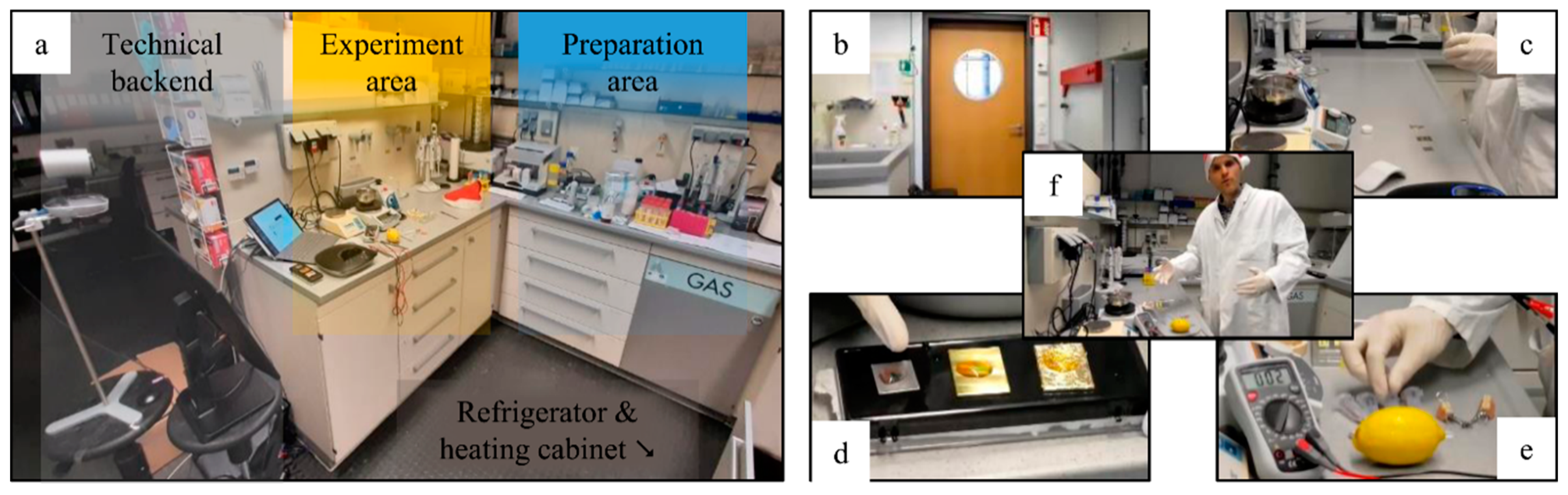
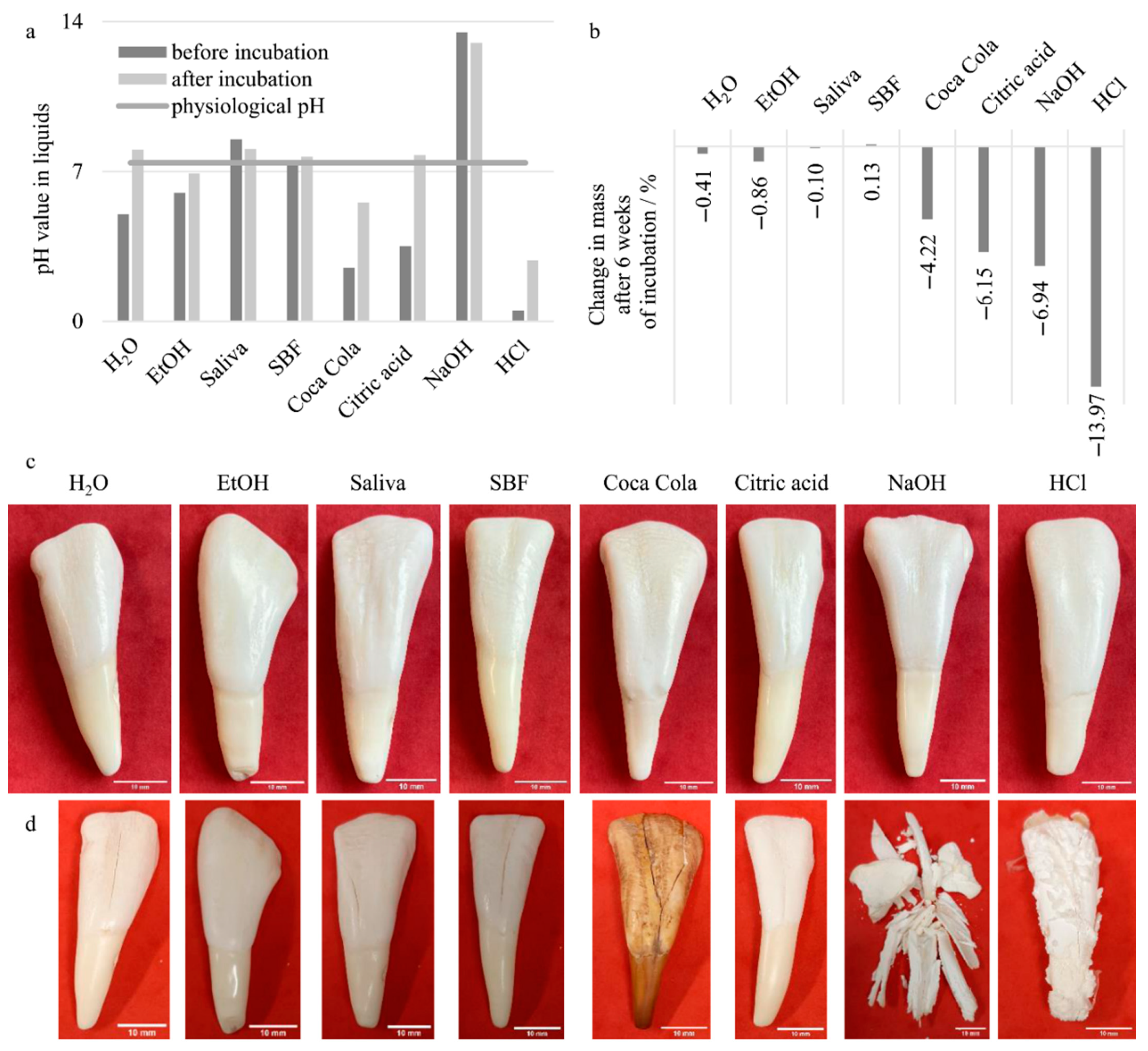
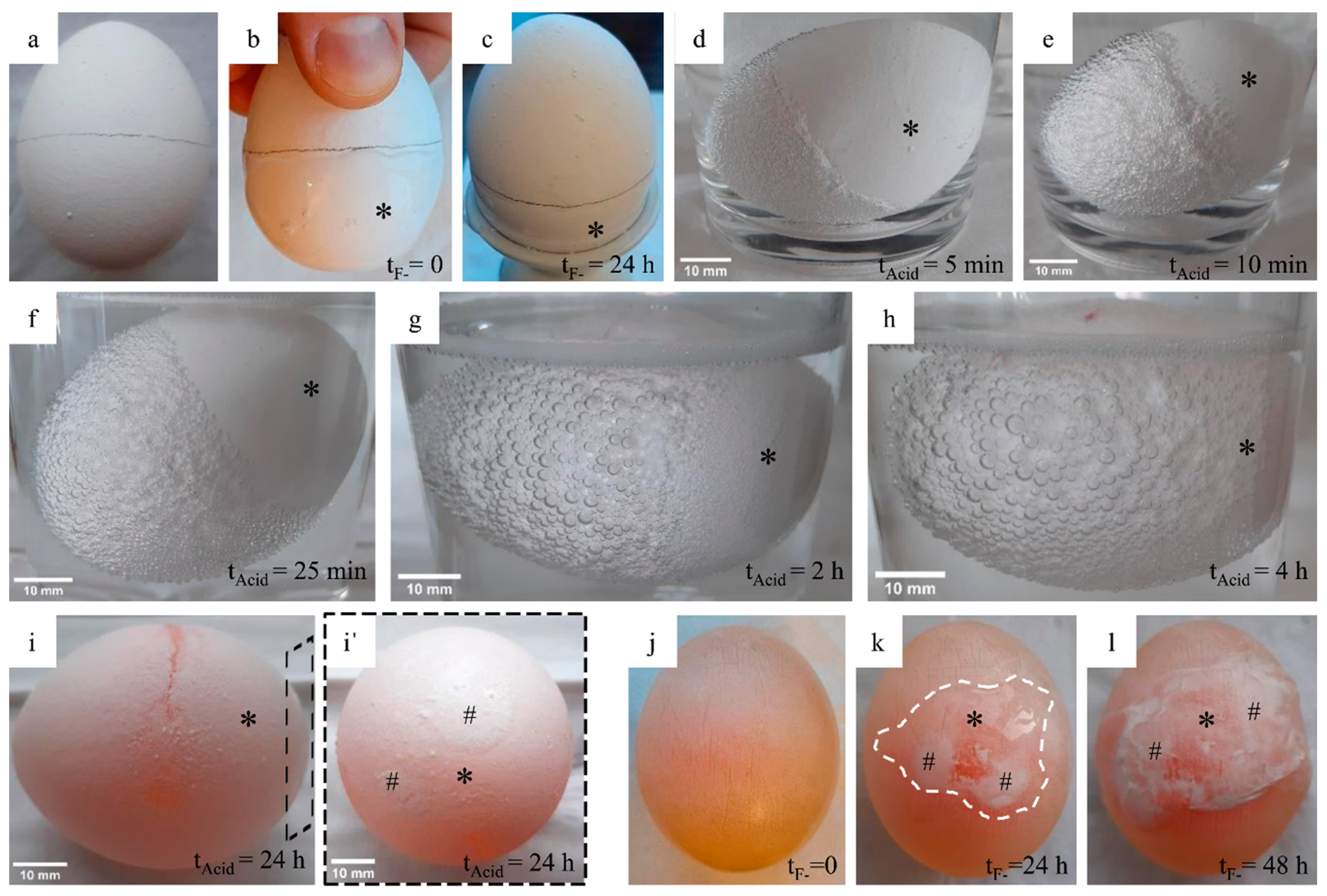
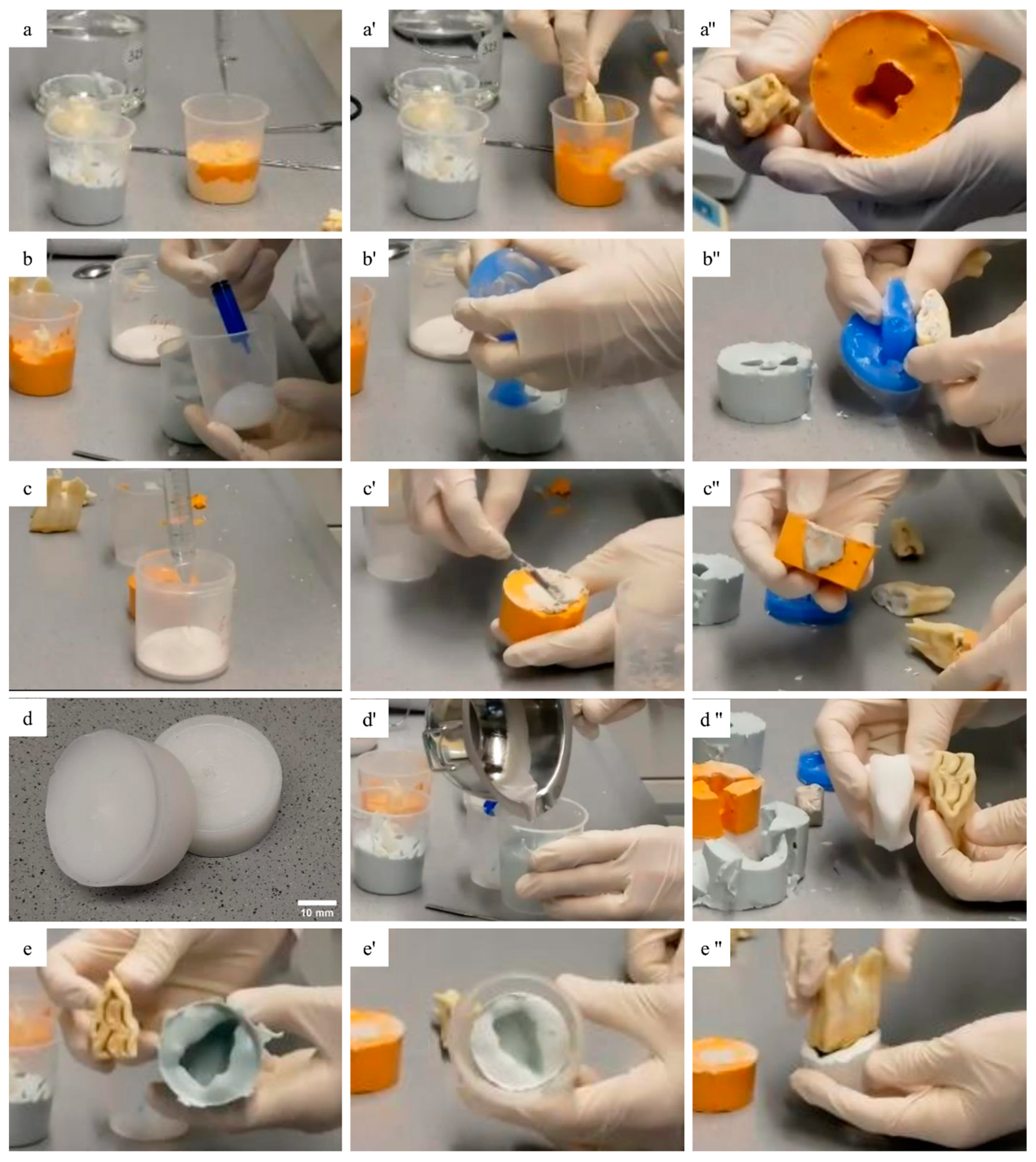
A digital lecture with motivating experiments—how can this be done in practice? This question shall be answered in the context of a case report from the field of material science. A digital experimental lecture as a substitute for a lecture with student experiments was evaluated by students to provide information on whether an adequate substitute for experiments in the digital teaching context is possible. This paper addresses the question of how to transfer a demonstrative experimental lecture to the digital space on two levels: (a) the procedure of an experimental lecture in the digital space with a focus on implementation, student activation, and audience response. A self-reflective assessment by the lecturer/author and an evaluation by the participating students was performed to judge the suitability of the digital experimental lecture in terms of students’ motivation. (b) Subject-specific experiments from the field of dental materials and their transfer from “students do it themselves” to a series of demonstration experiments. The detailed explanations of the procedure and the observed results shall serve as a basis for adaptation for other experiments or lectures. In conclusion, methods and tools (audience response systems such as joined blackboards, chat, and voting) suitable to activate students in partaking in the lecture by suggesting experimental parameters or speculating on the outcome of experiments are presented. The evaluation showed that with the help of these systems a demonstrative experimental lecture in the digital space can still be perceived as adequate experimentation if a certain student influence and animating approach to the audience is integrated, which might result in the students’ conclusion of, “It felt like you were “live” on site.”.
Keywords: synchronal; student’s activation; high education teaching; university; Christmas lecture; carries; tooth dissolution; corrosion; materials science synchronal; student’s activation; high education teaching; university; Christmas lecture; carries; tooth dissolution; corrosion; materials science