


Abstract
Climate change has become a major macroeconomic challenge with profound implications for the real economy. This study examines the influence of perceived climate-related risks, proxied by news-based indices capturing media attention to global warming, natural disasters, US climate policy, and international climate summits, on US business activity across short- and long-term horizons. The methodological framework first employs principal component analysis to condense multiple explanatory variables into a single composite factor. A Fourier autoregressive distributed lag model is then adopted to estimate the effects of these forward-looking informational proxies over time. The results reveal marked heterogeneity across perceived climate-related risks and temporal horizons. Global warming news intensity constitutes a persistent impediment, exerting stronger and more durable effects on business activity. Natural disaster media coverage generates sharp short-term deterioration, although its influence fades over longer horizons. News-based transition-risk proxies exhibit a mixed pattern. US climate policy media coverage consistently dampens business conditions, whereas international climate summit coverage plays a comparatively modest role. Our findings underscore that a one-size-fits-all strategy is ineffective. Climate risk management should differentiate between persistent and transitory forces, recognizing that perceived risks may operate through expectations, uncertainty, and sentiment rather than realized damages or enacted policies alone.
1. Introduction
In recent decades, climate change has emerged as a structural force in global policymaking, extending beyond environmental and social dimensions to influence economic, financial, strategic, and geopolitical landscapes. Its broad-ranging ripple effects are now recognized at the firm, sectoral, and national levels, prompting major revisions in both governmental intervention and corporate strategy. In particular, at the macroeconomic level, both physical and transition climate-related risks affect core variables such as inflation, business activity, fiscal resilience, energy security, and long-term growth. Physical risks refer to economic losses arising from the direct impacts of climate change, such as extreme weather events, sea-level rise, and long-term shifts in climate patterns. Transition risks stem from the economic and policy adjustments required to move towards a low-carbon economy, including regulatory changes, technological shifts, and market re-pricing of carbon-intensive assets (Task Force on Climate-Related Financial Disclosures, 2017). These risks are transmitted through multiple channels, including supply chain disruptions, shifts in investment flows, and increasing fiscal pressures stemming from adaptation costs and climate-related damages. Kiley (2024) documents that climate change can alter the distribution of economic activity, heightening the risk of severe downturns and welfare losses. R. S. T. Tol (2018) demonstrates that the long-term negative impacts of climate change are expected to surpass any short-term advantages, especially by hindering economic growth and exacerbating poverty. These consequences are expected to be most pronounced in economically vulnerable, high-temperature, and low-altitude regions.
The intensifying nature of climate risks has led to important international policy developments. The 2024 United Nations Climate Change Conference (COP29) marked a crucial milestone in global climate governance. Developed countries committed to mobilizing at least $300 billion annually by 2035 for climate finance, remarkably expanding resources for mitigation and adaptation. The summit also advanced the implementation of Article 6 of the Paris Agreement by operationalizing a global carbon credit trading system and activating the Loss and Damage Fund to support the most vulnerable economies.1 While not prescribing explicit macroeconomic policies, such measures are most likely to affect global investment flows, constrain fiscal capacity, and alter business conditions via short-term regulatory uncertainty and long-term decarbonization price signals. The macroeconomic repercussions of climate change are also closely aligned with the United Nations 2030 Sustainable Development Agenda. The evolution of business conditions under climate-related risks directly relates to SDG 13 (Climate Action), as understanding such dynamics informs mitigation and adaptation strategies. Stable business conditions are central to accomplishing SDG 8 (Decent Work and Economic Growth) via underpinning productivity, investment, and employment. The resilience of economic activity in the face of physical and transition risks connects to SDG 9 (Industry, Innovation, and Infrastructure) and SDG 11 (Sustainable Cities and Communities), while international climate summits and cooperative policy efforts resonate with SDG 17 (Partnerships for the Goals), emphasizing the importance of multilateral actions for fostering climate-resilient growth.
As climate impacts grow more severe across the globe, incorporating ecological considerations into macroeconomic frameworks has shifted from a discretionary choice to a strategic imperative. This urgency has fueled a rapidly expanding scholarly focus on climate-macroeconomic links, investigating how physical and transition risks reconfigure fundamental indicators and long-term growth trajectories. A foundational contribution to climate economics is the work of Nobel Laureate William Nordhaus (1977, 1991, 1992), whose pioneering models demonstrate how economic activity and carbon emissions interact through feedback mechanisms. His research indicates that robust economic growth, frequently associated with increased emissions, hastens climate change and intensifies long-term economic losses. This, in turn, brings about a self-perpetuating cycle of elevated environmental and economic fragility. Babiker and Eckaus (2007) use a Computable General Equilibrium (CGE) model with sectoral rigidities in labor mobility and wage adjustments to show that greenhouse emission reduction policies can raise unemployment in affected sectors. They emphasize that such employment impacts are economically huge and politically sensitive. Andersson et al. (2020) note that the direct economic impacts of climate change are broad and potentially significant, affecting sectors such as agriculture, fisheries, energy, tourism, construction, and insurance. They stress that addressing these challenges will require greater state intervention, and that carbon pricing may elevate inflation, though this effect could be offset by falling renewable energy costs and improved energy efficiency. Based on the enhanced DICE-2023 model, Barrage and Nordhaus (2024) conclude that present climate policies remain inadequate to restrict temperature rise to 2 °C. Their findings also project $120 trillion in net present value gains from an optimally designed climate policy.
Empirical studies further show that the macroeconomic effects of climate change vary across both time and geography. At the global scale, R. S. J. Tol (2021) finds that the heaviest burdens of climate change, in terms of economic and welfare losses, fall on poorer, hotter countries, while R. S. J. Tol (2023) cautions that ambitious mitigation policies can impose fiscal strains through the revenue demands of carbon taxation and the costs of large-scale subsidies. At the OECD level, Ciccarelli and Marotta (2024) report that physical risks tend to lower both output and prices, whereas transition policies reduce output but increase prices. Curcio et al. (2023) find that billion-dollar climate disasters can increase systemic risk in US banking and insurance, with effects varying in timing. They also document that strong green market performance reduces systemic risk more than brown indexes, while higher green index riskiness amplifies it, highlighting the need for policies to address escalating climate disasters. In low-income economies, Qi et al. (2025) identify short-term inflationary impacts of climate change transmitted via monetary policy responses and food price volatility. Subnational evidence from China underlines this heterogeneity. For instance, Duan et al. (2022) find that higher temperatures and humidity reduce output in cities, while rainfall has a positive influence. Chen et al. (2025) observe a northward migration of climate-related credit risk across provinces. These findings indicate that climate change and climate policy affect economic systems in complex and varied ways. Moreover, economic systems are exposed to climate risks through multiple interconnected channels. Batten et al. (2016) show that climate change and decarbonization policies intersect with central banks’ objectives via four key pathways: (i) physical risks, in which extreme weather events undermine financial stability; (ii) gradual warming that lowers potential output; (iii) transition risks arising from policy-induced asset repricing and supply disruptions; and (iv) inflationary pressures exacerbated by climate impacts and shifts towards bioenergy projects. In a subsequent study, Batten (2018) classifies climate risks as demand-side macroeconomic shocks, which influence consumption, investment, and trade, or as supply-side shocks, which constrain capital, labor, and technological capacity.
Against this backdrop, our study explores the differential influence of perceived climate change-related risks, proxied by news-based indicators of global warming, natural disasters, international climate summits, and US climate policy actions and debate, on US business conditions across both short- and long-term horizons. More specifically, we seek to answer the following questions:
- How do real business conditions respond to different forms of climate-related news intensity?
- Do these responses, if any, vary across short- and long-term time horizons?
The present work contributes to the climate-economy literature in four distinct respects. First, we employ recently developed climate risk proxies from Faccini et al. (2023) that furnish a rigorous structure for distinguishing between physical risks (natural disasters and global warming) and transition risks (US climate policy developments and international climate conferences) and for systematically comparing their respective influences on business activity. Following Faccini et al. (2023), these measures are constructed from the intensity and thematic content of climate-related news coverage and should not be interpreted as direct measures of realized physical climate damages or observed policy stringency. Rather, they capture perceived and anticipated climate-related risks embedded in the informational environment. Therefore, throughout the following pages, these proxies are interpreted as forward-looking informational indicators reflecting climate-related expectations, uncertainty, and sentiment conveyed through news disclosures. This distinction is important because firms, investors, and consumers adjust their behavior based on perceived risks and evolving expectations, rather than solely on realized damages, thereby making anticipation effects central to business cycle dynamics (Engle et al., 2020). While most prior studies either treat climate risks as a single aggregate construct or focus exclusively on one type of risk (e.g., Agliardi & Agliardi, 2021; Ardia et al., 2023; Batten et al., 2016; Bellinvia et al., 2025; Bua et al., 2024; Ding et al., 2021; Engle et al., 2020; Kapfhammer et al., 2020; B. Li et al., 2024; Morão, 2025), the proposed categorization discloses how climate risk types correspond to distinct macroeconomic outcomes, thereby advancing the empirical foundation for climate-business activity research. Second, our study builds a direct bridge between the climate risk literature and business analysis, extending a research field that has extensively remained concentrated on financial market developments (Albanese et al., 2025; Antoniuk & Leirvik, 2024; Basher & Sadorsky, 2025; Demirer & Prodromou, 2025; Ge et al., 2024; Ginglinger & Moreau, 2023; Hsu et al., 2023; Huang et al., 2025; Salisu et al., 2023a) into the realm of real economic activity. It adds to an established body of literature (e.g., Babiker & Eckaus, 2007; Barnett et al., 2022; Barrage & Nordhaus, 2024; Batten et al., 2016; Batten, 2018; Curcio et al., 2023; Dell et al., 2014; Jones & Olken, 2010; Morão, 2025; Nordhaus, 1991; R. S. T. Tol, 2018) that explores the macroeconomic consequences of climate change. Understanding these dynamics is increasingly critical, not only for policymakers tasked with designing effective climate and economic resilience strategies, but also for investors whose decisions are affected by vicissitudes of business activity. Since macroeconomic performance has a strong bearing on market sentiment, corporate earnings, and sectoral risk exposure, insights into how climate risks interact with business conditions can suitably inform risk management practices, guide sector allocation, and improve the pricing of climate-related risk premia. Third, the vast majority of relevant research has examined the nexus between climate risks and a narrow collection of economic or financial variables, often overlooking other influential forces that also govern economic outcomes (e.g., Boungou & Urom, 2023; He & Zhang, 2022; Jia, 2025; Olasehinde-Williams & Akadiri, 2025; Salisu et al., 2023a; Sun et al., 2024; Wang & Li, 2023; Zhu et al., 2023). Adopting climate risk as a sole predictor can therefore yield biased or incomplete inferences because it ignores concurrent macro-financial circumstances and market sentiment trends that may confound the observed relationship. We tackle this limitation by evaluating the response of business conditions to climate risks while controlling for an extensive array of macro-financial indicators, sentiment measures, and sector-specific real economy variables. To avoid overfitting and multicollinearity in the Fourier Bootstrap ARDL framework, these controls are synthesized into a single orthogonal factor via Principal Component Analysis (PCA), following Kelly et al. (2019) and Stock and Watson (2002). This latent factor captures the underlying state of the economy while preserving model parsimony properties. When incorporated alongside climate risk proxies, it confirms that both climate-specific and broader structural determinants are represented, thereby improving the robustness of our findings and reducing the risk of model misspecification.
Following this introduction, the remainder of the paper is organized as follows. Section 2 describes the dataset and variable construction. Section 3 outlines the econometric methodology. Section 4 presents the preliminary analysis, including the PCA results and univariate characteristics. Section 5 reports the Fourier-ARDL estimation results for aggregate business conditions. Finally, Section 6 concludes by summarizing the main findings and offering policy recommendations.
2. Data Description
Our empirical inquiry covers the period from January 2000 to January 2025, yielding a total of 301 observations. The timeframe and sampling frequency are determined by data availability, with both the starting point and end date corresponding to the earliest and most recent observations available for the climate risk indicators. Some macroeconomic variables are reported solely on a monthly basis. Thus, daily data are aggregated to monthly frequency utilizing the median of daily observations within each month. To maintain temporal consistency across the dataset, we impute missing observations utilizing linear interpolation. The United States serves as an ideal setting for this investigation due to its role as both a driver and responder to climate-economic dynamics. Four factors substantiate this choice. First, its dual status as a principal contributor to climate change and a leader in climate mitigation efforts creates an inherent tension between economic and environmental priorities. Notably, it was the world’s second-largest emitter of total carbon dioxide emissions in 2023.2 Second, the US is frequently exposed to high-impact natural disasters (e.g., hurricanes, wildfires, and floods), which act as observable shocks to business conditions and offer valuable opportunities to assess the direct effects of climate risks on economic performance. Third, its federal system of governance, while generating heterogeneous policy responses across states, also presents a distinctive environment to examine the overall reactions to climate risks. Fourth, the US is home to the world’s largest financial markets, where climate risks are rapidly priced, making it a critical natural laboratory to explore the intersection of business conditions and climate change at a national level. The following subsections outline the specific variables adopted in the study.
2.1. Business Conditions Dynamics
Our response variable, representing the aggregate level of US business conditions, is the real-time measure constructed by Aruoba et al. (2009), known as the Aruoba-Diebold-Scotti (ADS) business conditions index. The ADS index merges stock-type and flow-type variables collected at multiple temporal frequencies to provide a gauge of real economic activity. It basically relies on six seasonally adjusted macroeconomic indicators, viz. weekly initial jobless claims, monthly nonfarm payroll employment, industrial production, real personal income excluding transfer payments, and real manufacturing and trade sales, and quarterly real gross domestic product. Aruoba et al. (2009) point out that those components capture primary dimensions of the economy, including labor market conditions, production activity, income flows, and aggregate output. A dynamic factor model integrates the six indicators, handling their asynchronous release schedules while preserving temporal coherence. This methodology enables a timely and reliable depiction of evolving business conditions. Standardized to have a mean of zero, the index interprets positive values as denoting above-trend economic performance and negative ones as reflecting below-trend or contractionary circumstances. These features make the ADS index well-suited for uncovering the state of the US economy, especially in studies that examine business cycle asymmetries across expansionary and contractionary phases. The ADS index is widely adopted in empirical research as a standard measure of changes in US business activity over time (e.g., Ahmed & Sleem, 2023; Berge & Jordà, 2011; Brunetti & Reiffen, 2014; Diebold, 2020; M. Li et al., 2024; Nyamela et al., 2020; Smales, 2021). The index data series are from the Federal Reserve Bank of Philadelphia’s Real-Time Data Research Center (https://www.philadelphiafed.org/surveys-and-data/real-time-data-research/ads, accessed on 18 August 2025), which acts as the official repository for this benchmark index.
Figure 1 illustrates the ebb and flow of US business conditions over the sample period. We observe that the ADS index remained broadly stable at the beginning of the decade, but declined during the 2001 dotcom bust and then plummeted dramatically in the 2007–2009 global financial crisis, when financial turmoil and recessionary pressures pushed it to pronounced lows. A partial recovery followed in the post-2010 period, supported by stimulus measures and gradual stabilization, though volatility resurfaced during the 2011–2012 Eurozone sovereign debt crisis and the 2015–2016 commodity price downturn. The most striking feature is the unprecedented collapse during the COVID-19 pandemic in 2020–2021, as lockdowns and supply-chain disruptions drove the index to historic lows, after which an uneven but rapid rebound emerged, mostly fueled by extraordinary fiscal stimulus and accommodative monetary policy. In the post-2022 period, the index exhibited renewed swings, driven by mounting inflationary pressures, the shift towards monetary tightening, and geopolitical disruptions, most notably the Russia-Ukraine war. Importantly, one methodological merit of the Fourier ARDL framework is its ability to capture abrupt structural breaks of the type witnessed in 2020 without requiring explicit break dummies, thereby preserving the integrity of long- and short-run inference in the presence of such shocks.
Figure 1.
Evolution of the ADS index across the study period.
2.2. Climate Risk Proxies
Accurately assessing the potential influence of climate change risks on economic and financial variables necessitates the development of forward-looking metrics that capture both current physical vulnerabilities and evolving transition pressures. In this context, the four climate risk factors introduced by Faccini et al. (2023) serve as appropriate proxies, as they reflect evolving public sentiment, perceived risks, and anticipated policy developments related to climate change. Derived from narrative extraction and semantic analysis of Reuters news reports, the proposed factors pertain to US climate policy actions and debate (USCP), international climate summits (INS), natural disasters (NAD), and global warming (GLW). USCP and INS correspond to transition risks emanating from regulatory ambiguity, illustrated by policy deliberations and international coordination efforts targeting emissions control and climate governance. Conversely, media coverage related to NAD and GLW captures physical risks associated with environmental deterioration, such as extreme weather events and increasing global temperatures. Faccini et al. (2023) derive these measures from a corpus of 13 million articles, isolating approximately 34,000 climate-relevant documents by filtering for the primary terms “climate change” and “global warming”. To extract latent thematic patterns, the authors carry out Latent Dirichlet Allocation (LDA), proposed by Blei et al. (2003). This unsupervised machine learning method models documents as probabilistic mixtures of topics by identifying patterns of co-occurring terms within the text. Following algorithmic topic generation, Faccini et al. (2023) manually validate and refine the output to ensure conceptual coherence, ultimately extracting 25 distinct themes. Through careful evaluation of financial relevance and interpretability, these are aggregated into four core climate risk dimensions, which are USCP, INS, NAD, and GLW.
Clarification regarding the interpretation of the four climate-related indices is warranted. Faccini et al. (2023) highlight that these measures are constructed from the frequency and thematic content of Reuters news coverage. As such, they capture climate-related risks as reflected through media disclosures and the associated perceptions and expectations of market participants, rather than direct realizations of physical climate damages or observed policy stringency. This distinction is important because the present analysis aims to examine how business conditions respond to anticipated and perceived risks, which operate through expectations, sentiment, and precautionary behavior, rather than solely through realized shocks. The anticipation channel is economically relevant for several reasons. First, firms may adjust investment, production, and hiring decisions in response to news about prospective climate regulations or rising disaster risks before policies are formally implemented or physical events materialize. Second, heightened media salience surrounding climate-related developments can influence consumer confidence, financing conditions, and broader economic sentiment independently of contemporaneous physical damage. Third, transition risks are inherently forward-looking, as they arise from expectations regarding future regulatory changes, technological transitions, and decarbonization efforts. Consequently, although these indices do not measure realized climate shocks directly, they are well suited to capture the forward-looking informational and belief-driven channels through which climate-related risks affect business cycle dynamics.
The four climate risk categories possess significant economic relevance. For instance, coverage related to INS, often linked to discussions on global carbon taxation, is generally perceived as detrimental to firms due to the potential for heightened regulatory costs. Such regulatory developments may alter corporate investment strategies, increase compliance burdens, and introduce uncertainty into long-term planning, particularly for carbon-intensive industries. Similarly, increased media focus on NAD or GLW tends to reflect negative developments such as extreme weather events or environmental deterioration, which may erode investor trust and impair economic activity. These physical risks can lead to asset devaluation, supply chain disruptions, and increased insurance costs, thereby affecting firm performance and broader financial stability. Notably, each of the climate risk proxies empirically maintains orthogonality to conventional policy uncertainty indices, demonstrating their incremental explanatory power. The time series associated with the climate risk indicators is publicly available through the research webpage maintained by Renato Faccini.3 Recent empirical work has increasingly employed the four-dimensional climate risk framework, validating its utility in capturing diverse manifestations of climate-induced challenges (e.g., Basher & Sadorsky, 2025; Caporin et al., 2025; Demirer & Prodromou, 2025; Gupta & Pierdzioch, 2023; Salisu et al., 2023a; Zhou & Ma, 2025).
Figure 2 plots the textual climate risk proxies for USCP, INS, GLW, and NAD over the sample period. In the 2000s, USCP and INS spiked with Bush’s 2007 State of the Union, the Lieberman Warner debate in 2008, Obama’s inauguration in 2009, and the Copenhagen summit, while GLW and NAD peaked around the 2007 IPCC report, the 2009 Climategate controversy, Hurricane Dean in 2007, and the BP oil spill in 2010. Between 2013 and 2019, USCP and INS were influenced by major policy milestones such as the Clean Power Plan and the Paris Agreement, with a prominent USCP spike in June 2017 when President Trump announced the exit of the United States from the Paris Agreement, while GLW and NAD trended upward in response to more frequent disasters and growing awareness of warming anomalies. During the COVID-19 period of 2020 to 2021, transition risks diverged. INS collapsed as international summits were suspended, while USCP became increasingly volatile amid the 2020 presidential election and subsequent legislative debates. Meanwhile, NAD surged because of record-breaking events such as the 2020 Atlantic hurricane season, whereas GLW maintained steady coverage. From 2022 onwards, USCP remained volatile, mirroring partisan clashes over Biden-era climate initiatives and Republican resistance, whereas INS rebounded with the resumption of global climate diplomacy, including COP28 and preparations for COP30, and renewed commitments to net zero pledges. Over the same period, GLW and NAD reached unprecedented highs, with heatwaves, floods, and wildfires dominating headlines. Overall, the textual proxies show how US climate discourse has been driven by news coverage of scientific assessments, extreme weather events, domestic political developments, and international negotiations.
Figure 2.
Time path of climate risk indicators throughout the analysis period.
2.3. Control Variables
The trajectory of US business conditions reflects a complex interplay of diverse determinants, extending beyond climate-related risks to encompass core economic fundamentals, financial market dynamics, and structural influences. Although climate variables may contribute to swings in business activity, their impact occurs within a broader macroeconomic environment that also mirrors traditional business cycle drivers, as well as monetary and fiscal policy interventions. A purely univariate focus on climate factors risks producing biased estimates via model misspecification, as it omits numerous well-established drivers of business performance. To address the research objectives while accounting for omitted variable bias and preserving model efficiency, we implement a two-stage approach. First, we identify a comprehensive set of market and macroeconomic influences that the literature has shown to affect business dynamics. Second, to tackle potential multicollinearity and overparameterization within our FARDL models, we employ PCA to distill these controls into a single composite factor condensing latent macroeconomic and financial conditions. This orthogonalized index maintains the informational content of the original variables while ameliorating estimation efficiency and model parsimony. It is worth noting that the PCA-based latent factor is constructed from complementary variables that reflect the overall macroeconomic and financial landscape not directly captured by the ADS index, yet remain influential for real business activity.
Our selection of control variables is informed by both data availability and their established empirical pertinence to business activity. The variables cover three general dimensions that comprise macro-financial circumstances, expectations and market sentiment, and sector-specific real economy indicators. Specifically, we incorporate standard macro-financial measures such as the term spread, the BBB corporate bond spread, the effective federal funds rate, ten-year Treasury yields, the nominal US dollar index, the five-year expected inflation rate, and a composite financial stress index. Collectively, those variables reflect prevailing monetary policy stances, credit market conditions, and international price competitiveness, all of which are vital components of the macro-financial environment affecting real business activity. The second dimension contains forward-looking sentiment and uncertainty proxies, including the University of Michigan consumer sentiment index, the NFIB small business optimism index, the ISM manufacturing PMI, the VIX index, the economic policy uncertainty index, and the geopolitical risk index. These metrics disclose expectation-driven economic adjustments, as sentiment alterations often precede shifts in investment, hiring, and consumption behavior (Ludvigson, 2004). The incorporation of both survey-based sentiment measures and the market-based VIX index guarantees a more thorough portrayal of the uncertainty channels affecting economic behavior. The third dimension involves labor market dynamics (JOLTS job openings rate and JOLTS quits rate), real estate activity (building permits and housing starts), and industrial capacity usage (capacity utilization). This group of indicators reveal sector-specific dynamics that frequently serve as early signals of changes in aggregate business conditions (Davis & Heathcote, 2005; Leamer, 2007).
To address potential heteroscedasticity and non-normality, we convert strictly positive series into natural logarithms and use the inverse hyperbolic sine (IHS) transformation for series containing nonpositive values. This well-established technique preserves data integrity while securing uniform scaling (Burbidge et al., 1988; Norton, 2022; Pence, 2006). It is worth highlighting that we apply the IHS transformation to the individual control variables before running PCA to address skewness and scale differences. In contrast, the ADS index and the climate risk proxies are retained in their raw forms. The rationale is that applying IHS to ADS would make interpretation less transparent, as changes would no longer directly reflect improvements or deteriorations in business conditions. Similarly, transforming the climate proxies, which are often used as raw indices or counts, could distort their substantive meaning. The IHS transformation for a given series, , can be defined as follows:
Prior to conducting PCA, the series are transformed as appropriate to address distributional issues and ensure stationarity. They are subsequently standardized to zero mean and unit variance (z-score normalization) to prevent scale distortions and to secure orthogonality in the PCA decomposition. Table 1 reports concise definitions and data sources for the control variables.
Table 1.
Summary of control variables.
3. Econometric Methods
The methodological approach unfolds in two sequential phases. First, PCA is utilized to reduce dimensionality by condensing a wide array of explanatory variables into a single composite factor. In the second phase, the FARDL framework assesses the influence of climate change-related risks on business conditions. The two phases are detailed in the subsections that follow.
3.1. PCA-Based Factor Construction
As elaborated in Section 2.3, the explanatory variable set is comprised of not only climate risk proxies but also a diverse collection of macro-financial indicators, sentiment indices, and sector-specific metrics. To avoid compromising estimation efficiency within the FARDL approach, PCA is applied to the control variables to derive a single orthogonal factor capturing their common variance. The latent factor, interpreted as a summary of aggregate economic conditions, is included in the FARDL specifications to isolate the impact of climate risk while controlling for broader macroeconomic forces. This step ensures parsimony and mitigates risks of overparameterization and multicollinearity.
From an implementation perspective, PCA achieves dimensionality reduction via an orthogonal linear transformation of the original data matrix where t denotes the number of temporal observations and p stands for the dimensionality of the variable space. This transformation yields a set of mutually uncorrelated principal components (PCs), each defined as a weighted linear combination of the original variables (Jolliffe, 2002). The components are ordered according to the amount of variance they explain, with the first principal component capturing the maximum variance in the dataset, and each subsequent component disclosing the largest remaining variance under the orthogonality constraint to the preceding components. To ensure scale invariance when input variables are measured on heterogeneous scales, as is the case in our analysis, the data series are standardized using z-score normalization, producing a transformed matrix:
where and are vectors of the column-wise means and standard deviations, respectively. The division is performed element-wise to produce a matrix with zero mean and unit variance for each variable. As established by Abdi and Williams (2010) and Wold et al. (1987), the PCA methodology begins with the computation of the covariance matrix , which captures the linear dependence structure among the standardized variables. Eigenvalue decomposition of yields an ordered set of eigenvalues , each associated with a corresponding eigenvector . These eigenvectors define the orthogonal axes of the principal component space, while their corresponding eigenvalues indicate the proportion of total variance explained by each principal component. The transformation from the original standardized variables to principal component scores is established as follows: for each time period t, the score of the jth principal component, , is given by a weighted linear combination of the standardized variables , , …, , with weights derived from the entries of the eigenvectors. Formally, the transformation is expressed as:
where denotes the number of retained components based on the dimensionality reduction criterion adopted. This transformation maps the original variable space into an orthogonal subspace that maintains the maximum possible variance in the fewest components, facilitating both interpretability and computational efficiency. In accordance with Kaiser’s criterion (Kaiser, 1960), only PCs with eigenvalues ≥ 1 are retained for further analysis. Based on this subset of k components, a composite indicator consolidating latent economic dynamics, denoted , is extracted as a weighted sum of the corresponding principal component scores:
where the weight assigned to jth principal component is defined as:
In this context, denotes the eigenvalue associated with the jth retained component. This weighting scheme ensures that each component contributes to the composite indicator in proportion to the variance it explains relative to the total variance of the retained components. The resulting index functions as a low-dimensional proxy for aggregate economic conditions over time. The unscaled index is then normalized to a bounded interval [0, 1] using min-max transformation:
where and correspond to the highest and lowest values of the unnormalized index observed throughout the entire sample period. The normalization procedure improves interpretability and warrants that the index remains on a consistent scale across time, thereby enabling meaningful temporal comparisons.
3.2. Fourier ARDL Methodology
Following the construction of the latent economic dynamics factor, our next stage is to evaluate the extent to which climate risk categories influence the behavior of US business conditions over the short and long run. To this end, we utilize a bootstrap-based ARDL model augmented with Fourier terms, which extends the bounds testing approach originally developed by Pesaran et al. (2001). These models and their extensions furnish a robust framework for analyzing both short- and long-term relationships, particularly in contexts where the dataset comprises a combination of I(0) and I(1) variables and is limited in sample size. They facilitate a flexible and tractable method to testing for cointegration and investigating the equilibrium properties of economic and financial time series. Recent methodological advances (McNown et al., 2018; Sam et al., 2019; Solarin, 2019; Yilanci et al., 2020) have introduced the Fourier Bootstrap ARDL framework, which combines bootstrap resampling with trigonometric approximations to overcome critical limitations of the traditional ARDL model. More specifically, these enhancements ameliorate inference in the presence of degenerate cases (i.e., those involving a degenerate lagged dependent variable and degenerate lagged independent variables) and accommodates smooth structural shifts in the data without requiring a priori knowledge of breakpoints. Those features render the framework robust for assessing dynamic nexuses in structurally unstable or nonlinear environments.
Prior to implementing the ARDL model, we test each variable for its order of integration to confirm that none are integrated of order two or higher. The bounds testing procedure requires variables to be either level stationary [I(0)], first-difference stationary [I(1)], or a mixture of both, with none integrated of order two or higher [I(2+)]. For valid inference on cointegration, the dependent variable must be I(1). Once this requirement is met, we proceed to estimate the model, specifying the proxy for business conditions as a function of climate risk categories and the PCA-based composite factor. The long-run relationship can be expressed as follows:
where denotes the level of the ADS index at time t, and is the intercept term. The coefficients , , , and correspond to the explanatory variables for global warming (GLW), natural disasters (NAD), US climate policy debate (USCP), and international climate summits (INS), respectively. The parameter captures the effect of the PCA-derived latent macro-financial and sentiment factor (LED). The error term is assumed to be independently and identically distributed with zero mean and constant variance. Pesaran et al. (2001) demonstrate that the ARDL framework can be reparameterized into an Unrestricted Error Correction Model (UECM). This specification plays a central role in the ARDL methodology, as it captures both the long-run equilibrium relationship among variables and their short-run dynamics. The UECM includes lagged level terms, which represent the long-run relationship, and differenced terms, which capture short-run adjustments. The presence of both components allows the model to account for persistence, adjustment behavior, and transitory fluctuations in a unified framework. The ARDL (, , , ) representation of Equation (7) can be reparameterized into the following UECM form:
Here, ∆ denotes the difference operator, denotes the lag order of the dependent variable, and is the lag order of the j-th independent variable. The optimal lag structure (, ) is determined by the Akaike Information Criterion (AIC). The coefficient measures the short-run autoregressive effect of the j-th lag of the dependent variable on its current change. The coefficient ( = 1, 2, …, 5) captures the short-run effects of the j-th lag of the i-th explanatory variable on , with j = 0 denoting the contemporaneous term. The parameters , …, represent the long-run level coefficients associated with the lagged dependent variable and lagged explanatory variables, whose joint significance is the basis for bounds testing of cointegration.
After determining the appropriate lag length for the dependent and explanatory variables, we estimate Equation (8) to investigate the existence of a long-run relationship among the variables in levels. Within the traditional ARDL bounds testing framework, Pesaran et al. (2001) propose two cointegration tests. The first is an overall F-test, which evaluates the joint significance of all lagged level variables in the model. The null hypothesis is shown as , where denotes the coefficient on the lagged level of the dependent variable and to are the coefficients on the lagged levels of the explanatory variables: , respectively. The second is a t-test that focuses specifically on the significance of the lagged level of the dependent variable. The null hypothesis is: . Although these two tests constitute the core of the bounds testing procedure, their validity rests on the assumption that the dependent variable is an I(1) process. Consequently, in cases where this assumption is violated, the tests may yield misleading inferences by failing to identify existing cointegrational relationships. To deal with this issue, McNown et al. (2018) propose a complementary bootstrap-based test that examines the joint significance of the lagged-level independent variables only, while removing the lagged dependent variable. This third test furnishes additional evidence of cointegration in settings where the traditional F- and t-tests are inconclusive. The null hypothesis for this test is: . This enhancement is designed to resolve degenerate case #1, where the dependent variable is nearly stationary or weakly exogenous. With the exclusion of the lagged dependent variable from the test, the procedure reduces reliance on its integration properties and boosts the reliability of the bounds testing approach, particularly in contexts where unit root tests have limited power. Taken together, the bootstrap-based bounds testing procedure, comprising the F-test, the t-test, and McNown’s independent-variable test, provides a more thorough appraisal of long-run equilibrium relationships within the ARDL framework. We confirm cointegration only when the three tests reject their corresponding null hypotheses. This more stringent decision rule, in line with McNown et al. (2018), ensures robustness against degenerate cases and mitigates the risk of spurious inference in small samples.
While the ARDL approach is widely regarded for its flexibility and applicability to variables of mixed integration orders, it is not without limitations. A chief drawback of the traditional ARDL framework is its inability to account for structural breaks within the cointegration relationship (Tu et al., 2024; Yilanci et al., 2020). In practice, economic and financial time series frequently experience regime shifts, policy interventions, and external shocks that introduce smooth or abrupt changes in the underlying data-generating process. Gregory and Hansen (1996) indicate that ignoring such structural shifts can lead to biased estimates of long-run coefficients and diminished forecasting accuracy. The Fourier Bootstrap ARDL comes into play to address this deficiency (Solarin, 2019; Yilanci et al., 2020). This method integrates flexible deterministic components using low-frequency trigonometric (Fourier) terms, enabling the smooth, data-driven approximation of unknown structural breaks. When combined with a bootstrap procedure to enhance finite-sample inference, the approach provides a more efficient characterization of long-run relationships in the presence of structural heterogeneity. The deterministic component, used to capture smooth structural shifts in the Fourier ARDL framework, is specified as follows:
Here, denotes the Fourier approximation of the deterministic component at time t, k indexes the frequency of the sine and cosine components, n is the number of Fourier frequencies included in the approximation, π is the mathematical constant (approximately 3.1416), t denotes the time index, with t = 1, 2, …, T, T is the total number of observations in the sample, while and stand for the Fourier coefficients for the sine and cosine terms, respectively. Consistent with prior studies (e.g., Becker et al., 2006; Enders & Lee, 2012; Tu et al., 2024; Yilanci et al., 2020), we employ a single pair of sine and cosine terms in the specification to avoid overfitting and retain parsimony. Incorporating the Fourier terms, Equation (8) is re-expressed as follows:
Here, and are the coefficients on the sine and cosine terms that approximate smooth structural shifts in the data. These terms help capture gradual changes in the underlying relationships that may not be detected by standard deterministic trends. It is worth highlighting that the estimation results of Equation (10) allow for the derivation of meaningful economic interpretations through the computation of short-run and long-run effects. First, based on the standard delta method, the aggregate short-run impact of the autoregressive dynamics, that is, the short-run effect of past changes in the business conditions index on its current change, is calculated as the sum of the coefficients on the lagged first-differenced dependent variable, . Second, the cumulative short-run influence of each explanatory variable on business conditions is obtained by summing its coefficients on the contemporaneous and lagged first-differenced terms, , for i ∈ {1, 2, …, 5} corresponding to the regressors GLW, NAD, USCP, INS, and LED. These cumulative effects represent the transitory impact of a one-unit change in each climate risk factor and the latent economic dynamic on the business conditions index, aggregated over the current and lagged periods. Finally, the long-run multipliers are derived by normalizing the coefficients on the lagged-level explanatory variables () by the negative of the coefficient on the lagged-level dependent variable, . These multipliers capture the equilibrium response of the business conditions index to persistent changes in the climate risk proxies and macro-financial latent factor.
4. Preliminary Analysis
4.1. PCA Results
The analysis commences with the application of PCA, aimed at reducing the dimensionality of the control variables. As noted in Section 3.1, this technique transforms the original dataset into a smaller group of uncorrelated components while retaining most of the underlying informational content. To determine the number of components to retain, Kaiser’s criterion (Kaiser, 1960), a widely accepted standard in factor analysis, is applied. According to this rule, only those PCs with eigenvalues greater than one are kept. This threshold is justified by the fact that such components account for more variance than a single standardized variable, whereas those with eigenvalues below one add limited explanatory power and are therefore excluded. Restricting the selection to the former yields components that are both parsimonious and meaningful, thus improving the interpretability and efficiency of the subsequent analyses without sacrificing critical information.
As shown in Table 2, the variance decomposition results indicate that the first five principal components satisfy Kaiser’s criterion, with eigenvalues of 6.543, 3.192, 2.353, 1.742, and 1.108, respectively. Collectively, these components account for approximately 83.0 percent of the total variance, indicating that they adequately summarize the dominant latent structure underlying the macro-financial, sentiment, and real-activity variables included in the analysis. Among them, the first principal component alone explains 36.3 percent of the total variance and therefore represents the dominant common factor driving co-movement across the underlying indicators. The associated factor loadings (see Table 3) suggest that this component primarily reflects broad cyclical business conditions, combining information from real activity indicators, labor-market turnover, housing activity, and selected macro-financial variables. Although the remaining retained components contribute incrementally smaller shares of explained variance (17.7, 13.1, 9.7, and 6.2 percent, respectively), they remain economically meaningful because they capture additional orthogonal dimensions embedded in the data, particularly those associated with labor-market dynamics and housing-sector conditions. The high cumulative explanatory power of the selected components confirms their effectiveness in summarizing the key macroeconomic and financial trends present in the dataset.
Table 2.
Summary of PCA results.
Table 3.
Factor Loadings for Principal Components (Eigenvalues > 1).
Rather than relying exclusively on a single component, however, the analysis constructs a composite latent economic dynamics indicator () using all retained principal components. Specifically, the retained components are aggregated using variance-based weights proportional to the share of variance explained by each component. This procedure preserves information from multiple latent dimensions (i.e., macro-financial conditions, uncertainty and sentiment dynamics, labor-market conditions, housing activity, and sector-specific cyclical fluctuations), while simultaneously reducing dimensionality into a tractable composite indicator suitable for empirical analysis. This finding broadly accords with the empirical literature emphasizing that macroeconomic and financial indicators tend to co-move because of shared structural and cyclical drivers (e.g., Forni et al., 2000; Kose et al., 2003; Kunst & Neusser, 1990). Accordingly, the remaining thirteen components (PC6 through PC18), all with eigenvalues below unity, are excluded because their inclusion would contribute limited additional explanatory information while potentially introducing unnecessary noise into the analysis.
Table 3 reports the rotated factor loadings associated with the five retained principal components. The loading structure reveals that the extracted components capture several interconnected dimensions of the macroeconomic environment rather than a single narrowly defined factor. In particular, the first component exhibits relatively stronger loadings for real activity indicators such as capacity utilization, housing activity, labor-market turnover, and selected macro-financial variables, suggesting that it primarily reflects broad cyclical business conditions. The second component is more strongly associated with financial stress, Treasury yields, the US dollar index, and the VIX, indicating a macro-financial and uncertainty-related dimension. The third component is more closely associated with labor-market dynamics and policy uncertainty indicators, while the fourth component appears to capture business expectations and geopolitical sentiment. The fifth component is primarily linked to geopolitical risk and consumer sentiment dynamics.
Overall, the loading structure confirms that the retained components jointly summarize multiple orthogonal dimensions embedded in the original dataset, including macro-financial conditions, uncertainty and sentiment dynamics, labor-market conditions, housing activity, and broader cyclical fluctuations. This multidimensional structure supports the use of the composite latent economic dynamics indicator () as a parsimonious control capturing the common variation across the broader macroeconomic and financial environment.
Visual analysis of the eigenvalue scree plot, as shown in Figure 3, supports the retention of the first five PCs. This choice is justified by the prominent elbow at the fifth component, consistent with the elbow heuristic, and further validated by the Kaiser criterion, as all five eigenvalues surpass the threshold of λ = 1. Beyond this point, the eigenvalue curve flattens sharply, indicating that additional components offer negligible explanatory value. Therefore, the selected components are consolidated into a single composite factor, as outlined in the estimation procedures of Equations (4)–(6), to encapsulate underlying macroeconomic and financial conditions for subsequent analysis.
Figure 3.
Scree plot of PCA eigenvalues.
4.2. Univariate Stochastic Properties
To characterize the statistical properties of the data, Panels A, B, and C of Table 4 present univariate time-series diagnostics, namely summary statistics, the BDS nonlinearity test, and the Fourier ADF unit root test, respectively. In Panel A, we notice that the mean monthly levels of the Aruoba-Diebold-Scotti business conditions (ADS) index are negative, a pattern most likely driven by sharp collapses during turbulent episodes such as the global financial crisis and the COVID-19 pandemic. With respect to the climate-related indices, US climate policy news intensity (USCP) and international climate summit news intensity (INS) exhibit the highest average monthly values, whereas global warming news intensity (GLW) and natural disaster news intensity (NAD) display comparatively lower averages. This pattern suggests that public attention and media discourse are more persistently directed toward transition-related risks than toward physical climate risks. This disparity might mirror the ongoing and politically salient nature of climate policy debates, legislative actions, and international negotiations, in comparison with the more episodic and geographically dispersed occurrence of extreme weather events and global warming coverage. The distributional characteristics, as captured by skewness and kurtosis, reveal substantial deviations from normality across all variables. The ADS index displays the strongest negative skewness and the greatest kurtosis, suggesting that adverse shocks are more dominant and that acute downturns in business conditions tend to take place with disproportionately high frequency. Conversely, the climate-related indices exhibit positive skewness and elevated kurtosis, indicating a propensity for abrupt upward surges in climate-related attention and an increased likelihood of extreme outcomes compared to what would be expected under a normal distribution. These distributional features underline the asymmetric and fat-tailed nature of the data, where both economic and climate-related variables are prone to sudden, outsized movements. The Jarque–Bera test statistics provide strong statistical confirmation, decisively rejecting the null of normality and reinforcing the prevalence of non-Gaussian characteristics in the series.
Table 4.
Descriptive and time-series diagnostic properties of the variables.
To explore the underlying dynamics and potential nonlinear dependencies in the data, we utilize the BDS test of Brock et al. (1996), which is designed to detect departures from independence and linearity in time series. The null hypothesis of the test posits that a given series is independently and identically distributed (i.i.d.), such that any rejection points to hidden structures or nonlinear dependencies beyond simple linear autocorrelation. To enhance robustness, we implement the test across a wide range of embedding dimensions (m), allowing us to detect nonlinear patterns over different temporal horizons. As shown in Panel B of Table 4, the test statistics are highly significant at the 1 percent level across all embedding dimensions, leading to a firm rejection of the i.i.d. null hypothesis. These findings constitute compelling evidence of the presence of complex and nonlinear dynamics in all variables, motivating the application of econometric frameworks (e.g., the Fourier ARDL) that are capable of accommodating such characteristics.
Given the strong evidence of nonlinear data-generating processes, relying on a conventional unit root test to determine the order of integration for each series would be misspecified. We therefore implement the Fourier ADF test of Enders and Lee (2012). This approach is particularly appropriate for our setting, as it accommodates unknown nonlinear dynamics, including smooth endogenous structural breaks, by incorporating trigonometric components into the unit root test equation. A prominent feature of this test is that the distribution of its statistic is asymptotically invariant to the underlying data-generating process, depending only on the frequency (k) and the number of data points (T). In line with the authors’ recommendations, we identify the optimal Fourier frequency (k) via a grid-search algorithm and select the appropriate lag length (l) by minimizing the AIC. The results are reported in Panel C. At levels, the null hypothesis of a unit root cannot be rejected for ADS, GLW, NAD, INS, and LED, as indicated by their statistically insignificant statistics. However, their first differences yield highly significant statistics at the 1 percent level, confirming stationarity in differences and consequently an integration order of I(1). The sole exception is the USCP index, which demonstrates stationarity in levels, I(0). This mixed integration structure, with USCP being I(0) and the other series I(1), aligns with the requirements of the Fourier ARDL framework, whose bounds testing procedure accommodates such a mixture of integration orders.
To conclude our exploratory analysis, Figure 4 visualizes the pairwise correlation structure among the variables. We notice that the ADS index exhibits virtually no linear association with the climate risk proxies. Specifically, the correlations with GLW (−0.01), NAD (0.03), USCP (−0.01), and INS (−0.01) are negligible, whereas the linkage with the PCA-based latent factor LED is only marginally positive (0.08). These findings indicate an absence of contemporaneous linear co-movements between business conditions and climate-related attention, underscoring the need for econometric techniques that can capture nonlinear and potentially lagged dependencies. In contrast, the pairwise correlations among the climate risk variables are notably stronger, with particularly high associations between GLW and NAD (0.50) and between GLW and INS (0.64). This suggests a significant clustering of media and public attention around interrelated climate themes. Taken together, the results strengthen the case for adopting the Fourier ARDL framework to explore dynamic and nonlinear connections that simple correlation measures fail to uncover.
Figure 4.
Heatmap representation of pairwise correlations across variables.
5. Findings
This section presents the Fourier-ARDL results for overall business conditions, beginning with the cointegration bounds test and followed by the estimation of short- and long-run dynamics.
5.1. Fourier Cointegration Bounds Test Results
The central objective of this section is to evaluate how the aggregate ADS index, encompassing both positive and negative changes in US business conditions, responds to climate-related risks. Since the Fourier ARDL bounds cointegration test is reliant on the correct specification of the unrestricted error correction model, identifying the appropriate lag structure (, , , ) constitutes a prior condition for the analysis. Based on the AIC, the optimal lag orders are determined as (3, 1, 3, 2, 1, 3), and the Fourier ARDL bounds cointegration test is then conducted accordingly.
As reported in Table 5, the results provide strong evidence of a long-run relationship between the variables under study. Specifically, the overall F-statistic substantially exceeds the upper-bound critical value at the 1 percent level, thereby rejecting the null hypothesis of no cointegration. Similarly, the t-statistic on the lagged dependent variable is beyond the 1 percent critical threshold in absolute values, reinforcing the existence of a valid error-correction mechanism anchoring the system towards long-run equilibrium. The statistic also surpasses the upper-bound critical value at the 1 percent level, demonstrating that the joint significance of the lagged independent variables is non-trivial. Taken together, these findings indicate that fluctuations in US business conditions are not merely transitory responses to climate risks but rather embody stable long-run comovements with the underlying climate-related and macro-financial and sentiment factors. The consistency of such outcomes across all three statistics (, , and ) underscores the robustness of the cointegration evidence and illustrates the capacity of the Fourier ARDL framework to account for hidden structural shifts and nonlinear dynamics in the data-generating process.
Table 5.
Fourier ARDL bounds cointegration test results.
Our findings resonate with a growing body of literature examining the long-term macroeconomic implications of climate change. Using panel data for 50 U.S. states, Donou-Adonsou and Ryan (2024) explore the link between climate change, housing prices, and insurance costs. They conclude that, although long-run relationships exist, climate change does not exert economically meaningful long-run effects on these markets. Similarly, Ozdemir (2022), drawing on data from 11 Asian economies, finds a significant long-run association between agricultural productivity and climate-related variables. In the Indian context, SenGupta and Atal (2025) document a stable long-run equilibrium connecting climate change with key macroeconomic indicators, including inflation, fiscal health, and economic growth.
5.2. Fourier ARDL Estimation Results
Having established cointegration, the subsequent analysis concentrates on disentangling the short-run dynamic adjustments and long-run coefficients to elucidate the nature and direction of the nexus between climate risks and business conditions. A general inspection of the estimates in Table 6 reveals that the effects of news-based climate risk proxies on business conditions are heterogeneous in both sign and significance. While some indices exert pronounced short-run influences, others appear more persistent in the long run, underscoring that the impact of media attention to different climate-related topics is not uniform across different horizons. Indeed, the findings suggest a mixed profile of adverse and supportive influences, contingent on the specific news category and temporal dimension under consideration.
Table 6.
Fourier-ARDL parameter estimates.
In more detail, the short- and long-run analyses reported in the upper part of Table 6 highlight several noteworthy findings. First, the coefficient estimate on the lagged changes in the ADS index is statistically different from zero at the 0.05 level, indicating short run momentum. This result shows that recent improvements or deteriorations in business conditions carry over into the next period, though with diminishing intensity. In other words, changes in business conditions are only partially absorbed contemporaneously and gradually fade rather than disappearing immediately. For instance, a one-point increase in the ADS index over the past three months translates into a cumulative short-run effect of approximately 0.259 points on the current month’s ADS index, holding other factors constant.
Second, global warming news intensity exerts adverse impacts on business conditions, though the nature of these impacts varies across time horizons. In the short run, the combined past and contemporaneous influence of media coverage of global warming is modest and statistically indistinguishable from zero, indicating no reliable immediate response of the ADS index to changes in the global warming news index. By contrast, the long-run influence is highly significant and more than twice as large. A one-unit increase in the GLW index is forecast to lower the equilibrium level of business conditions by 0.424 points, all else equal. The larger and more precise long-run response suggests that adverse consequences materialize gradually as the economy converges to its steady state. Indeed, this pattern is consistent with the slow-burn nature of global warming, whereby its influence on business conditions materializes through progressive structural mechanisms rather than abrupt disturbances. From a supply-side perspective, a strand of research (e.g., Burke et al., 2015; Colacito et al., 2019; Dell et al., 2012) shows that extreme heat steadily diminishes productivity as labor efficiency declines due to illness, absenteeism, and fatigue, while capital productivity suffers as energy systems and infrastructure face repeated stress. Such factors generate enduring negative effects on total factor productivity (TFP) and weigh heavily on long-run economic performance. From a demand-side perspective, investment dynamics are distorted, as perceived physical risks and policy uncertainty over carbon pricing and regulation discourage irreversible capital commitments, while public resources are redirected towards adaptive infrastructure at the expense of growth-enhancing projects (Baldauf et al., 2020; Cevik & Jalles, 2020; Dietz et al., 2021). On the demand side, household and business sentiment further reinforce these dynamics, with households increasing precautionary saving and firms adopting more conservative strategies, both of which dampen hiring, consumption, and investment (Ahmed & Sleem, 2024; Bastida et al., 2019). Collectively, these supply-side and demand-side channels create a slow-moving drag on economic activity, lowering the equilibrium path of business conditions rather than triggering acute short-lived contractions.
Third, natural disaster news intensity exhibits a markedly different profile from global warming news. The short-run coefficient, , is negative, statistically significant, and large in magnitude, indicating that the cumulative short-term effects of current and lagged news coverage of natural disaster incidences are correlated with an immediate and sharp deterioration in US business conditions. Quantitatively, a one-point rise in the NAD index is forecast to induce an average 0.391-point decline in business activity in the following month, ceteris paribus. This finding highlights the disruptive and front-loaded nature of media attention to disaster-related risks, which quickly impair infrastructure, supply chains, and public confidence. From a supply-side perspective, this reflects immediate production disruptions through capital destruction, logistical breakdowns, and input shortages. Conversely, the long-run coefficient is also negative but statistically indifferent from zero and much smaller in magnitude, suggesting that the adverse repercussions gradually taper off as recovery and reconstruction efforts take hold. From a demand-side perspective, the initial contraction in consumption and investment is partially reversed as rebuilding activity generates new demand, and precautionary responses subside. Overall, the evidence suggests that although news-driven salience of natural disasters inflicts sizable short-term costs, their longer-term macroeconomic imprint remains limited. In contrast to global warming news, which accumulates gradually and exerts a persistent drag on equilibrium business conditions, the economy demonstrates a stronger capacity to absorb disaster-related attention shocks. The initial downturn in business activity is progressively reversed, with the ADS index converging back toward its underlying trend and leaving no permanent scar on the long-run macroeconomic equilibrium.
These contrasting findings underscore the need to treat media attention to global warming and natural disasters as distinct components of perceived physical climate risk. Whereas sustained news coverage of global warming persistently erodes productivity and growth potential, news about natural disasters creates intense but largely transitory disruptions. Consequently, policies and risk assessments should explicitly differentiate between their transmission channels and long-run implications. The literature on the macroeconomic ramifications of natural disasters presents a nuanced picture, balancing evidence of short-run disruption against debates over long-run effects. Noy (2009) establishes that the short-run macroeconomic impacts of natural disasters are statistically significant, especially when scaled by property damage. The adverse impacts are harsher in developing and smaller economies, reflecting lower resources, weaker institutions, and less diversified economic bases. Cavallo et al. (2013) further show that only extremely drastic disasters accompanied by radical political upheaval generate persistent negative effects on economic growth, whereas even very large disasters without such institutional change exhibit no meaningful long-run impact. Cantelmo et al. (2023) underscore the enduring development burden posed by recurrent high-impact weather shocks in vulnerable economies. Their estimates suggest that disaster-prone countries grow, on average, about one percentage point more slowly per year than comparable non-disaster-prone peers, with climate change expected to exacerbate these losses by raising both the frequency and severity of shocks. On the other hand, Skidmore and Toya (2002) advance a more optimistic view, arguing that while disasters reduce the expected return on physical capital, they raise the relative return on human capital, thereby inducing substitution toward human capital investment. Disasters may also accelerate technological adoption and capital stock renewal, enhancing TFP. Consistent with these mechanisms, they document that climatic disasters are positively correlated with long-run growth, human capital accumulation, and TFP gains, whereas geologic disasters are negatively associated with growth.
Fourth, US climate policy news discourse exerts a uniformly detrimental and statistically robust influence on business conditions, one that manifests across both temporal horizons. In the short run, the coefficient on is not only negative and significant but also substantial in magnitude. This means that the cumulative weight of previous and current news coverage focusing on legislative actions, executive orders, and partisan debates surrounding climate policy is considerably associated with a pronounced deterioration in the overall business environment. The swift decline likely reflects a surge in policy uncertainty, inducing firms to adopt a defensive stance in anticipation of sudden regulatory changes. In the long run, the adverse effects seem to persist. Although attenuated in size at −0.327, the coefficient remains statistically different from zero, implying that the disruptive impact of policy-related news is not merely short-lived. This result indicates that while the initial ramifications of media-driven policy uncertainty could gradually dissipate as markets begin to process new information, the underlying structural headwinds do not fully abate. The persistence of a negative equilibrium effect implies that the prospect of climate regulations casts a lingering shadow over business planning and capital allocation.
From an economic perspective, there are some potential mechanisms through which news intensity about policy uncertainty may impinge on business activity. On the supply side, anticipated compliance measures, such as carbon pricing schemes or stricter technology standards, can raise the overall cost of doing business, compress profit margins, and dampen production incentives (Baranzini et al., 2017; Metcalf & Stock, 2023). On the demand side, policy uncertainty clouds expectations, making it more difficult for firms to forecast operating costs, demand patterns, and regulatory liabilities. This murky outlook may delay decision-making and prompt firms to postpone major investments in capital expenditures, research and development, and market expansion (Baker et al., 2016; Bernanke, 1983; Gulen & Ion, 2016). In addition, the protracted nature of policy debates may generate a state of hesitation, leading firms to hoard cash or favor short-term lower-risk strategies over long-term projects that are more exposed to regulatory amendments (Engau & Hoffmann, 2011). These demand-side responses (i.e., reduced investment, cash hoarding, and shortened planning horizons) directly dampen aggregate demand and hiring. The joint significance of both short- and long-run coefficients confirms that US climate policy news discourse is more than a transient disturbance and represents a substantive economic force. This force likely induces immediate disruptions as firms adjust to evolving policy discussions and regulatory signals and simultaneously generates persistent headwinds that weigh on economic performance. The continuous nature of these debates can shorten firms’ planning horizons, suppressing investment innovation, and hiring and ultimately constraining sustainable growth and long-run productivity.
Fifth, news coverage of international climate summits exhibits a distinct temporal dynamic, in contrast to the patterns observed for other news-based climate risks. In the short run, the coefficient pertaining to is positive but statistically indifferent from zero, indicating that any immediate boost to business conditions ascribable to media coverage of summits is modest and not reliably distinguishable from random variation. Over the longer horizon, however, the coefficient rises in magnitude and attains borderline statistical significance, suggesting that the long-run influence of summit-related news corresponds to a gradual and more durable improvement in the business environment. This pattern implies that the economic value of these gatherings lies less in provoking instant market reactions and more in their capacity to foster a stable and predictable international policy landscape over time. From a demand-side perspective, such stability can diminish regulatory risks for businesses, stimulate capital allocation toward low-carbon technologies, and foster expansion in environmentally sustainable sectors. From a supply-side perspective, reduced policy ambiguity lowers the expected costs of compliance and facilitates longer-term production planning. Nonetheless, the borderline significance of the long-run influence underlines that it remains fragile, with the benefits dependent on whether summits produce tangible outcomes such as binding agreements or credible regulatory frameworks.
It is worth noting that both US climate policy news discourse and international climate summit news represent perceived transition risk, yet their effects on business conditions differ. The former triggers consistent negative pressures, whereas the latter, though weaker in its immediate impact, carries the potential to foster a more favorable long-run environment through gradual policy coordination and the signaling of global commitment. This divergence affirms the need to regard transition risk as a multidimensional construct, where its components can impose opposing influences on business activity. In this respect, scholarly evidence suggests that climate-related meetings, depending on their outcomes, can influence the trajectory of key economic and financial indicators. Faccini et al. (2023) contend that a rise in the international summits factor points to unfavorable economic prospects, as these gatherings often revolve around proposals such as a global tax on pollutants, which is regarded as detrimental during periods of transition. Salisu et al. (2023b) show that media coverage of transition risk, capturing both US climate policy and international summits, has a positive and significant impact on the volatility of gold returns. Ozturk et al. (2022) document that climate policy actions and international summits are primary drivers of carbon emissions market behavior, as they both exert a positive influence on prices and amplify volatility.
Sixth, the highly significant positive coefficients for the PCA-derived latent macro-financial and sentiment factor, LED, demonstrate that a robust and confident economic environment is a key driver of business conditions. The short-run estimate, which reflects the cumulative past and contemporaneous effects, indicates that positive changes in this composite factor score quickly translate into enhanced business activity, likely through faster investment and hiring responses under looser financial conditions. Over the longer horizon, the coefficient remains positive and highly significant, though somewhat smaller, implying that the short-run effect is more pronounced while the equilibrium impact stabilizes at a still meaningful level. Quantitatively, an increase of one point in the LED factor raises next-month business activity by about 0.306 points, compared with a 0.264-point rise in its long-run equilibrium level, ceteris paribus. This finding implies that while the short-run influence is remarkable, sound macro-financial fundamentals ultimately anchor business conditions onto a stable and higher growth path. Accordingly, policies, which are meant to promote macroeconomic stability and bolster market confidence, provide both an immediate stimulus and a durable foundation for long-term sustainable expansion.
Seventh, the substantially significant and negative error correction term, , demonstrates the presence of a stable long-run cointegrating relationship among the variables. With an absolute value of 0.561, the coefficient indicates a rapid speed of adjustment, with approximately 56 percent of any short-run disequilibrium being corrected within a month. Accordingly, the system requires roughly 1.8 months to achieve full convergence to its long-run equilibrium trajectory.
Eighth, the inclusion of deterministic terms offers additional insights into the model structure. The constant term is negative and statistically distinguishable from zero at the 0.05 level, indicating a persistent downward pressure on business conditions that exists independently of the other variables included in the model. In contrast, the Fourier sine and cosine terms are both positive but statistically insignificant, suggesting that potential cyclical or seasonal fluctuations are too weak or irregular to exert a systematic influence in our ARDL specification. Overall, the deterministic structure confirms that the baseline component, rather than periodic variation, is the dominant deterministic element in the model.
The middle section of Table 6 reports the model characteristics, which point to a well-specified empirical framework. The F-statistic is substantially significant, demonstrating that the explanatory variables jointly provide sizable explanatory power. The adjusted R-squared value of 0.679 shows that the model explains nearly 68 percent of the variation in business conditions. This reflects a strong fit for a time-series specification and indicates that the selected predictors capture the main drivers of the business activity effectively. The residual standard error of 0.628 suggests that the model accounts for most of the systematic variation, with only modest unexplained fluctuations remaining.
A series of diagnostic tests reported in the lower panel of Table 6 largely affirm the statistical soundness of the model. The Breusch-Godfrey (BG) and Breusch-Pagan (BP) tests reveal no evidence of serial correlation or heteroskedasticity, supporting the efficiency of the estimates and the reliability of statistical inference. The Ramsey RESET test demonstrates that the functional form is appropriately specified, with no indication of omitted variables or nonlinear misspecification. Nevertheless, the Jarque–Bera (JB) test indicates non-normal residuals, pointing to some departure from normality in the error distribution. To further assess the stability of the estimated parameters, we run the cumulative sum of recursive residuals (CUSUM) and the cumulative sum of squares of recursive residuals (CUSUMSQ) tests. As illustrated in Figure 5, both sequences fluctuate within the 0.05 critical bounds, suggesting stability of coefficients over time. In addition, Figure 6 plots the fitted and actual values of the ADS business conditions index obtained from the Fourier ARDL model. The close comovement between the fitted and actual ADS series suggests that the Fourier ARDL specification captures the main dynamics and turning points of US business conditions reasonably well, although some deviations remain during periods of extreme economic stress, especially around the COVID-19 shock. Taken together, the results indicate that the model successfully passes the diagnostic and stability checks, with the only exception being the non-normality of residuals.
Figure 5.
CUSUM and CUSUMSQ tests of parameter stability.
Figure 6.
Fitted versus actual values of the ADS index.
Before concluding this section, several limitations should be acknowledged when interpreting our findings. First, an important measurement issue concerns the distinction between perceived climate-related risks and realized physical climate damages. As discussed in Section 2.2, the primary explanatory variables are news-based indices developed by Faccini et al. (2023), which capture media attention to global warming, natural disasters, US climate policy, and international climate summits. Such measures should therefore be interpreted as forward-looking informational proxies for perceived and anticipated climate-related risks, rather than direct indicators of realized physical damages or objective policy stringency. This distinction carries important implications for causal interpretation.
Because these proxies reflect media salience and public discourse, they may diverge systematically from underlying physical climate conditions. For instance, extreme events such as hurricanes or wildfires may receive intense but temporary media attention, whereas gradual climatic developments, including rising average temperatures or sea-level changes, may attract comparatively limited coverage despite potentially larger long-run economic consequences. Similarly, media attention to climate policy or international summits may increase even in the absence of contemporaneous physical shocks, reflecting political cycles, scientific reports, or broader social movements. Consequently, the estimated effects of the news-based composite factor likely capture a combination of anticipated future climate damages, precautionary responses driven by uncertainty and sentiment, and temporary reactions to media salience that may not fully correspond to underlying fundamentals.
This measurement choice may also affect the direction and magnitude of potential bias relative to a counterfactual design based on physical indicators such as hurricane landfall frequency, wildfire burn area, or temperature anomalies. If media attention lags underlying physical events or selectively filters them through editorial processes, the estimated coefficients may be attenuated because of measurement error and temporal misalignment. Conversely, if media coverage amplifies rare or dramatic episodes via salience and availability effects, the estimated impacts may overstate the true economic effect of the underlying physical risks. In addition, news intensity is likely correlated with broader macro-financial conditions, including economic sentiment, political uncertainty, or energy market developments, creating potential omitted-variable concerns distinct from those associated with physical indicators. Since the present framework does not incorporate direct physical counterfactuals, the overall direction of bias cannot be determined a priori, and the estimated magnitudes should thus be explicated with appropriate caution.
A further limitation concerns the scope of inference. The findings specifically relate to perceived climate risks transmitted through the US national news media environment during the sample period. Accordingly, extending the results to alternative informational environments, such as social media or local news ecosystems, to other countries with different climate vulnerabilities or policy institutions, or to periods characterized by different media technologies and information structures, should be undertaken with caution. In addition, the present analysis adopts a reduced-form empirical framework and therefore does not explicitly model the underlying structural macroeconomic mechanisms through which climate-risk perceptions propagate to business conditions.
Finally, several avenues for future research emerge from the present study. In particular, jointly examining news-based climate perception measures and realized physical climate indicators within a unified econometric framework would help disentangle the relative importance of realized shocks and expectation-driven sentiment channels in transmitting climate risks to business conditions. Future research may also benefit from developing structural macroeconomic frameworks, such as dynamic stochastic general equilibrium (DSGE) models incorporating climate-risk perceptions, uncertainty, and expectation channels, in order to better capture the dynamic transmission mechanisms linking climate-related information to macroeconomic activity. Additionally, systematic comparisons of alternative latent-factor extraction techniques (e.g., dynamic factor models, independent component analysis) could further validate the robustness of the control factor employed in this study. Despite these considerations, the present work provides a conceptually precise investigation of how climate-related information and perceptions shape business activity. This mechanism is itself theoretically and policy relevant given the inherently forward-looking nature of investment, hiring, and production decisions.
6. Conclusions
Climate change has become a major macroeconomic challenge with profound implications for the real economy. Climate-related risks, along with the policy responses they trigger, shape key economic indicators and influence the trajectory of business conditions. Understanding these interactions is essential for designing policy frameworks that mitigate adverse effects and enhance long-term economic resilience. This study provides a comprehensive assessment of how distinct climate-related risks, including global warming, natural disasters, international climate summits, and US climate policy actions, affect business conditions across both short- and long-run horizons. We focus on the United States, which is uniquely positioned as both a chief contributor to and a respondent in global climate-economic interactions. The methodological framework includes two sequential stages. First, principal component analysis (PCA) is carried out to reduce dimensionality and address potential multicollinearity by consolidating a broad range of explanatory variables into a single composite factor that captures their common variation. In the second stage, the Fourier ARDL (FARDL) model is employed to assess the influence of climate change related risks on business conditions. The FARDL framework is especially well suited to this analysis as it accommodates variables with mixed orders of integration, captures both short- and long-run relationships, and flexibly models smooth structural breaks through the incorporation of Fourier terms.
Our main findings suggest that the individual effects of climate risks are heterogeneous, varying in sign, significance, and temporal dimension. This points to a clear distinction between continual pressures and transitory influences. The risks of global warming emerge as a long-term accumulating burden, with modest short-run effects that gradually develop into a persistent constraint on business conditions. Natural disasters, in contrast, trigger a pronounced short-term deterioration, but their influence largely fades over time, underscoring the resilience of the US economy. Transition risks exhibit a similar duality. Domestic climate policy discourse uniformly imposes negative pressures in both the short and long run, reflecting the persistent dampening impact of regulatory uncertainty on investment and planning. International climate meetings, while showing no reliable immediate improvement, tend to foster a gradual long-run enhancement in the business environment by promoting a more stable policy outlook.
A critical insight emerging from our evidence is that climate risks must be carefully disaggregated within both the physical and transition categories. Global warming news intensity represents an enduring cumulative force that gradually weakens business conditions, whereas natural disaster media coverage generates severe but largely transitory disturbances. Domestic climate policy discourse and international climate summits, although both classified as transition-risk proxies, appear to exert fundamentally different influences. The former imposes a persistent drag, consistent with the interpretation that regulatory uncertainty dampens investment and business confidence, whereas the latter may contribute to long-run stability by signaling international coordination and improving policy predictability. These distinctions carry important implications for both policymakers and market participants.
For US policymakers, the cumulative nature of global warming news intensity suggests that reactive and episodic policy responses are unlikely to be sufficient. Policymakers should instead prioritize sustained and credible long-term adaptation and mitigation strategies. The Inflation Reduction Act (IRA) represents an important step in this direction, particularly through its support for clean energy investment, infrastructure modernization, drought resilience, and environmental justice initiatives. However, our findings suggest that the credibility and durability of policy implementation matter as much as policy scale. The persistent restraining effect pertaining to US climate policy discourse likely reflects concerns regarding policy reversals across political cycles. Greater policy certainty would directly reduce this transition-risk burden. Consequently, institutionalizing key IRA provisions, for example through greater legislative permanence or durable Environmental Protection Agency (EPA) rules under the Clean Air Act, could stabilize expectations and lower uncertainty. Conversely, prolonged litigation, regulatory reversals, or inconsistent policy signaling may amplify the uncertainty-induced distortions documented in our findings. The sharp but short-lived deterioration associated with natural disaster news coverage highlights the importance of rapid-response capacity rather than persistent economic pessimism. Our evidence supports well-funded, predictable, and timely disaster-relief mechanisms. To this end, the Federal Emergency Management Agency (FEMA) should maintain adequate disaster-relief reserves and continue streamlining the approval process for Public Assistance grants. Expanding pre-disaster mitigation initiatives, such as FEMA’s Building Resilient Infrastructure and Communities (BRIC) program, can also help reduce the initial economic disruption of climate-related disasters while limiting prolonged uncertainty.
Our results further suggest that uncertainty surrounding climate policy, rather than the direction of policy itself, constitutes the principal transition-related drag on business conditions. This distinction is crucial, as a credible and transparent decarbonization path, even if relatively stringent, may generate less economic disruption than an environment characterized by ambiguous and contested policy signals. Accordingly, policymakers should prioritize policy clarity, transparent implementation timelines, and credible long-term commitments. In practical terms, this includes defending and clarifying EPA carbon regulations, maintaining predictable clean-energy tax incentives, and reducing uncertainty surrounding future regulatory frameworks. Such measures can help transform transition risk from a source of uncertainty into a catalyst for innovation, investment, and long-run competitiveness.
For market participants, our results encourage firms, investors, and financial institutions to distinguish between persistent and transitory climate-related news signals. Spikes in natural disaster coverage may reflect short-lived disruptions to business conditions, whereas sustained increases in global warming or domestic climate-policy news intensity may signal more persistent structural pressures requiring long-term adjustment. Firms should therefore incorporate differentiated climate-risk scenarios into investment planning, supply-chain management, capital expenditure decisions, and asset valuation models. The SEC’s (2024) climate disclosure framework, “The Enhancement and Standardization of Climate-Related Disclosures for Investors”, provides a useful institutional foundation for systematically assessing and reporting these differentiated risks. Firms should move beyond minimum compliance and adopt scenario analyses that separately evaluate chronic physical risks, acute disaster-related risks, and transition-policy risks. The recommendations of the Task Force on Climate-Related Financial Disclosures (TCFD), now incorporated into the International Sustainability Standards Board (ISSB) framework, remain especially valuable in this regard. Finally, the modest role of international climate summit coverage suggests that market participants should not overreact to summit-related headlines in isolation. Instead, attention should focus on whether such summits produce binding commitments, credible implementation mechanisms, or durable institutional changes. International climate negotiations, including annual COP meetings, are thus more likely to influence US business conditions when accompanied by concrete domestic legislation, regulatory implementation, or credible policy commitments from institutions such as the EPA or the Department of Energy.
Author Contributions
W.M.A.A.: Conceptualization, Methodology, Data curation, Investigation, Formal analysis, Writing—Original draft preparation, Visualization, Supervision, Writing—Reviewing and Editing. M.A.E.S.: Conceptualization, Data curation, Formal analysis, Visualization, Writing—Reviewing and Editing. A.A.-M.: Conceptualization, Data curation, Investigation, Formal analysis, Writing—Reviewing and Editing. All authors have read and agreed to the published version of the manuscript.
Funding
This research received no external funding.
Institutional Review Board Statement
Not applicable.
Informed Consent Statement
Not applicable.
Data Availability Statement
The data underlying the results are available from the corresponding author upon reasonable request.
Conflicts of Interest
The authors declare no conflicts of interest.
Notes
| 1 | https://unfccc.int/cop29 (accessed 8 September 2025). |
| 2 | https://www.worldometers.info/co2-emissions/co2-emissions-by-country/ (accessed on 8 September 2025). |
| 3 | https://sites.google.com/site/econrenatofaccini/home/research (accessed on 8 September 2025). |
References
- Abdi, H., & Williams, L. J. (2010). Principal component analysis. WIREs Computational Statistics, 2(4), 433–459. [Google Scholar] [CrossRef] [Scilit]
- Agliardi, E., & Agliardi, R. (2021). Pricing climate-related risks in the bond market. Journal of Financial Stability, 54, 100868. [Google Scholar] [CrossRef] [Scilit]
- Ahmed, W. M. A., & Sleem, M. A. E. (2023). Short- and long-run determinants of the price behavior of US clean energy stocks: A dynamic ARDL simulations approach. Energy Economics, 124, 106771. [Google Scholar] [CrossRef] [Scilit]
- Ahmed, W. M. A., & Sleem, M. A. E. (2024). US domestic sentiment reactions to climate and economic policy uncertainties: A quantile ARDL approach. Journal of Applied Economics, 27(1), 2405779. [Google Scholar] [CrossRef] [Scilit]
- Albanese, M., Caporale, G. M., Colella, I., & Spagnolo, N. (2025). The effects of physical and transition climate risk on stock markets: Some multi-country evidence. International Economics, 181, 100571. [Google Scholar] [CrossRef] [Scilit]
- Andersson, M., Baccianti, C., & Morgan, J. (2020). Climate change and the macro economy (Occasional Paper Series No. 243). European Central Bank. Available online: https://www.ecb.europa.eu/pub/pdf/scpops/ecb.op243~2ce3c7c4e1.en.pdf (accessed on 8 September 2025).
- Antoniuk, Y., & Leirvik, T. (2024). Climate change events and stock market returns. Journal of Sustainable Finance & Investment, 14(1), 42–67. [Google Scholar] [CrossRef] [Scilit]
- Ardia, D., Bluteau, K., Boudt, K., & Inghelbrecht, K. (2023). Climate change concerns and the performance of green vs. brown stocks. Management Science, 69(12), 7607–7632. [Google Scholar] [CrossRef] [Scilit]
- Aruoba, S. B., Diebold, F. X., & Scotti, C. (2009). Real time measurement of business conditions. Journal of Business and Economic Statistics, 27(4), 417–427. [Google Scholar] [CrossRef] [Scilit]
- Babiker, M. H., & Eckaus, R. S. (2007). Unemployment effects of climate policy. Environmental Science & Policy, 10(7–8), 600–609. [Google Scholar] [CrossRef] [Scilit]
- Baker, S. R., Bloom, N., & Davis, S. J. (2016). Measuring economic policy uncertainty. The Quarterly Journal of Economics, 131(4), 1593–1636. [Google Scholar] [CrossRef] [Scilit]
- Baldauf, M., Garlappi, L., & Yannelis, C. (2020). Does climate change affect real estate prices? Only if you believe in it. The Review of Financial Studies, 33(3), 1256–1295. [Google Scholar] [CrossRef] [Scilit]
- Baranzini, A., van den Bergh, J. C. J. M., Carattini, S., Howarth, R. B., Padilla, E., & Roca, J. (2017). Carbon pricing in climate policy: Seven reasons, complementary instruments, and political economy considerations. WIREs Climate Change, 8(4), e462. [Google Scholar] [CrossRef] [Scilit]
- Barnett, M., Brock, W., & Hansen, L. P. (2022). Climate change uncertainty spillover in the macroeconomy. NBER Macroeconomics Annual, 36(1), 253–320. [Google Scholar] [CrossRef] [Scilit]
- Barrage, L., & Nordhaus, W. D. (2024). Policies, projections, and the social cost of carbon: Results from the DICE-2023 model. Proceedings of the National Academy of Sciences, 121(13), e2312030121. [Google Scholar] [CrossRef] [Scilit] [PubMed]
- Basher, S. A., & Sadorsky, P. (2025). How important are climate change risks for predicting clean energy stock prices? Evidence from machine learning predictive modeling and interpretation. Journal of Climate Finance, 10, 100058. [Google Scholar] [CrossRef] [Scilit]
- Bastida, L., Cohen, J. J., Kollmann, A., Moya, A., & Reichl, J. (2019). Exploring the role of ICT on household behavioural energy efficiency to mitigate global warming. Renewable and Sustainable Energy Reviews, 103, 455–462. [Google Scholar] [CrossRef] [Scilit]
- Batten, S. (2018). Climate change and the macro-economy: A critical review (Bank of England Working Paper No. 706). Bank of England. [Google Scholar] [CrossRef] [Scilit]
- Batten, S., Sowerbutts, R., & Tanaka, M. (2016). Let’s talk about the weather: The impact of climate change on central banks (Bank of England Working Paper No. 603). Bank of England. [Google Scholar] [CrossRef] [Scilit]
- Becker, R., Enders, W., & Lee, J. (2006). A stationarity test in the presence of an unknown number of smooth breaks. Journal of Time Series Analysis, 27(3), 381–409. [Google Scholar] [CrossRef] [Scilit]
- Bellinvia, A., Venturelli, V., Brighi, P., & Algeri, C. (2025). Weathering the storm: How climate risks shape bank credit risk in European banks. Finance Research Letters, 81, 107511. [Google Scholar] [CrossRef] [Scilit]
- Berge, T. J., & Jordà, Ò. (2011). Evaluating the Classification of Economic Activity into Recessions and Expansions. American Economic Journal: Macroeconomics, 3(2), 246–277. [Google Scholar] [CrossRef] [Scilit]
- Bernanke, B. S. (1983). Irreversibility, uncertainty, and cyclical investment. The Quarterly Journal of Economics, 98(1), 85–106. [Google Scholar] [CrossRef] [Scilit]
- Blei, D. M., Ng, A. Y., & Jordan, M. I. (2003). Latent Dirichlet allocation. Journal of Machine Learning Research, 3, 993–1022. [Google Scholar]
- Boungou, W., & Urom, C. (2023). Climate change-related risks and bank stock returns. Economics Letters, 224, 111011. [Google Scholar] [CrossRef] [Scilit]
- Brock, W. A., Scheinkman, J. A., Dechert, W. D., & LeBaron, B. (1996). A test for independence based on the correlation dimension. Econometric Reviews, 15(3), 197–235. [Google Scholar] [CrossRef] [Scilit]
- Brunetti, C., & Reiffen, D. (2014). Commodity index trading and hedging costs. Journal of Financial Markets, 21, 153–180. [Google Scholar] [CrossRef] [Scilit]
- Bua, G., Kapp, D., Ramella, F., & Rognone, L. (2024). Transition versus physical climate risk pricing in European financial markets: A text-based approach. The European Journal of Finance, 30(17), 2076–2110. [Google Scholar] [CrossRef] [Scilit]
- Burbidge, J. B., Magee, L., & Robb, A. L. (1988). Alternative transformations to handle extreme values of the dependent variable. Journal of the American Statistical Association, 83, 123–127. [Google Scholar] [CrossRef]
- Burke, M., Hsiang, S., & Miguel, E. (2015). Global non-linear effect of temperature on economic production. Nature, 527(7577), 235–239. [Google Scholar] [CrossRef] [Scilit]
- Caldara, D., & Iacoviello, M. (2022). Measuring geopolitical risk. American Economic Review, 112(4), 1194–1225. [Google Scholar] [CrossRef] [Scilit]
- Cantelmo, A., Melina, G., & Papageorgiou, C. (2023). Macroeconomic outcomes in disaster-prone countries. Journal of Development Economics, 161, 103037. [Google Scholar] [CrossRef] [Scilit]
- Caporin, M., Caraiani, P., Cepni, O., & Gupta, R. (2025). Predicting the conditional distribution of US stock market systemic Stress: The role of climate risks. Journal of International Financial Markets, Institutions and Money, 101, 102156. [Google Scholar] [CrossRef] [Scilit]
- Cavallo, E., Galiani, S., Noy, I., & Pantano, J. (2013). Catastrophic natural disasters and economic growth. The Review of Economics and Statistics, 95(5), 1549–1561. Available online: http://www.jstor.org/stable/43554847 (accessed on 20 May 2026). [CrossRef] [Scilit]
- Cevik, S., & Jalles, J. T. (2020). Feeling the heat: Climate shocks and credit ratings (IMF Working Paper No. 2020/286). International Monetary Fund. [Google Scholar] [CrossRef] [Scilit]
- Chen, K., Teng, F., Razzaq, A., & Li, C. (2025). Climate conditions, credit risk cycles, and technological progress: Evidence from China. Technological Forecasting and Social Change, 210, 123893. [Google Scholar] [CrossRef] [Scilit]
- Ciccarelli, M., & Marotta, F. (2024). Demand or Supply? An empirical exploration of the effects of climate change on the macroeconomy. Energy Economics, 129, 107163. [Google Scholar] [CrossRef] [Scilit]
- Colacito, R., Hoffmann, B., & Phan, T. (2019). Temperature and growth: A panel analysis of the United States. Journal of Money, Credit and Banking, 51(2–3), 313–368. [Google Scholar] [CrossRef] [Scilit]
- Curcio, D., Gianfrancesco, I., & Vioto, D. (2023). Climate change and financial systemic risk: Evidence from US banks and insurers. Journal of Financial Stability, 66, 101132. [Google Scholar] [CrossRef] [Scilit]
- Davis, M. A., & Heathcote, J. (2005). Housing and the business cycle. International Economic Review, 46, 751–784. [Google Scholar] [CrossRef] [Scilit]
- Dell, M., Jones, B. F., & Olken, B. A. (2012). Temperature shocks and economic growth: Evidence from the last half century. American Economic Journal: Macroeconomics, 4(3), 66–95. [Google Scholar] [CrossRef] [Scilit]
- Dell, M., Jones, B. F., & Olken, B. A. (2014). What do we learn from the weather? Journal of Economic Literature, 52(3), 740–798. [Google Scholar] [CrossRef] [Scilit]
- Demirer, R., & Prodromou, T. (2025). Climate risk and the predictability of jumps in green assets. Applied Finance Letters, 13, 251–266. [Google Scholar] [CrossRef] [Scilit]
- Diebold, F. X. (2020). Real-time real economic activity: Exiting the great recession and entering the pandemic recession (NBER Working Paper No. 27482). National Bureau of Economic Research. [Google Scholar] [CrossRef] [Scilit]
- Dietz, S., van der Ploeg, F., Rezai, A., & Venmans, F. (2021). Are economists getting climate dynamics right and does it matter? Journal of the Association of Environmental and Resource Economists, 8(5), 1165–1190. [Google Scholar] [CrossRef] [Scilit]
- Ding, R., Liu, M., Wang, T., & Wu, Z. (2021). The impact of climate risk on earnings management: International evidence. Journal of Accounting and Public Policy, 40(2), 106818. [Google Scholar] [CrossRef] [Scilit]
- Donou-Adonsou, F., & Ryan, A. J. (2024). Financial impacts of climate change. Applied Economics, 56(58), 8546–8560. [Google Scholar] [CrossRef] [Scilit]
- Duan, H., Yuan, D., Cai, Z., & Wang, S. (2022). Valuing the impact of climate change on China’s economic growth. Economic Analysis and Policy, 74, 155–174. [Google Scholar] [CrossRef] [Scilit]
- Enders, W., & Lee, J. (2012). The flexible Fourier form and Dickey–Fuller type unit root tests. Economics Letters, 117(1), 196–199. [Google Scholar] [CrossRef] [Scilit]
- Engau, C., & Hoffmann, V. H. (2011). Corporate response strategies to regulatory uncertainty: Evidence from uncertainty about post-Kyoto regulation. Policy Sciences, 44(1), 53–80. [Google Scholar] [CrossRef] [Scilit]
- Engle, R. F., Giglio, S., Kelly, B., Lee, H., & Stroebel, J. (2020). Hedging climate change news. The Review of Financial Studies, 33, 1184–1216. [Google Scholar] [CrossRef] [Scilit]
- Faccini, R., Matin, R., & Skiadopoulos, G. (2023). Dissecting climate risks: Are they reflected in stock prices? Journal of Banking and Finance, 155, 106948. [Google Scholar] [CrossRef] [Scilit]
- Forni, M., Hallin, M., Lippi, M., & Reichlin, L. (2000). The generalized dynamic-factor model: Identification and estimation. The Review of Economics and Statistics, 82(4), 540–554. Available online: http://www.jstor.org/stable/2646650 (accessed on 12 August 2025). [CrossRef] [Scilit]
- Ge, X., Xue, M., & Cao, R. (2024). Do Chinese carbon-intensive stocks overreact to climate transition risk? Evidence from the COP26 news. International Review of Financial Analysis, 94, 103334. [Google Scholar] [CrossRef] [Scilit]
- Ginglinger, E., & Moreau, Q. (2023). Climate risk and capital structure. Management Science, 69(12), 7492–7516. [Google Scholar] [CrossRef] [Scilit]
- Gregory, A. W., & Hansen, B. E. (1996). Residual-based tests for cointegration in models with regime shifts. Journal of Econometrics, 70(1), 99–126. [Google Scholar] [CrossRef] [Scilit]
- Gulen, H., & Ion, M. (2016). Policy uncertainty and corporate investment. The Review of Financial Studies, 29(3), 523–564. [Google Scholar] [CrossRef] [Scilit]
- Gupta, R., & Pierdzioch, C. (2023). Climate risk and the volatility of agricultural commodity price fluctuations: A prediction experiment. In D. Bourghelle, P. Grandin, F. Jawadi, & P. Rozin (Eds.), Behavioral finance and asset prices. Contributions to finance and accounting. Springer. [Google Scholar] [CrossRef] [Scilit]
- He, M., & Zhang, Y. (2022). Climate policy uncertainty and the stock return predictability of the oil industry. Journal of International Financial Markets, Institutions and Money, 81, 101675. [Google Scholar] [CrossRef] [Scilit]
- Hsu, P.-H., Li, K., & Tsou, C.-Y. (2023). The pollution premium. Journal of Finance, 78(3), 1343–1392. [Google Scholar] [CrossRef] [Scilit]
- Huang, J., Liu, Z., & Guo, K. (2025). Climate risks and the connectedness between clean and dirty energy markets. Finance Research Letters, 74, 106799. [Google Scholar] [CrossRef] [Scilit]
- Jia, H. (2025). Dynamic connection between climate risks and energy markets. International Review of Financial Analysis, 102, 104055. [Google Scholar] [CrossRef] [Scilit]
- Jolliffe, I. T. (2002). Principal components analysis. In Springer series in statistics (2nd ed.). Springer. [Google Scholar] [CrossRef] [Scilit]
- Jones, B. F., & Olken, B. A. (2010). Climate shocks and exports. American Economic Review, 100(2), 454–459. [Google Scholar] [CrossRef] [Scilit]
- Kaiser, H. F. (1960). The application of electronic computers to factor analysis. Educational and Psychological Measurement, 20(1), 141–151. [Google Scholar] [CrossRef] [Scilit]
- Kapfhammer, F., Larsen, V. H., & Thorsrud, L. A. (2020). Climate risk and commodity currencies (CESifo Working Paper No. 8788). SSRN. [Google Scholar] [CrossRef] [Scilit]
- Kelly, B. T., Pruitt, S., & Su, Y. (2019). Characteristics are covariances: A unified model of risk and return. Journal of Financial Economics, 134(3), 501–524. [Google Scholar] [CrossRef] [Scilit]
- Kiley, M. T. (2024). Growth at risk from climate change. Economic Inquiry, 62(3), 1134–1151. [Google Scholar] [CrossRef] [Scilit]
- Kose, M. A., Otrok, K., & Whiteman, C. H. (2003). International business cycles: World, region, and country-specific factors. American Economic Review, 93(4), 1216–1239. [Google Scholar] [CrossRef] [Scilit]
- Kunst, R., & Neusser, K. (1990). Cointegration in a macroeconomic system. Journal of Applied Econometrics, 5(4), 351–365. [Google Scholar] [CrossRef] [Scilit]
- Leamer, E. E. (2007). Housing is the business cycle. Brookings Papers on Economic Activity, 2007(2), 39–70. [Google Scholar] [CrossRef] [Scilit]
- Li, B., Yao, Y., Usman, M., & Han, M. (2024). How does climate risk affect corporate innovation? Evidence from China. Accounting & Finance, 64, 2279–2319. [Google Scholar] [CrossRef] [Scilit]
- Li, M., Işık, C., Yan, J., & Wu, R. (2024). The nexus between clean energy market risk and US business environment: Evidence from wavelet coherence and variance analysis. Stochastic Environmental Research and Risk Assessment, 38, 4415–4430. [Google Scholar] [CrossRef] [Scilit]
- Ludvigson, S. C. (2004). Consumer confidence and consumer spending. Journal of Economic Perspectives, 18(2), 29–50. [Google Scholar] [CrossRef] [Scilit]
- McNown, R., Sam, C. Y., & Goh, S. K. (2018). Bootstrapping the autoregressive distributed lag test for cointegration. Applied Economics, 50(13), 1509–1521. [Google Scholar] [CrossRef] [Scilit]
- Metcalf, G. E., & Stock, J. H. (2023). The macroeconomic impact of Europe’s carbon taxes. American Economic Journal: Macroeconomics, 15(3), 265–286. [Google Scholar] [CrossRef] [Scilit]
- Morão, H. (2025). The macroeconomic effects of climate policy uncertainty: Evidence from Portugal. The Journal of Economic Asymmetries, 32, e00426. [Google Scholar] [CrossRef] [Scilit]
- Nordhaus, W. D. (1977). Economic growth and climate: The carbon dioxide problem. The American Economic Review, 67(1), 341–346. Available online: http://www.jstor.org/stable/1815926 (accessed on 12 August 2025).
- Nordhaus, W. D. (1991). To slow or not to slow: The economics of the greenhouse effect. The Economic Journal, 101(407), 920–937. [Google Scholar] [CrossRef] [Scilit]
- Nordhaus, W. D. (1992). An optimal transition path for controlling greenhouse gases. Science, 258(5086), 1315–1319. Available online: http://www.jstor.org/stable/2880417 (accessed on 18 October 2025). [CrossRef] [Scilit]
- Norton, E. C. (2022). The inverse hyperbolic sine transformation and retransformed marginal effects. The Stata Journal, 22(3), 702–712. [Google Scholar] [CrossRef] [Scilit]
- Noy, I. (2009). The macroeconomic consequences of disasters. Journal of Development Economics, 88(2), 221–231. [Google Scholar] [CrossRef] [Scilit]
- Nyamela, Y., Plakandaras, V., & Gupta, R. (2020). Frequency-dependent real-time effects of uncertainty in the United States: Evidence from daily data. Applied Economics Letters, 27(19), 1562–1566. [Google Scholar] [CrossRef] [Scilit]
- Olasehinde-Williams, G., & Akadiri, S. S. (2025). Dynamics of brown and green energy stocks under climate-related risk: Statistical evidence from the United States. Energy Research Letters, 7(4), 1–5. [Google Scholar] [CrossRef] [Scilit]
- Ozdemir, D. (2022). The impact of climate change on agricultural productivity in Asian countries: A heterogeneous panel data approach. Environmental Science and Pollution Research, 29(6), 8205–8217. [Google Scholar] [CrossRef] [Scilit] [PubMed]
- Ozturk, S. S., Demirer, R., & Gupta, R. (2022). Climate uncertainty and carbon emissions prices: The relative roles of transition and physical climate risks. Economics Letters, 217, 110687. [Google Scholar] [CrossRef] [Scilit]
- Pence, K. (2006). The role of wealth transformations: An application to estimating the effect of tax incentives on saving. Contributions in Economic Analysis & Policy, 5(1), 0000101515153806451430. [Google Scholar] [CrossRef] [Scilit]
- Pesaran, M. H., Shin, Y., & Smith, R. J. (2001). Bounds testing approaches to the analysis of level relationships. Journal of Applied Econometrics, 16, 289–326. [Google Scholar] [CrossRef] [Scilit]
- Qi, C., Ma, Y., Du, M., Ma, X., Xu, Y., & Zhou, X. (2025). Impacts of climate change on inflation: An analysis based on long and short term effects and pass-through mechanisms. International Review of Economics & Finance, 98, 103846. [Google Scholar] [CrossRef] [Scilit]
- Salisu, A. A., Ndako, U. B., & Vo, X. V. (2023a). Transition risk, physical risk, and the realized volatility of oil and natural gas prices. Resources Policy, 81, 103383. [Google Scholar] [CrossRef] [Scilit]
- Salisu, A. A., Olaniran, A., & Lasisi, L. (2023b). Climate risk and gold. Resources Policy, 82, 103494. [Google Scholar] [CrossRef] [Scilit]
- Sam, C. Y., McNown, R., & Goh, S. K. (2019). An augmented autoregressive distributed lag bounds test for cointegration. Economic Modelling, 80, 130–141. [Google Scholar] [CrossRef] [Scilit]
- SenGupta, S., & Atal, A. (2025). Climate change and India’s inflation, fiscal space and growth. International Review of Applied Economics, 40, 107–137. [Google Scholar] [CrossRef] [Scilit]
- Skidmore, M., & Toya, H. (2002). Do natural disasters promote long-run growth? Economic Inquiry, 40(4), 664–687. [Google Scholar] [CrossRef] [Scilit]
- Smales, L. A. (2021). Investor attention and the response of US stock market sectors to the COVID-19 crisis. Review of Behavioral Finance, 13(1), 20–39. [Google Scholar] [CrossRef] [Scilit]
- Solarin, S. A. (2019). Modelling the relationship between financing by Islamic banking system and environmental quality: Evidence from bootstrap autoregressive distributive lag with Fourier terms. Quality & Quantity, 53(6), 2867–2884. [Google Scholar] [CrossRef] [Scilit]
- Stock, J. H., & Watson, M. W. (2002). Macroeconomic forecasting using diffusion indexes. Journal of Business & Economic Statistics, 20(2), 147–162. [Google Scholar] [CrossRef] [Scilit]
- Sun, G., Fang, J., Li, T., & Ai, Y. (2024). Effects of climate policy uncertainty on green innovation in Chinese enterprises. International Review of Financial Analysis, 91, 102960. [Google Scholar] [CrossRef] [Scilit]
- Task Force on Climate-Related Financial Disclosures. (2017). Recommendations of the task force on climate-related financial disclosures: Final report. Financial stability board. Available online: https://www.fsb-tcfd.org/publications/ (accessed on 21 September 2025).
- Tol, R. S. J. (2021). The distributional impact of climate change. Annals of The New York Academy of Sciences, 1504(1), 63–75. [Google Scholar] [CrossRef] [Scilit] [PubMed]
- Tol, R. S. J. (2023). The fiscal implications of stringent climate policy. Economic Analysis and Policy, 80, 495–504. [Google Scholar] [CrossRef] [Scilit]
- Tol, R. S. T. (2018). The economic impacts of climate change. Review of Environmental Economics and Policy, 12(1), 4–25. [Google Scholar] [CrossRef] [Scilit]
- Tu, Z., Chang, B. H., Gohar, R., Kim, E., & Uddin, M. A. (2024). Climate policy uncertainty and its impact on energy demand: An empirical evidence using the Fourier augmented ARDL model. Economic Analysis and Policy, 84, 374–390. [Google Scholar] [CrossRef] [Scilit]
- U.S. Securities and Exchange Commission (SEC). (2024). The enhancement and standardization of climate-related disclosures for investors. Available online: https://www.sec.gov/rules-regulations/2024/03/s7-10-22 (accessed on 11 May 2026).
- Wang, J., & Li, L. (2023). Climate risk and Chinese stock volatility forecasting: Evidence from ESG index. Finance Research Letters, 55, 103898. [Google Scholar] [CrossRef] [Scilit]
- Wold, S., Esbensen, K., & Geladi, P. (1987). Principal component analysis. Chemometrics and Intelligent Laboratory Systems, 2(1–3), 37–52. [Google Scholar] [CrossRef] [Scilit]
- Yilanci, V., Bozoklu, S., & Gorus, M. S. (2020). Are BRICS countries pollution havens? Evidence from a bootstrap ARDL bounds testing approach with a Fourier function. Sustainable Cities and Society, 55, 102035. [Google Scholar] [CrossRef] [Scilit]
- Zhou, M., & Ma, Y. (2025). Climate risk and predictability of global stock market volatility. Journal of International Financial Markets, Institutions and Money, 101, 102135. [Google Scholar] [CrossRef] [Scilit]
- Zhu, B., Hu, X., Deng, Y., Zhang, B., & Li, X. (2023). The differential effects of climate risks on non-fossil and fossil fuel stock markets: Evidence from China. Finance Research Letters, 55, 103962. [Google Scholar] [CrossRef] [Scilit]
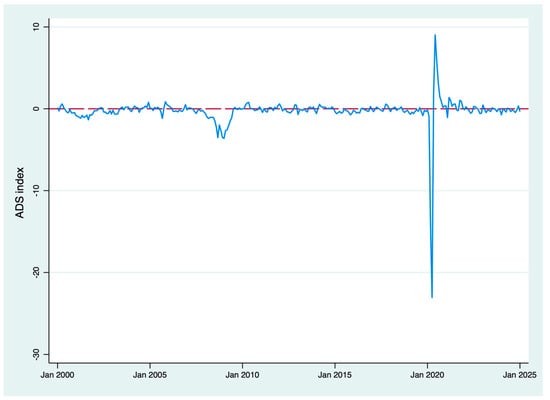
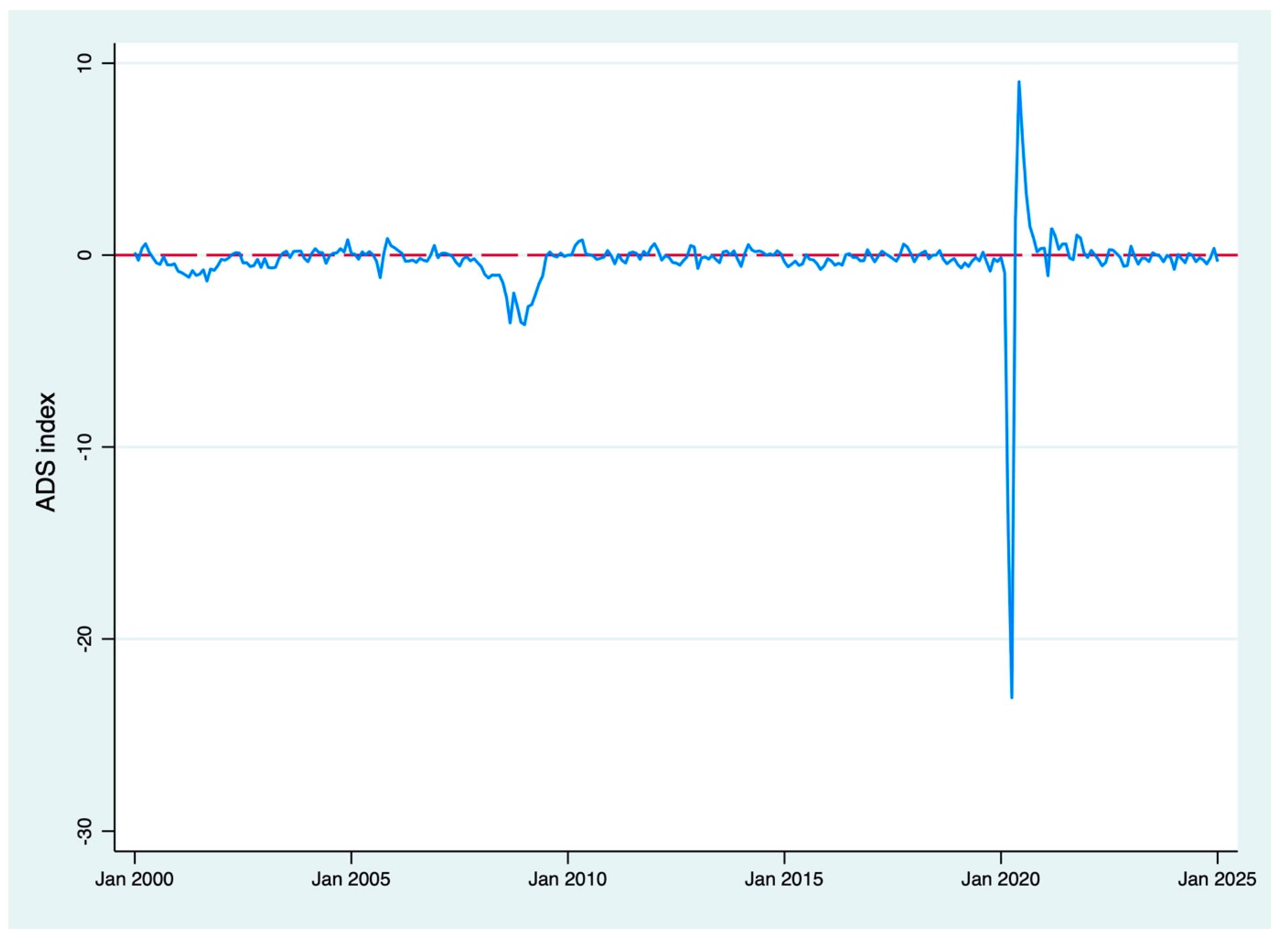
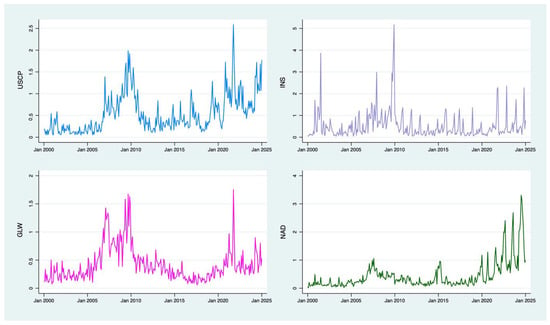
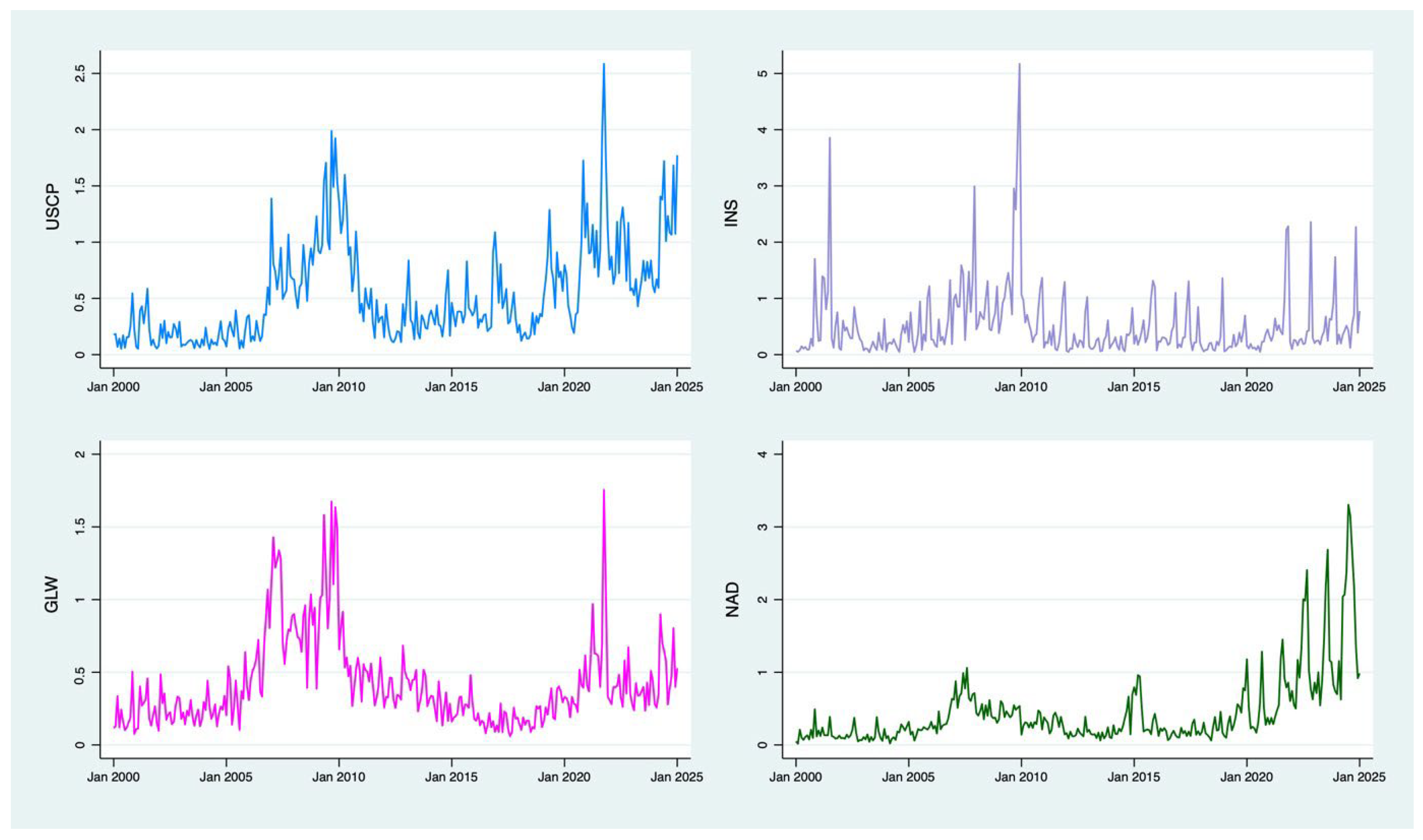
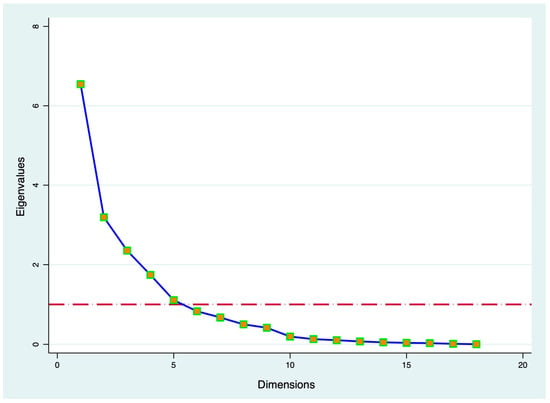
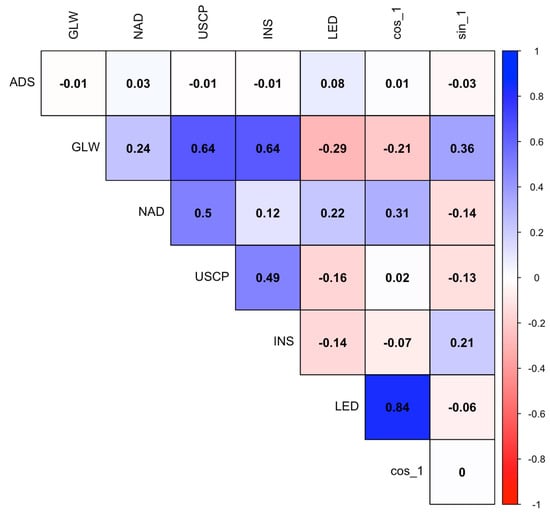
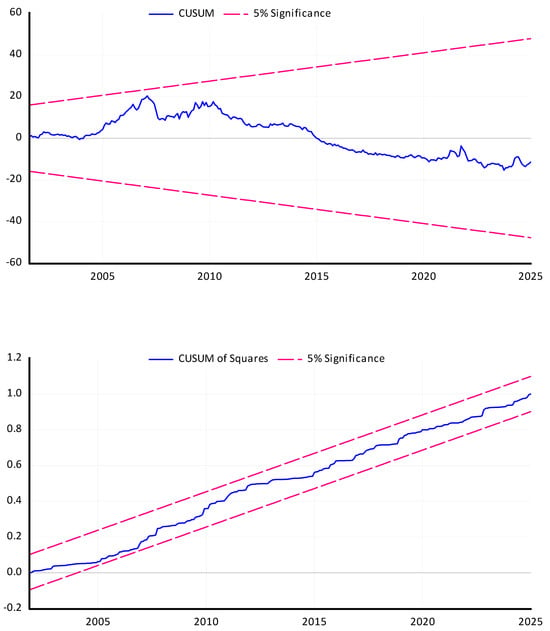
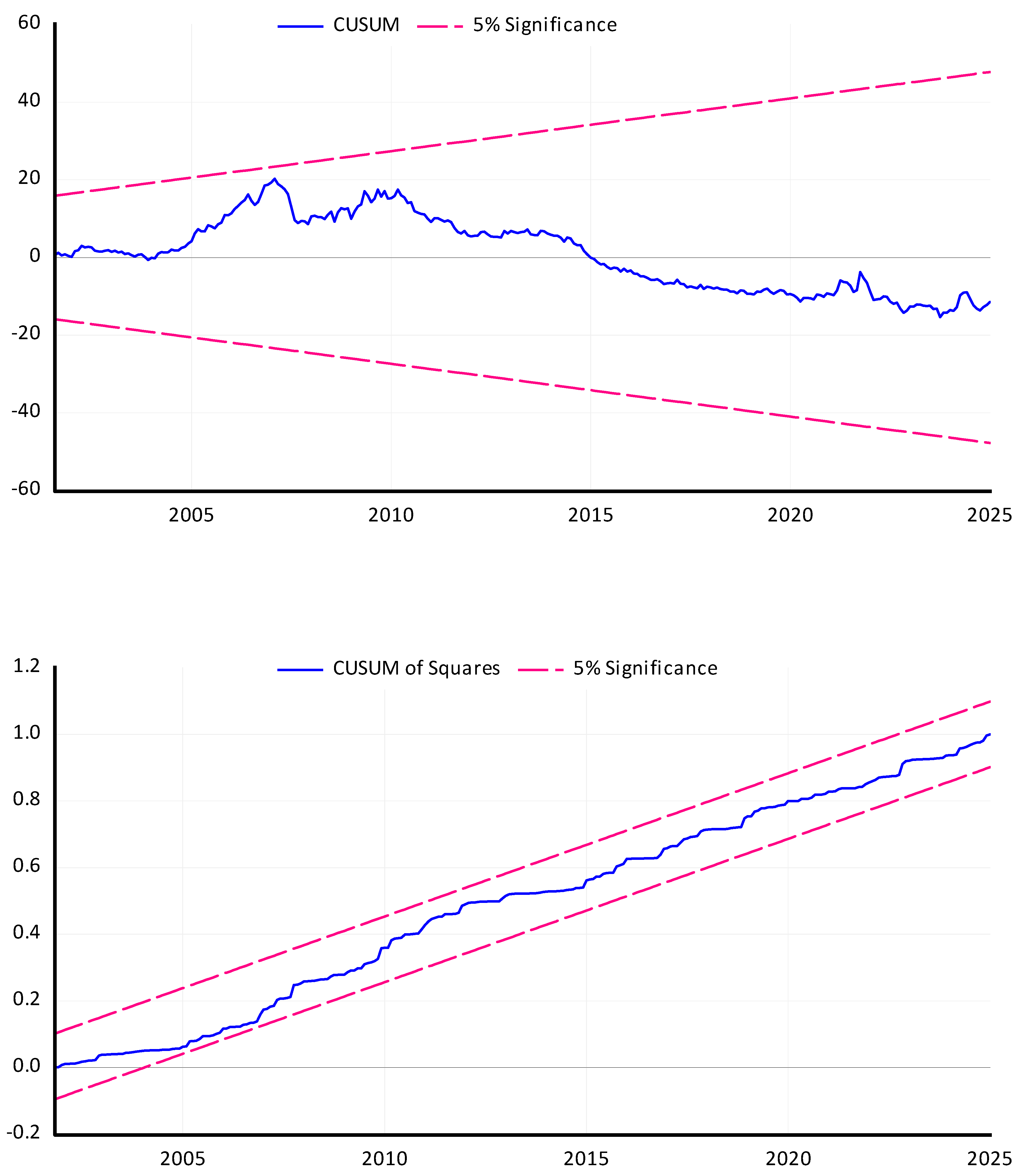
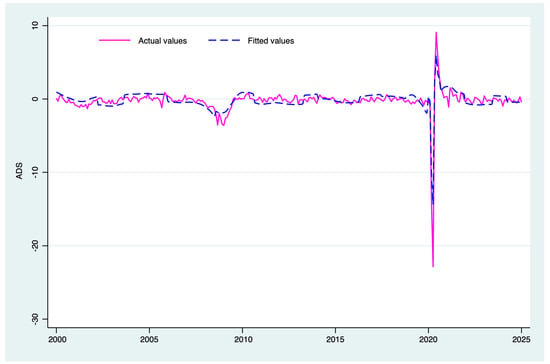
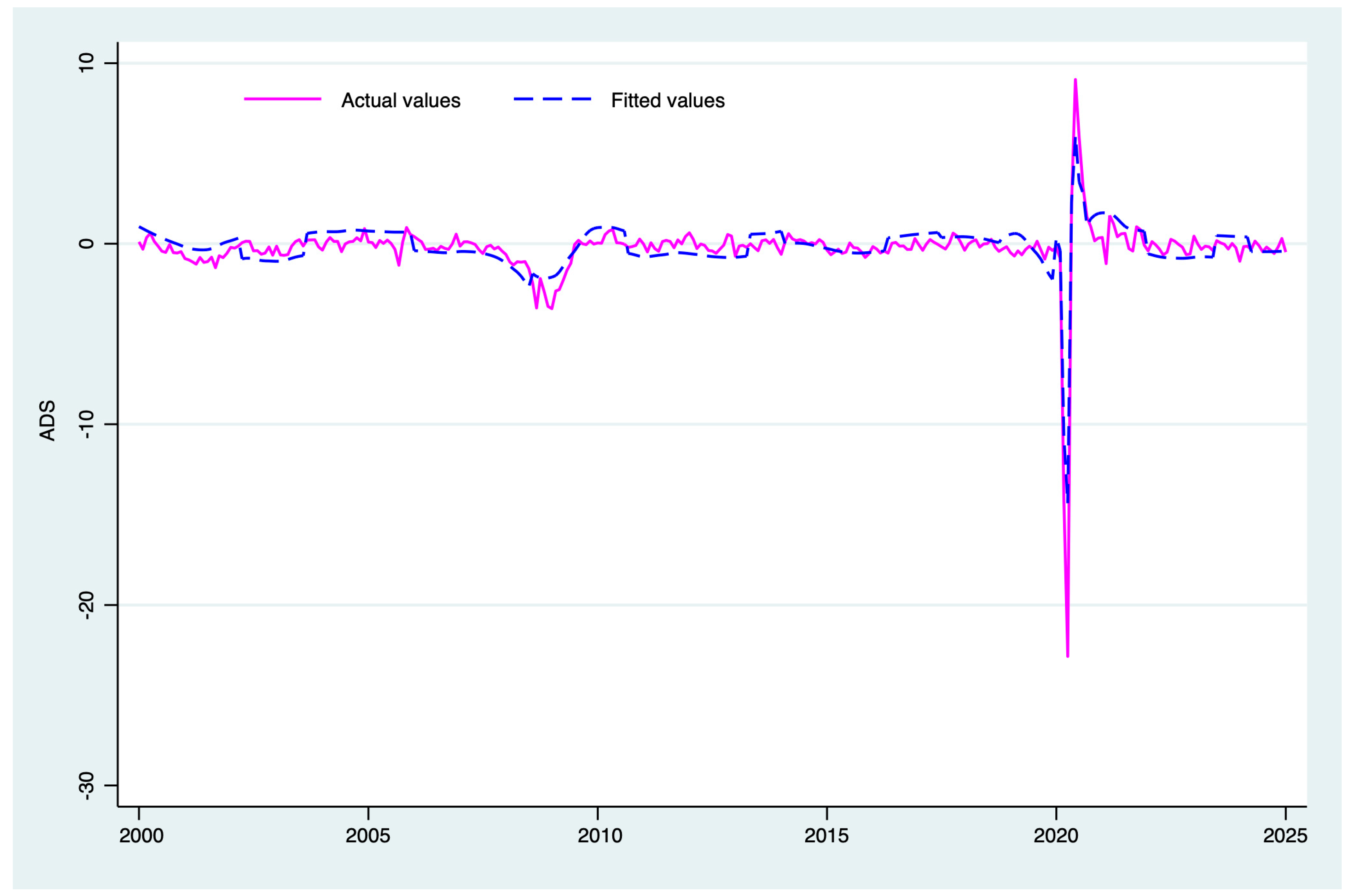

Disclaimer/Publisher’s Note: The statements, opinions and data contained in all publications are solely those of the individual author(s) and contributor(s) and not of MDPI and/or the editor(s). MDPI and/or the editor(s) disclaim responsibility for any injury to people or property resulting from any ideas, methods, instructions or products referred to in the content. |
© 2026 by the authors. Licensee MDPI, Basel, Switzerland. This article is an open access article distributed under the terms and conditions of the Creative Commons Attribution (CC BY) license.