


Abstract
This study explores how immersive e-learning technologies influence entrepreneurial intention among business education students, with a focus on the mediating role of learning satisfaction. Using a quantitative approach, data were collected from 561 final-year undergraduate students enrolled in business and entrepreneurship programs at globally ranked universities. The relationships between immersive learning design features, learning satisfaction, and entrepreneurial intention were analyzed using Partial Least Squares Structural Equation Modeling (PLS-SEM). The study draws on Experiential Learning Theory, Self-Determination Theory, and Expectancy–Value Theory to explain how immersive learning experiences shape entrepreneurial motivation. The results show that interactivity, experiential engagement, and personalization positively influence entrepreneurial intention, primarily by enhancing learning satisfaction. Students are more inclined toward entrepreneurial careers when immersive learning environments support autonomy, meaningful engagement, and perceived value. In contrast, high levels of realism and multisensory intensity do not consistently strengthen entrepreneurial intention, suggesting that excessive immersion may create cognitive strain or diminishing motivational returns under certain conditions. These findings highlight the importance of balanced and learner-centered immersive learning design rather than increased technological intensity alone. From a practical perspective, the study suggests that business schools should integrate immersive technologies in ways that emphasize experiential learning, adaptability, and cognitive balance. However, the findings should be interpreted with caution due to the cross-sectional design, reliance on self-reported data, and focus on final-year students. Overall, the study provides a nuanced understanding of how immersive e-learning can support entrepreneurial intention while also identifying important boundary conditions that shape its effectiveness.
1. Introduction
Entrepreneurship education has become increasingly essential in the context of innovation-driven development and the preparation of future business leaders [1]. In response to rising graduate unemployment, universities are placing greater emphasis on developing students’ entrepreneurial capabilities. Contemporary entrepreneurship programs focus on structured training that enhances opportunity recognition, self-confidence, and problem-solving skills [2]. Teaching approaches such as business simulations, organizational visits, and guest lectures have been shown to significantly strengthen students’ entrepreneurial intentions [3]. Education, therefore, plays a critical role in shaping students’ career aspirations, as entrepreneurial intention is widely recognized as one of the strongest predictors of entrepreneurial behavior [4].
Within this educational context, experiential activities, interactive simulations, and virtual reality (VR)—collectively referred to as immersive learning—are increasingly recognized as effective tools for developing entrepreneurial skills and attitudes [5]. Immersive learning integrates cognitive and experiential processes through hands-on, reflective, and interdisciplinary experiences [6]. Prior studies identify several immersive learning features—including realism, multisensory immersion, personalization, collaboration, and immediate feedback—that can enhance students’ motivation, self-efficacy, and entrepreneurial confidence [7]. Existing evidence suggests that immersive approaches can reinforce entrepreneurial tendencies by making learning more engaging and practically relevant [8]. Despite this growing interest, the mechanisms through which immersive learning influences entrepreneurial intention remain insufficiently understood.
Several important gaps emerge from the existing literature. First, most studies examine immersive learning elements—such as VR, simulations, or interactive tasks—in isolation, rather than considering how multiple immersive features operate together within an integrated learning environment [9]. As a result, limited empirical evidence exists on the combined effects of interactivity, realism, personalization, collaboration, and feedback on entrepreneurial intention. Second, the motivational and cognitive processes through which immersive learning translates into entrepreneurial intention remain underexplored, particularly in digitally mediated learning contexts [10]. Third, learning satisfaction is widely acknowledged as a central psychological outcome in digital learning environments, yet its mediating role in immersive entrepreneurship education has received limited empirical attention [11]. Fourth, although Experiential Learning Theory (ELT), Self-Determination Theory (SDT), and Expectancy–Value Theory (EVT) have each been applied independently, few studies integrate these perspectives into a single framework capable of explaining experiential, motivational, and value-based pathways to entrepreneurial intention [12]. Moreover, there remains a lack of empirical research employing predictive, multivariate approaches such as SEM-PLS to analyze the multidimensional structure of immersive learning environments [13].
Figure 1 presents the conceptual framework guiding the study, illustrating both the direct effects of immersive learning dimensions on entrepreneurial intention and their indirect effects through learning satisfaction. Learning satisfaction is modeled as a central mediating mechanism that translates immersive learning experiences into entrepreneurial motivation. To empirically test this framework, the study employs SEM-PLS with Importance–Performance Map Analysis (IPMA), enabling both explanatory and predictive assessment of the relative importance and performance of each immersive learning dimension. The analysis is based on a large international sample of final-year business students (n = 561), thereby enhancing the robustness and generalizability of the findings.
Figure 1.
Conceptual Framework of the Study.
Accordingly, the study aims to examine the impact of immersive e-learning environments on entrepreneurial intention, identify the most influential immersive learning attributes, and assess the mediating role of learning satisfaction in these relationships. The following research questions are proposed:
- RQ1: How does immersive learning influence the entrepreneurial intentions of business students?
- RQ2: Which dimensions of immersive learning (interactivity, realism, personalization, collaboration, feedback) are most impactful on entrepreneurial intention?
- RQ3: Does learning satisfaction mediate the effect of immersive learning experiences on entrepreneurial intentions?
These research questions are addressed through three specific objectives: (1) to investigate the direct impact of immersive learning dimensions on students’ entrepreneurial intention; (2) to determine which immersive learning features serve as the strongest predictors of entrepreneurial motivation; and (3) to examine the mediating role of learning satisfaction in the relationship between immersive learning features and entrepreneurial intention. The theoretical foundation of the study is explicitly grounded in three mutually reinforcing perspectives. Expectancy–Value Theory (EVT) explains how the perceived value of immersive learning enhances students’ motivation to act entrepreneurially. Experiential Learning Theory (ELT) emphasizes the role of practical engagement, reflection, and experimentation in developing entrepreneurial attitudes. Self-Determination Theory (SDT) focuses on autonomy, competence, and relatedness, demonstrating how interactive and personalized immersive learning experiences satisfy key psychological needs. Together, these theories provide a coherent explanation of how immersive learning enhances experiential competence, perceived value, and motivation, thereby strengthening entrepreneurial intention. The hypothesized relationships are tested using Structural Equation Modeling with Partial Least Squares (SEM-PLS), following [14].
Finally, this research aligns with global sustainability goals by contributing to SDG 4 through the promotion of high-quality and adaptive learning environments [15] and to SDG 8 by supporting innovation, entrepreneurship, and long-term economic growth. By integrating ELT, SDT, and EVT within a predictive SEM-PLS framework, the study offers a multidimensional and empirically grounded contribution to the understanding of immersive entrepreneurship education.
2. Background of the Study
The literature review provides a thorough analysis of the existing research on the connection between immersive learning and entrepreneurial intention. Based on the reviewed studies, the paper identifies several key concepts, theories, and findings that are instrumental in understanding how immersive learning environments shape entrepreneurial behaviors. It also elaborates on the pedagogical models and constructs adopted in previous studies and highlights the knowledge gaps this research aims to address.
2.1. Interactivity and Experiential Learning
Interactive learning involves students in discussion and group work, whereas experiential learning involves learning through experience and reflection. Interactive and experiential learning is enhanced through the use of the virtual platform, which creates an environment that facilitates both interactive and informative learning about the firm [5,16]. The instructional methods, such as “interactivity and experiential learning,” encourage students’ active involvement in practical practice and increase engagement, motivation, and overall learning satisfaction [17,18]. Active learning engagement has been associated with increased student engagement, academic success, and overall learning satisfaction [19,20]. Factors such as the nature of the learning environment, the amount of work time, and the mood of the class have a significant impact on student activity and satisfaction. Moreover, differences in levels of learning satisfaction were observed between participating and non-participating students. Engagement relates to more positive views of the learning process. Even though active involvement has been demonstrated to be beneficial, it is important to remember that engagement will have to be encouraged, which may be difficult, especially with students who are not as familiar with the requirements of an active learning setting [21]. In addition, some studies have shown that, in an online learning setting, interaction enhances student satisfaction through direct and effective engagement, enhanced cognitive and social presence, efficient feedback, and effective use of technical resources [22]. Interactive learning has also been found to incorporate applications into the learning process, such as context-based learning, simulation, and the flipped classroom, which significantly enhance learning satisfaction by making it more interactive and relevant to real-life situations [23,24]. Supportive teaching practices and classrooms can play a significant role in fostering greater student autonomy by responding to students’ psychological needs, increasing motivation and engagement, and improving classroom environments, thereby boosting learning satisfaction. Therefore, the element of interactivity and learning through experience enables students to acquire practical skills and real-world experience, which increases their confidence and motivation to start a business. Through simulations and real-life experiences, students will become more ready and eager to pursue entrepreneurial activities, thereby increasing their desire to become entrepreneurs. Experiential Learning Theory informs how interactive and experiential elements shape learning engagement, Self-Determination Theory explains motivational internalization through autonomy-supportive features, and Expectancy–Value Theory accounts for learners’ cognitive appraisal of task value and effort. Drawing on Experiential Learning Theory (ELT), interactivity and experiential learning are expected to enhance entrepreneurial intention by promoting active engagement, reflection, and experiential competence. Accordingly, interactivity and experiential learning are hypothesized to have a positive direct effect on entrepreneurial intention, as well as an indirect effect through learning satisfaction.
H1.
Interactivity and Experiential Learning have a significant impact on Entrepreneurship Intention.
H2.
Learning Satisfaction mediates the relationship between Interactivity and Experiential Learning and Entrepreneurship Intention.
2.2. Realism and Multisensory Engagement
In learning environments, realism and multisensory engagement involve the use of life-like images, sounds, and other sensory inputs to create a real, immersive experience [25]. This method improves student involvement by helping students connect more deeply with the content through multiple senses, including sight, sound, and touch, thereby making the learning process more realistic and relevant. By modeling real-world circumstances in a virtual or augmented environment, one hopes to increase learners’ experiential understanding, engagement, and ability to apply knowledge in authentic contexts [26]. Student satisfaction in educational environments is highly influenced by realism, both in content and in multimodal engagement. By improving engagement and academic success, realism in instructional materials and multimodal involvement can help increase student satisfaction [27]. Immersive learning, behavioral, emotional, and cognitive processes determine how students engage with online learning, which, in turn, affects their satisfaction and entrepreneurial intention [28,29]. Students are likely to be more satisfied with learning material that contains rich visuals, animations, audio, and video.
Nevertheless, authentic visuals and clear auditory cues may be hard to maintain, thereby decreasing interest and enjoyment [30]. Research indicates that integrating technology into teaching videos and interactive visual communication can significantly increase engagement, knowledge retention, and satisfaction [31]. Soft skills can be practiced through immersive tools such as Nearpod, Mursion, Unity3D, and Google Expeditions, which enable students to access the virtual business world and simulate running a startup. This experience can help them gain a better understanding of entrepreneurship in practice [32]. While immersive learning is often assumed to benefit from increased realism and sensory richness, emerging studies suggest that excessive immersion may impose cognitive demands that hinder motivation and reflective processing. Based on Expectancy–Value Theory (EVT) and cognitive load considerations, realism and multisensory engagement may exert mixed effects on entrepreneurial intention. While realistic and multisensory environments can enhance engagement, excessive sensory intensity may reduce perceived task value or increase cognitive strain. Therefore, realism and multisensory engagement are hypothesized to influence entrepreneurial intention directly and indirectly through learning satisfaction.
H3.
Realism and Multisensory Engagement have a significant impact on Entrepreneurship Intention.
H4.
Learning Satisfaction mediates the relationship between Realism and Multisensory Engagement and Entrepreneurship Intention.
2.3. Personalization and Adaptivity
Immersive learning in entrepreneurship education, personalization, and adaptability refer to tailoring the learning process to fit every student’s interests, aptitudes, and learning styles [33]. This method enhances involvement by allowing students to negotiate realistic settings and scenarios related to their entrepreneurial objectives, enabling them to apply ideas more precisely and gain pertinent practical experience. Teachers can help aspiring business owners follow a more effective, relevant learning path by adjusting their materials and interactions. Depending on the learning type, personalized learning paths have been found to increase student satisfaction, experience, and drive. Learning design, self-regulation, self-efficacy, and task value play significant roles in determining learning pleasure [34,35]. Although developing tailored learning paths for every student takes time, integrating them has shown great potential for improving learning outcomes.
Furthermore, an automatic method based on patterns of learning behavior has shown great success in automatically determining learning styles, enabling students to have autonomy and control over the learning process [36,37]. Personalization also offers a dynamic difficulty adjustment mechanism that includes a more tailored learning experience, the use of machine learning and player modeling approaches, and real-time evaluation of cognitive load and performance. Adaptivity and personalization of learning environments enhance satisfaction and the intensity of goal orientation by offering feedback that aligns with students’ needs. Proper feedback that aligns with learners’ goals enhances motivation, results, and satisfaction. Nevertheless, the problems that require consideration are the incongruence of the goals and the active involvement in the feedback [38,39]. Personalized, adaptive situations in immersive learning enable students to relate their learning to their individual ambitions of becoming entrepreneurs, thereby enhancing motivation, confidence, and practical knowledge. Such a customized strategy enhances competencies and positive intentions to continue pursuing entrepreneurial opportunities. Grounded in Self-Determination Theory (SDT), personalization and adaptivity are expected to support autonomy and competence, thereby strengthening motivation and entrepreneurial intention. Personalized learning environments are therefore hypothesized to exert strong direct and mediated effects.
H5.
Personalization and Adaptivity have a Significant Impact on Entrepreneurship Intention.
H6.
Learning Satisfaction mediates the relationship between Personalization and Adaptivity and Entrepreneurship Intention.
2.4. Collaboration and Networking
Academic collaboration and networking through learning help promote creativity and enhance critical thinking, as students and researchers can share ideas, materials, and different viewpoints. Partnerships and peer-to-peer exchanges ease the establishment of professional networks, problem-solving, and academic and career development by learners. Online learning also amplifies learners’ satisfaction, as collaboration and networking enhance engagement, interaction, and the development of soft skills [40]. It has also been found that peer support, social interaction, and instructional guidance have a positive impact on network experiences and overall learning satisfaction [41,42]. Learning satisfaction and efficacy can be improved through peer-to-peer learning in immersive educational settings. These results imply that peer learning activities can improve students’ learning experiences and results when using suitable self-regulated learning methodologies and technology integration [43,44].
Additionally, it builds a community, changes attitudes and behaviors, and raises confidence [45,46]. Hence, in immersive learning environments, cooperation and networking help students engage with classmates, mentors, and industry professionals, promote idea exchange and practical problem-solving, and enhance entrepreneurial intentions. These exchanges foster confidence and a sense of community, enabling students to develop critical soft skills and deepen their entrepreneurial attitudes, thereby inspiring them to pursue entrepreneurial activities with greater clarity and support. Collaboration and networking are theorized to influence entrepreneurial intention by fostering social relatedness, peer learning, and exposure to entrepreneurial norms. Their effects are expected to be partially transmitted through learning satisfaction.
H7.
Collaboration and Networking have a Significant Impact on Entrepreneurship Intention.
H8.
Learning Satisfaction mediates collaboration and networking and Entrepreneurship Intention.
2.5. Immediate Feedback and Safe Risk-Taking
Immediate Feedback and Safe Risk-taking in teaching foster a dynamic learning environment where students can experiment with ideas, make decisions, and learn from mistakes without fear of failure. Teachers may help students progress quickly by offering real-time feedback and by enhancing their confidence and comprehension. The critical thinking and growth attitude this method fosters enables students to take measured risks in problem-solving and invention, which are crucial to their development [47,48]. Learners want fast feedback to reduce the gap between their actual and planned performance, promote best practices, and motivate them to achieve their goals. Statistics indicate that information transfer and long-term memory can be enhanced even with rapid feedback expectations, even when feedback is delayed [49]. Instant feedback encourages safe risk-taking and learning, performance improvement, and behavior change [50], safer decision-making [51], reduces risk-taking [52], and inspires safer activities. Immediate feedback and risk-taking safety are part of entrepreneurial education, as they motivate students to experiment with business ideas and approaches, thereby speeding up the learning and decision-making processes. Reducing failure anxiety and helping real-time data students build confidence in taking calculated entrepreneurial risks, thereby enhancing their motivation to undertake entrepreneurial endeavors and underpinning creativity. Finally, immediate feedback and safe risk-taking are expected to support iterative learning and confidence building. While these features may function as supporting mechanisms rather than primary drivers, they are hypothesized to contribute to entrepreneurial intention directly and indirectly via learning satisfaction.
H9.
Immediate Feedback and Safe Risk-Taking Have a Significant Impact on Entrepreneurship Intention.
H10.
Learning Satisfaction mediates the relationship between Immediate Feedback and Safe Risk-Taking and Entrepreneurship Intention.
Expectancy–Value Theory (EVT) explains how students’ beliefs about the value of learning and their expectations for success influence their motivation and future intentions. In the context of immersive learning, EVT suggests that when students perceive experiential, interactive, and adaptive learning activities as valuable and aligned with their goals, their motivation to engage in entrepreneurial activities increases. Studies show that perceived task value, utility, and expectancy for success significantly shape students’ entrepreneurial intentions and learning satisfaction, making EVT a relevant theoretical lens for understanding how immersive e-learning influences entrepreneurial motivation.
2.6. Learning Satisfaction
A general increase in learning satisfaction in immersive entrepreneurship education is observed when learners feel a sense of presence, engagement, and flow, as reported in VR and simulation-based research [53]. Nonetheless, studies indicate that high immersion does not necessarily result in satisfaction. Excessively realistic imagery, too many sensory stimuli, or poorly structured interactivity may cause cognitive overload, reducing enjoyment despite high levels of immersion [54]. This is one of the boundary conditions that have been understudied in the previous work. Experience Learning Theory (ELT) holds that satisfaction with learning arises only from the combination of immersive action and reflection with meaning-making [55]. Yet, many immersive tools focus more on the senses than on thought processes. Equally, the Self-Determination Theory (SDT) posits that satisfaction is positively correlated with the reinforcement of autonomy, competence, and relatedness.
In contrast, unstructured VR tasks can undermine competence by leaving individuals feeling lost or overwhelmed [56]. These results support the idea that learning satisfaction does not simply result from immersion but is shaped by careful instructional design, mental clarity, and mediated autonomy. This is directly related to SDG 4 (Quality Education) because satisfaction increases when immersive learning enhances the effectiveness of teaching processes, inclusivity, and meaningfulness.
2.7. Entrepreneurial Intention
The effects of immersive learning on entrepreneurial intention are encouraging and conflicting. According to a large body of research, immersive simulation and serious games enhance attitudes, perceived behavioral control, and entrepreneurial self-efficacy, which are identified as major predictors of entrepreneurial intention according to the Theory of Planned behavior [57]. The level of intention increased after the intervention, and has also been higher in VR-based entrepreneurship programs than traditional instruction [58]. Other studies, however, report gains in self-efficacy and attitude but do not show equivalent increases in intention, particularly in short training interventions or mobile simulations [59]. Social Cognitive Theory (SCT) explains this inconsistency: short-term mastery experiences might increase self-efficacy, but must be reinforced repeatedly to become stable intentions [57]. In addition, high-immersion designs sometimes reduce entrepreneurial intention due to cognitive overload, demonstrating that excessive immersion is counterproductive [60]. These results imply that it requires greater exposure, feedback, and a design consistent with theory to convert immersive engagement into enduring entrepreneurial motivation. Enhancing these pathways aligns with SDG 8 (Decent Work and Economic Growth) and SDG 9 (Industry, Innovation and Infrastructure) because learners are ready to work in the innovation-driven entrepreneurial professions.
Conceptual Framework
The Experiential Learning Theory (ELT) [61] is, according to the literature, suitable for this study. The ELT principles are engaging, safe risk-taking, and experiential learning. Based on the literature, this theory suggests a cyclical approach in which students engage in physical activity, reflect on it, generate theoretical concepts, and actively experiment with new ones. Self-determination theory (SDT) [62] emphasizes intrinsic motivation through autonomy, competence, and relatedness. Students were more motivated, satisfied with their learning, and ambitious to become entrepreneurs through independent learning, cooperation, and rapid feedback, as this aligns with previous studies. Together with real-time feedback, dynamic and engaging learning environments, and customized learning environments, these factors influence student engagement and entrepreneurial disposition. The integration of the two theories provided a strong foundation for this study.
Additionally, Expectancy–Value Theory (EVT) supports the mediating role of learning satisfaction by explaining how perceived value and expectancy for success increase students’ motivation to pursue entrepreneurial intentions. Other relevant theories, such as TPB, Social Cognitive Theory, and Human Capital Theory, were evaluated during the theoretical selection process; however, they were not adopted for this study due to limited alignment with immersive e-learning mechanisms. Based on the above review, the conceptual framework of the study is formulated; refer to Figure 1.
As a result of prior studies, interaction, experiential learning, and multisensory engagement significantly increase students’ entrepreneurial tendency. This plan supplements SDG 4 (Quality Education) [63] and would encourage inclusive, practical education that equips students with the skills for sustainability in business [64]. By engaging in teamwork, customizing, and safe risk-taking, students are in a better position to initiate projects in accordance with SDG 8 (Decent Work and Economic Growth) [65] and SDG 9 (Industry, Innovation, and Infrastructure) [66], hence encouraging innovation with a perspective towards sustainable development.
3. Materials and Methods
The research was a quantitative study aimed at examining the effects of experiential and pedagogical learning strategies on the entrepreneurial intentions of business students. The data were collected through a structured questionnaire (Refer to Appendix A) based on the validated tools used in earlier research on entrepreneurship and immersive learning, and a pilot test was conducted to ensure reliability and validity.
The measurement items were based on existing, well-tested scales in the literature to ensure content validity. The constructs Interactivity and Experiential Learning [67], Realism and Multisensory Engagement [68], Personalization and Adaptive Learning [69], Collaboration and Networking [69], Immediate Feedback and Risk-Taking [70], Learning Satisfaction [71], and Entrepreneurial Intention [72] were all assessed using a multi-item Likert scale. Refer to Appendix C for details.
Partial least squares Structural Equation Modeling (PLS-SEM) was applied, as suggested by [73,74], to assess the measurement and structural elements of the model. The measurement model was evaluated for internal consistency, convergent validity, and discriminant validity in accordance with the literature [74]. The findings are illustrated in Figure 2 and Table 1 and Table 2. The study used a combination of purposive and stratified sampling to obtain a wide, academically significant sample. First, the top 500 global universities that offer business or entrepreneurship courses were selected. The final-year students who completed coursework in business or entrepreneurship were selected to ensure they were knowledgeable in their responses. The selection of universities ranked in the top 500 was guided by the aim of ensuring adequate exposure to structured entrepreneurship education, advanced digital learning infrastructure, and institutional readiness for immersive technologies. This criterion was operationalized using the Times Higher Education (THE), which provides a widely recognized and consistent global benchmark for institutional academic standing and technological capacity. A second step, the random sampling phase, helped minimize bias and improve representativeness. Considering the SEM principles of sample size (items × 20), the minimum required was 420 responses, but 561 responses were returned out of 800 sent, producing a strong response rate of 70.1 and increasing the statistical stability of the SEM model. The post hoc power analysis indicates that the sample size (n = 561) was sufficient to reliably detect the observed path effects at different significance levels (α = 1%, 5%) and statistical power thresholds (80%, 90%). Refer to Appendix B for details. Final-year students were chosen because they already have sufficient exposure to entrepreneurial learning and are likely to be making career-related decisions; thus, their information is especially pertinent. The electronic data collection was conducted using Google Forms and included perceptions of interactive learning, teamwork, feedback, and experiential activities, assessed using a five-point Likert scale. The research tools used included demographic data, learning experiences, obstacles encountered in learning entrepreneurship, and improvement opportunities, and the questions were modified based on the previous literature and the conceptual model of the study. Primary data were gathered through direct administration to the faculty to enhance authenticity. In contrast, secondary data were obtained from Scopus- and Web of Science-indexed sources on immersive learning, entrepreneurship education, and the SDGs to reinforce the theoretical basis. The supplementary file could be downloaded at Table S1.
Figure 2.
Measurement and Structural Model.
Table 1.
Reliability, Convergent Validity, and Fornell–Larcker Discriminant Validity.
Table 2.
Structural Model Results, Model Fit Indices, and CVPAT Predictive Assessment.
The immersive learning intervention employed in this study was based on a standardized instructional framework grounded in experiential learning principles. Across participating institutions, the pedagogical objectives, course content, learning duration, and assessment criteria were held constant to ensure instructional consistency. The technological delivery of the intervention [75], however, used a set of functionally equivalent immersive tools selected based on institutional infrastructure and accessibility [76]. These included virtual reality (VR)–based simulations, interactive learning environments, and digital engagement platforms such as Nearpod [77]. Although the specific technologies varied, all platforms were designed to provide comparable levels of immersion, interactivity, multisensory engagement, and real-time feedback [78]. Students evaluated their learning experiences based on these shared pedagogical characteristics rather than on a single proprietary technology [79], thereby enhancing ecological validity while maintaining methodological coherence.
Although SEM-PLS is well-suited for exploratory and prediction-oriented models with complex relationships, it is not without limitations. First, the use of self-reported survey data introduces the potential for common method bias, which may inflate observed relationships. Procedural remedies such as respondent anonymity and careful item wording were applied, and statistical diagnostics indicated no severe collinearity issues. Second, SEM-PLS may encourage over-measurement when multiple related constructs are modeled simultaneously. To mitigate this risk, construct definitions were theoretically grounded, and measurement items were adapted from validated scales. These limitations should be considered when interpreting the results.
Although the sample draws from universities across multiple countries, the present study does not explicitly analyze regional or cultural differences in the adoption and effectiveness of immersive learning technologies. Educational norms, technological infrastructure, and prior exposure to immersive tools vary substantially across regions, potentially influencing learners’ responses. As such, the findings should be interpreted as indicative global trends rather than region-specific conclusions. Future research could employ multi-group or comparative designs to examine how regional and cultural contexts shape the relationship between immersive learning and entrepreneurial intention.
Ethical protocols were observed to the letter, including voluntary participation, informed consent, guarantees of anonymity, and the confidential use and availability of the data in the study, as well as the exclusive use of the data in the research. Altogether, the methodological design of the study ensured rigor, representativeness, and a robust analysis of the role of immersive and experiential learning strategies in developing entrepreneurial intention among higher education students.
4. Results
4.1. Measurement Model
The study’s robustness was ensured through multiple reliability and validity assessments. Convergent validity verified that items measured the same construct, while discriminant validity was confirmed using the Fornell–Larcker criterion. Internal consistency was established through Cronbach’s alpha and composite reliability (CR ≥ 0.70). Convergent validity was supported by AVE values above 0.50. Model quality and fit were further assessed using R-square, F-square, SRMR, and CVPAT for predictive relevance. The Importance–Performance Map (IPM) highlighted which immersive learning dimensions most influence entrepreneurial intention. Collectively, these tests confirm that the measurement model is reliable, valid, and suitable for meaningful interpretation. The instrument validation process followed established best practices. Measurement items were adapted from prior validated studies and reviewed for clarity and contextual relevance. Reliability and validity were assessed to ensure that items consistently measured their intended constructs and remained empirically distinct. Detailed statistical results are reported in the corresponding tables and appendices, while the main text focuses on interpretive implications rather than technical diagnostics.
The results in Table 1 demonstrate strong convergent validity, as all constructs meet the minimum requirements. The results indicate high convergent validity; all constructs meet the appropriate thresholds: Cronbach’s alpha and composite reliability are above 0.70, and the AVEs are above 0.50. This establishes that the indicators are a good measure of their constructs. The Fornell–Larcker criterion is also used to establish discriminant validity, as the AVE square root for each construct is greater than the correlations between that construct and the other constructs. This implies that each construct of the immersive learning model is clearly defined and that the relationships depicted in Figure 2 can be accurately interpreted.
The model in Table 2 presents a high degree of explanatory and predictive power. The values of Learning Satisfaction (R2 = 0.808) and Entrepreneurial Intention (R2 = 0.453) suggest that they explain a large percentage of their variance. The model fit indicators (SRMR = 0.097) do not exceed the tolerable amount. Further results of CVPAT prove the predictive power of the model, and the PLS loss values (EI: 0.654 vs. 0.983; LS: 0.306 vs. 0.810) and the t-values (7.285–10.461, p = 0.000) are much smaller and lower, which can be taken as good evidence of robustness. The measurement model is also confirmed by Table 1 and Table 2. The constructs are consistent, distinct, and statistically reliable, as indicated by high reliability (α and CR above 0.70), strong convergent validity (AVE), and explicit discriminant validity (Fornell–Larcker). This strengthens the rigor and credibility of the study presented in Figure 2.
4.2. Structural Model
The structural model is applied to determine the effectiveness of the relationships between the constructs, the direction of those relationships, and whether the proposed hypotheses are supported using the data. Through path coefficient analysis, f2 effect sizes, predictive relevance (Q2), and IPMA, we can assess the model’s soundness and its capacity to explain and predict significant results. The practical significance of each construct is also demonstrated in these tests, which ensure that the entire framework is not only statistically but also substantively in real-world presentation.
According to the structural model, all hypotheses (H1 through H10) in Table 3 are supported, both in direct effects and in mediating relationships, indicating that immersive learning significantly influences entrepreneurial intention. H1 shows that Interactivity and Experiential Learning are significant predictors of the entrepreneurial intention (β = 0.224, t = 7.741), which is coherent with Experiential Learning Theory, as practical and thinking activities develop entrepreneurial confidence and competence. H2 also shows that the effect is more pronounced when Learning Satisfaction is used as a mediator. However, H3 and H4 show that Realism and Multisensory Engagement hurt intention (β = −0.169, t = 6.961), which is in line with Expectancy Value Theory, in which case, too much sensory stimulation may decrease perceived value and motivation. Lastly, H5 and H6 validate that Personalization and Adaptivity have the most significant impact on entrepreneurial intention (0.380, t = 10.262), as postulated by Self-Determination Theory, which highlights the importance of autonomy and competence as motivational factors. H7–H8 indicate moderate effects of Collaboration and Networking (β = 0.124), while H9–H10 find smaller but significant effects for Immediate Feedback and Safe Risk-Taking (β = 0.061).
Table 3.
Structural Paths, Effect Sizes, and IPMA Importance–Performance.
IPMA highlights Learning Satisfaction as the most influential driver (importance = 0.673), implying that institutions should prioritize adaptive, interactive, and learner-centered design rather than overuse sensory stimuli. These findings directly address the research gap by offering empirical clarity on which specific immersive elements matter most for entrepreneurial intention—an area previously underexplored. They also guide curriculum designers toward maximizing value-aligned, motivationally rich learning aligned with SDG 4 and SDG 8. Refer to Figure 3.
Figure 3.
Importance Performance Map (Indicators).
5. Discussion
This study advances understanding of how immersive learning technologies shape entrepreneurial intention by moving beyond single-technology explanations and examining the interaction and boundary conditions of immersive design elements. Prior research has largely focused on isolated tools such as virtual reality, simulations, or teamwork, offering limited insight into why certain immersive features are effective while others are not. By integrating Experiential Learning Theory (ELT), Self-Determination Theory (SDT), and Expectancy–Value Theory (EVT), the present findings demonstrate that immersive learning is not inherently beneficial; rather, its effects depend on how specific technological features interact with learners’ cognitive and motivational processes. The multi-theoretical framing is intentionally parsimonious, with each theory contributing to a distinct explanatory layer of the model rather than introducing redundant or competing constructs.
The results show that interactivity and experiential learning exert the strongest positive influence on entrepreneurial intention. This aligns with ELT, which emphasizes active experimentation, real-world simulation, and reflection as mechanisms for developing entrepreneurial competence and confidence [80]. These findings also support prior arguments that experiential immersion functions not merely as a pedagogical technique but as a catalyst for entrepreneurial agency and engagement [81]. In contrast, realism and multisensory intensity are negatively associated with entrepreneurial intention. This challenges the common assumption that greater immersion necessarily enhances learning outcomes and aligns with concerns raised in earlier studies about cognitive overload in highly immersive environments [82,83]. From an EVT perspective, excessive sensory complexity may reduce perceived task value and expectancy of success, thereby diminishing motivation and entrepreneurial engagement [84].
Personalization and adaptivity emerge as the most powerful predictors of both learning satisfaction and entrepreneurial intention, reinforcing SDT’s emphasis on autonomy, competence, and self-regulation. These findings extend prior research suggesting that entrepreneurial motivation is more likely to be internalized when learning environments adapt to individual needs and preferences [85]. By contrast, features such as immediate feedback and safe risk-taking, while statistically significant, function primarily as reinforcing mechanisms rather than primary drivers, supporting earlier observations that social and feedback-based learning effects are most effective when grounded in experiential foundations [48].
Importantly, the substantial gap between the explained variance of learning satisfaction and entrepreneurial intention warrants theoretical attention. Learning satisfaction represents an experience-proximal outcome reflecting perceived instructional quality, engagement, and usability within immersive environments. Entrepreneurial intention, however, is a distal and future-oriented construct shaped by broader personal, institutional, and contextual factors, including risk tolerance, self-efficacy, perceived feasibility, and access to entrepreneurial ecosystems. Consequently, even highly satisfying immersive learning experiences may not fully translate into entrepreneurial intention without complementary motivational and contextual reinforcements.
The negative or attenuated effects associated with realism-driven immersion further suggest the presence of an immersion ceiling effect. When immersive environments combine high realism, multisensory input, and complex interaction demands, learners’ cognitive processing capacity may be exceeded, resulting in fatigue and reduced motivational transfer. Although instructional design strategies such as modular content delivery and guided interaction were employed to mitigate this risk, the findings underscore the need to carefully calibrate immersion intensity. Future research should explicitly model cognitive overload as a moderating mechanism and empirically examine optimal immersion thresholds in entrepreneurial education (refer to Appendix A for details).
However, as the empirical sample consists of final-year undergraduate students, the findings should be interpreted with their relatively high academic maturity and clearer career orientation in mind. Such students are more likely to evaluate immersive learning experiences in relation to concrete career intentions, including entrepreneurship. Consequently, the strength of the observed relationships may differ for early-stage students, who are still developing foundational skills and professional self-concepts. While immersive learning may play an exploratory or motivational role at earlier stages of study, its translation into entrepreneurial intention is likely to be weaker or indirect. Future research should therefore adopt longitudinal or cohort-comparative designs to examine how the effects of immersive learning evolve across different phases of academic progression.
6. Conclusions
This study examined how different dimensions of immersive learning technologies shape entrepreneurial intention, with particular attention to learning satisfaction as a mediating mechanism. The findings suggest that immersive learning can meaningfully support entrepreneurial intention when it emphasizes interactivity, experiential engagement, and personalization. These elements foster motivation by enabling hands-on learning, supporting learner autonomy, and enhancing the perceived value of entrepreneurial activities. In this sense, the results are consistent with experiential and motivational perspectives that view entrepreneurship education as most effective when learners are actively involved and able to tailor learning experiences to their own goals and capabilities.
At the same time, the study indicates that higher levels of realism and multisensory intensity do not necessarily strengthen entrepreneurial intention and may, under certain conditions, weaken it. Rather than implying that realism is inherently detrimental, this finding should be interpreted cautiously. One possible explanation is cognitive overload, in which excessive sensory stimulation may reduce reflective learning and motivation. However, alternative interpretations cannot be ruled out, including differences in cultural learning norms, students’ prior exposure to immersive technologies, or variation in the design and fidelity of the tools used across institutions. These results suggest that realism may yield diminishing returns if not carefully calibrated, rather than functioning as a universally positive feature of immersive learning.
The conclusions of this study should also be considered in light of its methodological boundaries. The cross-sectional design, reliance on self-reported data, and focus on final-year students from top-ranked universities may limit the generalizability of the findings to other educational stages, institutional contexts, or cultural settings. As a result, the findings should be viewed as indicative patterns rather than definitive causal claims. Future research could extend this work by adopting longitudinal designs, examining earlier stages of academic development, and explicitly modeling contextual or cultural moderators.
From a practical perspective, the findings suggest that educators and curriculum designers should be cautious in assuming that more immersive or technologically intensive environments automatically lead to stronger entrepreneurial outcomes. Instead, emphasis should be placed on cognitively balanced designs that prioritize meaningful interaction, adaptability, and learner control. While the study contributes indirectly to discussions of quality education, broader claims about the Sustainable Development Goals should be treated with caution and require additional evidence beyond the scope of the present analysis.
Overall, this research offers a nuanced, empirically grounded perspective on immersive entrepreneurship education, showing that not all immersive features are equally effective. By highlighting both enabling mechanisms and boundary conditions, the study offers a more balanced understanding of how immersive learning technologies can support, but not guarantee, the development of entrepreneurial intention.
6.1. Implication of the Study
6.1.1. Theoretical Implications
This study contributes to entrepreneurship and digital learning literature by advancing a multitheoretical explanation of how immersive learning environments translate into entrepreneurial intention. By integrating Experiential Learning Theory, Self-Determination Theory, and Expectancy–Value Theory, the findings demonstrate that entrepreneurial motivation emerges not from immersion alone, but through interactive, personalized, and experientially meaningful learning processes that enhance learning satisfaction. In particular, identifying learning satisfaction as a central mediating mechanism refines prior technology-centric models and shifts attention to learner-centric motivational processes. The proposed SEM-PLS framework, therefore, offers a validated and transferable model that can inform future research at the intersection of digital education, innovation, and entrepreneurship.
6.1.2. Practical Implications
From a practical perspective, the findings suggest that immersive learning technologies, such as simulations, adaptive platforms, and interactive environments, can enhance entrepreneurial motivation when designed to support autonomy, engagement, and experiential learning. Rather than assuming that technological intensity automatically improves outcomes, educators and program designers should prioritize meaningful interaction, timely feedback, and experiential tasks that connect learning activities with real entrepreneurial challenges. These insights provide actionable guidance for higher education institutions seeking to integrate immersive technologies into entrepreneurship curricula while maintaining cognitive balance and pedagogical coherence.
6.1.3. Pedagogical Implications
The results have direct implications for teaching practice in entrepreneurship education. Educators are encouraged to adopt student-centered pedagogical approaches that emphasize personalization, collaboration, and adaptive learning pathways. Learning environments that allow safe risk-taking, peer collaboration, and reflective experimentation are particularly effective in fostering engagement and satisfaction. Such pedagogical designs not only support entrepreneurial intention but also foster transferable competencies such as problem-solving, teamwork, and innovation-oriented thinking.
6.1.4. Policy Implications
At the policy level, the study highlights the importance of institutional and systemic support for immersive and adaptive learning infrastructures. Policymakers and educational authorities may consider developing frameworks that encourage the responsible integration of immersive technologies within higher education, supported by appropriate funding, accreditation guidelines, and industry collaboration. Strengthening partnerships among universities, government bodies, and industry stakeholders may further enable scalable, sustainable entrepreneurship education ecosystems aligned with broader innovation and economic development objectives.
6.1.5. Implications for Future Research
Finally, the study opens several avenues for future research. Longitudinal investigations are needed to examine whether immersive learning experiences translate into actual entrepreneurial behavior beyond intention formation. Comparative studies across cultural and institutional contexts could further clarify boundary conditions and external validity. Additionally, future work may explore the role of alternative mediators such as entrepreneurial self-efficacy, as well as moderators including prior experience, personality traits, and technology readiness. Emerging technologies such as AI-driven adaptive systems and learning analytics also offer promising directions for extending immersive entrepreneurship education research.
6.2. Research Gaps and Contribution of the Present Study
Although entrepreneurship education has received increasing scholarly attention, empirical research on how immersive e-learning technologies shape entrepreneurial intention remains limited. Much of the existing literature continues to emphasize traditional teaching approaches, while immersive design features such as interactivity, personalization, collaboration, and adaptivity are often examined in isolation or discussed conceptually. Addressing this gap, the present study develops and empirically tests an integrated SEM-PLS model grounded in Experiential Learning Theory, Self-Determination Theory, and Expectancy–Value Theory, offering a multidimensional explanation of how immersive learning environments translate into entrepreneurial motivation.
A second gap concerns the lack of clarity regarding the mechanisms through which immersive learning influences entrepreneurial outcomes. Prior studies rarely examine mediating processes, particularly learning satisfaction. This study demonstrates that learning satisfaction plays a central mediating role, linking immersive learning features to entrepreneurial intention. At the same time, the findings highlight opportunities for future research to examine additional mediators, such as entrepreneurial self-efficacy, creativity, resilience, and emotional engagement, to unpack these relationships further.
Existing research also tends to assume that higher levels of realism and multisensory engagement automatically enhance learning and motivation. The present findings challenge this assumption by showing that excessive sensory intensity may reduce entrepreneurial intention, likely due to cognitive overload. This insight introduces important boundary conditions and suggests that future studies identify optimal levels of immersion across different technologies, including VR and AR.
Moreover, while personalization and adaptivity are frequently promoted as key features of digital entrepreneurship education, empirical validation has been limited. This study provides evidence that adaptive and personalized learning designs are among the most influential drivers of both learning satisfaction and entrepreneurial intention. In contrast, collaboration and networking support the development of an entrepreneurial mindset primarily when embedded in experiential and personalized learning contexts.
Finally, the literature remains dominated by cross-sectional studies that focus on entrepreneurial intention rather than long-term outcomes. While the present study advances understanding at the level of intention, it underscores the need for longitudinal and cross-cultural research, as well as for further exploration of emerging technologies such as AI-driven adaptive systems and immersive virtual learning environments.
Supplementary Materials
The following supporting information can be downloaded at: https://www.mdpi.com/article/10.3390/technologies14020131/s1, Table S1: SmartPLS report.
Author Contributions
Conceptualization, S.M.F.A.K. and Q.I.; Methodology, S.M.F.A.K., Q.I. and S.S.; Software, A.G., S.M.F.A.K. and S.S.; Validation, A.G., S.M.F.A.K. and S.S.; Formal analysis, S.M.F.A.K.; Investigation, S.M.F.A.K., Q.I. and S.S.; Resources, A.G., S.M.F.A.K., Q.I. and S.S.; Data curation, A.G., Q.I. and S.S.; Writing—original draft, A.G. and S.M.F.A.K.; Writing—review & editing, S.M.F.A.K. and Q.I.; Visualization, S.M.F.A.K., Q.I. and S.S.; Supervision, Q.I. and S.S.; Project administration, S.M.F.A.K., Q.I. and S.S. All authors have read and agreed to the published version of the manuscript.
Funding
The research received no external funding.
Institutional Review Board Statement
The research is approved by the Arab Open University Review Board Committee (Approval No. JU-REC-2025-1458, dated 4 March 2025).
Informed Consent Statement
All the participants were informed, and there was no mandate to participate in the survey. The respondents were informed of the study’s objectives, and their identities were anonymized.
Data Availability Statement
Data were uploaded with the manuscript as a supplementary file and are available to download.
Conflicts of Interest
The authors state that there are no conflicts of interest.
Abbreviations
The following abbreviations are used in this manuscript:
| No. | Short Form | Full Form |
| 1 | PLS-SEM | Partial Least Squares Structural Equation Modeling |
| 2 | ELT | Experiential Learning Theory |
| 3 | SDT | Self-Determination Theory |
| 4 | EVT | Expectancy–Value Theory |
| 5 | SDG / SDGs | Sustainable Development Goal(s) |
Appendix A. Items and IPMA Matrix
Table A1.
IPMA Results.
Appendix B. Post Hoc Power Analysis
| Path Coefficients | Alpha 1%, Power 80% | Alpha 5%, Power 80% | Alpha 1%, Power 90% | Alpha 5%, Power 90% | |
| Collaboration and Networking -> Learning Satisfaction | 0.184 | 297 | 183 | 385 | 253 |
| Immediate Feedback and Safe Risk-Taking -> Learning Satisfaction | 0.091 | 1206 | 743 | 1564 | 1029 |
| Interactivity and Experiential Learning -> Learning Satisfaction | 0.333 | 91 | 56 | 118 | 78 |
| Learning Satisfaction -> Entrepreneurial Intention | 0.673 | 23 | 14 | 29 | 19 |
| Personalization and Adaptivity -> Learning Satisfaction | 0.565 | 32 | 20 | 41 | 27 |
| Realism and Multisensory Engagement -> Learning Satisfaction | −0.25 | 160 | 99 | 208 | 137 |
Appendix C. Questionnaire
| No. | Category | Statement | 1 | 2 | 3 | 4 | 5 |
| 1 | Interactivity and Experiential Learning | Interactive learning activities help me apply theoretical knowledge to practical entrepreneurial situations. | ☐ | ☐ | ☐ | ☐ | ☐ |
| 2 | Interactive learning experiences motivate me to participate in entrepreneurial activities. | ☐ | ☐ | ☐ | ☐ | ☐ | |
| 3 | Hands-on learning opportunities improve my understanding of entrepreneurial concepts. | ☐ | ☐ | ☐ | ☐ | ☐ | |
| 4 | Realism and Multisensory Engagement | Realistic and multisensory learning tools (e.g., simulations, visuals) enhance my learning experience. | ☐ | ☐ | ☐ | ☐ | ☐ |
| 5 | The combination of visual, auditory, and interactive elements makes learning more effective for me. | ☐ | ☐ | ☐ | ☐ | ☐ | |
| 6 | Virtual or augmented learning environments help me feel prepared for real-world entrepreneurial challenges. | ☐ | ☐ | ☐ | ☐ | ☐ | |
| 7 | Personalization and Adaptivity | Personalized learning paths help me achieve my entrepreneurial learning goals. | ☐ | ☐ | ☐ | ☐ | ☐ |
| 8 | Learning content and activities are adapted to my individual learning style. | ☐ | ☐ | ☐ | ☐ | ☐ | |
| 9 | The ability to customize my learning experience motivates me to pursue entrepreneurial opportunities. | ☐ | ☐ | ☐ | ☐ | ☐ | |
| 10 | Collaboration and Networking | Collaboration with peers and mentors increases my interest in entrepreneurship. | ☐ | ☐ | ☐ | ☐ | ☐ |
| 11 | Networking opportunities provided in my program enhance my entrepreneurial mindset. | ☐ | ☐ | ☐ | ☐ | ☐ | |
| 12 | Working on collaborative projects helps me develop key entrepreneurial skills. | ☐ | ☐ | ☐ | ☐ | ☐ | |
| 13 | Immediate Feedback and Safe Risk-Taking | Immediate feedback on my performance helps me improve my entrepreneurial skills. | ☐ | ☐ | ☐ | ☐ | ☐ |
| 14 | A safe learning environment increases my confidence in taking entrepreneurial risks. | ☐ | ☐ | ☐ | ☐ | ☐ | |
| 15 | Real-time feedback encourages me to experiment with new entrepreneurial ideas. | ☐ | ☐ | ☐ | ☐ | ☐ | |
| 16 | Learning Satisfaction | I am satisfied with the overall learning experiences provided in my entrepreneurship program. | ☐ | ☐ | ☐ | ☐ | ☐ |
| 17 | The teaching methods used in my program meet my learning expectations. | ☐ | ☐ | ☐ | ☐ | ☐ | |
| 18 | Entrepreneurial Intention | I intend to start my own business in the future. | ☐ | ☐ | ☐ | ☐ | ☐ |
| 19 | The learning experiences in my program have strengthened my desire to become an entrepreneur. | ☐ | ☐ | ☐ | ☐ | ☐ | |
| 20 | I am confident in my ability to pursue entrepreneurial ventures. | ☐ | ☐ | ☐ | ☐ | ☐ | |
| 21 | I am motivated to take concrete steps toward launching a business. | ☐ | ☐ | ☐ | ☐ | ☐ |
References
- Sieg, P.; Posadzińska, I.; Jóźwiak, M. Academic entrepreneurship as a source of innovation for sustainable development. Technol. Forecast. Soc. Change 2023, 194, 122695. [Google Scholar] [CrossRef] [Scilit]
- Tiberius, V.; Weyland, M. Entrepreneurship education or entrepreneurship education? A bibliometric analysis. J. Furth. High. Educ. 2023, 47, 134–149. [Google Scholar]
- Ayyoub, A.A.M.; Eidah, B.A.A.; Khlaif, Z.N.; El-Shamali, M.A.; Sulaiman, M.R. Understanding online assessment continuance intention and individual performance by integrating task technology fit and expectancy confirmation theory. Heliyon 2023, 9, e22068. [Google Scholar] [CrossRef] [Scilit] [PubMed]
- Gera, N.; Vesperi, W.; Rohatgi, S.; Jain, N. The impact of education on the transition from university students to entrepreneurs: A theory of planned behaviour perspective. Manag. Decis. 2024. [Google Scholar] [CrossRef] [Scilit]
- Joseph, B.; Abraham, S. Identifying slow learners in an e-learning environment using k-means clustering approach. Knowl. Manag. E-Learn. 2023, 15, 539–553. [Google Scholar]
- Villarroel Henríquez, V.; Castillo Rabanal, I.; Santana Abásolo, J. Applying Kolb’s experiential learning cycle for deep learning: A systematic literature review. Soc. Sci. Humanit. Open 2025, 12, 102096. [Google Scholar] [CrossRef] [Scilit]
- Fahinde, C.; Abodohoui, A.; Mayuto, R.; Su, Z. How Does Institutional Context Influence Entrepreneurship Education Outcomes? Evidence from Two African Countries. Entrep. Res. J. 2024, 14, 837–869. [Google Scholar]
- Zhu, J.; Huang, F. Transformational Leadership, Organizational Innovation, and ESG Performance: Evidence from SMEs in China. Sustainability 2023, 15, 5756. [Google Scholar] [CrossRef] [Scilit]
- Herodotou, C.; Ismail, N.; Aristeidou, M.; Miller, G.; Benavides Lahnstein, A.I.; Ghadiri Khanaposhtani, M.; Robinson, L.D.; Ballard, H.L. Online Community and Citizen Science supports environmental science learning by young people. Comput. Educ. 2022, 184, 104515. [Google Scholar] [CrossRef] [Scilit]
- Alsarayreh, M.; Aljaafreh, A. Factors influencing students’ academic performance in universities: Mediated by knowledge sharing behavior. Knowl. Manag. E-Learn. 2023, 15, 643–671. [Google Scholar]
- Hsu, Y.-T.; Lee, S.W.-Y. Support for self-regulated learning in immersive virtual reality—An experimental design for science learning. Educ. Inf. Technol. 2025, 31, 269–300. [Google Scholar] [CrossRef] [Scilit]
- Ghulam, Y. Institutions and firms’ technological changes and productivity growth. Technol. Forecast. Soc. Change 2021, 171, 120993. [Google Scholar] [CrossRef] [Scilit]
- Kayas, O.G. Workplace surveillance: A systematic review, integrative framework, and research agenda. J. Bus. Res. 2023, 168, 114212. [Google Scholar] [CrossRef] [Scilit]
- Huang, X.; Zou, D.; Cheng, G.; Chen, X.; Xie, H. A bibliometric analysis of the trends, topics, and findings of research publications on asynchronous and synchronous online language learning over three decades. Knowl. Manag. E-Learn. 2023, 15, 153–173. [Google Scholar]
- United Nation Organization. Goal 4|Department of Economic and Social Affairs; United Nation Organization: San Francisco, CA, USA, 2016. Available online: https://sdgs.un.org/goals/goal4 (accessed on 10 October 2024).
- Medel, D.; Bonet, A.; Jimenez Herrera, M.; Sevilla, F.; Vilaplana, J.; Cemeli, T.; Roca, J. Interactive Virtual Simulation Case: A Learning Environment for the Development of Decision-Making in Nursing Students. Teach. Learn. Nurs. 2025, 20, e60–e68. [Google Scholar] [CrossRef] [Scilit]
- Chen, J.; Mokmin, N.A.M.; Shen, Q.; Su, H. Leveraging AI in design education: Exploring virtual instructors and conversational techniques in flipped classroom models. Educ. Inf. Technol. 2025, 30, 16441–16461. [Google Scholar] [CrossRef] [Scilit]
- Hendrix, T.; Nasution, S.Y. The learning process on utilization foresight technology of patent information: Sorghum plant from bioethanol. Knowl. Manag. E-Learn. 2023, 15, 703–721. [Google Scholar]
- Cañas, A.J.; Reiska, P.; Shvaikovsky, O. Improving learning and understanding through concept mapping. Knowl. Manag. E-Learn. 2023, 15, 369–380. [Google Scholar]
- Islam, Q.; Khan, S.M.F.A. Understanding deep learning across academic domains: A structural equation modelling approach with a partial least squares approach. Int. J. Innov. Res. Sci. Stud. 2024, 7, 1389–1407. [Google Scholar] [CrossRef] [Scilit]
- González-Pérez, M.; Sánchez-Oliva, D.; Martín-Acosta, F.; Ruiz-Hermosa, A.; Camiletti-Moirón, D.; Grao-Cruces, A. A mixed-methods approach of the effect of physically active learning on time-on-task in the secondary education class: The ACTIVE CLASS study. Learn. Instr. 2025, 97, 102091. [Google Scholar] [CrossRef] [Scilit]
- Jeong, S.H.; Chung, J.Y. University Students’ Satisfaction and Evaluations of Synchronous Online Learning for Physical Education Courses. Acad. J. Interdiscip. Stud. 2023, 12, 33. [Google Scholar] [CrossRef] [Scilit]
- Rhodes, M.J.; Visscher, A.J.; van Keulen, H.; Gijsel, M.A.R. A Review of the Effects of Integrated Language, Science and Technology Interventions in Elementary Education on Student Achievement. Eur. J. STEM Educ. 2024, 9, 6. [Google Scholar] [CrossRef] [Scilit]
- Torres-Hernández, M.A.; Ibarra-Pérez, T.; García-Sánchez, E.; Guerrero-Osuna, H.A.; Solís-Sánchez, L.O.; Martínez-Blanco, M.D. Web System for Solving the Inverse Kinematics of 6DoF Robotic Arm Using Deep Learning Models: CNN and LSTM. Technologies 2025, 13, 405. [Google Scholar] [CrossRef] [Scilit]
- Suhluli, S.A.; Ali Khan, S.M.F. Determinants of user acceptance of wearable IoT devices. Cogent Eng. 2022, 9, 2087456. [Google Scholar] [CrossRef] [Scilit]
- Pandita, A.; Kiran, R. The Technology Interface and Student Engagement Are Significant Stimuli in Sustainable Student Satisfaction. Sustainability 2023, 15, 7923. [Google Scholar] [CrossRef] [Scilit]
- Islam, Q.; Faisal Ali Khan, S.M. Integrating IT and Sustainability in Higher Education Infrastructure: Impacts on Quality, Innovation and Research. Int. J. Learn. Teach. Educ. Res. 2023, 22, 210–236. [Google Scholar] [CrossRef] [Scilit]
- Zhang, X.; Kim, H.-J. Exploring the Factors Influencing Student Engagement in University English Classes. Engl. Teach. 2024, 79, 121–143. [Google Scholar] [CrossRef] [Scilit]
- Loizou, S.; Andreou, A.S. A Framework for Standardizing the Development of Serious Games with Real-Time Self-Adaptation Capabilities Using Digital Twins. Technologies 2025, 13, 369. [Google Scholar] [CrossRef] [Scilit]
- Irfan, M.; Malik, M.S. The impact of successful intelligence, entrepreneurial personality, and social skills on sustainable entrepreneurship. Knowl. Manag. E-Learn. 2023, 15, 600–613. [Google Scholar]
- Bleckmann, T.; Friege, G. Concept maps for formative assessment: Creation and implementation of an automatic and intelligent evaluation method. Knowl. Manag. E-Learn. 2023, 15, 433–447. [Google Scholar]
- Ebadi, S.; Ebadijalal, M. The effect of Google Expeditions virtual reality on EFL learners’ willingness to communicate and oral proficiency. Comput. Assist. Lang. Learn. 2022, 35, 1975–2000. [Google Scholar] [CrossRef] [Scilit]
- Sharma, N.; Paço, A. AI and emotions: Enhancing green intentions through personalized recommendations—A mediated moderation analysis. AI Soc. 2025, 40, 2821–2838. [Google Scholar] [CrossRef] [Scilit]
- Hamnell-Pamment, Y. Scientific language use and sensemaking in concept maps: Interaction between concept systems, scientific concepts and everyday concepts. Knowl. Manag. E-Learn. 2023, 15, 448–467. [Google Scholar]
- Obukhov, A.; Dedov, D.; Volkov, A.; Rybachok, M. Technology for Improving the Accuracy of Predicting the Position and Speed of Human Movement Based on Machine Learning Models. Technologies 2025, 13, 101. [Google Scholar] [CrossRef] [Scilit]
- Mehenaoui, Z.; Lafifi, Y.; Zemmouri, L. Learning Behavior Analysis to Identify Learner’s Learning Style based on Machine Learning Techniques. J. Univers. Comput. Sci. 2022, 28, 1193–1220. [Google Scholar] [CrossRef] [Scilit]
- Yalçın, Y.; Dennen, V.P. An investigation of the factors that influence online learners’ satisfaction with the learning experience. Educ. Inf. Technol. 2024, 29, 3807–3836. [Google Scholar]
- Farrell, L.; Bourgeois-Law, G.; Buydens, S.; Regehr, G. Your Goals, My Goals, Our Goals: The Complexity of Coconstructing Goals with Learners in Medical Education. Teach. Learn. Med. 2019, 31, 370–377. [Google Scholar] [CrossRef] [Scilit]
- Kirkpatrick, M.; O’Rae, A.; Shajani, Z. Shaping positive learning environments: Valued factors in nursing preceptorships. Teach. Learn. Nurs. 2025, 20, e1155–e1162. [Google Scholar] [CrossRef] [Scilit]
- Garcia, C.; Privado, J. Predicting cooperative work satisfaction of autonomous groups using a wiki tool in higher education. Interact. Learn. Environ. 2023, 31, 117–128. [Google Scholar] [CrossRef] [Scilit]
- Chu, Z.; Wang, L.; Lai, F. Customer pressure and green innovations at third party logistics providers in China: The moderation effect of organizational culture. Int. J. Logist. Manag. 2019, 30, 57–75. [Google Scholar] [CrossRef] [Scilit]
- Razali, S.N.; Shahbodin, F.; Hussin, H.; Bakar, N. Factors affecting the effective online collaborative learning environment. In Proceedings of the Advances in Intelligent Systems and Computing, Beni Suef, Egypt, 28–30 November 2015; Volume 355. [Google Scholar]
- Lastner, M.M.; Delpechitre, D.; Goad, E.A.; Andzulis, J. “Mick” Thank You for Being a Friend: A Peer-Learning Approach to Marketing Education. J. Mark. Educ. 2021, 43, 216–232. [Google Scholar]
- Li, J.; Bai, B. Self-regulated learning and technological integration competency: A multilevel latent profile analysis of preschool teachers. Comput. Educ. 2025, 232, 105295. [Google Scholar] [CrossRef] [Scilit]
- Tadesse, T.; Gillies, R.M.; Manathunga, C. The effects of informal cooperative learning pedagogy on teaching effectiveness, task orientation, and learning satisfaction in undergraduate classrooms in Ethiopia. High. Educ. Res. Dev. 2021, 40, 627–645. [Google Scholar]
- Syropoulos, S.; Ashraf, S.; Gomez, O.; Lowenstein, F.; Tariq, A.; Niles, T.; Fischer, M.; Young, L.; Yoeli, E. Changing community climate change attitudes: Evidence from a community exhibit intervention. J. Environ. Psychol. 2024, 98, 102369. [Google Scholar] [CrossRef] [Scilit]
- Torres, M.A.; Megías, A.; Catena, A.; Cándido, A.; Maldonado, A. Opposite effects of feedback contingency on the process of risky decisions-making. Transp. Res. Part F Traffic Psychol. Behav. 2017, 45, 147–156. [Google Scholar]
- de Barros, R.; Resende, L.M.; Pontes, J. Exploring creativity and innovation in organizational contexts: A systematic review and bibliometric analysis of key models and emerging opportunities. J. Open Innov. Technol. Mark. Complex. 2025, 11, 100526. [Google Scholar] [CrossRef] [Scilit]
- Shirah, J.F.; Sidney, P.G. Computer-based feedback matters when relevant prior knowledge is not activated. Learn. Instr. 2023, 87, 101796. [Google Scholar] [CrossRef] [Scilit]
- Dobryakova, E.; Tong, T.T.; Iosipchuk, O.; Lequerica, A.; Schneider, V.; Chiaravalloti, N.; Sandry, J. Bypassing Striatal Learning Mechanisms Using Delayed Feedback to Circumvent Learning Deficits in Traumatic Brain Injury. J. Head Trauma Rehabil. 2024, 40, E129–E138. [Google Scholar] [CrossRef] [Scilit]
- Zuluaga, J.C.S.; Juárez-Varón, D.; Mengual-Recuerda, A.; Corvello, V. Deeper knowledge of entrepreneurs in decision-making. Innovating through neuroentrepreneurship. J. Innov. Knowl. 2025, 10, 100739. [Google Scholar] [CrossRef] [Scilit]
- Tian, Y.; Yang, X.; Chen, N.; Li, C.; Yang, W. Data-driven interpretable analysis for polysaccharide yield prediction. Environ. Sci. Ecotechnol. 2024, 19, 100321. [Google Scholar]
- Sholikhah, Z.; Suhartanti, P.D.; Nastiti, T. ‘From ripple to wave’: How experiential learning induces students’ entrepreneurial intention—A moderated mediation model. High. Educ. Ski. Work. Learn. 2025, 15, 1065–1082. [Google Scholar] [CrossRef] [Scilit]
- Breves, P.; Stein, J.-P. Cognitive load in immersive media settings: The role of spatial presence and cybersickness. Virtual Real. 2023, 27, 1077–1089. [Google Scholar] [CrossRef] [Scilit]
- Ho, W.W.Y.; Lau, Y.H.Y. Role of reflective practice and metacognitive awareness in the relationship between experiential learning and positive mirror effects: A serial mediation model. Teach. Teach. Educ. 2025, 157, 104947. [Google Scholar] [CrossRef] [Scilit]
- Martins, I.; Perez, J.P.P.; Osorio, D.; Mesa, J. Serious Games in Entrepreneurship Education: A Learner Satisfaction and Theory of Planned Behaviour Approaches. J. Entrep. 2023, 32, 157–181. [Google Scholar] [CrossRef] [Scilit]
- Boucif, S.A.; Wan Nawang, W.R.; Saadallah, O.; Mursidi, A. Extending the theory of planned behavior in predicting entrepreneurial intention among university students: The role of perceived relational support. Int. J. Manag. Educ. 2025, 23, 101168. [Google Scholar] [CrossRef] [Scilit]
- Ronaghi, M.H.; Forouharfar, A. Virtual reality and the simulated experiences for the promotion of entrepreneurial intention: An exploratory contextual study for entrepreneurship education. Int. J. Manag. Educ. 2024, 22, 100972. [Google Scholar] [CrossRef] [Scilit]
- Monib, W.K.; Qazi, A.; Apong, R.A. Microlearning beyond boundaries: A systematic review and a novel framework for improving learning outcomes. Heliyon 2025, 11, e41413. [Google Scholar] [CrossRef] [Scilit]
- Xie, Y.; Desouza, K.C. Feeling grounded when watching live streaming shows of highly anthropomorphic interactive virtual influencers: An exploratory study on customer opinions. J. Bus. Res. 2025, 199, 115507. [Google Scholar] [CrossRef] [Scilit]
- Kolb, D. Chapter 15—The Process of Experiential Learning. In Strategic Learning in a Knowledge Economy; Cross, R.L., Israelit, S., Eds.; Butterworth-Heinemann: Boston, MA, USA, 2000; pp. 313–331. [Google Scholar]
- Miller, K.A.; Deci, E.L.; Ryan, R.M. Intrinsic Motivation and Self-Determination in Human Behavior. Contemp. Sociol. 1988, 17, 253. [Google Scholar] [CrossRef] [Scilit]
- Redman, A. Harnessing the Sustainable Development Goals for businesses: A progressive framework for action. Bus. Strateg. Dev. 2018, 1, 230–243. [Google Scholar] [CrossRef] [Scilit]
- Carbone, V.; McCarthy, L.; Touboulic, A. Practically re-imagining business education for sustainability. Eur. Manag. J. 2025, 43, 744–751. [Google Scholar] [CrossRef] [Scilit]
- D’Adamo, I.; Gastaldi, M.; Morone, P. Economic sustainable development goals: Assessments and perspectives in Europe. J. Clean. Prod. 2022, 354, 131730. [Google Scholar] [CrossRef] [Scilit]
- Nasir, O.; Javed, R.T.; Gupta, S.; Vinuesa, R.; Qadir, J. Artificial intelligence and sustainable development goals nexus via four vantage points. Technol. Soc. 2023, 72, 102171. [Google Scholar] [CrossRef] [Scilit]
- Kuhail, M.A.; ElSayary, A.; Farooq, S.; Alghamdi, A. Exploring Immersive Learning Experiences: A Survey. Informatics 2022, 9, 75. [Google Scholar] [CrossRef] [Scilit]
- Berro, E.A.; Dane, F.C.; Knoesel, J. Exploring the relationships among realism, engagement, and competency in simulation. Teach. Learn. Nurs. 2023, 18, e241–e245. [Google Scholar] [CrossRef] [Scilit]
- du Plooy, E.; Casteleijn, D.; Franzsen, D. Personalized adaptive learning in higher education: A scoping review of key characteristics and impact on academic performance and engagement. Heliyon 2024, 10, e39630. [Google Scholar] [CrossRef] [Scilit]
- Kuklick, L. Effects of learner choice over automated, immediate feedback. Learn. Instr. 2025, 96, 102065. [Google Scholar] [CrossRef] [Scilit]
- Topala, I.; Tomozii, S. Learning Satisfaction: Validity and Reliability Testing for Students’ Learning Satisfaction Questionnaire (SLSQ). Procedia—Soc. Behav. Sci. 2014, 128, 380–386. [Google Scholar] [CrossRef] [Scilit]
- Barba-Sánchez, V.; Mitre-Aranda, M.; Brío-González, J. del The entrepreneurial intention of university students: An environmental perspective. Eur. Res. Manag. Bus. Econ. 2022, 28, 100184. [Google Scholar] [CrossRef] [Scilit]
- Memon, M.A.; Ramayah, T.; Cheah, J.H.; Ting, H.; Chuah, F.; Cham, T.H. PLS-SEM Statistical Programs: A Review. J. Appl. Struct. Equ. Model. 2021, 5, 1–14. [Google Scholar] [CrossRef] [Scilit]
- Khalufi, N.A.M.; Sheikh, R.A.; Khan, S.M.; Onn, C.W. Evaluating the Impact of Sustainability Practices on Customer Relationship Quality: An SEM-PLS Approach to Align with SDG. Sustainability 2025, 17, 798. [Google Scholar] [CrossRef] [Scilit]
- Julrode, P.; Worragin, P.; Ariya, P.; Puritat, K.; Intawong, K. Designing Gamified Virtual Reality Intervention Based on Experiential Learning to Enhance Social Reciprocity in Children with Autism Spectrum Disorder. Educ. Sci. 2025, 15, 1104. [Google Scholar] [CrossRef] [Scilit]
- Khan, S.M.; Suhluli, S. Generative AI and Cognitive Challenges in Research: Balancing Cognitive Load, Fatigue, and Human Resilience. Technologies 2025, 13, 798. [Google Scholar] [CrossRef] [Scilit]
- Dodevska, M.; Zdravevski, E.; Chorbev, I.; Kostoska, M.; Branco, F.; Coelho, P.J.; Pires, I.M.; Lameski, P. Virtual reality as a learning tool: Evaluating the use and effectiveness of simulation laboratories in educational settings. Soc. Sci. Humanit. Open 2025, 12, 101742. [Google Scholar] [CrossRef] [Scilit]
- Lyu, K.; Brambilla, A.; Globa, A.; de Dear, R. An immersive multisensory virtual reality approach to the study of human-built environment interactions. Autom. Constr. 2023, 150, 104836. [Google Scholar] [CrossRef] [Scilit]
- Islam, Q.; Ali Khan, S.M.F. Sustainability-Infused Learning Environments: Investigating the Role of Digital Technology and Motivation for Sustainability in Achieving Quality Education. Int. J. Learn. Teach. Educ. Res. 2024, 23, 519–548. [Google Scholar] [CrossRef] [Scilit]
- Metallidou, P.; Platsidou, M. Kolb’s Learning Style Inventory-1985: Validity issues and relations with metacognitive knowledge about problem-solving strategies. Learn. Individ. Differ. 2008, 18, 114–119. [Google Scholar] [CrossRef] [Scilit]
- Radianti, J.; Majchrzak, T.A.; Fromm, J.; Wohlgenannt, I. A systematic review of immersive virtual reality applications for higher education: Design elements, lessons learned, and research agenda. Comput. Educ. 2020, 147, 103778. [Google Scholar] [CrossRef] [Scilit]
- Cheng, C.; Wang, L. How companies configure digital innovation attributes for business model innovation? A configurational view. Technovation 2022, 112, 102398. [Google Scholar] [CrossRef] [Scilit]
- Li, C.H.; Lee, T.T.; Lau, S.S.Y. Enhancement of Municipal Solid Waste Management in Hong Kong through Innovative Solutions: A Review. Sustainability 2023, 15, 3310. [Google Scholar] [CrossRef] [Scilit]
- Skulmowski, A. Learners Emphasize Their Intrinsic Load if Asked About It First: Communicative Aspects of Cognitive Load Measurement. Mind Brain Educ. 2023, 17, 165–169. [Google Scholar] [CrossRef] [Scilit]
- Hägg, G.; Kurczewska, A. Towards a Learning Philosophy Based on Experience in Entrepreneurship Education. Entrep. Educ. Pedagog. 2020, 3, 129–153. [Google Scholar] [CrossRef] [Scilit]
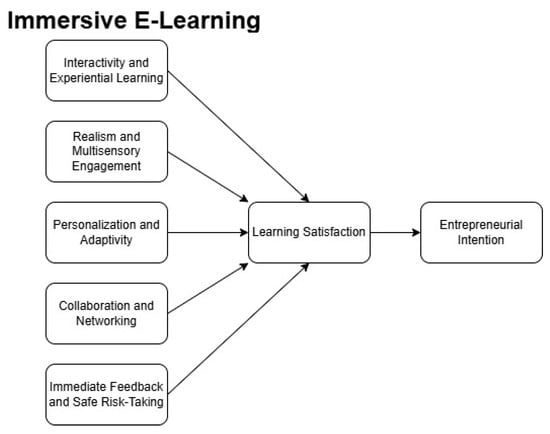
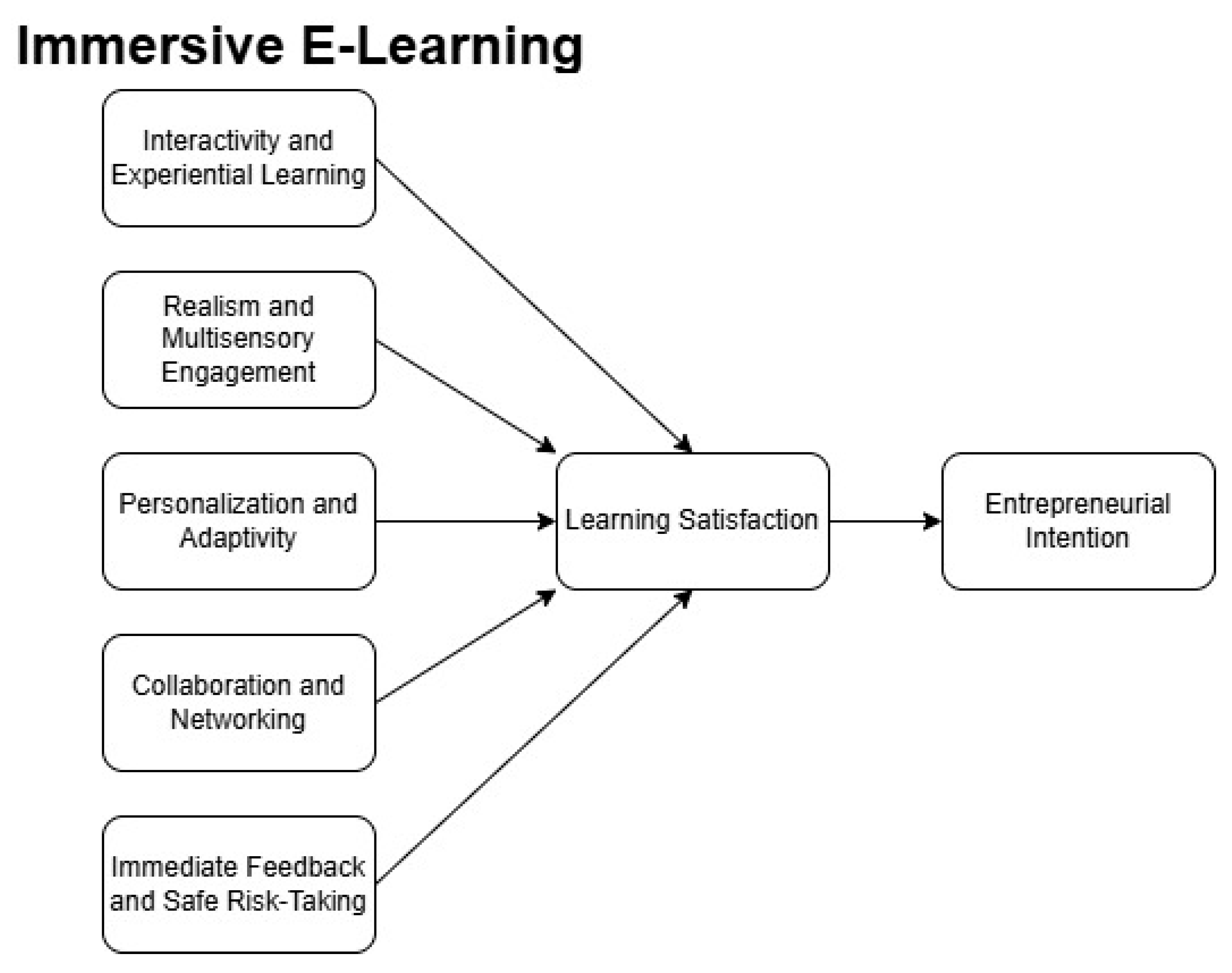
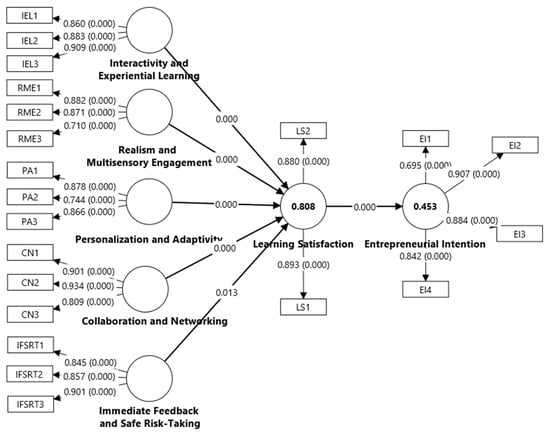
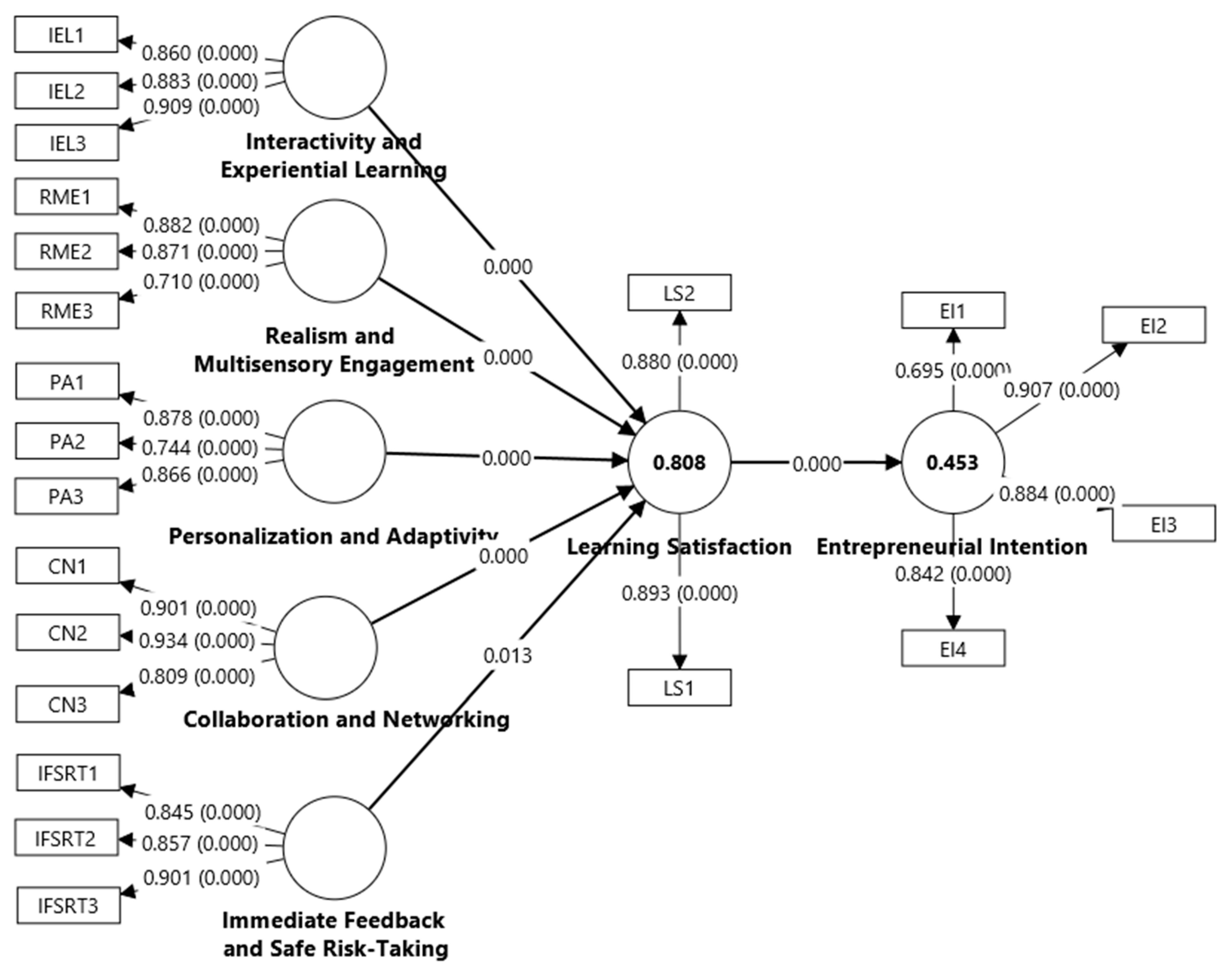
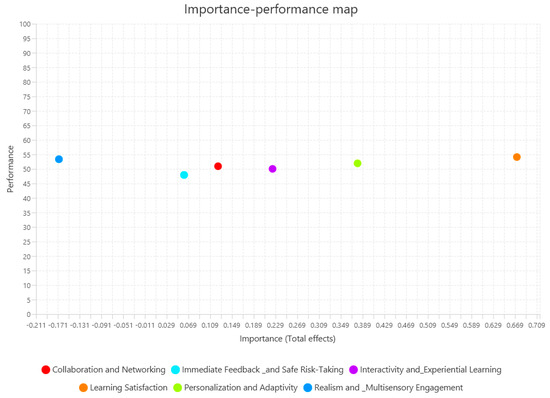
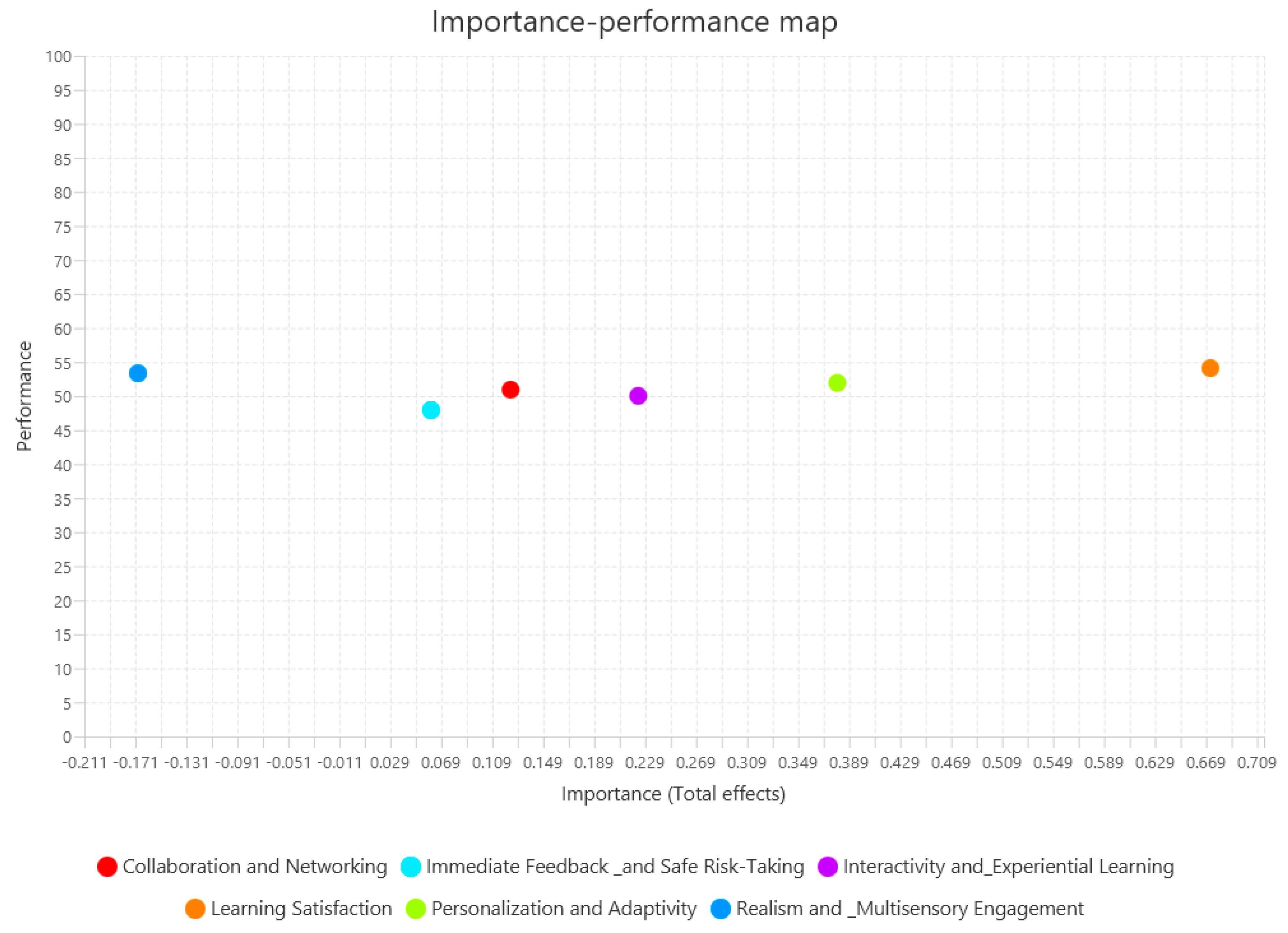

Disclaimer/Publisher’s Note: The statements, opinions and data contained in all publications are solely those of the individual author(s) and contributor(s) and not of MDPI and/or the editor(s). MDPI and/or the editor(s) disclaim responsibility for any injury to people or property resulting from any ideas, methods, instructions or products referred to in the content. |
© 2026 by the authors. Licensee MDPI, Basel, Switzerland. This article is an open access article distributed under the terms and conditions of the Creative Commons Attribution (CC BY) license.