Abstract
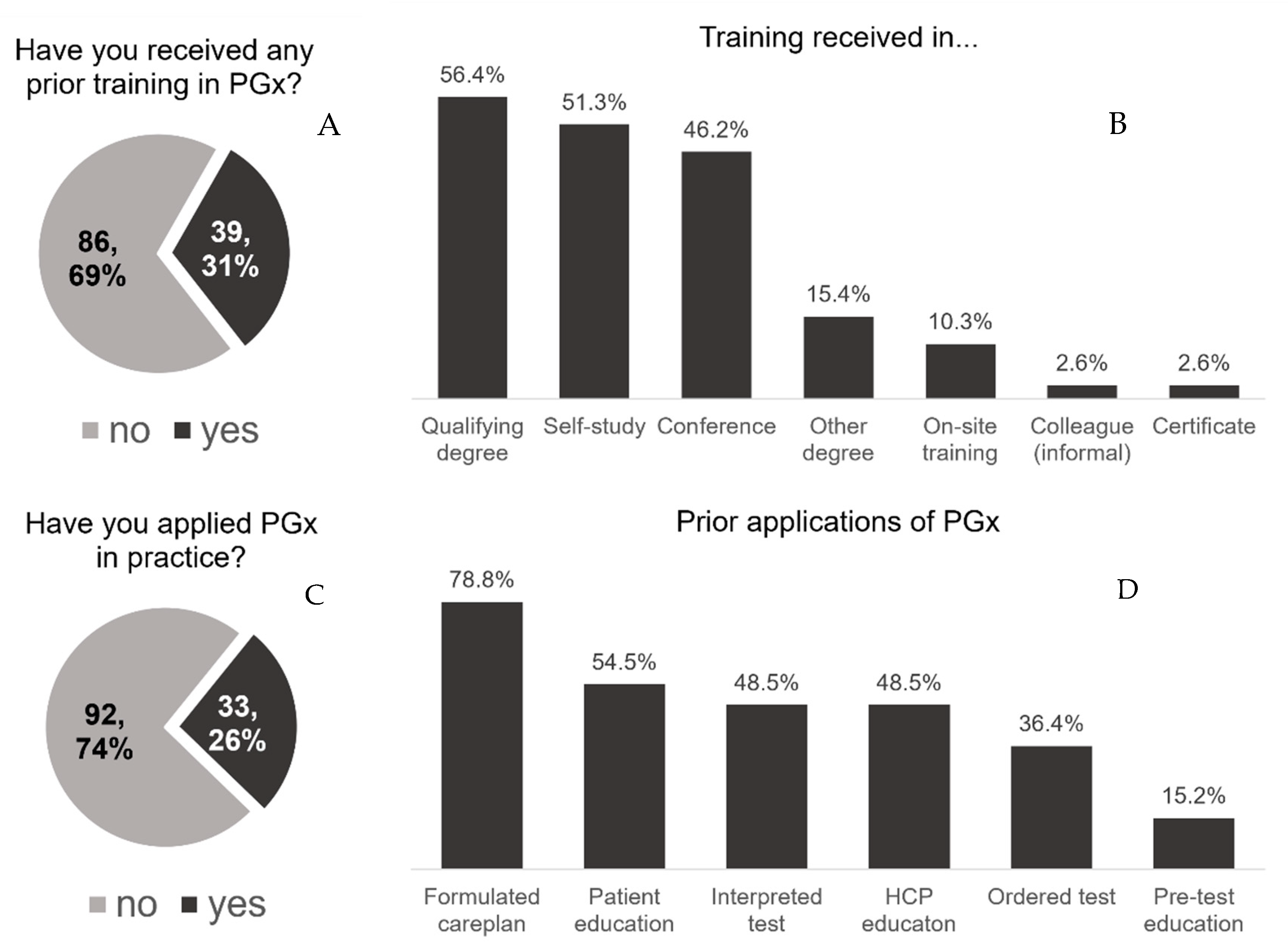
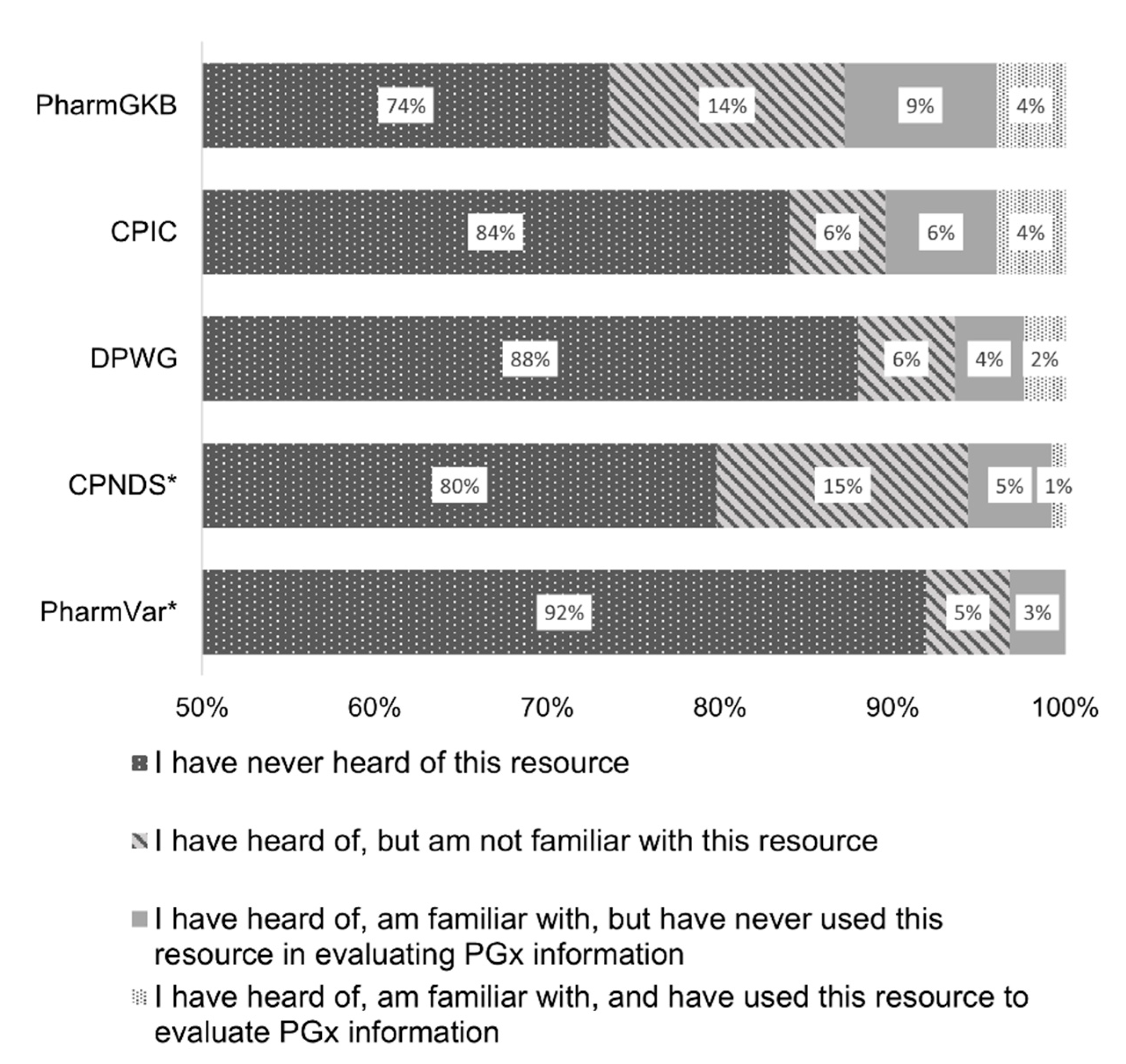
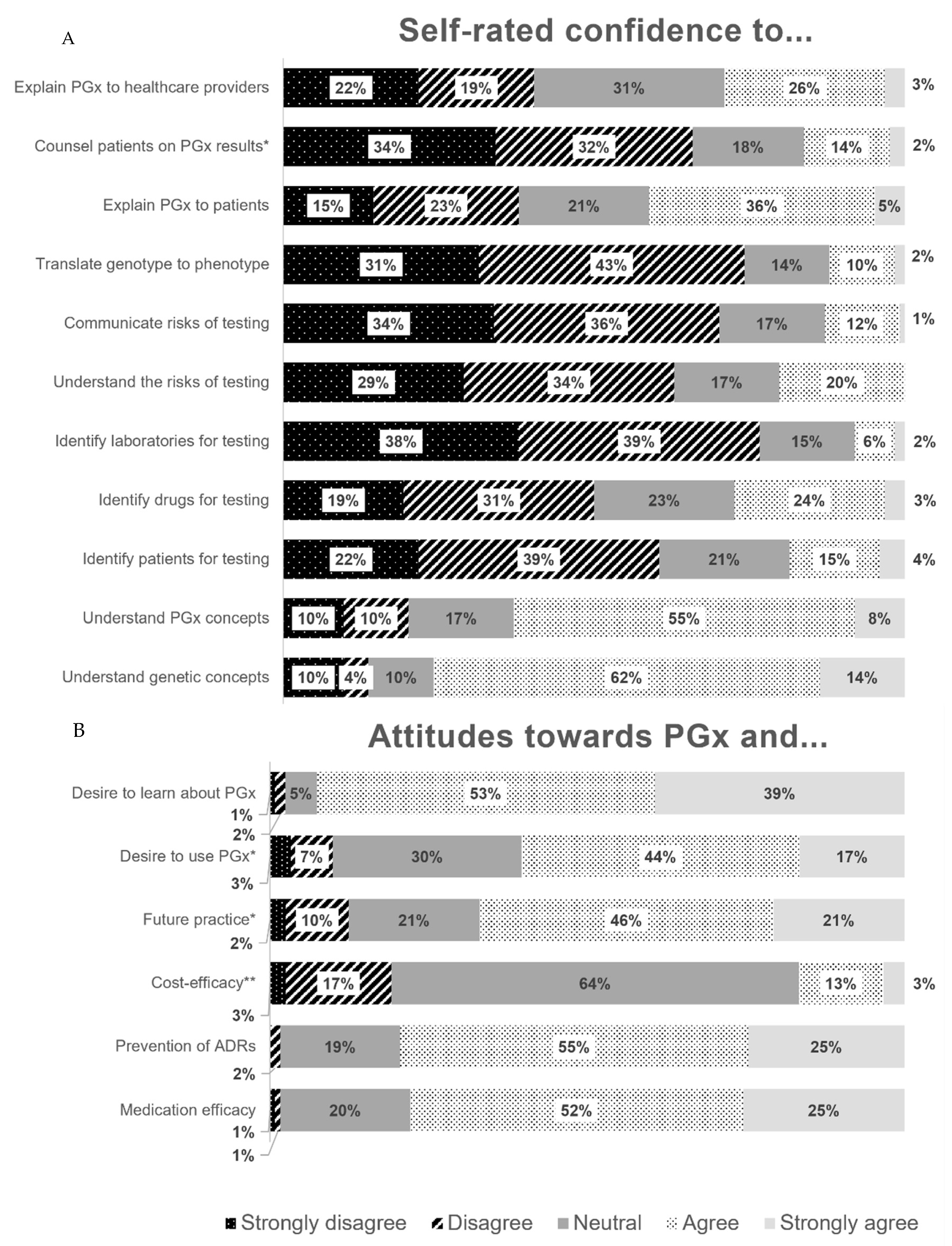
Background: Despite evidence of clinical utility and the availability of prescription guidelines, pharmacogenomics (PGx) is not broadly used in institutional settings in Canada. To inform future implementation, this study aimed to identify healthcare provider knowledge, experience, and perceptions of PGx in Alberta, Canada. Methods: An online 44-item survey was distributed to pharmacists, nurse practitioners, and physicians employed or contracted with Alberta Health Services from January to May 2022. Questions included: demographics, professional history, PGx education and exposure, knowledge, and ability to use PGx, and attitudes towards, feasibility, clinical utility, education, and implementation. Results: Ninety-one pharmacists, 37 nurse practitioners, and 6 physicians completed the survey. Fifty-nine percent had 10 or more years of experience, and 71% practiced in urban settings. Only one-third had training in PGx, and one-quarter had used PGx. Most respondents (63%) had no knowledge of PGx resources, including the Pharmacogenomics Knowledge Base (75%), or the Clinical Pharmacogenetics Implementation Consortium guidelines (85%). While participants agreed that they understood genetic (75%) and PGx (63%) concepts, most disagreed with their ability regarding practical applications of PGx such as translating genotype to phenotype (74%) or counselling patients on results (66%). Participants agreed on the clinical utility of PGx in preventing adverse drug reactions (80%) and enhancing medication efficacy (77%), and identified oncology (62%), cardiovascular/stroke (60%), and psychiatry (56%) as therapeutic areas to consider implementation. At present, healthcare provider knowledge (87%), cost (81%), and limited guidelines/evidence (70%) are seen as the greatest barriers to implementation. Conclusion: Alberta healthcare providers have limited training, experience, or knowledge in PGx. However, most appear to have a positive outlook regarding clinical utility, especially within oncology, cardiology, and psychiatry. More effort is required to socialize the availability and quality of evidence and guidelines for the interpretation of PGx test results, address other knowledge gaps, and improve financial limitations.