Article

Numerical Investigation of the Aerofoil Aerodynamics with Surface Heating for Anti-Icing
1
Department of Aeronautics, Imperial College London, London SW7 2BX, UK
2
Department of Mechanical, Materials and Manufacturing Engineering, University of Nottingham, Nottingham NG7 2RD, UK
3
School of Aerospace Engineering, Beijing Institute of Technology, Beijing 100081, China
*
Authors to whom correspondence should be addressed.
These authors contributed equally to this work.
Aerospace 2022, 9(7), 338; https://doi.org/10.3390/aerospace9070338

Submission received: 2 May 2022 / Revised: 11 June 2022 / Accepted: 15 June 2022 / Published: 24 June 2022
(This article belongs to the Special Issue Aerodynamics Design)

Abstract

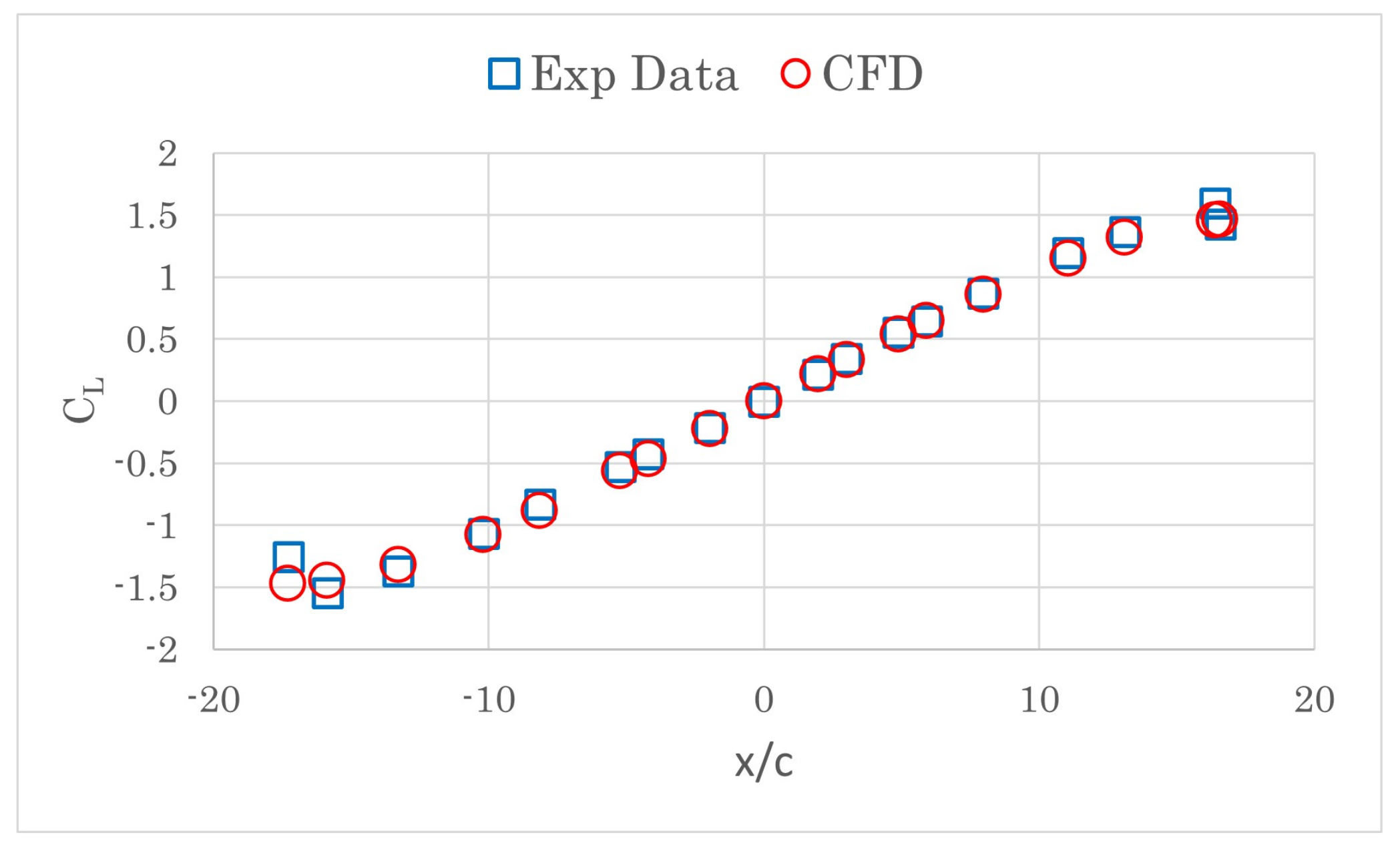
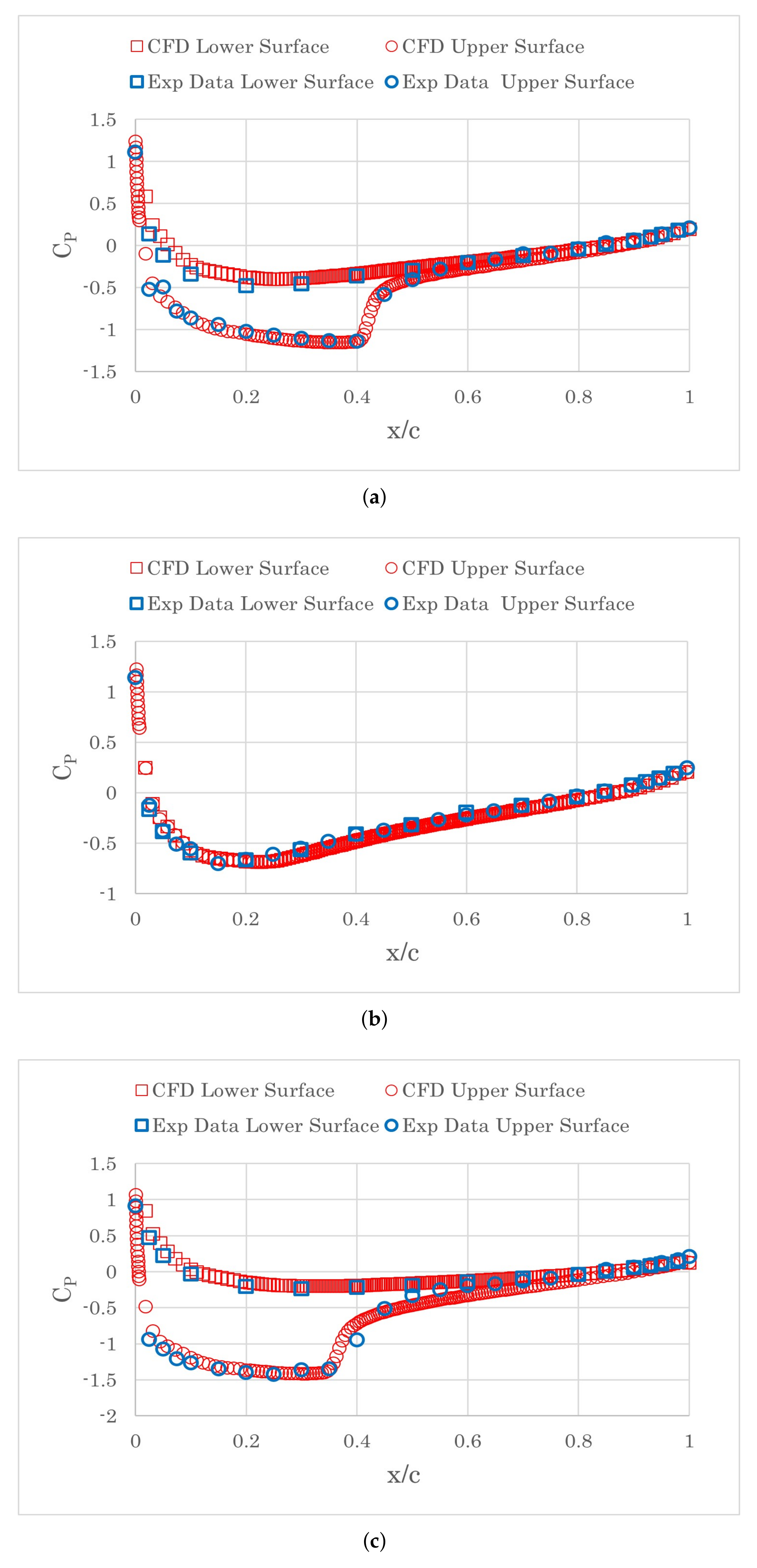
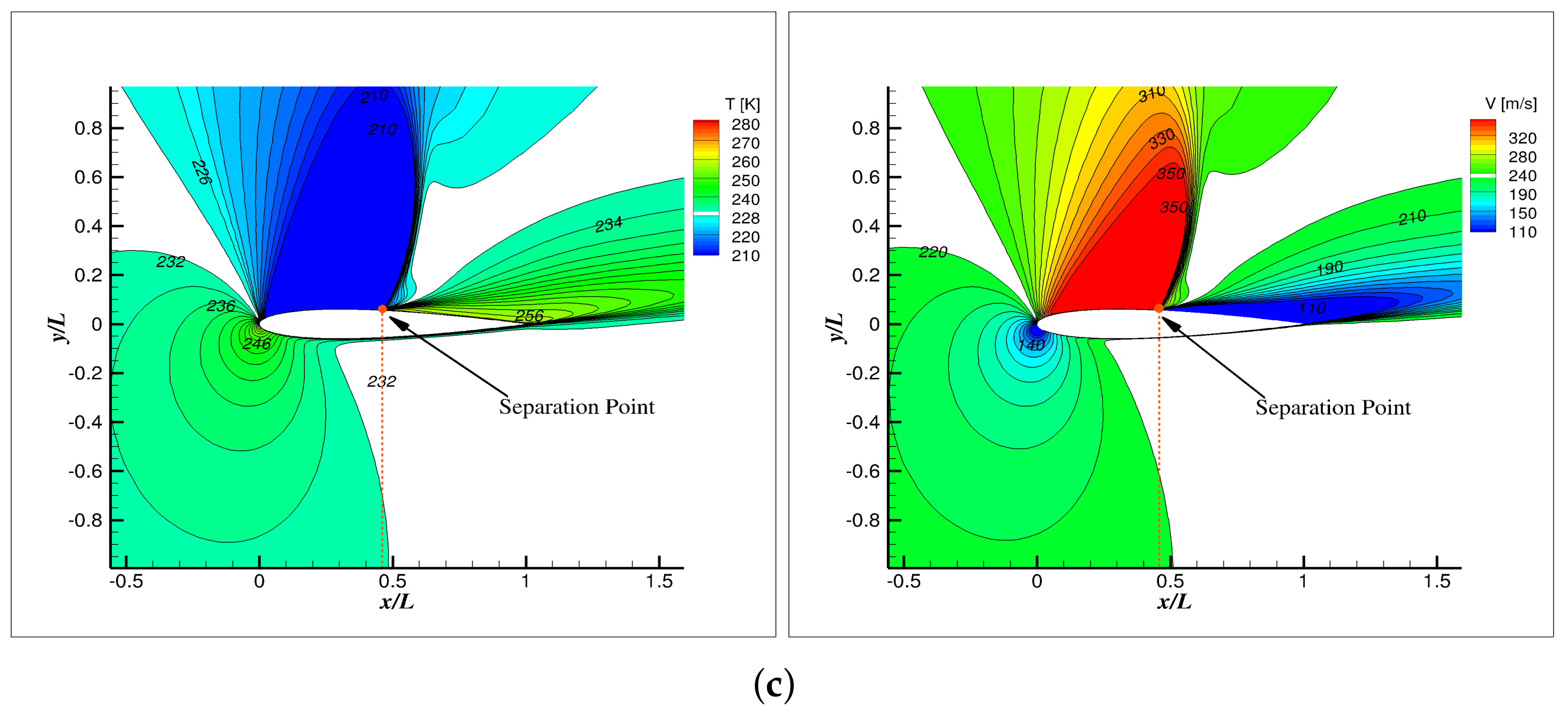
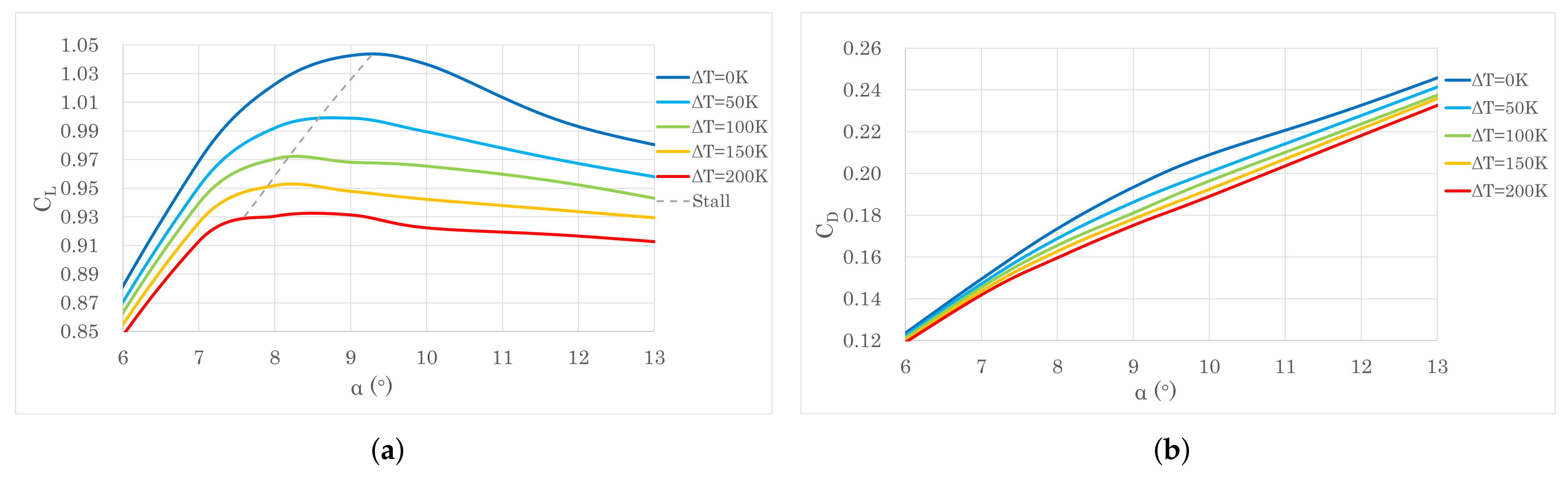
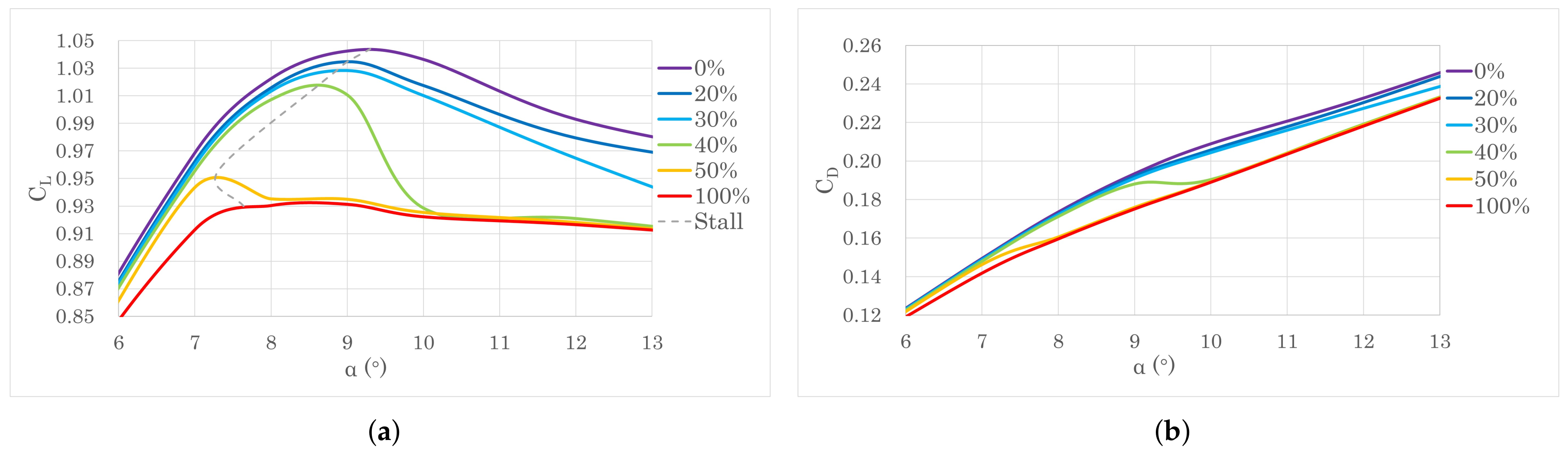
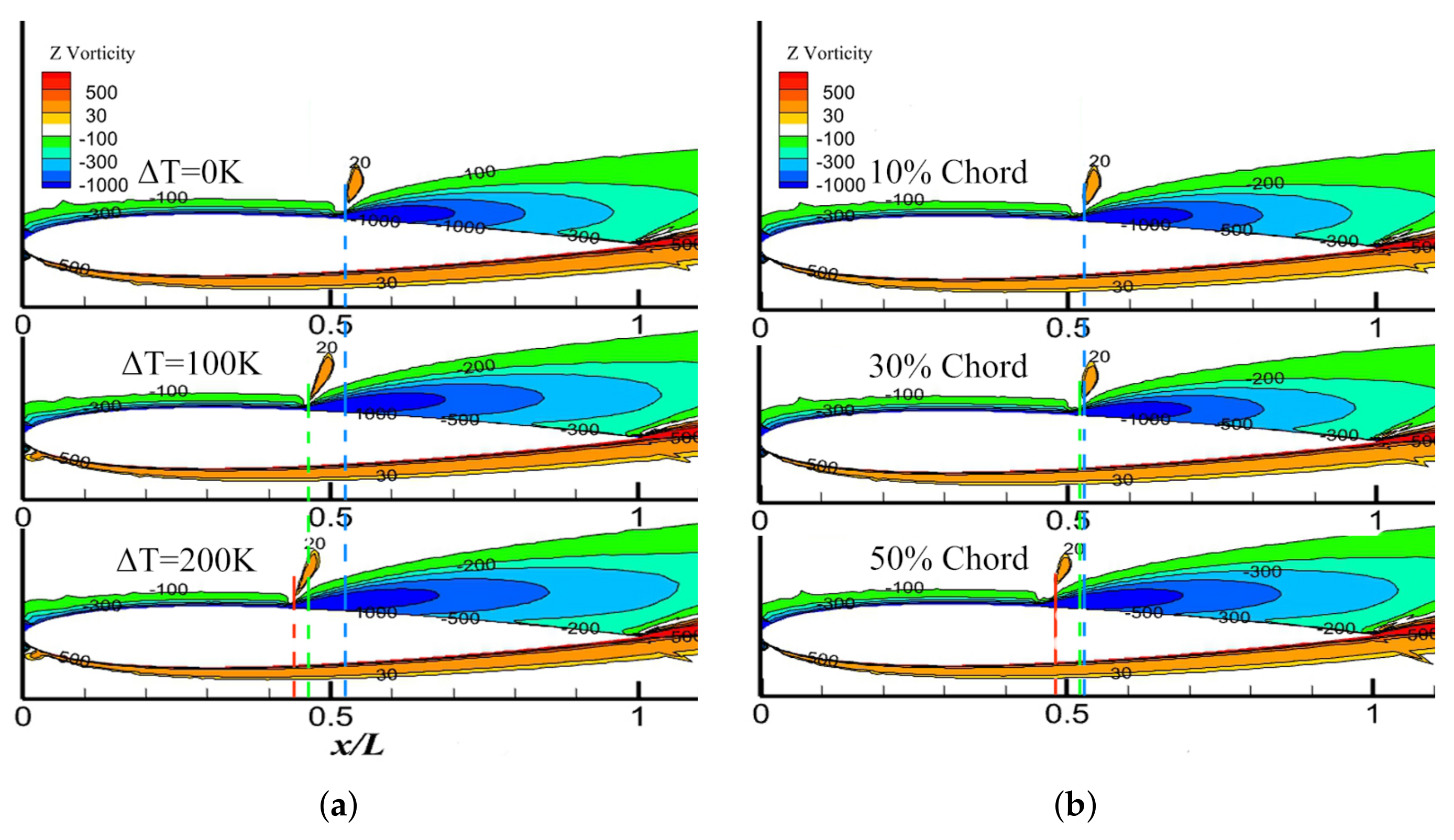
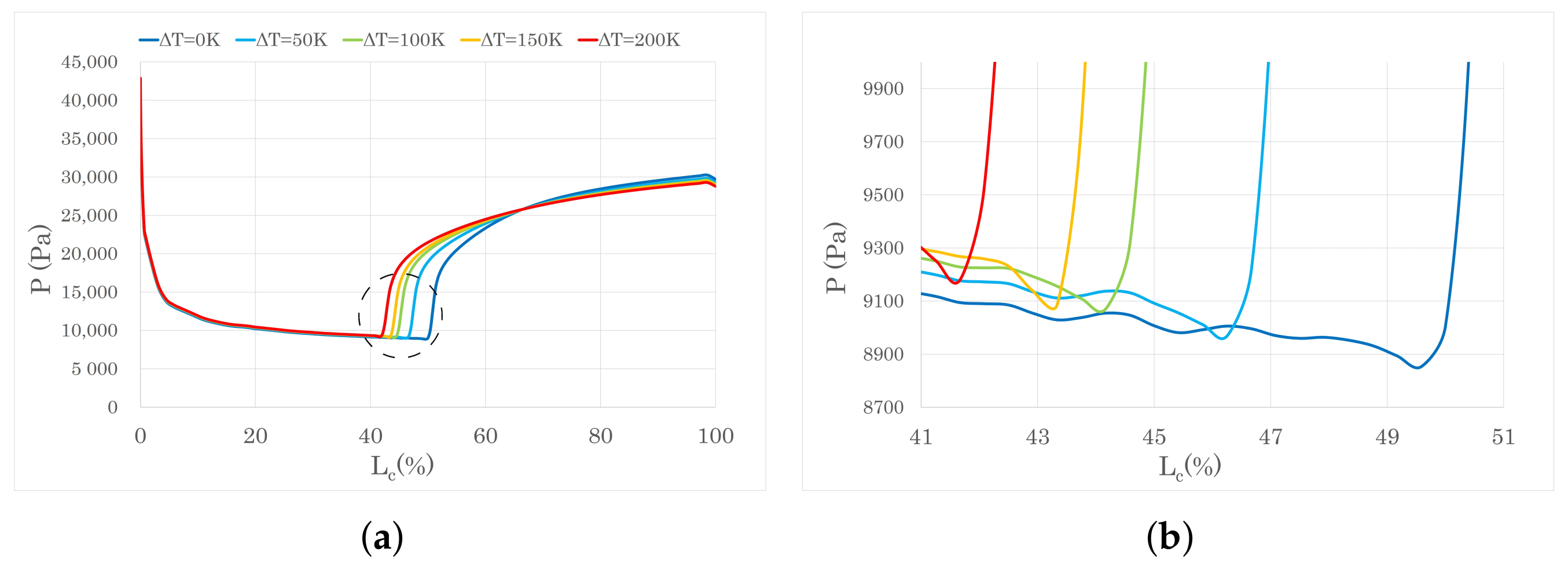
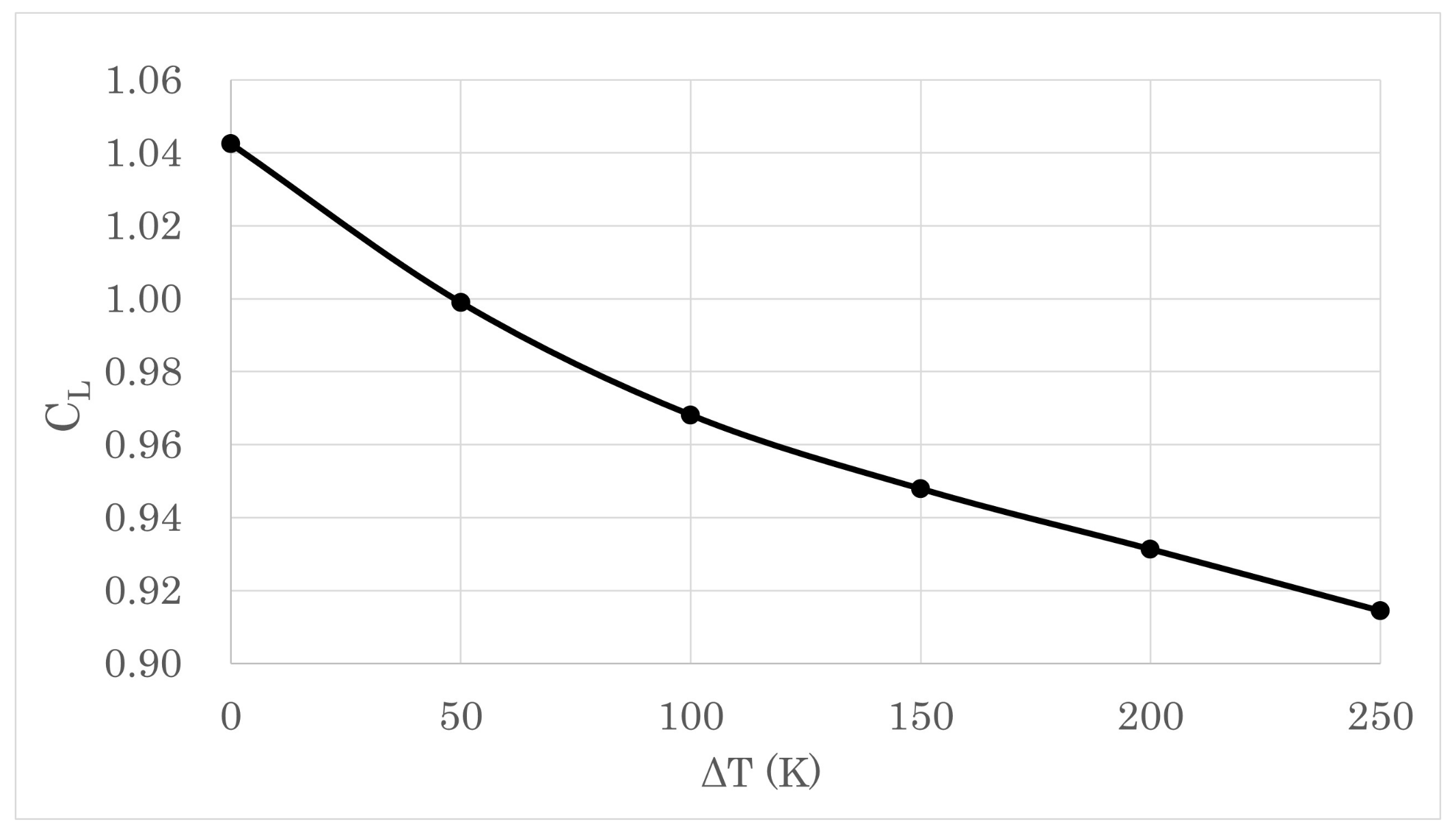
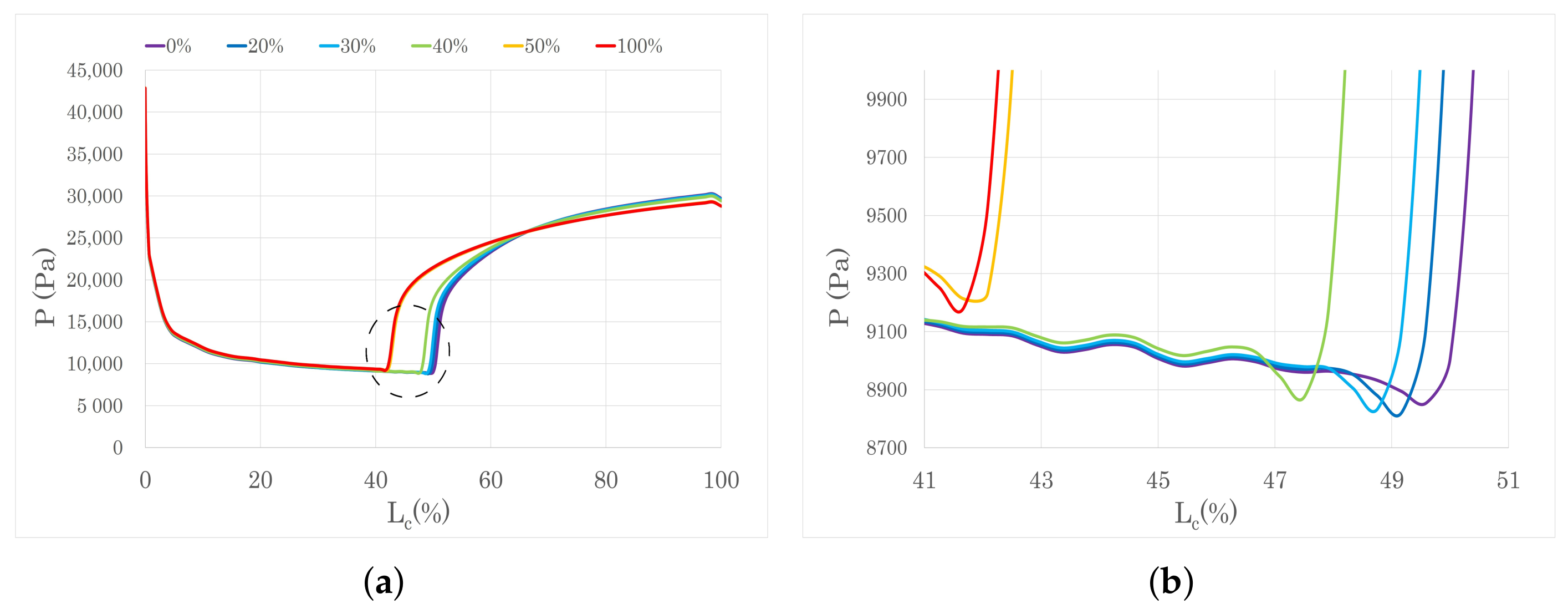
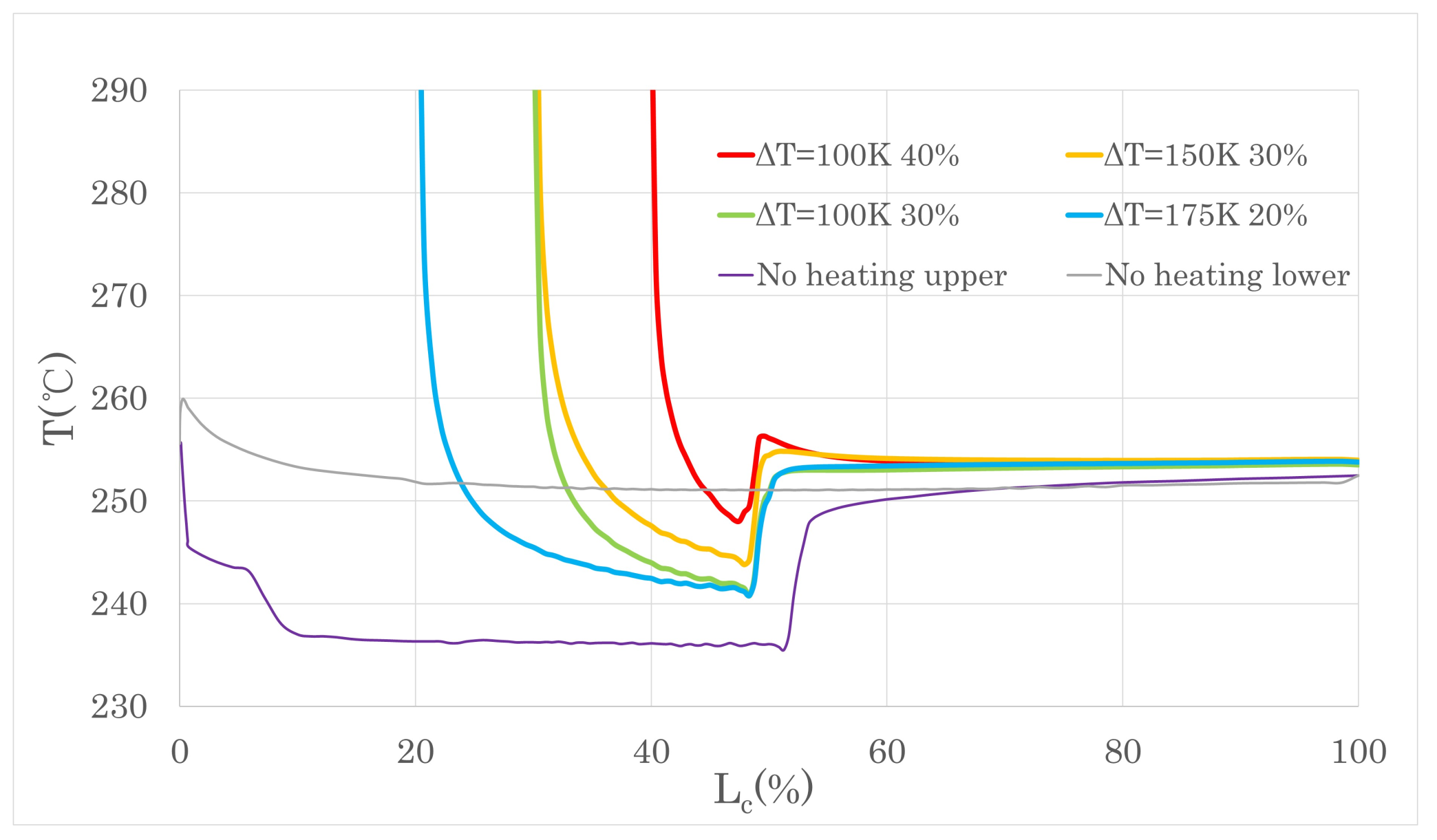
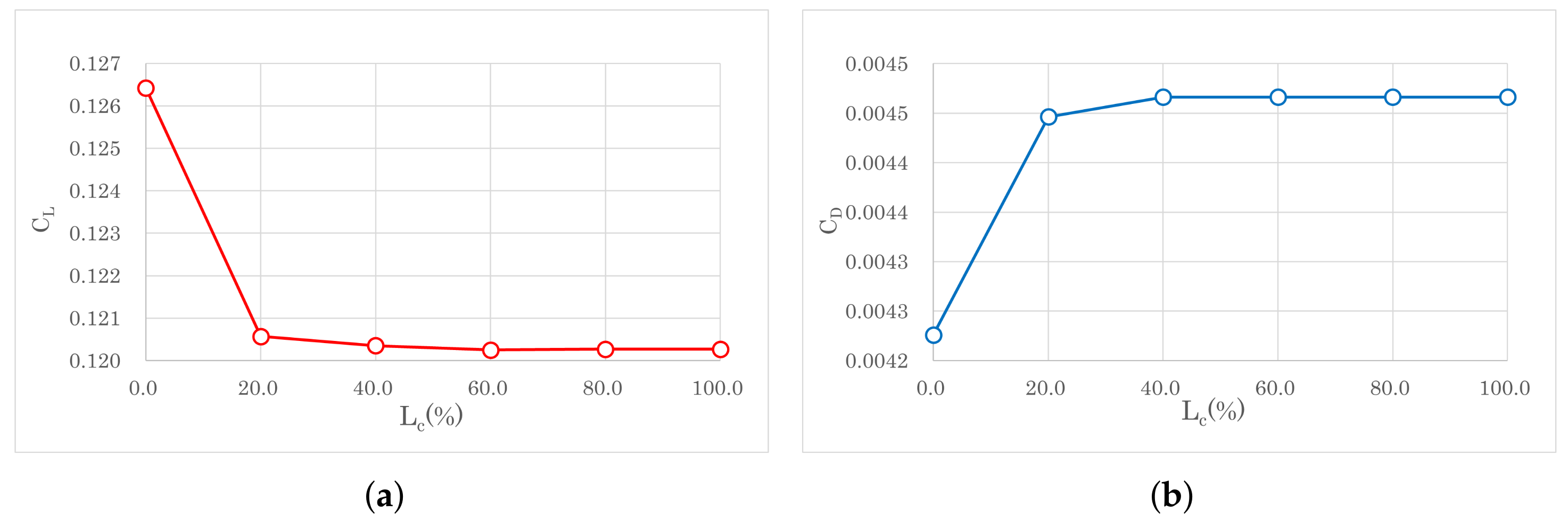
The aerodynamics of an aerofoil with surface heating was numerically studied with the objective to build an effective anti-icing strategy and balance the aerodynamics performance and energy consumption. NACA0012, RAE2822 and ONERA M6 aerofoils were adopted as the test cases and the simulations were performed in the subsonic flight condition of commercial passenger aircraft. In the first session, the numerical scheme was firstly validated with the experimental data. A parametric study with different heating temperatures and heating areas was carried out. The lift and drag coefficients both drop with surface heating, especially at a larger angle of attack. It was found that the separation point on the upper surface of the aerofoil is sensitive to heating. Higher heating temperature or larger heating area pushes the shock wave and hence flow separation point moving towards the leading edge, which reduces the low-pressure region of the upper surface and decreases the lift. In the second session, the conclusions obtained are applied to inform the design of the heating scheme for NACA0012. Further guidelines for different flight conditions were proposed to shed light on the optimisation of the heating strategy.
Keywords: anti-icing system; aerodynamics; heating; subsonic flow; boundary layer; shock wave anti-icing system; aerodynamics; heating; subsonic flow; boundary layer; shock wave