
Article

Comparison of Tethered Post-Capture System Models for Space Debris Removal
1
School of Aerospace Engineering, Beijing Institute of Technology, Beijing 100086, China
2
School of Mechanical Engineering, Beijing Institute of Technology, Beijing 100086, China
*
Author to whom correspondence should be addressed.
Aerospace 2022, 9(1), 33; https://doi.org/10.3390/aerospace9010033

Submission received: 8 November 2021 / Revised: 2 December 2021 / Accepted: 13 December 2021 / Published: 11 January 2022
(This article belongs to the Special Issue Space Debris Removal: Challenges and Opportunities)

Abstract

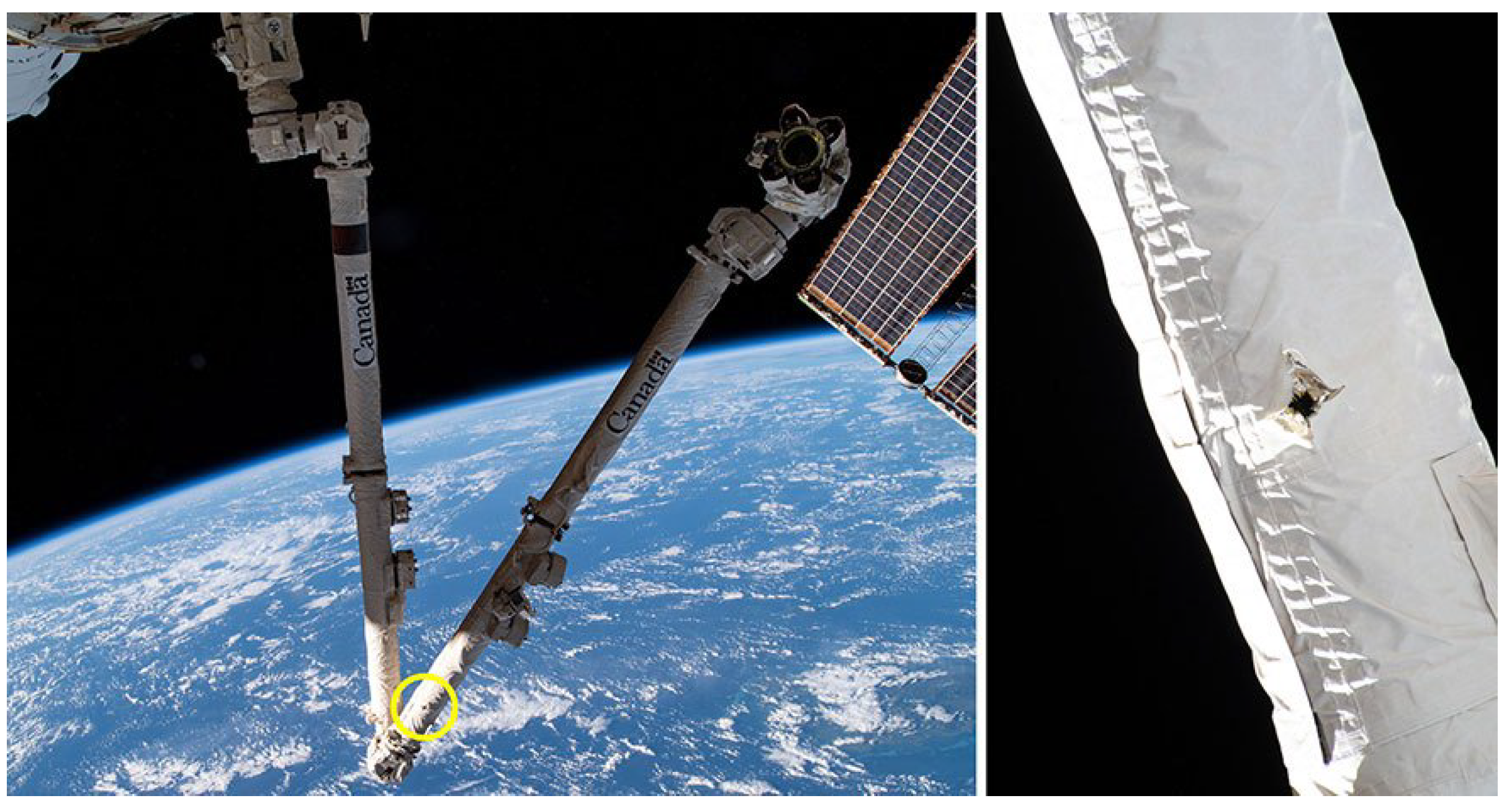
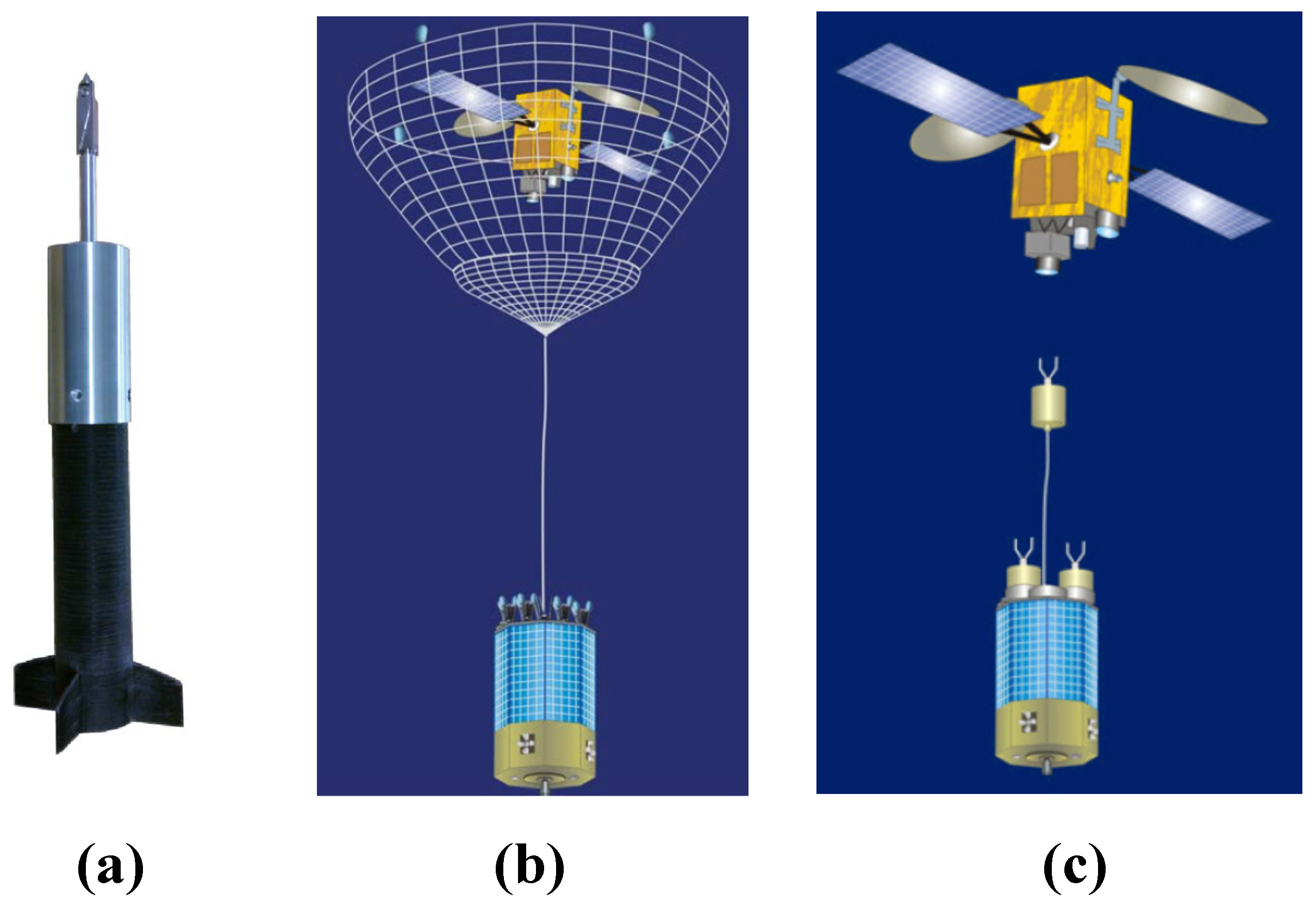
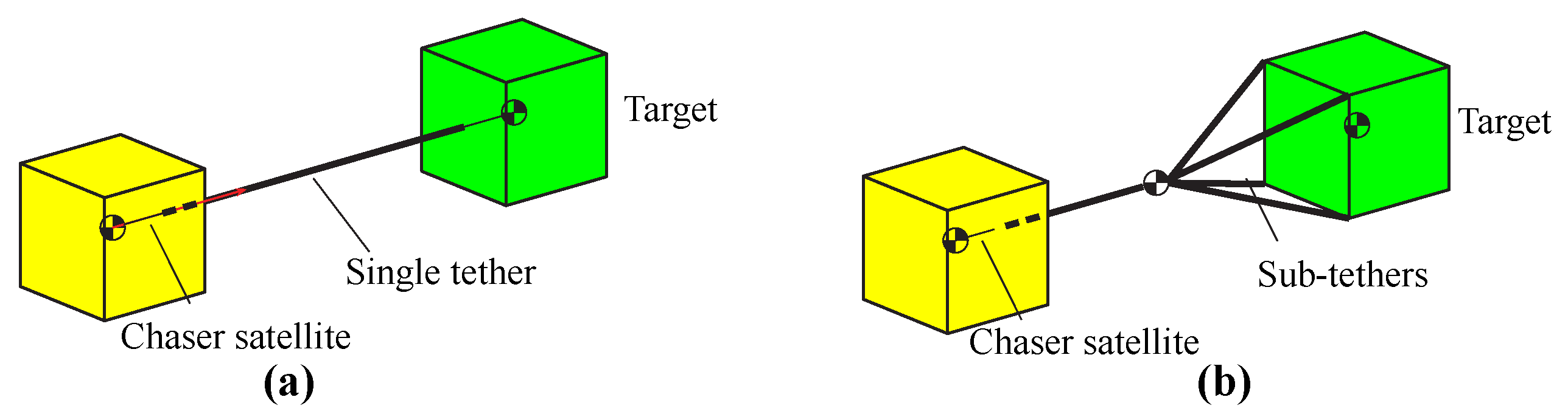
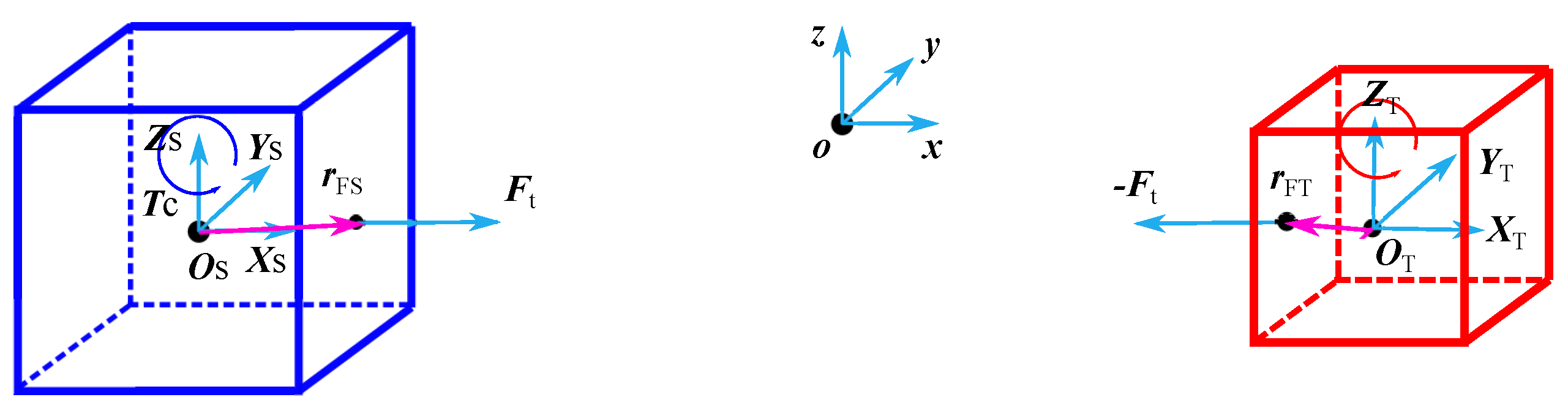
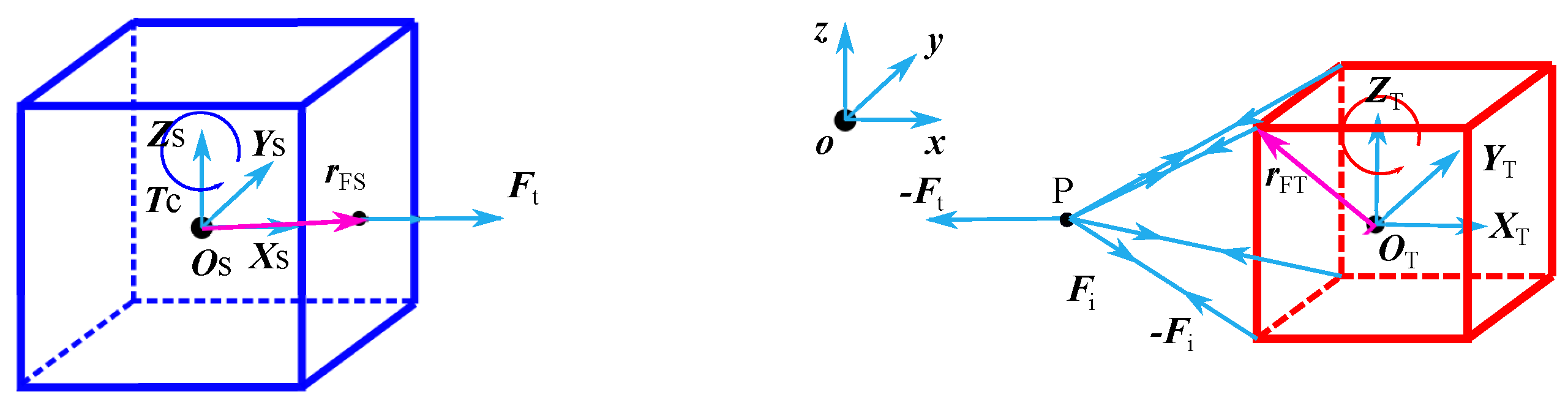
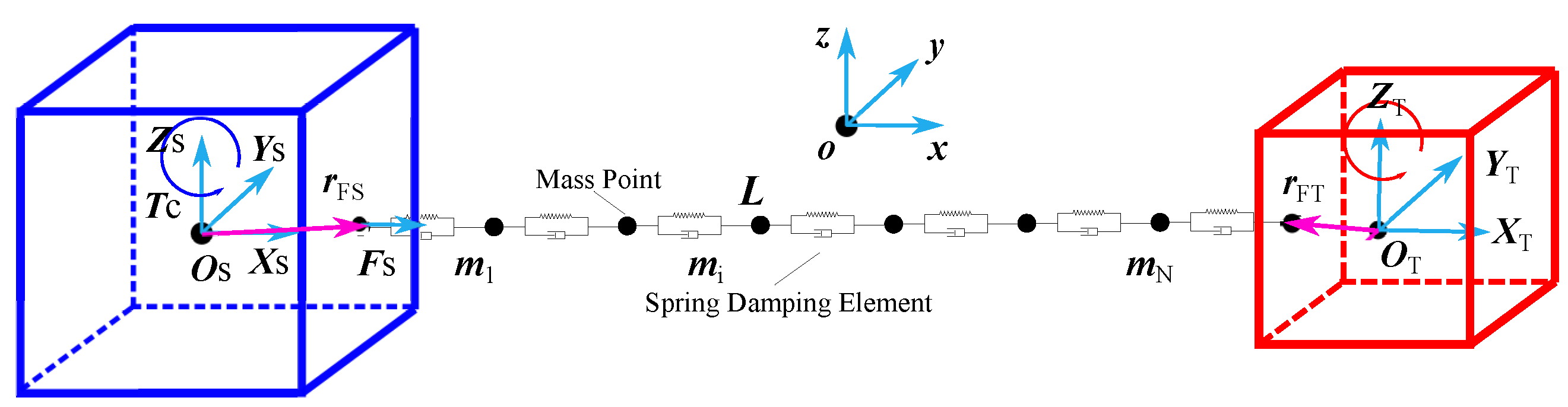
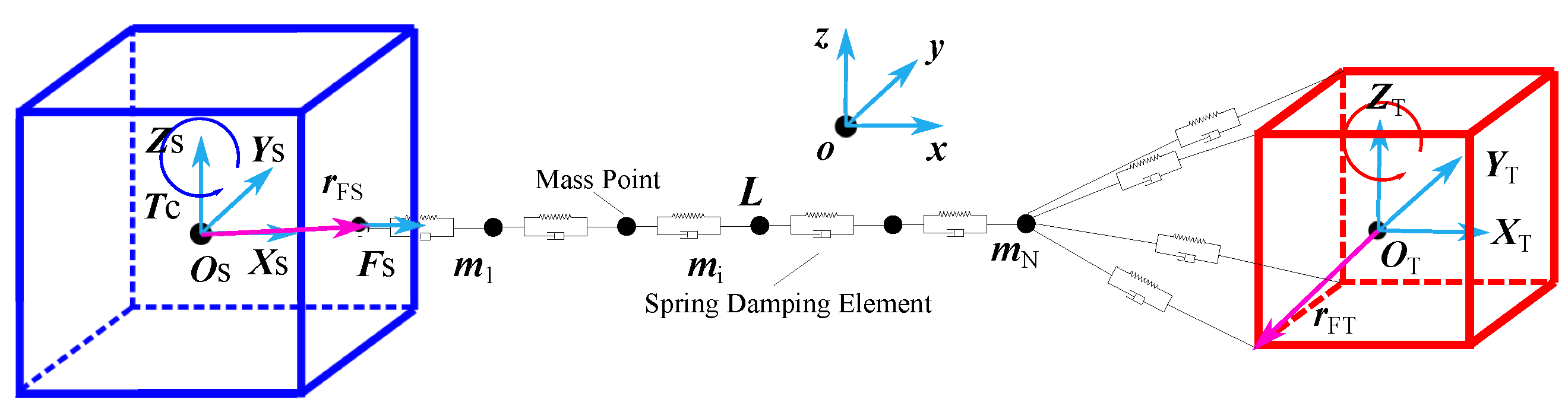
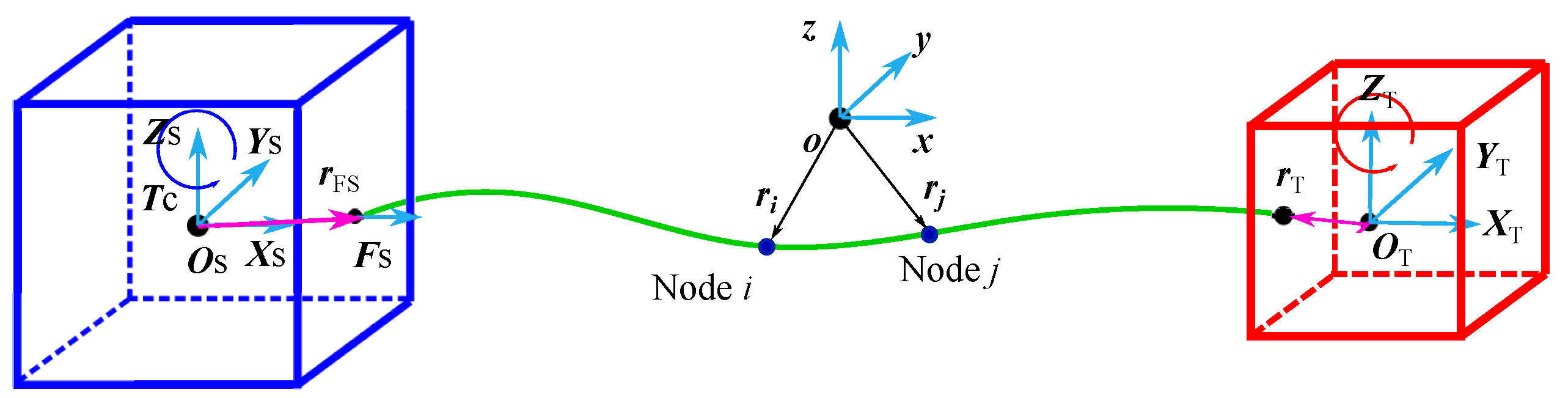
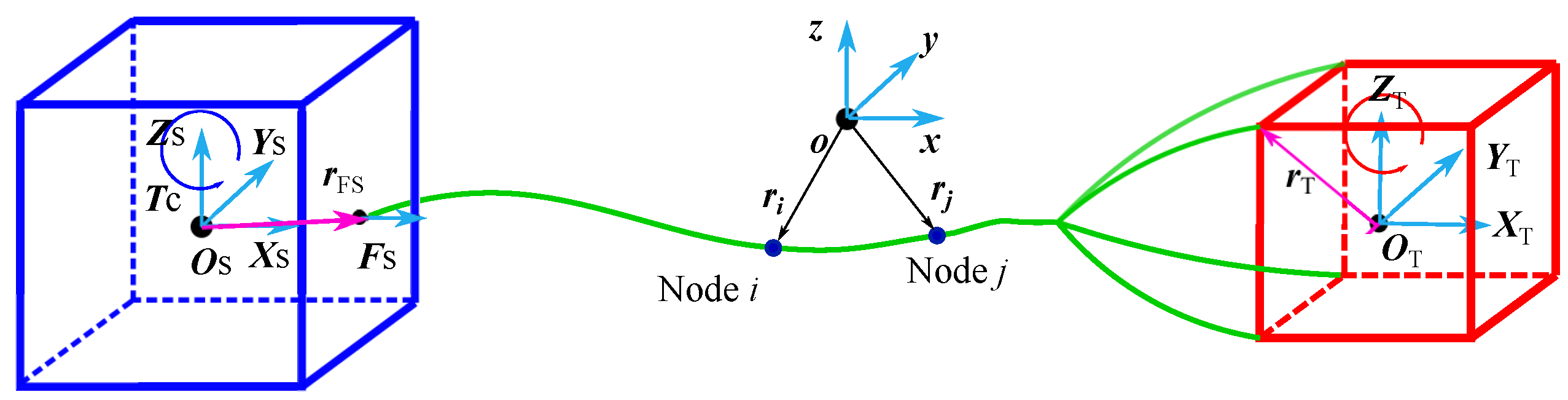
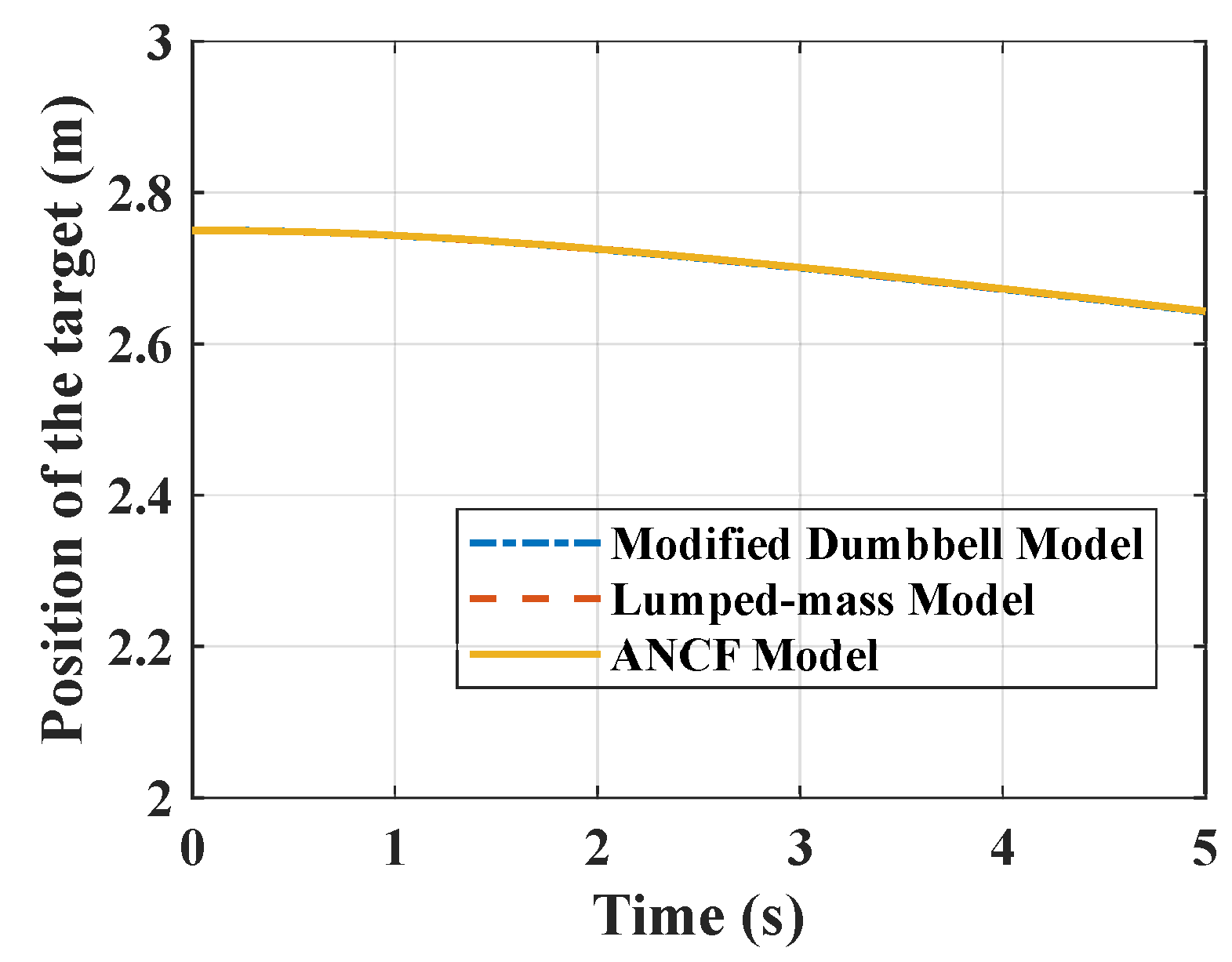
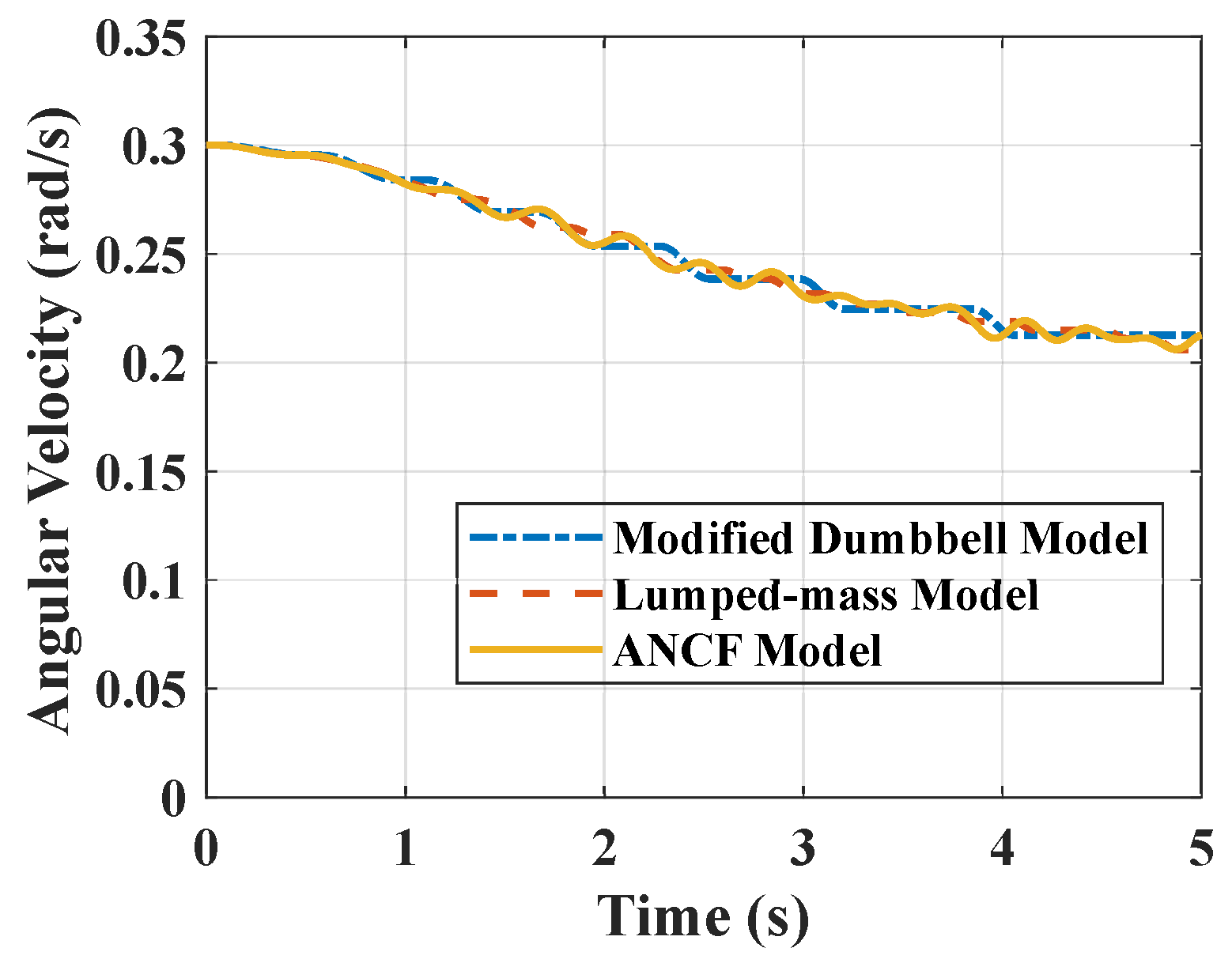
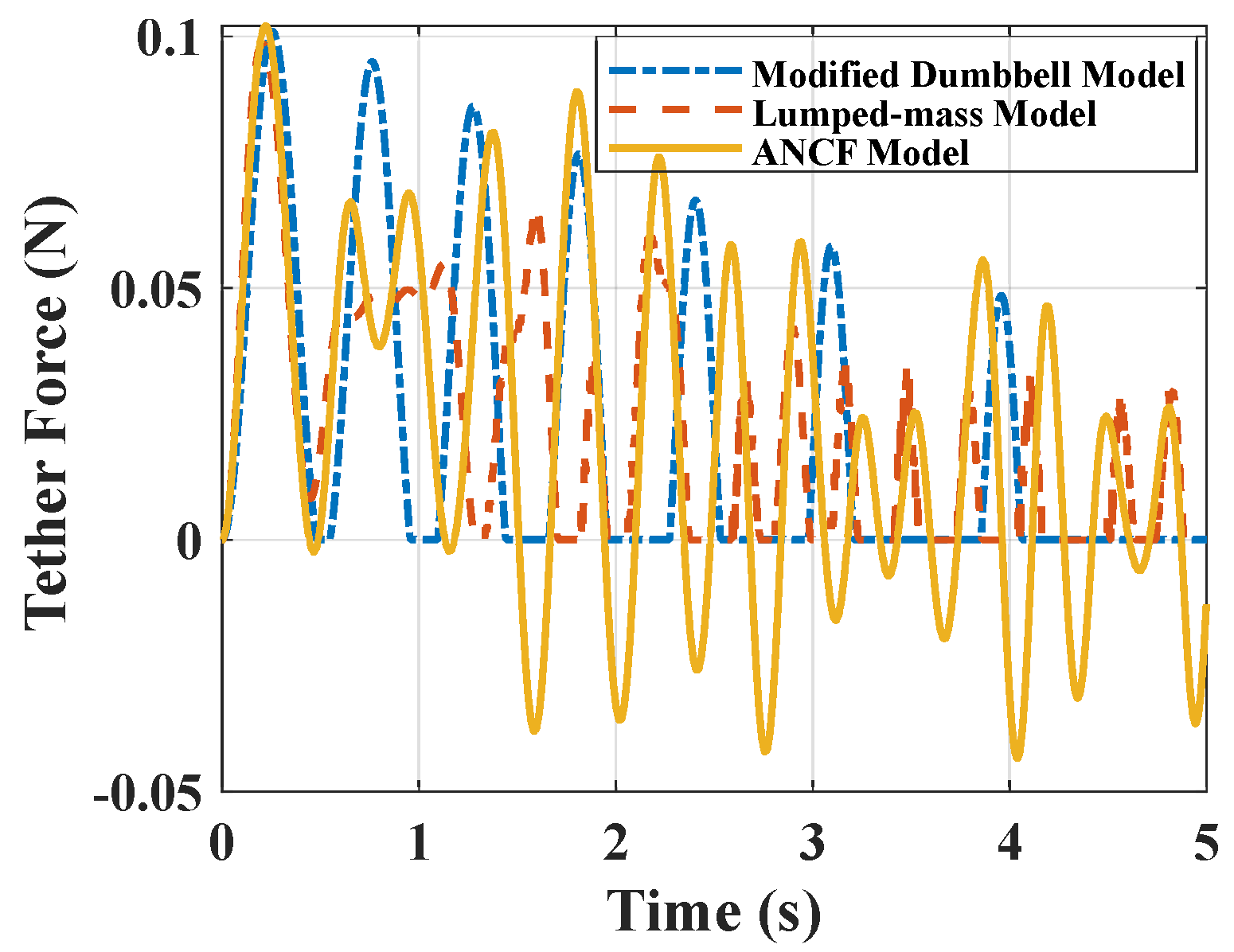
The space debris problem poses a huge threat to operational satellites and has to be addressed. Multiple removal methods have been proposed to keep Earth’s orbit stable. Flexible connection capturing methods, such as the harpoon system, tether–gripper system and the net system, are potential candidate methods for space debris removal in the future. However, the tethered system is usually assumed as a dumbbell model where two end masses are connected by a rigid bar. This traditional model is not accurate enough to predict the motion of the target, neither the whole system. In this paper, three models, namely the modified dumbbell model, lumped-mass model and the ANCF model, to describe a tethered post-capture system for space debris removal are described and compared. Moreover, modal analysis of the tethered system is performed, and an analytical solution of the system’s natural frequency is derived. In addition, two configurations of the tethered system, namely the single tether configuration and the sub-tether configuration are simulated and compared based on three models, respectively. Finally, the influence on the chaser satellite by the initial angular velocity of the target is analyzed.
Keywords: space debris removal; tethered system; dumbbell model; lumped-mass model; ANCF space debris removal; tethered system; dumbbell model; lumped-mass model; ANCF