Article

Numerical Simulation of the Anti-Icing Performance of Electric Heaters for Icing on the NACA 0012 Airfoil

1
Department of Mechanical Engineering, Tokyo University of Science, Tokyo 162-8601, Japan
2
Department of Mechanical and Intelligent Systems Engineering, The University of Electro-Communications, Tokyo 182-8585, Japan
3
Department of Prime Mover Engineering, Tokai University, Kanagawa 259-1292, Japan
*
Author to whom correspondence should be addressed.
These authors contributed equally to this work.
Aerospace 2020, 7(9), 123; https://doi.org/10.3390/aerospace7090123

Submission received: 30 June 2020 / Revised: 19 August 2020 / Accepted: 24 August 2020 / Published: 27 August 2020
(This article belongs to the Special Issue Deicing and Anti-Icing of Aircraft)

Abstract

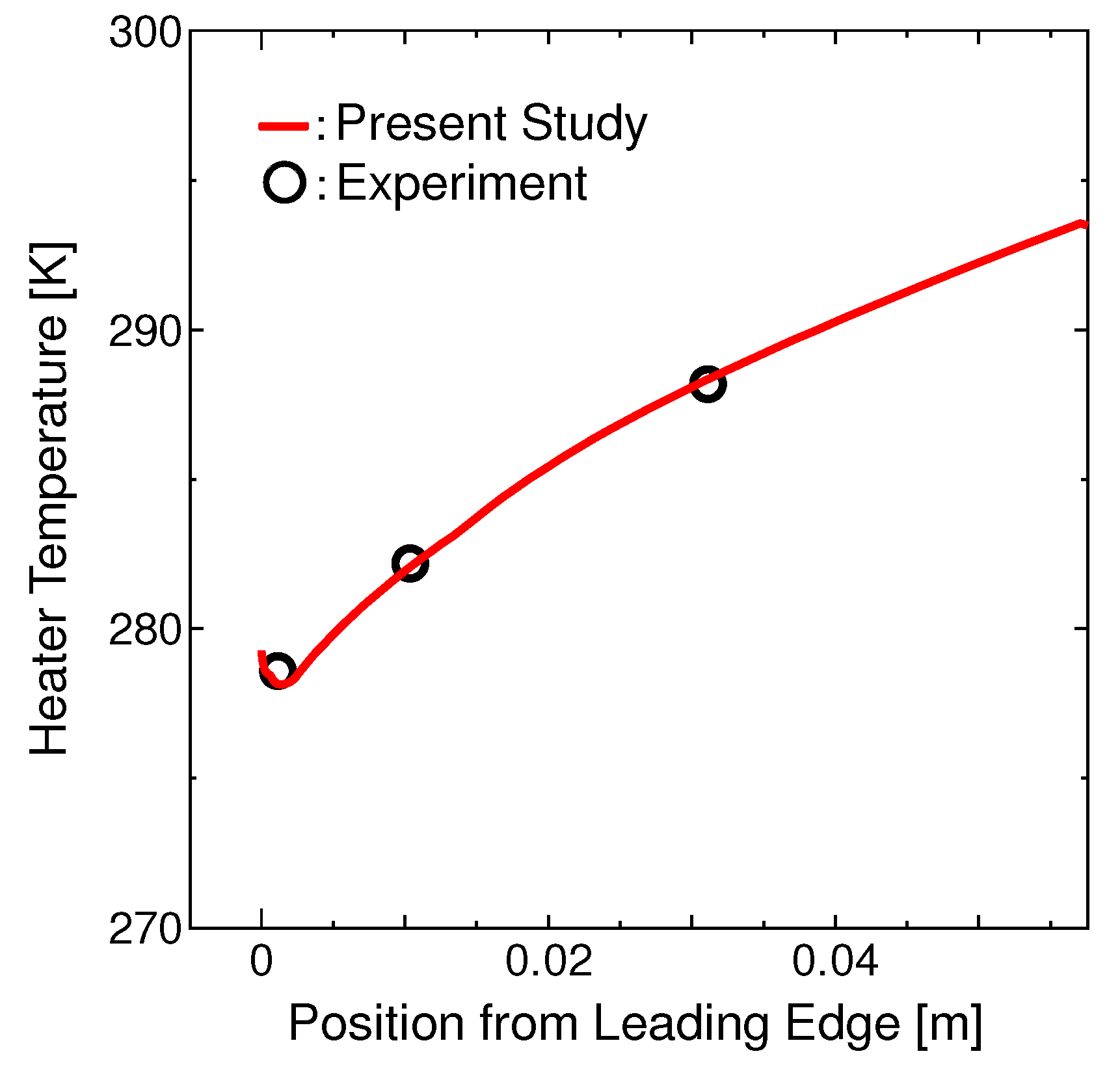
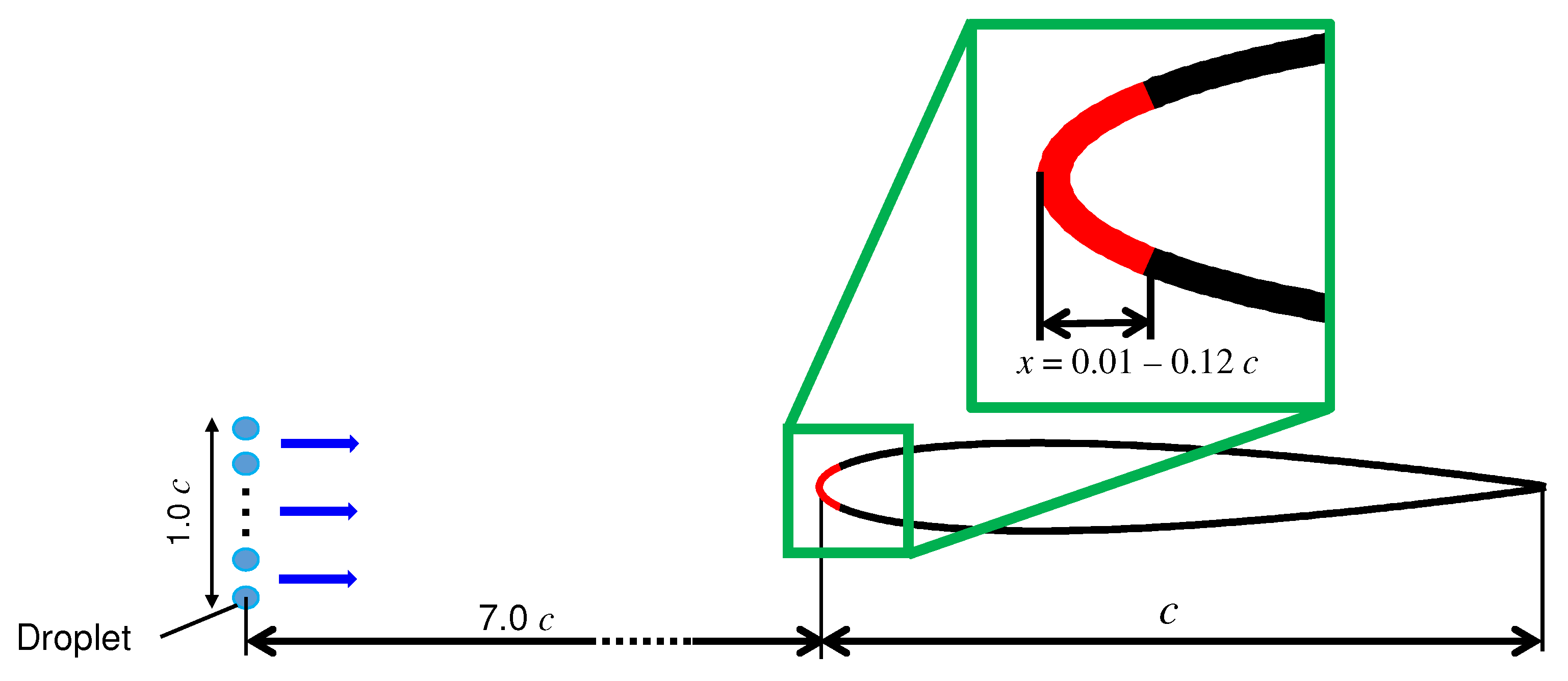
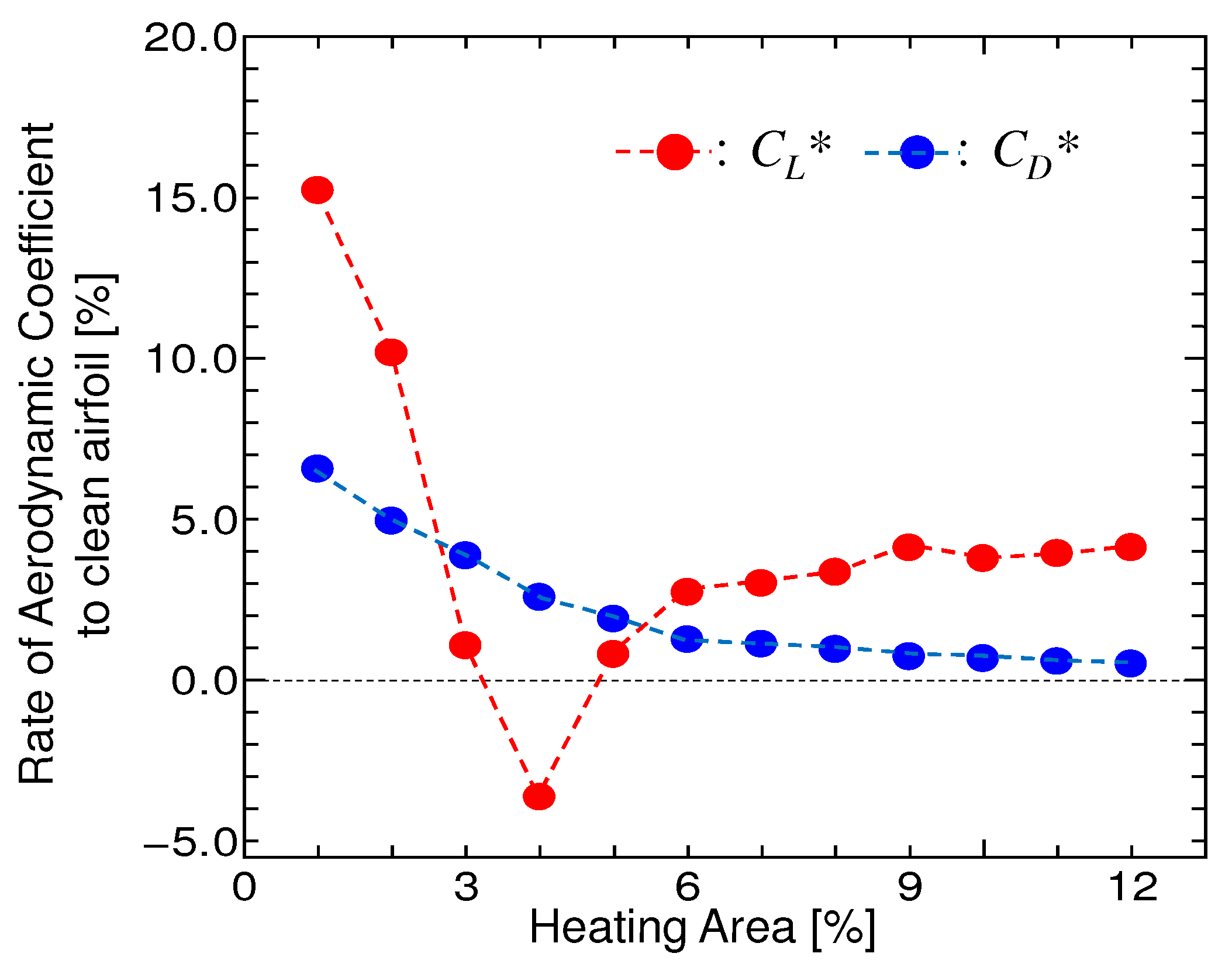
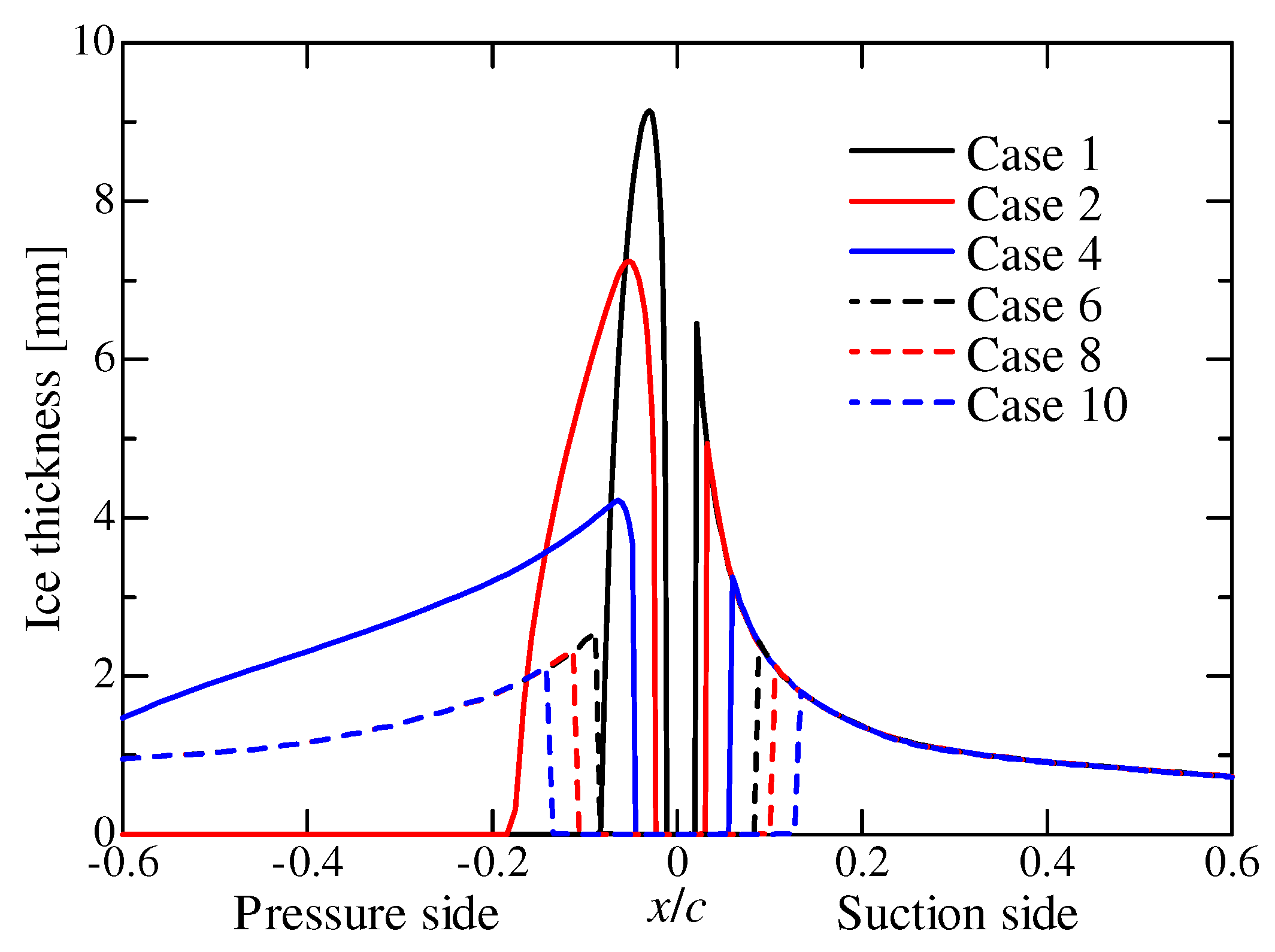
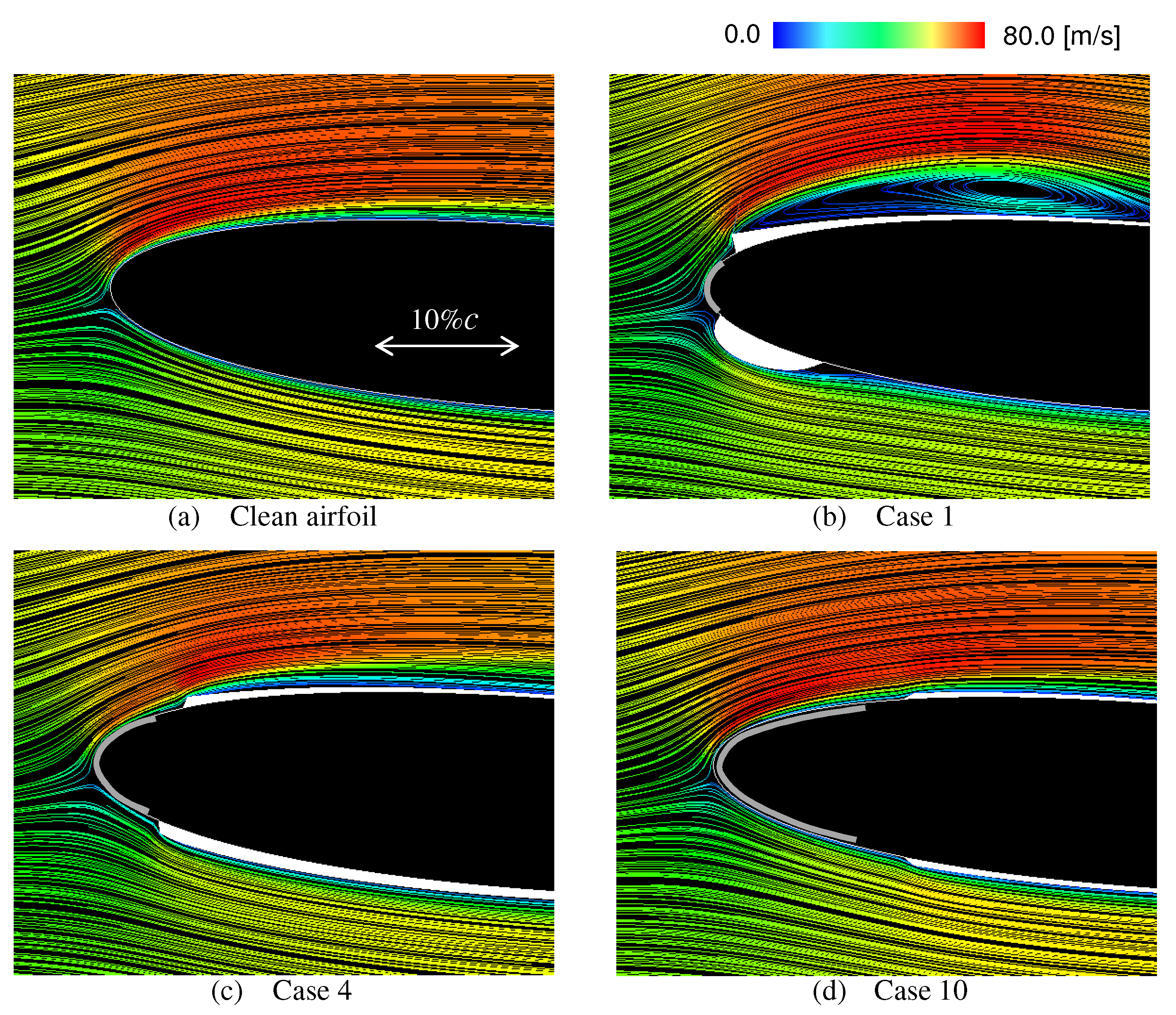
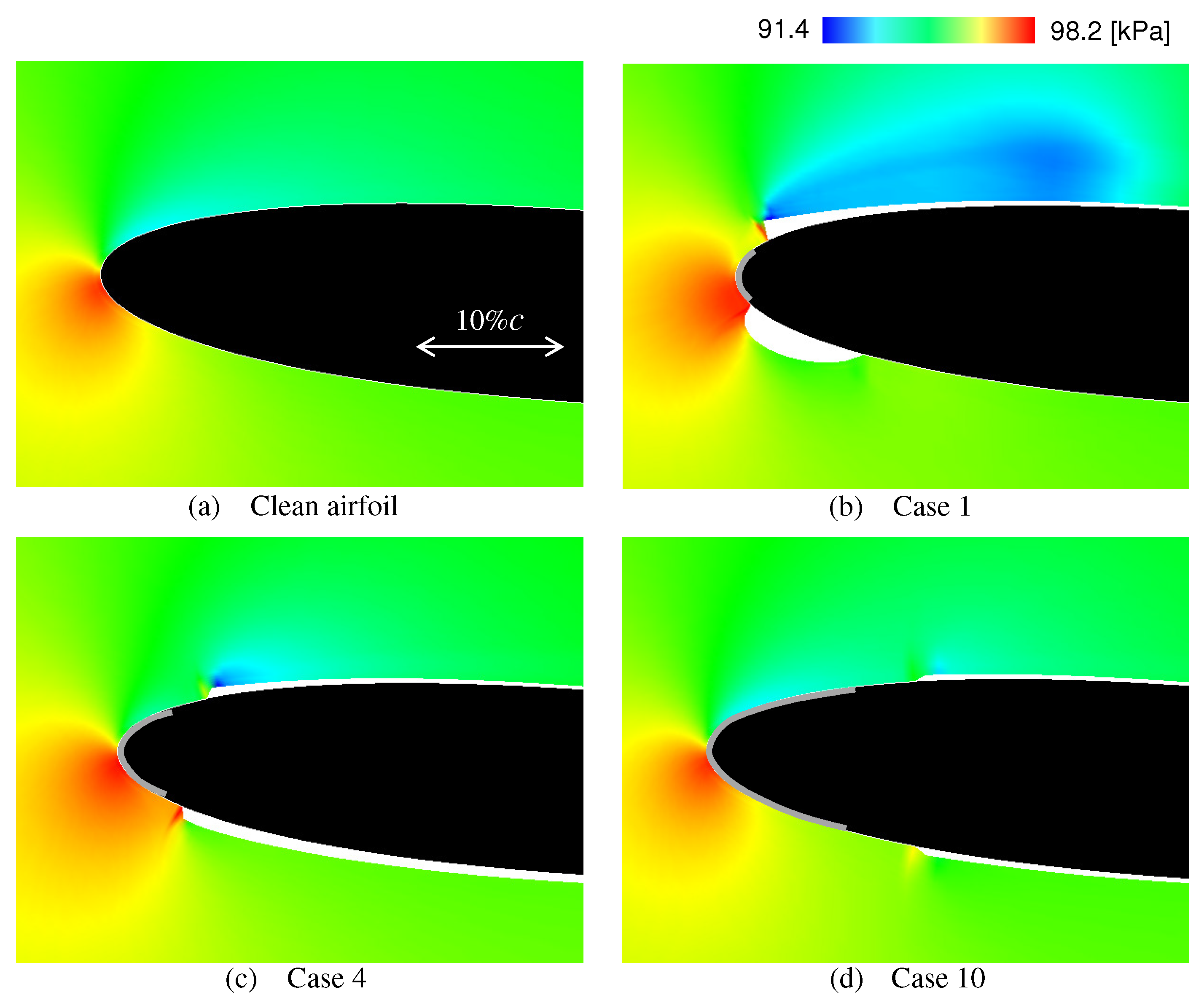
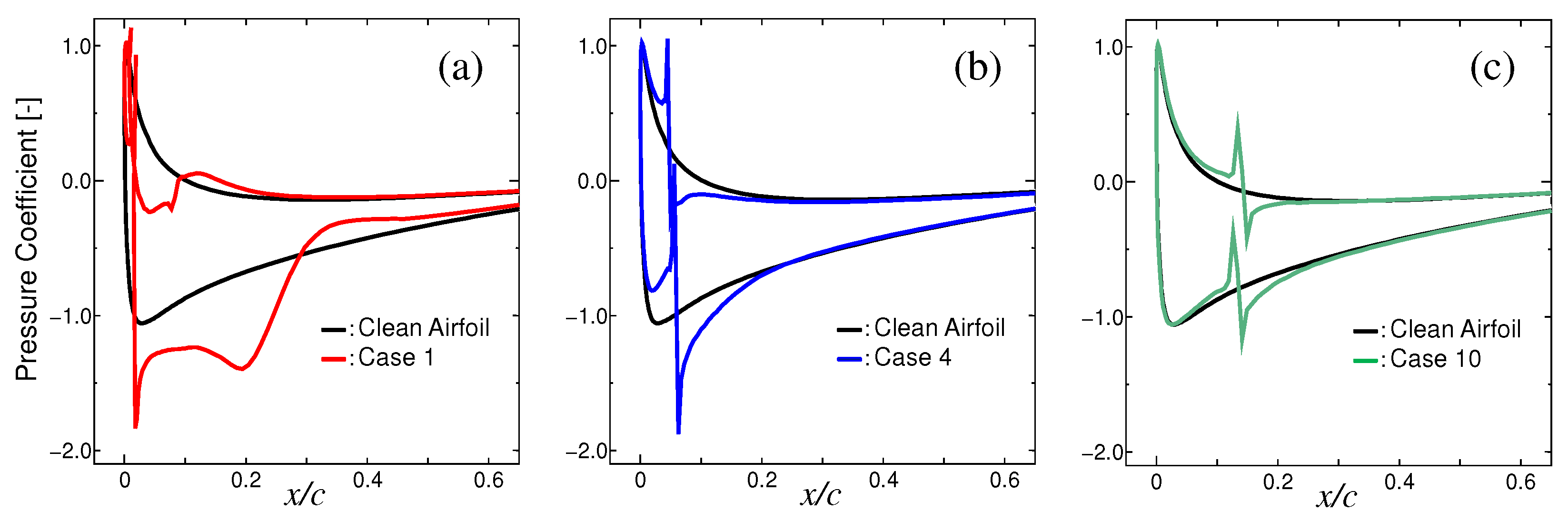
Ice accretion is a phenomenon whereby super-cooled water droplets impinge and accrete on wall surfaces. It is well known that the icing may cause severe accidents via the deformation of airfoil shape and the shedding of the growing adhered ice. To prevent ice accretion, electro-thermal heaters have recently been implemented as a de- and anti-icing device for aircraft wings. In this study, an icing simulation method for a two-dimensional airfoil with a heating surface was developed by modifying the extended Messinger model. The main modification is the computation of heat transfer from the airfoil wall and the run-back water temperature achieved by the heater. A numerical simulation is conducted based on an Euler–Lagrange method: a flow field around the airfoil is computed by an Eulerian method and droplet trajectories are computed by a Lagrangian method. The wall temperature distribution was validated by experiment. The results of the numerical and practical experiments were in reasonable agreement. The ice shape and aerodynamic performance of a NACA 0012 airfoil with a heater on the leading-edge surface were computed. The heating area changed from 1% to 10% of the chord length with a four-degree angle of attack. The simulation results reveal that the lift coefficient varies significantly with the heating area: when the heating area was 1.0% of the chord length, the lift coefficient was improved by up to 15%, owing to the flow separation instigated by the ice edge; increasing the heating area, the lift coefficient deteriorated, because the suction peak on the suction surface was attenuated by the ice formed. When the heating area exceeded 4.0% of the chord length, the lift coefficient recovered by up to 4%, because the large ice near the heater vanished. In contrast, the drag coefficient gradually decreased as the heating area increased. The present simulation method using the modified extended Messinger model is more suitable for de-icing simulations of both rime and glaze ice conditions, because it reproduces the thin ice layer formed behind the heater due to the runback phenomenon.
Keywords: airfoil; ice accretion; anti-icing method; heating surface; super-cooled water droplet airfoil; ice accretion; anti-icing method; heating surface; super-cooled water droplet