2. Literature Review
Several researchers have carried out studies to understand the inlet and combustion performance of a solid fuel ramjet. Gany [
1] analyzed the feasibility of a ramjet-propelled artillery shell. It was concluded in his work that the use of a solid fuel ramjet could enhance the range by 200–300%, which is significantly higher than that of using a base bleed unit. Krishnan et al. [
2] analyzed the possibility of bypass control of inlet air to obtain a pseudo-vacuum trajectory throughout the flight. Ran and Mavris [
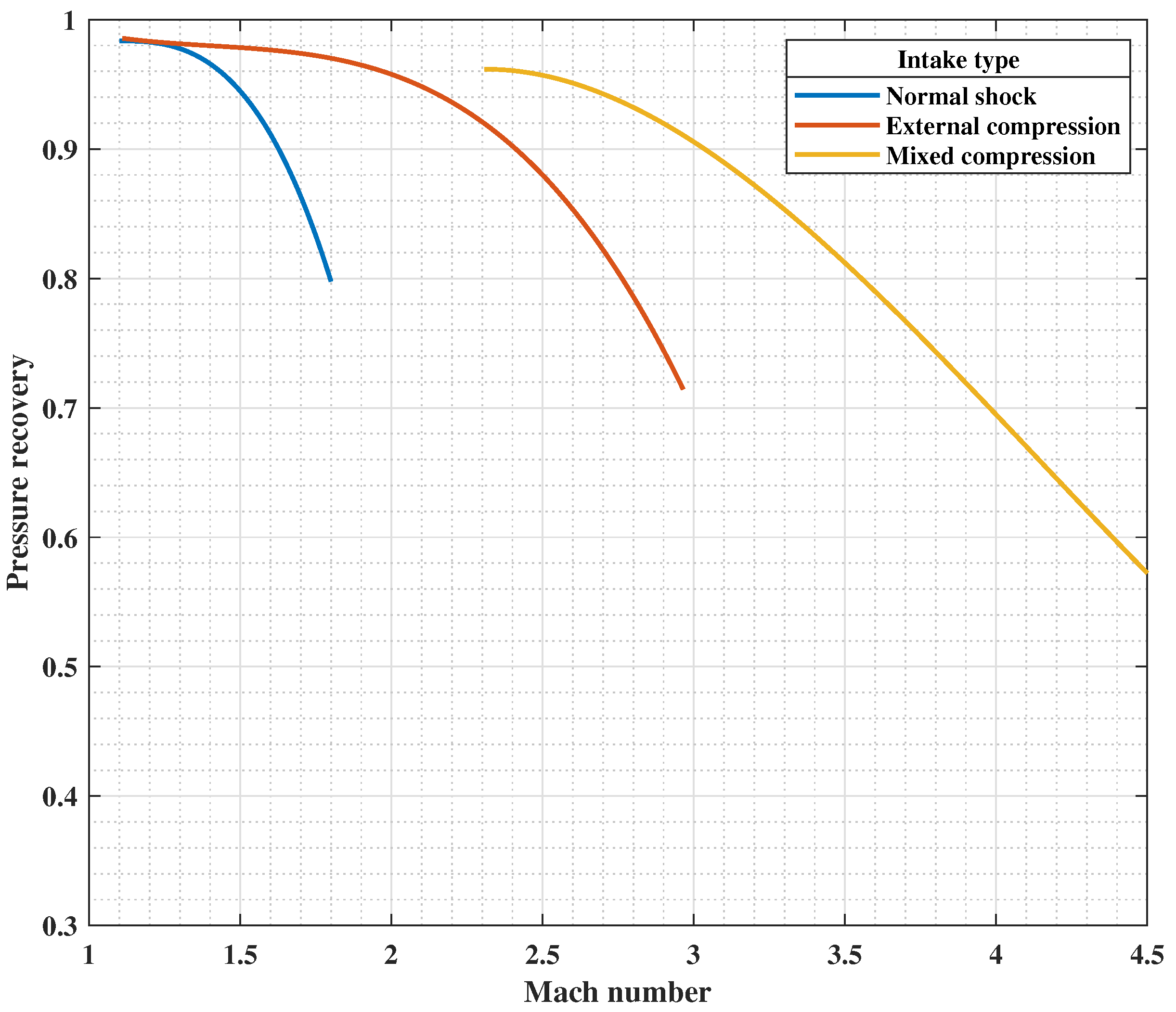
3] suggested the use of a mixed compression method for the intake design velocity above Mach 2 due to its higher pressure recovery compared to that by other methods (
Figure 1). Internal compression methods can be prone to boundary layer separation as they have a higher surface area in contact with the incoming flow. A significantly stronger shock could cause boundary layer separation, thus creating unevenly distributed flow. Also, above Mach 2, the external compression method may lead to higher wave drag and internal pressure losses owing to high turning angles.
Despite a number of studies on solid fuel ramjets in hybrid configurations being published [
4,
5], the configuration has not seen much practical use due to the challenges of achieving sustained combustion of fuel with air. The concept of ducted rockets has been studied extensively as a ramjet variant [
6,
7] and as a better alternative to the hybrid configuration. Shorter combustion chambers benefit greatly from the complex recirculation flow patterns resulting from two distinct jet streams, as observed by Vanka et al. [
6]. Also, Velari et al. [
8,
9] have also shown that the ramjet with SFRJ configurations has achieved a comparatively lesser range than that of a ducted rocket. The impact of gas generator nozzle holes on fuel–air mixing and combustion efficiency in ducted rocket configuration has been analyzed [
10]. It has been found that decreasing the hole radius improves combustion efficiency, but this improvement eventually diminishes.
Figure 1.
Pressure recovery for external and mixed intakes [
11].
Figure 1.
Pressure recovery for external and mixed intakes [
11].
Thangadurai et al. [
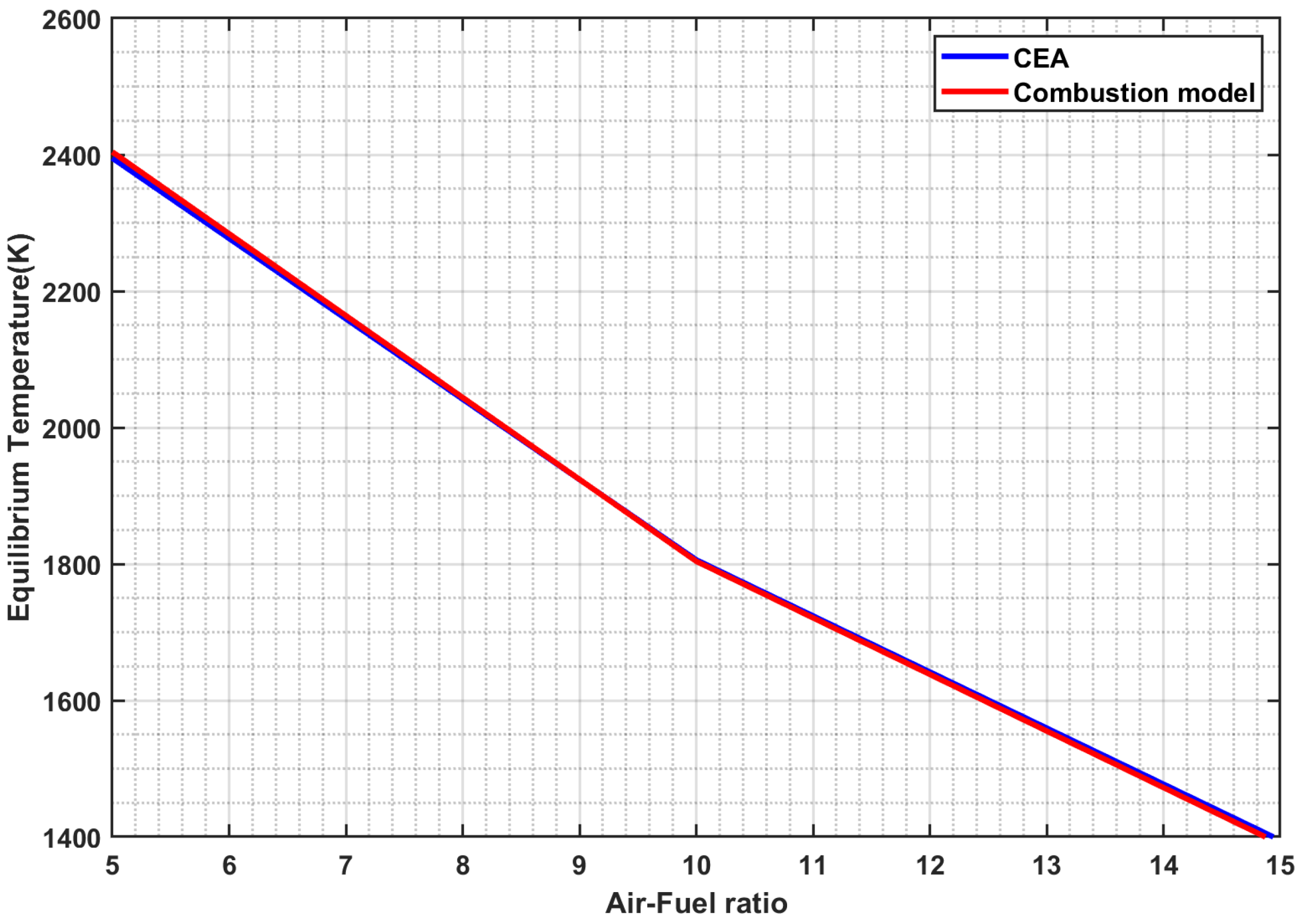
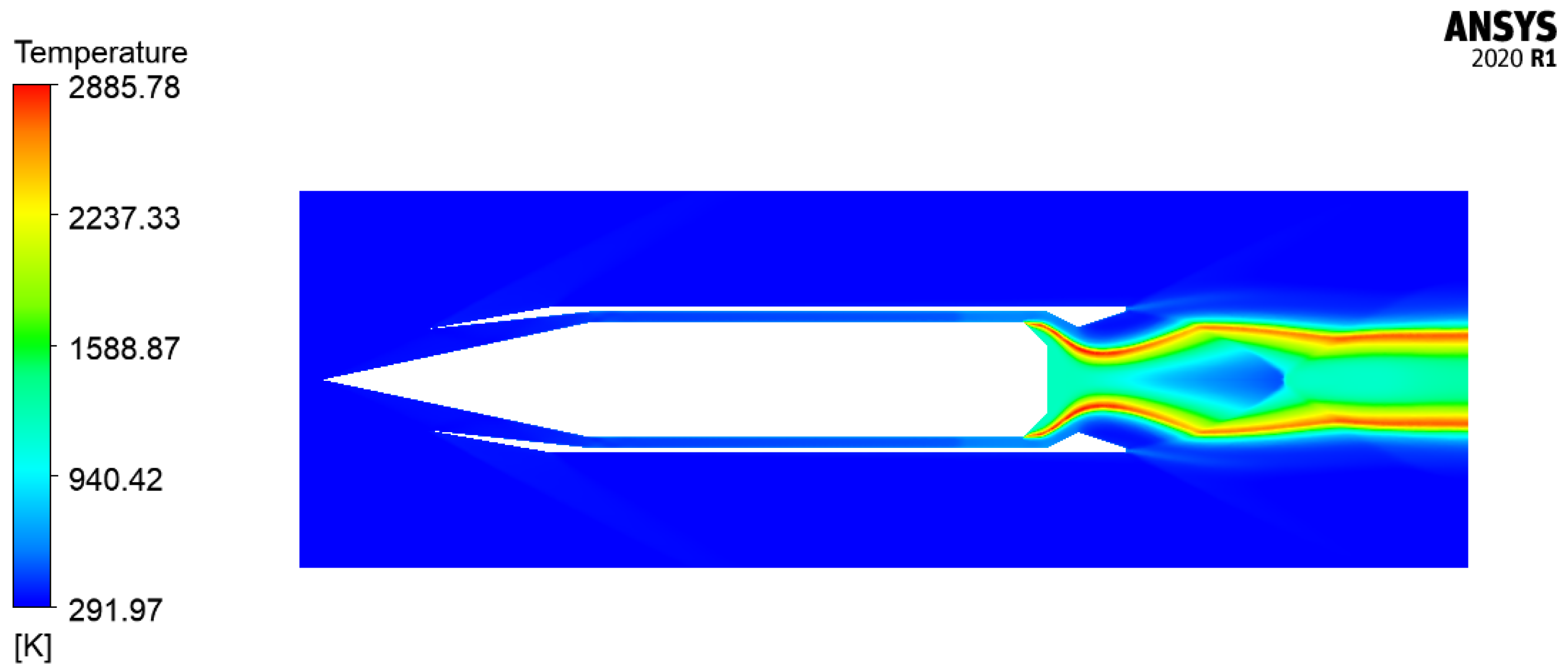
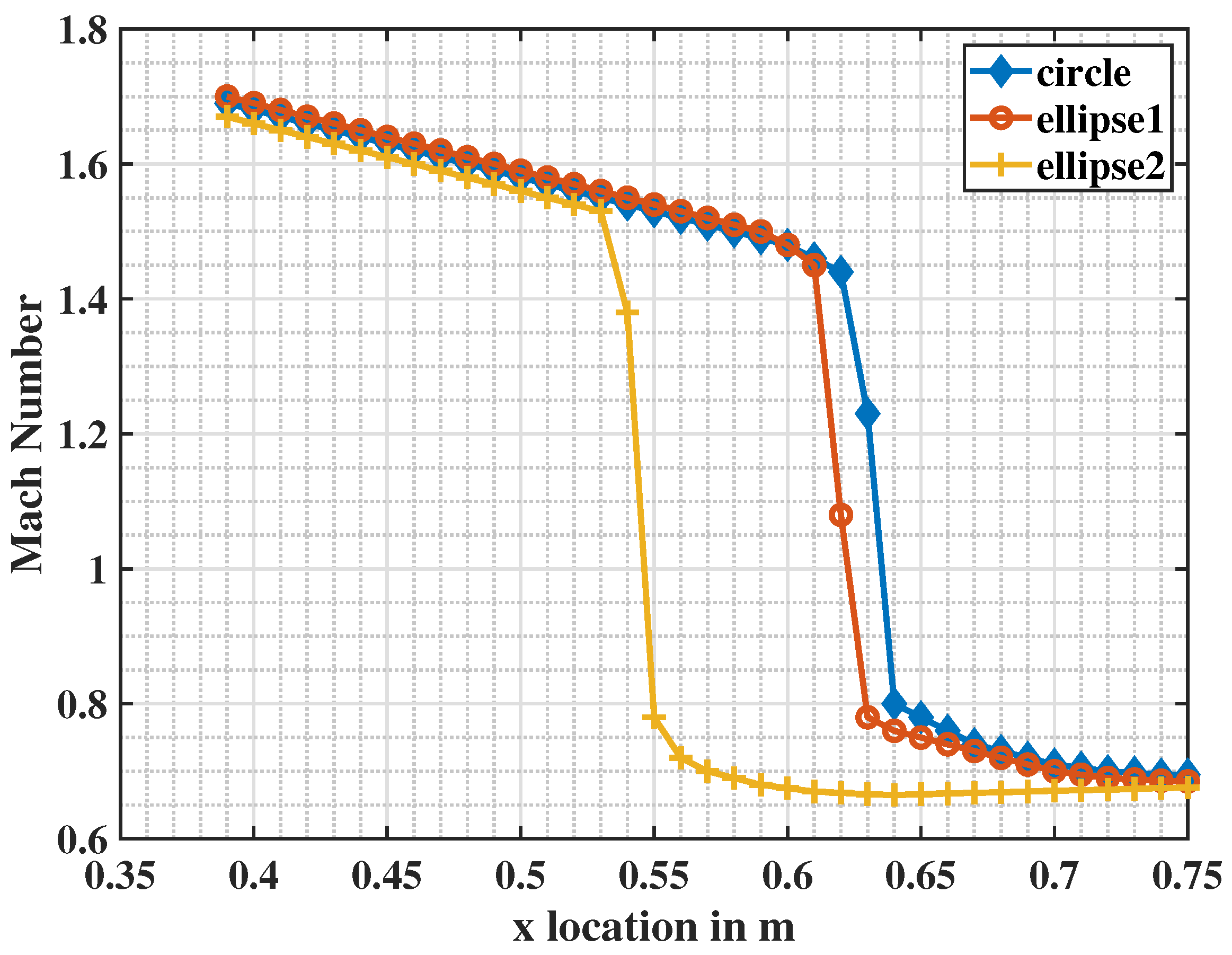
12] discussed the effect of combustion on the supersonic inlet system. The effect of heat addition at different modes of operation was analyzed by full engine simulation. Results showed that the terminal shock moves upstream upon heat addition in the combustor. The location of the shock and the shock reflections are affected not only by the geometries of the intake but also by the amount of heat released in the combustor. Comparing air–fuel ratios of 15–20, the lower air–fuel ratio could achieve a higher peak temperature because of the poor combustion at a high air–fuel ratio.
Since the ramjet projectiles are ejected from the barrel at high Mach numbers, conventional hydrocarbon-based fuel cannot provide sensible heat addition over and above the high stagnation inlet conditions. Higher combustion temperatures from a fuel with a higher heat of combustion will result in increased thrust and specific impulse. Due to its high heat of combustion, several researchers have used and studied metalized fuels for ramjet applications. Compared to polymeric fuel, metals release heat at a higher volumetric rate. Among all the metal fuels used, boron has the highest heat of combustion, making it a very desirable fuel for ramjets and ducket rocket configurations [
13,
14,
15]. However, its high boiling and melting points (3931 and 2450 K, respectively) could cause significant ignition and combustion-related problems in the projectile system [
16]. Furthermore, a boron-based propulsion system is not recommended because boron is more costly and hazardous than other metals. Using aluminium (Al), ammonium perchlorate (AP), and hydroxyl-terminated polybutadiene (HTPB), Nanda and Ramakrishna [
17] developed affordable fuel-rich solid propellants that had energetics similar to boron-based FRPs. To attain high burn rates, a range of catalysts and AP particle sizes was tested. Rathi and Ramakrishna [
18] extensively reviewed using aluminium-based fuel-rich propellant for the hypersonic flight test conditions. Yogeshkumar et al. [
19] reported a class of propellant based on Al, AP, and HTPB, resulting in zero residue and necessary mechanical strength to withstand gun-launch conditions.
6. Trajectory Simulations
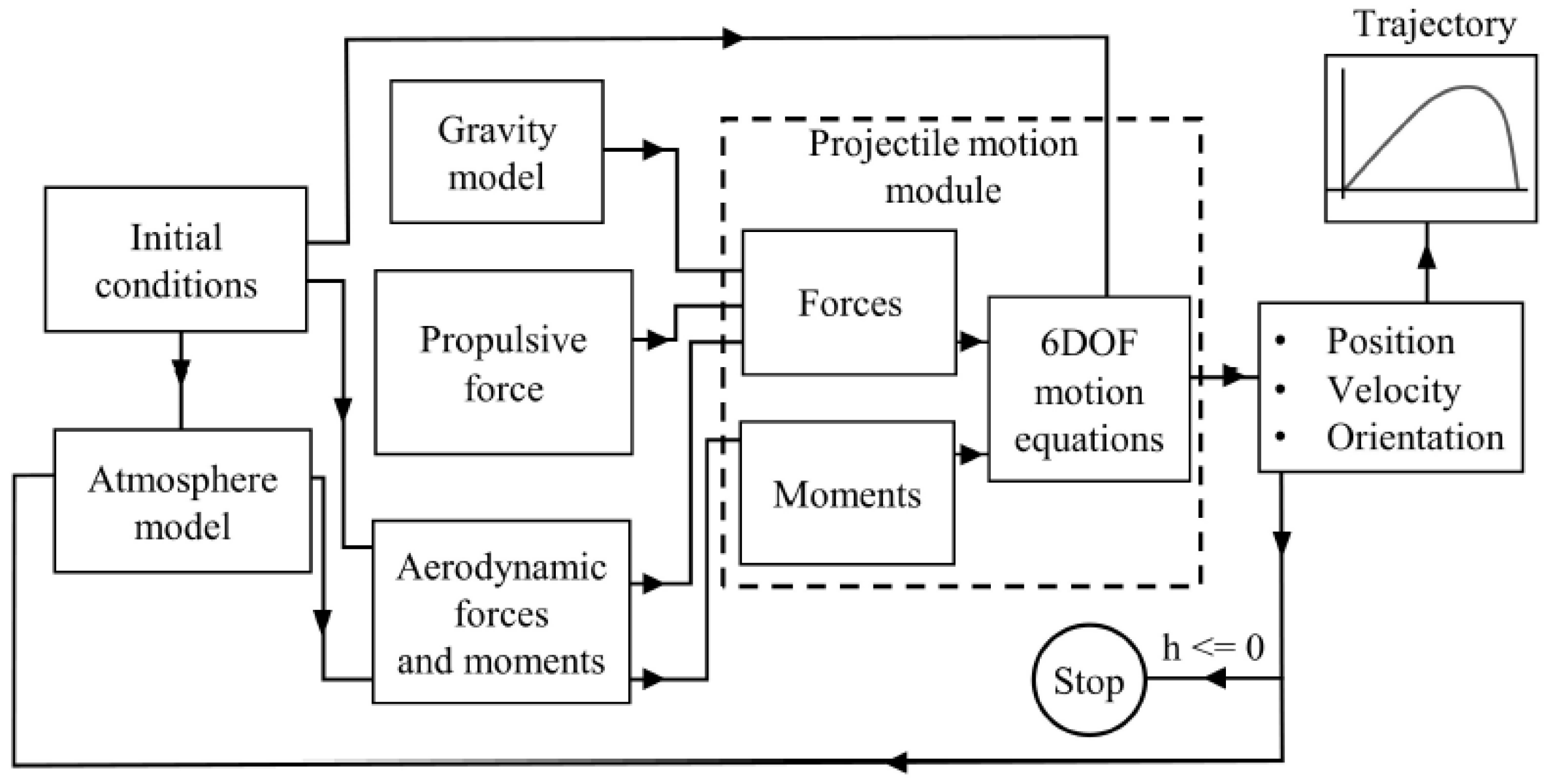
A projectile motion simulation was developed using Simulink 2015b, a MATLAB-based software, to obtain the trajectory of the shell with and without active propulsion [
9].
Figure 21 shows the block diagram of the algorithm developed. A rigid-body motion block that accounts for time-varying mass properties was used in the projectile motion module to calculate the projectile’s motion and orientation based on the forces and moments acting on it. The forces acting on the shell are gravitational forces, lift, and drag when the ramjet is not employed, and thrust when a ramjet is employed. Since the angle of attack is assumed to be zero, the lift is zero for the projectile.
The International Standard Atmosphere (ISA) was used to model the atmosphere, which provides the variation in pressure, density, and temperature with altitude in
Table 6. These data for the specific altitude are transferred to the other modules to calculate the Mach number corresponding to the net force (
) that is estimated using computations when the ramjet is employed (case C6). A constant value of 9.81 m/s
2 was assumed for the acceleration due to gravity, ‘g’. When a ramjet is employed, the reduction in mass of the shell due to the burning of propellant is accounted for when calculating the gravitational effects at each time step. As the angle of attack is zero, the drag acting on the shell and thrust produced by a ramjet remain on the same body/wind
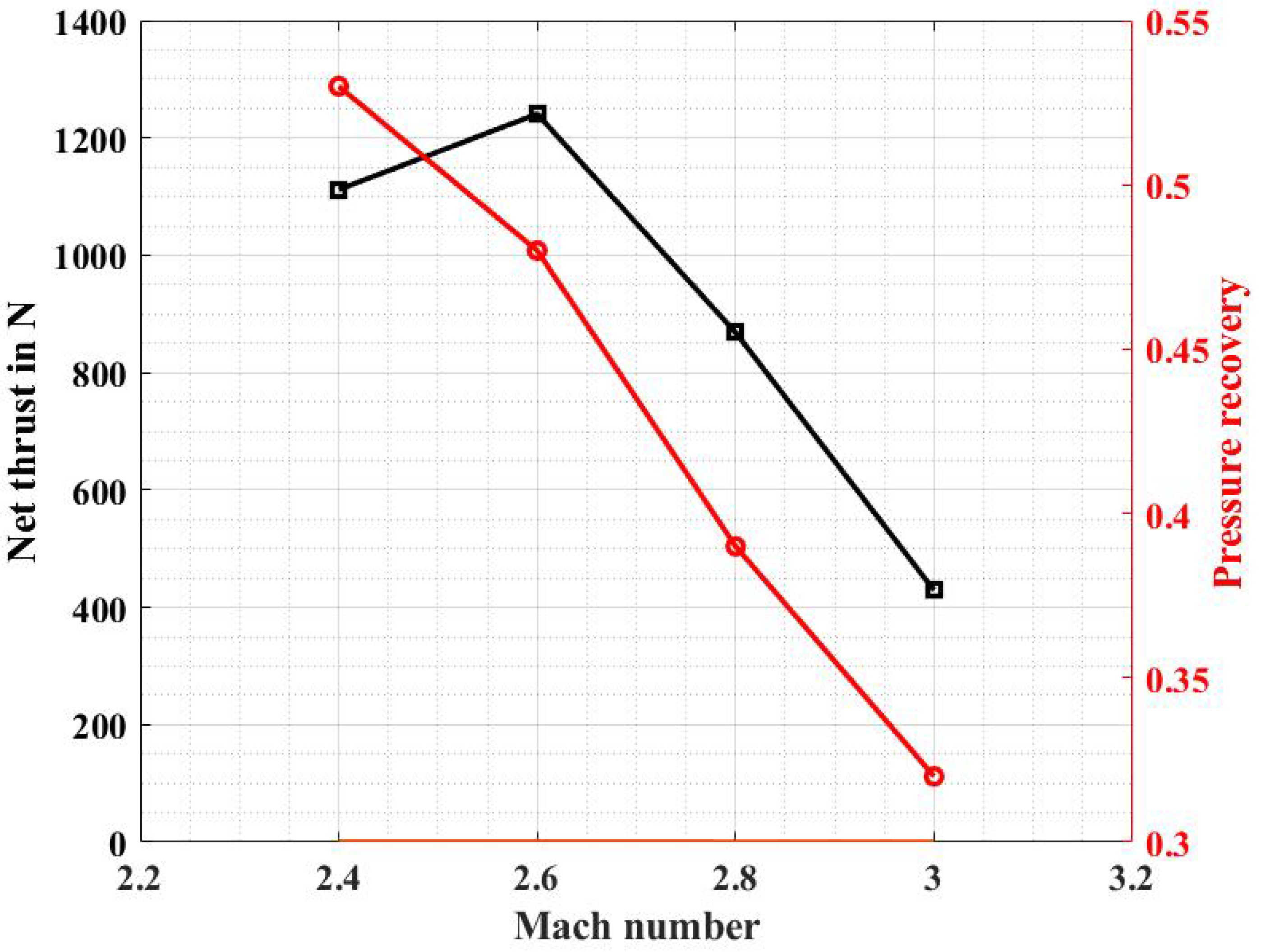
x-axis. The muzzle velocity of the shell, launch angle (i.e., the angle at which the shell is fired with respect to ground), size and weight of the shell, propellant weight, burn time, and net force as a function of Mach number based on the computations, both for ramjet on and off conditions, are fed into the simulation to obtain the corresponding trajectory. The pressure recovery as a function of Mach number and the secondary chamber pressure
were also incorporated into the algorithm based on the computations. The variable step, ODE 45 (Dormand-Prince) solver, was used in the Simulink configuration, which uses the six-stage, fifth-order, Runge–Kutta method. The maximum time step was set to be 0.2 s. The simulation stops when the altitude of the shell reaches less than or equal to zero and provides the trajectory of the shell as the output.
Many parameters, including the ramjet’s Mach number, air mass flow rate (
), air–fuel (A/F) ratio, and specific impulse
, are dependent on the atmospheric properties. As a result, a ramjet’s net force largely depends on the altitude at which it operates. Given that there is an intake and exhaust, a shell with a ramjet experiences different drag forces than one without it. The propellant’s characteristics also affect the value of
and characteristic velocity, in addition to the A/F ratio. Chemical Equilibrium Analyses (CEA) [
21] was incorporated into this algorithm to compute the properties listed above for the ramjet operating in both on-design and off-design scenarios. The
obtained from CEA software (
) assumes that the air is carried on board the system as an oxidizer. This is converted into ramjet impulse (
) using the following Equation (
4).
where
is the muzzle velocity of the shell in m/s,
is the combustion efficiency.
Variations in flight altitude result in corresponding changes in the pressure within the secondary combustion chamber. This pressure directly influences the total mass flow rate through the engine nozzle, which possesses a fixed throat geometry throughout the flight. The mass flow ratio (MFR), also known as the capture area ratio, is the ratio of the actual flow rate to the maximum air flow rate that can pass through the intake. To ensure continuity of mass flow, the engine adopts specific strategies depending on the operating regime. Under subcritical conditions, the intake maintains the airflow by spilling a fraction of its maximum mass flow rate. Conversely, during supercritical operation, the engine adjusts the back pressure by adjusting the position of the terminal normal shock wave within the diffuser [
25]. At any point of the flight, the continuity equation (Equation (
5)) is satisfied by the program.
The theoretical characteristic velocity,
is given by,
where,
.
A lower MFR number could cause the intake to buzz or enter an unstable state, which would prevent the ramjet from working. As a result, the iteration loop includes a condition that the ramjet ceases operation at an MFR of 0.6 [
26]. Also, at every iteration, the primary chamber pressure
is compared with the secondary chamber pressure
, and both are made equal when
goes below
.
The current simulation assumes a zero angle of attack (AoA) throughout the trajectory, as the range obtained from simulations with zero AoA matches the shell’s experimental range fairly well, with the error within an acceptable margin [
9]. In a realistic operational scenario, the projectile would experience non-zero AoA oscillations due to the yaw, crosswinds, and initial launch perturbations. The presence of a non-zero AoA would have significant effects on the system’s performance. First, it would introduce increased wave drag, thereby reducing the net thrust margin and the overall range compared to the idealized projected values presented here. Also, the intake is sensitive to the flow incidence angle. Significant deviations in AoA can lead to reduced air mass flow intake and, in extreme cases, intake unstarts. While spin stabilization provides gyroscopic stability to minimize these oscillations, future comprehensive studies must incorporate full 6-DOF aerodynamics to quantify the trade-offs between flight stability and intake performance.
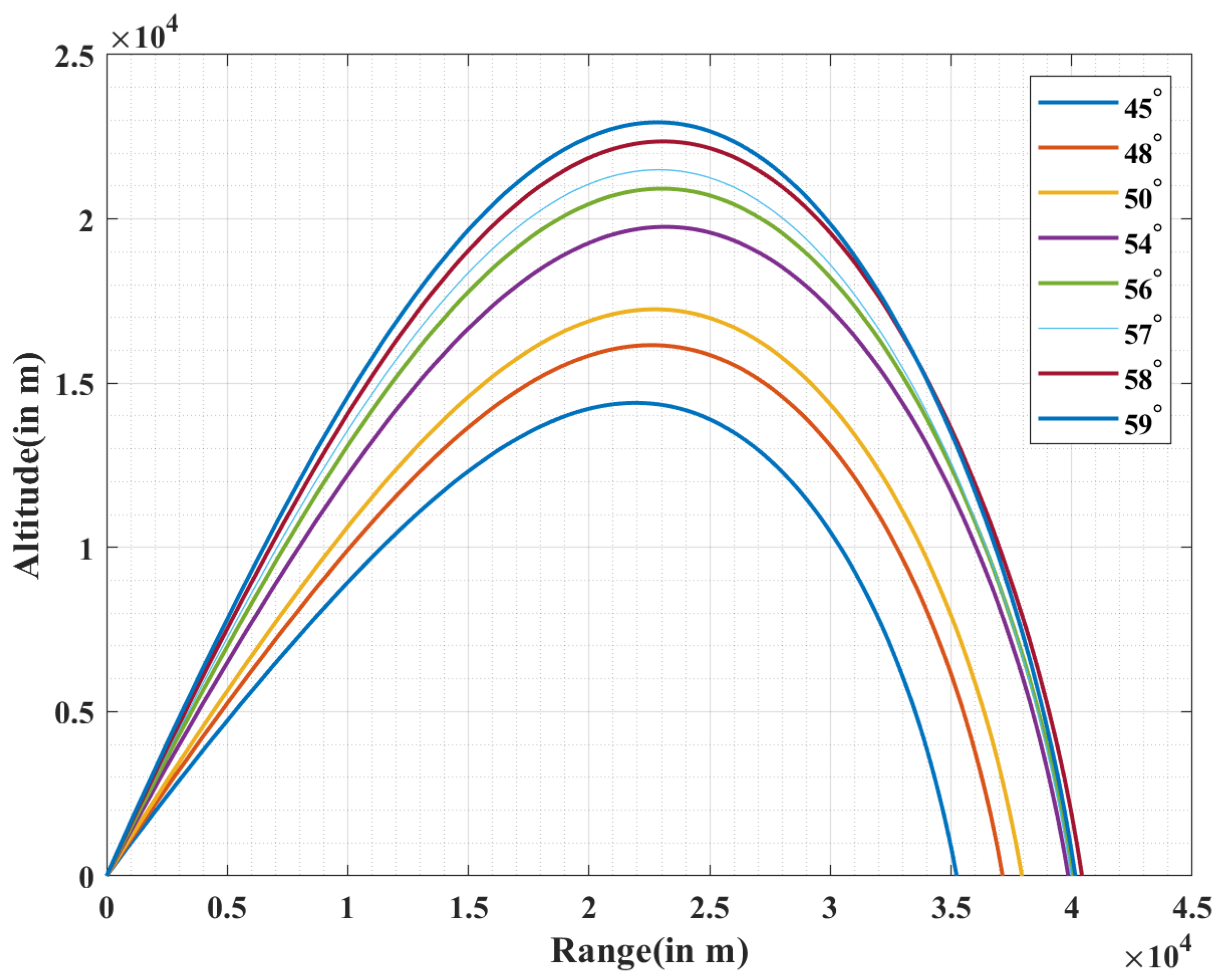
In the absence of an atmosphere, a projectile can reach its maximum range at an elevation angle of 45 degrees. However, depending on the thrust and the duration of propulsion, the ideal launch angle for a maximum range for a rocket or missile, which has a thrust, is often greater than 45° and ranges from 50° to 60°. In order to find the optimum launch angle, a comparative study is conducted for different launch angles.
Figure 22 shows that the shell could achieve a maximum range of 40.4 km at a launch angle of 58 degrees, compared to a range of 24 km for a conventional 155 mm artillery shell.
Given the uncertainties in the estimated muzzle velocity discussed in
Section 3, a sensitivity analysis was conducted to understand its impact on the final range in
Table 7. The results illustrate the range of muzzle velocity deviations from the design Mach number of 2.6. Even with a significant reduction in muzzle velocity to Mach 2.4, the shell still achieves a range of 37.2 km, which is a substantial improvement over the range of a standard 155 mm projectile. Conversely, if higher launch velocities (Mach 2.8) are achieved, the range extends to 43.1 km. This analysis confirms that the ramjet-assisted shell maintains a clear performance advantage across a realistic envelope of launch conditions.
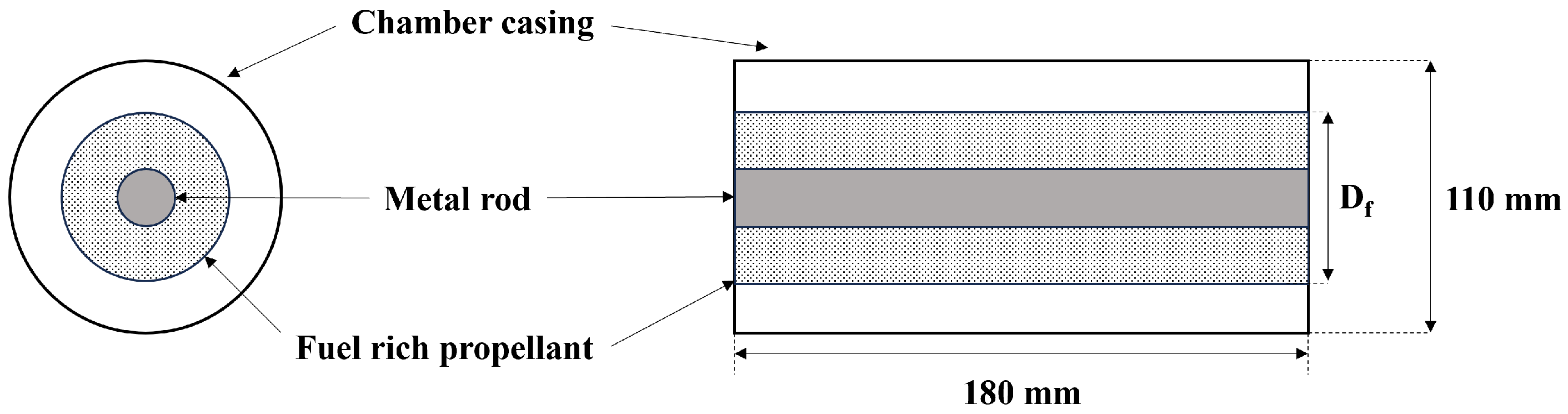
Given that both the ingested mass flow rate and air drag decrease with altitude, a regressive profile would be a good fit for the burn rate profile of the propellant grain in this particular case. To obtain the same, an outside-to-inside burning grain geometry, as shown in
Figure 23, is chosen, with a metal rod diameter of 15 mm. The grain diameter of the propellant
based on the initial propellant flow rate
is calculated by
for a known grain length L, propellant density
, and burn rate of the propellant
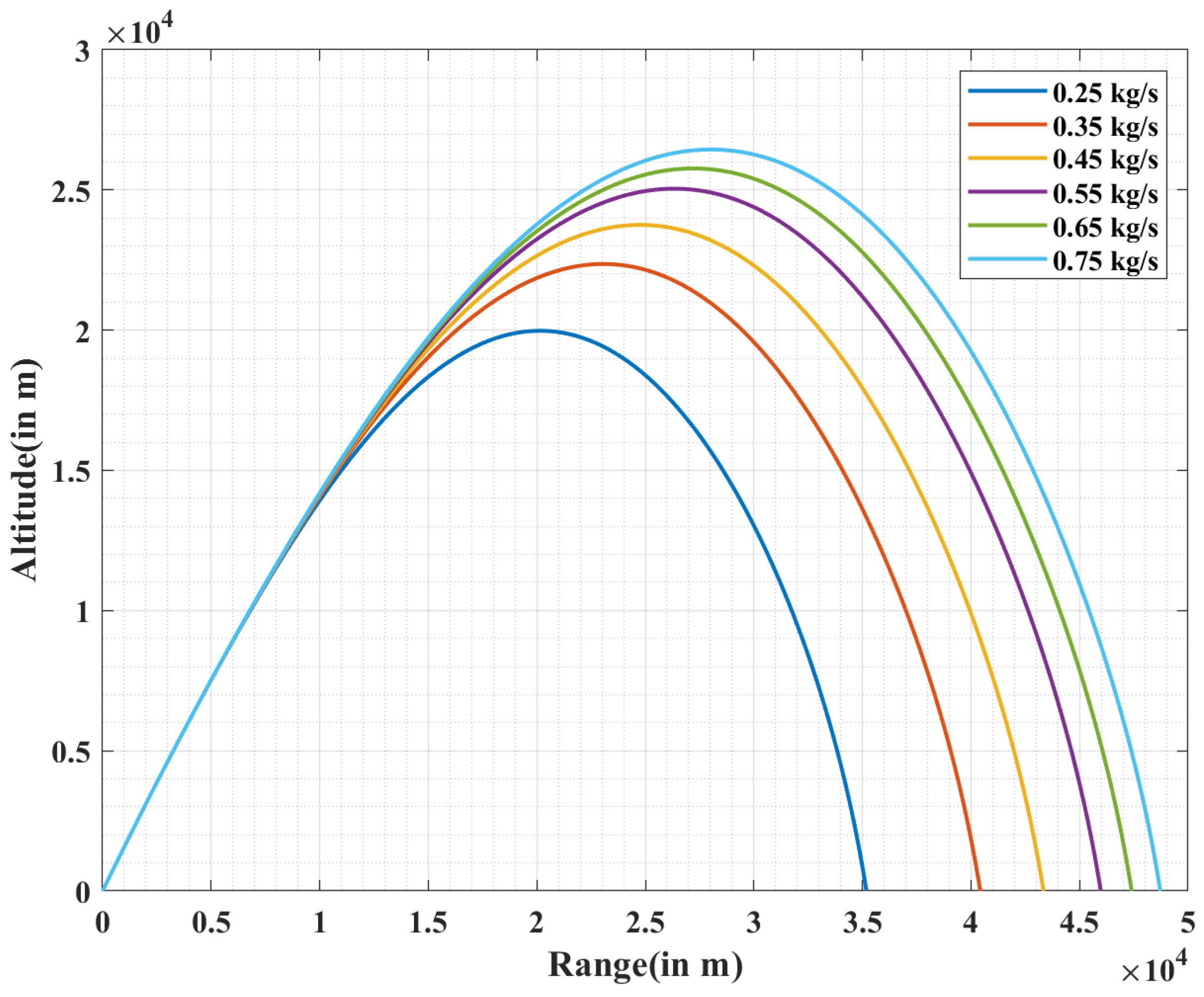
. The propellant only takes up 45% of the total volume available for the propellant at an initial flow rate of 0.35 kg/s. To maximize the performance of the shell, simulations have been carried out for various initial propellant flow rates that are feasible given the primary combustor volume that is available, as given in
Table 8. The propellant’s volume occupancy goes up as a result of the initial flow rate increase and initial grain diameter increase. The increased volume of propellant further facilitates the increased operating time of the ramjet, thus aiding its performance. As shown in
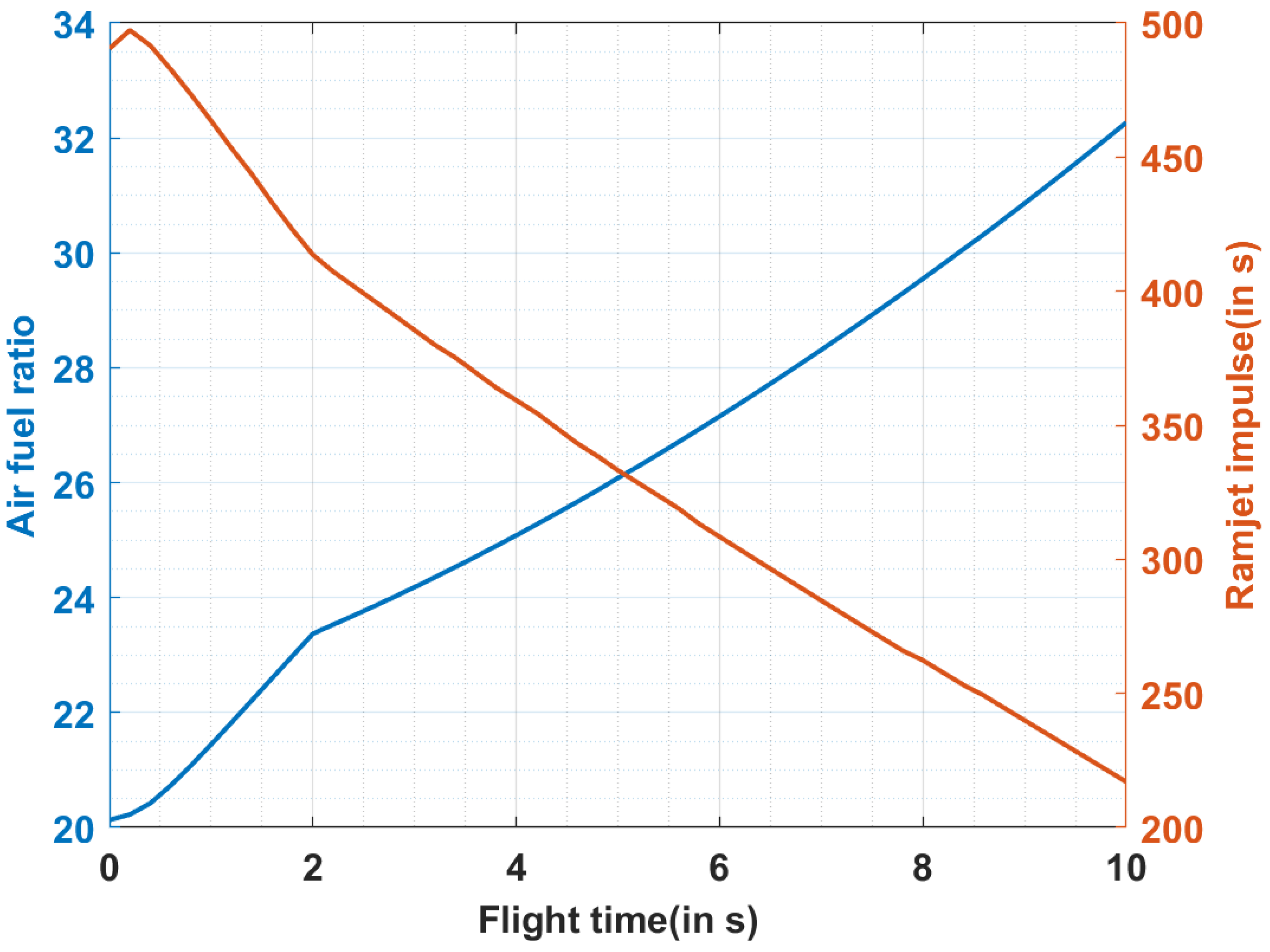
Figure 24, the shell achieves a maximum range of 48.7 km at an initial propellant flow rate of 0.75 kg/s, propellant weight of 2.6 kg and burn time of 13.4 s. Due to varying air–fuel ratio and
,
varies according to Equation (
4), and the variation is plotted in
Figure 25.
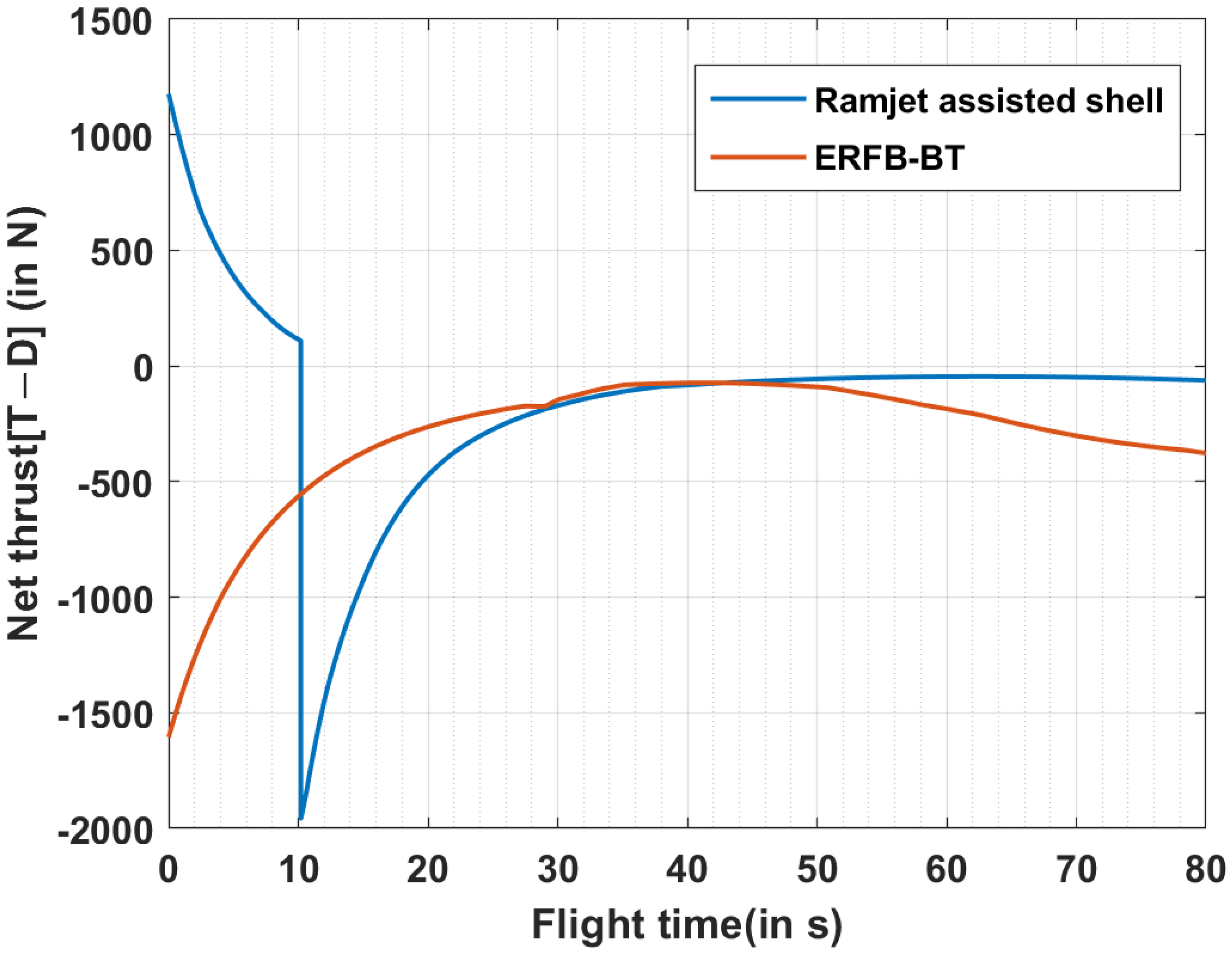
Figure 26 compares the drag vs. time performance of the Extended Range Full Bore with boat tail(ERFB-BT) shell [
26] and the ramjet shell in order to understand the trajectory performance better. The initial momentum imparted by the net thrust generated during ramjet over its operating time counterbalances the subsequent surge in drag experienced upon ramjet deactivation. Additionally, for the remainder of its trajectory, the modified shell’s performance is comparable to that of ERFB-BT. This is because the ramjet-powered shell is operating at a far higher altitude than the ERFB-BT shell, thereby experiencing lower drag due to lower atmospheric density.