
Article

A Multi-Scale Airspace Sectorization Framework Based on QTM and HDQN
1
College of Geoscience and Surveying Engineering, China University of Mining and Technology (Beijing), Beijing 100083, China
2
College of Air Traffic Management, Civil Aviation University of China, Tianjin 300300, China
*
Author to whom correspondence should be addressed.
Aerospace 2025, 12(6), 552; https://doi.org/10.3390/aerospace12060552

Submission received: 24 April 2025 / Revised: 15 June 2025 / Accepted: 15 June 2025 / Published: 17 June 2025
(This article belongs to the Special Issue AI, Machine Learning and Automation for Air Traffic Control (ATC))

Abstract

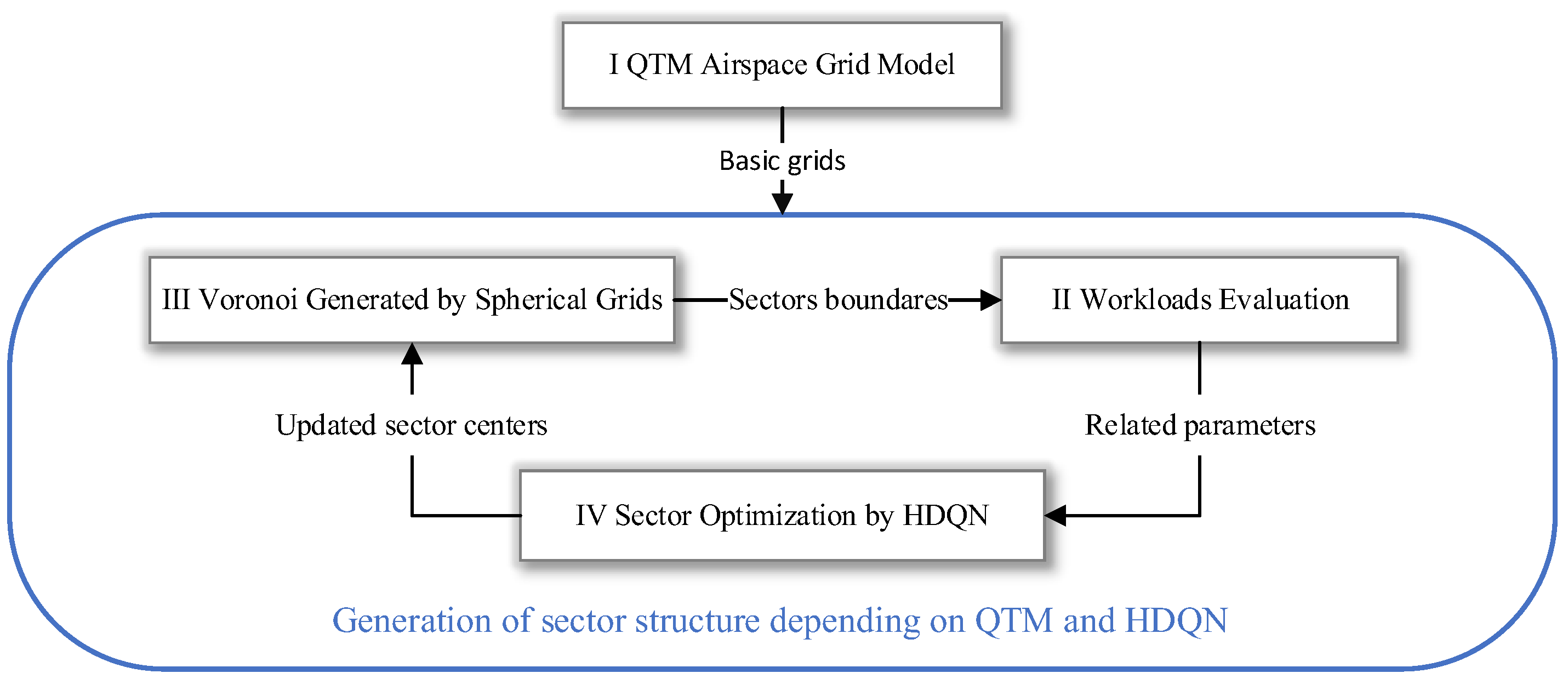
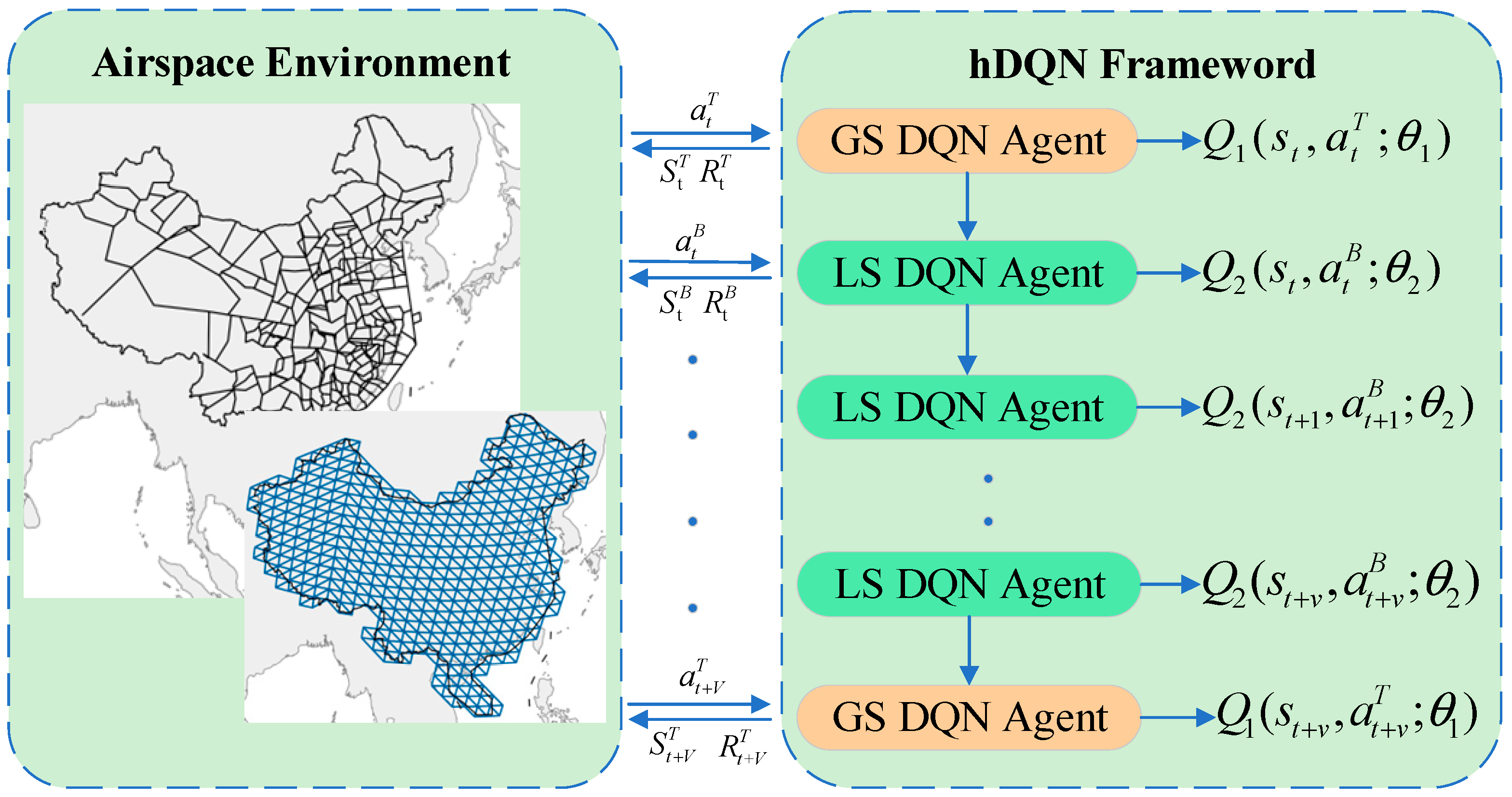
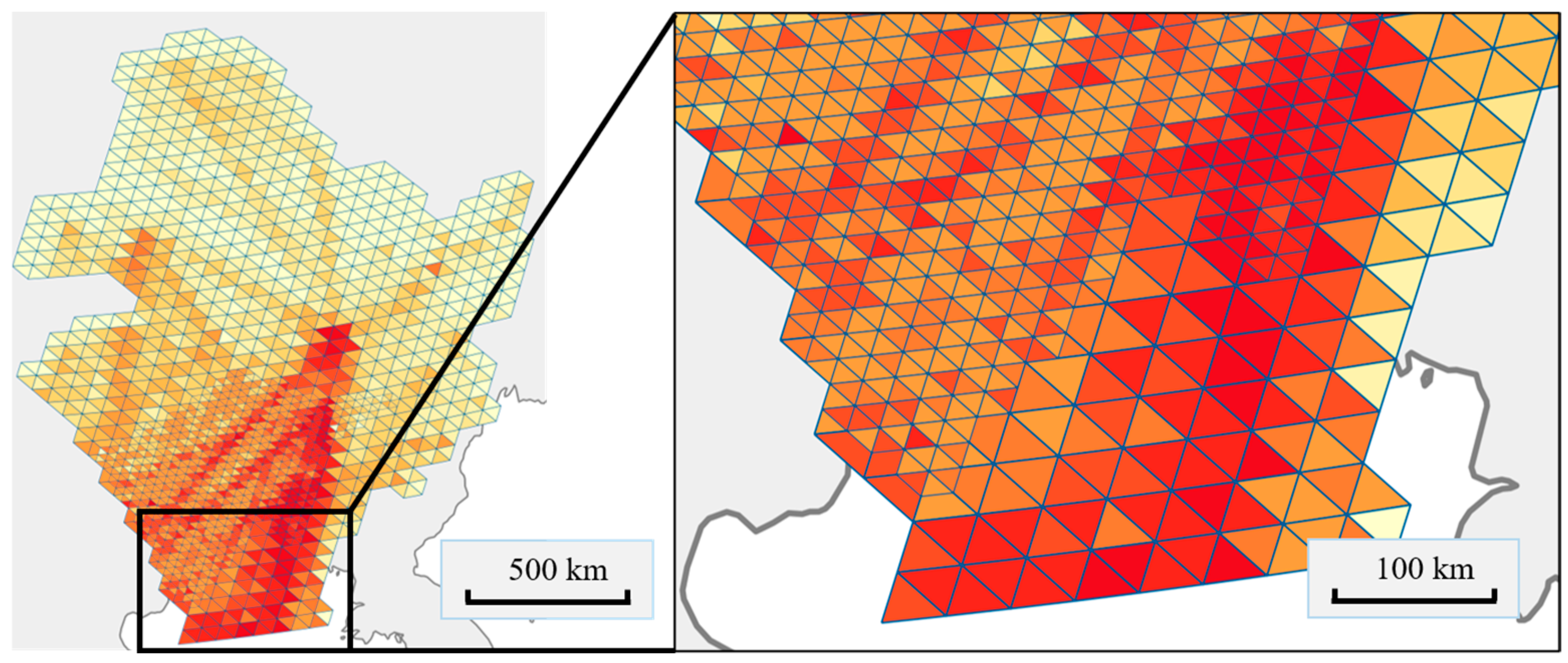
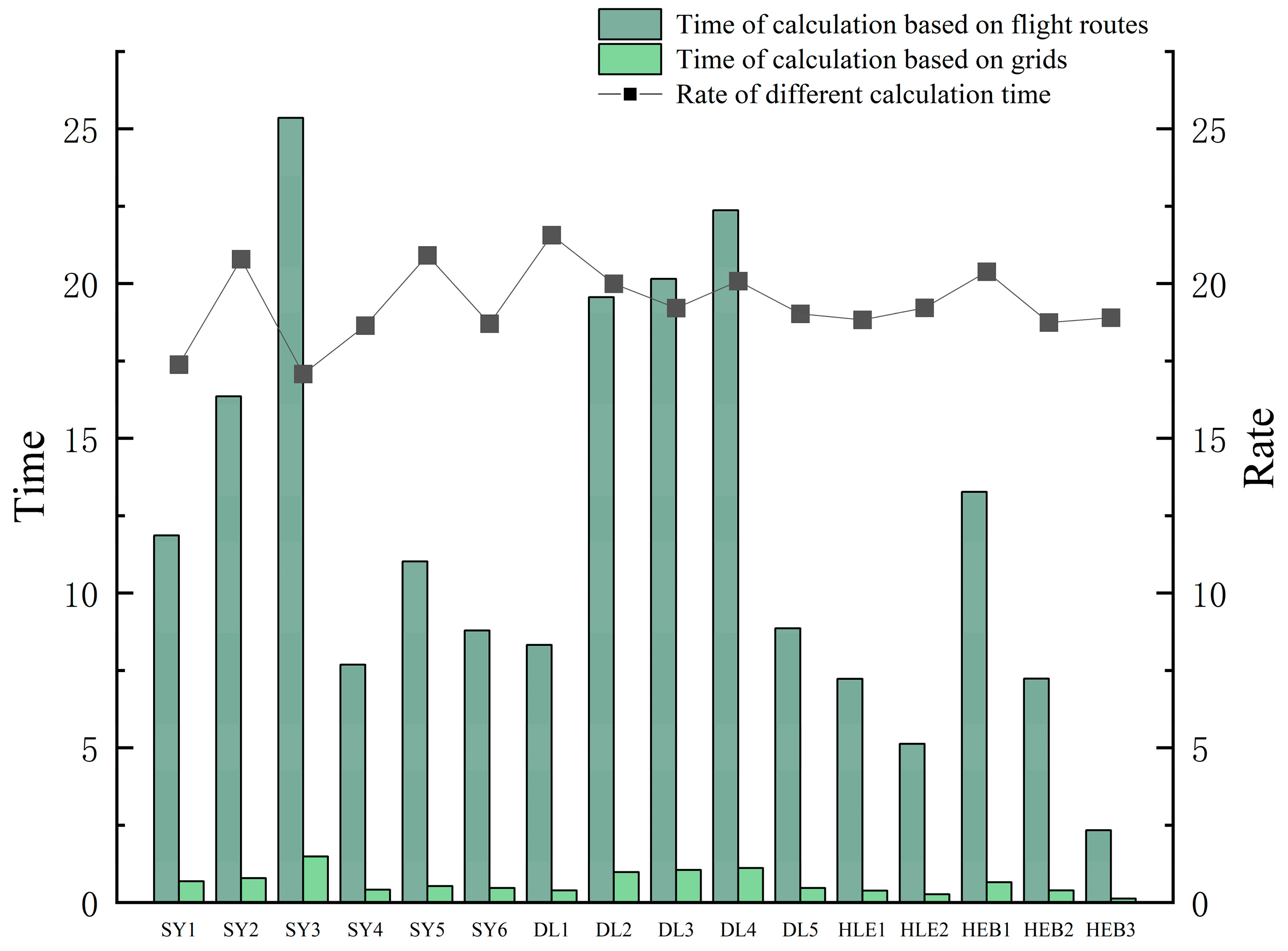
Airspace sectorization is an effective approach to balance increasing air traffic demand and limited airspace resources. It directly impacts the efficiency and safety of airspace operations. Traditional airspace sectorization methods are often based on fixed spatial scales, failing to fully consider the complexity and interrelationships of airspace partitioning across different spatial scales. This makes it challenging to balance large-scale airspace management with local dynamic demands. To address this issue, a multi-scale airspace sectorization framework is proposed, which integrates a multi-resolution grid system and a hierarchical deep reinforcement learning algorithm. First, an airspace grid model is constructed using Quaternary Triangular Mesh (QTM), along with an efficient workload calculation model based on grid encoding. Then, a sector optimization model is developed using hierarchical deep Q-network (HDQN), where the top-level and bottom-level policies coordinate to perform global airspace control area partitioning and local sectorization. The use of multi-resolution grids enhances the interaction efficiency between the reinforcement learning model and the environment. Prior knowledge is also incorporated to enhance training efficiency and effectiveness. Experimental results demonstrate that the proposed framework outperforms traditional models in both computational efficiency and workload balancing performance.
Keywords: discrete global grid system; airspace sectorization; hierarchical reinforcement learning; multi-scale airspace discrete global grid system; airspace sectorization; hierarchical reinforcement learning; multi-scale airspace