Article

A Novel Composite Helicopter Tail Rotor Blade with Enhanced Mechanical Properties

by
Anton Hadăr
1,2,3,
Andrei-Daniel Voicu
1,
Florin Baciu
1,
Daniel Vlăsceanu
1,
Daniela-Ioana Tudose
1 and
Ştefan-Dan Pastramă
1,*
1
Department of Strength of Materials, Faculty of Industrial Engineering and Robotics, University Politehnica of Bucharest, 313 Splaiul Independenței, Sector 6, 060042 Bucharest, Romania
2
Academy of Romanian Scientists, 3 Ilfov Street, Sector 5, 050045 Bucharest, Romania
3
Technical Sciences Academy of Romania, 26 Dacia Boulevard, Sector 1, 030167 Bucharest, Romania
*
Author to whom correspondence should be addressed.
Aerospace 2023, 10(7), 647; https://doi.org/10.3390/aerospace10070647

Submission received: 5 June 2023 / Revised: 17 July 2023 / Accepted: 17 July 2023 / Published: 19 July 2023
(This article belongs to the Special Issue Advanced Aerospace Composite Materials)

Abstract

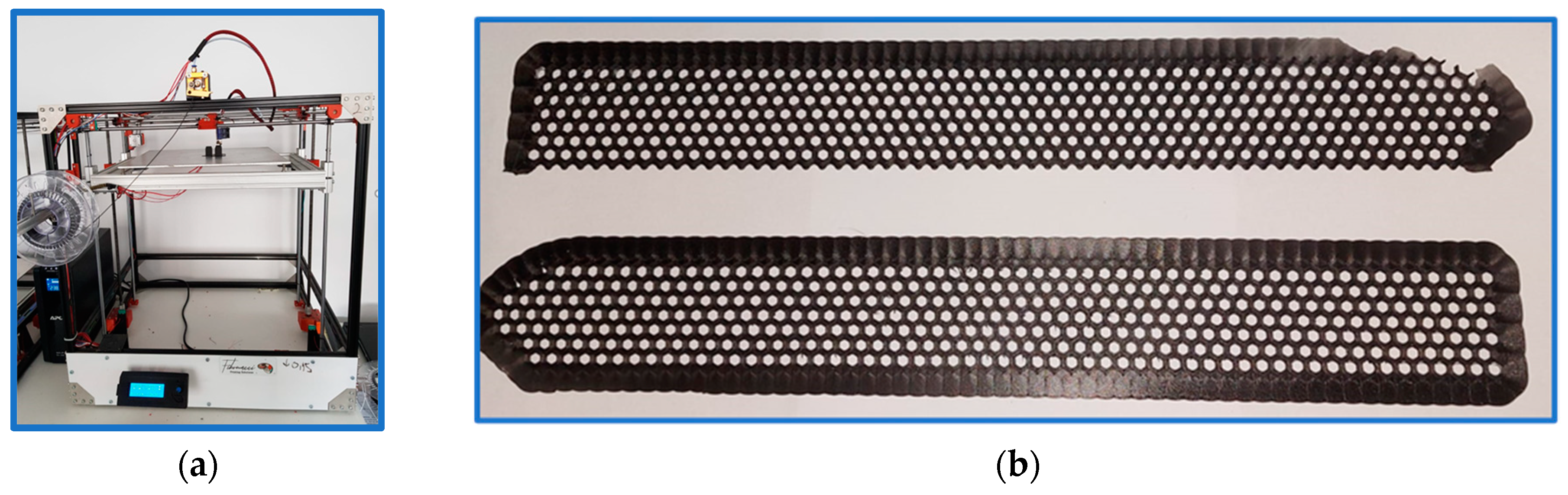
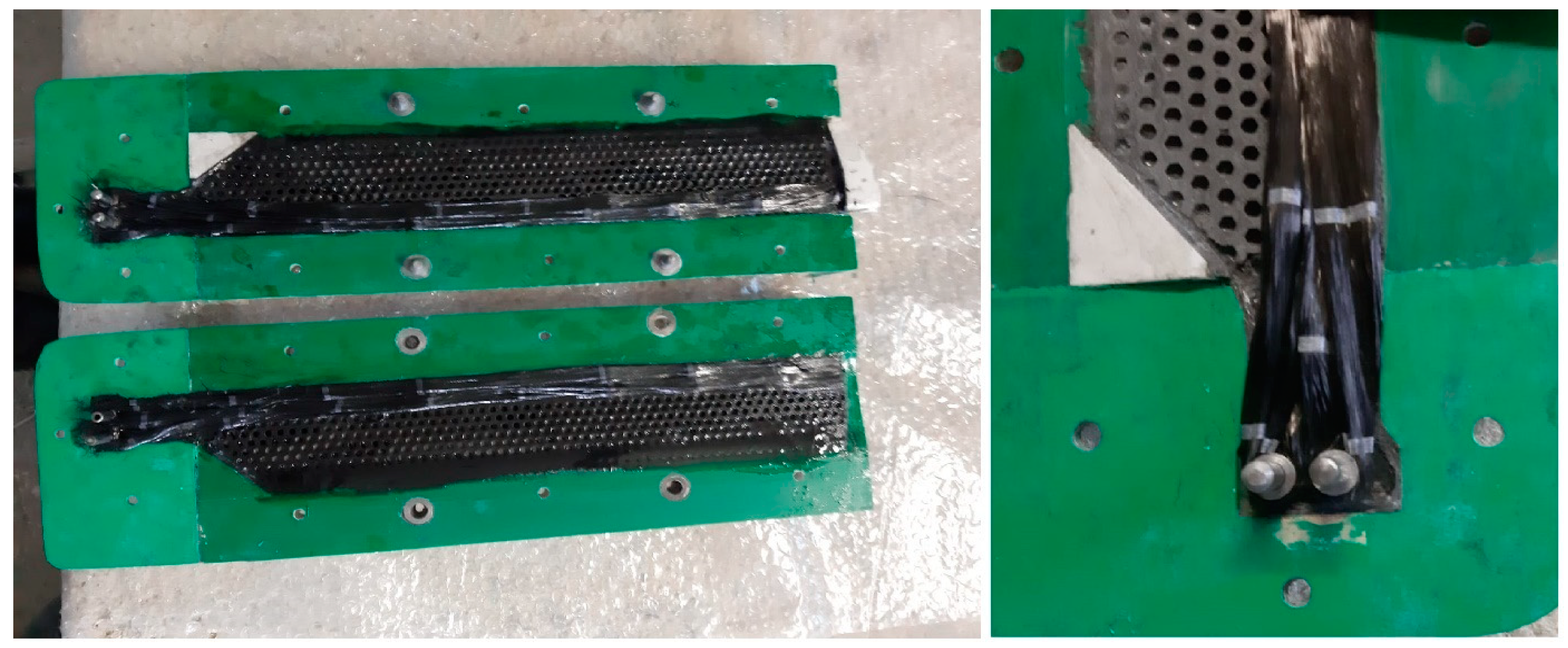
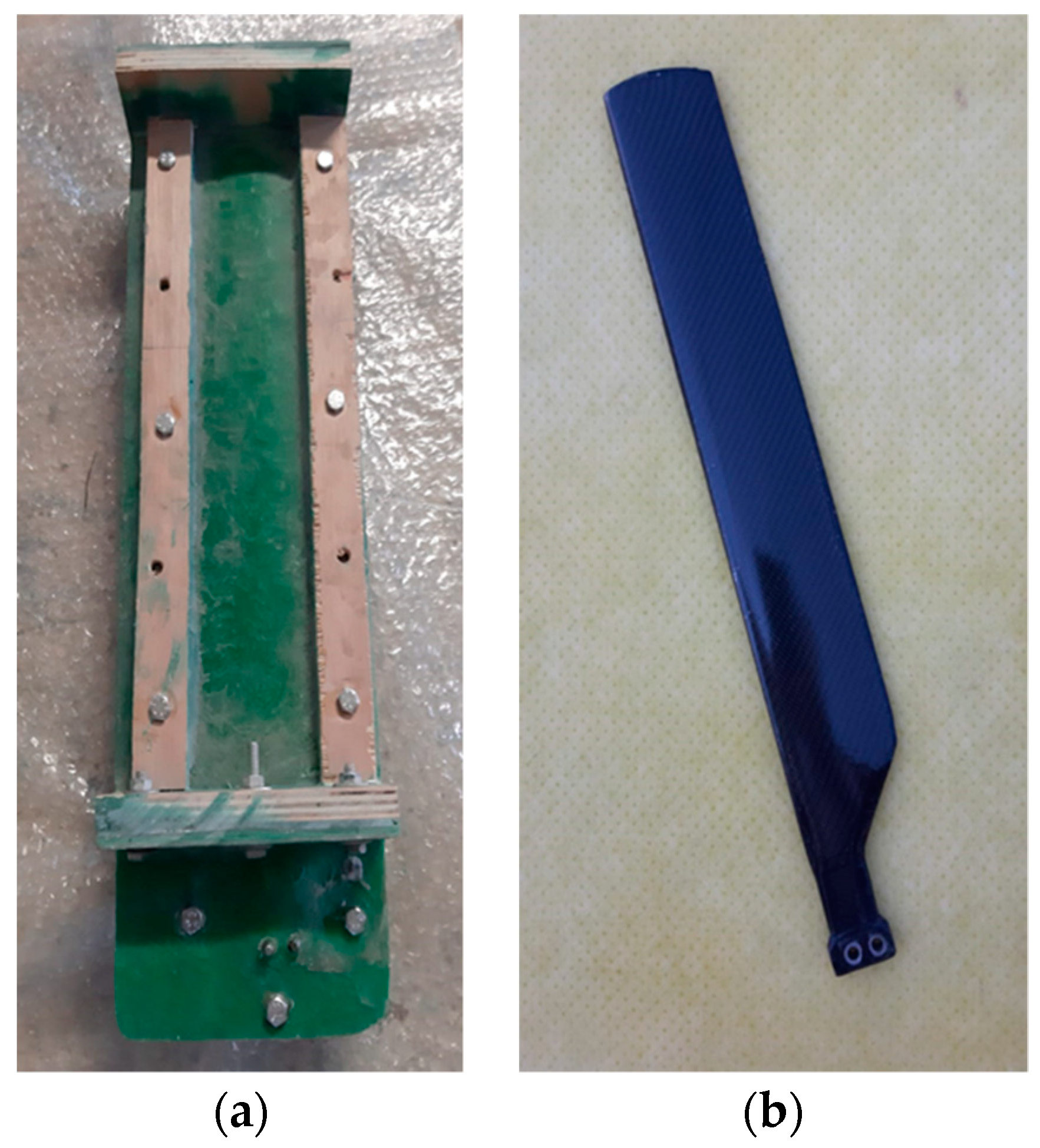
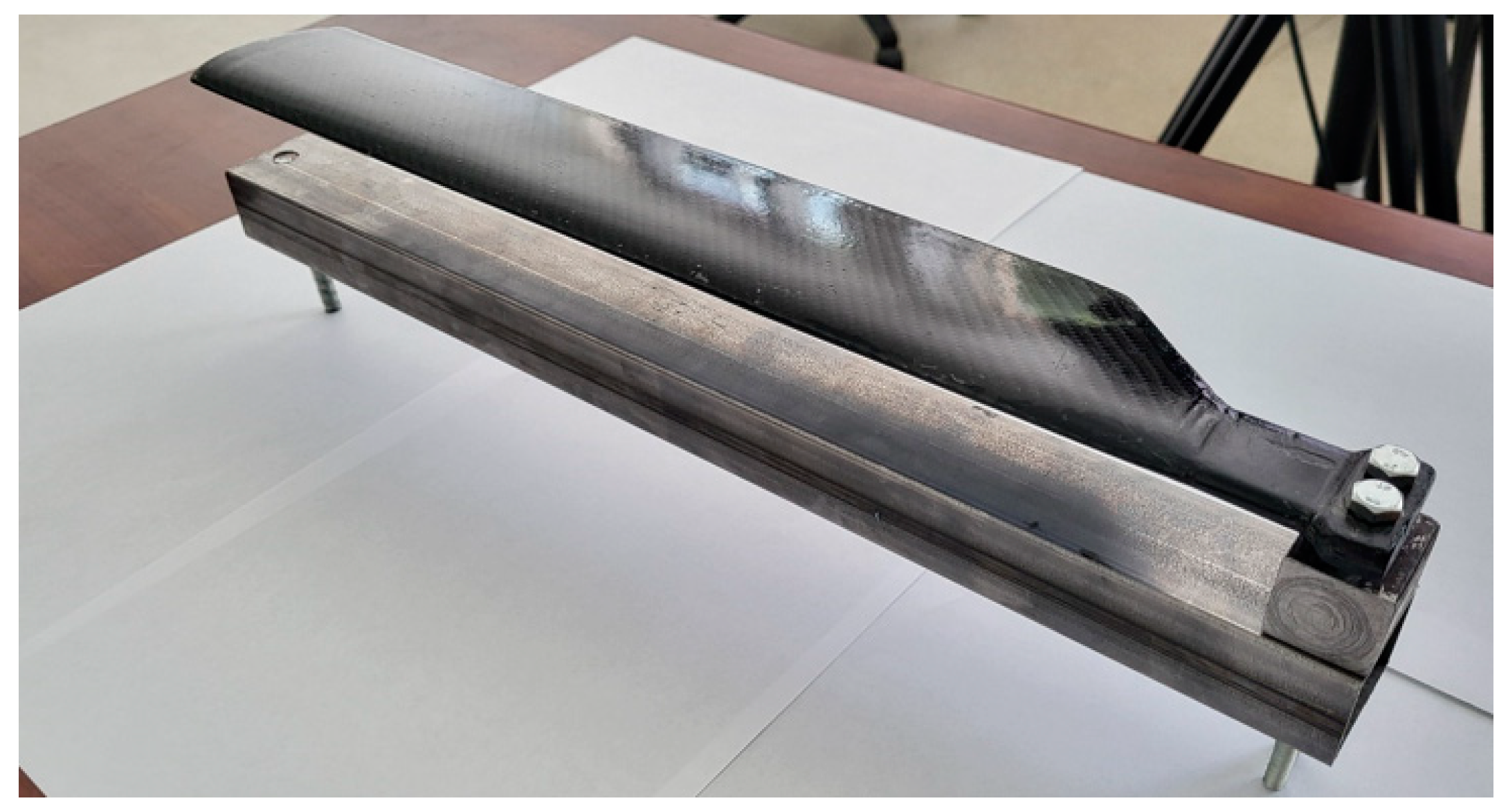
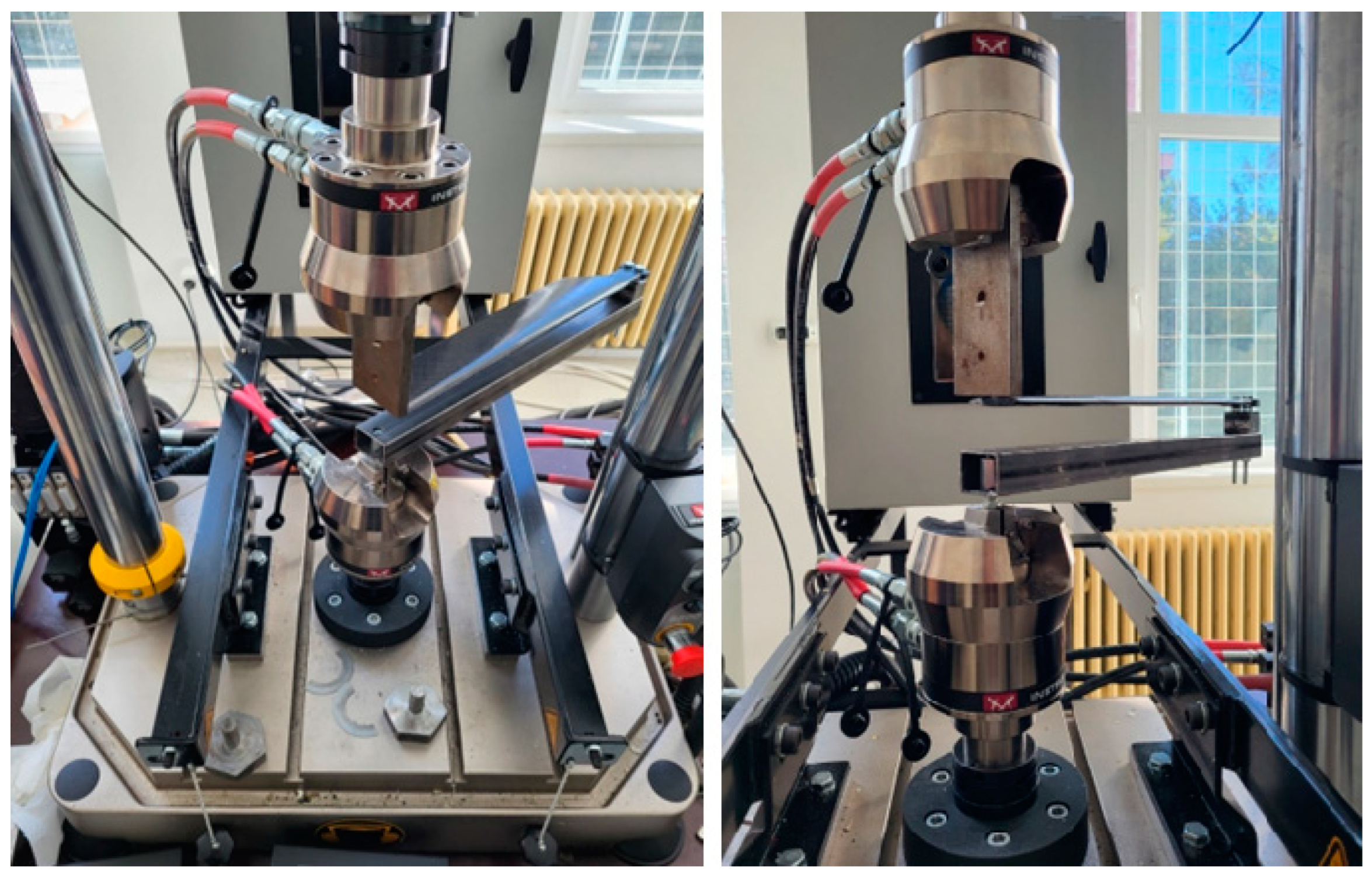
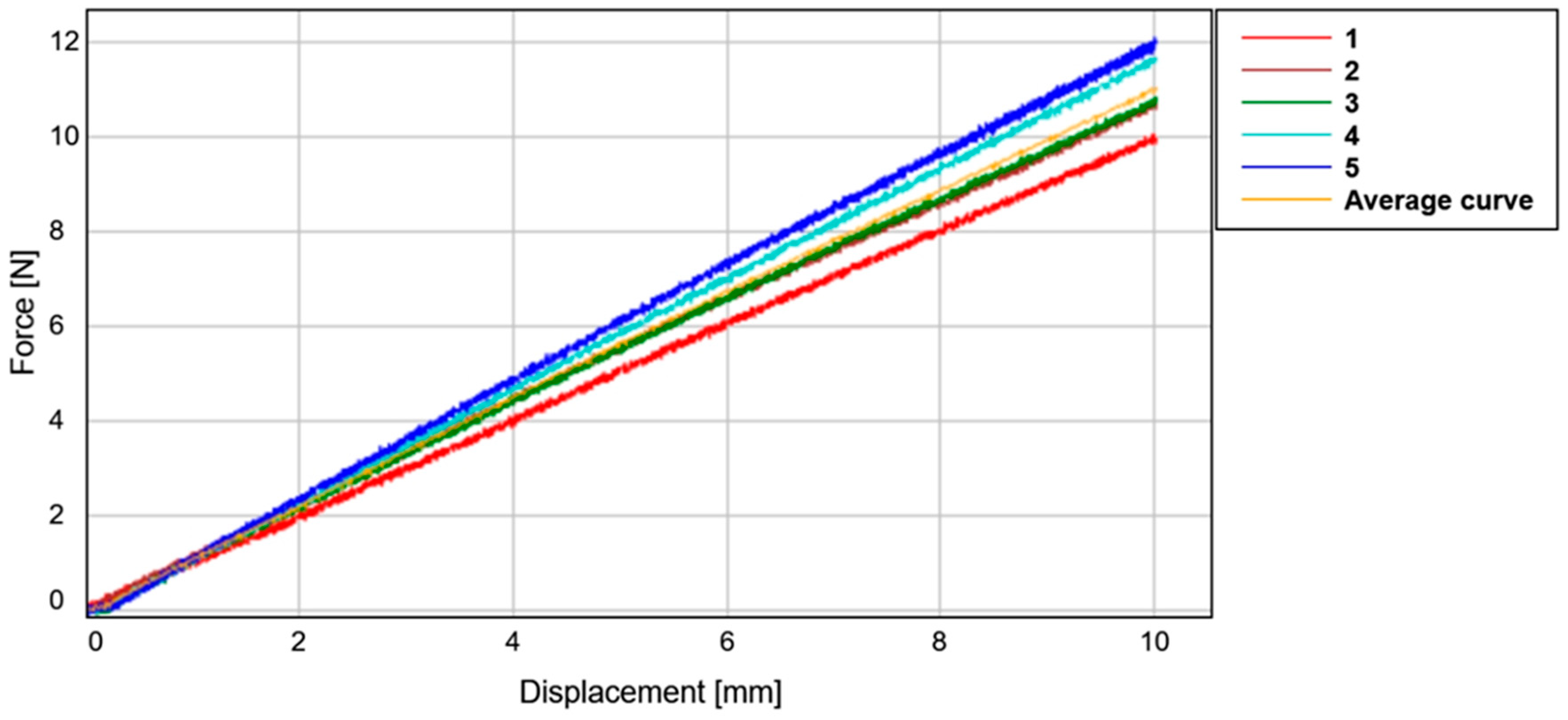
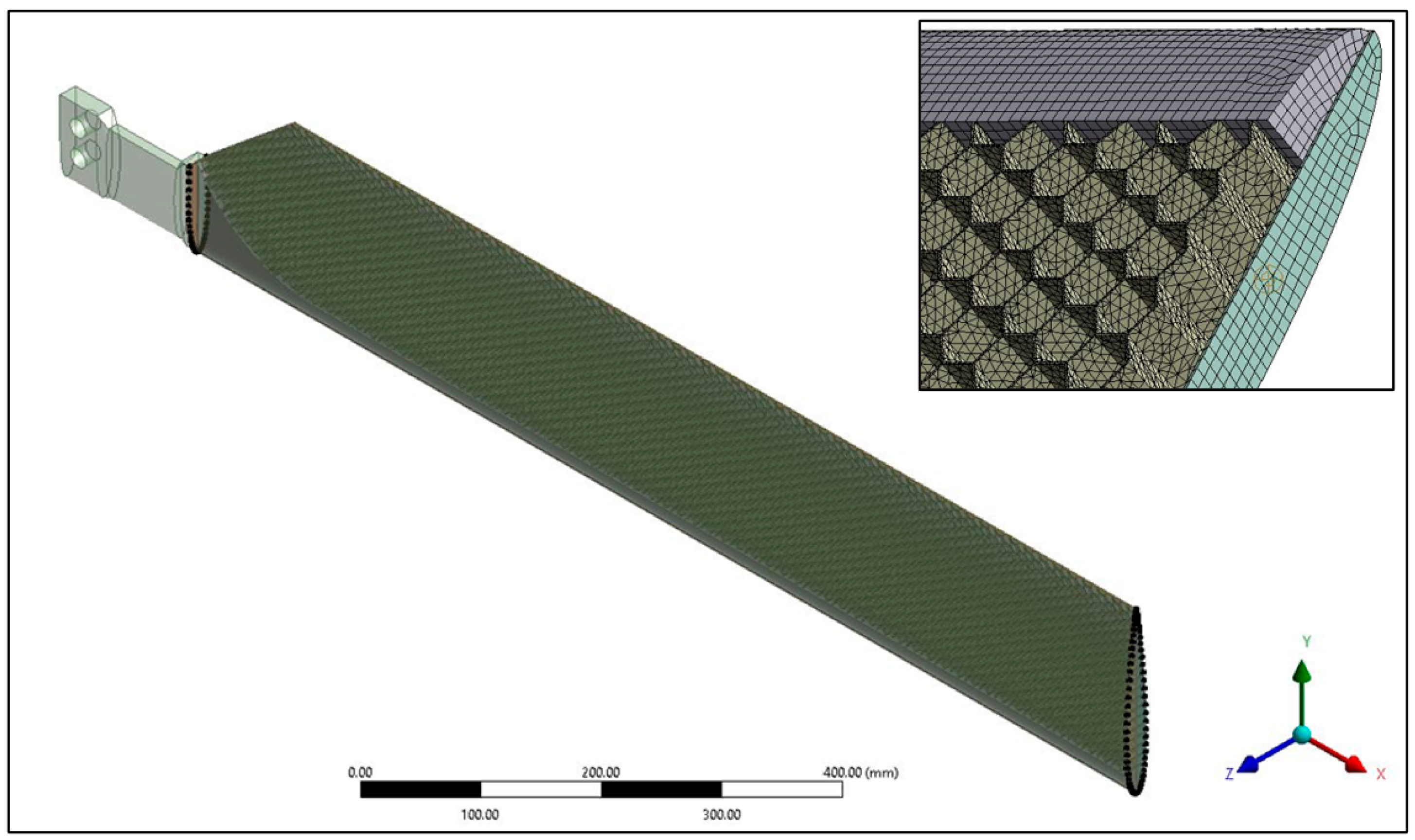
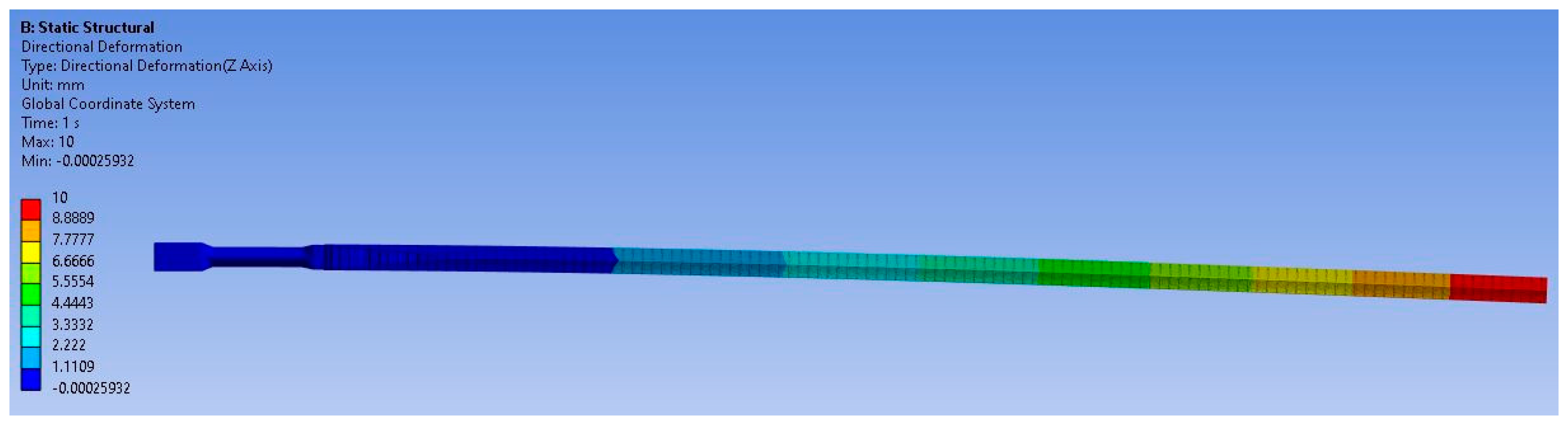
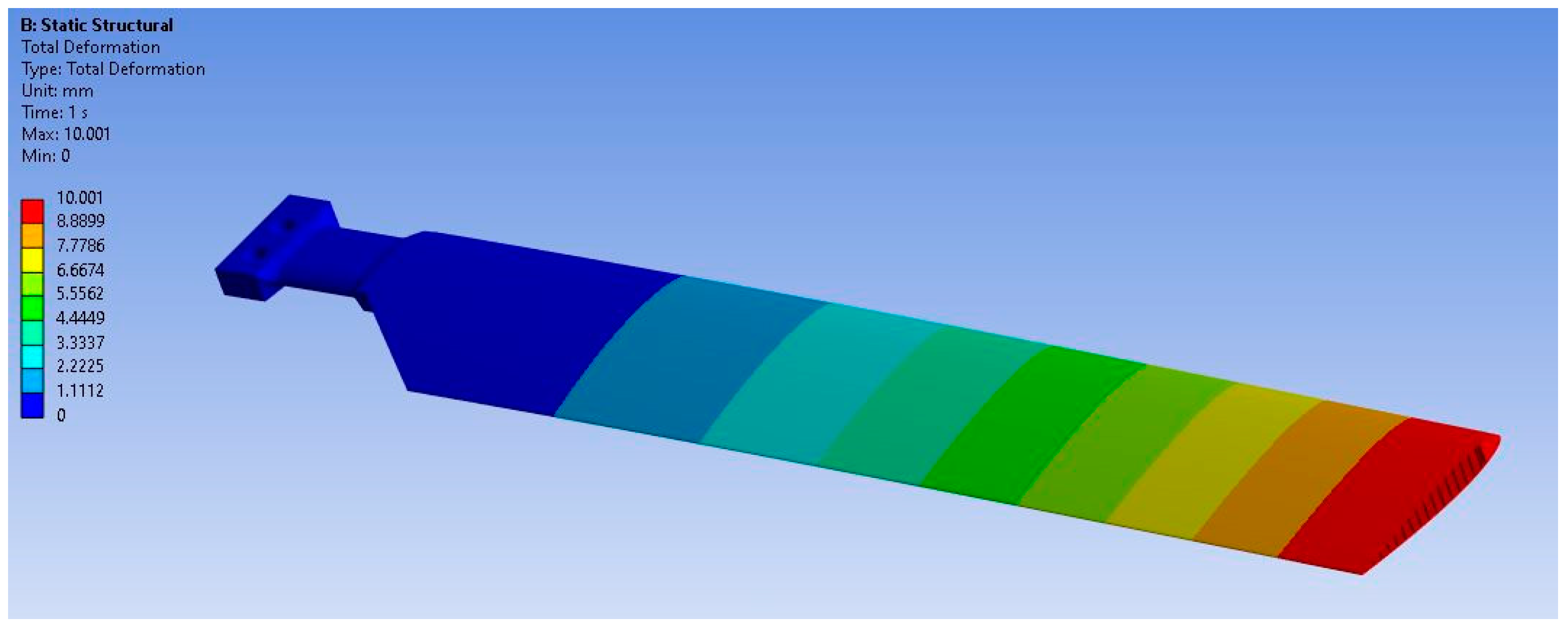
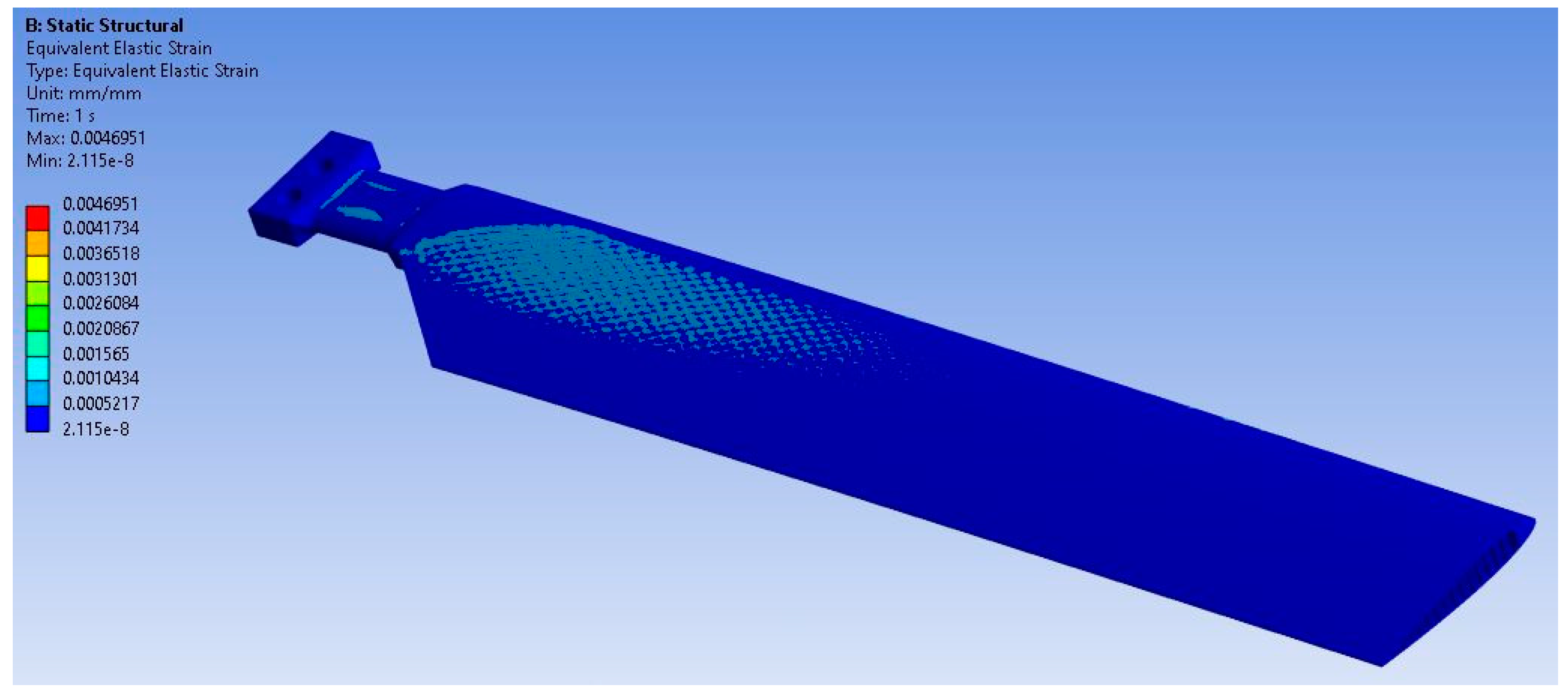
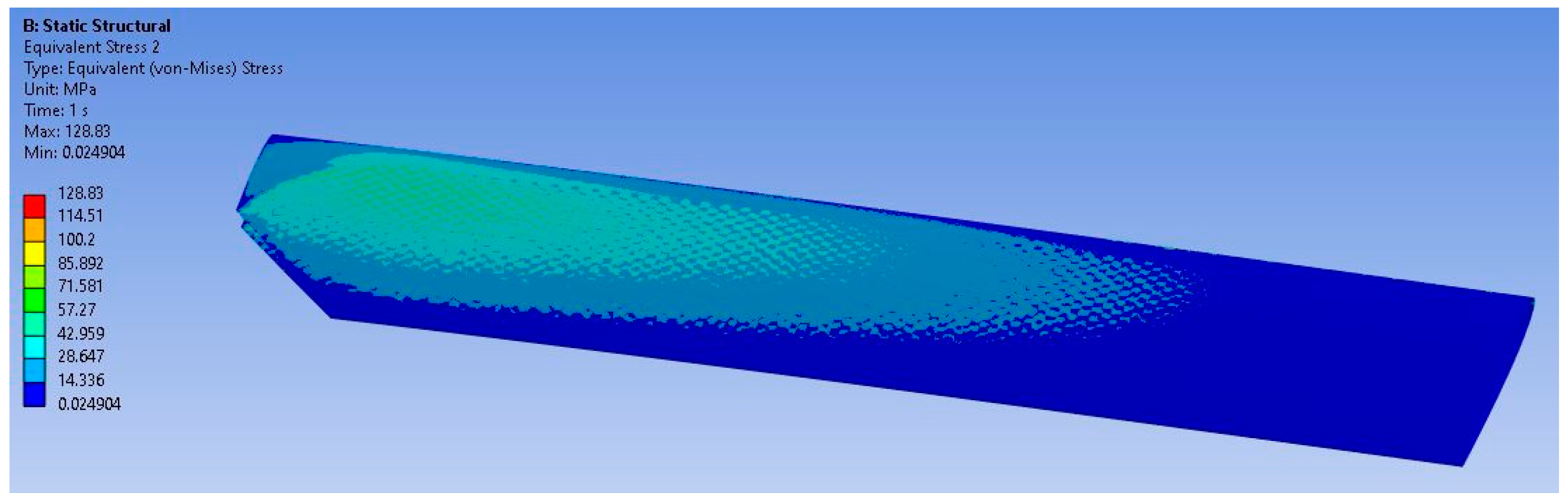
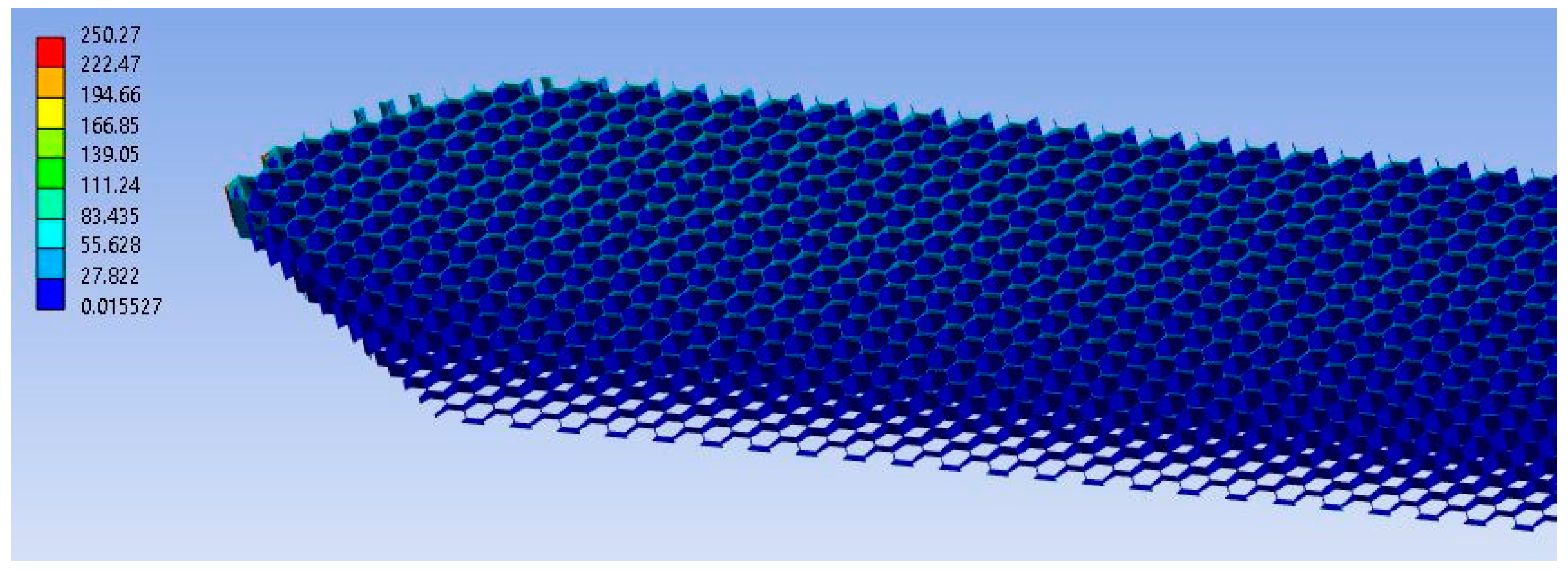
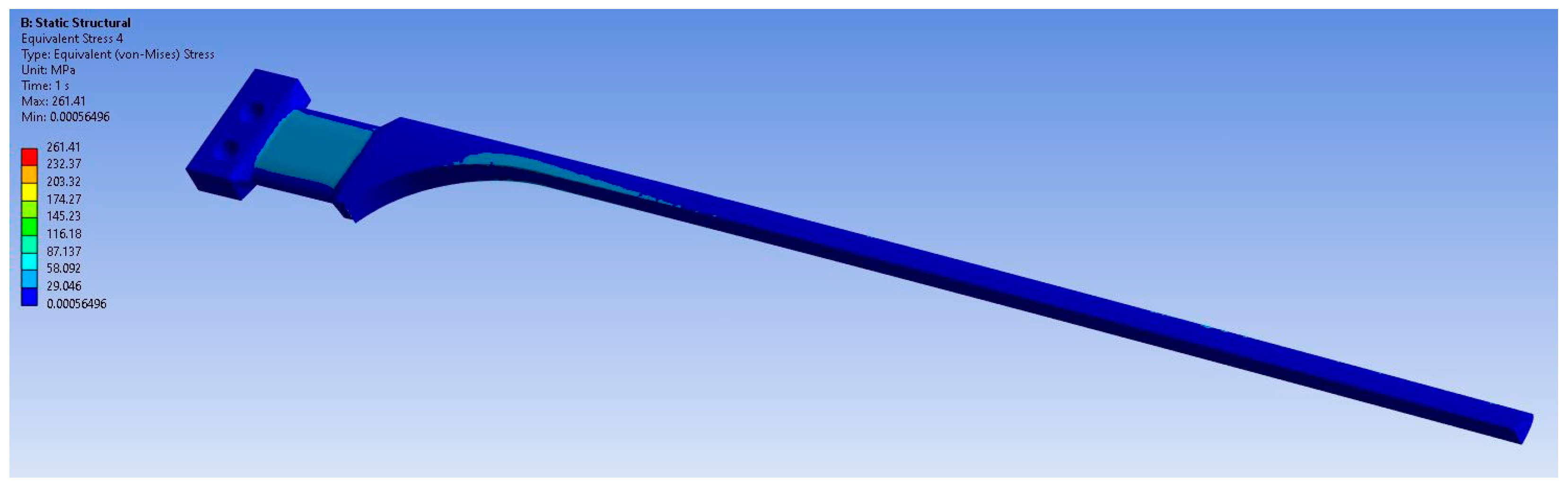
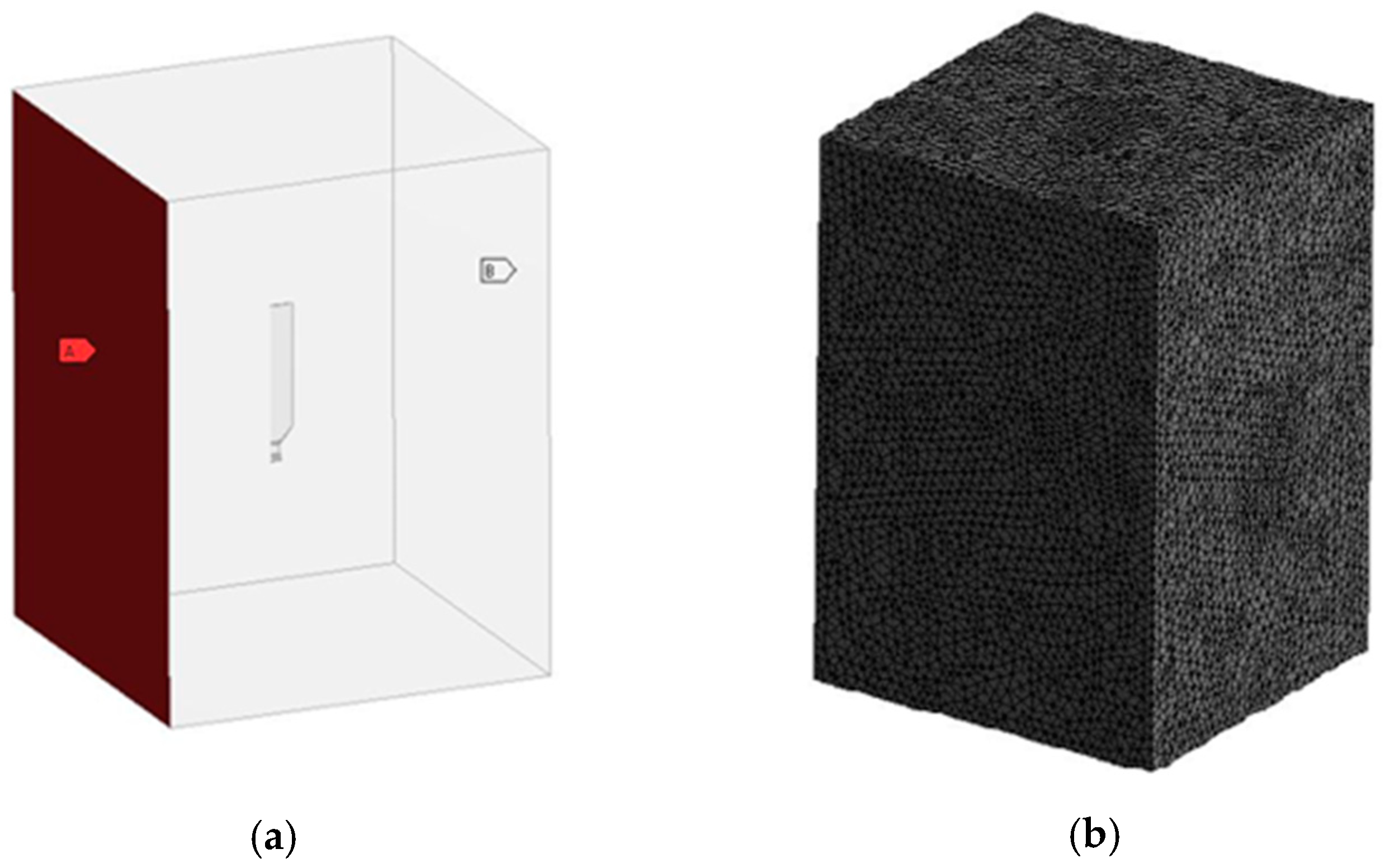
This paper describes the transition towards a composite structure, with the same overall aerodynamic characteristics, for a tail rotor blade of an IAR330 helicopter. The newly proposed structure of the composite blade is made of a carbon-roving spar embedded with epoxy resin, a hexagonal-cell honeycomb core manufactured by fused deposition modelling, and an outer skin made of multiple carbon-fibre-reinforced laminae. The blade was manufactured by the authors using the hand lay-up method at a scale of 1:3 with respect to the real one, and all stages of the manufacturing process are extensively described in the paper. The experimental tests were performed on an Instron 8872 testing machine by applying a bending force on its free edge, similar to the testing methodology employed by various composite blade manufacturers. A three-dimensional numerical model of the tail rotor blade was conceived, analysed using the finite element method, and validated by comparing the numerical and experimental values of the maximum bending force. Further, the model was used for a complex finite element analysis that showed the very good behaviour of the proposed composite blade during flight and emphasized the main advantages brought by the proposed composite structure.
Keywords: helicopter composite blade; finite element analysis; hand lay-up manufacturing; fused deposition modelling; fluid flow analysis helicopter composite blade; finite element analysis; hand lay-up manufacturing; fused deposition modelling; fluid flow analysis