Article

Effect of Al–Li Alloy on the Combustion Performance of AP/RDX/Al/HTPB Propellant

1
School of Materials Science and Engineering, Huazhong University of Science and Technology, Wuhan 430074, China
2
Science and Technology on Aerospace Chemical Power Laboratory, 58 Qinghe Road, Xiangyang 441003, China
3
The Fourth Academy of CASC, Xi’an 710025, China
*
Author to whom correspondence should be addressed.
Aerospace 2023, 10(3), 222; https://doi.org/10.3390/aerospace10030222

Submission received: 8 January 2023 / Revised: 21 February 2023 / Accepted: 23 February 2023 / Published: 25 February 2023
(This article belongs to the Special Issue Combustion Evaluation and Control of Solid Rocket Motors)

Abstract

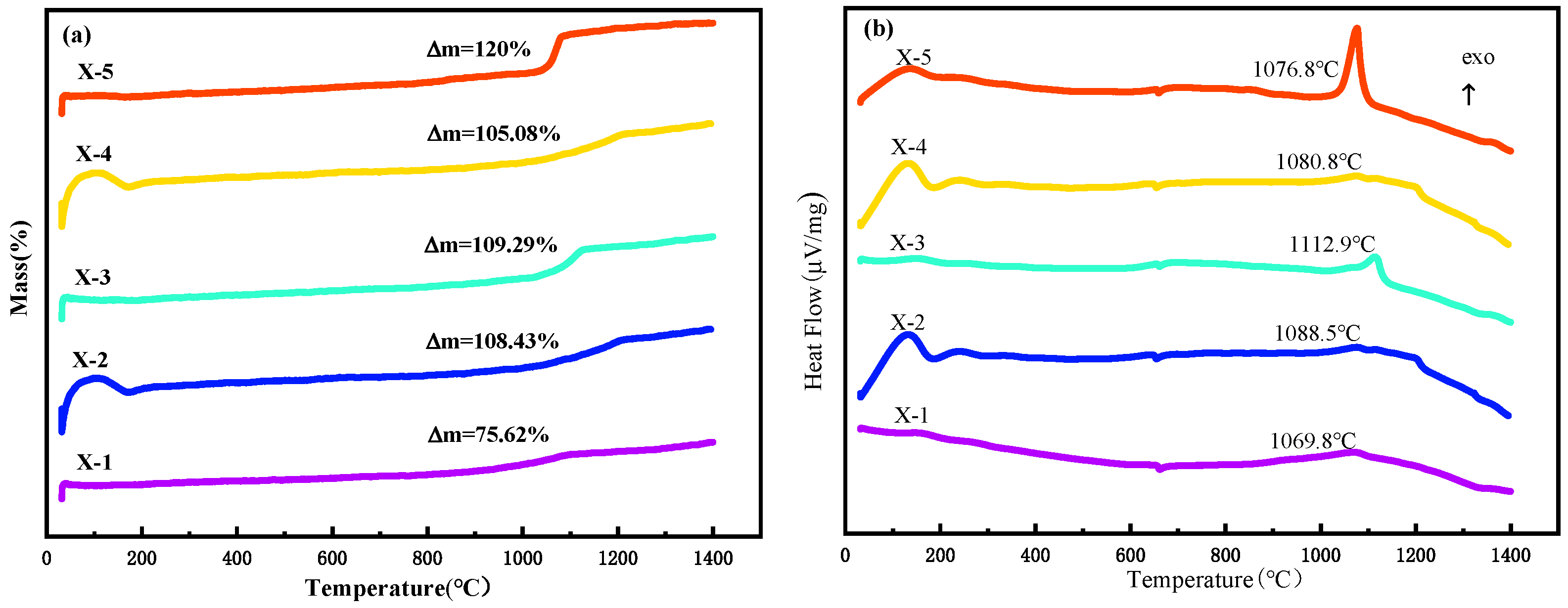
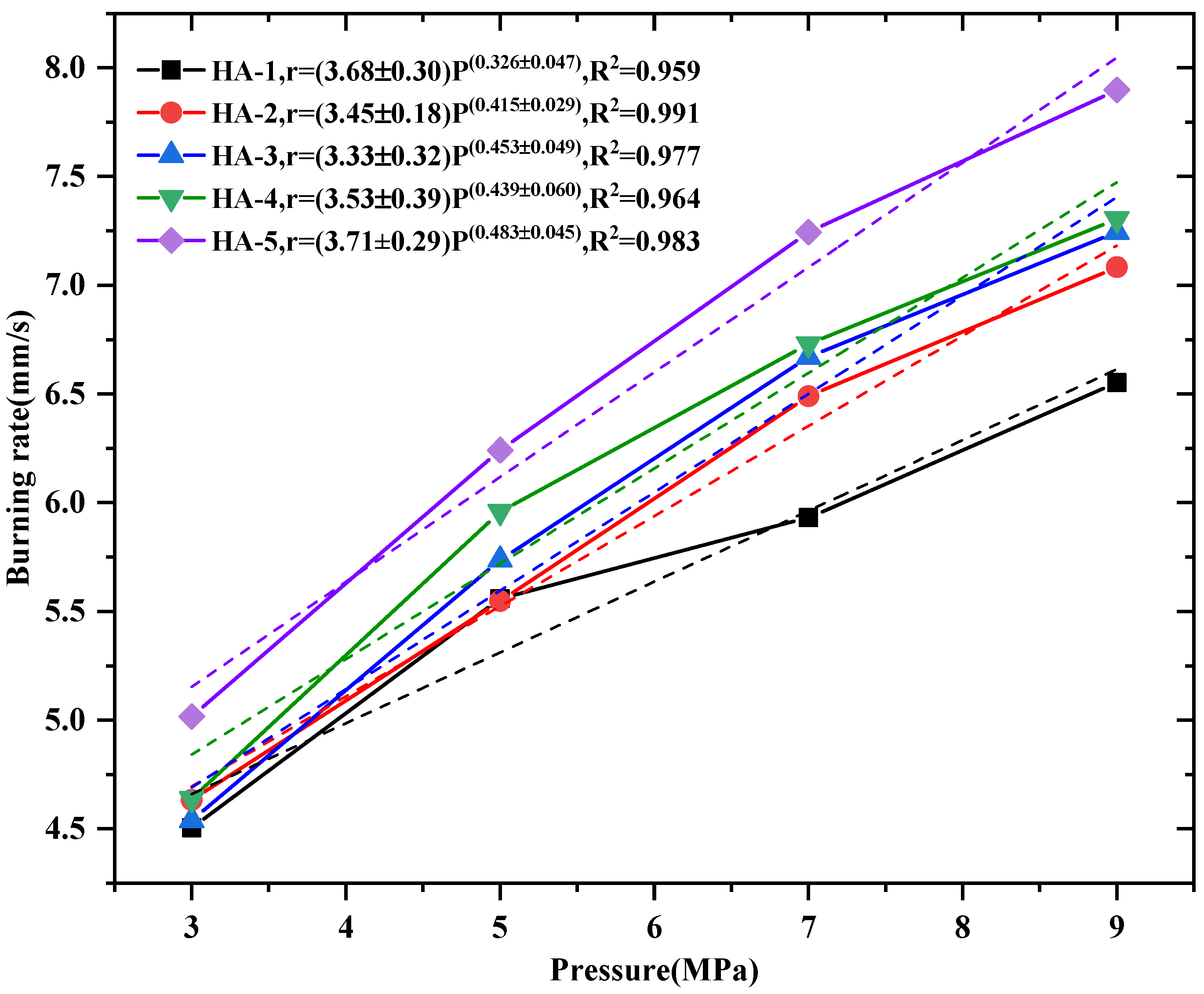
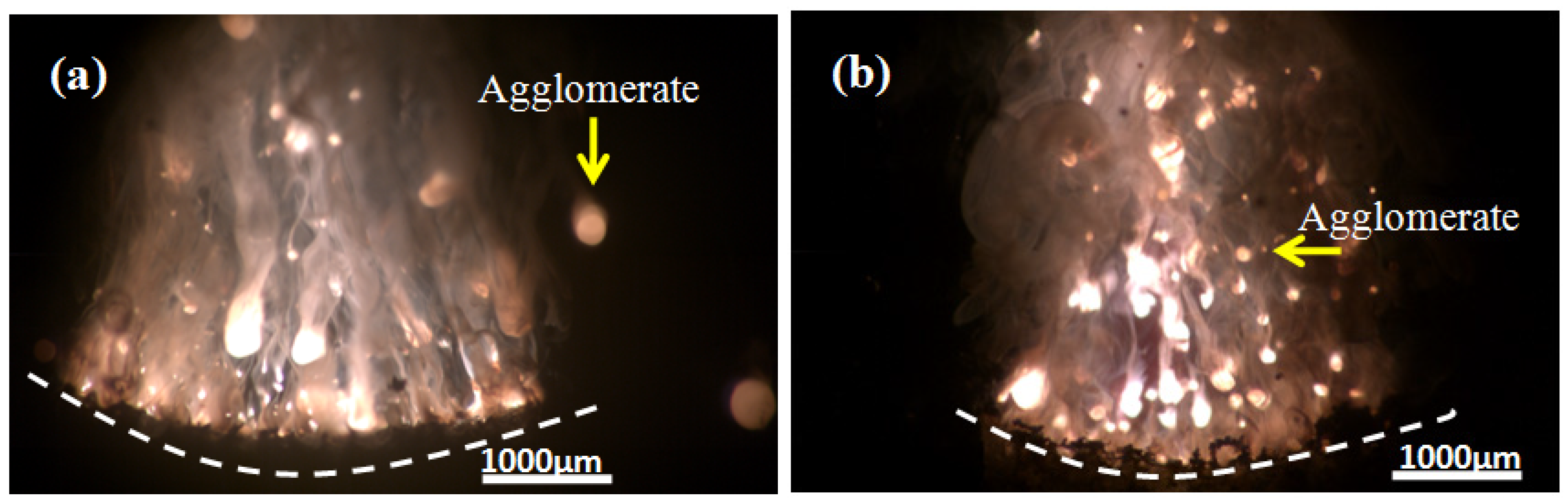
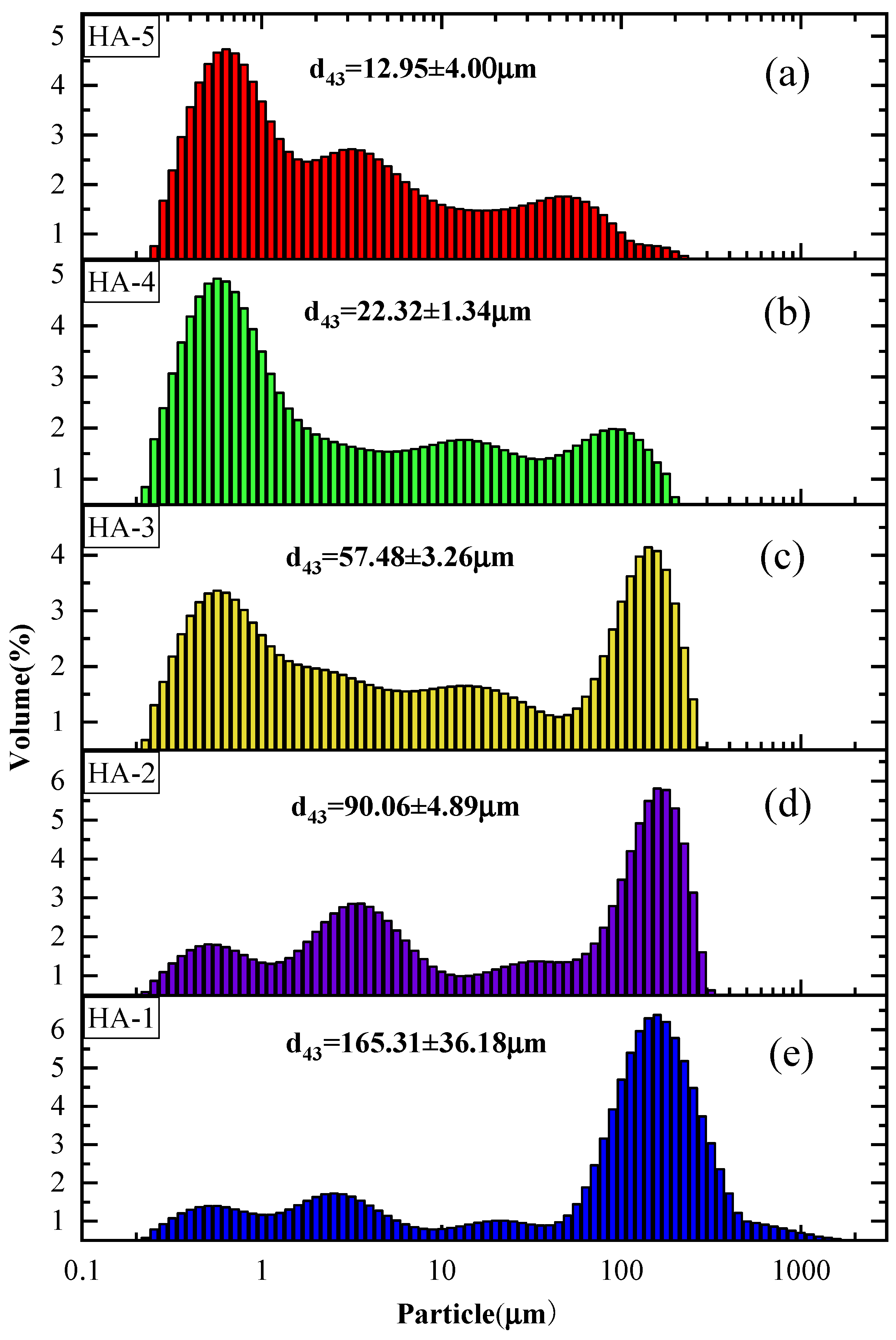
Aluminium–lithium alloy (Al–Li alloy) powder has excellent ignition and combustion performance. The combustion product of Al–Li alloy powder combined with ammonium perchlorate is gaseous at the working temperature of solid rocket motors, which greatly reduces the loss of two-phase flow. Experimental investigations were thoroughly conducted to determine the effect of the Al–2.5Li (2.5 wt% lithium) content on propellant combustion and agglomeration based on thermogravimetry-differential scanning calorimetry, heat combustion, laser ignition, combustion diagnosis, a simulated 75 mm solid rocket motor and a condensed combustion products (CCPs) collection device. The results show that the exothermic heat and weight gain upon the thermal oxidation of Al–Li alloy is obviously higher than those of Al powder. Compared with the reference propellant’s formulation, Al–2.5Li leads to an increase in the burning rate and a decrease in the size of the condensed combustion products of the propellants. As the Al–2.5Li alloy content gradually increases from 0 wt% to 19 wt%, the burning rate increases from 5.391 ± 0.021 mm/s to 7.244 ± 0.052 mm/s at 7 MPa of pressure; meanwhile, the pressure exponent of the burning rate law is changed from 0.326 ± 0.047 to 0.483 ± 0.045, and the d43 of the combustion residue is reduced from 165.31 ± 36.18 μm to 12.95 ± 4.00 μm. Compared to the reference propellant’s formulation, the combustion efficiency of the HTPB propellant is increased by about 4.4% when the Al–2.5Li alloy content is increased from 0 to 19%. Therefore, Al–2.5Li alloy powder is a promising fuel for solid propellants.
Keywords: Al–Li alloy; combustion performance; AP/RDX/Al/HTPB propellant Al–Li alloy; combustion performance; AP/RDX/Al/HTPB propellant