Article

Growth under Fluctuating Light Reveals Large Trait Variation in a Panel of Arabidopsis Accessions


1
Max Planck Institute of Molecular Plant Physiology, Wissenschaftspark Golm, Am Mühlenberg 1, 14476 Potsdam, Germany
2
Horticulture and Product Physiology, Wageningen University, Droevendaalsesteeg 1, 6708 PB Wageningen, The Netherlands
*
Authors to whom correspondence should be addressed.
Plants 2020, 9(3), 316; https://doi.org/10.3390/plants9030316
Submission received: 16 December 2019 / Revised: 13 February 2020 / Accepted: 18 February 2020 / Published: 3 March 2020
(This article belongs to the Special Issue Regulation of Central Carbon and Amino Acid Metabolism in Plants)

Abstract

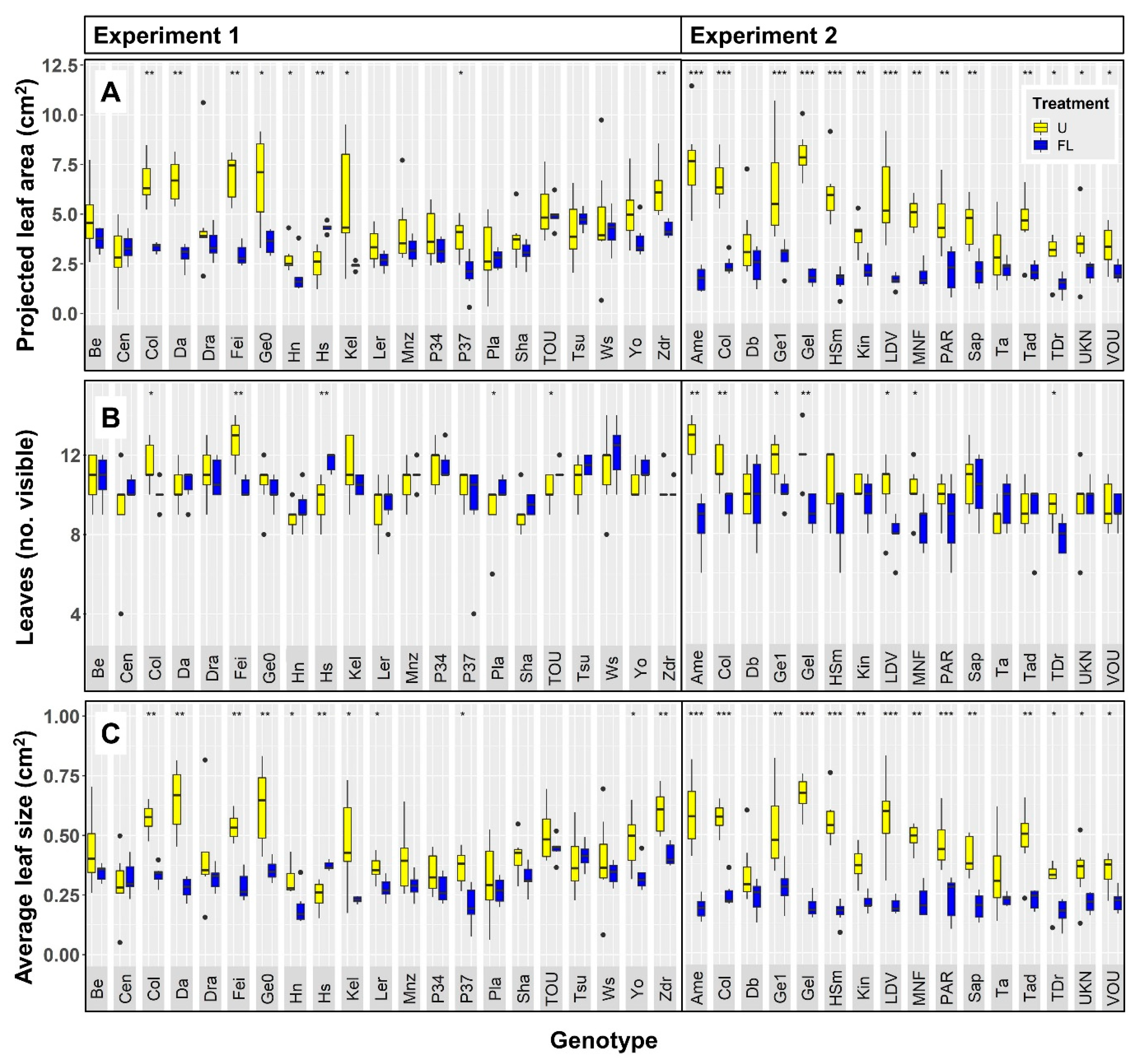
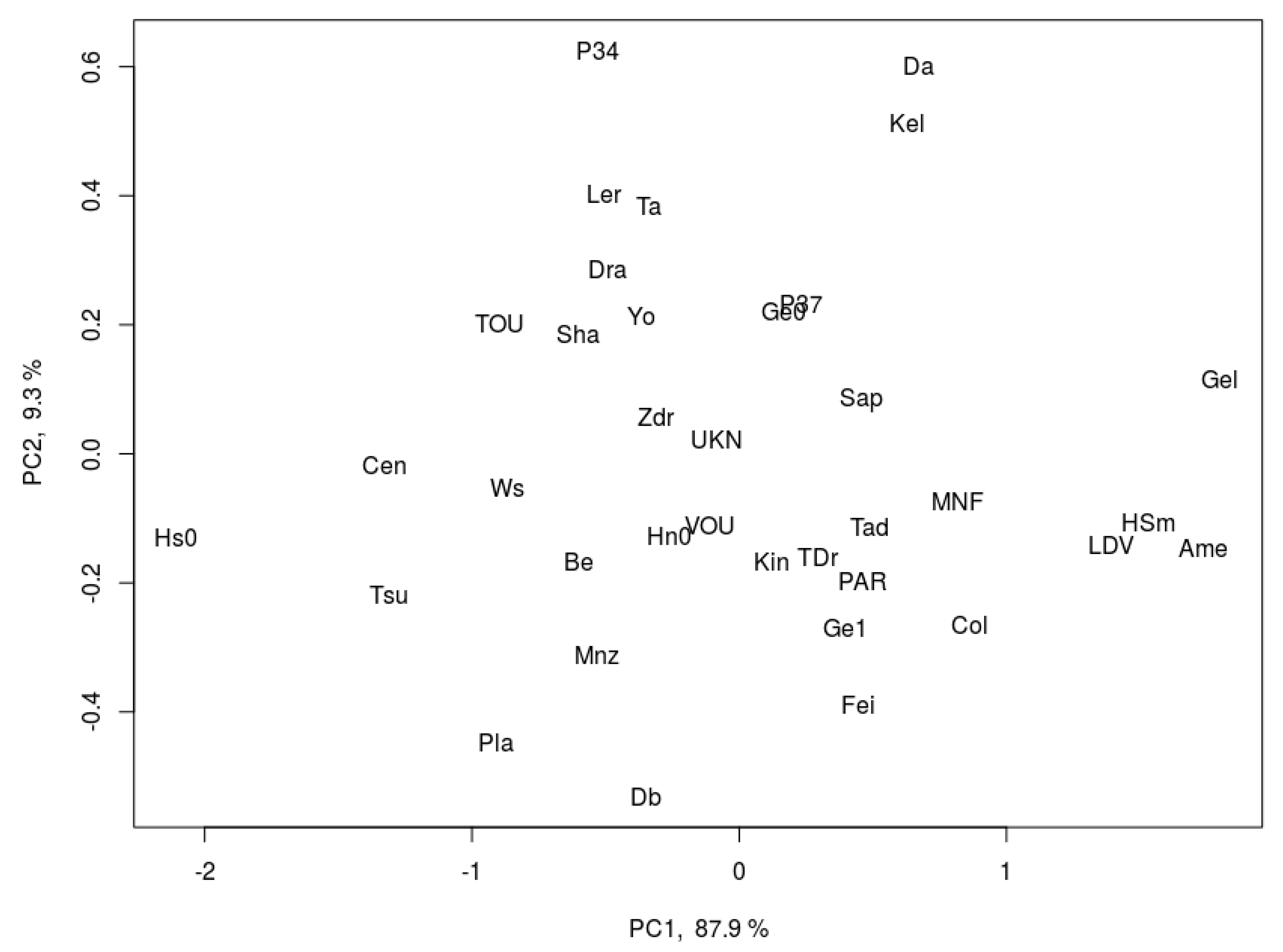
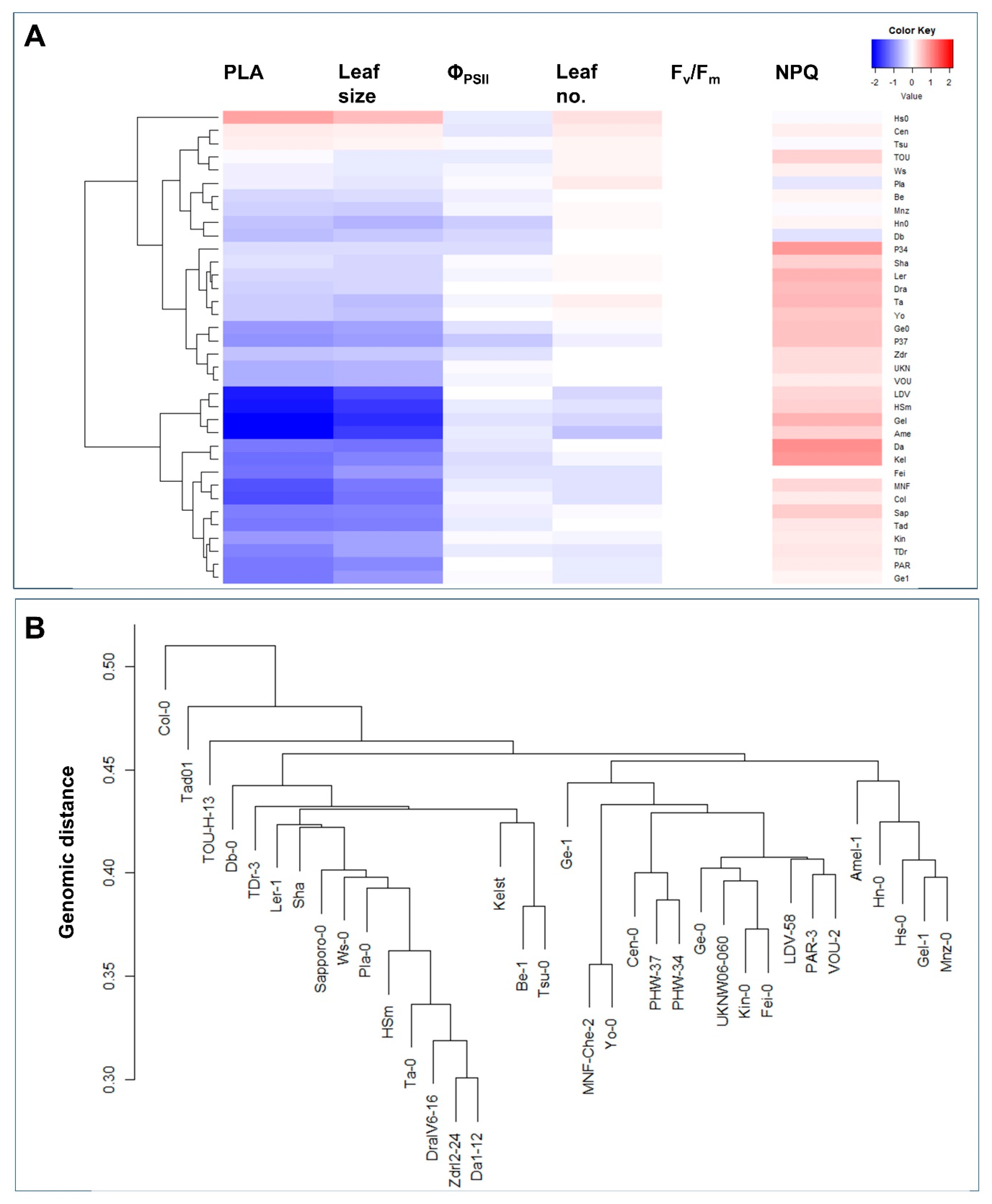
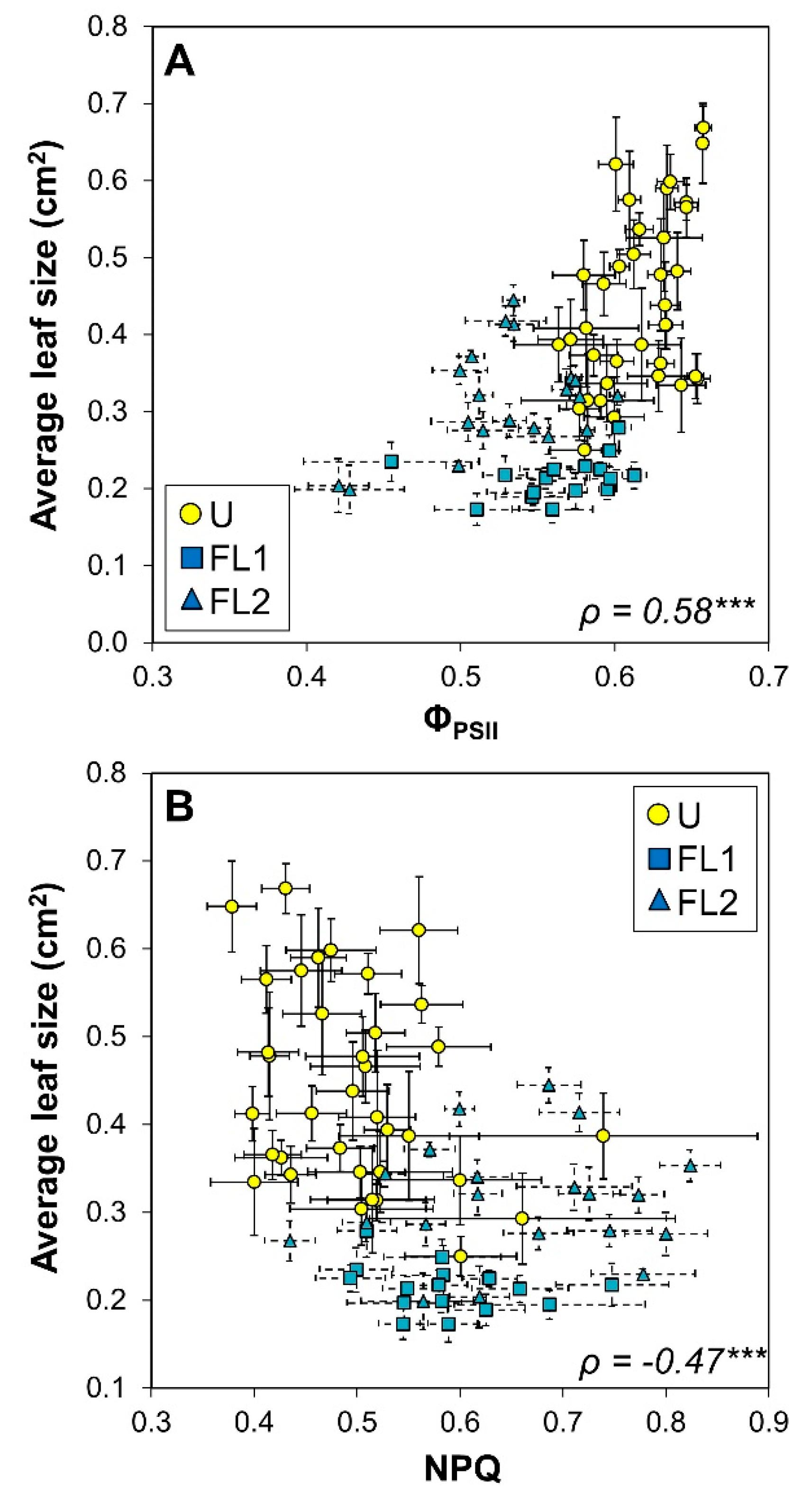
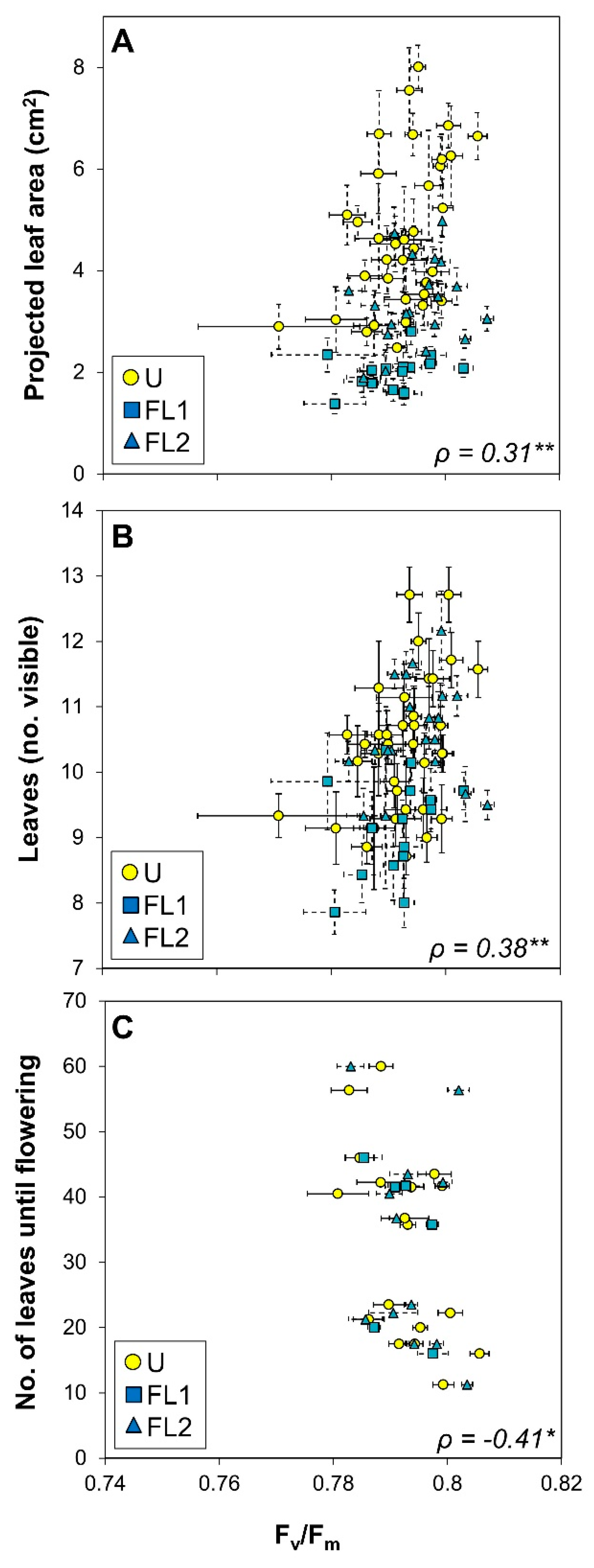
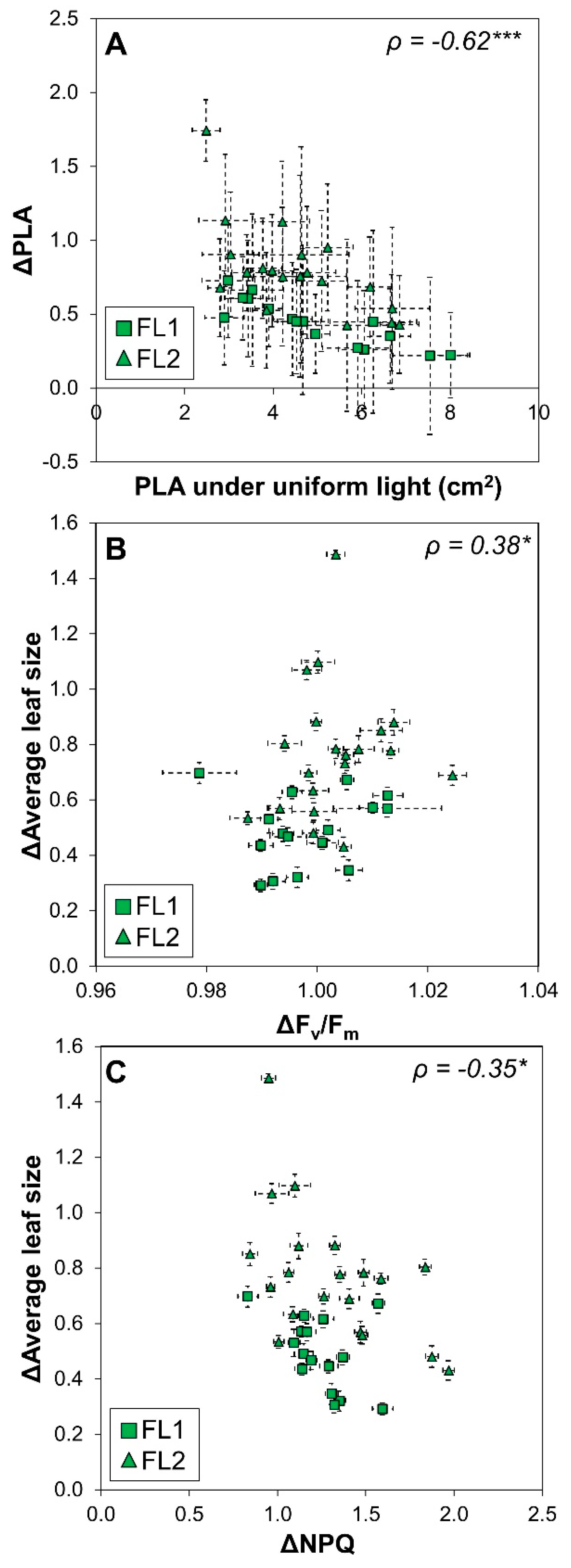
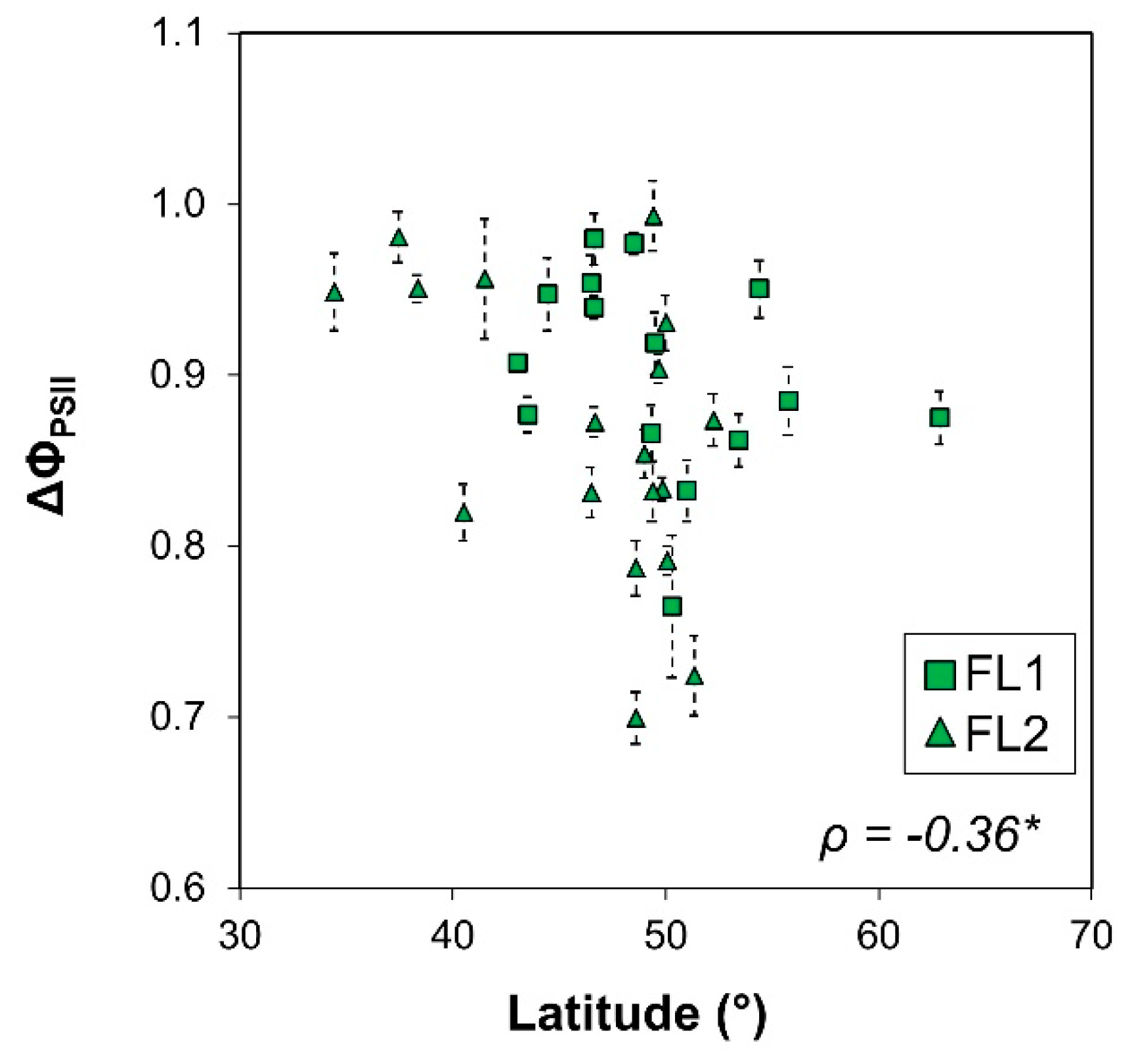
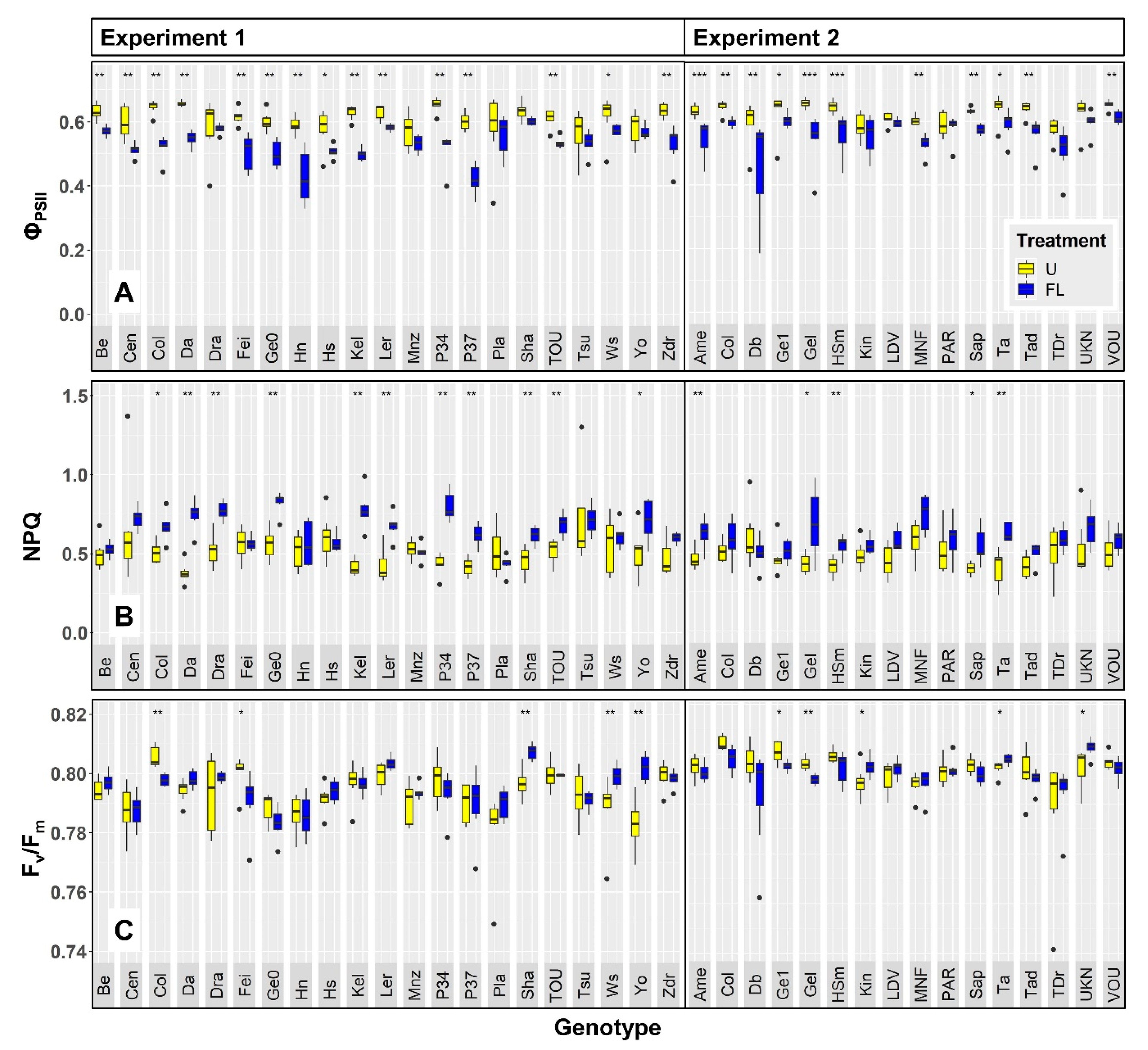
The capacity of photoautotrophs to fix carbon depends on the efficiency of the conversion of light energy into chemical potential by photosynthesis. In nature, light input into photosynthesis can change very rapidly and dramatically. To analyze how genetic variation in Arabidopsis thaliana affects photosynthesis and growth under dynamic light conditions, 36 randomly chosen natural accessions were grown under uniform and fluctuating light intensities. After 14 days of growth under uniform or fluctuating light regimes, maximum photosystem II quantum efficiency (Fv/Fm) was determined, photosystem II operating efficiency (ΦPSII) and non-photochemical quenching (NPQ) were measured in low light, and projected leaf area (PLA) as well as the number of visible leaves were estimated. Our data show that ΦPSII and PLA were decreased and NPQ was increased, while Fv/Fm and number of visible leaves were unaffected, in most accessions grown under fluctuating compared to uniform light. There were large changes between accessions for most of these parameters, which, however, were not correlated with genomic variation. Fast growing accessions under uniform light showed the largest growth reductions under fluctuating light, which correlated strongly with a reduction in ΦPSII, suggesting that, under fluctuating light, photosynthesis controls growth and not vice versa.
Keywords: acclimation; chlorophyll a fluorescence; fluctuating light; natural variation; photosynthesis acclimation; chlorophyll a fluorescence; fluctuating light; natural variation; photosynthesis