Article

Alfalfa Responses to Gypsum Application Measured Using Undisturbed Soil Columns
1
School of Environment and Natural Resources, The Ohio State University, Columbus, OH 43210, USA
2
Agro-Environmental Science Department, University of Puerto Rico, Mayagüez, Puerto Rico, 00681, USA
3
School of Environment and Natural Resources, The Ohio State University, 1680 Madison Avenue, Wooster, OH 44691, USA
4
Department of Horticulture and Crop Science, The Ohio State University, Columbus, OH 43210, USA
*
Author to whom correspondence should be addressed.
Plants 2017, 6(3), 29; https://doi.org/10.3390/plants6030029
Submission received: 18 May 2017 / Revised: 6 July 2017 / Accepted: 10 July 2017 / Published: 11 July 2017
(This article belongs to the Special Issue Soil Fertility and Nutrient Cycling)

Abstract

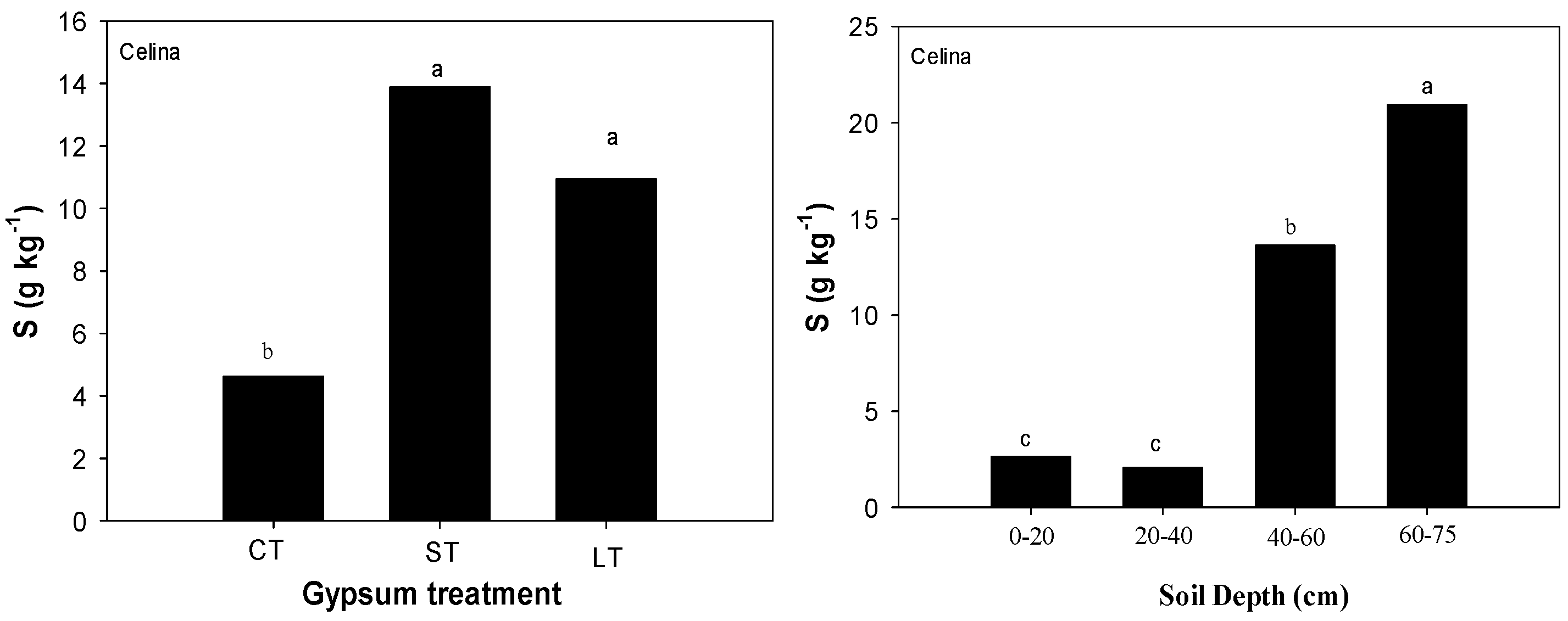
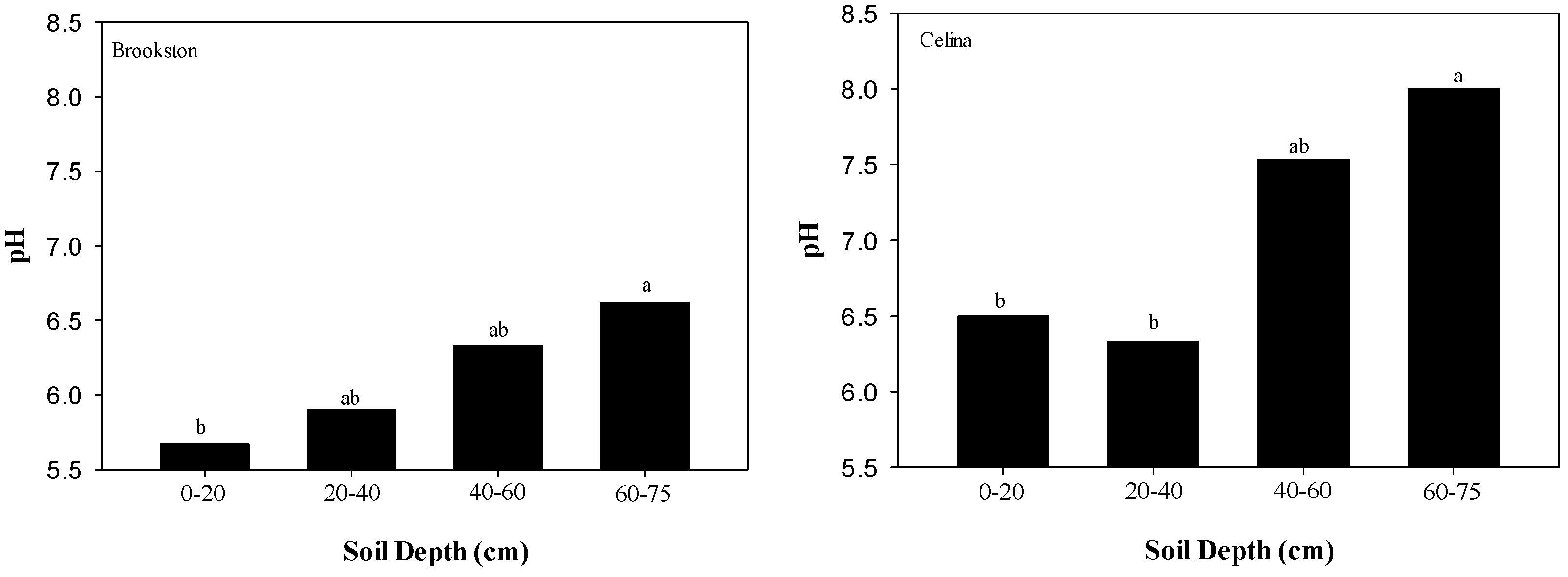
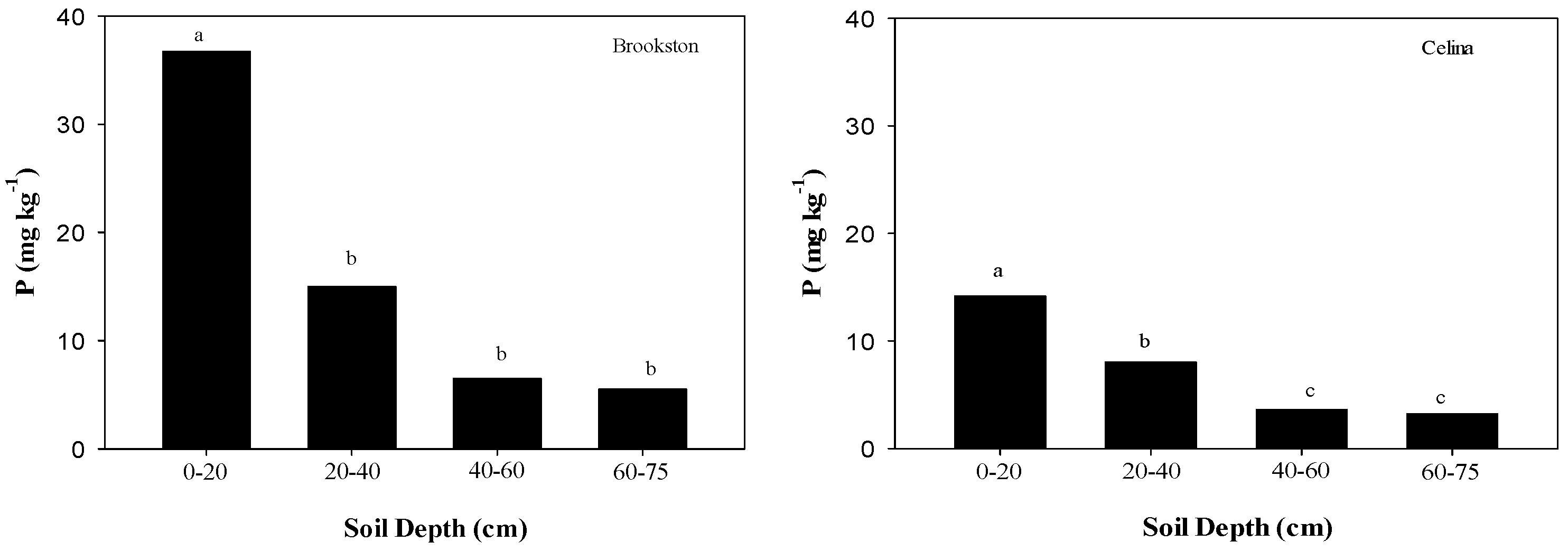
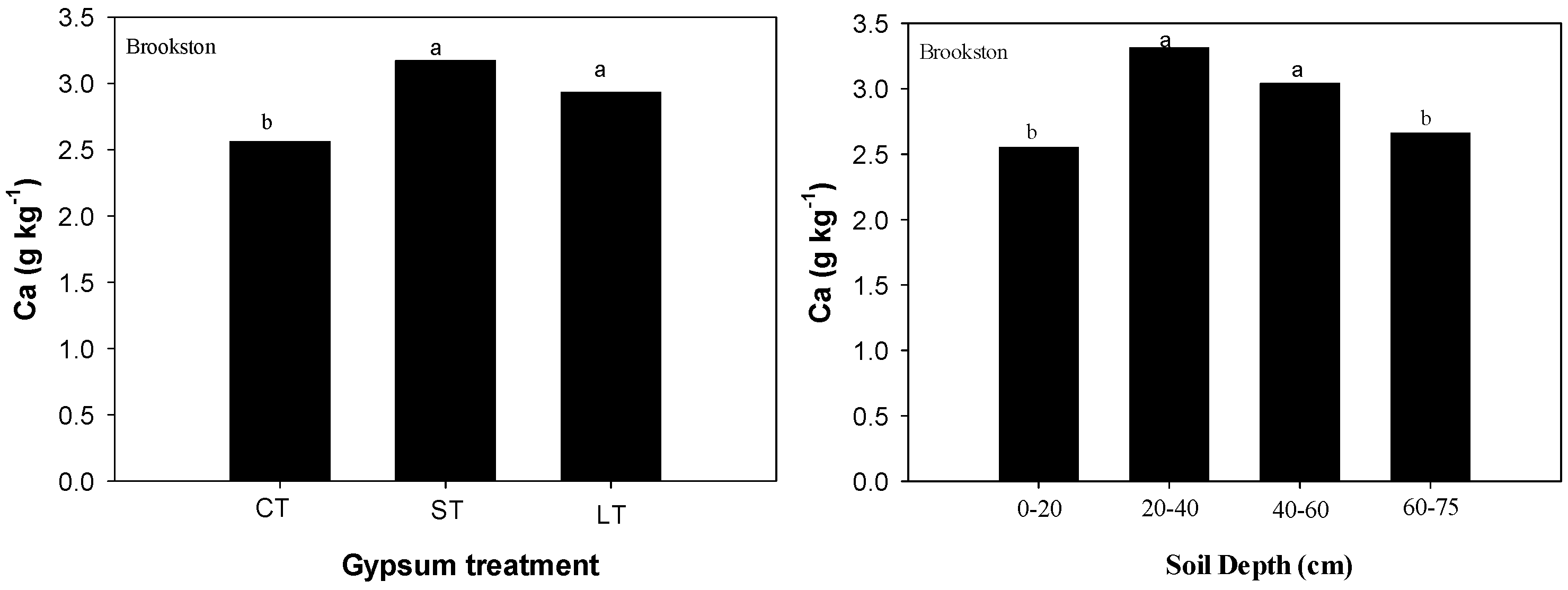
Gypsum is an excellent source of Ca and S, both of which are required for crop growth. Large amounts of by-product gypsum [Flue gas desulfurization gypsum-(FGDG)] are produced from coal combustion in the United States, but only 4% is used for agricultural purposes. The objective of this study was to evaluate the effects of (1) untreated, (2) short-term (4-year annual applications of gypsum totaling 6720 kg ha−1), and (3) long-term (12-year annual applications of gypsum totaling 20,200 kg ha−1) on alfalfa (Medicago sativa L.) growth and nutrient uptake, and gypsum movement through soil. The study was conducted in a greenhouse using undisturbed soil columns of two non-sodic soils (Celina silt loam and Brookston loam). Aboveground growth of alfalfa was not affected by gypsum treatments when compared with untreated (p > 0.05). Total root biomass (0–75 cm) for both soils series was significantly increased by gypsum application (p = 0.04), however, increased root growth was restricted to 0–10 cm depth. Soil and plant analyses indicated no unfavorable environmental impact from of the 4-year and 12-year annual application of FGDG. We concluded that under sufficient water supply, by-product gypsum is a viable source of Ca and S for land application that might benefit alfalfa root growth, but has less effect on aboveground alfalfa biomass production. Undisturbed soil columns were a useful adaptation of the lysimeter method that allowed detailed measurements of alfalfa nutrient uptake, root biomass, and yield and nutrient movement in soil.
Keywords: alfalfa; gypsum; no-tillage; nutrient uptake; undisturbed soil columns alfalfa; gypsum; no-tillage; nutrient uptake; undisturbed soil columns