Antimutagenic and Anticarcinogenic Evidence of the Genus Ficus L.

 , , , ,
  , , , , , and
Abstract
1. Introduction
2. Ficus L. Genus
Overview
3. Genoprotective Evidence
3.1. Antimutagenic Capacity

| Extract/Plant Part | Type of Assay | Phytochemical Related to the Beneficial Effect | Objective and/or Methodology | Results and/or Conclusion | Ref. |
|---|---|---|---|---|---|
| F. benghalensis | |||||
| Methanolic/Stem bark | In vivo | The antimutagenic protection of the extract against cyclophosphamide (CP)-induced genotoxicity was evaluated in the bone marrow of Swiss-albino rats | Oral administration of the extract (doses of 250, 500, and 800 mg/kg) significantly decreased MN formation and chromosomal abnormalities in a dose-dependent manner | [14] | |
| Aqueous/Stem bark | In vitro | The antimutagenic and antioxidant activities of the heat-treated extract against sodium azide (NaN3) in TA100 strains of Salmonella typhimurium and its potential to inhibit LPO were investigated | The Ames test confirmed an IC50 of 70.24 mg/mL. Significant antioxidant activity and high LPO inhibition (IC50 of 80.24 mg/mL) were also observed | [15] | |
| Aqueous-and methanolic/Stem bark | In vitro | The objective was to determine the genoprotective effect of the extract against H2O2-induced DNA damage and repair in human neuroblastoma cells (SK-N-SH) | Pre-incubation with the extract attenuated cellular toxicity and increased cell viability affected by exposing them to H2O2 (MTT assay). It also significantly decreased the intensity of oxidative damage in SK-N-SH cells (Comet assay). It is concluded that the extract has relevant neuroprotective activity | [16] | |
| F. carica | |||||
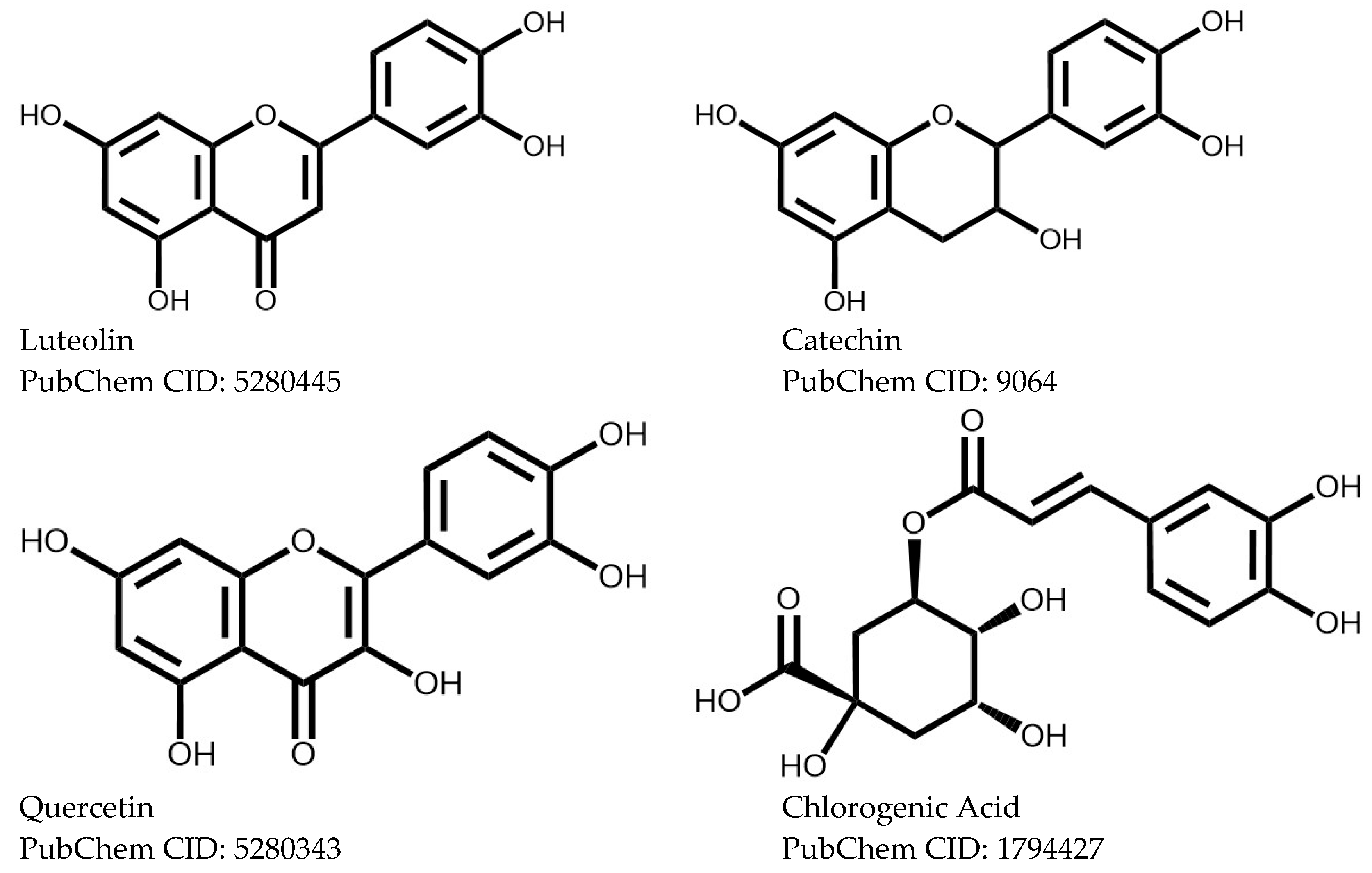
| Leaves | In vitro | Luteolin | The protective potential of this flavone against genotoxicity induced by an halogenated boroxine (therapeutic agent for treating skin disorders) was analyzed in human peripheral blood lymphocytes | The phytoconstituent (50 μM concentration) reduced the frequency of chromosomal aberrations analyzed by the cytokinesis-block micronucleus cytome assay. It also decreased cell proliferation and inhibited the cell cycle at the G1/S and G2/M points | [17] |
| Aqueous/Leaves | In vivo | Flavonoids | Using the comet assay and the micronucleus test in mice, the genotoxic effects of the plant species were determined under the influence of the specific climatic conditions (in both healthy and polluted areas) in the Asir region of Saudi Arabia | Extracts from plants grown in polluted soil produced greater cytotoxicity and a significant increase in the number of micronucleated cells. In contrast, extracts from plants grown in unpolluted environments showed normal values comparable to a control group. In conclusion, pollution has significant effects on these phytoconstituents and the genotoxic potential of Ficus species | [18] |
| Aqueous/Leaves | In vitro | Phenolic compounds | The authors hypothesized that the extract inhibited diethylstilbestrol (DES)-induced DNA damage. MCF10A human breast epithelial cells were treated with DES and three different concentrations of the extract (1, 10, and 100 μM). Subsequently, single-strand DNA breaks in the cells were analyzed using the comet assay | Their results indicated that exposure to the extract did not produce DNA damage. On the contrary, DNA strand breaks were attenuated. Possibly, a mechanism of action for cancer chemoprevention related to the active ingredients of the extract might exist | [19] |
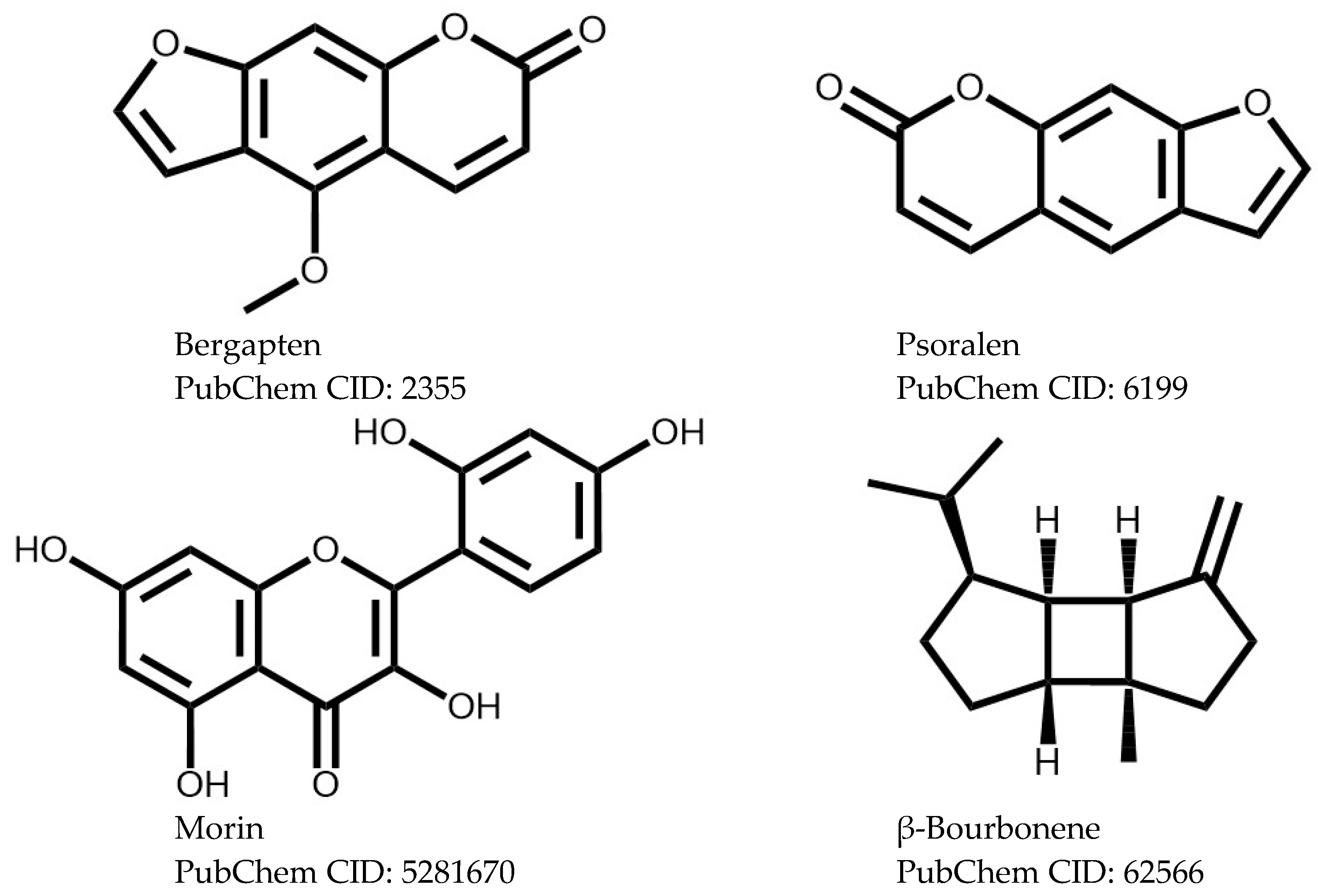
| Methanolic/Leaves | In vivo | Catechin, luteolin-8-C-β-D-glucopyranoside, quercetin, quercetin-3-O-β-D-glucopyranoside, chlorogenic acid, and kaempferol-3-O-β-D-glucopyranoside | The protective potential of the extract against the hepatotesticular side effects and cisplatin (CP)-induced genotoxicity was evaluated | At the end of the experiment, it was clear that the extract attenuated the destructive effects of CP on the testicles, liver, and bone marrow due to the presence of a high amount of flavonoids. The chromatographic analysis identified six bioactive compounds. CP induced chromosomal abnormalities and MN; this phenomenon was reversed with the three doses of the extract (200, 400, and 600 mg/kg). Conclusively, this plant species is a promising candidate for mitigating the destructive effects of antineoplastic agents | [20] |
| F. palmata | |||||
| Aqueous/Stem bark (AESBFp)) and methanolic/Leaves (MELFp) | In vitro | Phenolic compounds | Since hypercholesterolemia-induced OXS is linked to the pathogenesis of atherosclerosis, the antioxidant and genoprotective effects of the extracts were evaluated. The study confirmed that both fractions have a high concentration of these phytoconstituents and a significant antioxidant capacity | The study confirmed that both fractions have a high concentration of these phytoconstituents and a significant antioxidant capacity. However, the Assay for Oxidative DNA Strand Breaks determined that AESBFp provided better protection against oxidatively damaged DNA. In conclusion, both extracts may play a relevant role in combating some diseases related to OXS, including aterosclerosis | [21] |
| F. adhatodifolia and F. obtusiuscula | |||||
| Aqueous/Leaves | In vitro | Flavonoids, coumarins, and tannins | Initially, a phytochemical analysis, a quantification of the phenolic profile, and a determination of the total phenolic content of the extracts were performed. Subsequently, the antioxidant activity (DPPH assay) and mutagenic potential were evaluated by means of the Ames test, both in the presence and absence of metabolic activation | Chromatographic techniques (TLC and UPLC-DAD-ESI/MS/MS) revealed the presence of various bioactive compounds; however, F. obtusiuscula exhibited higher concentrations. Worryingly, both species showed mutagenic activity of strain TA97 without metabolic activation and of strain TA102 with metabolic activation. This evidence suggests that the use of infusions made from these two plant extracts requires further investigation due to their potential pro-oxidant mutagenic effects | [22] |
| F. religiosa | |||||
| Aqueous and ethanolic/Leaves and Stem bark | In vitro | The genoprotective effect of the extracts on H2O2-induced oxidative DNA damage in human lymphocytes was analyzed using the comet assay | Results showed an increase in comet tail length when samples were treated with H2O2; this increase was reduced with all extracts. The highest antigenotoxic activity was observed with the ethanolic leaf extract | [23] | |
| F. deltoidea | |||||
| Aqueous/Leaves | In vitro | Due to the lack of knowledge regarding the antimutagenic and cytoprotective potential of the plant species, these properties were evaluated using the extract on the TA 98 and TA 100 strains of the Ames test and the menadione-induced OXS in a V79 mouse lung fibroblast cell line | The results were that concentrations of the extract (up to 50 mg/mL) did not show mutagenic effects on the bacterial strains. Conversely, a decrease in the count of revertant colonies induced by 2-aminoanthracene was observed in both strains in the presence of metabolic activation. Pretreatment with the extract (50 and 100 µg/mL) also showed remarkable protection against menadione-induced oxidative oxidation in V79 cells. The FRAP assay confirmed its antioxidant capacity by reducing superoxide anion levels. It is suggested that this plant species may exert a chemopreventive effect against mutagenic and OXS-inducing agents | [24] | |
| F. erecta | |||||
| Ethanolic/Leaves (EELFe) | In vitro In vivo | Given that scientific evidence on the safety of extracts from this plant species is limited, the genotoxicity of EELFe was determined using different tests | Using the bacterial reverse mutation assay (Ames), it was confirmed that in 5 bacterial strains (Salmonella typhimurium TA98, TA100, TA1535, TA1537 and Escherichia coli WP2uvrA), with a concentration of up to 312.5 μg/plate, the number of revertant colonies was not affected in the absence or presence of the metabolic activator S9. Likewise, the number of chromosomal aberrations did not increase up to a concentration of 31.3 μg/mL. Regarding the in vivo micronucleus test, the results showed that doses up to 2000 mg/kg did not influence the frequency of MN in the bone marrow of ICR mice | [25] | |
3.2. Anticarcinogenic Capacity
4. Perspectives and Conclusions
Author Contributions
Funding
Institutional Review Board Statement
Informed Consent Statement
Data Availability Statement
Acknowledgments
Conflicts of Interest
References
- World Health Organization. Noncommunicable Diseases. 25 September 2025. Available online: https://www.who.int/news-room/fact-sheets/detail/noncommunicable-diseases (accessed on 10 November 2025).
- Rodríguez-Negrete, E.V.; Morales-González, Á.; Madrigal-Santillán, E.O.; Sánchez-Reyes, K.; Álvarez-González, I.; Madrigal-Bujaidar, E.; Valadez-Vega, C.; Chamorro-Cevallos, G.; García-Melo, L.F.; Morales-González, J.A. Phytochemicals and Their Usefulness in the Maintenance of Health. Plants 2024, 13, 523. [Google Scholar] [CrossRef] [PubMed]
- Sulaiman, C.; George, B.P.; Balachandran, I.; Abrahamse, H. Cancer and traditional medicine: An integrative approach. Pharmaceuticals 2025, 18, 644. [Google Scholar] [CrossRef] [PubMed]
- Boretti, A. Natural products as cancer chemo preventive agents: Where we stand. Nat. Prod. Commun. 2022, 17, 1934578X221144579. [Google Scholar] [CrossRef]
- López-Romero, D.; Izquierdo-Vega, J.A.; Morales-González, J.A.; Madrigal-Bujaidar, E.; Chamorro-Cevallos, G.; Sánchez-Gutiérrez, M.; Betanzos-Cabrera, G.; Álvarez-González, I.; Morales-González, Á.; Madrigal-Santillán, E. Evidence of Some Natural Products with Antigenotoxic Effects. Part 2: Plants, Vegetables, and Natural Resin. Nutrients 2018, 10, 1954. [Google Scholar] [CrossRef]
- Izquierdo-Vega, J.A.; Morales-González, J.A.; Sánchez-Gutiérrez, M.; Betanzos-Cabrera, G.; Sosa-Delgado, S.M.; Sumaya-Martínez, M.T.; Morales-González, Á.; Paniagua-Pérez, R.; Madrigal-Bujaidar, E.; Madrigal-Santillán, E. Evidence of some natural products with antigenotoxic effects. Part 1: Fruits and Polysaccharides. Nutrients 2017, 9, 102. [Google Scholar] [CrossRef] [PubMed]
- Madrigal-Santillán, E.; Portillo-Reyes, J.; Morales-González, J.A.; Sánchez-Gutiérrez, M.; Izquierdo-Vega, J.A.; Valadez-Vega, C.; Álvarez-González, I.; Chamorro-Cevallos, G.; Morales-González, Á.; Garcia-Melo, L.F.; et al. A review of Ficus L. genus (Moraceae): A source of bioactive compounds for health and disease. Part 1. Am. J. Transl. Res. 2024, 16, 6236–6273. [Google Scholar] [CrossRef]
- Li, Z.; Yang, Y.; Liu, M.; Zhang, C.; Shao, J.; Hou, X.; Tian, J.; Cui, Q. A comprehensive review on phyto chemistry, bioactivities, toxicity studies, and clinical studies on Ficus carica Linn. Leaves. Biomed. Pharmacother. 2021, 137, 111393. [Google Scholar] [CrossRef]
- Badgujar, S.B.; Patel, V.V.; Bandivdekar, A.H.; Mahajan, R.T. Traditional uses, phytochemistry and pharmacology of Ficus carica: A review. Pharm. Biol. 2014, 52, 1487–1503. [Google Scholar] [CrossRef]
- Yasmeen, N.; Usha kiranmai, G.; Sameer, A.S. Genotoxic and antimutagenic activity of Ficus carica extracts. In Fig (Ficus carica): Production, Processing, and Properties; Ramadan, M.F., Ed.; Springer International Publishing: Cham, Switzerland, 2023; pp. 579–596. [Google Scholar]
- Słoczyńska, K.; Powroźnik, B.; Pękala, E.; Waszkielewicz, A.M. Antimutagenic compounds and their possible mechanisms of action. J. Appl. Genet. 2014, 55, 273–285. [Google Scholar] [CrossRef]
- Agabeili, R.A.; Kasimova, T.E. Antimutagenic activity of Armoracia rusticana, Zea mays and Ficus carica plant extracts and their mixture. Tsitol. Genet. 2005, 39, 75–79. [Google Scholar]
- Islam, M.T.; Quispe, C.; Mubarak, M.S.; Salehi, B.; Reiner, Z.; Martorell, M.; Sharifi-Rad, J.; Setzer, W.N. Protective Effects of Natural Products and Their Derivatives on Genetic Material: A Critical Review. Rec. Nat. Prod. 2021, 15, 433–462. [Google Scholar] [CrossRef]
- Sharma, S.; Sharma, G.K.; Mehta, A. Antimutagenic protection of Ficus benghalensis extract against cyclophosphamide induced genotoxicity in rat bone marrow. Asian J. Pharm. Clin. Res. 2012, 5, 84–86. [Google Scholar]
- Satish, A.; Punith Kumar, R.; Rakshith, D.; Satish, S.; Ahmed, F. Antimutagenic and antioxidant activity of Ficus benghalensis stem bark and Moringa oleifera root extract. Int. J. Chem. Anal. Sci. 2013, 4, 45–48. [Google Scholar] [CrossRef]
- Ramakrishnaa, V.; Preeti Guptab, K.; Settyb, O.H.; Kondapia, A.K. Protective effect of Ficus bengalensis L. extract against H2O2 induced DNA damage and repair in neuroblastoma cells. Free Radic. Antioxid. 2014, 4, 3–7. [Google Scholar] [CrossRef]
- Hadžić, M.; Haverić, S.; Haverić, A.; Galić, B. Inhibitory effects of delphinidin and luteolin on genotoxicity induced by K2(B3O3F4OH) in human lymphocytes in vitro. Biologia 2015, 70, 553–558. [Google Scholar] [CrossRef]
- Radwan, A.M.; Reyad, N.F.; Ganaie, M.A. Comparative studies on the effect of environmental pollution on secondary metabolite contents and genotoxicity of two plants in Asir area, Saudi Arabia. Trop. J. Pharm. Res. 2018, 17, 1599–1605. [Google Scholar] [CrossRef]
- Lightbourn, A.V.; Ronald, D.T. Crude Edible Fig (Ficus carica) Leaf Extract Prevents Diethylstilbestrol (DES)-Induced DNA Strand Breaks in Single-Cell Gel Electrophoresis (SCGE)/Comet Assay: Literature Review and Pilot Study. J. Bioequivalence Bioavailab. 2019, 11, 19–28. [Google Scholar] [CrossRef]
- Fahmy, M.A.; Hassan, E.E.; Ibrahim, N.E.; Hassan, E.M.; Hassan, Z.M.; Omara, E.A. Protective Role of Ficus carica Extract Against Hepato-Testicular Side Effects and Genotoxicity Induced by Cisplatin. Pharmacogn. J. 2020, 12, 645–656. [Google Scholar] [CrossRef]
- Iqbal, D.; Khan, M.S.; Khan, A.; Khan, M.S.; Ahmad, S.; Srivastava, A.K.; Bagga, P. In vitro screening for β-hydroxy-β-methylglutaryl-CoA reductase inhibitory and antioxidant activity of sequentially extracted fractions of Ficus palmata Forsk. Biomed. Res. Int. 2014, 2014, 762620. [Google Scholar] [CrossRef] [PubMed]
- Silva Rody, H.V.; da Costa Gontijo, D.; de Miranda Coelho, V.P.; Contin Ventrella, M.; Maia de Pádua, R.; Gomes Fietto, L.; Viana Leite, J.P. Mutagenic activity and chemical composition of phenolic-rich extracts of leaves from two species of Ficus medicinal plants. J. Toxicol. Environ. Health A 2018, 81, 861–872. [Google Scholar] [CrossRef]
- Sabitha, Y.; Kumari, B.S.R. Protective effects of aqueous and ethanol extracts of Ficus religiosa Leaves and Bark on H2O2-induced oxidative DNA damage in human lymphocytes by comet assay. Int. J. Appl. Res. 2020, 6, 480–486. [Google Scholar]
- Ooi, T.C.; Ibrahim, F.W.; Ahmad, S.; Chan, K.M.; Leong, L.M.; Mohammad, N.; Siew, E.L.; Rajab, N.F. Antimutagenic, Cytoprotective and Antioxidant Properties of Ficus deltoidea Aqueous Extract In Vitro. Molecules 2021, 26, 3287. [Google Scholar] [CrossRef]
- Lee, M.Y.; Kim, Y.J.; Jeon, W.Y.; Sohn, E.; Yoo, S.R.; Jeong, S.J. In vitro and in vivo genotoxicity assessments of Ficus erecta Thunb. leaves extract support its functional and pharmaceutical potential. Drug Chem. Toxicol. 2025, 48, 1511–1520. [Google Scholar] [CrossRef] [PubMed]
- Ullman, S.B.; Halberstaedter, L.; Leibowitz, J. Some pharmacological and biological effects of the latex of Ficus carica L. Exp. Med. Surg. 1945, 3, 11–23. [Google Scholar]
- Ullman, S.B. The inhibitory and necrosis-inducing effects of the latex of Ficus carica L. on transplanted and spontaneous tumours. Exp. Med. Surg. 1952, 10, 26–49. [Google Scholar]
- Ullman, S.B.; Clark, G.M.; Roan, K.M. The effects of the fraction R3 of the latex of Ficus carica L. on the tissues of mice bearing spontaneous mammary tumors. Exp. Med. Surg. 1952, 10, 287–305. [Google Scholar]
- Rubnov, S.; Kashman, Y.; Rabinowitz, R.; Schlesinger, M.; Mechoulam, R. Suppressors of cancer cell proliferation from fig (Ficus carica) resin: Isolation and structure elucidation. J. Nat. Prod. 2001, 64, 993–996. [Google Scholar] [CrossRef]
- Li, R.W.; Leach, D.N.; Myers, S.P.; Lin, G.D.; Leach, G.J.; Waterman, P.G. A new anti-inflammatory glucoside from Ficus racemosa L. Planta Med. 2004, 70, 421–426. [Google Scholar]
- Mandal, S.C.; Maity, T.K.; Das, J.; Saba, B.P.; Pal, M. Anti-inflammatory evaluation of Ficus racemosa Linn. leaf extract. J. Ethnopharmacol. 2000, 72, 87–92. [Google Scholar] [CrossRef]
- Hemmatzadeh, F.; Fatemi, A.; Amini, F. Therapeutic effects of fig tree latex on bovine papillomatosis. J. Vet. Med. B Infect. Dis. Vet. Public Health 2003, 50, 473–476. [Google Scholar] [CrossRef] [PubMed]
- Sheu, Y.-W.; Chiang, L.-C.; Chen, I.-S.; Chen, Y.-C.; Tsai, I.-L. Cytotoxic flavonoids and new chromenes from Ficus formosana f. formosana. Planta Med. 2005, 71, 1165–1167. [Google Scholar] [CrossRef] [PubMed]
- Agrawal, S.; Agarwal, S.S. Preliminary observations on leukaemia specific agglutinins from seeds. Indian J. Med. Res. 1990, 92, 38–42. [Google Scholar] [PubMed]
- Chiang, Y.-M.; Chang, J.-Y.; Kuo, C.-C.; Chang, C.-Y.; Kuo, Y.-H. Cytotoxic triterpenes from the aerial roots of Ficus microcarpa. Phytochemistry 2005, 66, 495–501. [Google Scholar] [CrossRef]
- Peraza-Sanchez, S.R.; Chai, H.B.; Shin, Y.G.; Santisuk, T.; Reutrakul, V.; Farnsworth, N.R.; Cordell, G.A.; Pezzuto, J.M.; Kinghorn, A.D. Constituents of the leaves and twigs of Ficus hispida. Planta Med. 2002, 68, 186–188. [Google Scholar] [CrossRef]
- Wu, P.-L.; Rao, K.V.; Su, C.-H.; Kuoh, C.-S.; Wu, T.-S. Phenanthroindolizidine alkaloids and their cytotoxicity from the leaves of Ficus septica. Heterocycles 2002, 57, 2401–2408. [Google Scholar] [CrossRef]
- Hashemi, S.A.; Abediankenari, S.; Ghasemi, M.; Azadbakht, M.; Yousefzadeh, Y.; Dehpour, A.A. The Effect of Fig Tree Latex (Ficus carica) on Stomach Cancer Line. Iran. Red. Crescent Med. J. 2011, 13, 272–275. [Google Scholar]
- Packia Jacob, S.J.; Siva Prasad, V.L.; Sivasankar, S.; Muralidharan, P. Biosynthesis of silver nanoparticles using dried fruit extract of Ficus carica—Screening for its anticancer activity and toxicity in animal models. Food Chem. Toxicol. 2017, 109, 951–956. [Google Scholar] [CrossRef]
- Park, M.N.; Song, H.S.; Kim, M.; Lee, M.J.; Cho, W.; Lee, H.J.; Hwang, C.H.; Kim, S.; Hwang, Y.; Kang, B.; et al. Review of Natural Product-Derived Compounds as Potent Antiglioblastoma Drugs. BioMed Res. Int. 2017, 2017, 8139848. [Google Scholar] [CrossRef]
- Ghandehari, F.; Fatemi, M. The effect of Ficus carica latex on 7, 12-dimethylbenz (a) anthracene-induced breast cancer in rats. Avicenna J. Phytomed. 2018, 8, 286–295. [Google Scholar] [PubMed]
- Zhang, Y.; Wan, Y.; Huo, B.; Li, B.; Jin, Y.; Hu, X. Extracts and components of Ficus carica leaves suppress survival, cell cycle, and migration of triple-negative breast cancer MDA-MB-231 cells. Onco. Targets Ther. 2018, 11, 4377–4386. [Google Scholar] [CrossRef]
- Sharma, S.H.; Jayasurya, S.K.; Chellappan, D.R.; Nagarajan, S. Molecular chemoprevention by morin—A plant flavonoid that targets nuclear factor kappa B in experimental colon cáncer. Biomed. Pharmacother. 2018, 100, 367–373. [Google Scholar] [CrossRef]
- Purnamasari, R.; Winarni, D.; Permanasari, A.A.; Agustina, E.; Hayaza, S.; Darmanto, W. Anticancer Activity of Methanol Extract of Ficus carica Leaves and Fruits Against Proliferation, Apoptosis, and Necrosis in Huh7it Cells. Cancer Inform. 2019, 18, 1176935119842576. [Google Scholar] [CrossRef] [PubMed]
- Ergül, M.; Ergül, M.; Eruygur, N.; Ataş, M.; Uçar, E. In Vitro Evaluation of the Chemical Composition and Various Biological Activities of Ficus carica Leaf Extracts. Turk. J. Pharm. Sci. 2019, 16, 401–409. [Google Scholar] [CrossRef] [PubMed]
- Jeivad, F.; Yassa, N.; Ostad, S.N.; Hassannejad, Z.; Gheshlaghi, G.H.; Sabzevari, O. Ficus carica L. Latex: Possible Chemo-Preventive, Apoptotic Activity and Safety Assessment. Iran. J. Pharm. Res. 2020, 19, 231–240. [Google Scholar] [CrossRef] [PubMed]
- Gurung, A.B.; Ali, M.A.; Lee, J.; Farah, M.A.; Al-Anazi, K.M. Molecular docking and dynamics simulation study of bioactive compounds from Ficus carica L. with important anticancer drug targets. PLoS ONE 2021, 16, e0254035. [Google Scholar] [CrossRef]
- Abdel-Rahman, R.; Ghoneimy, E.; Abdel-Wahab, A.; Eldeeb, N.; Salem, M.; Salama, E.; Ahmed, T. The therapeutic effects of Ficus carica extract as antioxidant and anticancer agent. S. Afr. J. Bot. 2021, 141, 273–277. [Google Scholar] [CrossRef]
- Fawal, G.E.; Sobhy, S.E.; Hafez, E.E. Biological activities of fig latex -loaded cellulose acetate/poly(ethylene oxide) nanofiber for potential therapeutics: Anticancer and antioxidant material. Int. J. Biol. Macromol. 2024, 270, 132176. [Google Scholar] [CrossRef]
- Majani, S.S.; Singh, P.; Kumari, P.; Sridhara, S.P.B.; Shivamallu, C.; Srinivasa, C.; Abass, K.S.; Iqbal, M.; Amachawadi, R.G.; Stupin, V.; et al. Cerium oxide nanoparticles prepared through Bio-combustion using Ficus carica as effective antioxidant, anticancer and dye degrading agent. Sci. Rep. 2025, 15, 30285. [Google Scholar] [CrossRef]
- Yeniocak, S.; Karaduman-Yeşildal, T.; Arslan, M.E.; Toraman, G.C.; Yücetepe, A. Effect of In Vitro Digestion on Anticancer and Antioxidant Activity of Phenolic Extracts From Latex of Fig Fruit (Ficus carica L.). Chem. Biodivers. 2025, 22, e202401624. [Google Scholar] [CrossRef]
- AlGhalban, F.M.; Khan, A.A.; Khan Khattak, M.N. Comparative anticancer activities of Ficus carica and Ficus salicifolia latex in MDA-MB-231 cells. Saudi J. Biol. Sci. 2021, 28, 3225–3234. [Google Scholar] [CrossRef]
- Tulasi, C.; Lakshmi, N.M.; Saida, L. Cell viability assay of Ficus benghalensis latex solvent extracts on different cell lines. Asian J. Pharm. Clin. Res. 2018, 11, 335–339. [Google Scholar] [CrossRef]
- Dutta, R.; Bhattacharya, E.; Pramanik, A.; Hughes, T.A.; Biswas, S.M. Potent nutraceuticals having antioxidant, DNA damage protecting potential and anti-cancer properties from the leaves of four Ficus species. Biocatal. Agric. Biotechnol. 2022, 44, 102461. [Google Scholar] [CrossRef]
- Zhang, J.; Zhu, W.F.; Xu, J.; Kitdamrongtham, W.; Manosroi, A.; Manosroi, J.; Tokuda, H.; Abe, M.; Akihisa, T.; Feng, F. Potential cancer chemopreventive and anticancer constituents from the fruits of Ficus hispida L.f. (Moraceae). J. Ethnopharmacol. 2018, 214, 37–46. [Google Scholar] [CrossRef]
- Obafemi, F.A.; Umahi-Ottah, G. Ficus benjamina as a Candidate for Cancer Therapy Due to its Selective Toxicity Property. J. Cancer Res. Treat. Prev. 2023, 1, 148–158. [Google Scholar] [CrossRef]
- Laum Cabanlit, K.; Jariol Torres, M.A.; Guinanao Demayo, C. Ficus spp. (Figs) and their anticancer potential: A systematic review of laboratory studies and traditional uses in the Philippines. J. Herbmed. Pharmacol. 2025, 14, 133–152. [Google Scholar] [CrossRef]
- Vinson, J.A.; Zubik, L.; Bose, P.; Samman, N.; Proch, J. Dried fruits: Excellent in vitro and in vivo antioxidants. J. Am. Coll. Nutr. 2005, 24, 44–50. [Google Scholar] [CrossRef]
- Serraclara, A.; Hawkins, F.; Peez, C.; Dominguez, E.; Campillo, J.E.; Torres, M.D. Hypoglycemic action of an oral fig-leaf decoction in type-1 diabetic patients. Diabetes Res. Clin. Pract. 1998, 39, 19–22. [Google Scholar] [CrossRef] [PubMed]
- Bohlooli, S.; Mohebipoor, A.; Mohammadi, S.; Kounhavard, M.; Pashapoor, S. Comparative study of fig tree efficacy in the treatment of common warts (Verruca vulgaris vs. cryotherapy). Int. J. Dermatol. 2007, 46, 524–526. [Google Scholar] [CrossRef]
- Murugesu, S.; Selamat, J.; Perumal, V. Phytochemistry, pharmacological properties, and recent applications of Ficus benghalensis and Ficus religiosa. Plants 2021, 10, 2749. [Google Scholar] [CrossRef]
- Lansky, E.P.; Paavilainen, H.M.; Pawlus, A.D.; Newman, R.A. Ficus spp. (fig): Ethnobotany and potential as anticancer and anti-inflammatory agents. J. Ethnopharmacol. 2008, 119, 195–213. [Google Scholar] [CrossRef] [PubMed]
- Mahalmani, V.; Sinha, S.; Prakash, A.; Medhi, B. Translational research: Bridging the gap between preclinical and clinical research. Indian J. Pharmacol. 2023, 54, 393–396. [Google Scholar] [CrossRef] [PubMed]



| Extract/Plant Part | Type of Assay | Phytochemical Related to the Beneficial Effect | Objective and/or Methodology | Results and/or Conclusion | Ref. |
|---|---|---|---|---|---|
| F. carica | |||||
| Fig tree | In vitro | Latex | The researchers evaluated the effect of five concentrations of latex (0.125, 0.25, 0.5, 1.0, 2.5, and 5.0 mg/mL) on stomach cancer cells and peripheral blood mononuclear cells | After 72 h of treatment, inhibition of cancer cell line proliferation was observed without any cytotoxic effect on normal human cells. The greatest inhibition occurred at the 5.0 mg/mL concentration, and it was suggested that the therapeutic benefit was attributable to the presence of its proteolytic enzymes | [38] |
| Dried fruit extract (Figs) | In vitro In vivo | Due to the commercial demand for nanoparticles in the medical field, silver particles were synthesized from a AgNO3 solution using a dried fruit extract as a reducing and stabilizing agent | The spherical nanoparticles, ranging in size from 54 to 89 nm, made visible a significant cytotoxic effect on MCF7 cell lines. Furthermore, acute toxicity studies in animals indicated they were safe for oral administration | [39] | |
| Fig tree | In vitro | Latex | A review of compounds derived from natural products with antiglioblastoma activity reported that latex induces let-7d expression and acts on the epithelial–mesenchymal transition of the HMGA2 gene in glioblastoma multiforme (GBM) cell lines, causing cell death by increasing the therapeutic potency of temozolomide | In consequence, the use of natural compounds may be a novel strategy for treating GBM by altering angiogenesis, metastasis, and microRNA expression | [40] |
| Fig tree | In vivo | Latex | Considering previous studies on latex, its beneficial properties on breast cancer growth, hematological parameters, and histopathology were analyzed in rats treated with 7,12-dimethylbenz(a)anthracene | Latex pretreatment significantly decreased the size of tumors induced by the carcinogen, as well as hematocrit, hemoglobin, and red blood cell counts; while blood parameters such as platelets, leukocytes, and white blood cells were increased, latex is suggested as a favorable anticarcinogenic agent that does not affect hematological factors | [41] |
| Aqueous/Leaves | In vitro | Bergapten and psoralen | This study aimed to analyze the anticancer effects of the extract on the triple-negative breast cancer cell line MDA-MB-231 | The results showed a significant antiproliferative effect and an increase in the expression of genes that promote apoptosis. Likewise, the treated cells showed a higher proportion in the S phase and an altered expression of cyclin-dependent kinases, demonstrating cell cycle arrest in that phase, in addition to reduced cell mobility, essential for metastasis. On the other hand, two of the active components of the extract showed the same anticancer effects, suggesting that both the extract and these bioactive compounds could be considered as chemopreventive agents against triple-negative breast cáncer | [42] |
| Figs | In vivo | Morin | The molecular basis of the way in which this flavonoid contributes to chemoprevention was explored, focusing on the NF-κB signaling pathway. The effect of this phytochemical on 1,2-dimethylhydrazine-induced carcinogenic events was analyzed in a rat model of colon cancer. Inflammation, apoptosis, mRNA expression (using quantitative PCR, or “qPCR”), and protein expression (by immunohistochemistry) were analyzed | Pretreatment with the flavonoid reduced the activity of the NF-κB via and decreased some inflammatory mediators (COX-2, IL-6, tumor necrosis factor alpha “TNF-α”, and prostaglandin E2). Additionally, an alteration in the BAX/BCL2 ratio was observed, favoring the apoptotic process in rats treated with the carcinogen. That the flavonoid can act as a potent anti-inflammatory and pro-apoptotic agent for the prevention of colon cancer could also be confirmed | [43] |
| Methanolic/Figs and leaves | In vitro | Polyphenols | Although F. carica is rich in these phytoconstituents, its antioxidant and anticancer activities have not yet been fully characterized. The genoprotective impact of the extracts on cell proliferation, apoptosis, and necrosis in Huh7it hepatocellular carcinoma cells was determined | Both extracts showed potent antioxidant activity (DPPH radical). The MTT assay indicated that the leaf and fruit extracts showed IC50 values greater than 653 μg/mL and 2000 μg/mL, respectively. The flow cytometry analysis revealed a higher percentage of apoptosis and necrosis of Huh7it cells with the leaf extract. The genoprotective benefit was attributed to these bioactive compounds | [44] |
| Aqueous and methanolic/Leaves | In vitro | Flavonoids | The inhibitory activity of enzymes related to diabetes mellitus and Alzheimer’s disease was investigated, as well as the anticancer and antioxidant effects of the extracts. DPPH and ABTS assays suggested that both extracts possess strong antioxidant activity | The methanolic extract was confirmed to have greater anticancer potential in MDA-MB-231 cells. Finally, both extracts showed strong inhibitory activity against α-glucosidase and α-amylase; however, the aqueous extract evidenced the greatest effect. It is concluded that the therapeutic benefits of the extracts are related to the presence of their phytoconstituents | [45] |
| Chloroform, Hexane, ethyl acetate and methanol/Látex | In vitro In vivo | Lupeol acetate and lupeol palmitate | Iranian researchers prepared four latex fractions using different solvents. Afterwards, they studied the cytotoxic effect of each fraction and selected the most effective one for apoptosis assays, in vivo acute toxicity studies, and phytochemical analysis using column chromatography | The chloroform fraction was the most effective for the HepG2 and NIH cell lines. Flow cytometry revealed cells in the apoptotic phase, and phytochemical analyses confirmed the presence of two phytoconstituents. Since a dose of 2 g/kg of the extract did not cause death in the animals, this fraction could be considered a candidate for use as a chemopreventive agent | [46] |
| Figs, Leaves and Stem bark | Molecular docking and dynamic simulation | β-bourbonene | Although bioactive compounds have been isolated from F. carica and some of their pharmacological properties have been analyzed, their anticancer mechanisms remain unknown. Therefore, the objective of this study was to understand the possible mechanisms of action through molecular docking and dynamic simulation | The binding affinity of 68 bioactive compounds to target receptors was explored, such as cyclin-dependent kinase 2, cyclin-dependent kinase 6, topoisomerase-I, topoisomerase-II, B-cell lymphoma 2, and vascular endothelial growth factor receptor 2. In silico toxicity studies revealed that 13 compounds possess acceptable pharmacological properties. A tricyclic sesquiterpenoid hydrocarbon showed the best binding affinity to most of the pharmacological targets | [47] |
| Ethanolic/Leaves | In vitro | The researchers explored the antioxidant and anticancer properties of the extract | The results showed a potent inhibitory effect against HepG2 and human laryngeal carcinoma (Hep-2) cell lines (80% and 67%, respectively). The DPPH assay indicated significant antioxidant activity (76%) at a concentration of 1 mg/mL. These results support the health benefits of this traditionally used medicinal plant | [48] | |
| Fig tree | In vitro | Latex | For the first time, latex was encapsulated using cellulose acetate (CA) and poly(ethylene oxide) (PEO) polymers via electrospinning method (Fig@CA/PEO | The nanofibers were effective against colon (Caco) and liver (HepG2) cancer cells, with IC50 values of 24 μg/mL. They also evinced mechanistic effects on apoptotic oncogenes, characterized by the overexpression of BCL2 and p21, along with the underexpression of p53 and TNF-α. In addition, they displayed significant antioxidant activity in DPPH uptake. These results demonstrate that Fig@CA/PEO nanofibers represent a promising alternative to traditional chemotherapy | [49] |
| Aqueous/Figs | In vitro | Building on the previous study, cerium oxide nanoparticles were synthesized using a green solution combustion method with the extract | The nanoparticles exhibited dose-dependent redox activity, resulting in a reduction in cell viability (approximately 49%) at a concentration of 50 μM. Fluorescence imaging showed a dose-dependent duality (“antioxidant at low concentration, pro-oxidant at high concentration”), consistent with mitochondrial damage and ATP depletion. Moreover, it induced remarkable degradation (95%) of methylene blue under visible light, indicating its significant potential for therapeutic applications | [50] | |
| Phenolic/Latex | In vitro | Syringic acid | For the first time, changes in total phenolic content (TPC), phenolic profile, antioxidant activity, and anticancer potential against cervical cancer and colorectal cancer cell lines of the extract were analyzed during in vitro gastrointestinal digestions | The digestion process significantly decreased TPC and antioxidant activity (CUPRAC method). Neither the digested nor the undigested fractions showed cytotoxic activity against normal cells. However, the anticancer activity evaluated in the cell lines decreased with digestion. At the end of the study, a phenolic compound was identified | [51] |
| F. carica and F. salicifolia | |||||
| Fig tree | In vitro | Latex | When comparing the genoprotective activity of the latex of 2 Ficus species, the findings were that both fig trees a) possess antiproliferative effects (MTT assay), b) through a wound-healing assay, the antimetastatic effect of the species was demonstrated by maintaining the size of the wound compared to untreated cells, and c) using MDA-MB-231 cells derived from triple-negative breast cancer, the cytotoxic effect of the plants was confirmed | The mechanism of action appears to be related to the decreased expression of ERK2, CREB, and AKT2 after treating MDA-MB-231 cells; however, RT-PCR revealed a decrease in the expression of these vias in cells treated with F. carica, while in cells treated with the other species, the selected genes showed an increase in their transcriptional expression. In conclusion, both species have anticancer potential but differ in their toxicity level and molecular mechanisms of action | [52] |
| F. benghalensis | |||||
| Ethanolic, methanolic, ethyl acetate, and acetone | In vitro | Latex | The study analyzed the antiproliferative activity of the extracts in different cancer cell lines (Human breast MDA MB 231, colorectal HCT116, and neuroblastoma IMR 32) using the MTT assay | After analyzing all the extracts, the ethanolic extract proved to be the most effective against the IMR 32 and HCT116 cell lines, while the ethyl acetate extract was effective against MDA-MB 231 cells | [53] |
| F. benghalensis, F. religiosa, F. elastica and F. virens | |||||
| Methanolic and hexane/Leaves | In vitro | Carvacrol, phytol, tocopherol, benzophenone, dibutyl phthalate, and lycopersene | The aim of this research was to determine the phytochemical constituents and evaluate the antioxidant activity, protective potential against DNA damage, and anticancer properties of two extracts obtained from four common Ficus species. The methanolic fraction of F. virens contained the highest amount of flavonoids, while the hexane fraction of F. religiosa contained the highest amount of tannins. The lowest amount of phytochemicals was obtained from F. elastica | The DPPH and ABTS assays confirmed that the methanolic fraction of F. benghalensis exhibited the best antioxidant potential, while the same fraction from F. virens showed the greatest ferric-reducing power. The viability of normal mammary cells was not affected by the methanolic fraction of the plant species; however, cancer cell survival decreased with F. benghalensis at 5 μg/mL. Finally, GC-MS analysis of the methanolic fraction of all species revealed the presence of different phytoconstituents. This group of results supports the fact that the leaves of the analyzed Ficus species are a rich source of phytochemicals with nutraceutical potential | [54] |
| F. hispida | |||||
| Methanolic/Figs | In vitro | Isoflavones, coumarins, caffeoylquinic acids, phenols, and steroidal glycosides | Initially, 19 phytochemicals were isolated from the extract to evaluate both their inhibitory activity against Epstein–Barr virus early antigen (EBV-EA) activation induced by 12-O-tetradecanoylphorbol 13-acetate in Raji cells and their cytotoxic potential in 7 human cancer cell lines (HL60, A549, SKBR3, KB, HeLa, HT29, and HepG2) and a normal cell (LO2) using the MTT method. The apoptosis-inducing activity and DNA fragmentation activity of the compounds with the highest cytotoxicity were determined by flow cytometry | Five compounds (with an isowighone hydrate structure) showed potent inhibitory effects on EBV-EA induction. Five other phenolic compounds were cytotoxic against six cell lines. Only one phytochemical was active against caspases 3, 8, and 9, inducing apoptosis in HL60 cells. The conclusion was that the extract contains different phytoconstituents that may be valuable chemopreventive and anticancer agents | [55] |
| F. benjamina | |||||
| Chloroform/Leaves | In vitro | The study was conducted to examine the cytotoxicity of the plant species against human embryonic stem cells (HEK293T). Initially, the extract was separated into subfractions A, B, C, D, and E using thin-layer chromatography | Both the whole extract and the subfractions showed selective cytotoxicity toward HEK293T cells, with minimal impact on normal cells. The results also revealed that the extract had a more favorable therapeutic index than the anticancer drug bortezomib. Thus, F. benjamina is a promising candidate for cancer therapy research | [56] | |
Disclaimer/Publisher’s Note: The statements, opinions and data contained in all publications are solely those of the individual author(s) and contributor(s) and not of MDPI and/or the editor(s). MDPI and/or the editor(s) disclaim responsibility for any injury to people or property resulting from any ideas, methods, instructions or products referred to in the content. |
© 2026 by the authors. Licensee MDPI, Basel, Switzerland. This article is an open access article distributed under the terms and conditions of the Creative Commons Attribution (CC BY) license.
Share and Cite
Madrigal-Santillán, E.; Portillo-Reyes, J.; García-Melo, L.F.; Morales-González, J.A.; Soriano Ursúa, M.A.; Sánchez-Gutiérrez, M.; Izquierdo-Vega, J.A.; Izquierdo-Vega, A.J.; Álvarez-González, I.; Morales-González, Á.; et al. Antimutagenic and Anticarcinogenic Evidence of the Genus Ficus L. Plants 2026, 15, 654. https://doi.org/10.3390/plants15040654
Madrigal-Santillán E, Portillo-Reyes J, García-Melo LF, Morales-González JA, Soriano Ursúa MA, Sánchez-Gutiérrez M, Izquierdo-Vega JA, Izquierdo-Vega AJ, Álvarez-González I, Morales-González Á, et al. Antimutagenic and Anticarcinogenic Evidence of the Genus Ficus L. Plants. 2026; 15(4):654. https://doi.org/10.3390/plants15040654
Chicago/Turabian StyleMadrigal-Santillán, Eduardo, Jacqueline Portillo-Reyes, Luis Fernando García-Melo, José A. Morales-González, Marvin Antonio Soriano Ursúa, Manuel Sánchez-Gutiérrez, Jeannett A. Izquierdo-Vega, Aleli Julieta Izquierdo-Vega, Isela Álvarez-González, Ángel Morales-González, and et al. 2026. "Antimutagenic and Anticarcinogenic Evidence of the Genus Ficus L." Plants 15, no. 4: 654. https://doi.org/10.3390/plants15040654
APA StyleMadrigal-Santillán, E., Portillo-Reyes, J., García-Melo, L. F., Morales-González, J. A., Soriano Ursúa, M. A., Sánchez-Gutiérrez, M., Izquierdo-Vega, J. A., Izquierdo-Vega, A. J., Álvarez-González, I., Morales-González, Á., Batina, N., & Madrigal-Bujaidar, E. (2026). Antimutagenic and Anticarcinogenic Evidence of the Genus Ficus L. Plants, 15(4), 654. https://doi.org/10.3390/plants15040654